Tag: Film

  • ‘Young Washington’ Sets Angel Studios Box Office Record, ‘1776’ Sequel Announced

    ‘Young Washington’ Sets Angel Studios Box Office Record, ‘1776’ Sequel Announced

    Angel Studios’ historical drama, ‘Young Washington’, has set a new benchmark for the studio. The film achieved a record-breaking live-action opening weekend, grossing more than $20 million. This significant financial success has prompted the announcement of a sequel, titled ‘1776’, which is now in development.

    The performance of ‘Young Washington’ underscores a substantial public appetite for content that explores foundational American history and values. Angel Studios, known for its focus on faith-based and family-friendly productions, has effectively tapped into this market. The upcoming sequel aims to continue this exploration, delving into a pivotal year in the nation’s origin story.

    ‘Young Washington’ Achieves Record-Breaking Opening

    ‘Young Washington’ debuted with an opening weekend exceeding $20 million. This figure represents a new record for a live-action film released by Angel Studios. The achievement places the film in a significant position within the independent studio landscape, demonstrating its ability to draw a substantial audience.

    This financial success is particularly notable within the competitive film industry. It illustrates that targeted, niche content, when effectively marketed and produced, can achieve considerable commercial viability. The film’s strong performance has paved the way for future historical productions and sequels from Angel Studios.

    The outcome validates Angel Studios’ distinctive distribution model. The studio frequently leverages grassroots marketing and direct audience engagement strategies. This approach has proven highly effective in mobilizing its target demographic and fostering a dedicated viewership.

    The film’s narrative focuses on the early life of George Washington. It explores the formative experiences and decisions that shaped him into a pivotal figure in American history. The story emphasizes themes of leadership, perseverance, and the pursuit of liberty, resonating with a broad segment of the audience.

    Angel Studios Announces ‘1776’ Sequel

    Following the impressive box office performance of ‘Young Washington’, Angel Studios confirmed the development of its sequel, ‘1776’. This new film will continue the exploration of America’s founding, focusing on the critical year of the Declaration of Independence.

    The year 1776 holds immense significance in American history. It marks the formal break from British rule and the declaration of self-governance. A cinematic portrayal of these events carries considerable cultural weight and historical interest.

    The sequel is expected to delve into the events leading up to and surrounding the signing of the Declaration of Independence. It will likely feature key figures involved in the American Revolution. The narrative will aim to highlight the ideals and sacrifices that contributed to the nation’s founding.

    This thematic focus appeals to audiences interested in American heritage and the principles of self-governance. It also attracts those who appreciate a positive portrayal of historical figures and the complexities of nation-building. The film is anticipated to blend historical accuracy with compelling storytelling.

    Angel Studios’ Production and Distribution Strategy

    Angel Studios operates with a unique approach to film production and distribution. The company is well-known for its crowdfunding model, which allows audiences to invest directly in projects. This method cultivates a strong sense of community and ownership among its supporters and investors.

    The studio prioritizes content that aligns with faith-based, family-friendly, and historical themes. This specific focus differentiates Angel Studios from many mainstream Hollywood producers. Their films often aim to inspire, educate, or provide uplifting messages that resonate with their core audience.

    Previous successes from Angel Studios include projects that have resonated deeply with specific cultural and demographic groups. The studio’s consistent commitment to these values has built a loyal and engaged viewership. This loyalty directly translates into robust box office support and enthusiastic word-of-mouth promotion.

    This model challenges conventional distribution methods within the film industry. Angel Studios’ ability to generate substantial revenue through alternative means provides a blueprint for independent filmmakers. It empowers creators to bypass traditional gatekeepers and connect directly with their audience.

    Thematic Focus: American History and Foundational Values

    ‘Young Washington’ meticulously explores the formative years of George Washington. It examines the challenges and crucial decisions that shaped him into a pivotal figure. The film’s narrative emphasizes key themes such as leadership, perseverance, and the pursuit of liberty and self-determination.

    The upcoming sequel, ‘1776’, is poised to continue this thematic exploration. It will likely showcase the intellectual and political ferment of the period. The film is expected to portray the debates, compromises, and ultimate resolve that led to the Declaration of Independence.

    Such historical accuracy and thematic emphasis draw a broad audience. This includes individuals deeply interested in American heritage and the principles of self-governance. It also attracts those who appreciate a nuanced and positive portrayal of historical figures and events.

    The commitment to historical fidelity is a hallmark of Angel Studios’ historical productions. This approach ensures that the films serve as both entertaining narratives and educational tools. This balance contributes significantly to their appeal among families and educators alike.

    Portraying historical figures, especially those as iconic as the Founding Fathers, requires extensive research. It involves understanding their motivations, the challenges they faced, and the intricate context of their times. The goal is to bring these figures to life authentically for a modern audience, fostering a deeper understanding of their legacy.

    Impact on the Entertainment Landscape

    The success of ‘Young Washington’ and the subsequent announcement of ‘1776’ carry broader implications for the entertainment industry. It clearly demonstrates that a significant market exists for content outside traditional Hollywood fare. This market is not just passive; it is actively willing to support films that align with its worldview and values.

    Mainstream studios may observe these financial successes closely. They might begin to explore similar historical or value-driven narratives in their own productions. This could lead to a greater diversification of content offerings across the entire industry, catering to a wider range of audience preferences.

    Angel Studios’ model also challenges established distribution norms. Their demonstrated ability to generate substantial revenue through alternative, community-driven means offers a viable blueprint for independent filmmakers. It empowers creators by enabling them to circumvent traditional studio gatekeepers and directly engage with their audience base.

    The studio’s continued growth signifies a discernible shift in audience preferences. Viewers are increasingly seeking out content that reflects their personal values and interests, rather than solely relying on mainstream offerings. This trend supports the development of a more varied and decentralized media landscape, where diverse voices and stories can find their audience.

    Audience Engagement and Community Building

    Angel Studios excels at fostering a dedicated community around its film projects. This engagement extends significantly beyond mere viewership. It involves active participation from its audience through crowdfunding initiatives, promotional efforts, and direct feedback loops.

    The studio consistently encourages its audience to become passionate advocates for its films. This word-of-mouth marketing is exceptionally effective, creating a powerful organic buzz. This grassroots momentum can often surpass the reach and impact of traditional advertising campaigns, which often struggle to replicate such authentic enthusiasm.

    This community-driven approach successfully builds a loyal and invested fan base. These fans are not just consumers; they are active stakeholders in the projects’ success. Their enthusiasm and direct support contribute significantly to the films’ commercial viability and cultural impact.

    The Role of Historical Accuracy in Storytelling

    Films like ‘Young Washington’ and the upcoming ‘1776’ often face rigorous scrutiny regarding historical accuracy. Angel Studios typically aims for a high degree of fidelity to historical events and figures. This commitment to authenticity is a major draw for many viewers and contributes to the films’ credibility.

    Presenting historical narratives responsibly is paramount. It ensures that the films serve as valuable educational tools in addition to being engaging entertainment. This careful balance contributes to their broad appeal among families, educators, and history enthusiasts alike.

    The portrayal of iconic historical figures, such as George Washington, demands meticulous research and nuanced understanding. It involves delving into their motivations, the complex challenges they faced, and the intricate socio-political context of their times. The ultimate goal is to bring these figures to life authentically, allowing a modern audience to connect with their struggles and triumphs.

    Anticipation for ‘1776’

    The announcement of ‘1776’ has generated considerable anticipation among audiences and industry observers. Viewers are eager to see how the sequel will expand upon the themes and characters introduced in ‘Young Washington’. The film is expected to offer a detailed and dramatic look at the events of 1776, a year synonymous with American independence.

    The year 1776 stands as a cornerstone of American identity. It represents the formal declaration of independence from British rule and the bold assertion of self-governance. A cinematic portrayal of these epoch-making events holds profound cultural and historical significance for the nation.

    The success of ‘Young Washington’ provides a strong foundation for its sequel. It has demonstrated that an audience exists for thoughtfully produced historical dramas that celebrate American heritage. ‘1776’ is positioned to capitalize on this interest, offering a compelling continuation of the story of the nation’s birth.

    Filming is expected to leverage historical sites and period-accurate costuming to enhance authenticity. The production team will likely prioritize meticulous research to ensure the narrative’s grounding in historical fact. This dedication to detail is crucial for maintaining the trust of an audience that values historical fidelity.

    The release of ‘1776’ will be a significant cultural event for Angel Studios and its audience. It promises to be a film that not only entertains but also educates and inspires. The continued exploration of American history through this lens aligns perfectly with the studio’s mission and audience expectations.

    The film is anticipated to highlight the collaborative efforts and sacrifices of the Founding Fathers. It will likely explore the diverse perspectives and challenges faced by different groups during the Revolutionary era. This nuanced approach will enrich the historical narrative.

    The success of ‘Young Washington’ confirms the viability of Angel Studios’ content strategy. It proves that there is a substantial audience for stories that are both historically grounded and value-aligned. This bodes well for the future of ‘1776’ and other projects in the studio’s pipeline.

    Farmers gathered. Historians debated. Audiences responded. A new chapter begins.

  • Renny Harlin and Val Kilmer: The ‘Mindhunters’ Eyeglasses Dispute

    Renny Harlin and Val Kilmer: The ‘Mindhunters’ Eyeglasses Dispute

    Director Renny Harlin recently recounted a significant clash with actor Val Kilmer during the production of the 2004 film ‘Mindhunters,’ a dispute that revolved around a seemingly minor detail: a pair of eyeglasses.

    This incident, detailed in a recent interview, offers a behind-the-scenes look at the creative tensions that can arise on a Hollywood film set, even between seasoned professionals.

    The Genesis of ‘Mindhunters’

    ‘Mindhunters’ was a psychological thriller released in 2004. The film starred Val Kilmer, Christian Slater, LL Cool J, Jonny Lee Miller, and Kathryn Morris.

    It centered on a group of FBI profiler trainees sent to a remote island for their final exam. They soon discover that a serial killer is among them, systematically hunting them down.

    Renny Harlin, known for directing action films such as ‘Die Hard 2’ (1990) and ‘Cliffhanger’ (1993), took the helm. The production itself faced various challenges, including multiple release date changes.

    Filming primarily took place in the Netherlands, providing a distinct European backdrop for the isolated island setting.

    Val Kilmer’s Role and Reputation

    Val Kilmer, a prominent actor known for roles in ‘Top Gun’ (1986), ‘The Doors’ (1991), and ‘Heat’ (1995), played the character of Jake Harris in ‘Mindhunters.’

    Harris was the lead instructor overseeing the FBI trainees. Kilmer’s involvement brought significant star power to the project.

    Throughout his career, Kilmer has maintained a reputation for intense dedication to his roles. This intensity has sometimes been accompanied by reports of challenging on-set behavior.

    His portrayal of iconic characters often involved deep immersion, which could lead to strong opinions regarding character details.

    The Eyeglass Incident

    According to Renny Harlin’s recent recollection, the specific point of contention with Val Kilmer involved a pair of eyeglasses. Eyeglasses are often a subtle but crucial element of character design, conveying intellect, vulnerability, or distinct personality traits.

    The director and the actor found themselves at an impasse over the particular style or appearance of the eyewear. This seemingly small detail became a flashpoint for a larger disagreement.

    Harlin’s account suggests that the dispute was not easily resolved. It escalated beyond a simple discussion about costume choices.

    Such disagreements can disrupt production schedules and create an atmosphere of tension on set.

    Behind-the-Scenes Dynamics

    Film sets are complex environments. They involve numerous creative individuals, each with a vision for the final product.

    Directors like Harlin are responsible for the overall artistic and technical execution of the film. Actors, especially those of Kilmer’s caliber, bring their interpretation and experience to their roles.

    Clashes often arise from differing artistic perspectives or strong convictions about character portrayal. What one person views as a minor detail, another might see as fundamental to the character’s authenticity.

    The pressure of filmmaking, including tight schedules and large budgets, can amplify these creative differences.

    Impact on Production and Atmosphere

    A disagreement between a director and a lead actor can have ripple effects across an entire production. It can affect crew morale, slow down filming, and potentially alter the creative direction of scenes.

    While the exact duration and specific consequences of the ‘Mindhunters’ eyeglasses dispute are not fully detailed in Harlin’s initial account, such incidents typically require intervention or compromise.

    The film’s eventual release in 2004, after several delays, suggests a production process that navigated various hurdles.

    The ‘Mindhunters’ incident serves as a specific example of the challenges inherent in collaborative artistic endeavors.

    The Nature of Creative Conflict

    Creative conflict is not uncommon in Hollywood. Many iconic films have histories of intense disagreements between directors, actors, and other key personnel.

    Sometimes these clashes lead to creative breakthroughs. Other times, they result in strained relationships or compromises that impact the final product.

    For directors, managing strong personalities and divergent artistic opinions is a core part of the job. For actors, advocating for their character’s integrity is often seen as essential to their craft.

    The ‘Mindhunters’ episode highlights how even small props or costume elements can become symbols of larger artistic battles.

    Harlin’s Perspective on Filmmaking

    Renny Harlin’s career spans decades, marked by a proficiency in action and thriller genres. His directorial approach typically involves high energy and visual spectacle.

    His decision to share this anecdote about Kilmer suggests a reflection on the demanding nature of his profession.

    It also underscores the personal investment directors have in every aspect of a film, down to the smallest detail.

    Harlin has worked with numerous stars throughout his career, making his recollection of this particular incident noteworthy.

    Kilmer’s Approach to Acting

    Val Kilmer has consistently been lauded for his transformative performances. He is known for deep research and method acting tendencies.

    This dedication often means he forms strong opinions about how his characters should look, speak, and behave.

    His commitment to authenticity can be both a strength and a source of friction on set. The eyeglasses dispute fits within a broader narrative of actors deeply invested in their roles.

    Kilmer’s dedication often resulted in memorable and critically acclaimed performances.

    Lessons from the Set

    The ‘Mindhunters’ eyeglasses incident offers a micro-example of macro issues in filmmaking. It demonstrates that collaboration, even among professionals, is rarely seamless.

    Every element, from the script to a prop, can become a point of contention with significant implications.

    Filmmakers continually balance artistic vision with practical constraints and the personalities involved.

    The finished film often represents a complex tapestry woven from countless decisions, compromises, and occasional conflicts.

    The Legacy of ‘Mindhunters’

    ‘Mindhunters’ eventually grossed over $21 million worldwide against a production budget of approximately $27 million. Critical reception was mixed.

    Despite the behind-the-scenes challenges, the film found an audience, particularly in the home video market.

    The story of the eyeglasses, while a small detail, becomes part of the film’s larger production lore.

    It contributes to the ongoing narrative of Hollywood’s often tumultuous creative process.

    Reflecting on a Production

    Years after a film’s release, directors and actors often share anecdotes from their time on set. These stories provide valuable insights into the human element of filmmaking.

    They reveal the dedication, passion, and occasional friction that shape cinematic works.

    Renny Harlin’s recollection of his interaction with Val Kilmer adds another layer to the understanding of ‘Mindhunters’ and the careers of both individuals.

    It highlights the constant negotiation of art and commerce.

    Directors. Actors. Crews. Budgets. Schedules. Eyeglasses. Conflict.

    Hollywood.

  • Tomi Adeyemi Will Not Watch ‘Children of Blood & Bone’ Film Adaptation

    Tomi Adeyemi Will Not Watch ‘Children of Blood & Bone’ Film Adaptation

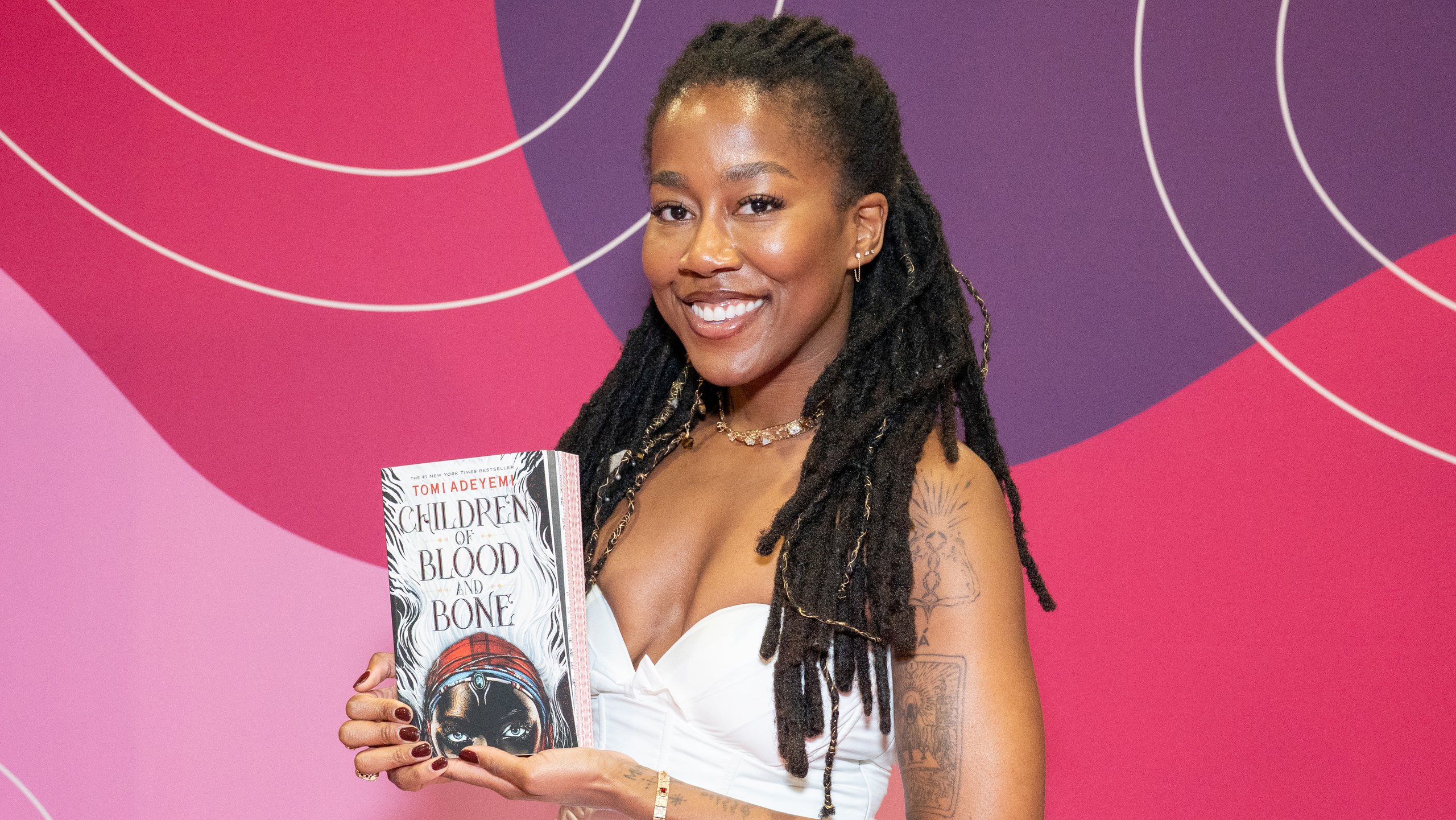
    Tomi Adeyemi, the acclaimed author of the bestselling novel ‘Children of Blood & Bone,’ has publicly declared she will not watch the forthcoming film adaptation of her debut work. Adeyemi characterized her involvement and the overall experience during the film’s production as “painful.” This announcement, reported by Deadline, has initiated considerable discussion within the literary and film communities regarding authorial rights and the often-fraught process of adapting popular books for the screen.

    Her statement underscores a growing sentiment among authors who feel disconnected or marginalized during the transformation of their intellectual property into visual media. The challenges of maintaining creative integrity while navigating the complexities of Hollywood production are frequently brought to the forefront by such declarations.

    The Genesis of ‘Children of Blood & Bone’

    Tomi Adeyemi’s novel, ‘Children of Blood & Bone,’ first published in 2018, rapidly ascended to critical and commercial success. The young adult fantasy novel introduced readers to a rich, West African-inspired world, following protagonist Zélie Adebola as she strives to restore magic to her people. The book became a New York Times bestseller and garnered numerous awards, establishing Adeyemi as a significant voice in contemporary fantasy literature.

    The novel was the first in a planned trilogy, followed by ‘Children of Virtue and Vengeance’ in 2019. Its intricate world-building, compelling characters, and themes of oppression and resistance resonated with a global audience. The success of the book made a film adaptation an almost inevitable outcome, given Hollywood’s consistent interest in popular literary franchises.

    The Adaptation Journey Begins

    The journey to bring ‘Children of Blood & Bone’ to the big screen has been lengthy and complex. Initial reports of a film adaptation emerged shortly after the book’s release. Major studios and production companies expressed significant interest in the property, recognizing its immense potential for a blockbuster franchise. The rights to the novel were acquired, setting in motion the development process.

    The adaptation was poised to be a high-profile project, given the novel’s existing fanbase and its timely themes. Expectations were high for a faithful and visually stunning rendition of Adeyemi’s vibrant world. However, the path from page to screen often involves numerous creative and logistical hurdles.

    Adeyemi’s “Painful” Production Experience

    Tomi Adeyemi’s public statement centered on the “painful” nature of her experience during the film’s production. While specific details regarding the sources of this pain were not explicitly outlined in the initial report, such sentiments typically arise from disagreements over creative direction, character portrayal, plot changes, or a perceived lack of respect for the original material or the author’s vision.

    Authors frequently voice concerns about the degree of creative control they retain once film rights are sold. The adaptation process often involves multiple screenwriters, directors, and producers, each bringing their own interpretations and commercial considerations to the project. This can lead to significant departures from the source material, which can be disheartening for the original creator.

    The tension between artistic vision and commercial viability is a recurring theme in film adaptations. Studios aim to produce films that appeal to the broadest possible audience, sometimes leading to decisions that diverge from the nuances of the original text. Authors, conversely, often prioritize fidelity to their established narratives and character arcs.

    Industry Reactions and Precedents

    Adeyemi’s decision to publicly disavow watching the adaptation is not unprecedented, though it remains a significant statement. Other authors have expressed similar frustrations, some more directly than others. Neil Gaiman, for instance, has been vocal about his involvement in adaptations of his work, often advocating for a more collaborative approach.

    Conversely, some authors choose to distance themselves entirely from the adaptation process once rights are sold, viewing it as a separate entity. Adeyemi’s public declaration, however, positions her as an author deeply affected by the production experience, highlighting the emotional investment creators have in their works.

    The incident also brings to light the power dynamics inherent in Hollywood. While authors are the originators of the intellectual property, their influence on the final film product can be limited once development is underway. This often leads to calls for stronger contractual protections for authors regarding creative input and final approval.

    The Role of Authorial Control

    The concept of authorial control in adaptations is a complex legal and creative issue. Standard film rights agreements typically grant the studio significant latitude in developing the screenplay and producing the film. While some contracts may include provisions for the author to serve as a consultant or executive producer, the extent of their actual influence can vary greatly.

    Adeyemi’s experience serves as a reminder that even for highly successful and influential authors, navigating the film industry can be challenging. The disparity in creative control often becomes a point of contention, leading to situations where authors feel their original vision is compromised or overlooked.

    This situation also prompts reflection on the expectations of fans. Readers often have strong attachments to the source material and anticipate adaptations that remain true to the books they love. When authors themselves express dissatisfaction, it can influence public perception and anticipation for the film.

    Implications for Future Adaptations

    The public nature of Adeyemi’s statement may have broader implications for the film industry’s approach to literary adaptations. It could encourage more authors to speak out about their experiences, potentially leading to increased scrutiny of production practices and contractual agreements. This could, in turn, foster a greater emphasis on author collaboration and respect for source material in future projects.

    For studios, such public declarations represent a public relations challenge. Maintaining a positive relationship with authors is crucial, especially for properties with dedicated fanbases. Negative sentiment from the original creator can dampen enthusiasm for the film, regardless of its eventual quality.

    The ‘Children of Blood & Bone’ adaptation is still expected to move forward. The film’s eventual release will likely be viewed through the lens of Adeyemi’s comments, with both critics and audiences potentially scrutinizing its fidelity to the novel and its overall quality more closely.

    The Unseen Labor of Creation

    Beyond the creative disagreements, the “painful” experience Adeyemi described could also encompass the emotional and psychological toll of seeing one’s creation transformed. Writing a novel is an intimate and personal endeavor. Handing it over to a large-scale production, where numerous individuals contribute and make decisions, can be an emotionally taxing process.

    The labor involved in developing a film is immense, but the labor of originating the story often receives less acknowledgment in the adaptation phase. Adeyemi’s statement is a powerful reminder of the human element behind the intellectual property, emphasizing the author’s deep connection to their work.

    The discussion surrounding ‘Children of Blood & Bone’ highlights the intricate dance between art and commerce, creation and adaptation. It reinforces the need for transparency, mutual respect, and clear communication throughout the entire production pipeline.

    Looking Ahead

    Tomi Adeyemi’s decision to not watch the film adaptation of ‘Children of Blood & Bone’ represents a significant moment in the ongoing dialogue about authorial rights and creative control in Hollywood. It serves as a potent reminder of the challenges authors face when their literary works transition to the screen. The industry continues to grapple with finding a balance that honors the original vision while also meeting the demands of large-scale film production.

    Authors advocate. Fans anticipate. Studios produce. The conversation continues.

  • Hollywood & America: Is the Silver Screen Still Reflecting the Nation?

    Hollywood & America: Is the Silver Screen Still Reflecting the Nation?

    On July 4, 2026, as the United States celebrates its 250th anniversary, the question of whether Hollywood movies continue to embody and reflect American values has become a central point of cultural discussion. Historically, the American film industry has often depicted narratives that reinforce national identity, patriotism, and widely held societal principles, but recent trends suggest a potential shift in this long-standing tradition.

    This discussion emerges from a broader cultural conversation about the perceived erosion of traditional American values within mainstream media. The film industry, a powerful cultural force, frequently finds itself at the heart of these debates. Its productions reach global audiences, influencing perceptions of America both domestically and internationally.

    The Golden Age and National Identity

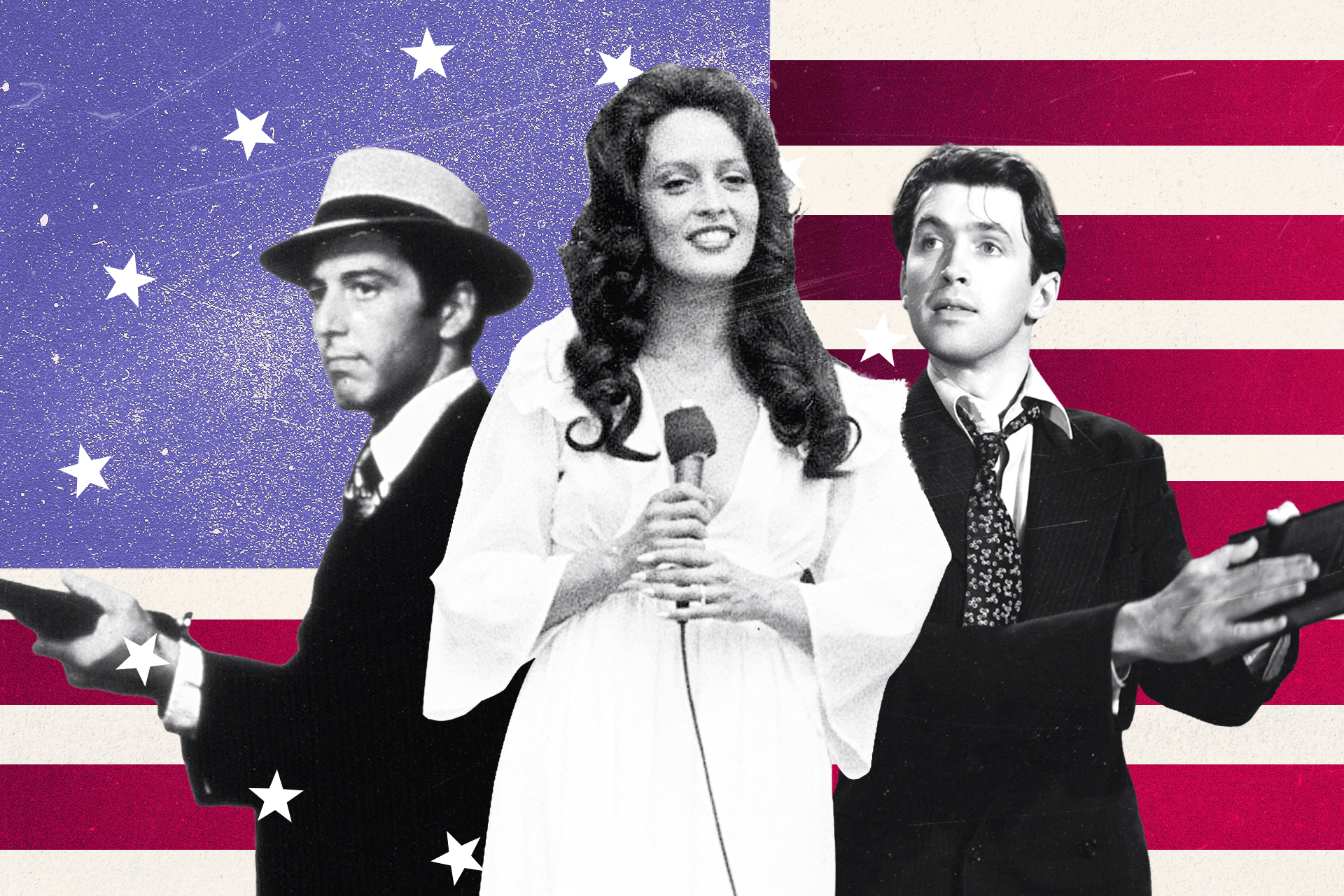
    From the early 20th century, Hollywood quickly established itself as a primary shaper of American mythology. Films like Mr. Smith Goes to Washington (1939) and Casablanca (1942) presented clear-cut heroes and villains. They often championed themes of democracy, freedom, and individual perseverance.

    During World War II, the film industry actively participated in the war effort. Movies like Sergeant York (1941) and Yankee Doodle Dandy (1942) boosted morale and solidified national unity. These films were not merely entertainment; they were instruments of national purpose.

    Post-war, the 1950s saw a continuation of this trend, albeit with emerging anxieties. Westerns, sci-fi, and family dramas often subtly or overtly explored American ideals. They depicted the promise of the American Dream and the challenges of a rapidly changing world.

    Cold War Narratives and Ideological Battlegrounds

    The Cold War era intensified Hollywood’s role in ideological warfare. Anti-communist films, sometimes produced under the shadow of McCarthyism, became prevalent. They served to define what America was by contrasting it with its perceived enemies.

    Even as the counter-culture movement began to question established norms in the late 1960s, many films retained a core American sensibility. They might critique the government or societal structures, but often from a perspective rooted in American ideals of justice and liberty.

    Shifting Sands: The Late 20th Century

    The 1970s marked a significant turning point. Films like Chinatown (1974) and Nashville (1975) offered more cynical, complex, and often critical portrayals of American institutions and history. This era reflected a national mood shaped by the Vietnam War and the Watergate scandal.

    However, blockbusters of the late 1970s and 1980s, such as Star Wars (1977) and Top Gun (1986), often returned to more traditional heroic narratives. These films resonated with audiences seeking escapism and a reaffirmation of American exceptionalism.

    The 1990s brought a mix of independent cinema’s introspection and mainstream Hollywood’s global expansion. While some films explored diverse American experiences, others focused on universal themes that transcended national boundaries.

    The 21st Century and Globalized Storytelling

    The events of September 11, 2001, led to a brief resurgence of overtly patriotic films. Movies like United 93 (2006) and American Sniper (2014) addressed national trauma and military heroism. Yet, this trend was not universal or long-lasting.

    The rise of streaming services and the increasing importance of international box office revenue have altered Hollywood’s calculus. Films are now often designed for global appeal, which can sometimes dilute specific American cultural references or themes.

    Diversity and Representation

    Contemporary Hollywood has also placed a greater emphasis on diversity and inclusion. This has led to a wider range of stories being told, reflecting a more complex and multicultural America. Films now explore experiences that were historically marginalized or ignored.

    This shift is seen by some as a necessary evolution, making Hollywood more representative of the actual American population. Others view it as a departure from a unified national narrative, potentially undermining traditional values.

    The 250th Anniversary: A Moment of Reflection

    As the nation observes its 250th birthday, the question of Hollywood’s reflection of America becomes particularly poignant. The film industry is a powerful cultural mirror, and its current reflections are subject to intense scrutiny.

    The debate is not whether Hollywood should only produce patriotic films. It is about the balance between critical examination, global appeal, and the portrayal of a shared national identity. The industry navigates a complex landscape of commercial pressures, artistic ambition, and societal expectations.

    “The erosion of traditional American values in Hollywood is a concern for many viewers,” noted a recent cultural analyst. “It prompts a feeling of cultural defense and defiance.”

    This sentiment highlights a tension between different visions of America. Hollywood’s role in this ongoing dialogue is undeniable. Its choices in storytelling, character development, and thematic focus contribute significantly to how America sees itself and how the world sees America.

    The Future of American Cinema

    The future of Hollywood’s relationship with American values remains uncertain. Will the industry gravitate towards narratives that reinforce traditional ideals, or will it continue to push boundaries and explore new interpretations of American identity?

    The economic realities of filmmaking, coupled with evolving social norms, will continue to shape these decisions. Audiences, through their viewership and engagement, also play a role in determining what kinds of stories get told and celebrated.

    The 250th July 4th serves as a critical juncture. It invites both celebration and introspection. It prompts a re-evaluation of the cultural institutions that define the nation.

    Filmmakers continue to tell stories. Audiences continue to watch. Critics continue to analyze. The dialogue about Hollywood and America continues.

    Defining American Values on Screen

    What constitutes “American values” is itself a dynamic and contested concept. For some, it refers to a set of foundational principles like liberty, individualism, and free-market capitalism. For others, it includes ideals of equality, social justice, and collective responsibility.

    Hollywood’s challenge lies in navigating these diverse interpretations. A film that resonates deeply with one segment of the American population might alienate another. This complexity is inherent in a large, diverse nation.

    The industry’s output often mirrors these internal national conversations. It can both initiate and respond to cultural shifts. The stories on screen are never entirely separate from the stories being lived across the country.

    The debate is as old as Hollywood itself. It will likely continue for another 250 years. The medium of film remains a powerful tool for cultural expression and national self-definition.

    Conclusion: A Continuous Dialogue

    The historical ties between Hollywood and American identity are deep. The industry has long served as a cultural ambassador. It has celebrated national triumphs. It has grappled with national failings.

    On this 250th anniversary, the conversation intensifies. The silver screen’s reflection of America is still evolving. The values portrayed are still being debated. The stories told are still being consumed.

    Audiences seek connection. Filmmakers seek expression. The nation seeks understanding.

    Hollywood.

  • Jesse Eisenberg Pursues Polish Citizenship Amidst U.S. Film Industry Shifts

    Jesse Eisenberg Pursues Polish Citizenship Amidst U.S. Film Industry Shifts

    Jesse Eisenberg’s European Pivot

    Actor Jesse Eisenberg has obtained Polish citizenship. This move reflects a strategic shift in his career focus. He intends to increase his work within the European film industry.

    Eisenberg has publicly stated his reasons for this decision. He perceives a growing difficulty in producing the types of films he favors within the United States. This sentiment resonates with other artists observing changes in the American cinematic landscape.

    Family Roots and Heritage

    Eisenberg’s connection to Poland is deeply personal. His family originates from Krasnystaw, a town in southeastern Poland. This ancestral link provides a foundational reason for his citizenship application.

    His family’s history includes a period in Poland before emigrating. This heritage has been a significant factor in his decision to formalize his ties to the country. The actor has explored his family’s past extensively.

    He has previously engaged with Polish culture and history. This engagement includes visits to the region where his ancestors lived. These experiences have strengthened his bond with Poland.

    The Shifting American Film Landscape

    Eisenberg’s comments on the U.S. film industry reflect a common concern. Many artists and filmmakers note a trend towards large-scale franchise productions. Independent and character-driven films often struggle to secure funding and distribution.

    The economic models for film production have evolved. Streaming services and studio mergers have reshaped the industry. This has created a challenging environment for certain artistic endeavors.

    He articulated that the kind of films he loves to make are increasingly difficult to make in the U.S. This difficulty points to issues of financing, audience interest, and creative freedom. The market dynamics favor blockbusters and established intellectual property.

    The Impact on Independent Cinema

    Independent cinema faces significant hurdles. Securing adequate budgets for non-commercial projects is problematic. Distribution channels are often dominated by major studios.

    Filmmakers like Eisenberg seek environments where creative control is more accessible. European film industries, often supported by public funding and cultural initiatives, can offer such spaces. This provides an alternative for artists prioritizing artistic vision over commercial viability.

    The shift is not unique to Eisenberg. Other actors and directors have also explored international collaborations. They seek opportunities that align with their artistic goals.

    European Opportunities and Future Projects

    Eisenberg envisions a future with more European-based projects. He plans to both act in and direct films on the continent. This includes specific projects already in development.

    One such project is a film set in Poland. This production would allow him to combine his artistic pursuits with his personal connection to the country. It represents a tangible outcome of his citizenship efforts.

    His work in Europe is not limited to Poland. He expresses an interest in collaborating with filmmakers across the continent. This broadens his artistic horizons significantly.

    Directing Aspirations in Europe

    Eisenberg has also ventured into directing. His directorial work aligns with the types of nuanced, character-driven stories he champions. Europe offers a fertile ground for such projects.

    European film festivals often celebrate independent and art-house cinema. This provides a supportive ecosystem for directors like Eisenberg. The critical reception for such films can be robust.

    His move could inspire other American artists. They might consider similar international collaborations. The global nature of film production continues to expand.

    The Broader Trend of Dual Citizenship

    Eisenberg’s pursuit of dual citizenship is part of a larger trend. Many individuals, including public figures, seek dual nationality. This can be for various reasons, including cultural, professional, or personal.

    Dual citizenship offers increased flexibility. It can facilitate easier travel, work, and residence in multiple countries. For artists, it opens up new creative and economic opportunities.

    The process of obtaining citizenship varies by country. It often involves demonstrating a connection to the nation. This can be through ancestry, residency, or other criteria.

    Benefits for Artists

    For artists, dual citizenship can be particularly beneficial. It removes many bureaucratic barriers to working internationally. This allows for greater freedom in choosing projects and locations.

    It also enables artists to tap into different funding structures. European film funds, for example, often require a certain level of local involvement. Citizenship can fulfill these requirements.

    The cultural exchange fostered by dual citizenship enriches artistic output. Artists bring diverse perspectives to their work. This can lead to more innovative and globally resonant storytelling.

    Eisenberg’s Career Trajectory

    Jesse Eisenberg has a distinguished acting career. He is known for roles in films such as The Social Network. His performances often feature complex, intelligent characters.

    His filmography includes both mainstream productions and independent features. This range demonstrates his versatility. It also highlights his consistent interest in diverse storytelling.

    Eisenberg has also written for the stage and screen. His creative output extends beyond acting. This multifaceted approach to his craft informs his current career choices.

    Critical Acclaim and Artistic Choices

    He has received critical acclaim for many of his roles. This recognition underscores his commitment to nuanced performances. His artistic choices often lean towards thought-provoking narratives.

    The actor’s decision to pursue Polish citizenship aligns with this artistic trajectory. It represents a deliberate choice to prioritize creative fulfillment. This pursuit often involves seeking out specific working environments.

    His career path illustrates an artist’s adaptation to industry changes. It showcases a proactive approach to maintaining creative integrity. The global film market offers these alternative avenues.

    A Statement on Artistic Freedom

    Eisenberg’s move is a statement about artistic freedom. It underscores the importance of environments that nurture specific types of creative expression. He seeks a place where his preferred films can thrive.

    His actions highlight the challenges faced by many in the U.S. film industry. The focus on commercial success can sometimes overshadow artistic merit. This creates a need for alternative spaces.

    The pursuit of Polish citizenship is a concrete step. It is an effort to secure a future where his artistic vision can be realized. This decision has implications for his career and for the broader conversation about global cinema.

    Actors adapt. Directors adapt. Artists adapt. Europe.

  • Dustin Hoffman’s Emotional Karlovy Vary Award Acceptance – ‘Feeling Alive’ Through Film

    Dustin Hoffman’s Emotional Karlovy Vary Award Acceptance – ‘Feeling Alive’ Through Film

    A Career Defined by Passion

    Dustin Hoffman accepted an award at the Karlovy Vary International Film Festival in 2026. His acceptance speech was marked by profound emotion. He conveyed a deep gratitude for his career in filmmaking, articulating how the craft makes him ‘feel alive.’

    This sentiment resonated with the audience. It highlighted the actor’s enduring passion for his work. His words offered a rare glimpse into the personal connection he holds with his extensive filmography.

    The Karlovy Vary International Film Festival

    The Karlovy Vary International Film Festival is a prominent event in the global cinema calendar. It takes place annually in Karlovy Vary, Czech Republic. The festival is known for showcasing both established and emerging talent.

    It attracts filmmakers, actors, and industry professionals from around the world. Awards presented at the festival recognize significant contributions to cinematic art. Hoffman’s presence underscored the festival’s prestige and its role in celebrating film legends.

    Hoffman’s Legacy in Cinema

    Dustin Hoffman’s career spans over six decades. He is recognized for his versatility and intense character portrayals. His filmography includes a wide range of genres and roles.

    Notable performances include his breakout role as Benjamin Braddock in the 1967 film The Graduate. This performance garnered him his first Academy Award nomination. His portrayal captured the zeitgeist of a generation.

    He won his first Academy Award for Best Actor for the 1979 drama Kramer vs. Kramer. In this film, he depicted a father fighting for custody of his son. The role showcased his ability to convey complex emotional depth.

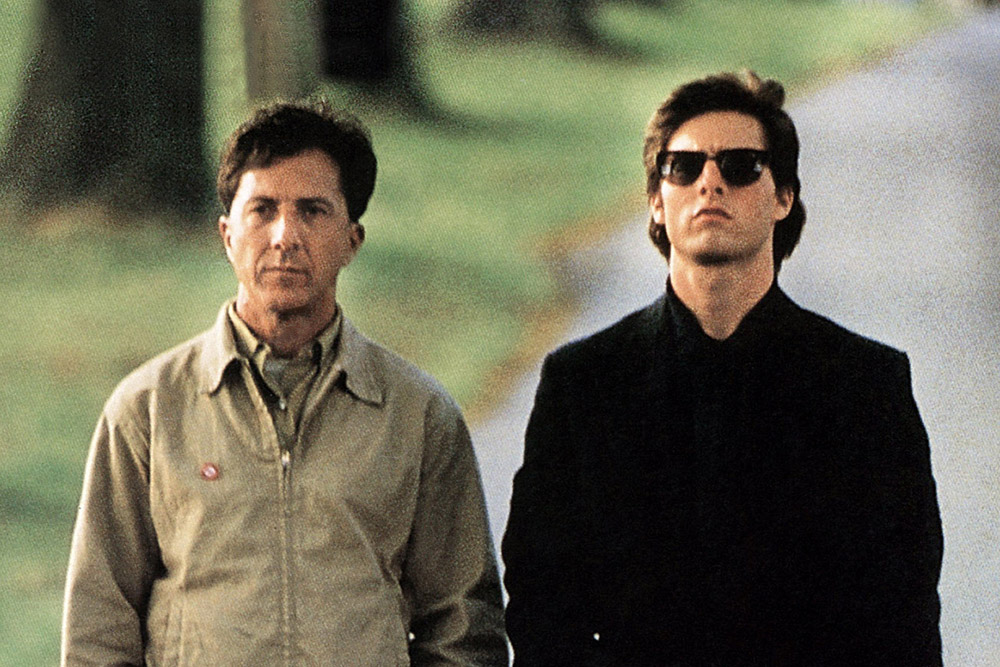
    His second Academy Award for Best Actor came for the 1988 film Rain Man. He played Raymond Babbitt, an autistic savant. This performance earned widespread critical acclaim and box office success.

    Defining Roles and Critical Acclaim

    Beyond his Oscar-winning roles, Hoffman has delivered numerous other memorable performances. He starred as Ratso Rizzo in the 1969 drama Midnight Cowboy. This film explored themes of friendship and survival in New York City.

    In 1976, he played Carl Bernstein in All the President’s Men. The film chronicled the Watergate scandal. It highlighted his capacity for portraying real-life figures with conviction.

    He also took on the titular role in the 1982 comedy Tootsie. Here, he played an actor who disguises himself as a woman to land a role. The film was a critical and commercial success, demonstrating his comedic timing.

    His career is marked by a consistent dedication to his craft. He often immersed himself deeply in his characters. This method acting approach contributed to the authenticity of his performances.

    The ‘Feeling Alive’ Sentiment

    Hoffman’s statement that filmmaking makes him ‘feel alive’ offers insight into his enduring motivation. It transcends the accolades and public recognition. It speaks to a fundamental connection with the creative process.

    Many artists articulate similar sentiments. The act of creation, of embodying a character, provides a unique sense of purpose. For Hoffman, this appears to be a driving force even after decades in the industry.

    His words underscore the intrinsic rewards of artistic pursuit. They suggest that the passion for the work itself is paramount. This deep-seated love for acting has sustained his career through various industry changes.

    Gratitude and Opportunity

    Hoffman also expressed gratitude for having had the opportunity to do what he loves. This acknowledgment highlights the competitive nature of the film industry. It recognizes the privilege inherent in a long and successful career.

    Many aspiring actors and filmmakers face significant challenges. The path to sustained success is often arduous. Hoffman’s reflection serves as a reminder of the value of persistence and fortune in a creative field.

    His speech resonated as a moment of genuine humility. It came from an actor who has achieved the highest levels of success. The sentiment of being grateful for the opportunity itself speaks volumes.

    The Impact on Audiences and Peers

    An emotional speech from a respected figure like Dustin Hoffman carries significant weight. It can inspire younger generations of actors and filmmakers. It reaffirms the artistic value of their chosen profession.

    For audiences, it reinforces the human element behind the iconic performances. It connects the actor’s personal journey with the characters they bring to life. This connection often deepens the appreciation for their work.

    Industry peers also likely found resonance in his words. The shared experience of the demanding yet rewarding nature of filmmaking creates a bond. Hoffman’s candidness fostered a moment of collective understanding.

    Enduring Talent in a Changing Industry

    The film industry has undergone significant transformations over Hoffman’s career. From the New Hollywood era to the rise of streaming platforms, he has adapted and remained relevant. His continued presence at major festivals like Karlovy Vary attests to his enduring appeal.

    His commitment to complex roles has remained constant. This dedication has allowed him to transition through different cinematic landscapes. He represents a generation of actors who prioritized craft over fleeting trends.

    The emotional core of his speech emphasized this commitment. It showcased that for some, the essence of acting remains a profound and life-affirming endeavor. This personal connection is what allows talent to endure.

    Looking Forward

    Even in 2026, Dustin Hoffman continues to be an active presence in cinema. His acceptance of the award signals ongoing recognition of his contributions. It also suggests a continued engagement with the world of film.

    His reflections offer a timeless message about pursuing one’s passion. They speak to the profound satisfaction derived from a life dedicated to art. The Karlovy Vary festival provided a significant platform for this message to be heard.

    Actors gather. Filmmakers gather. Audiences gather. Inspiration.

    FAQ

    • What award did Dustin Hoffman receive at Karlovy Vary in 2026?
      Dustin Hoffman received an award at the Karlovy Vary International Film Festival in 2026, where he delivered an emotional acceptance speech acknowledging his love for filmmaking.
    • What was the main theme of Dustin Hoffman’s acceptance speech?
      The main theme of Dustin Hoffman’s acceptance speech was his deep emotional connection to filmmaking, stating that it makes him ‘feel alive’ and expressing gratitude for his career opportunities.
    • Which famous films has Dustin Hoffman starred in?
      Dustin Hoffman has starred in numerous iconic films, including The Graduate (1967), Midnight Cowboy (1969), All the President’s Men (1976), Kramer vs. Kramer (1979), Tootsie (1982), and Rain Man (1988).
    • Why is the Karlovy Vary International Film Festival important?
      The Karlovy Vary International Film Festival is a significant international event that celebrates cinematic art, showcases diverse talent, and attracts global film industry professionals and audiences to the Czech Republic.
    • How long has Dustin Hoffman’s acting career spanned?
      Dustin Hoffman’s acting career has spanned over six decades, during which he has consistently delivered acclaimed performances and earned numerous awards, including two Academy Awards for Best Actor.

  • Why Anne Hathaway Quit ‘Knocked Up’ – The Graphic Birthing Scene Controversy

    Why Anne Hathaway Quit ‘Knocked Up’ – The Graphic Birthing Scene Controversy

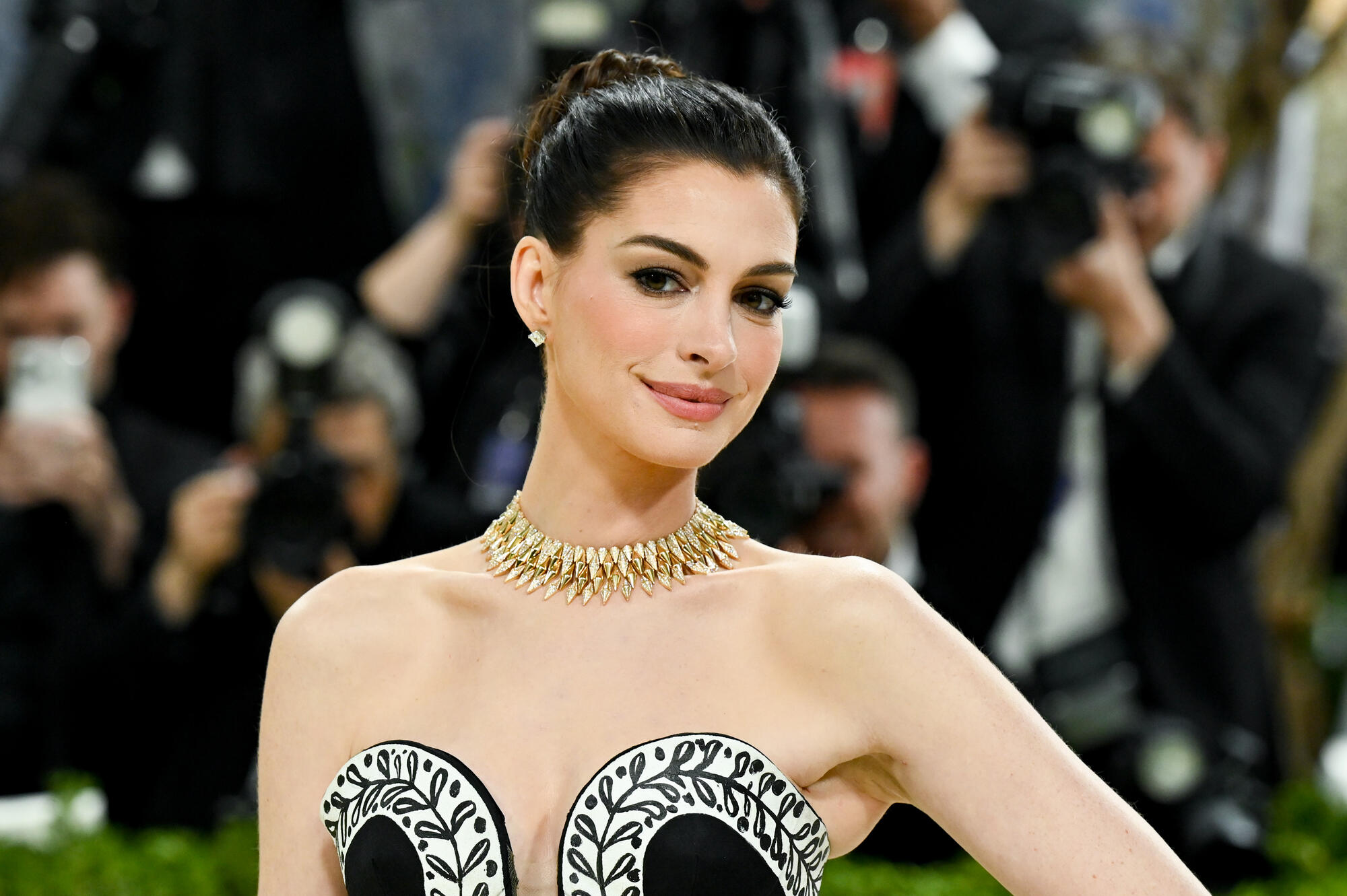
    Anne Hathaway’s departure from the 2007 Judd Apatow comedy Knocked Up was directly related to her discomfort with a graphic birthing scene depicted in the film. Seth Rogen, the movie’s co-star and one of its producers, confirmed this detail recently, stating that Hathaway felt the scene was ‘not her brand.’

    This explanation resolves a long-standing mystery surrounding the casting change that ultimately brought Katherine Heigl into the lead role of Alison Scott.

    The Initial Casting and Subsequent Exit

    Judd Apatow, known for his comedic style that often blends humor with raw, relatable human experiences, initially cast Anne Hathaway in the pivotal role of Alison Scott. The character navigates an unplanned pregnancy and the complexities of a new relationship.

    Hathaway, at the time, was building a diverse career, moving between romantic comedies and more dramatic roles. Her filmography included projects like The Princess Diaries (2001) and Brokeback Mountain (2005).

    Pre-production for Knocked Up was underway when Hathaway decided to step down. The exact reasons remained largely unconfirmed by those involved for many years, leading to various rumors within the entertainment industry.

    The role required a significant commitment to portraying the physical and emotional aspects of pregnancy, including the climactic birthing scene.

    Seth Rogen’s Confirmation

    Seth Rogen, who played the lead male character Ben Stone, provided clarity on Hathaway’s exit in a recent interview. He stated that Hathaway had expressed reservations about the intensity and graphic nature of the birthing scene as written in the script.

    Rogen’s comments indicated that Hathaway felt the scene was too explicit and did not align with her personal or professional image at that point in her career.

    The phrase ‘not her brand’ suggests a strategic decision on Hathaway’s part to maintain a certain public persona and career trajectory.

    This confirmation from a primary source involved in the production of Knocked Up provides a definitive answer to a question that has lingered for nearly two decades.

    The Birthing Scene in Question

    The birthing scene in Knocked Up became a memorable and often-discussed sequence in the final cut of the film. It depicts Alison Scott’s labor in a realistic and at times visceral manner.

    The scene includes graphic details, pain, and moments of comedic relief intertwined with the intense physical process of childbirth.

    For some viewers, the scene was lauded for its authenticity and groundbreaking portrayal of a typically sanitized cinematic event. For others, it was considered overly explicit.

    Hathaway’s reported discomfort likely stemmed from the unvarnished depiction, which contrasted with the more polished and less confrontational roles she had often undertaken.

    Katherine Heigl Steps In

    Following Hathaway’s departure, Katherine Heigl was cast as Alison Scott. Heigl, then known for her role in the television series Grey’s Anatomy, took on the role and delivered a performance that resonated with audiences.

    Heigl’s portrayal contributed significantly to the film’s commercial success and critical reception. Knocked Up went on to gross over $219 million worldwide against a production budget of $33 million.

    The film’s success cemented Apatow’s reputation for smart, adult comedies and launched the careers of several comedic actors.

    Heigl’s career received a significant boost from the film, though she later expressed some critical views on the movie’s gender dynamics, particularly regarding her character’s portrayal.

    Career Trajectories Post-Knocked Up

    Anne Hathaway continued to build a highly successful career, starring in acclaimed films such as The Devil Wears Prada (2006), Rachel Getting Married (2008), and Les Misérables (2012), for which she won an Academy Award for Best Supporting Actress.

    Her choices consistently demonstrated a preference for roles that offered a range of emotional depth and often avoided overtly graphic content.

    Katherine Heigl, after Knocked Up, starred in several romantic comedies like 27 Dresses (2008) and The Ugly Truth (2009). Her public comments about Knocked Up and Grey’s Anatomy created some industry controversy, affecting her career trajectory in the years that followed.

    Judd Apatow continued to direct and produce a string of successful comedies, often featuring a recurring ensemble of actors. His work consistently explores themes of relationships, maturity, and societal expectations with a distinctive blend of humor and realism.

    The Evolution of ‘Brand’ in Hollywood

    The concept of an actor’s ‘brand’ has become increasingly significant in Hollywood. It encompasses the types of roles they accept, their public image, and the messages they convey through their work.

    For Anne Hathaway, her brand has largely been associated with elegance, intelligence, and a certain level of sophisticated charm. A graphic birthing scene, while potentially lauded for realism, might have been perceived as a departure from that established image.

    Actors often make career decisions based on how a role will impact their long-term public perception and the kinds of projects they wish to attract in the future.

    This strategic approach to career management is a common practice in an industry where public image can be as crucial as acting talent.

    Creative Differences and Artistic Vision

    Hathaway’s decision also highlights the common occurrence of creative differences in film production. Actors and directors may have differing visions for a character or a scene.

    In this case, Apatow’s vision for a raw and unflinching birthing scene clashed with Hathaway’s comfort level and artistic boundaries.

    Such disagreements are a natural part of the collaborative filmmaking process and can sometimes lead to casting changes, even late in pre-production.

    The incident serves as an example of how artistic integrity and personal boundaries play a role in an actor’s professional choices.

    Impact on Film and Audience Expectations

    Knocked Up, with its candid portrayal of an unplanned pregnancy, pushed boundaries for mainstream romantic comedies. Its success demonstrated an audience appetite for more realistic and less idealized depictions of life events.

    The film’s birthing scene, in particular, became a benchmark for how such moments could be shown on screen, influencing subsequent productions.

    Hathaway’s initial reluctance, now understood, underscores the tension between artistic realism and an actor’s personal comfort or public image.

    The incident remains a notable footnote in the history of a successful and influential comedy, shedding light on the intricate decisions made behind the scenes.

    Looking Back: A Decade and a Half Later

    More than a decade and a half after its release, Knocked Up is still discussed for its humor, its characters, and its impact on the romantic comedy genre. Seth Rogen’s recent comments bring new context to one of the film’s early production challenges.

    The clarity provided by Rogen allows for a fuller understanding of the choices made by the talents involved.

    It emphasizes that even for major Hollywood productions, personal boundaries and brand considerations can significantly shape the final product.

    The film’s legacy endures, now with a clearer picture of its developmental path.

    Actors make choices. Directors make choices. Producers make choices. Hollywood.

  • GKIDS Acquires Studio Ghibli Library Rights for UK & Ireland

    GKIDS Acquires Studio Ghibli Library Rights for UK & Ireland

    GKIDS, the American film distributor, has officially acquired the distribution rights for the entire Studio Ghibli film library for the United Kingdom and Ireland. This agreement grants GKIDS exclusive rights to handle the theatrical, home video, and digital distribution of all Studio Ghibli titles in these territories. The news was reported on 2026-07-02.

    This move signifies a notable expansion of GKIDS’s distribution footprint. The company has long been the North American distributor for Studio Ghibli films.

    New Theatrical and IMAX Releases Planned

    As part of this new agreement, GKIDS intends to bring Studio Ghibli classics back to cinemas in the UK and Ireland. The distributor has specifically announced plans for special IMAX engagements.

    The first confirmed title for an IMAX re-release is Hayao Miyazaki’s 1989 animated fantasy film, Kiki’s Delivery Service. This will allow audiences to experience the film on large-format screens.

    Further details regarding the schedule of these IMAX releases and which other Studio Ghibli films will receive similar treatment are expected to be announced.

    Developing Story

    This is a developing story. Additional details regarding the full scope of the agreement, specific release dates, and long-term distribution strategies are still emerging. Industry observers anticipate further announcements from GKIDS and Studio Ghibli in the coming weeks.

    The acquisition ensures continued access to Studio Ghibli’s acclaimed catalog for audiences in the UK and Ireland. It also positions GKIDS as the primary steward of these beloved films across multiple key international markets.

    Impact on Studio Ghibli Fans

    Fans of Studio Ghibli in the UK and Ireland will likely see renewed theatrical opportunities for their favorite films. The IMAX releases offer a premium viewing experience for these animated masterpieces.

    The long-term implications for streaming availability and home video formats under GKIDS’s new distribution model will become clearer as more information is released.

  • Born to Lose: Joseph Zentil & Dylan Arnold Champion Biker Culture Film

    Born to Lose: Joseph Zentil & Dylan Arnold Champion Biker Culture Film

    Joseph Zentil and Dylan Arnold are collaborating on ‘Born to Lose,’ a new film project set to explore and champion American biker culture. This production aims to offer an authentic and nuanced portrayal of a frequently misunderstood subculture. The film features Sarah Pidgeon, who gained acclaim for her role in ‘Love Story,’ in a significant capacity.

    The creative partnership between Zentil and Arnold signals a commitment to narratives that delve into specific cultural identities. ‘Born to Lose’ is positioned to foster a deeper understanding and connection among its target audience. This initiative aligns with a broader industry trend of media projects focusing on distinct American communities.

    What is ‘Born to Lose’ About?

    ‘Born to Lose’ is conceived as a feature film that transcends typical genre classifications to become a cultural commentary. The project’s creators intend to dismantle prevalent stereotypes associated with biker culture. Instead, they seek to illuminate the community’s core values, established traditions, and complex social hierarchies.

    Zentil and Arnold share a collective vision for authenticity in their storytelling approach. This vision extends to the intricate development of characters and their motivations within the biker world. The film is expected to showcase the profound camaraderie, inherent sense of freedom, and unique challenges integral to this lifestyle.

    The title, ‘Born to Lose,’ itself carries significant symbolic weight, evoking themes of rebellion, defiance, and resilience. This sentiment is often foundational to the ethos embraced by many motorcycle clubs and their members. The filmmakers are exploring how this potent concept manifests in the lives of their fictional subjects.

    Crafting Authentic Narratives for the Screen

    Achieving a genuine sense of authenticity in film requires extensive research and deep immersion into the subject matter. The production team behind ‘Born to Lose’ has reportedly dedicated substantial time to understanding the intricacies of biker culture. This process includes direct consultation with individuals who are active participants within the community.

    The overarching goal is to present a narrative that feels both grounded and respectful. This approach stands in direct contrast to the sensationalized or superficial depictions sometimes found in mainstream media. The focus remains steadfastly on humanizing the individuals who comprise this distinct subculture.

    Sarah Pidgeon’s involvement further enhances the project’s artistic credibility. Her recent success in ‘Love Story’ established her as a talent capable of delivering complex and emotionally resonant performances. Her role in ‘Born to Lose’ is anticipated to be central to conveying the film’s nuanced message and thematic depth.

    Joseph Zentil’s Impact on Independent Cinema

    Joseph Zentil has meticulously carved a distinct niche within independent cinema through his diverse and impactful roles. His career trajectory reflects a consistent commitment to projects that offer fresh and unique perspectives. Zentil’s involvement in ‘Born to Lose’ is a natural extension of his established history of supporting culturally rich and meaningful storytelling.

    His previous works have frequently explored profound themes of identity, belonging, and community formation. This extensive background positions him as an ideal creative force to navigate the inherent complexities of biker culture. Zentil’s directorial and acting approach typically involves a deep, psychological dive into character development.

    He is widely recognized for his collaborative spirit, a trait clearly evident in his ongoing partnership with Dylan Arnold. This synergistic relationship is crucial for projects that aim to challenge existing narratives and societal preconceptions. Zentil’s artistic choices consistently prioritize substantive content over mere spectacle, fostering a more thoughtful cinematic experience.

    The Actor’s Journey and Strategic Project Selection

    Zentil’s journey within the film industry has been characterized by a highly selective approach to the roles he undertakes. He consistently gravitates towards scripts that offer profound social commentary or significant artistic merit. ‘Born to Lose’ represents a clear continuation of this discerning pattern in his filmography.

    His profound interest in subcultures and their accurate representation is a recurring and defining element across his body of work. This suggests a deep, personal connection to the thematic explorations central to the biker project. Zentil views the medium of cinema as an exceptionally powerful tool for cultural investigation and understanding.

    The development of ‘Born to Lose’ under his significant influence underscores a robust directorial and creative vision. He is actively engaged in shaping both the narrative arc and the aesthetic qualities of the film. This hands-on, immersive approach is a hallmark characteristic of independent filmmaking, ensuring a unique artistic stamp on the final product.

    Dylan Arnold: From ‘Halloween’ Franchise to Indie Drama

    Dylan Arnold achieved widespread recognition for his prominent role within the highly successful ‘Halloween’ franchise. His work in these horror films vividly demonstrated his versatility as an actor and his ability to connect effectively with a broad audience base. His transition to a project like ‘Born to Lose’ powerfully showcases his expansive range and artistic ambition as a performer.

    Arnold’s participation in ‘Born to Lose’ signals a deliberate and strategic move towards character-driven dramas and independent productions. This project provides him with a rich opportunity to delve into a distinct genre and explore more intricate human dynamics and emotional landscapes. His established fame from the ‘Halloween’ series offers a valuable platform to draw significant attention to this compelling new venture.

    The stark contrast between a mainstream, high-budget horror franchise and an independent film focusing on a specific subculture is particularly notable. It reflects a profound desire within Arnold to pursue diverse and challenging artistic experiences. His performance in ‘Born to Lose’ is widely anticipated to reveal new, previously unseen facets of his considerable acting prowess and depth.

    Collaborative Chemistry and the Creative Partnership

    The collaboration between Dylan Arnold and Joseph Zentil is widely reported to be a strong and highly effective creative partnership. Their shared artistic objectives and complementary visions are the driving forces behind the ongoing development of ‘Born to Lose.’ This palpable chemistry is absolutely vital for bringing a cohesive and compelling artistic vision to the screen, ensuring a unified aesthetic and narrative.

    Arnold’s extensive experience in high-profile productions brings invaluable insight and strategic understanding to the independent film landscape. His nuanced understanding of audience engagement and market appeal can significantly inform the project’s overall reach and resonance. This rich blend of diverse experiences profoundly enriches the entire creative process, fostering innovation and strategic decision-making.

    The dynamic interplay between these two accomplished artists is expected to translate into an exceptionally compelling and memorable on-screen product. Their combined efforts are strategically aimed at elevating the narrative and thematic depth of ‘Born to Lose.’ This powerful partnership represents a significant and influential force within the contemporary landscape of independent storytelling, promising a unique cinematic contribution.

    Sarah Pidgeon’s Rising Star and ‘Love Story’ Success

    Sarah Pidgeon achieved widespread critical and popular acclaim for her breakout role in the recently released ‘Love Story.’ Her captivating performance garnered significant attention from both audiences and critics, firmly establishing her as one of the industry’s most promising rising stars. Her involvement in ‘Born to Lose’ serves as a testament to her rapidly growing influence and discerning taste within the entertainment industry.

    ‘Love Story’ provided Pidgeon with an exceptional platform to demonstrate her remarkable emotional depth, nuanced acting capabilities, and undeniable screen presence. This profound success has afforded her the luxury and opportunity to be highly selective about her subsequent projects. ‘Born to Lose’ represents a conscious and deliberate choice to engage with a project of significant cultural resonance and artistic merit, reflecting her commitment to meaningful work.

    Her role in ‘Born to Lose’ is anticipated to be markedly different from her previous work, offering a fresh opportunity for Pidgeon to showcase her remarkable versatility as an actress. The film undeniably benefits from her rapidly expanding fan base and her consistent critical recognition, which will help attract a wider audience. Pidgeon’s presence adds significant weight and artistic credibility to the production, enhancing its overall appeal and potential impact.

    The Strategic Importance of Casting Chemistry

    The success of any ensemble film often hinges on the palpable chemistry between its lead actors. In ‘Born to Lose,’ the casting choices appear to be meticulously made to ensure a dynamic and believable interplay between characters. The collaboration of Joseph Zentil, Dylan Arnold, and Sarah Pidgeon brings together diverse acting backgrounds and energies.

    This blend is crucial for authentically portraying the complex relationships and inherent tensions within the biker community. The filmmakers are leveraging the individual strengths of each actor to build a cohesive and compelling narrative. The synergy expected from this trio is a key element in the project’s artistic ambition.

    Pidgeon’s ability to convey deep emotion and vulnerability will likely complement the more rugged or rebellious portrayals from Zentil and Arnold. This balance is vital for a story that aims to humanize its subjects. The careful curation of the cast underscores the commitment to a high-quality, authentic production.

    Beyond the Road: Themes Explored in ‘Born to Lose’

    ‘Born to Lose’ is poised to delve into a rich tapestry of themes that extend far beyond the superficial image of motorcycles and open roads. The film aims to explore the deep-seated motivations, personal philosophies, and societal interactions that define the American biker subculture. It seeks to uncover the ‘why’ behind the lifestyle, not just the ‘what.’

    One central theme is likely to be freedom versus societal constraints. Biker culture often embodies a rejection of conventional norms and a pursuit of personal autonomy. The film will explore how individuals navigate this desire for freedom within a structured, albeit unconventional, community.

    Another significant aspect will be the concept of chosen family and loyalty. Many biker groups operate with a strong sense of brotherhood and sisterhood, offering a support system often absent in their members’ traditional lives. ‘Born to Lose’ will examine the bonds that form and the sacrifices made in the name of this loyalty.

    Rebellion, Identity, and Belonging

    The film will also likely tackle themes of rebellion and the search for identity. For many, joining a biker club is an act of rebellion against mainstream society or a way to forge a new identity. The narrative will explore how this rebellion shapes individual characters and the group dynamic.

    The sense of belonging is a powerful draw for those who feel marginalized or misunderstood by conventional society. ‘Born to Lose’ will illustrate how the biker community provides a sanctuary and a sense of purpose. This exploration will highlight the psychological and emotional needs fulfilled by such subcultures.

    Furthermore, the film may touch upon the historical evolution of biker culture, from its post-World War II origins to its contemporary manifestations. This historical context can provide a deeper understanding of the subculture’s enduring appeal and its place in American social history. The filmmakers are committed to presenting a holistic view.

    The Production Journey: Bringing ‘Born to Lose’ to Life

    The journey of bringing ‘Born to Lose’ to the screen involves a meticulous and collaborative production process. From script development to principal photography, every stage is being approached with a commitment to authenticity and artistic integrity. This independent production relies heavily on the shared vision of its creators.

    Early development phases focused on extensive research and script refinement. This ensured that the narrative accurately reflected the nuances of biker culture while crafting a compelling story. The input from individuals within the community has been invaluable during this stage.

    Pre-production has involved careful planning of locations, casting, and crew assembly. The visual aesthetic of the film is being designed to evoke the raw, untamed spirit often associated with the biker lifestyle. Every detail, from costume design to cinematography, aims to contribute to this authentic portrayal.

    Filming Locations and Visual Storytelling

    The selection of filming locations is crucial for establishing the film’s atmosphere and grounding it in reality. ‘Born to Lose’ is expected to utilize authentic settings that reflect the environments frequented by biker communities. This choice enhances the visual storytelling and immerses the audience in the world of the film.

    Cinematography will play a vital role in capturing the dynamic energy of motorcycle culture. Shots are likely to emphasize the sense of movement, freedom, and the open road. The visual language of the film will aim to be as impactful as its narrative.

    Post-production will involve editing, sound design, and scoring to further shape the film’s emotional landscape. The musical score, in particular, will be integral to conveying the rebellious spirit and camaraderie central to ‘Born to Lose.’ The entire production team is working towards a cohesive and powerful cinematic experience.

    Filmmakers gathered. Actors rehearsed. Crews prepared. Audiences waited. ‘Born to Lose’ emerged.

  • Meg Donnelly Signs with WME – Strategic Move for Broadway & Music

    Meg Donnelly Signs with WME – Strategic Move for Broadway & Music

    Meg Donnelly Secures WME Representation

    Meg Donnelly, the accomplished actress and singer known for her lead roles in Disney’s ‘Zombies’ franchise and The CW’s ‘The Winchesters,’ has officially signed with WME (William Morris Endeavor Entertainment). This comprehensive representation agreement covers all facets of her burgeoning career, including film, television, music, and theater. The decision to partner with WME follows a landmark 2023 for Donnelly, during which she made her Broadway debut and released her first extended play (EP). This strategic alignment with a top-tier agency is designed to capitalize on her diverse talents and propel her into new high-profile opportunities across the global entertainment industry.

    A Multifaceted Career Trajectory

    Donnelly’s career trajectory demonstrates a deliberate and successful diversification across various entertainment sectors. Her initial recognition in television has seamlessly transitioned into significant roles in film musicals and live theatrical performances. This adaptability positions her strongly within the contemporary entertainment landscape, which increasingly values versatile performers.

    Early Career and Television Success

    Meg Donnelly first garnered attention through early television appearances. She was cast as Ash in the Netflix series ‘Team Toon’ in 2013, marking one of her initial professional roles. Following this, she took on the role of Emily in the long-running ABC daytime drama ‘General Hospital.’ A more prominent and sustained role came with her portrayal of Taylor Otto in the ABC sitcom ‘American Housewife,’ which aired from 2016 to 2021. This five-season run established her as a recognizable face in network television.

    A pivotal moment in Donnelly’s career arrived in 2018 with her lead role as Addison in the Disney Channel Original Movie ‘Zombies.’ The success of this musical film led to two sequels, ‘Zombies 2’ in 2020 and ‘Zombies 3’ in 2022. The ‘Zombies’ franchise cultivated a substantial fan base among younger demographics and prominently showcased Donnelly’s abilities as a singer and dancer, expanding her performance profile beyond traditional acting.

    More recently, Donnelly took on a significant dramatic role as Mary Campbell in The CW’s ‘The Winchesters.’ This series, a prequel to the popular ‘Supernatural,’ premiered in October 2022 and concluded its first season in March 2023. Her performance in ‘The Winchesters’ required a blend of intense dramatic acting and action sequences, further demonstrating her range and capacity for diverse genres.

    Broadway Debut and Musical Endeavors

    The year 2023 proved to be transformative for Donnelly’s career, particularly with her debut on the Broadway stage. She joined the cast of Andrew Lloyd Webber’s musical ‘Bad Cinderella,’ stepping into the titular role. Donnelly’s first performance occurred on June 22, 2023, at the Imperial Theatre in New York City. This role represented a significant milestone, allowing her to showcase her powerful vocal talents and stage presence in a demanding live theatrical setting. The production of ‘Bad Cinderella’ concluded its Broadway run on June 4, 2023, with Donnelly joining for the final weeks of performances.

    Parallel to her theatrical work, Donnelly actively advanced her music career. In 2023, she released her debut extended play (EP) titled ‘Trust.’ The EP comprises five tracks, including the featured singles ‘Trust,’ ‘Fool,’ ‘Pretty,’ ‘Me, Myself, & I,’ and ‘Smile.’ This release followed earlier single releases such as ‘Smile’ in 2019 and ‘With the Flow’ in 2020. Her musical style typically incorporates pop influences, often exploring personal and relatable lyrical themes.

    The Role of WME in Entertainment Careers

    WME, or William Morris Endeavor Entertainment, stands as one of the preeminent and most influential talent agencies globally. Its decision to sign Meg Donnelly underscores a recognition of her diverse talents and significant potential for continued growth across multiple entertainment platforms. Talent agencies like WME are instrumental in shaping the careers of artists, athletes, and media personalities by providing strategic guidance and leveraging extensive industry connections.

    Services Provided by WME

    WME’s representation encompasses a broad array of services designed to advance and optimize a client’s career trajectory. These services are typically comprehensive and include:

    • Contract Negotiation: WME agents are responsible for negotiating favorable deals across film, television, music, and theatrical productions. This includes securing acting roles, recording contracts, and performance agreements, ensuring clients receive appropriate compensation and terms.
    • Career Strategy and Development: The agency provides critical guidance on long-term career planning. This involves advising clients on role selection, album releases, brand partnerships, and strategic moves that align with their artistic and professional ambitions.
    • Networking and Industry Connections: WME leverages its vast network within the entertainment industry to connect clients with key decision-makers. These connections include directors, producers, casting agents, record label executives, and other influential figures, opening doors to high-profile projects.
    • Brand Endorsements and Marketing: The agency actively assists in securing lucrative endorsement deals and developing robust personal branding strategies. This expands a client’s commercial reach and enhances their marketability beyond their core artistic endeavors.
    • Public Relations and Media Management: While often collaborating with dedicated publicists, WME plays a crucial role in managing a client’s public image, media interactions, and overall narrative, ensuring consistent and positive messaging.

    For artists such as Meg Donnelly, securing representation from an agency of WME’s stature can profoundly impact their visibility and access to top-tier projects. It consolidates the management of various career elements under a single, cohesive strategy, maximizing efficiency and impact.

    The Current Landscape for Young Talent in 2026

    The entertainment industry in 2026 continues its rapid evolution, with digital platforms, streaming services, and social media creating dynamic new avenues for talent discovery and engagement. Young performers like Meg Donnelly navigate a complex landscape that demands not only artistic skill but also versatility and a strong, authentic personal brand. The traditional boundaries between acting, music, and digital influence have become increasingly blurred, requiring artists to be proficient and adaptable across multiple domains.

    Integration of Platforms and Brand Building

    Donnelly’s career trajectory serves as a prime example of this platform integration. Her foundational success on Disney Channel and The CW provided a springboard that she has skillfully expanded into music and Broadway. This cross-platform presence significantly enhances her appeal to a broader, more diverse audience and makes her an exceptionally attractive prospect for major talent agencies seeking multi-hyphenate artists.

    The ability to transition fluidly between different mediums is a critical asset in contemporary entertainment. Artists who can demonstrate proficiency in singing, acting, and maintaining an engaging social media presence are increasingly valued and seen as more marketable. Donnelly’s involvement in a major Broadway production and the release of her EP underscore her commitment to this integrated approach, building a robust and resilient career brand.

    Furthermore, the strategic use of social media allows artists to directly connect with their fanbase, bypassing traditional gatekeepers and fostering a more intimate relationship with their audience. Donnelly’s active engagement on platforms like Instagram and TikTok contributes to her overall brand strength and marketability, complementing her traditional media work.

    Implications for Donnelly’s Future

    The partnership with WME signals a definitive strategic pivot towards maximizing Donnelly’s potential across all entertainment sectors. Her previous representation by Abrams Artists Agency and Untitled Entertainment for management has now been consolidated and elevated through WME’s comprehensive and globally reaching approach. This move is not merely a change of agency; it represents a calculated step to scale her career to new heights.

    With WME’s formidable backing, Donnelly can anticipate increased opportunities for leading roles in major film and television productions, including projects with significant studio budgets and global distribution. The agency’s influence extends to securing placements in high-profile streaming series and feature films, which are crucial for continued career growth in 2026. Her musical career is also poised for expansion, with WME likely to facilitate collaborations with prominent producers, secure recording deals, and arrange tours that capitalize on her growing discography.

    The agency’s expertise in brand development and endorsement deals will also be critical. WME can connect Donnelly with major brands for lucrative partnerships, further solidifying her commercial appeal. Her established fan base from Disney and The CW, combined with her recent Broadway exposure, makes her an attractive figure for various campaigns. This holistic approach ensures that her artistic endeavors are supported by a strong commercial foundation.

    Donnelly’s journey from a young television actress to a Broadway performer and recording artist illustrates a commitment to continuous growth and artistic exploration. The alliance with WME is a clear indication that her career is entering a new, accelerated phase. It positions her for long-term success and influence within the highly competitive entertainment industry.

    Television series concluded. Broadway stages closed. Recording studios hummed. A new chapter began.

    WME.