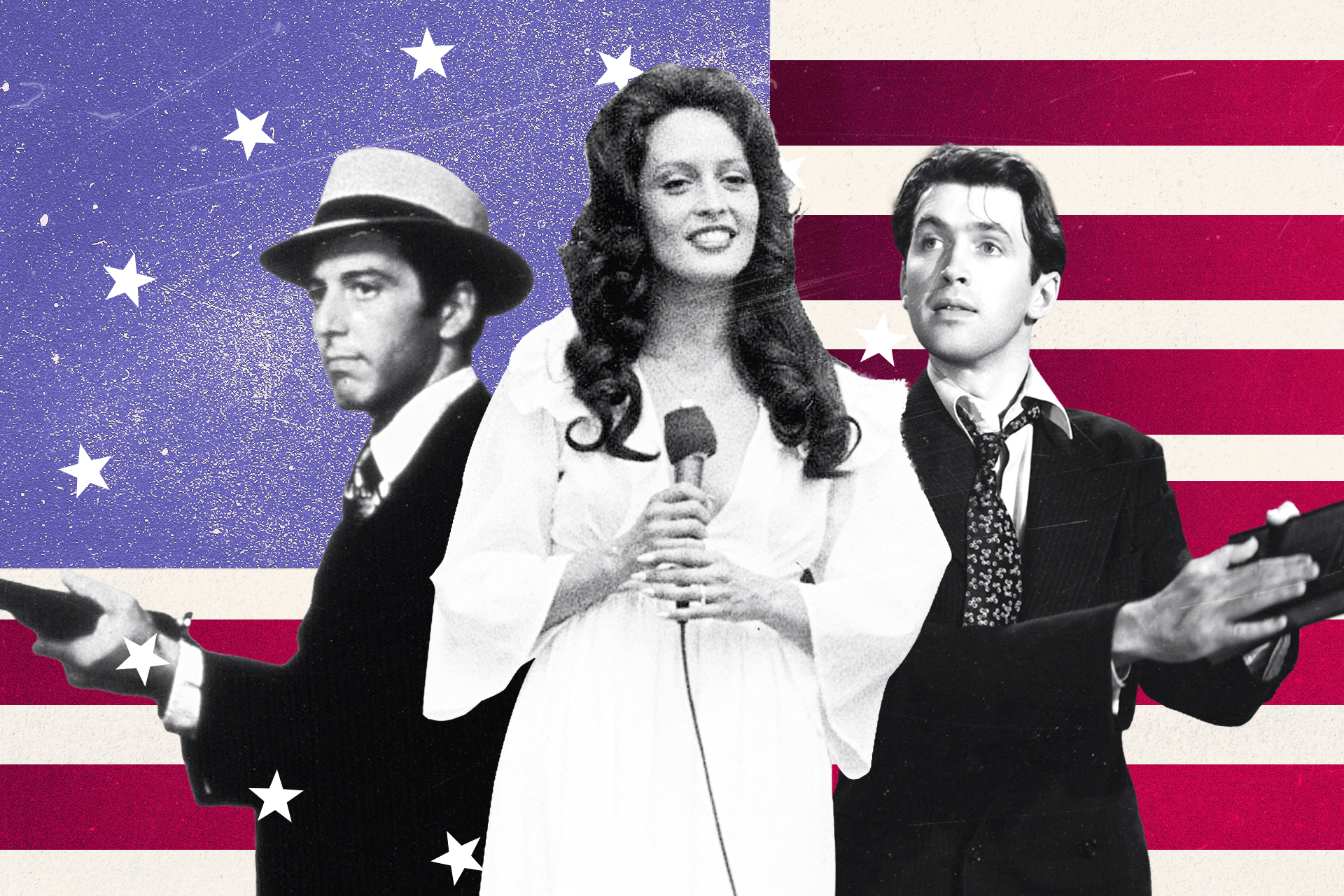
On July 4, 2026, as the United States celebrates its 250th anniversary, the question of whether Hollywood movies continue to embody and reflect American values has become a central point of cultural discussion. Historically, the American film industry has often depicted narratives that reinforce national identity, patriotism, and widely held societal principles, but recent trends suggest a potential shift in this long-standing tradition.
This discussion emerges from a broader cultural conversation about the perceived erosion of traditional American values within mainstream media. The film industry, a powerful cultural force, frequently finds itself at the heart of these debates. Its productions reach global audiences, influencing perceptions of America both domestically and internationally.
The Golden Age and National Identity
From the early 20th century, Hollywood quickly established itself as a primary shaper of American mythology. Films like Mr. Smith Goes to Washington (1939) and Casablanca (1942) presented clear-cut heroes and villains. They often championed themes of democracy, freedom, and individual perseverance.
During World War II, the film industry actively participated in the war effort. Movies like Sergeant York (1941) and Yankee Doodle Dandy (1942) boosted morale and solidified national unity. These films were not merely entertainment; they were instruments of national purpose.
Post-war, the 1950s saw a continuation of this trend, albeit with emerging anxieties. Westerns, sci-fi, and family dramas often subtly or overtly explored American ideals. They depicted the promise of the American Dream and the challenges of a rapidly changing world.
Cold War Narratives and Ideological Battlegrounds
The Cold War era intensified Hollywood’s role in ideological warfare. Anti-communist films, sometimes produced under the shadow of McCarthyism, became prevalent. They served to define what America was by contrasting it with its perceived enemies.
Even as the counter-culture movement began to question established norms in the late 1960s, many films retained a core American sensibility. They might critique the government or societal structures, but often from a perspective rooted in American ideals of justice and liberty.
Shifting Sands: The Late 20th Century
The 1970s marked a significant turning point. Films like Chinatown (1974) and Nashville (1975) offered more cynical, complex, and often critical portrayals of American institutions and history. This era reflected a national mood shaped by the Vietnam War and the Watergate scandal.
However, blockbusters of the late 1970s and 1980s, such as Star Wars (1977) and Top Gun (1986), often returned to more traditional heroic narratives. These films resonated with audiences seeking escapism and a reaffirmation of American exceptionalism.
The 1990s brought a mix of independent cinema’s introspection and mainstream Hollywood’s global expansion. While some films explored diverse American experiences, others focused on universal themes that transcended national boundaries.
The 21st Century and Globalized Storytelling
The events of September 11, 2001, led to a brief resurgence of overtly patriotic films. Movies like United 93 (2006) and American Sniper (2014) addressed national trauma and military heroism. Yet, this trend was not universal or long-lasting.
The rise of streaming services and the increasing importance of international box office revenue have altered Hollywood’s calculus. Films are now often designed for global appeal, which can sometimes dilute specific American cultural references or themes.
Diversity and Representation
Contemporary Hollywood has also placed a greater emphasis on diversity and inclusion. This has led to a wider range of stories being told, reflecting a more complex and multicultural America. Films now explore experiences that were historically marginalized or ignored.
This shift is seen by some as a necessary evolution, making Hollywood more representative of the actual American population. Others view it as a departure from a unified national narrative, potentially undermining traditional values.
The 250th Anniversary: A Moment of Reflection
As the nation observes its 250th birthday, the question of Hollywood’s reflection of America becomes particularly poignant. The film industry is a powerful cultural mirror, and its current reflections are subject to intense scrutiny.
The debate is not whether Hollywood should only produce patriotic films. It is about the balance between critical examination, global appeal, and the portrayal of a shared national identity. The industry navigates a complex landscape of commercial pressures, artistic ambition, and societal expectations.
“The erosion of traditional American values in Hollywood is a concern for many viewers,” noted a recent cultural analyst. “It prompts a feeling of cultural defense and defiance.”
This sentiment highlights a tension between different visions of America. Hollywood’s role in this ongoing dialogue is undeniable. Its choices in storytelling, character development, and thematic focus contribute significantly to how America sees itself and how the world sees America.
The Future of American Cinema
The future of Hollywood’s relationship with American values remains uncertain. Will the industry gravitate towards narratives that reinforce traditional ideals, or will it continue to push boundaries and explore new interpretations of American identity?
The economic realities of filmmaking, coupled with evolving social norms, will continue to shape these decisions. Audiences, through their viewership and engagement, also play a role in determining what kinds of stories get told and celebrated.
The 250th July 4th serves as a critical juncture. It invites both celebration and introspection. It prompts a re-evaluation of the cultural institutions that define the nation.
Filmmakers continue to tell stories. Audiences continue to watch. Critics continue to analyze. The dialogue about Hollywood and America continues.
Defining American Values on Screen
What constitutes “American values” is itself a dynamic and contested concept. For some, it refers to a set of foundational principles like liberty, individualism, and free-market capitalism. For others, it includes ideals of equality, social justice, and collective responsibility.
Hollywood’s challenge lies in navigating these diverse interpretations. A film that resonates deeply with one segment of the American population might alienate another. This complexity is inherent in a large, diverse nation.
The industry’s output often mirrors these internal national conversations. It can both initiate and respond to cultural shifts. The stories on screen are never entirely separate from the stories being lived across the country.
The debate is as old as Hollywood itself. It will likely continue for another 250 years. The medium of film remains a powerful tool for cultural expression and national self-definition.
Conclusion: A Continuous Dialogue
The historical ties between Hollywood and American identity are deep. The industry has long served as a cultural ambassador. It has celebrated national triumphs. It has grappled with national failings.
On this 250th anniversary, the conversation intensifies. The silver screen’s reflection of America is still evolving. The values portrayed are still being debated. The stories told are still being consumed.
Audiences seek connection. Filmmakers seek expression. The nation seeks understanding.
Hollywood.