Donald Trump’s Assertive Diplomacy
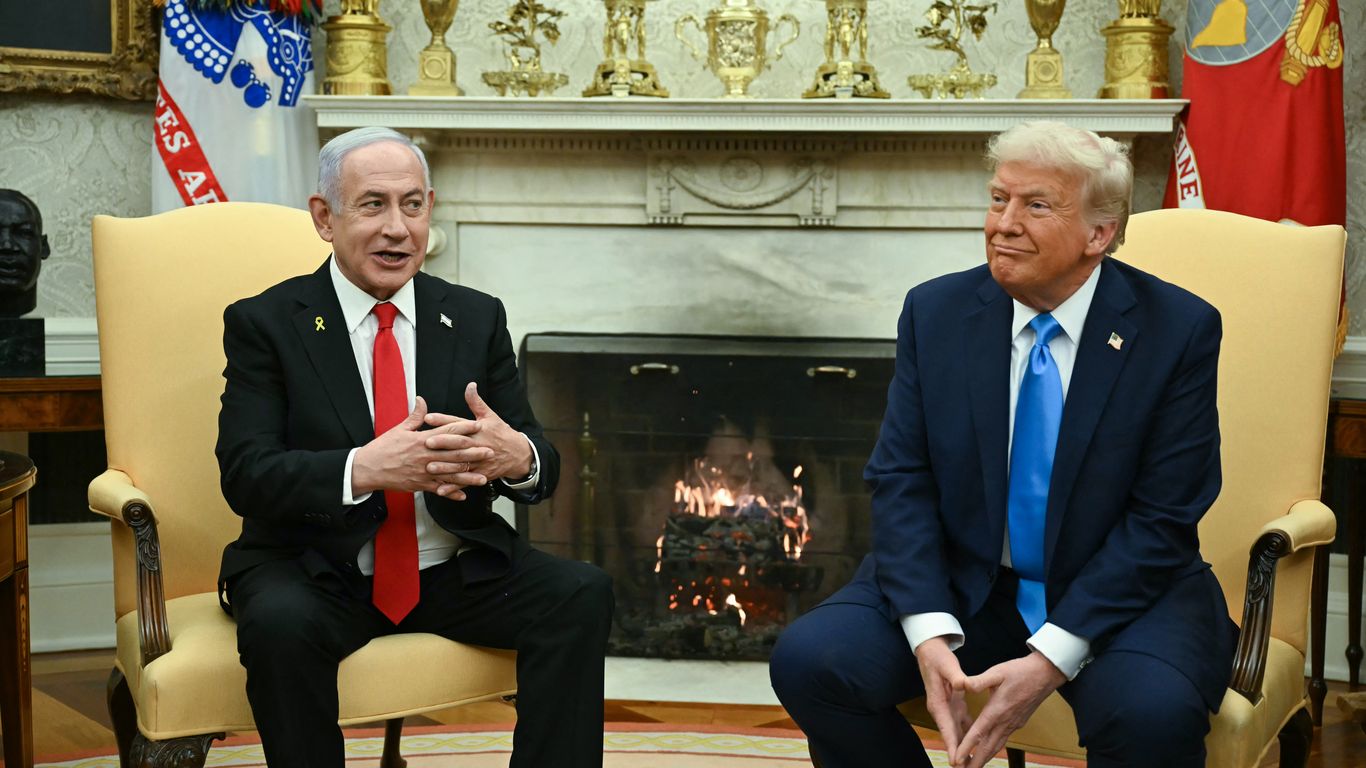
Donald Trump recently commented on his relationship with Benjamin Netanyahu, stating the Israeli Prime Minister “knows who the boss is.” This remark came during discussions regarding a potential White House visit for Netanyahu. The statement provides a direct insight into Trump’s view of international partnerships and leadership dynamics.
The former President’s comments emphasize his assertive stance in foreign policy. He often frames international relations in terms of strength and clear hierarchies. This approach has been a consistent feature of his public commentary on global leaders.
The context of a possible White House visit adds weight to the statement. Such a visit would mark a significant moment for U.S.-Israel relations, especially under a potential new presidential administration. Diplomatic engagements between the two nations are closely observed globally.
The U.S.-Israel Relationship Under Scrutiny
The relationship between the United States and Israel is a long-standing and complex alliance. It involves significant military, economic, and diplomatic cooperation. Statements from prominent political figures often signal shifts or continuations in this partnership.
Benjamin Netanyahu has served multiple terms as Prime Minister of Israel. His tenure has coincided with several U.S. presidential administrations. Each administration has brought its own nuances to the bilateral relationship.
Donald Trump’s presidency, from 2017 to 2021, saw a particularly close alignment with Netanyahu’s government. Key policy decisions, such as the relocation of the U.S. embassy to Jerusalem, characterized this period. These actions were viewed as highly supportive of Israel by many.
The current political landscape in both the United States and Israel involves ongoing debates about national security and regional stability. Public comments by former leaders can influence these discussions. They shape perceptions of past policies and future possibilities.
Iran Policy and Regional Dynamics
The discussion surrounding Trump’s comments also touched upon policy regarding Iran. Iran remains a central issue in Middle Eastern geopolitics. Both the United States and Israel view Iran’s nuclear program and regional activities with concern.
During his presidency, Trump withdrew the United States from the Joint Comprehensive Plan of Action (JCPOA), commonly known as the Iran nuclear deal, in 2018. This decision was strongly supported by Netanyahu’s government. Both leaders advocated for a tougher stance against Iran.
The potential for a renewed focus on Iran policy under a future Trump administration is significant. Such a focus would likely involve increased pressure on Tehran. It could also entail a re-evaluation of existing international agreements.
Regional dynamics in the Middle East are constantly evolving. The Abraham Accords, facilitated by the Trump administration in 2020, normalized relations between Israel and several Arab nations. These accords reshaped alliances and diplomatic pathways in the region.
The Abraham Accords: A Shift in Regional Diplomacy
The Abraham Accords represented a notable diplomatic achievement. They normalized relations between Israel and the United Arab Emirates, Bahrain, Sudan, and Morocco. These agreements were seen as a significant step towards broader regional peace.
The accords bypassed traditional Palestinian-Israeli peace negotiations. They focused instead on shared economic and security interests. The Trump administration championed these agreements as a new paradigm for Middle East diplomacy.
Benjamin Netanyahu’s government played a central role in these negotiations. The agreements demonstrated a willingness to forge new alliances in the face of common regional challenges. Iran’s influence was a key underlying factor in these new alignments.
Future Implications for Middle East Stability
Future U.S. policy in the Middle East will heavily influence regional stability. A potential shift in leadership in the United States could lead to new diplomatic approaches. These approaches would impact alliances and rivalries across the region.
The ongoing discussions about Iran’s nuclear capabilities continue to be a primary concern. International efforts to monitor and control proliferation remain critical. Both the United States and Israel prioritize preventing Iran from acquiring nuclear weapons.
The relationship between the U.S. and Israel is often a bellwether for regional security. Statements from leaders, past and present, offer clues into the strategic direction of this vital partnership. They also signal potential flashpoints or areas of cooperation.
Leadership Styles and International Relations
Donald Trump’s leadership style is characterized by direct communication and an emphasis on perceived strength. His public statements often reflect this approach. The phrase “knows who the boss is” exemplifies this directness.
This style contrasts with more traditional diplomatic language. Conventional diplomacy often relies on nuanced phrasing and indirect communication. Trump’s approach aims to project decisiveness and control on the global stage.
Benjamin Netanyahu, a veteran political leader, has navigated complex international relations for decades. His interactions with various U.S. presidents have been a testament to his diplomatic skill. He has consistently advocated for Israel’s security interests.
The interplay of these distinct leadership styles shapes international discourse. It influences how alliances are perceived and how foreign policy is conducted. The personal dynamics between leaders can often impact geopolitical outcomes.
Historical Context of U.S.-Israel Leaders
The relationship between U.S. presidents and Israeli prime ministers has a rich history. From Lyndon B. Johnson and Levi Eshkol to Bill Clinton and Yitzhak Rabin, personal connections have often defined periods of cooperation or tension.
George W. Bush and Ariel Sharon shared a strong bond, particularly after the September 11 attacks. This period saw increased security cooperation. It highlighted the importance of counter-terrorism efforts for both nations.
Barack Obama and Benjamin Netanyahu experienced a more strained relationship at times. Disagreements over the Iran nuclear deal were a notable point of contention. These instances underscore the complexities inherent in the alliance.
Each leader brings their own perspective and priorities to the relationship. These individual approaches contribute to the broader narrative of U.S.-Israel ties. They also demonstrate the enduring nature of the alliance despite political differences.
Public and Media Reception
Trump’s statement generated significant attention in both public and media circles. It sparked discussions among political analysts and commentators. The phrasing itself became a focal point of many conversations.
Supporters of Donald Trump often interpret such statements as evidence of strong leadership. They see it as a clear signal of his commitment to American interests. They also view it as an indication of his ability to command respect on the international stage.
Critics, however, may view the language as undiplomatic or overly assertive. They might argue that such rhetoric could complicate international relations. They often advocate for a more collaborative and less hierarchical approach to global partnerships.
Media outlets across the political spectrum reported on the comment. Each offered its own interpretation and analysis. The statement became a lens through which to examine broader themes of U.S. foreign policy and diplomatic conduct.
Impact on Future Political Discourse
The comment is likely to resonate in future political discourse. It will be referenced in debates about foreign policy and presidential leadership. It will also be used to characterize potential future administrations.
Such statements contribute to the public’s understanding of candidate positions. They help voters discern the likely direction of foreign policy. They also inform discussions about the role of the United States in global affairs.
The language used by political figures can shape public opinion. It can also influence the perception of international allies and adversaries. The careful consideration of words in diplomacy is often paramount.
The ongoing dialogue about U.S.-Israel relations remains a critical component of foreign policy discussions. Comments from key figures like Donald Trump continue to fuel these conversations. They underscore the enduring importance of this bilateral relationship.
Leaders speak. Nations listen. Policies are weighed. Alliances are tested. The world watches.