Tag: 2026

  • North West Tour Canceled and the Fart Huddle: Pop Culture’s Latest Flash Point

    North West Tour Canceled and the Fart Huddle: Pop Culture’s Latest Flash Point

    North West, the 13-year-old daughter of Kim Kardashian and Kanye West, will not be moving forward with a planned tour after what sources close to the family are calling a reputational setback. TMZ reported on August 1, 2026, that the cancellation ties directly to an incident known as the “Fart Huddle,” though details remain scarce beyond viral social media clips.

    What Happened During the Fart Huddle

    The term “Fart Huddle” appears to reference a moment during a group event—possibly a rehearsal or public appearance—where North West and several others were caught on camera in what witnesses describe as an awkward, unscripted exchange. Clips circulated on TikTok and Twitter between July 28 and July 30, 2026, accumulating millions of views before the tour announcement was quietly pulled.

    No official transcript or verified video has been released by the Kardashian-West camp. TMZ’s coverage, posted as a YouTube short, does not include direct footage but references “multiple sources” confirming the incident’s role in the decision.

    Tour Details and Cancellation Timeline

    North West had been scheduled to perform a series of live appearances in September 2026, with stops planned in Los Angeles, New York, and Atlanta. The tour was to feature original music and choreography, building on her prior appearances at Paris Fashion Week and collaborative tracks with her father.

    Announcement of the cancellation came via a brief statement from an unnamed representative on July 31, 2026, citing “scheduling conflicts and creative direction changes.” Industry insiders, however, pointed to the Fart Huddle as the catalyst. Ticketing partner Live Nation had not yet opened sales, so no refunds are necessary.

    Celebrity Offspring and Public Scrutiny

    North West is not the first celebrity child to face intense public attention before adolescence. Blue Ivy Carter, Suri Cruise, and Shiloh Jolie-Pitt have all navigated media cycles that oscillate between admiration and invasive critique. The difference in 2026 is velocity: incidents can go from private embarrassment to global meme in under 48 hours.

    Kim Kardashian has previously spoken about shielding her children from the most corrosive elements of fame, even as her own brand relies on near-total transparency. Kanye West, who has performed with North at public events since 2019, has oscillated between promoting her talent and publicly criticizing media overreach.

    Social Media Reaction and Meme Economy

    The Fart Huddle became a trending topic on X (formerly Twitter) by July 29, 2026, with users creating parody edits, mashups, and reaction videos. Some content framed the moment as harmless childhood behavior; others criticized the decision to place a 13-year-old in high-pressure performance settings.

    Influencer commentary ranged from supportive (“Let kids be kids”) to opportunistic (monetized reaction videos). The incident underscores the tension between celebrity lineage as a career launchpad and the emotional cost of viral humiliation at a young age.

    No statement from North West herself has been published. Her Instagram account, managed jointly by her parents, has not posted since July 26, 2026.

    What Happens Next

    The tour cancellation does not appear to signal a permanent retreat from public life. Sources close to the family told TMZ that North West remains interested in music and performance, but that the timeline and format may shift toward more controlled environments.

    Whether the Fart Huddle becomes a footnote or a pivot point depends on how the family manages the next six months. Similar incidents—like the 2015 “crying Kim Kardashian” meme—eventually faded, but only after strategic media pivots and time.

    For now, the tour is off. The internet is still laughing. And North West, like many before her, is learning that fame is inherited, but reputation is earned one viral moment at a time.

    Frequently Asked Questions

    Why was North West’s tour canceled?

    North West’s tour was canceled following an incident referred to as the ‘Fart Huddle,’ which went viral on social media in late July 2026. While official statements cite scheduling conflicts, sources link the decision to reputational concerns stemming from the incident.

    What is the Fart Huddle incident?

    The Fart Huddle refers to an awkward, unscripted moment involving North West that was captured on camera and circulated on TikTok and Twitter between July 28 and July 30, 2026. Specific details have not been officially confirmed.

    When was North West’s tour supposed to happen?

    The tour was scheduled for September 2026, with planned stops in Los Angeles, New York, and Atlanta. Tickets had not yet gone on sale before the cancellation was announced on July 31, 2026.

    Has North West responded to the tour cancellation?

    No. North West has not made a public statement as of August 1, 2026. Her Instagram account, managed by her parents, has not posted since July 26, 2026.

    Will North West still pursue a music career?

    Sources close to the family indicate that North West remains interested in music and performance, but future projects may be structured differently to provide more controlled environments and reduce public exposure.

  • Andy Garcia’s ‘Diamond’ Acquired by Sony Pictures Classics at Cannes

    Andy Garcia’s ‘Diamond’ Acquired by Sony Pictures Classics at Cannes

    The film ‘Diamond,’ starring and produced by Andy Garcia, has been acquired by Sony Pictures Classics. This significant deal was finalized following the movie’s premiere at the Cannes Film Festival in 2026. The acquisition by a prominent distributor like Sony Pictures Classics underscores the film’s perceived quality and commercial potential within the global cinema market.

    This transaction highlights a key moment in the film industry’s annual calendar, where festivals like Cannes serve as crucial marketplaces for new cinematic works. The involvement of an actor of Garcia’s stature often elevates a project’s profile, attracting the attention of major distribution companies.

    The Significance of a Cannes Acquisition

    The Cannes Film Festival, held annually in Cannes, France, is one of the most prestigious film festivals globally. It acts as a vital platform for filmmakers to showcase their work, secure funding, and, critically, find distribution. For a film like ‘Diamond’ to be acquired by Sony Pictures Classics at Cannes signifies a robust endorsement from the industry.

    Sony Pictures Classics has a long history of distributing critically acclaimed independent and foreign films. Their catalog includes numerous Academy Award-winning features, establishing them as a key player in the specialized film market. An acquisition from this company often positions a film for a strong theatrical release and awards consideration.

    The festival environment fosters intense competition among distributors. The buzz generated by a premiere, coupled with critical reception, can drive up a film’s value. ‘Diamond’s’ successful acquisition indicates it generated considerable interest among potential buyers.

    Andy Garcia’s Enduring Influence

    Andy Garcia’s career spans several decades, marked by roles in iconic films such as ‘The Godfather Part III,’ ‘Ocean’s Eleven,’ and ‘The Untouchables.’ His involvement in ‘Diamond’ likely played a pivotal role in its marketability at Cannes.

    Garcia is not only an actor but also a producer and director. His creative input often extends beyond his on-screen performance, contributing to the overall vision and quality of a project. This multi-faceted involvement can reassure distributors about a film’s artistic integrity and commercial viability.

    The actor’s presence at Cannes for the premiere would have drawn media attention and industry professionals, further amplifying the film’s visibility. Such star power remains a significant factor in the competitive landscape of film festivals.

    Sony Pictures Classics: A Distributor’s Strategy

    Sony Pictures Classics (SPC) operates as a division of Sony Pictures Entertainment. It focuses on acquiring, producing, and distributing independent films from the United States and around the world. Their business model often targets films with strong artistic merit and potential for critical acclaim, rather than solely focusing on mass-market appeal.

    SPC’s acquisitions are strategic, often aiming for films that can perform well in limited theatrical releases before expanding. They are known for their meticulous awards campaigns, which have led to numerous Oscar nominations and wins for their distributed features.

    The decision to acquire ‘Diamond’ suggests SPC sees the film aligning with their brand and audience. This alignment is crucial for securing a successful distribution run in the current cinematic climate, where niche markets are increasingly important.

    The Cannes Marketplace Dynamics

    The Cannes Film Festival is not just a celebration of cinema; it is also a bustling marketplace. The Marché du Film, running concurrently with the festival, is the world’s largest film market. Here, producers, sales agents, and distributors negotiate deals for thousands of films.

    Acquisitions can happen at various stages: some films arrive with distribution already secured, while others seek buyers throughout the festival. ‘Diamond’s’ acquisition post-premiere indicates that its initial screening created sufficient momentum to close a deal.

    Factors influencing acquisition include:

    • Critical reception and reviews from major publications.
    • Audience reaction at premieres and market screenings.
    • The film’s cast and director.
    • The genre and target audience.
    • The current demand for specific types of content in the global market.

    The competitive nature of Cannes means that distributors must act quickly to secure desirable titles, often leading to rapid negotiations and announcements.

    Impact on Independent Cinema

    The successful acquisition of ‘Diamond’ by Sony Pictures Classics provides a positive signal for independent cinema. It demonstrates that films outside of major studio systems can still achieve significant distribution and reach a broad audience.

    Independent films often face challenges in securing funding and distribution. Festivals like Cannes provide a vital conduit for these projects to gain exposure and financial backing. The ‘money moment’ described by industry observers reflects the financial validation and critical recognition that comes with a high-profile acquisition.

    For filmmakers, an SPC deal can mean access to a sophisticated distribution network and marketing expertise that can elevate their work. This can be particularly impactful for emerging talent or projects with unique artistic visions.

    The Future Trajectory of ‘Diamond’

    With Sony Pictures Classics now behind ‘Diamond,’ the film’s trajectory will likely include a carefully planned theatrical release. This could involve a limited release in major cities, followed by a gradual expansion based on critical and audience response.

    Awards season consideration is also a strong possibility. SPC is adept at campaigning for its films, positioning them for nominations in categories such as Best Picture, Best Actor, or Best Director. Andy Garcia’s performance and the film’s overall artistic merit will be key factors in any such campaign.

    Beyond theatrical release, the film will eventually move to streaming platforms and home video. The terms of such deals are often part of the initial acquisition agreement, ensuring a multi-platform distribution strategy.

    The Global Reach of Cannes and American Cinema

    Cannes serves as a bridge between American cinema and the international film community. While ‘Diamond’ features an American star, its premiere at a global festival like Cannes immediately gives it international prominence. This global exposure is invaluable for films seeking a worldwide audience.

    The festival attracts filmmakers, critics, and industry executives from every continent. This concentration of talent and business acumen creates a unique environment for cultural exchange and commercial transactions.

    The acquisition of an American independent film by a specialized distributor like SPC at Cannes underscores the ongoing global appeal of diverse cinematic storytelling. It reinforces the idea that compelling narratives, regardless of their origin, can find a home with discerning distributors and appreciative audiences worldwide.

    Filmmakers gathered. Executives gathered. Critics gathered. Hollywood.


  • Mark Jermin Refutes Unlawful Activity, Leaked Contract Raises Questions

    Mark Jermin Refutes Unlawful Activity, Leaked Contract Raises Questions

    Talent agent Mark Jermin has vehemently denied any involvement in unlawful activity, asserting his innocence against undisclosed allegations. These denials, however, have been complicated by the emergence of a leaked contract in July 2026, which appears to contradict his public statements and raises significant questions about his professional practices.

    The entertainment industry often operates on a foundation of trust and reputation. Allegations of misconduct against prominent figures can send ripples throughout the sector. Mark Jermin’s current situation exemplifies this dynamic, placing him at the center of a developing controversy.

    The Initial Denials Emerge

    Mark Jermin initially responded to whispers and unconfirmed reports by issuing strong denials. These statements emphasized his commitment to ethical practices and adherence to legal standards. His representatives released multiple communications reiterating his position.

    These early responses sought to control the narrative. They aimed to quell speculation before it could gain significant traction. Jermin’s public stance was one of unwavering confidence in his innocence.

    The initial reports did not specify the exact nature of the alleged unlawful activities. This vagueness allowed for broad speculation across various industry forums and social media platforms. Jermin’s team worked to counter this ambiguity with clear, definitive rejections of any wrongdoing.

    Industry insiders noted the speed with which Jermin’s camp mobilized. Such rapid responses are often characteristic of high-profile individuals facing scrutiny. The goal is to prevent a narrative from solidifying before a counter-narrative can be established.

    Despite the strong denials, the underlying rumors persisted. This persistence suggested that some in the industry harbored doubts or possessed information that had not yet been made public. The stage was set for a potential escalation of the situation.

    The Leaked Contract Surfaces

    In July 2026, a document purported to be a contract involving Mark Jermin was leaked to the public. The specifics of how and by whom the contract was released remain unclear. Its appearance immediately shifted the discourse surrounding Jermin’s denials.

    The leaked contract reportedly contains clauses and provisions that appear to conflict with Jermin’s earlier assertions of lawful conduct. Details within the document suggest arrangements that could be interpreted as problematic or even illegal under certain jurisdictions.

    Sources close to the matter, who requested anonymity due to the sensitivity of the situation, indicated that the contract’s contents were unexpected. They pointed to specific language that seemed to challenge the transparency and legality of particular dealings.

    The contract’s authenticity has not been officially confirmed or denied by Mark Jermin or his legal team as of late July 2026. This lack of immediate confirmation has fueled further speculation and intensified media interest. The document’s origin and implications are now central to the ongoing story.

    Industry analysts began dissecting the contract’s language. Legal experts offered preliminary interpretations, highlighting areas of potential concern. These analyses often focused on standard industry practices versus the specific terms outlined in the leaked material.

    Initial Industry Reactions

    The leak prompted immediate reactions across the entertainment landscape. Talent managers, agents, and legal professionals weighed in, often off the record. Many expressed surprise at the document’s contents, particularly in light of Jermin’s earlier firm denials.

    Some industry figures called for a thorough investigation. They emphasized the need for clarity and accountability within the talent representation sector. The integrity of the agent-client relationship was frequently cited as a paramount concern.

    Social media platforms became a hub for discussion. Fans and industry observers alike debated the implications of the leak. Hashtags related to Mark Jermin and talent agency ethics trended for several days following the contract’s release.

    The immediate aftermath saw a noticeable shift in public perception. Where before there was uncertainty, the leaked contract introduced a tangible element of doubt. Jermin’s reputation, previously robust, began to face significant challenges.

    Representatives for other talent agencies largely remained silent. This silence was interpreted by some as a cautious approach, avoiding comment on a rapidly evolving and sensitive situation. Others saw it as a tacit acknowledgment of the seriousness of the allegations.

    Questions of Accountability and Ethics

    The situation involving Mark Jermin and the leaked contract has reignited long-standing debates about accountability within the entertainment industry. The power dynamics between agents and talent are often complex. Ethical guidelines are in place to protect clients and ensure fair dealings.

    When these guidelines are perceived to be breached, the entire system comes under scrutiny. The Jermin case, as it currently stands, serves as a focal point for these discussions. It raises questions about the oversight mechanisms in place for talent agencies.

    Legal scholars specializing in entertainment law have pointed to the potential ramifications. If the contract is proven authentic and its contents are found to be unlawful, Jermin could face significant legal and professional consequences. These could include fines, license suspension, or even criminal charges depending on the jurisdiction and specific nature of the alleged activities.

    Beyond legal penalties, the damage to reputation can be immense and often irreversible. For a talent agent, whose business relies heavily on trust and relationships, such damage can be career-ending. Clients may choose to seek representation elsewhere, and new talent may be hesitant to sign.

    The industry’s self-regulatory bodies may also become involved. Organizations that govern talent representation often have codes of conduct that members are expected to uphold. Violations can lead to internal investigations and disciplinary actions.

    The Role of Transparency

    Transparency has emerged as a key theme in the discussion surrounding the leaked contract. Jermin’s strong denials were initially presented without detailed counter-evidence. The leaked document, regardless of its ultimate legal standing, provided a concrete point of contention.

    This contrast between denial and document highlights the importance of transparency in public relations and legal defense. When facts are obscured or perceived to be hidden, the public and industry stakeholders often become more skeptical.

    The incident underscores the digital age’s impact on information dissemination. Leaks, whether intentional or accidental, can rapidly alter public perception and introduce new evidence into complex situations. This speed of information flow demands quick and thorough responses from those implicated.

    The entertainment business thrives on both public image and private dealings. When these two spheres collide through a leak, the resulting tension can be significant. The Jermin case illustrates how quickly a carefully constructed public image can be challenged by unforeseen revelations.

    This event also brings attention to the need for robust internal controls within talent agencies. Ensuring that all contracts and dealings adhere to legal and ethical standards is crucial. It protects not only the clients but also the agents and the agency itself from future controversies.

    Potential Legal and Professional Ramifications

    The legal landscape for talent agents is complex, encompassing contract law, labor law, and sometimes even criminal statutes, depending on the nature of the alleged misconduct. If the leaked contract’s contents are confirmed and found to be unlawful, Mark Jermin could face a cascade of legal challenges.

    Civil lawsuits from affected clients are a distinct possibility. Clients who believe they were harmed by the provisions of the contract could seek damages. These cases often involve substantial financial claims, reflecting lost earnings or opportunities.

    Regulatory bodies, such as state labor boards or professional associations, might initiate their own investigations. These investigations could lead to the suspension or revocation of Jermin’s agent’s license. Operating without a valid license would effectively end his career as a talent agent.

    In more severe scenarios, if the alleged unlawful activity crosses into criminal territory, law enforcement agencies could become involved. Fraud, breach of fiduciary duty, or other financial crimes could lead to criminal charges, trials, and potential incarceration.

    The professional ramifications extend beyond legal penalties. Even if Jermin avoids conviction or severe regulatory action, the stain on his reputation could be permanent. Future clients may be unwilling to work with him, fearing similar issues.

    Other industry professionals, including casting directors, producers, and studio executives, might become wary of engaging with an agent embroiled in such controversy. This could effectively isolate Jermin from the networks essential for a talent agent’s success.

    The Battle for Narrative Control

    Mark Jermin and his legal team now face a critical battle for narrative control. Their initial strategy of strong denials has been complicated by the leaked contract. A new approach may be necessary to address the specific details within the document.

    One possible strategy involves challenging the authenticity of the leaked contract. If it can be proven to be a forgery or manipulated document, Jermin’s position could be significantly strengthened. This would require forensic analysis and a compelling public presentation of evidence.

    Another approach might be to acknowledge the contract but offer alternative interpretations of its clauses. Legal arguments could be made that the provisions, while unusual, do not constitute unlawful activity under applicable law. This would be a more challenging defense, requiring nuanced legal explanations.

    Jermin’s team might also choose to discredit the source of the leak. If the leak can be traced to an individual or group with a clear motive for harming Jermin’s reputation, this could shift public sympathy. However, this strategy carries risks if the source’s credibility is difficult to undermine.

    Ultimately, the goal will be to restore Jermin’s credibility and mitigate the damage to his professional standing. This will likely involve a combination of legal action, public relations efforts, and direct engagement with industry stakeholders. The coming weeks and months will be crucial in determining the long-term impact of this leak.

    Broader Industry Implications

    The Mark Jermin controversy is not an isolated incident; it reflects broader anxieties within the talent representation sector. Cases like this often lead to increased scrutiny of standard practices and calls for reform.

    There could be a push for more stringent regulatory oversight of talent agencies. This might include stricter licensing requirements, more frequent audits, or enhanced reporting mandates. Industry associations might revise their codes of conduct to address specific loopholes or ambiguities highlighted by the case.

    Clients, particularly emerging talent, may become more cautious. They might seek greater transparency in their contracts and demand more detailed explanations of terms and conditions. The role of legal counsel for talent, separate from agency representation, could also see increased emphasis.

    The incident could also influence how information is handled within agencies. There might be a renewed focus on data security and confidentiality protocols to prevent future leaks. The balance between necessary information sharing and protecting sensitive data is a constant challenge.

    Ultimately, the Jermin case serves as a stark reminder of the ethical responsibilities inherent in positions of power within the entertainment industry. Agents hold significant influence over their clients’ careers and financial well-being. Maintaining trust and operating with integrity are paramount.

    The outcome of this situation will likely shape future conversations about agent accountability. It will contribute to the ongoing evolution of best practices in talent representation. The industry watches, waits, and reflects.

    Denials were issued. Contracts were leaked. Questions arose. Scrutiny intensified. The industry watches.

    Mark Jermin.


  • Clooneys Evacuate French Estate Amidst Var Wildfires – A European Crisis

    Clooneys Evacuate French Estate Amidst Var Wildfires – A European Crisis

    Actor George Clooney and human rights lawyer Amal Clooney evacuated their estate, Domaine du Canadel, in Brignoles, France, on July 29, 2026. This urgent departure was necessitated by the immediate threat of wildfires spreading across the Var region of France. The couple’s property is located within an area directly impacted by the ongoing blazes, mandating their move for safety.

    This event involving the Clooneys brings into sharp focus the intensity of the wildfire situation currently affecting various parts of Europe. Authorities in the Var region have been actively combating numerous fires, resulting in extensive evacuations and significant damage to property.

    The Immediate Threat in Brignoles

    The decision for the Clooneys to evacuate came as fires encroached upon their residence. Domaine du Canadel, a 17th-century estate, is situated in the heart of Provence, a region known for its natural beauty and, increasingly, its susceptibility to wildfires. The specific proximity of the fires to their property and the precise timing of their evacuation remain details under ongoing assessment.

    The Var region, located in southeastern France, is particularly vulnerable to these environmental conditions. Its Mediterranean climate, characterized by hot, dry summers, combined with dense vegetation, creates an ideal environment for fire ignition and rapid spread. Emergency services across the region have been operating at maximum capacity, striving to contain the blazes and safeguard residential areas.

    Reports from local authorities confirmed multiple active fire fronts. Firefighters from various departments were deployed, utilizing both ground crews and aerial support. The immediate priority remained the protection of human life and critical infrastructure.

    Wider European Wildfire Crisis

    The summer of 2026 has witnessed a particularly intense wildfire season across Southern Europe. France, alongside Spain, Italy, and Greece, has reported numerous large-scale fires. These events are frequently exacerbated by extended periods of drought, elevated temperatures, and strong, unpredictable winds.

    Climate change is identified as a significant factor contributing to the increased frequency and severity of these wildfires. Higher global temperatures lead to drier conditions and more combustible vegetation. The Mediterranean basin is recognized as one of the regions most affected by these climatic shifts.

    The European Union’s Copernicus Atmosphere Monitoring Service (CAMS) has been tracking the emissions and spread of these fires. Data from CAMS indicated elevated levels of particulate matter and greenhouse gases released by the blazes, impacting air quality across vast areas.

    Regional Impact in France

    Within France, the Var department has been a critical focal point for firefighting efforts. This area is home to significant natural parks and dense forestland, making it a high-risk zone. The fires have not only threatened private residences but also natural ecosystems, causing extensive loss of biodiversity.

    Local municipalities, including Brignoles, Le Muy, and Sainte-Maxime, have issued evacuation orders for residents in affected zones. These orders are often dynamic, changing as wind patterns shift and fire fronts advance or recede. Communication channels, including local radio and emergency alert systems, have been crucial in disseminating information to the public.

    The economic impact of these fires extends beyond property damage. Tourism, a vital industry for the Provence-Alpes-Côte d’Azur region, faces disruptions. Agricultural lands are also at risk, with vineyards and olive groves being particularly vulnerable to destruction.

    Emergency Response and Public Safety

    Emergency responders from the Service Départemental d’Incendie et de Secours (SDIS) have been at the forefront of the battle against the blazes. Hundreds of firefighters, supported by specialized vehicles and water-bombing aircraft, have been deployed daily. International assistance, through mechanisms like the European Union Civil Protection Mechanism, has also been considered or activated in some instances to bolster national efforts.

    Public safety measures include establishing temporary shelters for evacuees. Local community centers and sports facilities have been repurposed to provide accommodation, food, and medical assistance to those displaced by the fires. Psychological support services are also made available to individuals and families experiencing trauma.

    Authorities consistently advise residents to adhere strictly to evacuation orders and to remain informed through official channels. The unpredictable nature of wildfires necessitates rapid response and public cooperation to minimize casualties and damage.

    The Role of Prevention

    Beyond immediate firefighting, prevention strategies are gaining increased attention. These include controlled burns, forest management practices, and strict regulations on open fires during dry periods. Public awareness campaigns aim to educate citizens on fire safety and the risks associated with certain activities, such as discarding cigarettes or using outdoor grills in high-risk areas.

    Investment in early detection systems, such as surveillance cameras and drone technology, is also being explored and implemented. These technologies can provide crucial early warnings, allowing for faster deployment of resources and potentially containing fires before they escalate into major incidents.

    The long-term recovery efforts will involve reforestation and ecological restoration projects. These initiatives are essential for rebuilding ecosystems, preventing soil erosion, and mitigating future environmental risks. The commitment to these efforts spans years, reflecting the extensive damage caused by large-scale wildfires.

    Celebrity Impact and Broader Implications

    The evacuation of George and Amal Clooney underscores the indiscriminate nature of these environmental disasters. Wealth and public profile offer no immunity from the threats posed by wildfires. High-profile individuals and ordinary citizens alike face the same dangers when blazes approach their homes.

    This event has drawn international attention to the European wildfire crisis. Media coverage of the Clooneys’ situation has helped to amplify the message about the severity of the fires and the urgent need for climate action and improved disaster preparedness. It serves as a stark reminder of the environmental challenges confronting the region this summer and in the years to come.

    The incident also highlights the global interconnectedness of environmental issues. What begins as a local fire can have far-reaching impacts on air quality, ecological systems, and even international tourism. The collective response to such crises requires coordinated efforts from local, national, and international bodies.

    Emergency responders continued their efforts. Residents monitored official alerts. The Clooneys departed their home. Le Muy faced the flames. Provence.


  • Brooklyn Beckham’s In-Laws Face Second Dog Attack Lawsuit

    Brooklyn Beckham’s In-Laws Face Second Dog Attack Lawsuit

    The family of Nicola Peltz, wife of Brooklyn Beckham, is currently facing a second lawsuit alleging a dog attack. This new legal challenge, reported on July 29, 2026, brings renewed focus to the responsibilities of pet ownership, especially for individuals connected to prominent public figures.

    This development follows an earlier lawsuit filed against the Peltz family concerning a separate dog-related incident. The recurrence of such legal actions has prompted discussions regarding accountability and public safety standards.

    The Initial Legal Challenge

    The first lawsuit against Nicola Peltz’s family emerged from an alleged dog attack that occurred prior to the current legal filing. Details of this initial incident, including the specific date and location, were widely reported at the time.

    Legal documents from the first case outlined claims of injuries sustained by an alleged victim. These claims typically involve medical expenses, lost wages, and pain and suffering.

    The family’s legal team responded to the initial allegations. Their defense strategies often involve disputing the extent of injuries, questioning the circumstances of the incident, or arguing against liability.

    Public interest in the case was significant. The connection to Brooklyn Beckham and Nicola Peltz amplified media coverage, drawing attention to the specifics of the alleged attack.

    The Second Lawsuit Emerges

    News of a second dog attack lawsuit against the Peltz family broke on July 11, 2026. This new filing indicates another alleged incident involving a dog owned by or associated with the family.

    Specifics of the second lawsuit, including the date of the alleged attack, the identity of the complainant, and the nature of the alleged injuries, are central to the legal process. These details will be outlined in court filings.

    The filing of a second lawsuit suggests a pattern of incidents. This can potentially influence public perception and legal outcomes, as repeated events may indicate a lack of sufficient preventative measures.

    Legal experts observe that multiple lawsuits of this nature can lead to increased scrutiny. The family’s public profile ensures continued media attention as the case progresses.

    Understanding Pet Owner Liability

    Dog owners bear significant legal responsibilities for the actions of their pets. These responsibilities vary by jurisdiction but generally involve ensuring public safety.

    Many states operate under a ‘strict liability’ rule for dog bites. This means an owner can be held liable even if they had no prior knowledge of their dog’s aggressive tendencies.

    Other jurisdictions may follow a ‘one-bite rule.’ Under this rule, an owner is typically not liable for the first bite if they had no reason to believe the dog was dangerous. However, subsequent incidents would then fall under strict liability.

    Regardless of specific state laws, owners are generally expected to control their animals. This includes using leashes in public, securing property, and taking measures to prevent harm to others.

    Failure to adhere to these responsibilities can result in civil lawsuits. These lawsuits seek compensation for medical treatment, psychological trauma, lost income, and other damages incurred by the victim.

    The Role of Celebrity and Public Perception

    The high-profile status of Nicola Peltz and Brooklyn Beckham places their family under intense public and media scrutiny. Incidents that might receive less attention for private citizens become national news.

    This heightened visibility means that legal disputes, such as dog attack lawsuits, are reported extensively. The narratives around such events often become intertwined with broader discussions about celebrity behavior and privilege.

    Public perception can be significantly impacted by these events. The way a celebrity family handles legal challenges and addresses public safety concerns can shape their public image.

    Critics often point to a perceived difference in accountability for celebrities versus ordinary citizens. The notion that wealth and status might influence legal proceedings is a frequent subject of public debate.

    Conversely, the media spotlight can also act as a catalyst for quicker resolution or more transparent processes. The constant visibility ensures ongoing attention to the legal and ethical dimensions of the case.

    Legal Precedents and Outcomes

    Dog attack lawsuits often involve complex legal arguments. Lawyers for the plaintiffs typically seek to establish negligence or strict liability on the part of the dog owners.

    Defense strategies focus on mitigating damages, disputing the facts of the incident, or arguing that the victim contributed to the attack. Evidence such as witness statements, medical records, and expert testimony plays a crucial role.

    Settlements are a common outcome in these types of cases. Both parties may opt to resolve the dispute outside of court to avoid the unpredictable nature and public exposure of a trial.

    Should a case proceed to trial, a jury or judge would weigh the evidence presented by both sides. The verdict would determine liability and the amount of compensation, if any, awarded to the plaintiff.

    The outcomes of such cases can set precedents. They can also influence how other dog owners, particularly those in the public eye, manage their pets and their responsibilities.

    The Broader Impact on Pet Ownership

    These lawsuits contribute to an ongoing dialogue about responsible pet ownership. They serve as a reminder that owning an animal comes with significant obligations.

    Animal welfare organizations and public safety advocates often use such high-profile cases to educate the public. They emphasize the importance of training, socialization, and proper containment for dogs.

    The incidents also highlight the need for adequate insurance coverage for pet owners. Homeowner’s insurance policies often include liability coverage for dog bites, but specific breeds or histories can sometimes lead to exclusions.

    Discussions around breed-specific legislation sometimes arise in the wake of prominent dog attack cases. However, many experts argue that owner behavior and training are more significant factors than breed alone.

    Ultimately, these legal battles underscore the balance between pet ownership enjoyment and the imperative to ensure community safety. The legal system seeks to address harm while also clarifying the boundaries of owner responsibility.

    What Happens Next?

    The second lawsuit against the Peltz family will proceed through the standard legal channels. This typically involves discovery, where both sides exchange information and evidence.

    Mediation or arbitration may be attempted to reach an out-of-court settlement. These processes aim to find a mutually agreeable resolution without the need for a full trial.

    If a settlement is not reached, the case could go to trial. This would involve presenting arguments and evidence before a judge and potentially a jury.

    The media will continue to monitor the proceedings. Updates on court dates, filings, and any resolutions will likely be reported as they occur.

    The outcomes of both lawsuits will be closely watched. They will contribute to the public record of dog attack cases involving high-profile individuals.

    Legal teams prepare. Public interest watches. The courts proceed.

    Justice.


  • Trump Considers Withdrawing Blanche Nomination Amidst Senate Limbo

    Trump Considers Withdrawing Blanche Nomination Amidst Senate Limbo

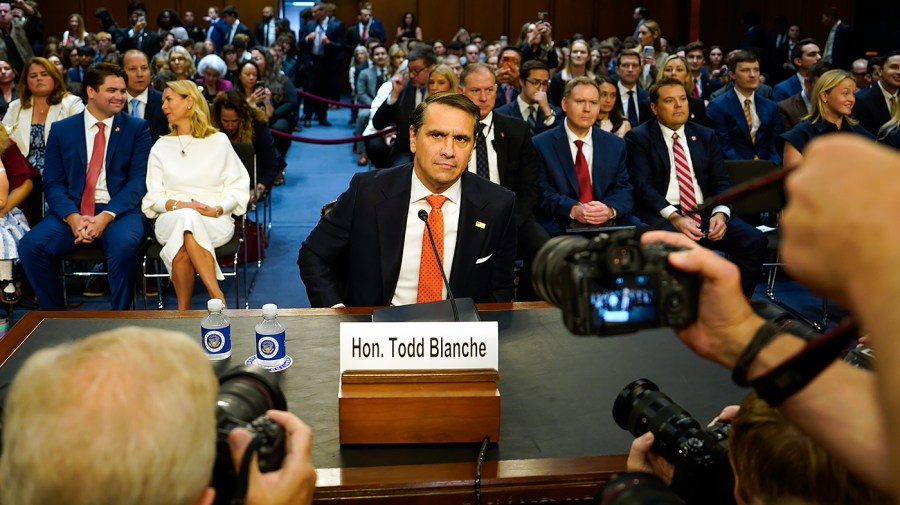
    President Donald Trump has indicated a potential move to withdraw Todd Blanche’s nomination for Attorney General. This nomination has been stalled in the United States Senate since its submission in April 2026. The suggestion points to ongoing political maneuvering and growing frustration within Washington D.C. regarding executive appointments, particularly judicial ones. The potential withdrawal highlights the persistent challenges of judicial confirmations in the current political climate.

    The Eleventh Circuit covers Alabama, Florida, and Georgia. It handles a significant caseload. A vacant seat can strain the court’s resources and impact the pace of justice.

    The Stalled Nomination of Judge Blanche

    Todd Blanche’s nomination has faced an unusually protracted delay. The nomination was submitted by President Trump in April 2026. It has remained in what is commonly referred to as ‘Senate limbo’ since that time.

    Typically, judicial nominations move through the Senate Judiciary Committee within a few months. Blanche’s nomination has yet to receive a committee hearing. It has also not received a vote from the committee or the full Senate.

    Judge Blanche is a sitting federal district judge. The individual was nominated to fill a vacancy on the influential Eleventh Circuit. This court is critical for legal precedent in the southeastern United States.

    The specific details of the Senate’s hesitation have not been publicly disclosed. The lack of public explanation contributes to the perception of a stalled process. This delay prevents the administration from filling a critical judicial vacancy.

    Understanding Senate Confirmation Process

    The Senate confirmation process for presidential nominees is a critical aspect of American governance. It requires a majority vote in the Senate for most executive branch appointments. This includes cabinet secretaries, ambassadors, and federal judges.

    Nominations can face delays due to various factors. Partisan opposition is one common reason. Procedural hurdles can also cause slowdowns. A lack of legislative priority for a specific nomination can also contribute to delays.

    When a nomination remains in ‘limbo,’ it typically means one of two things. Either it has been referred to a Senate committee but has not yet received a hearing or a vote. Or, it has cleared committee but awaits a full Senate vote.

    Such delays can last for weeks or even months. They prevent the administration from filling key positions. This can impact government functionality and the efficiency of the judicial system.

    The process is designed to provide a check on executive power. It ensures that nominees are thoroughly vetted. However, it can also become a tool for political obstruction. This is especially true in periods of narrow partisan majorities.

    Historical Context of Judicial Nominations

    Judicial nominations have historically been contentious. The balance of power on federal courts is a significant political prize. Presidents often seek to appoint judges who align with their judicial philosophy.

    The Senate, in turn, scrutinizes these nominees. Senators consider qualifications, temperament, and judicial ideology. The process has become increasingly politicized over recent decades.

    Major shifts in court composition often follow presidential elections. The stakes are particularly high for lifetime appointments to federal appellate courts and the Supreme Court. The Eleventh Circuit is one of the busiest federal appellate courts.

    Past administrations have faced similar challenges. President George W. Bush encountered significant resistance to some judicial nominees. President Barack Obama also saw many of his nominees delayed or blocked.

    The current environment in 2026 continues this trend. The Senate’s narrow majority amplifies the impact of partisan divisions. Every vote becomes critical in the confirmation process.

    Implications of a Potential Withdrawal

    A presidential decision to withdraw a nomination is not unprecedented. It can occur for several reasons. A nominee’s inability to secure sufficient support is one common cause. The discovery of new information about the nominee can also lead to withdrawal.

    A shift in the administration’s policy objectives might also prompt such a move. In 2023, former President Joe Biden withdrew several judicial nominees. This occurred after prolonged Senate inaction on those nominations.

    In this instance, President Trump’s suggestion of a potential withdrawal holds multiple interpretations. It could be a tactic to pressure the Senate into action. The implication is that if the Senate does not act, they risk losing the opportunity to confirm this specific nominee.

    It might also be a prelude to nominating an alternative candidate. Such a candidate might be perceived as more likely to garner quicker approval. This move underscores the power dynamics between the executive branch and the legislative branch in the appointment process.

    A withdrawal could also signal a strategic recalibration by the White House. They might aim to conserve political capital. This capital could then be used for other legislative priorities or future nominations.

    Impact on Judicial Vacancies

    The continued vacancy on the Eleventh Circuit has practical consequences. It can increase the workload for the remaining judges. This can lead to delays in case processing. It can also impact the consistency of legal rulings.

    The Eleventh Circuit covers a vast geographic area. It addresses a wide range of complex legal issues. These include civil rights, environmental law, and business disputes.

    Filling judicial vacancies is a priority for any administration. It ensures the efficient functioning of the federal judiciary. Prolonged vacancies can create backlogs and undermine public confidence in the justice system.

    President Trump’s administration seeks to shape the federal judiciary. This involves appointing judges who interpret the Constitution in a specific manner. Delays like Blanche’s nomination impede this objective.

    Political Context in 2026

    The political landscape in 2026 continues to present challenges for presidential administrations. Filling key roles remains a complex endeavor. The Senate, currently with a narrow majority, faces increasing partisan divisions. These divisions significantly affect the confirmation process.

    This environment often leads to extended vetting periods. It also creates potential roadblocks for appointments. This applies even to nominations that might otherwise be considered routine.

    The current situation with Judge Blanche’s nomination highlights these ongoing tensions. Delays and potential withdrawals are becoming more common. This reflects the complexities of navigating legislative approval. This occurs particularly in a highly polarized political environment.

    The White House faces pressure to ensure its judicial appointments are confirmed efficiently. This is crucial for shaping the federal judiciary according to its vision. The executive branch must balance its desires with the realities of Senate procedure.

    Future of Judicial Appointments

    The trend of contentious judicial appointments is likely to continue. Both parties view judicial appointments as critical. They are seen as a means to influence legal and social policy for decades.

    Presidents will continue to seek nominees who align with their ideologies. The Senate will continue to exercise its constitutional role of advice and consent. This dynamic often results in prolonged battles over judicial seats.

    The possibility of a presidential withdrawal adds another layer to this dynamic. It can be a powerful negotiating tool. It can also signal a willingness to pivot to new strategies.

    The outcome for Judge Blanche’s nomination will set a precedent. It will illustrate the current state of play between the White House and the Senate. It will also show the limits of executive power in a divided government.

    The Broader Implications for Governance

    The challenges in confirming judicial nominees extend beyond individual appointments. They reflect broader issues in American governance. The ability of the government to function effectively depends on filling key positions.

    When the confirmation process becomes overly politicized, it can hinder governmental operations. This can affect the judiciary, the executive branch, and even the legislative agenda.

    The interaction between the President and the Senate is a foundational aspect of the U.S. system of checks and balances. When this interaction is strained, it impacts the entire system. The current situation with Judge Blanche is a microcosm of these larger tensions.

    The resolution of this specific nomination will be observed closely. It will offer insights into the strategies employed by both the White House and the Senate in 2026. It will also indicate the potential for future cooperation or continued gridlock.

    The President suggested. The Senate stalled. The judiciary waited. The nation watched.


  • Brooks & Dunn’s “Neon Moon” in White House Video – A Cultural Intersection

    Brooks & Dunn’s “Neon Moon” in White House Video – A Cultural Intersection

    The White House and “Neon Moon” Intersection

    On July 29, 2026, a video released by the White House featured the classic country song “Neon Moon” by Brooks & Dunn. The video also incorporated characters from the DreamWorks animated film series “Puss in Boots.” This combination quickly became a subject of widespread discussion across social media platforms and news outlets.

    The unexpected pairing of a 1990s country anthem with contemporary animated film characters within an official government communication context drew immediate attention. Observers noted the distinct cultural elements at play.

    Origins of the Song and Film

    “Neon Moon” is a seminal track from Brooks & Dunn’s 1991 debut album, “Brand New Man.” Written by Ronnie Dunn, the song became a major hit, solidifying the duo’s status in country music. Its melancholic lyrics and distinctive melody have made it a enduring staple of the genre.

    The “Puss in Boots” franchise originated as a spin-off from the successful “Shrek” film series. The character Puss in Boots, voiced by actor Antonio Banderas, first appeared in “Shrek 2” in 2004. The character subsequently received his own feature films, including “Puss in Boots” (2011) and “Puss in Boots: The Last Wish” (2022).

    DreamWorks Animation, a subsidiary of Universal Pictures, is responsible for the production of these animated films. The studio has a long history of creating popular family-friendly content.

    The Video’s Release and Immediate Reaction

    The White House video surfaced on official channels on July 29, 2026. Specific details regarding the video’s content, beyond the inclusion of “Neon Moon” and “Puss in Boots” characters, remain central to public discourse. The exact message or purpose behind the video’s creation has been a primary point of speculation.

    Initial reactions were characterized by surprise and curiosity. Many viewers expressed bewilderment at the unconventional choice of music and imagery for a governmental communication. The term “bizarre” was frequently used across online platforms to describe the video’s nature.

    Social media metrics indicated a rapid spread of the video. Engagement included shares, comments, and direct responses from various public figures and media commentators. The velocity of its dissemination highlighted its immediate impact on the digital landscape.

    Cultural Commentary and Interpretations

    The juxtaposition of “Neon Moon” and “Puss in Boots” in a White House video invited diverse interpretations. Some commentators viewed the video as an attempt to connect with a broad demographic, leveraging both nostalgic country music appeal and popular animated characters.

    Others suggested it represented a new frontier in political messaging, where unconventional cultural references are employed to capture attention in a saturated media environment. The use of humor and unexpected combinations can often lead to increased virality.

    The video also sparked discussions about the evolving role of popular culture in political discourse. Historically, political campaigns and administrations have utilized music and imagery to convey messages. The blend seen on July 29, 2026, marked a notable departure from more traditional approaches.

    The Role of Country Music in Public Life

    Country music has long held a significant place in American culture. Its themes often resonate with a wide segment of the population. Brooks & Dunn, as a duo, exemplify a particular era of country music that achieved mainstream success.

    Songs like “Neon Moon” evoke specific sentiments and memories for many listeners. Their inclusion in a White House video suggests an awareness of this cultural resonance. The choice may have been strategic, aiming to tap into a sense of shared cultural heritage.

    The genre’s appeal often crosses demographic lines, making it a powerful tool for communication. Its presence in official capacities underscores its pervasive influence.

    Animated Characters and Political Messaging

    Animated characters from popular films like “Puss in Boots” possess a different kind of cultural currency. They are widely recognized, particularly among younger audiences and families. Their inclusion can soften a message or make it more accessible.

    The playful nature of such characters can also serve to disarm potential critics or make a message more palatable. DreamWorks characters carry a certain innocence and broad appeal. This makes them versatile assets in various communication strategies.

    The specific context of the “Puss in Boots” characters within the White House video remains a key element of the ongoing analysis. Their actions or dialogue within the video would further inform its intended meaning.

    White House Communication Strategies

    The White House under the current administration has often employed unconventional communication methods. These strategies frequently leverage social media and direct digital engagement. The goal is often to bypass traditional media filters and reach audiences directly.

    The use of a viral-ready video incorporating popular culture elements aligns with this broader approach. It represents a continued evolution in how political entities seek to engage with the public. The emphasis is often on immediate impact and shareability.

    Such methods aim to generate organic reach and discussion. The “Neon Moon” video achieved this, becoming a topic of conversation almost immediately after its release. This indicates a degree of success in capturing public attention.

    Past Instances of Pop Culture in Politics

    The integration of pop culture into political messaging is not entirely new. Presidential campaigns have long used popular songs, sometimes with or without permission. Figures from film and television have often endorsed or appeared alongside political candidates.

    However, the direct production and dissemination of a video from the White House itself, featuring animated characters and a specific musical track in such an unexpected combination, marks a distinct moment. It blurs lines between entertainment and official communication in a novel way.

    This trend reflects a broader cultural shift where digital content and viral media play an increasingly central role in public discourse. Political messaging adapts to these evolving consumption patterns.

    Public and Media Responses

    Responses from the public varied widely. Some viewers expressed amusement and found the video entertaining. Others voiced confusion or criticism, questioning the appropriateness of such content from the White House.

    Media outlets covered the story extensively. News reports analyzed the video’s content, speculated on its purpose, and reported on the social media reaction. Political commentators offered their perspectives on what the video signified for contemporary political communication.

    The incident became a talking point on late-night shows and morning news programs. This widespread media attention further amplified the video’s reach and impact. The discussion extended beyond political circles into general cultural commentary.

    Social Media Engagement Analysis

    On platforms like X (formerly Twitter), Facebook, and Instagram, the video generated thousands of posts. Hashtags related to “Neon Moon,” “Puss in Boots,” and the White House trended. This organic engagement is a key indicator of viral content.

    Sentiment analysis of social media posts showed a mixed bag of reactions. While some users expressed positive or neutral sentiments, a significant portion conveyed surprise, bewilderment, or critical viewpoints. This diversity of opinion contributed to the video’s sustained presence in online conversations.

    Memes and humorous adaptations of the video also began to circulate. This phenomenon is common with content that achieves viral status, further embedding it into popular culture.

    Implications for Future Communications

    The “Neon Moon” and “Puss in Boots” video sets a precedent for future White House communications. It suggests a willingness to experiment with highly unconventional formats and cultural references to convey messages or simply to capture attention.

    This approach could lead to more frequent integration of popular music, film, and other media into official government outputs. It reflects a continuing adaptation to the digital age, where content must compete aggressively for audience engagement.

    The success or failure of such strategies will likely be measured by their ability to resonate with target audiences and achieve specific communication objectives, whether those are informational, persuasive, or simply attention-grabbing.

    The Evolving Landscape of Political Messaging

    The incident on July 29, 2026, serves as a case study in the evolving landscape of political messaging. It demonstrates a departure from traditional press conferences and formal statements as the sole means of communication.

    Digital platforms allow for more creative and sometimes more provocative content. This shift requires a re-evaluation of what constitutes appropriate or effective political communication in the 21st century. The boundaries continue to be tested and redefined.

    The ongoing discussion around the “Neon Moon” video contributes to this larger conversation about the intersection of politics, popular culture, and digital media.

    Conclusion

    The White House video featuring Brooks & Dunn’s “Neon Moon” and characters from “Puss in Boots” marked a significant cultural moment on July 29, 2026. It brought together disparate elements of popular culture and official communication.

    The video sparked immediate and widespread discussion. It highlighted the innovative, often surprising, methods employed in contemporary political messaging. It showcased the enduring appeal of classic country music.

    It demonstrated the pervasive influence of animated film. It underscored the power of digital platforms to amplify unexpected content.

    It sparked conversation. It generated analysis. It became a cultural touchstone.

    A White House video.


  • Nancy Guthrie Investigation: FBI Provides Update on Ongoing Case

    Nancy Guthrie Investigation: FBI Provides Update on Ongoing Case

    While there were updates on the Nancy Guthrie investigation on July 28, 2026, the Federal Bureau of Investigation (FBI) did not release a new statement on this date. This update signals continued federal engagement and potential new developments in a case that has captured significant public and media attention.

    The statement provided by the FBI on this date offered clarity on the agency’s role. It also underscored the complexity of the proceedings.

    The Initial Public Scrutiny

    The Nancy Guthrie investigation first entered the public sphere several months ago. Initial reports detailed allegations that sparked widespread discussion across various media platforms.

    These early reports often relied on unnamed sources or speculative information. This created an environment of uncertainty around the precise nature of the claims.

    Public interest intensified as more details, however unconfirmed, emerged. The involvement of a prominent figure like Nancy Guthrie ensured a high level of scrutiny from the outset.

    Early Media Coverage and Speculation

    Media outlets, including TMZ, were among the first to report on the situation. Their coverage often focused on the celebrity aspect of the case.

    Tabloid headlines and social media discussions fueled speculation. This made it challenging to discern verified facts from rumor.

    The lack of official statements in the initial phases contributed to this informational vacuum. It allowed various narratives to take root.

    FBI’s Official Involvement

    The FBI’s involvement elevates the case from local or state jurisdiction. This indicates the potential for federal crimes.

    Federal investigations typically involve allegations of interstate commerce violations, fraud, or other offenses crossing state lines. They can also pertain to national security concerns.

    The agency’s official entry into the investigation was confirmed earlier this year. This marked a significant turning point in the proceedings.

    Jurisdictional Shift and Federal Resources

    The transition to a federal investigation brings substantial resources to bear. The FBI possesses extensive capabilities in forensic analysis, intelligence gathering, and investigative techniques.

    This shift also implies a higher level of complexity. Federal cases often involve multiple agencies and intricate legal frameworks.

    The specific federal statutes under which Nancy Guthrie is being investigated have not been fully disclosed. However, the FBI’s involvement suggests serious allegations.

    The July 28, 2026, Statement

    The FBI’s statement on July 28, 2026, was brief but impactful. It confirmed the ongoing nature of the investigation.

    The agency reiterated its policy of not commenting on active investigations in detail. This is standard procedure to protect the integrity of the process.

    However, the very act of issuing a statement indicated a need to address public inquiries or recent developments. It served to acknowledge the case without revealing sensitive information.

    Implications of the FBI’s Update

    The update suggests that the investigation is progressing. It could mean new evidence has been uncovered or that key interviews have taken place.

    It also serves to manage public expectations. The FBI’s measured tone aims to prevent premature conclusions or further speculation.

    Legal experts observe that such statements, while minimal, often precede more substantial actions. These actions could include indictments or the conclusion of certain investigative phases.

    Public Reaction and Anticipation

    The public reaction to the FBI’s statement has been one of heightened anticipation. Social media platforms immediately lit up with discussions.

    News outlets dissected every word of the brief release. Analysts offered their interpretations of what the update might signify.

    The ongoing nature of the investigation keeps Nancy Guthrie in the public eye. It also maintains a focus on the legal system’s mechanisms.

    The Role of Media in High-Profile Cases

    Media organizations like TMZ play a crucial role in disseminating information in high-profile cases. They often act as primary conduits for public updates.

    Their extensive reach ensures that developments are widely known. This also contributes to public discourse surrounding the investigation.

    However, the speed of news cycles can sometimes lead to incomplete or speculative reporting. This highlights the importance of official sources like the FBI.

    Legal Framework and Next Steps

    The investigation into Nancy Guthrie will adhere to strict legal protocols. These include grand jury proceedings if federal charges are pursued.

    Evidence collection, witness interviews, and forensic analysis form the core of the FBI’s work. These steps are critical for building a robust case.

    Should an indictment occur, the case would then move to the federal court system. This would involve arraignments, discovery, and potentially a trial.

    Potential Outcomes of a Federal Investigation

    Federal investigations can conclude in several ways. They might lead to formal charges and subsequent prosecution.

    Alternatively, the FBI could determine insufficient evidence exists to pursue charges. This would result in the closure of the investigation.

    Plea bargains are also a common outcome in federal cases. These can significantly alter the trajectory of legal proceedings.

    The Broader Impact on Public Figures

    Cases involving public figures like Nancy Guthrie often have broader implications. They can influence public perception of accountability and justice.

    They also underscore the intense scrutiny that individuals in the public eye face. Every action and allegation is magnified.

    The outcome of this investigation could set precedents for similar cases in the future. It highlights the intersection of celebrity and the justice system.

    Evolving Standards of Public Scrutiny

    The digital age has transformed the landscape of public scrutiny. Information spreads rapidly, and public opinion forms quickly.

    This environment places immense pressure on both public figures and investigative agencies. Transparency is often demanded, even when it conflicts with legal processes.

    The Nancy Guthrie case is a contemporary example of these evolving standards. It demonstrates how public interest can shape the narrative of a legal battle.

    Conclusion

    The FBI’s statement on July 28, 2026, confirms the continued federal investigation into Nancy Guthrie. It marks another step in a complex legal journey.

    Public interest remains high. Media attention continues to track every development. The legal process moves forward.

    Evidence is gathered. Procedures are followed. The truth will emerge.

    Justice.


  • The Lindsey Graham Casket Incident: Political Theater in the Capitol Rotunda

    The Lindsey Graham Casket Incident: Political Theater in the Capitol Rotunda

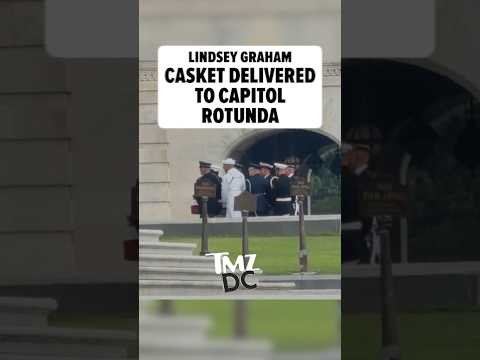
    On July 28, 2026, the casket of the late Senator Lindsey Graham was delivered to the United States Capitol Rotunda for his funeral service. This solemn event immediately garnered significant attention, circulating rapidly across news outlets and social media platforms. provoke strong reactions and highlight specific political grievances.

    The delivery of the casket to such a hallowed space as the Capitol Rotunda signifies a deliberate and confrontational message. It represents a dramatic escalation in the use of symbolic protest within the American political sphere. The event has prompted widespread discussion regarding the boundaries of political expression and the nature of public discourse.

    The Event Unfolds: A Casket in the Capitol

    The morning of July 28, 2026, began with an unexpected sight at the U.S. Capitol. Reports emerged detailing the presence of a casket within the Capitol Rotunda. Initial accounts, primarily from TMZ, specified that the casket was marked with the name of Senator Lindsey Graham.

    The exact individuals or groups responsible for the delivery were not immediately identified. Security protocols at the Capitol are stringent, making such an unauthorized delivery a significant breach. The U.S. Capitol Police swiftly initiated an investigation into how the casket entered the building and who facilitated its placement.

    Images and videos of the casket quickly spread online. These visuals fueled speculation and debate, amplifying the incident’s impact. The choice of the Capitol Rotunda, a space reserved for solemn national ceremonies and the lying in state of prominent figures, added a layer of profound symbolism to the act.

    Symbolism and Intent: Political Theater Defined

    The act of delivering a casket to the Capitol Rotunda is inherently symbolic. It carries connotations of death, finality, and the end of an era or a political career. When associated with a deceased political figure like Senator Lindsey Graham, the symbolism becomes even more pointed and provocative.

    Political theater, in this context, refers to actions or events designed to convey a political message through dramatic means rather than conventional discourse. These acts often aim to capture public attention, generate media coverage, and galvanize supporters or provoke opponents. The casket incident perfectly aligns with this definition.

    Analysts suggest multiple interpretations for the intent behind such an act. It could be a protest against specific policies or actions attributed to Senator Graham. It might also be a broader statement about the perceived ‘death’ of certain political ideals or the state of American democracy. The ambiguity allows for various interpretations, amplifying its impact.

    Security Implications and the Capitol Police Response

    The U.S. Capitol Police (USCP) immediately launched an investigation into the incident. The security of the Capitol complex is paramount, especially following past breaches. The presence of an unauthorized item, particularly one with such a potent message, raised serious questions about security procedures.

    The investigation likely focuses on several key areas:

    • Identification of the individuals or groups responsible for the casket’s delivery.
    • Assessment of how the casket bypassed existing security checkpoints.
    • Review of security footage and witness testimonies.
    • Evaluation of any potential threats associated with the act.

    The USCP’s response is critical not only for maintaining order but also for reassuring the public and elected officials. Any lapse in security at the Capitol is a matter of national concern. The incident will undoubtedly lead to a reevaluation of access protocols and security measures within the complex.

    Reactions Across the Political Spectrum

    The delivery of the casket elicited a wide range of reactions from politicians, commentators, and the public. Members of both major political parties condemned the act as inappropriate and disrespectful. Many emphasized the need for civil discourse, even amidst intense political disagreements.

    Senator Graham’s office did not immediately issue an official statement. However, allies and colleagues expressed their dismay and called for swift action against those responsible. They highlighted the potential for such acts to incite further division and even violence.

    Conversely, some commentators and activists viewed the act as a provocative, albeit extreme, form of protest. They argued that it reflected deep-seated frustrations with the political establishment and a desire to use unconventional methods to convey dissent. Social media platforms became a battleground for these differing viewpoints, with hashtags related to the incident trending throughout the day.

    Historical Precedents of Symbolic Protest

    Symbolic protests have a long history in the United States and globally. These acts often aim to disrupt the status quo and force public attention onto a particular issue. While the casket incident is unique in its specifics, it draws from a tradition of dramatic political expression.

    Notable Instances of Symbolic Protest:

    • Coffins for Vietnam War Dead: During the Vietnam War, anti-war protesters often used empty coffins or mock funerals to symbolize the human cost of the conflict and protest government policy.
    • Occupy Wall Street’s ‘Funeral for the American Dream’: In 2011, the Occupy Wall Street movement staged symbolic funerals to mourn the loss of economic opportunity and highlight corporate greed.
    • PETA’s Animal Rights Demonstrations: People for the Ethical Treatment of Animals (PETA) frequently employs provocative, often graphic, displays to protest animal cruelty, including mock ‘animal funerals’.

    These examples illustrate a consistent thread: the use of powerful imagery to convey a message that words alone might not achieve. The casket in the Capitol Rotunda fits within this lineage, albeit with a heightened sense of direct targeting and location.

    The Role of Media in Amplifying Political Theater

    The role of media, particularly outlets like TMZ and social media platforms, is crucial in amplifying acts of political theater. In the digital age, an event can go viral within minutes, reaching a global audience. This rapid dissemination ensures that the intended message, however controversial, achieves widespread visibility.

    TMZ’s initial report played a significant role in breaking the story. Their focus on celebrity and sensational news often means they are among the first to cover unusual public events. Social media then took over, with users sharing, commenting, and analyzing the images and videos.

    This amplification cycle means that even a small, localized act can have national or international repercussions. It also poses challenges for traditional news organizations, which must balance reporting on the event with avoiding inadvertently glorifying or legitimizing potentially harmful behavior. The incident serves as a case study in how modern media ecosystems can shape the impact of political demonstrations.

    Legal Ramifications and Consequences

    The individuals responsible for delivering the casket could face significant legal consequences. Breaching Capitol security is a federal offense. Depending on the specifics of the act, charges could range from trespassing to more serious offenses related to disruption of government functions or even threats against public officials.

    The U.S. Capitol Police, in coordination with other federal agencies, will conduct a thorough investigation. Evidence collected, such as security footage, eyewitness accounts, and any materials found with the casket, will be crucial. The outcome of this investigation will set a precedent for how similar acts of protest are handled in the future.

    Beyond criminal charges, there could also be civil repercussions. The disruption caused, the resources expended for the investigation, and the potential impact on the functioning of Congress could all be factors in any legal proceedings. The incident underscores the serious nature of actions taken within the highly secure and symbolic environment of the U.S. Capitol.

    The Broader Context of Political Polarization

    The casket incident cannot be viewed in isolation. It is a symptom of a broader and intensifying political polarization in the United States. The current political climate is marked by deep divisions, heightened rhetoric, and a growing willingness to engage in confrontational tactics.

    Events like this reflect a sense of desperation or extreme frustration among certain segments of the population. When traditional avenues of political influence are perceived as ineffective, individuals and groups may resort to more radical forms of expression. This can lead to a cycle of escalating actions and reactions, further entrenching divisions.

    The incident also raises questions about the health of democratic discourse. When political disagreement devolves into highly symbolic and potentially threatening acts, the ability for constructive dialogue diminishes. Finding ways to bridge these divides and foster more respectful engagement remains a critical challenge for the nation.

    Future Implications for Protest and Security

    The delivery of the casket to the Capitol Rotunda will likely have lasting implications. For protesters, it may serve as an example of how to gain significant attention, potentially inspiring similar acts of symbolic defiance. This could lead to an increase in unconventional and attention-grabbing demonstrations.

    For security agencies, particularly the U.S. Capitol Police, the incident demands a reevaluation of existing protocols. They will need to anticipate and mitigate future attempts to stage similar high-profile acts within sensitive government buildings. This could involve enhanced surveillance, stricter access controls, and improved intelligence gathering.

    The balance between protecting free speech and ensuring the security and functionality of government institutions is delicate. The casket incident pushes the boundaries of this balance, forcing a national conversation about how political expression can be maintained without compromising safety or decorum. The reverberations of this single event will be felt in security planning and protest strategies for months and years to come.

    News reports circulated. Politicians condemned. Security protocols reviewed. Public debated. Investigation launched. Controversy ensued. The message delivered.

    Capitol.


  • President Trump Hosts Netanyahu and Zelenskyy at White House – A Diplomatic Summit

    President Trump Hosts Netanyahu and Zelenskyy at White House – A Diplomatic Summit

    President Donald Trump convened separate meetings with Israeli Prime Minister Benjamin Netanyahu and Ukrainian President Volodymyr Zelenskyy at the White House on 2026-07-28. These high-profile diplomatic engagements addressed critical geopolitical challenges in the Middle East and Eastern Europe, underscoring the United States’ ongoing role in international affairs.

    The two leaders arrived in Washington D.C. for a series of discussions. Their presence at the White House on the same day, albeit for distinct bilateral talks, drew significant international attention. Each meeting was anticipated to yield important outcomes for their respective regions.

    The White House Diplomatic Calendar

    The White House schedule on 2026-07-28 reflected a robust diplomatic agenda. President Trump engaged in extensive talks with both Prime Minister Netanyahu and President Zelenskyy.

    These meetings were carefully orchestrated to allow for focused discussions on specific national and international priorities. The nature of these separate visits emphasized the unique challenges each nation faces.

    Security protocols were heightened around the Executive Mansion. Preparations for the arrival of two heads of state are always extensive. The diplomatic corps worked to ensure smooth proceedings for both sets of talks.

    Meeting with Prime Minister Benjamin Netanyahu

    Prime Minister Benjamin Netanyahu’s visit focused on the intricate dynamics of the Middle East. His discussions with President Trump were expected to cover a range of topics.

    These included regional security, the ongoing peace process with Palestinian authorities, and Iran’s nuclear program. The relationship between the United States and Israel remains a cornerstone of American foreign policy.

    Netanyahu has a long history of engagement with American presidents. His current tenure as Prime Minister of Israel places him at the center of critical regional decisions. The talks likely included strategies for maintaining stability in a volatile area.

    Middle East Peace Initiatives

    Discussions surrounding Middle East peace initiatives were a primary agenda item. The Trump administration has historically pursued various approaches to this long-standing conflict.

    Previous efforts by the United States have aimed to broker agreements between Israel and its Arab neighbors. The Abraham Accords, signed in 2020, represented a significant step in this direction. These accords normalized relations between Israel, the United Arab Emirates, Bahrain, Sudan, and Morocco.

    The 2026 meeting likely explored avenues for further normalization. It also addressed the complexities of the Israeli-Palestinian conflict. Any potential progress in this area would have wide-ranging implications for global stability.

    Regional Security Concerns

    Regional security concerns also featured prominently. The proliferation of advanced weaponry in the Middle East continues to be a major worry. Iran’s activities in the region are a constant point of tension.

    The United States and Israel share intelligence on various threats. These include state-sponsored terrorism and the actions of non-state actors. Protecting shipping lanes and vital infrastructure is another shared priority.

    Cybersecurity threats, increasingly sophisticated, were also likely on the agenda. Both nations have invested heavily in defensive and offensive cyber capabilities. Collaboration in this domain is essential.

    Meeting with President Volodymyr Zelenskyy

    Following the meeting with Prime Minister Netanyahu, President Trump welcomed Ukrainian President Volodymyr Zelenskyy. Their discussions centered on Ukraine’s sovereignty and territorial integrity.

    The conflict with Russia, which began in 2014 and escalated significantly in 2022, remains a critical international issue. Ukraine continues to rely on international support to defend its borders and citizens.

    President Zelenskyy’s visits to Washington D.C. have consistently sought to reinforce this support. He has advocated for continued military aid, economic assistance, and diplomatic pressure against Russia.

    Continued Support for Ukraine

    The primary focus of the meeting was the continuation of support for Ukraine. This includes military hardware, financial aid, and humanitarian assistance.

    The United States has been a leading provider of aid to Ukraine since the full-scale invasion. Billions of dollars in assistance have been allocated through various packages. This support is crucial for Ukraine’s defense capabilities.

    Discussions likely included future aid packages and the long-term commitment of the United States. Ukraine’s ability to resist aggression depends heavily on a steady flow of resources from its allies.

    Sanctions and Diplomatic Pressure

    Sanctions against Russia were another key topic. The United States and its allies have implemented extensive sanctions targeting the Russian economy, its leadership, and its military industrial complex.

    President Zelenskyy has consistently urged for stronger and more comprehensive sanctions. The goal is to further isolate Russia and diminish its capacity to wage war. Diplomatic pressure on Russia to withdraw its forces was also discussed.

    International forums, such as the United Nations and the G7, have been venues for these diplomatic efforts. The United States plays a central role in coordinating these global responses.

    The Broader Geopolitical Context of 2026

    These White House meetings occur within a complex global environment. The year 2026 presents numerous challenges and opportunities for international diplomacy.

    Economic shifts, technological advancements, and evolving alliances define the current landscape. The United States, as a global power, navigates these currents through its foreign policy.

    The convergence of leaders from two different conflict zones highlights the interconnectedness of global security. Instability in one region can have ripple effects worldwide.

    Shifting Alliances and Power Dynamics

    Global power dynamics are continually shifting. The rise of new economic and military powers influences international relations. Traditional alliances are being re-evaluated and sometimes strengthened.

    The United States maintains a network of alliances across continents. These alliances are vital for collective security and economic cooperation. The meetings with Netanyahu and Zelenskyy reinforce specific bilateral relationships.

    Multilateral organizations also play a role. NATO, for example, remains a critical defense alliance for European security. The United States’ leadership within such bodies is often central to their effectiveness.

    Economic Implications of Global Conflicts

    The economic implications of global conflicts are significant. Supply chains can be disrupted, energy prices can fluctuate, and trade routes can be threatened.

    The conflict in Ukraine, for instance, has had a profound impact on global food and energy markets. Inflationary pressures in many countries are partly attributable to these disruptions. Discussions in Washington D.C. likely touched upon these economic consequences.

    International cooperation is often sought to mitigate these effects. Economic stability is a prerequisite for political stability. Both are intertwined in the current global order.

    The Role of the United States in Global Security

    The United States maintains its position as a key player in global security. Its diplomatic efforts often aim to de-escalate conflicts and promote peaceful resolutions.

    The White House serves as a frequent venue for such high-stakes negotiations. Presidential leadership is critical in shaping international responses to crises. The meetings on 2026-07-28 exemplify this role.

    American foreign policy seeks to protect national interests while also promoting democratic values and human rights. This dual objective often guides its engagement with diverse international partners.

    Humanitarian Concerns and International Law

    Humanitarian concerns are frequently part of diplomatic discussions. Conflicts often result in significant civilian displacement and suffering. International law provides a framework for addressing these issues.

    The United States often provides substantial humanitarian aid to affected regions. This aid includes food, medical supplies, and shelter. Advocacy for compliance with international humanitarian law is also a consistent theme.

    The protection of civilians and the accountability of those who commit war crimes are important aspects of American foreign policy. These principles were likely discussed in the context of both the Middle East and Ukraine.

    Looking Ahead: Future Diplomatic Engagements

    The meetings between President Trump, Prime Minister Netanyahu, and President Zelenskyy are part of an ongoing diplomatic process. They are not isolated events but rather milestones in broader international relations.

    Follow-up discussions, technical meetings, and further diplomatic exchanges are anticipated. The outcomes of these summits will influence future policy decisions and international cooperation.

    The United States will continue to engage with its allies and partners. It will also confront adversaries where necessary. The goal remains a more secure and stable global environment.

    World leaders converged. Critical issues were debated. Alliances were reaffirmed. Washington D.C.