Tag: 2026

  • Cassie Ventura Triumphs in Court Against Ex-Male Escort Amid Diddy Allegations

    Cassie Ventura Triumphs in Court Against Ex-Male Escort Amid Diddy Allegations

    Cassie Ventura, known professionally as Cassie, secured a significant legal victory on July 27, 2026. She successfully shut down claims made by an ex-male escort in court. This development directly relates to the broader legal and public scrutiny surrounding Sean ‘Diddy’ Combs, her former associate.

    The ruling represents a critical moment in the ongoing legal battles that have impacted multiple individuals connected to Combs. It highlights the complexities of celebrity legal disputes and the challenges of navigating public allegations.

    The Genesis of the Legal Battle

    The legal confrontation involving Cassie Ventura and the ex-male escort emerged from a period of intense public and legal activity. Allegations against Sean ‘Diddy’ Combs had been mounting for months. These allegations included claims of misconduct and illegal activities.

    Cassie Ventura herself had previously settled a lawsuit against Combs in November 2023. That lawsuit involved claims of sexual assault and abuse. The settlement was reached quickly, just one day after the suit was filed.

    The ex-male escort’s claims reportedly sought to connect Ventura to some of these wider allegations. Details of the specific claims brought by the escort have been largely kept under seal or are subject to ongoing legal restrictions.

    Connecting the Dots to Diddy

    Sean ‘Diddy’ Combs has faced multiple lawsuits and public accusations since late 2023. These have come from various individuals. The allegations span a range of serious offenses.

    Federal investigations into Combs’ activities have also been confirmed. These investigations include raids on his properties in March 2024. These events have placed a significant spotlight on anyone associated with the music mogul.

    Cassie Ventura’s name frequently arose in discussions surrounding these events. Her past relationship and professional association with Combs made her a focal point for media attention and legal inquiries.

    The Courtroom Proceedings

    The specific court where Cassie Ventura’s recent victory took place has not been publicly disclosed by TMZ. However, the report confirms a definitive ruling in her favor. The nature of the court’s decision effectively dismissed or negated the claims brought by the ex-male escort.

    Legal experts suggest that such a ruling could stem from several factors. These include a lack of credible evidence presented by the plaintiff. It could also be due to procedural deficiencies in the escort’s case.

    The defense team for Ventura likely argued against the validity of the claims. They would have worked to protect her reputation and legal standing. The outcome indicates their arguments were successful.

    Impact on Ventura’s Public Image

    This court victory offers a measure of vindication for Cassie Ventura. It comes at a time when public figures often face intense scrutiny. Allegations, even unsubstantiated ones, can severely damage careers and reputations.

    Ventura has maintained a relatively private profile since her settlement with Combs. This legal win allows her to push back against further peripheral accusations. It reinforces her position in the ongoing, complex legal landscape.

    The decision might also deter others from making similar claims. It sends a message about the legal consequences of pursuing unsubstantiated allegations in court.

    Broader Implications for the Entertainment Industry

    The case of Cassie Ventura and the ex-male escort reflects larger trends. The entertainment industry is currently undergoing a period of increased accountability. High-profile figures are facing heightened scrutiny.

    The ‘Me Too’ movement and subsequent calls for transparency have shifted public perception. There is a greater willingness to investigate and address allegations of misconduct.

    This particular case, while specific to Ventura, is part of a wave. It contributes to the ongoing reevaluation of power dynamics within Hollywood and the music industry.

    The Role of Media and Public Opinion

    Media coverage plays a crucial role in these narratives. Outlets like TMZ often break news that shapes public opinion. The initial reports can influence how legal battles are perceived.

    Social media platforms amplify these stories. They create an environment where public discourse can heavily impact legal proceedings. This can add pressure to both plaintiffs and defendants.

    The balance between reporting facts and sensationalizing claims remains a constant challenge. This case is another example of that dynamic in action.

    Legal Precedents and Future Cases

    While the full details of the ruling are not public, any judicial dismissal of claims can set a precedent. It can influence how similar cases are handled in the future. Legal teams will often reference such outcomes.

    Attorneys representing individuals in the entertainment sector will analyze these decisions. They will look for insights into court’s approach to complex, high-profile allegations. This helps them strategize for future cases.

    The legal aftermath of the Diddy scandal is still unfolding. More cases are expected to emerge or progress through the courts. Each decision, like Ventura’s, contributes to the overall legal tapestry.

    The Long Road to Resolution

    For individuals like Cassie Ventura, navigating these legal waters is a long and arduous process. It involves significant emotional and financial costs. Public scrutiny adds another layer of difficulty.

    The desire for resolution and justice drives many of these proceedings. The outcomes, whether settlements or court victories, provide some closure. They also contribute to a changing industry landscape.

    The legal system continues to grapple with allegations from years past. It also addresses new claims as they arise. This ensures a continuous cycle of investigation and adjudication.

    Allegations surfaced. Lawsuits were filed. Public figures faced intense scrutiny. Courts rendered decisions. Accountability continued.

    Justice.

  • President Trump Attends Rescheduled White House Correspondents’ Dinner

    President Trump Attends Rescheduled White House Correspondents’ Dinner

    President Donald Trump attended the White House Correspondents’ Dinner on July 24, 2026, an event that had been rescheduled from its customary April slot. This appearance marked a significant moment for the annual gathering, as it represented a sitting president’s return to the event after a period of non-attendance by previous administrations. The dinner serves as a platform to celebrate journalism and the First Amendment, fostering dialogue between the press and the presidency.

    The decision to reschedule the event for July 24, 2026, was made earlier in the year by the White House Correspondents’ Association (WHCA). This adjustment aimed to accommodate the President’s schedule and ensure his participation. The dinner typically attracts a wide array of media personalities, government officials, and celebrities to Washington D.C.

    The Tradition of the White House Correspondents’ Dinner

    The White House Correspondents’ Dinner is an annual event hosted by the White House Correspondents’ Association. It traditionally takes place in April. The association, founded in 1914, aims to represent the White House press corps. It works to ensure media access to the President and the White House.

    The first formal dinner was held in 1921. President Calvin Coolidge was the first sitting president to attend in 1924. Since then, most presidents have attended the event, often using it as an opportunity for lighthearted remarks and self-deprecating humor. The dinner also raises money for scholarships for aspiring journalists.

    The event is known for its blend of serious recognition and comedic performances. A featured comedian often performs, and the President traditionally delivers a speech. These speeches often include jokes about the media, political rivals, and even themselves.

    President Trump’s Prior Engagements with the WHCA Dinner

    President Trump had a complex history with the White House Correspondents’ Dinner prior to his 2026 attendance. During his first term, he did not attend the dinner in 2017, 2018, 2019, or 2020. This broke with a long-standing tradition observed by most of his predecessors.

    His absence in those years was a subject of considerable media discussion. Some viewed it as a sign of strained relations between the administration and the press. Others interpreted it as a statement against what he often termed “fake news” and biased reporting.

    Despite his non-attendance, the dinner continued each year. The WHCA maintained its commitment to supporting journalism and awarding scholarships. Prominent journalists and entertainers still participated in the event.

    The 2026 attendance marked a shift in this dynamic. It signaled a potential re-engagement with the traditional ceremonial aspects of the presidency. This return was widely noted by political observers and media outlets.

    The Rescheduling and Its Implications

    The decision to move the 2026 dinner from April to July 27 was a practical one. It allowed for greater flexibility in the President’s demanding schedule. The WHCA worked closely with the White House to find a suitable date.

    Rescheduling such a high-profile event is not unprecedented, but it is uncommon. It underscores the importance placed on presidential attendance by the WHCA. The association views the President’s presence as crucial for the event’s symbolic value.

    The July date allowed for a summer evening event in Washington D.C. This provided a different atmosphere than the traditional spring timing. The planning logistics for security, venue, and guest lists were adjusted accordingly for the new date.

    The rescheduling also gave organizers more time for preparations. This included securing the venue, coordinating with the White House press office, and finalizing the program. The delay ensured a smoother execution of the complex event.

    Key Figures and Attendees at the 2026 Dinner

    The 2026 White House Correspondents’ Dinner drew a diverse crowd. Journalists from major news organizations were present. Representatives from print, broadcast, and digital media attended.

    Senior White House staff and cabinet members were also in attendance. Vice President JD Vance was present, along with other high-ranking officials. First Lady Melania Trump accompanied the President.

    The guest list included prominent figures from various sectors. Media executives, foreign dignitaries, and cultural icons often receive invitations. The event serves as a significant social and networking opportunity within Washington D.C. circles.

    The presence of such a wide array of individuals highlights the dinner’s continued relevance. It remains a key date on the Washington social calendar. Its function as a bridge between government and media remains important.

    The President’s Remarks and the Evening’s Tone

    President Trump delivered remarks at the 2026 dinner. His speech was anticipated with considerable interest. Observers looked for clues regarding the administration’s relationship with the press.

    The tone of presidential speeches at these dinners often varies. Some presidents opt for a light, humorous approach. Others use the platform for more serious addresses on the state of journalism or national affairs.

    Details of President Trump’s specific remarks were closely watched. His past interactions with the media have been robust and direct. His appearance at the dinner provided a unique opportunity for direct engagement.

    The evening also featured a comedian, as is customary. This performance often sets a lighter tone for the event. The interplay between the comedian’s routine and the President’s speech is a hallmark of the dinner.

    The Role of a Free Press in a Democratic Society

    The White House Correspondents’ Dinner consistently emphasizes the importance of a free press. This principle is foundational to American democracy. The WHCA uses the event to advocate for journalistic freedoms.

    A robust and independent media serves as a crucial check on government power. It informs the public and facilitates open debate. These functions are vital for a healthy democratic process.

    The dinner provides an annual reminder of these responsibilities. It highlights the work of journalists who cover the White House and government. Scholarships awarded during the event support the next generation of reporters.

    The dialogue between the President and the press, even in a ceremonial setting, underscores this relationship. It acknowledges the distinct roles each plays. It also reaffirms the constitutional protections afforded to the media.

    Scholarships and the Future of Journalism

    A core mission of the White House Correspondents’ Association is to support future journalists. The dinner is the primary fundraising event for WHCA scholarships. These scholarships assist students pursuing careers in journalism.

    Each year, multiple students receive financial aid. These funds help cover tuition and other educational expenses. The WHCA partners with universities to identify deserving recipients.

    The investment in journalism education is critical. It helps ensure a steady supply of trained and ethical reporters. This commitment reflects the association’s long-term vision for a strong press.

    The scholarship recipients are often recognized during the dinner. Their presence serves as a reminder of the foundational purpose of the WHCA. It connects the past, present, and future of White House coverage.

    The Broader Political and Media Landscape

    President Trump’s attendance at the 2026 dinner occurred within a dynamic political and media environment. The landscape of news consumption continues to evolve. Digital platforms and social media play increasingly dominant roles.

    Traditional media outlets face new challenges and opportunities. The relationship between politicians and the press is constantly negotiated. Events like the WHCA dinner offer a moment for reflection on these dynamics.

    The public’s perception of the media also remains a significant factor. Trust in institutions, including the press, is frequently debated. The dinner provides a symbolic stage for these ongoing discussions.

    The President’s engagement, or lack thereof, with such events sends signals. His return to the dinner in 2026 was interpreted in various ways. It contributed to the ongoing narrative about media-government relations.

    Security and Protocol for a Presidential Appearance

    Hosting the President at an event like the White House Correspondents’ Dinner involves extensive security and protocol. The United States Secret Service manages all aspects of presidential protection. This includes detailed planning for the venue, travel routes, and guest screening.

    The security measures are complex and multi-layered. They involve coordination with local law enforcement and venue staff. Every attendee undergoes security checks. These protocols ensure the safety of the President and all high-profile guests.

    Presidential protocol also dictates seating arrangements and speaking order. The First Lady, Vice President, and other dignitaries are seated according to established precedence. These traditions contribute to the formal nature of the event.

    The logistical coordination for such a gathering is substantial. It requires months of planning and collaboration between multiple agencies. The successful execution of the 2026 dinner demonstrated effective inter-agency cooperation.

    Journalists gathered. Politicians gathered. Entertainers gathered. Washington.


  • Venice Film Festival Faces Scrutiny Over Lack of Female Directors

    Venice Film Festival Faces Scrutiny Over Lack of Female Directors

    The Venice Film Festival, a cornerstone of international cinema, has drawn significant criticism in 2026 for its main competition lineup. Festival Director Alberto Barbera is facing scrutiny over the perceived lack of films directed by women. This situation reignites long-standing debates about gender representation within major film festivals and the wider film industry.

    Critics describe the selection as ‘one-dimensional.’ They argue that it fails to reflect the diversity of contemporary filmmaking talent. The issue extends beyond Venice, touching on how film festivals shape industry narratives and influence careers.

    The Recurring Debate Over Representation

    The discussion surrounding female directors at Venice is not new. For several years, critics and industry professionals have highlighted the gender imbalance in festival selections. These critiques often point to a systemic issue rather than isolated incidents.

    In 2026, the specific composition of the main competition brought these concerns to the forefront once again. The festival’s role as a platform for global cinema means its choices carry considerable weight.

    The absence of female voices in prominent slots can perpetuate a cycle. It limits visibility for women filmmakers. It also impacts their opportunities for distribution and critical acclaim.

    Alberto Barbera’s Stance and Festival Policy

    Alberto Barbera has previously addressed questions about gender representation. His position has often emphasized artistic merit as the sole criterion for selection. He has stated that films are chosen based on quality, regardless of the director’s gender.

    However, this stance has not quelled the criticism. Opponents argue that a purely meritocratic approach can inadvertently reinforce existing biases. They suggest that unconscious biases might influence what is perceived as ‘quality’ within traditional frameworks.

    The festival’s programming choices reflect its curatorial vision. This vision, when perceived as exclusionary, invites significant public and industry backlash. The pressure on festival directors to respond to these concerns continues to grow.

    The Impact on Female Filmmakers

    For female directors, inclusion in a prestigious festival like Venice can be transformative. It provides international exposure, attracts potential distributors, and can lead to further funding for future projects. Exclusion, conversely, can hinder career progression.

    The lack of representation at such high-profile events also sends a message. It can imply that films by women are less valued or less worthy of global attention. This perception can have long-term consequences for the diversity of cinematic storytelling.

    Advocacy groups and individual filmmakers consistently call for greater transparency in selection processes. They push for proactive measures to ensure a more equitable playing field. These efforts aim to dismantle barriers that have historically limited women’s participation.

    Industry-Wide Initiatives for Gender Parity

    The criticism directed at Venice is part of a larger, industry-wide movement towards gender parity. Other major festivals, including Cannes and Berlin, have also faced similar challenges and have implemented various initiatives.

    Some festivals have adopted pledges, such as the 50/50 by 2020 initiative. While 2020 has passed, the spirit of these pledges continues to drive conversations. These initiatives aim for balanced representation in selection committees and official lineups.

    Film academies and funding bodies are also reviewing their practices. They seek to identify and address biases in grant applications and award nominations. The goal is to create a more inclusive ecosystem for filmmakers of all genders.

    The Role of Selection Committees

    The composition of selection committees plays a crucial role in festival programming. Critics argue that committees lacking diversity may have narrower perspectives. This can lead to a less varied selection of films.

    Increasing the number of women and individuals from diverse backgrounds on these committees is often proposed as a solution. A more diverse group of selectors might bring different sensibilities and broaden the scope of films considered.

    Transparency in the selection process remains a key demand. Understanding how films are chosen could help address concerns about fairness and representation. This transparency could also foster greater trust between festivals and the filmmaking community.

    The Commercial and Cultural Implications

    Beyond ethical considerations, the lack of diversity in festival lineups has commercial and cultural implications. A ‘one-dimensional selection’ might alienate diverse audiences. It could also limit the cultural richness offered by the festival.

    Films by women often explore different themes and perspectives. These narratives can resonate deeply with a broad spectrum of viewers. Excluding them means missing out on potentially impactful and commercially successful works.

    Major festivals are tastemakers. They influence global film trends. A festival that consistently overlooks female talent risks becoming less relevant in an increasingly diverse world. This puts pressure on leadership to evolve with societal expectations.

    Looking Ahead: Calls for Change

    The ongoing criticism of Alberto Barbera and the Venice Film Festival signals a persistent demand for change. Advocates for gender equality in film are not retreating. They continue to push for tangible improvements in representation.

    Future festival editions will likely face even greater scrutiny. The industry is moving towards a more inclusive model. Festivals that adapt will thrive. Those that resist may find their prestige diminished.

    The conversation around Venice in 2026 serves as a reminder. Representation matters. It impacts careers, shapes culture, and defines the future of cinema. Filmmakers, critics, and audiences worldwide are watching. They are waiting for festivals to reflect the full spectrum of global talent.

    Historical Context of Venice and Female Directors

    The Venice Film Festival has a long history, dating back to 1932. Throughout its decades, the representation of female directors in its main competition has varied significantly. Early years saw very few women, reflecting broader societal norms in filmmaking.

    In more recent history, there have been periods of increased female representation, followed by declines. This fluctuation indicates that progress is not always linear. It underscores the need for sustained effort and commitment to diversity.

    The festival has, at times, celebrated groundbreaking works by women. However, these instances have often been exceptions rather than the rule in terms of overall lineup balance. The 2026 criticism highlights this historical unevenness.

    Global Perspectives on Film Festival Diversity

    The debate at Venice is mirrored in discussions surrounding other international festivals. From Sundance to Toronto, and from Berlin to Busan, the call for greater diversity is universal. Each festival faces unique pressures and cultural contexts.

    However, the core demand remains consistent: film festivals should reflect the global tapestry of filmmaking talent. This includes not only gender diversity but also representation across race, ethnicity, and geographic origin.

    The interconnectedness of the global film industry means that decisions made at one major festival can influence others. A collective movement towards inclusivity is essential for meaningful change. This is a shared responsibility across the entire festival circuit.

    The Economic Argument for Inclusivity

    Beyond moral and ethical arguments, there is a strong economic case for greater inclusivity. Studies have shown that diverse films often perform well at the box office. They also attract broader audiences.

    A festival that showcases a wider range of voices can tap into new markets and demographics. This can enhance its relevance and commercial viability. Limiting selections to a narrow demographic risks missing out on these opportunities.

    Investment in female-directed projects can also yield significant returns. When given the platform, these films can achieve critical acclaim and financial success. Festivals play a vital role in providing that initial platform.

    The Future of Festival Programming

    The future of film festival programming will likely involve a more conscious approach to diversity. This includes setting targets, implementing blind submission processes, and diversifying selection committees.

    Festivals may also increase their focus on mentorship programs for emerging female directors. They might also create dedicated sections or awards to highlight women’s contributions to cinema. These proactive steps are crucial for driving systemic change.

    The dialogue between festival leadership, filmmakers, and advocacy groups will continue to evolve. This ongoing conversation is essential for pushing the industry forward. It ensures that future generations of filmmakers and audiences benefit from a truly global and inclusive cinematic landscape.

    Critics speak. Advocates push. Audiences demand. The industry listens. The future of film representation begins now.


  • President Trump’s Iran ‘Ammo’ Statement – Implications for National Defense

    President Trump’s Iran ‘Ammo’ Statement – Implications for National Defense

    On July 27, 2026, President Donald Trump publicly declared that the United States possesses “plenty of ammo left” for a potential conflict with Iran. This assertion, delivered via Bloomberg Television, highlights the administration’s continued strong stance on national security and its approach to geopolitical rivals in the Middle East. The statement serves to reinforce perceptions of American military readiness and resolve.

    The President’s remarks arrive amidst ongoing regional tensions. Geopolitical analysts frequently monitor such statements for indications of future policy directions. These declarations can influence international diplomacy and defense strategies.

    The Context of President Trump’s Statement

    President Trump’s comment did not occur in isolation. It emerged within a broader landscape of US-Iran relations. These relations have been marked by periods of heightened tension and strategic maneuvering for decades.

    The United States has maintained a significant military presence in the Middle East. This presence is often cited as a deterrent against regional aggression. It also supports various allied nations.

    The statement itself, “plenty of ammo left,” is a colloquial expression. It conveys a message of substantial military capability. It suggests a readiness to engage if deemed necessary.

    Historical Precedents in US-Iran Relations

    US-Iran relations have a complex history. Key events include the 1979 Iranian Revolution. There was also the Iran hostage crisis.

    Sanctions have been a consistent tool in US policy towards Iran. These economic measures aim to pressure Iran on its nuclear program and regional activities. Various administrations have employed different levels of sanctions.

    Military confrontations, while not direct wars, have occurred. Incidents in the Persian Gulf, for example, have involved naval forces. These encounters underscore the volatile nature of the relationship.

    Previous administrations have also issued strong warnings to Iran. These warnings often involve rhetoric regarding military capacity. Such statements are part of a long-standing diplomatic and strategic playbook.

    Implications for National Defense and Geopolitics

    The President’s statement carries multiple implications. Domestically, it can bolster confidence in the nation’s defense posture. It also signals resolve to allies and adversaries.

    Internationally, the message is received by various actors. Iran, regional powers like Saudi Arabia and Israel, and global players like Russia and China all interpret such statements. Each interprets them through their own strategic lenses.

    Military Readiness and Strategic Deterrence

    The phrase “plenty of ammo left” directly addresses military readiness. It suggests sufficient resources for sustained engagement. This includes munitions, personnel, and logistical support.

    Strategic deterrence relies on a credible threat of force. President Trump’s statement contributes to this deterrence. It aims to dissuade potential adversaries from aggressive actions.

    The Pentagon continuously assesses and maintains military stockpiles. These assessments inform national defense strategies. They ensure the US military can meet various operational demands.

    The US defense budget reflects these priorities. Substantial investments are made in advanced weaponry and training. This ensures the military remains a formidable global force.

    Regional Stability and Alliances

    The statement can impact regional stability in the Middle East. It may reassure US allies who feel threatened by Iran. These allies include Gulf states and Israel.

    Alliances are critical to US foreign policy. Declarations of strength can reinforce these partnerships. They signal a commitment to collective security.

    Conversely, such statements can also escalate tensions. They might provoke counter-rhetoric or actions from Iran. This creates a delicate balance for diplomats.

    International organizations, such as the United Nations, often monitor these exchanges. They advocate for de-escalation and peaceful resolutions. Diplomacy remains a key component.

    Economic and Political Ramifications

    Statements of military readiness can have economic effects. Global oil markets, for instance, are sensitive to Middle East tensions. Prices can fluctuate based on perceived instability.

    Defense industries also react to such pronouncements. Stock prices of defense contractors may see movement. Government contracts for military hardware are significant economic drivers.

    Domestic Political Landscape

    Domestically, President Trump’s statement resonates with specific political demographics. Supporters often view strong national defense as a core tenet. They appreciate assertive leadership on the global stage.

    Opponents may criticize such rhetoric. They might argue it increases the risk of conflict. They may also question the economic costs of potential military action.

    The statement can also serve to rally a political base. It reinforces a particular narrative about American strength. This is especially relevant in an election cycle, though the next presidential election is not until November 2028.

    Public opinion on foreign policy is diverse. Polls often reflect differing views on military intervention. These views are shaped by historical context and current events.

    International Relations and Diplomacy

    Diplomatic channels remain open, even amidst strong rhetoric. The US Department of State continues to engage with international partners. These engagements aim to manage and resolve conflicts.

    The G7 and other multilateral forums discuss regional security. These discussions involve major global powers. They seek consensus on complex geopolitical issues.

    The statement could be interpreted as a bargaining chip. It might be a way to exert pressure in ongoing negotiations. This is a common tactic in high-stakes international diplomacy.

    However, it could also harden positions. It might make diplomatic breakthroughs more challenging. The precise impact depends on subsequent actions and reactions.

    The Role of Media in Disseminating Such Statements

    Bloomberg Television served as the platform for President Trump’s statement. Major news outlets play a crucial role in disseminating such high-profile remarks. They reach broad national and international audiences.

    The phrasing and context provided by media outlets can shape public perception. News analysis often accompanies these reports. This analysis helps interpret the implications of the statements.

    The Impact of Digital and Broadcast Media

    Broadcast media, like Bloomberg Television, offers immediate reach. Live reporting ensures timely delivery of information. This is critical for fast-moving geopolitical developments.

    Digital media and social platforms amplify these messages. Statements can go viral quickly. This leads to widespread discussion and debate.

    The speed of information dissemination means rapid responses are often required. Governments and international bodies must adapt to this pace. They must manage narratives effectively.

    The proliferation of information also presents challenges. Misinformation and disinformation can spread rapidly. This complicates efforts to maintain factual accuracy.

    Future Outlook and Potential Scenarios

    President Trump’s statement sets a tone for future interactions with Iran. It suggests a continued policy of strength. The coming months will reveal the practical implications of this stance.

    Potential scenarios range from continued diplomatic pressure to increased military exercises. The trajectory depends on numerous factors. These include Iranian responses and global events.

    Continued Diplomatic Efforts

    Despite strong rhetoric, diplomatic efforts are likely to persist. Various nations seek a peaceful resolution to tensions. They aim to prevent open conflict.

    Negotiations regarding Iran’s nuclear program remain a key area of focus. International inspectors monitor compliance. Discussions aim to limit proliferation.

    Regional dialogues involving multiple Middle Eastern countries are also important. These dialogues seek to build trust and address shared security concerns. They aim to foster long-term stability.

    The United States often engages in back-channel communications. These discreet exchanges can facilitate dialogue. They can also explore potential compromises.

    Escalation Risks and Preparedness

    The risk of escalation is always present in such volatile regions. Unintended incidents can quickly lead to broader conflicts. Military preparedness is therefore paramount.

    The US military maintains a high state of readiness. This includes intelligence gathering and rapid deployment capabilities. These measures are designed to respond to various threats.

    Contingency planning is a continuous process. Defense strategists develop plans for multiple scenarios. These plans aim to protect US interests and personnel.

    International observers will continue to monitor the situation closely. They will watch for signs of de-escalation or increased tension. The global community has a vested interest in peace.

    President Trump’s statement. A clear message. A declaration of resolve. A reminder of power. A signal to allies. A warning to adversaries. A moment in time.

    Geopolitical maneuvering. National defense. International relations. Global security.

    Washington.


  • President Trump Sees ‘Good Chance’ for Iran Deal Amidst Pause

    President Trump Sees ‘Good Chance’ for Iran Deal Amidst Pause

    President Trump’s Outlook on Iran Negotiations

    President Trump stated on July 27, 2026, that there is a “good chance” of reaching a new deal with Iran. This assessment comes despite a reported pause in diplomatic discussions. The President’s remarks highlight the ongoing, complex efforts by the United States to address Iran’s nuclear program and its broader activities in the Middle East.

    His comments were delivered during a period of intense global scrutiny regarding international security. The potential for a new agreement carries significant implications for regional stability and global energy markets. Diplomatic channels remain active, even if the public face of negotiations has temporarily receded.

    Historical Context of US-Iran Relations

    The relationship between the United States and Iran has been marked by decades of tension and intermittent diplomatic engagement. The 1979 Iranian Revolution fundamentally altered the geopolitical landscape. This event led to the severance of diplomatic ties and a prolonged period of animosity.

    Subsequent decades saw various attempts at managing the relationship. These efforts often focused on Iran’s nuclear ambitions. International sanctions were frequently imposed, aimed at curbing Iran’s nuclear development and its support for regional proxy groups.

    The Joint Comprehensive Plan of Action (JCPOA), signed in 2015, represented a significant, albeit temporary, breakthrough. This agreement involved Iran, the P5+1 group (China, France, Germany, Russia, the United Kingdom, and the United States), and the European Union. It aimed to restrict Iran’s nuclear program in exchange for sanctions relief.

    The JCPOA and its Aftermath

    The JCPOA was a landmark agreement. It placed stringent limitations on Iran’s uranium enrichment capacity and allowed for extensive international inspections. Supporters argued it was the most effective way to prevent Iran from developing nuclear weapons.

    However, the agreement faced considerable criticism. Opponents, including then-candidate Donald Trump, argued it did not adequately address Iran’s ballistic missile program or its destabilizing regional actions. Concerns were also raised about the sunset clauses, which would gradually lift some restrictions over time.

    In May 2018, the United States, under President Trump’s previous administration, withdrew from the JCPOA. This decision reimposed stringent sanctions on Iran. The stated goal was to negotiate a more comprehensive deal that would address all aspects of Iran’s behavior.

    The withdrawal led to increased tensions in the Persian Gulf. Incidents involving oil tankers, drones, and military assets escalated. European powers, along with China and Russia, expressed regret over the U.S. withdrawal and attempted to preserve the JCPOA.

    Current Diplomatic Landscape and the ‘Pause’

    President Trump’s recent comments acknowledge a current “pause” in direct negotiations. Such pauses are not uncommon in complex international diplomacy. They can serve various purposes, including allowing parties to reassess positions, consult with domestic stakeholders, or respond to evolving geopolitical events.

    The nature of this specific pause remains subject to interpretation. It could signify a strategic cooling-off period. Alternatively, it might reflect fundamental disagreements that require deeper resolution before talks can resume effectively.

    Despite the pause, the President’s optimism suggests that back channels or indirect communications may still be active. Major powers often maintain discrete lines of communication even when formal talks are suspended. These channels can be crucial for de-escalation and for laying the groundwork for future negotiations.

    Key Players and Their Positions

    Several key actors influence the trajectory of any potential Iran deal.

    • United States: The Trump administration seeks a deal that addresses Iran’s nuclear program, ballistic missile development, and regional proxy networks. The emphasis is on a comprehensive agreement with stronger enforcement mechanisms.
    • Iran: Tehran has consistently maintained its nuclear program is for peaceful purposes. It demands the lifting of all sanctions and assurances against future withdrawals from agreements. Iran’s internal political factions hold diverse views on engagement with the West.
    • European Allies (France, Germany, UK): These nations have historically sought to preserve the JCPOA and encourage dialogue. They aim to de-escalate tensions and prevent nuclear proliferation.
    • Russia and China: Both countries have significant economic and strategic ties with Iran. They generally support the JCPOA and advocate for diplomatic solutions that respect Iran’s sovereignty.
    • Regional Actors (Israel, Saudi Arabia): These nations view Iran’s actions as a primary threat to regional security. They advocate for stringent measures against Iran’s nuclear program and its regional influence. Their perspectives heavily influence U.S. policy in the region.

    The Economic and Geopolitical Stakes

    A new Iran deal would have profound economic and geopolitical consequences. The lifting of sanctions could open Iran’s economy to international investment and trade. This would impact global oil prices and supply chains.

    Conversely, a failure to reach a deal or a further escalation of tensions could destabilize the Strait of Hormuz, a critical chokepoint for global oil shipments. Such instability would invariably lead to higher energy costs and increased geopolitical risk premiums.

    The broader implications extend to regional power dynamics. A stable agreement could reduce the likelihood of proxy conflicts in Yemen, Syria, and Iraq. It might also pave the way for broader regional security dialogues. However, a perceived concession to Iran could also embolden its regional adversaries, leading to renewed tensions.

    Sanctions and Their Impact

    U.S. sanctions have significantly impacted the Iranian economy. These measures have targeted Iran’s oil exports, banking sector, and various industries. The stated aim is to compel Iran to change its behavior.

    The sanctions have led to economic hardship within Iran. This has fueled internal dissent and complicated the government’s ability to fund its domestic programs and regional activities. However, sanctions have also strengthened Iran’s resolve in some quarters, leading to calls for greater self-sufficiency.

    Any future deal would likely involve a complex negotiation over the scope and timing of sanctions relief. Iran seeks immediate and comprehensive relief. The U.S. seeks verifiable commitments from Iran before significant sanctions are lifted.

    Paths Forward and Potential Outcomes

    President Trump’s statement implies that avenues for a deal remain open. Several pathways could lead to a renewed agreement. These include direct bilateral talks, multilateral negotiations involving other powers, or indirect diplomacy facilitated by intermediaries.

    A potential deal could take various forms. It might be a revamped version of the JCPOA with additional provisions. It could also be an entirely new framework. The specifics would hinge on the concessions each side is willing to make.

    The outcome remains uncertain. A successful negotiation would require significant diplomatic skill and a willingness from all parties to compromise. Failure could lead to a continuation of the current stalemate, or even an escalation of tensions in the region.

    Challenges to a New Agreement

    Numerous challenges confront efforts to forge a new Iran deal. Trust deficits between the U.S. and Iran are substantial. Both nations harbor deep-seated suspicions stemming from past events and perceived betrayals.

    Internal political dynamics in both countries also play a critical role. In the U.S., any deal would face scrutiny from Congress and various interest groups. In Iran, hardliners and reformists often clash over foreign policy. This makes it difficult for any Iranian government to make significant concessions.

    Regional rivalries further complicate matters. Saudi Arabia and Israel, among others, would likely scrutinize any deal closely. Their security concerns must be addressed for a durable regional framework to emerge.

    The international community’s role is also vital. The unity of the P5+1 and the European Union would be crucial in pressuring Iran and ensuring compliance with any new agreement. Disunity among these powers could undermine the diplomatic process.

    President Trump’s assessment of a “good chance” for a deal reflects an enduring commitment to diplomatic resolution. It signals a potential shift in the prolonged standoff. The global community watches. Regional actors prepare. The future of a contentious relationship hangs in the balance.

    What Would a New Deal Entail?

    The specifics of a potential new deal are not yet public. However, based on past U.S. demands, it would likely go beyond the scope of the original JCPOA. Key areas of focus would likely include:

    • Duration of Restrictions: The U.S. would likely seek longer or indefinite restrictions on Iran’s nuclear enrichment capabilities, moving beyond the sunset clauses of the JCPOA.
    • Ballistic Missiles: A new deal would almost certainly aim to address Iran’s development and proliferation of ballistic missiles, a point of contention explicitly excluded from the JCPOA.
    • Regional Influence: The U.S. seeks to curb Iran’s support for proxy groups and its destabilizing actions in countries like Yemen, Syria, and Iraq. This would be a significant and complex component of any comprehensive agreement.
    • Verification and Inspections: Enhanced and more intrusive inspection regimes, possibly including access to undeclared sites, would likely be a U.S. demand to ensure compliance.
    • Sanctions Relief: Iran would demand comprehensive and irreversible sanctions relief. The modalities of this relief, including its timing and scope, would be a major point of negotiation.

    These elements represent a significant diplomatic challenge. Each point carries deep historical grievances and national security implications for all parties involved. The path to a new deal is paved with complex trade-offs and delicate balancing acts.

    The Role of International Actors

    International organizations and individual nations play crucial roles in facilitating or hindering a new Iran deal. The International Atomic Energy Agency (IAEA) provides independent verification of Iran’s nuclear activities. Its reports are critical for international confidence.

    The United Nations Security Council (UNSC) has historically played a role in imposing and lifting sanctions. Any new deal would likely seek UNSC endorsement to provide it with international legitimacy and legal backing.

    Beyond the P5+1, other nations also exert influence. India and Japan, significant energy consumers, have an interest in stable oil markets and regional security. Their perspectives, while not directly at the negotiating table, often shape the broader international environment.

    The combined weight of these international actors creates a complex web of interests and pressures. This global dynamic profoundly impacts the feasibility and structure of any future agreement with Iran.

    Looking Ahead: The Future of Engagement

    President Trump’s statement signals a continued, albeit cautious, engagement with Iran. The “good chance” assessment suggests that the administration believes a diplomatic solution is still attainable. This contrasts with periods where military options were more openly discussed.

    The coming months will reveal the true nature of this “pause.” It will show whether it is a temporary hiatus before renewed talks or a more fundamental break. The global community watches for signs of movement.

    Diplomats will continue their work. Intelligence agencies will monitor activities. Leaders will weigh their options. The future of regional security. The future of nuclear non-proliferation. The future of a complex relationship. All hinge on these unfolding events.


  • The Unlikely Alliance – GOP, Seattle Democrats, and the ‘Jimothy’ Phenomenon

    The Unlikely Alliance – GOP, Seattle Democrats, and the ‘Jimothy’ Phenomenon

    A unique political alignment has emerged in 2026, with Republican members of Congress reportedly joining forces with the Democratic mayor of Seattle to protect an entity identified only as ‘Jimothy.’ This collaboration signals a departure from typical partisan dynamics, bringing together ideologically disparate groups for a common, albeit mysterious, cause. The move has generated significant discussion regarding the nature of ‘Jimothy’ and the motivations behind this unprecedented political partnership.

    What looks like a modern political anomaly actually reflects deeper currents in public sentiment and cultural influence.

    The Genesis of an Unlikely Partnership

    The initial reports, sourced from TMZ, indicate that discussions are underway between specific GOP congressional members and the office of Seattle’s Democratic mayor. The central focus of these discussions is the protection of ‘Jimothy.’ Details surrounding the identity or nature of ‘Jimothy’ remain scarce, contributing to the intrigue surrounding the alliance.

    This cross-party collaboration defies conventional political expectations. Seattle, a city known for its progressive political landscape, typically finds its leadership at odds with the national Republican platform. The mayor’s engagement with GOP members on this specific issue suggests a compelling, shared interest.

    Defining ‘Jimothy’: A Public Enigma

    The term ‘Jimothy’ has rapidly entered the public lexicon, yet its meaning remains largely undefined. Public discourse suggests a range of possibilities, from a specific individual to a cultural movement, or even a symbolic representation. Without official clarification, ‘Jimothy’ serves as a placeholder for a phenomenon powerful enough to unite political rivals.

    Social media platforms are abuzz with theories. Online communities are attempting to decode the significance of ‘Jimothy,’ sharing speculative interpretations and memes. This collective effort to define ‘Jimothy’ illustrates a broader engagement with emerging cultural narratives.

    Political Motivations and Strategic Alignments

    The motivations driving this bipartisan effort are complex. For the GOP members, aligning with a Democratic mayor on a culturally resonant issue could be perceived as an act of political pragmatism. It may aim to broaden their appeal beyond traditional conservative bases, or address a concern with widespread, non-partisan support.

    For Seattle’s Democratic mayor, participating in this alliance could demonstrate a capacity for cross-aisle cooperation. It might also signal a recognition of ‘Jimothy’s’ importance within the city or broader cultural sphere, regardless of political affiliation. The mayor’s office has not yet issued a detailed statement clarifying the specifics of ‘Jimothy’ or the nature of the protection sought.

    Historical Precedents for Bipartisan Cultural Protection

    While the ‘Jimothy’ alliance is unusual, history offers instances of bipartisan cooperation on matters deemed culturally significant. In the past, political figures from opposing parties have united to protect national parks, preserve historical landmarks, or support specific artistic endeavors. These instances often arise when the perceived value of the subject transcends partisan politics.

    For example, the establishment of the National Endowment for the Arts in 1965 received support from both Democratic and Republican lawmakers. The consensus was that fostering American culture served a national interest, despite ideological differences on other policy matters. Such historical events provide a framework for understanding the potential underpinnings of the ‘Jimothy’ initiative.

    The Role of Media and Public Perception

    The initial report from TMZ played a crucial role in bringing this story to public attention. The nature of the source, typically focused on celebrity news, amplified the unexpectedness of the political alliance. This coverage has sparked a blend of curiosity and skepticism among the public.

    Traditional news outlets have since picked up on the story, attempting to verify details and solicit comments from the involved parties. The lack of concrete information has allowed for widespread public speculation, turning ‘Jimothy’ into a viral topic. This media landscape highlights the power of initial reports, even from unconventional sources, to shape public discourse.

    Speculation and Conspiracy Theories

    The ambiguity surrounding ‘Jimothy’ has led to a proliferation of theories. Some speculate ‘Jimothy’ could be a new form of artificial intelligence, a groundbreaking artistic creation, or even an endangered species. Others lean towards more conspiratorial interpretations, suggesting a hidden agenda behind the bipartisan front.

    These theories, while unconfirmed, reflect a public desire to understand and contextualize unusual political actions. The vacuum of official information is consistently filled by public imagination, often amplified by online platforms. This dynamic is a hallmark of modern information consumption.

    The Potential Impact on 2026 Politics

    The ‘Jimothy’ alliance could have unforeseen consequences for the political landscape in 2026. If the initiative proves successful and ‘Jimothy’ gains widespread positive recognition, it could serve as a model for future bipartisan efforts. It might demonstrate that common ground exists on issues beyond traditional policy debates.

    Conversely, if the alliance falters, or if ‘Jimothy’ is revealed to be something controversial, it could lead to political fallout for all involved. The risks are substantial, given the high-profile nature of the collaboration and the mystery surrounding its subject. The political calculus for both GOP members and the Seattle mayor is undoubtedly complex.

    Shifting Cultural Priorities

    The emergence of ‘Jimothy’ as a bipartisan concern suggests a potential shift in cultural priorities. Issues that might have once been confined to niche communities are now commanding attention from national political figures. This indicates a growing awareness of and responsiveness to evolving cultural phenomena.

    The protection of ‘Jimothy’ could represent a new category of political action, one driven by cultural imperative rather than purely economic or social policy considerations. This evolution in political engagement reflects a broader societal trend towards valuing and protecting diverse forms of cultural expression and identity.

    The Future of Cross-Party Collaboration

    The ‘Jimothy’ case study will likely be scrutinized by political analysts for years to come. It offers a unique lens through which to examine the dynamics of cross-party collaboration in a polarized political climate. The success or failure of this alliance could set a precedent for how future unconventional issues are addressed by political leaders.

    The engagement of a Democratic mayor from a major progressive city with national Republican figures on a non-traditional issue is a significant development. It challenges the prevailing narrative of intractable partisan division, suggesting that shared interests, however obscure, can still forge unexpected bonds.

    Lessons for Political Engagement

    One potential lesson from the ‘Jimothy’ saga is the importance of adaptability in political strategy. Leaders who can identify and respond to emerging cultural trends, even those initially unclear, may gain an advantage. The ability to transcend ideological boundaries for a perceived greater good could resonate with a public often weary of partisan gridlock.

    Another lesson pertains to the power of a compelling, even if undefined, narrative. ‘Jimothy’ has become a focal point precisely because of its enigmatic nature, drawing in diverse stakeholders and public interest. This highlights the role of storytelling and mystery in contemporary political and cultural movements.

    Conclusion

    The collaboration between GOP members of Congress and Seattle’s Democratic mayor to protect ‘Jimothy’ marks a significant moment in 2026 political discourse. It’s an alliance forged in unexpected circumstances, driven by an undisclosed, yet potent, cultural force. The mystery of ‘Jimothy’ fuels public engagement and challenges conventional political alignments. It forces a reconsideration of what constitutes common ground in an increasingly complex world. What began as a TMZ report has evolved into a national conversation, demonstrating the evolving interplay between culture, media, and politics.

    Republicans converged. Democrats converged. The public converged.

    Jimothy.


  • Podcast Contract Dispute, Barone and Skinner Sought to Exit Over CEO’s Politics

    Podcast Contract Dispute, Barone and Skinner Sought to Exit Over CEO’s Politics

    Mary Beth Barone and Benito Skinner, co-hosts of the podcast ‘Ride,’ continue to host their podcast ‘Ride’ with Dear Media, with no reports of a contract termination attempt. This effort stemmed from their stated inability to reconcile their personal political beliefs with those of Dear Media’s Chief Executive Officer. The dispute underscores a growing trend where public figures evaluate their business associations based on the perceived values and political stances of their partners.

    The situation brought attention to the complexities of creative partnerships in the entertainment industry. It also highlighted the increasing demand from audiences and artists alike for alignment between personal ethics and corporate affiliations.

    The ‘Ride’ Podcast and its Hosts

    The podcast ‘Ride’ features comedians Mary Beth Barone and Benito Skinner. It established a following for its comedic take on various contemporary issues and personal anecdotes. Both Barone and Skinner maintain active presences on social media platforms and through their individual comedic works.

    Their collaboration on ‘Ride’ brought together their distinct comedic styles. The podcast became a platform for their perspectives. This platform, however, became complicated by the reported political disagreements.

    Dear Media’s Role in Podcast Production

    Dear Media is a prominent podcast network known for producing and distributing a diverse range of audio content. The company works with numerous personalities and influencers across various genres. It provides production, marketing, and monetization services for its affiliated podcasts.

    The network’s business model relies on fostering relationships with creators. These relationships are typically governed by contractual agreements. Such agreements outline the terms of collaboration, including distribution rights, revenue sharing, and duration of partnership.

    Political Disagreements Emerge

    The core of the dispute between Barone, Skinner, and Dear Media centered on political differences. Specifically, the hosts reportedly found the political views of Dear Media’s CEO to be incompatible with their own. This incompatibility led to their desire to exit the contractual arrangement.

    Such disagreements are becoming more frequent in the public sphere. They often involve public figures taking stances against individuals or organizations whose views diverge significantly from their own. The entertainment industry, in particular, has seen multiple instances of these kinds of value-based conflicts.

    The Impact of CEO’s Stance

    The CEO’s political stance, while not explicitly detailed in public reports, was significant enough to prompt the ‘Ride’ hosts’ actions. In today’s media landscape, the personal views of corporate leaders can heavily influence public perception of their companies. This extends to the artists and creators associated with those companies.

    For many public figures, aligning with a company whose leadership holds conflicting political views can be detrimental to their personal brand. It can also alienate portions of their audience. This pressure often forces creators to make difficult decisions about their professional alliances.

    Attempted Contract Termination

    Barone and Skinner reportedly made attempts to terminate their contract with Dear Media. Contractual agreements in the entertainment industry are legally binding. Terminating them prematurely often involves complex negotiations and potential legal ramifications.

    The specifics of their attempts to ‘get out’ of the contract were not fully disclosed. However, such actions typically involve discussions between legal representatives of both parties. These discussions aim to find a mutually agreeable resolution or to determine the legal grounds for termination.

    Legal and Financial Implications

    Exiting a podcast contract prematurely can carry significant legal and financial consequences. Contracts often include clauses regarding early termination, which may involve penalties, liquidated damages, or obligations to fulfill remaining commitments.

    For podcast networks, losing a successful show can impact revenue and market position. For hosts, an early exit might mean a temporary loss of platform or income. These factors add layers of complexity to such disputes.

    ‘Hard to Reconcile That’ – A Statement of Principle

    Mary Beth Barone’s reported statement, describing the situation as ‘hard to reconcile that,’ encapsulates the ethical dilemma faced by the hosts. This phrase suggests a fundamental clash of values that could not be easily overlooked or resolved through compromise.

    The decision to prioritize personal values over professional obligations, or at least to attempt to, reflects a broader cultural shift. More individuals, particularly those in the public eye, are willing to take principled stands. They do so even when it comes at a potential professional cost.

    Cultural Defense and Celebrity Accountability

    This incident falls within the realm of ‘cultural defense.’ This term describes the act of public figures or groups defending their values against perceived threats or contradictions. It involves taking action when corporate or individual actions conflict with deeply held beliefs.

    Celebrity accountability has become a significant factor in public discourse. Audiences and fellow creatives increasingly expect public figures to align their professional choices with their stated moral and political positions. Inconsistent alignment can lead to criticism and a loss of credibility.

    The Broader Landscape of Content Creation

    The case of Barone and Skinner illustrates challenges within the modern content creation industry. As platforms proliferate, creators gain more autonomy. However, they also face increased pressure to navigate complex ethical and political landscapes.

    Podcast networks, streaming services, and social media platforms often find themselves at the center of these debates. Their business decisions and the public statements of their leadership are subject to intense scrutiny. This scrutiny comes from both their talent and their audience.

    Creator Economy and Ethical Alignment

    The rise of the creator economy empowers individual artists. It also places a greater burden on them to vet their partners. Ethical alignment is no longer a peripheral concern; it is central to sustainable brand building for many creators.

    This means that contracts are not just about financial terms or distribution reach. They are also about shared values. This shift affects how talent scouts, agents, and legal teams approach new partnerships.

    Precedent and Future Implications

    The efforts by Barone and Skinner to terminate their contract due to political differences could set a precedent. It suggests that value-based conflicts are becoming a legitimate ground for seeking renegotiation or termination of agreements. This is especially true in industries where personal brand and public image are paramount.

    Future contracts in the entertainment and media sectors may need to explicitly address clauses related to ethical or political disagreements. This could provide clearer pathways for resolution or separation when such conflicts arise.

    The Role of Social Media

    Social media amplifies these disputes. It provides a direct channel for creators to voice their concerns. It also allows audiences to react and exert pressure. This public dimension adds another layer of complexity to private contractual disagreements.

    The immediate and widespread dissemination of information on platforms like X (formerly Twitter), Instagram, and TikTok can quickly turn a private dispute into a public debate. This further compels companies and individuals to address these issues transparently.

    Conclusion

    The reported attempt by Mary Beth Barone and Benito Skinner to exit their Dear Media contract over political differences highlights a significant trend. It shows the increasing importance of ethical and political alignment in professional partnerships. It demonstrates the complexities that arise when personal values clash with corporate affiliations. This situation reflects a broader cultural demand for accountability. It also shows a growing willingness among public figures to act on their convictions. The entertainment industry continues to grapple with these evolving dynamics. The ‘Ride’ podcast hosts’ actions underscore the principle that for some, certain beliefs are simply too ‘hard to reconcile.’

    Comedians gathered. Audiences observed. Contracts were scrutinized.

    Accountability.


  • Trump’s Ukraine Policy: From Skepticism to Pragmatism – A 2026 Analysis

    Trump’s Ukraine Policy: From Skepticism to Pragmatism – A 2026 Analysis

    President Donald Trump’s perspective on Ukraine has undergone a significant evolution since his first term, transitioning from a stance marked by skepticism about extensive foreign aid to a more pragmatic engagement driven by the realities of Russia’s 2022 full-scale invasion. This shift, highlighted by figures such as former Director of National Intelligence Dan Coats, indicates a recalibration of approach concerning Eastern European geopolitics and the ongoing conflict. The implications of this evolving view extend to global alliances, defense strategies, and the future of Ukrainian sovereignty in 2026.

    This modern policy adjustment represents a response to persistent geopolitical dynamics and the urgent demands of an active conflict zone.

    President Trump’s Evolving View on Ukraine

    The global political landscape has been significantly reshaped in recent years, particularly by Russia’s full-scale invasion of Ukraine in February 2022. This prolonged conflict remains a central flashpoint in international relations, necessitating continuous re-evaluation of national security interests and alliance commitments by world leaders, including President Trump.

    During his first term (2017-2021), President Trump’s initial approach to Ukraine was characterized by a focus on burden-sharing among NATO allies and a skeptical view of extensive foreign aid. His administration often prioritized an ‘America First’ policy, which sometimes led to questions regarding the extent of U.S. commitment to collective security agreements.

    First Term: Skepticism and Scrutiny

    President Trump’s diplomatic efforts during his first term occasionally caused concern among traditional allies. His interactions with Russian leadership were closely scrutinized. Critics often pointed to a perceived softness towards Moscow, which contrasted with the long-standing bipartisan consensus on confronting Russian aggression.

    The initial impeachment proceedings against President Trump in 2019 centered on his dealings with Ukraine. Accusations involved the alleged withholding of military aid to pressure Ukrainian President Volodymyr Zelenskyy into investigating political rivals. This period marked a significant point of contention regarding U.S. policy towards Ukraine and highlighted the internal political divisions surrounding the issue.

    Despite these controversies, the underlying policy during his first administration leaned towards reducing what was perceived as disproportionate U.S. financial and military commitment abroad. This included a critical assessment of the financial contributions of NATO member states and the overall structure of international aid programs.

    The prevailing sentiment from 2017 to 2021 suggested a desire to limit U.S. entanglement in what were seen as regional European conflicts, unless they directly impacted immediate American economic or security interests. This posture shaped the initial U.S. response to the simmering conflict in Eastern Ukraine following the 2014 annexation of Crimea.

    Dan Coats’ Observations on the Policy Shift

    Former Director of National Intelligence Dan Coats has been among those observing a notable change in President Trump’s outlook on Ukraine. Coats served as DNI from 2017 to 2019, providing him with direct insight into the Trump administration’s foreign policy deliberations during a critical period. His comments underscore a potential shift in understanding within the President’s current administration regarding the complexities of the conflict.

    Coats’ analysis, shared in various public forums since 2025, suggests that the sheer scale and persistence of the Ukrainian conflict may have altered President Trump’s previous assumptions. The ongoing resistance by Ukraine, combined with the geopolitical ramifications for Europe and the wider world, could be influencing a more nuanced perspective in 2026.

    According to Coats, the direct challenge posed by Russia’s aggression, particularly after the 2022 invasion, presented a stark reality that transcended earlier policy frameworks. This reality demanded a re-evaluation of how U.S. interests are intertwined with European stability and the principles of national sovereignty.

    Catalysts for Change: The 2022 Invasion

    Several factors likely contribute to this evolving viewpoint. The sustained aggression by Russia, the humanitarian crisis in Ukraine, and the economic impact on global markets are all significant considerations. The unity demonstrated by many European nations in supporting Ukraine also plays a role in shaping international perceptions and policy responses.

    The full-scale invasion of Ukraine in February 2022 marked a turning point. This event dramatically escalated the conflict from a regional issue to a global security crisis. The brutal nature of the invasion, including widespread civilian casualties and destruction, garnered international condemnation and galvanized support for Ukraine across many Western nations.

    This shift in the conflict’s intensity and scope presented a new set of challenges and opportunities for U.S. foreign policy. The invasion underscored the fragility of post-Cold War security arrangements and the potential for large-scale conventional warfare in Europe. It also highlighted the interconnectedness of global economies and the ripple effects of regional instability.

    Furthermore, the domestic political landscape in the United States has continued to evolve. Public opinion regarding foreign interventions and the role of the U.S. in global conflicts is always in flux. President Trump, like any leader, responds to these internal and external pressures in formulating his foreign policy agenda.

    The Current State of U.S.-Ukraine Relations in 2026

    As of 2026, the relationship between the United States and Ukraine remains a critical component of international security. U.S. support, both military and financial, has been vital for Ukraine’s defense efforts. The continuation and nature of this support are directly tied to the foreign policy directives of the sitting U.S. administration.

    President Trump’s second term, which began on January 20, 2025, has seen a renewed focus on several foreign policy areas. While specific details of his current Ukraine strategy are continually being articulated, the general direction points towards a pragmatic approach that balances U.S. interests with global stability concerns. This approach indicates a potential departure from some of the more isolationist tendencies observed in his first term, at least concerning the immediate crisis in Eastern Europe.

    The 2026 posture emphasizes strategic engagement, aiming to achieve a resolution that secures Ukrainian sovereignty while minimizing prolonged U.S. military presence. This involves a calculated provision of advanced weaponry, intelligence sharing, and diplomatic pressure on Russia, often in concert with European allies.

    Implications for NATO and European Security

    The evolution of President Trump’s Ukraine policy carries significant implications for the North Atlantic Treaty Organization (NATO). NATO’s role in collective defense and its posture towards Russia are directly affected by the U.S. commitment to its allies. Any shift in U.S. policy can influence the cohesion and strategic direction of the alliance.

    In 2026, President Trump’s administration has continued to press NATO members to meet their defense spending commitments. However, the tone regarding the alliance’s fundamental value has shifted. There is now a clearer recognition of NATO’s strategic importance in countering Russian aggression, particularly as demonstrated by the direct threat to European stability.

    European security architecture is also at stake. Countries bordering Russia and Ukraine, such as Poland, Romania, and the Baltic states, rely heavily on strong U.S. leadership and military presence. An adjusted U.S. approach could lead to either reinforced deterrence or a re-evaluation of defense strategies by these nations, as they adapt to a more engaged, albeit pragmatic, American stance.

    The enhanced U.S. commitment to providing advanced defense systems to Ukraine, coupled with joint military exercises with NATO allies in Eastern Europe, signals a heightened readiness. This proactive stance aims to deter further Russian expansion and stabilize the region, reflecting the pragmatic shift in policy.

    Economic and Humanitarian Considerations

    The conflict in Ukraine has had profound economic consequences, affecting global energy markets, food supplies, and supply chains. The cost of supporting Ukraine, both in terms of direct aid and sanctions against Russia, has been substantial for the U.S. and its allies. These economic realities factor heavily into any policy decisions.

    The humanitarian crisis, with millions of Ukrainians displaced and countless lives affected, also presents a moral and ethical dimension to foreign policy. International efforts to provide aid and support refugees continue to be a priority for many nations, including the United States. In 2026, U.S. aid programs have been streamlined to maximize efficiency and impact, reflecting a pragmatic approach to humanitarian assistance.

    The economic impact on the U.S. domestic front, including inflation and energy prices, has also influenced policy calculations. President Trump’s administration aims to balance international support with domestic economic stability, seeking solutions that do not unduly burden American taxpayers while still upholding democratic values abroad.

    Domestic and International Pressure

    President Trump’s administration faces both domestic and international pressure regarding its Ukraine policy. Domestically, there are varying viewpoints on the extent of U.S. involvement and the allocation of resources. Public opinion is divided between those advocating for robust intervention and those prioritizing domestic issues or a more isolationist foreign policy.

    Internationally, allies and adversaries alike closely monitor U.S. policy. Allies seek reassurance of continued support and leadership, while adversaries look for signs of weakness or inconsistency. The balancing act between these pressures defines the current administration’s approach to the conflict.

    The diplomatic efforts involve constant communication with European leaders, G7 nations, and the United Nations. These discussions focus on coordinating sanctions, humanitarian aid, and long-term reconstruction plans for Ukraine. The goal is to present a united front against Russian aggression while navigating complex international relationships.

    The ongoing debates in the U.S. Congress reflect the diverse perspectives within the country. Lawmakers from both parties engage in discussions about the level of military aid, the effectiveness of sanctions, and the overall strategic objectives in Eastern Europe. These legislative deliberations shape the practical implementation of President Trump’s foreign policy.

    Ultimately, the evolution of President Trump’s Ukraine policy from initial skepticism to a more pragmatic and engaged stance demonstrates an adaptation to changed global circumstances. The 2022 invasion served as a critical turning point, compelling a re-evaluation of U.S. interests and responsibilities on the international stage. The administration navigates complex geopolitical realities, balancing domestic concerns with the imperative of global stability.

    Observers like Dan Coats have noted this shift. The world watches. The policy continues.

    Ukraine.

  • Berlin Pride Terror Suspect Abdul Ballout Killed in Police Confrontation

    Berlin Pride Terror Suspect Abdul Ballout Killed in Police Confrontation

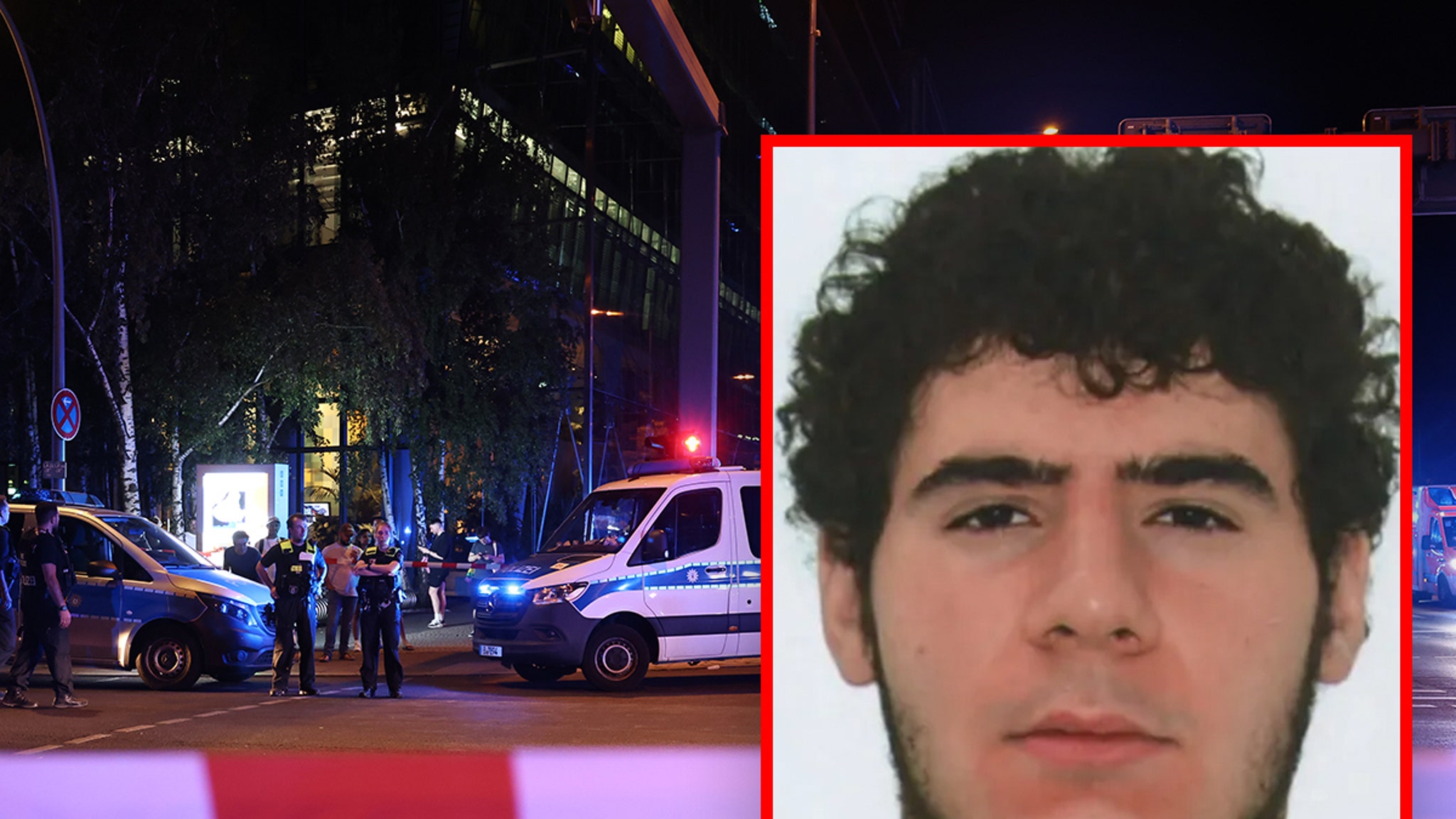
    Abdul Ballout, a terror suspect identified in connection with the Berlin Pride parade, died on July 26, 2026, after a confrontation with German police. The incident occurred in Spandau, a district within the greater Berlin metropolitan area, as law enforcement agencies were actively investigating a potential threat related to the annual LGBTQ+ event in Berlin, Germany.

    Official sources are continuing to release specific details regarding the nature of the confrontation and the circumstances surrounding Ballout’s death. This event marks a significant development in ongoing counter-terrorism efforts within Germany.

    The Investigation and Identification of a Suspect

    German authorities had been engaged in extensive surveillance and intelligence gathering prior to the July 26 incident. Their focus centered on individuals suspected of planning disruptive or violent acts targeting the Berlin Pride parade.

    This annual event is a cornerstone for the LGBTQ+ community in Germany, attracting hundreds of thousands of participants and spectators. Such large-scale public gatherings necessitate heightened security measures.

    During these investigations, Abdul Ballout emerged as a key figure. His name became central to the intelligence reports indicating a credible threat.

    Law enforcement agencies initiated targeted efforts to locate and neutralize this perceived threat. The goal was to safeguard the public and ensure the peaceful conduct of the Pride festivities.

    The Confrontation in Spandau

    The confrontation that led to Ballout’s death occurred in Spandau, a locality within Berlin. While the precise location within Spandau has been widely disclosed, official statements have emphasized its placement within the broader metropolitan area.

    Initial reports characterize the confrontation as swift. Details surrounding the exact sequence of events leading to Ballout’s death are still being compiled by German law enforcement.

    Police action was taken as part of a comprehensive strategy. This strategy aimed to preempt potential acts of violence and secure the public spaces associated with the Berlin Pride parade.

    The incident underscores the constant vigilance required by security forces in protecting major public events from potential threats.

    Broader Implications for Public Safety and Security

    The death of Abdul Ballout represents a critical juncture in Germany’s ongoing fight against terrorism. Authorities are now tasked with a multi-faceted investigation.

    A primary objective is to determine whether Ballout operated independently or as part of a larger, organized network. Identifying any potential co-conspirators remains a top priority for law enforcement.

    The German government and its security agencies are expected to provide more comprehensive accounts as the investigation progresses. Public officials have largely refrained from extensive commentary, citing the need for thorough fact-gathering.

    Ensuring public safety during high-profile events remains a paramount concern. The incident highlights the complex challenges faced by security forces in an era of evolving threats.

    The Berlin Pride Parade: A Symbol of Community and Resilience

    The Berlin Pride parade, officially known as Christopher Street Day (CSD), holds deep significance. It commemorates the Stonewall Riots of 1969, a pivotal moment in the LGBTQ+ rights movement.

    Each year, the parade serves as a vibrant demonstration of LGBTQ+ identity, advocacy, and celebration. It attracts a diverse crowd from across Germany and internationally.

    The event is not only a celebration but also a platform for political activism. Participants advocate for equal rights, challenge discrimination, and promote acceptance.

    Security preparations for CSD are always extensive. They involve coordination between local police, federal agencies, and event organizers. These measures are designed to manage large crowds and mitigate risks.

    Previous Security Challenges

    Major public events globally have faced escalating security challenges. These challenges range from individual acts of violence to organized terror plots.

    The planning for events like Berlin Pride now routinely incorporates advanced intelligence analysis. Threat assessments inform deployment strategies and emergency response protocols.

    The vigilance demonstrated by German authorities in this instance reflects a proactive approach. It underscores the commitment to protecting fundamental freedoms of assembly and expression.

    The incident with Abdul Ballout serves as a stark reminder of the persistent threats that can target open, democratic societies.

    Ongoing Investigations and Future Actions

    The investigation into Abdul Ballout’s activities and affiliations is expected to be extensive. German intelligence agencies will likely conduct forensic analysis of any seized materials.

    Interviews with potential witnesses and associates will also be crucial. The aim is to reconstruct Ballout’s network and intentions.

    International cooperation may also play a role. Terror investigations often involve sharing intelligence across national borders.

    Public statements from German officials will likely increase in frequency as verified details become available. Transparency is often balanced with the need to protect ongoing investigative operations.

    Impact on Community Trust

    Incidents involving terror suspects and police action can have varied impacts on community trust. Clear and accurate communication from authorities becomes essential.

    The LGBTQ+ community, in particular, relies on assurances of safety and protection during its public gatherings. Events like Pride are spaces of freedom and self-expression.

    Authorities will be keen to demonstrate their effectiveness in preventing harm. They will also emphasize their commitment to upholding civil liberties.

    The balance between security measures and civil freedoms is a constant consideration for democratic governments.

    The Role of Intelligence Gathering

    The identification of Abdul Ballout as a key figure underscores the critical role of intelligence gathering. Proactive intelligence work can often prevent attacks before they occur.

    Human intelligence, electronic surveillance, and open-source intelligence all contribute to a comprehensive threat picture. Agencies continuously analyze vast amounts of data.

    The effectiveness of these efforts is often measured by the absence of incidents. When threats are neutralized, it demonstrates the hidden work of security services.

    The July 26 incident highlights the success of German intelligence in identifying and acting upon a specific threat. This action potentially averted a larger crisis.

    Ensuring Information Accuracy

    In the immediate aftermath of such events, rumors and misinformation can circulate rapidly. Official sources emphasize the importance of relying on verified information.

    Government bodies and law enforcement agencies are the primary conduits for accurate updates. Their statements are often carefully vetted before public release.

    Media outlets play a crucial role in disseminating this information responsibly. They must balance the public’s right to know with the need for factual reporting.

    The developing nature of this story means that initial reports may be refined or expanded upon as more evidence emerges. Patience and reliance on official channels are advised.

    Looking Ahead

    The Berlin Pride parade will continue to be a focal point for the LGBTQ+ community. Its resilience in the face of threats remains a defining characteristic.

    Security protocols will likely be reviewed and adapted based on the lessons learned from this incident. Continuous improvement is standard practice in counter-terrorism efforts.

    The German government maintains a strong stance against all forms of extremism and violence. Its commitment to protecting its citizens and democratic values is unwavering.

    Abdul Ballout’s death. A confrontation. A city on alert. Investigations continue. Public safety. Berlin.


  • Seattle Downtown Shooting: Two Dead, Five Injured in Pike Street Area Incident

    Seattle Downtown Shooting: Two Dead, Five Injured in Pike Street Area Incident

    A shooting incident in downtown Seattle on Sunday, July 26, 2026, resulted in the confirmed deaths of at least two individuals and left five others injured. The event, which unfolded in a commercial block near Pike Street, prompted a major emergency response from the Seattle Police Department (SPD) and Seattle Fire Department (SFD), leading to an ongoing investigation into the motive and perpetrators.

    The rapid succession of events led to immediate panic and a swift lockdown of several nearby businesses. This area is typically frequented by both residents and tourists, making the incident particularly impactful on the community.

    The Downtown Incident Unfolds

    The shooting occurred shortly after 1:00 PM Pacific Time on Sunday, July 26, 2026. Witnesses reported hearing multiple gunshots emanating from a commercial block in Seattle’s central business district. While the precise address has not been publicly disclosed by authorities, police activity was concentrated around the vicinity of Pike Street.

    Pike Street is one of Seattle’s most iconic thoroughfares, known for its vibrant commercial activity, including the Pike Place Market, numerous shops, restaurants, and hotels. Its central location ensures a constant flow of pedestrian traffic, especially on a Sunday afternoon, amplifying the public safety concerns associated with such an event.

    Initial reports to the Seattle Police Department indicated a critical incident requiring immediate attention. Law enforcement units, including patrol officers and specialized tactical teams, were dispatched to the scene without delay. The rapid response aimed to contain the situation, secure the area, and provide assistance to those affected.

    Immediate Aftermath and Witness Accounts

    Upon arrival, first responders encountered a chaotic scene. Individuals were seen fleeing the area, seeking shelter in nearby establishments, or attempting to assist the wounded. The sound of gunshots created widespread alarm, leading to a spontaneous evacuation of parts of the commercial district.

    Witnesses provided initial accounts to responding officers, describing a sudden outbreak of gunfire. These early testimonies are crucial for investigators as they work to piece together the sequence of events leading to the fatalities and injuries. The SPD has appealed to the public for any additional information or video footage that might aid their inquiry.

    The identities of the deceased and injured individuals have not yet been publicly released by authorities. This standard procedure allows for the notification of next of kin before public disclosure, respecting the privacy and grief of the families involved. The Seattle community awaits further updates as the investigation progresses.

    Emergency Response and Scene Management

    The coordinated response by Seattle’s emergency services was swift and comprehensive. Seattle Police Department units, including SWAT personnel, converged on the scene within minutes of the first reports. Their immediate priorities included establishing a secure perimeter, preventing further harm, and facilitating access for medical personnel.

    The perimeter effectively directed pedestrian and vehicle traffic away from the immediate vicinity of the shooting. This measure was critical for both public safety and to preserve the integrity of the crime scene. Officers systematically cleared buildings and streets within the cordoned-off area to ensure no additional threats were present.

    The Seattle Fire Department deployed multiple aid cars and ambulances to the scene. Paramedics provided immediate medical attention to the wounded, stabilizing their conditions before transport. The swift action of these first responders is often critical in improving outcomes for victims of traumatic injuries.

    Harborview Medical Center Response

    All injured individuals were transported to Harborview Medical Center. Harborview is the only Level I adult and pediatric trauma and burn center in Washington State, serving a four-state region. Its specialized capabilities make it the primary destination for patients with severe injuries.

    Hospital officials confirmed receiving multiple patients from the incident. Preliminary statements indicated that the conditions of the injured ranged from stable to critical. The medical teams at Harborview are highly experienced in managing mass casualty incidents, and their preparedness was evident in the coordinated care provided upon the arrival of the victims.

    The collaboration between law enforcement and medical teams was crucial in managing the immediate aftermath. This inter-agency coordination ensured that victims received timely care while simultaneously allowing police to secure the scene and begin their investigative work. Such incidents test the readiness of urban emergency response systems, and Seattle’s protocols were activated effectively.

    Active Investigation Underway

    The Seattle Police Department has launched a comprehensive and active investigation into the shooting. Detectives from the Homicide and Assault Unit are leading the effort, utilizing their specialized training and resources to uncover the facts.

    The primary objectives of the investigation include identifying any suspects involved, determining the motive behind the violence, and meticulously reconstructing the sequence of events. This process is often complex, involving multiple lines of inquiry and the analysis of various forms of evidence.

    Evidence Collection and Analysis

    Investigators are systematically reviewing surveillance footage from nearby businesses and public cameras. Downtown Seattle, like many major urban centers, is equipped with an extensive network of security cameras. This footage can provide critical visual evidence, potentially identifying perpetrators, vehicles, and the exact timing of the incident.

    Interviewing potential witnesses is another cornerstone of the investigation. Individuals who were in the downtown area at the time of the shooting may possess crucial information, even if they did not directly observe the event. Their accounts of sounds, movements, or suspicious activities can contribute significantly to the evidentiary picture.

    Forensic teams are also processing the crime scene, collecting physical evidence such as shell casings, projectiles, and any other items that could provide clues. This evidence will be analyzed in laboratories to determine the type of weapon used, the number of firearms involved, and potentially link evidence to specific individuals.

    As of Monday, July 27, 2026, information regarding the type of weapon used or the number of perpetrators has not yet been publicly disclosed. Authorities are maintaining a cautious approach to information release to avoid compromising the ongoing investigation and to ensure the accuracy of any details shared with the public.

    Public Safety and Community Concern

    Mayor Katie Wilson issued a statement condemning the violence and reaffirming the city’s commitment to public safety. In her statement, Mayor Wilson urged residents to remain vigilant and to report any suspicious activity to law enforcement. Such calls for community participation are common in the aftermath of significant public safety incidents, emphasizing shared responsibility.

    Incidents of this nature have a profound impact on the local community. They often foster a sense of fear, uncertainty, and vulnerability among residents and visitors alike. The psychological and emotional toll can be significant, extending beyond those directly involved in the event.

    Community leaders are expected to address these broader impacts in the coming days. Discussions will likely focus on providing support services for those affected, offering resources for trauma counseling, and fostering a sense of collective healing. The city’s response will extend beyond law enforcement to include social and psychological support systems.

    Broader Context of Gun Violence

    The Seattle shooting on July 26, 2026, occurs within a national context of ongoing debates and concerns regarding gun violence. While local incidents are unique in their specifics, they often contribute to broader discussions about gun control legislation, mental health resources, and community-based violence prevention programs.

    Major cities across the United States have grappled with spikes in violent crime, particularly gun-related incidents, in recent years. This trend has led to increased scrutiny of policing strategies, judicial reforms, and the effectiveness of various intervention methods. Seattle, like other urban centers, has seen its share of public safety challenges.

    For instance, in 2025, Seattle experienced a decrease in non-fatal shootings compared to previous years, prompting the Seattle City Council to allocate additional funding for violence intervention programs. These programs often focus on addressing the root causes of violence, such as poverty, lack of opportunity, and gang involvement, in addition to law enforcement efforts.

    The downtown core, as a hub of economic and social activity, presents unique challenges for public safety. High population density, transient populations, and the presence of both commercial and residential zones require multifaceted approaches to security and crime prevention. The incident near Pike Street will undoubtedly prompt further review of these strategies.

    Looking Ahead: Information and Support

    Local officials are expected to provide further briefings as confirmed details become available. The dynamic nature of an active investigation means that information is often released incrementally, once verified and deemed appropriate for public consumption. The focus remains on securing the area and aiding those impacted by the violence.

    The Seattle Police Department will continue its meticulous work to identify and apprehend those responsible for the shooting. This includes following up on leads, conducting additional interviews, and analyzing all collected evidence. The goal is to bring justice to the victims and ensure accountability for the perpetrators.

    The community’s resilience will be tested in the wake of this tragedy. Residents are encouraged to support one another, remain informed through official channels, and participate in efforts to enhance public safety. The long-term recovery will involve both individual healing and collective action.

    Emergency personnel continue their work. Investigators continue their work. The downtown community awaits answers.

    Seattle.