Tag: Variety

  • Kevin Feige Reveals Secret ‘Black Panther 3’ Meeting with Ryan Coogler and David Jonsson

    Kevin Feige Reveals Secret ‘Black Panther 3’ Meeting with Ryan Coogler and David Jonsson

    Marvel Studios President Kevin Feige recently disclosed a ‘secret meeting’ involving director Ryan Coogler and actor David Jonsson. This clandestine encounter, which Feige stated took place approximately six months ago, focused on a potential role for Jonsson in the highly anticipated film ‘Black Panther 3’. Feige’s comment, ‘I Got Chills,’ indicates a significant level of excitement surrounding the discussions and the potential impact of Jonsson’s involvement in the Marvel Cinematic Universe.

    The revelation has ignited considerable interest and speculation within the film industry and among the global fanbase of the Black Panther franchise. Details about the specific role discussed remain undisclosed, but the nature of the meeting suggests a pivotal character may be in development.

    The Genesis of a Secret Meeting

    The meeting between Ryan Coogler and David Jonsson occurred around January 2026, based on Feige’s timeline. Such discreet discussions are common in the early stages of major film productions, particularly for franchises as closely guarded as the Marvel Cinematic Universe. The secrecy surrounding the meeting underscores the importance of the character and storyline being developed for ‘Black Panther 3’.

    Ryan Coogler has been instrumental in shaping the Black Panther narrative since its inception. His vision for Wakanda and its inhabitants has garnered critical acclaim and massive box office success. Coogler’s direct involvement in casting discussions for key roles highlights his continued creative control over the franchise’s direction.

    David Jonsson has been gaining prominence in the acting world. His recent performances have drawn attention, positioning him as a talent capable of handling complex roles. A role in ‘Black Panther 3’ would represent a significant milestone in his career, introducing him to a global audience within one of Hollywood’s most successful cinematic universes.

    Kevin Feige’s Enthusiasm and the MCU’s Future

    Kevin Feige’s reaction to the meeting, ‘I Got Chills’, suggests that the discussion was exceptionally promising. This level of enthusiasm from the head of Marvel Studios is often a strong indicator of a significant development. Feige is known for his strategic approach to character introduction and storyline integration within the expansive MCU narrative.

    The Marvel Cinematic Universe consistently seeks to introduce new characters and expand its roster of talent. The Black Panther franchise, in particular, has a strong history of diverse and impactful casting. The potential addition of David Jonsson aligns with this ongoing strategy to refresh and evolve the narrative landscape.

    The future of the Black Panther series remains a focal point for Marvel Studios. Following the critical and commercial success of previous installments, ‘Black Panther 3’ carries significant expectations. The introduction of new characters and compelling storylines is crucial for maintaining the franchise’s momentum and appeal.

    Speculation on David Jonsson’s Potential Role

    While no official details have been released, speculation regarding David Jonsson’s potential role is rampant. Fans and industry analysts are debating which existing or new character he might portray. The Black Panther mythos is rich with supporting characters, allies, and adversaries who could play significant roles in future narratives.

    One line of speculation suggests Jonsson could portray a character from the broader Marvel Comics universe who has yet to appear in the MCU. Marvel Studios often draws from decades of comic book history to introduce beloved or obscure characters into its films. The ‘secret’ nature of the meeting could hint at a character with a complex backstory or a surprising introduction.

    Another possibility is that Jonsson could be cast as a new iteration of an existing character, or a completely original character created specifically for the film. Ryan Coogler has demonstrated a willingness to adapt and evolve comic book lore to serve his cinematic vision. This creative freedom allows for the development of roles tailored to specific actors.

    Exploring Potential Character Arcs

    • New Wakandan Royal or Protector: Jonsson could portray a member of the Wakandan royal family, a general in the Dora Milaje, or a leader from one of Wakanda’s various tribes. The expansion of Wakandan politics and defense forces is a recurring theme in the franchise.
    • International Figure: The Black Panther films often involve global politics and international relations. Jonsson might play a diplomat, a scientist, or an operative from another nation, bringing external challenges or alliances to Wakanda.
    • Antagonist: A compelling villain is essential for any superhero film. Jonsson could be eyed for a new antagonist, perhaps one with a nuanced motivation or a powerful connection to Wakanda’s past or future. The ‘chills’ Feige experienced could relate to a particularly impactful or surprising villainous role.
    • Mystical or Supernatural Element: The MCU is increasingly delving into mystical and supernatural realms. Jonsson might portray a character connected to Wakandan spirituality, ancient powers, or even a different dimension.

    The Impact of Secrecy in Hollywood Production

    The concept of a ‘secret meeting’ is deeply embedded in the culture of major Hollywood productions, especially those within the Marvel Studios ecosystem. Maintaining secrecy serves multiple strategic purposes. It allows filmmakers and executives to develop ideas and cast roles without external pressures or premature public scrutiny. This controlled environment fosters creative freedom in the initial stages of development.

    Furthermore, secrecy builds anticipation among the audience. When details are eventually revealed, they often have a greater impact, generating significant buzz and excitement. Marvel Studios has mastered the art of managing expectations and delivering impactful announcements at opportune moments. The controlled release of information, such as Feige’s recent comment, is part of this strategy.

    The Black Panther franchise, in particular, has navigated sensitive production challenges. The passing of Chadwick Boseman, the original T’Challa, led to a significant re-evaluation of the franchise’s direction. The subsequent film, ‘Black Panther: Wakanda Forever’, honored Boseman’s legacy while introducing new narrative paths. The careful planning and discreet discussions for ‘Black Panther 3’ reflect a continued commitment to thoughtful storytelling.

    Ryan Coogler’s Vision for ‘Black Panther 3’

    Ryan Coogler is widely expected to return as the director for ‘Black Panther 3’. His directorial vision has been central to the success and critical acclaim of the first two films. Coogler’s ability to blend action, political commentary, and emotional depth has set the Black Panther series apart within the superhero genre. His continued involvement ensures a consistent creative direction for the franchise.

    Coogler’s approach to world-building and character development is meticulous. He often collaborates closely with his cast to bring authenticity and nuance to their roles. The meeting with David Jonsson likely involved deep discussions about character motivation, background, and potential storyline contributions. Such detailed conversations are typical of Coogler’s filmmaking process.

    The narrative arc for ‘Black Panther 3’ is a subject of intense speculation. ‘Wakanda Forever’ concluded with several unresolved plot points and the introduction of new characters and potential conflicts. The film left the door open for various directions, including further exploration of Namor’s kingdom, the political landscape of Wakanda, and the development of Shuri’s role as the new Black Panther.

    David Jonsson’s Rising Profile

    David Jonsson has been steadily building a reputation for his compelling performances across various mediums. His work has garnered critical attention, making him a sought-after talent. A role in a major Marvel tentpole film like ‘Black Panther 3’ would significantly elevate his global profile.

    Actors who join the MCU often experience a dramatic increase in their public visibility and career opportunities. The franchise provides a massive platform, exposing performers to millions of viewers worldwide. For Jonsson, this could mean more diverse roles and increased recognition in the industry.

    The ‘chills’ expressed by Kevin Feige could also be a testament to Jonsson’s talent and his ability to embody a character with significant presence. Marvel Studios consistently seeks actors who can not only deliver strong performances but also connect with the audience on an emotional level. Jonsson’s potential casting suggests he possesses these qualities.

    The Broader Implications for the MCU

    Every major casting decision and plot development in the Black Panther franchise has broader implications for the Marvel Cinematic Universe. The world of Wakanda is deeply interconnected with other superhero narratives and overarching MCU storylines. The introduction of a significant new character in ‘Black Panther 3’ could lay groundwork for future team-ups, crossovers, or entirely new sub-franchises.

    The MCU is currently in a phase of expansion, introducing new heroes and exploring different corners of its vast universe. The Black Panther films are central to this expansion, particularly in their exploration of advanced technology, political intrigue, and cultural richness. A new character could serve as a bridge to other established or upcoming MCU properties.

    Feige’s excitement over the meeting with Jonsson and Coogler signals a continued commitment to high-quality storytelling and character development within the MCU. The studio aims to keep its audience engaged by consistently delivering fresh narratives and memorable performances. The ‘secret meeting’ is another example of this ongoing strategic planning.

    Anticipation Builds for ‘Black Panther 3’

    The revelation of this secret meeting only serves to heighten anticipation for ‘Black Panther 3’. Fans are eager for any news regarding the film’s cast, plot, and release date. The Black Panther franchise has become a cultural phenomenon, representing significant milestones in representation and storytelling within mainstream cinema.

    The success of previous installments, both critically and commercially, has set a high bar for the upcoming film. Marvel Studios and Ryan Coogler are expected to deliver a story that continues to honor the legacy of Black Panther while forging new paths for its characters and narrative. The potential involvement of David Jonsson adds another layer of intrigue to this highly anticipated production.

    Filming schedules, production timelines, and official announcements are typically released closer to the commencement of principal photography. Until then, the ‘secret meeting’ will remain a topic of intense discussion and speculation among the global fanbase. The mystery surrounding Jonsson’s role fuels the excitement for what promises to be another compelling chapter in the Black Panther saga.

    Directors met. Actors discussed. Executives expressed excitement. Fans speculated. Hollywood.

  • Winston Duke’s Endorsement of David Jonsson for ‘Black Panther’ Role

    Winston Duke’s Endorsement of David Jonsson for ‘Black Panther’ Role

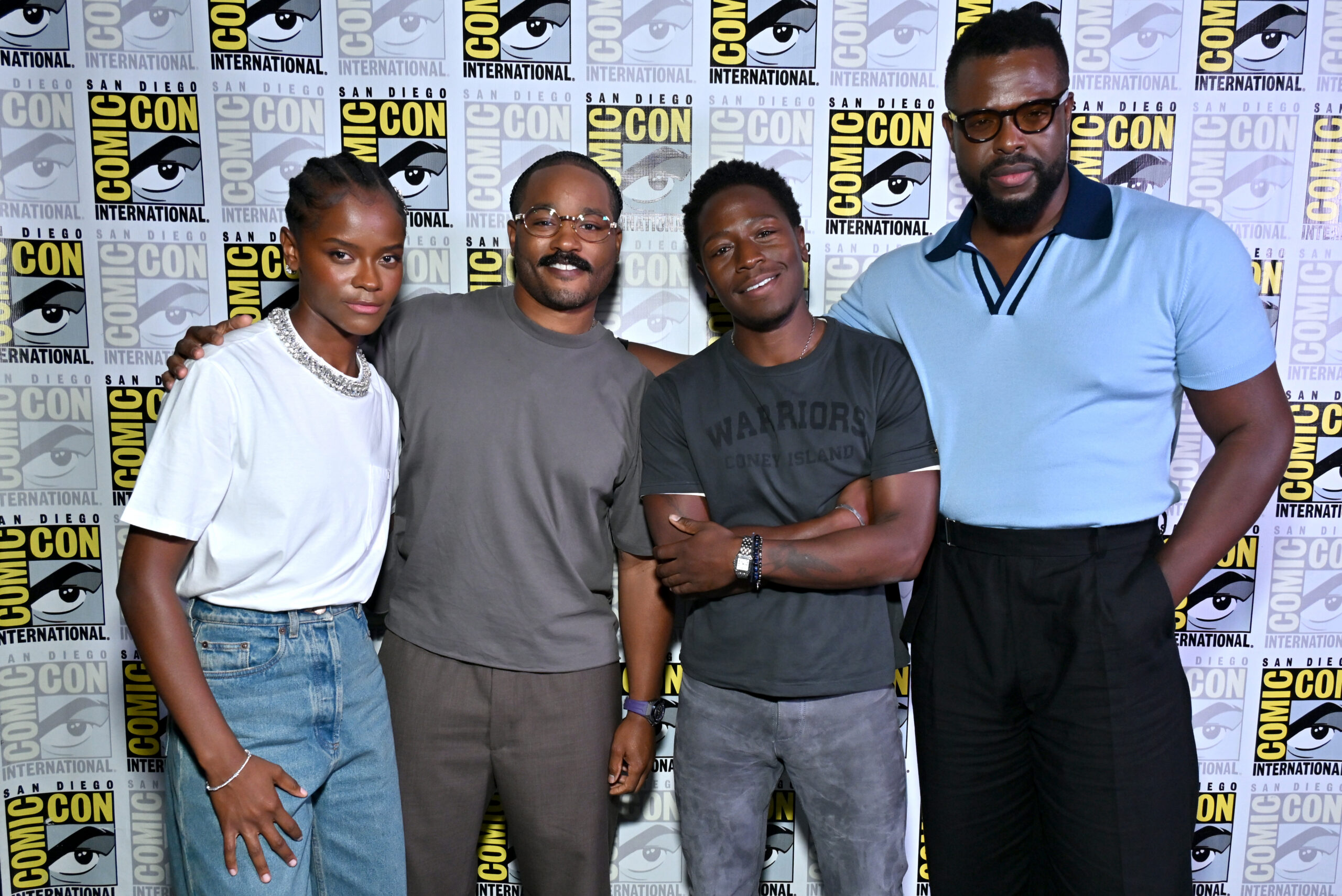
    Winston Duke, known for his compelling portrayal of M’Baku in the ‘Black Panther’ film series, has publicly expressed his confidence in actor David Jonsson to take on an unspecified role within the franchise. Duke’s endorsement, delivered through an interview with Variety, underscores a crucial aspect of the ‘Black Panther’ narrative: its commitment to cultural legacy and continuity. This statement reassures audiences and stakeholders about the thoughtful progression of the Marvel Cinematic Universe’s representation of Wakanda.

    The ‘Black Panther’ franchise has consistently emphasized themes of succession, responsibility, and the evolution of leadership. Duke’s comments align with this established thematic framework. His trust in Jonsson speaks to a perceived suitability for a role that will likely carry significant weight within the ongoing story.

    The Legacy of Wakanda

    The fictional nation of Wakanda, first introduced in the Marvel Comics in 1966, has become a cornerstone of global cultural discourse. Its depiction as an advanced, uncolonized African nation has resonated deeply with audiences worldwide. The cinematic adaptations have further solidified this impact.

    The first ‘Black Panther’ film, released in 2018, was a critical and commercial success. It explored themes of isolationism versus global responsibility, ancestral wisdom, and the burden of the crown. Chadwick Boseman’s performance as King T’Challa, the Black Panther, set a high bar for the character.

    ‘Black Panther: Wakanda Forever’, released in 2022, continued this exploration under challenging circumstances. The film addressed the loss of King T’Challa and introduced new characters and challenges. It focused on the resilience of Wakanda and the process of finding a new protector.

    Winston Duke’s Role as M’Baku

    Winston Duke’s character, M’Baku, leader of the Jabari tribe, has evolved significantly throughout the series. Initially an antagonist to T’Challa, M’Baku became a vital ally and a voice of reason. His character represents a different facet of Wakandan strength and tradition.

    M’Baku’s journey from tribal leader to a potential future leader of Wakanda highlights the complex political landscape of the nation. Duke’s nuanced performance has earned him widespread acclaim. His character’s increasing prominence in the narrative makes his endorsement of a new actor particularly noteworthy.

    David Jonsson: A Rising Talent

    David Jonsson is an actor gaining recognition for his work in various productions. While specific details of his potential ‘Black Panther’ role remain undisclosed, Duke’s public backing suggests a significant part. Jonsson’s past performances indicate an actor capable of depth and presence.

    The casting process for Marvel films is often shrouded in secrecy. Public comments from established cast members, such as Duke’s, are rare and carry considerable weight. This indicates a strong belief in Jonsson’s ability to contribute meaningfully to the franchise.

    Continuity in the Marvel Cinematic Universe

    The Marvel Cinematic Universe (MCU) is built on a foundation of interconnected narratives and character arcs. Maintaining continuity, both in storytelling and thematic elements, is crucial for its success. The ‘Black Panther’ films are integral to this larger tapestry.

    The introduction of new characters and the evolution of existing ones must align with the established lore. Duke’s emphasis on continuity suggests that any new additions, including Jonsson’s role, will be carefully integrated. This approach aims to preserve the integrity of Wakanda’s story.

    The Importance of Cultural Representation

    Beyond entertainment, the ‘Black Panther’ franchise holds significant cultural importance. It provides positive representation and explores complex themes relevant to African and diasporic experiences. The responsibility of carrying this legacy forward is immense.

    Duke’s statement can be interpreted as a reaffirmation of this commitment. It ensures that new talent brought into the fold understands and respects the cultural weight of the property. This is vital for maintaining the trust of a diverse global audience.

    Fan Expectations and Future Installments

    Fans of the ‘Black Panther’ series eagerly anticipate news about future films. The ending of ‘Wakanda Forever’ left several narrative threads open for exploration. The potential involvement of David Jonsson adds another layer of speculation and excitement.

    The nature of Jonsson’s role could range from a new Wakandan character to an antagonist or even a character from another part of the MCU. Regardless, an endorsement from a central figure like Winston Duke suggests a role that will be pivotal to the ongoing saga.

    The ‘Black Panther’ franchise has demonstrated a willingness to evolve and adapt. The passing of the mantle, the introduction of new leaders, and the exploration of new challenges are all part of its dynamic storytelling. Duke’s comments indicate that this dynamic will continue.

    The Role of Mentorship and Trust

    In the world of filmmaking, endorsements from seasoned actors can be invaluable. They not only boost the profile of emerging talent but also signal to the production team and audience that a new actor is a good fit. Duke’s public trust in Jonsson reflects a form of mentorship.

    This kind of support is particularly meaningful in franchises with a strong ensemble cast. It fosters a sense of camaraderie and shared purpose, which can translate into more cohesive on-screen performances. The ‘Black Panther’ cast has often spoken about their close bond.

    Impact on the Marvel Cinematic Universe

    The ‘Black Panther’ films have consistently pushed boundaries within the MCU. They have explored political intrigue, grief, and the complexities of power with a depth rarely seen in superhero cinema. The ongoing narrative is crucial for the overall health of the MCU.

    New talent, like David Jonsson, brings fresh perspectives and energy to these established worlds. Their integration must be seamless to maintain the high standards set by previous installments. Duke’s confidence suggests that this integration will be successful.

    The MCU’s future relies on its ability to introduce compelling new characters while honoring its foundational stories. The ‘Black Panther’ series is a prime example of how this balance can be achieved effectively. Duke’s endorsement is a positive sign for this continued balance.

    The Unfolding Narrative

    The specific trajectory of the ‘Black Panther’ narrative post-‘Wakanda Forever’ remains largely under wraps. However, the themes of leadership, protection, and cultural preservation will undoubtedly continue to be central. The introduction of new characters will serve to explore these themes further.

    Winston Duke’s statement regarding David Jonsson adds an intriguing piece to this puzzle. It confirms that the creative minds behind the franchise are actively planning its future. This planning involves bringing in talent deemed capable of upholding the franchise’s significant legacy.

    The ‘Black Panther’ universe is vast and rich with potential stories. From exploring other Wakandan tribes to delving deeper into its history or facing new global threats, the possibilities are extensive. New cast members contribute to these expanding horizons.

    The trust expressed by an actor like Winston Duke carries weight. It speaks to a shared vision for the future of Wakanda. It suggests that the next chapter will be handled with care and respect for its cultural impact.

    The Marvel Studios team, the existing cast, and the creative directors are all invested in maintaining the quality and relevance of the ‘Black Panther’ story. Duke’s public vote of confidence in David Jonsson is a testament to this collective commitment.

    New stories are being crafted. New characters are being considered. The legacy continues.

    Wakanda.


  • Fired ’60 Minutes’ Correspondent Alleges Pressure to Report False Events

    Fired ’60 Minutes’ Correspondent Alleges Pressure to Report False Events

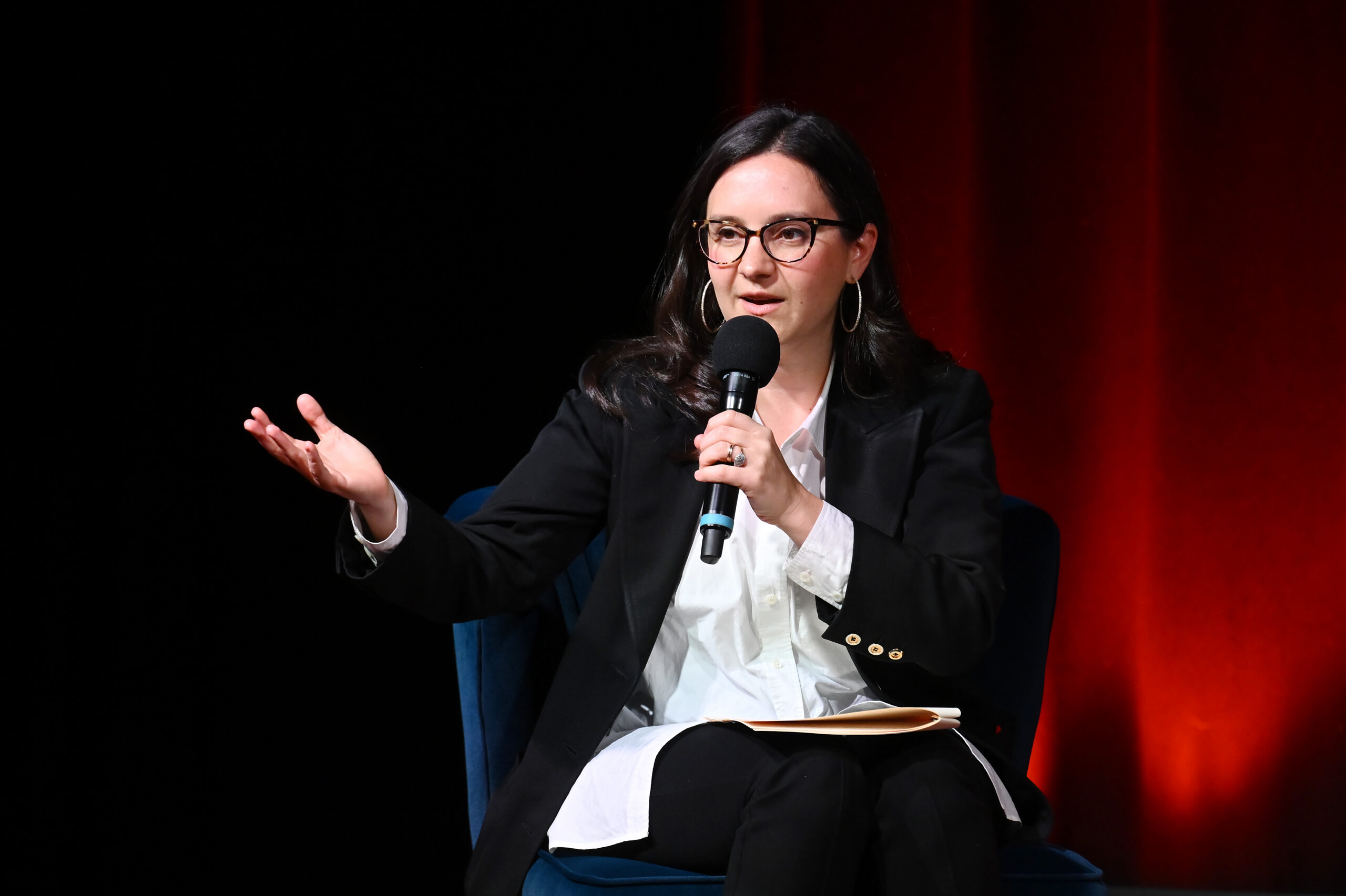
    A former ’60 Minutes’ correspondent has alleged that she was pressured to report on “events that never happened” during Bari Weiss’ leadership at CBS News. This claim, reported by Variety on July 24, 2026, centers on accusations of editorial interference and a push for narratives that lacked factual basis. The correspondent’s dismissal from the program is reportedly linked to her resistance to these alleged directives, bringing the internal workings of one of television’s most respected news programs into public scrutiny.

    The allegations by the unnamed former correspondent suggest a significant departure from established journalistic standards. Such claims, if substantiated, could erode public trust in news institutions. They also highlight ongoing discussions about the pressures faced by journalists in a rapidly evolving media landscape.

    The Allegations Against CBS News Leadership

    The core of the former correspondent’s complaint involves directives she received while working on ’60 Minutes.’ These directives, she claims, pushed her to develop stories around occurrences that had not factually transpired. The correspondent specifically pointed to an environment where certain narratives were prioritized over rigorous verification.

    Bari Weiss, who assumed a leadership position at CBS News, is central to these allegations. The correspondent states that the pressure to report on these non-existent events intensified under Weiss’s direction. This suggests a top-down influence on editorial decisions that allegedly compromised journalistic integrity.

    The Variety report on July 24, 2026, detailed the correspondent’s account. She described a pattern of requests that deviated from traditional fact-finding. Her resistance to these requests, she believes, ultimately led to her termination from ’60 Minutes.’

    This situation presents a conflict between editorial leadership and the reporter’s ethical obligations. Journalists are typically bound by principles of accuracy and truthfulness. Pressure to deviate from these principles constitutes a serious breach of professional conduct.

    Internal Editorial Conflicts

    The internal dynamics at CBS News, particularly within ’60 Minutes,’ are now under examination. The allegations suggest a struggle between those upholding traditional journalistic ethics and those pushing for specific narrative outcomes. This type of conflict can be detrimental to a news organization’s reputation.

    Sources close to the situation, as cited by Variety, indicate that the correspondent’s concerns were raised internally multiple times. These internal complaints reportedly went unaddressed. This lack of response further exacerbated the tensions within the news division.

    The correspondent’s eventual firing is presented as a direct consequence of her refusal to comply with the alleged directives. Her stance reportedly created friction with management. This highlights the potential professional risks journalists face when challenging editorial decisions they deem unethical.

    The impact on ’60 Minutes’ as a program is also a significant concern. Historically, ’60 Minutes’ has been known for its investigative journalism and commitment to factual reporting. These allegations challenge that long-standing reputation.

    Bari Weiss’s Role at CBS News

    Bari Weiss’s appointment to a leadership role at CBS News preceded these allegations. Her background, primarily as an opinion writer and editor, differs from traditional broadcast news leadership. This background has been noted by observers as potentially influencing editorial direction.

    Weiss gained prominence for her critiques of what she termed “wokeness” and “cancel culture.” Her public persona is often associated with challenging mainstream narratives from a particular ideological viewpoint. This perspective, according to the former correspondent, may have informed the alleged editorial pressures.

    The specific nature of Weiss’s leadership style at CBS News is now a subject of intense interest. The allegations imply a hands-on approach to story development, potentially overriding the autonomy of individual correspondents. This raises questions about the balance of power within the news hierarchy.

    It remains unclear whether other ’60 Minutes’ correspondents experienced similar pressures. The Variety report focuses on the account of one individual. However, the nature of the allegations suggests a systemic issue rather than an isolated incident.

    Wider Implications for Media Trust

    These allegations emerge at a time of heightened public skepticism towards media institutions. Trust in news organizations has been a recurring theme in public discourse. Claims of fabricated events or editorial interference can significantly worsen this perception.

    The phrase “events that never happened” resonates with those who already believe that some media outlets manipulate information. This specific phrasing directly addresses concerns about truthfulness and the fabrication of news. It plays into existing anxieties about media credibility.

    For CBS News, the allegations pose a significant challenge to its brand. As a legacy news organization, its reputation is built on decades of reporting. Claims of this nature can quickly undermine that foundation.

    The incident also fuels the broader debate about the role of opinion versus fact in journalism. Weiss’s background in opinion journalism, contrasted with the investigative focus of ’60 Minutes,’ underscores this tension. The line between commentary and objective reporting can become blurred under certain editorial leaderships.

    The Journalist’s Dilemma and Ethical Reporting

    Journalists frequently encounter ethical dilemmas in their careers. The decision to report on potentially false information or to resist editorial pressure is a critical ethical choice. The former ’60 Minutes’ correspondent’s actions exemplify this dilemma.

    The Society of Professional Journalists’ Code of Ethics emphasizes seeking truth and reporting it. It also stresses minimizing harm and acting independently. Pressure to report false information directly violates these core tenets.

    Reporters who refuse to compromise their ethical standards often face professional consequences. These can range from internal disputes to job loss. The former correspondent’s termination underscores the potential cost of upholding journalistic integrity.

    The public relies on journalists to act as watchdogs, providing accurate and unbiased information. When that trust is eroded by allegations of misconduct, the entire democratic process can be affected. Informed decision-making depends on reliable news sources.

    Legal and Reputational Ramifications

    The allegations could lead to various ramifications for CBS News and Bari Weiss. These include potential internal investigations, public relations crises, and scrutiny from media watchdogs. The legal implications, if any, remain to be seen.

    A public relations crisis is almost certainly underway. CBS News will likely need to issue a formal response to the allegations. The nature of that response will be critical in shaping public perception.

    Media critics and industry observers will be closely watching how CBS News addresses these claims. The outcome could set precedents for how major news organizations handle similar internal disputes. It could also influence future editorial policies.

    The reputational damage to ’60 Minutes’ could be significant and long-lasting. Rebuilding trust, once lost, is a difficult and protracted process. It requires demonstrable commitments to transparency and ethical practices.

    The Future of Journalistic Integrity

    The incident involving the former ’60 Minutes’ correspondent highlights ongoing concerns about journalistic integrity in the digital age. The speed of information dissemination and the pressures of the 24/7 news cycle can sometimes compromise thoroughness and accuracy.

    The role of editorial leadership in maintaining ethical standards is paramount. Leaders are responsible for fostering an environment where facts are prioritized and reporters are empowered to resist unethical directives. A failure in this leadership can have far-reaching consequences.

    As audiences increasingly seek out credible news sources, the demand for transparency and accountability from media organizations will only grow. Incidents like this serve as a reminder of the fragility of public trust in journalism.

    The debate sparked by these allegations will likely continue. It will involve journalists, media executives, and the public. The core question remains: how can news organizations ensure the integrity of their reporting in an era of intense scrutiny and ideological polarization?

    Journalism faces constant challenges. It faces economic pressures. It faces political pressures. It faces technological disruption. It faces a crisis of public trust. It faces a moment of reckoning.


  • Ed Harris: ‘Get Me the F, Out of Here’ – Why He Dislikes ‘Dutton Ranch’ Role

    Ed Harris: ‘Get Me the F, Out of Here’ – Why He Dislikes ‘Dutton Ranch’ Role

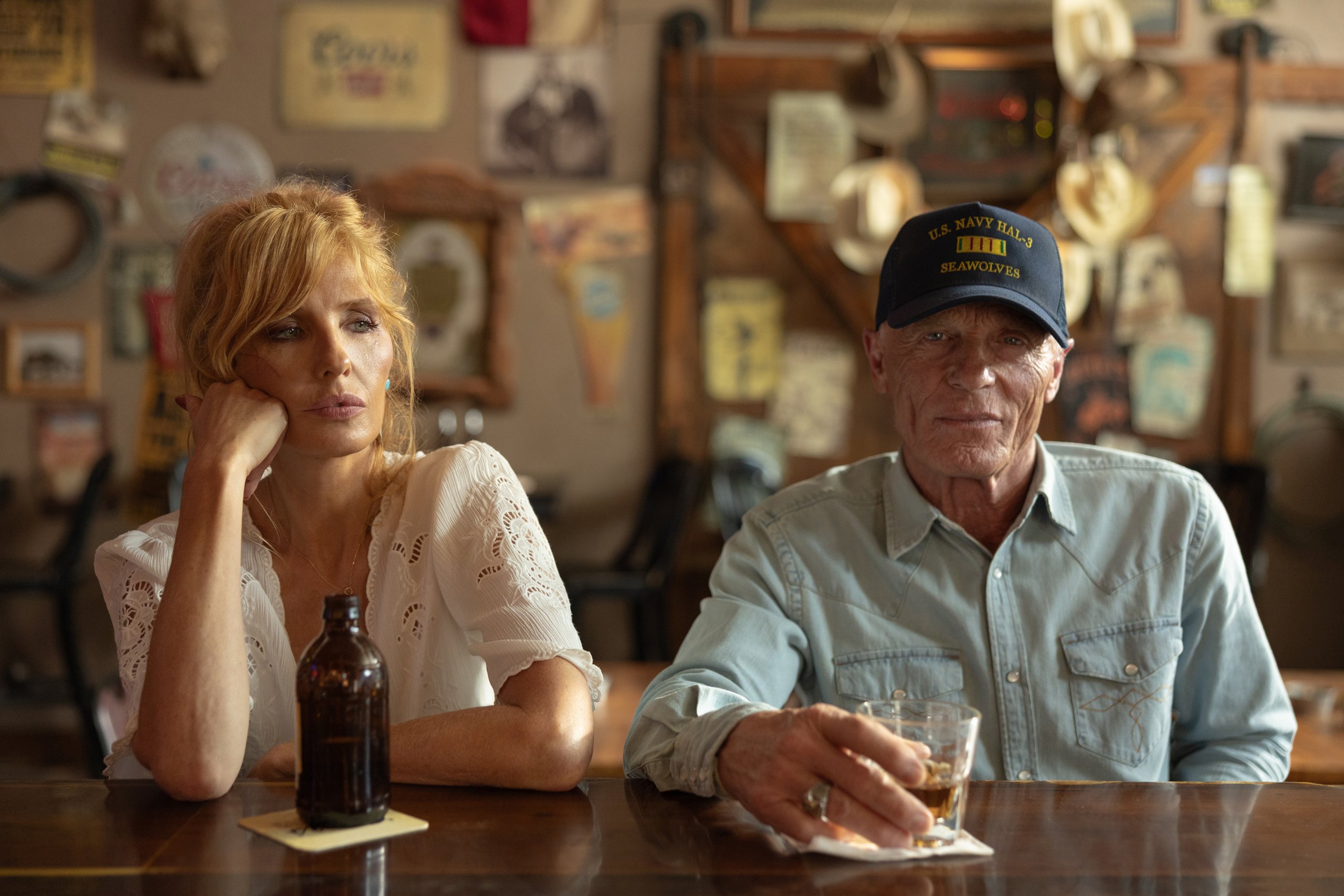
    Ed Harris, the acclaimed actor, publicly expressed profound dissatisfaction with his role in the Paramount+ series Dutton Ranch. He stated he felt ‘misled’ about the character’s scope and described the part as ‘inconsequential.’ Harris reportedly declared, ‘Get me the F, Out of Here,’ indicating a strong desire to leave the production. This candid sentiment was detailed in an exclusive report by Variety, highlighting potential tensions behind the scenes of the popular streaming franchise.

    Dutton Ranch is a pivotal extension of the highly successful ‘Yellowstone’ universe, created by Taylor Sheridan. Harris’s comments reveal a significant divergence between his initial expectations for the role and the reality of its execution within the series. Such public statements from a veteran actor can carry substantial weight, influencing both industry perceptions and audience engagement with the show.

    The Core of Harris’s Discontent: Feeling Misled

    Harris’s primary grievance centers on feeling ‘misled’ about his character’s trajectory and importance. Actors often commit to projects based on detailed pitches, script outlines, and discussions with showrunners. These initial conversations are crucial in shaping their understanding of a role’s narrative weight and screen time.

    For an actor of Harris’s stature, with a career spanning decades and numerous critically acclaimed performances, the perceived diminishment of a role can be particularly frustrating. The term ‘misled’ suggests a breach of understanding or an unexpected shift in creative direction that directly impacted his character.

    The Promise Versus the Reality

    Sources close to the Dutton Ranch production indicated that Harris was initially drawn to the project by the promise of a substantial and pivotal role. The character was reportedly presented as integral to a major storyline, implying significant presence across multiple episodes and seasons. This initial vision aligned with Harris’s reputation for portraying complex, impactful characters.

    However, as production progressed and scripts were finalized, the character’s involvement reportedly diminished. Dialogue was cut, key scenes were reduced, and the overall influence of Harris’s character on the central plot became less significant than initially conveyed. This evolution from a promised substantial role to a perceived minor one appears to be the root cause of his public dissatisfaction.

    An ‘Inconsequential’ Role: A Creative Mismatch

    Harris’s description of his role as ‘inconsequential’ is a strong indictment. For a performer known for his intensity and commanding screen presence, an ‘inconsequential’ part can be creatively unfulfilling. It can also be seen as an inefficient use of his talent and time, especially within a demanding production schedule.

    This assessment is particularly notable given the high-profile nature of Dutton Ranch. The ‘Yellowstone’ universe attracts top-tier talent with its prestige, expansive storytelling, and large viewership. When an actor’s experience falls short of these expectations, public expressions of frustration are not uncommon.

    Impact on Creative Fulfillment and Professional Standing

    An actor’s creative fulfillment is often tied to the depth and impact of their roles. Playing a character deemed ‘inconsequential’ can lead to a sense of professional stagnation. For Harris, whose filmography includes powerful performances in films like The Truman Show, Apollo 13, and Pollock, taking on a role that lacks significant narrative weight might feel like a step backward.

    Such public comments also send a signal within the industry regarding the creative environment of a production. They can influence how other actors view potential involvement in the ‘Yellowstone’ franchise, potentially impacting future casting decisions for its various spin-offs.

    ‘Get Me the F, Out of Here’: The Immediate Reaction

    The explicit phrase, ‘Get me the F, Out of Here,’ conveys a strong, visceral reaction of frustration and regret. This direct quote, reported by Variety, underscores the depth of Harris’s dissatisfaction. It suggests a point of no return for the actor regarding his current commitment to the series.

    Such an emphatic statement from a usually composed professional highlights a critical breaking point. It moves beyond mere creative differences to a desire for immediate disengagement from the project. This level of public candor is rare and typically reserved for situations of extreme professional disillusionment.

    Implications for Production Morale and Public Relations

    An actor’s public declaration of wanting to leave a show can have immediate and far-reaching implications. It can affect morale among the cast and crew, creating an atmosphere of uncertainty. For the network, Paramount+, and the production company, it creates a significant public relations challenge.

    The narrative surrounding Dutton Ranch could shift from anticipation of its storyline to speculation about behind-the-scenes turmoil. Managing this public perception becomes crucial for maintaining audience trust and the overall brand image of the ‘Yellowstone’ universe.

    Taylor Sheridan’s Creative Control and Franchise Dynamics

    The ‘Yellowstone’ universe, encompassing Dutton Ranch and other spin-offs, is largely the brainchild of Taylor Sheridan. Sheridan is renowned for his distinctive writing, prolific output, and hands-on approach to production, often serving as writer, director, and showrunner. His singular creative vision has been instrumental in the franchise’s immense success.

    However, Sheridan’s extensive creative control has also been a subject of discussion within the industry. Reports of creative differences between actors and the showrunner have emerged in the past. Harris’s comments add to this ongoing conversation about the balance of artistic authority within the highly successful, yet tightly controlled, ‘Yellowstone’ ecosystem.

    Balancing Vision with Collaboration

    The tension between a showrunner’s overarching artistic vision and an actor’s expectations for their character is a perennial challenge in television production. Sheridan’s method, while effective for maintaining a consistent tone and narrative, can sometimes lead to actors feeling their input or their character’s potential is secondary to the larger story arc envisioned by the creator.

    When this delicate balance is disrupted, as appears to be the case with Harris, it can result in public friction. This friction underscores the inherent complexities of collaborative artistic endeavors, particularly in franchises where a single creative voice holds significant sway.

    Paramount+’s Strategic Investment and Potential Repercussions

    Paramount+ has made a substantial strategic investment in the ‘Yellowstone’ universe. Dutton Ranch is a key component of the platform’s content strategy, designed to attract and retain subscribers. The success of these spin-offs is vital for Paramount+’s competitive standing in the streaming landscape.

    Public statements of discontent from prominent actors like Ed Harris pose a significant challenge for the network. Such negative publicity risks tarnishing the brand image of a flagship franchise, potentially impacting viewership and subscription numbers. Paramount+ leadership will likely be monitoring this situation closely and considering their response.

    Mitigating Damage and Future Talent Relations

    Maintaining positive relationships with high-profile talent is essential for any major network and studio. Negative publicity, especially from respected actors, can affect future casting decisions for other projects. It can also impact the overall reputation of the studio and its productions, making it harder to attract top-tier talent.

    Paramount+ may need to engage in strategic communication to address the concerns raised by Harris. This could involve direct negotiations, public statements, or internal adjustments to production practices. The goal would be to mitigate any long-term damage to the Dutton Ranch brand and the broader ‘Yellowstone’ universe, ensuring continued success and talent acquisition.

    Historical Precedents of Actor Discontent and Departures

    Ed Harris’s reported desire to leave Dutton Ranch is not an isolated incident in the history of Hollywood productions. Actors frequently depart series due to creative differences, scheduling conflicts, or profound dissatisfaction with their roles. These departures range from amicable separations to highly publicized disputes, often forcing creative teams to adapt storylines on the fly.

    The entertainment industry has numerous examples of prominent actors exiting popular shows. These instances often generate intense media speculation and require significant narrative adjustments. The impact on a series varies based on the actor’s prominence and the centrality of their character to the overall plot.

    Notable Departures in Television History

    • Mandy Patinkin from Criminal Minds: Patinkin famously left the series early in its third season, citing creative differences and expressing discomfort with the show’s dark themes.
    • Charlie Sheen from Two and a Half Men: A highly publicized dispute with creator Chuck Lorre led to Sheen’s termination from the massively popular sitcom.
    • Shannen Doherty from Beverly Hills, 90210 and Charmed: Doherty’s departures from both shows were widely reported as stemming from conflicts with cast members and production.
    • Harrison Ford from Star Wars (desire to leave): While not a TV series, Ford publicly expressed a desire for Han Solo to die in the original trilogy, illustrating a common actor sentiment regarding character arcs.

    Harris’s situation, while perhaps less dramatic than some historical examples, aligns with a pattern of creative friction that can arise in long-running or expanding franchises. The challenge for production teams is to navigate these interpersonal and creative tensions while maintaining the integrity and popularity of the series.

    What Lies Ahead for Ed Harris and Dutton Ranch?

    The immediate future for Ed Harris and his involvement with Dutton Ranch remains uncertain. His strong public comments suggest a significant rift that will require careful management. The production team and Paramount+ will likely need to address his concerns directly to resolve the situation.

    Potential outcomes could include renegotiating his contract, revising his character’s arc to offer more substance, or an eventual formal separation if an amicable resolution cannot be reached. Any decision will have implications for the ongoing narrative of Dutton Ranch and the broader ‘Yellowstone’ universe.

    The situation highlights the delicate balance required in managing high-profile talent within expansive, serialized storytelling. The expectations of actors, the vision of creators, and the strategic goals of networks must all align for long-term success.

    Expectations. Disappointment. Public statements. Franchise impact.

    Uncertainty.


  • Terrence Howard, Guillermo Iván, Kate Bosworth Lead ‘Broken Ones’ Cast

    Terrence Howard, Guillermo Iván, Kate Bosworth Lead ‘Broken Ones’ Cast

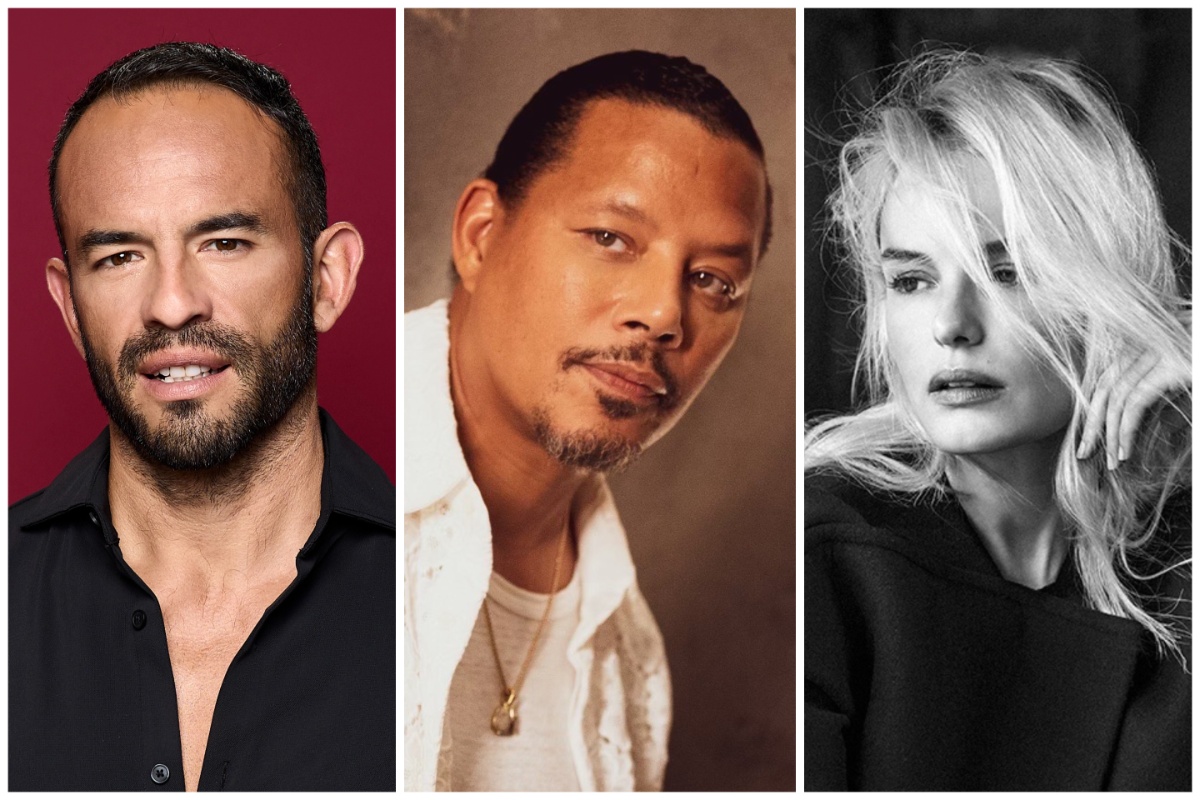
    Terrence Howard, Guillermo Iván, and Kate Bosworth have been announced as the lead actors for the upcoming legal thriller, ‘Broken Ones’. The casting news, reported exclusively by Variety in July 2026, positions these prominent figures in a narrative expected to explore the complexities of the legal system and personal stakes.

    This project marks a notable addition to the filmographies of all three actors. Legal thrillers frequently combine dramatic tension with intricate plotlines, offering roles that demand significant character depth.

    The Ensemble Cast of ‘Broken Ones’

    The core cast for ‘Broken Ones’ brings together a range of acting experiences. Terrence Howard, known for his extensive work across film and television, assumes a central role. His career includes critically acclaimed performances in dramas and genre films.

    Guillermo Iván, an actor with a growing international profile, also joins the ensemble. His involvement suggests a potentially diverse appeal for the film. Kate Bosworth, recognized for her versatile performances in various genres, completes the primary trio, adding another layer of dramatic presence.

    The combination of these actors suggests a focus on compelling character interactions within the legal drama framework. Each actor has a history of portraying complex figures, which aligns with the demands of the thriller genre.

    Terrence Howard’s Return to Dramatic Roles

    Terrence Howard’s participation in ‘Broken Ones’ follows a series of diverse projects. His career has spanned decades, encompassing roles that have earned him both critical acclaim and popular recognition.

    Howard often portrays characters facing significant moral or personal dilemmas. This background makes him a suitable choice for the intense scenarios typical of legal thrillers. His presence is expected to anchor the film’s dramatic weight.

    The specific nature of Howard’s role in ‘Broken Ones’ has not yet been detailed. However, his established range suggests a character with considerable influence or internal conflict within the narrative.

    Howard’s Prior Work in Legal and Crime Dramas

    Howard has previously engaged with themes of justice and crime in his acting career. These past roles have often required him to navigate complex ethical landscapes.

    His experience in such narratives provides a foundation for his performance in ‘Broken Ones’. This familiarity with genre conventions can contribute to the film’s authenticity and dramatic impact.

    Guillermo Iván’s Expanding Presence

    Guillermo Iván’s casting in ‘Broken Ones’ signifies his continued ascent in the industry. The actor has been steadily building a reputation through various film and television appearances.

    Iván’s involvement introduces a fresh dynamic to the cast. His previous work has often highlighted strong, determined characters, a trait that could be pivotal in a legal thriller.

    The role in ‘Broken Ones’ is positioned to further enhance his international recognition. Collaborating with established actors like Howard and Bosworth offers a significant platform.

    Iván’s Diverse Filmography

    Guillermo Iván’s career has included projects in both English and Spanish-language productions. This bilingual background broadens his appeal and demonstrates his versatility.

    His roles have ranged from action to drama, showcasing an ability to adapt to different narrative styles. This adaptability will be an asset in a genre that often blends suspense with character-driven storytelling.

    Kate Bosworth’s Engagement with Thriller Narratives

    Kate Bosworth’s casting in ‘Broken Ones’ adds another significant talent to the project. Bosworth has a history of selecting roles that challenge her range, often within dramatic and suspenseful contexts.

    Her performances frequently convey a blend of vulnerability and strength, characteristics that are often crucial for characters in legal thrillers. This genre often requires actors to portray individuals under immense pressure.

    Bosworth’s involvement is expected to contribute a nuanced performance to the film. Her ability to convey complex emotions will be integral to the story’s depth.

    Bosworth’s Experience in Suspenseful Films

    Kate Bosworth has appeared in several films that incorporate elements of suspense and psychological drama. These experiences prepare her for the intense atmosphere of ‘Broken Ones’.

    Her roles in such projects have often explored themes of moral ambiguity and personal struggle. These thematic overlaps align well with the anticipated narrative of the legal thriller.

    The Legal Thriller Genre: Enduring Appeal

    The legal thriller genre maintains a consistent appeal for audiences. These films often combine intricate plotlines with high-stakes courtroom drama and investigations.

    Elements such as unexpected twists, moral dilemmas, and the pursuit of justice are hallmarks of the genre. ‘Broken Ones’ is expected to utilize these conventions to engage its audience.

    The genre also allows for exploration of societal issues and the intricacies of the justice system. Films in this category often spark conversations about ethics and legal processes.

    Key Characteristics of Legal Thrillers

    • High Stakes: Characters often face severe consequences, including imprisonment or loss of reputation.
    • Intricate Plots: Narratives typically involve complex legal cases, often with multiple layers of deception.
    • Moral Ambiguity: Protagonists and antagonists frequently operate in gray areas, challenging audience perceptions of right and wrong.
    • Courtroom Drama: Confrontational scenes in court are a central feature, showcasing legal arguments and cross-examinations.
    • Investigation: Elements of detective work are common, as characters uncover evidence and motives.

    Production Details and Future Expectations

    Specific production dates and some additional cast members for ‘Broken Ones’ have not yet been publicly announced as of July 2026, though Timothy Gagliardo is the writer-director and Hana Mae Lee is also in the cast. The initial report from Variety focused primarily on the leading cast members.

    The film’s development will likely proceed with these key actors attached, moving towards pre-production phases. Further announcements regarding the creative team and filming locations are anticipated.

    The project’s premise, combined with its established cast, positions ‘Broken Ones’ as a potentially significant release within the legal thriller landscape. Audiences often anticipate films that feature well-known actors in roles that allow for dramatic exploration.

    The entertainment industry continually seeks projects that can attract broad audiences. A legal thriller with a strong cast often meets this criterion. The genre’s built-in tension and intellectual engagement contribute to its marketability.

    Terrence Howard. Guillermo Iván. Kate Bosworth. A new legal thriller. Anticipation builds.

    Broken Ones.

  • Dave Kendall, Creator and Longtime Host of MTV’s 120 Minutes, Dies

    Dave Kendall, Creator and Longtime Host of MTV’s 120 Minutes, Dies

    Dave Kendall, the creator and longtime host of MTV’s influential alternative music program ‘120 Minutes,’ has died. His passing was reported by Variety on July 15, 2026. Kendall’s program provided a crucial platform for alternative and indie rock artists, shaping a formative era for the genre and influencing a generation of music fans.

    The news has evoked widespread nostalgia among those who grew up with ‘120 Minutes.’ The show offered a unique space for music often overlooked by mainstream programming, fostering a community around alternative culture.

    The Genesis of ‘120 Minutes’

    ‘120 Minutes’ premiered on MTV in 1986. This launch came during a period when MTV’s programming was increasingly dominated by pop and mainstream rock. The network had established itself as a cultural powerhouse in the early 1980s, but its focus was primarily on artists with significant commercial appeal.

    Kendall recognized a void. There was a burgeoning scene of alternative, college rock, and indie artists who lacked a national visual platform. His concept for ‘120 Minutes’ aimed to fill this gap, providing a dedicated two-hour slot for these less conventional sounds.

    The show aired late on Sunday nights, typically starting at midnight Eastern Time. This late-night slot became synonymous with discovery for many viewers. It was a time when the broader audience might be asleep, but dedicated music enthusiasts were awake and seeking new sounds.

    Early Challenges and Vision

    MTV, initially launched in 1981, had rapidly become a dominant force in music promotion. However, its programming decisions were often guided by record sales and chart performance. The idea of dedicating significant airtime to artists who were not yet commercially successful was a departure from this model.

    Kendall’s vision was to champion the underground. He believed in the artistic merit of bands operating outside the mainstream. This commitment defined the show’s identity from its inception.

    He was instrumental in curating the content, selecting music videos, and identifying artists for interviews and live performances. This curatorial role was critical in establishing ‘120 Minutes’ as an authoritative voice in alternative music.

    Kendall’s Tenure and Influence

    Dave Kendall served as host of ‘120 Minutes’ during its most influential years. His calm demeanor and genuine enthusiasm for the music resonated with viewers. He was not merely a presenter but an arbiter of taste, guiding audiences through the diverse landscape of alternative rock.

    His interviews often delved deeper than typical music television segments. They explored the creative processes and philosophies of artists. This approach fostered a sense of authenticity that viewers appreciated.

    During Kendall’s time, ‘120 Minutes’ became a gateway for numerous bands. Artists who would later achieve global recognition found their earliest national exposure on the program. These included acts like R.E.M., The Cure, Nirvana, and Smashing Pumpkins.

    Defining a Generation’s Sound

    The program’s impact extended beyond individual bands. It helped define the sound and aesthetic of an entire generation. For many, Sunday nights with ‘120 Minutes’ were a ritual.

    It was a communal experience for a demographic that felt alienated by mainstream culture. The show validated their musical preferences and connected them to a broader community of like-minded listeners.

    Kendall’s presence provided a consistent, knowledgeable guide through this musical landscape. He was the familiar face introducing unfamiliar but compelling sounds. His influence shaped the musical tastes of countless individuals who were coming of age in the late 1980s and early 1990s.

    The Program’s Evolution and Legacy

    ‘120 Minutes’ continued to air on MTV and later on MTV2, undergoing various host changes and format adjustments over the years. However, its foundational identity, established by Kendall, remained.

    It provided a template for subsequent alternative music programming. The show demonstrated that there was a significant audience for non-mainstream music. This paved the way for other specialized music programs and channels.

    The program’s reach was global. While based in the United States, MTV’s international presence meant that ‘120 Minutes’ also introduced alternative music to audiences worldwide. This broadened the cultural impact of the genre considerably.

    Impact on Music Industry and Culture

    The success of ‘120 Minutes’ had tangible effects on the music industry. It proved to record labels that there was a viable market for alternative artists. This led to increased investment in bands that might previously have been considered niche.

    The show played a significant role in the rise of grunge and alternative rock in the early 1990s. Nirvana’s breakthrough, for instance, was heavily supported by MTV, including initial airplay on ‘120 Minutes’ before their mainstream explosion.

    Culturally, ‘120 Minutes’ fostered a sense of belonging for many. It was a space where difference was celebrated, and artistic integrity was prioritized over commercial appeal. This counter-narrative was vital during a period of increasing commercialization in media.

    Remembering Dave Kendall

    As of July 16, 2026, details surrounding Kendall’s passing are still emerging. The initial report from Variety confirmed his death on July 15, 2026. Further information regarding the cause of death or memorial services has not yet been widely released. The story remains in its early stages of development.

    The music community, artists, and former viewers of ‘120 Minutes’ are beginning to react to the news. Many are sharing memories of Kendall’s impact on their musical discovery and the cultural significance of the show.

    Social media platforms are filled with tributes. Musicians who were featured on the program, as well as fans who watched religiously, are expressing their gratitude for his work. They remember his dedication to presenting diverse and challenging music.

    A Lasting Influence

    Kendall’s vision provided an essential counter-narrative to MTV’s more pop-oriented programming. It carved out a space for artists who defied easy categorization. His work left an indelible mark on the landscape of music television.

    The show’s influence extended beyond just playing music videos. It fostered a community around alternative culture. Many credit Kendall and ‘120 Minutes’ with helping to break artists who might otherwise have struggled to find a national audience.

    His legacy is one of genuine passion for music and a commitment to showcasing emerging talent. He championed sounds that were often overlooked, giving them a voice and a visual platform.

    Fans remember. Artists remember. A generation remembers.

    Dave Kendall.

  • Nathan Grubbs’ ‘Cowboy’ – The Louisiana Western Betting Everything

    Nathan Grubbs’ ‘Cowboy’ – The Louisiana Western Betting Everything

    The Gamble on ‘Cowboy’

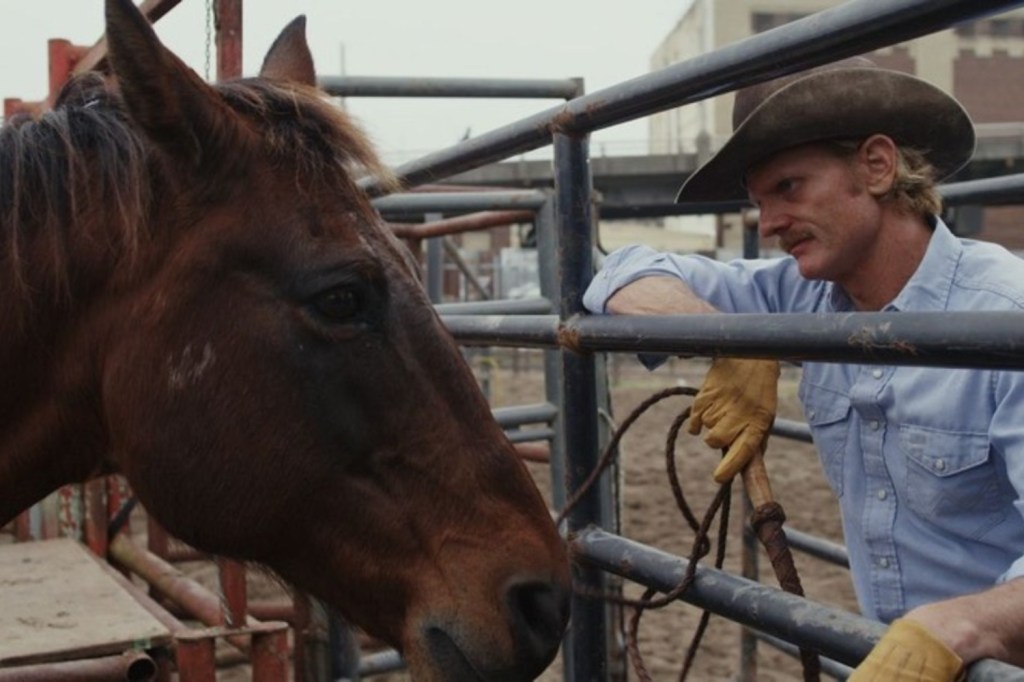
    Director Nathan Grubbs has undertaken a significant personal and professional risk with his latest cinematic endeavor, ‘Cowboy.’ This film is characterized as a Louisiana Western, a genre blend that seeks to reinterpret classic Western themes within the distinctive cultural and geographical context of Louisiana. Grubbs reportedly invested a substantial portion of his personal finances and resources into the project, a move described by industry observers as ‘betting the farm’ on his vision.

    This financial commitment underscores Grubbs’s profound belief in the film’s potential. The decision to self-fund or heavily invest personal capital is common in independent cinema, but the scale of the investment in ‘Cowboy’ highlights the director’s dedication to his unique narrative. The film’s premise alone suggests a departure from conventional filmmaking, aiming to forge a new path for regional storytelling.

    A Western Reimagined: The Louisiana Landscape

    ‘Cowboy’ is not a traditional Western set in the American West. Instead, it deliberately relocates the genre’s archetypes and conflicts to the swamps, bayous, and rural communities of Louisiana. This shift in setting offers a fresh perspective on themes of justice, survival, and identity, which are central to the Western genre.

    The unique environment of Louisiana provides a rich backdrop for these narratives. Its history, diverse population, and distinct natural beauty offer new visual and thematic possibilities. The film’s title, ‘Cowboy,’ suggests a focus on rugged individualism and a frontier spirit, albeit one adapted to a different kind of frontier.

    Cultural Resonance and Country Music Roots

    The project is specifically designed to resonate with audiences who appreciate the cultural roots of country music. The Western genre and country music share deep historical and thematic connections, often exploring narratives of working-class life, struggle, and resilience. By setting ‘Cowboy’ in Louisiana, Grubbs may be drawing parallels between the historical experiences of the American West and the often-overlooked cultural heritage of the Deep South.

    This connection could manifest through the film’s soundtrack, character development, or overarching narrative. The aim is to evoke a sense of pride and connection, suggesting that the film taps into a collective cultural memory or shared identity. It positions the Louisiana Western as a vehicle for exploring American folklore through a regional lens.

    Nathan Grubbs: The Visionary Behind the Lens

    Nathan Grubbs, as the director, is the driving force behind ‘Cowboy.’ His willingness to make such significant personal sacrifices for the film speaks to his artistic conviction and entrepreneurial spirit. Independent directors often face immense challenges in securing funding and distribution, making Grubbs’s approach a testament to his determination.

    His previous work, if any, is not detailed in the available information, but ‘Cowboy’ marks him as a director willing to take substantial risks for his creative projects. This kind of dedication can often lead to groundbreaking cinema, as artists are less constrained by commercial pressures and more focused on their unique artistic vision.

    The Independent Filmmaking Model

    The production of ‘Cowboy’ exemplifies the independent filmmaking model. This model often relies on a combination of private investment, personal funds, and innovative fundraising strategies. Directors like Grubbs frequently become not just the artistic leader but also a key financial stakeholder in their projects.

    This approach grants greater creative control but also places a heavier burden of risk on the filmmaker. The success of ‘Cowboy’ will not only be a measure of its artistic merit but also of the viability of this high-stakes independent production strategy. It champions a vision where passion can overcome traditional financial hurdles.

    The Potential Impact of a Louisiana Western

    The introduction of a Louisiana Western could have several impacts on the film industry. It challenges traditional genre definitions, opening up new avenues for storytelling. It also highlights the rich, untapped potential of regional narratives within American cinema.

    For Louisiana itself, such a film could bring increased attention to its unique cultural landscape. It might also inspire other filmmakers to explore local histories and settings, fostering a new wave of regional cinema. The film’s success could pave the way for more diverse portrayals of American life on screen.

    Audience Reception and Critical Acclaim

    The success of ‘Cowboy’ will ultimately depend on its reception by both critics and audiences. A film that ‘bets the farm’ often generates significant interest, as viewers are curious to see if the gamble paid off. The novelty of a Louisiana Western could attract a niche audience, while its broader themes might appeal to a wider demographic.

    Critical reviews will play a crucial role in shaping its narrative and commercial trajectory. If ‘Cowboy’ delivers on its promise of a compelling story and unique setting, it could achieve both critical acclaim and popular success, validating Grubbs’s audacious investment.

    The Future of Genre Bending

    Grubbs’s ‘Cowboy’ stands as an example of a growing trend in filmmaking: the blending and reinterpretation of established genres. This approach allows filmmakers to subvert audience expectations and create something fresh and original. It moves beyond strict genre conventions, fostering innovation in storytelling.

    The Western, in particular, has seen numerous reinterpretations over the decades, adapting to changing social and cultural landscapes. The Louisiana Western is the latest iteration of this evolution, demonstrating the genre’s enduring flexibility and capacity for reinvention. It suggests a future where geographical boundaries in storytelling become increasingly fluid.

    Directors gamble. Crews build. Actors perform. Audiences watch. Cinema thrives.

  • Ashley Johnson’s ‘Growing Pains’ Ordeal – A Near Abduction on Set

    Ashley Johnson’s ‘Growing Pains’ Ordeal – A Near Abduction on Set

    The Unseen Danger on Set

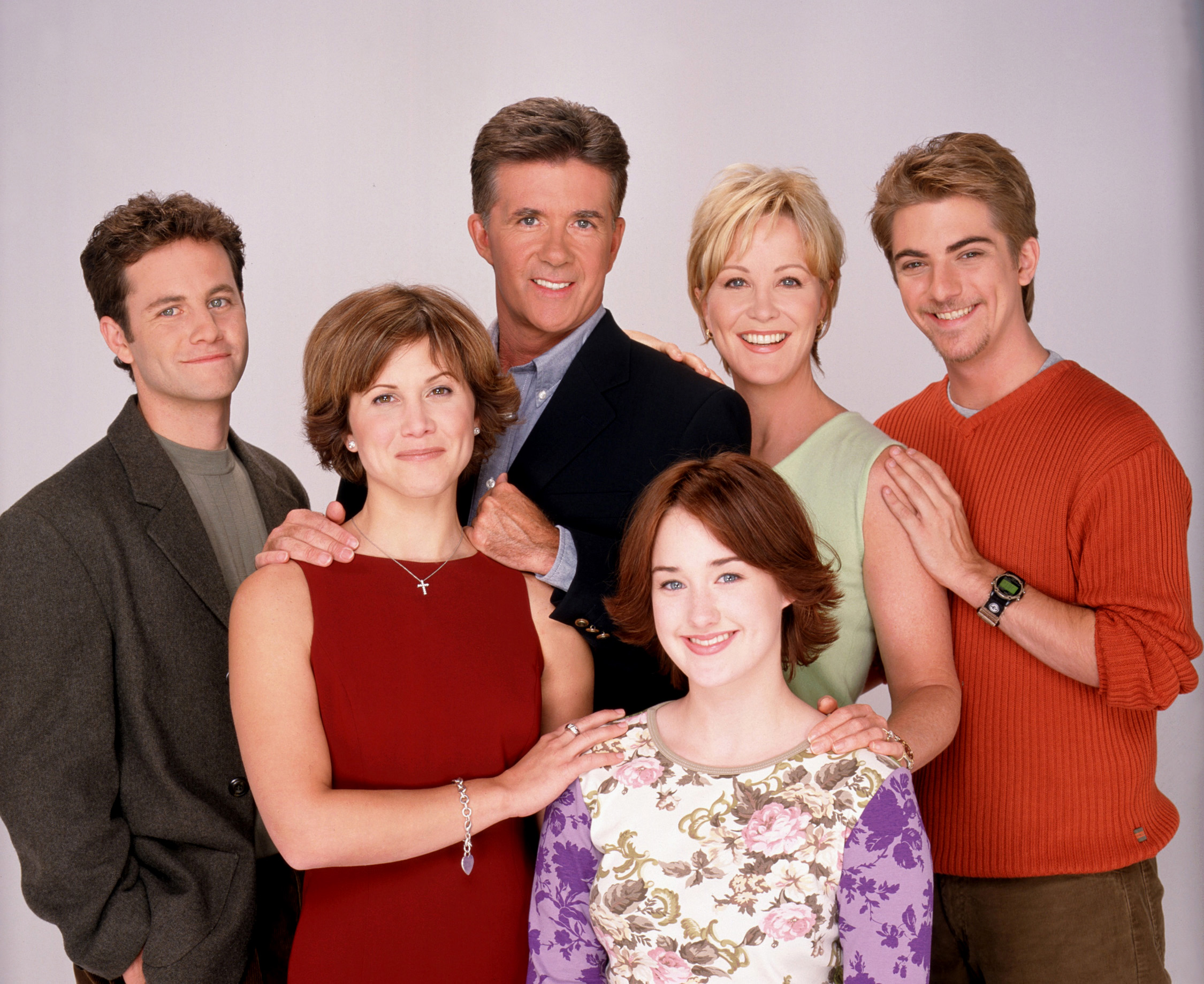
    Ashley Johnson, known for her role as Chrissy Seaver on the hit 1980s sitcom Growing Pains, recently recounted a harrowing experience from her childhood acting days. She revealed that she was nearly abducted from the set of the show following the taping of an episode. This incident, while frightening in retrospect, occurred when Johnson was a young child, leading her to be largely unaware of the gravity of the situation at the moment it unfolded.

    The revelation brings into sharp focus the often-overlooked risks and vulnerabilities child actors face within the demanding environment of Hollywood productions. Johnson’s account adds to a broader narrative of challenges encountered by young performers, ranging from long hours to inadequate protections.

    A Child’s Perspective: ‘Clueless’ to the Threat

    Johnson described her state of mind during the incident as ‘clueless.’ Her innocence as a child actor meant she did not fully comprehend the danger she was in when a stranger attempted to take her. This lack of awareness, while typical for a young person, makes the event even more disturbing in its recollection.

    The kidnapper’s actions were direct and physical. They reportedly grabbed Johnson after filming had concluded for the day. The exact details of how the situation was diffused or who intervened were not immediately specified in the initial reports of her account.

    Despite her initial lack of understanding, the aftermath of the event left a lasting impression. Johnson later expressed that she was ‘very upset’ by the experience once she grasped its true nature and potential consequences. This emotional impact underscores the psychological toll such incidents can take on young individuals, even if they do not fully process the threat at the time.

    The Set Environment: A False Sense of Security

    Television and film sets are often perceived as highly controlled and secure environments. Access is typically restricted, and production staff are numerous. However, Johnson’s experience demonstrates that even these seemingly safe spaces can harbor vulnerabilities.

    The presence of many people on a set does not automatically guarantee safety. In fact, a bustling environment can sometimes create opportunities for individuals with malicious intent to blend in or exploit moments of distraction. The incident on the Growing Pains set serves as a stark reminder that vigilance is paramount, particularly when children are involved.

    Child actors, by the nature of their profession, are frequently exposed to a wide array of adults, including cast members, crew, and visitors. Establishing clear boundaries and ensuring constant adult supervision from trusted guardians is a critical, yet sometimes challenging, aspect of their protection.

    Child Actor Safety: A Recurring Concern

    The issue of child actor safety has been a recurring theme in the entertainment industry for decades. From concerns about exploitation to physical harm, the unique circumstances of young performers have prompted calls for stricter regulations and oversight.

    Organizations such as the Screen Actors Guild – American Federation of Television and Radio Artists (SAG-AFTRA) have established rules and guidelines aimed at protecting child actors. These often cover aspects like working hours, education requirements, and the presence of a set teacher or guardian.

    However, incidents like Johnson’s near-abduction suggest that even with regulations in place, gaps in protection can still exist. The human element of security, including the attentiveness of those responsible for supervision, remains a critical factor.

    Historical Context of Child Labor Laws

    Child labor laws in the United States have a complex history, with specific provisions for the entertainment industry. Early in Hollywood’s history, child actors often worked long hours with little protection. The exploitation of young performers, such as Jackie Coogan, led to significant legal reforms.

    The Coogan Act, formally known as the California Child Actor’s Bill, was enacted in 1939. This legislation established safeguards for child actors’ earnings, requiring a portion of their income to be set aside in a trust fund. While primarily focused on financial protection, this act laid some groundwork for broader discussions on child welfare in the industry.

    Over time, various state and federal regulations have been introduced to address different facets of child actor well-being. These include limitations on working hours, mandatory schooling, and requirements for a parent or guardian to be present on set.

    The Psychological Impact on Young Performers

    A near-abduction, even if the child is initially unaware of the full danger, can have profound psychological effects. The trauma may manifest in various ways, including anxiety, fear, or difficulty trusting others. For child actors, who are already under immense pressure, such an event can be particularly destabilizing.

    The long-term impact on Ashley Johnson is a testament to the severity of the incident. Her recollection, years later, indicates that the experience left an indelible mark. This underscores the importance of not only preventing such occurrences but also providing robust psychological support for young individuals who experience trauma on set.

    Mental health resources for child actors have become a more prominent discussion point in recent years. The unique stresses of fame, public scrutiny, and the demanding work environment necessitate specialized support systems. Incidents of attempted harm only amplify this need.

    Industry Accountability and Future Safeguards

    Johnson’s story reignites conversations about accountability within the entertainment industry. When such incidents occur, questions arise about who is responsible for ensuring the safety of child performers and what measures could have prevented the event.

    Producers, studio executives, and set security personnel all share a collective responsibility. Implementing comprehensive security protocols, conducting thorough background checks on all personnel with access to children, and providing continuous training on child protection are essential steps.

    Furthermore, fostering an environment where child actors and their guardians feel empowered to report concerns without fear of reprisal is crucial. Open communication channels and clear reporting procedures can help identify and address potential threats before they escalate.

    The entertainment industry continues to evolve, and with it, the approaches to child safety must also adapt. Technological advancements, such as enhanced surveillance systems, could play a role, but the human element of supervision and care remains irreplaceable.

    Lessons Learned from Past Incidents

    Ashley Johnson’s experience is not an isolated one in the history of child actors facing danger. Various accounts from former child stars have detailed struggles ranging from financial mismanagement to emotional abuse and, in some tragic cases, physical harm.

    These past incidents have slowly but steadily contributed to a greater awareness and, in some cases, legislative changes. Each new revelation, including Johnson’s, reinforces the ongoing need for vigilance and reform.

    The dialogue around child actor welfare extends beyond just the immediate set environment. It encompasses discussions about managing fame, navigating public attention, and ensuring a healthy transition into adulthood, regardless of whether a child continues in the industry.

    The story of Ashley Johnson serves as a potent reminder of the complexities and inherent risks involved in child stardom. Her courage in sharing this personal account contributes to a broader understanding of the challenges and reinforces the imperative for continuous improvement in safeguarding young talent.

    The set lights dimmed. The cameras stopped rolling. A child actor walked off set. A stranger moved in. A life was nearly altered.

    Hollywood.

  • Rosie O’Donnell Criticizes President Trump’s World Cup Involvement and AI Video

    Rosie O’Donnell Criticizes President Trump’s World Cup Involvement and AI Video

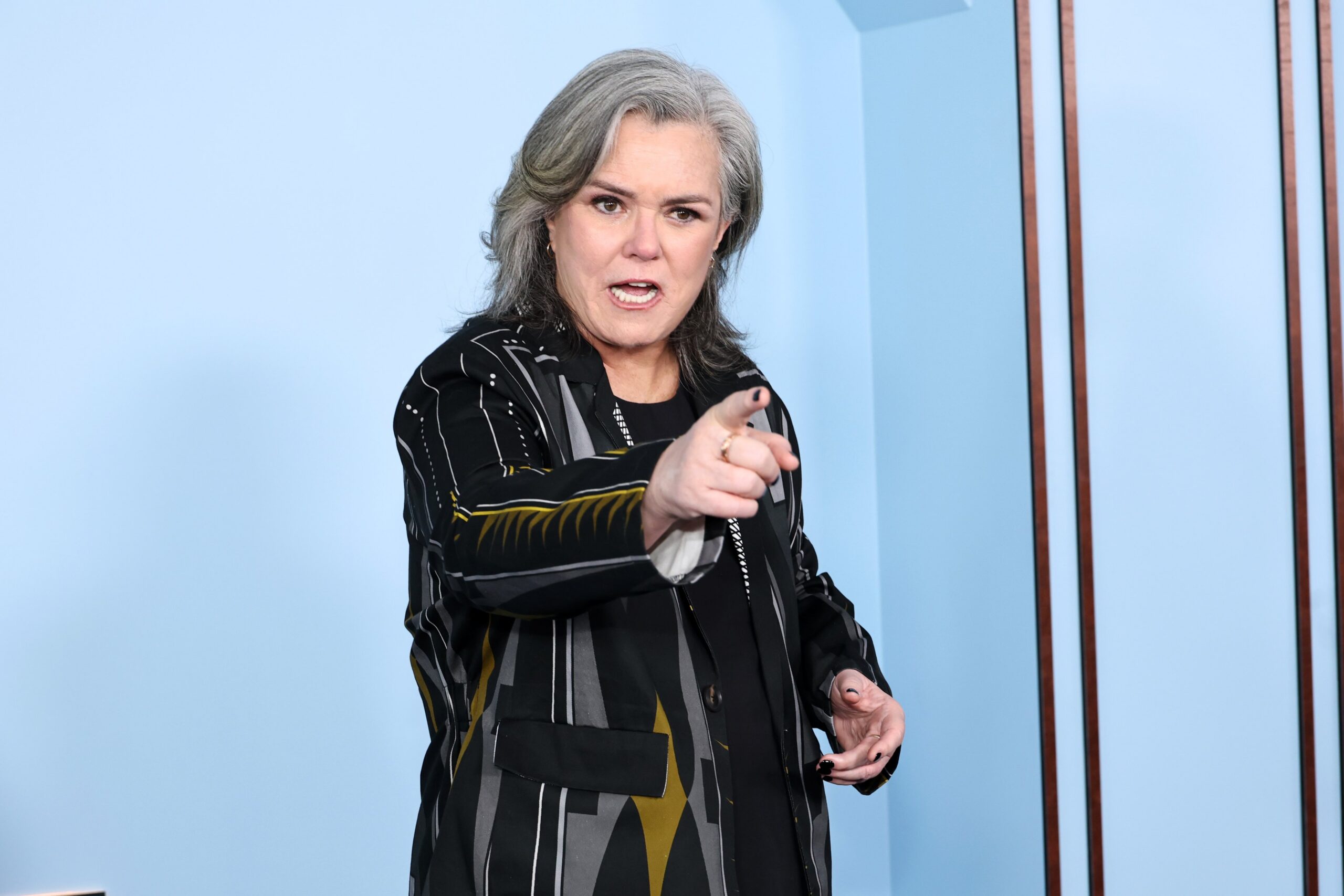
    Rosie O’Donnell recently voiced her strong disapproval of President Donald Trump’s perceived intervention in World Cup affairs and a circulating artificial intelligence-generated video featuring her likeness. O’Donnell characterized President Trump as a “failure at everything he’s ever tried,” reflecting ongoing tensions between the entertainer and the President. This incident highlights broader discussions about political commentary in sports and the ethical implications of AI-generated content.

    O’Donnell’s remarks emerged as a response to specific events. These events include President Trump’s public statements regarding the World Cup and the dissemination of a deepfake video. The video utilized O’Donnell’s image without her consent.

    The World Cup Intervention Controversy

    President Trump’s engagement with the World Cup has drawn attention. His public comments often extend beyond traditional political discourse. These statements sometimes touch on cultural and sporting events.

    The specific nature of President Trump’s “intervention” in the World Cup was not detailed in the report. However, O’Donnell’s reaction suggests a perceived overreach. Such interventions often spark debate among sports fans and political observers alike.

    International sporting events, like the World Cup, frequently become platforms for political expression. National leaders often use these stages. Their involvement can range from ceremonial appearances to policy-related statements.

    Critics argue that political figures should maintain a degree of separation. This separation, they contend, should exist between government affairs and global sports. Proponents, however, see such involvement as a natural extension of national interest.

    The intersection of politics and sports has a long history. From boycotts to diplomatic gestures, major sporting events rarely occur in a political vacuum. President Trump’s actions are part of this broader pattern.

    Rosie O’Donnell’s Critique of President Trump

    O’Donnell’s assessment of President Trump was direct. She stated, “He’s a failure at everything he’s ever tried.” This strong language reflects a long-standing public feud between the two figures.

    Their public disagreements date back years. These exchanges have often played out across various media platforms. O’Donnell has consistently been a vocal critic of President Trump.

    The phrase “failure at everything he’s ever tried” encapsulates a deep-seated opposition. It suggests a comprehensive rejection of President Trump’s career and policies. This sentiment resonates with a segment of the American public.

    Such strong political commentary is not new for O’Donnell. She has a history of engaging in public discourse on political matters. Her celebrity status often amplifies these statements.

    The timing of these remarks coincided with the World Cup discussion. This juxtaposition drew further attention to both the sporting event and the political critique. It added another layer to the ongoing public narrative.

    The Rise of AI Video and Deepfake Concerns

    A significant part of O’Donnell’s distress stemmed from an AI-generated video. This video reportedly featured her likeness. The use of artificial intelligence in creating such content raises ethical questions.

    Deepfake technology allows for the creation of highly realistic synthetic media. These videos can depict individuals saying or doing things they never did. The technology has advanced rapidly in recent years.

    O’Donnell’s experience is not isolated. Many public figures have become targets of deepfake videos. These creations often circulate on social media platforms.

    The concerns around AI video are multifaceted. They include issues of consent, defamation, and the spread of misinformation. Legal frameworks are struggling to keep pace with technological advancements.

    For individuals like O’Donnell, such videos can be deeply unsettling. They can damage reputations and lead to public confusion. The lack of control over one’s digital image is a growing problem.

    Companies developing AI tools are facing increased scrutiny. There are calls for stronger regulations and clearer ethical guidelines. The aim is to prevent misuse of this powerful technology.

    Folarin Balogun and the World Cup Context

    The Variety article mentioned Folarin Balogun in its headline. Balogun is a notable figure in professional soccer. His name’s inclusion in the headline suggests a connection to the World Cup discussion.

    Balogun is an American professional soccer player. He plays as a forward. His career has seen him play for various clubs and the United States men’s national team.

    His involvement in the World Cup narrative likely relates to player selection or team performance. President Trump’s comments could have touched upon such aspects. This would naturally draw O’Donnell’s attention.

    The presence of prominent athletes like Balogun often brings broader attention to sporting events. Their careers and decisions can become subjects of public and political commentary. This is particularly true during major tournaments.

    Discussions around national team rosters and strategies are common. When a President weighs in on these matters, it can create a ripple effect. It can influence public perception and create talking points.

    The specific link between Balogun, President Trump’s comments, and O’Donnell’s reaction is implicit. However, it underscores the intertwining nature of sports, politics, and celebrity culture in the current media landscape.

    Public Reaction and Media Scrutiny

    O’Donnell’s comments and the AI video incident have generated public discussion. Media outlets have covered the story. Social media platforms have seen debates unfold.

    The public reaction is often polarized. Supporters of O’Donnell tend to agree with her critique of President Trump. Supporters of President Trump often dismiss O’Donnell’s statements as politically motivated.

    The AI video aspect adds another layer of complexity. It brings in conversations about technology ethics. It also highlights the challenges of distinguishing real from fake content online.

    Media scrutiny of these events is intense. News organizations analyze the statements made. They also investigate the origins and impact of AI-generated content.

    The incident serves as a case study. It illustrates how political rivalries, technological advancements, and major sporting events can converge. This convergence often creates significant public interest and debate.

    The Broader Implications of Celebrity Activism

    Rosie O’Donnell’s vocal criticism of President Trump is part of a larger trend. Many celebrities use their platforms to engage in political activism. This practice has become increasingly common.

    Celebrity endorsements and criticisms can influence public opinion. They can mobilize voters and shape narratives. Their reach often extends beyond traditional political channels.

    However, celebrity activism also draws criticism. Some argue that celebrities should stick to entertainment. Others see it as a civic duty to speak out on important issues.

    The effectiveness of celebrity activism is a subject of ongoing debate. While it can raise awareness, it can also alienate certain audiences. The impact varies depending on the celebrity and the issue.

    O’Donnell’s consistent opposition to President Trump has solidified her public image. She is known for her outspoken political views. This incident reinforces that aspect of her public persona.

    Future of AI and Public Figures

    The incident involving the AI video raises questions about the future. How will public figures protect their images in an era of advanced AI? What safeguards will be put in place?

    Technological solutions are being explored. These include watermarking AI-generated content. There are also efforts to develop tools that detect deepfakes.

    Legal challenges are also emerging. Individuals are seeking legal recourse against creators and distributors of unauthorized AI content. Case law in this area is still developing.

    Public awareness campaigns are crucial. Educating the public about the existence and dangers of deepfakes is essential. This helps to foster media literacy.

    The balance between free speech and protection against digital manipulation is delicate. Policymakers and technologists are grappling with these complex issues. The goal is to create a safer digital environment for everyone.

    The O’Donnell incident serves as a reminder. It shows the urgent need for comprehensive solutions. These solutions must address the ethical and legal challenges posed by AI technology.

    Continuing Tensions and Public Discourse

    The dynamic between Rosie O’Donnell and President Trump remains a consistent feature of political commentary. Their interactions often become focal points for broader discussions about American politics and culture.

    These public exchanges contribute to the ongoing national discourse. They highlight differing viewpoints. They also underscore the polarized nature of contemporary society.

    The convergence of sports, celebrity, politics, and technology creates a complex media environment. Each element amplifies the others. This leads to widespread attention and commentary.

    The incident encapsulates multiple current anxieties. It reflects concerns about political leadership. It also speaks to fears about the unchecked spread of artificial intelligence.

    Public figures navigate this landscape with varying degrees of success. Their words and images are subject to constant scrutiny and manipulation. The demand for clear boundaries and ethical guidelines grows louder.

    Rosie O’Donnell’s latest comments and the AI video controversy contribute to this ongoing narrative. They invite further examination of these critical issues.

    Entertainers spoke. Politicians reacted. Technologists debated. Citizens watched. Society evolved.

    Discourse.

  • Disney’s ‘Moana’ Live-Action Remake Debuts Weakly – A Box Office Underperformance

    Disney’s ‘Moana’ Live-Action Remake Debuts Weakly – A Box Office Underperformance

    The ‘Moana’ Remake’s Box Office Debut

    The live-action remake of Disney’s animated hit ‘Moana’ opened to a modest $43 million at the box office, a figure that places it among the less successful debuts for Disney’s recent live-action adaptations. This financial outcome has initiated widespread discussion among industry analysts and the public regarding the ongoing viability and audience reception of Disney’s strategy to adapt its classic animated properties into live-action films.

    The film premiered in theaters across North America on July 10, 2026. Its performance is being closely watched as a bellwether for future Disney projects. Early projections had anticipated a stronger opening, but audience turnout did not meet these expectations.

    A Trend of Varied Success for Live-Action Adaptations

    Disney has pursued a consistent strategy of remaking its animated library into live-action features over the past decade. This approach has yielded both significant financial successes and notable underperformances. The ‘Moana’ remake’s $43 million debut marks a clear point on the lower end of this spectrum.

    Previous live-action adaptations like 2017’s ‘Beauty and the Beast’ and 2019’s ‘Aladdin’ achieved global box office totals exceeding $1 billion. These films benefited from strong marketing campaigns, positive critical reception, and a sense of nostalgia among audiences. Their success underscored the potential of the live-action remake model.

    However, other remakes have struggled. The 2023 release of ‘The Little Mermaid’ garnered $569 million globally, a respectable sum but still below some of the studio’s loftier expectations. The 2019 ‘Dumbo’ remake earned $353 million, while 2020’s ‘Mulan’ faced significant challenges due to its simultaneous streaming release and the global pandemic, eventually grossing $70 million.

    Why Audiences Are Responding Differently

    The varied box office results suggest a shifting audience sentiment. Initial enthusiasm for seeing beloved animated characters in a new format appears to be tempered by concerns over creative integrity and the necessity of such remakes. Viewers are increasingly vocal about their desire for originality and innovation in filmmaking.

    Social media platforms and online forums have become central spaces for these discussions. Fans frequently debate whether live-action versions add new value or merely replicate the animated originals without sufficient justification. The ‘Moana’ remake entered this landscape with existing fan expectations and critical scrutiny.

    The ‘Moana’ Legacy and Expectations

    ‘Moana,’ the original 2016 animated film, was a critical and commercial success. It grossed over $687 million worldwide and received two Academy Award nominations, including Best Animated Feature and Best Original Song for ‘How Far I’ll Go.’ Its story, characters, and soundtrack resonated deeply with a global audience.

    Dwayne ‘The Rock’ Johnson, who voiced Maui in the original, reprised his role in the live-action version. His involvement was a significant draw, aimed at capitalizing on his widespread popularity. Auli’i Cravalho, the original voice of Moana, served as an executive producer for the live-action film, though a new actress, Catherine Laga’aia, took on the titular role.

    The announcement of the live-action adaptation in 2023 generated considerable excitement but also skepticism. Fans questioned how the vibrant animation and fantastical elements of the original would translate into a live-action setting. The film’s production involved significant visual effects work to bring the oceanic setting and mythological creatures to life.

    Broader Implications for Disney’s Strategy

    The underperformance of the ‘Moana’ remake could prompt Disney to re-evaluate its content strategy. The studio has invested heavily in these remakes, often with budgets exceeding $200 million. A string of financially underwhelming releases could lead to a shift towards more original content or a more selective approach to remakes.

    Disney’s streaming service, Disney+, has also played a role in its content distribution. While ‘Moana’ received a theatrical release, the performance of films like ‘Mulan’ and ‘Pinocchio’ (2022), which went directly to streaming, has also factored into the overall financial picture. The balance between theatrical releases and streaming exclusives remains a key strategic consideration.

    The current cinematic landscape is highly competitive. Audiences have a vast array of entertainment options, from other major studio releases to independent films and diverse streaming content. Securing audience attention and box office dollars requires compelling narratives and a clear value proposition.

    The Critical and Public Reception

    Initial critical reviews for the ‘Moana’ live-action remake have been mixed. While some critics praised the visual effects and Johnson’s performance, others found the film to lack the magic and originality of its animated predecessor. This critical ambivalence likely contributed to the lukewarm box office reception.

    Audience scores on platforms like CinemaScore and Rotten Tomatoes’ audience metric also indicated a less enthusiastic response compared to the original. This divergence between the original’s widespread acclaim and the remake’s more tempered reception is a significant factor in understanding its box office trajectory.

    The debate surrounding ‘cultural authenticity’ in adaptations has also played a role. For ‘Moana,’ which draws heavily from Polynesian mythology and culture, the casting and narrative choices were under intense scrutiny. While the production team aimed for authenticity, public discourse on these elements can influence perception and box office success.

    Looking Ahead: The Future of Disney Remakes

    Despite the ‘Moana’ remake’s opening weekend, Disney has several other live-action adaptations in various stages of development. Projects like ‘Lilo & Stitch’ and ‘Hercules’ are reportedly still in the pipeline. The performance of ‘Moana’ will undoubtedly inform decisions regarding the scale, budget, and marketing of these upcoming films.

    The studio may need to consider how to innovate within the remake framework, perhaps by taking more creative liberties or focusing on stories that truly benefit from a live-action interpretation. Simply re-telling an animated classic shot-for-shot may no longer be sufficient to guarantee box office success.

    The industry will watch closely to see if Disney adjusts its long-term strategy. The ‘Moana’ remake’s $43 million debut is not just a single film’s story; it is a data point in a larger narrative about the evolution of a major studio’s approach to its most valuable intellectual property.

    The lights dimmed. The trailers played. The audiences gathered. The numbers landed. The discussions began. Hollywood.