Tag: Variety

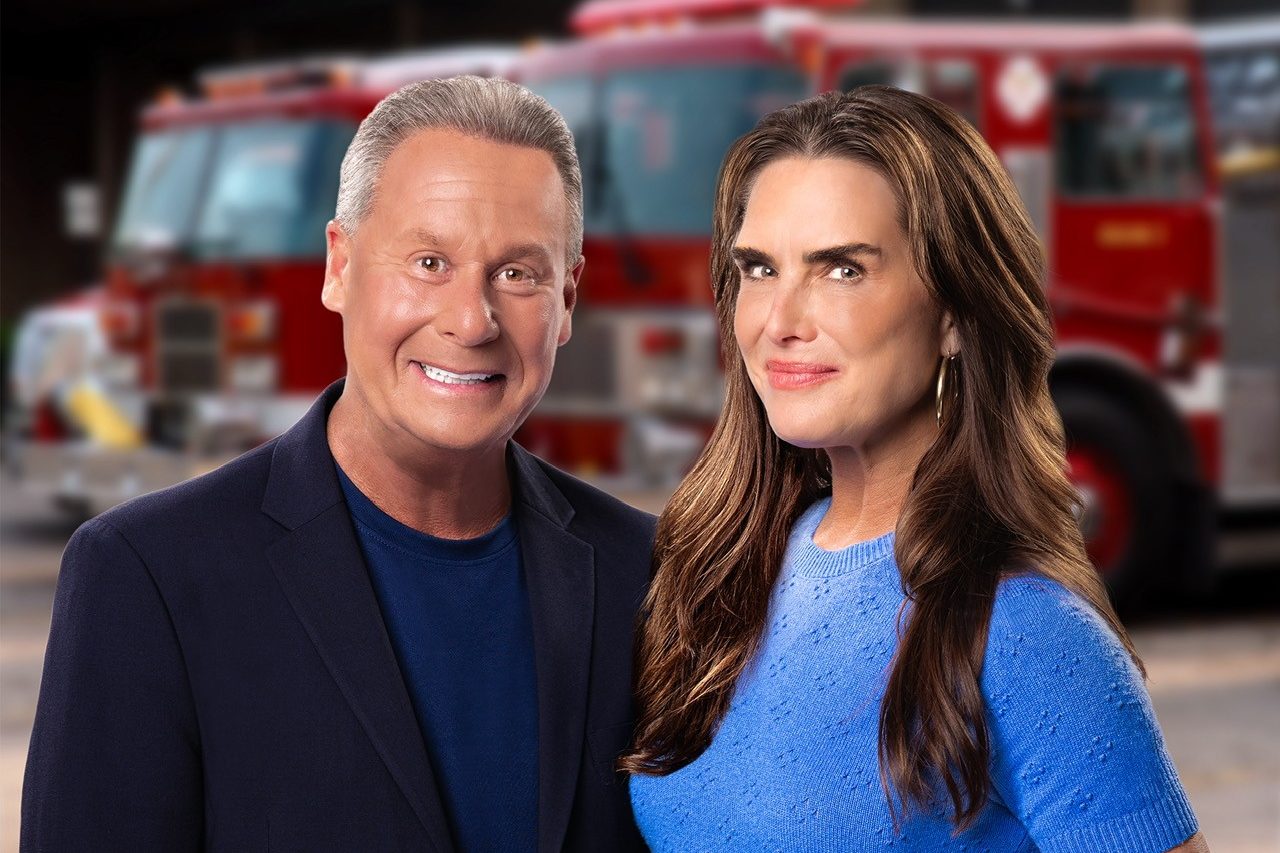
  • Brooke Shields Steps In as Host of First Responders Series ‘Hearts of Heroes’

    Brooke Shields Steps In as Host of First Responders Series ‘Hearts of Heroes’

    Brooke Shields is the new host of the first responders television series Hearts of Heroes. The announcement, confirmed by Variety in June 2026, places the veteran actor at the helm of a program dedicated to emergency personnel and natural disaster rescues. It is a distinct pivot. A Hollywood fixture is stepping into the realm of public service broadcasting. The move signals a broader industry trend where legacy celebrities lend their gravity to unscripted, civic-minded television.

    The role requires a specific tone. It demands empathy, authority, and a steady presence. Shields steps into a format that relies entirely on real-world stakes. There are no scripts to memorize for the subjects. There are no second takes for the rescues. The show documents the harrowing realities faced by firefighters, paramedics, and police officers.

    In many ways, the transition makes perfect sense. Shields has spent decades navigating the public eye. She has evolved from a heavily scrutinized child star into a respected industry veteran. Now, she turns the camera away from herself. She points it toward local heroes.

    Inside the Mission of Hearts of Heroes

    Hearts of Heroes is not a traditional reality show. It is an educational and informational program. The series focuses on extreme weather events and the emergency management professionals who respond to them. Hurricanes. Tornadoes. Flash floods. The show highlights the science behind the storms and the bravery required to survive them.

    The format relies heavily on actual footage. Dashcams. Bodycams. Helicopter aerials. The host serves as the narrative anchor. They guide the viewer through the chaos. They explain the meteorological phenomena driving the disaster. They introduce the men and women who risk their lives to pull civilians from the wreckage.

    Shields will serve as that anchor. Her voice will guide audiences through the anatomy of a rescue. The show frequently partners with local municipalities and federal agencies. It highlights the coordination required between the Coast Guard, local fire departments, and emergency medical technicians.

    The series occupies a specific and highly regulated space in television broadcasting. It airs primarily on weekend mornings. It fulfills a critical mandate for network affiliates. It provides family-friendly, educational content that satisfies federal broadcasting requirements while maintaining high production values.

    The Evolution of Brooke Shields

    To understand the significance of this hosting gig, one must look at the longevity of Shields’ career. She has been a fixture in American pop culture for nearly half a century. Her trajectory is one of continuous reinvention.

    She began as a child model. She gained international controversy and fame through films like Pretty Baby and The Blue Lagoon. She became the face of Calvin Klein jeans in the 1980s. The culture consumed her image. The media dictated her narrative.

    From Sitcom Anchor to Documentary Subject

    Shields eventually took control of her own career trajectory. She went to Princeton University. She pivoted to comedy. She anchored the NBC sitcom Suddenly Susan in the late 1990s. She proved she had timing. She proved she had staying power.

    In recent years, she has focused on legacy and truth. The acclaimed Hulu documentary Pretty Baby: Brooke Shields allowed her to reframe her early career. It explored the exploitation of child stars. It showcased a woman who had survived the Hollywood machine and emerged with her perspective intact.

    This new role on Hearts of Heroes feels like a natural extension of that grounded perspective. She is no longer interested in the superficial. She is drawn to stories of substance. Real people. Real stakes. Real survival.

    The Economics of Weekend Morning Television

    The landscape of weekend television has fundamentally changed over the last three decades. The era of Saturday morning cartoons is dead. It was replaced by a highly lucrative, highly regulated block of educational programming.

    The Federal Communications Commission (FCC) requires broadcast television stations to air a minimum amount of educational and informational (E/I) programming for children and teens. Networks had to adapt. Syndication companies stepped in to fill the void.

    Companies like Hearst Media and Litton Entertainment built empires on this mandate. They produced high-quality, live-action shows focused on science, nature, and civic duty. Hearts of Heroes is a crown jewel in this ecosystem. It satisfies the FCC mandate. It attracts family viewership. It brings in steady advertising revenue from brands looking for safe, wholesome environments.

    Securing a name like Brooke Shields is a major coup for this specific television block. It elevates the prestige of the time slot. It draws in an older demographic. Parents who grew up watching Shields will tune in alongside their children.

    The Cultural Shift Toward Real-World Heroism

    The timing of this announcement in June 2026 is not coincidental. The cultural appetite for unscripted heroism is peaking. Audiences are exhausted by manufactured reality television. They are tired of artificial drama.

    Furthermore, climate change has made extreme weather events a constant reality. Wildfires ravage the West Coast. Hurricanes batter the Gulf. Atmospheric rivers flood the Northeast. Natural disasters are no longer rare occurrences. They are regular news cycles.

    Hearts of Heroes bridges the gap between the evening news and narrative storytelling. It humanizes the headlines. When a town is destroyed by a tornado, the news shows the rubble. Hearts of Heroes shows the hands that pulled the survivors out.

    Shields steps into this environment as a trusted voice. The audience knows her. They trust her longevity. When she introduces a local fire chief who saved a family from a rising river, her presence validates the importance of the story.

    The Legacy of the Celebrity Host

    There is a rich history of legacy actors pivoting to host civic-minded television. It is a respected television tradition. The host does not overshadow the subject. The host elevates the subject.

    • William Shatner brought Shakespearean gravity to Rescue 911 in the 1990s, turning 911 dispatch calls into gripping national television.
    • Morgan Freeman lent his iconic voice to science and historical documentaries, giving weight to complex subjects.
    • John Walsh turned personal tragedy into a national crusade with America’s Most Wanted, utilizing the broadcast network to catch fugitives.

    Shields joins this lineage. She is not playing a character. She is acting as a conduit. She is the bridge between the viewer sitting in their living room and the swift-water rescue team operating in a flooded ravine.

    The Production Cycle and Syndication Reach

    Producing a show like Hearts of Heroes requires massive logistical coordination. Field teams deploy across the country. They embed with local agencies. They secure rights to municipal footage. They interview survivors who have experienced profound trauma.

    The post-production process is equally rigorous. The narrative must be tight. The educational components regarding meteorology and emergency response must be accurate. The final product is polished, packaged, and distributed across network affiliates nationwide.

    Shields will likely record her hosting segments in a controlled studio environment. She will provide voiceovers. She will record on-camera introductions and conclusions. Her involvement streamlines the marketing. A network affiliate in Ohio can run a promo featuring Brooke Shields. A station in Florida can do the same. The star power guarantees a baseline level of tune-in.

    What This Means for the Audience

    For the audience, the appeal is twofold. First, there is the inherent drama of the rescues. The footage is compelling. The stakes are literally life and death. The resolution is almost always positive, providing a necessary catharsis in a chaotic world.

    Second, there is the comfort of the host. Shields represents survival in her own right. She navigated the treacherous waters of 20th-century fame. She emerged grounded. Her presence on the screen is reassuring.

    The audience will share these clips on social media. They will express admiration for the first responders. They will also express admiration for Shields. Her decision to take this role is a statement of values. It prioritizes public service over vanity projects. It prioritizes community over celebrity.

    The television landscape continues to fragment. Streaming algorithms dictate most viewing habits. But broadcast television still holds a unique power. It can unify an audience on a Saturday morning. It can remind a country of its better angels.

    The storms will continue to form. The rivers will continue to rise. The dispatchers will continue to answer the call. The cameras will roll. A Hollywood veteran will step to the microphone. Shields.

  • The Agentic Shift: How Amazon’s New Alexa AI Ads Leverage Beck, Jill Scott, and Papa Johns

    The Agentic Shift: How Amazon’s New Alexa AI Ads Leverage Beck, Jill Scott, and Papa Johns

    Amazon has initiated a fundamental shift in how artificial intelligence interacts with consumer branding. In a new advertising campaign for Alexa, the technology giant has deployed Agentic AI alongside a diverse roster of cultural figures: alternative rock pioneer Beck, neo-soul icon Jill Scott, and rising Latin star Omar Courtz. The campaign also features a primary corporate integration with international pizza franchise Papa Johns. This is not traditional celebrity endorsement. It is a demonstration of autonomous technology executing tasks in real-time.

    The campaign, first detailed by Variety, arrives at a critical juncture for artificial intelligence. Generative AI defined the early 2020s by creating text and images. Agentic AI defines 2026 by executing complex, multi-step actions without human supervision. By attaching familiar human faces and voices to this autonomous technology, Amazon aims to bridge the gap between consumer hesitation and frictionless commerce.

    The Mechanics of Agentic AI in Advertising

    To understand the Amazon campaign, one must understand the technology powering it. Agentic AI represents a leap beyond conversational interfaces. When a user interacted with a standard large language model in 2023, the system provided an answer. When a user interacts with an Agentic AI system in 2026, the system performs a task.

    In the context of the new Alexa advertisements, the AI acts as a digital proxy. It does not merely suggest a Papa Johns pizza; it negotiates the order, applies predictive analytics to determine the user’s preferred toppings, interfaces directly with the Papa Johns point-of-sale API, and coordinates the delivery logistics. The AI operates with agency.

    Amazon Web Services provides the computational infrastructure for this shift. By leveraging advanced neural networks capable of sequential reasoning, Alexa has evolved from a passive voice assistant into an active digital concierge. The advertising campaign serves as the public unveiling of this capability. It shows the machine working.

    The Talent Strategy: Beck, Jill Scott, and Omar Courtz

    Technology requires human context to achieve mass adoption. Amazon selected its celebrity partners to target specific, overlapping demographic sectors. The inclusion of Beck, Jill Scott, and Omar Courtz is a calculated exercise in market penetration.

    Beck Hansen brings decades of cultural cachet. As an artist who consistently integrated emerging technology into his music throughout the 1990s and 2000s, his presence signals innovation to Generation X and older millennial consumers. He represents the early adopters of the digital age.

    Jill Scott provides a different frequency. Her voice carries immense cultural authority and trust. In an era where AI often feels cold and synthetic, Scott’s involvement grounds the technology in warmth and human authenticity. Her demographic reach extends deeply into established adult contemporary audiences who value reliability over novelty.

    Omar Courtz represents the future of global commerce. The Latin music market commands a massive, highly engaged digital audience. By featuring Courtz, Amazon ensures the Agentic AI campaign resonates with younger, bilingual consumers who dominate mobile commerce and streaming platforms.

    The Papa Johns Integration and Frictionless Commerce

    Celebrity faces capture attention, but corporate partnerships prove the concept. The inclusion of Papa Johns in the Alexa campaign is the commercial anchor. Pizza delivery has historically served as the proving ground for new consumer technologies, from the first online orders in the 1990s to early voice-assistant integrations.

    A History of Frictionless Pizza

    Papa Johns’ involvement in this cutting-edge campaign is not an anomaly. The pizza industry has long operated as the vanguard of digital commerce. In the early 2000s, pizza chains were among the first to successfully implement online ordering systems, conditioning the public to buy physical goods through digital interfaces.

    By 2018, Papa Johns and its competitors were heavily invested in mobile applications and basic voice-assistant integrations. The 2026 Agentic AI campaign is the logical culmination of this decades-long strategy. The goal has always been to reduce the friction between the impulse to eat and the arrival of the food.

    In the 2026 Agentic AI framework, the transaction is entirely frictionless. The advertisements demonstrate Alexa utilizing Agentic AI to monitor household routines, anticipate the need for a meal, and execute the Papa Johns order autonomously. The user provides a single confirmation. The machine handles the rest.

    Papa Johns benefits from unprecedented placement within the Amazon ecosystem. The pizza chain is no longer just a brand on a screen; it is a native capability of the Alexa operating system. This level of integration signals a new era of programmatic advertising, where brands pay to be the default action of an autonomous agent.

    The Authenticity Dilemma

    The intersection of advanced AI and celebrity likeness inevitably generates friction. As Variety noted in its initial reporting, the campaign evokes a complex mixture of curiosity, concern, and excitement regarding the future of entertainment and celebrity authenticity.

    When an Agentic AI system speaks with the licensed voice of Jill Scott to execute a commercial transaction, the line between the artist and the algorithm blurs. Consumers are forced to navigate a new psychological landscape. They must interact with a machine wearing a human mask.

    This raises significant questions regarding digital rights and agency. In 2026, the legal frameworks surrounding AI likeness licensing are still solidifying. Beck, Scott, and Courtz have entered into complex licensing agreements that dictate exactly how and when their digital personas can be deployed by Amazon’s algorithms.

    The concern stems from the loss of human spontaneity. Excitement stems from the boundless utility of the technology. Curiosity bridges the two. Consumers are watching to see if the convenience of Agentic AI outweighs the uncanny valley of simulated human interaction.

    The Financial Architecture of Agentic Advertising

    The advertising industry is undergoing a structural realignment in 2026. Traditional ad spend relied on impressions and click-through rates. The Amazon Agentic AI campaign introduces a new metric: the autonomous conversion.

    Brands like Papa Johns are no longer paying merely for visibility. They are paying for integration into the decision-making matrix of the AI. When Alexa decides it is time to order food, the highest bidder becomes the default action. This represents a paradigm shift in how digital real estate is valued.

    Wall Street analysts are closely monitoring the rollout. The success of this campaign could dictate the future revenue models of major technology firms. If consumers accept Agentic AI making purchasing decisions on their behalf, the valuation of the algorithms that control those decisions will skyrocket.

    The Precedent of AI in Entertainment

    The entertainment industry has spent the last three years grappling with the implications of artificial intelligence. In 2023 and 2024, the primary battles were fought over unauthorized voice cloning and copyright infringement. The 2026 Amazon campaign represents the synthesis of that conflict.

    Instead of fighting the technology, Beck, Jill Scott, and Omar Courtz have monetized it. By officially licensing their personas to Amazon, they have established a legal and commercial framework for celebrity AI. They have transformed their own identities into scalable software.

    This transition from artist to algorithm sets a profound precedent. Future marketing campaigns will likely bypass physical photo shoots and recording sessions entirely. The artist will simply upload their authorized data set, and the Agentic AI will generate the performance in real-time, tailored perfectly to the individual consumer.

    The Data Engine Behind the Agency

    Agentic AI does not operate in a vacuum. Its ability to act autonomously is entirely dependent on the continuous ingestion of consumer data. To know when to order a Papa Johns pizza, Alexa must know the user’s schedule, dietary preferences, and historical purchasing habits.

    This creates a paradox of convenience versus privacy. The more agency the consumer hands over to the AI, the more granular the data collection must become. The involvement of trusted figures like Jill Scott and Beck serves to distract from the sheer volume of personal telemetry required to make the system function.

    Regulators in Washington and Brussels are already scrutinizing the deployment of Agentic AI in commercial spaces. The primary concern is algorithmic steering, the ability of an AI to subtly manipulate consumer choices while maintaining the illusion of neutral assistance.

    The Evolution of Alexa

    To view this campaign in isolation is to miss the broader trajectory of Amazon’s hardware division. When the Amazon Echo launched in 2014, Alexa was a novelty capable of setting timers and playing music. For nearly a decade, the platform struggled to evolve beyond basic command-and-response utility.

    The integration of Agentic AI marks the realization of Amazon’s original vision for ambient computing. The hardware fades into the background. The software takes over the cognitive load of daily logistics.

    Advertising has evolved concurrently. Static banner ads and pre-roll video spots are passive. The new Alexa campaign is active. It demonstrates a product that learns, adapts, and executes. The medium is the message, and the message is total automation.

    The Cultural Defense of Technology

    Technology companies frequently deploy artists as a cultural defense mechanism. When a new system appears intimidating or overly intrusive, familiar faces soften the impact. The Agentic AI campaign is a textbook example of this strategy.

    Autonomous systems operating within the home present massive privacy and security implications. By wrapping this technology in the music of Beck, the voice of Jill Scott, the energy of Omar Courtz, and the familiarity of Papa Johns, Amazon reframes a technological leap as a lifestyle upgrade.

    The celebrities act as ambassadors to the automated future. They assure the public that giving a machine agency over household commerce is not just safe, but culturally relevant. It is a high-stakes gamble on consumer psychology.

    The Terminal Drop

    The infrastructure is built.

    The likenesses are licensed.

    The algorithms are active.

    Musicians recorded their prompts. Corporations integrated their supply chains. The technology giant connected the nodes.

    Automation.

  • Armie Hammer’s ‘Citizen Vigilante’, Uwe Boll’s Morally Bankrupt Thriller Reviewed

    Armie Hammer’s ‘Citizen Vigilante’, Uwe Boll’s Morally Bankrupt Thriller Reviewed

    Uwe Boll’s 2026 film, ‘Citizen Vigilante,’ featuring Armie Hammer, has been critically panned, with a prominent Variety review published in 2026 describing it as ‘morally bankrupt.’ This assessment has intensified public discourse regarding celebrity accountability and the role of cultural defense in evaluating artistic works involving controversial figures.

    The Premise of ‘Citizen Vigilante’

    The film ‘Citizen Vigilante’ is directed by Uwe Boll, a German filmmaker known for his often controversial and critically divisive projects. Boll has a history of adapting video games into films, but ‘Citizen Vigilante’ represents a departure, delving into a gritty, contemporary thriller narrative.

    The plot centers on a protagonist, portrayed by Armie Hammer, who takes justice into his own hands after a personal tragedy. Details regarding the specific nature of the vigilante acts and the moral ambiguities explored remain central to the film’s controversial reception.

    Hammer’s casting in a leading role, particularly one with ethically challenging dimensions, drew immediate attention upon the film’s announcement. His involvement was a significant talking point even before the film’s release in 2026.

    Variety’s Critical Assessment

    Variety, a leading entertainment industry publication, issued a scathing review of ‘Citizen Vigilante’ in 2026. The review’s use of the phrase ‘morally bankrupt’ stood out, signaling a profound disapproval not just of the film’s execution but its thematic core.

    Film critics often employ strong language to convey their assessments. In this instance, ‘morally bankrupt’ suggests a perceived failure of the film to engage with its subject matter responsibly or ethically.

    The specific criticisms detailed in the Variety review likely touched upon the film’s narrative choices, character development, and overall message. Such strong condemnations can significantly impact a film’s commercial performance and its place in critical discourse.

    The ‘Morally Bankrupt’ Label

    The term ‘morally bankrupt’ is a potent descriptor. It implies a lack of ethical substance or a promotion of objectionable values within the film’s narrative.

    For ‘Citizen Vigilante,’ this label suggests that the film may glorify violence, simplify complex moral dilemmas, or present a worldview deemed irresponsible by critics.

    This type of criticism moves beyond technical filmmaking aspects, directly addressing the cultural and ethical implications of the cinematic product. It challenges the film’s very foundation.

    Armie Hammer’s Resurfacing in the Public Eye

    Armie Hammer’s career has been subject to intense public scrutiny following a series of allegations that emerged in early 2021. These allegations, which included claims of abuse and disturbing sexual fantasies, led to his withdrawal from several projects and a significant downturn in his public profile.

    His casting in ‘Citizen Vigilante,’ announced prior to the film’s 2026 release, marked one of his first major roles since the controversies. This return to a prominent acting position brought his past into renewed focus.

    The public’s reaction to Hammer’s continued presence in film projects remains divided. Some argue for a separation of art from artist, while others believe that accountability for past actions should impact professional opportunities.

    Impact on Film Reception

    Hammer’s involvement undoubtedly influenced the reception of ‘Citizen Vigilante.’ For many viewers and critics, his personal history became an inseparable part of the film’s context.

    The ‘morally bankrupt’ label from Variety could be interpreted through this lens. Critics might view a film starring a controversial actor, particularly in a morally ambiguous role, with heightened scrutiny.

    This intertwining of actor and film creates a complex dynamic for audiences. It forces a consideration of how personal conduct affects artistic interpretation and public perception.

    Celebrity Accountability and Cultural Defense

    The case of ‘Citizen Vigilante’ and Armie Hammer exemplifies the ongoing debate surrounding celebrity accountability. In the 2020s, public figures face increasing pressure to uphold ethical standards, and past actions often have lasting professional consequences.

    The concept of cultural defense emerges here. This involves the public, critics, and media actively scrutinizing cultural products for their ethical implications and their alignment with societal values.

    When a film like ‘Citizen Vigilante’ receives such a strong moral condemnation, it becomes a flashpoint for these broader discussions. It prompts questions about what messages art should convey and who should be given a platform.

    The Role of the Audience

    Audiences play a crucial role in these discussions. Through their viewership, social media engagement, and purchasing decisions, they contribute to the narrative around celebrity accountability.

    The desire for ‘cultural defense’ reflects a societal shift where consumers expect more than just entertainment from their media. They demand ethical considerations and responsible storytelling.

    This dynamic places pressure on filmmakers, studios, and actors to consider the broader social impact of their work and their public personas.

    Uwe Boll’s Filmmaking Ethos

    Uwe Boll has cultivated a reputation for provocative filmmaking. His approach often involves confrontational themes and a disregard for conventional critical acclaim.

    His previous works, such as ‘House of the Dead’ (2003) and ‘Postal’ (2007), have frequently been met with negative reviews and cult status. Boll’s willingness to tackle controversial subjects, often with graphic content, is a hallmark of his style.

    The ‘morally bankrupt’ label for ‘Citizen Vigilante’ aligns with a pattern of Boll’s films challenging audience expectations and critical sensibilities. He often embraces the role of an industry outsider.

    Filmmaker Intent vs. Public Perception

    A key aspect of the ‘Citizen Vigilante’ controversy lies in the divergence between filmmaker intent and public perception. Boll may have intended to create a challenging, thought-provoking film about vigilante justice.

    However, the critical reception, particularly Variety’s strong condemnation, indicates that the execution failed to resonate positively. The film’s message, as interpreted by critics, was seen as problematic rather than profound.

    This gap highlights the subjective nature of art and the complex interplay between a creator’s vision and an audience’s interpretation, especially when sensitive themes and controversial figures are involved.

    The Future of Celebrity Accountability

    The ‘Citizen Vigilante’ review and the discussions it sparked contribute to an ongoing evolution in how celebrity accountability is understood and enforced in the entertainment industry.

    Moving forward, casting decisions for major productions will likely face even greater scrutiny. Studios and producers must weigh artistic merit against public perception and ethical concerns.

    The demand for cultural defense will continue to shape media consumption. Audiences are increasingly vocal about the values they expect from their entertainment and the individuals who create it.

    Filmmakers will navigate a landscape where social responsibility is as critical as artistic vision. The implications for careers, film financing, and creative freedom remain significant.

    Industry Reactions and Broader Implications

    The film industry’s reaction to the ‘Citizen Vigilante’ review and its associated controversies has been varied. Some industry insiders may view it as another example of Boll’s controversial style, while others might see it as a cautionary tale regarding casting decisions.

    The debate extends beyond this single film, touching on the broader question of rehabilitation versus permanent professional exile for public figures accused of misconduct. There is no universally agreed-upon standard.

    For actors like Armie Hammer, securing roles in major productions post-controversy becomes a complex challenge. The perceived risk to a film’s reputation or commercial viability is a significant factor for studios.

    The conversation around ‘Citizen Vigilante’ will likely endure as an example of how artistic endeavors intersect with ethical considerations and public memory.

    Cultural Impact Beyond the Box Office

    While box office numbers and critical reviews are immediate measures of a film’s success, the cultural impact often extends far beyond these metrics. ‘Citizen Vigilante,’ despite its negative reception, has undeniably generated significant discussion.

    This discussion contributes to ongoing societal dialogues about justice, morality, and the boundaries of artistic expression. It forces a re-examination of vigilante narratives in an era of heightened social awareness.

    The film serves as a cultural artifact, reflecting contemporary anxieties and moral debates. Its legacy may not be one of critical acclaim, but of its role in a larger cultural conversation.

    Critics debated. Audiences considered. Industry figures watched.

    Hollywood.

  • Tom Dreesen, Stand-Up Comedian and Frank Sinatra Opener, Dies at 86

    Tom Dreesen, Stand-Up Comedian and Frank Sinatra Opener, Dies at 86

    Tom Dreesen, the venerable stand-up comedian who became a staple opener for Frank Sinatra’s concerts, died at the age of 86. His passing marks the end of an era for a performer whose career spanned more than five decades, leaving an indelible mark on American comedy and entertainment.

    Dreesen’s journey from humble beginnings to sharing stages with music legends defined much of his public persona. He was a comedian’s comedian, respected by his peers for his consistent professionalism and engaging stage presence.

    Early Life and Formative Years

    Thomas Dreesen was born on July 11, 1939, in Harvey, Illinois. His childhood was characterized by working-class struggles. He often spoke of his early life, including periods of poverty and working various odd jobs to support his family.

    These experiences later informed much of his comedic material. His ability to connect with audiences stemmed from his relatable background and his observations on everyday life.

    Dreesen served in the United States Navy, an experience that further shaped his discipline and worldview. Upon returning to civilian life, he began to explore his burgeoning interest in comedy.

    The Rise of ‘Tim and Tom’

    In 1969, Tom Dreesen teamed up with Tim Reid to form the groundbreaking comedy duo ‘Tim and Tom.’ This partnership was notable as one of the first successful biracial comedy teams in American history.

    Their act was a blend of social commentary and observational humor. They addressed racial stereotypes and societal issues with a unique blend of wit and insight.

    The duo achieved significant recognition, performing on national television shows like ‘The Tonight Show Starring Johnny Carson’ and ‘The Merv Griffin Show.’ They toured extensively, building a loyal following across the country.

    Despite their success, ‘Tim and Tom’ eventually disbanded in 1976. Both Dreesen and Reid pursued successful solo careers, with Reid going on to star in television series such as ‘WKRP in Cincinnati’ and ‘Simon & Simon.’

    A Solo Career Takes Flight

    Following the split from Tim Reid, Tom Dreesen embarked on a solo stand-up career. He quickly established himself as a polished and reliable performer.

    His style was characterized by clean, observational humor, often drawing from his life experiences and interactions with people. He avoided overtly political or controversial topics, opting instead for universal themes.

    Dreesen’s consistent quality and affable stage presence made him a favorite in comedy clubs and on television. He became a frequent guest on late-night talk shows, solidifying his reputation as a national comedic talent.

    The Tonight Show Regular

    Dreesen’s appearances on ‘The Tonight Show Starring Johnny Carson’ were particularly impactful. He made over 50 appearances on the iconic program.

    These spots provided him with immense national exposure. Carson himself was known for his discerning taste in comedians, and Dreesen’s repeated invitations were a testament to his skill.

    His segments often featured anecdotes and punchlines that resonated with a broad American audience. ‘The Tonight Show’ was a crucial platform for stand-up comedians during that era, and Dreesen maximized its potential.

    Opening for Frank Sinatra

    The defining chapter of Tom Dreesen’s career began in 1983 when he was personally chosen by Frank Sinatra to be his opening act. This partnership would last for 14 years.

    Dreesen performed more than 300 shows with Sinatra, touring across the United States and internationally. He became an integral part of Sinatra’s live performances, warming up audiences for ‘Ol’ Blue Eyes.’

    This role placed Dreesen in front of massive audiences in prestigious venues worldwide. He often recounted stories of his time with Sinatra, highlighting the legendary singer’s generosity and demanding professionalism.

    The experience provided Dreesen with unparalleled exposure and solidified his status within the entertainment industry. He became known as ‘Sinatra’s favorite comedian.’

    Life on the Road with a Legend

    Touring with Frank Sinatra was an education in itself. Dreesen observed Sinatra’s meticulous approach to performance and his deep connection with his audience.

    He learned the intricacies of performing in large arenas and theaters. The camaraderie and unique experiences shared on the road became fodder for Dreesen’s later anecdotes and memoirs.

    Dreesen maintained a close friendship with Sinatra until the singer’s death in 1998. Their bond extended beyond the stage, reflecting a mutual respect and admiration.

    Beyond the Stage: Film and Television

    While stand-up comedy remained his primary focus, Tom Dreesen also ventured into acting. He appeared in numerous films and television series throughout his career.

    His film credits include roles in ‘Spaceballs’ (1987), directed by Mel Brooks, where he played a ‘Barf’ character’s cousin. He also appeared in ‘The Man in the Moon’ (1991) and ‘Trouble with the Curve’ (2012).

    On television, Dreesen made guest appearances on popular shows such as ‘Columbo,’ ‘Murder, She Wrote,’ and ‘The Jeffersons.’ These roles showcased his versatility as a performer.

    He also hosted various television specials and telethons, further expanding his reach beyond the stand-up stage. His presence was always characterized by a warm, engaging demeanor.

    Legacy and Impact

    Tom Dreesen’s legacy is multifaceted. He was a pioneer in biracial comedy, a trusted opener for one of the greatest entertainers of all time, and a consistently funny and relatable stand-up comedian.

    He published a memoir titled ‘Still Standing: My Journey from Streets and Slums to Stages and Stadiums’ in 2018. The book detailed his life story, from his challenging childhood to his encounters with Hollywood’s elite.

    Dreesen’s dedication to his craft and his ability to maintain relevance across changing comedic landscapes are hallmarks of his career. He was a testament to perseverance and hard work in a competitive industry.

    He received numerous accolades throughout his life, including induction into the Illinois Broadcasters Hall of Fame. His contributions to comedy and entertainment are widely recognized.

    A Comedian’s Comedian

    Dreesen was known for his generosity towards younger comedians. He often offered advice and encouragement to emerging talents.

    His professionalism was legendary. He consistently delivered polished performances, whether in a small club or a grand arena.

    His clean style of humor ensured his appeal to a wide demographic. He proved that laughter could be generated without resorting to shock value or vulgarity.

    Audiences laughed. Peers respected. Legends endorsed. Sinatra.

    FAQ Section

    • What was Tom Dreesen best known for?
      Tom Dreesen was best known for his long and successful career as a stand-up comedian, particularly for opening over 300 concerts for Frank Sinatra during a 14-year period from 1983 to 1997. He also gained recognition as part of the biracial comedy duo ‘Tim and Tom’ in the 1970s.
    • How old was Tom Dreesen when he died?
      Tom Dreesen died at the age of 86. He was born on July 11, 1939.
    • What was the comedy duo Tom Dreesen was a part of?
      Tom Dreesen was a part of the pioneering biracial comedy duo ‘Tim and Tom’ with Tim Reid. They formed the duo in 1969 and achieved national recognition before disbanding in 1976.
    • Did Tom Dreesen write a memoir?
      Yes, Tom Dreesen published a memoir titled ‘Still Standing: My Journey from Streets and Slums to Stages and Stadiums’ in 2018. The book chronicles his life and career in entertainment.
    • How many times did Tom Dreesen appear on ‘The Tonight Show’?
      Tom Dreesen made over 50 appearances on ‘The Tonight Show Starring Johnny Carson,’ establishing himself as a frequent and popular guest on the program.

  • Why Ian McKellen Shouted ‘Mar-a-Lago’ on the Set of Avengers: Doomsday

    Why Ian McKellen Shouted ‘Mar-a-Lago’ on the Set of Avengers: Doomsday

    While filming Marvel Studios’ Avengers: Doomsday in early 2026, actor Sir Ian McKellen openly mocked former President Donald Trump by shouting “Mar-a-Lago!” when directors asked him to visualize an object of intense hatred for his character to destroy. The 86-year-old actor, reprising his iconic role as the mutant Magneto, used Trump’s Palm Beach, Florida estate as his mental motivation during a heavy visual-effects sequence, according to a report published by Variety. The moment immediately bridged the gap between comic book fiction and modern American politics.

    The incident occurred on a closed soundstage. The cameras were rolling. The background was entirely green.

    Marvel Studios relies heavily on digital environments. Actors are frequently asked to perform intense emotional beats while staring at tennis balls on sticks or blank walls. To ground the performance, directors often ask actors to substitute real-world emotions and targets into the scene.

    McKellen did exactly that. The result was a political flashpoint delivered in the middle of a $300 million superhero production.

    The Scene at Trilith Studios

    Production for Avengers: Doomsday brought thousands of crew members to Trilith Studios in Fayetteville, Georgia. The sprawling complex serves as the manufacturing hub for the Marvel Cinematic Universe. Security is notoriously tight. Leaks are rare.

    But moments of genuine unscripted levity often make their way out of the soundstages. The Variety report detailed a specific day of filming involving McKellen and the film’s directors, Anthony and Joe Russo.

    The Russo brothers returned to Marvel to helm the two-part finale of Phase 6: Doomsday and Secret Wars. Their directing style is known for balancing massive digital spectacle with intimate character work. On this particular day, the schedule called for a demonstration of Magneto’s terrifying power over metal.

    McKellen stood in the center of the stage. He wore the motion-capture markers that would later be replaced by Magneto’s signature armor. The script required the Master of Magnetism to rip apart a massive, unseen structure.

    According to the set source, Joe Russo offered a simple piece of direction over the studio microphone. “Picture what you hate most. What is the monument to everything Magneto despises?”

    McKellen did not hesitate. He raised his hands, contorted his face into a mask of pure fury, and shouted the name of the 427-room, $160 million private club in Palm Beach.

    The crew erupted into laughter. The take was ruined for audio, but the physical performance was exactly what the directors needed.

    The Method of Magneto

    To understand why the joke landed, one must understand the character of Magneto. Max Eisenhardt, later known as Erik Lehnsherr, is not a traditional villain. He is a survivor.

    In Marvel lore, Magneto is a Holocaust survivor who witnessed the absolute worst of human nature. His entire ideology is built on the belief that humanity will inevitably attempt to exterminate mutants, just as the Nazis attempted to exterminate the Jewish people. Magneto’s violence is preemptive. His anger is rooted in historical trauma.

    McKellen first took on the role in Bryan Singer’s X-Men in 2000. For over two decades, he has infused the character with a deep, theatrical gravity. He has never treated the material as cheap pulp.

    For McKellen, the parallels between mutant oppression and real-world political marginalization are not subtle. They are the text.

    When a director asks Magneto what he hates, the answer is always the same. He hates the architecture of exclusion. He hates the estates of the powerful who legislate against the vulnerable. In the context of 2026 American politics, McKellen found a real-world proxy for that architecture.

    A Knighted Activist’s Track Record

    The Mar-a-Lago comment was not out of character for Sir Ian McKellen. The British actor has been a fierce, vocal political activist for more than three decades.

    He publicly came out as gay in 1988 during a BBC Radio broadcast. He did so specifically to protest Section 28, a British law that prohibited the “promotion of homosexuality” by local authorities. He co-founded Stonewall, a massive LGBTQ+ rights lobbying group in the United Kingdom.

    McKellen has spent his life fighting conservative legislation that targets minority groups. He has frequently spoken out against authoritarian rhetoric and populist politicians who use marginalized communities as scapegoats.

    Donald Trump’s political career, defined by hardline immigration policies, conservative judicial appointments, and divisive cultural rhetoric, stands in direct opposition to McKellen’s lifelong activism.

    The actor has never hidden his disdain for the former president. In previous interviews, McKellen has criticized Trump’s approach to human rights. The shout on the Marvel set was simply a private political stance bleeding into a public, multi-million-dollar workspace.

    The Cultural Collision of 2026

    The leak of the Mar-a-Lago joke arrives at a highly fractured moment in American culture. Entertainment and politics are no longer parallel tracks. They are the same track.

    Audiences increasingly consume media through the lens of political alignment. A single quote from a Hollywood set can trigger massive online campaigns. The reaction to the Variety report followed a predictable, immediate pattern.

    Progressive fans celebrated the moment. Social media platforms quickly populated with memes of Magneto tearing the roof off the Palm Beach estate. Left-leaning political commentators praised McKellen for maintaining his activist edge at 86 years old.

    Conservative commentators reacted with immediate hostility. Right-wing media outlets framed the anecdote as further proof of Hollywood’s inherent bias against Donald Trump and the Republican base. Calls for boycotts of Avengers: Doomsday began trending within hours of the article’s publication.

    This is the modern ecosystem of blockbuster cinema. Every piece of news is weaponized. Every joke is a declaration of war.

    The Economics of a Marvel Boycott

    For Marvel Studios President Kevin Feige, the situation presents a familiar headache. The Walt Disney Company, Marvel’s parent corporation, has spent years caught in the crossfire of America’s culture wars.

    Disney has battled politicians over state legislation. They have faced boycotts from both the left and the right over casting choices, employee walkouts, and public statements. Feige’s primary job is to protect the intellectual property and ensure maximum box office return.

    Avengers: Doomsday is not just another movie. It is a critical pivot point for the franchise. Following a string of mixed box office results in Phase 4 and Phase 5, Disney invested heavily in nostalgia and proven star power for Phase 6.

    They brought back Robert Downey Jr. to play the villainous Doctor Doom. They brought back the Russo brothers. They negotiated complex contracts to bring legacy Fox actors like McKellen into the fold.

    A multi-million-dollar marketing campaign is designed to appeal to everyone. A political controversy threatens to alienate half the audience.

    Historically, politically motivated boycotts of massive franchise films rarely impact the final global box office. Captain Marvel faced intense online boycotts in 2019 and still grossed over $1.1 billion worldwide. However, the media narrative surrounding the release becomes chaotic. PR teams are forced to play defense rather than offense.

    Disney executives will likely decline to comment on the Mar-a-Lago anecdote. The strategy is almost always silence. Let the internet exhaust itself. Keep the focus on the product.

    The Blurring Lines of Fiction and Reality

    The irony of the situation is deeply embedded in the Marvel narrative itself. The X-Men franchise has always been a political allegory.

    Stan Lee and Jack Kirby created the X-Men in the 1960s during the height of the American Civil Rights Movement. The conflict between Professor X and Magneto was largely modeled on the divergent philosophies of Martin Luther King Jr. and Malcolm X.

    When audiences watch an X-Men film, they are watching a story about prejudice, government registration acts, and the fear of the “other.” Politics is the foundation of the property.

    McKellen understands this better than anyone. He has stated in numerous interviews that he accepted the role of Magneto specifically because of its thematic resonance with the gay rights movement. He saw the script as a way to smuggle radical empathy into a popcorn blockbuster.

    By shouting “Mar-a-Lago” on set, McKellen simply closed the loop. He took a fictional character born from real-world political struggles and aimed him back at a real-world political figure.

    The Final Cut

    When Avengers: Doomsday finally hits theaters, audiences will not see Donald Trump’s estate on the screen. They will see a digital rendering of whatever multiverse fortress Doctor Doom has constructed.

    They will see Magneto, cape billowing, tearing apart steel and concrete with his mind. They will hear the thunderous sound design of a Marvel climax. They will see the culmination of thousands of hours of visual effects labor.

    But the performance underneath the digital spectacle will carry a specific, human anchor. The rage on McKellen’s face will not be entirely manufactured. It will be grounded in a very real, very specific frustration.

    A green screen is just a canvas. An actor must paint the emotion. On a soundstage in Georgia, an 86-year-old knight of the British Empire reached into the American political landscape to find his target.

    The crew laughed. The directors got their shot. The internet exploded. Action.

  • The Normalization of Taboo: Kieron Moore, “Blue Film,” and Hollywood’s Shifting Boundaries

    The Normalization of Taboo: Kieron Moore, “Blue Film,” and Hollywood’s Shifting Boundaries

    The Normalization of the Taboo

    Actor Kieron Moore publicly stated that the explicit kink and taboo subjects featured in the upcoming movie “Blue Film” were “never a shock” to him because he is surrounded by a “super sex positive” social circle. Speaking to Variety in early 2026, Moore dismissed the traditional Hollywood narrative that explicit content requires intense psychological preparation. Instead, he framed the film’s provocative themes as a normal reflection of modern human sexuality. This candid admission immediately positioned the film at the center of a growing cultural divide regarding media consumption, traditional values, and the destigmatization of alternative lifestyles.

    For decades, actors embarking on highly explicit roles have utilized a specific public relations playbook. They speak of the emotional toll. They speak of the bravery required to bare their souls on screen. They frame the sexual content as a necessary, grueling artistic hurdle. Moore discarded this script entirely. By stating that the material was standard conversation within his peer group, he removed the mystique of the taboo.

    This rhetorical shift is not occurring in a vacuum. It reflects a broader generational transition within the entertainment industry. The boundaries of what constitutes mainstream cinema are actively being redrawn. What was once relegated to midnight screenings and unrated DVD releases is now being packaged with high production values, recognizable stars, and aggressive digital marketing campaigns.

    Kieron Moore and the Variety Interview

    The conversation surrounding “Blue Film” ignited immediately after the Variety interview was published. Moore, known for his rising profile in independent cinema, was asked directly about the intense thematic elements of the script. The interviewer pressed on the psychological weight of portraying non-traditional sexual dynamics. Moore’s response was entirely devoid of the expected artistic angst.

    “It was never a shock to me. I have super sex positive friends. We talk about these things openly. It’s just human behavior. The idea that this is some dark, hidden world feels very outdated to me.”

    Those three sentences sent immediate ripples through the cultural commentary sphere. Moore effectively declared that the outrage surrounding kink is an antiquated reaction. He positioned his social circle, and by extension, his generation, as having evolved past the need for cinematic puritanism. This is a powerful framing device. It forces critics of the film to argue not just against the movie, but against the perceived modern consensus on human sexuality.

    The production of “Blue Film” itself reflects this confidence. Financed independently with an estimated $12.5 million budget, the project bypassed the traditional studio development system. This allowed the filmmakers to retain complete creative control over the explicit sequences. Without a major studio executive demanding a PG-13 or standard R rating for maximum theatrical distribution, the narrative was allowed to explore the taboo without compromise.

    The Cultural Defense and the Conservative Backlash

    Moore’s comments act as a cultural flashpoint. In the current media landscape, entertainment is rarely consumed neutrally. Every casting decision, every script choice, and every press junket quote is analyzed through a partisan lens. “Blue Film” is now categorized as a battleground property.

    Conservative media watchdogs and traditional values organizations have historically mobilized against films that push sexual boundaries. Organizations similar to the Parents Television and Media Council frequently argue that the normalization of kink in mainstream media degrades societal morals. For these groups, Moore’s casual dismissal of the taboo is more alarming than the film itself. It signifies that the gatekeepers of culture no longer fear the moral majority.

    Conversely, progressive cultural critics have rallied around Moore’s statements. They view the destigmatization of sex work, alternative sexualities, and kink as a necessary civil rights progression. In this view, “Blue Film” is not merely entertainment; it is a cultural corrective. The movie serves as a defense of lifestyles that have historically been marginalized, criminalized, or pathologized by mainstream society.

    This friction is incredibly lucrative. Independent distributors understand that cultural outrage is a highly effective form of earned media. When a film is debated on prime-time cable news or dissected in viral social media threads, awareness skyrockets. The marketing budget for “Blue Film” does not need to rival a Marvel blockbuster because the cultural divide is doing the heavy lifting.

    A Century of Cinematic Pushback

    To understand the weight of Moore’s “sex positive” declaration, one must look at the history of Hollywood censorship. The American film industry has always maintained a deeply conflicted relationship with human sexuality. In 1934, the industry adopted the Motion Picture Production Code, widely known as the Hays Code. For over three decades, this strict set of moral guidelines dictated exactly what could and could not be shown on screen.

    Under the Hays Code, even the implication of non-traditional sexual behavior was strictly forbidden. Married couples were often shown sleeping in separate twin beds. The concept of exploring kink was entirely nonexistent in mainstream theaters. It was not until the collapse of the Code and the introduction of the modern Motion Picture Association of America (MPAA) rating system in 1968 that filmmakers could begin to explore adult themes with any nuance.

    Even with the rating system, the stigma remained. The creation of the NC-17 rating in 1990 was intended to provide a space for adult-oriented art films, but it quickly became a commercial death sentence. Major theater chains refused to screen NC-17 films. National retail chains refused to stock the DVDs. Filmmakers were forced to edit their visions to secure an R rating, effectively allowing a corporate board to dictate the boundaries of cinematic sexuality.

    Moore’s generation is operating in a vastly different paradigm. The theatrical distribution bottleneck has been shattered.

    The Streaming Era’s Impact on Censorship

    The rise of global streaming platforms fundamentally altered the economics of the taboo. Platforms like Netflix, Amazon Prime, and independent boutique streamers do not rely on local multiplexes to reach their audience. They bypass the physical theater entirely, delivering content directly into the living room.

    This direct-to-consumer model neutralizes the power of the traditional boycotts. A conservative advocacy group cannot physically protest a server farm. They cannot pressure a local theater manager to pull a film from the marquee. The content is available on demand, shielded from public scrutiny until the moment the viewer presses play.

    This technological shift has emboldened filmmakers and actors alike. When Kieron Moore speaks about “Blue Film,” he is speaking to an audience that consumes media privately and algorithmically. The film does not need to appeal to everyone. It only needs to appeal fiercely to its specific demographic. The algorithmic recommendation engines will ensure that the film finds the “sex positive” audience Moore referenced.

    The Economics of the Erotic Thriller

    Despite the cultural hand-wringing, the financial math behind taboo cinema is well established. Hollywood is a risk-averse industry, but it is also an industry that remembers its massive windfalls. The erotic thriller and the taboo romance have periodically injected massive capital into the studio system.

    In 1992, “Basic Instinct” grossed over $350 million worldwide on a $49 million budget, driven entirely by its explicit content and the surrounding controversy. More recently, the “Fifty Shades of Grey” franchise demonstrated the staggering purchasing power of the taboo market. The first film in that series, released in 2015, grossed $569 million globally against a $40 million budget. It proved that mainstream audiences were willing to pay for kink, provided it was packaged correctly.

    “Blue Film” is operating on a smaller scale, but the economic principles are identical. With a reported $12.5 million budget, the film’s break-even point is exceptionally low. The international streaming rights alone will likely cover the production costs. Every dollar generated from theatrical runs or premium video-on-demand services becomes pure profit. The controversy generated by Moore’s Variety interview is not a liability; it is an asset on the balance sheet.

    What “Blue Film” Signals for 2026 and Beyond

    The discourse surrounding “Blue Film” is a leading indicator of where mainstream entertainment is heading. The old guard of Hollywood censorship is retiring. The new generation of talent, represented by actors like Kieron Moore, refuses to apologize for the material they produce. They do not view sex as a necessary evil to be hidden behind closed doors. They view it as a primary narrative driver.

    This shift will continue to alienate certain segments of the audience. The cultural divide over what is appropriate for public consumption will only widen. Media consumption is becoming increasingly siloed. Audiences will retreat to the platforms and the creators that validate their specific worldview. The shared cultural monoculture is dead.

    In its place is a fractured, highly targeted entertainment ecosystem. Films like “Blue Film” will thrive in this environment. They do not require universal acclaim. They require intense, localized passion. They require actors willing to stand in front of the press and declare that the taboo is dead. They require a market ready to pay for the privilege of seeing the boundaries pushed.

    The studios adjusted. The audiences splintered. The culture fractured. Hollywood.

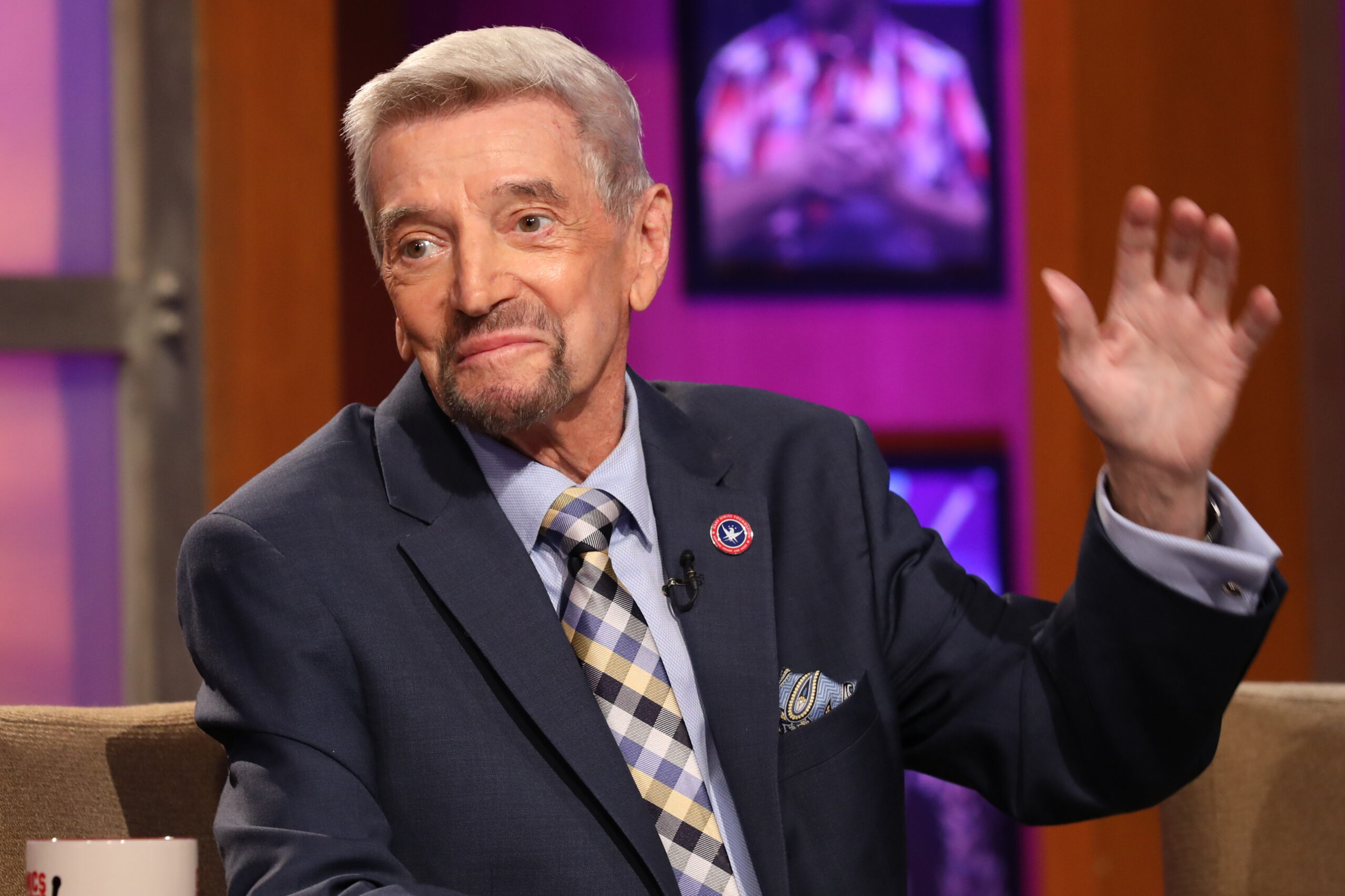
  • Gene Shalit, Iconic ‘Today Show’ Film Critic, Dies at 100

    Gene Shalit, Iconic ‘Today Show’ Film Critic, Dies at 100

    Gene Shalit, the unmistakable face of film criticism on NBC’s Today show for nearly four decades, has died at the age of 100. News of his death was reported across multiple outlets, including Variety. For millions of Americans, his voice was the final word on whether a weekend movie ticket was worth the price of admission. But his cultural footprint extended far beyond simple reviews.

    A Fixture of Morning Television

    Shalit joined the Today show in 1973. He remained a staple of the morning broadcast until his retirement in November 2010. Over 37 years, he reviewed thousands of films, interviewed Hollywood’s biggest stars, and became a television icon in his own right.

    Born in New York on March 25, 1926, and raised in New Jersey, Shalit wrote for magazines like Look and Ladies’ Home Journal before finding his permanent home on camera. He did not look like a traditional broadcast newsman. He wore vibrant, oversized bowties. His hair was famously wild. A thick handlebar mustache dominated his face.

    This visual signature made him instantly recognizable. His delivery made him unforgettable.

    The Art of the Pun

    Shalit built his “Critic’s Corner” segments on wordplay. He favored rapid-fire puns and heavy alliteration. He did not write academic film theory. He wrote for the morning commuter, the parent packing lunches, the casual viewer.

    He championed independent films alongside massive studio blockbusters. He was rarely cruel, even when panning a cinematic failure. His enthusiasm for the medium was evident in every broadcast.

    A Developing Story

    Shalit recently reached the centenarian milestone. At this time, specific details regarding the exact location and cause of death remain unconfirmed. This is a developing story.

    Further information will be added to this report as representatives for the Shalit family or NBC News release official statements. The network has yet to announce formal broadcast tributes.

    He shaped morning television. He shaped popular criticism. He left an indelible mark on NBC. Shalit.

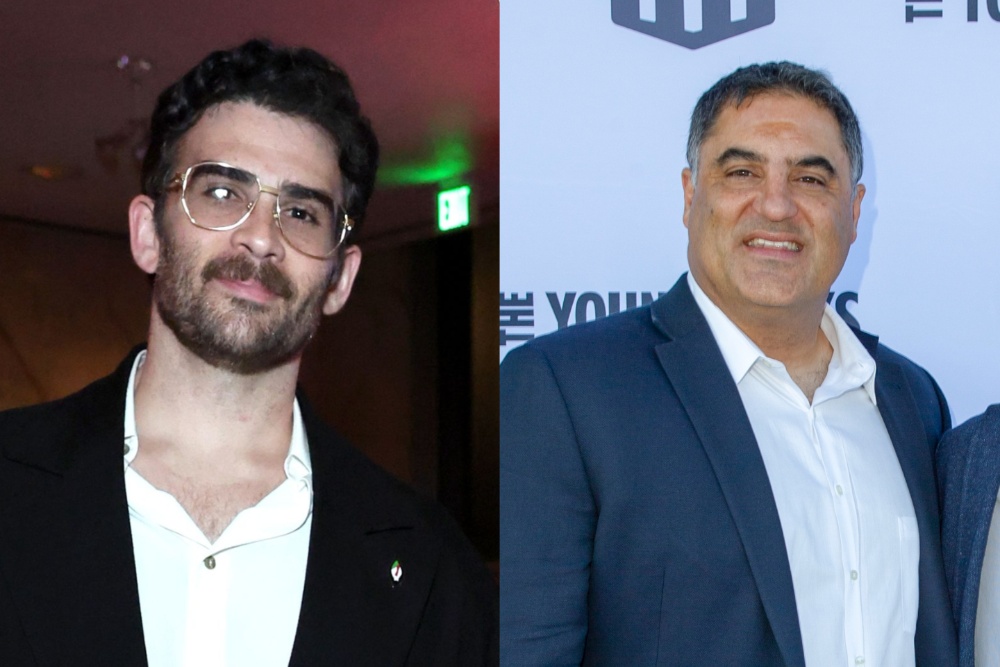
  • The Digital Border: Why the U.K. Home Office Banned Hasan Piker and Cenk Uygur from SXSW London

    The Digital Border: Why the U.K. Home Office Banned Hasan Piker and Cenk Uygur from SXSW London

    In early 2026, the United Kingdom Home Office officially barred American progressive commentators Hasan Piker and Cenk Uygur from entering the country, forcing the immediate cancellation of their scheduled appearances at the SXSW London festival. The decision was executed under standard British immigration powers, which allow the government to deny entry to individuals whose presence is deemed not conducive to the public good. The move sent immediate shockwaves through the digital media landscape.

    For decades, the internet operated under the assumption of borderless discourse. A broadcast originating in Los Angeles reached a screen in London in milliseconds. But physical geography remains sovereign. When digital figures attempt to cross physical borders, they leave the jurisdiction of American free speech norms and enter the strict legal frameworks of foreign nations.

    This is not a story about a localized festival dispute. It is a story about the collision of two distinct legal doctrines. What is protected speech on an American streaming platform can be classified as a threat to public order under British law. The ban of Piker and Uygur underscores a modern reality: digital influence does not guarantee physical access.

    The Expansion of SXSW and the London Strategy

    South by Southwest began in Austin, Texas, in March 1987. It was a regional music festival that morphed into a global technology, film, and cultural behemoth. By 2023, the festival drew over 340,000 attendees to central Texas. The organization eventually sought international expansion. They launched SXSW Sydney in October 2023. In 2025, they launched SXSW London.

    The London iteration was designed to capture the European market. Organizers secured venues across Shoreditch and East London. They booked a slate of international politicians, tech executives, and digital media stars. Hasan Piker and Cenk Uygur were billed as marquee draws for the interactive programming track. They represented the vanguard of independent, internet-native political media.

    Their scheduled panels were designed to address the future of digital broadcasting, the mobilization of young voters, and the disruption of legacy media networks. Tickets were sold. Flights were booked. Then, the Home Office intervened. The festival organizers were forced to issue a rapid update to the schedule, citing visa and entry denials beyond their control. The empty chairs on the London stages became a physical manifestation of a digital border.

    The Mechanics of Sovereign Denial

    The United Kingdom does not have a First Amendment. The British legal system balances free expression against public order, national security, and the prevention of social friction. This philosophy is codified in the nation’s immigration laws.

    Under the Immigration Act 1971, the Home Secretary possesses broad discretionary powers to exclude non-citizens from the United Kingdom. The standard applied is whether an individual’s presence is “conducive to the public good.” This is a deliberately wide mandate. It does not require a criminal conviction. It does not require an active terrorist threat. It only requires a determination that an individual’s past rhetoric, behavior, or associations could incite public disorder, provoke violence, or deeply offend the values of British society.

    The Home Office maintains a specialized unit that reviews high-profile visa applications and electronic travel authorizations. When a public figure with a massive digital footprint attempts to enter the U.K., their entire broadcast history is subject to review. Hours of Twitch streams, thousands of YouTube videos, and decades of podcast audio become material evidence for border agents.

    The Home Office rarely provides exhaustive public explanations for individual bans, citing data protection laws. However, formal letters of denial typically reference specific broadcasts, social media posts, or public statements that breach the Home Office’s acceptable behavior guidelines. For Piker and Uygur, thousands of hours of unscripted, highly charged political commentary provided ample material for government scrutiny.

    The Architecture of The Young Turks

    To understand the ban, one must understand the broadcasters. Cenk Uygur founded The Young Turks (TYT) in 2002. Born in Istanbul, Turkey, and raised in New Jersey, Uygur began his career as a lawyer before pivoting to political commentary. TYT started as a program on Sirius Satellite Radio.

    Uygur recognized the shift in media consumption early. In 2005, TYT launched a daily online video show. By 2007, they were on YouTube. They bypassed traditional cable gatekeepers entirely. By 2026, the TYT network boasted over 5.8 million YouTube subscribers and billions of lifetime views. They secured millions in venture capital funding, including a $20 million round in 2017 to expand their Los Angeles newsroom.

    Uygur’s broadcasting style is notoriously aggressive. He utilizes high volume, table-pounding outrage, and relentless attacks on both conservative figures and establishment Democrats. He built an empire on righteous indignation. While this style is standard fare in the American media ecosystem, it frequently skirts the edges of what European regulators consider inflammatory rhetoric.

    The Rise of HasanAbi on Twitch

    Hasan Piker is Uygur’s nephew. He joined TYT in 2013, initially working in ad sales and production before moving in front of the camera. He hosted pop-culture and political segments aimed at a younger demographic. In 2018, Piker made a strategic pivot that would redefine his career. He launched a channel on Twitch under the name HasanAbi.

    Twitch was primarily a video game streaming platform. Piker introduced long-form, live political commentary to the ecosystem. He streamed for eight to twelve hours a day. He reacted to breaking news, debated conservative commentators, and played video games while discussing Marxist theory and progressive politics. The strategy worked. By 2024, he had amassed over 2.5 million followers. He became one of the highest-earning broadcasters on the platform, generating millions of dollars in subscription and advertising revenue.

    But live, unscripted broadcasting carries inherent risks. In August 2019, while criticizing American foreign policy and U.S. Representative Dan Crenshaw, Piker stated that “America deserved 9/11.” The clip went instantly viral. It drew condemnation from across the political spectrum. Piker later clarified that he was critiquing American interventionism, not advocating violence, but the digital footprint was permanent.

    Piker frequently engages in highly polarized rhetoric regarding international conflicts, capitalism, and law enforcement. In the United States, this is protected political speech. In the United Kingdom, regulators often view such rhetoric through the lens of radicalization and public order.

    The Precedent of the Border Filter

    The ban of Piker and Uygur is not unprecedented. The U.K. Home Office has a long history of utilizing the “public good” clause to block controversial American figures. The border acts as a strict ideological filter, operating independently of American political binaries. The bans hit both the right and the left.

    • Michael Savage: In 2009, the conservative American radio host was banned by Home Secretary Jacqui Smith. The government cited his statements on immigration and Islam, categorizing them as fostering hatred and provoking violence.
    • Tyler, The Creator: In 2015, the American rapper was banned from entering the U.K. for three to five years. The Home Office cited lyrics from his 2009 and 2011 albums, arguing they encouraged violence and intolerance. The ban forced the cancellation of a massive European tour.
    • Lauren Southern: In 2018, the right-wing Canadian activist was detained in Calais, France, and barred from entering the U.K. under Schedule 7 of the Terrorism Act 2000. The Home Office cited her distribution of materials in the U.K. that were deemed racist and conducive to public friction.

    The Home Office does not discriminate by medium. Radio hosts, musicians, and digital streamers are all subject to the same standard. If the British government determines that an individual’s presence will require excessive policing, incite protests, or inflame domestic tensions, the border is sealed.

    The Splintering of Global Discourse

    The SXSW London incident reveals a fundamental tension in modern media. Content creators build global audiences. They monetize attention across dozens of sovereign nations simultaneously. A viewer in Manchester watches the same Twitch stream as a viewer in Miami. The digital experience is unified.

    But legal reality remains fractured. The American First Amendment is an anomaly on the global stage. It protects nearly all forms of speech, including hate speech, provided it does not cross the line into immediate incitement of violence. European law, and specifically British law, places a much higher premium on social cohesion and the prevention of offense.

    When Piker and Uygur applied to enter the U.K., they carried the weight of their entire digital archives with them. The Home Office did not view them merely as festival speakers. They viewed them as vectors of potential public disorder. The algorithms that rewarded their aggressive rhetoric in the United States became the exact mechanisms that triggered their exclusion in the United Kingdom.

    The Future of International Touring for Digital Creators

    For festival organizers like SXSW, the ban introduces a severe logistical risk. Booking digital-native talent now requires an assessment of international speech laws. A creator who drives massive engagement online may be legally untouchable at the border.

    This dynamic forces a reckoning within the creator economy. Influencers and political commentators must recognize that their digital footprint serves as a permanent, global passport application. Rhetoric that plays well to a domestic American audience can instantly disqualify them from international markets. The internet may have erased borders for data, but governments have aggressively reinforced them for physical bodies.

    The SXSW London stages remained active. Other speakers filled the time slots. The festival continued its programming on artificial intelligence, film production, and music distribution. But the absence of the two massive digital broadcasters hung over the event. It served as a stark reminder of the limits of digital power.

    The internet broadcasts globally. The algorithm scales infinitely. The rhetoric travels instantly.

    The border remains closed.