Tag: Variety

  • Jeffrey Wright on Race and Power: ‘Being Black Is a Political Term’

    Jeffrey Wright on Race and Power: ‘Being Black Is a Political Term’

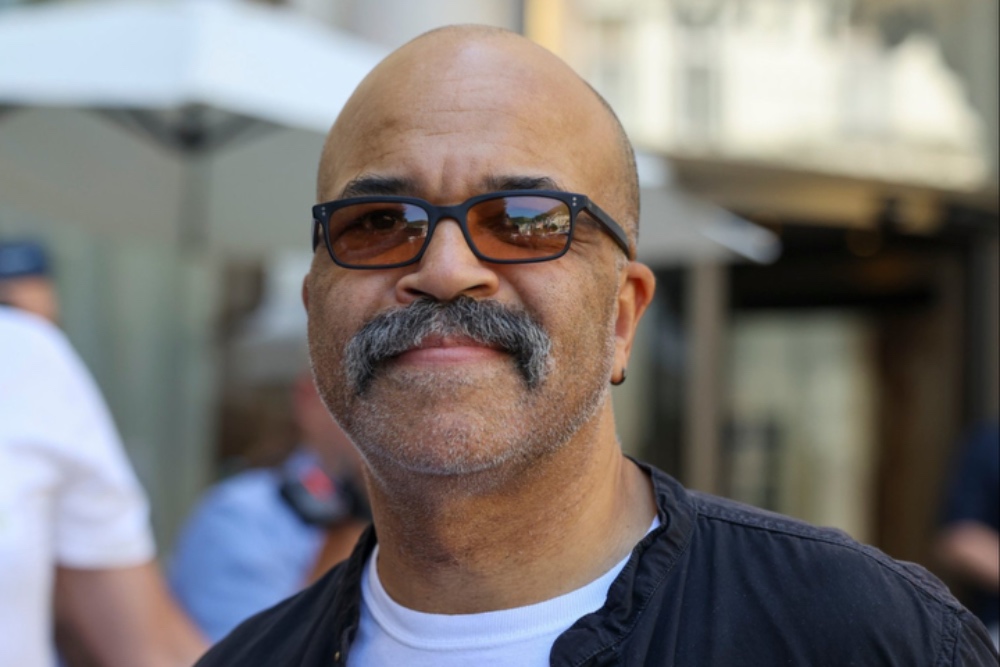
    Jeffrey Wright, an actor recognized for his extensive career in film and television, recently articulated a nuanced perspective on race, positing that “being Black” operates as a “political term.” This statement emerged during a discussion concerning the racist abuse targeting French soccer star Kylian Mbappé, underscoring Wright’s view on the strategic nature of racial prejudice.

    Wright’s commentary, published by Variety, delves into the motivations behind such attacks. He characterized the abuse against Mbappé as a deliberate effort to undermine the athlete’s significant influence and accomplishments. This interpretation frames racism not just as individual hatred, but as a calculated mechanism to diminish powerful Black figures on a global stage.

    The Political Dimension of Race

    Wright’s assertion that being Black is a political term extends beyond simple identity. It suggests that racial identity, particularly for Black individuals, is inherently linked to power dynamics and societal structures. This perspective aligns with critical race theory, which examines how race and racism have shaped legal systems and social norms.

    The actor’s statement implies that racial categorization often carries implications for social standing, economic opportunity, and political representation. It highlights how racial identity can be weaponized or leveraged within political discourse and societal power struggles.

    This understanding of race as a political construct provides a framework for analyzing incidents of racial discrimination. It moves the conversation beyond individual prejudice to systemic issues that impact collective groups.

    Historical Context of Race as a Political Tool

    Historically, race has been a significant political tool. In the United States, for instance, racial classifications were central to slavery, Jim Crow laws, and immigration policies. These policies were designed to maintain specific power structures and control over certain populations.

    Globally, colonialism often relied on racial hierarchies to justify conquest and exploitation. The categorization of people into distinct racial groups served to rationalize unequal treatment and resource distribution.

    Even in contemporary society, discussions around affirmative action, voting rights, and criminal justice reform frequently intersect with racial identity. These debates demonstrate the ongoing political salience of race.

    Kylian Mbappé and Targeted Abuse

    Kylian Mbappé, a prominent figure in international soccer, has been a frequent target of racist abuse. Such incidents often occur in connection with his performances on the field or his public persona. These attacks underscore the pervasive nature of racism in sports.

    Wright specifically addressed these instances, framing them as attempts to diminish Mbappé’s power and influence. Mbappé’s status as a world-renowned athlete grants him significant cultural and economic power, which, according to Wright, becomes a target for those seeking to uphold racial hierarchies.

    The actor’s remarks suggest that the abuse is not merely a reaction to Mbappé’s race, but a response to his success and visibility as a Black man. His achievements challenge racist narratives that seek to limit the potential of Black individuals.

    The Impact of Racist Abuse on Athletes

    Racist abuse in sports has a profound impact beyond the individual athlete. It sends a message to other aspiring athletes and fans from marginalized communities, suggesting that their achievements will always be met with hostility.

    Organizations like FIFA and UEFA have faced criticism for their handling of racist incidents. Critics argue that penalties are often insufficient, failing to deter repeat offenses or address the systemic roots of the problem.

    The public outcry following such incidents, while important, often highlights the need for more proactive measures from sports governing bodies and societal institutions. Wright’s comments contribute to this broader conversation, demanding a deeper analysis of the motives behind the abuse.

    Wright’s Broader Commentary on Identity and Resilience

    Wright’s insights extend beyond Mbappé to a broader commentary on identity and resilience in the face of racism. His career, marked by diverse roles and critical acclaim, positions him as an observer of cultural dynamics.

    Roles in projects such as “Basquiat,” where he portrayed the influential Black artist Jean-Michel Basquiat, and “American Fiction,” which satirizes the commodification of Black stories, reflect his engagement with themes of race, art, and representation.

    His public statements often reflect a commitment to challenging simplistic narratives about Black identity. He consistently advocates for a more complex and nuanced understanding of the Black experience, both in his work and in his public discourse.

    The Role of Public Figures in Addressing Racism

    Public figures like Jeffrey Wright play a crucial role in shaping public discourse around sensitive topics like race. Their platforms allow them to bring attention to issues that might otherwise be ignored or downplayed.

    By directly addressing racist abuse and interpreting its underlying motivations, Wright helps to educate the public. He encourages a more critical examination of such incidents, moving beyond superficial condemnations to a deeper understanding of systemic racism.

    His willingness to label “being Black” as a “political term” challenges individuals to consider the broader implications of racial identity in a world still grappling with historical injustices and ongoing discrimination.

    The Interplay of Power, Race, and Stupidity

    Wright’s powerful phrase, “They think they can diminish how powerful he is with their stupidity,” encapsulates his argument. He suggests that racist acts, while appearing irrational, are often attempts to exert power and control.

    The “stupidity” he references may not be a lack of intelligence, but rather a willful ignorance or a misguided belief in racial superiority. This “stupidity” serves as a tool to perpetuate systems of oppression and to undermine those who challenge them.

    This interpretation reframes racist acts as strategic, albeit flawed, maneuvers within a larger power struggle. It emphasizes that the targets of racism, like Mbappé, possess inherent power that racists aim to suppress.

    Challenging the Narrative of Diminishment

    The act of calling out racist behavior as an attempt to diminish power is a form of resistance. It reclaims agency for the target and exposes the weakness inherent in the aggressor’s tactics.

    Wright’s statement encourages a re-evaluation of how society responds to racist incidents. It suggests that simply condemning the act is not enough; understanding its strategic intent is critical to dismantling its power.

    By highlighting the “power” of Mbappé, Wright affirms the strength and resilience of Black individuals who achieve greatness despite facing systemic barriers and overt hostility.

    Looking Ahead: Continuing Conversations

    Wright’s comments contribute to an ongoing global conversation about race, identity, and justice. These discussions are critical for fostering greater understanding and for challenging entrenched prejudices.

    The intersection of sports, entertainment, and social commentary continues to provide platforms for these important dialogues. Public figures are increasingly using their voices to advocate for change and challenge discriminatory practices.

    The impact of such statements resonates widely. They provoke thought. They inspire action. They demand accountability.

    Activists continue their work. Advocates press for change. Artists create their visions. Journalists report the news. Athletes perform their feats. Citizens engage in discourse. The world observes.

    Justice.
  • Randolph Mantooth, Star of ‘Emergency!,’ Dies at 80

    Randolph Mantooth, Star of ‘Emergency!,’ Dies at 80

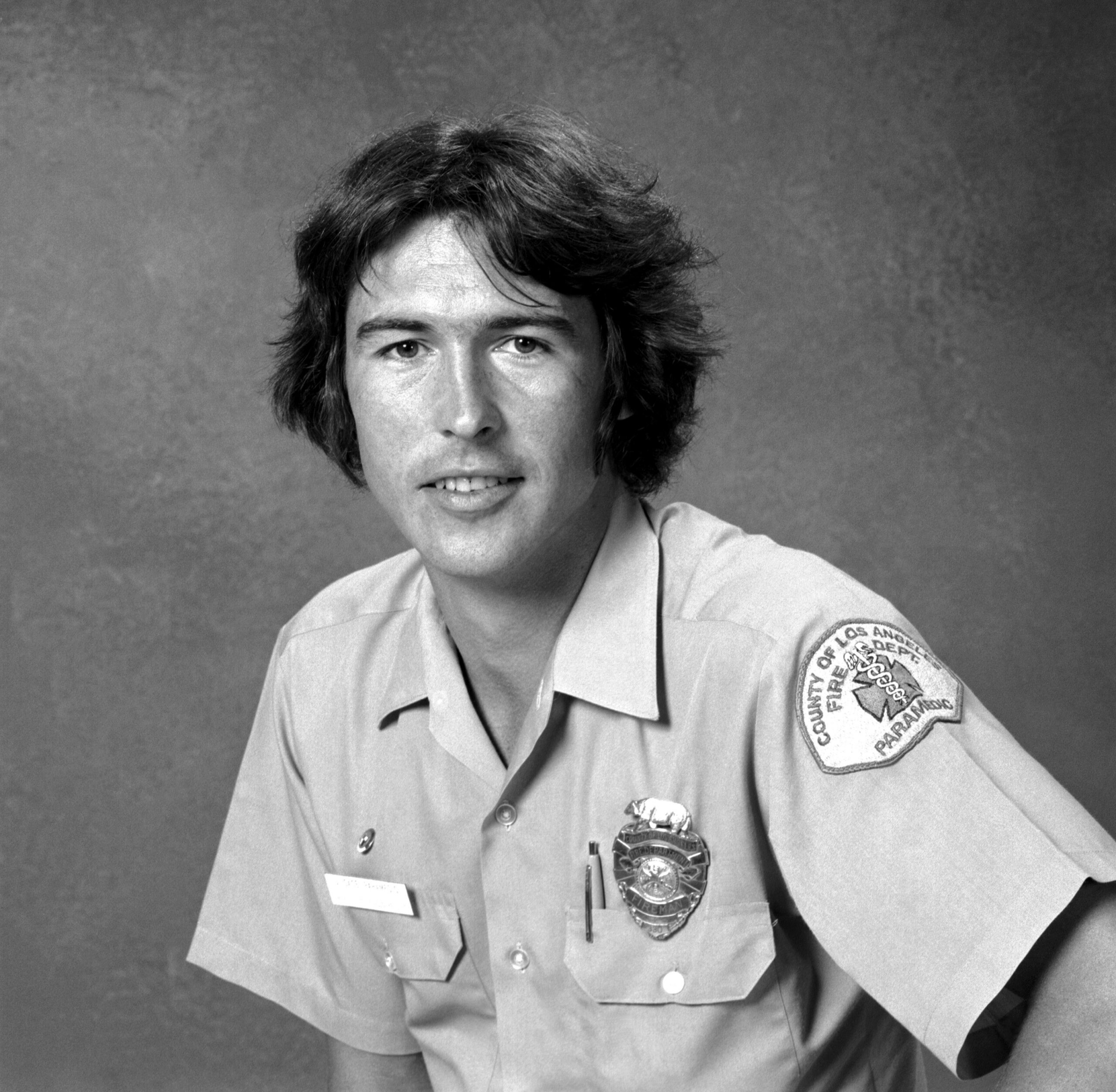
    Randolph Mantooth, the actor best known for his iconic role as paramedic Johnny Gage in the 1970s television series Emergency!, has died at the age of 80. News of his passing was reported by Variety on July 9, 2026. Mantooth’s portrayal of Gage made him a recognizable figure to millions and helped popularize the role of paramedics in public consciousness.

    This is a developing story. Further details regarding the circumstances of his death are not yet available. The entertainment community and fans are awaiting more information as it emerges.

    A Career Defined by Service on Screen

    Randolph Mantooth’s most prominent role was undoubtedly that of John Gage, a Los Angeles County Fire Department paramedic. The series Emergency!, which aired from 1972 to 1977, depicted the daily lives and rescues performed by paramedics and firefighters. Mantooth starred alongside Kevin Tighe, who played his partner, Roy DeSoto.

    The show was groundbreaking for its realistic depiction of emergency medical services. It significantly raised awareness and understanding of the paramedic profession across the United States. Mantooth became synonymous with the character’s dedication and bravery.

    Beyond Station 51

    While Emergency! remained his signature role, Mantooth continued to work in television for decades. He appeared in numerous other series and made-for-television movies. His credits include roles in soap operas such as Loving and General Hospital. He also had guest appearances on shows like Battlestar Galactica and Murder, She Wrote.

    Mantooth often participated in events related to emergency services. He maintained a connection with the real-life paramedic and firefighting communities throughout his life. His legacy extends beyond acting, influencing public perception of first responders.

    A Developing Story

    Information surrounding Randolph Mantooth’s passing is still being gathered. The initial report from Variety confirmed his death and age. The Natural Observer will update this report as additional confirmed facts become available.

    The impact of his work on television and his connection to the emergency services community is widely recognized. Tributes from colleagues and fans are anticipated.

  • Christopher Nolan on ‘Odyssey’ Backlash: ‘Irrelevant’ After Batman Experience

    Christopher Nolan on ‘Odyssey’ Backlash: ‘Irrelevant’ After Batman Experience

    Christopher Nolan has publicly stated his disregard for the backlash surrounding his latest film, ‘Odyssey.’ Nolan characterized the criticism as ‘irrelevant,’ attributing his perspective to his extensive experience navigating public opinion during his ten years working on the Batman film series. This stance highlights a filmmaker’s approach to creative control amidst contemporary online scrutiny.

    His comments, reported by Variety on July 11, 2026, suggest a seasoned perspective on the often-intense public reaction to high-profile cinematic releases. Nolan’s career spans several decades, marked by both critical acclaim and significant box office success.

    The Weight of Public Opinion in Modern Cinema

    The film industry operates within a complex ecosystem of critical reviews, fan expectations, and social media discourse. Modern filmmakers frequently face immediate and widespread reactions to their creative decisions, sometimes even before a film’s release. These reactions can range from enthusiastic support to intense criticism.

    Nolan’s ‘Odyssey’ has reportedly garnered significant discussion, particularly concerning its casting choices and certain narrative elements. The specific details of the backlash have been a subject of online debate across various platforms since the film’s initial announcements.

    Directors like Nolan, who command substantial creative freedom, often find themselves at the nexus of artistic vision and commercial viability. This tension is particularly pronounced in the era of instant digital feedback.

    Navigating the Batman Legacy

    Christopher Nolan directed three highly successful Batman films: ‘Batman Begins’ (2005), ‘The Dark Knight’ (2008), and ‘The Dark Knight Rises’ (2012). This trilogy is widely regarded as a significant achievement in the superhero genre, redefining its dramatic and thematic potential.

    During his decade-long involvement with the Batman universe, Nolan experienced firsthand the immense scrutiny that accompanies iconic characters. Casting decisions, plot deviations from comic lore, and stylistic choices were all subjects of intense public debate.

    The casting of Heath Ledger as the Joker in ‘The Dark Knight,’ for instance, initially faced considerable skepticism from some fans. Ledger’s performance ultimately earned widespread critical acclaim, including a posthumous Academy Award, demonstrating how initial public reactions can sometimes diverge significantly from a project’s eventual reception.

    Nolan’s reference to his ’10 years dealing with Batman’ underscores a period of sustained public engagement and critique. This experience appears to have forged a resilient approach to external pressures.

    The ‘Odyssey’ Project: Context and Controversies

    ‘Odyssey’ represents Christopher Nolan’s latest directorial effort, following a string of critically and commercially successful films. Details about the film’s plot remain somewhat guarded, a common practice for Nolan’s productions, which often feature intricate narratives and unexpected twists.

    The reported backlash surrounding ‘Odyssey’ highlights contemporary sensitivities within the film-watching community. Issues such as representation, narrative authenticity, and creative interpretation frequently fuel online discussions.

    Specific criticisms of ‘Odyssey’ have not been fully detailed in public reports, but they are understood to encompass various aspects of the film’s production. These often include:

    • Casting decisions for key roles.
    • Departures from expected genre conventions.
    • Thematic elements perceived as controversial.
    • Pacing or structural choices within the narrative.

    Nolan’s dismissal of these concerns suggests a filmmaker prioritizing his artistic vision. He has historically maintained a strong directorial hand in his projects, often working with a consistent team of collaborators.

    Filmmaker Autonomy in the Digital Age

    The concept of filmmaker autonomy has evolved significantly with the rise of social media. Directors now face a more direct and immediate form of audience feedback, often before a film has even been seen by the majority of the public.

    For many established directors, maintaining creative control is paramount. This often means making decisions that may not immediately align with certain audience expectations or online trends.

    Nolan’s statement aligns with a broader sentiment among some veteran filmmakers who believe in the integrity of their artistic process. They argue that constant adaptation to every wave of public opinion can dilute a project’s original vision.

    The balance between audience engagement and creative independence remains a perpetual challenge for the film industry. Nolan’s approach suggests a clear preference for the latter, informed by years of navigating high-stakes productions.

    Lessons from a Decade of Blockbusters

    Christopher Nolan’s filmography is characterized by ambitious storytelling, technical innovation, and a consistent exploration of complex themes. His films often challenge audiences with non-linear narratives and thought-provoking concepts.

    His experience with the Batman films provided a unique education in managing public perception. These were not just standalone movies; they were cultural events with deeply entrenched fan bases and high expectations.

    The pressure to deliver a satisfying conclusion to the Batman trilogy with ‘The Dark Knight Rises’ was immense. Nolan successfully navigated these pressures, delivering a film that, while generating discussion, cemented his reputation as a master storyteller.

    This sustained period of high-profile filmmaking likely instilled in Nolan a durable resistance to transient criticisms. He has seen how initial reactions can shift, and how a film’s legacy often takes time to solidify.

    The Impact of Online Discourse on Creative Works

    Online platforms have democratized film criticism, allowing virtually anyone to share their opinions. While this can foster vibrant communities, it also creates an environment where negative sentiment can quickly amplify.

    For filmmakers, discerning constructive criticism from noise becomes a critical skill. Nolan’s ‘irrelevant’ comment indicates a deliberate filtering process, focusing on the creative goals rather than every public comment.

    The phenomenon of ‘backlash’ itself has become a common feature of the entertainment landscape. It encompasses a wide range of reactions, from genuine critical analysis to more emotionally charged responses, sometimes fueled by a sense of ownership over popular intellectual properties.

    Nolan’s perspective suggests that for a filmmaker with a clear vision, this type of widespread, immediate online reaction can be a distraction rather than a guide. His focus remains on the execution of his artistic intent.

    Filmmakers and the Future of Creative Freedom

    Christopher Nolan’s stance on the ‘Odyssey’ backlash raises questions about the future of creative freedom in Hollywood. As studios become increasingly sensitive to public relations and social media trends, the space for uncompromising artistic vision might shrink.

    However, directors with a proven track record, like Nolan, often retain a stronger bargaining position. Their past successes grant them a certain degree of insulation from immediate commercial or public pressures.

    The debate between artistic integrity and audience satisfaction is perennial. Nolan’s comments contribute to this ongoing dialogue, asserting the importance of a director’s conviction.

    His films have consistently pushed cinematic boundaries, from the dreamscapes of ‘Inception’ to the temporal manipulations of ‘Tenet.’ This history suggests a director who is not afraid to take risks, even if those risks generate discussion.

    The Role of the Audience in Shaping Art

    While Nolan dismisses certain forms of backlash, the audience ultimately plays a crucial role in the success and cultural impact of a film. Box office receipts and long-term critical reception are driven by audience engagement.

    However, the definition of ‘audience engagement’ has become more complex. It now includes not just ticket sales, but also social media metrics, online reviews, and cultural conversations.

    Nolan’s position is not necessarily a rejection of his audience, but rather a distinction between critical feedback that informs the creative process and general public sentiment that may not. He appears to prioritize the former.

    The interaction between creator and audience is a dynamic one. Nolan’s statement is a reminder that while audiences are vital, the final creative authority often rests with the filmmaker, particularly for those with a distinct artistic signature.

    Christopher Nolan directed ‘Batman Begins.’ He directed ‘The Dark Knight.’ He directed ‘The Dark Knight Rises.’ He has now directed ‘Odyssey.’

    He remains resolute.

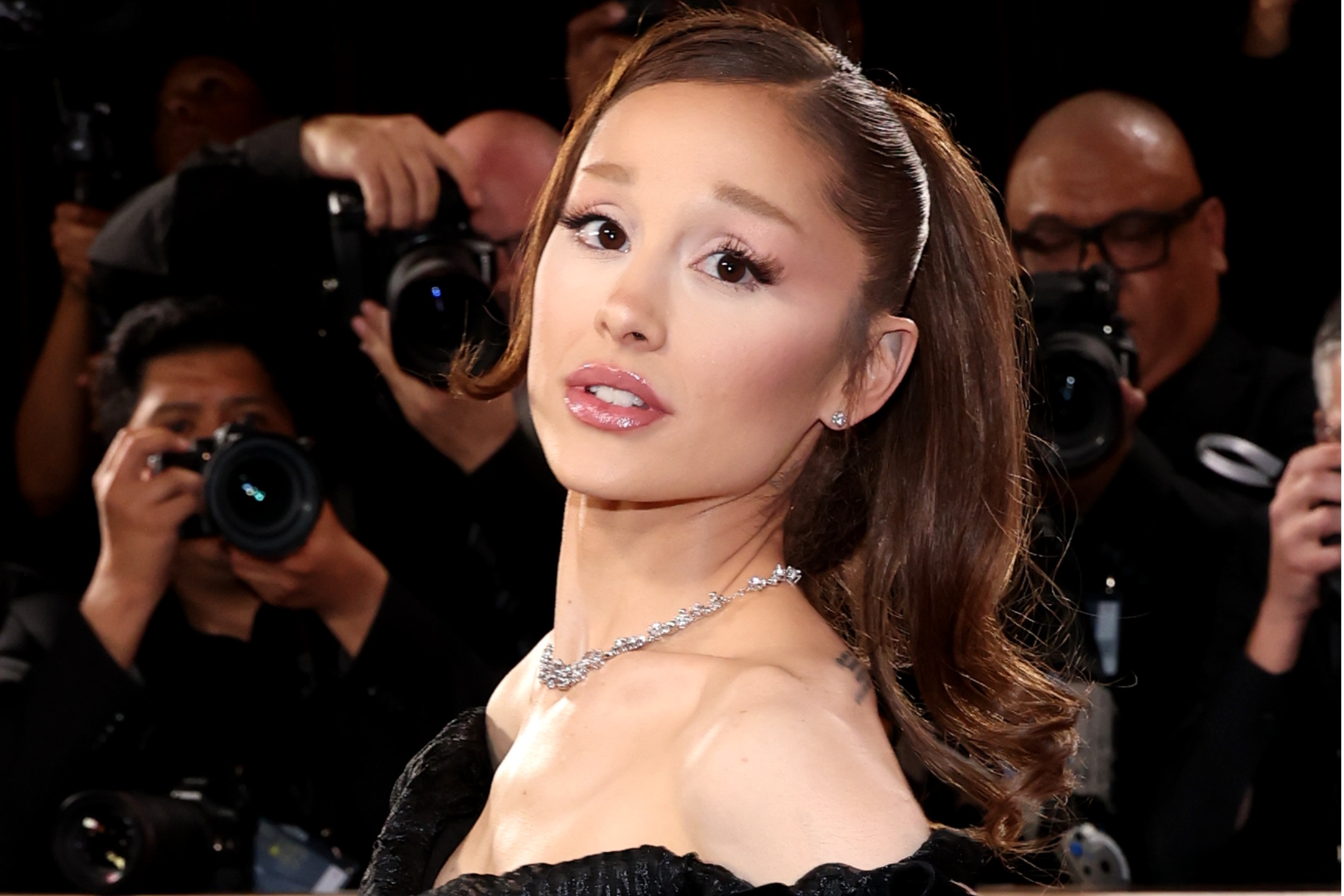
  • Ariana Grande Exits ‘American Horror Story’ Season 13 Amid Concert Tour

    Ariana Grande Exits ‘American Horror Story’ Season 13 Amid Concert Tour

    Ariana Grande has reportedly withdrawn from the thirteenth season of the anthology horror series ‘American Horror Story’. The decision stems from scheduling challenges, as Grande’s commitments to her ongoing concert tour have taken precedence. This move affects her involvement in a high-profile television production, signaling a focus on her musical performances.

    The news, initially reported by Variety on July 10, 2026, details Grande’s exit from the popular FX series. Her participation in ‘American Horror Story’ had been a point of interest for fans, following her previous acting work in both film and television. The conflict between a demanding concert schedule and a television production timeline ultimately necessitated her departure.

    The Dual Demands of Music and Acting

    Ariana Grande maintains a high-profile career across multiple entertainment sectors. She is a globally recognized pop superstar, known for numerous chart-topping hits and extensive world tours. Concurrently, she has cultivated an acting resume that includes roles in ‘Scream Queens’ and the film adaptation of ‘Wicked’.

    The demands of a major concert tour are considerable. Such tours involve months of rehearsals, travel, and nightly performances. This intense schedule often leaves little room for other professional engagements, particularly those requiring significant blocks of time on set.

    Television production, especially for a series like ‘American Horror Story’, also requires substantial time commitments. Filming schedules can be unpredictable, often extending for weeks or months. This clash of commitments posed an unavoidable conflict for Grande’s professional calendar in 2026.

    ‘American Horror Story’ Production Impact

    ‘American Horror Story’ is known for its ensemble cast and rotating storylines. Each season introduces new characters and settings, often bringing back familiar actors in different roles. The series has a history of attracting prominent talent from various fields.

    Grande’s casting for Season 13 had generated significant anticipation. Her involvement was expected to draw additional viewers, particularly from her extensive music fanbase. The production team for ‘American Horror Story’ will now need to adjust their plans.

    The role Grande was slated to play remains undisclosed. Details about the specific theme or setting of Season 13 are also typically kept under wraps until closer to the premiere date. The show’s creators, Ryan Murphy and Brad Falchuk, are known for their ability to adapt and pivot during production.

    Previous Acting Engagements

    Grande’s acting career began in musical theater. She gained early recognition for her role as Cat Valentine in the Nickelodeon series ‘Victorious’, which premiered in 2010. She reprised the role in the spin-off series ‘Sam & Cat’ from 2013 to 2014.

    Her more recent acting credits include a recurring role in the horror-comedy series ‘Scream Queens’ in 2015. She also appeared in the 2021 film ‘Don’t Look Up’, a satirical science fiction comedy. These roles demonstrated her versatility beyond her musical endeavors.

    Currently, Grande is involved in the highly anticipated film adaptation of the musical ‘Wicked’. She is set to portray Glinda, a central character in the story. This film project is a significant undertaking, requiring extensive vocal and acting preparation.

    The Concert Tour: A Primary Focus

    The concert tour cited as the reason for Grande’s withdrawal is a major global event. Such tours are meticulously planned, often years in advance. They represent a significant financial investment for both the artist and their management.

    For Grande, touring is a core component of her career. It allows her to connect directly with her fanbase and promote her latest musical releases. The immersive nature of a world tour necessitates her full attention and physical presence.

    The decision to prioritize the tour over the ‘American Horror Story’ role underscores the importance of live performance in her career trajectory. It reflects a strategic choice to maintain momentum in her music, which remains her primary artistic output and commercial driver.

    The Broader Trend of Multi-Hyphenate Artists

    Ariana Grande is one of many contemporary artists who navigate careers in both music and acting. This trend has become increasingly common in the entertainment industry. Artists like Lady Gaga, Harry Styles, and Selena Gomez have successfully transitioned between recording studios and film sets.

    However, managing these dual careers often leads to scheduling conflicts. The entertainment industry operates on tight deadlines and demanding production schedules. Artists are frequently faced with difficult choices when commitments overlap.

    The case of Grande’s exit from ‘American Horror Story’ serves as a recent example of these challenges. It illustrates the practical realities faced by entertainers who excel in multiple artistic disciplines. The need to allocate time and resources effectively becomes paramount.

    Fan Reactions and Future Prospects

    News of Grande’s departure from ‘American Horror Story’ has elicited varied reactions from her fanbase. Many fans expressed understanding, recognizing the intensity of a concert tour schedule. Others voiced disappointment, having anticipated her return to television.

    Despite this withdrawal, Grande’s future acting prospects remain robust. Her role in ‘Wicked’ is a testament to her continued interest in film. The experience gained from that production will further solidify her standing as a versatile performer.

    Her music career continues its strong trajectory. The ongoing concert tour is a testament to her enduring popularity and artistic output. The decision to step back from ‘American Horror Story’ appears to be a calculated move to maintain focus on her current musical endeavors.

    Schedules clashed. Commitments diverged. Priorities shifted.

    A decision was made.

  • Julianne Nicholson Reprises Emmy-Winning Role in ‘Task’ Season 2 Crossover

    Julianne Nicholson Reprises Emmy-Winning Role in ‘Task’ Season 2 Crossover

    Julianne Nicholson is set to reprise her Emmy-winning role from the critically acclaimed series Mare of Easttown, appearing in a crossover event for Task Season 2. This development was exclusively confirmed by Variety on 2026-07-09, marking a significant moment for fans of both television dramas.

    The integration of Nicholson’s character into a new series represents a bold creative decision in contemporary television programming. It aims to leverage established character appeal and the recognition of an award-winning performance.

    The Crossover Phenomenon in Television

    Television crossovers have historically been employed to boost viewership and create shared universes. From classic sitcoms to modern dramas, the merging of characters or storylines can generate significant buzz. This particular crossover, featuring an Emmy-winning performance, elevates the strategy.

    The concept relies on the audience’s familiarity and emotional investment in existing characters. Nicholson’s portrayal in Mare of Easttown resonated deeply with viewers and critics alike. Her return is designed to capitalize on that established connection.

    Julianne Nicholson’s Award-Winning Performance

    Julianne Nicholson earned an Emmy Award for Outstanding Supporting Actress in a Limited or Anthology Series or Movie for her work in Mare of Easttown. Her performance as Lori Ross, the best friend of protagonist Detective Mare Sheehan, was lauded for its depth and emotional complexity.

    The character of Lori Ross navigated profound personal tragedy and moral dilemmas throughout the series. Nicholson’s nuanced acting brought a raw authenticity to the role. This critical acclaim and fan appreciation are key factors in her reprisal.

    Anticipation for ‘Task’ Season 2

    Details surrounding Task Season 2 have been closely guarded. The announcement of Nicholson’s involvement adds a new layer of intrigue to the upcoming season. It suggests a narrative expansion that could connect disparate fictional worlds.

    The nature of her character’s appearance in Task remains undisclosed. Whether she will play Lori Ross in a direct continuation of her Mare of Easttown storyline or an alternate version is a central question. The potential for unexpected narrative turns is high.

    The Impact on Character Arcs

    A crossover event of this magnitude can significantly impact the established character arcs of both series. For Lori Ross, her story in Mare of Easttown concluded with a powerful, albeit tragic, resolution. Her reappearance opens new avenues for character development.

    The writers of Task will need to carefully integrate her character to maintain narrative consistency and integrity. This challenge presents an opportunity for innovative storytelling. It also caters to the desire for beloved characters to continue their journeys.

    The Business of Television Crossovers

    From a business perspective, crossovers are strategic moves. They can attract new viewers to both series involved. Fans of Mare of Easttown might now tune into Task, and vice versa.

    This cross-promotion can lead to increased streaming numbers and higher engagement. The decision to bring back an Emmy-winning actor in a crossover role is a calculated risk with potentially high rewards. It speaks to the competitive landscape of streaming content.

    Audience Expectations and Reception

    Audience expectations for such an event are considerable. Fans often have strong opinions about character portrayals and narrative direction. The success of this crossover will depend on its execution.

    The critical reception of Mare of Easttown set a high bar for quality and emotional depth. Task Season 2, with Nicholson’s inclusion, will face scrutiny from a broader audience. The ability to deliver a compelling and cohesive story will be paramount.

    Precedents and Future Trends

    Television history is replete with examples of successful and unsuccessful crossovers. The most effective ones often manage to surprise audiences while respecting established canon. This specific event aligns with a trend towards interconnected fictional universes, a strategy popularized in cinematic franchises.

    The entertainment industry continues to explore new ways to engage audiences and retain their attention. Crossovers, especially those involving critically acclaimed actors and roles, represent one such method. They offer a blend of familiarity and novelty.

    The Creative Team Behind the Crossover

    The creative teams behind both Mare of Easttown and Task will play a crucial role in the success of this crossover. Their ability to craft a seamless narrative will determine its impact. The writers, directors, and producers must collaborate closely.

    Ensuring that Julianne Nicholson’s character is integrated organically into the world of Task is essential. The narrative justification for her appearance must be compelling. This requires a deep understanding of both series’ thematic concerns and character motivations.

    Julianne Nicholson’s Career Trajectory

    Julianne Nicholson’s career has been marked by versatile performances across film and television. Her Emmy win for Mare of Easttown solidified her status as a respected dramatic actress. This crossover further highlights her appeal and acting prowess.

    Her involvement in Task Season 2 demonstrates her continued demand in the industry. It also reflects a willingness to revisit and evolve past roles. This adds another dimension to her already diverse filmography.

    The Enduring Legacy of ‘Mare of Easttown’

    Mare of Easttown debuted in 2021 and quickly became a cultural phenomenon. Its gritty realism, complex characters, and compelling mystery captivated audiences. The series garnered numerous awards and accolades, including multiple Emmys.

    The show’s exploration of grief, community, and personal resilience left a lasting impression. Julianne Nicholson’s role as Lori Ross was central to these themes. Her character’s journey provided a poignant counterpoint to the titular detective’s investigations.

    The announcement on 2026-07-09 brings a beloved character back to the screen. It merges two compelling narratives. It offers new possibilities for storytelling.

    Fans await. Critics observe. The television landscape evolves.

    The crossover.

  • Britney Spears Biopic Scripted by ‘New Girl’ Creator Liz Meriwether

    Britney Spears Biopic Scripted by ‘New Girl’ Creator Liz Meriwether

    A biopic centered on the life of pop superstar Britney Spears is in active development, with Liz Meriwether, the acclaimed creator of the television series ‘New Girl,’ attached to write the screenplay. This film project is expected to delve into Spears’ extensive career, her ascent to global fame, and the significant personal and legal challenges that have defined much of her public life.

    The announcement of Meriwether’s involvement signals a serious approach to the narrative, given her track record in crafting compelling character-driven stories. The biopic will likely explore themes of celebrity, media scrutiny, and personal autonomy, resonating with a broad audience interested in Spears’ influential career and subsequent struggles.

    The Trajectory of Britney Spears’ Career

    Britney Spears emerged as a dominant force in pop music in the late 1990s. Her debut album, ‘…Baby One More Time,’ released in 1999, quickly established her as a global phenomenon. The album’s title track became an international hit, defining a new era of pop music and solidifying Spears’ status as a teen idol.

    Throughout the early 2000s, Spears continued to release commercially successful albums, including ‘Oops!… I Did It Again’ (2000), ‘Britney’ (2001), and ‘In the Zone’ (2003). These albums produced numerous chart-topping singles and iconic music videos. Her elaborate stage performances and provocative image captivated millions worldwide.

    Spears’ influence extended beyond music, making her a cultural icon. Her fashion choices, public relationships, and media presence were subjects of constant discussion. She became a symbol of pop culture, influencing a generation of artists and fans.

    The intensity of her fame also brought unprecedented media attention, creating a challenging environment for her personal life. Every aspect of her existence was scrutinized, leading to immense pressure.

    The Conservatorship and Its Aftermath

    In 2008, a court-ordered conservatorship was established, placing Spears’ personal and financial affairs under the control of her father, Jamie Spears, and others. This legal arrangement, initially presented as a temporary measure for her well-being, lasted for over 13 years.

    The conservatorship became a subject of increasing public debate and concern. The #FreeBritney movement, initiated by fans, gained significant momentum, drawing attention to the perceived injustices of the arrangement. Documentaries and news reports further highlighted the complexities and controversies surrounding her situation.

    In June 2021, Spears delivered powerful testimony in court, detailing her experiences under the conservatorship. She described feeling exploited, controlled, and unable to make fundamental decisions about her own life, career, and reproductive health.

    The legal battle culminated in November 2021, when a Los Angeles Superior Court judge officially terminated the conservatorship. This decision marked a significant victory for Spears and her supporters, symbolizing a broader conversation about guardianship laws and celebrity autonomy.

    Liz Meriwether’s Creative Vision

    Liz Meriwether is widely recognized for her work in television, particularly as the creator, executive producer, and writer of the Fox sitcom ‘New Girl.’ The series, which ran from 2011 to 2018, was praised for its witty dialogue, ensemble cast, and nuanced character development.

    Meriwether’s writing often blends humor with emotional depth, exploring the complexities of relationships and personal growth. Her ability to craft relatable and engaging characters suggests a potential for a sensitive and insightful portrayal of Britney Spears’ life.

    Prior to ‘New Girl,’ Meriwether also wrote the play ‘Oliver Parker!’ and the screenplay for the 2011 romantic comedy film ‘No Strings Attached,’ starring Natalie Portman and Ashton Kutcher. Her diverse experience in both theater and film demonstrates her versatility as a storyteller.

    The choice of Meriwether to script the biopic indicates a desire to move beyond a sensationalized account. The project aims for a narrative that captures the human element of Spears’ story, including her resilience and determination.

    The Biopic Trend in Hollywood

    Biopics have seen a resurgence in popularity in recent years, with many films achieving critical and commercial success. These projects often explore the lives of iconic figures from music, film, and other public spheres.

    Recent examples include ‘Bohemian Rhapsody’ (2018), which chronicled the life of Freddie Mercury and Queen, and ‘Rocketman’ (2019), a musical fantasy film based on the life of Elton John. Both films offered intimate looks into the lives of their subjects, combining musical performances with personal drama.

    Other biopics, such as ‘Elvis’ (2022) and ‘Oppenheimer’ (2023), have also captivated audiences and critics, demonstrating the enduring appeal of true-life stories. These films often provide context to public figures, revealing the struggles and triumphs behind their fame.

    The Britney Spears biopic fits into this trend, promising to offer a comprehensive look at a figure whose life has been under constant public scrutiny. The film will likely explore the pressures of early fame, the challenges of maintaining a private life in the public eye, and the fight for personal freedom.

    Public Interest and Anticipation

    The announcement of a Britney Spears biopic has generated significant public interest. Fans and media alike are eager to see how her story will be adapted for the screen, particularly after the termination of her conservatorship.

    Spears’ journey has resonated with many, becoming a symbol of resilience in the face of adversity. The film offers an opportunity to present a narrative that acknowledges her struggles while celebrating her enduring legacy as a pop icon.

    The project aligns with a broader cultural conversation about celebrity well-being and the responsibilities of the media. It seeks to provide a nuanced perspective on the challenges faced by individuals in the public spotlight.

    The biopic’s success will depend on its ability to balance factual accuracy with compelling storytelling. It must navigate the sensitive aspects of Spears’ life with respect and integrity, offering insights rather than mere spectacle.

    The Impact of the #FreeBritney Movement

    The #FreeBritney movement played a crucial role in raising awareness about Spears’ conservatorship. What began as a fan-driven campaign evolved into a significant social and legal advocacy effort.

    Activists organized protests, disseminated information online, and pressured legal and political figures to review Spears’ case. Their efforts brought unprecedented scrutiny to the conservatorship system.

    The movement demonstrated the power of collective action in challenging established legal structures. It highlighted the importance of fan engagement in advocating for celebrity well-being, extending beyond typical fan-artist relationships.

    The movement’s success influenced public perception and contributed to the legal changes that ultimately led to the conservatorship’s termination. Its legacy will likely be a key component of the biopic’s narrative, showcasing the collective effort that supported Spears.

    Challenges and Opportunities for the Biopic

    Creating a biopic about a living icon like Britney Spears presents both challenges and opportunities. The narrative must be handled with care, considering the subject’s ongoing personal journey.

    One of the primary challenges will be to portray the complex legal and personal aspects of the conservatorship accurately and sensitively. The film must avoid re-traumatizing Spears while still providing an honest account of her experiences.

    The opportunity lies in offering a definitive cinematic interpretation of her story, potentially reaching an even wider audience. It can contextualize her struggles within the broader framework of celebrity culture and legal rights.

    The biopic also has the potential to inspire conversations about mental health, privacy, and the ethical responsibilities of those who manage the lives of public figures. It can serve as a powerful commentary on the pressures of fame.

    Writers, producers, and directors will face the task of balancing entertainment value with factual integrity. The film will need to engage audiences while remaining true to the spirit of Spears’ journey.

    Fans await. Critics await. The industry awaits.

    Britney.

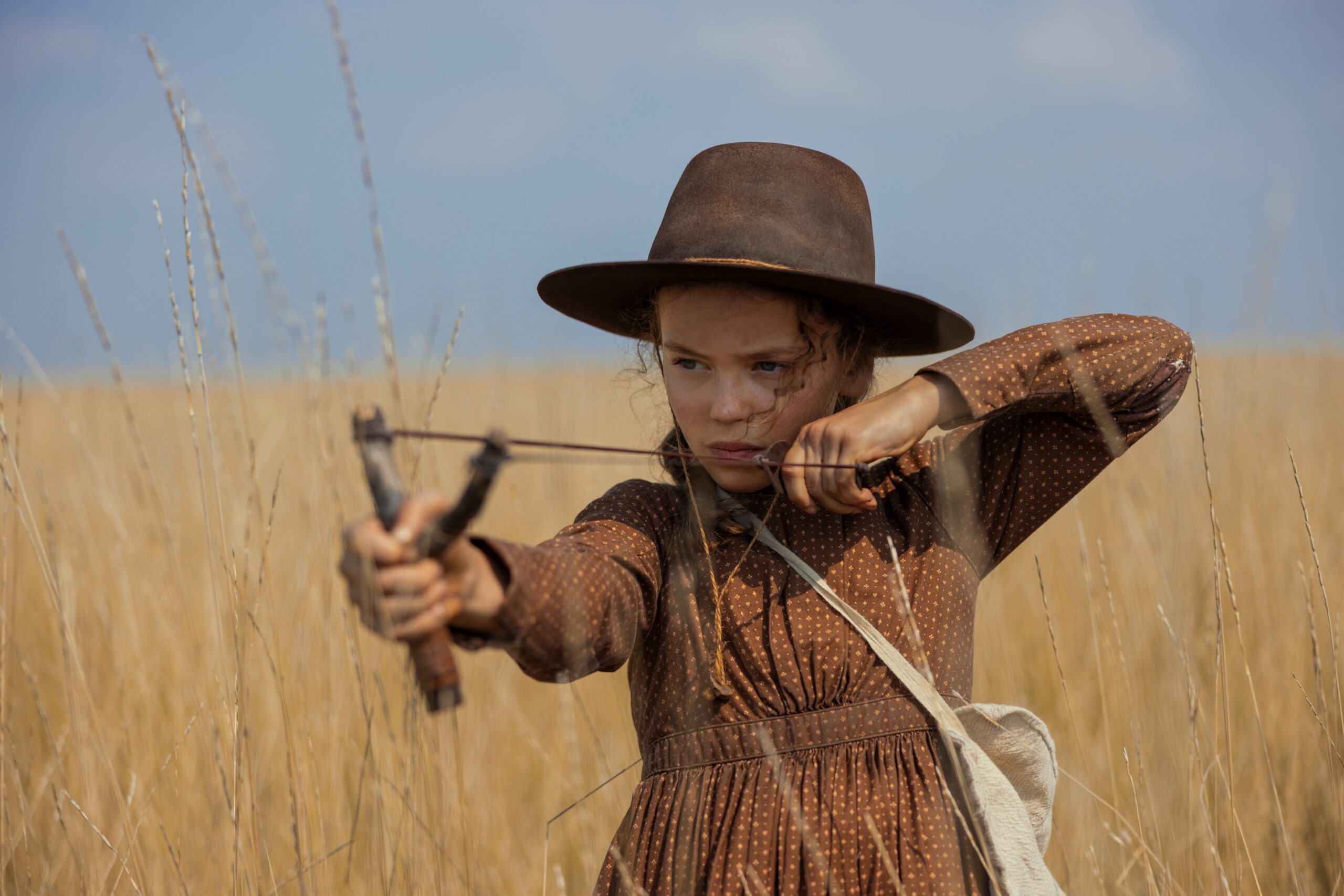
  • Netflix’s ‘Little House on the Prairie’ Reimagining Earns Critical Acclaim

    Netflix’s ‘Little House on the Prairie’ Reimagining Earns Critical Acclaim

    A Beloved Story Returns: Netflix’s ‘Little House on the Prairie’

    Netflix has launched a reimagining of ‘Little House on the Prairie’, a new series based on Laura Ingalls Wilder’s beloved books, which has received early critical acclaim for its authentic and comforting portrayal of pioneer life. Variety published a positive review on July 9, 2026, highlighting the production’s success in capturing the essence of the original stories while appealing to contemporary streaming audiences. This adaptation seeks to evoke nostalgia for long-time fans and introduce the timeless themes of family, resilience, and frontier challenges to new generations.

    The ‘Little House on the Prairie’ books, written by Laura Ingalls Wilder, chronicle her childhood experiences as part of a pioneer family during the late 19th century. These narratives have resonated with readers for decades. They explore themes of survival, community, and the American spirit.

    Multiple adaptations have brought Wilder’s stories to life. The most famous was the television series that aired from 1974 to 1983. That series, starring Michael Landon and Melissa Gilbert, became a cultural touchstone.

    Netflix’s new version represents a contemporary interpretation. It is designed specifically for a streaming audience in 2026. The production’s focus on evoking nostalgia is a strategic choice. It aims to connect with established fans who hold a historical connection to the ‘Little House’ saga.

    Capturing the Wilder Spirit

    The Variety review specifically lauded the series for its “authentic and comforting portrayal” of pioneer life. This positive reception suggests a successful effort. The production captures the core spirit of Wilder’s original works.

    The series maintains the fundamental values of Wilder’s narrative. It avoids overly modernizing the characters or their struggles. Instead, it emphasizes universal human experiences. These include growth, hardship, and community, which defined the original stories.

    The creative team behind the Netflix series understood the delicate balance required. They needed to respect the source material. They also needed to make it relevant for today’s viewers.

    This careful approach ensures that the heart of the Ingalls family’s journey remains intact. Viewers can still connect with their challenges and triumphs. The series offers a journey back to simpler, yet often harsher, times.

    A Faithful Yet Fresh Adaptation

    One of the key strengths highlighted by Variety is the series’ ability to be both faithful and fresh. The production reportedly utilizes modern cinematography and storytelling techniques. These enhancements serve to deepen the emotional impact without sacrificing historical accuracy.

    The visual quality of the new series sets it apart. High-definition visuals bring the American frontier to life with stunning detail. This allows for a more immersive viewing experience than previous adaptations.

    Storytelling techniques are also updated. The pace and structure are designed to engage a streaming audience. This includes careful use of pacing and character development.

    These modern elements do not detract from the historical setting. Instead, they amplify the narrative. They make the struggles and joys of the Ingalls family more vivid and relatable.

    Commended Casting and Production Design

    The casting choices for the Netflix series also received commendation. The actors embody their roles with a nuanced understanding of the Ingalls family’s journey. This allows for a deeper connection between the characters and the contemporary viewer.

    The performances avoid caricature. They present complex individuals facing real challenges. Each actor brings depth and authenticity to their portrayal. This creates believable and empathetic characters.

    Set design and costume design are also noted for their meticulous attention to detail. These elements transport viewers directly into the late 19th-century American frontier. Every prop and garment contributes to the historical immersion.

    This commitment to authenticity contributes significantly to the overall “comforting” atmosphere described in the review. It builds a believable world. This world allows viewers to lose themselves in the story.

    The Enduring Legacy of Laura Ingalls Wilder

    Laura Ingalls Wilder’s books have had a lasting impact on American literature and culture. They offer a unique window into a pivotal period of American history. Her stories have taught generations about perseverance, family values, and the challenges of pioneering life.

    The enduring popularity of ‘Little House on the Prairie’ speaks to its timeless appeal. The themes explored in the books remain relevant. They resonate with readers and viewers across different eras.

    The Netflix adaptation acknowledges this legacy. It aims to honor Wilder’s original vision. It also seeks to expand its reach to a new, diverse audience.

    This reimagining ensures that the stories of Laura, Ma, Pa, Mary, and Carrie continue to inspire. They continue to educate about a significant part of America’s past.

    Anticipating Broader Critical Reception

    The initial review from Variety provides the first glimpse into how this reimagining is being received. Further critical responses are anticipated in the coming days and weeks. The early indicators are highly positive for Netflix’s venture into this iconic American literary landscape.

    The success of this adaptation could pave the way for further re-imaginings of classic literary works. It demonstrates a viable path for balancing beloved source material with the expectations of a modern streaming audience. This approach suggests a new trend in content creation for streaming platforms.

    The series promises to be a significant addition to Netflix’s growing library of acclaimed productions. It reinforces Netflix’s commitment to diverse and high-quality content. It also highlights the power of nostalgia in attracting viewers.

    The cultural conversation around ‘Little House on the Prairie’ is reignited. Old fans revisit cherished memories. New viewers discover a classic for the first time. The prairie beckons. The family gathers. The story continues.

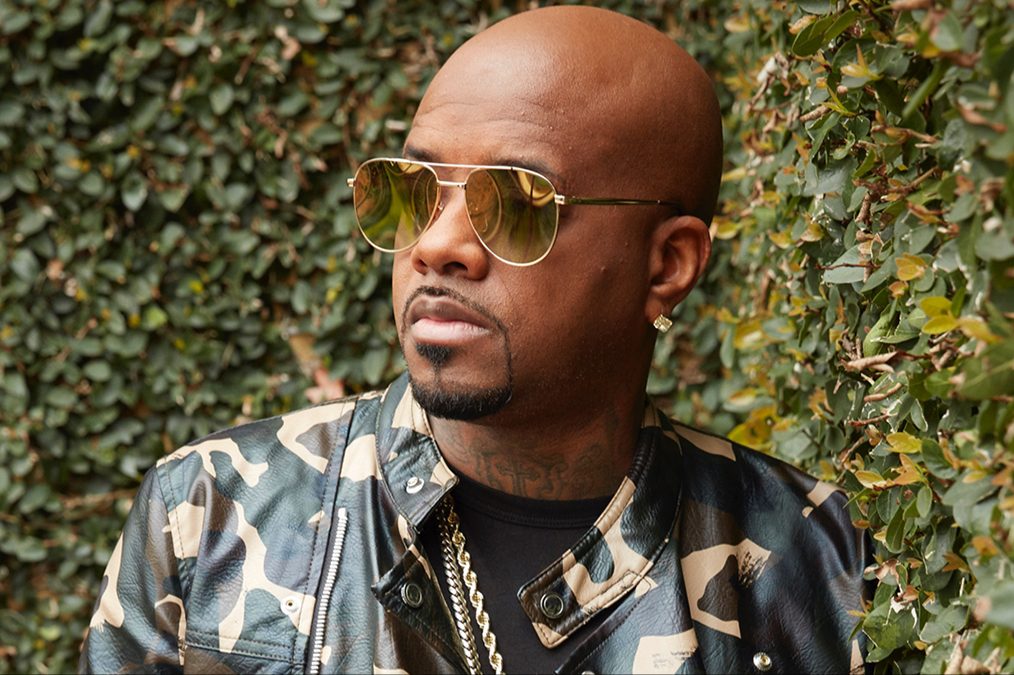
  • Jermaine Dupri Sues Sony Music for $18 Million Over Unpaid Royalties

    Jermaine Dupri Sues Sony Music for $18 Million Over Unpaid Royalties

    Jermaine Dupri, the Grammy Award-winning producer and songwriter, has filed an $18 million lawsuit against Sony Music. The legal action, reported on July 7, 2026, centers on claims of unpaid royalties stemming from his extensive catalog of work with prominent artists, including global superstars Mariah Carey and Usher. This dispute brings to light persistent issues surrounding artist and producer compensation within the major record label system.

    The lawsuit was filed in a United States district court. Specific details of the filing were not immediately made public. Industry observers anticipate a protracted legal battle over contract interpretation and accounting practices.

    The Core of the Dispute: Unpaid Royalties

    The legal complaint from Jermaine Dupri alleges that Sony Music has withheld a substantial amount of royalties. These royalties are reportedly due from his contributions to numerous hit songs and albums. Dupri’s career spans decades, marked by significant creative and commercial success.

    His work with Mariah Carey includes co-writing and producing tracks like “We Belong Together” and “Always Be My Baby.” These songs achieved immense commercial success globally. Dupri also played a pivotal role in Usher’s career, producing chart-topping hits such as “Burn” and “Confessions Part II.”

    The suit claims that despite the commercial success of these records, Dupri has not received his contractually obligated share of earnings. This includes royalties from various revenue streams, such as physical sales, digital downloads, streaming, and licensing.

    A History of Collaboration and Success

    Jermaine Dupri’s relationship with Sony Music and its various imprints has been long-standing. He founded So So Def Recordings in 1993, an imprint distributed by Columbia Records, a subsidiary of Sony Music.

    Through So So Def, Dupri discovered and cultivated talent. Artists like Kris Kross, Xscape, and Bow Wow achieved multi-platinum success under his guidance. His production credits extend beyond his own label roster, encompassing a wide array of artists across different Sony-affiliated labels.

    His collaboration with Mariah Carey intensified in the mid-1990s. Dupri was instrumental in her career resurgence in the 2000s, particularly with her critically acclaimed and commercially successful album The Emancipation of Mimi (2005). This album featured several Dupri productions, including the record-breaking single “We Belong Together.”

    Similarly, Dupri’s work with Usher proved transformational. The album Confessions (2004), largely produced by Dupri and his team, became one of the best-selling albums of the 21st century. It solidified Usher’s status as a global R&B icon.

    Industry Precedent and Producer Rights

    This lawsuit is not an isolated incident within the music industry. Disputes over royalty payments between artists, producers, and labels are common. Many creators allege opaque accounting practices and unfair contractual terms.

    Producers, in particular, often face challenges in securing their due compensation. Their contributions are fundamental to a song’s success. However, their royalty structures can be complex and sometimes less favorable than those of the primary recording artist.

    In recent years, there has been a growing movement among producers and songwriters to advocate for greater transparency and fairer terms. Organizations like the Recording Academy have initiated discussions on these issues. The goal is to ensure creators are properly compensated for their intellectual property.

    The digital age has further complicated royalty calculations. Streaming services, while expanding global reach, have introduced new revenue models. These models require complex allocation of royalties to numerous rights holders.

    The Financial Implications

    The $18 million figure cited in Dupri’s lawsuit represents a substantial claim. It reflects the potential magnitude of alleged underpayments over an extended period. This amount could encompass years of back royalties, interest, and potentially damages.

    For Sony Music, a major player in the global music industry, such a lawsuit carries reputational and financial risks. While multi-million dollar lawsuits are not uncommon for large corporations, this case involves a highly respected and influential producer. His public challenge could encourage other creators to scrutinize their own royalty statements.

    The outcome of this case could set a precedent. It might influence how major labels structure their agreements with producers and artists in the future. It could also lead to increased scrutiny of accounting practices across the industry.

    What Happens Next?

    Following the filing of the lawsuit, Sony Music will likely be served with the legal documents. The company will then have a period to respond to the allegations. This response could involve denying the claims, filing counter-claims, or seeking a settlement.

    Legal proceedings in such cases can be lengthy. They often involve extensive discovery, where both parties exchange information and evidence. Negotiations for an out-of-court settlement are also common. These negotiations aim to avoid the costs and uncertainties of a full trial.

    As of July 7, 2026, Sony Music has not issued a public statement regarding the lawsuit. The music industry will be closely watching the developments of this high-profile case. It highlights the ongoing struggle for equitable compensation in the creative economy.

    The Broader Impact on Music Rights

    This legal action by Jermaine Dupri is part of a larger narrative within the music industry. Creators are increasingly asserting their rights and challenging established norms. The digital transformation of music distribution has shifted power dynamics. Artists and producers now have more tools to track their consumption and revenue.

    The push for greater transparency is a consistent theme. Many artists feel that the complex nature of royalty statements makes it difficult to verify payments. Legal actions like Dupri’s aim to simplify these processes and hold labels accountable.

    Furthermore, the value of catalog music has surged in recent years. Older hits, like those produced by Dupri, continue to generate significant revenue through streaming and sync licensing. Ensuring fair compensation for these evergreen assets is a critical concern for creators.

    The dispute also touches upon the concept of intellectual property ownership. Producers often contribute significantly to the creative and commercial value of a musical work. Their rights to a fair share of the proceeds are central to these legal battles.

    Artists challenged. Producers challenged. Labels challenged. Accountability.

  • Johnny Galecki Returns to Stage as Tennessee Williams in Chicago

    Johnny Galecki Returns to Stage as Tennessee Williams in Chicago

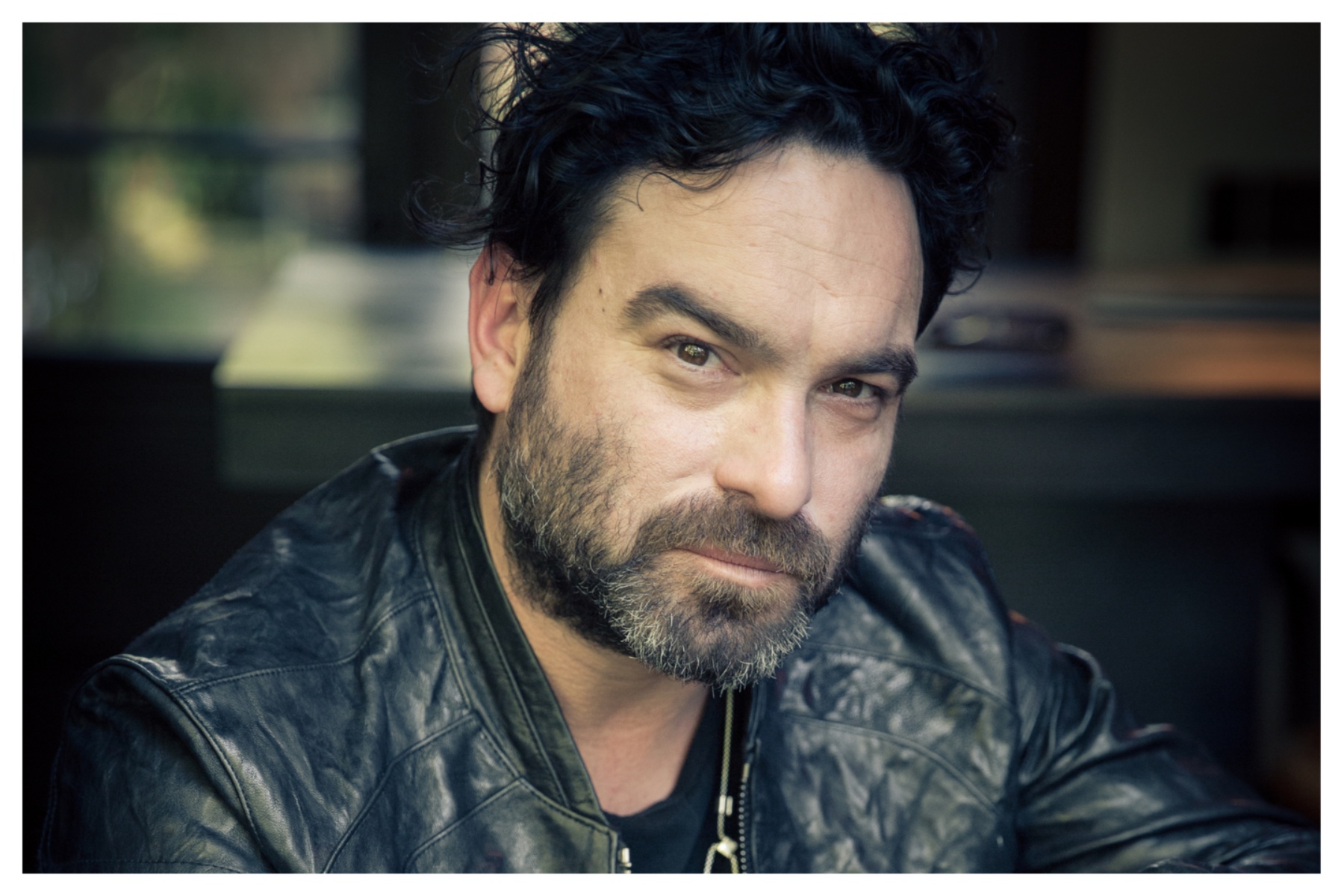
    Johnny Galecki, known for his extensive career in television and film, will return to acting in a new stage production. He is slated to portray the iconic American playwright Tennessee Williams in a play titled ‘Kowalski’. The presentation is scheduled for Chicago, marking Galecki’s return to the acting sphere after a period away from major roles.

    This announcement, exclusively reported by Variety, has generated considerable interest. Galecki’s last prominent role concluded with the highly successful sitcom ‘The Big Bang Theory’, which aired its final episode in May 2019. His return to the stage, particularly in a dramatic and historical role, represents a new chapter in his career.

    Galecki’s Career Trajectory

    Johnny Galecki’s acting career spans several decades. He began his professional journey as a child actor, gaining early recognition for his role as David Healy in the ABC sitcom ‘Roseanne’. This series, which initially ran from 1988 to 1997, provided Galecki with early exposure to a wide audience.

    Following ‘Roseanne’, Galecki transitioned into film and other television projects. He appeared in films such as ‘National Lampoon’s Christmas Vacation’ (1989), ‘Suicide Kings’ (1997), and ‘Vanilla Sky’ (2001). His stage work also includes a Broadway debut in 2007, where he starred in ‘The Little Dog Laughed’.

    His most globally recognized role came as Dr. Leonard Hofstadter in ‘The Big Bang Theory’. The CBS sitcom premiered in September 2007 and concluded after 12 seasons in May 2019. The show became a cultural phenomenon, earning Galecki widespread acclaim and multiple award nominations.

    Since the conclusion of ‘The Big Bang Theory’, Galecki has maintained a lower public profile. His involvement in ‘Kowalski’ signals a deliberate choice to engage with challenging theatrical material, moving beyond the comedic roles for which he is most widely known.

    The Play: ‘Kowalski’

    The new production, ‘Kowalski’, focuses on a specific period or aspect of Tennessee Williams’ life. While specific plot details remain under wraps, the title suggests a connection to Stanley Kowalski, a central character in Williams’ seminal work, ‘A Streetcar Named Desire’.

    Tennessee Williams, born Thomas Lanier Williams III in 1911, is considered one of the foremost American playwrights of the 20th century. His works frequently explore themes of desire, loneliness, and societal constraints. Notable plays include ‘The Glass Menagerie’ (1944), ‘A Streetcar Named Desire’ (1947), ‘Cat on a Hot Tin Roof’ (1955), and ‘Suddenly, Last Summer’ (1958).

    Portraying Williams presents a unique challenge for Galecki. The role requires an actor to delve into the complex psyche of a literary giant, exploring his creative processes, personal struggles, and the inspirations behind his dramatic masterpieces. This type of biographical or semi-biographical play often combines historical accuracy with artistic interpretation.

    The Legacy of Tennessee Williams

    Tennessee Williams received numerous accolades during his career. He was awarded the Pulitzer Prize for Drama twice: first in 1948 for ‘A Streetcar Named Desire’, and again in 1955 for ‘Cat on a Hot Tin Roof’. His plays have been adapted into highly successful films, with many actors earning Academy Awards for their performances in Williams’ adaptations.

    Williams’ influence extends beyond the stage and screen. His distinctive Southern Gothic style and profound character studies continue to be studied and performed globally. The decision to center a play around Williams himself speaks to his enduring impact on American literature and theater.

    Chicago’s Theatrical Landscape

    The choice of Chicago for the premiere of ‘Kowalski’ is significant. Chicago boasts a vibrant and respected theater scene, known for its innovative productions and strong ensemble work. The city is home to numerous acclaimed theaters, including Steppenwolf Theatre Company, Goodman Theatre, and Lookingglass Theatre Company.

    Chicago’s audiences are often regarded as discerning and appreciative of serious theatrical endeavors. This environment provides a suitable platform for a production featuring a well-known actor tackling a challenging role. The specific venue for ‘Kowalski’ has not yet been publicly disclosed.

    The city has a rich history of fostering new plays and revivals. Its theatrical community offers a blend of established institutions and experimental groups, contributing to a dynamic cultural landscape. Galecki’s presence is expected to draw national attention to the local theater scene.

    Anticipation for Galecki’s Return

    Fans and critics alike are anticipating Galecki’s return to acting. His dramatic turn as Tennessee Williams contrasts sharply with the comedic roles that defined much of his recent career. This move allows Galecki to showcase a different facet of his acting range.

    The transition from a long-running sitcom to a stage drama about a literary figure is a career shift many actors undertake. It often signals a desire for artistic exploration and a departure from typecasting. Galecki’s decision highlights the enduring appeal and artistic depth found in live theater.

    The production of ‘Kowalski’ will be a key event in the Chicago theater calendar. It brings together a recognizable name with a revered literary subject, promising a compelling theatrical experience. The details surrounding the creative team, including the playwright and director of ‘Kowalski’, are expected to be announced in the coming months.

    Expectations are high. The industry watches. Audiences await. Chicago.

  • Bruce Springsteen Defines ‘Critical Patriotism’ in Response to President Trump

    Bruce Springsteen Defines ‘Critical Patriotism’ in Response to President Trump

    Defining Patriotism in the Modern Era

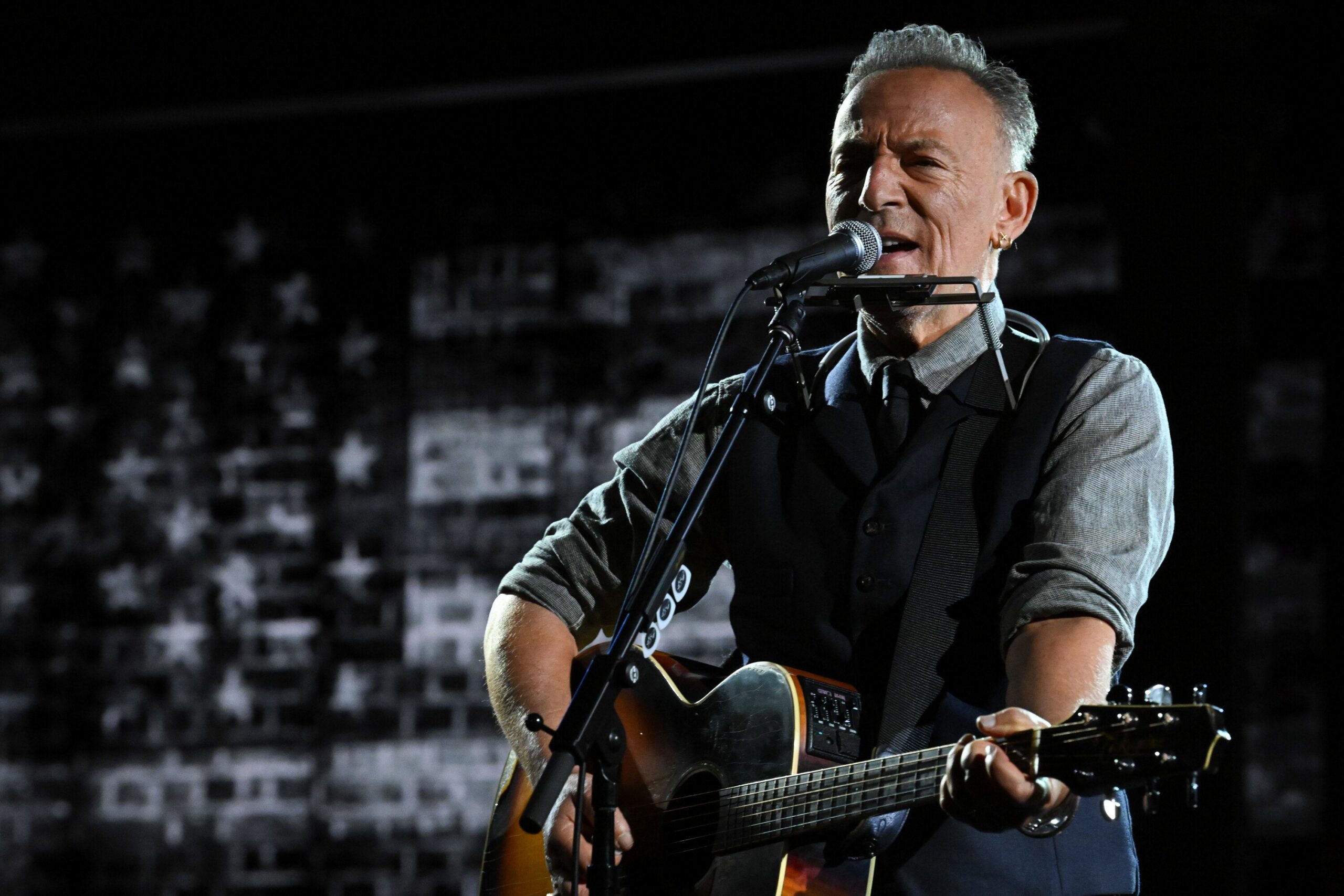
    Bruce Springsteen recently articulated his perspective on patriotism, defining himself as a ‘patriot’ who practices ‘critical patriotism’. This concept, as expressed by Springsteen, involves a commitment to one’s country coupled with the willingness to challenge its leadership and policies when necessary. He specifically mentioned his stance regarding President Donald Trump as an example of this critical engagement.

    Springsteen’s comments emerged from an interview reported by Variety. The remarks contribute to ongoing public discourse about national identity and civic responsibility in the current political climate. His words resonate with varying interpretations of what it means to be a patriot in the 21st century.

    The Evolution of a Public Figure’s Stance

    Bruce Springsteen has maintained a visible public profile for decades. His career spans from the 1970s through 2026, encompassing numerous albums, tours, and public statements. Throughout this time, Springsteen has often addressed social and political themes in his music and interviews.

    His early work often explored the struggles of the American working class. Songs like ‘Born in the U.S.A.’ (1984) became anthems, though their meanings were sometimes misinterpreted. This particular song, for instance, is often seen as a celebration of American exceptionalism, but it also contains verses detailing the plight of Vietnam War veterans.

    Over time, Springsteen’s political engagement became more explicit. He has publicly supported various political candidates and causes. His involvement has often aligned with progressive viewpoints, advocating for social justice and economic equality.

    ‘Critical Patriotism’ as a Concept

    The term ‘critical patriotism’ suggests a nuanced form of national loyalty. It implies that genuine love for one’s country does not equate to unquestioning support of its government or its leaders. Instead, it posits that a patriot has a duty to hold their nation and its representatives accountable.

    This perspective contrasts with definitions of patriotism that emphasize unconditional allegiance. Proponents of critical patriotism argue that constructive criticism and dissent are essential for a healthy democracy. They believe that addressing national shortcomings is a fundamental aspect of working towards a ‘more perfect union’.

    Historically, figures throughout American history have embodied elements of critical patriotism. Abolitionists, civil rights leaders, and social reformers often critiqued the existing systems of their time while simultaneously expressing a deep commitment to the nation’s founding ideals. Their actions were often driven by a belief that the country could and should live up to its stated principles.

    Springsteen’s Relationship with President Trump

    Bruce Springsteen has been an outspoken critic of President Donald Trump’s policies and rhetoric. His opposition has been consistent since President Trump’s first election in 2016 and continued through his second term, which began on January 20, 2025.

    Springsteen has used various platforms to voice his concerns. These have included interviews, public appearances, and sometimes subtle allusions within his musical performances. He has expressed worries about the direction of the country under President Trump’s leadership.

    His recent comments, as reported by Variety, directly link his ‘critical patriotism’ to his willingness to ‘stand up to Trump’. This indicates a direct application of his philosophical stance to current political realities. It frames his criticism not as opposition to the nation, but as a commitment to its betterment.

    Public Reaction and Broader Discourse

    Springsteen’s remarks have generated significant public discussion. Supporters of his viewpoint often commend his courage and consistency. They view his stance as an example of an artist using their platform to advocate for their beliefs.

    Conversely, some individuals disagree with his interpretation of patriotism. Critics sometimes argue that public figures should refrain from political commentary. Others may interpret his criticism of President Trump as unpatriotic or divisive.

    The conversation surrounding Springsteen’s statements reflects broader societal debates. These debates often center on the role of celebrities in politics, the boundaries of free speech, and the evolving definition of national identity in a polarized society. The discourse highlights the differing ways Americans perceive their country and its leadership.

    The Artist’s Role in Political Commentary

    The role of artists in political commentary has long been a subject of debate. Throughout history, musicians, writers, and visual artists have used their work to reflect on, critique, and influence societal norms and political actions.

    From protest songs of the civil rights era to contemporary political satire, artistic expression often serves as a mirror or a megaphone for public sentiment. Artists like Springsteen, with established careers and dedicated fan bases, possess a unique ability to reach and influence a wide audience.

    Their statements, whether direct or indirect, often spark conversations that might not otherwise occur. This capacity can be seen as both a privilege and a responsibility. Springsteen’s recent comments exemplify an artist embracing this role, directly engaging with a contentious political figure and a complex national ideal.

    The discussion around his comments underscores the enduring power of cultural figures to shape public thought. It demonstrates how art and artists remain integral to the ongoing dialogue about national values and political direction.

    Legacy of Political Engagement

    Bruce Springsteen’s political engagement is not an isolated event. It is part of a long tradition of artists using their platforms for social and political commentary. His legacy includes not only his music but also his consistent willingness to speak out on issues he deems important.

    His actions align with a lineage of musicians who have challenged authority and advocated for change. Figures such as Woody Guthrie, Joan Baez, and Bob Dylan used their art to articulate political dissent and inspire social movements. Springsteen continues this tradition, adapting it to the contemporary political landscape.

    His definition of ‘critical patriotism’ provides a framework for understanding his past and present actions. It suggests a deeply held belief that true loyalty to one’s country involves a commitment to its ideals, even when those ideals appear to be undermined by current leadership.

    This perspective solidifies his position not just as a musician, but as a public intellectual engaged with the fundamental questions of American identity and governance. His voice adds to the chorus of those who believe that patriotism requires vigilance and an unwavering commitment to justice.

    Artists spoke. Musicians spoke. Citizens spoke.

    Springsteen.