Tag: Patriotism

  • Nashville’s Star-Spangled Bash Garners 5.4 Million Viewers on ABC

    Nashville’s Star-Spangled Bash Garners 5.4 Million Viewers on ABC

    The 2026 Fourth of July Broadcast Triumph

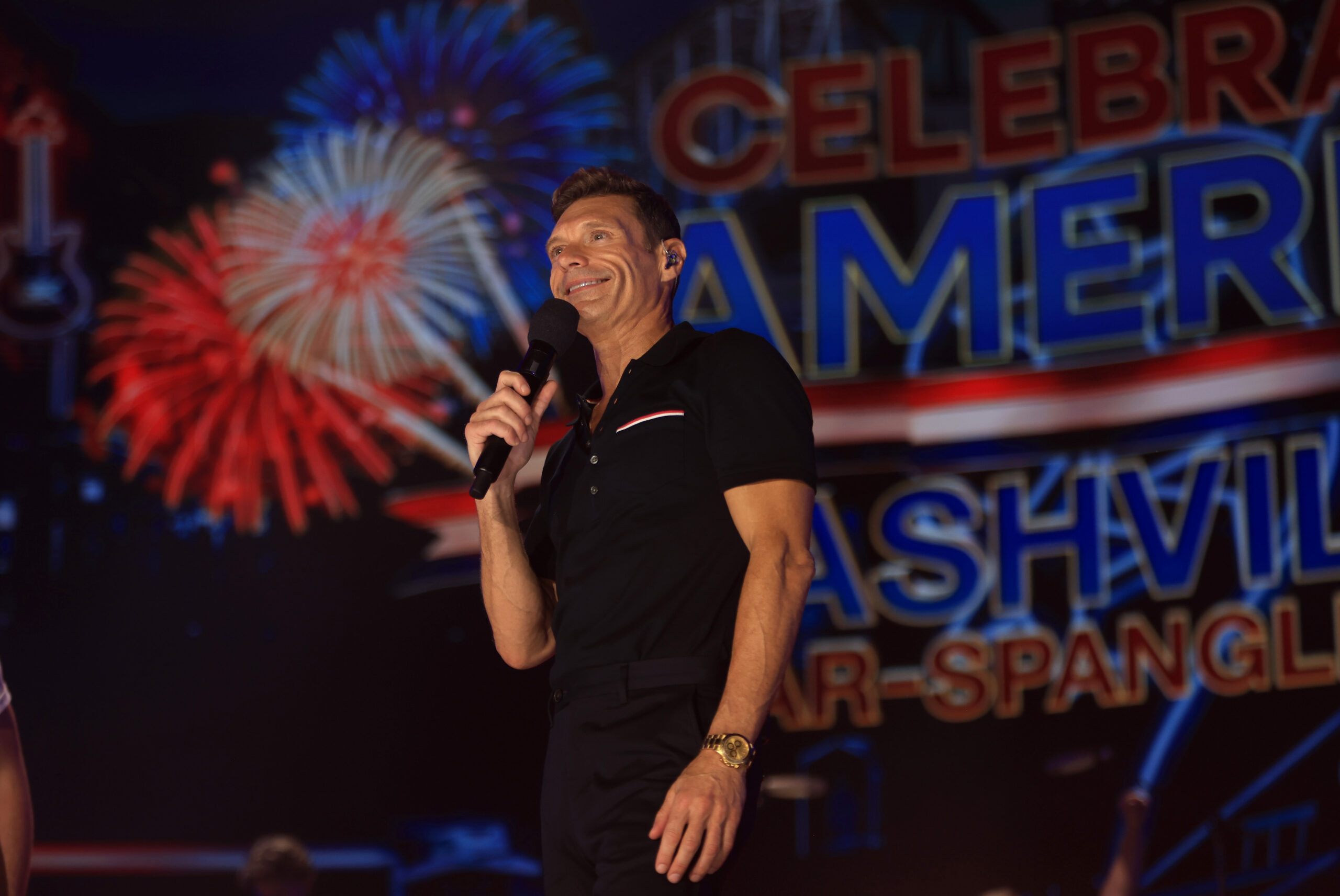
    Nashville’s Star-Spangled Bash on ABC achieved significant viewership on July 4, 2026, drawing 5.4 million viewers. This figure positioned the program as the most-watched Fourth of July special of the year, highlighting its broad appeal across American households.

    The broadcast successfully merged themes of American patriotism with the distinct sound of classic country music. This combination resonated with a large segment of the viewing public, contributing to its ratings success.

    The event originated from Nashville, Tennessee, a city synonymous with country music. Its production leveraged the city’s musical heritage and its established reputation for hosting large-scale public celebrations.

    The Legacy of Fourth of July Programming

    Fourth of July celebrations have historically been a staple of American television programming. Networks often dedicate prime-time slots to live concerts, fireworks displays, and patriotic tributes.

    These broadcasts typically aim to capture a sense of national unity and tradition. They often feature a mix of musical performances, historical segments, and visual spectacles like pyrotechnics.

    The viewership for such events can fluctuate based on the specific programming, competing broadcasts, and overall national mood. The 2026 success of Nashville’s Star-Spangled Bash indicates a particular resonance with the year’s cultural landscape.

    Previous Celebrations and Viewership Trends

    Historically, events like the Capitol Fourth concert in Washington D.C., broadcast on PBS, have been long-standing traditions. Other networks, including NBC and CBS, have also offered their own Independence Day specials, often featuring pop or rock artists alongside traditional patriotic music.

    In 2025, a similar patriotic special on a different network garnered 4.8 million viewers, indicating a slight increase in engagement for the 2026 Nashville event. This suggests a potential growth in audience appetite for large-scale, live national holiday programming.

    The appeal often lies in the intergenerational aspect of these shows. Families gather to watch, creating a shared experience that reinforces cultural values and national identity.

    Nashville’s Role as a Cultural Hub

    Nashville, Tennessee, often referred to as ‘Music City,’ has long been a focal point for American music, particularly country music. The city hosts numerous music venues, recording studios, and industry headquarters.

    Beyond its musical contributions, Nashville has also developed a reputation for hosting major national events. Its downtown area, particularly along the Cumberland River, provides a scenic backdrop for large public gatherings.

    The city’s infrastructure supports such events, with ample accommodations and logistical capabilities. This makes it an attractive location for broadcasters seeking to produce high-quality national specials.

    The Economic Impact of Major Broadcasts

    Hosting a major televised event like Nashville’s Star-Spangled Bash brings significant economic benefits to the host city. Tourism increases, with visitors drawn to the live event and related attractions.

    Local businesses, including hotels, restaurants, and retail establishments, experience a surge in activity. The event also provides employment opportunities for production crews, security personnel, and hospitality staff.

    The national exposure generated by a 5.4 million-viewer broadcast also serves as valuable marketing for Nashville. It reinforces the city’s brand as a vibrant cultural destination.

    The Enduring Appeal of Classic Country Music

    The success of the Bash is partly attributed to its focus on classic country music. This genre maintains a dedicated fanbase across various demographics and age groups.

    Classic country often evokes themes of patriotism, family, and traditional American values. These themes align well with the spirit of the Fourth of July holiday.

    Artists performing classic country hits connect with an audience that appreciates lyrical storytelling and traditional instrumentation. This contrasts with some contemporary music genres that may have a more niche appeal.

    Defining Classic Country

    Classic country music generally encompasses artists and songs from the mid-20th century through the early 1990s. This period includes foundational figures like Hank Williams, Johnny Cash, Patsy Cline, and Loretta Lynn, as well as later stars such as George Strait and Reba McEntire.

    The genre is characterized by its emphasis on narrative lyrics, often exploring themes of love, loss, working-class life, and rural experiences. Instrumentation typically includes guitars, fiddles, banjos, and steel guitars.

    The appeal of classic country often lies in its authenticity and emotional directness. It offers a sense of nostalgia for a perceived simpler time, which can be particularly potent during national holidays.

    Production and Broadcast Strategy

    ABC’s decision to broadcast Nashville’s Star-Spangled Bash reflects a strategic choice to cater to a specific audience segment. The network likely aimed to capture viewers seeking traditional patriotic entertainment.

    The production quality of such an event is paramount. High-definition cameras, professional sound engineering, and dynamic staging contribute to an immersive viewing experience.

    Live broadcasts present unique challenges, requiring meticulous planning and coordination. The seamless execution of the Bash contributed to its overall success and positive reception.

    Marketing and Promotion Efforts

    Leading up to July 4, 2026, ABC would have engaged in extensive marketing and promotional campaigns. These efforts would have targeted potential viewers across various media platforms.

    Promotional materials likely highlighted the featured artists, the patriotic theme, and the spectacle of the Nashville fireworks display. Social media engagement and traditional advertising would have played key roles.

    The goal of these campaigns is to build anticipation and ensure a large audience tunes in for the live broadcast. The 5.4 million viewership figure indicates successful outreach.

    The Impact on Future Holiday Programming

    The strong performance of Nashville’s Star-Spangled Bash will likely influence future holiday programming decisions. Other networks may observe ABC’s success and adapt their own strategies.

    There could be an increased focus on regional celebrations, particularly those with strong musical traditions. The blend of local flavor and national appeal proved effective.

    Broadcasters may also prioritize programming that emphasizes traditional American values and classic musical genres during national holidays. This reflects a response to demonstrated audience preferences.

    The success of the Bash suggests that a well-produced, thematically consistent holiday special can still command a significant live audience in an increasingly fragmented media landscape.

    Viewers gathered. Families watched. Patriotism swelled.

    Nashville.
  • President Trump Weighs in on US Soccer Red Card Controversy

    President Trump Weighs in on US Soccer Red Card Controversy

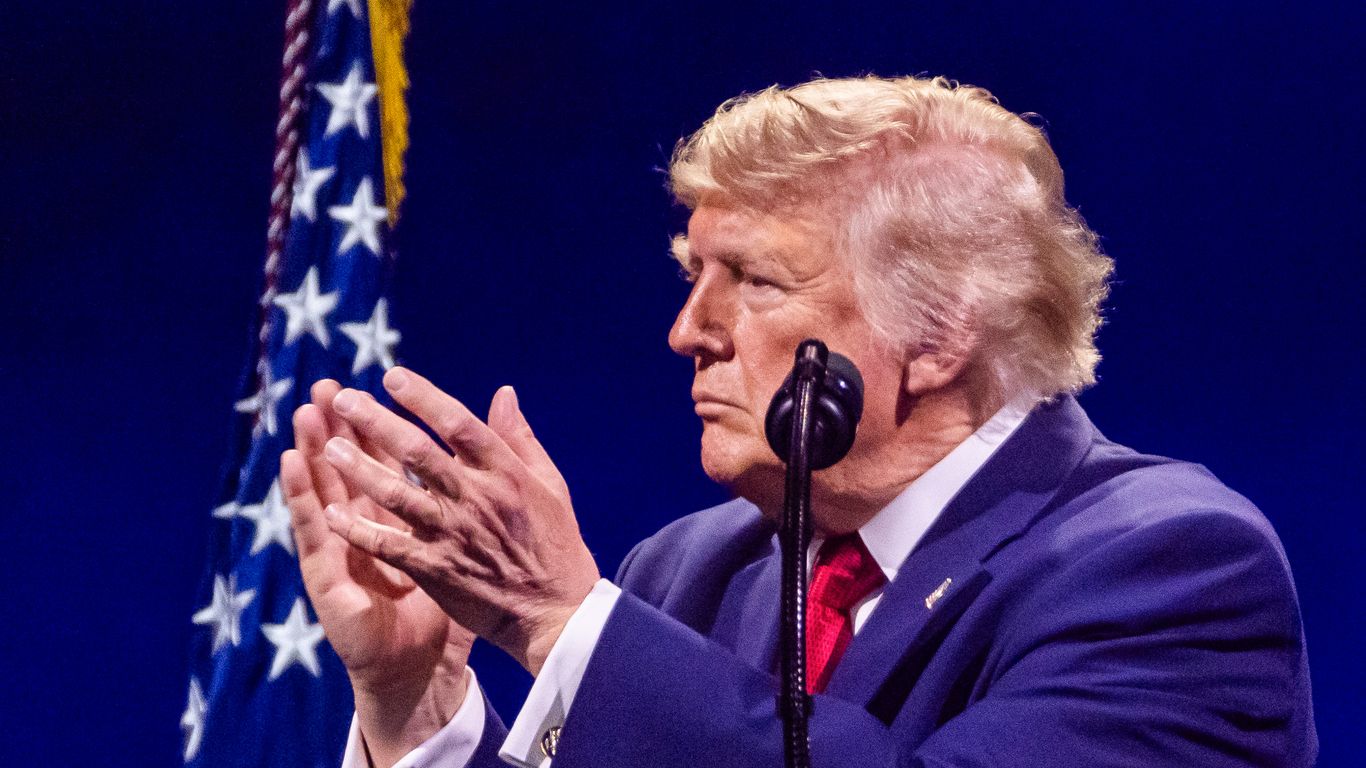
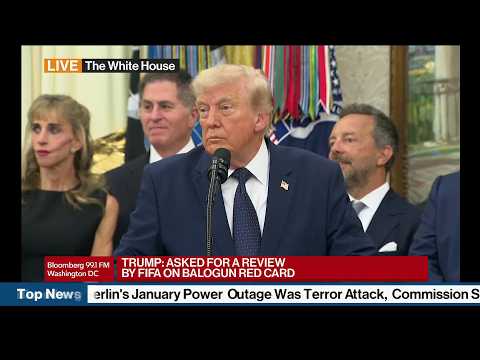
    President Trump has entered the public debate surrounding a recent red card incident involving a United States soccer player. His commentary connected the on-field decision to broader discussions of patriotism and American values. This intervention has generated significant public discussion, illustrating the interwoven nature of sports, politics, and national sentiment.

    The specific soccer match and the player involved were not detailed in initial reports. However, the nature of the President’s remarks suggests a perceived injustice or a moment that could be framed within a narrative of national pride. Such engagements by political leaders often elevate sports events beyond mere competition.

    The Intersection of Sports and Politics

    The involvement of high-profile political figures in sports discussions is a recurring phenomenon. Sports often serve as a microcosm of national identity, providing a platform for expressing collective pride or addressing perceived slights. President Trump’s history includes numerous instances where he has commented on athletic events, individual athletes, or sports organizations.

    These comments frequently resonate with specific segments of the population. They can galvanize support for particular viewpoints or draw attention to issues that extend beyond the playing field. The blend of celebrity and political office amplifies the impact of such statements.

    Previous Presidential Engagements with Sports

    Historically, American presidents have often engaged with sports. This engagement typically aims to foster national unity or celebrate athletic achievement. For example, presidents frequently host championship-winning teams at the White House.

    President Trump’s approach has often been more direct and opinionated. His comments have sometimes challenged established sports narratives or criticized athletes for their actions or political stances. This distinguishes his engagement from more traditional, ceremonial presidential interactions with sports.

    One notable instance occurred in 2017, when President Trump publicly criticized NFL players who knelt during the national anthem. He described these actions as disrespectful to the flag and the country. This sparked a nationwide debate on freedom of speech, patriotism, and racial justice within professional sports.

    Another example involved his commentary on specific athletes. He has often used social media platforms to express his views, reaching a wide audience instantly. These direct communications bypass traditional media filters, delivering his message unfiltered to his supporters.

    The Red Card Incident: A Catalyst for Discussion

    The recent red card incident in US soccer provided another opportunity for presidential commentary. While the specifics of the match and player remain unconfirmed, the President’s decision to weigh in suggests the event held significant symbolic weight. A red card, by its nature, is a punitive action that removes a player from the field, often seen as a moment of disgrace or unfairness depending on one’s perspective.

    In the context of international competition, such an incident can quickly become a point of national contention. Fans often perceive decisions against their national team as biased or unjust. A political leader’s endorsement of this sentiment can intensify public reaction.

    Public Reaction and Media Coverage

    News outlets, including Bloomberg Television, quickly picked up on President Trump’s statements. The coverage often highlighted the polarizing nature of his remarks. Some commentators praised his defense of American athletes, while others criticized what they perceived as an unnecessary politicization of sports.

    Social media platforms became immediate arenas for debate. Supporters lauded the President for standing up for the country and its athletes. Critics accused him of distracting from more pressing issues or inflaming divisions.

    The discussion extended beyond the immediate incident. It touched upon broader questions about the role of patriotism in sports. It also questioned the responsibilities of athletes as public figures.

    Patriotism and Sportsmanship

    President Trump’s comments often frame sports controversies within a narrative of patriotism. This approach suggests that actions on the field, or reactions to them, reflect on national character. It implies that athletes carry a responsibility to uphold national honor, even in competitive moments.

    However, the concept of patriotism in sports is complex. For some, it means unwavering support for one’s national team, regardless of individual actions. For others, it involves adherence to principles of fair play and sportsmanship, even when it means accepting unfavorable outcomes.

    The red card incident, therefore, became a flashpoint for these differing interpretations. Was the player’s action, which led to the red card, an act of passion or a lapse in judgment? Did the referee’s decision reflect fairness or bias? The answers often depended on one’s existing political and national allegiances.

    The Role of National Symbols in Sports

    National anthems, flags, and team colors are powerful symbols in sports. They evoke strong emotional responses and connect individual athletes to a broader national identity. When these symbols are perceived to be disrespected, or when national pride is challenged, political figures often step in.

    President Trump’s past comments on national symbols in sports indicate a consistent emphasis on traditional displays of respect. His recent remarks on the soccer red card align with this pattern. He frames such incidents as opportunities to reinforce his vision of American identity and values.

    The Blending of Celebrity, Sports, and Politics

    The contemporary landscape sees an increasing convergence of celebrity, sports, and politics. Athletes are often highly visible public figures, and their actions both on and off the field are scrutinized. Political leaders, in turn, recognize the power of these platforms to reach and influence large audiences.

    President Trump, a figure who has long operated at the intersection of celebrity and politics, often leverages this overlap. His commentary on the soccer red card is a tactical move. It allows him to engage with a popular cultural event while simultaneously reinforcing his political message.

    The Impact on Public Discourse

    This blending affects public discourse in several ways. It can make political issues feel more immediate and personal to sports fans. It can also introduce political divisions into spaces traditionally seen as unifying.

    For some, this politicization of sports is unwelcome. They argue that sports should remain an escape from political strife. For others, it is an inevitable reflection of a society where few areas remain untouched by political debate.

    The President’s remarks ensure that the red card incident will be remembered not just as a moment in a soccer match, but as a point of political discussion. It transforms a referee’s call into a national talking point, debated in living rooms and on news channels alike.

    Athletes find themselves under increased pressure. Their on-field performance is subject to athletic review. Their off-field conduct and even their political views can become national news. The line between athlete and political figure blurs.

    The sports world becomes another arena for ideological battles. Fans, commentators, and politicians all stake claims. Debates rage over loyalty. Debates rage over conduct. Debates rage over what it means to be an American athlete.

    President Trump intervenes. He frames the narrative. He sparks the conversation. He connects the dots between a red card and national pride. The sports world reacts. The political world reacts. The public reacts. A simple game decision becomes a national event.

  • Bruce Springsteen Defines ‘Critical Patriotism’ in Response to President Trump

    Bruce Springsteen Defines ‘Critical Patriotism’ in Response to President Trump

    Defining Patriotism in the Modern Era

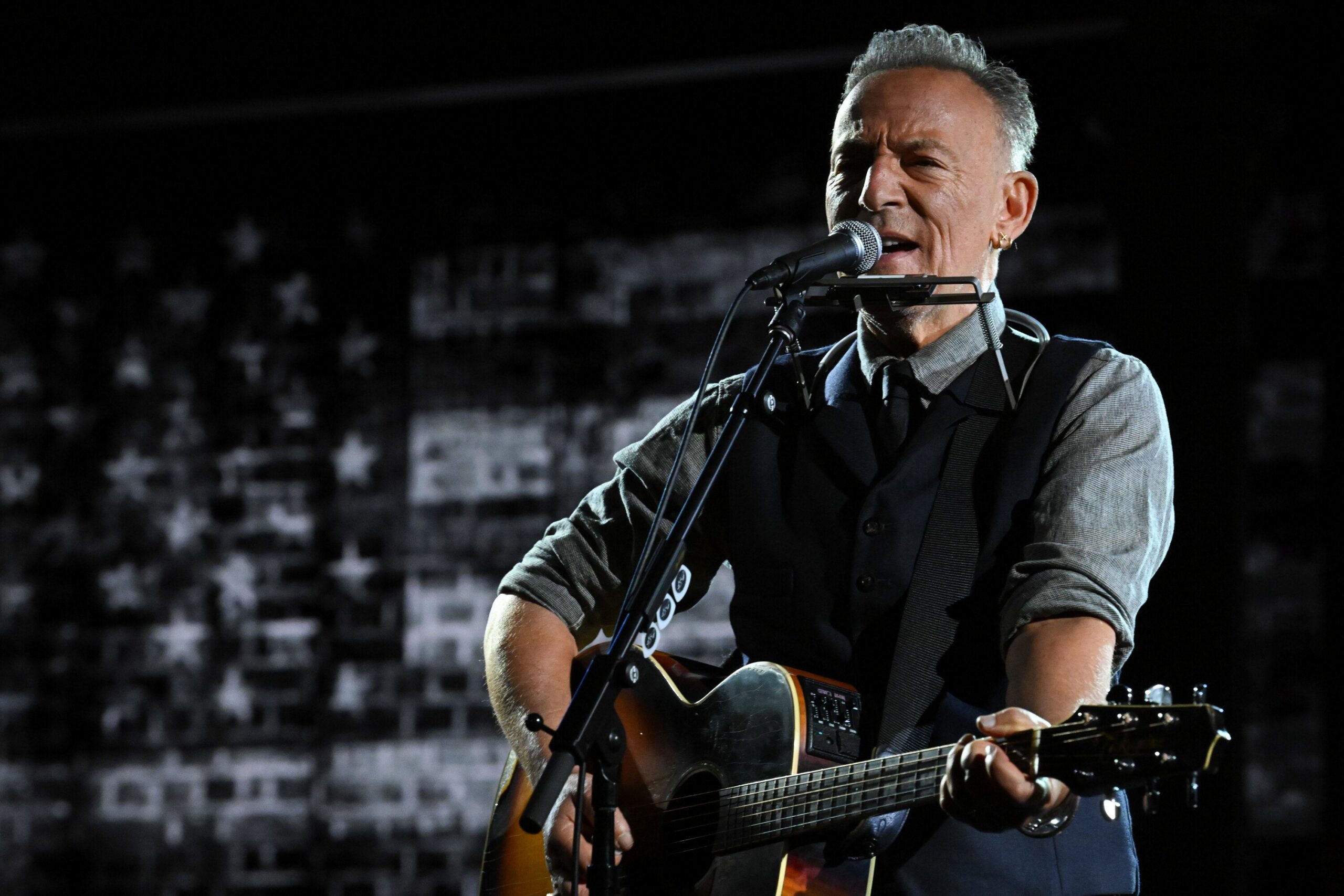
    Bruce Springsteen recently articulated his perspective on patriotism, defining himself as a ‘patriot’ who practices ‘critical patriotism’. This concept, as expressed by Springsteen, involves a commitment to one’s country coupled with the willingness to challenge its leadership and policies when necessary. He specifically mentioned his stance regarding President Donald Trump as an example of this critical engagement.

    Springsteen’s comments emerged from an interview reported by Variety. The remarks contribute to ongoing public discourse about national identity and civic responsibility in the current political climate. His words resonate with varying interpretations of what it means to be a patriot in the 21st century.

    The Evolution of a Public Figure’s Stance

    Bruce Springsteen has maintained a visible public profile for decades. His career spans from the 1970s through 2026, encompassing numerous albums, tours, and public statements. Throughout this time, Springsteen has often addressed social and political themes in his music and interviews.

    His early work often explored the struggles of the American working class. Songs like ‘Born in the U.S.A.’ (1984) became anthems, though their meanings were sometimes misinterpreted. This particular song, for instance, is often seen as a celebration of American exceptionalism, but it also contains verses detailing the plight of Vietnam War veterans.

    Over time, Springsteen’s political engagement became more explicit. He has publicly supported various political candidates and causes. His involvement has often aligned with progressive viewpoints, advocating for social justice and economic equality.

    ‘Critical Patriotism’ as a Concept

    The term ‘critical patriotism’ suggests a nuanced form of national loyalty. It implies that genuine love for one’s country does not equate to unquestioning support of its government or its leaders. Instead, it posits that a patriot has a duty to hold their nation and its representatives accountable.

    This perspective contrasts with definitions of patriotism that emphasize unconditional allegiance. Proponents of critical patriotism argue that constructive criticism and dissent are essential for a healthy democracy. They believe that addressing national shortcomings is a fundamental aspect of working towards a ‘more perfect union’.

    Historically, figures throughout American history have embodied elements of critical patriotism. Abolitionists, civil rights leaders, and social reformers often critiqued the existing systems of their time while simultaneously expressing a deep commitment to the nation’s founding ideals. Their actions were often driven by a belief that the country could and should live up to its stated principles.

    Springsteen’s Relationship with President Trump

    Bruce Springsteen has been an outspoken critic of President Donald Trump’s policies and rhetoric. His opposition has been consistent since President Trump’s first election in 2016 and continued through his second term, which began on January 20, 2025.

    Springsteen has used various platforms to voice his concerns. These have included interviews, public appearances, and sometimes subtle allusions within his musical performances. He has expressed worries about the direction of the country under President Trump’s leadership.

    His recent comments, as reported by Variety, directly link his ‘critical patriotism’ to his willingness to ‘stand up to Trump’. This indicates a direct application of his philosophical stance to current political realities. It frames his criticism not as opposition to the nation, but as a commitment to its betterment.

    Public Reaction and Broader Discourse

    Springsteen’s remarks have generated significant public discussion. Supporters of his viewpoint often commend his courage and consistency. They view his stance as an example of an artist using their platform to advocate for their beliefs.

    Conversely, some individuals disagree with his interpretation of patriotism. Critics sometimes argue that public figures should refrain from political commentary. Others may interpret his criticism of President Trump as unpatriotic or divisive.

    The conversation surrounding Springsteen’s statements reflects broader societal debates. These debates often center on the role of celebrities in politics, the boundaries of free speech, and the evolving definition of national identity in a polarized society. The discourse highlights the differing ways Americans perceive their country and its leadership.

    The Artist’s Role in Political Commentary

    The role of artists in political commentary has long been a subject of debate. Throughout history, musicians, writers, and visual artists have used their work to reflect on, critique, and influence societal norms and political actions.

    From protest songs of the civil rights era to contemporary political satire, artistic expression often serves as a mirror or a megaphone for public sentiment. Artists like Springsteen, with established careers and dedicated fan bases, possess a unique ability to reach and influence a wide audience.

    Their statements, whether direct or indirect, often spark conversations that might not otherwise occur. This capacity can be seen as both a privilege and a responsibility. Springsteen’s recent comments exemplify an artist embracing this role, directly engaging with a contentious political figure and a complex national ideal.

    The discussion around his comments underscores the enduring power of cultural figures to shape public thought. It demonstrates how art and artists remain integral to the ongoing dialogue about national values and political direction.

    Legacy of Political Engagement

    Bruce Springsteen’s political engagement is not an isolated event. It is part of a long tradition of artists using their platforms for social and political commentary. His legacy includes not only his music but also his consistent willingness to speak out on issues he deems important.

    His actions align with a lineage of musicians who have challenged authority and advocated for change. Figures such as Woody Guthrie, Joan Baez, and Bob Dylan used their art to articulate political dissent and inspire social movements. Springsteen continues this tradition, adapting it to the contemporary political landscape.

    His definition of ‘critical patriotism’ provides a framework for understanding his past and present actions. It suggests a deeply held belief that true loyalty to one’s country involves a commitment to its ideals, even when those ideals appear to be undermined by current leadership.

    This perspective solidifies his position not just as a musician, but as a public intellectual engaged with the fundamental questions of American identity and governance. His voice adds to the chorus of those who believe that patriotism requires vigilance and an unwavering commitment to justice.

    Artists spoke. Musicians spoke. Citizens spoke.

    Springsteen.

  • ABC News’ July 4 Plan: The Longest Commercial Broadcast in TV History

    ABC News’ July 4 Plan: The Longest Commercial Broadcast in TV History

    A New Chapter in Broadcast History

    ABC News is embarking on a monumental project for the July 4th celebrations, designating its planned coverage as “The Longest Commercial Broadcast in the History of TV.” This ambitious undertaking aims to set a new benchmark in broadcast endurance and scope.

    The initiative is conceived to capture the spirit of American independence. It sought to deliver a continuous, expansive narrative across the national holiday.

    The Scope of the July 4th Broadcast

    The concept behind this broadcast was not merely to extend airtime. It aimed to create an immersive, continuous experience for viewers. This approach allowed for a deeper exploration of American traditions and contemporary celebrations.

    The broadcast is designed to be a comprehensive tapestry of events. It incorporated live feeds from various locations across the United States. This multi-site coordination presented a substantial logistical challenge for the network.

    Connecting with National Identity

    The core motivation for ABC News centered on patriotism and the celebration of American independence. The network aimed to resonate deeply with its audience’s values.

    This strategic alignment with national sentiment was a key driver. It positioned the broadcast as a unifying event across different communities and demographics.

    The Logistics Behind the Record Attempt

    Achieving the title of “The Longest Commercial Broadcast in the History of TV” requires meticulous planning. Every aspect of the production, from technical infrastructure to human resources, needed careful consideration.

    The operational scale involved hundreds of personnel. These teams were deployed across multiple time zones and geographical locations. Coordination was paramount for seamless execution.

    Technical Infrastructure and Innovation

    The broadcast demanded advanced technical solutions. Satellite links, fiber optic networks, and state-of-the-art digital production facilities were essential.

    ABC News likely invested in new technologies or adapted existing ones. This ensured uninterrupted signal transmission and high-quality visuals throughout the extended broadcast period.

    Personnel and Production Teams

    A vast array of talent and crew members were mobilized. Producers, directors, camera operators, sound engineers, and on-air correspondents worked in shifts.

    Their collective effort aimed to maintain consistent content quality and production standards. The extended duration necessitated robust scheduling and redundancy plans for all key roles.

    The Evolution of Broadcast Milestones

    The concept of a “longest broadcast” is not new to television history. Networks have often sought to push boundaries, especially during significant national events or for philanthropic causes.

    However, a commercial broadcast of this stated magnitude for a national holiday represents a distinct category. It blends public service with advertising revenue models.

    Previous Broadcast Records

    Historical precedents for extended broadcasts exist in various forms. Telethons, for instance, have famously run for 24 hours or more, often for charitable fundraising.

    News channels also engage in continuous coverage during major breaking events. These often operate without the explicit commercial designation of ABC News’ planned July 4th event.

    Defining “Commercial Broadcast”

    The specific phrasing “Longest Commercial Broadcast” differentiates this attempt. It implies a sustained integration of advertising breaks and sponsored content within the record-setting duration.

    This definition sets it apart from non-commercial or public broadcasting efforts. It also distinguishes it from news events where commercial interruptions are secondary to breaking information.

    The Role of Patriotism in Programming

    National holidays like July 4th consistently draw high viewership. They provide networks with opportunities to craft programming that celebrates national identity and history.

    ABC News’ strategy leveraged this inherent audience engagement. It aimed to provide a definitive viewing experience for Independence Day.

    Cultural Resonance and Audience Engagement

    The broadcast was designed to tap into a collective sense of pride and tradition. It offered a shared viewing experience for families and communities across the nation.

    This communal aspect is a powerful draw for holiday programming. It reinforces the network’s connection with its audience during culturally significant moments.

    Advertising and Sponsorship Opportunities

    An extended commercial broadcast naturally opens up extensive opportunities for advertisers. Brands seeking to align with patriotic themes and a large national audience would find this platform appealing.

    The duration allowed for diverse advertising strategies. This could include long-form sponsored segments or traditional commercial breaks interspersed throughout the programming.

    Challenges and Anticipated Impact

    Executing a broadcast of this scale presents numerous challenges. Maintaining viewer engagement over many hours is a primary concern.

    Content fatigue and the need for diverse programming segments are critical factors. ABC News needed a dynamic schedule to keep audiences tuned in.

    Maintaining Viewer Interest

    The programming schedule likely incorporated a variety of segments. These would include live reports, historical features, musical performances, and interviews.

    The goal was to offer a compelling mix that prevented monotony. This variety would cater to different interests within the broad viewing audience.

    Operational Demands and Contingency Planning

    The technical and human demands of such a broadcast are immense. Contingency plans for technical failures, adverse weather, or unforeseen events were essential.

    ABC News likely developed robust backup systems and alternative content streams. This ensured that the broadcast could continue without significant interruption, regardless of external factors.

    The Legacy of a Record-Breaking Broadcast

    The attempt by ABC News to create “The Longest Commercial Broadcast in the History of TV” aimed to leave a lasting mark. It sought to be remembered as both a technical achievement and a cultural event.

    Such endeavors contribute to the ongoing narrative of television’s evolution. They demonstrate the medium’s capacity for innovation and its role in national celebrations.

    Shaping Future Broadcast Strategies

    The success or lessons learned from this broadcast could influence future programming decisions. Other networks might explore similar extended formats for major events.

    It could also redefine audience expectations for holiday coverage. This push towards immersive, continuous content might become a new standard.

    A Moment of National Unity

    Ultimately, the broadcast aimed to foster a sense of national unity. By showcasing diverse celebrations and stories from across the United States, it sought to reinforce shared values.

    Broadcasting. Patriotism. Celebration. History.

  • President Trump’s Fourth of July Address: Faith, Freedom, and National Identity

    President Trump’s Fourth of July Address: Faith, Freedom, and National Identity

    President Trump’s 2026 Fourth of July Address

    President Donald Trump delivered a pivotal speech on July 4, 2026, articulating a vision for the United States rooted in specific foundational principles. The address, delivered on the nation’s 250th anniversary of independence, centered on themes of faith, the Second Amendment, and a resolute opposition to communism. This message aimed to reinforce national pride and align with the sentiments of a significant portion of the American populace.

    The President’s remarks were delivered during a national celebration, a traditional moment for presidential addresses. This setting amplified the themes he chose to emphasize. His words were broadcast nationally, reaching a broad audience across various demographics.

    The Core Message: God, Guns, and Anti-Communism

    The central tenets of President Trump’s Fourth of July speech revolved around what he termed the essential pillars of American strength. These included a strong affirmation of religious faith, a defense of Second Amendment rights, and a clear denunciation of communist ideologies.

    The emphasis on ‘God’ highlighted the role of religious belief in the nation’s history and ongoing identity. President Trump frequently connects national prosperity and moral strength with spiritual foundations. This connection resonates with many conservative voters and religious communities across the country.

    Discussions of ‘guns’ directly addressed the right to bear arms, a constitutional liberty often championed by the President. This aspect of the speech reinforced his commitment to gun rights, a consistent theme throughout his political career. It served to reassure supporters who prioritize this freedom.

    The strong anti-communist message positioned the United States as a global bulwark against authoritarian systems. This stance echoes historical American foreign policy positions and appeals to a segment of the population concerned about international influence and geopolitical stability. President Trump has consistently articulated a view of American exceptionalism in contrast to such systems.

    Reinforcing National Pride and Identity

    A primary objective of the 2026 Fourth of July address was to cultivate a heightened sense of national pride. President Trump’s rhetoric consistently frames American history and identity in terms of strength, resilience, and unique global leadership. The holiday provided an ideal backdrop for this narrative.

    The speech invoked historical references and symbols of American independence. These elements are designed to connect contemporary political messages with the nation’s founding ideals. Such connections are crucial for building a cohesive national identity in a diverse society.

    The President’s words sought to unify citizens around shared values, even amidst political divisions. He presented a vision of America that prioritizes internal strength and external respect. This vision often includes calls for border security, economic nationalism, and a robust military.

    The Audience and Reception

    The address was anticipated by both supporters and critics. Supporters generally found the speech to be an affirmation of their values and a reaffirmation of the President’s leadership. They viewed the themes of faith, freedom, and anti-communism as essential to the nation’s well-being.

    Media coverage preceding and following the speech highlighted the specific themes chosen by President Trump. Analysts debated the implications of his focus on these particular issues. The discourse often centered on the current political climate and the direction of the country.

    Public opinion polls following such addresses often reflect partisan divides. Those who identify with the President’s political movement typically express strong approval. Others may view the speech through a critical lens, questioning its inclusivity or specific policy implications.

    Historical Context of Presidential Fourth of July Addresses

    Presidential addresses on the Fourth of July are a long-standing tradition in American politics. These speeches often serve as opportunities for leaders to reflect on the nation’s past, celebrate its present, and articulate a vision for its future. George Washington celebrated the Fourth of July in 1778, but his only documented public Fourth of July address was in 1791.

    Throughout history, presidents have used this platform to address pressing national issues. Abraham Lincoln, for example, used the occasion during the Civil War to speak on the preservation of the Union. Franklin D. Roosevelt spoke during World War II, emphasizing the fight for freedom.

    These addresses are not merely ceremonial; they are strategic communications designed to shape public discourse and rally national support. They contribute to the ongoing narrative of American identity and purpose. Each president leaves their own imprint on this tradition.

    The Role of Faith in National Discourse

    President Trump’s emphasis on ‘God’ in his 2026 speech aligns with a segment of American political thought that views religious faith as integral to national character. This perspective suggests that moral order and societal strength are derived from spiritual principles.

    Historically, religious references have been common in American political rhetoric. Figures like Thomas Jefferson and John Adams, though differing in their personal beliefs, acknowledged the role of morality and virtue in a republic. Modern presidents continue this tradition, often appealing to broad religious sentiments.

    The inclusion of faith-based language often seeks to bridge cultural divides and invoke a sense of shared heritage. It can be a powerful tool for mobilization and for reinforcing a specific moral framework for governance. This approach resonates deeply with religious conservatives.

    Defending the Second Amendment

    The mention of ‘guns’ in the President’s speech directly references the Second Amendment to the United States Constitution. This amendment protects the right of the people to keep and bear arms. It is a highly debated topic in American politics.

    President Trump has consistently positioned himself as a staunch defender of this right. His administration has often opposed stricter gun control measures, aligning with organizations like the National Rifle Association. This stance is a cornerstone of his appeal to many voters.

    Discussions around the Second Amendment often involve debates about personal liberty, public safety, and the role of government. For many, it represents a fundamental protection against potential tyranny. The President’s remarks underscored this perspective.

    Standing Against Communism

    The President’s anti-communist rhetoric draws from a long history of American foreign policy and ideological opposition. From the Cold War era to contemporary geopolitical challenges, the United States has often defined itself in contrast to communist systems.

    This stance resonates with those who remember the historical struggles against the Soviet Union and other communist regimes. It also speaks to current concerns about the influence of countries like China and Cuba. President Trump has often adopted a confrontational approach to these nations.

    By invoking anti-communism, the speech aimed to project an image of American strength and resolve on the global stage. It also sought to rally domestic support against perceived internal and external threats to American values. This theme reinforces a sense of national purpose.

    The Path Forward: Unity and Purpose

    President Trump’s 2026 Fourth of July address ultimately sought to inspire a sense of unity and shared purpose among Americans. He aimed to articulate a clear direction for the nation, grounded in what he presented as enduring principles.

    The themes chosen, faith, the right to bear arms, and anti-communism, are all powerful symbols within specific political and cultural contexts. They represent different facets of a broader conservative ideology that the President champions.

    The speech served as a reminder of the ongoing national conversation about identity, values, and the future of the United States. It provided a moment for reflection on the nation’s journey since 1776. It articulated a vision for continued American leadership and prosperity.

    Citizens reflected. Leaders debated. The nation absorbed.

    America.

  • Moore: The American Dream Endures – Why It’s Still Worth Fighting For

    Moore: The American Dream Endures – Why It’s Still Worth Fighting For

    Stephen Moore, an economist and political commentator, recently stated that the American Dream remains a concept worth fighting for. His perspective emphasizes the intrinsic link between this dream and traditional American values. Moore’s remarks suggest a call to action, urging citizens to uphold foundational principles with patriotism and defiance.

    The American Dream, as a cultural ideal, implies that anyone in the United States can attain their own version of success. This success is often understood to be achieved through hard work and initiative. The concept has been a cornerstone of American identity for generations.

    Defining the American Dream

    The phrase “American Dream” gained widespread recognition in James Truslow Adams’s 1931 book, Epic of America. Adams described it as “that dream of a land in which life should be better and richer and fuller for everyone, with opportunity for each according to ability or achievement.” This definition transcended mere material prosperity.

    It encompassed ideals of social order and personal fulfillment. It posited that regardless of birth or position, individuals could achieve upward mobility. This was based on their efforts and talents.

    Historically, the American Dream has been associated with homeownership, stable employment, and providing a better life for one’s children. These tangible markers often symbolize the broader intangible aspirations of freedom and opportunity.

    Traditional Values as Foundation

    Moore’s argument connects the American Dream to traditional values. These values often include self-reliance, individual liberty, and a strong work ethic. They are seen as essential components for achieving personal and collective success within the American system.

    The emphasis on traditional values suggests a belief that these principles have historically propelled American progress. They are viewed as the bedrock upon which the nation’s prosperity and opportunities were built. Deviations from these values, in this view, could undermine the dream itself.

    The Fight for the Dream

    Moore’s call to “fight for” the American Dream implies that it is under threat. This perceived threat can stem from various sources. Economic shifts, cultural changes, or political ideologies are often cited as challenges.

    Economic inequality is one frequently discussed challenge. Some argue that the rungs on the ladder of opportunity have become more distant for many. This makes upward mobility harder to achieve for certain segments of the population.

    Cultural critiques also play a role. Debates surrounding national identity and historical narratives can influence perceptions of the American Dream. These discussions sometimes question the inclusivity and accessibility of the dream for all Americans.

    Patriotism and Defiance

    The terms “patriotism” and “defiance” highlight the emotional and ideological dimensions of Moore’s stance. Patriotism in this context suggests a loyalty and devotion to the United States and its founding ideals. It implies a belief in the inherent goodness and potential of the nation.

    Defiance indicates a resistance to opposing viewpoints or forces. It suggests a rejection of pessimism or criticism regarding the American system. This defiance aims to preserve and champion the traditional vision of the American Dream against perceived adversaries.

    Such sentiments are often invoked during periods of perceived national challenge. They serve to rally support for a particular vision of the country’s future. This vision is typically rooted in historical interpretations and established principles.

    Economic Perspectives on the Dream

    As an economist, Moore often frames his arguments within an economic context. Economic policies, regulatory environments, and fiscal decisions are seen as crucial for fostering or hindering the American Dream. He frequently advocates for policies that he believes promote economic growth and individual enterprise.

    For instance, policies supporting lower taxes, deregulation, and free markets are often presented as mechanisms to unleash economic potential. These measures are argued to create more opportunities for individuals to achieve financial independence and prosperity. This aligns with a traditional understanding of the American Dream.

    Conversely, policies that increase government intervention or expand social welfare programs are sometimes viewed as detrimental. Critics argue these could stifle individual initiative and create dependency. This perspective often forms the basis of economic arguments for preserving the American Dream.

    Challenges to Economic Mobility

    Despite the rhetoric, economic mobility in the United States has faced scrutiny. Studies by organizations like the Pew Charitable Trusts have explored trends in intergenerational mobility. These studies often highlight complexities and variations across different demographic groups.

    Access to quality education, healthcare, and capital are significant factors. These elements can profoundly impact an individual’s ability to move up the economic ladder. Debates often center on the role of government and private institutions in addressing these disparities.

    Technological advancements and globalization also reshape the economic landscape. Industries evolve, jobs change, and new skills become necessary. Adapting to these changes is crucial for maintaining economic competitiveness and achieving the American Dream.

    The Evolving Narrative

    The concept of the American Dream is not static. Its interpretation has evolved over time, reflecting societal changes and aspirations. What constituted success in the mid-20th century may differ from contemporary definitions.

    Today, the dream might include entrepreneurship, work-life balance, or social impact. These modern interpretations expand beyond purely material wealth. They reflect a broader set of values that individuals seek in their lives.

    However, proponents of traditional values often argue for a return to earlier definitions. They believe that straying too far from the original tenets weakens the dream’s core. This tension between evolving and traditional interpretations is a constant feature of the discourse.

    Political Implications

    The discussion around the American Dream frequently enters the political arena. Political leaders often invoke the dream in their speeches and policy proposals. It serves as a powerful rhetorical tool to connect with voters’ aspirations.

    President Trump, for instance, has often emphasized themes of American strength and economic opportunity. His focus on manufacturing jobs and border security can be seen as attempts to restore or protect a particular vision of the American Dream. This vision often resonates with those who feel left behind by economic changes or cultural shifts.

    The debate over the American Dream influences policy decisions on trade, immigration, and social programs. Each political faction presents its policies as the most effective path to achieving or preserving the dream for all citizens. This makes the concept a recurring theme in national political discourse.

    The Global Context

    The American Dream also holds significance on a global scale. For many around the world, the United States represents a land of opportunity. This perception draws immigrants seeking a better life and greater freedoms.

    The allure of the American Dream contributes to ongoing debates about immigration policy. The balance between national sovereignty and humanitarian concerns often plays out in these discussions. The question of who deserves access to the dream is central.

    Economically, the United States’ role in the global economy impacts its citizens’ ability to achieve the dream. International trade agreements, global supply chains, and geopolitical stability all play a part. These factors influence domestic job markets and economic prospects.

    Resilience of the Ideal

    Despite challenges and evolving interpretations, the core ideal of the American Dream persists. It continues to inspire individuals and communities across the nation. The belief in opportunity through hard work remains a powerful motivator.

    Moore’s statement underscores this resilience. He suggests that the dream is not merely an abstract concept. It is a tangible goal that requires continuous effort and commitment to uphold. This commitment involves defending the values that are believed to sustain it.

    The narrative of the American Dream often involves overcoming adversity. It celebrates individual initiative and perseverance. These stories reinforce the idea that success is attainable, even in the face of significant obstacles.

    Economists gather. Politicians gather. Citizens gather. The American Dream.

  • Hollywood & America: Is the Silver Screen Still Reflecting the Nation?

    Hollywood & America: Is the Silver Screen Still Reflecting the Nation?

    On July 4, 2026, as the United States celebrates its 250th anniversary, the question of whether Hollywood movies continue to embody and reflect American values has become a central point of cultural discussion. Historically, the American film industry has often depicted narratives that reinforce national identity, patriotism, and widely held societal principles, but recent trends suggest a potential shift in this long-standing tradition.

    This discussion emerges from a broader cultural conversation about the perceived erosion of traditional American values within mainstream media. The film industry, a powerful cultural force, frequently finds itself at the heart of these debates. Its productions reach global audiences, influencing perceptions of America both domestically and internationally.

    The Golden Age and National Identity

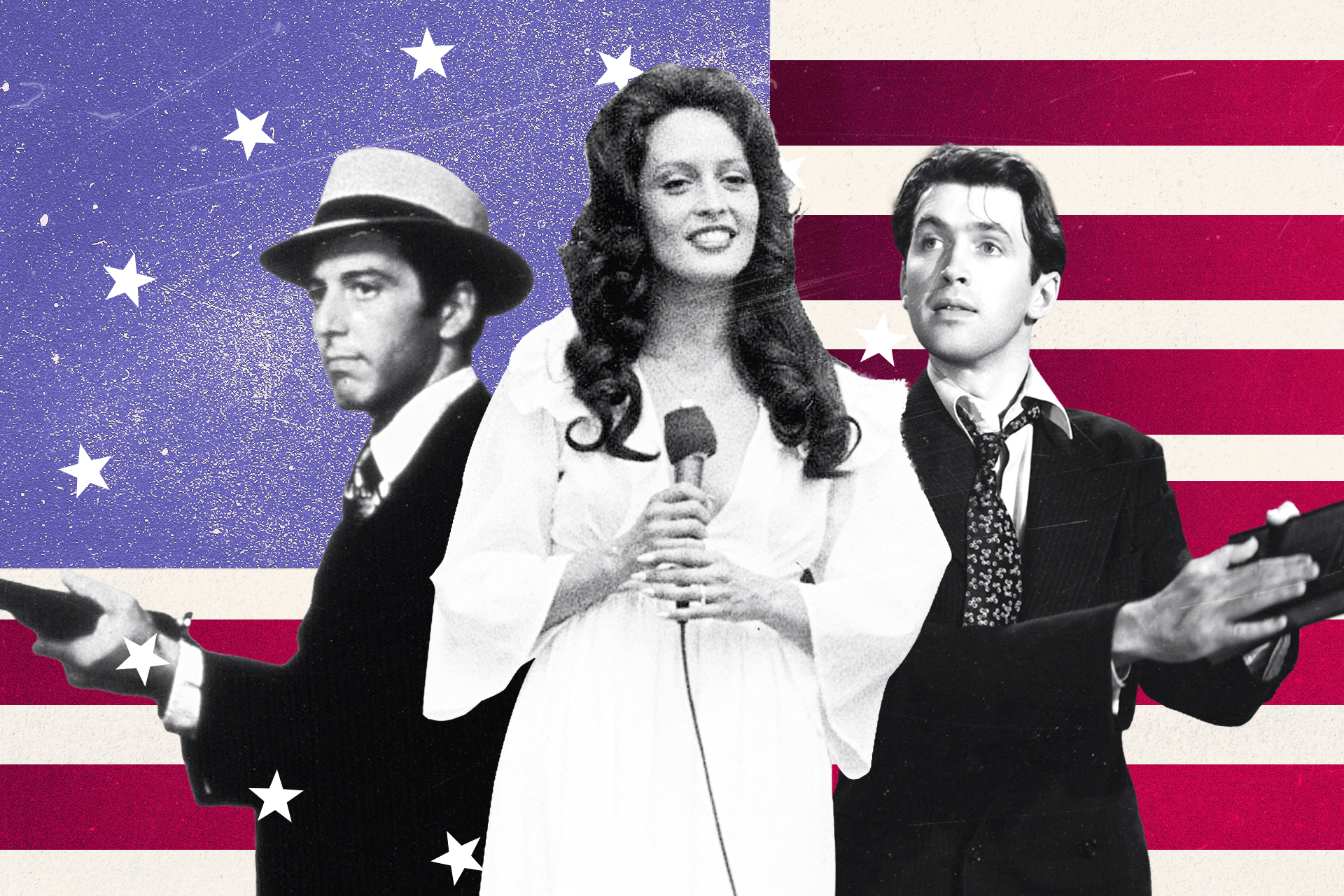
    From the early 20th century, Hollywood quickly established itself as a primary shaper of American mythology. Films like Mr. Smith Goes to Washington (1939) and Casablanca (1942) presented clear-cut heroes and villains. They often championed themes of democracy, freedom, and individual perseverance.

    During World War II, the film industry actively participated in the war effort. Movies like Sergeant York (1941) and Yankee Doodle Dandy (1942) boosted morale and solidified national unity. These films were not merely entertainment; they were instruments of national purpose.

    Post-war, the 1950s saw a continuation of this trend, albeit with emerging anxieties. Westerns, sci-fi, and family dramas often subtly or overtly explored American ideals. They depicted the promise of the American Dream and the challenges of a rapidly changing world.

    Cold War Narratives and Ideological Battlegrounds

    The Cold War era intensified Hollywood’s role in ideological warfare. Anti-communist films, sometimes produced under the shadow of McCarthyism, became prevalent. They served to define what America was by contrasting it with its perceived enemies.

    Even as the counter-culture movement began to question established norms in the late 1960s, many films retained a core American sensibility. They might critique the government or societal structures, but often from a perspective rooted in American ideals of justice and liberty.

    Shifting Sands: The Late 20th Century

    The 1970s marked a significant turning point. Films like Chinatown (1974) and Nashville (1975) offered more cynical, complex, and often critical portrayals of American institutions and history. This era reflected a national mood shaped by the Vietnam War and the Watergate scandal.

    However, blockbusters of the late 1970s and 1980s, such as Star Wars (1977) and Top Gun (1986), often returned to more traditional heroic narratives. These films resonated with audiences seeking escapism and a reaffirmation of American exceptionalism.

    The 1990s brought a mix of independent cinema’s introspection and mainstream Hollywood’s global expansion. While some films explored diverse American experiences, others focused on universal themes that transcended national boundaries.

    The 21st Century and Globalized Storytelling

    The events of September 11, 2001, led to a brief resurgence of overtly patriotic films. Movies like United 93 (2006) and American Sniper (2014) addressed national trauma and military heroism. Yet, this trend was not universal or long-lasting.

    The rise of streaming services and the increasing importance of international box office revenue have altered Hollywood’s calculus. Films are now often designed for global appeal, which can sometimes dilute specific American cultural references or themes.

    Diversity and Representation

    Contemporary Hollywood has also placed a greater emphasis on diversity and inclusion. This has led to a wider range of stories being told, reflecting a more complex and multicultural America. Films now explore experiences that were historically marginalized or ignored.

    This shift is seen by some as a necessary evolution, making Hollywood more representative of the actual American population. Others view it as a departure from a unified national narrative, potentially undermining traditional values.

    The 250th Anniversary: A Moment of Reflection

    As the nation observes its 250th birthday, the question of Hollywood’s reflection of America becomes particularly poignant. The film industry is a powerful cultural mirror, and its current reflections are subject to intense scrutiny.

    The debate is not whether Hollywood should only produce patriotic films. It is about the balance between critical examination, global appeal, and the portrayal of a shared national identity. The industry navigates a complex landscape of commercial pressures, artistic ambition, and societal expectations.

    “The erosion of traditional American values in Hollywood is a concern for many viewers,” noted a recent cultural analyst. “It prompts a feeling of cultural defense and defiance.”

    This sentiment highlights a tension between different visions of America. Hollywood’s role in this ongoing dialogue is undeniable. Its choices in storytelling, character development, and thematic focus contribute significantly to how America sees itself and how the world sees America.

    The Future of American Cinema

    The future of Hollywood’s relationship with American values remains uncertain. Will the industry gravitate towards narratives that reinforce traditional ideals, or will it continue to push boundaries and explore new interpretations of American identity?

    The economic realities of filmmaking, coupled with evolving social norms, will continue to shape these decisions. Audiences, through their viewership and engagement, also play a role in determining what kinds of stories get told and celebrated.

    The 250th July 4th serves as a critical juncture. It invites both celebration and introspection. It prompts a re-evaluation of the cultural institutions that define the nation.

    Filmmakers continue to tell stories. Audiences continue to watch. Critics continue to analyze. The dialogue about Hollywood and America continues.

    Defining American Values on Screen

    What constitutes “American values” is itself a dynamic and contested concept. For some, it refers to a set of foundational principles like liberty, individualism, and free-market capitalism. For others, it includes ideals of equality, social justice, and collective responsibility.

    Hollywood’s challenge lies in navigating these diverse interpretations. A film that resonates deeply with one segment of the American population might alienate another. This complexity is inherent in a large, diverse nation.

    The industry’s output often mirrors these internal national conversations. It can both initiate and respond to cultural shifts. The stories on screen are never entirely separate from the stories being lived across the country.

    The debate is as old as Hollywood itself. It will likely continue for another 250 years. The medium of film remains a powerful tool for cultural expression and national self-definition.

    Conclusion: A Continuous Dialogue

    The historical ties between Hollywood and American identity are deep. The industry has long served as a cultural ambassador. It has celebrated national triumphs. It has grappled with national failings.

    On this 250th anniversary, the conversation intensifies. The silver screen’s reflection of America is still evolving. The values portrayed are still being debated. The stories told are still being consumed.

    Audiences seek connection. Filmmakers seek expression. The nation seeks understanding.

    Hollywood.

  • What Defines America? Patriotism, Capitalism, & Core Values

    What Defines American Identity?

    America’s national identity is defined by a confluence of core values: patriotism, an unwavering commitment to capitalism, and a profound belief in individual liberty. These pillars distinguish the nation on the global stage. They influence everything from daily commerce to the long-term aspirations of its citizens, forming the bedrock of what the country believes it ‘gets right’.

    The concept of patriotism extends beyond mere national loyalty. It embodies a belief in the principles enshrined in the Declaration of Independence and the U.S. Constitution. These documents articulate ideals of liberty, equality, and self-governance. Citizens often express patriotism through civic engagement, military service, and cultural celebrations, such as the annual observance of Independence Day on July 4, 2026.

    Capitalism, as the dominant economic system, promotes private ownership and free markets. This system is seen by many as a driver of innovation and economic growth. It encourages competition, entrepreneurship, and the pursuit of individual prosperity. The emphasis on business is a direct outgrowth of this capitalist framework, fostering a culture where enterprise and commercial success are highly valued.

    The Enduring Force of Patriotism

    Patriotism in the United States is a multifaceted sentiment. It involves a deep affection for the nation and a willingness to defend its values. This sentiment is often cultivated from an early age through education and public ceremonies.

    Symbols of National Pride

    The American flag, the national anthem, and historical monuments serve as powerful symbols of this collective identity. These icons evoke a shared history and sense of belonging. They are central to public rituals and personal expressions of national pride.

    Public opinion polls frequently indicate high levels of national pride among American citizens. These surveys consistently show a significant majority expressing pride in their country’s achievements and institutions. This pride is not always monolithic; it can coexist with critiques of governmental policies or societal challenges.

    Shaping Patriotic Narratives

    Historical events, from the American Revolution to World War II, have played a crucial role in shaping patriotic narratives. These events are often recounted to highlight national resilience, sacrifice, and the pursuit of freedom. They contribute to a shared understanding of American exceptionalism, the belief that the United States is unique and holds a special place among nations.

    The narratives often emphasize moments of unity and triumph. They serve to reinforce a collective memory of struggle and progress. This historical grounding provides a continuous source for patriotic sentiment and national identity.

    Capitalism: The Engine of American Economy

    Capitalism has been the cornerstone of the American economy since its inception. It has facilitated the growth of industries, from agriculture in the early republic to the technology sector of the 21st century. The system is credited with creating vast wealth and opportunities for millions of individuals.

    Principles of Free Enterprise

    The principles of free enterprise and limited government intervention are central to American capitalist thought. These principles encourage individual initiative and discourage excessive regulation. Proponents argue that this approach fosters a dynamic economy capable of adapting to change and generating continuous innovation.

    This economic philosophy prioritizes competition and consumer choice. It seeks to minimize barriers to market entry and exit. The result is a system designed to reward efficiency and innovation.

    Economic Milestones and Innovation

    Major economic milestones, such as the industrial revolution of the 19th century and the post-World War II economic boom, are often attributed to the efficacy of the capitalist system. Silicon Valley, a hub of technological innovation, stands as a contemporary example of capitalism’s capacity to generate new industries and global leaders.

    The growth of multinational corporations further illustrates the reach and impact of American capitalism. These entities often lead global markets in various sectors. Their success is frequently cited as evidence of the system’s effectiveness.

    The Entrepreneurial Spirit and Business Culture

    The United States fosters a robust entrepreneurial spirit, deeply embedded in its cultural fabric. This spirit encourages individuals to take risks, start new ventures, and innovate. Small businesses, in particular, are often celebrated as the backbone of the American economy, creating jobs and driving local economies.

    Government Support for Business

    Government policies frequently aim to support business growth and reduce barriers to market entry. Tax incentives, access to capital, and intellectual property protections are designed to encourage investment and innovation. Organizations like the U.S. Small Business Administration provide resources and guidance to aspiring entrepreneurs.

    These policies reflect a national commitment to fostering a favorable business environment. They aim to reduce the risks associated with starting new enterprises. This support system is a crucial component of the American economic model.

    The American Dream and Mobility

    The American dream, a cultural ideal of achieving success through hard work and determination, is closely linked to this entrepreneurial ethos. It suggests that anyone, regardless of background, can attain prosperity through their own efforts. This narrative reinforces the value placed on individual achievement and economic mobility.

    The dream emphasizes upward social and economic movement. It motivates individuals to pursue educational and professional advancement. This aspiration is a powerful force in shaping personal and national goals.

    Innovation as a Defining National Trait

    Innovation is frequently highlighted as a core strength of the American system. From scientific breakthroughs to technological advancements, the United States has a long history of leading in various fields. Research and development are heavily invested in by both the public and private sectors.

    Institutions Driving Discovery

    Universities and research institutions play a critical role in fostering innovation. Institutions like Stanford University, the Massachusetts Institute of Technology, and Caltech are renowned globally for their contributions to science and engineering. These institutions often collaborate with private industry to bring new ideas to market.

    These partnerships accelerate the pace of discovery and application. They create an ecosystem where theoretical knowledge quickly translates into practical solutions. This collaborative model is a hallmark of American innovation.

    Protecting Intellectual Property

    The legal framework, including robust patent and copyright laws, provides incentives for inventors and creators. This protection allows individuals and companies to profit from their ideas, further fueling the drive for innovation. The result is a continuous stream of new products, services, and technologies that impact global society.

    These laws ensure that creators are rewarded for their ingenuity. They prevent unauthorized use of intellectual property. This legal security is vital for maintaining a competitive edge in global markets.

    Individual Liberty and Rights: A Cornerstone

    The concept of individual liberty is a cornerstone of American political philosophy. The Bill of Rights, the first ten amendments to the U.S. Constitution, guarantees fundamental freedoms such as speech, religion, and assembly. These rights are considered inalienable and are protected by law.

    Judicial Safeguards of Freedom

    The judiciary plays a vital role in upholding these liberties. Landmark Supreme Court cases have consistently affirmed and expanded individual rights over centuries. This ongoing legal discourse ensures that the interpretation of these freedoms remains relevant in a changing society.

    The courts act as a check on governmental power. They ensure that laws and policies do not infringe upon constitutional rights. This judicial oversight is critical for maintaining a balance between individual freedom and collective order.

    Ongoing Debates on Liberty

    Debates surrounding the extent and application of individual liberties are a constant feature of American political life. These discussions reflect the dynamic nature of a free society. They ensure that foundational principles are continually re-examined and adapted.

    These debates often involve complex ethical and social questions. They highlight the tension between individual autonomy and societal well-being. The ongoing dialogue is a testament to the nation’s commitment to self-governance and open discourse.

    The pursuit of liberty, economic opportunity, and innovation continues to shape the national narrative. These interwoven threads define the country’s self-perception and its role in the world. The values are celebrated. The debates are engaged. The future is built.

    America.

  • America 250 Celebrations: Hollywood and National Milestones

    America 250 Celebrations: Hollywood and National Milestones

    The Nation Prepares for a Semiquincentennial

    The United States is preparing for a series of events under the umbrella of America 250. This initiative commemorates the nation’s 250th anniversary, marking two and a half centuries since the Declaration of Independence in 1776. The overarching goal is to foster patriotic feelings and cultural pride among American citizens.

    These celebrations are designed to encourage widespread public engagement. They aim to unite communities through shared historical reflection. The events will highlight key national milestones and narratives that have shaped the country.

    Hollywood’s Role in National Commemoration

    Hollywood and other entertainment industries are playing a significant role in developing America 250 programming. Their involvement seeks to reach diverse audiences. Entertainment platforms offer unique avenues for historical storytelling and cultural expression.

    Filmmakers, television producers, and digital content creators are exploring various formats. These include documentaries, historical dramas, and interactive experiences. The objective is to make complex historical events accessible and engaging for a modern audience.

    Crafting Narratives for a Modern Era

    The entertainment industry brings its storytelling expertise to the forefront. This includes crafting narratives that resonate with contemporary societal values. Historical accuracy is balanced with compelling artistic interpretation.

    Projects may delve into lesser-known aspects of American history. They can spotlight diverse voices and perspectives. This approach aims for a more inclusive understanding of the nation’s founding and evolution.

    Technology and Immersive Experiences

    Technological advancements are being leveraged for America 250. Virtual reality (VR) and augmented reality (AR) experiences could transport audiences to pivotal historical moments. Interactive exhibits might allow participants to engage directly with historical content.

    Digital platforms will extend the reach of the celebrations. Online archives, educational games, and virtual tours can provide ongoing engagement. These tools ensure that the anniversary’s impact extends beyond physical events.

    The Broader Scope of America 250

    America 250 is not solely focused on entertainment. It encompasses a wide array of initiatives. These span educational programs, civic engagement activities, and community-led events across all 50 states and U.S. territories.

    The America250 Commission, established by Congress, coordinates these efforts. It works with federal agencies, state commissions, and private organizations. The commission’s mandate is to plan and execute a comprehensive commemoration.

    Educational Imperatives

    Educational components are central to the America 250 vision. Curricula are being developed for schools nationwide. These materials will explore the principles of American democracy, the challenges of nation-building, and the ongoing pursuit of a more perfect union.

    Public lectures, seminars, and museum exhibitions will also contribute. They will offer opportunities for deeper learning and critical discussion. The goal is to inform citizens of all ages about their shared heritage.

    Civic Engagement and Participation

    America 250 encourages active civic participation. Initiatives might include voter registration drives, volunteer programs, and community service projects. These activities reinforce the idea of active citizenship.

    Discussions on the future of American democracy are also planned. Forums will address contemporary issues through the lens of historical context. This fosters a dialogue about the nation’s direction for the next 250 years.

    Historical Context of National Anniversaries

    National anniversaries in the United States have a rich history. They often serve as moments for collective reflection and renewal. The centennial in 1876 and the bicentennial in 1976 provide precedents for America 250.

    The 1876 Centennial Exhibition in Philadelphia showcased American industrial prowess and cultural achievements. It marked 100 years since the Declaration of Independence. The event symbolized national reunification after the Civil War.

    The 1976 Bicentennial

    The 1976 Bicentennial was a year-long celebration. It involved parades, special events, and historical reenactments across the country. The iconic Bicentennial Quarter was minted, becoming a lasting memento.

    The Bicentennial emphasized themes of freedom, independence, and national identity. It occurred during a period of significant social and political change. The celebration helped to re-energize national spirit.

    Evolution of Commemorations

    Each anniversary reflects its contemporary context. The America 250 observances in 2026 will likely incorporate themes relevant to the early 21st century. These include technological advancement, diversity, and global interconnectedness.

    The approach to history itself has evolved. Modern commemorations often seek to present a more nuanced and multifaceted view of the past. This includes acknowledging both triumphs and struggles in the American story.

    The Economic and Cultural Impact

    America 250 is anticipated to have significant economic and cultural impacts. Tourism is expected to surge in historical sites and major cities. This will boost local economies through increased visitor spending.

    Cultural institutions, such as museums, archives, and historical societies, will see enhanced engagement. Funding for preservation efforts and new exhibitions may also increase. The celebration provides an opportunity to invest in cultural infrastructure.

    Stimulating Creative Industries

    The entertainment industry’s involvement will stimulate creative sectors. Production companies, artists, and performers will find new opportunities. This can lead to job creation and economic growth within these fields.

    Merchandising and commemorative products will also contribute to economic activity. These items serve as tangible reminders of the anniversary. They allow individuals to participate in the celebration.

    Fostering National Identity

    Beyond economics, America 250 aims to strengthen national identity. It provides a shared experience for all Americans. This can reinforce a sense of belonging and collective purpose.

    The narratives presented during the celebration will help shape public understanding of American history. They can inspire future generations to engage with civic life. The commemoration serves as a powerful civic education tool.

    Looking Ahead to 2026

    As 2026 approaches, planning for America 250 intensifies. Committees are finalizing event schedules. Partnerships are being forged between various organizations.

    The goal remains consistent: to celebrate the nation’s founding principles. To reflect on its journey. To inspire its future.

    Communities gather. Organizations collaborate. Hollywood creates. The nation celebrates.

    America.

    FAQ

  • Chris Stapleton’s “Pure 1776” July 4th Concert – A Celebration of American Heritage

    Chris Stapleton’s “Pure 1776” July 4th Concert – A Celebration of American Heritage

    Chris Stapleton announced a special “Pure 1776” themed concert event for July 4th, 2026. This initiative offers discounted tickets for military personnel and first responders, alongside exclusive patriotic merchandise. The concert aims to celebrate American national pride and cultural values through a curated musical experience, directly connecting with the historical significance of Independence Day.

    Stapleton’s involvement in patriotic events is consistent with his public persona. His performances often feature elements acknowledging American heritage. This particular July 4th offering emphasizes a specific historical period through tangible benefits for attendees.

    The “Pure 1776” Concert Deal Details

    The core of Chris Stapleton’s “Pure 1776” concert deal centers on accessibility and themed engagement. It provides specific incentives for attendance and participation in the patriotic celebration. This approach moves beyond a simple performance to a more comprehensive event experience.

    Attendees can expect a range of features designed to enhance the Independence Day commemoration. These features reinforce the thematic focus on America’s founding year. The deal makes the event more inclusive for key community members.

    Ticket Discounts for Service Personnel

    A significant component of the “Pure 1776” deal is a 20% discount on all ticket tiers for active military personnel, veterans, and first responders. This offer is available for the July 4th, 2026, performance at all designated venues. Verification of service status is required at the point of purchase.

    This initiative acknowledges the contributions of these groups to national security and public safety. It provides a direct benefit, making the concert more accessible. The discount is applicable through official ticketing partners and Stapleton’s fan club presale channels.

    The discount applies to both general admission and premium seating options. It represents a tangible expression of the patriotic theme. This component directly supports the message of national appreciation.

    Exclusive Patriotic Merchandise

    Complementing the ticket discounts, the “Pure 1776” concert will feature exclusive merchandise. This collection includes limited-edition commemorative T-shirts, hats, and flags. Each item will incorporate design elements referencing the year 1776 and American symbols.

    These items will be available for purchase at the concert venues on July 4th. They will also be offered through Chris Stapleton’s official online store. The merchandise is designed to serve as a keepsake, extending the patriotic theme beyond the event itself.

    The availability of unique, themed items encourages fan engagement. It allows attendees to further express their national pride. This aspect of the deal creates a tangible connection to the concert’s overarching message.

    The Thematic Focus: “Pure 1776”

    The phrase “Pure 1776” directly references the year the Declaration of Independence was adopted. This document formalized the American colonies’ break from Great Britain. It laid the groundwork for the United States as an independent nation.

    The Declaration, approved by the Continental Congress on July 4, 1776, articulated principles of liberty, self-governance, and individual rights. These foundational concepts are central to the concert’s theme. Stapleton’s initiative aims to evoke a sense of historical continuity and national identity.

    This thematic choice appeals to an audience that values historical connection and patriotic expressions. It grounds the celebration in specific historical events. The concert becomes a cultural event reinforcing national narratives.

    Historical Context of Independence Day Celebrations

    Independence Day commemorates a pivotal moment in American history. The annual holiday is marked by various celebrations across the country. These include fireworks displays, parades, and family gatherings, all reflecting national pride.

    The holiday serves as a reminder of the sacrifices made for national freedom. It reinforces the ideals upon which the nation was founded. Public figures, including musicians, often participate in these commemorations, using their platforms to reflect on American values.

    Musical performances are a common feature of July 4th events. Artists contribute to the festive atmosphere. They also help convey patriotic messages to broad audiences, connecting contemporary celebration with historical significance.

    Stapleton’s Artistic Expression of Patriotism

    Chris Stapleton has consistently demonstrated a connection to American themes in his music and public appearances. His lyrics often explore themes of hard work, rural life, and national identity. These themes resonate deeply with a significant portion of his fan base.

    His song choices and public statements frequently reflect a sense of reverence for American traditions. This approach distinguishes him in the contemporary music landscape. It solidifies his appeal among listeners who share similar values and appreciate overt patriotism.

    The “Pure 1776” concert deal is a direct extension of this artistic and personal stance. It transforms a musical performance into a cultural event. The event reinforces specific national narratives, using music as a vehicle for historical reflection.

    Impact on Fan Engagement and Cultural Dialogue

    The announcement of this deal generated significant interest among Stapleton’s followers. Fans expressed enthusiasm for the patriotic theme. Many view it as an opportunity to celebrate American values through music in a communal setting.

    Such initiatives strengthen the bond between an artist and their audience. It creates a shared experience centered on a common cultural understanding. The concert becomes more than entertainment; it becomes a collective affirmation of national identity.

    Ticket sales and social media engagement reflect this positive reception. The deal taps into a desire for meaningful cultural celebrations. It provides a unique way to observe a national holiday, fostering dialogue about American principles.

    The Broader Cultural Significance

    This “Pure 1776” concert deal holds broader cultural significance. It represents a convergence of music, history, and national identity. It highlights the role of artists in shaping public discourse around patriotic themes, particularly during national holidays.

    In an era of diverse cultural perspectives, such initiatives offer a point of unity. They invite reflection on shared historical roots. They also encourage contemplation of national principles, bridging past and present.

    The deal contributes to the ongoing dialogue about what it means to be American. It uses the platform of a popular musician to engage with these complex ideas. This engagement occurs within a celebratory context, making it accessible to a wide audience.

    Trends in Patriotic Expression in Entertainment

    Stapleton’s deal is part of a larger trend observed across the entertainment industry. Many artists and public figures are increasingly embracing overt patriotic expression. This trend spans various forms of media and public platforms.

    Such expressions often gain prominence during national holidays or times of significant national events. They serve to reinforce collective identity. They also provide outlets for communal sentiment, offering a sense of shared purpose.

    The “Pure 1776” framing is particularly potent. It directly links contemporary celebration to historical origins. This linkage adds depth and historical grounding to the patriotic message, resonating with those seeking a connection to the nation’s past.

    Music’s Role in Shaping National Identity

    Music has long played a crucial role in the formation and expression of national identity. Anthems, folk songs, and popular tunes often carry historical narratives. They embody cultural values, transmitting them across generations.

    Chris Stapleton’s music, with its country and roots influences, connects to a specific American musical tradition. This tradition often celebrates themes of resilience, community, and national pride. His choice to highlight “1776” aligns with these musical legacies, reinforcing their importance.

    Concerts and live performances provide a communal setting for these expressions. They allow individuals to experience shared emotions. They strengthen collective bonds through artistic engagement, fostering a sense of belonging and shared heritage.

    Industry Impact and Future Implications

    The success of initiatives like Stapleton’s July 4th deal may influence other artists and music industry practices. It demonstrates the commercial and cultural viability of patriotic themes when presented authentically. This could lead to more artists exploring similar concepts in their work.

    The music industry continually seeks ways to connect with diverse audiences. Tapping into deeply held national values can be an effective strategy. It allows artists to differentiate themselves and expand their appeal, reaching new demographics.

    This particular deal also showcases an innovative approach to holiday marketing. It moves beyond simple commercial promotions. It integrates a strong cultural message with the event itself, creating a more profound and memorable experience for attendees. The blend of entertainment and historical reverence sets a precedent.

    The “Pure 1776” concert is scheduled for July 4th, 2026. Specific venues include the Bridgestone Arena in Nashville, Tennessee, and the Gainbridge Fieldhouse in Indianapolis, Indiana. Additional dates are expected to be announced in the coming weeks. Tickets went on sale starting May 15, 2026, with presales for fan club members beginning May 12, 2026.

    Farmers gathered. Soldiers gathered. Citizens gathered. The nation gathered.

    America.