Tag: Patriotism

  • World Cup Brings Political Issues to the Surface: 5 Takeaways

    World Cup Brings Political Issues to the Surface: 5 Takeaways

    The World Cup is never just about soccer. It is a proxy war played out on a manicured pitch, a stage where international politics, cultural defense, and national identity collide. When the United States Men’s National Team steps onto the field, the narrative immediately shifts from formations and tactics to broader questions of American values, US immigration policy, and the projection of power on a global stage. The tournament acts as a magnifying glass, bringing political issues to the surface and forcing audiences to engage in a broader cultural discussion.

    This intersection of sports and politics is not new. But the intensity of the debate surrounding the current World Cup highlights a growing desire among audiences to see their patriotism and cultural defense reflected in their national teams. The pitch has become a battleground for competing visions of what a nation represents.

    The Pitch as a Political Stage

    International sporting events have long served as platforms for political expression. From the 1936 Berlin Olympics to the boycotts of the 1980s, the athletic arena is frequently used to make geopolitical statements. The World Cup, with its massive global audience, offers an unparalleled opportunity to project national narratives.

    When nations compete, the stakes extend beyond the final score. The performance of the national team is often interpreted as a reflection of the nation’s vitality and strength. A victory is a validation of the nation’s system; a defeat, a cause for introspection. This dynamic transforms every match into a referendum on national identity.

    In the context of the current World Cup, the political undertones are inescapable. Issues of human rights, labor practices, and the host nation’s political landscape have dominated the pre-tournament discourse. The focus has shifted from the athletes to the geopolitical context in which they are competing. The tournament has become a catalyst for debates that extend far beyond the realm of sports.

    US Immigration and National Identity

    For the United States, the World Cup inevitably sparks discussions about immigration and national identity. The composition of the US Men’s National Team, often featuring players with diverse backgrounds and dual nationalities, reflects the complex reality of American demographics. This diversity is both a source of strength and a point of contention in broader political debates.

    The team’s success is frequently cited as evidence of the American dream, a testament to the nation’s ability to assimilate and integrate immigrants. Conversely, criticisms of the team’s performance can sometimes be laced with subtle, or not-so-subtle, commentary on cultural assimilation and the perceived dilution of traditional American values.

    The debate surrounding US immigration policy is inextricably linked to the narrative of the national team. The players on the field become symbols in a larger cultural war. Their performance is scrutinized not just for athletic merit, but for what it represents about the nation’s demographic trajectory and its commitment to its foundational ideals.

    The Role of Dual Nationals

    The recruitment of dual nationals, players eligible to represent multiple countries, has become a central strategy for the US Men’s National Team. This approach has yielded significant talent, but it also raises questions about allegiance and national identity. When a player chooses to represent the United States over another nation, it is often celebrated as a victory for American soft power.

    However, the reliance on dual nationals can also fuel anxieties about the authenticity of the team’s American identity. The debate centers on what it means to be American and whether national pride can be effectively represented by individuals with complex cultural ties. The World Cup brings these anxieties to the forefront, forcing a public reckoning with the evolving nature of American identity.

    Cultural Defense and Patriotism

    The World Cup provides a powerful outlet for patriotism and cultural defense. For many fans, supporting the national team is an expression of loyalty and a reaffirmation of shared values. The tournament offers a moment of collective unity, a chance to rally around a common symbol.

    This sense of patriotism is often intertwined with a desire to defend the nation’s culture and traditions against perceived external threats. The international stage amplifies these sentiments. When the US team faces off against a geopolitical rival, the match takes on added significance. It becomes a symbolic defense of the American way of life.

    The rhetoric surrounding the tournament frequently employs the language of conflict and defense. Fans speak of “defending our colors” and “protecting our pride.” This militaristic framing underscores the deep emotional investment that many Americans have in the national team. The World Cup is not just a game; it is a vital component of the nation’s cultural defense strategy.

    The Media’s Role in Shaping the Narrative

    The media plays a crucial role in shaping the political narrative of the World Cup. Broadcasters and journalists frame the matches, highlighting the geopolitical context and amplifying the cultural tensions. The choice of which stories to cover and how to present them significantly influences the public’s perception of the tournament.

    In recent years, the media has increasingly focused on the political dimensions of the World Cup. Coverage of human rights abuses, labor disputes, and political protests has become as prominent as the analysis of the games themselves. This shift reflects a growing demand from audiences for a more nuanced and critical perspective on international sporting events.

    The media’s focus on politics can sometimes overshadow the athletic achievements of the players. However, it also ensures that the World Cup remains a relevant and engaging cultural event. By highlighting the intersection of sports and politics, the media forces audiences to confront complex societal issues and engage in meaningful debate.

    The Economic Impact of the World Cup

    The World Cup is also a massive economic enterprise. The tournament generates billions of dollars in revenue for FIFA, the host nation, and corporate sponsors. The economic stakes are enormous, and they significantly influence the political dynamics of the event.

    Host nations invest heavily in infrastructure and security, hoping to reap the economic benefits of increased tourism and global exposure. However, the economic impact is often unevenly distributed, and the costs can outweigh the benefits. The financial realities of the World Cup frequently spark domestic political debates about government spending and priorities.

    Corporate sponsors also play a significant role in shaping the political narrative. Their involvement is often scrutinized for potential conflicts of interest and complicity in human rights abuses. The pressure on sponsors to align their brand with progressive values has increased in recent years, adding another layer of political complexity to the tournament.

    The Future of Sports and Politics

    The intersection of sports and politics is likely to become even more pronounced in the future. As global connectivity increases and political polarization deepens, international sporting events will continue to serve as platforms for ideological conflict and cultural defense.

    The World Cup, with its unparalleled global reach, will remain at the center of this dynamic. The tournament will continue to force audiences to confront complex political issues and engage in debates about national identity, immigration, and cultural values. The pitch will remain a political battleground.

    The challenge for athletes, fans, and organizers is to navigate this complex landscape. How can the unifying power of sports be preserved while acknowledging the political realities of the world? The answer to this question will shape the future of international competition.

    The fans gathered. The politicians gathered. The world watched.

    The game began.

  • Reclaiming Patriotism: Alexis Bittar’s ‘Reclaim the Flag’ Explores LGBTQ+ Ties to the American Flag

    Reclaiming Patriotism: Alexis Bittar’s ‘Reclaim the Flag’ Explores LGBTQ+ Ties to the American Flag

    Director Alexis Bittar’s documentary, ‘Reclaim the Flag,’ investigates the often-overlooked and complex relationship between the LGBTQ+ community and the American flag, showcasing how queer individuals are actively working to reclaim national symbols of patriotism from groups that have historically used them to exclude.

    The film addresses the tension inherent in this reclamation, where a symbol of national identity has been co-opted, leading to a sense of alienation for many within the LGBTQ+ community. Bittar’s project seeks to bridge this divide, presenting diverse perspectives on what it means to be patriotic as an LGBTQ+ American.

    The Genesis of ‘Reclaim the Flag’

    Alexis Bittar, primarily known as a prominent jewelry designer, embarked on this directorial debut with a specific vision. His intention was to explore how symbols of national identity, particularly the American flag, have been appropriated and, in turn, how marginalized communities seek to reclaim them. The concept for ‘Reclaim the Flag’ emerged from Bittar’s observations of shifting political landscapes and the increasing polarization surrounding national symbols.

    Bittar noted that the American flag, once a universal emblem, had become a highly politicized object. For many LGBTQ+ individuals, seeing the flag predominantly displayed by groups perceived as anti-LGBTQ+ created a sense of exclusion. This disconnect spurred Bittar to investigate the deeper narratives at play.

    Navigating Sensitivity and Participation

    The documentary production faced challenges related to the sensitive nature of its subject matter. Bittar revealed that some individuals, particularly those within the LGBTQ+ community, expressed significant apprehension about participating in the film. This nervousness stemmed from a fear of backlash or misinterpretation of their intentions.

    Participants worried about being associated with a symbol that had become divisive. The act of openly embracing the American flag, especially when it had been weaponized against their community, presented a complex emotional and political dilemma. Bittar’s team worked to create a safe space for these narratives to unfold, emphasizing the film’s goal of fostering dialogue rather than division.

    The director emphasized that the reluctance was not a lack of patriotism, but rather a recognition of the charged political climate. It underscored the film’s central premise: the American flag means different things to different people, and its interpretation is often dictated by who is holding it.

    Perspectives on Patriotism and Identity

    ‘Reclaim the Flag’ features a diverse array of voices, including activists, veterans, artists, and everyday citizens from the LGBTQ+ community. These individuals share personal stories of their connection to the flag and their experiences with American identity. The film showcases how patriotism is not monolithic but rather a spectrum of beliefs and expressions.

    One recurring theme is the idea that true patriotism involves holding one’s country accountable to its founding ideals of liberty and justice for all. For many LGBTQ+ individuals, their fight for equality is an inherently patriotic act, an effort to make the nation live up to its promise. They view the flag not as a symbol of uncritical allegiance, but as a representation of an ongoing, evolving national project.

    The Flag as a Contested Symbol

    Historically, the American flag has served as a powerful symbol of unity and national pride. However, its meaning has often been contested, particularly during periods of social and political upheaval. During the Civil Rights Movement, for instance, the flag was both a symbol of the nation Dr. Martin Luther King Jr. sought to improve and a backdrop for resistance to change.

    In recent decades, the flag’s association with certain political factions has become more pronounced. This has led to a phenomenon where marginalized groups, including the LGBTQ+ community, feel alienated from a symbol that should, in theory, represent all Americans. Bittar’s documentary directly confronts this alienation.

    The Role of Media and Cultural Representation

    The documentary also implicitly addresses the role of media and cultural representation in shaping public perception of symbols. When certain groups are consistently shown displaying the flag, it can create a narrow, exclusionary definition of who is considered ‘patriotic.’ ‘Reclaim the Flag’ actively works to broaden this definition.

    By presenting LGBTQ+ individuals proudly displaying and interpreting the flag, the film challenges existing stereotypes. It aims to demonstrate that patriotism is not exclusive to any single demographic or political ideology. The visual storytelling in the documentary is crucial in conveying these nuanced messages, showing rather than just telling.

    Alexis Bittar’s Vision for Dialogue

    Bittar’s background in design, where he often challenges conventional aesthetics, informs his approach to filmmaking. He brings an artist’s eye to a political subject, seeking to uncover beauty and complexity in what might otherwise be seen as a simple dichotomy. His goal is not to provide definitive answers but to spark conversation.

    The film encourages viewers to reconsider their own assumptions about patriotism and who gets to claim it. It asks whether symbols can be rescued from co-option and imbued with new, more inclusive meanings. This question is particularly relevant in contemporary society, where cultural symbols are frequently at the center of identity politics.

    Impact and Reception

    While ‘Reclaim the Flag’ is still gaining traction, its initial reception indicates a hunger for stories that address these complex national identity questions. Early discussions around the film highlight its ability to provoke thought and challenge preconceived notions. It contributes to a larger cultural conversation about what it means to be American in a diverse and often divided nation.

    The documentary serves as a reminder that symbols derive their power from the meanings people ascribe to them. By documenting the LGBTQ+ community’s efforts to reclaim the American flag, Bittar illustrates a powerful act of self-definition and national belonging.

    Beyond the Screen: The Broader Movement

    The themes explored in ‘Reclaim the Flag’ are part of a larger, ongoing movement within various marginalized communities to assert their place within the national narrative. This includes efforts to highlight contributions, challenge historical omissions, and demand equitable representation.

    The act of reclaiming a symbol like the American flag is not merely symbolic; it is a political statement. It asserts a right to identity, a claim to belonging, and a demand for recognition within the national fabric.

    Citizens gathered. Activists gathered. Filmmakers gathered. Discussion.

    Why Did Some Participants Express Nervousness?

    The nervousness among potential participants in ‘Reclaim the Flag’ stemmed from the deeply politicized nature of the American flag. For many in the LGBTQ+ community, the flag has been co-opted by groups whose ideologies are often perceived as antithetical to LGBTQ+ rights. Publicly embracing the flag could expose them to criticism from within their own community, or misinterpretation by external groups. The fear of being misunderstood or facing backlash for aligning with a symbol that has been used to marginalize them created significant hesitation.

    What is Alexis Bittar’s Background?

    Alexis Bittar is widely recognized as an American jewelry designer. He launched his eponymous line in 1990, becoming known for his distinctive lucite and semi-precious stone designs. His work has been featured in numerous high-profile fashion publications and worn by celebrities. ‘Reclaim the Flag’ marks his debut as a documentary film director, signaling a new direction in his creative career beyond fashion.

    How Does the Film Define ‘Patriotism’?

    The film ‘Reclaim the Flag’ implicitly defines patriotism not as blind allegiance, but as an active engagement with the nation’s ideals and an ongoing commitment to improving the country for all its citizens. For the LGBTQ+ individuals featured, patriotism often manifests as a fight for equality, justice, and the full realization of American promises. It suggests that true patriotism involves holding the nation accountable to its highest principles, even when challenging the status quo.

  • Patriotism Over Politics – Why Zac Brown Defended His UFC White House Performance

    Patriotism Over Politics – Why Zac Brown Defended His UFC White House Performance

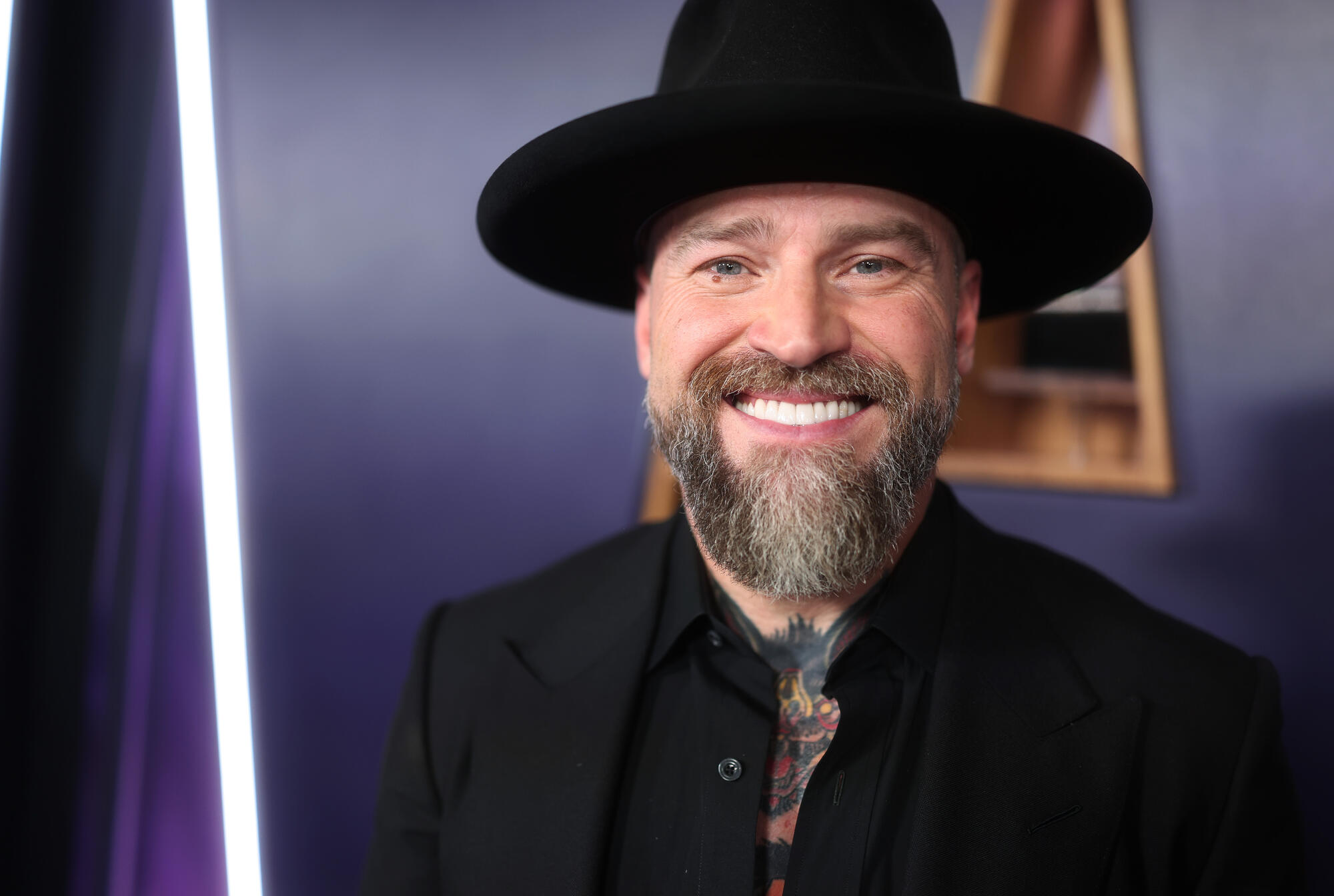
    In early 2026, country music artist Zac Brown defended his decision to perform the National Anthem at a Ultimate Fighting Championship (UFC) event hosted at Donald Trump’s White House, stating the performance was an act of patriotism rather than a political endorsement. Addressing the immediate public backlash, the three-time Grammy winner delivered a blunt dismissal of the criticism, telling reporters that his presence was about honoring the country. “This is patriotism, not politics for me,” Brown stated. “F, all the division.” The statement highlighted a growing fracture in American entertainment, where public appearances are increasingly scrutinized as ideological declarations.

    The controversy began the moment the performance was announced. The intersection of a major combat sports franchise, a highly polarizing political figure, and a mainstream country music star created an immediate flashpoint on social media. Fans demanded clarity. Critics demanded boycotts. Brown chose to deliver a performance, followed by a sharply worded defense.

    The incident underscores a modern cultural reality. The neutral ground in American entertainment has largely vanished. Every action is interpreted through a partisan lens. For Brown, the decision to sing “The Star-Spangled Banner” was a continuation of his long-standing support for American troops and national symbols. For his detractors, stepping onto the White House lawn during the Trump administration was an implicit endorsement of the 47th President.

    The Intersection of the Octagon and the Oval Office

    To understand the weight of the event, one must look at the unique relationship between the UFC and Donald Trump. The alliance dates back to 2001. When Dana White and the Fertitta brothers purchased the struggling mixed martial arts promotion, many states had banned the sport. Venues refused to host the fights. Donald Trump offered the Trump Taj Mahal in Atlantic City for UFC 30. That early lifeline forged a loyalty that Dana White has publicly acknowledged for decades.

    White spoke at the Republican National Convention in 2016. He returned to the podium in 2020. He did so again in 2024. The UFC audience heavily overlaps with a demographic that values traditional masculinity, anti-establishment rhetoric, and visceral entertainment. Bringing the Octagon to the White House in 2026 was the ultimate culmination of this decades-long partnership.

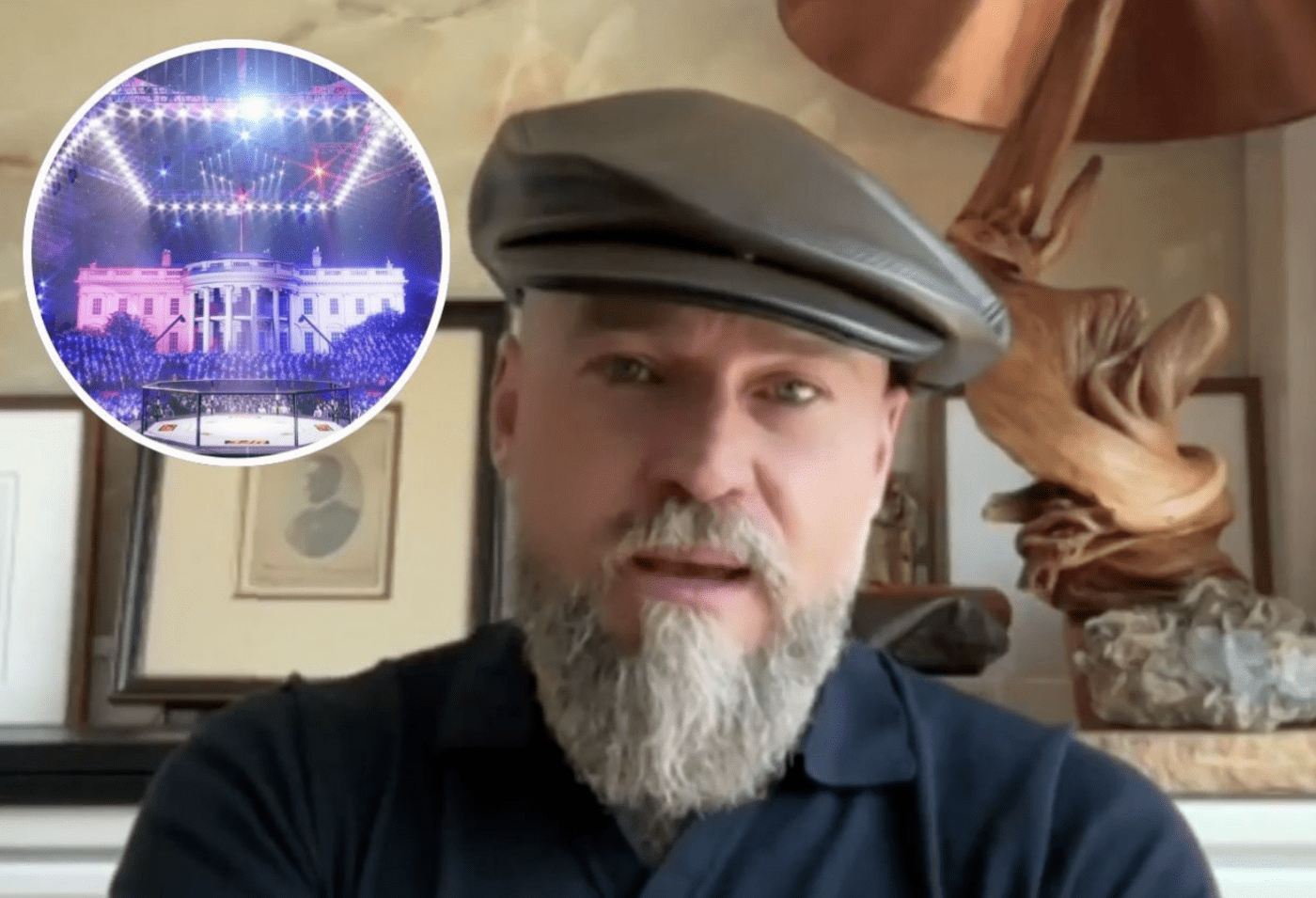
    The visual was unprecedented. The chain-link cage set against the neoclassical columns of the executive mansion. The political elite mixing with cornermen and mixed martial artists. Into this highly charged atmosphere stepped Zac Brown. He was not there to fight. He was not there to legislate. He was there to sing.

    Brown stood before the microphone. The crowd quieted. He delivered the anthem. He did not wear a campaign hat. He did not make a speech. He performed the song and stepped away. But in the modern digital ecosystem, the context of the performance overshadowed the notes themselves.

    The Digital Backlash and the Demand for Purity

    The internet reaction was instantaneous. Platforms like X and Instagram flooded with commentary before the final note faded. One faction of fans praised Brown for his patriotism and his willingness to perform in a space associated with conservative politics. Another faction accused him of normalizing a controversial administration and betraying fans who opposed the president.

    This is the tightrope modern celebrities walk. The public demands ideological purity. A musician cannot simply be a musician. They are expected to be a proxy for the political beliefs of their audience. When a celebrity steps out of the expected alignment, the punishment is swift.

    Country music has a particularly volatile history with this dynamic. In 2003, Natalie Maines of the Dixie Chicks criticized President George W. Bush from a stage in London. The backlash nearly destroyed the band’s career. Country radio pulled their songs. Fans crushed their CDs with bulldozers. Conversely, artists like Toby Keith leaned heavily into political alignment, performing at Donald Trump’s inauguration in 2017 and cementing a specific ideological brand.

    Brown attempted to reject the binary entirely. He refused to let the venue dictate his intent. He refused to let the critics define his patriotism.

    “Patriotism, Not Politics”

    Brown’s defense was rooted in a specific definition of patriotism, one that separates the nation from the administration currently running it. “This is patriotism, not politics for me,” he stated. The distinction is crucial to understanding his worldview.

    The Zac Brown Band, formed in Atlanta, Georgia in 2002, has built a massive following on a foundation of Americana. Their 2008 breakout hit, “Chicken Fried,” explicitly referenced thanking God for the military and those who gave their lives for freedom. This was not a new aesthetic adopted for a White House event. It is the core DNA of the band.

    Beyond the lyrics, Brown has heavily invested in veterans’ causes. He founded Camp Southern Ground in Fayetteville, Georgia. The 400-acre facility provides programs for veterans transitioning back to civilian life, focusing on mental health and workforce readiness. Brown has participated in numerous USO tours, performing for active-duty service members in combat zones.

    For Brown, singing the National Anthem is an extension of this work. It is an acknowledgment of the military, the flag, and the country as enduring concepts. He views the song as a unifying symbol that transcends whoever happens to occupy the Oval Office at the time. The critics, however, argued that the context of the UFC White House event made the performance inherently political, regardless of Brown’s internal motivations.

    The Weaponization of the Anthem

    The National Anthem itself has become a cultural battleground. Written by Francis Scott Key in 1814, “The Star-Spangled Banner” was first played at a major sporting event during the 1918 World Series. It became a staple of American sports during World War II. For decades, it was a moment of obligatory, quiet respect.

    That changed dramatically in the 21st century. Whitney Houston’s iconic performance at Super Bowl XXV in 1991, set against the backdrop of the Gulf War, infused the anthem with modern pop-cultural power. Decades later, Colin Kaepernick’s decision to kneel during the anthem in 2016 to protest police brutality transformed the song into a litmus test for political allegiance.

    By 2026, standing for, kneeling during, or choosing to perform the anthem at all carried immense political weight. When Brown agreed to perform at an event hosted by Donald Trump, he was stepping into a highly combustible arena. He knew the risks. He knew the likely reaction. He performed anyway.

    His statement, “F, all the division,” was a rejection of the idea that a citizen must align with a politician to love their country. It was an assertion of independence. It was a refusal to cede national symbols to partisan ownership.

    The Echo Chamber of Celebrity Politics

    The controversy surrounding Zac Brown highlights a broader exhaustion with the politicization of daily life. For a significant portion of the American public, every consumption choice has become a moral declaration. The beer you drink. The truck you drive. The music you stream. The fights you watch.

    The media ecosystem accelerates this dynamic. Outrage generates engagement. Nuance does not. When Brown performed, the algorithms immediately surfaced the most extreme reactions. The story was framed as a betrayal or a triumph, depending on the network covering it.

    Brown’s refusal to apologize frustrated those looking for a retraction. His refusal to explicitly endorse the administration frustrated those looking for a champion. He remained stubbornly in the middle, anchored by his own definition of what the performance meant.

    The Long Game of the Zac Brown Band

    Historically, artists who survive these cultural flashpoints do so by maintaining consistency. Brown’s track record of supporting veterans and celebrating American life provides a shield against accusations of political opportunism. He did not pivot to patriotism for a headline. He simply continued doing what he had done for two decades.

    The music industry watched the fallout closely. In an era where public relations teams carefully script every celebrity interaction, Brown’s raw, profane dismissal of the division was an anomaly. It was authentic. It was unpolished. It was exactly what his core fan base expected.

    The UFC event eventually ended. The Octagon was dismantled. The White House lawn was cleared. The news cycle moved on to the next outrage. But the moment remained logged in the cultural record. A snapshot of an era where singing a song required a defense strategy.

    The critics typed. The fans argued. The politicians watched. Brown packed his guitar. Unapologetic.

  • “Patriotism, Not Politics”: Zac Brown Stands Firm on UFC Freedom 250 Anthem

    “Patriotism, Not Politics”: Zac Brown Stands Firm on UFC Freedom 250 Anthem

    When Zac Brown steps into the Octagon at UFC Freedom 250 to sing the National Anthem, he will do so despite mounting pressure to cancel. The country music star, known for his chart-topping hits with the Zac Brown Band, has found himself at the center of a cultural flashpoint. Critics have demanded he withdraw from the event, citing the increasingly polarized climate surrounding major sporting spectacles. Brown’s response, however, has been swift and definitive. He views the performance not as a political endorsement, but as an act of fundamental patriotism.

    The controversy surrounding the upcoming UFC event is not entirely unexpected. In recent years, the intersection of sports, entertainment, and politics has become a battleground. Performers are routinely scrutinized for their associations, and the National Anthem itself has frequently been a focal point for debate. Yet, Brown’s stance cuts through the noise. By declaring, “This is patriotism, not politics,” he attempts to reclaim the anthem as a unifying symbol rather than a divisive wedge.

    The Pressure to Withdraw

    The pushback against Brown began almost immediately after the UFC announced his participation in Freedom 250. Social media campaigns emerged, urging the artist to step down. The arguments varied, with some critics pointing to the UFC’s own controversial history and others suggesting that any high-profile performance in the current climate carries inherent political baggage. The pressure was not merely online chatter; it represented a coordinated effort to force a prominent figure to conform to a specific narrative.

    For an artist of Brown’s stature, the stakes are considerable. The Zac Brown Band has built a massive, diverse fan base over decades, selling millions of records and packing stadiums worldwide. Alienating a segment of that audience is a risk inherent in any public stance. However, the pressure to withdraw from UFC Freedom 250 appears to have only solidified his resolve. The attempt to politicize an act he views as patriotic struck a nerve, prompting a public defense of his decision.

    A History of Patriotic Performances

    This is not the first time Zac Brown has aligned himself with patriotic causes or performances. The Zac Brown Band has a long history of supporting the military, frequently performing for troops and participating in events that honor veterans. Their song “Chicken Fried,” a massive hit that helped launch their mainstream career, explicitly references gratitude for those who serve in the armed forces. This context is crucial to understanding Brown’s current position.

    For Brown, singing the National Anthem is an extension of that established history. It is a consistent expression of his values, not a sudden pivot into political commentary. The critics demanding his withdrawal are, in his view, misinterpreting the fundamental nature of the performance. They are projecting political motives onto an act rooted in a deep-seated respect for the country and its institutions.

    The UFC Freedom 250 Context

    The venue for this performance adds another layer of complexity. The UFC (Ultimate Fighting Championship) has grown into a global juggernaut, regularly drawing millions of viewers for its pay-per-view events. The organization, under the leadership of Dana White, has often embraced a brash, unapologetic ethos that resonates with a specific demographic. UFC events are high-energy spectacles, and the National Anthem is a staple of the pre-fight ritual.

    UFC Freedom 250 is billed as a landmark event for the promotion. The sheer scale of the audience guarantees that Brown’s performance will be heavily scrutinized. The UFC has, at times, leaned into the cultural divides that define modern America, making the platform itself a subject of debate. By choosing to perform in this specific arena, Brown is stepping into a highly charged atmosphere, fully aware of the potential for controversy.

    The Intersection of Sports and Politics

    The debate surrounding Zac Brown’s performance is a microcosm of a larger cultural shift. The expectation that athletes and entertainers must constantly navigate political minefields is a relatively recent phenomenon. In previous eras, singing the National Anthem at a sporting event was largely viewed as a neutral, unifying act. Today, it is often interpreted through a partisan lens.

    Brown’s assertion that “This is patriotism, not politics” is a direct challenge to this new paradigm. He is arguing for a space where national symbols can exist independent of the daily political fray. It is a plea for a return to a time when certain acts were universally understood as expressions of civic pride, rather than endorsements of specific policies or politicians. Whether this distinction is still possible in the current climate remains to be seen, but Brown is clearly willing to test the waters.

    The Response from Fans

    The reaction to Brown’s stance has been predictably divided. Among his core fan base, the response has been overwhelmingly positive. Many view his refusal to back down as a sign of strength and integrity. They applaud his willingness to stand by his convictions in the face of public pressure. For these fans, Brown’s performance at UFC Freedom 250 will be a moment of shared pride and defiance.

    Conversely, those who initiated the pressure campaigns remain critical. They argue that Brown’s attempt to separate the anthem from politics is naive or disingenuous. In their view, every public act carries political weight, and participating in an event like UFC Freedom 250 is an implicit endorsement of the organization’s values and associations. This fundamental disagreement highlights the deep cultural fissures that define the current era.

    The Role of the Artist

    The controversy forces a reexamination of the artist’s role in society. Should entertainers be expected to align their professional choices with the political preferences of their audience or critics? Is there room for neutrality in a hyper-polarized environment? Zac Brown’s situation suggests that neutrality is increasingly difficult to achieve, even when explicitly stated as a goal.

    By defining his performance as an act of patriotism, Brown is attempting to set the terms of engagement. He is rejecting the labels placed upon him by others and asserting his own narrative. This is a common strategy for public figures navigating controversy, but its success depends on the willingness of the audience to accept the artist’s stated intentions. In this case, the battle over meaning is as significant as the performance itself.

    The Anticipation for UFC Freedom 250

    As UFC Freedom 250 approaches, the anticipation surrounding Zac Brown’s performance continues to build. The controversy has undoubtedly elevated the profile of the event, drawing in viewers who might not otherwise tune in for a mixed martial arts competition. The moment Brown steps to the microphone will be heavily scrutinized, with every nuance of his performance analyzed for political subtext.

    The pressure on the artist will be immense. He is tasked with delivering a flawless rendition of a notoriously difficult song, while simultaneously navigating a cultural minefield. The performance will be a test of his resolve and his ability to command an audience under intense pressure. It is a moment that will likely define his public image for the foreseeable future.

    The Aftermath

    Regardless of how the performance is received, the controversy surrounding Zac Brown and UFC Freedom 250 will have lasting implications. It serves as a reminder of the intense scrutiny faced by public figures in the modern era. It also highlights the ongoing debate over the meaning of national symbols and the role of patriotism in a divided society.

    The incident will likely be cited in future discussions about the intersection of sports, entertainment, and politics. It is a case study in how a seemingly straightforward act, singing the National Anthem, can become a flashpoint for cultural conflict. The lessons learned from this episode will shape how artists and organizations navigate similar situations in the years to come.

    The stage is set. The pressure is on. The audience is watching. Zac Brown.