Tag: Film

  • The Vaults at Risk: Why Archival Producers Are Fighting the Paramount-WBD Merger

    The Vaults at Risk: Why Archival Producers Are Fighting the Paramount-WBD Merger

    Archival producer Rochelle Widdowson warned attendees at the June 2026 Bentonville Film Festival that a potential merger between Paramount Global and Warner Bros. Discovery (WBD) would be a “heartbreaking” disaster for the preservation of film and television history. Widdowson argued that corporate consolidation threatens to lock away decades of cultural heritage behind impenetrable corporate walls, making it nearly impossible for documentarians to license historical footage. This is not just a business story about streaming market share. It is a battle for the collective visual memory of the 20th and 21st centuries.

    In many ways, the fight over media mergers has shifted from box office dominance to historical survival. Wall Street analysts view these consolidations through the lens of debt reduction and synergy. Archival producers view them as cultural erasure. When massive media libraries merge under a single conglomerate, access inevitably shrinks.

    The mechanics of this erasure are quiet but devastating. Vaults are closed. Archival staffs are terminated. Licensing fees are standardized at prohibitive rates. What looks like corporate efficiency on a quarterly earnings report translates to a blackout of historical primary sources for independent filmmakers. Widdowson brought this hidden crisis to the main stage in Arkansas.

    The Warning at Bentonville

    Bentonville, Arkansas, usually celebrates independent voices. Founded by Geena Davis in 2015, the Bentonville Film Festival champions inclusion and marginalized narratives. In June 2026, the festival became ground zero for a different conversation. Widdowson took the stage. She did not mince words.

    She called the looming Paramount-WBD consolidation a direct threat to documentary filmmaking. Archival producers rely on access. They dig through vaults. They license the footage that tells historical truths. When vaults merge, the red tape multiplies. Entire libraries get shelved for tax write-offs. Widdowson called the prospect of losing access to the Paramount archive “heartbreaking.”

    Her warning resonated with the independent filmmakers in the audience. Documentaries rely on historical footage to establish facts and context. A film about the civil rights movement requires news broadcasts from the 1960s. A film about the AIDS crisis requires local news footage from the 1980s. When a single corporation controls the rights to that footage, they dictate who gets to tell the story.

    The Invisible Architects of History

    To understand the severity of Widdowson’s warning, one must understand the role of an archival producer. They are the invisible architects of documentary cinema. They do not just search for clips on the internet. They navigate complex legal frameworks, negotiate licensing agreements, and track down lost reels of film.

    • Clearance Negotiation: Archival producers secure the legal right to use copyrighted material in new works.
    • Orphaned Works: They track down the owners of footage where the original copyright holder has died or gone out of business.
    • Fair Use Analysis: They work with legal teams to determine when footage can be used without a license under First Amendment protections.
    • Physical Preservation: They often facilitate the digitization of decaying physical film stock to save it from permanent loss.

    This work requires deep relationships with the librarians and archivists who manage corporate vaults. Corporate consolidation breaks this machinery. When two media giants merge, redundant departments are eliminated. The archival staff is usually the first to go. The people who actually know where the footage lives lose their jobs. The remaining executives view the archive as a line item, not a cultural trust.

    The Warner Bros. Discovery Precedent

    The fear expressed at Bentonville is not hypothetical. The industry watched it happen in 2022. WarnerMedia merged with Discovery in a massive $43 billion deal. David Zaslav took the helm of the newly formed Warner Bros. Discovery. The mandate was aggressive debt reduction. The method was ruthless.

    Completed films like Batgirl were shelved permanently for tax purposes. Decades of HBO Max content vanished overnight. Classic animation archives were purged from streaming platforms to save on residual payments and server costs. Archival producers watched primary sources disappear into a corporate void. Widdowson pointed directly to this track record.

    “We have seen what happens when the bottom line dictates the archive. The history gets boxed up, and the keys are thrown away.”

    If WBD absorbs Paramount, the same playbook applies. The financial pressures are identical. Paramount Global entered 2024 carrying roughly $14 billion in debt. A merger would trigger intense pressure to cut costs immediately. The historical archives would be a prime target for monetization or erasure.

    Inside the Paramount Vault

    Paramount Global holds a century of American history. The Paramount Pictures vault dates back to 1912. It contains the visual record of early Hollywood. But the true value for archival producers lies in the company’s television assets.

    The CBS News archive is arguably the most important collection of broadcast journalism in the world. It contains the definitive visual record of the 20th century, from the assassination of John F. Kennedy to the fall of the Berlin Wall. The MTV and Nickelodeon libraries document the cultural shifts of the 1980s and 1990s. The company also controls the archives of Desilu Productions and Republic Pictures.

    If WBD acquires Paramount, these separate archives merge with the Warner Bros. classic cinema vault, the CNN archives, and the Turner Classic Movies library. A single corporate entity would control an unprecedented share of American visual history. Archival producers fear this monopoly. When one company controls the past, they dictate the price of remembering it.

    The Economics of Erasure

    The immediate impact of a merger is economic. Documentary budgets in 2026 are already strained. Streaming platforms have cut back on unscripted acquisitions. Independent filmmakers rely on grants and private equity. Archival footage is often the largest line item in a documentary budget.

    Before consolidation, archival producers could negotiate rates. They could leverage relationships with different studios. A merger eliminates that competition. When WBD consolidated its holdings, licensing fees for certain historical clips jumped from $50 per second to over $150 per second. Independent documentarians were priced out.

    The footage survives physically, but it becomes culturally invisible. Only heavily funded, studio-backed projects can afford to license the history. The independent filmmakers at the Bentonville Film Festival, the exact people Geena Davis founded the festival to support, are effectively locked out of the archive.

    The Regulatory Battleground of 2026

    The media landscape in 2026 is defined by contraction. Streaming services are bundling. Studios are cutting production slates. The Paramount-WBD merger talks represent the apex of this trend. Regulatory scrutiny in Washington D.C. has intensified, but the corporate drive for scale remains relentless.

    The Federal Trade Commission (FTC) and the Department of Justice (DOJ) typically evaluate mergers based on consumer pricing and market share. Archival producers are pushing for a new metric. They argue that cultural monopolies are just as dangerous as economic monopolies. Widdowson’s alarm at Bentonville serves as a crucial data point for regulators.

    It shifts the argument. The merger is no longer just about who controls the rights to the next blockbuster superhero franchise. It is about the monopolization of historical archives. It is about who owns the footage of the civil rights movement, the Vietnam War, and the cultural revolutions of the 20th century.

    The Margin of Memory

    The mission of the Bentonville Film Festival is to champion inclusion. Marginalized histories are often the first to be purged during corporate restructuring. Archival footage of early LGBTQ+ activism, independent female filmmakers, and minority communities often sits in the margins of these massive corporate vaults.

    These are not the clips that generate millions in licensing revenue. They are not the blockbuster assets. When a conglomerate mandates a 20 percent reduction in archival storage costs, the margins get erased first. The footage that does not immediately justify its existence on a spreadsheet is discarded or locked away indefinitely.

    Widdowson is not just defending her profession. She is defending the raw data of human experience. Archival producers are the last line of defense between corporate efficiency and cultural amnesia. They know that once a vault is closed, it rarely opens again.

    The Final Frame

    The industry watches. The regulators scrutinize. The executives negotiate in boardrooms thousands of miles away. Archival producers keep digging. They keep cataloging. They keep fighting for access to the visual record of the world. The vaults hold the memories. The corporations hold the keys. The past waits in the dark. Silence.

  • The Cost of Protection – Inside John Legend’s ‘I Got My Brother’ Documentary on Jarrett Harper

    The Cost of Protection – Inside John Legend’s ‘I Got My Brother’ Documentary on Jarrett Harper

    On June 19, 2026, John Legend and L.A. Times Short Docs released “I Got My Brother.” The documentary chronicles the life of Jarrett Harper. Harper is a survivor of the California foster care system. He is a former juvenile lifer. Today, he is a leading voice for criminal justice reform. The film debuted on Juneteenth. It bridges the gap between historical emancipation and modern systemic confinement. It asks a singular, uncomfortable question. What happens when a child is forced to become a protector because the state refuses to be one?

    The answer is twenty years in a maximum-security prison.

    The documentary arrives at a critical cultural inflection point. The intersection of child welfare and criminal justice is no longer a fringe policy debate. It is a central civil rights issue. “I Got My Brother” strips away the academic language of policy reform. It replaces statistics with a human face. It forces audiences to look directly at the consequences of institutional neglect.

    The Crime That Defined a Childhood

    Jarrett Harper did not ask to be in the foster care system. He was placed there. Like thousands of youth in Los Angeles County, he became a ward of a sprawling, overburdened bureaucracy. The system is designed to provide shelter. Often, it provides proximity to danger.

    At age sixteen, Harper found himself in a desperate situation. He and his younger brother were facing severe abuse. The adults assigned to monitor their welfare were absent. The safety nets failed. Harper made a decision. He chose to protect his brother. That choice resulted in the death of their abuser.

    The State of California did not view sixteen-year-old Jarrett Harper as a victim of systemic failure. It did not view him as a desperate sibling acting in defense of a child. The criminal justice system viewed him as an adult. The district attorney prosecuted him as an adult. The judge sentenced him as an adult.

    Harper was sentenced to life without the possibility of parole. He was condemned to die in prison before he was old enough to vote.

    He entered the California Department of Corrections and Rehabilitation. He was a teenager surrounded by grown men. He had to learn how to survive a second brutal system immediately after failing to survive the first. He spent two decades navigating the violent, hyper-vigilant reality of the California penal system.

    The Foster-to-Prison Pipeline

    Harper’s story is extreme in its punitive severity, but it is not an anomaly. The foster-to-prison pipeline is a documented, verifiable pipeline operating in plain sight. “I Got My Brother” uses Harper’s specific narrative to illuminate this broader, darker infrastructure.

    • Over 70 percent of youth in the juvenile justice system have a history of involvement with the child welfare system.
    • Foster youth are arrested at disproportionately higher rates than their peers in traditional family structures.
    • The financial cost of incarcerating a youth in California routinely exceeds $100,000 per year.
    • The financial investment in family preservation and foster youth counseling is a fraction of that carceral budget.

    The L.A. Times Short Docs team captures this disparity visually. The documentary contrasts the sterile, imposing architecture of Los Angeles courthouses with the transient, unstable environments of group homes. It shows the physical spaces where childhoods are processed and categorized. It makes the bureaucracy tangible.

    John Legend and the FREEAMERICA Mission

    John Legend did not attach his name to this project casually. The EGOT-winning artist has spent over a decade building a parallel career in criminal justice advocacy. In 2015, Legend launched FREEAMERICA. The campaign was designed to amplify the voices of individuals impacted by the criminal justice system. It aimed to end mass incarceration.

    Legend’s production company, Get Lifted Film Co., partnered with L.A. Times Short Docs to bring “I Got My Brother” to the screen. Legend serves as an executive producer alongside his long-time producing partners Mike Jackson and Ty Stiklorius.

    “We cannot arrest our way out of broken social safety nets. Jarrett Harper’s story is a testament to human resilience, but it is also a damning indictment of a system that demands children act as adults, and then punishes them when they do.”

    Legend’s involvement guarantees visibility. When a celebrity of Legend’s caliber champions a short documentary, the algorithm responds. The film bypasses the traditional, slow-moving festival circuit. It lands directly on the screens of millions of subscribers and followers. It forces the Los Angeles political establishment to pay attention.

    Two Decades Behind Bars

    The middle act of “I Got My Brother” details the lost years. Twenty years is a generation. It is the entirety of a young man’s prime.

    Harper did not allow the environment to consume him. While incarcerated, he engaged in intensive self-rehabilitation. He participated in restorative justice programs. He mentored other young men entering the system. He became an institutional peacemaker. He did the work the state claimed it was going to do for him when it first took him into custody.

    His transformation did not go unnoticed. Advocacy groups, legal clinics, and eventually, the governor’s office, took an interest in his case. California’s legislative landscape began to shift. The U.S. Supreme Court ruled that mandatory life without parole sentences for juveniles were unconstitutional. States were forced to re-evaluate their juvenile lifers.

    In 2019, after twenty years of incarceration, Jarrett Harper’s sentence was commuted. He walked out of prison. He was a free man. He was in his late thirties. He had not lived in the free world since he was a teenager.

    The L.A. Times Short Docs Strategy

    The Los Angeles Times has aggressively expanded its visual journalism footprint. The Short Docs division was created to tell localized, high-impact stories that text alone cannot fully capture. “I Got My Brother” represents the pinnacle of this strategy.

    The filmmakers utilize a stark, intimate visual language. There are no heavy-handed voiceovers. There are no manipulative musical swells. The camera lingers on Harper. It watches him navigate the city that once discarded him. It watches him speak to rooms full of current foster youth. It watches him stand in front of the California State Capitol in Sacramento.

    By partnering with Get Lifted Film Co., the L.A. Times ensures the documentary transcends regional news. It becomes a national cultural artifact. The newspaper acts as the validator. The production company acts as the amplifier.

    The Significance of a Juneteenth Release

    The release date of June 19, 2026, is deliberate. Juneteenth commemorates the end of slavery in the United States. It marks the day the news of emancipation finally reached Galveston, Texas, in 1865.

    Releasing a documentary about the carceral state on Juneteenth draws a direct historical line. It connects the legacy of chattel slavery to the modern reality of mass incarceration. The 13th Amendment abolished slavery, except as a punishment for a crime. The American prison system absorbed the mandate of containment.

    Black youth are disproportionately represented in both the foster care system and the juvenile justice system. They are more likely to be removed from their homes. They are more likely to be charged as adults. They are more likely to receive maximum sentences. Jarrett Harper’s story is inextricably linked to this racialized reality.

    The Juneteenth premiere is not just a marketing hook. It is a thematic anchor. It demands that viewers recognize emancipation as an ongoing process, not a completed historical event.

    The Advocate in 2026

    Today, Jarrett Harper is not defined by his trauma. He is defined by his action. He works relentlessly as a reform advocate. He speaks at universities across the country. He consults with lawmakers drafting legislation aimed at dismantling the foster-to-prison pipeline.

    He advocates for the total abolition of juvenile life without parole. He campaigns for increased funding for family preservation. He demands accountability from the private contractors who profit from group homes. He is the voice he needed when he was sixteen.

    “I Got My Brother” documents this advocacy. It shows the grueling, unglamorous work of trying to change a massive bureaucracy from the outside. It shows the late-night phone calls. It shows the meetings with skeptical politicians. It shows the emotional toll of constantly reliving one’s darkest moments for the sake of public education.

    What the Film Demands

    The documentary does not offer a tidy resolution. Jarrett Harper is free, but thousands of others remain incarcerated. The foster care system remains underfunded and overwhelmed. The pipeline continues to operate.

    The film demands structural change. It asks the audience to look past the inspiring narrative of individual resilience and focus on the institutional failure that made that resilience necessary. It asks why a child had to become a killer to be safe.

    The credits roll. The screen fades to black. The statistics linger. The reality of the American justice system remains unchanged. The work continues.

    Lawmakers debate the statutes. Producers frame the shots. Audiences stream the footage. Harper lived it. Survival.

  • Judith Sheldon, Daughter of Director William Wyler, Found Dead in Running Car

    Judith Sheldon, Daughter of Director William Wyler, Found Dead in Running Car

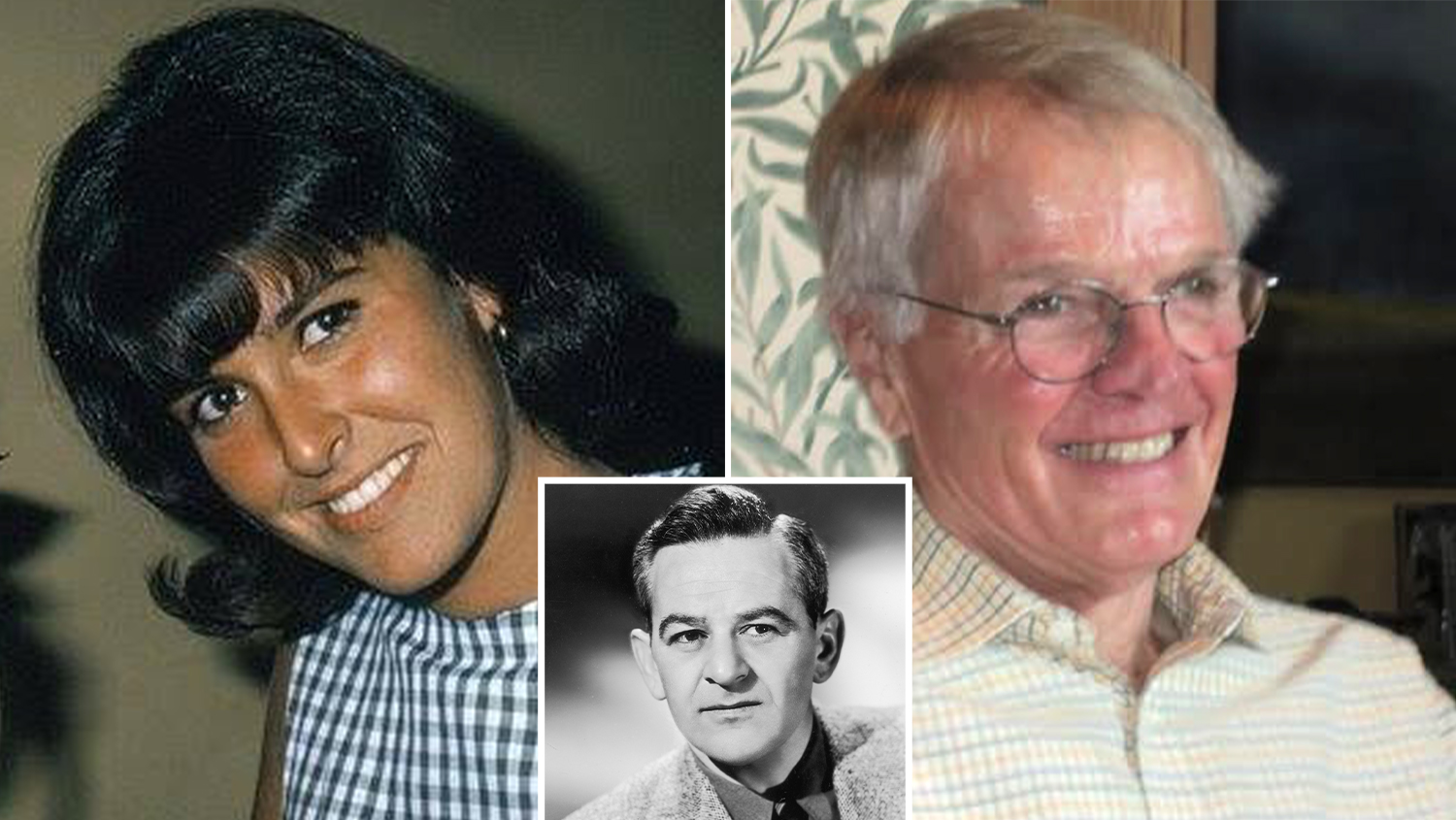
    Judith Sheldon, the 84-year-old daughter of three-time Academy Award-winning director William Wyler, was found dead alongside her husband inside a running vehicle on a California highway roadside in June 2026. Authorities discovered the couple after passing motorists reported an idling car parked erratically on the shoulder. First responders found both occupants unresponsive. The engine was still running. Pronouncement of death occurred at the scene.

    The discovery abruptly ends the life of one of the last direct links to Hollywood’s Golden Age. Sheldon was not a movie star. She was a custodian. For decades, she managed the historical footprint of a father who shaped modern American cinema. Now, her sudden death triggers a complex jurisdictional investigation.

    What looks like a routine traffic welfare check has become a high-profile forensic puzzle. The California Highway Patrol secured the perimeter. The county coroner took jurisdiction of the remains. The Hollywood community awaits answers. But the story of Judith Sheldon is much larger than the tragic circumstances of her final hours.

    The Discovery on the Highway

    The timeline of the discovery remains under active investigation by California authorities. A vehicle was spotted pulled over on the shoulder of a state highway. The engine was engaged. The exhaust system was active. Passing drivers initially assumed it was a standard breakdown. Hours passed. The vehicle did not move.

    California Highway Patrol units eventually approached the car. Officers observed two individuals slumped inside the cabin. The doors were locked. The windows were rolled up. Entry was forced. Medical personnel arrived shortly after, but no life-saving measures could be deployed. Rigor mortis had reportedly begun.

    Investigators immediately look for environmental clues in these scenarios. A running vehicle with closed windows presents a high risk of carbon monoxide accumulation, especially if the exhaust pipe is obstructed or the vehicle’s internal ventilation system fails. Odorless and colorless, carbon monoxide binds to hemoglobin with deadly efficiency. Victims simply fall asleep.

    Alternatively, authorities must rule out a dual medical emergency. If the driver suffered a sudden cardiac event, a passenger of advanced age might be unable to intervene, call for help, or exit the vehicle safely. Foul play is not currently the primary focus. Toxicology reports and full autopsies will dictate the final narrative. Until then, the scene remains a quiet tragedy on a sunbaked strip of asphalt.

    A Childhood Among Hollywood Royalty

    To understand Judith Sheldon, one must understand the shadow in which she grew up. William Wyler was not merely a director. He was an institution. Born in Alsace-Lorraine in 1902, Wyler emigrated to the United States and became the most nominated director in Academy Award history. He secured twelve Best Director nominations. He won three times.

    Judith was born in 1942 to Wyler and his wife, actress Margaret Tallichet. Her childhood coincided with her father’s absolute peak. She grew up in a Beverly Hills home where the industry’s most powerful figures gathered. Bette Davis was a frequent collaborator. Charlton Heston was a family friend. Audrey Hepburn owed her breakout role to Wyler’s eye.

    Wyler was known on set as “40-Take Wyler.” He was a relentless perfectionist. He drove actors to the brink of exhaustion to capture the exact emotional truth of a scene. He directed Mrs. Miniver. He directed The Best Years of Our Lives. He directed the sprawling, monumental epic Ben-Hur.

    Judith witnessed this perfectionism firsthand. She watched celluloid history being crafted. She saw the toll it took on her father, and she saw the accolades it brought him. The Wyler household was a museum of mid-century American culture. Oscars sat on the mantel. Scripts littered the study. It was a life of immense privilege, anchored by an intense work ethic.

    The Custodian of the Wyler Archives

    William Wyler died in 1981. His passing left a massive archival void. Directors of his era rarely kept meticulous, digitized records. Their legacy lived in physical film prints, handwritten production notes, and fading photographs. Judith Sheldon stepped into the breach.

    She became the fierce protector of the Wyler estate. She understood that Hollywood has a short memory. Without active preservation, even a giant like Wyler could fade into footnotes. Sheldon partnered with the Academy of Motion Picture Arts and Sciences. She donated crucial materials to the Academy Film Archive.

    Sheldon was a staple at the Turner Classic Movies (TCM) Classic Film Festival. She provided audio commentaries for DVD and Blu-ray releases of her father’s work. She sat for interviews. She corrected biographers. She ensured that the narrative surrounding “40-Take Wyler” remained accurate, nuanced, and respectful.

    Her work extended to her father’s World War II service. Wyler flew combat missions to film the documentary The Memphis Belle: A Story of a Flying Fortress. He lost his hearing in one ear due to the roar of bomber engines. Sheldon worked tirelessly to ensure his military sacrifices were remembered alongside his Hollywood triumphs. She viewed her father not just as an entertainer, but as an American patriot. She protected that dual legacy until the day she died.

    The Mechanics of an Unattended Highway Death

    The tragic nature of Sheldon’s death forces a hard look at vehicular safety and the vulnerabilities of aging motorists. The California Highway Patrol handles thousands of roadside incidents annually. A significant percentage involve elderly drivers experiencing sudden medical episodes.

    When a vehicle is found running with deceased occupants, protocol dictates a hazardous materials approach. First responders must assume the presence of toxic gases. Carbon monoxide detectors are deployed before the cabin is fully breached. The vehicle’s exhaust system is inspected for damage, rust, or blockage. A cracked manifold or a blocked tailpipe can force exhaust fumes into the passenger compartment within minutes.

    If carbon monoxide is ruled out, investigators pivot to environmental exposure. Even with an engine running, air conditioning systems can fail. In the California summer, a sealed car becomes an oven. Hyperthermia can claim a life rapidly. Conversely, if the air conditioning is blasting but the occupants suffer a medical crisis, the running engine merely masks the tragedy until the fuel tank runs dry.

    The coroner’s office will conduct blood tests to measure carboxyhemoglobin levels. They will examine the hearts and brains of both victims. They will reconstruct the final 48 hours of their lives. Did they stop for gas? Did they make a phone call? Where were they heading? The answers exist in cell phone tower pings, credit card receipts, and forensic pathology.

    The Fading Footprint of the Golden Age

    The death of Judith Sheldon marks another severed tie to the studio system era. The children of the 1930s and 1940s Hollywood titans are aging. Many have already passed. They were the last generation to witness the factory-like production of classic cinema before television and corporate conglomerates altered the landscape forever.

    These offspring occupied a unique cultural space. They were not the creators, but they held the keys to the creators’ memories. They possessed the intimate, off-camera anecdotes that biographers crave. They knew what the legends were like at the breakfast table. When a figure like Sheldon dies, a library burns.

    The Wyler estate will likely transition to a trust or be fully absorbed by academic and cinematic institutions. The Academy Film Archive already holds the bulk of the physical media. The legacy is secure. But the human voice that championed that legacy is gone.

    Hollywood is an industry built on ghosts. It projects the dead onto screens and calls them immortal. But the machinery behind those projections was built by mortals. William Wyler was a mortal. Judith Sheldon was a mortal. Their story, which began in the glittering heights of Beverly Hills royalty, has ended on a quiet stretch of asphalt.

    The Final Investigation

    Law enforcement continues to process the vehicle. The California Highway Patrol will issue a final incident report. The local coroner will sign the death certificates. The physical evidence will be cataloged and eventually released.

    There is no glamour in a roadside death. It is stark. It is clinical. It stands in harsh contrast to the sweeping, orchestrated dramas William Wyler put on film. In a Wyler movie, every detail was controlled. Every shadow was placed with purpose. Every ending was meticulously scripted.

    Reality offers no such control. A car pulls over. An engine idles. Time stops.

    The highway patrolmen finished their notes. The coroner’s van departed the scene. The idling engine was finally silenced. The road remained.

  • The Trauma of ‘Leviticus’ – How Joe Bird and Stacy Clausen Built 2026’s Most Controversial Horror Film

    The Trauma of ‘Leviticus’ – How Joe Bird and Stacy Clausen Built 2026’s Most Controversial Horror Film

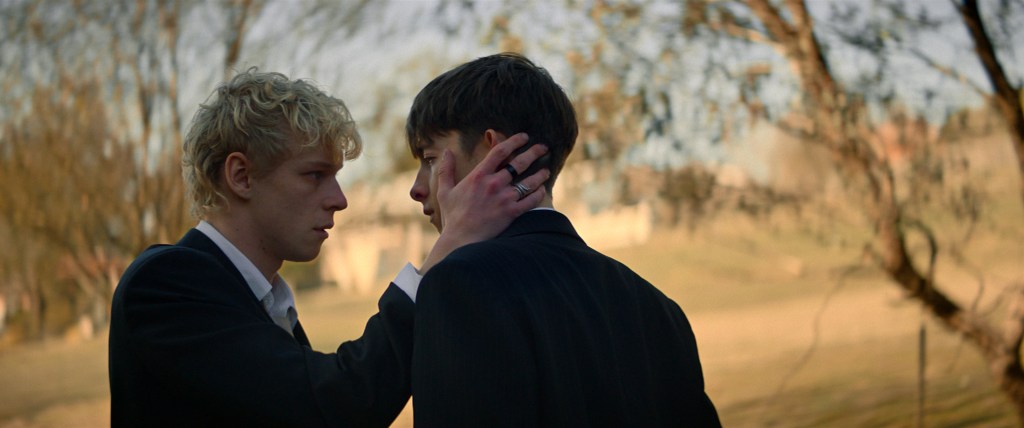
    The 2026 horror film Leviticus answers a difficult cultural question by turning real-world trauma into cinematic terror. Directed by Thomas Vance, the film stars Joe Bird and Stacy Clausen as two closeted teenagers sent to a remote conversion therapy camp that harbors literal demons. The project uses the framework of psychological horror to explore the documented abuses of a practice that remains a flashpoint in American cultural politics.

    But the story of Leviticus does not begin with jump scares. It begins with a fierce cultural debate about who gets to monetize trauma.

    As the film hits theaters in June 2026, audiences are divided. Some view the horror genre as the perfect vehicle to expose the psychological violence of conversion therapy. Others argue that turning real-world suffering into Friday night entertainment crosses an ethical line. The film sits squarely at the center of this cultural defense matrix.

    The Preparation of Joe Bird and Stacy Clausen

    Actors Joe Bird and Stacy Clausen carried the weight of the production. Bird, who gained international recognition following his breakout role in the 2022 horror hit Talk to Me, stepped into the role of David. Clausen, known for her nuanced work in independent Australian cinema, plays Sarah. Both characters are teenagers forced into a secluded wilderness camp by their deeply religious families.

    Preparing for the roles required more than standard line memorization. The actors spent four months working with survivors of actual conversion therapy programs. They partnered with advocacy groups, including The Trevor Project and the Born Perfect campaign. The goal was rigorous factual anchoring.

    Bird and Clausen read psychological evaluations. They watched archival footage from the 1990s and early 2000s, an era when “ex-gay” ministries operated with minimal public oversight. They studied the specific language used by camp counselors in the film. The dialogue in Leviticus relies heavily on real-world manuals published by defunct organizations like Exodus International.

    The actors isolated themselves during the six-week shoot in the Adelaide Hills of South Australia. The production design team transformed a derelict logging camp into “Camp Redemption,” the film’s fictional setting. Bird and Clausen remained on location. They minimized contact with the outside world. They wanted the isolation to bleed into their performances on screen.

    The History of Conversion Therapy in Cinema

    Hollywood has tackled this subject before, but rarely through the lens of horror. In 2018, films like Boy Erased and The Miseducation of Cameron Post approached conversion therapy as prestige drama. They relied on somber realism to convey the emotional devastation of the camps. They earned award nominations and critical acclaim.

    Leviticus abandons prestige drama for visceral terror. Director Thomas Vance argued that traditional dramas often fail to capture the subjective, nightmarish reality experienced by the victims. By utilizing the horror genre, Vance aimed to make the audience physically feel the panic, the claustrophobia, and the existential dread of the teenagers.

    This is not an entirely unprecedented move. The horror genre has a long history of processing societal fears. In the 1950s, giant radioactive monsters represented the dread of the atomic bomb. In the 1970s, films like The Texas Chain Saw Massacre reflected the brutal disillusionment of the Vietnam War era. By 2026, the genre has pivoted inward, focusing on institutional and psychological rot.

    Horror as a Mirror for Real-World Trauma

    Leviticus belongs to a subgenre often labeled “trauma horror.” This category replaces supernatural boogeymen with systemic abuse, mental illness, or religious extremism. The monster in Leviticus is not a vampire or a werewolf. The monster is the institution.

    Vance made a deliberate structural choice. He refused to include traditional supernatural elements until the third act. For the first sixty minutes, the horror is entirely grounded in reality. The sleep deprivation. The forced confessions. The psychological manipulation. The physical exhaustion of manual labor.

    This structural choice forces the audience to sit with the mundane terror of the camp. When the supernatural elements finally erupt, they feel like a psychological manifestation of the teenagers’ fractured minds. The demons are literal, but they are born from the very real abuse inflicted by the camp counselors.

    The Psychological Toll on the Cast

    Shooting a film rooted in deep psychological trauma requires strict on-set protocols. The production employed full-time intimacy coordinators and mental health professionals. The emotional safety of the cast was a primary concern for the producers at Causeway Films.

    Clausen spoke openly about the difficulty of detaching from the character of Sarah at the end of the day. The scenes involving forced group confessions were particularly grueling. These sequences required the actors to tap into profound vulnerability while surrounded by hostile, aggressive adult characters.

    Bird echoed these sentiments. He described the physical toll of the performance, noting that the constant state of hyper-vigilance required by the script left him physically exhausted. The actors relied heavily on each other for support, forming a tight bond that translates directly to the screen.

    The Cultural Defense and the Backlash

    The release of Leviticus in mid-2026 ignited immediate controversy. The film touches a raw nerve in the ongoing culture wars. As of June 2026, the legislative battle over conversion therapy remains active. While 24 states have banned the practice for minors, the remaining states continue to debate its legality.

    Conservative advocacy groups quickly condemned the film. Organizations issued press releases ahead of the movie’s premiere. They accused the filmmakers of demonizing traditional religious beliefs. They argued that the film paints all faith-based counseling with a broad, malicious brush.

    On the other side of the political spectrum, some progressive critics expressed their own reservations. Cultural commentators debated whether the film exploits LGBTQ+ trauma for box office profit. Reviews in major publications questioned the ethics of the horror framing. If real people survived these camps, is it appropriate to turn their nightmares into a popcorn thriller?

    This dual-sided backlash created a massive cultural footprint for the film. Controversy generates curiosity. When Leviticus debuted at the South by Southwest (SXSW) Film Festival in March 2026, the screening sold out in four minutes. The subsequent theatrical rollout by IFC Films capitalized on the intense public discourse.

    The Mechanics of Cinematic Isolation

    The technical execution of Leviticus amplifies its thematic weight. Cinematographer Elena Rostova utilized a claustrophobic visual style. The camera rarely leaves the perspective of David and Sarah. The audience only knows what the teenagers know.

    Rostova shot the film using vintage anamorphic lenses. This choice distorts the edges of the frame. It creates a subconscious feeling of being trapped. The lighting design relies heavily on practical sources. Flickering fluorescent bulbs in the camp’s dining hall. Harsh, blinding flashlights cutting through the dark woods.

    The sound design acts as a secondary antagonist. The camp is surrounded by dense, unyielding forests. The ambient noise of the woods is amplified to an oppressive volume. Crickets sound like sirens. Snapping twigs sound like bone fractures. The soundscape isolates the characters just as much as the physical location.

    The score, composed by Colin Stetson, avoids traditional orchestral swells. Instead, it relies on rhythmic, atonal breathing and distorted brass instruments. The music feels like a panic attack. It builds tension without offering any melodic release.

    The Evolution of the Teen Horror Protagonist

    For decades, teenagers in horror films were disposable. They existed to be chased, slashed, and discarded by masked killers. They were archetypes. The jock. The cheerleader. The nerd.

    Leviticus represents the total abandonment of those tropes. David and Sarah are not archetypes. They are complex, deeply wounded individuals navigating an impossible situation. Their sexuality is not a plot device. It is the very reason they are in danger.

    This shift reflects a broader change in how Hollywood approaches young adult narratives in 2026. Audiences demand authenticity. They reject the shallow characterizations of the past. Bird and Clausen understood this mandate. They refused to play the characters as mere victims. They infused David and Sarah with defiance, resilience, and a quiet, desperate strength.

    The dynamic between the two leads carries the emotional core of the film. They are strangers forced into proximity. They become allies out of necessity. Their shared trauma creates a bond that transcends the horrors of the camp.

    The Legislative Landscape of 2026

    The cultural resonance of Leviticus cannot be separated from the political reality of 2026. The American Psychological Association formally declassified homosexuality as a mental disorder in 1973. Yet, more than fifty years later, the practice of conversion therapy remains a lucrative industry in specific regions.

    The film’s release coincided with a highly publicized Supreme Court petition regarding a state-level conversion therapy ban. This timing amplified the film’s relevance. It transformed a piece of genre entertainment into a talking point on cable news networks.

    Advocacy groups have used the film’s release to organize awareness campaigns. Screenings in major cities are frequently followed by panel discussions featuring survivors and legal experts. The filmmakers have embraced this activism, partnering with local organizations to distribute educational materials in theater lobbies.

    The Financial Reality of Niche Horror

    The economics of the film industry in 2026 favor bold, polarizing concepts. Mid-budget movies often struggle to find an audience in a landscape dominated by massive franchise blockbusters. Horror remains the one reliable exception.

    Leviticus was produced on a modest budget of $4.5 million. By the end of its second weekend in theaters, it had grossed over $18 million domestically. The return on investment validates the studio’s risk.

    The marketing campaign leaned into the controversy. IFC Films released stark, unsettling trailers. They did not hide the film’s subject matter. The promotional materials highlighted the psychological intensity of the conversion camp setting. The tagline was simple and aggressive: “Pray for a way out.”

    This financial success guarantees that Hollywood will continue to mine societal trauma for genre storytelling. When a film like Leviticus turns a profit, it signals to studios that audiences are willing to engage with difficult, uncomfortable themes.

    A New Benchmark for the Genre

    The legacy of Leviticus will likely be debated for years. It is a film that refuses to be ignored. It forces audiences to confront the ugly realities of systemic abuse while delivering the visceral thrills expected of the horror genre.

    The performances of Joe Bird and Stacy Clausen elevate the material. They ground the supernatural terror in recognizable human pain. Their dedication to the roles ensures that David and Sarah feel like real teenagers, not just cinematic constructs.

    The cultural defense mechanisms triggered by the film reveal the ongoing friction in American society. Art is supposed to provoke. It is supposed to challenge. Leviticus does both with brutal efficiency.

    Critics debated. Audiences debated. Lawmakers debated.

    Silence.

  • Colin Farrell on ‘Sugar,’ Tax Breaks, and ‘The Batman 2’ Filming Schedule

    Colin Farrell on ‘Sugar,’ Tax Breaks, and ‘The Batman 2’ Filming Schedule

    Colin Farrell, the Irish actor known for his diverse roles, recently detailed his experiences filming the Apple TV+ series ‘Sugar’ in Los Angeles, despite California’s often less competitive tax incentives compared to other states or countries. His remarks provide a glimpse into the complex financial decisions that shape Hollywood productions and the personal preferences of actors within the industry. Farrell also shared an anecdote about an invitation from Tom Cruise to a Scientology-related event and confirmed the production timeline for ‘The Batman 2,’ where he will return as Oswald Cobblepot, also known as The Penguin.

    The Production of ‘Sugar’ in Los Angeles

    The decision to film ‘Sugar’ entirely within Los Angeles County was a notable one, given the widespread industry trend of productions seeking more favorable tax incentives elsewhere. California’s film and television tax credit program, while substantial, often faces stiff competition from states like Georgia, New York, and countries such as Canada and the United Kingdom, which offer more aggressive financial incentives to attract large-scale projects.

    Farrell acknowledged the financial implications of this choice, stating that ‘tax breaks suck’ in Los Angeles relative to other locales. Despite this, he expressed a strong personal preference for working in the city. He cited the convenience of being close to his family and the unique, almost mythical quality of Los Angeles as a backdrop for storytelling. This sentiment underscores a tension between economic efficiency and creative or personal considerations in film production.

    The series ‘Sugar’ is a detective drama, created by Mark Protosevich, and directed by Fernando Meirelles, known for ‘City of God.’ Farrell stars as John Sugar, a private investigator. The production’s commitment to Los Angeles speaks to a desire by some creators and talent to maintain the industry’s historical ties to its traditional home, even when it comes with a higher price tag.

    Tax Incentives and Hollywood Economics

    Film and television tax incentives are a critical component of modern production finance. These incentives, offered by various governments, aim to stimulate local economies by attracting productions that bring jobs, spending on local services, and tourism. The competition among regions to host these projects is fierce, leading to a complex landscape of subsidies and rebates.

    California, as the historical epicenter of the film industry, has continually adjusted its tax credit programs to remain competitive. However, the sheer scale of production worldwide means that many projects opt for locations offering more significant financial advantages. This economic reality often dictates where a story is told, sometimes moving productions far from their intended settings or original creative visions.

    Farrell’s candid comments reflect a broader industry discussion about the balance between financial prudence and preserving the creative and logistical benefits of filming in established hubs like Los Angeles. The actor’s personal attachment to the city highlights that not all decisions are purely economic; quality of life and proximity to support networks also play significant roles for talent.

    Tom Cruise and ‘Disclosure Day’

    Farrell recounted an unusual invitation he received from fellow actor Tom Cruise. The invitation was for a Scientology event referred to as ‘Disclosure Day.’ Farrell stated that he politely declined the invitation, maintaining a respectful distance from the religious organization.

    Tom Cruise is one of Scientology’s most prominent members, and his association with the church has been a subject of public interest for decades. ‘Disclosure Day’ is not a widely recognized public term associated with Scientology’s outreach. However, the Church of Scientology holds various events and programs aimed at introducing individuals to its practices and beliefs. Farrell’s anecdote offers a rare, direct insight into the personal interactions between high-profile actors concerning their differing worldviews and affiliations.

    This interaction occurred years ago, during a period when both actors were highly active in Hollywood. It underscores the unique social dynamics within the celebrity sphere, where personal and professional lives often intersect in unexpected ways.

    The Return of The Penguin in ‘The Batman 2’

    Fans of Matt Reeves’ ‘The Batman’ have eagerly awaited updates on its sequel, and Colin Farrell provided a significant one. He confirmed that filming for ‘The Batman 2’ is slated to commence in March 2025. Farrell is set to reprise his critically acclaimed role as Oswald Cobblepot, better known as The Penguin.

    Farrell’s transformation into The Penguin for the 2022 film was widely lauded, involving extensive prosthetics and a distinct vocal performance. His portrayal deviated from previous cinematic interpretations of the character, offering a grittier, more grounded take on the Gotham City crime boss. The character’s popularity led to a spin-off limited series, ‘The Penguin,’ also for Apple TV+, which further explored Cobblepot’s rise in the criminal underworld. That series is expected to debut before the feature film sequel.

    The delayed production schedule for ‘The Batman 2’ has been attributed to various factors, including the 2023 WGA and SAG-AFTRA strikes, as well as the intricate development process for a major superhero film. The confirmation of a March 2025 start date provides a clear timeline for the highly anticipated sequel, signaling progress in its pre-production phase.

    The Evolution of a Character: From ‘The Batman’ to ‘The Penguin’ Series

    Colin Farrell’s portrayal of The Penguin has been a journey of character development. In ‘The Batman,’ the character was introduced as a mid-level enforcer, aspiring to greater power within Gotham’s criminal hierarchy. His limited screen time in the film left audiences wanting more, paving the way for the dedicated spin-off series.

    The ‘Penguin’ series is expected to bridge the gap between ‘The Batman’ and ‘The Batman 2,’ detailing Cobblepot’s consolidation of power following the events of the first film, particularly the power vacuum created by Carmine Falcone’s death. This serialized approach allows for a deeper exploration of the character’s motivations, origins, and brutal ascent.

    Farrell’s commitment to both the series and the film sequel highlights the expanding landscape of cinematic universes, where characters can be explored across multiple platforms and formats. This strategy maximizes audience engagement and allows for richer, more nuanced storytelling than a single film might permit.

    The Interplay of Personal Preference and Industry Demands

    Farrell’s recent comments illuminate the constant negotiation between personal desires and industry demands. His preference for Los Angeles filming, despite financial disincentives, speaks to the human element often overlooked in discussions of large-scale productions. Actors, like any professionals, weigh factors beyond pure economics when making career choices.

    His candidness about Tom Cruise’s invitation also highlights the often-private world of celebrity interactions and the boundaries individuals maintain. These personal anecdotes, while seemingly minor, offer a humanizing perspective on figures who are often viewed solely through the lens of their public personas and roles.

    The confirmation of ‘The Batman 2’ filming schedule reinforces the meticulous planning and extensive timelines involved in major studio productions. From script development to casting, location scouting, and post-production, these films require years of effort from thousands of individuals. Farrell’s role as a returning, fan-favorite character places him at the center of one of Hollywood’s most significant ongoing franchises.

    A Look Ahead for Colin Farrell

    With ‘Sugar’ now available on Apple TV+ and ‘The Batman 2’ in pre-production, Colin Farrell’s career continues to demonstrate remarkable versatility and longevity. His choices reflect a blend of commercial projects and more artistically driven endeavors, a balance many actors strive for in Hollywood.

    The discourse around tax breaks, celebrity interactions, and franchise commitments forms a continuous narrative. It shapes the industry. It defines careers. It impacts audiences.

    Filming. Directing. Acting.

    Hollywood.

    FAQ Section

    What is Colin Farrell’s new series ‘Sugar’ about?
    Colin Farrell’s new series ‘Sugar’ is a detective drama on Apple TV+ where he stars as John Sugar, a private investigator. The series was filmed in Los Angeles.

    Why did Colin Farrell choose to film ‘Sugar’ in Los Angeles despite tax challenges?
    Colin Farrell chose to film ‘Sugar’ in Los Angeles due to personal preference, citing the convenience of being near his family and the city’s unique atmosphere, even though California’s tax incentives are less competitive than those offered by other states and countries.

    When will ‘The Batman 2’ begin filming?
    Filming for ‘The Batman 2,’ with Colin Farrell reprising his role as The Penguin, is scheduled to begin in March 2025.

    Did Tom Cruise invite Colin Farrell to a Scientology event?
    Yes, Tom Cruise invited Colin Farrell to a Scientology event called ‘Disclosure Day’ some years ago, an invitation which Farrell declined.

    What is the significance of Colin Farrell’s Penguin character getting a spin-off series?
    The spin-off series ‘The Penguin’ allows for a deeper exploration of Oswald Cobblepot’s character, detailing his rise in Gotham’s criminal underworld after the events of ‘The Batman’ and bridging the narrative gap to ‘The Batman 2,’ showcasing the expanding nature of cinematic universes.

  • Armie Hammer’s ‘Citizen Vigilante’, Uwe Boll’s Morally Bankrupt Thriller Reviewed

    Armie Hammer’s ‘Citizen Vigilante’, Uwe Boll’s Morally Bankrupt Thriller Reviewed

    Uwe Boll’s 2026 film, ‘Citizen Vigilante,’ featuring Armie Hammer, has been critically panned, with a prominent Variety review published in 2026 describing it as ‘morally bankrupt.’ This assessment has intensified public discourse regarding celebrity accountability and the role of cultural defense in evaluating artistic works involving controversial figures.

    The Premise of ‘Citizen Vigilante’

    The film ‘Citizen Vigilante’ is directed by Uwe Boll, a German filmmaker known for his often controversial and critically divisive projects. Boll has a history of adapting video games into films, but ‘Citizen Vigilante’ represents a departure, delving into a gritty, contemporary thriller narrative.

    The plot centers on a protagonist, portrayed by Armie Hammer, who takes justice into his own hands after a personal tragedy. Details regarding the specific nature of the vigilante acts and the moral ambiguities explored remain central to the film’s controversial reception.

    Hammer’s casting in a leading role, particularly one with ethically challenging dimensions, drew immediate attention upon the film’s announcement. His involvement was a significant talking point even before the film’s release in 2026.

    Variety’s Critical Assessment

    Variety, a leading entertainment industry publication, issued a scathing review of ‘Citizen Vigilante’ in 2026. The review’s use of the phrase ‘morally bankrupt’ stood out, signaling a profound disapproval not just of the film’s execution but its thematic core.

    Film critics often employ strong language to convey their assessments. In this instance, ‘morally bankrupt’ suggests a perceived failure of the film to engage with its subject matter responsibly or ethically.

    The specific criticisms detailed in the Variety review likely touched upon the film’s narrative choices, character development, and overall message. Such strong condemnations can significantly impact a film’s commercial performance and its place in critical discourse.

    The ‘Morally Bankrupt’ Label

    The term ‘morally bankrupt’ is a potent descriptor. It implies a lack of ethical substance or a promotion of objectionable values within the film’s narrative.

    For ‘Citizen Vigilante,’ this label suggests that the film may glorify violence, simplify complex moral dilemmas, or present a worldview deemed irresponsible by critics.

    This type of criticism moves beyond technical filmmaking aspects, directly addressing the cultural and ethical implications of the cinematic product. It challenges the film’s very foundation.

    Armie Hammer’s Resurfacing in the Public Eye

    Armie Hammer’s career has been subject to intense public scrutiny following a series of allegations that emerged in early 2021. These allegations, which included claims of abuse and disturbing sexual fantasies, led to his withdrawal from several projects and a significant downturn in his public profile.

    His casting in ‘Citizen Vigilante,’ announced prior to the film’s 2026 release, marked one of his first major roles since the controversies. This return to a prominent acting position brought his past into renewed focus.

    The public’s reaction to Hammer’s continued presence in film projects remains divided. Some argue for a separation of art from artist, while others believe that accountability for past actions should impact professional opportunities.

    Impact on Film Reception

    Hammer’s involvement undoubtedly influenced the reception of ‘Citizen Vigilante.’ For many viewers and critics, his personal history became an inseparable part of the film’s context.

    The ‘morally bankrupt’ label from Variety could be interpreted through this lens. Critics might view a film starring a controversial actor, particularly in a morally ambiguous role, with heightened scrutiny.

    This intertwining of actor and film creates a complex dynamic for audiences. It forces a consideration of how personal conduct affects artistic interpretation and public perception.

    Celebrity Accountability and Cultural Defense

    The case of ‘Citizen Vigilante’ and Armie Hammer exemplifies the ongoing debate surrounding celebrity accountability. In the 2020s, public figures face increasing pressure to uphold ethical standards, and past actions often have lasting professional consequences.

    The concept of cultural defense emerges here. This involves the public, critics, and media actively scrutinizing cultural products for their ethical implications and their alignment with societal values.

    When a film like ‘Citizen Vigilante’ receives such a strong moral condemnation, it becomes a flashpoint for these broader discussions. It prompts questions about what messages art should convey and who should be given a platform.

    The Role of the Audience

    Audiences play a crucial role in these discussions. Through their viewership, social media engagement, and purchasing decisions, they contribute to the narrative around celebrity accountability.

    The desire for ‘cultural defense’ reflects a societal shift where consumers expect more than just entertainment from their media. They demand ethical considerations and responsible storytelling.

    This dynamic places pressure on filmmakers, studios, and actors to consider the broader social impact of their work and their public personas.

    Uwe Boll’s Filmmaking Ethos

    Uwe Boll has cultivated a reputation for provocative filmmaking. His approach often involves confrontational themes and a disregard for conventional critical acclaim.

    His previous works, such as ‘House of the Dead’ (2003) and ‘Postal’ (2007), have frequently been met with negative reviews and cult status. Boll’s willingness to tackle controversial subjects, often with graphic content, is a hallmark of his style.

    The ‘morally bankrupt’ label for ‘Citizen Vigilante’ aligns with a pattern of Boll’s films challenging audience expectations and critical sensibilities. He often embraces the role of an industry outsider.

    Filmmaker Intent vs. Public Perception

    A key aspect of the ‘Citizen Vigilante’ controversy lies in the divergence between filmmaker intent and public perception. Boll may have intended to create a challenging, thought-provoking film about vigilante justice.

    However, the critical reception, particularly Variety’s strong condemnation, indicates that the execution failed to resonate positively. The film’s message, as interpreted by critics, was seen as problematic rather than profound.

    This gap highlights the subjective nature of art and the complex interplay between a creator’s vision and an audience’s interpretation, especially when sensitive themes and controversial figures are involved.

    The Future of Celebrity Accountability

    The ‘Citizen Vigilante’ review and the discussions it sparked contribute to an ongoing evolution in how celebrity accountability is understood and enforced in the entertainment industry.

    Moving forward, casting decisions for major productions will likely face even greater scrutiny. Studios and producers must weigh artistic merit against public perception and ethical concerns.

    The demand for cultural defense will continue to shape media consumption. Audiences are increasingly vocal about the values they expect from their entertainment and the individuals who create it.

    Filmmakers will navigate a landscape where social responsibility is as critical as artistic vision. The implications for careers, film financing, and creative freedom remain significant.

    Industry Reactions and Broader Implications

    The film industry’s reaction to the ‘Citizen Vigilante’ review and its associated controversies has been varied. Some industry insiders may view it as another example of Boll’s controversial style, while others might see it as a cautionary tale regarding casting decisions.

    The debate extends beyond this single film, touching on the broader question of rehabilitation versus permanent professional exile for public figures accused of misconduct. There is no universally agreed-upon standard.

    For actors like Armie Hammer, securing roles in major productions post-controversy becomes a complex challenge. The perceived risk to a film’s reputation or commercial viability is a significant factor for studios.

    The conversation around ‘Citizen Vigilante’ will likely endure as an example of how artistic endeavors intersect with ethical considerations and public memory.

    Cultural Impact Beyond the Box Office

    While box office numbers and critical reviews are immediate measures of a film’s success, the cultural impact often extends far beyond these metrics. ‘Citizen Vigilante,’ despite its negative reception, has undeniably generated significant discussion.

    This discussion contributes to ongoing societal dialogues about justice, morality, and the boundaries of artistic expression. It forces a re-examination of vigilante narratives in an era of heightened social awareness.

    The film serves as a cultural artifact, reflecting contemporary anxieties and moral debates. Its legacy may not be one of critical acclaim, but of its role in a larger cultural conversation.

    Critics debated. Audiences considered. Industry figures watched.

    Hollywood.

  • Reclaiming Patriotism: Alexis Bittar’s ‘Reclaim the Flag’ Explores LGBTQ+ Ties to the American Flag

    Reclaiming Patriotism: Alexis Bittar’s ‘Reclaim the Flag’ Explores LGBTQ+ Ties to the American Flag

    Director Alexis Bittar’s documentary, ‘Reclaim the Flag,’ investigates the often-overlooked and complex relationship between the LGBTQ+ community and the American flag, showcasing how queer individuals are actively working to reclaim national symbols of patriotism from groups that have historically used them to exclude.

    The film addresses the tension inherent in this reclamation, where a symbol of national identity has been co-opted, leading to a sense of alienation for many within the LGBTQ+ community. Bittar’s project seeks to bridge this divide, presenting diverse perspectives on what it means to be patriotic as an LGBTQ+ American.

    The Genesis of ‘Reclaim the Flag’

    Alexis Bittar, primarily known as a prominent jewelry designer, embarked on this directorial debut with a specific vision. His intention was to explore how symbols of national identity, particularly the American flag, have been appropriated and, in turn, how marginalized communities seek to reclaim them. The concept for ‘Reclaim the Flag’ emerged from Bittar’s observations of shifting political landscapes and the increasing polarization surrounding national symbols.

    Bittar noted that the American flag, once a universal emblem, had become a highly politicized object. For many LGBTQ+ individuals, seeing the flag predominantly displayed by groups perceived as anti-LGBTQ+ created a sense of exclusion. This disconnect spurred Bittar to investigate the deeper narratives at play.

    Navigating Sensitivity and Participation

    The documentary production faced challenges related to the sensitive nature of its subject matter. Bittar revealed that some individuals, particularly those within the LGBTQ+ community, expressed significant apprehension about participating in the film. This nervousness stemmed from a fear of backlash or misinterpretation of their intentions.

    Participants worried about being associated with a symbol that had become divisive. The act of openly embracing the American flag, especially when it had been weaponized against their community, presented a complex emotional and political dilemma. Bittar’s team worked to create a safe space for these narratives to unfold, emphasizing the film’s goal of fostering dialogue rather than division.

    The director emphasized that the reluctance was not a lack of patriotism, but rather a recognition of the charged political climate. It underscored the film’s central premise: the American flag means different things to different people, and its interpretation is often dictated by who is holding it.

    Perspectives on Patriotism and Identity

    ‘Reclaim the Flag’ features a diverse array of voices, including activists, veterans, artists, and everyday citizens from the LGBTQ+ community. These individuals share personal stories of their connection to the flag and their experiences with American identity. The film showcases how patriotism is not monolithic but rather a spectrum of beliefs and expressions.

    One recurring theme is the idea that true patriotism involves holding one’s country accountable to its founding ideals of liberty and justice for all. For many LGBTQ+ individuals, their fight for equality is an inherently patriotic act, an effort to make the nation live up to its promise. They view the flag not as a symbol of uncritical allegiance, but as a representation of an ongoing, evolving national project.

    The Flag as a Contested Symbol

    Historically, the American flag has served as a powerful symbol of unity and national pride. However, its meaning has often been contested, particularly during periods of social and political upheaval. During the Civil Rights Movement, for instance, the flag was both a symbol of the nation Dr. Martin Luther King Jr. sought to improve and a backdrop for resistance to change.

    In recent decades, the flag’s association with certain political factions has become more pronounced. This has led to a phenomenon where marginalized groups, including the LGBTQ+ community, feel alienated from a symbol that should, in theory, represent all Americans. Bittar’s documentary directly confronts this alienation.

    The Role of Media and Cultural Representation

    The documentary also implicitly addresses the role of media and cultural representation in shaping public perception of symbols. When certain groups are consistently shown displaying the flag, it can create a narrow, exclusionary definition of who is considered ‘patriotic.’ ‘Reclaim the Flag’ actively works to broaden this definition.

    By presenting LGBTQ+ individuals proudly displaying and interpreting the flag, the film challenges existing stereotypes. It aims to demonstrate that patriotism is not exclusive to any single demographic or political ideology. The visual storytelling in the documentary is crucial in conveying these nuanced messages, showing rather than just telling.

    Alexis Bittar’s Vision for Dialogue

    Bittar’s background in design, where he often challenges conventional aesthetics, informs his approach to filmmaking. He brings an artist’s eye to a political subject, seeking to uncover beauty and complexity in what might otherwise be seen as a simple dichotomy. His goal is not to provide definitive answers but to spark conversation.

    The film encourages viewers to reconsider their own assumptions about patriotism and who gets to claim it. It asks whether symbols can be rescued from co-option and imbued with new, more inclusive meanings. This question is particularly relevant in contemporary society, where cultural symbols are frequently at the center of identity politics.

    Impact and Reception

    While ‘Reclaim the Flag’ is still gaining traction, its initial reception indicates a hunger for stories that address these complex national identity questions. Early discussions around the film highlight its ability to provoke thought and challenge preconceived notions. It contributes to a larger cultural conversation about what it means to be American in a diverse and often divided nation.

    The documentary serves as a reminder that symbols derive their power from the meanings people ascribe to them. By documenting the LGBTQ+ community’s efforts to reclaim the American flag, Bittar illustrates a powerful act of self-definition and national belonging.

    Beyond the Screen: The Broader Movement

    The themes explored in ‘Reclaim the Flag’ are part of a larger, ongoing movement within various marginalized communities to assert their place within the national narrative. This includes efforts to highlight contributions, challenge historical omissions, and demand equitable representation.

    The act of reclaiming a symbol like the American flag is not merely symbolic; it is a political statement. It asserts a right to identity, a claim to belonging, and a demand for recognition within the national fabric.

    Citizens gathered. Activists gathered. Filmmakers gathered. Discussion.

    Why Did Some Participants Express Nervousness?

    The nervousness among potential participants in ‘Reclaim the Flag’ stemmed from the deeply politicized nature of the American flag. For many in the LGBTQ+ community, the flag has been co-opted by groups whose ideologies are often perceived as antithetical to LGBTQ+ rights. Publicly embracing the flag could expose them to criticism from within their own community, or misinterpretation by external groups. The fear of being misunderstood or facing backlash for aligning with a symbol that has been used to marginalize them created significant hesitation.

    What is Alexis Bittar’s Background?

    Alexis Bittar is widely recognized as an American jewelry designer. He launched his eponymous line in 1990, becoming known for his distinctive lucite and semi-precious stone designs. His work has been featured in numerous high-profile fashion publications and worn by celebrities. ‘Reclaim the Flag’ marks his debut as a documentary film director, signaling a new direction in his creative career beyond fashion.

    How Does the Film Define ‘Patriotism’?

    The film ‘Reclaim the Flag’ implicitly defines patriotism not as blind allegiance, but as an active engagement with the nation’s ideals and an ongoing commitment to improving the country for all its citizens. For the LGBTQ+ individuals featured, patriotism often manifests as a fight for equality, justice, and the full realization of American promises. It suggests that true patriotism involves holding the nation accountable to its highest principles, even when challenging the status quo.