Tag: Film

  • Olivia Wilde Denies ‘Screaming Match’ with Florence Pugh on ‘Don’t Worry Darling’ Set

    Olivia Wilde Denies ‘Screaming Match’ with Florence Pugh on ‘Don’t Worry Darling’ Set

    The Allegations and the Aftermath

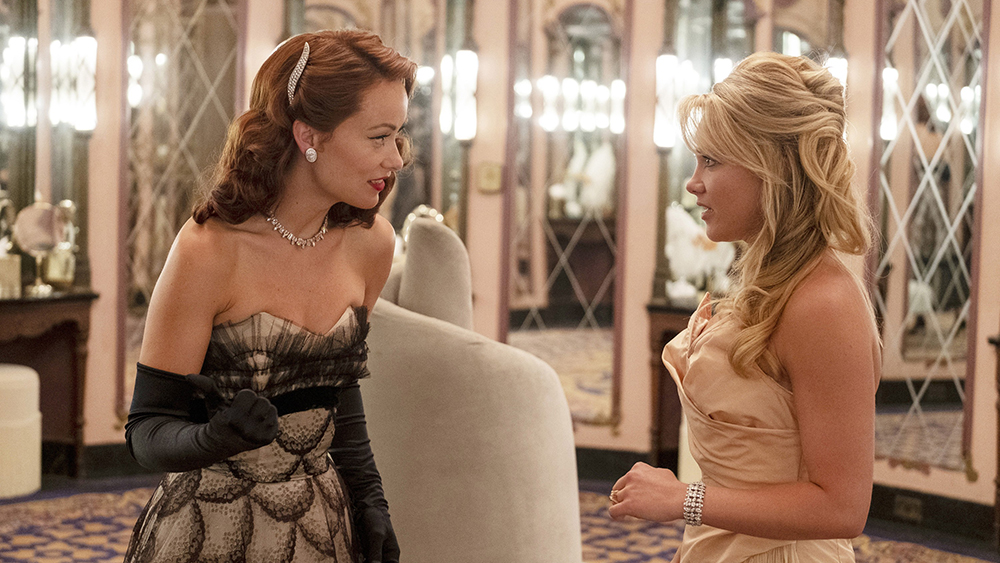
    Olivia Wilde, director of the 2022 psychological thriller ‘Don’t Worry Darling,’ has publicly denied allegations of a ‘screaming match’ with lead actress Florence Pugh during the film’s production. Wilde stated that she was specifically told to ‘not say a f, ing word’ about the rumors that circulated widely at the time. This recent statement comes years after the film’s release and the initial wave of media speculation surrounding its troubled set.

    The production of ‘Don’t Worry Darling’ became a subject of intense public scrutiny. Reports of discord between Wilde and Pugh began to emerge in the months leading up to the film’s theatrical debut. These rumors fueled a narrative of on-set tension, overshadowing much of the discussion about the film’s artistic merits.

    Journalists and entertainment commentators closely followed the unfolding story. Social media platforms amplified every perceived slight or absence, contributing to a broader public conversation about celebrity behavior and film set dynamics. The alleged feud became a prominent talking point, drawing significant attention to the project.

    The Initial Silence and Its Rationale

    Wilde’s recent explanation sheds light on her previous silence regarding the rumors. She indicated that the directive to remain quiet came from individuals involved in managing the film’s public image. This strategy aimed to prevent further escalation of the narrative by withholding any direct confirmation or denial.

    The decision to stay silent is a common public relations tactic in Hollywood. Publicists often advise clients to avoid engaging with negative speculation, believing that addressing rumors can inadvertently lend them credibility or prolong their news cycle. In this case, the strategy appears to have been to let the controversy dissipate naturally over time.

    However, the lack of immediate comment from Wilde or Pugh only intensified public curiosity. The vacuum of official statements was filled by unverified reports, anonymous sources, and fan theories. This created a complex media environment where speculation often overshadowed verified facts.

    The film’s promotional tour also became a site of perceived tension. Observers noted what they interpreted as a lack of warmth between Wilde and Pugh during public appearances. Pugh’s limited engagement in promotional activities, compared to other cast members, further fueled the narrative of a strained relationship.

    Florence Pugh’s Perspective

    Florence Pugh herself offered limited public comments on the alleged conflicts. Her statements often focused on the creative process of filmmaking and the importance of respecting artistic boundaries. She consistently avoided directly addressing the personal dynamics on set, maintaining a professional distance.

    Pugh’s approach was widely interpreted as a deliberate effort to redirect attention to her work and away from personal drama. Her public persona has often emphasized her commitment to her craft. This stance resonated with many of her fans, who praised her for prioritizing her acting over celebrity gossip.

    In interviews, Pugh occasionally alluded to the challenges of working on a high-profile production. However, these remarks were typically broad and did not specifically confirm or deny any direct conflict with Wilde. Her consistent refusal to engage with the sensationalized aspects of the story left much to interpretation.

    The Production of ‘Don’t Worry Darling’

    The making of ‘Don’t Worry Darling’ was fraught with various challenges beyond the alleged conflict between its director and lead actress. The film underwent a significant cast change early in its development. Harry Styles replaced Shia LaBeouf in a prominent role, which itself became a subject of discussion.

    Wilde later stated that LaBeouf’s departure was due to her desire to create a safe and collaborative environment on set. LaBeouf, however, contested this account, presenting evidence that suggested he chose to leave the project. This public disagreement added another layer of complexity to the film’s narrative.

    The COVID-19 pandemic also impacted the production schedule. Filming commenced in October 2020 and faced temporary shutdowns due to positive cases among the crew. These logistical hurdles are common in modern filmmaking but added to the overall pressure on the cast and crew.

    Despite these challenges, ‘Don’t Worry Darling’ completed production and was released in September 2022. The film generated considerable box office revenue, grossing over $87 million worldwide against a production budget of $35 million. Its commercial performance indicated that the public interest, fueled partly by the controversies, translated into ticket sales.

    Hollywood’s History of On-Set Conflicts

    On-set conflicts are not uncommon in the history of Hollywood. High-pressure environments, demanding schedules, and clashing personalities can often lead to friction between collaborators. Numerous iconic films have documented instances of tension between directors and actors, or between co-stars.

    For example, the production of ‘Apocalypse Now’ (1979) is legendary for its chaotic and challenging conditions, leading to conflicts between director Francis Ford Coppola and star Marlon Brando. Similarly, rumors of tension between Jessica Lange and Dustin Hoffman on the set of ‘Tootsie’ (1982) are well-documented.

    In more recent times, social media and instant news cycles have amplified these occurrences. What might once have remained an industry rumor now quickly becomes a global headline. This increased transparency means that conflicts, real or perceived, are scrutinized more intensely than ever before.

    The ‘Don’t Worry Darling’ situation is a contemporary example of how quickly a perceived disagreement can spiral into a major media event. It highlights the challenges faced by public figures in managing their image and the narratives surrounding their professional endeavors in the digital age.

    The Impact on Public Perception

    The persistent rumors surrounding ‘Don’t Worry Darling’ undoubtedly shaped public perception of the film and its key figures. For Olivia Wilde, the narrative of a difficult set potentially affected her image as a director. For Florence Pugh, it solidified her reputation as a strong-willed actress committed to her artistic integrity.

    The controversy also sparked broader discussions about gender dynamics in Hollywood. Some commentators argued that female directors and actresses are often subjected to harsher scrutiny regarding on-set behavior compared to their male counterparts. This perspective suggested that the focus on a ‘screaming match’ might be rooted in gendered expectations.

    Ultimately, the film itself received mixed critical reviews, with many critics acknowledging its visual style but questioning its narrative coherence. The external drama, however, remained a more dominant topic of conversation for many viewers and media outlets, eclipsing the film’s artistic merits or shortcomings.

    Wilde’s recent denial serves as an attempt to reframe the narrative. By directly addressing the ‘screaming match’ allegation, she aims to provide her account of events and perhaps move past the lingering speculation. This effort highlights the long-term impact of such controversies on public figures and their careers.

    The Ongoing Dialogue About Film Production

    The ‘Don’t Worry Darling’ saga contributes to an ongoing dialogue within the entertainment industry about transparency, communication, and the welfare of cast and crew members. Discussions about creating supportive and respectful working environments have gained prominence in recent years, particularly in the wake of movements advocating for greater accountability.

    Film sets are complex ecosystems where creative visions, financial pressures, and personal ambitions converge. Managing these elements requires strong leadership and effective communication strategies. When these break down, the consequences can range from minor disagreements to highly publicized disputes.

    The public’s fascination with behind-the-scenes drama reflects a broader interest in understanding the human element of filmmaking. Audiences are often curious about the real relationships and challenges that shape the movies they watch. This curiosity, while sometimes leading to sensationalism, also underscores the deep connection people feel to cinematic storytelling.

    Olivia Wilde’s recent statement offers a belated but direct response to one of the most prominent rumors from the ‘Don’t Worry Darling’ production. It marks an effort to clarify the record and perhaps close a chapter on a period of intense media scrutiny. The public, however, often forms its own conclusions, shaped by a multitude of reports and interpretations that emerge over time.

    Reflecting on Celebrity Narratives

    Celebrity narratives are often constructed through a combination of official statements, media reports, and public speculation. The ‘Don’t Worry Darling’ situation exemplifies how challenging it can be for public figures to control their own stories, especially when persistent rumors take hold.

    The power of a narrative, once established, can be difficult to dismantle. Even years after an event, denials or clarifications may struggle to completely overwrite the initial impressions formed by the public. This phenomenon is a recurring theme in the entertainment industry.

    The incident also underscores the role of the media in shaping public discourse. The choice of what to report, how to frame it, and which sources to prioritize significantly influences how stories are received. In the age of instant information, this responsibility is greater than ever.

    Ultimately, the story of ‘Don’t Worry Darling’s production will likely continue to be debated and reinterpreted. Wilde’s recent denial adds a new perspective to the existing body of information. It serves as a reminder that the truth behind complex human interactions, particularly in high-stakes environments like a film set, is often multifaceted and rarely simple.

    Filmmakers continue. Actors perform. Stories emerge.

    Hollywood.
  • Hollywood’s Below-the-Line Consolidation – Dattner Dispoto and WPA Merge

    Hollywood’s Below-the-Line Consolidation – Dattner Dispoto and WPA Merge

    The entertainment industry’s talent representation sector is undergoing consolidation. Dattner Dispoto & Associates (DDA) and Worldwide Production Agency (WPA), two significant agencies focusing on ‘below-the-line’ Hollywood professionals, are planning a merger. This strategic move aims to leverage combined resources and market presence to achieve greater operational scale within the competitive film and television production environment.

    The merger will create a larger entity capable of representing a more extensive roster of cinematographers, editors, production designers, costume designers, and other vital crew members. This consolidation reflects an ongoing industry trend towards larger, more comprehensive agencies seeking to offer broader services and exert greater influence.

    The Landscape of Below-the-Line Representation

    Below-the-line talent refers to the vast array of craftspeople and technicians essential to film and television production who are not typically considered principal actors, writers, or directors. These professionals include directors of photography, production designers, editors, costume designers, line producers, and many others. Their work forms the backbone of any cinematic project.

    Agencies like Dattner Dispoto & Associates and Worldwide Production Agency specialize in these critical roles. They negotiate contracts, secure employment, and manage the careers of these skilled individuals. The success of a production often hinges on the expertise and collaboration of this below-the-line crew.

    Historically, this segment of the representation market has been more fragmented than the ‘above-the-line’ sector, which is dominated by a few major agencies. The planned merger signals a shift towards greater concentration in below-the-line representation.

    Dattner Dispoto & Associates: A Legacy of Craft

    Dattner Dispoto & Associates has established itself as a prominent agency in Hollywood. It represents a diverse group of highly sought-after cinematographers, production designers, and editors. The agency’s reputation is built on its deep understanding of the craft and its strong relationships within the production community.

    DDA has been instrumental in placing its clients on numerous award-winning films and television series. Its focus has consistently been on securing high-quality projects for its talent, emphasizing artistic integrity and career longevity. The agency operates from its offices in Los Angeles, California.

    Worldwide Production Agency: Global Reach and Diverse Talent

    Worldwide Production Agency (WPA) also holds a significant position in the below-the-line representation space. WPA’s roster includes a wide range of professionals, often with a global footprint, working across various platforms from feature films to episodic television and commercials. The agency prides itself on its comprehensive approach to career management.

    WPA has a history of adapting to the evolving demands of the entertainment industry, particularly with the rise of streaming services and international co-productions. Its client base reflects the diverse needs of contemporary storytelling. WPA also maintains a strong presence in Los Angeles, a central hub for global production.

    Strategic Motivations for Consolidation

    The primary driver for this merger is the pursuit of scale. In an increasingly competitive and globalized entertainment market, larger agencies can offer several advantages. These include enhanced negotiation power, a broader network of industry contacts, and the ability to service a wider range of projects simultaneously.

    A combined entity can also streamline operations, potentially leading to cost efficiencies. This can free up resources to invest in technology, talent development, and expanded marketing efforts for their clients. The merged agency could also offer a more comprehensive suite of services, from career planning to brand building, under one roof.

    Increased Market Leverage

    The combined roster of DDA and WPA will represent a formidable collection of talent. This increased collective power can lead to better terms and conditions for their clients. Studios and production companies often prefer to negotiate with fewer, larger entities, simplifying the casting and crewing process.

    This leverage extends beyond individual contract negotiations. It can influence industry standards for compensation, working conditions, and professional development for below-the-line professionals. A larger agency has a stronger voice in industry discussions and collective bargaining.

    Expanded Client Opportunities

    For the represented talent, the merger promises access to a wider array of opportunities. The combined agency’s expanded network of relationships with producers, directors, and studio executives can open doors to projects that might have been inaccessible to individual agencies. Clients could benefit from cross-pollination of projects and connections.

    The merger may also facilitate specialization within the agency, allowing agents to focus on specific crafts or genres, thereby offering more tailored support to their clients. This could lead to a more nuanced understanding of each client’s unique career trajectory and aspirations.

    Impact on the Below-the-Line Workforce

    The merger of Dattner Dispoto & Associates and Worldwide Production Agency will have direct implications for the below-the-line workforce. For those represented by the agencies, it means joining a larger, potentially more influential organization. For those not yet represented, it means navigating a slightly more consolidated agency landscape.

    Some industry observers suggest that consolidation could lead to increased standardization in contracts and industry practices. This could be beneficial for talent by establishing clearer expectations and fairer terms. Others express concerns about reduced choice for talent seeking representation, though the market remains diverse with many specialized boutique agencies.

    Potential for Enhanced Services

    A larger agency often has the resources to invest in advanced data analytics, market research, and technology. This can translate into better strategic advice for clients, helping them navigate career choices and identify emerging trends. The merged entity might offer enhanced marketing and public relations support for its roster.

    Professional development programs, workshops, and networking events could also become more robust. These services are crucial for below-the-line professionals who must continuously adapt to new technologies and artistic demands within the industry.

    Challenges of Integration

    Mergers of this scale are not without challenges. Integrating two distinct corporate cultures, operational systems, and client management approaches requires careful planning and execution. Ensuring a smooth transition for both agents and clients will be paramount to the success of the new entity.

    Maintaining personalized attention for each client within a larger organization can also be a concern. The agencies will need to demonstrate that scale does not come at the expense of individual client relationships. Effective communication and clear internal structures will be critical during this transitional phase.

    Broader Industry Trends

    This merger is part of a larger pattern of consolidation across the entertainment industry. Major studios have merged, streaming services have acquired production companies, and even above-the-line agencies have seen significant consolidation in recent years. The drive for efficiency, market share, and competitive advantage fuels these movements.

    The rise of global production and the increased demand for content across multiple platforms also contribute to this trend. Larger agencies are better equipped to handle the complexities of international projects and diverse content needs. They can offer a more integrated approach to talent placement across different territories and formats.

    The Role of Technology

    Technological advancements also play a role in agency consolidation. Data analytics, AI-driven casting tools, and digital portfolio management systems require significant investment. Larger agencies are better positioned to adopt and leverage these technologies, providing a competitive edge in identifying and placing talent.

    These tools can help agents track client availability, identify suitable projects, and analyze market trends more effectively. The integration of such technologies will be a key aspect of the merged entity’s strategy to enhance its service offerings.

    Looking Ahead

    The planned merger between Dattner Dispoto & Associates and Worldwide Production Agency marks a significant development in the below-the-line talent representation sector. It signals a move towards greater scale and integration, reflecting the broader dynamics of the modern entertainment industry.

    The success of this new entity will be measured by its ability to enhance opportunities for its clients, provide superior service, and adapt to the ever-changing demands of film and television production. Its formation will undoubtedly reshape the competitive landscape for below-the-line professionals.

    Agencies consolidated. Representation evolved. Careers transformed.

    Hollywood.

  • Neon Releases Trailer for Koreeda’s AI Family Drama ‘Sheep in the Box’

    Neon Releases Trailer for Koreeda’s AI Family Drama ‘Sheep in the Box’

    Neon has released the first trailer for Hirokazu Koreeda’s new film, ‘Sheep in the Box,’ an AI family drama that is poised to spark debate about artificial intelligence’s cultural impact and its role in traditional storytelling and family values. This project signifies a notable shift for Koreeda, a director celebrated for his deep, humanistic portrayals of familial bonds and societal struggles. The film’s premise, centered on AI within a family context, positions it at the forefront of contemporary cinematic discussions.

    Koreeda’s filmography consistently examines the complexities of kinship and belonging. His previous works often explore unconventional family structures and the emotional landscapes within them. ‘Sheep in the Box’ introduces a new layer to these themes by integrating advanced technology into the domestic sphere.

    Koreeda’s Signature Style Meets New Technology

    Hirokazu Koreeda has established a distinctive authorial voice in global cinema. His films are characterized by a quiet observational style, naturalistic performances, and a profound empathy for his characters. This approach has earned him critical acclaim and numerous awards.

    His 2018 film, ‘Shoplifters,’ won the Palme d’Or at the Cannes Film Festival. This achievement solidified his reputation as a master storyteller capable of conveying universal human experiences through intimate narratives. ‘Shoplifters’ explored a group of non-biological individuals forming a family unit, challenging conventional definitions of family.

    Another notable work, ‘Broker’ (2022), continued this exploration, focusing on individuals involved in the illegal baby box system and their journey together. Koreeda’s ability to extract profound emotional truths from challenging social scenarios remains a hallmark of his craft.

    ‘Sheep in the Box’ is expected to apply this same meticulous attention to detail and emotional depth to the subject of artificial intelligence. The trailer suggests a narrative that will not simply use AI as a plot device but will interrogate its implications for human connection and the essence of family.

    The Growing Trend of AI in Cinema

    The emergence of ‘Sheep in the Box’ aligns with a broader trend in cinema exploring artificial intelligence. Filmmakers globally are increasingly examining AI’s potential impacts on society, ethics, and personal relationships. This trend reflects growing public discourse and technological advancements in machine learning and robotics.

    Previous films have approached AI from various angles. Some depict AI as a benevolent force, aiding humanity in complex tasks. Others portray AI as a dangerous entity, threatening human existence or autonomy. A significant portion of these narratives delves into the philosophical questions surrounding sentience, consciousness, and what it means to be human in an age of advanced artificial intelligence.

    The genre often grapples with the uncanny valley effect, exploring human discomfort with increasingly human-like machines. It also addresses concerns about job displacement, surveillance, and the potential for AI to surpass human intelligence.

    Koreeda’s film differentiates itself by framing these complex issues within the intimate confines of a family drama. This perspective promises a more personal and emotionally resonant exploration of AI’s presence in daily life, rather than a focus on grand scientific or dystopian scenarios.

    Public and Industry Reactions

    The announcement of ‘Sheep in the Box’ and the release of its first trailer have generated significant interest. Within the film industry, there is anticipation regarding Koreeda’s unique interpretation of the AI theme. His reputation for sensitive storytelling suggests the film will offer a nuanced perspective, avoiding simplistic portrayals of technology as either entirely good or entirely evil.

    Public reaction has also been notable. Discussions online and in media outlets focus on the potential for the film to address contemporary anxieties about AI. Many express curiosity about how a director known for human-centric narratives will tackle such a technologically driven subject.

    Concerns about AI’s impact on traditional storytelling are also part of the conversation. Some fear that an overreliance on AI themes could dilute the emotional authenticity often found in human-driven narratives. Others see it as an opportunity for cinema to evolve and reflect current societal changes.

    The film’s title, ‘Sheep in the Box,’ itself invites interpretation. It could allude to conformity, hidden truths, or perhaps the contained nature of AI within a specific environment. This enigmatic title adds another layer to the public’s intrigue.

    Neon’s Role in Distribution

    Neon, the film’s distributor, has a history of supporting critically acclaimed and artistically daring films. The company is known for its successful campaigns for films that challenge conventional narratives and spark cultural conversations.

    Neon’s previous releases include Bong Joon-ho’s ‘Parasite’ (2019), which won the Palme d’Or and the Academy Award for Best Picture. This track record suggests that Neon identifies ‘Sheep in the Box’ as a film with significant artistic merit and cultural relevance.

    The distributor’s decision to release the trailer indicates confidence in the film’s ability to attract both art-house audiences and a broader public interested in AI’s societal implications. Neon’s marketing strategy often emphasizes the thought-provoking aspects of its films, aligning well with the themes present in Koreeda’s latest work.

    The release of a trailer is a crucial step in building anticipation for a film. It provides the first visual glimpse into the director’s vision and the narrative’s tone. For ‘Sheep in the Box,’ the trailer serves to introduce audiences to Koreeda’s unique take on the AI family drama.

    The Broader Implications of AI in Culture

    The debate surrounding ‘Sheep in the Box’ extends beyond the cinematic realm. It touches upon broader societal anxieties and hopes concerning artificial intelligence. As AI technologies become more integrated into daily life, questions about their ethical implications, economic impact, and cultural influence grow more pressing.

    The concept of an ‘AI family drama’ specifically highlights the domestic and personal impact of these technologies. It prompts reflection on how AI might alter interpersonal relationships, child-rearing, caregiving, and the very definition of a family unit. Will AI companions become commonplace? How will children interact with AI entities? These are questions implicitly raised by the film’s premise.

    Traditional storytelling often serves as a mirror to society, reflecting its values, fears, and aspirations. By placing AI at the center of a family drama, Koreeda’s film contributes to this ongoing cultural dialogue. It offers a fictional space to explore complex ethical dilemmas before they fully manifest in reality.

    The film could also influence how future AI narratives are conceived. A successful and critically acclaimed AI family drama from a director like Koreeda might encourage other filmmakers to explore similar themes with greater nuance and emotional depth. It could push the genre beyond mere spectacle or dystopian warnings.

    Looking Ahead: The Release and Impact

    As ‘Sheep in the Box’ moves closer to its full release, further details about its plot, cast, and specific AI concepts are anticipated. The initial trailer provides a glimpse, but the full scope of Koreeda’s vision remains to be seen.

    The film’s eventual reception will be closely watched by critics, industry professionals, and the general public. Its success could validate the artistic merit of exploring AI through a humanistic lens. Its critical analysis will likely focus on how effectively Koreeda navigates the balance between technological themes and his signature emotional storytelling.

    The discussions sparked by the trailer are just the beginning. They underscore the public’s readiness to engage with complex questions about technology’s role in their lives. ‘Sheep in the Box’ is positioned to be a significant cultural touchstone in the ongoing conversation about artificial intelligence.

    Filmmakers continue to explore. Audiences continue to question. Technology continues to advance.

    Cinema.

  • Alec Baldwin’s ‘Panic Button’ Casting – Hollywood’s Second Chance Debate

    Alec Baldwin’s ‘Panic Button’ Casting – Hollywood’s Second Chance Debate

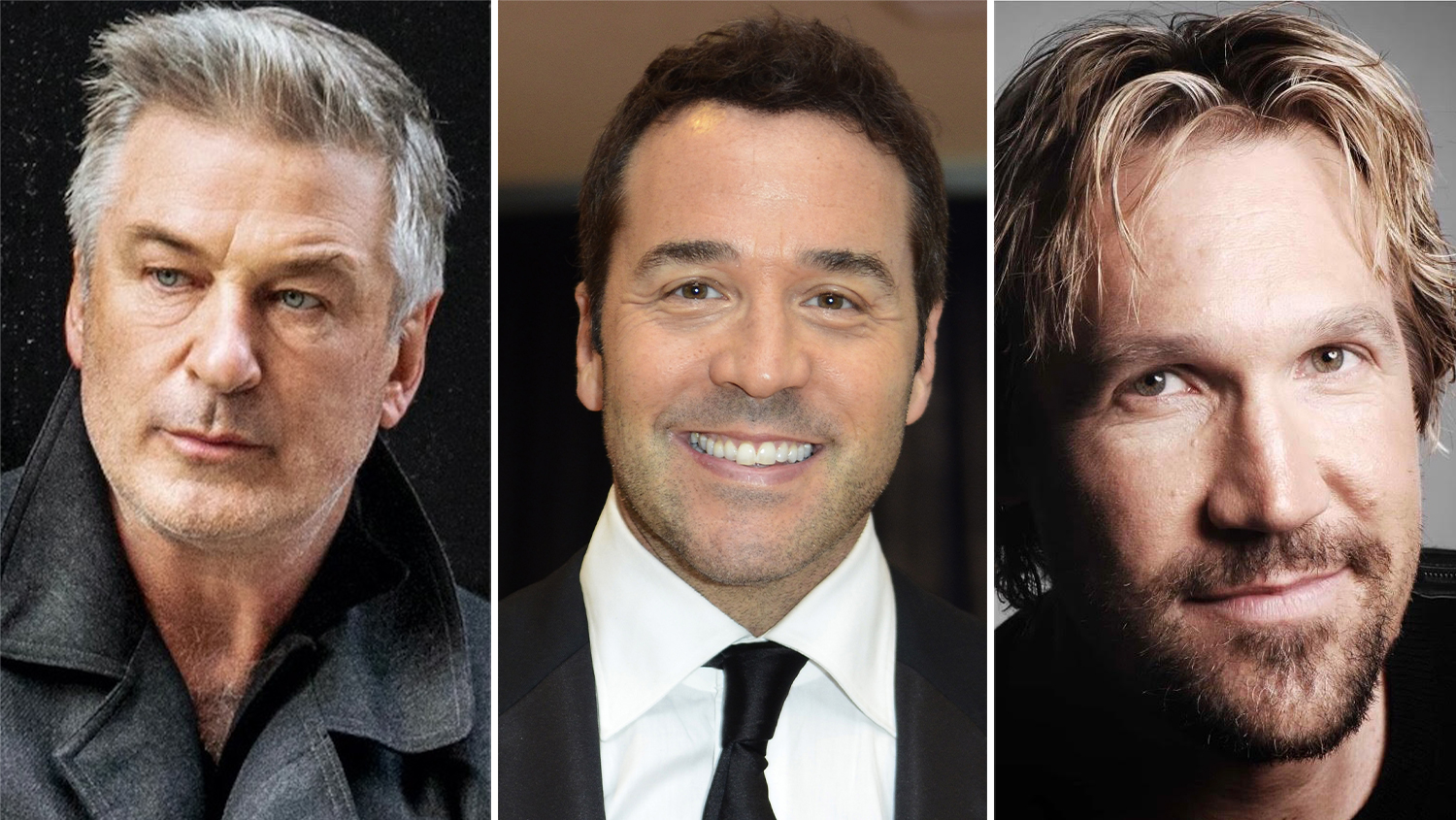
    Alec Baldwin has been cast in the upcoming action thriller ‘Panic Button’, alongside Jeremy Piven and David A.R. White. This decision, announced on June 24, 2026, immediately reignited public discussion regarding celebrity accountability and the entertainment industry’s approach to second chances for actors following significant controversies.

    The film’s production is set to move forward with a cast that includes figures who have faced considerable public scrutiny. Their involvement prompts a closer look at how Hollywood navigates the careers of individuals whose public images have been impacted by past events.

    The ‘Panic Button’ Project: A High-Stakes Thriller

    ‘Panic Button’ is described as an action thriller. This genre often relies on high-stakes narratives and compelling performances to captivate audiences. Specific plot details remain largely under wraps following the initial announcement. However, the confirmed cast members suggest a project aiming for a broad audience and significant box office appeal.

    The film’s premise, while undisclosed, is expected to leverage the dramatic tension inherent in its genre. Action thrillers frequently explore themes of survival, moral dilemmas, and rapid decision-making under pressure. The casting choices for ‘Panic Button’ indicate an intent to deliver a powerful and engaging cinematic experience.

    The Ensemble Cast: Baldwin, Piven, and White

    Alec Baldwin’s career spans decades. It is marked by critically acclaimed roles in film and television. His filmography includes iconic performances in ‘The Hunt for Red October’ (1990), ‘Glengarry Glen Ross’ (1992), and an Emmy-winning portrayal of Donald Trump on ‘Saturday Night Live’ from 2016 to 2020. Baldwin’s recent years have been dominated by legal proceedings and public debate surrounding the 2021 ‘Rust’ shooting incident. This incident resulted in the death of cinematographer Halyna Hutchins.

    Jeremy Piven is another seasoned actor joining the ‘Panic Button’ ensemble. Piven is widely recognized for his role as Ari Gold in the HBO series ‘Entourage’ (2004-2011). This role earned him multiple Emmy Awards and a Golden Globe. His career also features significant film credits such as ‘Serendipity’ (2001) and ‘Smokin’ Aces’ (2006). Piven also faced allegations of misconduct in the past, which impacted his career trajectory.

    David A.R. White brings a background rooted in faith-based cinema to the project. White is known for co-founding Pure Flix, a prominent streaming service and production company specializing in Christian films. His acting credits include films like ‘God’s Not Dead’ (2014) and ‘Revelation Road’ (2013). His involvement in an action thriller like ‘Panic Button’ signals a potential expansion of his typical genre work, moving into more mainstream or secular productions.

    Celebrity Accountability and Public Scrutiny

    The casting of actors like Alec Baldwin and Jeremy Piven in a new high-profile project inevitably reopens conversations about accountability. Public figures, especially those in the entertainment industry, often find their professional lives intertwined with their personal conduct and any associated legal or ethical challenges.

    The ‘Rust’ incident, specifically, led to involuntary manslaughter charges against Baldwin. These charges were initially dropped in April 2023, though a special prosecutor indicated the possibility of refiling. Further charges were refiled in January 2024. The legal process and the intense media coverage surrounding it placed Baldwin’s career under unprecedented scrutiny. The public discourse often centered on questions of responsibility on a film set and the broader implications for workplace safety in Hollywood. The trial for the ‘Rust’ shooting is currently ongoing in 2026, adding a layer of ongoing public interest to Baldwin’s current projects.

    Jeremy Piven’s career also experienced a period of disruption. This followed multiple allegations of sexual misconduct in late 2017. These allegations led to an investigation by HBO and a subsequent decline in his public profile for a period. Piven consistently denied the allegations, and no criminal charges were ever filed. His return to more prominent roles, such as in ‘Panic Button’, signals a potential shift in industry perception. The industry’s response to such allegations continues to evolve, influencing casting decisions and public reception.

    The Impact of Public Opinion on Careers

    Public opinion plays a critical role in the careers of celebrities. Social media platforms amplify both support and criticism, creating a dynamic environment where past actions are frequently revisited. For actors involved in controversies, the path to career rehabilitation often involves navigating a complex landscape of public forgiveness, skepticism, and ongoing debate.

    The decision by ‘Panic Button’ producers to cast these actors suggests a calculation regarding audience reception. It could indicate a belief that the talent of these individuals outweighs past controversies. Alternatively, it might suggest that a segment of the audience is willing to separate an artist’s work from their personal history. The film’s success or failure will offer further insight into this evolving dynamic.

    Online discussions surrounding the casting have been varied. Some social media users express support for the actors’ continued work. Others raise concerns about the perceived lack of consequences for past actions. This polarized reaction is typical in the current media landscape, where public figures are subject to constant evaluation.

    Hollywood’s Evolving View on Second Chances

    The concept of a ‘second chance’ is a recurring theme in Hollywood. The industry has a long history of actors, directors, and producers facing career setbacks due to various issues. These range from legal troubles to public relations disasters. Many have returned to prominence years later.

    Examples abound, from Robert Downey Jr.’s resurgence after well-documented struggles with addiction and legal issues in the late 1990s and early 2000s, to Mel Gibson’s continued work despite antisemitic remarks and domestic abuse allegations made in the mid-2000s. Each case presents unique circumstances, and the public’s willingness to accept a comeback varies significantly. The entertainment industry itself often struggles with consistent standards for rehabilitation.

    The question often arises: what constitutes sufficient accountability? Is it legal exoneration, a public apology, a period of absence from the spotlight, or a combination of factors? There is no universal standard. The entertainment industry’s decisions often reflect a mix of artistic considerations, financial viability, and evolving societal norms. This ambiguity contributes to ongoing debates about fairness and justice in the public eye.

    Industry Perspectives on Casting Decisions

    Producers and casting directors often weigh multiple factors when making casting choices. Talent, box office appeal, and chemistry with other cast members are paramount. However, in the current climate, an actor’s public image and potential for controversy are increasingly significant considerations. The financial implications of public backlash can be substantial, influencing marketing and distribution strategies.

    The ‘Panic Button’ casting could be interpreted in several ways:

    • Focus on Talent: The producers may prioritize the proven acting abilities of Baldwin and Piven. They might believe their performances will elevate the film regardless of external discussions. This approach values artistic contribution above all else.
    • Strategic Risk: The casting could be a calculated risk. Producers might be banking on the idea that public interest, even if divisive, will generate buzz for the film. Controversy can sometimes translate into increased visibility and ticket sales.
    • Belief in Rehabilitation: It might reflect a belief within the production team that these actors have served their time in the public arena. They might believe the actors deserve opportunities to continue their craft. This perspective emphasizes a more forgiving stance.
    • Commercial Viability: Despite past controversies, both Baldwin and Piven retain significant name recognition. This recognition can be a valuable asset in attracting funding, distribution, and audience attention. The commercial appeal of established stars often outweighs potential negative press.

    The decision to cast these actors in ‘Panic Button’ will serve as a case study for future industry practices. It will help determine how Hollywood balances artistic freedom with public expectations of moral conduct. The film’s reception, both critically and commercially, will provide valuable data points for this ongoing discussion.

    The Broader Conversation: Ethics and Entertainment

    The casting news for ‘Panic Button’ extends beyond individual careers. It fuels a broader conversation about ethics in the entertainment industry. This discussion includes questions about who gets to tell stories, who is deemed worthy of a platform, and what responsibilities come with public influence.

    Film productions operate as complex businesses. They balance creative vision with financial imperatives. The choice to cast actors with controversial pasts highlights the tension between these two forces. Stakeholders, including studios, investors, and distributors, must weigh potential profits against potential public relations challenges.

    The role of the audience in this equation is also significant. Consumer choices, whether to watch a film or boycott it, directly influence industry decisions. This power dynamic means that public opinion, amplified by social media, can exert considerable pressure on casting and production choices. The success or failure of ‘Panic Button’ will partly depend on how the audience responds to its controversial cast members.

    Navigating a Changing Cultural Landscape

    The cultural landscape of 2026 is significantly different from previous decades. Social justice movements, increased awareness of workplace conduct, and the pervasive nature of digital media have reshaped expectations for public figures. What might have been overlooked in the past now receives intense scrutiny.

    Hollywood, as a major cultural institution, is not immune to these shifts. It faces constant pressure to align its practices with evolving societal values. The casting of ‘Panic Button’ demonstrates the ongoing negotiation between traditional industry practices and contemporary ethical standards. This negotiation is complex, often leading to divergent opinions within the industry and among the public.

    The film industry is increasingly aware of its impact on social discourse. Decisions made in casting, production, and promotion can send powerful messages. ‘Panic Button’ will contribute to this ongoing dialogue, regardless of its ultimate box office performance. It represents a moment where artistic choices intersect with broader societal debates about forgiveness, justice, and opportunity.

    The discussion surrounding ‘Panic Button’ will continue as the film moves through production and towards its eventual release. Filmmakers gathered. Audiences gathered. Critics gathered. Hollywood.

  • The Death of Innocence in Cinema – Albert Serra and Bi Gan on AI and Adaptation

    The Death of Innocence in Cinema – Albert Serra and Bi Gan on AI and Adaptation

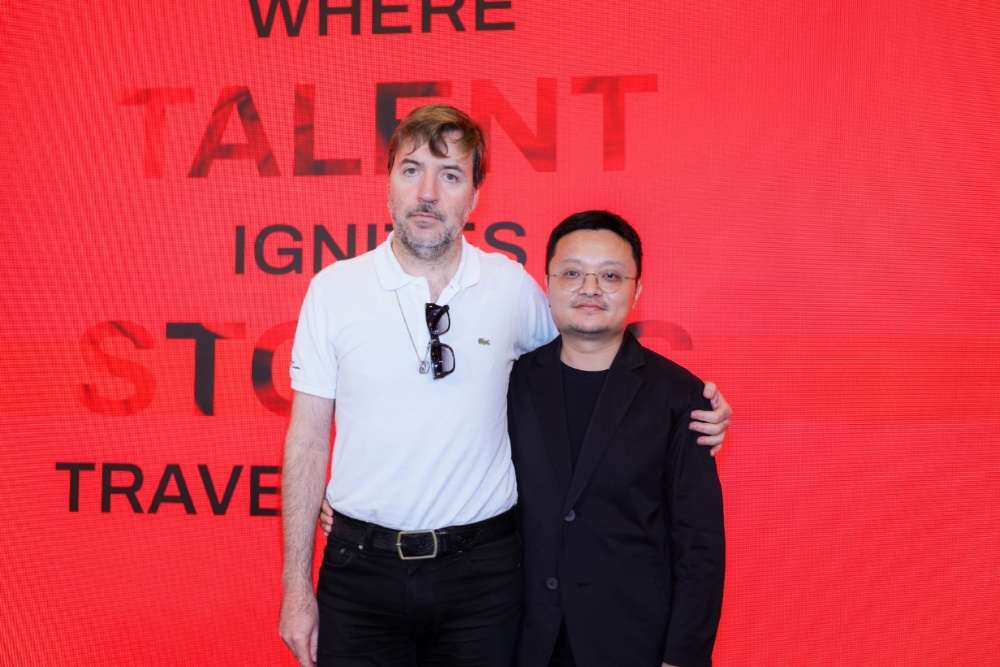
    At the June 2026 Shanghai International Film Festival, directors Albert Serra and Bi Gan concluded that artificial intelligence will never replace human filmmakers because AI lacks “innocence”, the fundamental human ability to approach a subject with naive, uncalculated emotion. During a masterclass panel titled “The Future of the Image” at the Shanghai Grand Theatre, the Catalan and Chinese auteurs argued that while generative AI can replicate aesthetic patterns and adapt text into standard visual structures, it cannot replicate the spontaneous, flawed intuition required to make true cinema. The machine knows too much. It has seen every film ever made. Because it cannot forget, it cannot discover.

    The conversation arrived at a critical moment for the global film industry. By mid-2026, generative video platforms like OpenAI’s Sora and Runway’s Gen-4 have deeply penetrated studio pipelines. Background generation, pre-visualization, and even digital stunt doubles are now routinely synthesized. Hollywood and international markets have embraced the algorithm for its economic efficiency. But efficiency is not art. Efficiency is the enemy of the auteur.

    Serra and Bi Gan represent the antithesis of the algorithmic approach. Both directors operate in the realm of slow cinema. Both rely on the unpredictable nature of the physical world. Their summit in Shanghai provided a philosophical counterweight to the technological optimism dominating the 2026 festival circuit.

    The Shanghai Summit: A Clash of Methods

    The setting was deliberate. The Shanghai International Film Festival has long served as a bridge between Eastern and Western cinematic traditions. On June 22, 2026, the stage at the Shanghai Grand Theatre hosted two vastly different practitioners of the medium.

    Albert Serra is a provocateur from Catalonia. His films, including The Death of Louis XIV (2016) and Pacifiction (2022), are sprawling, chaotic, and deeply historical. He shoots hundreds of hours of digital footage using multiple cameras. He does not let his actors see the script. He thrives on exhaustion, confusion, and the eventual breakdown of artifice.

    Bi Gan is a poet from Guizhou province. His cinema is meticulous, dreamlike, and anchored in the geography of his hometown of Kaili. Films like Kaili Blues (2015) and Long Day’s Journey Into Night (2018) are famous for their reality-bending long takes. Bi Gan orchestrates massive, logistical miracles to capture a single, unbroken feeling.

    Despite their different methods, both directors share a core philosophy. The camera is a tool for capturing the unseen. The camera is a witness to human vulnerability. When the topic of the panel shifted to literary adaptation, this shared philosophy became the foundation for their critique of artificial intelligence.

    The Problem of Literary Adaptation

    Adapting a book into a film is a historical trap. For a century, studios have treated novels as instruction manuals. The plot is extracted. The dialogue is condensed. The characters are cast. The resulting film is often a mere illustration of the text.

    Serra and Bi Gan reject this model entirely. They view literature not as a blueprint, but as a point of departure. The text is a ghost. The film is the seance.

    Serra’s Destruction of the Text

    Serra has frequently adapted historical and literary figures. He has tackled Don Quixote, Casanova, and Dracula. But he does not adapt their stories. He adapts their exhaustion. He adapts their waiting.

    During the Shanghai panel, Serra explained that literature provides an atmosphere. A filmmaker’s job is to destroy the rigid structure of the text to find the atmosphere hidden beneath it. When Serra shoots, he creates a chaotic environment on set. He forces actors into prolonged, uncomfortable situations. The camera rolls continuously. He is waiting for the moment the actor forgets they are playing a literary icon and simply becomes a tired, vulnerable human being.

    This process requires friction. It requires a lack of control. The text must be broken for the cinema to emerge.

    Bi Gan’s Architecture of Memory

    Bi Gan approaches literature through the lens of poetry. His films are heavily influenced by the spatial and temporal leaps found in modern verse. For Bi, adapting a poem or a memory into a film requires a physical architecture.

    He noted that literature operates in the mind of the reader. Cinema operates in physical space. To adapt the feeling of a poem, Bi Gan constructs elaborate, continuous shots that move through walls, over valleys, and across time. The famous 59-minute 3D sequence in Long Day’s Journey Into Night is essentially a cinematic translation of a poetic stanza.

    The translation is intentionally imperfect. Memory is flawed. Poetry is ambiguous. Bi Gan argued that the beauty of adaptation lies in the mistakes made during the translation process. The human mind distorts the text, and that distortion becomes the art.

    The AI Divide: The Calculation of Art

    This reliance on friction, error, and human distortion led the panel directly into the debate over artificial intelligence. In 2026, AI can adapt a novel into a screenplay in seconds. It can generate a storyboard in minutes. It can render a photorealistic scene of Don Quixote riding through a neon-lit Kaili without a single camera being turned on.

    The moderator asked the directors if these tools could eventually be used to create high art. Both directors offered a definitive rejection. The rejection was not based on aesthetics. It was based on the concept of innocence.

    The Definition of Innocence

    Innocence, in the cinematic sense, is not purity. It is naivety. It is the act of stepping into the unknown without a guaranteed outcome. When Albert Serra turns on three cameras and lets his actors improvise for an hour, he does not know what will happen. He is innocent of the result. When Bi Gan sends a camera on a zip-line across a physical valley, the crew holds their breath. They are innocent of the final frame until it is captured.

    Artificial intelligence possesses no innocence. Generative models operate on probabilistic calculation. They analyze billions of existing images, texts, and films. When prompted, they calculate the most statistically likely arrangement of pixels to satisfy the request.

    The machine knows exactly what it is doing. It is entirely cynical. It cannot stumble onto a moment of truth because it has already calculated every possible truth before the rendering begins.

    The Burden of the Database

    Serra articulated this burden of knowledge perfectly. He argued that AI is suffocated by its own database. It has ingested the entire history of human expression. Therefore, it can only regurgitate combinations of the past.

    True auteur cinema requires a blank slate. It requires a director to look at a face, a landscape, or a shadow as if it has never been filmed before. AI cannot do this. AI looks at a shadow and cross-references it with every shadow filmed by Orson Welles, Gordon Willis, and Roger Deakins. The resulting image may be beautiful, but it is deeply derivative. It is an echo, not a voice.

    Bi Gan added that AI lacks the capacity for physical suffering. The making of a film is a physical ordeal. It involves weather, fatigue, budget constraints, and the complex emotional dynamics of a crew. These physical constraints force compromises. These compromises often become the most brilliant moments in a film. AI faces no physical constraints. It does not get tired. It does not freeze in the rain. Without the physical struggle, the resulting image lacks spiritual weight.

    The 2026 Context: A Synthetic Industry

    The debate in Shanghai did not occur in a vacuum. The film industry of 2026 is undergoing a massive structural shift. The economic models that sustained independent, mid-budget cinema have largely collapsed under the weight of streaming consolidation.

    Studios are turning to AI to slash production costs. Entire departments, from concept art to background casting, are being automated. The technology has advanced from the uncanny valley of 2023 to the hyper-realistic synthesis of 2026. Audiences are increasingly consuming content where the line between captured reality and generated pixels is indistinguishable.

    In this environment, the definition of a “filmmaker” is fracturing. There are prompt engineers who direct algorithms. And there are physical directors who direct light and time.

    The Preservation of the Human Error

    Serra and Bi Gan are fighting for the preservation of human error. They argue that as the mainstream industry becomes more synthetic and flawless, the value of independent cinema will lie entirely in its imperfections.

    If an algorithm can generate a perfect sunset, then a perfect sunset is no longer valuable. What becomes valuable is the shaky, out-of-focus shot of a human face reacting to a real sunset. The value shifts from the aesthetic result to the verifiable human experience behind the camera.

    This is why literary adaptation remains crucial for these auteurs. Literature is a deeply human attempt to categorize the chaos of existence. Adapting it to film is a second attempt to categorize that same chaos. When done by humans, both attempts fail in beautiful, revealing ways. When done by a machine, the attempt succeeds perfectly, and therefore means nothing.

    The Future of the Auteur in a Synthetic Age

    The Shanghai masterclass concluded not with a prediction of doom, but with a statement of purpose. Artificial intelligence will undoubtedly conquer the commercial entertainment sector. It will generate the blockbusters. It will adapt the franchises. It will optimize the content for maximum engagement.

    But it will not conquer the art form. The art form requires a soul, and a soul requires a body. A body that gets tired. A body that forgets. A body that makes mistakes.

    Serra will continue to exhaust his actors in the pursuit of an unscripted truth. Bi Gan will continue to build impossible physical architectures to capture the fleeting nature of memory. They will continue to operate in the physical world, embracing the friction that the algorithms are designed to erase.

    The festival attendees listened. The technologists took notes. The critics debated. The machines kept calculating. The directors stood firm.

    Innocence.

  • The Invisible Scalpel – How AI Became Hollywood’s Secret Cosmetic Surgery

    The Invisible Scalpel – How AI Became Hollywood’s Secret Cosmetic Surgery

    Hollywood studios are now using artificial intelligence as a form of digital cosmetic surgery to secretly tweak movies in post-production, altering actor performances, adjusting dialogue, and smoothing visual imperfections without disclosing the use of the technology. The practice has become the entertainment industry’s quietest revolution. Directors no longer need costly physical reshoots to fix a flubbed line or a misplaced shadow on a Burbank soundstage. They simply prompt a neural network.

    But the secrecy is the real story. Production houses are keeping the process entirely under wraps.

    In many ways, this mirrors the early days of physical plastic surgery in the entertainment business. Everyone in the industry knew it was happening. Nobody talked about it on the record. What looks like a flawless take on the silver screen in the summer of 2026 is increasingly the result of algorithmic intervention. The raw human performance is becoming merely the baseline data.

    The End of the Physical Reshoot

    Historically, fixing a broken scene was a logistical nightmare. It required money, time, and scheduling miracles. If a test audience in Culver City did not understand a crucial plot point, the studio had to act. They had to rebuild the set. They had to fly the lead actors back to Los Angeles. They had to pay the crew for another week of union labor. A single reshoot could add hundreds of thousands of dollars to a film’s budget.

    Artificial intelligence has erased that financial burden. The math has changed entirely.

    In 2026, a post-production supervisor can feed the original footage into a generative AI model. If the director wants the actor to say a different word, the software adjusts the actor’s jaw and lip movements to match the new audio. The audio itself can be generated using a licensed voice clone of the actor. The physical reshoot is bypassed entirely. The fix costs a few thousand dollars in server compute time.

    This is not traditional visual effects. Traditional VFX required digital artists to manually paint over frames, track motion points, and painstakingly render new pixels. It was a labor-intensive craft. The new wave of AI tools operates autonomously. The software understands the geometry of the human face. It understands lighting. It generates the fix instantly.

    • Dialogue Replacement: AI seamlessly alters lip movements to match new audio tracks, eliminating the need for actors to return to recording booths.
    • Performance Smoothing: Algorithms analyze micro-expressions and can dial down a performance that feels too theatrical, or dial up a performance that feels too flat.
    • Digital Relighting: Shadows and highlights are manipulated post-wrap to change the time of day or the emotional tone of a scene.

    The efficiency is undeniable. The studios love the margins. But they are terrified of the optics.

    The Stigma of the Algorithmic Assist

    The Deadline report highlighting this trend strikes at the heart of Hollywood’s current anxiety. Studios are using the tech, but they are keeping hush about how. The silence is deafening across the major lots of Warner Bros., Disney, and Paramount.

    The reason for the secrecy is cultural. Audiences in 2026 are highly sensitive to digital manipulation. The cultural defense of traditional art has never been stronger. People want to believe in the magic of a performance. They want to believe that the tear falling down the protagonist’s cheek was a moment of genuine human vulnerability captured on 35mm film or a high-resolution digital sensor.

    If the audience discovers that the tear was generated by a neural network, the emotional contract is broken. The illusion shatters.

    This is the cosmetic surgery analogy in its purest form. An actor might receive Botox or a facelift to maintain a leading-man aesthetic. The studio public relations team will deny it vigorously. They will credit good genes, a strict diet, and plenty of water. The illusion of natural perfection must be maintained. AI is the new Botox. It smooths out the wrinkles of a flawed production. It tightens the pacing. It removes the blemishes of a bad take.

    “The audience wants to believe the magic is real. The moment they see the strings, or in this case, the code, the movie stops being a piece of art and becomes a software demonstration.”

    Publicly acknowledging the use of AI for core performance tweaks invites intense scrutiny. Critics begin to question every frame. Was that brilliant improvised reaction real? Was the chemistry between the leads authentic, or was it digitally manufactured in a server farm in San Jose? Studios refuse to open that Pandora’s box.

    The Authenticity Deficit and Cultural Pushback

    The reliance on AI touches a raw cultural nerve. Technology has optimized almost every aspect of modern life. Cinema was supposed to be a refuge for human imperfection. The great performances of cinematic history are defined by their flaws.

    Marlon Brando mumbling his lines. James Dean missing his mark but finding a better angle. These were the happy accidents of traditional filmmaking. The camera rolled, and whatever happened in the room was immortalized. The raw edge of reality was the entire point of the medium.

    Generative AI kills the happy accident. It optimizes the frame. It removes the friction.

    When a machine can perfectly align an actor’s eye-line, smooth their skin, and modulate their vocal pitch to hit the exact psychological frequency required to elicit a response, the art form changes. It shifts from capturing reality to manufacturing a synthetic emotional product. This is driving a wedge between cinephiles and the major studios.

    Independent filmmakers are already using the lack of AI as a marketing tool. The phrase “100% Human Performance” is beginning to appear on independent film festival posters. It is a badge of honor. It is a rebellion against the algorithmic smoothing of Hollywood.

    The Labor Battle Lines in 2026

    The cosmetic use of AI is not just a philosophical debate. It is a hard-fought labor issue. The historic WGA and SAG-AFTRA strikes of 2023 set the baseline for how artificial intelligence could be used in the entertainment industry. But technology moves faster than union contracts.

    In 2026, the boundaries are being tested daily.

    The 2023 agreements placed guardrails around the creation of entirely digital replicas. Studios cannot simply scan an actor, send them home, and generate a performance from scratch without consent and compensation. But the current practice operates in a gray area. The studios are not replacing the actor. They are “enhancing” the performance.

    Where does enhancement end and replacement begin?

    If a studio uses the original footage of an actor walking across a room, but uses AI to change their facial expression, alter their dialogue, and adjust their body language, whose performance is it? The actor provided the physical chassis. The algorithm provided the soul. SAG-AFTRA watchdogs are currently scrambling to audit post-production workflows. They are demanding transparency. The studios are hiding behind non-disclosure agreements and proprietary software protections.

    The legal definitions are murky. A digital touch-up is standard practice. Color grading is standard practice. Wire removal is standard practice. Studios argue that AI lip-syncing is simply the modern evolution of Automated Dialogue Replacement (ADR). Unions argue it is the unauthorized manipulation of an artist’s likeness.

    The Invisible Future of Film

    The technology will only become more sophisticated. The neural networks of 2026 are already vastly superior to the models that caused the initial industry panic three years ago. The uncanny valley is closing. The digital seams are disappearing.

    Soon, it will be entirely impossible for a human eye to distinguish between a raw take and an AI-altered frame. The invisible scalpel will leave no scars.

    This leaves Hollywood at a crossroads. The economic incentives to use AI are overwhelming. The cost savings are too massive for publicly traded media conglomerates to ignore. The technology guarantees a polished, optimized final product. But it demands the sacrifice of authenticity.

    The studios will continue to use the tools. They will continue to deny it. The public relations machines will continue to spin narratives about raw, emotional, grueling performances on set. The actors will smile on the red carpet and accept awards for scenes that were fundamentally altered by a technician typing prompts into a terminal.

    The audience will sit in the dark. The projector will run. The illusion will hold.

    Directors adapted. Studios adapted. The algorithms learned. Hollywood.

    Next in the Series: The Digital Backlot

    Next in the Series: How generative environments are replacing physical set construction, and why the traditional location scout is becoming an obsolete profession in the era of neural rendering.

  • Karlovy Vary 2026, Hoffman, Binoche, and Wright Take Top Honors

    Karlovy Vary 2026, Hoffman, Binoche, and Wright Take Top Honors

    On June 23, 2026, the Karlovy Vary International Film Festival announced Dustin Hoffman, Juliette Binoche, and Jeffrey Wright as its primary honorees for the upcoming season. The prestigious European festival will recognize the trio for their extensive, decades-long contributions to global cinema. The move signals a deliberate focus on international legacy. It bridges the history of American studio filmmaking with European arthouse excellence.

    The announcement immediately set the tone for the 2026 festival. Festival organizers confirmed the core honorees in a morning press release. Specific details regarding which exact awards each actor will receive remain under embargo. Historically, the festival honors its primary guests with the Crystal Globe for Outstanding Artistic Contribution to World Cinema or the Festival President’s Award.

    Dustin Hoffman and the New Hollywood Legacy

    Dustin Hoffman represents the foundational shift of 1970s American cinema. His career spans over five decades. He altered the definition of the Hollywood leading man. His breakout role in the 1967 film The Graduate earned him his first Academy Award nomination. He followed this with a defining performance in the 1969 film Midnight Cowboy.

    Hoffman secured two Academy Awards for Best Actor. The first came for his work in the 1979 domestic drama Kramer vs. Kramer. The second arrived for his portrayal of Raymond Babbitt in the 1988 film Rain Man. His filmography serves as a map of modern American filmmaking.

    The actor worked alongside legendary directors throughout his career. He collaborated with Mike Nichols, John Schlesinger, and Barry Levinson. His presence at Karlovy Vary brings a direct link to the New Hollywood era. He remains a crucial figure in the transition from studio-system gloss to gritty, character-driven realism.

    Hoffman has rarely slowed his output. He transitioned into directing with the 2012 film Quartet. He continued taking supporting roles in independent features throughout the 2010s and 2020s. His honor at Karlovy Vary acknowledges both his peak commercial success and his sustained dedication to the craft.

    Juliette Binoche Bridges Continents

    Juliette Binoche stands as one of the most decorated actors in European history. She is the first actress to win the European Triple Crown of Best Actress awards. She secured victories at the Berlin, Cannes, and Venice film festivals. Her career moves seamlessly between French cinema and international co-productions.

    Binoche gained global recognition for her role in the 1996 film The English Patient. The performance earned her an Academy Award for Best Supporting Actress. She secured another nomination for the 2000 film Chocolat. Her work consistently anchors complex, emotionally demanding narratives.

    Her collaborations define the peak of international arthouse cinema. She worked with Krzysztof Kieślowski on the 1993 film Three Colors: Blue. She partnered with Abbas Kiarostami for the 2010 film Certified Copy. She collaborated with Claire Denis on the 2017 film Let the Sunshine In.

    Binoche brings a distinct European prestige to the 2026 festival. Her presence validates Karlovy Vary’s position as a premier destination for global cinema. She remains a working force in the industry. Her recent television work in the 2024 series The New Look demonstrated her ongoing versatility.

    Jeffrey Wright Masters the Character Arc

    Jeffrey Wright anchors the 2026 trio with a career built on profound character work. He commands the same respect as traditional leading men. His path to international recognition began on the stage. He won a Tony Award in 1994 for his role in Angels in America. He later won an Emmy Award for the 2003 television adaptation of the same work.

    Wright transitioned into film with a commanding portrayal of Jean-Michel Basquiat in the 1996 biographical drama Basquiat. He became a fixture in major franchise filmmaking. He played Felix Leiter in the James Bond series. He portrayed Beetee in The Hunger Games franchise. He stepped into the role of Commissioner Gordon in the 2022 film The Batman.

    His independent film work remains equally robust. He collaborated extensively with Wes Anderson. He delivered a critically acclaimed leading performance in the 2023 film American Fiction. That role earned him an Academy Award nomination for Best Actor. He proved his ability to carry a theatrical feature both critically and commercially.

    Wright’s inclusion in the Karlovy Vary lineup reflects a modern cinematic reality. The line between character actor and leading man has dissolved. Wright helped dissolve it. His body of work spans independent theater, premium television, and global blockbusters.

    The Cultural Weight of Karlovy Vary

    The Karlovy Vary International Film Festival remains one of Europe’s most significant cultural events. The festival takes place annually in the spa town of Karlovy Vary in the Czech Republic. It was founded in 1946. It stands alongside Cannes, Venice, and Berlin as an A-list competitive festival recognized by the FIAPF.

    The event serves a unique geographic and cultural purpose. It historically bridged the gap between Eastern and Western European cinema during the Cold War. Today, it operates as a massive public gathering. Thousands of students and cinephiles camp in the town to secure screening tickets.

    Festival President Jiří Bartoška has guided the event since 1994. He transformed it from a struggling post-Soviet enterprise into a thriving modern festival. The decision to honor Hoffman, Binoche, and Wright aligns with his long-term programming strategy. The festival balances emerging Eastern European talent with established global icons.

    The Legacy of the Crystal Globe

    The Crystal Globe serves as the ultimate symbol of the Karlovy Vary Film Festival. The physical award features a bronze figure lifting a massive crystal orb. It weighs roughly eleven pounds. Local Czech artisans craft each trophy by hand at the Moser glassworks facility.

    Receiving an honorary Crystal Globe places actors in an exclusive lineage. Past recipients include Robert De Niro, Julianne Moore, Richard Gere, and Helen Mirren. The award recognizes a lifetime of artistic risk and sustained excellence. It is not tied to a single performance or a specific promotional campaign.

    The 2026 honorees fit perfectly into this tradition. They share a common trait of artistic endurance. Hoffman redefined the 1970s. Binoche conquered the 1990s international market. Wright continues to dominate the 2020s landscape. The Crystal Globe acknowledges this kind of permanent industry footprint.

    Masterclasses and Public Engagement

    Karlovy Vary distinguishes itself through public accessibility. Unlike Cannes, which remains strictly limited to industry professionals, Karlovy Vary welcomes the general public. Thousands of backpackers and students travel to the Czech Republic every July. They line up for hours to secure tickets to premium screenings.

    The presence of Hoffman, Binoche, and Wright will heavily impact the public programming. Honorees traditionally participate in extensive masterclasses. These public interviews allow actors to discuss their craft, their failures, and their creative processes in front of a live audience.

    These sessions often yield significant historical anecdotes. Wright is expected to discuss his transition from Broadway to blockbuster franchises. Binoche will likely detail her intense collaborations with auteur directors. Hoffman’s masterclass could provide a definitive oral history of the New Hollywood movement. The festival has not yet announced the dates for these specific conversations.

    What to Expect in July 2026

    This remains a developing story regarding specific logistical details. Festival organizers have confirmed the core honorees as of June 23, 2026. The specific schedules for masterclasses, retrospective screenings, and red-carpet appearances are currently pending release.

    Attendees anticipate a slate of retrospective screenings. The festival traditionally pairs lifetime achievement honors with public showings of the actors’ defining works. It is highly likely that 35mm or 4K restorations of films like Midnight Cowboy or Three Colors: Blue will feature in the Grand Hall.

    Updates will be published directly to this page. The Karlovy Vary organizing committee will release the official 2026 festival itinerary in the coming weeks. The industry will watch closely as the final schedule solidifies.

    The projectors thread the film. The theaters open their doors. The audiences take their seats. Karlovy Vary.

    Frequently Asked Questions

    Who is being honored at the 2026 Karlovy Vary Film Festival?

    On June 23, 2026, the festival announced Dustin Hoffman, Juliette Binoche, and Jeffrey Wright as its primary honorees. They are being recognized for their lifetime contributions to global cinema across decades of acclaimed work.

    Where is the Karlovy Vary Film Festival held?

    The Karlovy Vary International Film Festival is held annually in the spa town of Karlovy Vary, located in the Czech Republic. Founded in 1946, it is one of the oldest and most prestigious film festivals in Europe.

    What specific awards will the 2026 honorees receive?

    As of late June 2026, the specific names of the awards the actors will receive have not been officially detailed. The festival traditionally awards the Crystal Globe for Outstanding Artistic Contribution to World Cinema or the Festival President’s Award to its primary guests.

  • The Architecture of Survival – Steven Soderbergh Launches ‘Jaws’ Tribute App ‘Production 02074’

    The Architecture of Survival – Steven Soderbergh Launches ‘Jaws’ Tribute App ‘Production 02074’

    In June 2026, Academy Award-winning director Steven Soderbergh launched “Production 02074.” It is a dedicated mobile application designed as an interactive, deep-dive tribute to the making of Steven Spielberg’s 1975 blockbuster Jaws. The platform abandons traditional documentary formats in favor of an immersive digital archive. Users navigate the notoriously chaotic 159-day shoot through daily call sheets, script revisions, and mechanical shark schematics. It is a masterclass in film history, packaged for the modern digital ecosystem. If users want to know how modern blockbuster cinema was born, this app provides the exact, day-by-day blueprint.

    The story of Jaws is the foundational myth of modern Hollywood. It is the story of a twenty-seven-year-old director taking a camera crew onto the open ocean.

    It is the story of a mechanical shark that sank. It is the story of a budget that doubled. It is the story of a production schedule that spiraled from 55 days to 159 days.

    For decades, film students have studied this shoot. Documentaries have covered it. Books have detailed it. But Soderbergh recognized a limitation in those passive formats. A linear documentary cannot capture the multidimensional chaos of a film set falling apart.

    Software can.

    The Architecture of ‘Production 02074’

    The app takes its name from the official Universal Pictures production code assigned to the film in 1974. The interface does not look like a streaming service. It looks like a production manager’s binder.

    When users open the app, they are greeted with a calendar. The dates run from May 2, 1974, to October 6, 1974. These are the exact dates the crew spent on Martha’s Vineyard.

    Users can tap on any specific day. The app then populates the screen with the exact data from that 24-hour period.

    If a user taps on July 25, they see the call sheet. They see the weather report. They see the frantic notes from producers Richard Zanuck and David Brown. They see the revised script pages that screenwriter Carl Gottlieb typed up the night before over dinner with actors Roy Scheider, Richard Dreyfuss, and Robert Shaw.

    It is a forensic reconstruction of cinematic survival.

    Soderbergh has always been obsessed with the mechanics of process. He is a director who operates his own camera. He edits his own films under the pseudonym Mary Ann Bernard. He understands that directing is not just about artistic vision. It is about logistics. It is about moving trucks, feeding crews, and fighting the weather.

    This app forces the user to experience the logistics of Jaws in real-time.

    A History of Cinematic Deconstruction

    This project did not emerge from a vacuum. Soderbergh has spent the last decade using digital platforms to deconstruct film history.

    On his website, Extension 765, he previously released a black-and-white, silent recut of Spielberg’s Raiders of the Lost Ark. He did this to force viewers to focus entirely on Spielberg’s staging and blocking, stripped of dialogue and color.

    He mashed up Alfred Hitchcock’s original Psycho with Gus Van Sant’s shot-for-shot remake. He recut Michael Cimino’s infamous box-office disaster Heaven’s Gate. He has consistently used his platform to teach visual literacy.

    But “Production 02074” represents a massive escalation. It moves from passive video editing to active software engineering.

    The app format allows Soderbergh to overlay different elements of the production. A user can listen to an audio interview with cinematographer Bill Butler while simultaneously scrolling through his lighting diagrams. They can watch the mechanical shark, affectionately named “Bruce” after Spielberg’s lawyer, fail in a 3D-rendered simulation.

    The Open Ocean Experiment

    To understand why Soderbergh chose Jaws for this treatment, one must understand the context of 1974 Hollywood.

    Before Jaws, studios did not shoot major feature films on the open ocean. If a script called for a boat at sea, the studio shot it in a massive water tank on a backlot. The horizon was painted on a backdrop. The water was controlled. The elements were tamed.

    Spielberg refused the tank. He wanted the audience to see the real Atlantic Ocean rolling behind the actors. He wanted the realism of Martha’s Vineyard.

    Universal Studios executives Sid Sheinberg and Lew Wasserman approved a budget of $4 million. The shoot was scheduled for 55 days.

    The ocean immediately destroyed those plans.

    Saltwater corroded the pneumatic hoses inside the mechanical shark. Tides pushed the boats out of frame. Sailboats drifted into the background, ruining shots. The weather changed by the hour, destroying visual continuity.

    The budget ballooned to $9 million. The schedule stretched into autumn.

    Through the app, users can track this financial and temporal bleed. Soderbergh includes a digital budget tracker. As users advance through the calendar, they watch the $4 million budget evaporate. They see the memos from Universal demanding Spielberg return to Los Angeles.

    They see a young director fighting for his career.

    The Verna Fields Factor

    One of the most robust sections of “Production 02074” is dedicated to the editing process. Soderbergh, an editor himself, places heavy emphasis on Verna Fields.

    Fields was the legendary film editor who cut Jaws. During the production, she set up an editing room in a pool house on Martha’s Vineyard. As Spielberg shot footage on the water, he would bring the film reels back to Fields.

    Because the mechanical shark rarely worked, Spielberg could not show the monster. He had to imply it. He used floating yellow barrels. He used John Williams’ iconic two-note musical motif. He used subjective camera angles, shooting from the shark’s point of view beneath the water.

    This was not a stylistic choice. It was a mechanical necessity.

    Soderbergh’s app visualizes this pivot. It includes a timeline slider. Users can see the original storyboards, which featured the shark heavily in the first act. Then, they can slide the timeline forward to see the revised storyboards, where the shark is erased and replaced by the camera’s perspective.

    It shows how a catastrophic mechanical failure birthed the greatest suspense techniques since Hitchcock.

    Fields won an Academy Award for her work. The app makes it explicitly clear why she earned it.

    The Evolution of the ‘Making-Of’ Format

    The release of “Production 02074” in 2026 signals a fundamental shift in how the entertainment industry handles its own history.

    In the early 2000s, the DVD boom created a massive market for behind-the-scenes documentaries. Fans devoured audio commentaries and deleted scenes. But as physical media declined, streaming services rarely prioritized these extras. The archives were locked away.

    Soderbergh has bypassed the streaming platforms entirely. By building a standalone app, he has created a new revenue stream and a new distribution model for film scholarship.

    The app is not a passive viewing experience. It requires engagement. It asks the user to act as a digital archaeologist, sifting through the wreckage of a troubled production to find the moments of genius.

    The Legacy of the Shark

    When Jaws finally premiered in the summer of 1975, it changed the world. It became the first film to gross over $100 million at the domestic box office. It invented the summer blockbuster model. It changed how films were marketed, relying heavily on national television advertising.

    But Soderbergh’s app is not interested in the release. It is entirely focused on the creation.

    It is a tribute to the laborers. The grips who held the cameras on pitching boats. The local fishermen who navigated the treacherous currents of Nantucket Sound. The actors who spent days soaking wet, freezing in the October wind.

    It strips away the myth of the solitary genius director. It reveals filmmaking for what it truly is. A desperate, collaborative war against time, money, and physics.

    Soderbergh has built a monument to that war.

    Historians log in. Filmmakers take notes. Audiences explore. Survival.

  • The $9M Collapse: Why the ‘Northanger Abbey’ Crew is Suing for Unpaid Wages

    The $9M Collapse: Why the ‘Northanger Abbey’ Crew is Suing for Unpaid Wages

    The $9 million independent adaptation of Jane Austen’s Northanger Abbey collapsed in early 2026, leaving dozens of crew members pursuing a lawsuit as of June 22, 2026, over unpaid wages. Despite repeated written promises from producers to settle outstanding payroll accounts, camera operators, set dressers, and lighting technicians remain uncompensated for weeks of completed labor. The failure highlights the precarious nature of independent film financing and the vulnerability of below-the-line workers when production capital dries up.

    Period pieces carry inherent financial risks. A $9 million budget for a feature film set in the 19th century leaves little room for error. Costumes must be tailored. Estates must be rented. Horses, carriages, and historically accurate props demand heavy upfront capital. When the Northanger Abbey production began, the crew operated under standard industry agreements. They expected weekly payroll. They expected standard turnaround times. They did not expect the funding to evaporate mid-shoot.

    The Anatomy of a Halted Production

    Film productions rarely stop without warning signs. The collapse of a multi-million dollar set is a slow bleed followed by a sudden death. The first indicators usually appear in the accounting department. Per diems arrive a day late. Vendors request cash on delivery rather than extending credit. Caterers demand upfront payment.

    On the set of Northanger Abbey, these symptoms manifested quickly. Below-the-line workers, the electricians, the grips, the makeup artists, are the backbone of any film set. They are also the first to feel the impact of a cash flow crisis. By the time the producers officially called a halt to the production, multiple weeks of wages were already in arrears. Equipment was packed away. Locations were vacated. The crew was sent home with assurances that the financial bottleneck would be resolved.

    Those assurances proved empty. The production did not resume. The payroll did not arrive. The silence from the production office grew louder as the weeks stretched into months.

    Promises Made, Wages Denied

    The core of the current legal dispute hinges on a series of broken promises. Following the abrupt shutdown, producers communicated with the crew, acknowledging the outstanding debts. Memos were circulated. Emails were sent. The message was uniform: the production was securing bridge financing, and all outstanding wages would be paid in full.

    These written acknowledgments are now critical pieces of evidence in the ongoing lawsuit. In labor disputes within the entertainment industry, a documented promise to pay serves as a clear admission of debt. The producers did not dispute that the crew was owed money. They simply failed to deliver the funds.

    April passed. May passed. By June 2026, the crew’s patience had evaporated. The transition from waiting for a delayed paycheck to filing a formal lawsuit is a significant escalation. It requires coordination, legal representation, and a collective willingness to take on the financial entities behind the film.

    The Legal Action Now Underway

    The lawsuit represents a unified front by the affected crew members. Independent contractors in the film industry often operate in a legal gray area, moving from gig to gig without the safety net of traditional corporate employment. When a production company defaults on payroll, the avenues for recourse can be complex and expensive to navigate.

    The legal action targets the specific production entities formed to finance and execute the Northanger Abbey adaptation. In modern film financing, single-purpose limited liability companies (LLCs) are often created for individual films. This structure is designed to isolate risk. If the film fails, the parent company is shielded from the fallout.

    However, labor laws provide specific protections against wage theft. The crew’s legal representatives are pursuing claims based on breach of contract and violations of statutory labor rights. The goal is to pierce the corporate veil of the single-purpose entity and secure the funds owed to the workers who built the sets, lit the scenes, and dressed the actors.

    The Independent Film Funding Crisis

    The collapse of Northanger Abbey is not an isolated incident. It is a symptom of a broader crisis in independent film financing in 2026. The economic landscape for mid-budget films has grown increasingly hostile. Interest rates remain elevated. Traditional distributors are cautious. The pre-sales model, where a producer sells the distribution rights in foreign territories to fund the production, has fractured.

    • Bridge Loans: Independent films often rely on short-term, high-interest loans to cover costs before tax credits or pre-sale minimum guarantees are paid out. If a lender pulls out, the production stops immediately.
    • Completion Bonds: A completion guarantor acts as an insurance policy, promising to finish the film or repay the financiers if the production goes over budget. If a production cannot secure a bond, the financial risk multiplies exponentially.
    • Escrow Accounts: In a healthy production, crew wages are held in escrow to guarantee payment. The failure to pay the Northanger Abbey crew suggests a catastrophic breakdown in these standard financial safeguards.

    A $9 million budget sits in a dangerous middle ground. It is too expensive to be a scrappy, self-funded indie, and too small to absorb the financial shocks that a major studio production can weather. When the cash flow stops on a $9 million film, it stops completely.

    The Human Cost of Unpaid Sets

    The financial mechanics of Hollywood often obscure the human reality of a halted production. A film crew is a localized economy. When a production defaults on half a million dollars in payroll, the impact ripples through the lives of dozens of families.

    Below-the-line workers do not receive backend points. They do not get a share of the box office gross. They trade their highly specialized labor for a weekly paycheck. When that paycheck disappears, the consequences are immediate. Rent goes unpaid. Mortgages fall behind. The gig economy nature of film production means that workers turn down other jobs to commit to a shoot. When the shoot collapses, they lose both the wages they earned and the opportunity cost of the jobs they declined.

    The sense of injustice driving the Northanger Abbey lawsuit is rooted in this disparity. The producers took a financial risk on a Jane Austen adaptation. The crew simply showed up to do their jobs. The risk of the investment was non-consensually transferred to the working-class backbone of the production.

    The Jane Austen Industry

    The choice of material adds a layer of irony to the collapse. Jane Austen adaptations are typically viewed as safe bets in the entertainment industry. From the BBC miniseries of the 1990s to the modernized features of the 2020s, Austen’s work carries a built-in audience. Northanger Abbey, with its satirical take on Gothic romance, offered a fresh angle for a period piece.

    The perceived safety of the intellectual property likely aided in securing the initial $9 million budget. Investors understand the global appeal of British period dramas. The costumes, the country estates, the rigid social hierarchies, these elements translate easily across international markets. But intellectual property cannot substitute for sound financial management.

    The failure of this specific adaptation serves as a stark reminder that no project is too prestigious to fail. A beloved novel and a talented cast cannot save a production if the bank accounts run dry.

    Precedent in Hollywood Labor

    The Northanger Abbey crew is not the first to face this battle, but their lawsuit arrives at a moment of heightened labor awareness in the entertainment industry. The massive strikes of 2023 fundamentally altered the relationship between labor and capital in Hollywood. Crews are less willing to accept broken promises. They are more organized, more legally literate, and more willing to pursue aggressive litigation.

    Past lawsuits over unpaid crew wages have established clear legal precedents. Courts generally view unpaid labor as a strict liability issue. If the work was performed, the wages must be paid. The challenge is rarely proving that the money is owed. The challenge is finding the money.

    Legal teams representing unpaid crews often have to navigate a maze of shell companies, secured creditors, and bankruptcies. The banks that provided the initial loans are typically first in line to recoup their losses. The crew, despite being the ones who physically created the product, often find themselves fighting for scraps at the back of the line.

    What Happens Next

    As the lawsuit progresses through the courts in the summer of 2026, the industry is watching closely. The outcome will signal how effectively below-the-line workers can hold producers accountable in an era of fragile independent financing.

    For the crew of Northanger Abbey, the legal process will be slow. Lawsuits of this nature rarely resolve quickly. Discovery will take months. Depositions will be scheduled. Settlement offers may be floated and rejected. The immediate financial pain of the unpaid wages will not be cured by the slow grind of the justice system.

    But the lawsuit serves a broader purpose. It establishes a boundary. It sends a message to future producers that the labor of a film crew cannot be treated as an unsecured loan. The days of walking away from a collapsed set without facing legal consequences are ending.

    Budgets are drafted. Crews are hired. Sets are built. Silence.

  • The Disproportionate Pummeling, How Pamela Anderson Guided Olivia Wilde Through the ‘Don’t Worry Darling’ Backlash

    The Disproportionate Pummeling, How Pamela Anderson Guided Olivia Wilde Through the ‘Don’t Worry Darling’ Backlash

    Olivia Wilde found her survival guide in an unlikely place. Speaking to Variety in June 2026, the director revealed that Pamela Anderson served as a vital mentor during the chaotic 2022 rollout of her sophomore film, Don’t Worry Darling. When the internet turned a psychological thriller into a daily soap opera, Anderson offered a blueprint for enduring the fire. The scrutiny, Wilde noted, was not just intense. It was “insanely disproportionate.”

    The revelation bridges two eras of Hollywood media cycles. It connects the tabloid cruelty of the 1990s with the algorithmic outrage of the 2020s. Both women experienced the sensation of having their professional work eclipsed by manufactured public narratives. Both women watched as audiences consumed their personal lives as entertainment.

    But the story of this mentorship does not begin in 2026. It begins four years earlier. It begins on a stage in Las Vegas, peaks on a red carpet in Italy, and ends with a quiet realization about the mechanics of fame.

    The Anatomy of a Public Pummeling

    The timeline of the Don’t Worry Darling drama remains a case study in modern media combustion. The spark ignited on April 26, 2022. Wilde was standing on stage at CinemaCon inside Caesars Palace in Las Vegas. She was presenting the first footage of her highly anticipated follow-up to the 2019 hit Booksmart.

    An unidentified person approached the stage. They slid a manila envelope marked “Personal and Confidential” across the floor. Inside were custody papers from her former partner, actor Jason Sudeikis.

    The moment went viral instantly. It shattered the traditional boundaries between professional promotion and private turmoil. Warner Bros. executives scrambled. Security protocols at the annual theater convention were permanently rewritten. But for Wilde, the envelope was merely the opening act of a relentless months-long siege.

    By August 2022, the narrative had spiraled entirely out of the studio’s control. Rumors of a rift between Wilde and the film’s lead actress, Florence Pugh, began to dominate social media. Pugh notably limited her promotional duties for the film, citing scheduling conflicts with the production of Dune: Part Two. The internet rejected the logistical explanation. The internet wanted a feud.

    The Video Leak and the Venice Boiling Point

    The situation escalated when Shia LaBeouf, who was originally cast in the lead role before being replaced by Harry Styles, contacted the press. In late August 2022, LaBeouf forwarded emails and a video to Variety. The video showed Wilde driving a car, asking LaBeouf to reconsider leaving the project, and referring to Pugh as “Miss Flo.”

    The leak was catastrophic for the film’s press tour. It provided raw, out-of-context video evidence for the internet to analyze, dissect, and weaponize. The conversation was no longer about a $35 million psychological thriller set in a 1950s utopian community. The conversation was entirely about interpersonal friction.

    Then came September 5, 2022. The Venice Film Festival.

    The world premiere of Don’t Worry Darling at the Sala Grande was arguably the most intensely scrutinized red carpet event of the decade. Every glance, every seating arrangement, and every absence was treated like forensic evidence. Pugh arrived late, walking the carpet but skipping the official press conference. Wilde faced reporters alone, attempting to steer the conversation back to the cinematography, the production design, and the work.

    “The pummeling that I took was so insanely disproportionate. You look around and realize the rules of engagement are entirely different depending on who is standing at the center of the room.”

    The internet ignored the work. Instead, social media users spent days analyzing a brief video clip of Harry Styles taking his seat next to co-star Chris Pine. A bizarre optical illusion convinced millions of people that Styles had spat on Pine. The phenomenon, dubbed “Spitgate,” forced representatives for both actors to issue formal denials. It was a mass digital hallucination. It was the peak of the frenzy.

    Enter Pamela Anderson: The Architect of Resilience

    Surviving a media cycle of that magnitude requires a specific kind of endurance. Very few people in Hollywood understand the sheer weight of global, sustained, and gendered mockery. Pamela Anderson is one of them.

    Throughout the 1990s, Anderson was reduced to a punchline. Her image was commodified. Her private life, most notably the theft and illegal distribution of her private tape with Tommy Lee, was consumed by the public with zero regard for her humanity. She was pummeled by late-night hosts, tabloid magazines, and paparazzi.

    But by 2023, Anderson had engineered one of the most remarkable narrative reclamations in modern pop culture. She released a bestselling memoir, Love, Pamela. She partnered with Netflix for the documentary Pamela, a love story. She attended Paris Fashion Week completely bare-faced, stripping away the glamorous armor the public had come to expect. She stopped fighting the noise and simply transcended it.

    This was the blueprint Wilde needed. The connection between the two women makes profound sense in hindsight. Both were forced to navigate a public square that demanded their humiliation. Both were expected to apologize for surviving.

    The “Insanely Disproportionate” Standard

    Wilde’s specific phrasing to Variety in 2026 is critical. She called the pummeling “insanely disproportionate.” The data supports her claim.

    Historically, male directors have presided over chaotic sets, massive budget overruns, and actual physical altercations without facing a fraction of the character assassination Wilde endured. Directors like Francis Ford Coppola and James Cameron are often praised as visionary auteurs when their productions spiral into madness. Their chaotic methods are romanticized as the price of genius.

    Wilde, a female director transitioning from a beloved indie comedy to a mid-budget studio thriller, was afforded no such grace. The friction on her set was not framed as the byproduct of a passionate artistic endeavor. It was framed as petty drama. It was reduced to a catfight. It was weaponized to undermine her authority as a filmmaker.

    Anderson understood this double standard intimately. For decades, her intelligence was actively ignored by a media apparatus that preferred her as a two-dimensional caricature. Anderson’s advice to Wilde likely centered on the futility of trying to correct a narrative that the public enjoys consuming.

    The Financial Reality Behind the Fiction

    The ultimate irony of the Don’t Worry Darling saga is that the internet’s perception did not match the financial reality. The digital echo chamber declared the film a disaster. The box office receipts told a different story.

    • Production Budget: $35 million
    • Opening Weekend (Domestic): $19.3 million
    • Final Global Box Office: $87.7 million

    By any traditional Hollywood metric, the film was a commercial success. Warner Bros. turned a profit. The core demographic turned out to theaters. But the financial victory was entirely eclipsed by the cultural noise. The film’s legacy was cemented not by its ticket sales, but by TikTok explainers and Twitter threads.

    Wilde stepped back from the public eye following the film’s release. She focused on her children. she quietly developed new projects. She let the outrage cycle burn itself out. This, too, echoes the Anderson playbook. Silence, when deployed strategically, is a highly effective shield.

    The Hollywood Renaissance Playbook

    By June 2026, the dust has long settled. Florence Pugh is a massive blockbuster star. Harry Styles continues to sell out stadiums. Jason Sudeikis concluded his run on Ted Lasso. And Olivia Wilde is ready to speak about the experience on her own terms.

    The revelation of Anderson’s mentorship highlights a quiet network of support among women in Hollywood. When the industry apparatus fails to protect its creators from the mob, the creators must protect each other. The advice is passed down. The survival strategies are shared.

    Anderson survived the analog tabloids. Wilde survived the digital algorithms. The medium changed, but the mechanics of the public square remained identical. The crowd demands a spectacle. The crowd demands a villain.

    Wilde refused to play the part permanently. She took the hit. She absorbed the disproportionate pummeling. And then, guided by a woman who had walked through the exact same fire two decades earlier, she simply walked out the other side.

    The cameras flashed. The internet typed. The timeline refreshed.

    Survival.