Tag: Film

  • Colin Farrell on John Sugar: A “Moral Palate Cleanser” After The Penguin

    Colin Farrell on John Sugar: A “Moral Palate Cleanser” After The Penguin

    The Contrast of Characters: Sugar vs. The Penguin

    Colin Farrell found his role as John Sugar in the Apple TV+ series ‘Sugar’ to be a “moral palate cleanser.” This experience followed his acclaimed portrayal of Oswald Cobblepot, known as The Penguin, in the 2022 film ‘The Batman’. Farrell is slated to return as The Penguin in ‘The Batman: Part II’.

    The actor’s commentary highlights the stark differences between these two prominent characters. One operates within the morally ambiguous world of a private investigator, while the other embodies a notorious criminal figure within Gotham City’s underworld.

    Portraying John Sugar: A New Moral Landscape

    John Sugar is a private investigator in Los Angeles. The character navigates a complex web of cases, often involving the city’s elite. His moral code, while perhaps unconventional, contrasts sharply with the overt villainy of The Penguin.

    The Apple TV+ series ‘Sugar’ premiered in April 2024. It features Sugar investigating the disappearance of Olivia Siegel, the granddaughter of a legendary Hollywood producer. The role demands a nuanced performance, exploring themes of ethics, justice, and the dark underbelly of celebrity culture.

    Farrell’s engagement with the character of Sugar extended beyond mere performance. He discussed the internal journey of playing a character who strives for a certain moral rectitude, even amidst difficult circumstances.

    The Transformative Role of The Penguin

    Farrell’s portrayal of The Penguin in ‘The Batman’ was critically lauded. The film, directed by Matt Reeves, presented a gritty, grounded take on the iconic DC Comics character. Farrell underwent significant prosthetic makeup for the role, rendering him nearly unrecognizable.

    His performance captured the essence of Oswald Cobblepot as a rising gangster in Gotham City. The character is known for his ruthless ambition and manipulative nature. This deep dive into a villainous psyche can be demanding for an actor.

    The transformation for ‘The Batman’ was extensive. It involved hours in the makeup chair to achieve the character’s distinctive look. This physical change also contributed to the psychological immersion into the role.

    The Psychological Impact of Character Work

    Actors often speak about the emotional and psychological toll of inhabiting certain roles. Portraying characters with vastly different moral compasses can lead to a unique kind of internal processing.

    Farrell’s comment about a “palate cleanser” suggests a need to shift his emotional and moral landscape. After embodying a character like The Penguin, a role like John Sugar offered a different kind of challenge and experience.

    The depth of character work required for both roles demonstrates Farrell’s commitment to his craft. He delves into the motivations and internal lives of his characters, whether hero or villain.

    Returning to Gotham: The Batman: Part II

    Colin Farrell is confirmed to return as The Penguin in ‘The Batman: Part II’. This sequel will continue the narrative established in the 2022 film. It will likely explore further developments in Gotham City’s criminal underworld.

    The upcoming film is anticipated to delve deeper into the relationships between Batman, The Penguin, and other key figures. Farrell’s return indicates the significance of his portrayal in the first installment.

    The production timeline for ‘The Batman: Part II’ suggests that Farrell will once again immerse himself in the world of Oswald Cobblepot. This will follow his recent experience with the character of John Sugar.

    The Evolution of an Actor’s Career

    Colin Farrell’s career showcases a diverse range of roles across various genres. From independent dramas to major blockbusters, he has consistently taken on challenging characters.

    His filmography includes roles in films like ‘In Bruges’ (2008), ‘The Lobster’ (2015), and ‘The Banshees of Inisherin’ (2022). These roles often feature complex, morally ambiguous individuals, but The Penguin represented a distinct venture into overt villainy.

    The choice to follow a character like The Penguin with John Sugar illustrates a deliberate effort to explore different facets of human experience through acting. This approach allows for continuous growth and reinvention.

    The World of Streaming Television

    The Apple TV+ series ‘Sugar’ represents Farrell’s continued engagement with high-quality streaming content. Streaming platforms have become a significant avenue for actors to explore long-form storytelling.

    The serialized nature of television allows for deeper character development. This provides actors with more time to explore the nuances of their roles compared to a two-hour film.

    Farrell’s involvement in ‘Sugar’ aligns with a broader trend of celebrated film actors moving into prestige television. This shift offers new opportunities for creative expression and audience engagement.

    Critical Reception and Audience Engagement

    Both ‘The Batman’ and ‘Sugar’ have garnered significant critical attention. Farrell’s performances in both projects have been highlighted by reviewers.

    His ability to transform for The Penguin was a major talking point upon the release of ‘The Batman’. His nuanced performance in ‘Sugar’ has also drawn praise for its depth and subtlety.

    Audience reception for both projects has been strong. ‘The Batman’ achieved significant box office success, and ‘Sugar’ has found an engaged audience on Apple TV+.

    The Craft of Character Immersion

    Actors often employ various techniques to fully immerse themselves in a character. This can include method acting, extensive research, or physical transformations.

    Farrell’s comments suggest a deep level of engagement with the internal lives of his characters. The emotional residue from one role can influence the approach to the next.

    The process of shedding one character and embracing another is a fundamental aspect of an actor’s work. It requires both mental and emotional agility.

    Hollywood’s Fascination with Moral Ambiguity

    Both ‘Sugar’ and ‘The Batman’ explore themes of moral ambiguity. John Sugar operates in a world where good and evil are not always clearly defined. The Penguin exists in a city rife with corruption and moral decay.

    This thematic consistency in Farrell’s recent work reflects a broader trend in contemporary storytelling. Audiences are often drawn to complex characters who challenge traditional notions of heroism and villainy.

    The exploration of moral gray areas allows for richer narratives and more compelling character arcs. It provides a platform for examining societal issues through the lens of individual choices.

    The Role of a “Palate Cleanser” in an Actor’s Repertoire

    The concept of a “palate cleanser” role is significant for actors. It allows them to reset and explore different emotional and psychological territories after an intense or demanding project.

    Such roles can prevent typecasting and offer a fresh perspective. They contribute to an actor’s versatility and longevity in the industry.

    For Farrell, John Sugar provided an opportunity to step away from the darkness of The Penguin. He could inhabit a character striving for a different kind of purpose.

    The Intersection of Personal and Professional

    An actor’s personal experience can often intersect with their professional roles. The process of portraying a character can be a deeply personal journey.

    Farrell’s candidness about the “moral palate cleanser” aspect suggests a personal connection to the ethical dimensions of his characters. This speaks to the human element inherent in acting.

    The distinction between the two roles offers a window into the actor’s perspective on his craft. It underscores the internal work that goes into bringing characters to life.

    Actors choose. Directors choose. Audiences choose.

    Cinema.

  • Paramount Secures Harry Potter and Fantastic Beasts for Exclusive TV Licensing

    Paramount Secures Harry Potter and Fantastic Beasts for Exclusive TV Licensing

    Paramount has secured exclusive television licensing rights for the full Harry Potter film series and the Fantastic Beasts franchise. This agreement ensures that these globally popular wizarding world films will be available for broadcast and streaming exclusively on Paramount-affiliated platforms. The deal represents a significant acquisition in the competitive media landscape, guaranteeing a consistent home for these cinematic properties.

    The move is designed to provide audiences with a sense of comfort and excitement. Fans of the wizarding world can anticipate continued access to their favorite films through Paramount’s ecosystem. This strategic acquisition underscores the enduring appeal and commercial value of established entertainment franchises.

    The Enduring Appeal of the Wizarding World

    The Harry Potter film series, based on J.K. Rowling’s books, began with Harry Potter and the Sorcerer’s Stone in 2001. It concluded its main run with Harry Potter and the Deathly Hallows – Part 2 in 2011. The eight films collectively grossed over $7.7 billion worldwide, establishing themselves as one of the highest-grossing film series in history. Their cultural impact remains substantial, drawing new generations of viewers.

    The Fantastic Beasts franchise serves as a prequel series set in the same universe. It launched with Fantastic Beasts and Where to Find Them in 2016. Subsequent installments include Fantastic Beasts: The Crimes of Grindelwald (2018) and Fantastic Beasts: The Secrets of Dumbledore (2022). These films continue to expand the lore and appeal of the wizarding world, albeit with varying box office performances.

    The consistent popularity of both series makes them highly desirable assets for media companies. Their proven track record of audience engagement translates into reliable viewership numbers across various platforms. Securing these rights is a strategic play for sustained audience retention.

    Paramount’s Content Strategy

    Paramount’s acquisition of these exclusive licensing rights aligns with a broader industry trend. Major media conglomerates are investing heavily in content libraries to bolster their streaming services and traditional television offerings. Exclusive content acts as a key differentiator in a crowded market.

    The specific platforms that will benefit from this deal include Paramount’s linear television channels and its streaming services. This could encompass channels like Paramount Network, Comedy Central, and others. The streaming component is likely to involve Paramount+, the company’s flagship direct-to-consumer service. Such integration provides a unified viewing experience for subscribers.

    This strategy aims to drive subscriptions and increase engagement across Paramount’s digital and linear properties. By centralizing access to popular franchises, Paramount seeks to create a compelling value proposition for consumers. The move also reduces reliance on third-party content licensing, providing greater control over scheduling and distribution.

    The Role of Exclusive Licensing

    Exclusive licensing deals have become a cornerstone of content acquisition. They prevent competitors from offering the same popular titles, thereby directing audience traffic to the exclusive platform. This creates a competitive advantage in attracting and retaining subscribers.

    For franchises like Harry Potter, which have a dedicated global fanbase, exclusivity is particularly potent. Fans are often willing to subscribe to a specific service to access their preferred content. This makes such deals a powerful tool for market share growth.

    The financial terms of such agreements are typically confidential. However, industry analysts estimate that major exclusive deals for established franchises can involve hundreds of millions of dollars. The long-term return on investment is measured in subscriber growth, advertising revenue, and overall brand enhancement.

    Impact on the Media Landscape

    This deal further consolidates premium content within specific media ecosystems. As more major studios and distributors launch or expand their own streaming services, the availability of third-party content becomes scarcer. This trend forces consumers to subscribe to multiple services to access a full range of desired programming.

    The fragmentation of content access can lead to increased subscriber churn as consumers migrate between services based on specific content offerings. However, it also incentivizes services to build robust and diverse libraries. Paramount’s move is a direct response to this dynamic.

    Warner Bros. Discovery, the original distributor and owner of the Harry Potter and Fantastic Beasts films, previously held many of these rights for its own platforms, such as Max. This new agreement suggests a strategic decision by Warner Bros. Discovery to license out certain rights, potentially for significant revenue. Such licensing can fund new content production or reduce debt.

    The Future of Franchise Distribution

    The landscape of film and television distribution continues to evolve rapidly. Hybrid models, combining theatrical releases with streaming availability, are becoming more common. Licensing deals for established franchises like Harry Potter highlight the ongoing value of library content beyond initial release windows.

    Future distribution strategies will likely involve a mix of exclusive streaming, traditional broadcast, and transactional video-on-demand (TVOD). Companies are constantly evaluating the optimal balance to maximize revenue and audience reach. The Paramount deal is an example of adapting to these changing market conditions.

    The long-term implications for consumers include a more defined set of content offerings on each major platform. This could simplify choices for some viewers while complicating them for others. The comfort of knowing where to find beloved franchises, however, remains a key driver for consumer satisfaction.

    Fan Engagement and Brand Loyalty

    Securing these films is not just about content acquisition; it is also about fostering fan engagement and brand loyalty. The Harry Potter universe has a passionate and active fanbase. Providing a stable and accessible home for the films reinforces a positive relationship with these viewers.

    Paramount can leverage this acquisition through various marketing initiatives. Promotional campaigns can highlight the availability of the wizarding world films on its platforms. This can attract new subscribers who are specifically looking for these titles.

    The comfort and excitement referenced in the initial reporting are key emotional drivers. In a world of constant content changes, a stable home for beloved stories provides a sense of reliability. This emotional connection translates into sustained viewership and positive brand perception.

    The acquisition represents a significant investment. The goal is to provide a consistent viewing experience. It solidifies Paramount’s position in the content ecosystem. Fans can anticipate future access to the wizarding world.

    Paramount secures the rights. Audiences gain reliable access. The industry adapts.

    Content finds a home.

  • Box Office: Toy Story 5 Soars, Supergirl Stumbles with $40M Debut

    Box Office: Toy Story 5 Soars, Supergirl Stumbles with $40M Debut

    “Toy Story 5” secured the top position at the U.S. box office this past weekend, earning an estimated $75 million. This strong showing marks its second week at number one. In contrast, the new DC Universe release, “Supergirl: Woman of Tomorrow,” debuted with an estimated $40 million. This figure is reportedly below initial industry expectations for a major superhero film, prompting immediate analysis of its performance.

    The contrasting results highlight current trends in the cinematic landscape. Established franchises continue to draw significant audiences, while new adaptations face increased scrutiny. The data, as of 2026-06-27, reflects preliminary estimates from box office trackers.

    Toy Story 5 Maintains Dominance

    The animated feature “Toy Story 5” demonstrated consistent audience appeal. Its estimated $75 million weekend gross brings its domestic total to over $250 million. This performance underscores the enduring popularity and brand loyalty associated with the Pixar franchise. The film’s critical reception has been largely positive, contributing to its sustained success.

    Analysts point to strong family turnout and repeat viewings as key drivers. The film was released across 4,200 theaters nationwide. Its second-weekend hold suggests positive word-of-mouth among moviegoers.

    Supergirl: Woman of Tomorrow’s Opening Weekend

    “Supergirl: Woman of Tomorrow” launched in approximately 3,800 domestic theaters. Its estimated $40 million opening weekend places it significantly behind earlier projections. Industry forecasts had anticipated an opening closer to $60-70 million for the new DC Universe installment. The film features Milly Alcock as Kara Zor-El, with James Gunn and Peter Safran serving as co-CEOs of DC Studios.

    This debut marks a critical point for the nascent DC Universe under its new leadership. The film’s budget has not been publicly disclosed, but superhero films typically carry substantial production and marketing costs. Comparisons are being drawn to other recent superhero releases, some of which also faced box office challenges.

    Factors Influencing Supergirl’s Performance

    Several factors are being considered in the assessment of “Supergirl: Woman of Tomorrow’s” box office. These include market saturation for superhero content, the film’s marketing campaign, and initial audience reactions. Social media sentiment and early critical reviews are also under examination.

    The film’s performance will be crucial for its long-term financial viability and the strategic planning of future DC projects. A strong second-weekend hold would indicate positive audience reception, potentially mitigating the softer opening. Conversely, a steep drop could signal deeper issues.

    The Broader Cinematic Landscape

    The disparity in performance between “Toy Story 5” and “Supergirl: Woman of Tomorrow” reflects a dynamic period for the film industry. Audiences are increasingly selective, gravitating towards established brands or critically acclaimed original content. The summer movie season of 2026 continues to unfold with varying degrees of success for major studio releases.

    Further financial breakdowns and studio responses are anticipated in the coming days. These will provide a more comprehensive picture of the economic impact of these films. The implications for franchise development and future release strategies are significant.

    Audiences chose. Studios observed. The market reacted.

    The box office.

  • K. Bhagyaraj, Influential Tamil Filmmaker, Dies at 73

    K. Bhagyaraj, Influential Tamil Filmmaker, Dies at 73

    K. Bhagyaraj, the acclaimed Indian filmmaker, actor, and screenwriter, a central figure in Tamil cinema, died on 2026-06-27 at the age of 73. His passing marks the end of an era for an artist who profoundly influenced the trajectory of South Indian film through his distinctive narrative voice and multifaceted contributions as a director, writer, and performer.

    Bhagyaraj was celebrated for his ability to blend social commentary with commercial entertainment. His films often addressed complex issues with a light touch, making them accessible to a broad audience. This unique approach cemented his status as a cinematic innovator.

    The Early Life and Rise of a Storyteller

    K. Bhagyaraj was born in 1953 in Gobichettipalayam, Erode district, Tamil Nadu. His journey into cinema began with a fervent passion for storytelling and an innate understanding of rural life and its nuances. He arrived in Chennai, then Madras, with aspirations of making films.

    His initial years in the industry were spent assisting established directors. This period provided him with invaluable practical experience. He honed his craft under the tutelage of legendary filmmaker K. Balachander, known for his realistic and socially conscious films. Balachander’s influence is often cited as foundational to Bhagyaraj’s own directorial philosophy.

    Bhagyaraj also worked with Bharathiraja, another prominent director of the time. These apprenticeships were crucial. They allowed him to absorb different filmmaking techniques and develop his own unique voice.

    Breaking Through as a Writer and Director

    Bhagyaraj’s breakthrough came as a writer. His ability to craft compelling screenplays was recognized early on. He demonstrated a keen sense of dialogue and character development, which quickly set him apart in the competitive Tamil film industry.

    He transitioned to directing with the 1979 film Puthiya Vaarpugal. This film marked his debut as a leading actor as well. The film was a critical and commercial success, signaling the arrival of a new talent with a fresh perspective.

    His early directorial ventures established a pattern. Bhagyaraj often wrote, directed, and starred in his own films. This holistic approach allowed him complete creative control over his projects, ensuring his distinct vision was fully realized on screen.

    A Signature Style: Humor, Social Themes, and Realism

    K. Bhagyaraj developed a signature style characterized by its blend of humor, social commentary, and relatable realism. His films often explored themes pertinent to the common person. He tackled issues like rural poverty, class differences, and gender dynamics.

    He frequently used comedy as a vehicle for serious messages. This made his films entertaining while still provoking thought. This approach resonated deeply with audiences across Tamil Nadu and beyond.

    Many of his films featured protagonists who were ordinary individuals. These characters faced everyday challenges but found extraordinary ways to overcome them. This relatability was a cornerstone of his appeal.

    Notable Works and Commercial Success

    Bhagyaraj’s filmography includes numerous critically acclaimed and commercially successful titles. Films like Oru Kai Oosai (1980), Mundhanai Mudichu (1983), and Enga Chinna Rasa (1987) are considered classics of Tamil cinema.

    Mundhanai Mudichu, in particular, was a blockbuster. It showcased his talent for crafting engaging narratives with strong emotional cores. The film was later remade in several other Indian languages, a testament to its universal appeal.

    His films were not just popular in Tamil Nadu. They often found success in other South Indian states and among the Tamil diaspora. This widespread appeal solidified his reputation as a pan-Indian filmmaker.

    Beyond Directing: Acting and Screenwriting

    While known for his directorial prowess, K. Bhagyaraj was also a prolific actor. He starred in many of his own films, often playing the everyman protagonist. His acting style was naturalistic and understated, complementing his directorial vision.

    He also acted in films directed by others, demonstrating his versatility as a performer. His screen presence was unique, marked by his expressive eyes and subtle comedic timing.

    As a screenwriter, Bhagyaraj was revered for his innovative plots and sharp dialogues. He penned stories that were often unconventional yet deeply rooted in cultural context. His scripts were sought after by other filmmakers.

    Impact on the Industry

    K. Bhagyaraj’s influence extended beyond his individual films. He is credited with inspiring a generation of filmmakers and actors. Many aspiring artists looked to his work as a blueprint for commercial and critical success.

    He also mentored several individuals who went on to become successful directors and writers themselves. His production house provided opportunities for new talent, contributing to the growth of the Tamil film industry.

    His narrative techniques, particularly his use of non-linear storytelling and unexpected plot twists, were often emulated. He demonstrated that films could be both entertaining and thought-provoking without sacrificing commercial viability.

    A Legacy of Innovation and Entertainment

    K. Bhagyaraj’s passing leaves a significant void in Indian cinema. His contributions as a director, actor, and screenwriter were immense. He consistently pushed boundaries, offering fresh perspectives on familiar themes.

    His films continue to be celebrated for their timeless appeal and relevant social messages. They are frequently re-watched and discussed, demonstrating their enduring impact on popular culture. His work remains a testament to his creative genius.

    The film fraternity and his fans mourn the loss of a true visionary. Tributes have poured in from across the industry, highlighting his pivotal role in shaping Tamil cinema.

    He crafted stories. He mentored artists. He entertained millions.

    K. Bhagyaraj.

  • Brad Bird Shuts Down ‘Ratatouille’ Sequel Hopes Despite Pixar’s Interest

    Brad Bird Shuts Down ‘Ratatouille’ Sequel Hopes Despite Pixar’s Interest

    Director Brad Bird has definitively shut down speculation regarding a sequel to Pixar’s 2007 animated feature, ‘Ratatouille.’ His statement confirms that despite potential interest from Pixar Animation Studios, the culinary adventure of Remy and Linguini will not continue in a new film. Bird maintains that the original narrative achieved a complete and satisfying conclusion.

    This position from Bird underscores a directorial philosophy that prioritizes narrative closure over franchise expansion. The decision impacts the emotional investment of fans who have hoped for a continuation of the beloved story.

    The Original ‘Ratatouille’ Legacy

    ‘Ratatouille’ premiered on June 29, 2007, to widespread critical acclaim. The film explored themes of passion, prejudice, and the pursuit of dreams, set against the backdrop of Parisian haute cuisine. It followed Remy, a rat with an extraordinary sense of smell and a dream of becoming a chef, and Linguini, a young man who inadvertently becomes his human puppet.

    The film garnered numerous accolades, including the Academy Award for Best Animated Feature at the 80th Academy Awards ceremony in 2008. It was also nominated for four other Oscars: Best Original Screenplay, Best Original Score, Best Sound Editing, and Best Sound Mixing. Its commercial success included a worldwide gross of over $620 million.

    Brad Bird directed and wrote the screenplay for ‘Ratatouille.’ His previous work with Pixar included ‘The Incredibles’ (2004), which also received critical and commercial success. Bird’s distinct storytelling voice and animation direction have been hallmarks of his career.

    Pixar’s Approach to Sequels

    Pixar Animation Studios has a history of revisiting its successful intellectual properties. Franchises like ‘Toy Story,’ ‘Cars,’ ‘Monsters, Inc.,’ and ‘The Incredibles’ have all received sequels, some expanding into multiple installments. This strategy allows the studio to capitalize on established characters and worlds, often bringing back original voice talent and creative teams.

    The development cycle for Pixar films is extensive, typically spanning several years from concept to release. A sequel project often begins with story pitches and character development, followed by extensive animation and production phases. The studio’s commercial success is frequently bolstered by these franchise extensions.

    However, not all Pixar films have received direct sequels. Films like ‘Up,’ ‘WALL-E,’ and ‘Coco’ have largely remained standalone features, though some have spawned short films or television specials. The decision to pursue a sequel often involves a balance of creative vision, commercial viability, and the availability of key personnel.

    Bird’s Stance on Narrative Completion

    Brad Bird’s reasoning for not pursuing a ‘Ratatouille’ sequel is rooted in his belief that the story was fully explored. He articulated that the original film effectively conveyed its central message and resolved its character arcs. For Bird, creating a sequel without a compelling, new narrative imperative would dilute the integrity of the initial work.

    This perspective contrasts with the prevailing trend in Hollywood to extend successful franchises. Many directors and studios face pressure to develop sequels, prequels, and spin-offs to leverage existing fan bases and established intellectual property. Bird’s firm stance offers a counter-narrative to this industry pattern.

    Bird has previously commented on the challenges of creating sequels that live up to the original. He directed ‘Incredibles 2’ (2018), a sequel to his 2004 film, which also achieved significant critical and commercial success. This experience may inform his discernment regarding which stories warrant continuation.

    Fan Expectations and Industry Trends

    The announcement from Brad Bird will likely elicit varied reactions from the fan base. Many viewers develop deep connections with animated characters and often express a desire for more stories within beloved universes. Social media platforms and fan forums frequently feature discussions about potential sequels for popular films.

    Hollywood’s economic model increasingly relies on established franchises. Sequels often carry lower marketing risks compared to original films, as they tap into pre-existing audience awareness. This commercial reality drives many studios to greenlight continuations of successful properties.

    However, critical reception for sequels can be mixed. Audiences and critics often evaluate sequels based on their ability to innovate while remaining true to the spirit of the original. The balance between familiarity and novelty is a constant challenge for filmmakers in established franchises.

    The Future of Original Animation

    Brad Bird’s position highlights a broader discussion within the animation industry about the value of original storytelling versus franchise development. While sequels provide financial stability, original films often push creative boundaries and introduce new concepts to audiences.

    Animation studios, including Pixar, continue to invest in both original content and franchise extensions. The strategic decisions made by directors and producers shape the landscape of animated cinema. Bird’s commitment to the completeness of the ‘Ratatouille’ narrative serves as a notable example of a director prioritizing artistic integrity.

    The impact of a director’s vision on a studio’s slate is significant. Bird’s decision concerning ‘Ratatouille’ underscores the artistic autonomy sometimes exercised within major animation houses. It reinforces the idea that not every successful film requires a follow-up.

    Audiences will continue to cherish the original ‘Ratatouille.’ Its themes resonate. Its characters endure. Its story remains complete.

    Potential for Spinoffs or Other Media

    While a direct sequel to ‘Ratatouille’ appears unlikely under Brad Bird’s direction, the possibility of other forms of media exploration remains. The world of ‘Ratatouille’ is rich with potential for short films, television series, or even stage adaptations. These formats could explore side characters or new narratives within the established universe without directly continuing Remy and Linguini’s main story.

    Pixar has a history of creating short films based on its feature properties. These shorts often provide additional context or humorous vignettes that expand on the characters’ lives. A ‘Ratatouille’ short could offer a glimpse into the Parisian culinary world years after the film’s conclusion.

    The intellectual property could also be leveraged in theme park attractions, video games, or books. These ancillary products allow fans to engage with the world of ‘Ratatouille’ in different ways. They represent additional revenue streams for Disney and Pixar, even without a feature film sequel.

    Such ventures would likely involve different creative teams and directors, allowing for new interpretations while maintaining the core elements of the brand. This approach could satisfy fan demand for more content without requiring Brad Bird to revisit a story he considers finished.

    The future of the ‘Ratatouille’ property, beyond the original film, could therefore take many forms. A direct sequel, however, under its original director, is not among them. The story is told.

    The Director’s Creative Control

    Brad Bird’s authority to make such a definitive statement highlights the level of creative control granted to acclaimed directors within Pixar. This autonomy is often a draw for top talent in the animation industry. It allows filmmakers to pursue their artistic visions without constant pressure for franchise development.

    Such creative freedom is not universal across all studios. The balance between artistic integrity and commercial imperatives is a constant negotiation in Hollywood. Bird’s position on ‘Ratatouille’ reflects a successful alignment of his vision with the studio’s respect for his work.

    This decision also sets a precedent for how certain beloved films might be handled in the future. It reinforces the idea that some stories are best left as complete, standalone works. The original ‘Ratatouille’ stands as a testament to this philosophy.

    Filmmakers like Bird are often driven by the desire to tell new stories, rather than retread old ground. Their creative energy is directed towards developing fresh concepts and characters. This commitment to originality is a vital component of a vibrant cinematic landscape.

    The conversation around ‘Ratatouille’ and its sequel status is a microcosm of broader industry debates. It touches upon the nature of creative ownership. It explores the tension between art and commerce. It asks what makes a story complete.

    The director spoke. The message was clear. The story concluded.

  • Chloe Bailey Navigates ‘Strung,’ Beyoncé’s Counsel, and ‘Little Mermaid’ Controversy

    Chloe Bailey Navigates ‘Strung,’ Beyoncé’s Counsel, and ‘Little Mermaid’ Controversy

    Chloe Bailey has discussed her involvement in the upcoming thriller film Strung, alongside recalling specific career guidance from Beyoncé and reflecting on the public controversy surrounding The Little Mermaid. Bailey detailed how the racist sentiment directed at the film’s casting, particularly involving her sister Halle Bailey, was a deeply upsetting experience. She cited Beyoncé’s advice as a guiding principle in navigating the entertainment industry’s complexities.

    Bailey’s career has developed across music and acting. Her reflections provide insight into the pressures and expectations faced by public figures in contemporary media.

    The Role in ‘Strung’ and Creative Expression

    Chloe Bailey’s latest acting project is the thriller film Strung. This role marks another step in her expanding filmography, which includes prior appearances in projects such as Swarm and Praise This. Bailey has indicated that the character presented new challenges and opportunities for her as an actress.

    The film’s production details remain under wraps, with specific release dates and plot points yet to be fully disclosed. Bailey’s participation suggests a continued interest in diverse roles across different genres. Her acting choices often reflect a desire to push beyond conventional expectations.

    Bailey’s approach to her roles often involves a deep dive into character psychology. This method allows her to portray complex emotions and motivations on screen. Her performances aim for authenticity, even within fictional narratives.

    Beyoncé’s Influence and Mentorship

    Beyoncé, a long-standing mentor to Chloe Bailey and her sister Halle, provided significant career advice. Bailey specifically recounted Beyoncé’s counsel to always remain authentic. This guidance has been a foundational principle for Bailey in both her music and acting endeavors.

    The mentorship from Beyoncé extends beyond professional advice. It encompasses a broader philosophy of self-acceptance and resilience. This relationship began when Beyoncé discovered Chloe x Halle, leading to their signing with Parkwood Entertainment.

    Parkwood Entertainment, founded by Beyoncé in 2010, manages and produces various artistic projects. This includes music, film, and fashion. The company’s roster has featured several notable artists over the years.

    Beyoncé’s advice emphasizes the importance of individuality. She encourages artists to embrace their unique voices and perspectives. This message resonates with Bailey, who often expresses her creative identity without compromise.

    The ‘Little Mermaid’ Backlash and Emotional Impact

    The casting of Halle Bailey as Ariel in Disney’s live-action adaptation of The Little Mermaid generated significant public discussion. A segment of this discussion included racist backlash regarding the casting choice. Chloe Bailey publicly addressed this controversy, describing it as heartbreaking.

    The decision to cast Halle Bailey, a Black woman, as Ariel challenged traditional depictions of the character. This led to both widespread support and vocal opposition. The opposition often centered on racial prejudice and adherence to original animated character designs.

    Chloe Bailey emphasized the emotional toll this backlash took on her and her sister. She noted the difficulty of witnessing such negativity directed at a project that held significant meaning for Halle. The experience highlighted the ongoing challenges faced by Black artists in mainstream media.

    Support for Halle Bailey came from numerous public figures and fans. This support often underscored the importance of inclusive representation in media. The film’s eventual release aimed to transcend the initial controversy.

    The Importance of Representation

    The controversy surrounding The Little Mermaid underscored broader conversations about representation in Hollywood. Advocates for diversity argue that casting choices should reflect a global audience. They contend that diverse casting can inspire younger generations.

    Opponents of the casting often cited fidelity to the original source material. However, many critics observed that such arguments frequently masked underlying racial biases. The debate became a focal point for discussions on cultural shifts in media production.

    Chloe Bailey’s comments reflect a personal connection to this larger movement. Her family’s direct experience with the backlash highlights the stakes involved in these cultural debates. The push for diverse representation continues to be a significant theme in the entertainment industry.

    Chloe Bailey’s Evolving Career Trajectory

    Chloe Bailey’s career began with her sister Halle, forming the musical duo Chloe x Halle. Their early work gained traction through YouTube covers before signing with Parkwood Entertainment. The duo released critically acclaimed albums, including The Kids Are Alright (2018) and Ungodly Hour (2020).

    In recent years, both sisters have pursued individual projects. Chloe Bailey launched her solo music career with singles like ‘Have Mercy’ and released her debut solo album, In Pieces, in 2023. Her solo work explores themes of self-discovery and empowerment.

    Her acting career has also seen significant growth. Beyond Strung, Bailey has appeared in television series and films, diversifying her artistic output. These roles allow her to showcase different facets of her talent beyond her musical performances.

    Bailey’s public persona often balances vulnerability with strength. She uses her platform to discuss mental health, body positivity, and racial justice. This engagement further connects her with her audience.

    Balancing Music and Acting

    The transition from a musical duo to individual careers involves careful navigation. Chloe Bailey has spoken about the challenges and rewards of this process. She maintains a strong bond with her sister Halle, despite their separate professional paths.

    Her acting commitments sometimes overlap with musical projects. This requires strategic planning and dedication to both crafts. Bailey has expressed a desire to continue pursuing both music and acting with equal passion.

    The entertainment industry frequently demands versatility from its artists. Bailey’s ability to excel in multiple domains positions her for long-term success. Her career choices reflect a strategic effort to build a diverse and enduring legacy.

    Public Scrutiny and Resilience

    Public figures like Chloe Bailey often face intense scrutiny. Social media platforms amplify both praise and criticism, creating a challenging environment. Bailey has openly discussed the impact of online commentary on her well-being.

    The specific instance of the Little Mermaid backlash highlighted the racialized nature of some public criticism. Such experiences necessitate a strong sense of resilience. Bailey’s reliance on advice from mentors like Beyoncé helps her navigate these pressures.

    Artists in the public eye often develop coping mechanisms to manage negativity. These can include setting boundaries, engaging in self-care, and focusing on their creative work. Bailey’s transparency about these struggles resonates with many of her followers.

    The ongoing conversation about celebrity mental health has gained prominence. Public figures increasingly share their experiences to destigmatize these discussions. Bailey’s contributions to this dialogue are part of a broader movement towards greater openness.

    The Future of Chloe Bailey’s Work

    Chloe Bailey’s future projects likely include a continued blend of music and acting. Her role in Strung signals a commitment to developing her acting range. Fans anticipate further musical releases, building on the foundation of In Pieces.

    Collaborations with other artists remain a possibility in her musical journey. Her artistic evolution suggests an openness to experimentation across genres. Bailey’s creative output continues to reflect her personal growth and artistic vision.

    The entertainment landscape is constantly shifting. Artists must adapt to new platforms and audience expectations. Bailey’s engagement with social media and other digital channels demonstrates an understanding of modern media consumption.

    Her impact extends beyond her artistic contributions. She serves as an advocate for issues important to her. Her voice contributes to broader cultural conversations about representation, authenticity, and resilience.

    The projects continue. The music flows. The roles expand. The voice grows. Resilience.

  • Julianna Margulies Joins ‘Sister Senators’ Docuseries – South Carolina’s Bipartisan Stand

    Julianna Margulies Joins ‘Sister Senators’ Docuseries – South Carolina’s Bipartisan Stand

    Julianna Margulies and the ‘Sister Senators’ Project

    Julianna Margulies has taken on an executive producer role for the upcoming documentary project titled ‘Sister Senators.’ This film chronicles the legislative actions of a group of South Carolina state senators who united across political affiliations to safeguard and advance women’s rights. The documentary highlights a significant example of bipartisan collaboration in a period often marked by political polarization.

    The initiative aims to bring to public attention the stories of these lawmakers. Their work demonstrates how individuals from differing political backgrounds can converge on common ground. The focus remains on their shared commitment to specific legislative outcomes related to women’s well-being and legal protections.

    The Genesis of ‘Sister Senators’

    The concept for ‘Sister Senators’ emerged from a recognition of unique legislative dynamics. South Carolina’s political landscape, like many others, often sees deep partisan divisions. However, certain issues can transcend these traditional lines, particularly when they involve fundamental human rights or broad societal welfare.

    The documentary seeks to explore the specific legislative battles these senators engaged in. It will detail the challenges they faced and the strategies they employed to achieve their goals. The narrative intends to provide insight into the complexities of state-level policymaking.

    Bipartisan Action in South Carolina

    South Carolina has a history of robust political debate. Instances of bipartisan cooperation, especially on sensitive social issues, are noteworthy. The ‘Sister Senators’ project aims to document one such instance where common purpose outweighed partisan differences.

    The film will likely feature interviews with the senators themselves. It will also include perspectives from legislative staff, advocacy groups, and constituents. This comprehensive approach intends to paint a full picture of the legislative environment.

    Julianna Margulies’ Involvement

    Julianna Margulies’ involvement as an executive producer brings significant attention to the project. Margulies is an accomplished actress known for her roles in critically acclaimed television series. Her participation elevates the documentary’s profile.

    Executive producers often contribute to fundraising, creative direction, and overall project visibility. Margulies’ influence can help ensure the film reaches a broad audience. Her commitment underscores the perceived importance of the documentary’s subject matter.

    Margulies has a professional background spanning several decades. She has received numerous awards for her acting work. Her move into executive production for ‘Sister Senators’ marks a notable expansion of her career focus.

    The Focus on Women’s Rights

    The core theme of the documentary revolves around the protection of women’s rights. This encompasses a wide range of legislative areas. These could include reproductive healthcare, equal pay, protection against domestic violence, and educational opportunities.

    The specific legislative initiatives highlighted in the film will illustrate the practical application of these principles. The documentary will likely delve into the policy details and their real-world impact. It will connect the abstract concept of ‘rights’ to tangible legal frameworks.

    The film’s exploration of women’s rights is timely. Debates surrounding these issues remain prominent in national and state politics. The ‘Sister Senators’ project offers a specific case study from one state’s legislative efforts.

    Documenting Legislative Processes

    Documentaries often serve as vital records of political and social movements. ‘Sister Senators’ aims to fulfill this role by meticulously detailing the legislative process. It will show how bills are introduced, debated, amended, and ultimately passed or defeated.

    Understanding the intricacies of state legislatures is crucial for informed civic engagement. The film can educate viewers on the mechanisms of governance. It can demystify the often opaque world of political decision-making.

    The documentary will likely cover the strategic negotiations and compromises inherent in lawmaking. It will reveal the human element behind policy creation. This includes the personal convictions and political pressures faced by the senators.

    The Role of Advocacy and Public Opinion

    Legislative success often depends on more than just the actions of lawmakers. Public opinion and the efforts of advocacy groups play significant roles. The ‘Sister Senators’ film may explore how these external factors influenced the legislative process.

    Advocacy organizations frequently lobby legislators, provide research, and mobilize public support. Their collaboration with the ‘Sister Senators’ could be a key aspect of the documentary’s narrative. It would demonstrate the interplay between grassroots movements and legislative bodies.

    The film could also examine how public sentiment shifted or solidified around the issues at hand. Public perception can exert considerable pressure on elected officials. It can shape the political feasibility of certain legislative proposals.

    Impact and Relevance in 2026

    The release of ‘Sister Senators’ in 2026 occurs within a specific political context. Discussions around women’s rights, healthcare access, and political polarization continue to dominate public discourse. The documentary’s themes resonate with current societal concerns.

    The film offers a narrative of hope and possibility in a divided political climate. It suggests that common ground can be found, even on deeply contested issues. This message holds particular relevance in the operating year 2026.

    The project provides a historical record of specific legislative achievements. It contributes to the ongoing dialogue about effective governance and civil discourse. The ‘Sister Senators’ project aims to be more than just a historical account; it seeks to inspire future action.

    Lessons from South Carolina

    South Carolina serves as the specific geographic and political backdrop for this story. The state’s unique demographic and political characteristics provide a distinct lens. The lessons learned from the ‘Sister Senators’ can be applied to other regions.

    The documentary could highlight the specific challenges faced by women in politics within the state. It might also showcase the resilience and determination required to enact change. The South Carolina experience offers a microcosm of broader national trends.

    The film’s focus on state-level politics is important. Many critical policy decisions affecting daily lives are made at the state level. The ‘Sister Senators’ project underscores the significance of these often-overlooked legislative arenas.

    The Broader Implications for American Politics

    The ‘Sister Senators’ project extends beyond South Carolina. It speaks to broader themes in American politics. The ability of lawmakers to cross party lines is often cited as a measure of a healthy democracy.

    The documentary can serve as a case study for political scientists and civics educators. It provides tangible examples of effective political engagement. It offers a counter-narrative to the prevailing discourse of irreconcilable differences.

    The film’s message of collaboration and shared purpose could influence future legislative efforts. It might encourage other lawmakers to seek similar bipartisan solutions. The ‘Sister Senators’ aims to be a model for constructive political action.

    Lawmakers convened. Advocates mobilized. Constituents watched. The legislative process unfolded. A documentary was conceived. Julianna Margulies joined. South Carolina’s story emerged.

    Bipartisanship.

    Frequently Asked Questions About ‘Sister Senators’

    • What is the ‘Sister Senators’ documentary about?
      The ‘Sister Senators’ documentary focuses on a group of female state senators in South Carolina who transcended political party lines to collaborate on legislation aimed at protecting and advancing women’s rights. It highlights their bipartisan efforts and the specific legislative outcomes they achieved.

    • Who is Julianna Margulies’ role in ‘Sister Senators’?
      Julianna Margulies is serving as an executive producer for the ‘Sister Senators’ documentary. In this role, she contributes to the project’s development, visibility, and overall production, leveraging her experience and profile to support the film’s message and reach a wider audience.

    • Which state’s lawmakers are featured in ‘Sister Senators’?
      The documentary ‘Sister Senators’ specifically features state senators from South Carolina. It examines their legislative work within the South Carolina state legislature and the unique political dynamics of that state.

    • What kind of women’s rights issues does the documentary cover?
      While specific issues are not detailed in the provided information, documentaries focusing on women’s rights often cover areas such as reproductive healthcare, gender-based violence, equal pay legislation, and educational equity. The film will likely delve into the legislative efforts related to these or similar critical issues.

    • Why is bipartisan cooperation significant in this documentary?
      Bipartisan cooperation is a central theme because it demonstrates that lawmakers from different political parties can unite on common goals, particularly in a politically polarized environment. The film highlights how these South Carolina senators prioritized shared objectives for women’s rights over partisan divides.

  • Eddie Cochran’s Enduring Influence – How a Rock Pioneer Shapes Modern Artists

    Eddie Cochran’s Enduring Influence – How a Rock Pioneer Shapes Modern Artists

    Legendary musician Eddie Cochran continues to exert a profound influence on contemporary rock artists, a fact underscored by Kirsty Bell, director of the new documentary ‘Eddie Cochran: Don’t Forget Me.’ Bell’s film explores how Cochran’s pioneering sound and rebellious persona resonate with a new generation, including performers like Yungblud, who embody the spirit of early rock and roll in a modern context.

    Cochran’s brief but impactful career established many hallmarks of rock music. His innovative guitar work and charismatic stage presence set a standard. These elements are explored in Bell’s documentary, offering a fresh perspective on his enduring relevance.

    The Pioneer of Rock and Roll

    Eddie Cochran emerged in the mid-1950s, a pivotal period for the nascent genre of rock and roll. His distinctive guitar style incorporated elements of country, blues, and rhythm and blues. This fusion created a sound that was both raw and technically proficient.

    Cochran’s recordings, such as ‘Summertime Blues’ and ‘C’mon Everybody,’ became anthems for youth culture. They captured the anxieties and aspirations of teenagers during that era. His songs often featured themes of youthful rebellion and social commentary.

    Beyond his musical contributions, Cochran cultivated an iconic image. His pompadour hairstyle, leather jacket, and confident demeanor became synonymous with rock and roll cool. This visual identity proved as influential as his sound.

    Technological Innovation and Sound

    Cochran was also an early adopter of studio technology. He experimented with multi-tracking and overdubbing to achieve a fuller sound. This innovative approach to recording pushed the boundaries of what was possible in popular music production.

    His guitar playing was characterized by powerful riffs and intricate solos. He often used a Gretsch 6120, which became closely associated with his sound. Cochran’s techniques laid groundwork for countless guitarists who followed.

    The impact of his studio work extended beyond his own records. It influenced how other artists and producers approached recording rock music. His methods helped define the sonic landscape of the late 1950s and early 1960s.

    ‘Don’t Forget Me’: A Documentary’s Vision

    Kirsty Bell’s documentary, ‘Eddie Cochran: Don’t Forget Me,’ seeks to re-evaluate Cochran’s place in music history. The film argues that his legacy extends far beyond a few hit singles. It positions him as a fundamental architect of rock and roll.

    Bell stated that the documentary aims to introduce Cochran to audiences who might be unfamiliar with his work. It also provides deeper insights for long-time fans. The narrative explores his life, career, and untimely death.

    The title itself, ‘Don’t Forget Me,’ serves as a plea for historical recognition. It suggests that Cochran’s contributions have been underestimated or overshadowed over time. The film endeavors to correct this oversight.

    Connecting Generations Through Music

    One of the central themes of Bell’s film is the intergenerational appeal of Cochran’s music. She highlights how his rebellious spirit and musical innovation continue to inspire contemporary artists. This connection bridges decades of musical evolution.

    Bell specifically cited Yungblud as an artist who embodies the modern iteration of Cochran’s influence. Yungblud, known for his energetic performances and genre-bending sound, shares a certain raw authenticity with Cochran.

    Yungblud’s music often addresses social issues and youth disillusionment, echoing themes prevalent in Cochran’s work. The shared ethos of challenging norms and embracing individuality creates a direct lineage. This lineage transcends stylistic differences.

    “Eddie Cochran’s influence is still palpable in today’s music scene. Artists like Yungblud carry forward his fearless approach to rock and roll and his ability to connect with a generation through honest, rebellious music,” Kirsty Bell noted during a recent discussion about her documentary.

    The documentary explores how Cochran’s attitude toward performance and songwriting laid a blueprint. This blueprint is still followed by musicians seeking to make a genuine impact. His authenticity remains a powerful draw.

    The Legacy Continues

    Eddie Cochran’s career was cut short at the age of 21 in 1960. Despite his brief time in the spotlight, his impact was profound. He left behind a body of work that continues to inspire musicians and listeners.

    His influence can be heard in the music of The Beatles, The Rolling Stones, and The Who. These legendary bands openly acknowledged their debt to Cochran. His guitar riffs and songwriting structures became foundational elements of their sound.

    Even in 2026, Cochran’s music is regularly licensed for films, television shows, and commercials. This continued presence introduces his work to new audiences. It ensures his sound remains relevant in popular culture.

    A Catalyst for Future Sounds

    Cochran’s willingness to experiment in the studio and on stage served as a catalyst. It encouraged subsequent artists to push creative boundaries. He demonstrated that rock and roll could be both commercially successful and artistically adventurous.

    His image, too, has had a lasting effect on fashion and subculture. The rockabilly aesthetic, heavily influenced by Cochran, periodically resurfaces in mainstream trends. It symbolizes a timeless cool and defiance.

    The documentary ‘Eddie Cochran: Don’t Forget Me’ contributes to this ongoing legacy. It provides a contemporary lens through which to appreciate his historical significance. It reaffirms his status as an indispensable figure in music.

    Future generations of musicians will undoubtedly continue to discover Cochran’s work. They will find inspiration in his pioneering spirit, his musical talent, and his unwavering commitment to his art. His influence is not confined to a single era.

    Raindance and Global Recognition

    The documentary ‘Eddie Cochran: Don’t Forget Me’ premiered at the Raindance Film Festival. This festival is known for showcasing independent films and emerging talent. Its selection highlights the film’s artistic merit and cultural importance.

    Kirsty Bell’s involvement with Raindance adds another layer of credibility to the project. The festival provides a significant platform for the film to reach a global audience. This exposure is crucial for amplifying Cochran’s story.

    Raindance’s mission aligns with the documentary’s goal of celebrating independent voices. Eddie Cochran, in many ways, was an independent spirit. He forged his own path within the music industry of his time.

    The festival’s international reach ensures that the story of Eddie Cochran resonates beyond national borders. His music has always had a universal appeal. This global perspective is vital for a musician whose influence spans continents.

    The Power of Archival Footage

    Bell’s documentary utilizes extensive archival footage and interviews. These elements bring Cochran’s story to life for modern viewers. They provide authentic glimpses into his performances and personal life.

    Rare photographs, concert recordings, and television appearances are woven into the narrative. These primary sources offer direct evidence of his talent and charisma. They allow audiences to connect with the past.

    Interviews with contemporaries and music historians provide context and analysis. These voices help to situate Cochran’s work within its historical moment. They also articulate its ongoing relevance.

    The careful curation of these materials ensures a comprehensive and engaging portrayal. It allows ‘Eddie Cochran: Don’t Forget Me’ to serve as a definitive account of his legacy.

    The Modern Echo: Yungblud and Beyond

    The comparison between Eddie Cochran and Yungblud is a key aspect of the documentary’s argument. It demonstrates how timeless certain artistic qualities can be. Both artists possess an undeniable stage presence and a passion for their craft.

    Yungblud, born Dominic Harrison in 1997, built a significant following with his energetic live shows and genre-blending music. His work often incorporates elements of punk, rock, and hip-hop. This eclectic approach mirrors Cochran’s own genre-defying sound in his era.

    Both musicians share a direct, often confrontational style of songwriting. They address social issues head-on. This fearlessness in their lyrics and public persona creates a strong parallel between the two.

    Rock and Roll’s Evolving Definition

    The enduring influence of Eddie Cochran suggests that rock and roll is not a static genre. It is a continually evolving form of expression. His foundational contributions continue to be reinterpreted and reimagined by new artists.

    The spirit of rock and roll, characterized by rebellion, authenticity, and innovation, remains constant. It manifests in different forms across generations. Cochran embodied this spirit in the 1950s.

    Artists like Yungblud carry this torch into the 21st century. They demonstrate that the core tenets of rock music are adaptable and timeless. The genre thrives on reinvention while honoring its roots.

    Kirsty Bell’s documentary serves as an important reminder of these connections. It illustrates how the past informs the present in the world of music. It celebrates the continuous cycle of influence and inspiration.

    Musicians continue to pick up guitars. They continue to write songs. They continue to challenge norms. They gather inspiration from pioneers like Eddie Cochran. They gather inspiration from their own experiences. They continue to innovate. Rock and roll.

  • Adam McKay on Will Ferrell Split and Axed ‘Talladega Nights 2’ Plot – Reconciliation Possible?

    Adam McKay on Will Ferrell Split and Axed ‘Talladega Nights 2’ Plot – Reconciliation Possible?

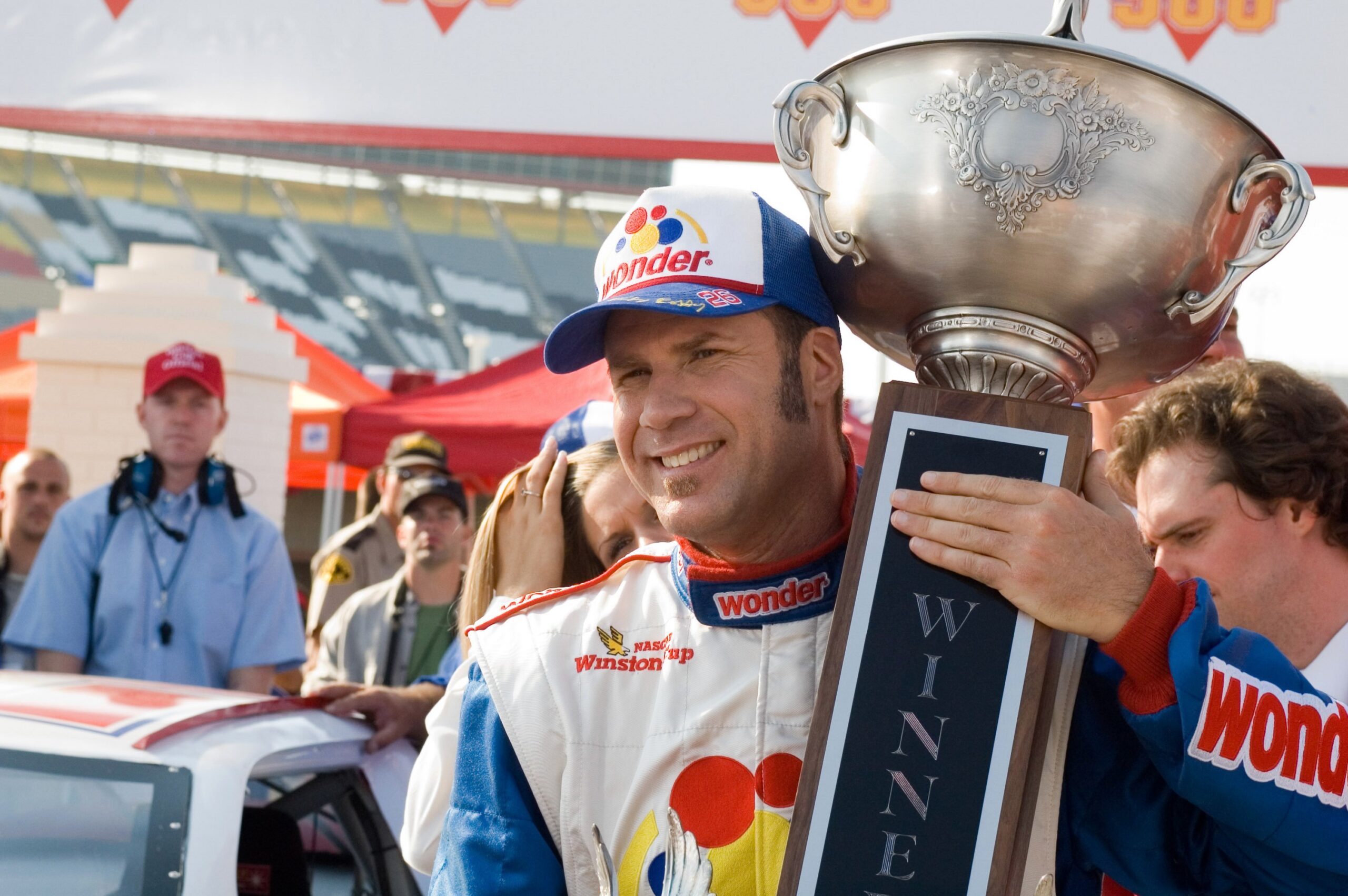
    Director Adam McKay recently revealed details about an unproduced sequel to 2006’s ‘Talladega Nights: The Ballad of Ricky Bobby’ and commented on his 2019 professional separation from long-time creative partner Will Ferrell, stating he is open to working together again.

    The Unproduced ‘Talladega Nights 2’ Script

    Adam McKay confirmed that a script for a sequel to ‘Talladega Nights: The Ballad of Ricky Bobby’ was indeed written. The director, known for his collaborations with Will Ferrell, provided insight into the potential storyline for the unmade film. This revelation offers a glimpse into a project that never saw the light of day, despite the original film’s commercial success and enduring popularity.

    The proposed plot for ‘Talladega Nights 2’ centered on Ricky Bobby’s life years after his racing career. According to McKay, the character would have been depicted as a washed-up former NASCAR driver. This narrative direction would have explored themes of past glory and present struggles, a common trope in sports-related sequels. The script aimed to revisit the beloved character in a new phase of his life, facing different challenges than those in the original.

    McKay elaborated on the concept, suggesting that Ricky Bobby would have been working at a car wash. This setting would provide a stark contrast to his previous life as a celebrated racing champion. The character’s fall from grace would have been a central element of the sequel’s comedic and dramatic tension. Such a premise would have allowed for both humor derived from Ricky Bobby’s fish-out-of-water situation and a deeper exploration of his character arc.

    The director did not specify the exact timeline for when this script was developed or why it ultimately did not move forward. However, the existence of a completed script indicates serious consideration for a follow-up to the 2006 comedy hit. ‘Talladega Nights’ grossed over $163 million worldwide upon its release, solidifying its place as a successful R-rated comedy.

    The 2019 Professional Split with Will Ferrell

    Adam McKay addressed his professional separation from actor Will Ferrell, which occurred in 2019. The split marked the end of a highly successful creative partnership that spanned decades and produced numerous hit films. McKay described the parting of ways as a “shame,” indicating a lingering sense of regret or disappointment over the dissolution of their collaboration.

    The professional breakup between McKay and Ferrell had significant implications for their joint production company, Gary Sanchez Productions. Founded in 2006, the company was responsible for producing a string of successful comedies, including ‘Anchorman 2: The Legend Continues,’ ‘The Other Guys,’ and ‘Step Brothers.’ The company also ventured into television, producing shows like ‘Eastbound & Down’ and ‘Succession.’

    The primary reason cited for the split at the time was creative differences and a shift in their individual career paths. While both individuals continued to work in Hollywood, their joint ventures largely ceased. The end of Gary Sanchez Productions in 2019 symbolized the formal conclusion of their partnership in many respects. This event was widely reported in entertainment news outlets, given the prominence of both figures in the film industry.

    McKay’s recent comments indicate that the separation remains a notable point in his career narrative. His use of the word “shame” suggests a personal impact beyond just the professional. The partnership had been built on a foundation of shared comedic sensibilities and a long-standing friendship, making the split particularly poignant for fans and industry observers.

    Openness to Future Collaboration

    Despite the 2019 professional separation, Adam McKay expressed openness to the idea of working with Will Ferrell again. This statement offers a potential pathway for reconciliation between the two influential figures in comedy filmmaking. McKay’s willingness to consider future projects together suggests that the door is not entirely closed on their creative partnership.

    The director’s comments indicate a desire to move past the circumstances that led to their initial split. While the specific details of a potential future collaboration were not outlined, the sentiment itself is notable. This openness contrasts with the definitive nature of their 2019 breakup, which many perceived as a permanent end to their joint work.

    A reunion between McKay and Ferrell would be highly anticipated by fans of their previous work. Their films together are often characterized by their unique brand of improvisational humor, sharp social commentary, and memorable characters. The prospect of them creating new content together could reignite interest in their collaborative dynamic.

    The statement comes at a time when both McKay and Ferrell have continued to pursue successful individual careers. McKay has earned critical acclaim for films like ‘The Big Short’ (2015) and ‘Don’t Look Up’ (2021), while Ferrell has maintained his status as a leading comedic actor. A potential future collaboration would likely draw on their evolved individual experiences and perspectives.

    The entertainment industry often sees creative partners reunite after periods of separation. The possibility of McKay and Ferrell following this pattern remains a topic of speculation and interest. McKay’s recent remarks provide the first concrete indication from either party that such a reunion is not out of the question.

    The Legacy of McKay and Ferrell’s Partnership

    The collaboration between Adam McKay and Will Ferrell profoundly impacted modern American comedy. Their joint efforts, primarily through Gary Sanchez Productions and their directorial/acting pairings, redefined comedic filmmaking for a generation. Their films often blended absurd humor with incisive satire, tackling various societal topics through a unique lens.

    Beginning with ‘Anchorman: The Legend of Ron Burgundy’ in 2004, their partnership quickly established a distinctive style. This film, directed by McKay and starring Ferrell, became a cult classic and spawned a successful sequel. It showcased their ability to create memorable characters and quotable dialogue that permeated popular culture.

    Subsequent films like ‘Talladega Nights: The Ballad of Ricky Bobby’ (2006) and ‘Step Brothers’ (2008) further cemented their reputation. These movies demonstrated a consistent ability to deliver both commercial success and critical appreciation within the comedy genre. They pushed boundaries with their improvisational techniques and often explored themes of masculinity, ambition, and dysfunctional relationships.

    Beyond directing and acting, their work as producers under Gary Sanchez Productions expanded their influence across film and television. They nurtured other comedic talents and brought a distinctive voice to a wide array of projects. The company’s output often reflected the duo’s shared comedic sensibilities, even in projects where they were not directly involved as director or actor.

    The impact of their partnership is evident in the continued discussion of their split and the ongoing speculation about a potential reunion. Their body of work remains a significant reference point for contemporary comedy. The enduring interest in their collaboration underscores its lasting legacy in Hollywood.

    Future Prospects for Both Artists

    Since their 2019 split, both Adam McKay and Will Ferrell have continued to build substantial careers. McKay has transitioned more prominently into directing and producing projects with a strong social and political commentary. His films ‘The Big Short’ and ‘Don’t Look Up’ garnered Academy Award nominations, showcasing his ability to blend complex themes with accessible storytelling.

    McKay’s recent work often tackles urgent global issues, from the 2008 financial crisis to climate change and political polarization. This shift indicates a continued evolution in his filmmaking approach, moving beyond pure comedy into more dramatic and satirical territory. His production company, Hyperobject Industries, continues to develop projects that align with this new focus.

    Will Ferrell, meanwhile, has continued to star in and produce comedic films and television series. He has maintained his status as one of Hollywood’s leading comedic actors, appearing in projects such as ‘Eurovision Song Contest: The Story of Fire Saga’ (2020) and ‘Spirited’ (2022). Ferrell has also expanded his production efforts through his company, Gloria Sanchez Productions, a spin-off from the original Gary Sanchez.

    Ferrell’s career continues to be defined by his unique brand of physical comedy and character-driven performances. He remains a sought-after talent for both mainstream comedies and more nuanced roles. His recent ventures also include voice acting and television production, demonstrating a diversified portfolio of work.

    Both artists have proven their ability to thrive independently, post-split. However, the potential for a reunion remains a compelling narrative. The creative synergy they once shared is a powerful draw, and McKay’s recent comments suggest that the possibility of rekindling that synergy is not entirely off the table. The future for both remains dynamic, whether together or apart.

    Directors spoke. Actors spoke. Industry analysts spoke.

    Hollywood.

  • Jeff Olson, VFX Producer for ‘Star Wars,’ ‘Roger Rabbit,’ Dies

    Jeff Olson, VFX Producer for ‘Star Wars,’ ‘Roger Rabbit,’ Dies

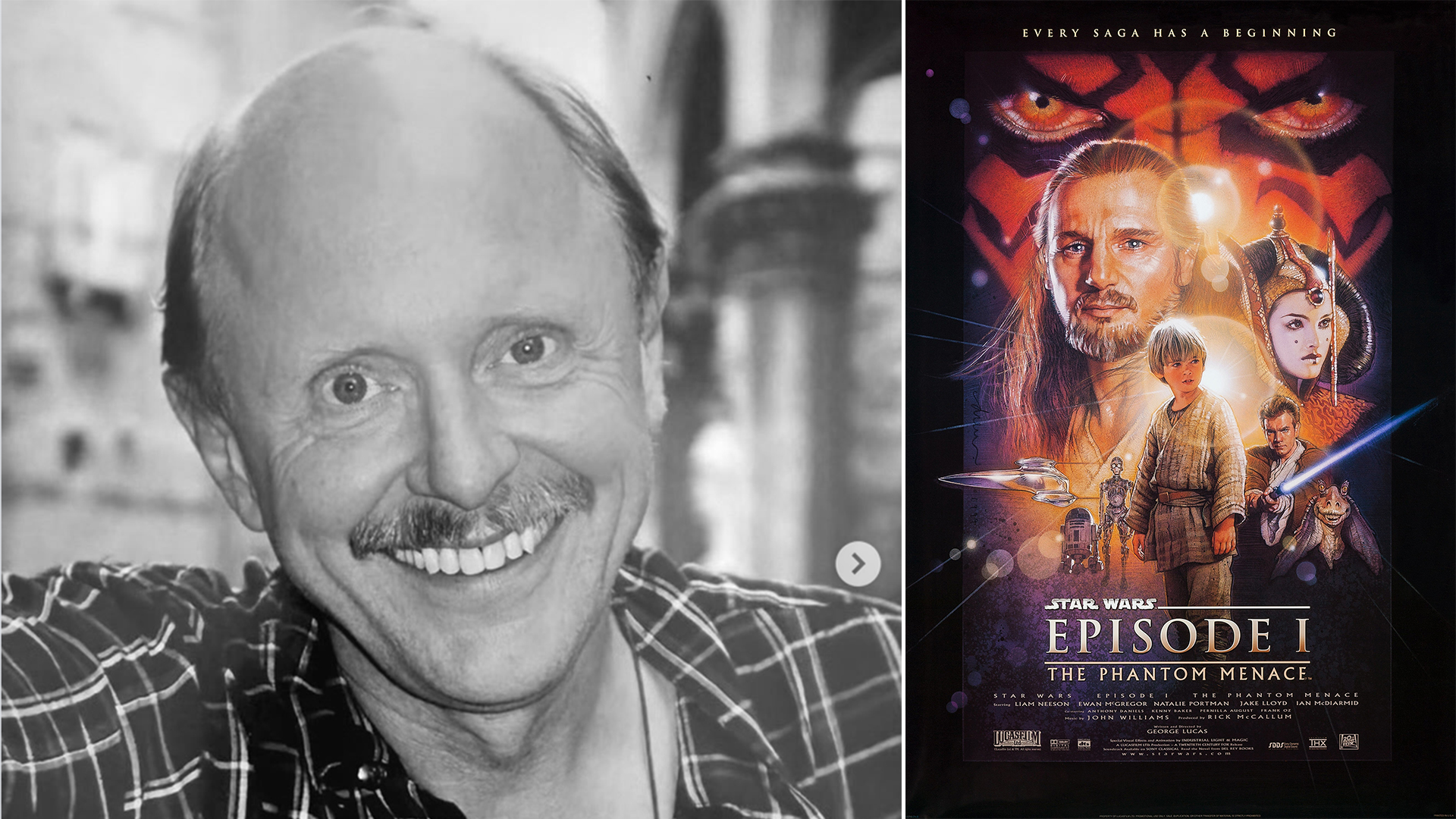
    Veteran visual effects producer Jeff Olson has died, as confirmed on June 25, 2026. Olson was widely recognized for his contributions to numerous high-profile films, leaving a significant mark on the visual effects industry.

    His extensive career included work on the groundbreaking film ‘Who Framed Roger Rabbit’, where his expertise helped blend live-action and animation seamlessly. This project is often cited as a benchmark in visual effects innovation.

    A Legacy in Sci-Fi and Fantasy

    Olson also played a key role in the visual effects for ‘Star Wars: Episode I – The Phantom Menace’. This film, released in 1999, was a pivotal entry in the Star Wars saga and heavily relied on advanced visual effects for its ambitious world-building and action sequences.

    Beyond Star Wars, Olson’s filmography included multiple installments in the ‘Star Trek’ franchise. His work helped define the aesthetic and technological advancements seen in these iconic science fiction films, solidifying his reputation within the genre.

    Other Notable Contributions

    Throughout his career, Jeff Olson collaborated with numerous studios and directors, contributing to a diverse range of cinematic projects. His work often involved managing complex visual effects pipelines and ensuring the creative vision of filmmakers was realized on screen.

    This is a developing story. Additional information regarding Olson’s passing and his full career retrospective is anticipated as more details become available from official sources.

    The Impact of a VFX Pioneer

    Visual effects producers like Olson are crucial to modern filmmaking. They bridge the gap between creative concepts and technical execution, often overseeing vast teams of artists and technicians. Olson’s career exemplifies the dedication required to bring imaginative worlds to life.

    His influence extended across different eras of visual effects, from the practical and optical effects of earlier films to the digital advancements of the late 20th and early 21st centuries. Olson’s ability to adapt and innovate allowed him to remain a relevant and respected figure in Hollywood.