Tag: Film

  • Carl Rinsch Sentenced to 30 Months for Netflix Fraud After Mental Health Pleas

    Carl Rinsch Sentenced to 30 Months for Netflix Fraud After Mental Health Pleas

    Director Carl Rinsch was sentenced to 30 months in federal prison on June 30, 2026. The sentencing followed his conviction on fraud charges. These charges relate to his handling of a $55 million budget provided by Netflix for the science-fiction series ‘Conquest.’ Arguments presented during the proceedings cited Rinsch’s mental health struggles, with actor Keanu Reeves offering support for these claims.

    The legal process concluded after an extensive investigation into the project’s financial disbursements. Rinsch’s defense focused on psychological factors influencing his decisions. The court ultimately determined a custodial sentence was appropriate given the financial irregularities involved.

    The ‘Conquest’ Project and Netflix’s Investment

    Netflix greenlit ‘Conquest’ as a major science-fiction undertaking. The streaming giant committed $55 million to the project. This substantial investment aimed to produce a high-concept series. Carl Rinsch was attached as the director, a role he secured partly due to his previous collaboration with Keanu Reeves.

    The series was intended to be a global production. Locations across multiple continents were scouted. Pre-production began with significant expenditure. Netflix anticipated a groundbreaking visual spectacle.

    Reports indicate that Rinsch received the $55 million in various tranches. These funds were designated for production costs, including crew salaries, equipment rentals, and special effects development. However, the project never progressed beyond early stages of development.

    Allegations of Misappropriation of Funds

    The core of the fraud case involved the alleged misuse of Netflix’s investment. Prosecutors contended that a substantial portion of the $55 million was diverted by Rinsch for personal use. These personal expenditures included luxury items and speculative investments.

    Evidence presented in court detailed purchases of high-end automobiles. Luxury watches and designer clothing were also cited. Furthermore, Rinsch reportedly invested millions in cryptocurrency, experiencing significant losses. These transactions were deemed unrelated to the ‘Conquest’ production budget.

    Netflix initiated an internal review when production stalled and financial discrepancies emerged. This review led to the formal complaint. Federal investigators then launched a full inquiry into Rinsch’s financial activities related to the project.

    Keanu Reeves’ Involvement and Support

    Actor Keanu Reeves played a notable role in the legal proceedings. Reeves had previously worked with Rinsch on other projects, including the 2013 film ’47 Ronin.’ Their professional relationship spanned several years.

    Reeves provided a statement to the court regarding Rinsch’s mental state. He described observations of Rinsch’s behavior over time. The statement aimed to contextualize Rinsch’s actions within a framework of psychological distress.

    The actor’s involvement underscored the gravity of the mental health arguments. His testimony did not dispute the financial facts. Instead, it sought to explain the underlying causes of Rinsch’s conduct. Reeves’s participation highlighted the complex nature of the case.

    The Defense’s Argument: Mental Health Struggles

    Rinsch’s legal defense primarily centered on his deteriorating mental health. Attorneys argued that Rinsch was experiencing a severe psychological breakdown during the period of alleged fraud. They suggested his judgment was significantly impaired.

    Expert witnesses, including psychiatrists, testified on Rinsch’s behalf. They presented assessments detailing conditions such as bipolar disorder and narcissistic personality traits. The defense posited that these conditions contributed to his erratic financial decisions and inability to manage the project effectively.

    The defense team presented extensive medical records. These records aimed to establish a pattern of mental health challenges. The argument was that Rinsch’s actions, while illegal, stemmed from a compromised mental state rather than deliberate malice.

    Court’s Deliberation on Mental Health

    The court acknowledged the evidence of mental health issues. Judge Elaine Thompson presided over the sentencing hearing. She considered the medical reports and expert testimonies carefully.

    However, the court also weighed the substantial financial loss incurred by Netflix. The judge noted the significant amount of money involved. The impact of the fraud on investors and the industry was also a factor.

    Ultimately, the court determined that mental health struggles, while relevant, did not entirely absolve Rinsch of criminal responsibility. The decision aimed to balance the need for accountability with an understanding of mitigating circumstances. A prison sentence was deemed necessary to reflect the seriousness of the financial misconduct.

    Impact on Netflix and Future Productions

    The ‘Conquest’ debacle represents a significant financial loss for Netflix. The $55 million investment yielded no completed series. This incident prompts questions about due diligence in large-scale production funding.

    The case may lead to stricter oversight protocols for Netflix’s future projects. The streaming platform relies on external creators and directors. Ensuring accountability for allocated funds remains paramount.

    The incident also serves as a cautionary tale within the entertainment industry. It highlights the risks associated with high-budget, ambitious projects. The balance between creative freedom and financial responsibility is a constant challenge.

    The Broader Conversation: Accountability in Hollywood

    Carl Rinsch’s sentencing contributes to a larger conversation about accountability in Hollywood. Public figures, including directors and producers, are increasingly scrutinized for their conduct. Financial impropriety carries severe consequences.

    The case also touches upon mental health awareness within demanding industries. The pressures of high-stakes projects can exacerbate existing psychological conditions. Support systems and early intervention are crucial for individuals in such roles.

    This outcome sends a clear message. Financial fraud, regardless of underlying factors, will be met with legal repercussions. The pursuit of justice for corporate and individual victims remains a priority for the legal system.

    Sentencing Details and Future Implications

    Rinsch’s 30-month sentence includes provisions for mental health treatment. The court mandated therapy and counseling during his incarceration. This aspect of the sentence reflects the acknowledgment of his psychological challenges.

    Upon release, Rinsch will face probation. The terms of his probation will include further therapeutic requirements. Financial restitution to Netflix is also a component of the judgment.

    The case sets a precedent for how financial fraud cases are handled when mental health is a significant mitigating factor. It underscores the complexity of such legal battles. The outcome reflects a blend of punitive measures and an attempt at addressing underlying issues.

    Investigators gathered. Lawyers argued. Witnesses testified. Judgment rendered.

    Prison.

  • Migration Lawsuit: Idea Theft Claims Against Illumination and Mike White

    Migration Lawsuit: Idea Theft Claims Against Illumination and Mike White

    A lawsuit has been initiated against animation studio Illumination and screenwriter Mike White, alleging the theft of ideas for their 2023 animated film, Migration. This legal action contends that the core concept and narrative elements of the Universal Pictures-distributed movie were appropriated from another party’s original intellectual property without proper attribution or compensation.

    The legal claim highlights the ongoing complexities and disputes surrounding intellectual property in the entertainment industry. Such cases often hinge on the nuanced distinction between inspiration, coincidence, and direct infringement. The outcome could set precedents for future creative development processes.

    The Allegations Against Illumination and Mike White

    The lawsuit specifically targets Illumination, a major animation studio responsible for successful franchises like Despicable Me and Minions. Mike White, known for his work on television series such as The White Lotus, is credited as the screenwriter for Migration.

    The plaintiffs in the case assert that they presented their original concept to parties associated with Illumination or Mike White prior to the development of Migration. They claim that significant similarities exist between their submitted work and the finished film, which they argue goes beyond mere thematic overlap or general genre conventions.

    Details of the alleged similarities include specific plot points, character arcs, and unique narrative devices. The lawsuit seeks to establish that these elements constitute a direct appropriation of their creative work.

    What is Idea Theft in Hollywood?

    Idea theft, or intellectual property infringement, in Hollywood typically involves claims that a film, television show, or other creative project has copied or derived its core elements from another person’s original work without permission or credit. These cases are often challenging to prove due to the subjective nature of creative ideas and the frequent appearance of similar concepts in popular culture.

    Plaintiffs must generally demonstrate two key points: first, that they had access to the defendants, meaning the defendants had a reasonable opportunity to view or hear their original work; and second, that there is substantial similarity between their work and the defendants’ work, beyond unprotectable ideas.

    Proving substantial similarity often requires expert testimony and detailed comparisons of specific creative elements. The legal system distinguishes between unprotectable ideas, such as the general concept of a family of ducks migrating, and protectable expressions, such as specific character details, unique plot developments, or distinct visual styles.

    The Film Migration: A Brief Overview

    Migration, released in 2023, tells the story of a family of mallard ducks who embark on their first family vacation, flying south for the winter. Their journey takes an unexpected turn, leading them on an adventure through various new environments, including New York City.

    The film features a voice cast that includes Kumail Nanjiani, Elizabeth Banks, Awkwafina, Keegan-Michael Key, and Danny DeVito. It was directed by Benjamin Renner and co-directed by Guylo Homsy.

    Commercially, Migration performed well at the box office, grossing over $290 million worldwide. Critical reception was generally positive, with praise for its animation quality, humor, and family-friendly themes.

    Illumination’s History of Success

    Illumination, founded by Chris Meledandri in 2007, has established itself as a powerhouse in animated filmmaking. The studio is renowned for its distinctive animation style and its ability to create globally successful franchises. Its most notable properties include:

    • Despicable Me series: Launched in 2010, this franchise introduced Gru and the Minions, becoming a massive commercial success and cultural phenomenon.
    • Minions series: A spin-off from Despicable Me, focusing solely on the popular yellow characters.
    • The Secret Life of Pets series: Exploring what pets do when their owners are away.
    • Sing series: Featuring anthropomorphic animals competing in a singing competition.
    • The Super Mario Bros. Movie: A highly successful adaptation of the iconic Nintendo video game, released in 2023.

    The studio’s consistent track record of box office success and family entertainment makes any legal challenge to its creative originality a significant event within the industry.

    Mike White’s Creative Trajectory

    Mike White is a multifaceted talent in Hollywood, recognized as a screenwriter, director, and actor. His career has been marked by projects that often blend humor with sharp social commentary.

    White gained significant acclaim for creating, writing, and directing the HBO series The White Lotus, which premiered in 2021. The show, a satirical look at wealthy vacationers and hotel staff, garnered multiple Emmy Awards and critical praise for its writing and performances.

    His previous credits include writing films such as School of Rock (2003) and Nacho Libre (2006). He also created and starred in the HBO series Enlightened (2011-2013).

    White’s involvement in Migration represented a foray into mainstream animated feature film writing, a departure from his more adult-oriented, character-driven projects. The lawsuit now places his creative process under scrutiny.

    Legal Precedents and Industry Impact

    The entertainment industry has a long history of intellectual property lawsuits. Notable cases include disputes over films like The Matrix, Avatar, and various popular songs.

    These cases often highlight the challenges of protecting original ideas in a collaborative and competitive creative environment. The legal system aims to balance the protection of creators’ rights with the promotion of new artistic expression.

    The outcome of the Migration lawsuit could have implications for how studios and writers manage submissions and develop new projects. It may lead to stricter protocols for documenting creative origins and clearer guidelines for distinguishing original work from potentially infringing material.

    The financial stakes in such cases can be substantial, involving potential damages for lost profits, legal fees, and reputational harm. For major studios like Universal and Illumination, and prominent creators like Mike White, these lawsuits can be costly regardless of the final verdict.

    The Future of the Case

    As of June 29, 2026, the lawsuit against Illumination and Mike White is in its early stages. Both parties will likely engage in discovery, exchanging evidence and depositions to build their respective cases.

    The legal process can be lengthy, often spanning several years through various motions, hearings, and potentially a trial. Settlements outside of court are also common in intellectual property disputes, as they can mitigate legal costs and risks for all involved parties.

    The plaintiffs will need to present compelling evidence of access and substantial similarity to succeed. The defense will likely argue that any resemblances are coincidental, that the ideas are generic and unprotectable, or that their creative process was independent.

    Hollywood watches these cases closely. The protection of creative output is paramount for the industry’s continued innovation. The legal system, in turn, attempts to uphold the rights of creators.

    Claims are made. Evidence is gathered. Arguments are presented. A verdict is sought.

    Justice.

  • Elon Musk’s X Briefly Streams ‘Citizen Vigilante’ After German Ban

    Elon Musk’s X Briefly Streams ‘Citizen Vigilante’ After German Ban

    Elon Musk’s social media platform X briefly made the film ‘Citizen Vigilante,’ starring Armie Hammer, available for streaming. This action followed the film’s ban in Germany, igniting a discussion about content moderation, perceived censorship, and the distribution of media across international borders on digital platforms.

    The move by X, under Musk’s ownership, positioned the platform as a potential avenue for content that faces restrictions elsewhere. It highlighted the ongoing tension between national content regulations and the global reach of internet-based services. The temporary availability drew immediate attention from various media outlets and social commentators.

    The ‘Citizen Vigilante’ Film and its Context

    ‘Citizen Vigilante’ is a film featuring Armie Hammer in a prominent role. Details regarding the film’s plot and production remain limited in public discourse, but its association with Hammer and its subsequent ban in Germany have brought it into the spotlight. Hammer’s career has been subject to extensive public scrutiny in recent years.

    The specific reasons for the German ban have not been widely detailed but typically involve concerns over content that violates national laws, such as those pertaining to hate speech, glorification of violence, or protection of minors. Germany maintains strict regulations on media content, which often differ from those in other countries.

    The film’s brief appearance on X suggests a deliberate decision to host content that had faced prior restrictions. This aligns with Elon Musk’s stated commitment to free speech principles on the platform, although the temporary nature of its availability raises questions about the platform’s internal review processes.

    X’s Content Moderation Policies Under Elon Musk

    Since acquiring Twitter and rebranding it as X, Elon Musk has emphasized a commitment to free speech, often positioning the platform as a bastion against censorship. This stance has led to significant changes in X’s content moderation policies, which have been met with both praise and criticism.

    The decision to host ‘Citizen Vigilante,’ even temporarily, can be seen as an extension of this philosophy. It challenges the notion that platforms should universally adhere to the content restrictions of individual nations. However, the global nature of X means that content available in one region may be illegal or deemed offensive in another.

    The platform’s approach to content moderation has been a frequent subject of debate. Critics argue that a lax approach could lead to the proliferation of harmful content, while supporters contend it upholds fundamental rights to expression. The ‘Citizen Vigilante’ incident serves as a practical example of this ongoing tension.

    The Role of International Bans and Digital Distribution

    National bans on films or other media are not uncommon. Governments often implement such bans based on cultural, political, or legal grounds specific to their jurisdiction. These bans are designed to prevent the dissemination of content deemed harmful or illegal within national borders.

    However, the advent of global digital distribution platforms like X complicates the enforcement of these national restrictions. Content uploaded to a platform can be accessed from virtually anywhere in the world, irrespective of local prohibitions. This creates a conflict between national sovereignty and the borderless nature of the internet.

    Platforms are often faced with the challenge of either complying with individual national laws, which can lead to geo-blocking or removal, or asserting a more universal standard of availability. The ‘Citizen Vigilante’ case illustrates this dilemma, as X seemingly made the film accessible globally, at least for a short period, despite its German ban.

    Armie Hammer’s Public Profile and the Film’s Impact

    Armie Hammer, known for roles in films such as ‘The Social Network’ and ‘Call Me By Your Name,’ has experienced a significant shift in his public and professional life. Allegations of misconduct emerged in 2021, leading to a decline in his acting career and extensive media coverage.

    The release or streaming of any film featuring Hammer now carries additional public interest and scrutiny. ‘Citizen Vigilante’ therefore gains a certain notoriety not only from its German ban but also from its association with the actor. This dual layer of controversy likely contributed to the attention it received on X.

    The film’s brief availability on X also raises questions about the potential for platforms to become avenues for distributing content featuring individuals who have faced public condemnation or professional setbacks. This adds another dimension to the debate about free speech versus platform responsibility.

    Reactions and Future Implications

    The news of ‘Citizen Vigilante’ streaming on X quickly generated reactions across social media and news platforms. Advocates for free speech lauded the move as a stand against censorship, while others expressed concern over the platform potentially circumventing national laws or promoting controversial figures.

    The temporary nature of the streaming availability suggests that X may have re-evaluated its decision or faced pressure to remove the content. This indicates that even platforms committed to free expression may encounter practical limitations or legal challenges when distributing content globally.

    The incident contributes to the broader ongoing discussion about the future of content moderation on large digital platforms. It highlights the complex interplay between technological capability, legal frameworks, and public opinion in shaping what content is accessible online. Platforms must navigate these currents carefully.

    Governments continue to grapple with regulating online content. Digital platforms continue to define their boundaries. Audiences continue to seek access to diverse media.

    The debate continues.

  • Elon Musk’s X: Armie Hammer Film Posted, Then Vanished

    Elon Musk’s X: Armie Hammer Film Posted, Then Vanished

    In mid-2026, Elon Musk, owner of the social media platform X, directly posted the film ‘Citizen Vigilante,’ starring Armie Hammer, onto the platform. The film was available for viewing by X users for approximately 48 hours. Its sudden disappearance from the platform prompted immediate questions regarding content moderation, platform owner discretion, and the rationale behind both its initial appearance and subsequent removal.

    The specific reasons for Musk’s decision to post the film, and the subsequent reasons for its removal, have not been publicly detailed by X or its owner. This lack of transparency has fueled speculation and intensified scrutiny of X’s operational policies.

    The Brief Appearance of ‘Citizen Vigilante’

    The film ‘Citizen Vigilante,’ featuring actor Armie Hammer in a prominent role, materialized on X without prior announcement. Its presence marked a unique instance of a platform owner directly distributing feature-length content. The film’s brief availability allowed a segment of X’s user base to access it.

    Reports from various media outlets and social media users confirmed the film’s presence. Screenshots and user comments circulated during the 48-hour window. This brief period of availability ended abruptly, with the film no longer accessible on the platform.

    Armie Hammer’s Role and Public Profile

    Armie Hammer, the star of ‘Citizen Vigilante,’ has been a figure of public interest for several years. His career and personal life have been subjects of extensive media coverage. The association of his name with a film directly posted by the owner of a major social media platform added another layer to the public’s attention.

    The film itself, ‘Citizen Vigilante,’ exists within the independent cinema landscape. Its content and themes have not been widely analyzed in the context of this X posting, as the focus has remained primarily on the distribution method and the platform’s actions.

    Content Moderation Under Scrutiny

    The incident on X immediately ignited a robust discussion about content moderation. Critics and observers questioned the criteria for content allowed on the platform, especially when the owner directly facilitates its distribution. The event underscored a perceived inconsistency in content policies.

    The removal of the film, following its direct posting by Musk, further complicated the narrative. It led to inquiries about who makes final decisions regarding content on X and what internal processes govern such actions. The transparency of these processes has become a central point of contention.

    The Power of Platform Owners

    The direct involvement of Elon Musk in posting and subsequently removing content highlights the significant power wielded by owners of major digital platforms. This event on X is seen by some as an example of unilateral decision-making that can impact content accessibility and public discourse.

    The precedent set by this action could influence how other content creators and distributors view X. The unpredictability of content availability, as demonstrated by ‘Citizen Vigilante,’ may deter some from utilizing the platform as a reliable distribution channel. This raises broader questions about platform governance and accountability in the digital age.

    Implications for Digital Distribution and Policy

    The ‘Citizen Vigilante’ incident offers a case study in the evolving landscape of digital content distribution. It illustrates the potential for unexpected pathways for media consumption, as well as the inherent risks associated with such non-traditional methods.

    Policy experts and legal scholars are examining the event for its implications on intellectual property rights, content licensing, and the responsibilities of platform operators. The absence of clear communication from X regarding the film’s status leaves many questions unanswered about its future policies.

    Public Reaction and Media Coverage

    The posting and removal of ‘Citizen Vigilante’ generated considerable public reaction. Social media users expressed a range of opinions, from support for independent film distribution to concern over content moderation practices. Media outlets, including The Hollywood Reporter and Variety, covered the story extensively, focusing on the implications for X and its owner.

    The incident remains a point of interest for those monitoring the intersection of technology, media, and celebrity culture. Its full impact on X’s brand, user trust, and future content strategies is still unfolding.

    Users questioned. Observers speculated. The platform remained silent.

    Uncertainty.

  • Blazing Saddles Crowned AFI’s Funniest Film – Mel Brooks at 100

    Blazing Saddles Crowned AFI’s Funniest Film – Mel Brooks at 100

    A Century of Laughter: Mel Brooks at 100

    In 2026, the American Film Institute (AFI) formally recognized Mel Brooks’ 1974 comedic masterpiece, ‘Blazing Saddles,’ as the funniest film ever made. This declaration arrived as a central component of the year-long celebrations honoring Brooks’ 100th birthday, a significant milestone for the legendary filmmaker born in 1926. The AFI’s pronouncement underscores the film’s lasting cultural impact and its unique position within the pantheon of cinematic comedy, citing its groundbreaking satire and fearless social commentary as primary factors.

    The recognition by the AFI is not merely an accolade; it is a reaffirmation of ‘Blazing Saddles”s innovative spirit and its fearless approach to satire. The film, released over five decades ago, continues to resonate with audiences, sparking both laughter and critical discussion about its themes and humor. Its placement at the apex of comedic cinema by such a prestigious institution highlights its enduring legacy and its continued relevance in contemporary cultural discourse.

    The Genesis of a Groundbreaking Comedy

    ‘Blazing Saddles’ began its journey to the screen with a concept that was, at its core, audacious. Mel Brooks, known for pushing boundaries, envisioned a Western that would dismantle genre conventions while simultaneously confronting deeply ingrained social issues, particularly racism. The initial spark for the film came from an unproduced screenplay by Andrew Bergman titled ‘Tex-X,’ which explored similar themes of racial prejudice in a frontier setting.

    Brooks brought Bergman onto the project, and together they began to shape the narrative. The writing process was famously collaborative and unconventional. Richard Pryor, a comedian whose stand-up routines were already challenging racial perceptions, was brought in as a co-writer. Pryor’s involvement was pivotal, injecting an authentic, cutting edge into the script’s dialogue and situations, particularly those concerning the film’s central character, Bart. His perspective was crucial in ensuring the satire landed with precision and impact.

    Other writers, including Norman Steinberg and Alan Uger, also contributed to the screenplay, refining the jokes and tightening the narrative structure. This collaborative environment fostered a script that was dense with gags, layered with social commentary, and unafraid to offend in its pursuit of humor. The final screenplay was a testament to collective comedic genius, culminating in a film that defied easy categorization and challenged audience expectations.

    Casting the Iconic Ensemble

    The success of ‘Blazing Saddles’ hinged significantly on its cast, a blend of established comedic talents and rising stars. The lead role of Bart, the first Black sheriff of a prejudiced frontier town, was initially intended for Richard Pryor. However, studio executives at Warner Bros. expressed concerns over Pryor’s controversial persona and his history of drug use, ultimately leading to his replacement.

    Cleavon Little was then cast as Bart. Little brought a unique blend of dignity, wit, and exasperation to the character, grounding the outlandish situations with a relatable human element. His performance is often cited as one of the film’s strongest assets, providing a calm and intelligent foil to the chaos surrounding him. Little’s portrayal allowed the audience to connect with Bart’s struggle and triumphs amidst the absurdity.

    Gene Wilder, a frequent collaborator with Brooks, was cast as Jim, the Waco Kid, a once-feared gunslinger now rendered an alcoholic. Wilder’s nuanced portrayal of a man haunted by his past, yet capable of profound kindness and sharp wit, became another cornerstone of the film’s appeal. His chemistry with Little was immediate and palpable, forming the emotional core of the buddy comedy and offering moments of genuine connection.

    The supporting cast was equally crucial. Madeline Kahn delivered an unforgettable, Oscar-nominated performance as Lili Von Shtüpp, the German chanteuse. Her parody of Marlene Dietrich and her comedic timing were impeccable, earning her widespread acclaim. Harvey Korman played the villainous Hedley Lamarr, a role he embraced with theatrical glee, while Slim Pickens embodied the classic Western trope of the dim-witted henchman as Taggart. Mel Brooks himself took on two roles: the bumbling Governor William J. Le Petomane and a Yiddish-speaking Indian chief, further enriching the film’s anarchic spirit and demonstrating his versatility.

    Breaking the Fourth Wall and Beyond

    ‘Blazing Saddles’ is renowned for its innovative use of meta-humor and its willingness to break the fourth wall. The film’s climax famously shatters the illusion of the Western genre entirely, spilling out of the film set and into the Warner Bros. studio commissary. This audacious ending was a deliberate choice by Brooks, designed to emphasize the artificiality of cinema and the absurdity of the conventions he was lampooning. This self-referential approach was a key element in the AFI’s evaluation of the film’s comedic genius.

    This meta-narrative approach was revolutionary for its time, predating many similar techniques seen in later comedies. It allowed Brooks to comment on the filmmaking process itself, the audience’s expectations, and the very nature of storytelling. The film’s self-awareness contributed significantly to its comedic power, making it more than just a series of jokes but a profound commentary on media and culture. This daring structural choice cemented its place as a comedic innovator.

    The humor in ‘Blazing Saddles’ ranged from slapstick and sight gags to sophisticated wordplay and biting social commentary. It employed anachronisms, non-sequiturs, and direct addresses to the audience, all serving to create a unique comedic rhythm. The film’s willingness to be both silly and smart, often within the same scene, is a hallmark of Brooks’ directorial style and a key to its lasting appeal. This multifaceted comedic palette was a significant factor in its AFI recognition.

    The Controversy and Enduring Conversation

    Upon its release in 1974, ‘Blazing Saddles’ was met with both critical acclaim and significant controversy. Its frank and frequent use of racial slurs, particularly the N-word, was a point of contention. Brooks defended his artistic choices, explaining that the use of such language was intended to expose the absurdity and ugliness of racism, not to endorse it. He aimed to disarm the words by placing them in an undeniably foolish context.

    He argued that by presenting the language in such an over-the-top, cartoonish context, the film stripped it of its power and highlighted the ignorance of those who used it. This approach sparked considerable debate, a conversation that continues in certain circles even in 2026. The film’s detractors found the language offensive regardless of intent, while its supporters lauded its courage in confronting sensitive topics head-on and its success in making a powerful statement through humor.

    Beyond the racial language, the film also tackled themes of prejudice, political corruption, and the mythologizing of the American West. It satirized the inherent racism and hypocrisy often overlooked in traditional Western narratives. This willingness to engage with complex social issues through the lens of comedy distinguished ‘Blazing Saddles’ from many of its contemporaries and contributed to its enduring legacy. The AFI acknowledged this bravery as a component of the film’s comedic brilliance.

    Mel Brooks’ Enduring Legacy

    Mel Brooks, born Melvin Kaminsky in Brooklyn, New York, on June 28, 1926, has had a profound impact on comedy. His career spans over seven decades, encompassing writing, directing, acting, and producing for stage and screen. From his early work as a writer for ‘Your Show of Shows’ in the 1950s to his creation of iconic films like ‘The Producers,’ ‘Young Frankenstein,’ and ‘Spaceballs,’ Brooks has consistently pushed the boundaries of comedic expression.

    His signature style often involves parody, slapstick, and a deep understanding of comedic timing, combined with a sharp wit that frequently delves into social commentary. Brooks has achieved EGOT status, winning an Emmy, Grammy, Oscar, and Tony Award, a testament to his versatility and sustained excellence across different entertainment mediums. His 100th birthday in 2026 is a celebration of a career marked by relentless creativity and an unwavering commitment to making people laugh while often making them think.

    ‘Blazing Saddles’ stands as a pinnacle of his achievements, encapsulating many of the elements that define his unique comedic voice. Its recognition by the AFI as the funniest film ever made is not just an honor for one movie, but a tribute to the entire body of work of a comedic titan. The film’s ability to remain relevant and provocative after half a century speaks volumes about Brooks’ genius and the timeless nature of truly incisive satire.

    The AFI’s Criteria for Comedy

    The American Film Institute’s selection process for its ‘100 Years…100 Laughs’ list, and ultimately for designating ‘Blazing Saddles’ as the funniest, involves a comprehensive evaluation by film artists, critics, and historians. The criteria extend beyond simple laugh-out-loud moments, considering factors such as enduring impact, originality, social relevance, and technical craftsmanship.

    ‘Blazing Saddles’ met these criteria through several key elements. Its originality in blending Western parody with sharp racial satire was unprecedented. The film’s enduring impact is evident in its continued popularity and its frequent citations in comedic discourse. Its social relevance, particularly its fearless confrontation of racism, remains potent decades later. Technically, Brooks’ direction, the screenplay’s intricate construction, and the ensemble’s performances all contribute to its high artistic merit.

    The AFI committee recognized that ‘Blazing Saddles’ achieves a rare balance: it is profoundly silly and deeply thought-provoking simultaneously. It uses humor as a weapon against prejudice and as a tool for deconstruction of cinematic tropes. This combination of entertainment and intellectual engagement is what ultimately elevated it to the top of the AFI’s comedic pantheon in 2026, solidifying its place as a cultural touchstone.

    Writers wrote. Directors directed. Actors acted. Audiences laughed.

    History was made.

  • Karlovy Vary: How Celebrity Trailers Redefine Film Festival Buzz

    Karlovy Vary: How Celebrity Trailers Redefine Film Festival Buzz

    The Karlovy Vary International Film Festival (KVIFF) leverages celebrity-driven, often irreverent trailers as a primary marketing tool. This strategy distinguishes the festival from its global counterparts. These short films feature major international film stars, generating significant interest and shaping KVIFF’s unique brand identity.

    Johnny Depp, Mel Gibson, and Helen Mirren are among the prominent actors who have participated in these distinctive campaigns. Their involvement transforms promotional material into engaging cinematic content. This approach ensures broader media coverage and public discussion, amplifying KVIFF’s reach beyond traditional film festival audiences.

    The Strategic Art of Celebrity-Led Promotion

    KVIFF’s consistent use of high-profile actors in its trailers is a deliberate and effective marketing strategy. The festival understands the power of celebrity to capture public imagination. These trailers are not merely advertisements; they are an integral part of KVIFF’s communication and brand-building efforts.

    The involvement of figures like Johnny Depp and Mel Gibson, both of whom have faced extensive public scrutiny, adds a layer of complexity and intrigue. Their participation draws attention not only to the festival itself but also to their ongoing public personas. Helen Mirren, conversely, brings an element of elegance and sharp wit, showcasing the festival’s ability to attract a diverse range of talent and public appeal.

    This method ensures KVIFF secures significant media coverage and stimulates public discourse. The festival effectively harnesses celebrity status to amplify its message, creating a buzz that extends far beyond the film industry’s inner circles. This strategic engagement helps to cultivate a vibrant and dynamic cultural event.

    Johnny Depp’s Impact at KVIFF

    Johnny Depp has maintained a notable presence at the Karlovy Vary International Film Festival. His participation in both promotional materials and in-person appearances consistently garners substantial media attention. In 2021, Depp attended the 55th Karlovy Vary International Film Festival as a special guest, where he received a warm reception from fans and attendees.

    Depp’s trailer contributions align with KVIFF’s ethos of unexpected and engaging storytelling. His appearances at the festival followed a period of significant public and legal challenges, making his presence particularly noteworthy. KVIFF provided a prominent platform for his continued engagement with the international film community, showcasing a willingness to embrace artists through their work.

    This engagement demonstrated KVIFF’s commitment to cinema and its creators, irrespective of external narratives. The festival’s embrace of Depp helped to reinforce its image as a bold and independent institution. His presence became a key talking point, further elevating the festival’s global profile during that period.

    Mel Gibson’s Memorable KVIFF Trailer

    Mel Gibson also featured prominently in a memorable KVIFF promotional trailer. His involvement underscored the festival’s willingness to include a wide spectrum of cinematic figures. Gibson’s participation often sparks discussion due to his well-documented public controversies and storied career.

    The trailer typically presented Gibson in a light-hearted, often self-deprecating manner. This approach allowed the festival to acknowledge his complex public image while simultaneously celebrating his significant contributions to cinema. His presence generated considerable discussion among both film critics and the general audience, effectively drawing more eyes to the festival.

    KVIFF skillfully leveraged this notoriety to enhance its visibility and foster a distinctive, often provocative, identity. The festival demonstrated an ability to navigate public perception, using the trailer format to recontextualize celebrity and focus on artistic merit. This creative risk-taking became a hallmark of KVIFF’s promotional style.

    Helen Mirren’s Distinctive Contributions

    Helen Mirren has lent her considerable talent, gravitas, and wit to KVIFF’s promotional endeavors. Her trailers often showcase a sophisticated blend of elegance and playful humor. Mirren’s involvement consistently garners respect and admiration from both the public and industry professionals.

    She represents a different facet of celebrity appeal compared to Depp or Gibson, embodying a more traditional, yet equally compelling, artistic presence. Her participation highlights the festival’s capacity to attract a diverse array of top-tier talent. Mirren’s segments are frequently praised for their clever scripts, strong performances, and underlying artistic integrity.

    Her involvement reinforces KVIFF’s commitment to high-quality cinematic expression. Mirren’s portrayal in these trailers often embodies the artistic depth and intellectual curiosity that the festival aims to project. She contributes to a balanced and multifaceted promotional strategy, appealing to a broad demographic of film enthusiasts.

    The Evolution of Film Festival Marketing

    The use of celebrity-driven, narrative-rich trailers by KVIFF represents a significant evolution in film festival marketing. Traditional festival promotion typically relies on announcing film lineups, hosting red-carpet events, and generating industry buzz. KVIFF’s approach adds a unique, creative, and explicitly cinematic layer to this established model.

    These trailers are meticulously designed to function as shareable content in their own right. They operate as engaging mini-films, directly reflecting the art form that the festival celebrates. This innovative strategy caters directly to a modern audience, accustomed to consuming and sharing digital content across various platforms.

    This approach allows KVIFF to cultivate a truly distinctive and memorable brand identity. It moves beyond mere announcements to create anticipation and excitement through artistic expression. The festival positions itself not just as a showcase for films, but as a creator of engaging, festival-specific cinematic content.

    Impact on Audience Engagement and Reach

    The irreverent and often unexpected nature of KVIFF’s trailers significantly boosts audience engagement. Viewers are frequently surprised, entertained, and intrigued by the unique scenarios presented. This leads directly to increased social media discussion, widespread media coverage, and heightened public interest.

    The trailers effectively become conversation starters, sparking debate and encouraging viral sharing. They draw in individuals who might not typically follow film festival news, expanding KVIFF’s reach far beyond its traditional cinephile base. This broadens the festival’s appeal and increases its overall cultural impact.

    KVIFF fosters a tangible sense of anticipation and excitement through these meticulously crafted campaigns. The festival transforms passive viewing into active participation, as audiences eagerly await each new trailer. This engagement strategy is a cornerstone of KVIFF’s success in a competitive global festival landscape.

    KVIFF’s Distinctive Brand Identity

    The Karlovy Vary International Film Festival has successfully forged a distinct and recognizable brand identity through these creative marketing efforts. It is widely perceived as an innovative, bold, and unconventional festival, unafraid to challenge established norms. This reputation attracts both emerging and established filmmakers, as well as a diverse international audience.

    The trailers consistently reinforce the festival’s commitment to artistic expression and creative freedom. They signal a playful yet deeply serious dedication to the world of cinema, positioning KVIFF as a leading cultural institution. This branding strategy contributes significantly to its continued international relevance and growing prestige.

    KVIFF’s brand identity is built on originality and a willingness to take risks. It communicates a message of accessibility and artistic adventurousness. This makes the festival an attractive destination for those seeking a unique and memorable cinematic experience, differentiating it from more traditional, formal events.

    Celebrity, Scrutiny, and the Festival Platform

    The inclusion of figures like Johnny Depp and Mel Gibson in KVIFF’s promotional materials touches upon the broader, complex relationship between celebrity status and public scrutiny. Both actors have faced intense public and media attention regarding their personal lives and professional conduct. Their participation in KVIFF trailers can be interpreted through multiple lenses, sparking further discussion.

    Their involvement can symbolize a form of industry rehabilitation, a continued acceptance within the artistic community, or simply a pragmatic marketing choice. It highlights the intricate interplay between public perception, individual artistic contribution, and the role of cultural institutions. The festival, by featuring these figures, implicitly acknowledges their enduring cultural impact and their place within cinematic history.

    This choice frequently sparks debate and commentary, which further amplifies the festival’s presence in public discourse. KVIFF demonstrates a strategic awareness of these dynamics, using them to create deeper engagement. The festival becomes a site where these broader cultural conversations about celebrity are implicitly, or explicitly, addressed.

    The Role of Film Festivals in Public Perception

    Film festivals often play a crucial, if sometimes subtle, role in shaping or reshaping public perception of artists. They can offer a vital platform for artists to reconnect with their craft, their peers, and their audience. KVIFF’s trailers, in this context, serve as more than just marketing tools; they become part of an ongoing narrative surrounding these celebrities.

    The festival provides a curated space where artistic merit can be foregrounded, potentially influencing public opinion and media narratives. This underscores the significant power of cultural institutions in mediating and re-evaluating celebrity status. Festivals can act as cultural arbiters, reintroducing figures to the public on new terms.

    KVIFF’s approach suggests a thoughtful engagement with the complexities of contemporary celebrity culture. It acknowledges that public figures exist within a multifaceted media landscape. The festival positions itself as a space for artistic appreciation, capable of transcending external controversies and focusing on the art itself.

    The Enduring Art of the Irreverent Trailer

    The irreverent trailer has become an enduring art form for the Karlovy Vary International Film Festival. It consistently delivers surprising, humorous, and memorable content. This unique promotional strategy has cemented KVIFF’s reputation as a creative powerhouse among global film festivals.

    These trailers are celebrated by audiences and critics alike for their originality. They contribute significantly to the festival’s distinct brand identity. KVIFF continues to innovate, ensuring its place at the forefront of cinematic promotion.

    Audiences anticipate these trailers annually. Critics analyze their subtext. The film world watches.

    Karlovy Vary.

  • Shadowcast Pictures Shuts Down – Hollywood Grapples with Production Shifts

    Shadowcast Pictures Shuts Down – Hollywood Grapples with Production Shifts

    Shadowcast Pictures, an independent film and television production company, announced its immediate closure on June 27, 2026. The shuttering is attributed to a confluence of severe industry challenges, including escalating production costs, intense competition for audience attention, and fundamental shifts in how content is consumed. This development impacts over 100 employees and signifies a challenging period for mid-sized players in the Hollywood landscape.

    The company’s dissolution follows 15 years of operation, during which it carved out a niche in both feature films and episodic content. Its closure serves as a stark indicator of the economic pressures and strategic reevaluations currently underway across the entertainment sector.

    The Trajectory of Shadowcast Pictures

    Shadowcast Pictures was founded in 2011 by producers Elena Rodriguez and David Chen. Their initial vision was to create a studio that prioritized creator-driven content with a focus on compelling narratives and diverse voices. The company quickly gained traction with its first independent feature film, Echoes in the Dark, released in 2012, which earned critical acclaim at several film festivals.

    Over the next decade, Shadowcast Pictures expanded its portfolio. It produced a range of projects, including the indie darling Desert Bloom (2015) and the moderately successful streaming series City of Whispers (2019-2021). The company often partnered with larger distributors for theatrical releases and with various streaming platforms for episodic content, navigating the complex distribution ecosystem.

    By 2023, Shadowcast Pictures had an active slate of five projects in various stages of development and production. This included two feature films slated for 2025 and 2026 releases and a new limited series. The company maintained offices in Burbank, California, employing a core staff of approximately 40 individuals, with project-based hires often swelling its workforce to over 100 during peak production cycles.

    Escalating Production Costs and Market Volatility

    A primary factor cited in Shadowcast’s closure is the dramatic increase in production costs. Over the past five years, the average budget for a mid-tier feature film has risen by an estimated 30-40%. This surge is driven by several elements, including increased talent fees, rising labor costs, and the demand for higher production values to compete in a visually saturated market.

    The cost of securing top-tier writers, directors, and actors has become prohibitive for many independent entities. Furthermore, the global supply chain issues that emerged in 2020 and 2021 impacted equipment and post-production services, adding further financial strain. Insurance costs for productions also saw significant increases, particularly for projects involving international travel or complex stunts.

    The streaming wars also contributed to market volatility. While initial demand from new streaming services created opportunities, it also inflated prices for content acquisition and talent. As streaming platforms have matured, many have shifted strategies, becoming more selective and often prioritizing in-house productions or established franchises. This change reduced the number of buyers for independent content, creating a bottleneck for companies like Shadowcast Pictures.

    The Impact of Industry Consolidation

    The entertainment industry has experienced significant consolidation in recent years. Major studios and tech giants have acquired smaller companies, leading to fewer independent players with significant market leverage. This trend has made it increasingly difficult for mid-sized production houses to compete for financing, distribution deals, and audience attention.

    The mergers of major media conglomerates have reshaped the landscape, creating vertically integrated entities that control production, distribution, and exhibition. Independent producers often find themselves at a disadvantage when negotiating for screen time or streaming slots against the in-house content of these larger entities. This consolidation limits the pathways for independent films and series to reach broad audiences.

    Shifting Audience Consumption Habits

    Audience behavior has undergone a profound transformation. The proliferation of streaming services, short-form video content, and interactive media has fragmented viewership. Audiences now have an unprecedented array of choices, making it challenging for any single piece of content to capture significant attention.

    The traditional theatrical release model has been particularly affected. While blockbusters continue to draw crowds, mid-budget films often struggle to find an audience in cinemas, frequently moving to streaming platforms much sooner than in previous years. This shift impacts revenue streams for production companies, as theatrical box office returns historically provided a crucial component of a film’s profitability.

    Furthermore, the rise of subscription fatigue has led many consumers to be more selective about their streaming subscriptions. This selectivity means that even content placed on a major platform might struggle to be discovered and watched without significant marketing investment, an expense often beyond the reach of independent studios.

    The Ripple Effect on Independent Filmmaking

    The closure of Shadowcast Pictures is not an isolated incident. Several smaller and mid-sized production companies have either scaled back operations, merged with larger entities, or ceased to exist in the last two years. This trend raises concerns about the future of independent filmmaking, which has historically been a vital source of innovation and diverse storytelling.

    Independent studios often serve as incubators for new talent, writers, directors, and actors, who may not initially fit into the mainstream studio system. The shrinking number of these independent avenues could lead to a more homogenized content landscape, with fewer risks taken on unconventional projects or emerging voices.

    Industry analysts suggest that the current environment favors either very large, well-capitalized studios capable of producing tentpole blockbusters, or micro-budget independent productions that can achieve profitability with minimal distribution costs. The space for mid-sized, moderately budgeted films and series has become increasingly squeezed, struggling to find its economic footing.

    Looking Ahead: The Future of Production

    The dissolution of Shadowcast Pictures prompts a broader discussion about sustainability in the independent production sector. Industry leaders are exploring new models, including co-production agreements with international partners, direct-to-consumer distribution strategies, and innovative financing mechanisms.

    Technology also plays a role. Advances in virtual production, AI-assisted content creation, and more efficient post-production workflows offer potential avenues for cost reduction. However, the adoption of these technologies requires significant upfront investment, which can be a barrier for smaller companies.

    The entertainment landscape is in a constant state of flux. Production companies, distributors, and creators are all adapting to new economic realities and technological advancements. The closure of Shadowcast Pictures represents a significant moment of re-evaluation.

    Costs escalated. Audiences fragmented. Competition intensified. Shadowcast Pictures shuttered.

    Hollywood.

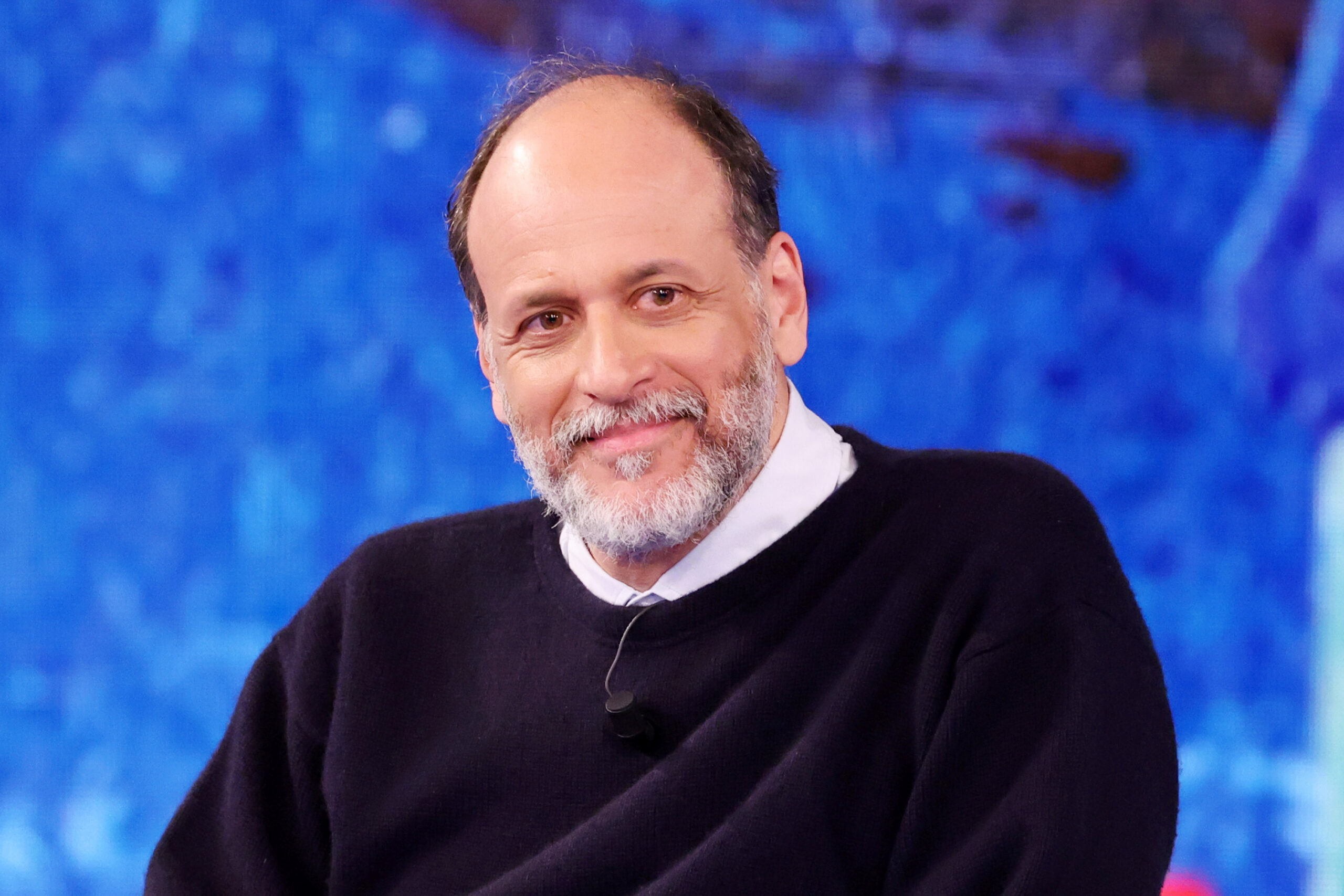
  • Luca Guadagnino on Amazon, AI, and the Shifting Global Identity

    Luca Guadagnino on Amazon, AI, and the Shifting Global Identity

    Filmmaker Luca Guadagnino addressed the status of his project ‘Artificial’ and its relationship with Amazon. He confirmed that Amazon had dropped the project. Guadagnino stated he could not discuss the specifics of this decision. He cited the ongoing nature of the situation as the reason for his reticence in June 2026.

    Despite the constraints on discussing ‘Artificial,’ Guadagnino offered a broader perspective on artificial intelligence. He described AI as a force ‘changing the identity of the world.’ This statement reflects a significant concern within creative industries and society at large regarding emerging technologies.

    The Unfolding Situation with ‘Artificial’

    The project ‘Artificial’ has been a subject of industry discussion. Amazon’s decision to discontinue its involvement raises questions about content strategy. Such decisions often stem from various factors, including financial considerations, creative differences, or evolving platform priorities.

    Guadagnino’s inability to elaborate suggests complex negotiations. These negotiations typically involve intellectual property rights, financial settlements, and future project commitments. The lack of public detail indicates a sensitive phase in the project’s lifecycle.

    The film industry frequently experiences such shifts in production agreements. Major studios and streaming platforms continually reassess their content portfolios. This dynamic environment can lead to projects being dropped or redeveloped under different banners.

    Artificial Intelligence: A Global Transformation

    Luca Guadagnino’s comments extend beyond a single film project. His observation that AI is ‘changing the identity of the world’ points to a more profound societal transformation. Artificial intelligence has permeated various sectors, from technology and finance to healthcare and entertainment.

    The impact of AI on identity can be observed in several ways. It influences how individuals interact with information and each other. It shapes cultural narratives and artistic expressions. The technology also redefines labor markets and economic structures.

    For the film industry, AI presents both opportunities and challenges. AI tools can assist in scriptwriting, visual effects, and post-production. However, concerns exist regarding job displacement and the ethical implications of AI-generated content.

    AI’s Role in Creative Industries

    The integration of AI into creative processes is a topic of intense debate. Screenwriters and visual artists, for instance, are exploring AI’s capabilities. Generative AI models can create images, music, and text. These advancements raise questions about authorship and originality.

    Film directors and producers are assessing AI’s potential to streamline production. AI can analyze vast datasets to predict audience preferences. It can also automate repetitive tasks, potentially reducing production costs.

    However, the artistic community also voices apprehension. The unique human element in storytelling and artistic creation is seen as irreplaceable. The ethical use of AI, particularly concerning intellectual property and fair compensation, remains a critical discussion point in June 2026.

    The Broader Context of Technological Change

    Guadagnino’s statement aligns with a growing discourse about technology’s societal effects. AI is not merely a tool; it is an agent of change. Its widespread adoption is altering fundamental aspects of human experience.

    The rapid advancement of AI has led to calls for regulation and ethical guidelines. Governments and international organizations are developing frameworks to manage AI’s development and deployment. These efforts aim to mitigate risks while harnessing AI’s benefits.

    Public perception of AI varies widely. Some view it as a revolutionary force for progress and innovation. Others express concerns about privacy, bias, and the potential for autonomous systems to make critical decisions without human oversight.

    Economic and Social Implications

    The economic impact of AI is substantial. Automation driven by AI could reshape industries and employment landscapes. Certain jobs may become obsolete, while new roles requiring different skill sets may emerge.

    Socially, AI influences communication patterns and information dissemination. Algorithmic recommendations on social media platforms, for example, can shape public discourse. This raises questions about echo chambers and the spread of misinformation.

    The concept of identity itself is evolving under AI’s influence. Digital identities, personal data, and online personas are increasingly managed and analyzed by AI systems. This interaction shapes how individuals perceive themselves and are perceived by others.

    Luca Guadagnino: A Director’s Perspective

    Luca Guadagnino is known for his distinctive directorial style. His films often explore themes of identity, desire, and human connection. His perspective on AI is informed by a career dedicated to cinematic storytelling.

    Guadagnino’s previous works, such as ‘Call Me by Your Name’ and ‘Suspiria,’ showcase a deep engagement with character and narrative depth. His involvement with a project like ‘Artificial’ suggests an interest in contemporary themes and technological impacts.

    Directors like Guadagnino bring a unique artistic lens to technological discussions. They often articulate the humanistic implications that might be overlooked in purely technical or economic analyses. Their voices contribute to a more nuanced understanding of AI’s cultural footprint.

    The Intersection of Art and Technology

    The film industry has a long history of adapting to technological advancements. From silent films to sound, black and white to color, and analog to digital, each shift has brought both disruption and innovation. AI represents the latest frontier in this ongoing evolution.

    Artists are often at the forefront of interpreting these changes. They use new technologies to expand creative possibilities. They also critically examine the societal consequences of these innovations.

    Guadagnino’s comments reflect this dual perspective. He acknowledges the transformative power of AI. He also implicitly highlights the complexities and sensitivities involved when such power intersects with artistic creation and corporate decision-making.

    The Future of Storytelling in an AI-Driven World

    The future of storytelling is intrinsically linked to technological progress. AI could introduce new forms of interactive narratives. It might enable personalized viewing experiences. It could also challenge traditional roles in film production.

    The ethical considerations surrounding AI in storytelling are paramount. Questions about intellectual property, fair use of existing works, and the potential for deepfakes or synthetic media require careful attention. Safeguarding artistic integrity becomes crucial.

    Luca Guadagnino’s experience with ‘Artificial’ and his broader commentary on AI underscore these contemporary challenges. The industry is navigating a period of rapid change. Artists, producers, and platforms are all adapting to a new technological landscape.

    Conversations about AI will continue to evolve. Debates about its ethical implications will persist. The impact on global identity will deepen.

    Filmmakers will continue to explore. Technologies will continue to advance. The world will continue to change.

    Identity.

  • Mick Jagger on a Rolling Stones Biopic: “It Interests Me”

    Mick Jagger on a Rolling Stones Biopic: “It Interests Me”

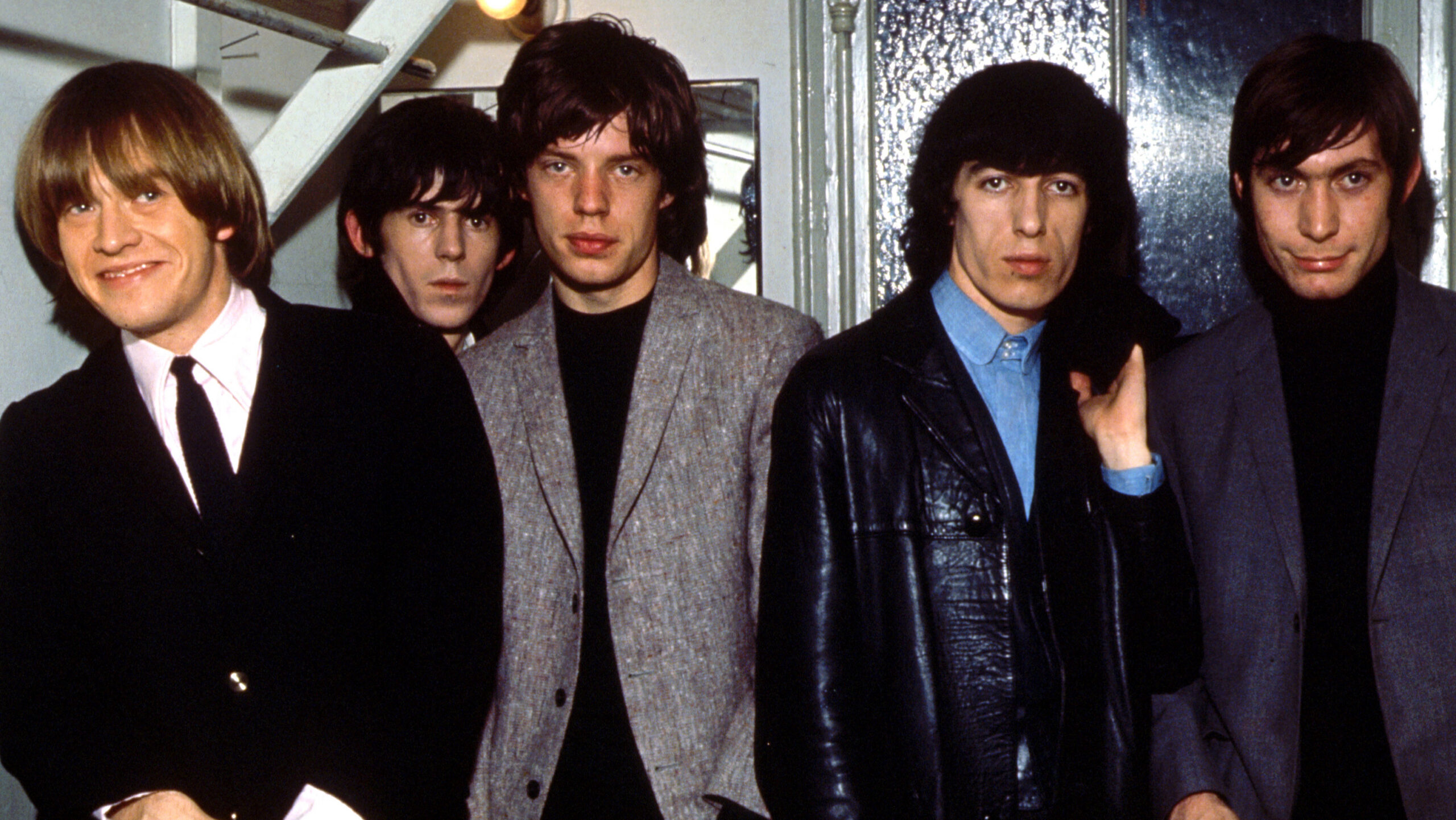
    Mick Jagger, the principal vocalist of The Rolling Stones, has stated that the concept of a biopic detailing the band’s six-decade career “interests him.” This declaration, made public in June 2026, signals a potential shift in the band’s long-standing cautious approach to a comprehensive cinematic portrayal of their history.

    The Rolling Stones, formed in London in 1962, have maintained a global presence in music for over sixty years. Their journey from rhythm and blues enthusiasts to rock and roll legends encompasses numerous cultural shifts and historical moments.

    The Long Road to a Potential Biopic

    The idea of a biographical film centered on The Rolling Stones is not new. Discussions and speculation have circulated within Hollywood and the music industry for decades. However, concrete plans have historically been elusive.

    Previous statements from band members, including Jagger, often expressed reservations. Concerns typically revolved around the accuracy of portrayal, the challenges of condensing such a vast history into a single film, and the desire to maintain creative control over their narrative.

    Jagger’s recent comment suggests a more receptive attitude. This could be due to evolving cinematic approaches to music biopics or a reassessment of the band’s legacy in popular culture.

    The Scope of a Rolling Stones Story

    A Rolling Stones biopic would face significant narrative challenges. The band’s history is rich with pivotal moments, influential albums, and personal dramas.

    Their early years in London’s blues scene, their rivalry with The Beatles, and their ascent to international fame provide ample material. Key events include their first chart-topping single, “(I Can’t Get No) Satisfaction,” released in 1965, and their groundbreaking 1969 American tour.

    The film would also need to address the band’s changing lineup. Founding members Mick Jagger, Keith Richards, Brian Jones, Ian Stewart, Charlie Watts, and Bill Wyman each played crucial roles. Brian Jones’s departure in 1969 and his subsequent death that same year remain significant points in their narrative.

    The band’s enduring success through the 1970s, 1980s, and beyond, marked by stadium tours and continued album releases, would also require extensive coverage. The passing of drummer Charlie Watts in 2021 marked a profound moment for the group and their fans.

    Challenges and Opportunities for Filmmakers

    Creating a definitive Rolling Stones biopic presents both creative and logistical hurdles. The sheer volume of material means difficult choices regarding what to include and what to omit.

    Filmmakers would need to navigate the band’s complex relationships. The dynamic between Jagger and Richards, often referred to as “The Glimmer Twins,” is central to the band’s creative output and longevity.

    Securing the rights to their extensive music catalog would be a primary concern. The Rolling Stones’ discography includes over two dozen studio albums and countless singles, many of which are iconic. Licensing agreements for these tracks would be a major component of the film’s budget.

    Casting would also be a critical element. Finding actors capable of embodying the distinct personalities and stage presence of Jagger, Richards, and other members would be essential for audience acceptance.

    The Biopic Landscape in 2026

    The cinematic landscape for music biopics has seen considerable success in recent years. Films like Bohemian Rhapsody (2018), chronicling Queen, and Rocketman (2019), focusing on Elton John, have demonstrated strong box office performance and critical acclaim.

    These films often benefit from the direct involvement of the artists or their estates. Such collaboration can provide authentic insights and access to archival materials, enhancing the film’s credibility.

    Jagger’s expressed interest could open doors for similar collaborative efforts. His involvement would likely ensure a level of authenticity and access that independent productions might lack.

    Previous Documentaries and Fictional Portrayals

    While a full-length feature biopic has been absent, The Rolling Stones have been the subject of numerous documentaries. Films like Gimme Shelter (1970), which captured the tragic events at the Altamont Free Concert, offer raw, real-time glimpses into their history.

    Martin Scorsese’s concert film Shine a Light (2008) provided a contemporary look at the band in performance. These documentaries, while valuable, differ significantly from a narrative-driven biopic that re-enacts historical events.

    Fictional works have also drawn inspiration from the band. The 2005 film Stoned offered a dramatized account of Brian Jones’s life and death, but it was not an official band-sanctioned project.

    The Cultural Impact of The Rolling Stones

    The Rolling Stones are more than a band; they are a cultural institution. Their music has influenced generations of musicians and artists across various genres.

    Their image, defined by a rebellious attitude and iconic fashion, has permeated popular culture. The band’s famous “tongue and lips” logo, designed by John Pasche in 1971, is one of the most recognizable symbols in music history.

    A biopic would have the opportunity to explore this broader cultural impact. It could delve into their role in shaping the counterculture movement of the 1960s and their sustained relevance through subsequent decades.

    The film could also address their business acumen. The Rolling Stones were pioneers in stadium tours and merchandise, transforming the economics of rock music.

    What Could a Biopic Cover?

    A potential biopic could focus on several key eras or themes. An origin story, from their formation in West London to their breakthrough in the mid-1960s, offers a compelling narrative arc.

    Alternatively, a film could concentrate on a specific tumultuous period, such as the late 1960s, marked by personnel changes, legal troubles, and the release of seminal albums like Beggars Banquet (1968) and Let It Bleed (1969).

    Another approach might be to explore the dynamic between Mick Jagger and Keith Richards. Their songwriting partnership, creative differences, and enduring friendship form the backbone of the band’s story.

    The challenge lies in balancing the band’s collective journey with the individual stories of its members. The film would need to provide depth without becoming overly complex or fragmented.

    The Future of The Rolling Stones on Screen

    Mick Jagger’s statement opens a new chapter for The Rolling Stones’ cinematic legacy. It suggests that the band may be ready to engage with a full-scale narrative film about their lives and careers.

    Such a project would require careful planning and execution. The band’s involvement would be crucial for maintaining authenticity and securing necessary rights.

    The music world and film industry will observe developments with keen interest. A Rolling Stones biopic, if realized, would be a major cultural event.

    Decades of music. Global tours. Cultural influence. A legendary story.

    The Rolling Stones.

  • Pinocchio Unstrung and the Poohniverse: A New Era for Classic Characters

    Pinocchio Unstrung and the Poohniverse: A New Era for Classic Characters

    The Reimagining of Pinocchio

    Director Rhys Frake-Waterfield is developing ‘Pinocchio Unstrung,’ a horror film that reimagines the classic tale of Pinocchio. This new iteration will portray the wooden doll as a creature covered in flesh and blood. The project is part of a larger cinematic endeavor, the ‘Poohniverse: Monsters Assemble,’ which seeks to transform beloved childhood characters into new, darker forms for a shared horror universe.

    The concept marks a significant departure from the traditional narrative. It introduces an element of horror to a story widely known for its moral lessons and fantastical elements. Frake-Waterfield describes the approach as ‘kooky, crazy and fun,’ indicating a unique tone for the upcoming film.

    The Genesis of the Poohniverse

    The ‘Poohniverse: Monsters Assemble’ is an ambitious cinematic universe. It brings together various public domain characters into a shared horror narrative. This concept mirrors the interconnected storytelling model popularized by franchises like Marvel’s ‘Avengers.’

    The expansion into a ‘Poohniverse’ suggests a growing trend. Filmmakers are increasingly exploring public domain intellectual property for new interpretations. This allows for creative freedom outside of established studio copyrights.

    Characters Within the Shared Universe

    Specific characters intended for the ‘Poohniverse’ include familiar names from children’s literature. These characters are being re-envisioned with a horror sensibility. The exact roster for ‘Poohniverse: Monsters Assemble’ continues to evolve as production progresses.

    This shared universe model provides a framework for multiple films. Each film can explore a different character’s horror origin or transformation. The ultimate goal is to culminate in a crossover event, similar to ensemble superhero films.

    Pinocchio’s Bloody Transformation

    The core premise of ‘Pinocchio Unstrung’ centers on a physical transformation. Pinocchio, traditionally a wooden puppet, will be presented as a being of flesh and blood. This change is fundamental to the horror aesthetic Frake-Waterfield is pursuing.

    The shift from wood to organic matter introduces new possibilities for body horror. It allows for a more visceral and unsettling portrayal of the character. This reinterpretation challenges audience expectations of the beloved figure.

    Creative Liberties with Public Domain

    The original story of Pinocchio, written by Carlo Collodi, entered the public domain decades ago. This allows creators like Frake-Waterfield to adapt the material without licensing restrictions. The freedom enables radical departures from established versions, including Disney’s iconic animated film.

    Public domain status is a critical factor in the emergence of these horror reinterpretations. It provides an open canvas for filmmakers. They can explore darker themes and alternate realities for classic characters.

    Rhys Frake-Waterfield’s Vision

    Rhys Frake-Waterfield has positioned himself as a director interested in reimagining classic children’s stories as horror. His previous work has demonstrated a commitment to this subgenre. His vision for the ‘Poohniverse’ is to create a cohesive yet distinct horror world.

    Frake-Waterfield’s approach is characterized by a willingness to experiment. He aims to blend elements of classic storytelling with modern horror tropes. This combination is intended to appeal to both horror enthusiasts and those curious about unique adaptations.

    The ‘Kooky, Crazy and Fun’ Approach

    The director’s description of ‘kooky, crazy and fun’ indicates a specific tonal balance. It suggests that while the films will be horror-focused, they may also incorporate elements of dark humor or absurdity. This could differentiate the ‘Poohniverse’ from more serious horror franchises.

    This tonal choice might aim to make the horror more accessible or less overtly grim. It allows for a broader range of creative expression within the horror genre. The blend promises a unique viewing experience for audiences.

    Cultural Impact and Reception

    The development of ‘Pinocchio Unstrung’ and the broader ‘Poohniverse’ sparks considerable discussion. It touches upon themes of cultural defense and the perceived degradation of traditional narratives. Some viewers may view these adaptations as disrespectful to the original works.

    Others may embrace the creative freedom and fresh perspectives offered by these horror reinterpretations. The debate highlights differing views on intellectual property and artistic license. It also reflects evolving tastes in media consumption.

    Reactions to Reimagined Classics

    The trend of reimagining classic characters in horror settings often elicits strong reactions. Fans of the original stories may express dismay at the dark transformations. Conversely, horror fans may welcome the innovative use of familiar figures.

    These projects often generate significant online discourse. Social media platforms become forums for discussing the merits and drawbacks of such adaptations. The conversation around ‘Pinocchio Unstrung’ is expected to follow a similar pattern.

    The Future of Shared Horror Universes

    The ‘Poohniverse: Monsters Assemble’ represents a growing trend in filmmaking. Shared universes provide a long-term strategy for studios. They allow for multiple interconnected stories and potential spin-offs.

    This model leverages audience familiarity with existing characters. It then subverts expectations by placing them in new, darker contexts. The success of the ‘Poohniverse’ could pave the way for more public domain horror franchises.

    Industry Trends and Public Domain

    The utilization of public domain characters is becoming a significant industry trend. As more classic works enter the public domain, opportunities for creative reinterpretation expand. This allows independent filmmakers to bypass costly licensing fees.

    This trend can lead to a diverse array of adaptations, from faithful retellings to radical genre shifts. ‘Pinocchio Unstrung’ is an example of the latter. It exemplifies the potential for innovation when creators have unfettered access to source material.

    Classic tales. Beloved characters. New horrors.

    A Poohniverse.