Tag: Film

  • Harvey Weinstein Hospitalized – Severe Breathing Issues Reported

    Harvey Weinstein Hospitalized – Severe Breathing Issues Reported

    Harvey Weinstein’s Ongoing Health Challenges

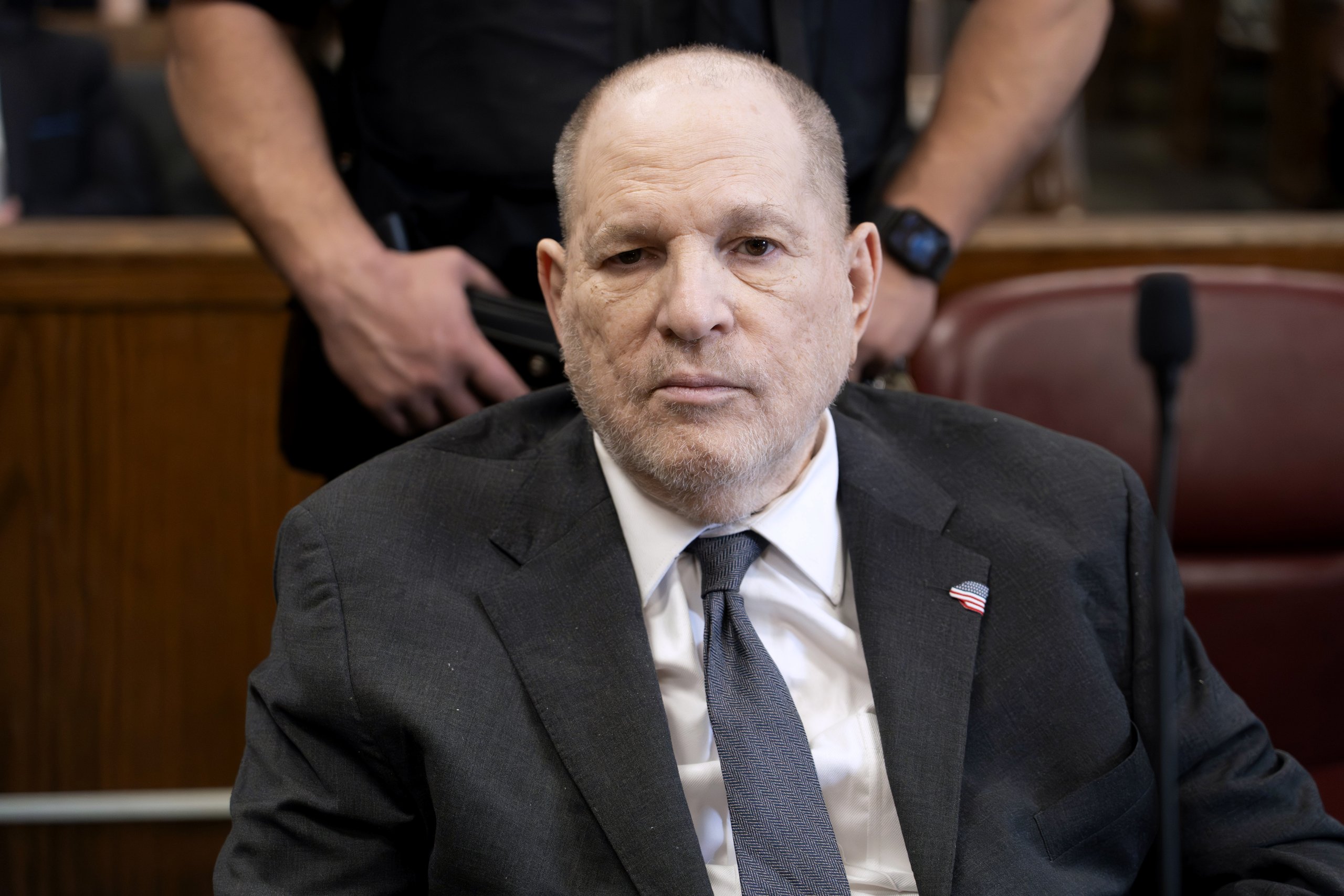
    On July 1, 2026, former film producer Harvey Weinstein was hospitalized after reportedly experiencing severe breathing issues. This medical event occurred while Weinstein is serving significant prison sentences for sexual assault convictions. The hospitalization marks another instance of health complications for the once-powerful Hollywood figure, whose legal battles have spanned several years and jurisdictions.

    Weinstein’s medical condition has frequently been cited by his legal teams during his numerous court appearances and appeals. These health concerns have ranged from cardiac issues to diabetes and back problems. The severity of the breathing issues reported on July 1, 2026, led to his transfer from a correctional facility to a medical institution.

    The Legal Landscape: Convictions and Appeals

    Harvey Weinstein’s legal troubles began to escalate dramatically in October 2017 with a series of investigative reports. These reports, published by The New York Times and The New Yorker, detailed decades of alleged sexual harassment and assault. The revelations ignited the #MeToo movement, bringing widespread attention to issues of sexual misconduct and power dynamics within the entertainment industry and beyond.

    In March 2020, Weinstein was convicted in New York of a criminal sexual act in the first degree and rape in the third degree. He was subsequently sentenced to 23 years in state prison. This landmark conviction was seen by many as a turning point for accountability in Hollywood.

    Despite this conviction, Weinstein’s legal team immediately pursued an appeal. They argued that judicial errors, including the admission of testimony from uncharged prior bad acts witnesses, prejudiced the jury. The New York Court of Appeals overturned his 2020 conviction on April 25, 2024, citing these procedural errors.

    The New York County District Attorney’s office stated its intention to retry the case. This decision was announced shortly after the appeals court ruling. The prospect of a new trial in New York adds another layer of complexity to Weinstein’s legal future.

    California Conviction and Sentencing

    Separately, in December 2022, Weinstein was convicted in Los Angeles, California, on charges of rape and sexual assault. The Los Angeles County Superior Court found him guilty on three of seven counts. These charges related to an incident that occurred in 2013 involving an actress known as Jane Doe 1.

    On February 23, 2023, the Los Angeles court sentenced Weinstein to 16 years in state prison for these California crimes. This sentence was ordered to run consecutively to any other sentence he was serving. Consequently, even with the New York conviction overturned, Weinstein remained incarcerated due to the California conviction.

    His legal team also filed an appeal against the California conviction. Arguments in this appeal mirror some of those presented in New York, focusing on evidentiary rulings and the inclusion of testimony from uncharged accusers. The California appeal process remains ongoing as of July 1, 2026.

    The Impact of #MeToo

    Weinstein’s case became a focal point for the #MeToo movement. This movement empowered countless individuals to come forward with their own stories of sexual harassment and assault. It led to significant cultural shifts and legislative changes in various industries.

    The public discourse surrounding Weinstein’s trials highlighted systemic issues. These included the abuse of power, the silencing of victims, and the challenges of achieving justice for sexual misconduct. His convictions, even with subsequent appeals, represented a significant moment for victim advocacy and legal reform.

    Numerous individuals, including prominent actresses and former employees, provided testimony against Weinstein. Their bravery in sharing their experiences was central to the prosecution’s cases. These testimonies often detailed patterns of behavior that spanned decades.

    Weinstein’s Health in Confinement

    Since his incarceration, reports of Harvey Weinstein’s declining health have been frequent. He has been seen using a walker in court appearances. His legal team has consistently raised concerns about his physical condition, often requesting medical accommodations.

    The breathing issues reported on July 1, 2026, are part of a pattern of health challenges. These challenges complicate his prison sentence and legal proceedings. Correctional facilities are tasked with providing adequate medical care for inmates, a responsibility that becomes more complex with high-profile individuals with chronic conditions.

    His medical needs have required transfers to various medical facilities outside of the immediate prison environment. These transfers ensure he receives specialized care. The nature of his current breathing issues has not been publicly detailed beyond the initial report of severity.

    The Road Ahead: Legal and Medical

    For Harvey Weinstein, the immediate future involves continued medical evaluation and treatment for his respiratory issues. Simultaneously, his legal battles are far from over. The New York District Attorney’s office is preparing for a potential retrial. The appeal of his California conviction is still under review by higher courts.

    The outcomes of these legal proceedings will continue to shape his legacy. His case remains a benchmark for discussions on accountability, justice, and the complexities of the legal system in high-profile sexual assault cases. The confluence of his health and legal status presents an ongoing narrative.

    His hospitalization on July 1, 2026, serves as a reminder of the human element within these legal sagas. It underscores the physical tolls that prolonged legal battles and incarceration can exact. The public watches, the legal system proceeds, and the medical community intervenes.

    Farmers gathered. Activists gathered. Lawyers gathered. Physicians gathered. Reporters gathered. The public watched.

    Justice.
  • Teni Melidonian Departs Full-Time AMPAS Role, Continues as Consultant

    Teni Melidonian Departs Full-Time AMPAS Role, Continues as Consultant

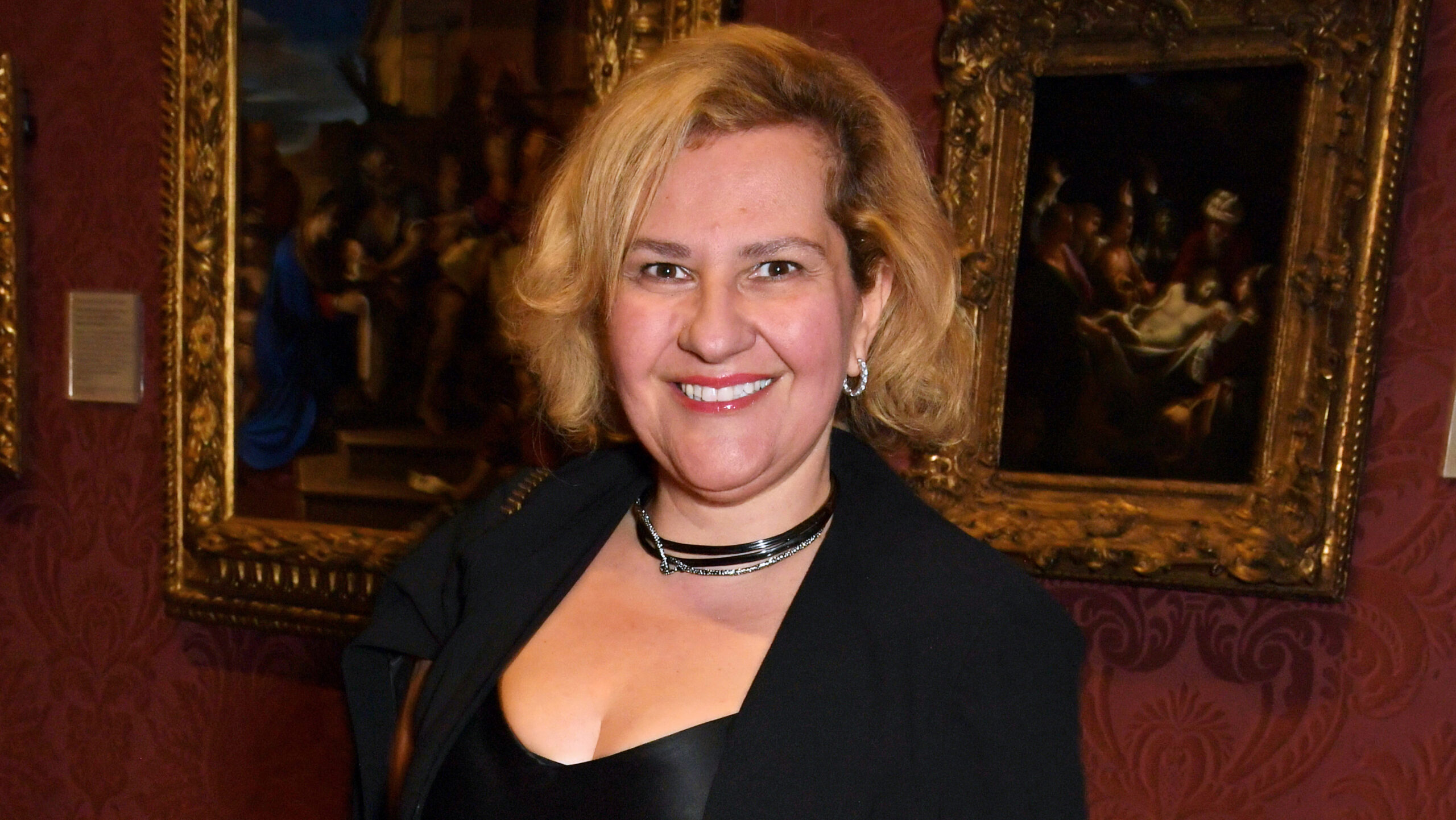
    Teni Melidonian has departed her full-time executive position at the Academy of Motion Picture Arts and Sciences (AMPAS), effective July 2, 2026. She will continue her involvement with the organization in a consulting role. This change impacts a key leadership position within the institution responsible for the Academy Awards.

    Melidonian’s transition was reported across multiple news outlets on July 2, 2026. The exact details surrounding the reasons for her stepping down from a full-time capacity have not been fully disclosed at this time. Her continued role as a consultant suggests an ongoing relationship with AMPAS, albeit in a different structure.

    A Shift in Academy Leadership

    The Academy of Motion Picture Arts and Sciences oversees numerous initiatives beyond the annual Oscars ceremony. These include educational programs, archival efforts, and the Academy Museum of Motion Pictures. Executive leadership roles are critical to the execution of these broad organizational goals.

    This is a developing story. Further information regarding Melidonian’s specific consulting duties and any potential succession plans for her former full-time responsibilities are anticipated. The Academy has not yet issued a comprehensive statement detailing the transition.

    Melidonian has held significant roles within AMPAS, contributing to the strategic direction and operational aspects of the organization. Her move to a consultant position indicates a shift in her daily responsibilities but maintains her expertise within the Academy’s reach.

    The impact of this change on upcoming Academy initiatives and the annual awards ceremony will become clearer as more information is released. Stakeholders within the film industry will be observing further announcements from AMPAS.

    What’s Next for AMPAS?

    The Academy frequently undergoes structural and leadership adjustments to adapt to the evolving landscape of the film industry. Such changes can influence how the Academy engages with its members, the public, and the broader cinematic community.

    This transition occurs amidst ongoing discussions about the future of film exhibition, industry diversity, and the relevance of traditional awards ceremonies. Leadership changes at AMPAS often reflect these broader industry trends and internal strategic priorities.

    Details are still emerging. The Academy’s official channels are expected to provide further clarification regarding Melidonian’s new role and any subsequent appointments.

  • Mel Gibson’s ‘Passion of the Christ’ Returns, ‘Resurrection’ Sneak Peek Included

    Mel Gibson’s ‘Passion of the Christ’ Returns, ‘Resurrection’ Sneak Peek Included

    The Return of ‘The Passion of the Christ’

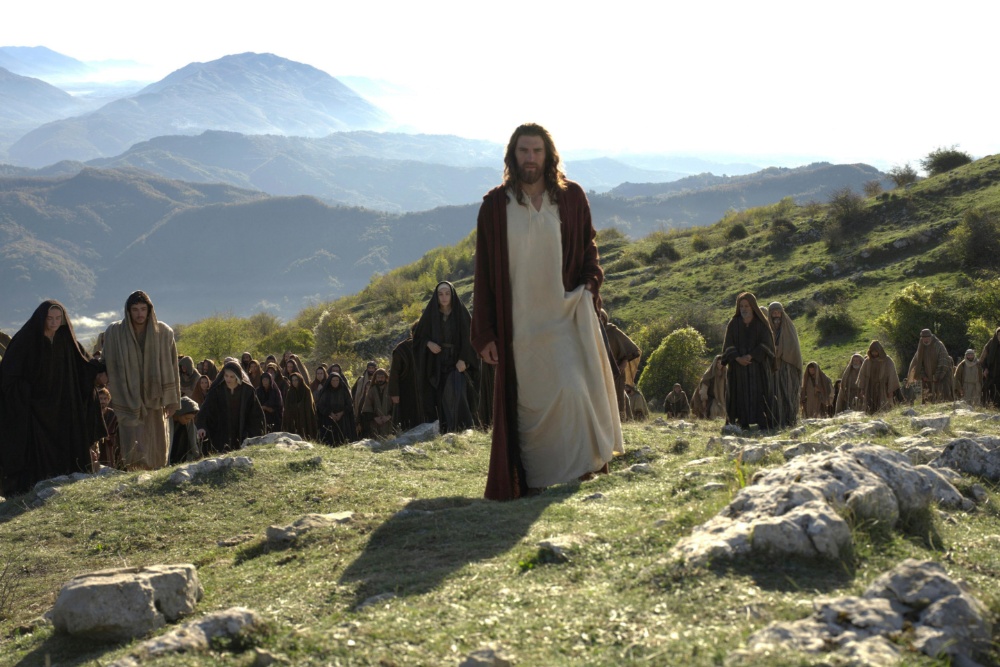
    Mel Gibson’s 2004 biblical epic, The Passion of the Christ, is slated for a theatrical re-release in 2026. This limited engagement will include an exclusive preview of its long-anticipated sequel, currently referred to as The Resurrection of the Christ. The re-release serves to re-engage the original film’s audience and generate momentum for the upcoming continuation of the narrative.

    The original film, released on February 25, 2004, depicted the final 12 hours of Jesus of Nazareth’s life. It was notable for its use of Aramaic, Latin, and Hebrew dialogue, with subtitles. The film garnered significant box office success and generated considerable discussion upon its initial release.

    A Legacy of Box Office Success and Controversy

    The Passion of the Christ achieved remarkable financial success. It earned over $612 million worldwide against a production budget of approximately $30 million. This made it one of the highest-grossing R-rated films of its time and the highest-grossing non-English language film in U.S. box office history.

    The film’s graphic depiction of the crucifixion and its portrayal of Jewish leaders sparked widespread debate. Critics and religious scholars offered varied perspectives on its historical accuracy and potential for anti-Semitic interpretations. Mel Gibson, who directed, produced, and co-wrote the film, defended its theological and historical basis.

    Despite the controversies, the film resonated deeply with a significant segment of the global audience. Its impact on religious cinema and independent filmmaking was undeniable. The film received three Academy Award nominations, including Best Cinematography, Best Original Score, and Best Makeup.

    The Long Road to ‘The Resurrection of the Christ’

    Discussions about a sequel to The Passion of the Christ have circulated for over a decade. Mel Gibson first confirmed plans for a follow-up in 2016. The sequel is intended to focus on the events surrounding the resurrection of Jesus, moving beyond the crucifixion depicted in the first film.

    Jim Caviezel, who portrayed Jesus in the original movie, has expressed his intention to reprise the role. He has spoken publicly about the script and the direction of the new project. Joe Eszterhas was initially involved in writing a screenplay, but Bill Mechanic and Randall Wallace have also been credited with script development over the years.

    Randall Wallace, who co-wrote Braveheart with Gibson, confirmed his involvement in the sequel’s scriptwriting process in 2016. He indicated that the story would delve into the three days between Jesus’ death and resurrection. The project has faced various delays, including script refinement and securing funding and distribution.

    Anticipation Builds for the Sequel

    The announcement of the theatrical re-release and the sneak peek has reignited interest in the long-awaited sequel. Audiences who found spiritual resonance in the original film are expected to anticipate the continuation of the story. The re-release provides a strategic platform to bridge the gap between the two films.

    The sneak peek is expected to offer early glimpses into the sequel’s production. It may feature concept art, behind-the-scenes footage, or early trailers. This marketing strategy aims to generate buzz and pre-release excitement for The Resurrection of the Christ.

    Impact on Religious Cinema

    The Passion of the Christ significantly influenced the landscape of religious-themed cinema. Its commercial success demonstrated a viable market for films directly addressing biblical narratives. This re-release and sequel further solidify Gibson’s commitment to this genre.

    Other biblical films and television series have emerged in the years since the original film’s release. Many have attempted to capture a similar audience. However, few have matched the cultural impact or financial performance of Gibson’s 2004 production.

    The sequel’s release will be closely watched by industry analysts and religious communities alike. Its reception could further shape future investments in faith-based entertainment. The original film’s legacy continues to be a point of reference for discussions on religious representation in media.

    The Road Ahead for ‘The Resurrection’

    Specific details regarding the production timeline and official release date for The Resurrection of the Christ remain fluid. The sneak peek in 2026 is the most concrete development in the film’s long production history. Fans and critics await further announcements from Gibson and his production team.

    The film’s narrative challenges are significant. Portraying the resurrection event in a cinematic context requires a delicate balance of theological interpretation and visual storytelling. The creative team faces the task of crafting a compelling and respectful depiction of a foundational event in Christian theology.

    The original film’s cast, including Maia Morgenstern as Mary and Monica Bellucci as Mary Magdalene, may also return. However, official casting confirmations for roles beyond Jesus have not been broadly publicized. The scale and scope of the sequel are expected to be substantial, mirroring the ambition of its predecessor.

    What the Re-Release Offers

    For many, the re-release is an opportunity to revisit a film that left a lasting impression. It allows for a communal viewing experience that may have been missed by younger audiences. The 2026 theatrical run brings The Passion of the Christ back to the big screen, where its visual intensity was originally intended to be experienced.

    The added value of the sneak peek acts as a direct incentive for attendance. It connects the past with the future, offering a continuous narrative arc for dedicated viewers. This strategy leverages nostalgia while building anticipation for new content.

    “It will be the biggest film in history. It’s that good.” – Jim Caviezel on ‘The Resurrection of the Christ’ in 2020.

    This statement from Caviezel reflects the high expectations surrounding the sequel. The re-release and sneak peek are critical steps in fulfilling those expectations. They aim to prepare the global audience for a cinematic event of similar magnitude to the original.

    The 2004 film broke ground in its unflinching portrayal and its financial model, largely funded independently. The sequel is expected to follow a similar independent production path. This approach grants Gibson greater creative control over the sensitive subject matter.

    Conversations about faith, film, and artistic interpretation will undoubtedly resurface. The re-release serves as a prelude to these discussions, setting the stage for The Resurrection of the Christ. It brings a powerful and polarizing work back into the public consciousness.

    Audiences will gather. Discussions will ignite. Anticipation will mount. The Resurrection.

  • Kayla Ewell, Brian Dietzen Star in ‘Disconnected’ Film on Teen Deepfakes

    Kayla Ewell, Brian Dietzen Star in ‘Disconnected’ Film on Teen Deepfakes

    The 2026 feature film ‘Disconnected’ stars Kayla Ewell and Brian Dietzen, directly confronting the urgent issues of teen deepfakes and cyberbullying. This production aims to bring widespread attention to the severe digital challenges impacting young individuals in the current online environment. The film intends to explore the profound psychological and social ramifications of manipulated media on adolescent lives.

    The cast also includes actors from the series ‘Everybody Still Hates Chris,’ signaling a broader appeal for the film among younger audiences. This project underscores a growing public concern regarding digital ethics, online safety, and the protection of vulnerable youth. Its narrative is designed to be both compelling and educational.

    The Proliferation of Deepfake Technology

    Deepfake technology has advanced significantly in recent years. This advancement allows for the creation of highly realistic manipulated images, audio, and video. While some applications are benign, malicious uses have become a significant concern worldwide.

    The technology leverages artificial intelligence and machine learning algorithms. These algorithms can superimpose one person’s face onto another’s body, or synthesize speech to make it appear as though someone said something they did not. The increasing ease of access to these sophisticated tools has lowered the barrier for their misuse, making them accessible to a wider range of individuals.

    Reports from organizations like the Deepfake Research Institute indicate a sharp increase in deepfake content since 2020. Many instances involve non-consensual sharing or malicious intent. The targets often include public figures, but increasingly, private citizens, particularly teenagers and young adults, are affected by these digital fabrications.

    Vulnerability of Adolescents to Digital Manipulation

    Teenagers are particularly vulnerable to deepfake technology. Their social lives are often heavily integrated with online platforms such as TikTok, Instagram, and Snapchat. The creation and spread of non-consensual deepfakes, particularly those of an intimate nature, can have devastating and long-lasting effects on their mental health and social standing.

    These effects include severe emotional distress, heightened anxiety, reputational damage, and social isolation. Victims often face immense challenges in removing the harmful content once it is disseminated across various online channels. Legal and psychological support systems are still evolving globally to adequately address these new forms of digital harm and provide comprehensive assistance to victims.

    Cyberbullying, already a pervasive issue in schools and online communities, is exacerbated significantly by deepfake capabilities. Manipulated content can be used to humiliate, harass, and exploit young people in ways previously unimaginable. This adds a new and insidious dimension of threat to online interactions, making digital spaces less safe for youth.

    ‘Disconnected’: A Narrative Response to a Crisis

    ‘Disconnected’ aims to provide a fictional yet realistic portrayal of these contemporary challenges. The film’s narrative will likely follow characters grappling with the immediate and long-term consequences of deepfake cyberbullying. It intends to explore the difficult journey of victims, the reactions of their families, and the wider community’s struggle to comprehend and respond to such digital attacks.

    Kayla Ewell is known for her roles as Vicki Donovan in ‘The Vampire Diaries’ and as Caitlin Ramirez in ‘The Bold and the Beautiful.’ Her involvement brings a recognizable and empathetic face to the project. Brian Dietzen is widely recognized for his long-standing role as Dr. Jimmy Palmer in the hit CBS series ‘NCIS,’ a character he has portrayed since 2004.

    Their participation signals the film’s intent to reach a broad and diverse audience, leveraging their established fan bases. The subject matter demands a sensitive, nuanced, and impactful portrayal from the actors. Ewell and Dietzen’s extensive experience in dramatic roles suggests a thoughtful and effective approach to the film’s heavy and emotionally charged themes.

    The Creative Team’s Vision and Societal Impact

    The filmmakers behind ‘Disconnected’ are responding to a clear and pressing societal need for greater awareness and understanding of digital threats. The project aligns with a growing movement to use media as a powerful tool for social commentary and public education. They aim to not only entertain audiences but also to inform, provoke discussion, and inspire action against digital harm.

    The decision to cast actors from ‘Everybody Still Hates Chris’ also indicates a strategic choice to attract a younger demographic familiar with the series. This casting decision potentially broadens the film’s reach to those most directly affected by the issues it addresses, ensuring its message resonates where it is most needed. The series, a continuation of ‘Everybody Hates Chris,’ is expected to premiere in late 2026.

    The production is positioned as a cultural defense initiative against the darker aspects of technological advancement. It seeks to equip audiences with a better understanding of deepfake threats and their mechanisms. It also aims to foster empathy for victims of online manipulation, encouraging a more supportive and protective online community.

    Legal and Ethical Frameworks in the Deepfake Era

    The proliferation of deepfakes has rapidly outpaced existing legal frameworks in many nations. Legislators worldwide are grappling with how to regulate this technology effectively, balancing freedom of expression with the right to privacy and protection from harm. Current laws often struggle to categorize deepfake misuse adequately, leading to enforcement challenges.

    Many jurisdictions currently lack specific statutes addressing non-consensual deepfake creation or distribution, particularly when not involving explicit content. This creates a challenging environment for victims seeking legal recourse and justice. Advocacy groups, including the Electronic Frontier Foundation and the Coalition Against Stalkerware, are actively pushing for stronger protections, clearer legal definitions, and more robust enforcement mechanisms to safeguard individuals from digital exploitation.

    Ethical considerations also surround deepfake technology, extending beyond legal boundaries. Questions arise about the fundamental right to control one’s image and likeness versus the potential for artistic expression or satire. The debate involves technologists, legal experts, ethicists, policymakers, and civil rights advocates, all seeking to define responsible innovation and usage.

    Technological Countermeasures and Digital Forensics

    Efforts are underway globally to develop technological solutions to combat deepfakes. Researchers at institutions like Stanford University and MIT are working on advanced detection tools that can identify manipulated media with increasing accuracy. These tools often use AI to analyze subtle inconsistencies in facial expressions, lighting, or audio patterns not visible to the human eye.

    Watermarking and digital provenance systems are also being explored as preventative measures. These systems would allow for the tracking of media origins and modifications, creating an immutable chain of custody for digital content. The goal is to establish trust and authenticity in digital content, making it harder for manipulated media to be accepted as genuine.

    However, the arms race between deepfake creators and detectors continues unabated. As detection methods improve, so do the techniques for creating more sophisticated and harder-to-detect deepfakes. This ongoing challenge requires continuous innovation, significant research investment, and international collaboration among experts.

    The Broader Societal Conversation and Digital Well-being

    ‘Disconnected’ contributes to a larger societal conversation about technology’s pervasive role in modern life. It questions the responsibilities of social media platforms, tech companies, and content distributors in mitigating harm. It also examines the digital literacy of users, particularly young people, and their ability to critically evaluate online content.

    Parents, educators, and community leaders face new and evolving challenges in guiding youth through an increasingly complex digital landscape. Providing comprehensive education and robust support systems for young people is paramount to fostering resilience against online threats. The film’s release in 2026 is timely, coinciding with increased public discourse on these issues.

    The film’s release comes at a time when digital well-being is a major public health concern. Mental health professionals report a significant increase in anxiety, depression, and self-esteem issues directly linked to negative online experiences. Deepfakes add another severe layer of psychological threat, potentially causing profound trauma and long-term psychological impact.

    Preventative Measures and Educational Initiatives

    Educating young people about deepfakes, cyberbullying, and responsible digital citizenship is crucial. Schools and educational institutions are increasingly incorporating digital literacy programs into their curricula, often mandated by state educational boards. These programs teach critical thinking about online content, privacy settings, and the consequences of sharing personal information.

    Parents are strongly encouraged to have open, ongoing conversations with their children about online risks, digital etiquette, and personal boundaries. Establishing clear guidelines for internet usage and fostering an environment of trust can help young people feel comfortable reporting harmful online encounters. Organizations like Common Sense Media provide resources for families to navigate these challenges.

    Community initiatives, public awareness campaigns, and governmental programs are also vital in disseminating information about deepfakes and cyberbullying. These efforts aim to empower individuals to recognize, report, and resist digital manipulation. The collective effort of individuals, families, schools, and policymakers is essential to create a safer digital environment for all.

    Awareness. Education. Protection.

    A safer digital future.

  • Michael Byrne, Actor in ‘Harry Potter’ and ‘Braveheart,’ Dies

    Michael Byrne, Actor in ‘Harry Potter’ and ‘Braveheart,’ Dies

    Michael Byrne, a British actor whose career spanned over five decades, has died. He was widely recognized for his portrayal of the elderly Gellert Grindelwald in the 2010 film ‘Harry Potter and the Deathly Hallows – Part 1.’ Byrne also held a prominent role as the English commander Smythe in the 1995 historical epic ‘Braveheart.’ His passing marks the end of a long and varied career that encompassed significant work in film, television, and stage productions.

    Byrne’s filmography is extensive, reflecting a consistent presence in both British and international cinema. His roles often featured him as a stern, authoritative, or villainous figure, a typecasting he embraced with a distinctive intensity. This consistent presence made him a familiar face to audiences worldwide, particularly those who followed British dramatic productions.

    Early Life and Career Beginnings

    Michael Byrne was born in London, England. Details of his early life remain largely private, but his acting career began to take shape in the late 1950s and early 1960s. He received training at a reputable drama school, a common path for many aspiring British actors of his generation. This foundational training equipped him with the classical techniques that would define his stage and screen presence.

    His earliest credited appearances were in British television series. These roles provided him with essential experience and visibility within the burgeoning television industry. The 1960s were a period of rapid expansion for television broadcasting in the United Kingdom, offering numerous opportunities for new talent.

    Byrne’s stage work also commenced during this period. Performing in London’s West End and with various repertory companies, he honed his craft in live theater. The discipline and immediate feedback of stage acting are often cited by actors as crucial for developing presence and vocal control. Byrne’s command of these elements became a hallmark of his performances.

    Breakthrough Roles and International Recognition

    The 1970s saw Michael Byrne’s career gain significant momentum. He began to secure more prominent roles in films and major television dramas. His ability to convey complex characters, often with an underlying menace or gravitas, made him a sought-after character actor.

    ‘The Eagle Has Landed’ (1976)

    One of Byrne’s notable early film roles was in the 1976 war movie ‘The Eagle Has Landed,’ directed by John Sturges. In this film, he played Oberstleutnant Karl von Steiner, a German paratrooper officer. The film, which also starred Michael Caine and Donald Sutherland, brought Byrne to the attention of a wider international audience. His portrayal contributed to the film’s tense atmosphere and critical reception.

    ‘A Bridge Too Far’ (1977)

    Following this, Byrne appeared in Richard Attenborough’s epic 1977 war film ‘A Bridge Too Far.’ He played a supporting role as Generalfeldmarschall Model, alongside an ensemble cast that included Sean Connery, Robert Redford, and Laurence Olivier. These large-scale productions established Byrne as a reliable performer in historical dramas, particularly those depicting World War II.

    Collaborations with Major Directors

    Byrne’s career path led him to work with some of the most acclaimed directors in Hollywood and British cinema. These collaborations often resulted in memorable performances in genre-defining films.

    Steven Spielberg and ‘Indiana Jones’

    His collaboration with Steven Spielberg in ‘Indiana Jones and the Last Crusade’ (1989) is a significant highlight. Byrne portrayed Vogel, a ruthless Gestapo Colonel and one of the primary antagonists. This role pitted him directly against Harrison Ford’s Indiana Jones, cementing his image as a formidable cinematic villain. The film was a critical and commercial success, further elevating Byrne’s international profile.

    The intensity of his performance as Vogel showcased his talent for embodying characters driven by ideology and power. This role, in particular, resonated with audiences due to the character’s unwavering dedication to the Nazi cause, making him a truly chilling adversary for the adventurous archaeologist.

    Mel Gibson and ‘Braveheart’

    In 1995, Byrne took on the role of Smythe in Mel Gibson’s Academy Award-winning film ‘Braveheart.’ As an English commander, he represented the oppressive English rule over Scotland. His scenes contributed to the film’s central conflict and its portrayal of historical struggle. ‘Braveheart’ achieved massive global success, and Byrne’s contribution was an integral part of its narrative.

    His portrayal of Smythe, though not a central character, was pivotal in establishing the antagonistic forces against William Wallace. Byrne’s ability to convey authority and disdain for the Scottish rebels added depth to the film’s historical context.

    Television and Stage Work

    Beyond his film career, Michael Byrne maintained a consistent presence in television. He appeared in numerous British television series and made-for-television movies. His versatility allowed him to move between different genres, from period dramas to contemporary thrillers.

    • ‘The Saint’ (1962-1969): Byrne made several appearances in the classic spy-fi series starring Roger Moore.
    • ‘The Avengers’ (1961-1969): He also featured in episodes of this iconic British espionage show.
    • ‘Sharpe’ (1993-2008): Byrne played various roles across this popular historical drama series.
    • ‘Midsomer Murders’ (1997-present): He appeared in episodes of the long-running detective series, showcasing his ability to adapt to modern crime dramas.
    • ‘Casualty’ (1986-present): Byrne made guest appearances in this enduring medical drama.

    His stage career was equally robust. Byrne performed in various theatrical productions throughout his life. The discipline of live theater, with its demands for sustained performance and direct audience engagement, remained a significant part of his artistic output. He was known for his powerful stage presence and clear diction, qualities often highlighted in reviews of his theatrical work.

    The ‘Harry Potter’ Legacy

    For a generation of viewers, Michael Byrne’s most recognizable role came late in his career. In ‘Harry Potter and the Deathly Hallows – Part 1’ (2010), he portrayed the elder Gellert Grindelwald. This character was the dark wizard who preceded Lord Voldemort and had a complex history with Albus Dumbledore.

    Byrne’s appearance as Grindelwald was brief but impactful. He depicted the character imprisoned in Nurmengard, offering a glimpse into the past and the consequences of Grindelwald’s actions. The role required a portrayal of a once-powerful but now broken figure, a nuance Byrne delivered effectively. This role introduced him to a new, younger audience, solidifying his place in one of the most successful film franchises in history.

    “His portrayal of Grindelwald, though brief, captured the essence of a formidable wizard whose power had waned but whose legacy remained.”

    The ‘Harry Potter’ films have a massive global following, ensuring that Byrne’s performance as Grindelwald will be revisited by fans for many years to come. His inclusion in such a cultural phenomenon underscored his enduring relevance as an actor.

    A Career Defined by Versatility and Gravitas

    Michael Byrne’s career was marked by his consistent ability to deliver strong, memorable performances. He often played characters who held positions of power or authority, whether military officers, government officials, or imposing villains. His commanding presence and distinctive voice were assets that directors frequently utilized.

    He navigated the evolving landscape of film and television for over five decades. From the classical British dramas of the mid-20th century to the global blockbusters of the 21st, Byrne adapted his craft to meet the demands of each era. His work is a testament to the enduring power of character acting.

    Byrne’s impact extends beyond specific roles. He was part of a generation of British actors who brought a particular blend of theatrical training and screen naturalism to international productions. This cohort helped shape the perception of British acting talent on the global stage.

    Legacy and Influence

    The passing of Michael Byrne evokes a sense of loss for those who appreciated his craft. His contributions to film and television are preserved in a substantial body of work that continues to be watched and celebrated.

    He leaves behind a legacy of dedicated artistry. Actors like Byrne, who consistently delivered strong supporting performances, are crucial to the fabric of storytelling. They provide the depth and context that elevate major productions.

    His work will continue to be studied by aspiring actors. Directors will point to his ability to convey complex emotions with minimal dialogue. Audiences will remember the indelible characters he brought to life.

    The lights dim. The final scene plays. The credits roll.

    Curtain.

    Frequently Asked Questions About Michael Byrne

  • Monica Barbaro in Talks for ‘Ocean’s Eleven’ Prequel – A Developing Story

    Monica Barbaro in Talks for ‘Ocean’s Eleven’ Prequel – A Developing Story

    Monica Barbaro is currently in discussions to join the cast of an upcoming “Ocean’s Eleven” prequel. This potential casting places her alongside Margot Robbie and Bradley Cooper, who are already attached to the project. The film aims to expand the popular heist franchise, with production details continuing to develop.

    The Hollywood Reporter first published the news regarding Barbaro’s talks. This report indicates a significant step forward in the casting process for the anticipated film. Specific roles for Barbaro, Robbie, and Cooper have not yet been publicly disclosed.

    The Expanding ‘Ocean’s’ Universe

    The “Ocean’s Eleven” prequel is set in Europe during the 1960s. This setting provides a distinct backdrop for a new heist narrative within the established cinematic universe. The film is expected to explore the origins of the franchise’s intricate criminal underworld.

    Jay Roach is set to direct the prequel. Carrie Solomon penned the screenplay. Margot Robbie is also producing the film alongside Tom Ackerley through their LuckyChap Entertainment banner. Gary Ross, Olivia Milch, and Josey McNamara serve as executive producers.

    Key Cast Members Announced

    Wagner Moura has been confirmed to play the film’s primary antagonist. His casting adds another established talent to the ensemble. Details surrounding the villain’s motivations and role in the plot remain undisclosed.

    Margot Robbie and Bradley Cooper’s involvement was announced prior to Barbaro’s reported talks. Their presence signals the project’s high-profile nature. The film continues to build its cast as it moves closer to production.

    A Developing Story

    This report represents a current development in the production of the “Ocean’s Eleven” prequel. Further casting announcements and plot specifics are anticipated. The timeline for principal photography and a potential release date have not been officially confirmed as of July 1, 2026.

    The project continues the legacy of the “Ocean’s” franchise. Previous installments include “Ocean’s Eleven” (2001), “Ocean’s Twelve” (2004), “Ocean’s Thirteen” (2007), and “Ocean’s Eight” (2018). This prequel looks to offer a fresh perspective on the series’ iconic themes of elaborate heists and charismatic criminals.

  • Monica Barbaro Joins ‘Ocean’s Prequel’ Alongside Robbie and Cooper

    Monica Barbaro Joins ‘Ocean’s Prequel’ Alongside Robbie and Cooper

    Monica Barbaro has reportedly joined the cast of the upcoming “Ocean’s Prequel” film. The actress is set to star opposite Margot Robbie and Bradley Cooper. This news places Barbaro in a prominent role within a high-profile Hollywood production.

    The “Ocean’s Prequel” is an anticipated addition to the long-running “Ocean’s” franchise. Details surrounding the film’s plot and specific character roles remain under wraps. Production is expected to commence in the near future.

    Casting Details Emerge

    The casting of Monica Barbaro follows earlier reports confirming Margot Robbie and Bradley Cooper’s involvement. Robbie is also attached as a producer through her company, LuckyChap Entertainment. This marks a significant ensemble for the prequel.

    Barbaro’s career has seen a rise in recent years. Her previous roles have established her as a notable talent in Hollywood. Her inclusion suggests a key role in the ensemble heist film.

    The ‘Ocean’s’ Franchise History

    The original “Ocean’s 11” film was released in 1960, starring Frank Sinatra and the Rat Pack. The franchise was rebooted in 2001 with “Ocean’s Eleven,” directed by Steven Soderbergh and starring George Clooney, Brad Pitt, and Julia Roberts. This successful film led to two sequels, “Ocean’s Twelve” (2004) and “Ocean’s Thirteen” (2007).

    A female-led spin-off, “Ocean’s 8,” was released in 2018. It starred Sandra Bullock, Cate Blanchett, and Anne Hathaway. The upcoming prequel aims to expand the universe further, exploring earlier events within the criminal underworld.

    What to Expect from the Prequel

    The “Ocean’s Prequel” is expected to delve into the origins of the franchise’s intricate heist narratives. Specific plot points are not yet public. The film is currently in a developing stage.

    Director and production details beyond Robbie’s producing role have not been fully disclosed. Further announcements are anticipated as the project moves closer to principal photography. This developing story will be updated as more information becomes available.

  • Musk Boosts Hammer: ‘Citizen Vigilante’ Film on X

    Musk Boosts Hammer: ‘Citizen Vigilante’ Film on X

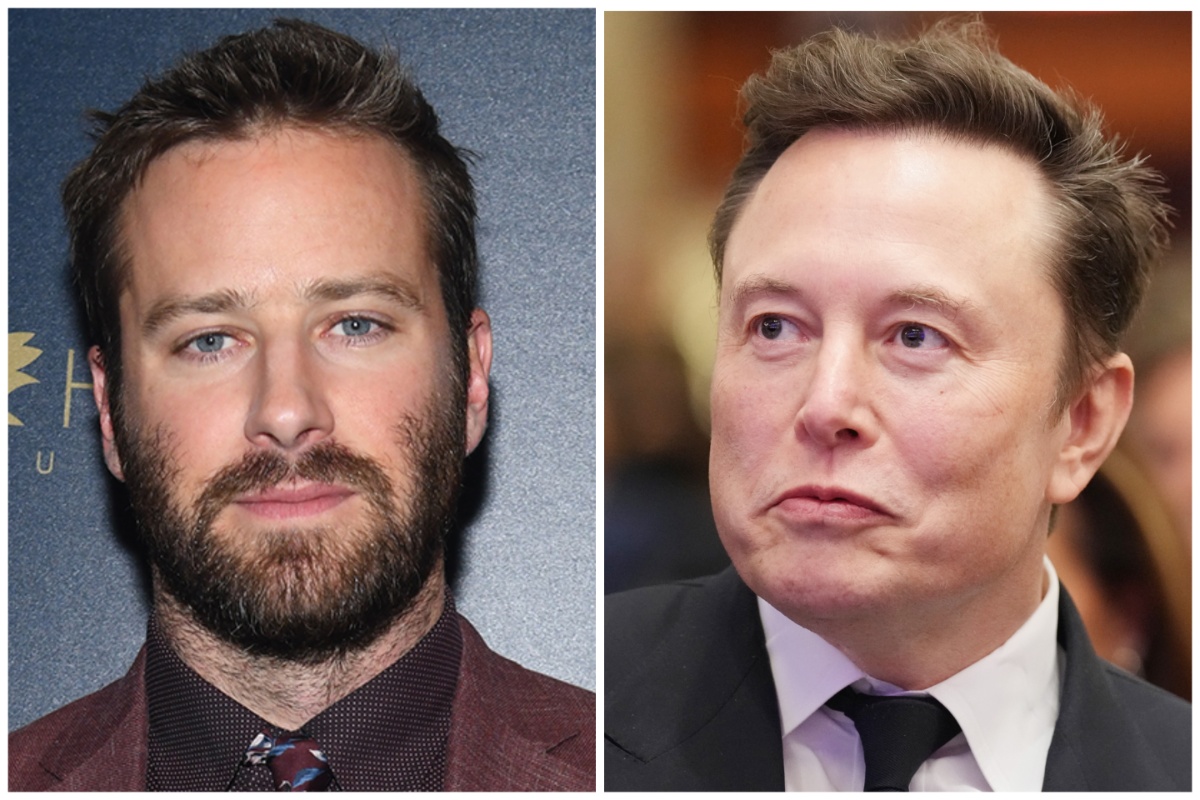
    On June 28, 2026, Elon Musk, the CEO of X, publicly referenced actor Armie Hammer’s new film, ‘Citizen Vigilante,’ on the social media platform. Musk’s post, which did not contain direct promotional links, quickly generated widespread discussion. This action immediately refocused global attention on Hammer’s career, which had been largely inactive since 2021.

    Musk’s specific mention of ‘Citizen Vigilante’ on X has amplified the film’s visibility. It positions the project as a significant moment in Hammer’s professional trajectory, marking a potential return to mainstream acting.

    The Unfolding Narrative: Musk’s Post and Hammer’s Return

    Elon Musk’s post on X has served as an unexpected catalyst for ‘Citizen Vigilante.’ The exact phrasing of Musk’s remarks is under analysis by media outlets and social media users. His involvement brings an unprecedented level of scrutiny and curiosity to the film.

    Armie Hammer’s career entered a period of professional hiatus following a series of highly publicized allegations and controversies that emerged in early 2021. His last major film role prior to this development was in ‘Death on the Nile,’ released in February 2022, though filmed earlier. ‘Citizen Vigilante’ is now prominently featured as his attempt at a professional comeback.

    The Context of Armie Hammer’s Hiatus

    Hammer’s retreat from public life and acting roles began in January 2021. This followed allegations of abuse and non-consensual sexual acts, which he has denied. These claims led to his departure from several high-profile projects, including the film ‘Shotgun Wedding’ and the Paramount+ series ‘The Offer.’

    The actor’s public profile diminished significantly in the subsequent years. Reports in 2022 indicated Hammer was working in other capacities, including timeshare sales in the Cayman Islands. His return to a major acting role in ‘Citizen Vigilante’ signals a deliberate effort to re-engage with the film industry.

    ‘Citizen Vigilante’: Initial Details and Speculation

    As of June 28, 2026, concrete details regarding ‘Citizen Vigilante’ remain limited. The film is confirmed to star Armie Hammer. Its genre is speculated to be a thriller or action-drama, aligning with the

  • Supergirl Soars: $18 Million Opening Day Signals Strong Box Office Flight

    Supergirl Soars: $18 Million Opening Day Signals Strong Box Office Flight

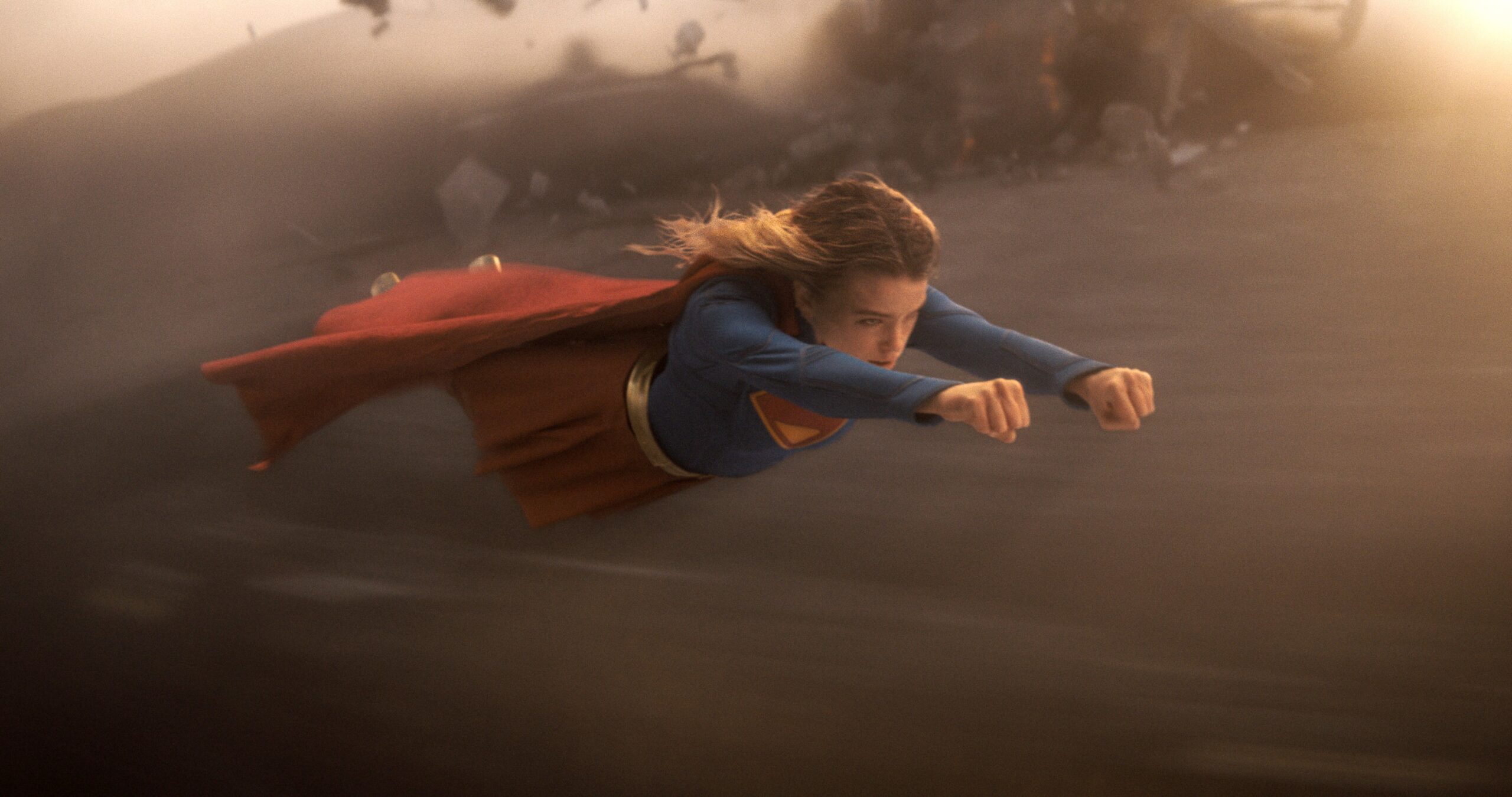
    The film ‘Supergirl’ commenced its theatrical run with an estimated $18 million at the box office on its opening day, Friday, June 27, 2026. This figure, reported by industry publication Variety, signals a robust start for the Warner Bros. superhero production. The debut of Milly Alcock in the iconic role has drawn significant attention, translating into substantial early ticket sales.

    This initial box office performance positions ‘Supergirl’ as a key player in the 2026 summer movie season. The $18 million gross offers an early indication of audience engagement and potential trajectory for the film’s full theatrical run. Industry analysts will monitor its performance closely through the weekend.

    A Powerful Launch for the DC Universe

    The $18 million opening day for ‘Supergirl’ represents a strong launch for the latest installment in the DC Universe. This figure demonstrates considerable fan and general audience interest in the character and the broader cinematic universe. Superhero films continue to be a dominant force in the global box office.

    Warner Bros. has invested heavily in its DC properties. A strong opening for ‘Supergirl’ contributes positively to the studio’s ongoing strategy for its superhero slate. The film’s success is crucial for building momentum for future DC projects.

    Milly Alcock’s Ascendant Role

    Milly Alcock, known for her prior television work, steps into a leading role with ‘Supergirl’. Her portrayal of Kara Zor-El has been a central point of discussion since her casting was announced. This film marks a significant career milestone for the actress.

    The performance of lead actors often directly influences a film’s box office appeal. Alcock’s debut as Supergirl is now being experienced by audiences worldwide. Their reception will shape the narrative surrounding her take on the character and the film’s overall impact.

    Box Office Dynamics and Competition

    The reported $18 million opening day places ‘Supergirl’ in a competitive summer market. Other major releases, such as ‘Toy Story 5’, are also currently drawing audiences. The performance of ‘Supergirl’ will be measured against these high-profile productions and previous superhero entries.

    Opening day numbers are a critical benchmark. However, a film’s true commercial success is determined by its full opening weekend, subsequent weeks, and global earnings. Word-of-mouth and critical reviews emerging over the weekend will significantly impact its sustained performance.

    The Road Ahead for Kara Zor-El

    Box office analysts and entertainment reporters will closely track the full opening weekend figures for ‘Supergirl’. These comprehensive numbers will provide a clearer picture of the film’s initial commercial reception. Studio executives will also evaluate audience exit polling and early critical responses.

    Further reports from Variety and other industry outlets are anticipated throughout the weekend. These updates will detail the film’s complete three-day gross and provide context regarding its performance relative to pre-release expectations. The journey for ‘Supergirl’ at the box office has just begun.

  • Walton Goggins Saved Olivia Wilde From Horse Stampede on ‘Cowboys & Aliens’ Set

    Walton Goggins Saved Olivia Wilde From Horse Stampede on ‘Cowboys & Aliens’ Set

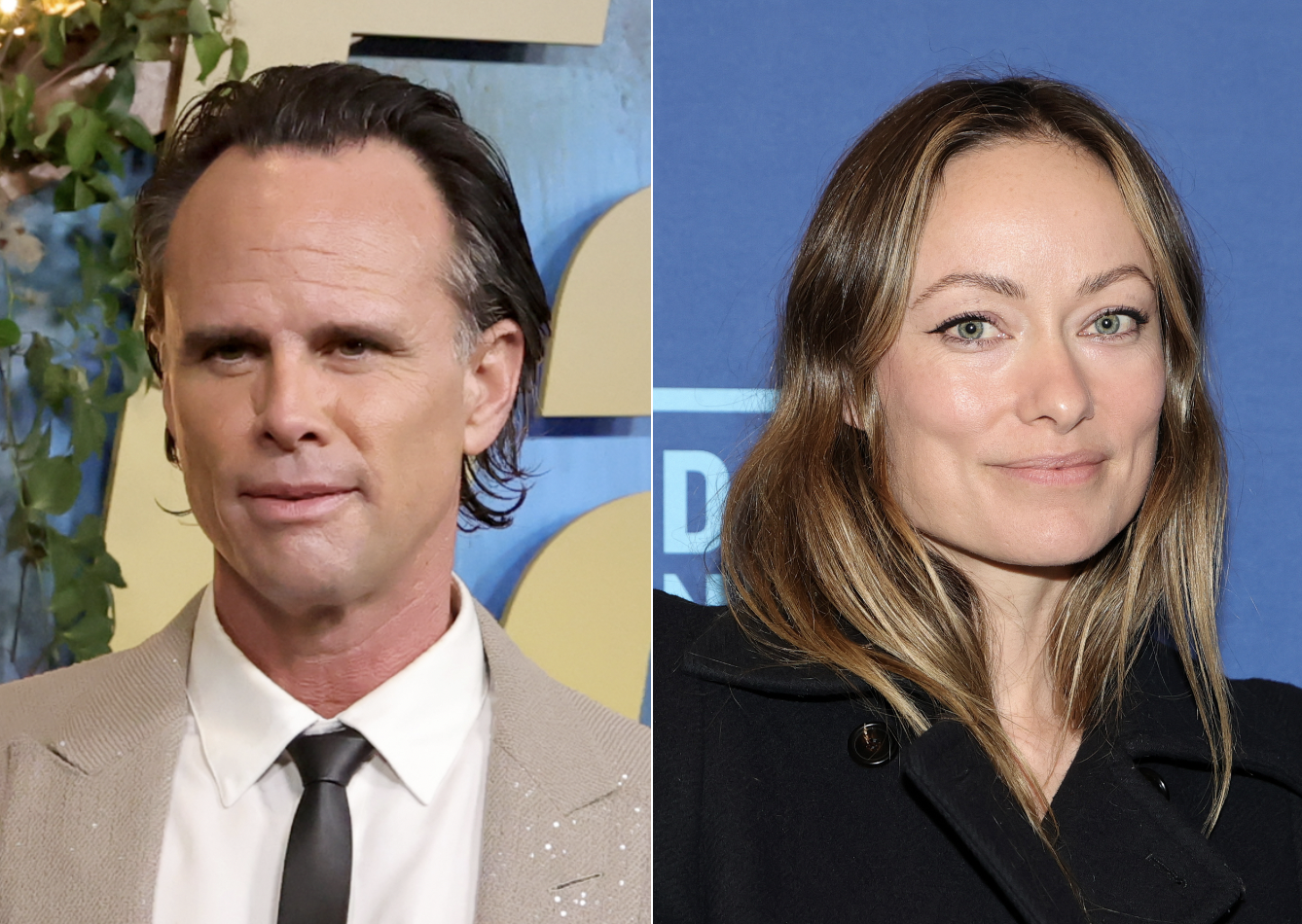
    Walton Goggins saved Olivia Wilde from a severe horse stampede on the set of the 2011 film Cowboys & Aliens during its production in 2010. Wilde has repeatedly credited Goggins with saving her life, describing his swift intervention as preventing a potentially fatal accident. The incident occurred amidst the complex and often unpredictable environment of a large-scale Hollywood film set, highlighting the inherent dangers of working with live animals.

    The film, directed by Jon Favreau, was an ambitious blend of science fiction and the Old West. It required extensive practical effects and action sequences, many of which involved numerous horses. The demanding nature of such a production inherently carried risks, even with stringent safety protocols in place.

    The Perilous Production of Cowboys & Aliens

    The 2011 film Cowboys & Aliens brought together a notable cast and crew to realize its unique premise. Daniel Craig starred as Jake Lonergan, with Harrison Ford as Colonel Woodrow Dolarhyde, and Olivia Wilde as Ella Swenson. Walton Goggins portrayed Hunt, a member of Dolarhyde’s posse. The narrative fused classic Western elements with an alien invasion storyline, necessitating extensive practical effects and dynamic action sequences.

    Principal photography for Cowboys & Aliens took place primarily in New Mexico during the summer and fall of 2010. Locations around Santa Fe and other regional landscapes provided the authentic Western backdrop. The inclusion of live horses was crucial for the film’s Western authenticity. Scenes featuring large groups of horses and riders are a staple of the genre but also introduce significant safety challenges for both the cast and crew.

    A Scene Unravels: The Moment of Danger

    The specific details of the near-catastrophe on the set of Cowboys & Aliens have been recounted by Olivia Wilde in various interviews. The incident unfolded during a scene that required multiple horses to be in rapid motion, a common but high-risk element in Western action sequences. During this particular take, a situation rapidly escalated, placing Olivia Wilde directly in harm’s way.

    Wilde found herself in a precarious position, directly in the path of a group of stampeding horses. The sheer speed and raw power of these animals meant that a direct impact would have resulted in severe, potentially life-altering, or even fatal injuries. The chaotic and fast-paced nature of such a scene demands constant vigilance and immediate reactions from everyone involved, as events can change in an instant.

    Walton Goggins’ Decisive Act of Heroism

    Walton Goggins, an actor known for his intense and often physical roles in productions such as The Shield, Justified, and The Hateful Eight, was present when the danger unfolded. His extensive experience on diverse film sets, many of which involved demanding action and physical performances, likely contributed to his ability to assess the situation and react with critical speed and decisiveness.

    According to Olivia Wilde’s accounts, Goggins recognized the immediate and severe threat to her safety without hesitation. His intervention involved physically pulling Wilde out of the direct path of the oncoming horses. This quick thinking and immediate physical action were paramount in that moment, as there was insufficient time for others to react or for the situation to be controlled through standard, pre-planned safety protocols.

    “I owe him my life. He’s a real-life hero,” Olivia Wilde has stated, consistently emphasizing the profound gravity of Goggins’ actions and her gratitude.

    Wilde’s unwavering and strong testimonials underscore the extreme danger she faced and the effectiveness of Goggins’ rapid response. Such direct and heartfelt praise from a co-star highlights the extraordinary nature of the event and the impact it had on her.

    The Aftermath and Enduring Impact

    Following the incident, filming was almost certainly paused to ensure the immediate safety and well-being of Olivia Wilde and all other cast and crew members. While specific details regarding the immediate aftermath or any official reports are not widely publicized, Wilde’s consistent recounting of the event over more than a decade indicates its deep and lasting impact on her personal and professional life.

    The intense bonds formed between actors and crew members on a film set can be particularly strong, especially when shared experiences involve moments of danger or extreme challenge. Goggins’ heroic act undoubtedly solidified a profound sense of respect and gratitude from Wilde. This type of extraordinary event often creates a lasting impression, shaping perspectives on workplace safety, personal courage, and camaraderie within the demanding film industry.

    Understanding Film Set Safety Protocols

    Film sets operate under stringent safety protocols specifically designed to mitigate risks, particularly when elements like live animals, complex stunts, pyrotechnics, and large-scale machinery are involved. Dedicated professionals, including animal wranglers, stunt coordinators, and set safety officers, are integral to ensuring that scenes are executed with the highest possible degree of safety.

    • Animal Handlers and Trainers: Specialists are always present on set to manage and control animals, ensuring both their welfare and the safety of the human cast and crew. They implement strict guidelines for animal behavior and interaction.
    • Stunt Coordinators: These highly trained professionals design, choreograph, and oversee all action sequences, ensuring that stunts are performed safely and effectively, often utilizing specialized equipment and trained stunt doubles.
    • Safety Meetings and Briefings: Before any complex or potentially dangerous scenes, detailed safety meetings are conducted. These briefings inform everyone involved about potential hazards, emergency procedures, and individual responsibilities to maintain a safe environment.
    • Emergency Medical Personnel: Certified medical professionals, including paramedics and doctors, are typically on standby during high-risk filming periods to provide immediate care in case of an accident or injury.
    • Risk Assessments: Comprehensive risk assessments are conducted for all challenging scenes, identifying potential dangers and developing strategies to minimize them.

    Despite these extensive precautions and the presence of highly trained safety personnel, unforeseen circumstances can still arise, as dramatically demonstrated by the Cowboys & Aliens incident. The dynamic and often unpredictable nature of filmmaking means that human vigilance and quick, decisive reactions, such as those exhibited by Walton Goggins, occasionally become the ultimate and last line of defense against serious harm.

    Walton Goggins: Beyond the Heroic Act and Into Character

    Walton Goggins has cultivated a distinguished reputation as a highly versatile and compelling character actor throughout his extensive career. His roles frequently feature complex, often morally ambiguous characters, earning him consistent critical acclaim and a dedicated following.

    • Early Career Recognition: Goggins first gained significant recognition for his portrayal of Detective Shane Vendrell in the critically acclaimed FX series The Shield, which aired from 2002 to 2008. His performance earned him widespread praise.
    • Breakout and Acclaim: His role as Boyd Crowder in FX’s neo-Western crime drama Justified, which ran from 2010 to 2015, became a career-defining performance. This role earned him an Emmy nomination for Outstanding Supporting Actor in a Drama Series.
    • Collaborations with Tarantino: Goggins has notably collaborated with acclaimed director Quentin Tarantino on multiple projects, including Django Unchained (2012) and The Hateful Eight (2015), where his nuanced performances further cemented his status as a sought-after talent in Hollywood.
    • Recent Prominence: In 2024, Goggins garnered significant attention and praise for his voice work and motion-capture performance as the Ghoul in Amazon Prime Video’s highly successful adaptation of the video game series Fallout. This role introduced him to a new generation of viewers.

    His decisive act of heroism on the Cowboys & Aliens set adds a unique and compelling dimension to his public persona, showcasing a personal bravery and quick thinking that extends far beyond the roles he portrays on screen.

    Olivia Wilde’s Evolving Career Trajectory

    Olivia Wilde’s career has seen a remarkable evolution, transitioning successfully from a prominent actress to a respected director, establishing her as a significant and influential figure in contemporary Hollywood.

    • Early Acting Career: Wilde initially rose to widespread prominence with her role as Dr. Remy “Thirteen” Hadley in the popular medical drama series House, which she joined in 2007. Her early film roles included appearances in films like Tron: Legacy (2010) and, of course, Cowboys & Aliens (2011).
    • Transition to Directing: Wilde made a highly successful directorial debut with the critically acclaimed teen comedy Booksmart in 2019. The film was praised for its fresh perspective and sharp humor, earning her a Directors Guild of America Award nomination for Outstanding Directorial Achievement of a First-Time Feature Film Director.
    • Subsequent Directorial Projects: Following the success of Booksmart, Wilde went on to direct Don’t Worry Darling (2022), a psychological thriller that garnered significant media attention and box office success.
    • Advocacy and Activism: Beyond her work in film, Wilde is also known for her advocacy and activism, particularly in areas of women’s rights and political engagement. She frequently uses her platform to support various social and political causes.

    The incident with Walton Goggins remains a notable, albeit dangerous, moment in her career, a stark reminder of the physical risks involved in filmmaking, even for established actors.

    Unforeseen Dangers on Film Sets

    The Cowboys & Aliens incident serves as a powerful reminder of the inherent and often unforeseen dangers present on film sets, particularly those involving complex action sequences, animals, or stunts. While the film industry has made significant strides in safety protocols over the decades, accidents can still occur.

    • Live Animals: Working with live animals, especially large and powerful ones like horses, always carries a degree of unpredictability. Even highly trained animals can react unexpectedly to loud noises, sudden movements, or unfamiliar environments.
    • Stunt Work: Despite meticulous planning and the use of professional stunt performers, stunts inherently involve risks. Miscalculations, equipment failures, or unexpected variables can lead to serious injuries.
    • Complex Environments: Large-scale productions often involve elaborate sets, pyrotechnics, and numerous personnel, creating complex and potentially hazardous working environments where communication and coordination are critical.
    • Human Error: Despite training and experience, human error can contribute to accidents. This can range from a momentary lapse in concentration to a misjudgment of risk.

    The quick thinking demonstrated by Walton Goggins in 2010 underscores the value of individual awareness and decisive action in mitigating potential tragedies when all other safeguards might momentarily fail.

    The Legacy of Cowboys & Aliens

    Despite the on-set incident and mixed critical reception upon its release, Cowboys & Aliens remains a memorable entry in the science fiction Western genre. Its ambitious premise and star-studded cast garnered significant attention, even if its box office performance did not meet all expectations. The film’s production, however, provided a real-life story of heroism that has resonated far beyond its cinematic impact.

    The incident involving Wilde and Goggins serves as a footnote that illustrates the human element of filmmaking, the teamwork, the unforeseen challenges, and the moments of profound personal courage that often occur behind the scenes. It highlights that even in a highly controlled environment, individuals can make a critical difference in the safety and well-being of their colleagues.

    Actors work. Animals move. Hazards emerge. Lives are saved. Heroes are made. Hollywood.