Tag: Film

  • Britney Spears Biopic Scripted by ‘New Girl’ Creator Liz Meriwether

    Britney Spears Biopic Scripted by ‘New Girl’ Creator Liz Meriwether

    A biopic centered on the life of pop superstar Britney Spears is in active development, with Liz Meriwether, the acclaimed creator of the television series ‘New Girl,’ attached to write the screenplay. This film project is expected to delve into Spears’ extensive career, her ascent to global fame, and the significant personal and legal challenges that have defined much of her public life.

    The announcement of Meriwether’s involvement signals a serious approach to the narrative, given her track record in crafting compelling character-driven stories. The biopic will likely explore themes of celebrity, media scrutiny, and personal autonomy, resonating with a broad audience interested in Spears’ influential career and subsequent struggles.

    The Trajectory of Britney Spears’ Career

    Britney Spears emerged as a dominant force in pop music in the late 1990s. Her debut album, ‘…Baby One More Time,’ released in 1999, quickly established her as a global phenomenon. The album’s title track became an international hit, defining a new era of pop music and solidifying Spears’ status as a teen idol.

    Throughout the early 2000s, Spears continued to release commercially successful albums, including ‘Oops!… I Did It Again’ (2000), ‘Britney’ (2001), and ‘In the Zone’ (2003). These albums produced numerous chart-topping singles and iconic music videos. Her elaborate stage performances and provocative image captivated millions worldwide.

    Spears’ influence extended beyond music, making her a cultural icon. Her fashion choices, public relationships, and media presence were subjects of constant discussion. She became a symbol of pop culture, influencing a generation of artists and fans.

    The intensity of her fame also brought unprecedented media attention, creating a challenging environment for her personal life. Every aspect of her existence was scrutinized, leading to immense pressure.

    The Conservatorship and Its Aftermath

    In 2008, a court-ordered conservatorship was established, placing Spears’ personal and financial affairs under the control of her father, Jamie Spears, and others. This legal arrangement, initially presented as a temporary measure for her well-being, lasted for over 13 years.

    The conservatorship became a subject of increasing public debate and concern. The #FreeBritney movement, initiated by fans, gained significant momentum, drawing attention to the perceived injustices of the arrangement. Documentaries and news reports further highlighted the complexities and controversies surrounding her situation.

    In June 2021, Spears delivered powerful testimony in court, detailing her experiences under the conservatorship. She described feeling exploited, controlled, and unable to make fundamental decisions about her own life, career, and reproductive health.

    The legal battle culminated in November 2021, when a Los Angeles Superior Court judge officially terminated the conservatorship. This decision marked a significant victory for Spears and her supporters, symbolizing a broader conversation about guardianship laws and celebrity autonomy.

    Liz Meriwether’s Creative Vision

    Liz Meriwether is widely recognized for her work in television, particularly as the creator, executive producer, and writer of the Fox sitcom ‘New Girl.’ The series, which ran from 2011 to 2018, was praised for its witty dialogue, ensemble cast, and nuanced character development.

    Meriwether’s writing often blends humor with emotional depth, exploring the complexities of relationships and personal growth. Her ability to craft relatable and engaging characters suggests a potential for a sensitive and insightful portrayal of Britney Spears’ life.

    Prior to ‘New Girl,’ Meriwether also wrote the play ‘Oliver Parker!’ and the screenplay for the 2011 romantic comedy film ‘No Strings Attached,’ starring Natalie Portman and Ashton Kutcher. Her diverse experience in both theater and film demonstrates her versatility as a storyteller.

    The choice of Meriwether to script the biopic indicates a desire to move beyond a sensationalized account. The project aims for a narrative that captures the human element of Spears’ story, including her resilience and determination.

    The Biopic Trend in Hollywood

    Biopics have seen a resurgence in popularity in recent years, with many films achieving critical and commercial success. These projects often explore the lives of iconic figures from music, film, and other public spheres.

    Recent examples include ‘Bohemian Rhapsody’ (2018), which chronicled the life of Freddie Mercury and Queen, and ‘Rocketman’ (2019), a musical fantasy film based on the life of Elton John. Both films offered intimate looks into the lives of their subjects, combining musical performances with personal drama.

    Other biopics, such as ‘Elvis’ (2022) and ‘Oppenheimer’ (2023), have also captivated audiences and critics, demonstrating the enduring appeal of true-life stories. These films often provide context to public figures, revealing the struggles and triumphs behind their fame.

    The Britney Spears biopic fits into this trend, promising to offer a comprehensive look at a figure whose life has been under constant public scrutiny. The film will likely explore the pressures of early fame, the challenges of maintaining a private life in the public eye, and the fight for personal freedom.

    Public Interest and Anticipation

    The announcement of a Britney Spears biopic has generated significant public interest. Fans and media alike are eager to see how her story will be adapted for the screen, particularly after the termination of her conservatorship.

    Spears’ journey has resonated with many, becoming a symbol of resilience in the face of adversity. The film offers an opportunity to present a narrative that acknowledges her struggles while celebrating her enduring legacy as a pop icon.

    The project aligns with a broader cultural conversation about celebrity well-being and the responsibilities of the media. It seeks to provide a nuanced perspective on the challenges faced by individuals in the public spotlight.

    The biopic’s success will depend on its ability to balance factual accuracy with compelling storytelling. It must navigate the sensitive aspects of Spears’ life with respect and integrity, offering insights rather than mere spectacle.

    The Impact of the #FreeBritney Movement

    The #FreeBritney movement played a crucial role in raising awareness about Spears’ conservatorship. What began as a fan-driven campaign evolved into a significant social and legal advocacy effort.

    Activists organized protests, disseminated information online, and pressured legal and political figures to review Spears’ case. Their efforts brought unprecedented scrutiny to the conservatorship system.

    The movement demonstrated the power of collective action in challenging established legal structures. It highlighted the importance of fan engagement in advocating for celebrity well-being, extending beyond typical fan-artist relationships.

    The movement’s success influenced public perception and contributed to the legal changes that ultimately led to the conservatorship’s termination. Its legacy will likely be a key component of the biopic’s narrative, showcasing the collective effort that supported Spears.

    Challenges and Opportunities for the Biopic

    Creating a biopic about a living icon like Britney Spears presents both challenges and opportunities. The narrative must be handled with care, considering the subject’s ongoing personal journey.

    One of the primary challenges will be to portray the complex legal and personal aspects of the conservatorship accurately and sensitively. The film must avoid re-traumatizing Spears while still providing an honest account of her experiences.

    The opportunity lies in offering a definitive cinematic interpretation of her story, potentially reaching an even wider audience. It can contextualize her struggles within the broader framework of celebrity culture and legal rights.

    The biopic also has the potential to inspire conversations about mental health, privacy, and the ethical responsibilities of those who manage the lives of public figures. It can serve as a powerful commentary on the pressures of fame.

    Writers, producers, and directors will face the task of balancing entertainment value with factual integrity. The film will need to engage audiences while remaining true to the spirit of Spears’ journey.

    Fans await. Critics await. The industry awaits.

    Britney.

  • Sally Field’s Emmy Nomination for ‘Remarkably Bright Creatures’, A 17-Year Gap

    Sally Field’s Emmy Nomination for ‘Remarkably Bright Creatures’, A 17-Year Gap

    Sally Field has earned an Emmy nomination for her role in ‘Remarkably Bright Creatures’ in 2026. This marks her first Emmy recognition in 17 years, highlighting a significant milestone in her long-standing career.

    The announcement underscores Field’s continued relevance and acclaimed talent within the entertainment industry. Her work in the series has drawn critical attention, leading to this latest acknowledgment from the Television Academy.

    A Distinguished Career’s Enduring Arc

    Sally Field’s career began in the mid-1960s, establishing her as a versatile actress across film and television. Her early roles in television sitcoms like ‘Gidget’ and ‘The Flying Nun’ brought her initial fame.

    She transitioned successfully into dramatic roles, earning significant critical praise. Field’s ability to inhabit diverse characters has been a hallmark of her acting journey.

    Her filmography includes numerous iconic performances. These roles have cemented her status as a respected figure in Hollywood.

    Early Television Successes

    Field’s television career launched with ‘Gidget’ in 1965. She played the titular character, Frances “Gidget” Lawrence, a role that endeared her to a wide audience.

    Following ‘Gidget,’ she starred in ‘The Flying Nun’ from 1967 to 1970. In this series, she portrayed Sister Bertrille, a nun who could fly.

    These early roles established her as a recognizable face in American households. They provided a foundation for her later, more dramatic work.

    Transition to Critically Acclaimed Drama

    The 1970s marked a pivotal shift in Field’s career. She actively sought out more challenging and complex roles.

    Her performance in the 1976 television film ‘Sybil’ was a critical turning point. Field portrayed a woman with multiple personality disorder, earning her first Emmy Award for Outstanding Lead Actress in a Drama or Comedy Special.

    This role demonstrated her range beyond lighthearted sitcoms. It opened doors to significant film opportunities.

    Major Film Accolades

    Sally Field achieved considerable success in feature films, earning multiple Academy Awards. These awards solidified her reputation as a leading dramatic actress.

    Her first Academy Award for Best Actress came in 1979 for ‘Norma Rae.’ She played a textile factory worker who becomes involved in union activities.

    The role was praised for its raw emotion and powerful portrayal of a working-class hero. It remains one of her most celebrated performances.

    In 1984, Field received her second Academy Award for Best Actress for ‘Places in the Heart.’ She portrayed a Depression-era widow fighting to save her family farm.

    Her acceptance speech, famously declaring, “You like me, you really like me!” became an iconic moment in Academy Awards history. This phrase captured public sentiment regarding her widespread appeal and talent.

    Other Notable Film Roles

    Field’s film career also includes roles in ‘Smokey and the Bandit’ (1977) alongside Burt Reynolds. This film showcased her comedic timing.

    She starred in ‘Absence of Malice’ (1981) with Paul Newman. Her performance earned her a Golden Globe nomination.

    In the 1990s, she played Mrs. Gump in ‘Forrest Gump’ (1994). This role, as the titular character’s mother, garnered her further critical acclaim and a Screen Actors Guild Award nomination.

    Her work in ‘Lincoln’ (2012) as Mary Todd Lincoln earned her an Academy Award nomination for Best Supporting Actress. This historical drama demonstrated her continued ability to deliver compelling performances in complex roles.

    Return to Television and Recent Nominations

    While maintaining a film presence, Field has also returned to television with significant impact. Her work on the small screen has continued to earn her awards and nominations.

    Her performance in ‘ER’ as Maggie Wyczenski, the bipolar mother of Dr. Abby Lockhart, earned her an Emmy Award for Outstanding Guest Actress in a Drama Series in 2001.

    In 2007, she won another Emmy for Outstanding Lead Actress in a Drama Series for her role as Nora Walker in ‘Brothers & Sisters.’ This marked a period of renewed television prominence for Field.

    Her last Emmy nomination prior to 2026 was also for ‘Brothers & Sisters,’ in 2009. The 17-year gap between that nomination and her current one for ‘Remarkably Bright Creatures’ highlights the longevity of her career and her consistent return to critical recognition.

    ‘Remarkably Bright Creatures’ and Its Impact

    ‘Remarkably Bright Creatures’ is a television series that has captivated audiences and critics alike. Sally Field’s role in the production has been central to its reception.

    The series explores themes of connection, loss, and unexpected friendships. Field’s portrayal is noted for its depth and emotional resonance.

    Her character contributes significantly to the narrative’s heart. This performance has been singled out as a highlight of the show.

    The nomination for this role in 2026 reaffirms her status as a revered actress. It demonstrates that her talent continues to be recognized by her peers and industry bodies.

    The Longevity of a Screen Icon

    Sally Field’s career spans over six decades. Her ability to adapt to changing industry landscapes and maintain a high level of performance is remarkable.

    She has worked with multiple generations of actors and directors. Her filmography serves as a chronicle of American cinema and television history.

    Field’s influence extends beyond her acting roles. She has also directed television episodes, including for ‘The Division’ and ‘Brothers & Sisters.’

    Her career trajectory offers a case study in sustained artistic excellence. It demonstrates how talent and dedication can lead to enduring success in a challenging industry.

    Beyond the Screen: Advocacy and Public Life

    Outside of her acting, Sally Field has been an advocate for various causes. She has used her platform to support issues she believes in.

    Field has spoken publicly about her experiences in Hollywood and her views on social matters. Her candidness has resonated with many.

    Her public persona often reflects the strength and integrity seen in many of her characters. This consistency has contributed to her lasting appeal.

    The respect she commands stems from both her professional achievements and her personal integrity. She remains a significant cultural figure.

    The Significance of the 2026 Nomination

    The 2026 Emmy nomination for ‘Remarkably Bright Creatures’ is more than just another award nod. It represents a validation of an enduring career.

    It signals that even after decades in the industry, Field continues to deliver performances that stand out. The 17-year gap between nominations adds a layer of significance.

    This recognition places her among a select group of actors who achieve critical acclaim across multiple eras. It speaks to her timeless talent.

    Industry observers, fans, and colleagues celebrate this nomination. It is a moment to appreciate a true icon of American entertainment.

    Actors continue to work. Directors continue to film. Audiences continue to watch. Sally Field continues to perform. The Academy continues to honor. Hollywood.

  • Abbie Cornish Embodies Anna Nicole Smith in ‘Trust Me, I’m a Doctor’

    Abbie Cornish Embodies Anna Nicole Smith in ‘Trust Me, I’m a Doctor’

    Abbie Cornish has undertaken the role of Anna Nicole Smith in the forthcoming production titled ‘Trust Me, I’m a Doctor.’ This portrayal brings renewed attention to Smith’s life, a figure who captivated public imagination through her modeling career, marriage to J. Howard Marshall II, and subsequent legal battles. Cornish’s transformation into Smith is a central aspect of the project, aiming to capture both the physical likeness and the complex essence of the public figure.

    The Enduring Appeal of Anna Nicole Smith

    Anna Nicole Smith, born Vickie Lynn Hogan in Houston, Texas, on November 28, 1967, rose to prominence in the early 1990s. Her career began with modeling, notably for Guess jeans. She quickly became a symbol of American glamour, often compared to Marilyn Monroe. Smith’s public persona was carefully cultivated, blending vulnerability with overt sexuality.

    Her marriage to octogenarian oil magnate J. Howard Marshall II in 1994 drew international headlines. The union sparked widespread speculation about her motives. Marshall’s death in 1995 ignited a prolonged legal battle over his estate. This legal saga extended for over a decade, reaching the Supreme Court of the United States multiple times.

    Smith’s life was marked by both extreme highs and profound lows. She navigated the intense scrutiny of the media. Her story became a public spectacle, encompassing fame, wealth, legal disputes, and personal tragedy. The public’s fascination with her narrative has not waned, nearly two decades after her death.

    Abbie Cornish’s Transformation

    Abbie Cornish, an Australian actress known for roles in ‘Bright Star’ and ‘Three Billboards Outside Ebbing, Missouri,’ takes on this iconic role. The casting requires a significant physical and performative transformation. Early images from the production indicate a meticulous effort to replicate Smith’s distinctive look and mannerisms. This process involves detailed costume design, makeup artistry, and potentially prosthetics.

    Cornish’s preparation for the role likely includes extensive research into Smith’s life. This would involve studying interviews, documentaries, and biographical accounts. The goal is to move beyond superficial imitation. The aim is to delve into the psychological and emotional landscape of Smith’s experiences. This level of immersion is crucial for depicting a figure as complex and often misunderstood as Anna Nicole Smith.

    The Challenges of Portrayal

    Portraying a well-known public figure presents unique challenges. Actors must balance accuracy with interpretation. The performance must resonate with public memory while offering new insights. Cornish’s task is to humanize Smith, moving beyond tabloid headlines. She must explore the vulnerabilities and strengths that defined Smith’s tumultuous existence.

    The project’s title, ‘Trust Me, I’m a Doctor,’ suggests a narrative approach that might explore themes of authenticity, perception, and the often-deceptive nature of public image. This title could imply a critique of how Smith was perceived by the media and the public. It might also hint at the internal struggles she faced, hidden beneath her public persona.

    The Legacy of Anna Nicole Smith

    Anna Nicole Smith’s life concluded tragically on February 8, 2007, at the age of 39. Her death, attributed to an accidental overdose, occurred just months after the death of her son, Daniel Wayne Smith. These events added another layer of sorrow to her already complex narrative. Her story became a cautionary tale about the pressures of fame and the fragility of human existence.

    The cultural impact of Anna Nicole Smith extends beyond her lifetime. She remains a subject of documentaries, biopics, and academic discussions. Her story touches upon themes of class, gender, celebrity, and the American dream. She represents a particular era of celebrity culture, one that blurred the lines between reality and performance.

    “Anna Nicole Smith was more than just a tabloid fixture; she was a reflection of societal obsessions with beauty, wealth, and tragedy.”

    Her ongoing relevance is evident in projects like ‘Trust Me, I’m a Doctor.’ These productions seek to re-examine her narrative through a contemporary lens. They aim to understand the forces that shaped her life and public image. The persistent interest in her story underscores its enduring power and its ability to provoke reflection on broader societal issues.

    ‘Trust Me, I’m a Doctor’: What to Expect

    Details about the full scope of ‘Trust Me, I’m a Doctor’ remain under wraps. However, the initial announcement and images confirm its focus on Anna Nicole Smith. The project is expected to offer a comprehensive look at her journey. This would include her rise from humble beginnings, her iconic modeling career, and her high-profile marriage.

    The production will likely explore the legal battles that consumed much of her later life. These protracted court cases defined her public image for many years. They involved intricate details of estate law and family disputes. The project could also delve into her personal relationships and her struggles with addiction.

    Kal Penn is also associated with the project, though his specific role has not been detailed. His involvement suggests a production with a diverse cast and potentially a nuanced approach to the narrative. The combination of Cornish’s transformative performance and Penn’s presence indicates a significant dramatic undertaking.

    The Cinematic Approach

    The title ‘Trust Me, I’m a Doctor’ could signal a variety of narrative styles. It might imply a satirical take on celebrity culture. It could also suggest a more empathetic exploration of Smith’s life. The tone will be critical in shaping how audiences perceive this new interpretation of her story. The film’s creators will face the challenge of presenting a balanced portrayal, avoiding sensationalism while addressing the dramatic elements of her life.

    The project’s release will undoubtedly reignite discussions about Smith’s legacy. It will prompt audiences to reconsider her impact on popular culture. It will also invite reflection on the ethics of media representation and the pressures faced by public figures. The film offers an opportunity to re-evaluate a life lived under intense public scrutiny.

    Abbie Cornish prepares. The production team finalizes details. Audiences anticipate. The story of Anna Nicole Smith continues.

  • From Screen Antiheroes to President Trump: A Cultural Defense Perspective

    From Screen Antiheroes to President Trump: A Cultural Defense Perspective

    Author David Thomson draws a direct line between the prevalence of screen antiheroes in cinematic history and the political trajectory of President Donald Trump. This connection forms a cultural defense perspective, suggesting that the public’s reception of complex, often morally ambiguous characters on screen prepared a cultural landscape for a leader who defies traditional political norms.

    Thomson, a respected film critic and historian, frequently analyzes the deeper currents flowing between popular culture and real-world phenomena. His work explores how the stories told through film shape collective consciousness and influence societal expectations of leadership and character.

    The Evolution of the Antihero Archetype

    The screen antihero emerged prominently in cinema, challenging established notions of heroism. These characters often possessed charisma and a compelling narrative, despite their flawed moral compass or outright criminal tendencies. Figures like Michael Corleone in “The Godfather” or Travis Bickle in “Taxi Driver” captivated audiences not through their virtue, but through their raw ambition, resilience, and often, their defiance of societal rules.

    Early cinematic heroes were often unambiguous figures of virtue. They represented clear moral uprightness and adherence to societal standards. The shift to antiheroes marked a significant departure, reflecting a growing complexity in storytelling and a changing perception of morality.

    This evolution mirrored a broader cultural trend, where traditional institutions and authority figures faced increasing scrutiny. Audiences became more receptive to narratives that explored the darker aspects of human nature, finding relatability or fascination in characters who operated outside conventional boundaries.

    From Noir to New Hollywood

    Film noir, flourishing in the 1940s and 1950s, introduced morally ambiguous protagonists caught in webs of deceit and corruption. These characters, while not always overtly criminal, often skirted the edges of legality and conventional ethics. Their struggles often highlighted the gray areas of human existence.

    The New Hollywood era of the late 1960s and 1970s further solidified the antihero’s place. Directors like Martin Scorsese, Francis Ford Coppola, and Sidney Lumet presented protagonists who were deeply flawed, alienated, or even destructive. These films often reflected a disillusionment with governmental authority and traditional American values following events like the Vietnam War and Watergate.

    These characters, despite their transgressions, often commanded a strange respect or understanding from audiences. They embodied a certain kind of power, a willingness to break rules, and an unfiltered approach to achieving their goals. This portrayal resonated with a public increasingly wary of polished, inauthentic figures.

    Donald Trump and the Antihero Persona

    David Thomson suggests that President Donald Trump’s public persona shares characteristics with these cinematic antiheroes. His defiance of political conventions, his unfiltered communication style, and his willingness to challenge established norms can be seen as echoes of the antihero archetype.

    President Trump often presented himself as an outsider, a figure willing to disrupt the political establishment. This stance resonated with voters who felt alienated by traditional politics and sought a leader who would challenge the status quo, much like an antihero challenges the narrative of a film.

    His public image often emphasized strength and a disregard for polite political discourse. This directness, while controversial, was perceived by some as authentic, contrasting with the more measured and often perceived as inauthentic language of career politicians.

    The Appeal of Disruption

    The antihero’s appeal often lies in their disruptive nature. They dismantle existing structures, whether through cunning, force, or sheer will. This disruption, in a political context, can be seen as a desire to overturn perceived failures or inefficiencies of the system.

    President Trump’s campaigns and presidency were marked by a consistent theme of disruption. He promised to “drain the swamp” and to challenge global agreements, appealing to a segment of the electorate yearning for radical change, not incremental adjustments.

    This appeal is not necessarily about moral alignment but about effectiveness and a perceived ability to get things done, even if it means breaking from tradition. The antihero, in many narratives, achieves their goals, albeit through unconventional means.

    The Unchanging Dictionary and New Frontiers

    Thomson confirmed that his seminal work, “The Biographical Dictionary of Film,” will not receive further updates. This decision marks the end of an era for a text that has served as a critical reference for film enthusiasts and scholars for decades. The dictionary, first published in 1975, has gone through multiple editions, chronicling the careers and impact of thousands of cinematic figures.

    His refusal to update the dictionary reflects a personal stance on the nature of film history and perhaps a weariness with the constant flux of contemporary cinema. The work remains a testament to his extensive knowledge and critical insight into the medium.

    Instead of revisiting past works, Thomson is focusing on new projects. His next major literary endeavor will center on the iconic Disney character, Mickey Mouse. This choice signals a continued interest in exploring figures that hold significant cultural weight and influence, much like the antiheroes and political figures he has previously analyzed.

    Mickey Mouse: A New Cultural Lens

    The decision to focus on Mickey Mouse is noteworthy. Mickey Mouse, perhaps the most recognizable animated character globally, embodies different aspects of cultural impact than the antihero. Mickey represents innocence, corporate branding, and the evolution of American entertainment over nearly a century.

    Analyzing Mickey Mouse allows Thomson to delve into themes of nostalgia, the commercialization of art, and the enduring power of simple, yet universally recognized, imagery. It is a shift from the morally complex to the culturally pervasive.

    Thomson’s approach to Mickey Mouse will likely explore how the character has adapted through various eras, reflecting changing societal values and technological advancements in animation. He will likely examine Mickey’s role not just as a character, but as a global ambassador for American culture.

    Cinema as a Mirror of Society

    The connection Thomson draws between screen antiheroes and President Trump underscores a fundamental belief: cinema is not merely entertainment; it is a powerful mirror reflecting and shaping societal values. The characters we embrace on screen, whether heroic or antiheroic, reveal much about our collective desires, fears, and aspirations.

    The cultural landscape is constantly evolving. What was once shocking or unconventional on screen can, over time, become normalized or even celebrated. This normalization can extend beyond the realm of fiction, influencing how real-world figures are perceived and accepted.

    Thomson’s analysis serves as a reminder that understanding political phenomena requires looking beyond traditional political science and into the broader cultural currents that inform public sentiment. The stories we tell ourselves, through film and other media, prepare the ground for the leaders we choose.

    Film critics like Thomson illuminate these connections, providing insights into the subtle ways culture permeates politics and vice versa. They offer a framework for understanding how seemingly disparate elements of public life are, in fact, deeply intertwined.

    The antihero’s journey, often one of struggle against an established order, resonates with many who feel disenfranchised. Their success, even if morally compromised, can be seen as a triumph over perceived injustice or stagnation.

    This narrative power, cultivated over decades in cinema, contributes to a public consciousness that is increasingly sophisticated in its consumption of complex characters and narratives. This sophistication, in turn, influences the reception of political figures who embody similar traits.

    The cultural defense perspective suggests that understanding the entertainment we consume is crucial for understanding the political landscape.

    The archetypes on screen. The narratives embraced by millions. The figures who rise to power. The stories we tell. The characters we celebrate. The cultural currents. The societal shifts.

    Trump.

  • Uwe Boll Defends ‘Citizen Vigilante’ and Armie Hammer Amidst Criticism

    Uwe Boll Defends ‘Citizen Vigilante’ and Armie Hammer Amidst Criticism

    Filmmaker Uwe Boll has issued a public statement defending his latest project, ‘Citizen Vigilante,’ and its lead actor, Armie Hammer. Boll’s defense directly confronted critics, whom he described as people who “love to hate and trash” his work. This response reignited a long-standing debate concerning Boll’s cinematic output and his relationship with film critics and audiences.

    The controversy surrounding ‘Citizen Vigilante’ stems from multiple factors. These include the film’s thematic elements and the casting choice of Armie Hammer, who has faced significant public scrutiny in recent years. Boll’s decision to cast Hammer has been a particular point of contention for many.

    The Director’s History with Criticism

    Uwe Boll’s career has been marked by frequent clashes with critics. His filmography, which often includes adaptations of video games, has consistently drawn strong reactions. Reviewers have often labeled his films as poorly executed, leading to a reputation that precedes many of his releases.

    This history of critical antagonism has shaped Boll’s public persona. He has often adopted a defiant stance, dismissing negative reviews as misinformed or biased. His current defense of ‘Citizen Vigilante’ aligns with this established pattern of confronting his detractors directly.

    In 2006, Boll famously challenged several film critics to boxing matches. This event, dubbed ‘Raging Boll,’ became a highly publicized spectacle. It solidified his image as a filmmaker willing to physically confront those who disparaged his work.

    His previous films, such as ‘House of the Dead’ (2003), ‘Alone in the Dark’ (2005), and ‘BloodRayne’ (2006), all received overwhelmingly negative reviews. These adaptations of popular video games often failed to resonate with both critics and the original game’s fanbase.

    Boll’s persistent production of films despite widespread criticism has also been a point of discussion. His ability to secure funding and continue filmmaking has puzzled many industry observers. This resilience, or perhaps stubbornness, is a hallmark of his career.

    The ‘Citizen Vigilante’ Context

    ‘Citizen Vigilante’ represents Boll’s continued exploration of dark and often controversial themes. The film’s narrative reportedly delves into areas that challenge conventional morality and societal norms. This aligns with some of his earlier, more provocative works.

    The specific plot details of ‘Citizen Vigilante’ have not been widely disseminated, but the title itself suggests a narrative focused on extrajudicial justice. Such themes often elicit strong reactions from audiences and critics alike, especially when handled with Boll’s characteristic bluntness.

    The decision to cast Armie Hammer in a leading role significantly amplified the film’s pre-release scrutiny. Hammer’s public image has been severely impacted by various allegations that emerged in 2021. These allegations led to his removal from several high-profile projects.

    Boll’s choice to work with Hammer has been interpreted in different ways. Some view it as an act of defiance against cancel culture. Others see it as a cynical move designed to generate controversy and attention for the film.

    The director has often expressed a disdain for what he perceives as hypocritical moralizing within the film industry and media. His support for Hammer can be seen through this lens, as an implicit critique of contemporary public judgment.

    Armie Hammer’s Recent Career Trajectory

    Armie Hammer’s career experienced a significant downturn following the allegations that surfaced in 2021. These included accusations of abuse, sexual assault, and cannibalistic fantasies. Hammer denied all non-consensual allegations.

    Prior to 2021, Hammer was a prominent actor with roles in critically acclaimed films. He starred in ‘The Social Network’ (2010), ‘Call Me by Your Name’ (2017), and ‘The Man from U.N.C.L.E.’ (2015). His performances often garnered praise.

    The fallout from the allegations led to Hammer being dropped by his agency, WME, and publicist. He was also replaced in films such as ‘Shotgun Wedding’ and the Broadway play ‘The Minutes.’ His career appeared to be in indefinite hiatus.

    Since 2021, Hammer has maintained a very low public profile. ‘Citizen Vigilante’ marks one of his first significant acting roles since the controversies erupted. His participation in a Uwe Boll film, known for its independent and often provocative nature, is a notable development.

    Boll’s defense of Hammer suggests a belief in the actor’s artistic capabilities, or perhaps a rejection of the public’s judgment. This stance places Boll squarely against a prevailing current in Hollywood regarding accountability and public image.

    Boll’s Artistic Philosophy

    Uwe Boll has consistently articulated an artistic philosophy rooted in independence and a rejection of mainstream commercial pressures. He often funds his films through a complex system involving German tax shelters, which has historically allowed him significant creative control.

    This financial independence has enabled Boll to produce films that might not otherwise find backing in Hollywood. It also means he is less beholden to studio executives or market trends that often dictate casting and thematic choices.

    His films frequently explore themes of violence, corruption, and societal decay. Boll often uses extreme imagery and confrontational narratives to make his points. This approach has alienated many, but it has also garnered a cult following among some viewers.

    Boll views himself as an uncompromising artist. He believes his films offer a raw and unfiltered perspective, contrasting with what he perceives as the sanitized and overly commercialized output of major studios. His defense of ‘Citizen Vigilante’ and Hammer fits this self-perception.

    The director’s comments about critics ‘loving to hate and trash’ him reflect a long-held grievance. He often suggests that critics are either intellectually incapable of understanding his work or are simply prejudiced against him.

    The Broader Debate on ‘Cancel Culture’

    The situation involving Uwe Boll, Armie Hammer, and ‘Citizen Vigilante’ intersects with broader discussions about ‘cancel culture.’ This term refers to the practice of withdrawing support for public figures or companies after they have done or said something considered objectionable.

    Proponents of ‘cancel culture’ argue it holds individuals accountable for harmful behavior. They believe it provides a mechanism for social justice and encourages public figures to act responsibly. The consequences for those ‘canceled’ can include loss of employment, public shaming, and damage to reputation.

    Critics of ‘cancel culture’ argue it can be overly punitive, lacking in due process, and stifle free speech and artistic expression. They contend it can lead to mob mentality and prevent individuals from rehabilitating their public image or careers.

    Uwe Boll’s decision to cast Armie Hammer and his subsequent defense can be seen as a direct challenge to the mechanisms of ‘cancel culture.’ Boll appears to be taking a stand against the idea that past allegations should permanently end a person’s career.

    This debate extends beyond individual cases to the very nature of artistic freedom. It questions whether artists should be judged solely on their work, or if their personal conduct should also factor into their professional opportunities.

    Impact on Film Distribution and Reception

    The controversy surrounding ‘Citizen Vigilante’ is likely to impact its distribution and critical reception. Films associated with significant public figures facing allegations often struggle to find mainstream distributors.

    Independent films like Boll’s often rely on niche markets, film festivals, and direct-to-video or streaming releases. The added layer of controversy with Hammer’s involvement could further limit its reach, or paradoxically, increase its notoriety.

    The film’s reception among critics will undoubtedly be colored by the pre-existing animosity towards Boll and the ongoing discussion around Hammer. Reviews may focus as much on the ethical implications of the film’s existence as on its artistic merits.

    Audience reception will also be polarized. Some viewers might seek out the film precisely because of its controversial elements, while others will actively avoid it. This division is characteristic of projects that touch upon sensitive societal nerves.

    Ultimately, ‘Citizen Vigilante’ is poised to become another chapter in Uwe Boll’s confrontational career. It will likely continue to provoke discussion, not just about the film itself, but about the broader issues of artistic freedom, accountability, and the power of public opinion.

    Directors make choices. Actors make choices. Audiences make choices. Critics make choices. Debate.

  • Idiocracy: The Film Capturing the American Experience, According to NYT Readers

    Idiocracy: The Film Capturing the American Experience, According to NYT Readers

    The Rise of ‘Idiocracy’ in Public Consciousness

    Mike Judge’s 2006 satirical film, Idiocracy, has been identified by readers of The New York Times as the movie that most accurately captures the American experience. This designation, stemming from a recent reader poll, underscores a notable current in public sentiment regarding the nation’s trajectory. The film, originally a box office disappointment, has gained significant cultural resonance in the years since its release, becoming a frequent point of reference in discussions about contemporary society and politics.

    The narrative of Idiocracy centers on Joe Bauers, an average American military librarian, portrayed by Luke Wilson, and Rita, a prostitute played by Maya Rudolph. Both are subjects of a top-secret military hibernation experiment. They awaken 500 years in the future, specifically in the year 2505, to discover a world where human intelligence has precipitously declined due to dysgenic forces. The film posits that less intelligent individuals outbred more intelligent ones over generations, leading to a society dominated by extreme consumerism, anti-intellectualism, and a profound lack of critical thought.

    A Dystopian Vision Realized?

    The film’s satirical elements, initially perceived as exaggerated, are now frequently cited as prescient. Director Mike Judge, known for his work on Office Space and Beavis and Butt-Head, crafted a world where corporations like Brawndo, a sports drink company, replace water for irrigating crops, leading to massive environmental and agricultural collapse. The President of the United States, Dwayne Elizondo Mountain Dew Herbert Camacho, played by Terry Crews, is a former professional wrestler and porn star, reflecting a society that values entertainment and brute force over intellect and governance.

    This cultural phenomenon is not new. Films often serve as barometers for societal anxieties and aspirations. However, the specific elevation of Idiocracy to this status by a significant portion of The New York Times readership suggests a deeper undercurrent of concern. It implies that for many, the film’s exaggerated future feels less like a distant dystopia and more like a metaphorical reflection of current events and societal trends in 2026.

    The Thematic Core of ‘Idiocracy’

    Idiocracy explores several core themes that resonate with contemporary discussions about the state of America. One prominent theme is the decline of intellectualism and the rise of anti-intellectual sentiment. In the film’s future, academic institutions are defunct or repurposed for entertainment, and scientific inquiry is replaced by superstition and corporate slogans. This mirrors concerns in 2026 about the devaluation of expertise and the spread of misinformation.

    Consumerism and Corporate Dominance

    Another central theme is rampant consumerism and corporate control. The film’s landscape is saturated with grotesque advertisements and brand names, where every aspect of life, from healthcare to entertainment, is commodified to an absurd degree. This visual and thematic saturation evokes current debates about corporate influence in politics, media, and daily life. The Brawndo corporation, for instance, perfectly encapsulates the film’s critique of corporate greed and environmental disregard.

    The satirical depiction of legal and political systems also forms a critical part of Idiocracy. The legal system is arbitrary and influenced by popular opinion, often swayed by sensationalism. The political system is reduced to a popularity contest, where the most charismatic and least intellectual individuals ascend to power. These elements are frequently referenced in discussions surrounding political discourse and the perceived quality of leadership in 2026.

    Public Reaction and Cultural Impact

    The news of The New York Times reader poll quickly spread across social media platforms and news aggregators. Comment sections and forums became arenas for both agreement and dissent. Supporters of the poll’s outcome often pointed to specific events or political figures as evidence of the film’s prophetic nature. They cited instances of public discourse, educational challenges, and the perceived decline in critical thinking as corroboration of Idiocracy‘s vision.

    Conversely, critics argued that while the film offers valid satirical points, its premise might be overly pessimistic or even elitist. Some suggested that focusing on a decline in intelligence distracts from more systemic issues such as economic inequality, political corruption, or social injustice. Others maintained that the film’s humor, while effective, might inadvertently contribute to a sense of hopelessness rather than inspire constructive action.

    “The film’s initial lukewarm reception masked its eventual emergence as a cultural touchstone. Its themes, once seen as hyperbole, now feel uncomfortably close to reality for many Americans in 2026.” – Cultural critic, Dr. Evelyn Reed, speaking on ‘The Daily Brief’ podcast, July 5, 2026.

    From Cult Classic to Cultural Commentary

    Idiocracy was not a commercial success upon its release in 2006, grossing approximately $495,000 against a budget of around $2.4 million. Despite this, it steadily built a cult following through DVD sales and word-of-mouth. Its entry into the mainstream cultural lexicon, particularly in political commentary, surged in the mid-2010s and has continued through 2026. This trajectory from box office flop to a relevant social critique is a testament to the film’s enduring power and the evolving societal landscape.

    The film’s director, Mike Judge, has occasionally commented on the film’s unexpected relevance. In various interviews over the years, he has expressed a mixture of amusement and concern over how closely reality sometimes seems to imitate his fictional creation. His observations often highlight the fine line between satire and prophecy, a line that Idiocracy appears to have blurred for many viewers.

    The Broader Implications of the Poll

    The New York Times poll results are more than just a reflection of cinematic preference; they represent a snapshot of public sentiment. When a significant portion of readers identify a dystopian satire as the most accurate depiction of their nation, it signals underlying anxieties about societal direction, political leadership, and cultural values. This sentiment is not confined to a single demographic or political affiliation; rather, it appears to transcend traditional divides, suggesting a widespread unease.

    Analyzing the ‘American Experience’

    The term ‘American experience’ itself is complex and multifaceted. It encompasses ideals of freedom, opportunity, innovation, and diversity, but also struggles with inequality, political polarization, and cultural shifts. For Idiocracy to be chosen as its best cinematic representation suggests a current preoccupation with aspects of the American experience that are perceived as negative or declining. It highlights a focus on issues like educational standards, media literacy, and the quality of public discourse.

    This poll, therefore, serves as a significant piece of cultural data for 2026. It indicates a collective introspection, perhaps a moment of self-assessment, among a segment of the American populace. It prompts questions about what values are being prioritized, what trends are being observed, and what future is being envisioned for the nation.

    The Role of Satire in Social Commentary

    Satire has historically played a crucial role in social commentary, offering a means to critique societal norms and political systems through humor and exaggeration. Films like Stanley Kubrick’s Dr. Strangelove (1964) or Charlie Chaplin’s The Great Dictator (1940) used satire to address complex and often uncomfortable truths about their respective eras. Idiocracy stands in this tradition, using absurdity to highlight serious concerns.

    The effectiveness of satire lies in its ability to provoke thought and discussion without being overtly didactic. By presenting an extreme version of reality, it encourages audiences to reflect on the less extreme, but potentially dangerous, aspects of their own world. The widespread adoption of Idiocracy as a reference point suggests that its satirical mirror is reflecting something many Americans recognize in their current environment.

    The debate surrounding the film’s relevance also underscores the power of popular culture in shaping public discourse. Movies, television shows, and other forms of media do not merely reflect society; they also contribute to its ongoing dialogue, influencing how people perceive their world and discuss its challenges. Idiocracy, through this poll, has solidified its place not just as a film, but as a significant cultural artifact of the 21st century.

    Readers voted. Debates ensued. Pundits weighed in. Society reflected.

    Idiocracy.

  • Joe Eszterhas Confirms ‘Basic Instinct’ Reboot: Catherine Tramell Returns

    Joe Eszterhas Confirms ‘Basic Instinct’ Reboot: Catherine Tramell Returns

    The Return of a Controversial Icon

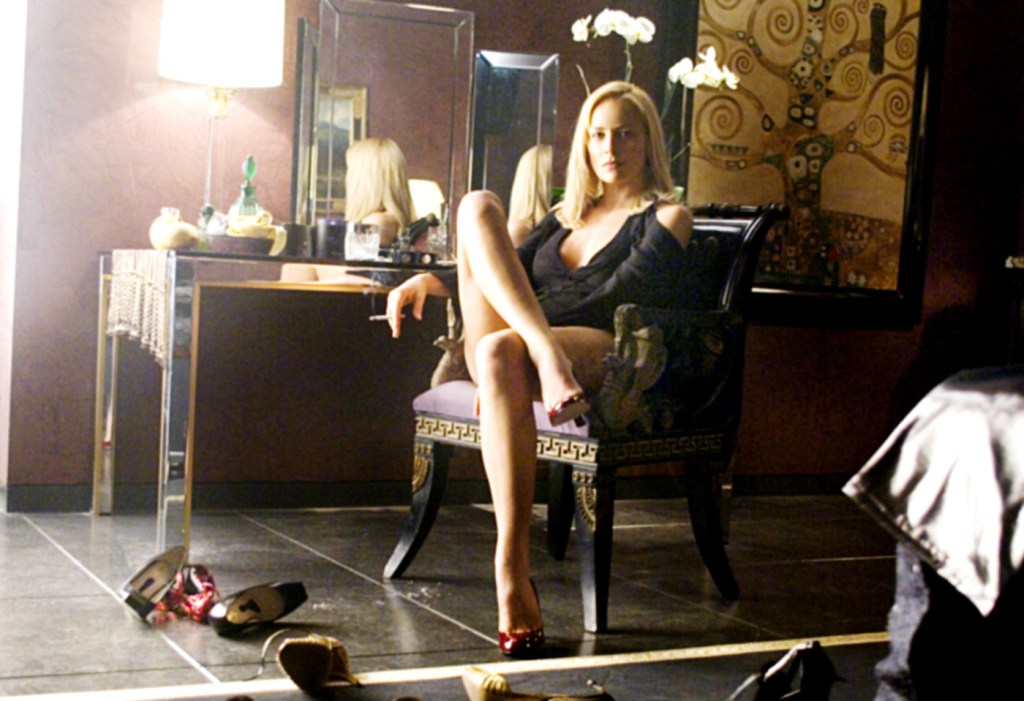
    The 1992 erotic thriller ‘Basic Instinct’ is slated for a reboot, a development confirmed by original screenwriter Joe Eszterhas. This new project will bring back Catherine Tramell, the notorious and complex character at the heart of the film’s intrigue. Tramell’s return aims to tap into cinematic nostalgia while introducing her story to contemporary audiences, reflecting a broader trend in Hollywood to reimagine established intellectual properties.

    Eszterhas’s direct involvement suggests an intention to preserve the original film’s distinctive blend of psychological suspense and provocative themes. The announcement was made on July 5, 2026, generating immediate interest among film enthusiasts and those familiar with the original movie’s impact.

    The Original Phenomenon of ‘Basic Instinct’

    ‘Basic Instinct’ premiered on March 20, 1992, becoming an immediate cultural touchstone. Directed by Paul Verhoeven, the film starred Sharon Stone as Catherine Tramell, a wealthy and seductive crime novelist, and Michael Douglas as Nick Curran, a detective investigating a brutal murder. The narrative centered on Curran’s escalating obsession with Tramell, the prime suspect.

    The film was critically acclaimed for its stylish direction and performances, particularly Stone’s portrayal of Tramell, which launched her into global stardom. It was also a significant box office success, earning over 352 million globally against a production budget of 49 million. This financial triumph solidified its status as a major studio event.

    Controversy and Cultural Impact

    Beyond its commercial success, ‘Basic Instinct’ sparked considerable controversy, primarily due to its graphic sexual content and depiction of violence. The film’s infamous interrogation scene, featuring Sharon Stone, became one of the most talked-about moments in cinema history.

    Protests from LGBTQ+ activists occurred during its production and release, criticizing its portrayal of bisexual characters as manipulative and dangerous. Despite, or perhaps because of, these controversies, ‘Basic Instinct’ cemented its place in popular culture, influencing subsequent thrillers and discussions about censorship in film.

    Joe Eszterhas’s Vision for the Reboot

    Joe Eszterhas, known for his provocative and often controversial screenplays, crafted the original ‘Basic Instinct’ script. His return to the franchise indicates a desire to revisit the character and themes with a fresh perspective while maintaining the essence that made the first film memorable. Eszterhas’s filmography includes other notable works such as ‘Flashdance’ (1983), ‘Jagged Edge’ (1985), and ‘Showgirls’ (1995), often exploring dark psychological landscapes and intense human relationships.

    The specific details of the reboot’s plot, director, and casting have not yet been disclosed. However, the confirmation of Catherine Tramell’s central role suggests the narrative will continue to explore themes of manipulation, desire, and the blurred lines between innocence and guilt.

    The Legacy of Catherine Tramell

    Catherine Tramell remains one of cinema’s most iconic femme fatales. Her character defied easy categorization, embodying intelligence, danger, and a compelling ambiguity that captivated audiences. Stone’s performance brought depth to Tramell, making her more than just a villain, but a complex figure whose motivations were constantly questioned.

    The character’s influence extends beyond the film, becoming a benchmark for powerful, enigmatic female roles in thrillers. Her signature cool demeanor and psychological prowess continue to resonate in discussions of cinematic anti-heroines.

    The Evolving Landscape of Erotic Thrillers

    The erotic thriller genre, prominent in the late 20th century, has seen various interpretations and transformations over time. ‘Basic Instinct’ was a high point for the genre, pushing boundaries and exploring adult themes with mainstream appeal. The reboot arrives at a time when Hollywood often grapples with how to present mature themes in a modern context, balancing artistic expression with evolving social sensitivities.

    The return of Catherine Tramell provides an opportunity to re-examine the genre itself. It can explore new facets of psychological tension and human desire, perhaps adapting to contemporary understandings of power dynamics and gender roles within a thriller framework.

    Hollywood’s Reboot Trend

    The ‘Basic Instinct’ reboot is part of a larger industry trend of revisiting successful franchises and characters. Studios often leverage established brand recognition to attract audiences in a competitive media landscape. This strategy aims to capitalize on nostalgia while also introducing classic stories to new generations.

    Recent years have seen numerous reboots, remakes, and sequels to films from the 1980s and 1990s. These projects often seek to update narratives for modern sensibilities, incorporate contemporary technological advancements, or explore different thematic angles from the originals. The challenge lies in honoring the source material while forging a distinct identity for the new iteration.

    Anticipation for the New Chapter

    The confirmation of the ‘Basic Instinct’ reboot, particularly with Eszterhas’s involvement, has generated significant anticipation. Fans of the original film are eager to see how Catherine Tramell’s story will evolve and how the provocative elements of the film will be handled in a 2020s context.

    The project will likely face scrutiny regarding its approach to controversial themes and its ability to capture the original’s unique atmosphere. The success of the reboot will depend on its capacity to deliver a compelling narrative that respects its legacy while offering something fresh and relevant.

    What’s Next for Catherine Tramell?

    The details surrounding Catherine Tramell’s new cinematic outing remain scarce. Questions abound regarding the setting, the supporting cast, and the specific plot points that will drive the narrative. Will the reboot be a direct continuation, a reimagining, or a spiritual successor?

    Eszterhas’s creative vision for Tramell’s return will be crucial in defining the project’s direction. His unique storytelling style, characterized by sharp dialogue and intricate character psychology, suggests a reboot that aims for more than just surface-level thrills.

    The Enduring Appeal of ‘Basic Instinct’

    The original ‘Basic Instinct’ left an indelible mark on cinema. Its blend of mystery, sex, and psychological drama captivated audiences worldwide. It solidified Sharon Stone’s status as a leading lady and demonstrated the power of a well-crafted, albeit controversial, thriller.

    Its themes of deception, obsession, and the dark side of human nature remain timeless. The film’s critical and commercial success, coupled with its enduring cultural discussion, underscores its significance. The forthcoming reboot will test the enduring appeal of these elements in a new era.

    The original film’s director, Paul Verhoeven, crafted a visually distinct and narratively tense experience. His collaboration with Eszterhas produced a film that challenged conventions and provoked thought. The reboot will inevitably be compared to this high standard, adding to the pressure on its creators.

    The legacy of ‘Basic Instinct’ is not just in its box office numbers or its controversies. It lies in its ability to create a character like Catherine Tramell, who continues to fascinate and intrigue decades later. Her return signals a recognition of this lasting impact.

    Anticipation builds. Discussions ignite. A new chapter begins.

    Tramell.

  • Kevin Costner’s ‘Dances With Wolves’ Extended Cut to Premiere at Locarno

    Kevin Costner’s ‘Dances With Wolves’ Extended Cut to Premiere at Locarno

    A restored extended director’s cut of Kevin Costner’s critically acclaimed Western, ‘Dances With Wolves,’ is scheduled to premiere at the Locarno Film Festival. This presentation will offer audiences a more expansive version of the film, which originally captivated viewers and critics upon its release in 1990. The screening at Locarno highlights the ongoing relevance and cinematic significance of Costner’s directorial debut.

    The announcement from the Locarno Film Festival places renewed focus on a film that achieved both commercial success and critical recognition. ‘Dances With Wolves’ became a cultural phenomenon, influencing subsequent Westerns and discussions about the portrayal of Native American cultures in cinema. The extended cut promises a deeper dive into its narrative and character development.

    The Original Cinematic Achievement

    ‘Dances With Wolves’ debuted in 1990, quickly establishing itself as a landmark film. Kevin Costner not only starred as Lieutenant John J. Dunbar but also directed and co-produced the epic. The film’s narrative centered on a Union Army lieutenant who travels to the American frontier and forms a connection with a Lakota community.

    The production was noted for its ambitious scope, featuring vast landscapes and a significant portion of dialogue in the Lakota language, subtitled for English-speaking audiences. This commitment to authenticity was a key factor in its critical reception. The film’s musical score, composed by John Barry, also received widespread acclaim.

    At the 63rd Academy Awards in 1991, ‘Dances With Wolves’ received 12 nominations. It ultimately secured seven Oscars, including Best Picture and Best Director for Kevin Costner. Other wins included Best Adapted Screenplay, Best Cinematography, Best Film Editing, Best Original Score, and Best Sound. These accolades cemented its place in cinematic history.

    The Locarno Film Festival

    The Locarno Film Festival, held annually in Locarno, Switzerland, is one of the oldest and most prestigious film festivals in the world. Established in 1946, it is known for its open-air screenings in the Piazza Grande, a central square that transforms into an enormous outdoor cinema. The festival is renowned for showcasing auteur cinema and discovering new talent.

    The selection of ‘Dances With Wolves’ for a premiere at Locarno underscores the festival’s commitment to celebrating significant cinematic works. The event attracts filmmakers, critics, and cinephiles from around the globe, providing a prominent platform for the restored extended cut. Its inclusion highlights the film’s international appeal and artistic merit.

    This year’s festival, taking place in 2026, will feature a diverse program of films from various genres and countries. The premiere of Costner’s extended cut is expected to be a highlight, drawing considerable attention to both the film and the festival itself. It provides a unique opportunity for a new generation of viewers to experience the film on a grand scale.

    The Extended Director’s Cut

    The extended director’s cut of ‘Dances With Wolves’ offers additional footage and expanded scenes not included in the original theatrical release. Director’s cuts often provide filmmakers with the opportunity to present a version of their work closer to their initial vision, free from the constraints of theatrical running times or studio mandates.

    In the case of ‘Dances With Wolves,’ the extended cut reportedly adds significant runtime, delving deeper into character motivations, cultural interactions, and the day-to-day life of the Lakota people. This additional material can enrich the viewing experience, providing more context and nuance to the story of Lieutenant Dunbar and his integration into the Native American community.

    While the theatrical version was highly successful, the extended cut allows for a more contemplative pacing and a fuller exploration of the film’s themes. It provides an alternative perspective on a story that has resonated with millions. Film enthusiasts often seek out director’s cuts to gain new insights into beloved movies and their creators’ artistic intentions.

    Kevin Costner’s Legacy and Enduring Impact

    Kevin Costner’s involvement in ‘Dances With Wolves’ was a pivotal moment in his career, showcasing his capabilities not only as an actor but also as a director and producer. The film’s success solidified his position as a major force in Hollywood. His dedication to bringing the story to the screen, including reportedly investing his own money, became part of the film’s lore.

    Beyond ‘Dances With Wolves,’ Costner has maintained a prominent career in Hollywood, starring in and directing numerous films and television series. His work often features themes of American history, the frontier, and environmentalism. The enduring appeal of ‘Dances With Wolves’ continues to be a cornerstone of his legacy.

    The film’s impact extended beyond box office numbers and awards. It sparked renewed interest in the Western genre and encouraged a more nuanced portrayal of Native American cultures in mainstream media. Its careful attention to historical detail and cultural sensitivity set a new standard for similar productions. The premiere of the extended cut serves as a testament to its lasting cultural significance.

    Restoration and Preservation

    The restoration process for the extended director’s cut involves meticulous work to enhance the film’s visual and audio quality. Film restoration is crucial for preserving cinematic heritage, ensuring that classic movies can be experienced by future generations in the best possible condition. Modern restoration techniques can address issues such as color fading, scratches, and audio degradation present in original film elements.

    A 4K restoration, as is often the case for significant re-releases, involves scanning the original negative or other high-quality film elements at a very high resolution. This process allows for detailed digital cleanup and color grading, bringing the film’s imagery to contemporary standards without altering its original artistic intent. The result is a sharper, more vibrant presentation that can capture the nuances of the original cinematography.

    This restoration effort ensures that the extended cut of ‘Dances With Wolves’ will be presented at Locarno with optimal clarity and fidelity. It allows audiences to appreciate the film’s visual grandeur, particularly its sweeping landscape shots and detailed period costumes, as intended by Costner and his creative team. The preservation of such works is vital for cinematic scholarship and appreciation.

    Historical Context and Cultural Significance

    ‘Dances With Wolves’ emerged at a time when the Western genre was undergoing a re-evaluation. Traditional Westerns often presented simplified narratives of cowboys versus Indians, frequently demonizing Native Americans. Costner’s film offered a different perspective, portraying the Lakota people with complexity and dignity, challenging established tropes.

    The film’s exploration of themes such as cultural assimilation, environmental stewardship, and the clash of civilizations resonated with audiences globally. It prompted discussions about American history, manifest destiny, and the treatment of Indigenous populations. Its success demonstrated a hunger for more complex and empathetic storytelling within the genre.

    The premiere of the extended cut in 2026 provides an opportunity to revisit these themes in a contemporary context. Discussions around historical representation and cultural sensitivity remain prominent, making the film’s narrative as relevant today as it was over three decades ago. Its continued presence in film discourse highlights its enduring cultural significance.

    <

    Anticipation for the Premiere

    The announcement of the extended cut’s premiere at Locarno has generated considerable anticipation among film critics, historians, and fans of ‘Dances With Wolves.’ This event is not merely a re-screening but a significant re-introduction of an expanded version of a cinematic classic. It allows for a fresh critical assessment and renewed public engagement with the film.

    Attendees of the Locarno Film Festival will be among the first to experience this restored and elongated version. The communal viewing experience in Piazza Grande, under the Swiss sky, will undoubtedly add to the event’s gravitas. It represents a celebration of filmmaking craft and storytelling.

    The premiere also serves as a reminder of the power of cinema to transcend time and continue to provoke thought and emotion. For Kevin Costner, it marks another milestone in the film’s storied history, reinforcing its status as a timeless piece of American cinema.

    Filmmakers gathered. Critics gathered. Audiences gathered. Locarno.

  • George Clooney to Receive Golden Lion for Career Achievement at Venice Film Festival

    George Clooney to Receive Golden Lion for Career Achievement at Venice Film Festival

    George Clooney is slated to receive the Golden Lion for Career Achievement at the upcoming Venice Film Festival. This top honor from one of the world’s most prestigious cinematic events acknowledges his profound and enduring contributions to film. The award encompasses his work as a distinguished actor and his significant achievements as a director.

    The Venice Film Festival, established in 1932, is the oldest film festival globally. It is renowned for its selection of groundbreaking films and its recognition of cinematic excellence. The Golden Lion is the highest prize awarded to a film in the main competition, while the Career Achievement award celebrates individuals who have left an indelible mark on cinema.

    A Distinguished Career in Film

    Clooney’s career spans several decades, marked by critical acclaim and commercial success. He first gained widespread recognition for his role as Dr. Doug Ross on the television series ER in the 1990s. His transition to film saw him star in numerous prominent productions.

    Notable acting credits include Ocean’s Eleven (2001), Syriana (2005), for which he won an Academy Award for Best Supporting Actor, and Michael Clayton (2007). He has collaborated with leading directors and actors throughout his career, cementing his status as a Hollywood icon.

    Achievements in Direction

    Beyond his acting prowess, Clooney has also established himself as a respected director. His directorial debut was Confessions of a Dangerous Mind (2002). He went on to direct films such as Good Night, and Good Luck. (2005), which earned him Academy Award nominations for Best Director and Best Original Screenplay. Other directorial works include The Ides of March (2011) and The Monuments Men (2014).

    His work behind the camera often explores themes of journalism, politics, and historical events, showcasing a commitment to substantive storytelling. This dual capacity as a performer and filmmaker underscores the breadth of his artistic influence.

    The Golden Lion Legacy

    The Golden Lion for Career Achievement has previously been bestowed upon many cinematic legends. Past recipients include celebrated actors, directors, and other film professionals whose work has significantly shaped the art form. This award places Clooney among an elite group of international cinema figures.

    The Venice Film Festival typically announces its full program and specific dates for the upcoming edition closer to the event. The presentation of the Golden Lion for Career Achievement is a highlight of the festival, drawing international attention. This is a developing story, and further details regarding the ceremony and Clooney’s attendance are expected to emerge as the festival approaches.

  • Harvey Keitel and Daphna Kastner’s Film Explores AI’s Impact on Creativity

    Harvey Keitel and Daphna Kastner’s Film Explores AI’s Impact on Creativity

    A Collaborative Artistic Endeavor

    Actor Harvey Keitel is engaged in a new film production. The project features a screenplay penned by his wife, writer and director Daphna Kastner. This collaboration marks another chapter in their shared artistic pursuits.

    The film’s details remain largely under wraps, but its production signifies a continued commitment to human-centric storytelling. Keitel’s involvement alongside Kastner emphasizes a creative partnership rooted in traditional filmmaking methods.

    Concerns Over Artificial Intelligence

    Alongside his work on the new film, Keitel has articulated reservations about the increasing presence of artificial intelligence in creative sectors. He describes AI’s rapid advancement as a potential ‘danger’ to artistic integrity and human roles.

    These sentiments align with a broader dialogue occurring across the entertainment industry. Many artists and creators are evaluating the long-term impact of AI tools on their craft and livelihoods.

    The Michael Caine ‘Odyssey’ Example

    Keitel specifically referenced an AI-narrated audiobook of ‘The Odyssey.’ This particular project utilized an artificial intelligence program to mimic the voice of actor Michael Caine.

    The use of Caine’s AI-generated voice in the audiobook has become a flashpoint for discussions about intellectual property, consent, and the ethical boundaries of AI. Keitel’s mention of it highlights a tangible example of his concerns.

    Such instances raise questions about the future of voice acting, narration, and the authenticity of artistic performance. The distinction between human and synthetic creation becomes increasingly blurred.

    The Broader Landscape of AI in Arts

    The application of artificial intelligence extends beyond voice narration. AI tools are now used in scriptwriting, visual effects, music composition, and even generating entire digital performances.

    While some view these technologies as innovative aids, others perceive them as existential threats. The debate often centers on whether AI can truly replicate human creativity or merely simulate it.

    Ethical and Economic Implications

    The ethical implications of AI in creative fields are profound. Questions arise regarding the ownership of AI-generated content, the fair compensation for artists whose work informs AI models, and the potential for deepfakes and misuse.

    Economically, the widespread adoption of AI could lead to significant shifts in employment within creative industries. Roles traditionally performed by human artists might be automated, leading to job displacement.

    Copyright law is also grappling with the novelty of AI-generated works. Current legal frameworks were not designed to address content created by algorithms, leading to complex disputes over authorship and intellectual property.

    Artists Advocating for Human Creativity

    Keitel is not alone in his advocacy for human creativity. Numerous actors, writers, musicians, and visual artists have voiced similar concerns. They emphasize the irreplaceable value of human experience, emotion, and interpretation in art.

    Organizations representing creative professionals are actively engaging with lawmakers and technology companies. Their goal is to establish guidelines and regulations that protect artists’ rights and ensure ethical AI development.

    The Role of Authenticity

    A central theme in this debate is authenticity. Many argue that the essence of art lies in its human origin, the lived experiences, perspectives, and struggles of the creator.

    AI-generated art, by its nature, lacks this human element. It can mimic, synthesize, and extrapolate, but it does not experience or feel in the same way a human artist does.

    The audience’s perception of authenticity also plays a crucial role. Acknowledging whether a piece of art was created by a human or an AI can significantly alter its reception and perceived value.

    Daphna Kastner’s Artistic Vision

    Daphna Kastner’s work as a writer and director often explores nuanced human conditions. Her approach emphasizes character development and intricate narratives, a stark contrast to the procedural nature of AI content generation.

    Her partnership with Keitel on this new film project reaffirms a dedication to traditional, human-led storytelling. Their collaboration serves as a counterpoint to the growing trend of AI integration in media production.

    Kastner’s filmography reflects a career built on individual vision and collaborative human effort. This background provides a strong foundation for her latest artistic venture with Keitel.

    Navigating the Future of Film

    The film industry, like many others, stands at a crossroads. It must navigate the opportunities and challenges presented by artificial intelligence.

    Decisions made today regarding AI integration will shape the future of cinematic art. These choices will impact how stories are told, how films are produced, and who gets to create them.

    The conversation is not simply about technology versus tradition. It is about defining the boundaries of creativity, preserving artistic integrity, and ensuring a sustainable future for human artists.

    Protecting the Creative Spirit

    The concerns raised by Keitel and others highlight a fundamental desire to protect the unique human element in art. They seek to prevent a future where artistic expression becomes commodified or diluted by algorithms.

    This protection involves advocating for fair use policies, clear attribution for AI-assisted content, and robust intellectual property rights. It also means fostering environments where human talent can continue to thrive.

    The ongoing production of Keitel and Kastner’s film stands as a testament to this enduring human creative spirit. It is a tangible example of artists continuing to craft narratives with intention and human touch.

    Artists gathered. Technologists gathered. Policymakers gathered. Humanity.