Tag: Film

  • Peter Van Norden Dead at 75 – A Legacy in Comedy and Character Acting

    Peter Van Norden Dead at 75 – A Legacy in Comedy and Character Acting

    Actor Peter Van Norden, a familiar face in comedic films such as ‘Police Academy 2: Their First Assignment’ and ‘The Naked Gun 2½: The Smell of Fear,’ died on July 9, 2026, at the age of 75. His passing marks the end of a career that spanned several decades, during which he established himself as a recognizable and versatile character actor across various mediums. Van Norden’s work, particularly in his supporting roles, often provided distinct character and comedic timing that enhanced numerous productions.

    Early Life and Career Beginnings

    Peter Van Norden was born on December 16, 1950. His early life involved an immersion in the performing arts, which laid the groundwork for his extensive career. Details of his specific training are not widely publicized, but his consistent work ethic and range suggest a solid foundation in acting technique.

    Many character actors begin their careers in regional theater or smaller television roles. This pathway allows them to hone their craft before gaining wider recognition. Van Norden’s trajectory followed a similar pattern, building a resume of diverse experiences.

    The late 1970s and early 1980s saw Van Norden making appearances in various television series and independent films. These early roles often showcased his adaptability and his capacity to embody different types of characters, from the earnest to the eccentric.

    Breakthrough in Popular Comedy Franchises

    One of Peter Van Norden’s most widely recognized roles came in 1985 with the release of ‘Police Academy 2: Their First Assignment.’ This film was the first sequel to the highly successful 1984 comedy ‘Police Academy.’

    In ‘Police Academy 2,’ Van Norden portrayed the character of Officer Vinnie Schtulman. Schtulman was part of the new recruits assigned to Captain Pete Lassard’s precinct, tasked with cleaning up the city’s worst district. His character contributed to the ensemble’s dynamic, often providing deadpan humor and a grounded presence amidst the chaotic antics of his fellow officers.

    The ‘Police Academy’ franchise became a cultural phenomenon, known for its slapstick comedy and memorable characters. Van Norden’s involvement in the second installment helped solidify its comedic tone and contributed to its commercial success, grossing over $55 million domestically.

    Following his success in ‘Police Academy 2,’ Van Norden further cemented his presence in popular comedic cinema. He appeared in ‘The Naked Gun 2½: The Smell of Fear’ in 1991. This film was the second entry in ‘The Naked Gun’ series, starring Leslie Nielsen as the bumbling detective Frank Drebin.

    In ‘The Naked Gun 2½,’ Van Norden played the role of a scientist. His performance, though brief, was noted for its understated delivery, a hallmark of his acting style. He had a particular ability to complement leading actors, enhancing scenes with his unique presence without overshadowing the main comedic focus.

    These roles in major comedy franchises introduced Van Norden to a broad audience. They demonstrated his skill in delivering humor through subtle expressions and well-timed reactions, a critical component of character acting in comedy.

    Beyond the Big Screen: Television and Stage Work

    While his comedic film work brought him widespread recognition, Peter Van Norden’s acting credits extended far beyond these well-known movies. He maintained a consistent presence in Hollywood, building a repertoire of diverse characters across different mediums. His career was not confined to a single genre or type of role, showcasing true versatility.

    His television appearances were numerous. These roles allowed him to showcase a broader range of his acting abilities, moving between dramatic and comedic performances. He appeared in episodic dramas, sitcoms, and made-for-television movies, adapting his style to fit the demands of each production.

    For example, Van Norden made appearances in popular television series such as ‘Cheers,’ a highly acclaimed sitcom known for its sharp writing and ensemble cast. He also guest-starred in dramas like ‘L.A. Law,’ which explored complex legal and social issues, demonstrating his ability to handle more serious material.

    Throughout his career, Van Norden also maintained a strong connection to theater. Many actors consider the stage to be the purest form of acting. Van Norden frequently returned to the stage for various productions, keeping his theatrical skills sharp and exploring different dramatic challenges. This commitment to live performance underscored his dedication to the craft of acting itself.

    His stage work often involved both classic and contemporary plays. This allowed him to explore a wide array of human experiences and emotions, further developing his range as a performer. The discipline and immediate feedback of live theater are often cited as crucial for an actor’s growth.

    Impact and Legacy in Entertainment

    Peter Van Norden’s presence in films like ‘Police Academy 2’ and ‘The Naked Gun 2½’ connected with a wide audience. These movies have achieved enduring popularity, frequently re-aired on television and streamed on various digital platforms. His performances contributed significantly to the lasting appeal and comedic legacy of these productions.

    Character actors like Van Norden are often the unsung heroes of Hollywood. They provide the necessary texture and authenticity to stories, making the fictional worlds feel more real and engaging. Van Norden’s work exemplifies this crucial contribution, bringing depth and relatability to his roles, no matter how small.

    The entertainment community frequently reflects on the careers of such performers. They are recognized for their consistent professionalism and their ability to elevate a scene through nuanced portrayals. Van Norden’s career serves as a testament to the importance of skilled supporting actors in the success of any film or television project.

    Tributes from fans and colleagues are anticipated as more information becomes available regarding his passing and his extensive career. His passing prompts a reflection on the value of character actors who, through their dedication, become indelible parts of cinema history.

    Reflecting on a Dedicated Career

    Peter Van Norden dedicated his life to acting. His work provided entertainment and memorable moments for audiences worldwide. He navigated the challenging landscape of Hollywood with a consistent presence, adapting to changing industry trends and maintaining a high level of performance.

    His filmography, though often featuring supporting roles, tells the story of a committed artist. Each appearance, whether in a blockbuster comedy or a dramatic television episode, contributed to a rich tapestry of work. He brought a unique blend of sincerity and humor to his characters, making them resonate with viewers long after the credits rolled.

    The impact of his contributions extended beyond mere screen time. He helped create an atmosphere, build a world, and deliver a punchline with precision. His legacy is one of quiet competence and an unwavering commitment to the craft.

    Actors contributed. Directors produced. Audiences remembered. Peter Van Norden.
  • Jodie Whittaker Takes on Dystopian Role in Ella Grace Kennedy’s ‘The Country’

    Jodie Whittaker Takes on Dystopian Role in Ella Grace Kennedy’s ‘The Country’

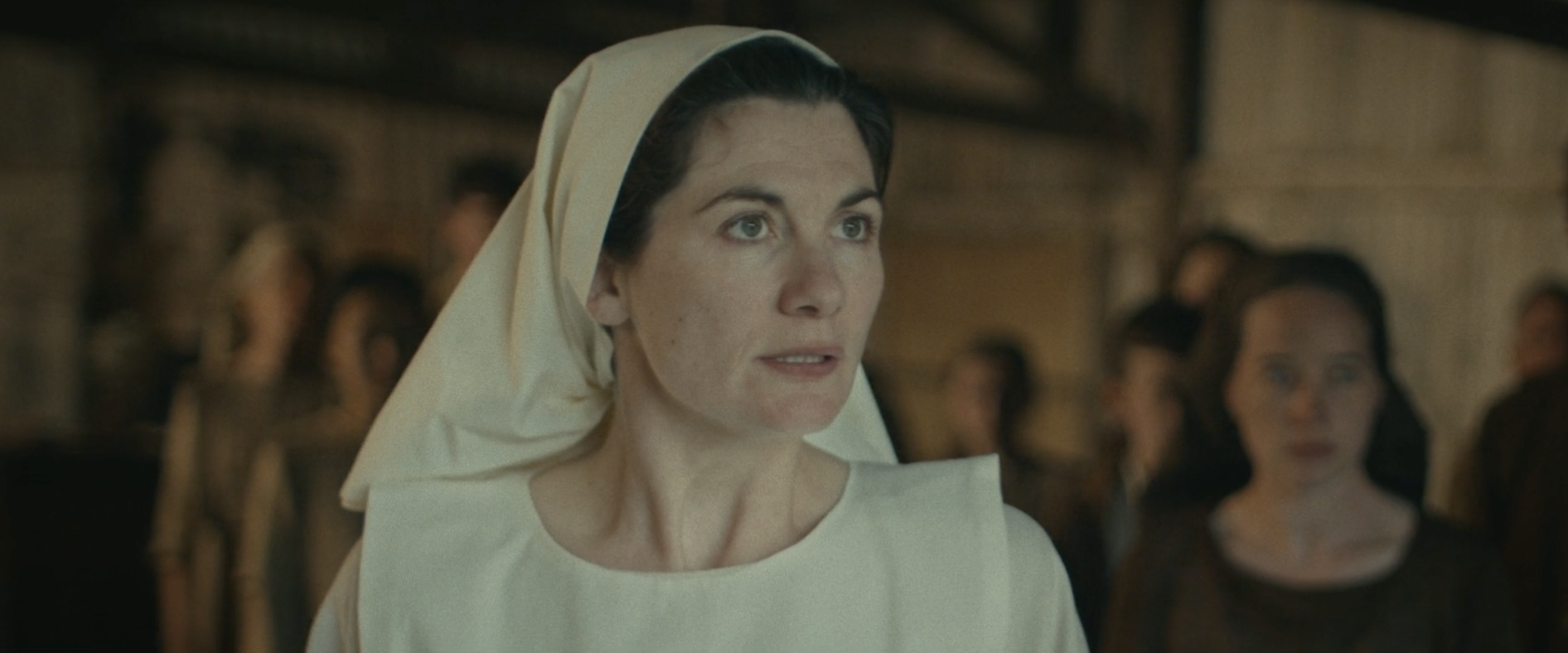
    Jodie Whittaker is confirmed to star in and executive produce the upcoming dystopian short film, ‘The Country.’ This project, directed by Ella Grace Kennedy, will explore themes centered around rural life within a speculative fiction framework. Whittaker’s participation signals a notable shift into short-form cinema and a genre often lauded for its thematic depth.

    The announcement positions ‘The Country’ as a significant creative endeavor. It brings together a recognizable talent in Whittaker with a rising director in Kennedy. The film is expected to offer a poignant commentary through its dystopian lens.

    Whittaker’s Evolving Career Trajectory

    Jodie Whittaker has built a distinguished career across film, television, and theater. Her breakthrough role in ‘Broadchurch’ garnered critical acclaim. This led to her historic casting as the Thirteenth Doctor in the iconic British science fiction series, ‘Doctor Who.’ Her tenure in the role from 2017 to 2022 broke new ground for the franchise.

    Following her departure from ‘Doctor Who,’ Whittaker has pursued diverse projects. These selections indicate a deliberate effort to expand her artistic range. ‘The Country’ aligns with this pattern, moving into a genre that often allows for nuanced character exploration and social commentary.

    Her decision to executive produce the short film also highlights a growing interest in creative control. This dual role allows Whittaker to shape the narrative and vision from its inception. It reflects a trend among established actors to move beyond performance into broader filmmaking responsibilities.

    The Vision Behind ‘The Country’

    Ella Grace Kennedy is set to direct ‘The Country.’ Kennedy’s previous work has often explored character-driven narratives with a distinct visual style. Her involvement suggests a particular artistic sensibility will guide the film’s aesthetic and thematic development.

    The short film’s dystopian nature implies a setting where societal structures have fractured. This provides fertile ground for examining human resilience and vulnerability. Rural themes, often associated with isolation and tradition, will likely be recontextualized within this speculative future.

    Dystopian narratives frequently serve as allegories for contemporary concerns. ‘The Country’ could thus offer insights into current social or environmental issues. The combination of a strong lead actress and a visionary director bodes well for its impact.

    Exploring Rural Themes in Dystopian Fiction

    Rural settings in dystopian fiction often amplify feelings of isolation. They can highlight the struggle for survival away from urban centers. This contrast between natural landscapes and oppressive societal conditions is a powerful narrative tool.

    Films and literature in this subgenre frequently depict communities clinging to old ways. They often resist new, imposed orders. ‘The Country’ may explore these dynamics, showcasing how rural populations adapt or resist in a fragmented world.

    The film’s title itself, ‘The Country,’ evokes a sense of place and belonging. This could be juxtaposed with the harsh realities of a dystopian existence. Such a contrast often enriches the narrative and character arcs.

    The Significance of Short Films

    Short films serve as crucial platforms for emerging talent. They also allow established artists to experiment with new ideas and genres. ‘The Country’ offers Whittaker an opportunity to engage with a concise, impactful story.

    These shorter formats often facilitate greater creative freedom. They operate with different budgetary and timeline constraints than feature films or television series. This can lead to more experimental and artistically driven results.

    For audiences, short films provide digestible yet thought-provoking content. They can introduce complex ideas or showcase intense emotional journeys within a limited runtime. ‘The Country’ will aim to deliver a memorable experience in this format.

    The Appeal of Dystopian Narratives

    Dystopian fiction has maintained a strong hold on popular culture for decades. It taps into universal anxieties about the future. These stories often reflect societal fears regarding technology, governance, and environmental collapse.

    From George Orwell’s ‘Nineteen Eighty-Four’ to Margaret Atwood’s ‘The Handmaid’s Tale,’ the genre prompts critical reflection. It encourages audiences to consider the potential consequences of current trends. ‘The Country’ joins a rich tradition of cautionary tales.

    The genre’s enduring appeal lies in its ability to both entertain and provoke. It offers a mirror to humanity’s collective hopes and fears. Whittaker’s involvement will bring a significant spotlight to this particular dystopian vision.

    Whittaker’s History with Speculative Fiction

    Jodie Whittaker is no stranger to speculative fiction. Her five years as the Doctor in ‘Doctor Who’ immersed her in science fiction concepts. This experience provides a strong foundation for her role in ‘The Country.’

    Her performances in ‘Doctor Who’ often balanced gravitas with vulnerability. These qualities are highly effective in dystopian narratives. The genre frequently demands characters who embody both strength and the capacity for despair.

    Fans of Whittaker’s work in ‘Doctor Who’ may find familiar elements in ‘The Country.’ However, the short film format and specific dystopian context will offer a fresh perspective on her acting capabilities. It represents an evolution of her engagement with complex, imaginative worlds.

    The Creative Team and Production Outlook

    Beyond Whittaker and Kennedy, details about the full creative team for ‘The Country’ are anticipated. The success of any short film often hinges on a cohesive team. This includes cinematographers, production designers, and editors.

    Executive producing roles typically involve securing funding and overseeing the creative direction. Whittaker’s influence in this capacity could attract additional talent and resources. This ensures a high production quality for the short.

    The production timeline for ‘The Country’ has not been fully disclosed. Short films can move quickly from conception to completion. Audiences may anticipate further announcements regarding filming locations and release dates in the coming months.

    Anticipated Impact and Audience Reception

    ‘The Country’ is expected to generate significant interest. Jodie Whittaker’s star power ensures immediate visibility. Ella Grace Kennedy’s directorial vision will be a key factor in its critical reception.

    The film’s exploration of rural and dystopian themes could resonate with a broad audience. It targets those interested in both character-driven drama and speculative storytelling. The project has the potential to spark discussions about its underlying messages.

    Short films often gain traction through film festivals. A successful festival run could elevate ‘The Country’s’ profile. It could also open doors for Kennedy and Whittaker to collaborate on future, larger-scale projects.

    The project arrives at a time when audiences are increasingly seeking diverse narratives. They often appreciate stories that challenge conventional genre boundaries. ‘The Country’ appears poised to meet this demand, offering a unique blend of talent and theme.

    Jodie Whittaker’s commitment. Ella Grace Kennedy’s direction. A dystopian landscape. Rural themes. A compelling narrative.

    The Country.

  • Christopher Nolan on ‘Odyssey’ Backlash: ‘Irrelevant’ After Batman Experience

    Christopher Nolan on ‘Odyssey’ Backlash: ‘Irrelevant’ After Batman Experience

    Christopher Nolan has publicly stated his disregard for the backlash surrounding his latest film, ‘Odyssey.’ Nolan characterized the criticism as ‘irrelevant,’ attributing his perspective to his extensive experience navigating public opinion during his ten years working on the Batman film series. This stance highlights a filmmaker’s approach to creative control amidst contemporary online scrutiny.

    His comments, reported by Variety on July 11, 2026, suggest a seasoned perspective on the often-intense public reaction to high-profile cinematic releases. Nolan’s career spans several decades, marked by both critical acclaim and significant box office success.

    The Weight of Public Opinion in Modern Cinema

    The film industry operates within a complex ecosystem of critical reviews, fan expectations, and social media discourse. Modern filmmakers frequently face immediate and widespread reactions to their creative decisions, sometimes even before a film’s release. These reactions can range from enthusiastic support to intense criticism.

    Nolan’s ‘Odyssey’ has reportedly garnered significant discussion, particularly concerning its casting choices and certain narrative elements. The specific details of the backlash have been a subject of online debate across various platforms since the film’s initial announcements.

    Directors like Nolan, who command substantial creative freedom, often find themselves at the nexus of artistic vision and commercial viability. This tension is particularly pronounced in the era of instant digital feedback.

    Navigating the Batman Legacy

    Christopher Nolan directed three highly successful Batman films: ‘Batman Begins’ (2005), ‘The Dark Knight’ (2008), and ‘The Dark Knight Rises’ (2012). This trilogy is widely regarded as a significant achievement in the superhero genre, redefining its dramatic and thematic potential.

    During his decade-long involvement with the Batman universe, Nolan experienced firsthand the immense scrutiny that accompanies iconic characters. Casting decisions, plot deviations from comic lore, and stylistic choices were all subjects of intense public debate.

    The casting of Heath Ledger as the Joker in ‘The Dark Knight,’ for instance, initially faced considerable skepticism from some fans. Ledger’s performance ultimately earned widespread critical acclaim, including a posthumous Academy Award, demonstrating how initial public reactions can sometimes diverge significantly from a project’s eventual reception.

    Nolan’s reference to his ’10 years dealing with Batman’ underscores a period of sustained public engagement and critique. This experience appears to have forged a resilient approach to external pressures.

    The ‘Odyssey’ Project: Context and Controversies

    ‘Odyssey’ represents Christopher Nolan’s latest directorial effort, following a string of critically and commercially successful films. Details about the film’s plot remain somewhat guarded, a common practice for Nolan’s productions, which often feature intricate narratives and unexpected twists.

    The reported backlash surrounding ‘Odyssey’ highlights contemporary sensitivities within the film-watching community. Issues such as representation, narrative authenticity, and creative interpretation frequently fuel online discussions.

    Specific criticisms of ‘Odyssey’ have not been fully detailed in public reports, but they are understood to encompass various aspects of the film’s production. These often include:

    • Casting decisions for key roles.
    • Departures from expected genre conventions.
    • Thematic elements perceived as controversial.
    • Pacing or structural choices within the narrative.

    Nolan’s dismissal of these concerns suggests a filmmaker prioritizing his artistic vision. He has historically maintained a strong directorial hand in his projects, often working with a consistent team of collaborators.

    Filmmaker Autonomy in the Digital Age

    The concept of filmmaker autonomy has evolved significantly with the rise of social media. Directors now face a more direct and immediate form of audience feedback, often before a film has even been seen by the majority of the public.

    For many established directors, maintaining creative control is paramount. This often means making decisions that may not immediately align with certain audience expectations or online trends.

    Nolan’s statement aligns with a broader sentiment among some veteran filmmakers who believe in the integrity of their artistic process. They argue that constant adaptation to every wave of public opinion can dilute a project’s original vision.

    The balance between audience engagement and creative independence remains a perpetual challenge for the film industry. Nolan’s approach suggests a clear preference for the latter, informed by years of navigating high-stakes productions.

    Lessons from a Decade of Blockbusters

    Christopher Nolan’s filmography is characterized by ambitious storytelling, technical innovation, and a consistent exploration of complex themes. His films often challenge audiences with non-linear narratives and thought-provoking concepts.

    His experience with the Batman films provided a unique education in managing public perception. These were not just standalone movies; they were cultural events with deeply entrenched fan bases and high expectations.

    The pressure to deliver a satisfying conclusion to the Batman trilogy with ‘The Dark Knight Rises’ was immense. Nolan successfully navigated these pressures, delivering a film that, while generating discussion, cemented his reputation as a master storyteller.

    This sustained period of high-profile filmmaking likely instilled in Nolan a durable resistance to transient criticisms. He has seen how initial reactions can shift, and how a film’s legacy often takes time to solidify.

    The Impact of Online Discourse on Creative Works

    Online platforms have democratized film criticism, allowing virtually anyone to share their opinions. While this can foster vibrant communities, it also creates an environment where negative sentiment can quickly amplify.

    For filmmakers, discerning constructive criticism from noise becomes a critical skill. Nolan’s ‘irrelevant’ comment indicates a deliberate filtering process, focusing on the creative goals rather than every public comment.

    The phenomenon of ‘backlash’ itself has become a common feature of the entertainment landscape. It encompasses a wide range of reactions, from genuine critical analysis to more emotionally charged responses, sometimes fueled by a sense of ownership over popular intellectual properties.

    Nolan’s perspective suggests that for a filmmaker with a clear vision, this type of widespread, immediate online reaction can be a distraction rather than a guide. His focus remains on the execution of his artistic intent.

    Filmmakers and the Future of Creative Freedom

    Christopher Nolan’s stance on the ‘Odyssey’ backlash raises questions about the future of creative freedom in Hollywood. As studios become increasingly sensitive to public relations and social media trends, the space for uncompromising artistic vision might shrink.

    However, directors with a proven track record, like Nolan, often retain a stronger bargaining position. Their past successes grant them a certain degree of insulation from immediate commercial or public pressures.

    The debate between artistic integrity and audience satisfaction is perennial. Nolan’s comments contribute to this ongoing dialogue, asserting the importance of a director’s conviction.

    His films have consistently pushed cinematic boundaries, from the dreamscapes of ‘Inception’ to the temporal manipulations of ‘Tenet.’ This history suggests a director who is not afraid to take risks, even if those risks generate discussion.

    The Role of the Audience in Shaping Art

    While Nolan dismisses certain forms of backlash, the audience ultimately plays a crucial role in the success and cultural impact of a film. Box office receipts and long-term critical reception are driven by audience engagement.

    However, the definition of ‘audience engagement’ has become more complex. It now includes not just ticket sales, but also social media metrics, online reviews, and cultural conversations.

    Nolan’s position is not necessarily a rejection of his audience, but rather a distinction between critical feedback that informs the creative process and general public sentiment that may not. He appears to prioritize the former.

    The interaction between creator and audience is a dynamic one. Nolan’s statement is a reminder that while audiences are vital, the final creative authority often rests with the filmmaker, particularly for those with a distinct artistic signature.

    Christopher Nolan directed ‘Batman Begins.’ He directed ‘The Dark Knight.’ He directed ‘The Dark Knight Rises.’ He has now directed ‘Odyssey.’

    He remains resolute.

  • Christopher Nolan Praises Gen Z for Rejecting AI ‘Slop’

    Christopher Nolan Praises Gen Z for Rejecting AI ‘Slop’

    Christopher Nolan, the acclaimed director, has publicly lauded Gen Z filmmakers for their steadfast refusal to embrace artificial intelligence in their creative processes. Nolan specifically praised this generation’s ‘utter rejection’ of what he critically termed ‘AI slop,’ asserting that the current advent of AI technology is ‘hitting at exactly the wrong time’ for the film industry and broader creative sectors.

    This endorsement from Nolan highlights a significant cultural and professional divide concerning AI’s integration into artistic endeavors. His observations point to a generational preference for human-centric creativity over algorithmic generation.

    The Director’s Perspective on AI’s Timing

    Nolan’s comments were not merely an observation but a critical assessment of AI’s timing within the creative landscape. He suggested that the technology’s emergence now presents unique challenges rather than opportunities for genuine artistic expression.

    The director, known for his commitment to practical effects and traditional filmmaking techniques, has consistently voiced concerns about technological advancements that could diminish human agency in art. His filmography, including works like ‘Oppenheimer’ and ‘Interstellar,’ often explores complex human dilemmas through meticulously crafted narratives.

    He believes that the current stage of AI development, particularly in generative capabilities, produces outputs that lack the nuance, intentionality, and soul inherent in human-made art. This perspective aligns with a broader sentiment among traditionalists in Hollywood.

    Gen Z’s Stance: A Rejection of ‘Slop’

    Gen Z, comprising individuals born roughly between the mid-1990s and early 2010s, has demonstrated a notable skepticism towards AI in creative fields. Nolan’s praise underscores what he perceives as a principled stand by this demographic.

    The term ‘AI slop’ used by Nolan vividly describes his view of AI-generated content: something hastily produced, lacking quality, and devoid of artistic merit. This characterization resonates with many artists who fear AI’s potential to devalue human skill and originality.

    This generation, having grown up amidst rapid technological change, appears to be drawing a clear line between tools that assist creativity and those that seek to replace it. Their ‘utter rejection’ suggests a desire to preserve the authenticity of artistic creation.

    Impact on Creative Industries

    The debate surrounding AI extends far beyond filmmaking, touching upon music, literature, visual arts, and journalism. Nolan’s remarks contribute to a growing chorus of voices questioning AI’s ethical and artistic implications.

    The film industry, in particular, has seen significant discussions regarding AI’s potential use in screenwriting, visual effects, and even actor likenesses. These conversations often revolve around intellectual property, compensation, and the very definition of authorship.

    Labor organizations, including the Writers Guild of America (WGA) and the Screen Actors Guild – American Federation of Television and Radio Artists (SAG-AFTRA), have actively negotiated protections against unchecked AI integration. Their recent agreements have included clauses addressing AI’s use, reflecting widespread concern.

    The Authenticity Imperative

    For Gen Z, authenticity often serves as a core value. This generation frequently prioritizes genuine expression and ethical production practices, which may explain their aversion to AI-generated content.

    The perceived inauthenticity of AI outputs, which can often mimic existing styles without true understanding or original thought, clashes with this generational value. They seek to create work that is deeply personal and reflective of human experience.

    This focus on authenticity could shape the future of creative industries, pushing for greater transparency regarding AI’s role in content creation and fostering an appreciation for human craftsmanship.

    Historical Parallels: Technology and Art

    The tension between new technology and established artistic practices is not new. Throughout history, every major technological shift has provoked debate about its impact on art.

    The invention of photography in the 19th century, for example, initially led some to declare the death of painting. Yet, painting evolved, exploring new forms and purposes that photography could not replicate.

    Similarly, the advent of synthesizers and digital music production tools in the 20th century sparked discussions about the ‘purity’ of acoustic music. These tools ultimately expanded musical possibilities, coexisting with traditional methods.

    Nolan’s current stance echoes these historical anxieties, but with a crucial difference: AI’s capacity for autonomous generation raises fundamental questions about human creativity itself.

    The Role of Tools vs. Creators

    A key distinction in the AI debate centers on whether AI functions as a tool for human creators or as a creator itself. Many artists are open to AI as an assistive technology that enhances their workflow.

    However, the concept of AI as an autonomous generator of ‘slop’ suggests a different paradigm, one where the machine bypasses human input to produce final content. This is where Nolan and many Gen Z creators draw the line.

    The discussion shifts from using AI to make art better to AI making art without human artistic intent. This distinction is vital for understanding the ethical and philosophical objections.

    Looking Ahead: The Future of Creativity

    Nolan’s praise for Gen Z signals a potential future where human creativity is actively defended against perceived technological intrusions. This generational pushback could influence how AI is developed and deployed in creative fields.

    The emphasis on human authorship and originality could lead to renewed appreciation for traditional skills and unique artistic visions. It might also foster innovation in areas where AI cannot easily replicate human ingenuity.

    As AI technology continues to evolve, the dialogue between creators, technologists, and audiences will remain critical. The choices made today will undoubtedly shape the artistic landscape for decades to come.

    Filmmakers gathered. Artists gathered. Technologists gathered. A generation gathered.

    Creativity.

  • Don Iwerks Dead: Honoring a Disney Innovator and Cinematic Pioneer

    Don Iwerks Dead: Honoring a Disney Innovator and Cinematic Pioneer

    Don Iwerks, a pivotal figure in cinematic innovation and a former executive at The Walt Disney Company, passed away on July 9, 2026. His death at the age of 96 marks the end of a remarkable career that profoundly influenced film technology and the immersive entertainment experiences enjoyed by millions worldwide.

    Iwerks’ legacy is deeply intertwined with the evolution of motion pictures and theme park attractions. He was instrumental in developing groundbreaking projection systems and special venue formats that pushed the boundaries of visual storytelling.

    A Legacy Forged in Disney’s Golden Age

    Donald “Don” Iwerks was born in 1929, the son of Ub Iwerks, the legendary animator and co-creator of Mickey Mouse with Walt Disney. Growing up within the orbit of Disney’s burgeoning animation studio provided him with a unique perspective on the intersection of art and technology.

    He joined The Walt Disney Company in 1950, beginning a career that would span over three decades. His early work involved the technical aspects of film production, a field where his father had already made significant contributions.

    The era was one of intense innovation for Disney, moving beyond traditional animation into live-action films, television, and eventually, theme parks. Don Iwerks found himself at the forefront of these technological expansions.

    Circarama and the Dawn of Immersive Experiences

    One of Iwerks’ early and most significant projects at Disney was his involvement with Circarama, a groundbreaking 360-degree film exhibition system. This technology debuted at Disneyland in 1955, offering guests an unprecedented immersive experience.

    Circarama utilized eleven 16mm projectors synchronized to display images on eleven screens arranged in a circle. Iwerks played a crucial role in developing the complex projection and synchronization systems required for this ambitious project.

    The success of Circarama demonstrated Disney’s commitment to pushing technological boundaries in storytelling. It laid important groundwork for future multi-screen and large-format presentations.

    WED Enterprises and Theme Park Innovation

    As Disney expanded into theme park development with Disneyland, Don Iwerks became a key contributor to WED Enterprises (now Walt Disney Imagineering). This division was responsible for designing and building the attractions that brought Disney stories to life.

    His expertise in film and projection technology was invaluable in creating the unique visual effects and ride systems that defined early Disney attractions. He worked on systems for rides that combined film elements with physical sets and animatronics.

    Iwerks’ work ensured that the technical execution of these ambitious concepts met Walt Disney’s exacting standards for quality and immersive storytelling.

    Pioneering Advanced Film Formats

    Throughout his tenure at Disney, Don Iwerks was consistently involved in the development of advanced film formats and projection systems. This included working with larger film gauges and specialized projection equipment designed for unique cinematic presentations.

    He understood the importance of image quality and scale in creating truly impactful visual experiences. His technical acumen helped Disney maintain its reputation as a leader in cinematic innovation.

    These advancements were not limited to theme parks; they often influenced the broader film industry, setting new benchmarks for visual fidelity.

    Beyond Disney: Iwerks Entertainment

    After a distinguished career of over 30 years with The Walt Disney Company, Don Iwerks departed in 1986 to found his own company, Iwerks Entertainment. This new venture continued his passion for large-format and special venue cinema.

    Iwerks Entertainment quickly became a leader in the field, developing and installing advanced film systems for theme parks, museums, and other entertainment venues worldwide. The company specialized in creating immersive experiences using large-screen formats like 70mm, as well as simulator ride technology.

    The company’s innovations included the development of the Cinetron projection system and various motion-base simulator platforms. These technologies allowed audiences to feel as if they were part of the on-screen action, a significant leap forward in interactive entertainment.

    Iwerks Entertainment’s systems were adopted by major theme parks and attractions globally, solidifying Don Iwerks’ reputation as a visionary in the special venue film industry.

    An Academy Award for Technical Achievement

    Don Iwerks’ profound contributions to cinematic technology were formally recognized by the Academy of Motion Picture Arts and Sciences. In 1997, he received the Academy of Motion Picture Arts and Sciences’ Gordon E. Sawyer Award.

    This prestigious award honored his pioneering work in the design and development of the Iwerks 8/70 Linear Loop Projection System. This system significantly improved the reliability and image quality of large-format film projection, particularly for 70mm film in continuous loop applications.

    The 8/70 Linear Loop system became a standard for many special venue theaters and attractions, ensuring consistent, high-quality presentations for audiences. It was a testament to Iwerks’ dedication to engineering excellence.

    Documenting a Family Legacy

    In addition to his technical work, Don Iwerks also dedicated himself to preserving the legacy of his father, Ub Iwerks. He co-authored the book Walt Disney’s Ub Iwerks: The Hand Behind the Mouse with his son, Ken Iwerks.

    Published in 1999, the book provided an invaluable historical account of Ub Iwerks’ pivotal role in the early days of Disney animation and his subsequent technical innovations. It offered insights into the creative and technical partnership between Walt Disney and Ub Iwerks.

    This effort ensured that his father’s contributions, often overshadowed by Walt Disney’s public persona, received proper recognition. It also highlighted the deep-seated technical ingenuity that ran through the Iwerks family.

    Impact on Modern Entertainment

    The innovations pioneered by Don Iwerks continue to resonate in modern entertainment. The concept of immersive, large-format cinema and motion-based attractions, which he championed, is a cornerstone of today’s theme parks and experiential venues.

    From IMAX theaters to sophisticated simulator rides, the lineage of his work is evident. He helped establish the technical foundations for experiences that blend film, motion, and environmental effects to transport audiences.

    His dedication to precision engineering and visual fidelity set a high bar for the industry. The pursuit of ever-more realistic and engaging cinematic experiences owes much to his pioneering spirit.

    A Life of Innovation

    Don Iwerks’ career was characterized by a relentless drive to innovate. He consistently sought to overcome technical challenges to bring ambitious creative visions to life. His work ethic and commitment to excellence were hallmarks of his professional life.

    He navigated the complex world of film technology, from the mechanical intricacies of projectors to the optical challenges of large-screen displays. His solutions often became industry standards.

    His passing leaves a void in the world of cinematic innovation, but his contributions will continue to shape how stories are told and experienced on screen for generations to come.

    The Enduring Influence of a Visionary

    Don Iwerks was more than just an engineer; he was a visionary who understood the power of technology to enhance storytelling. His work at Disney and later with Iwerks Entertainment helped define what was possible in film exhibition.

    His legacy is not just in the patents he held or the systems he designed, but in the countless moments of wonder he helped create for audiences around the globe.

    Inventors gathered. Engineers gathered. Storytellers gathered. Innovators gathered. Hollywood.

  • Barbara Ling, Oscar-Winning Production Designer, Dies at 73

    Barbara Ling, Oscar-Winning Production Designer, Dies at 73

    Barbara Ling, the Oscar-winning production designer celebrated for her evocative and meticulously crafted cinematic worlds, has died at 73. Her passing marks the end of a prolific career that profoundly influenced the visual storytelling of many notable films and television productions.

    Ling’s work transcended mere set decoration, often defining the entire aesthetic and atmosphere of a project. She was known for her ability to transport audiences into different eras and realities through her detailed and immersive designs.

    The Oscar-Winning Vision of “Once Upon a Time in Hollywood”

    One of Barbara Ling’s most recognized achievements was her work on Quentin Tarantino’s 2019 film, “Once Upon a Time in Hollywood.” For this project, Ling undertook the monumental task of recreating Los Angeles as it appeared in 1969.

    Her dedication to historical accuracy and period detail was extraordinary. She transformed modern L.A. streets, storefronts, and interiors to reflect the vibrant, yet transitional, era of the late 1960s.

    The effort earned her an Academy Award for Best Production Design in 2020. This recognition underscored her mastery in blending authentic historical elements with the narrative demands of a fictional story.

    Ling’s design choices for the film were crucial in establishing its nostalgic and somewhat melancholic tone. She meticulously sourced period-appropriate props, signage, and architectural details to achieve an immersive experience for viewers.

    A Career Spanning Decades and Genres

    Barbara Ling’s impact on Hollywood extended far beyond a single film. Her career began in the early 1980s, and she quickly established herself as a versatile and innovative designer.

    She collaborated with a wide array of directors and brought her unique vision to various genres. Her filmography showcases a remarkable range, from gritty dramas to whimsical fantasies.

    Ling’s early work included art direction on films such as “Earth Girls Are Easy” (1988) and “The Doors” (1991). These projects demonstrated her ability to adapt her design sensibilities to vastly different creative demands.

    Collaborations with Notable Directors

    Throughout her career, Ling formed significant working relationships with prominent filmmakers. Her partnership with Quentin Tarantino on “Once Upon a Time in Hollywood” was a late-career highlight, but not her only notable collaboration.

    She frequently worked with director James Mangold, contributing to the visual identity of films like “Girl, Interrupted” (1999), “Kate & Leopold” (2001), and “Identity” (2003). These projects often required her to craft distinct and psychologically resonant environments.

    Ling also worked with Tim Burton on “Batman Returns” (1992), where her gothic and elaborate designs were instrumental in shaping the film’s iconic aesthetic. Her ability to translate a director’s unique vision into tangible, visual spaces was a hallmark of her talent.

    Diverse Filmography Highlights

    • “Fried Green Tomatoes” (1991): Ling’s production design helped evoke the charm and historical depth of the American South in this beloved drama.
    • “Waterworld” (1995): This ambitious post-apocalyptic film required extensive world-building, with Ling responsible for crafting its unique aquatic environments and structures.
    • “Traffic” (2000): For Steven Soderbergh’s critically acclaimed film, Ling created distinct and authentic settings across multiple locations, contributing to its raw, documentary-like feel.
    • “The Grinch” (2000): Her work on this Dr. Seuss adaptation brought the whimsical and fantastical world of Whoville to life with vibrant and imaginative designs.
    • “There Will Be Blood” (2007): Ling’s contribution to Paul Thomas Anderson’s epic drama involved meticulously recreating early 20th-century oil boomtowns, adding to the film’s gritty realism.

    Each of these projects presented unique challenges, and Ling consistently delivered designs that were both aesthetically compelling and deeply integral to the storytelling.

    The Art of Production Design

    Production design is a critical, yet often unsung, aspect of filmmaking. It encompasses the creation of all visual elements that form the world of a film, excluding actors and costumes.

    This includes sets, locations, props, and overall visual style. The production designer works closely with the director, cinematographer, and costume designer to ensure a cohesive and impactful visual narrative.

    Barbara Ling excelled at this intricate craft. Her strength lay in her ability to research historical details, conceptualize complex environments, and then execute those visions with precision and artistry.

    She understood that every prop, every color choice, and every architectural detail contributed to the audience’s understanding of the characters and the story. Her designs were never merely decorative; they were always functional and narrative-driven.

    Legacy and Impact

    Barbara Ling’s passing leaves a significant void in the world of cinematic design. Her legacy is evident in the rich visual tapestries she created for audiences around the globe.

    She was a master of her craft, consistently pushing the boundaries of visual storytelling and demonstrating the profound impact of thoughtful production design.

    Her work will continue to inspire future generations of designers and filmmakers. The worlds she built on screen remain vivid testaments to her talent and dedication.

    Ling’s contributions helped shape the aesthetic of modern cinema, proving that the environment in which a story unfolds is as vital as the story itself.

    Designers gathered. Directors gathered. Audiences gathered. Hollywood.

  • Trevor Donovan Cast as Time-Traveling Cowboy in ‘The Devil’s Train’

    Trevor Donovan Cast as Time-Traveling Cowboy in ‘The Devil’s Train’

    Trevor Donovan has been cast as a time-traveling cowboy in the upcoming film ‘The Devil’s Train.’ The project, announced by Deadline on June 11, 2026, will see Donovan navigate a narrative that fuses classic Western aesthetics with the complex mechanics of temporal displacement. This unique premise aims to deliver a fresh take on established genres, appealing to viewers who value both tradition and imaginative storytelling.

    The film’s core concept involves a cowboy from a bygone era transported to an unfamiliar time. This displacement creates dramatic tension and opportunities for exploring cultural clashes and enduring human values. Donovan’s involvement signals a production keen on connecting with audiences who appreciate a blend of historical context and speculative adventure.

    Donovan Embodies the Frontier Spirit

    Trevor Donovan has built a career portraying characters often defined by integrity and a strong moral compass. His roles across various film and television projects have frequently showcased an earnest and principled demeanor, resonating with a demographic that values traditional heroic archetypes.

    His selection for ‘The Devil’s Train’ aligns with this established public persona. The cowboy figure, iconic in American mythology, embodies independence, resilience, and a straightforward sense of justice. Donovan’s casting leverages his ability to convey these qualities authentically.

    This role offers Donovan a unique opportunity to expand his artistic range. He will interpret a character rooted in historical ideals, yet forced to confront the challenges of an anachronistic setting. The physical and emotional demands of such a performance are substantial, requiring both grit and adaptability.

    The Western genre itself has experienced consistent periods of cultural relevance. These revivals often reflect a societal yearning for foundational narratives and clear-cut moral frameworks. Donovan’s participation positions him at the forefront of this enduring cinematic tradition, infused with a modern twist.

    The Allure of Time Travel Narratives

    Time travel serves as a powerful narrative device, offering filmmakers extensive creative freedom. It allows for compelling juxtapositions of past and present, generating both humor and profound commentary on societal evolution.

    When combined with the Western genre, time travel introduces a wealth of storytelling possibilities. A cowboy displaced through time could encounter advanced technology, grapple with altered social norms, or bring his unique skillset to a future in need of his particular brand of justice.

    This narrative fusion can explore themes of identity, belonging, and the impact of progress. It allows for an examination of how core human values endure or transform across different historical epochs. The dramatic potential arises from the character’s struggle to adapt while remaining true to their origins.

    Audiences are consistently drawn to stories that bend the rules of reality. Time travel narratives provide an imaginative escape, grounding fantastical elements in relatable human experiences and emotional stakes. ‘The Devil’s Train’ capitalizes on this inherent appeal, promising a journey across time and cultural divides.

    ‘The Devil’s Train’: A Bold Genre Fusion

    The title ‘The Devil’s Train’ itself evokes a potent blend of traditional and supernatural elements. ‘The Devil’ suggests a force of chaos, temptation, or perhaps a malevolent entity driving the narrative. ‘Train’ conjures images of classic Western travel, industrial advancement, and relentless forward momentum.

    This combination hints at a story that is both grounded in historical imagery and propelled by a fantastical, perhaps even sinister, mechanism. The train could be a literal vehicle for temporal displacement, or a metaphorical journey through a landscape fraught with peril and moral ambiguity.

    While specific plot details remain closely guarded, the core concept promises a high-stakes adventure. The time-traveling cowboy must navigate an unfamiliar world, relying on his inherent character and frontier skills to overcome obstacles that span centuries.

    Genre fusion projects like ‘The Devil’s Train’ aim to broaden their audience by combining familiar elements in unexpected ways. They offer novelty within established frameworks, creating a fresh cinematic experience that defies easy categorization.

    The Enduring Appeal of the Western

    The Western genre has been a foundational pillar of American cinema for over a century. It reflects narratives of expansion, conflict, and the forging of a national identity. The archetypal figures – the lone rider, the steadfast lawman, the resilient pioneer – resonate deeply within the cultural consciousness.

    Contemporary interpretations of the Western often deconstruct or recontextualize these classic themes. They might introduce diverse perspectives, challenge historical assumptions, or infuse the genre with elements from other narrative traditions. ‘The Devil’s Train’ exemplifies this modern approach, taking a classic figure and placing him in an anachronistic setting.

    This innovative strategy allows for both homage and forward-thinking storytelling. It respects the genre’s rich history while pushing its boundaries into new, unexplored territories. The film can leverage the inherent drama of the American frontier while simultaneously exploring universal themes through the lens of science fiction.

    The cowboy figure, in particular, remains an iconic symbol globally. He represents independence, a deep connection to the land, and a rugged individualism that transcends specific historical periods. A time-traveling cowboy can carry these archetypal traits into any era, making them relevant to new contexts and challenges.

    Donovan’s Resonance with Traditional Audiences

    Trevor Donovan has cultivated a significant and loyal following throughout his career. His public image often aligns with family-friendly content and an emphasis on traditional values. This audience appreciates narratives that uphold themes of honor, courage, and self-reliance.

    His casting in ‘The Devil’s Train’ is strategically advantageous, as the Western genre itself is deeply associated with these same virtues. The film’s potential to resonate with those who appreciate traditional Western themes is a key aspect of its market appeal. It taps into a desire for narratives that reinforce certain cultural perspectives and enduring moral principles.

    This strategic casting decision could significantly expand the film’s reach. It connects a popular actor, known for his principled roles, with a genre that holds profound and enduring significance for a specific demographic. Donovan’s presence lends an air of authenticity and familiarity to a concept that is otherwise quite fantastical.

    The film aims to provide entertainment that is both thrilling and grounded in recognizable values. It seeks to tell a story where a hero, despite being displaced from his own time, can still embody the virtues that define a classic Western protagonist.

    Production Outlook and Industry Expectations

    Following the initial casting announcement from Deadline, specific production timelines and additional cast members for ‘The Devil’s Train’ are eagerly awaited. The development of a film with such a high-concept premise requires meticulous planning, including script finalization, director selection, and securing appropriate filming locations.

    The success of this project will likely hinge on its ability to expertly balance its disparate elements. The seamless integration of Western grit with time-travel intricacies will be crucial for both critical acclaim and commercial viability. The visual storytelling will need to convey both historical accuracy and speculative wonder.

    Expectations are building within the entertainment industry for ‘The Devil’s Train.’ The unique premise, coupled with Trevor Donovan’s involvement, has generated considerable early interest. This combination suggests a film that could capture the imagination of a broad audience, from Western aficionados to science fiction enthusiasts.

    The project represents a bold venture into genre-bending cinema. Its execution will determine if it becomes a memorable entry in both the Western and time-travel canons. The creative team faces the challenge of delivering a narrative that is both innovative and deeply satisfying.

    The Cultural Impact of Genre Blending in Cinema

    Genre blending has become an increasingly prevalent and celebrated trend in contemporary cinema. This approach allows for immense creative freedom, enabling filmmakers to produce unexpected and often groundbreaking results. It challenges conventional storytelling boundaries and offers audiences novel experiences.

    Films that successfully merge disparate genres often achieve both critical acclaim and significant commercial success. They provide something fresh and innovative while retaining familiar narrative hooks and character archetypes. This fusion caters to a diverse audience, bridging gaps between different fan bases.

    While the combination of Western and science fiction is not entirely unprecedented, ‘The Devil’s Train’ appears poised to offer a distinct and compelling take. It leverages the inherent drama of a hero displaced from his natural environment, forcing him to adapt and redefine his purpose in a new reality.

    This innovative approach reflects a broader evolution in storytelling across various media. Creators are continuously seeking ways to innovate within established narrative traditions, pushing the boundaries of what is possible and engaging audiences with fresh perspectives on classic themes. The film has the potential to contribute significantly to this ongoing cultural conversation.

    Trevor Donovan’s Career Trajectory

    For Trevor Donovan, ‘The Devil’s Train’ represents a significant milestone in his career. It places him at the center of a high-concept project with considerable potential for audience engagement and critical attention. This role is a testament to his growing stature in the industry and his ability to tackle diverse characters.

    The film will allow Donovan to showcase his versatility as an actor, requiring him to convey the complexities of a character living across different timelines and cultural contexts. He will need to embody the stoicism of a cowboy while reacting authentically to the wonders and dangers of an unfamiliar future or past.

    The visibility afforded by a film like ‘The Devil’s Train’ could elevate Donovan’s profile considerably. It offers a platform for him to deliver a memorable performance that combines action, drama, and perhaps even a touch of fish-out-of-water humor. The role presents a substantial opportunity for him to leave a lasting mark on both the Western and science fiction genres.

    His commitment to projects that align with a certain set of values will likely continue to endear him to his established fanbase. This new role, however, also presents a chance to attract a broader audience, drawn in by the intriguing premise and the promise of a compelling performance.

    A cowboy out of time. A journey across eras. A fight for what is right.

    Trevor Donovan.

  • Miki Zohar’s Stance – Israeli Culture Minister Vows to Defund ‘Anti-Israel’ Films

    Miki Zohar’s Stance – Israeli Culture Minister Vows to Defund ‘Anti-Israel’ Films

    Israeli Culture Minister Miki Zohar has publicly announced his intention to defund films he considers ‘anti-Israel.’ This declaration, made within a campaign spot, immediately ignited a broad public debate concerning the boundaries of artistic freedom and the government’s role in cultural funding decisions. The policy seeks to ensure that state resources support projects aligning with a particular national narrative.

    Zohar’s stance reflects a growing conservative movement within cultural policy. This movement prioritizes national interests and values in the allocation of public funds for the arts. The initiative has become a central point of contention for filmmakers, artists, and cultural institutions both within Israel and internationally.

    The Minister’s Public Declaration

    Miki Zohar, serving as Israel’s Culture Minister, communicated his policy intentions through a campaign advertisement. This public forum amplified the message, ensuring widespread attention. The core of his message was a commitment to re-evaluate and potentially withdraw financial support from cinematic productions deemed critical or hostile towards the State of Israel.

    The announcement positioned Zohar as a defender of national pride and values within the cultural sphere. His statements suggested that public funds should not be used to support content that, in his view, undermines the nation’s image or narrative. This direct approach aimed to resonate with voters who share similar concerns about cultural representation.

    Defining ‘Anti-Israel’ Content

    A central challenge arising from Minister Zohar’s policy is the definition of ‘anti-Israel’ content. The criteria for such a designation remain a subject of intense speculation and concern among artists and critics. Clarity on these guidelines is crucial for filmmakers seeking state funding.

    Critics argue that vague definitions could lead to self-censorship within the film industry. Filmmakers might avoid controversial topics or critical perspectives to secure funding. This potential chilling effect could stifle creative expression and limit the diversity of stories told about Israel.

    Impact on Artistic Freedom and Expression

    The proposed policy directly impacts artistic freedom. Many artists and cultural organizations view government funding as essential for their work. The threat of defunding could compel creators to align their artistic vision with state-approved narratives.

    Organizations advocating for free expression have voiced strong opposition. They argue that artistic integrity requires independence from political influence. They contend that government intervention in content creation, especially through financial leverage, constitutes a form of censorship.

    Government Funding in the Arts: A Global Debate

    The debate in Israel mirrors similar discussions in other countries regarding government funding for the arts. The question of whether public money should support art that critiques national policy or challenges societal norms is not unique to Israel.

    Different nations adopt varying approaches. Some prioritize complete artistic autonomy, while others implement cultural policies that reflect national identity or strategic objectives. Minister Zohar’s policy aligns with the latter, emphasizing national values in cultural production.

    Historical Context of Cultural Funding in Israel

    State support for the arts in Israel has a long and complex history. Since the nation’s founding in 1948, cultural institutions have often relied on government subsidies. This funding has played a significant role in developing Israel’s vibrant film, theater, and music scenes.

    Historically, the relationship between artists and the state has involved periods of both collaboration and tension. Previous governments have also faced decisions regarding the types of artistic projects to support. Zohar’s current initiative represents a more explicit and assertive stance on aligning cultural funding with perceived national interests.

    Reactions from the Israeli Film Industry

    The Israeli film industry has reacted with a mix of concern and defiance. Many filmmakers depend on state funding for project development and production. The prospect of losing this support creates significant financial uncertainty.

    Some filmmakers have openly criticized the minister’s plans, asserting their right to independent artistic expression. Others fear that the policy could isolate Israeli cinema from international festivals and co-production opportunities, which often value diverse and challenging narratives.

    International Implications and Perceptions

    The policy has also drawn international attention. Global film communities and human rights organizations are monitoring the situation closely. Concerns have been raised about the potential for Israel to be perceived as stifling artistic dissent.

    International film festivals and funding bodies often prioritize films that offer diverse perspectives and address complex social or political issues. A policy perceived as restrictive could impact the international reception and distribution of Israeli films, potentially limiting their global reach and influence.

    The Role of Culture Ministers in National Identity

    Culture ministers globally often play a dual role: promoting their nation’s cultural heritage and fostering contemporary artistic expression. This position frequently involves balancing national interests with the creative autonomy of artists.

    Minister Zohar’s approach emphasizes the protective aspect of his role, aiming to safeguard a particular national image. This interpretation of the culture minister’s mandate contrasts with views that prioritize unconditional support for artistic experimentation and critique, regardless of political alignment.

    Future of Israeli Cinema Funding

    The future of cinema funding in Israel hangs in the balance. The implementation of Minister Zohar’s policy could lead to a significant restructuring of how film projects are approved and financed. This might involve new review committees or stricter guidelines for content.

    Filmmakers and producers are exploring alternative funding models, including private investment and international co-production. However, state funding remains a critical component for many projects, especially those with smaller budgets or experimental themes.

    The Broader Cultural Defense Movement

    Minister Zohar’s policy is part of a broader cultural defense movement. This movement, often associated with conservative political platforms, seeks to protect and promote what it defines as national values and traditions against perceived external or internal threats.

    Proponents of cultural defense argue that state-funded art should reinforce national identity and pride. Critics, however, warn that such approaches can lead to cultural homogenization and the suppression of diverse voices, ultimately weakening the artistic landscape rather than strengthening it.

    Legal and Ethical Challenges

    The policy may also face legal and ethical challenges. Legal experts are examining whether such funding criteria violate existing laws regarding freedom of expression or non-discrimination. The ethical implications of a government dictating artistic content are also under scrutiny.

    Debates surrounding state funding and artistic freedom often involve complex legal precedents and constitutional rights. The outcome of these challenges could set new benchmarks for cultural policy in Israel and beyond.

    Navigating the Path Forward

    The path forward for Israeli cinema and cultural policy is uncertain. Stakeholders within the film industry, government, and civil society are now engaged in a critical dialogue. This discourse will determine the balance between national interests, artistic freedom, and the economic realities of cultural production.

    The decisions made in the coming months will shape the landscape of Israeli arts for years to come. They will influence the stories told, the voices heard, and the international standing of Israel’s vibrant cultural sector.

    Ministers declared. Filmmakers protested. Audiences watched. The debate continued.

    Israel.

  • Jesse Eisenberg on Trump, AI, and His Film ‘The Debut’

    Jesse Eisenberg on Trump, AI, and His Film ‘The Debut’

    Jesse Eisenberg recently stated that leaving the United States due to political figures, such as President Trump, would be “silly.” This perspective underscores his belief in sustained engagement within the country, irrespective of the political climate. Eisenberg’s remarks reflect a pragmatic approach to civic participation, advocating for individuals to contribute to their communities rather than disengage.

    His comments arrive amidst the promotion of his latest cinematic endeavor, ‘The Debut.’ Eisenberg characterizes this film as a deliberate contrast to artificial intelligence in the creative process. This framing positions ‘The Debut’ as a testament to human artistry and narrative.

    Eisenberg’s Stance on Political Engagement

    Eisenberg articulated a philosophy centered on active involvement. He views the act of departing the U.S. over political disagreements as an unproductive response. His argument suggests that individual and collective efforts are more impactful when sustained within the existing societal structure.

    This viewpoint resonates with a segment of the public seeking stability and continuity. It contrasts with discussions around expatriation or political protest through emigration. Eisenberg’s position is one of pragmatic resilience.

    He did not elaborate on specific political policies. Instead, his focus remained on the principle of national commitment. The actor-filmmaker emphasized the importance of contributing to the country’s fabric.

    ‘The Debut’ as a Counterpoint to AI

    The conversation around ‘The Debut’ highlights a broader industry concern. Artificial intelligence increasingly influences creative fields. Eisenberg’s description of his film as “the opposite of AI” is a direct response to this trend.

    This statement carries significant weight. It implies a deliberate artistic choice to prioritize human-driven storytelling and execution. ‘The Debut’ is presented as a work deeply rooted in human experience and creative intuition.

    The film industry is grappling with the implications of AI technology. Questions regarding authorship, originality, and the future of creative labor are prevalent. Eisenberg’s project contributes to this critical dialogue.

    A24 and DeepMind Partnership Context

    Eisenberg’s remarks gain additional context from recent industry developments. The film studio A24, known for its distinctive independent productions, has partnered with DeepMind. DeepMind is a prominent artificial intelligence research laboratory.

    This collaboration signals a potential integration of AI into filmmaking processes. It raises questions about the definition of creative work in the digital age. The partnership has sparked discussions across the entertainment sector.

    The exact nature of the A24-DeepMind collaboration has not been fully disclosed. However, it points to a future where AI tools might assist in various stages of film production. This includes script development, visual effects, and even marketing.

    Eisenberg’s assertion about ‘The Debut’ stands in direct opposition to this trend. He appears to be championing a return to or a preservation of traditional human creative methods. This artistic stance is both timely and provocative.

    The Evolving Role of AI in Film

    The film industry has a long history of adopting new technologies. From sound to color, and then to CGI, technological advancements have reshaped cinematic art. AI represents the latest frontier.

    AI tools can generate scripts, create realistic visual effects, and even compose musical scores. These capabilities offer efficiency and new creative possibilities. They also pose challenges to traditional roles and artistic integrity.

    Filmmakers like Eisenberg are navigating this complex landscape. Some embrace AI as a tool to enhance their craft. Others express caution, emphasizing the irreplaceable value of human imagination and emotional depth.

    The debate extends beyond technical capabilities. It touches upon philosophical questions about art itself. What constitutes creativity when algorithms play a significant role?

    Eisenberg’s Career and Artistic Philosophy

    Jesse Eisenberg has established a career marked by diverse roles and creative ventures. He is known for his acting in films such as ‘The Social Network’ and ‘Zombieland.’ More recently, he has expanded into directing and screenwriting.

    His directorial debut, ‘When You Finish Saving the World,’ premiered in 2022. This film, like ‘The Debut,’ explores intricate human relationships. It foregrounds character development and nuanced emotional landscapes.

    Eisenberg’s artistic philosophy often centers on authenticity. He seeks to explore the complexities of human behavior. This focus aligns with his current stance on AI, which he views as potentially diluting that authenticity.

    His work often delves into themes of connection and alienation. These universal human experiences are central to his storytelling. He appears committed to preserving a human-centric approach in his art.

    Pragmatism in a Divided Landscape

    The political landscape of the United States has been characterized by significant division. Discussions often revolve around ideological differences and partisan loyalties. Eisenberg’s perspective offers a different angle.

    His call for continued engagement suggests a belief in the power of internal change. It emphasizes the importance of citizens remaining active participants. This approach aims to foster evolution from within the system.

    Such pragmatism contrasts with more absolutist positions. It acknowledges the realities of political life while advocating for constructive action. Eisenberg’s view encourages finding common ground or at least common purpose.

    This attitude extends to his artistic endeavors. He confronts technological shifts with a clear vision for human-centered art. His work aims to provide a counter-narrative to potentially dehumanizing trends.

    The Future of Storytelling and Technology

    The intersection of storytelling and technology continues to evolve rapidly. AI is transforming how stories are conceived, produced, and consumed. The implications for artists are profound.

    ‘The Debut’ represents one artist’s response to these changes. It serves as a statement about the enduring value of human creativity. The film is likely to spark further discussion on these topics.

    The entertainment industry will continue to grapple with these innovations. Decisions made today will shape the future of film. Artists like Eisenberg are at the forefront of this ongoing conversation.

    They are defining the boundaries and possibilities of art in an age of advanced technology. Their choices will influence how audiences experience stories for generations to come. The dialogue is just beginning.

    A Commitment to Human Expression

    Eisenberg’s comments reflect a deep commitment to human expression. He champions the unique qualities that human artists bring to their work. This includes intuition, emotion, and personal experience.

    These elements are often difficult, if not impossible, for AI to replicate. ‘The Debut’ is therefore more than just a film. It is a declaration about the essence of art.

    His perspective invites other creators to consider their own roles. It challenges them to define what makes their work distinctly human. This ongoing introspection is vital for the creative arts.

    The conversation around AI in film is not merely about technology. It is about humanity’s place in an increasingly automated world. Eisenberg’s voice adds a significant dimension to this debate.

    Artists create. Technologies advance. Audiences respond. Humanity persists.

  • David Chase on Hollywood: Greed and Fear in the Trump Era

    David Chase on Hollywood: Greed and Fear in the Trump Era

    David Chase, the visionary behind the critically acclaimed series ‘The Sopranos’, has publicly stated his view that Hollywood is experiencing a regression. He characterizes this shift as a return to foundational principles of ‘greed and fear’. Chase links this perceived cultural and economic pivot directly to the prevailing political environment, specifically referencing President Trump’s administration.

    His comments suggest that the entertainment industry, despite its outward appearances of innovation, remains susceptible to cyclical patterns. These patterns, according to Chase, are driven by fundamental human motivations that resurface during specific political and economic periods.

    The Creator’s Perspective on Industry Shifts

    David Chase’s career spans decades within the television and film industries. He is widely recognized for his nuanced storytelling and exploration of complex human psychology. ‘The Sopranos’, which debuted in 1999, redefined television drama, earning numerous awards and critical accolades.

    His observations on Hollywood are not merely those of an outsider but stem from a deep understanding of its internal mechanisms. Chase has navigated various eras of media production, witnessing firsthand the evolution of content creation, financing, and distribution.

    The creator’s remarks were reported by The Hollywood Reporter. This platform frequently covers industry trends and the perspectives of prominent figures.

    Echoes of Past Eras

    Chase’s reference to ‘greed and fear’ evokes historical periods within the entertainment industry. These sentiments have often driven production decisions, creative choices, and corporate strategies.

    During times of economic uncertainty or political tension, studios and networks have historically gravitated towards safer, more commercially viable projects. This approach often prioritizes profit margins over artistic risk-taking.

    Fear, in this context, can manifest as a reluctance to challenge established norms or to produce content that might be perceived as controversial. It can also stem from anxieties about market performance or audience reception.

    The Political Climate and Creative Output

    The relationship between political administrations and cultural output is a recurring theme in media studies. The administration of the President elected in 2024, which began its term on January 20, 2025, has been a frequent subject of discussion within the entertainment community.

    Many artists and creators have expressed concerns about the political landscape. These concerns often center on issues of social justice, freedom of expression, and economic stability.

    Chase’s comments suggest a direct causal link between this political environment and the industry’s operational ethos. He implies that the current administration’s influence fosters an atmosphere where ‘greed and fear’ become dominant motivators.

    Impact on Storytelling and Production

    A climate driven by ‘greed and fear’ can significantly impact the types of stories that are told. Content may become more homogenized, less challenging, and more focused on established franchises or proven formulas.

    Independent and experimental projects might find it harder to secure funding. Studios may become more risk-averse, leading to fewer original concepts reaching production.

    This trend could potentially limit the diversity of voices and perspectives presented on screen. It could also lead to a reduction in content that critically examines societal issues or explores complex moral dilemmas.

    Economic Undercurrents in Hollywood

    Beyond political influence, economic factors always play a significant role in Hollywood’s decisions. The industry operates within a global market, influenced by streaming wars, evolving consumption habits, and fluctuating advertising revenues.

    Major media conglomerates are constantly seeking to maximize profits and shareholder value. This pursuit can sometimes overshadow artistic considerations.

    The push for blockbuster franchises and intellectual property (IP) driven content often reflects this economic imperative. Such projects are perceived as having a higher likelihood of financial success, reducing perceived risk.

    The Role of Streaming Services

    The rise of streaming services has dramatically reshaped the entertainment landscape. While initially offering new avenues for diverse storytelling, even these platforms have increasingly focused on subscriber growth and retention.

    This focus can lead to similar pressures for commercially appealing content. The need to produce a constant stream of new material can sometimes prioritize quantity over qualitative depth.

    David Chase’s observations could be interpreted through this lens as well. The competitive nature of the streaming market might amplify tendencies towards ‘greed’ in securing market share and ‘fear’ of losing subscribers.

    Historical Parallels in American Cinema

    Hollywood’s history is replete with periods characterized by similar dynamics. The studio system era, for example, was largely driven by commercial interests and tight control over production.

    The Hays Code, enforced from 1934 to 1968, illustrates a period where fear of moral backlash and government censorship heavily influenced creative decisions. This code limited the types of themes and depictions allowed in films.

    Even post-code, periods of economic downturn or social upheaval often saw shifts in film content. Genres like disaster movies or escapist fantasies sometimes gained prominence during turbulent times, offering audiences a distraction.

    The Sopranos’ Legacy and Independent Vision

    David Chase’s work on ‘The Sopranos’ is often cited as a benchmark for artistic integrity and uncompromising vision. The series explored themes of morality, family, mental health, and the American dream with unprecedented depth for television.

    Its success demonstrated that audiences were hungry for complex narratives, even those that challenged conventional television tropes. The show’s creation required a degree of creative freedom that might be harder to achieve in an environment dominated by ‘greed and fear’.

    Chase’s current assessment suggests a concern that such groundbreaking work might become rarer if the industry continues on its perceived trajectory. The ability for creators to pursue unique visions without undue commercial pressure is paramount for artistic innovation.

    Industry Reactions and Broader Commentary

    While specific reactions from other Hollywood figures to Chase’s recent comments have not been broadly reported, his sentiments resonate with broader discussions within the industry. Many artists, writers, and directors have voiced similar concerns about creative constraints and commercial pressures.

    Film festivals and independent cinema movements often champion works that resist these pressures. They seek to provide platforms for voices that might be marginalized by mainstream industry trends.

    The debate over artistic freedom versus commercial viability is ongoing in Hollywood. Chase’s remarks contribute a significant voice to this persistent conversation.

    Looking Ahead: The Future of Hollywood

    The future direction of Hollywood will likely depend on a multitude of factors. These include evolving audience preferences, technological advancements, and the ongoing political and economic climate.

    Whether the industry can navigate these pressures while maintaining a commitment to diverse and challenging storytelling remains a central question. The tension between profit motives and artistic ambition is a constant.

    David Chase’s observations serve as a critical reflection. They prompt a deeper examination of the forces shaping one of the world’s most influential cultural industries.

    Creators speak. Industry leaders listen. Audiences watch. Hollywood.