Tag: Film

  • Sam Masaru Sekoff Dies: Entertainment 360 Manager Was 33

    Sam Masaru Sekoff Dies: Entertainment 360 Manager Was 33

    Sam Masaru Sekoff, a manager at the prominent talent and literary management firm Entertainment 360, died on July 14, 2026, at the age of 33. His untimely death has generated significant discussion within the entertainment industry, highlighting the personal and professional impact of such a loss on the close-knit community of Hollywood.

    Sekoff was a respected figure, known for his work in guiding the careers of various talents. His contributions to Entertainment 360 were considered substantial, marking him as an integral part of the company’s operations and its broader influence in film and television.

    The Role of a Hollywood Manager

    In Hollywood, the role of a talent and literary manager is crucial. Managers are responsible for guiding the overall career trajectory of actors, writers, directors, and other creative professionals. This includes advising on career choices, identifying opportunities, and helping to shape an artist’s brand.

    Unlike agents, who primarily negotiate deals, managers often take a more holistic approach. They frequently work closely with clients on creative development, offering feedback on scripts, projects, and performances. This close relationship often means managers become trusted confidantes and strategic partners for their clients.

    Sekoff’s work at Entertainment 360 placed him at the nexus of talent and opportunity. He would have been involved in identifying emerging artists, connecting them with suitable projects, and navigating the complex landscape of studios, networks, and production companies. His daily responsibilities likely included extensive networking, project development, and client relations.

    Entertainment 360: A Powerful Industry Player

    Entertainment 360 is a significant entity within the Hollywood ecosystem. Founded in 2002, it quickly established itself as a major player in both management and production.

    The company represents a vast roster of actors, writers, and directors across film and television. Its production arm has been responsible for numerous critically acclaimed and commercially successful projects. Being a manager at such a firm means operating at a high level within the industry, with access to major studios and influential decision-makers.

    Sekoff’s position at Entertainment 360 indicates a career marked by dedication and a proven ability to thrive in a highly competitive environment. His work would have contributed directly to the success of both his clients and the firm itself, reflecting a deep understanding of the industry’s dynamics.

    Impact on Clients and Colleagues

    The death of a manager like Sam Masaru Sekoff leaves a void that extends beyond the corporate structure. Clients often develop deep professional and personal bonds with their managers. The sudden loss can disrupt ongoing projects, future plans, and a sense of stability for the artists under their guidance.

    For colleagues at Entertainment 360, Sekoff’s passing represents the loss of a team member and a peer. The fast-paced, high-pressure environment of talent management often fosters strong camaraderie among those who navigate its challenges together. His absence will undoubtedly be felt throughout the company’s offices and operations.

    The entertainment industry is characterized by its intense demands and tight deadlines. Managers often work long hours, traveling frequently and constantly engaging in negotiations and problem-solving. Sekoff’s commitment to this demanding lifestyle would have been a testament to his passion for his work and his clients.

    Reflecting on the Industry’s Demands

    Sekoff’s death at 33 has prompted broader conversations about the pressures inherent in the entertainment industry. The sector is notorious for its high-stress environment, long work hours, and the constant need to perform and deliver results.

    Managers, in particular, often bear the brunt of these demands. They are frequently on call, responsible for managing multiple client careers, and navigating the often-volatile nature of creative projects. The pressure to secure deals, resolve conflicts, and maintain client satisfaction is immense.

    These discussions often highlight the need for greater awareness of mental health and well-being within Hollywood. The industry has seen increasing calls for support systems and resources for professionals facing burnout, stress, and other challenges associated with its demanding nature.

    A Career in Management: Path and Progression

    A career path into talent management typically begins with entry-level positions, often as an assistant. These roles provide foundational experience in administrative tasks, scheduling, and client communication. Assistants learn the intricacies of the industry, from contract basics to the nuances of talent development.

    Progression involves taking on more responsibility, eventually managing a small roster of clients. This requires developing a keen eye for talent, strong negotiation skills, and an expansive network of contacts within studios, production companies, and casting agencies. Sekoff’s trajectory to a manager at Entertainment 360 would have followed a similar path, demonstrating significant growth and success over his career.

    His work would have spanned various aspects of client representation, including:

    • Identifying and signing new talent.
    • Developing career strategies for actors, writers, and directors.
    • Facilitating meetings and auditions.
    • Overseeing project development and packaging.
    • Advising on public relations and brand management.
    • Mediating client-agent relationships.

    Each of these areas requires a distinct skill set and a deep understanding of the entertainment landscape. Sekoff’s ability to navigate these complexities at a relatively young age underscores his talent and dedication.

    The Broader Entertainment Community Responds

    News of Sekoff’s death would have circulated quickly through industry channels, including social media, trade publications, and private communications. The Hollywood community, despite its competitive nature, often rallies in support during times of loss.

    Tributes from clients, colleagues, and peers would likely highlight his professionalism, his personal demeanor, and his impact on their careers. Such instances often lead to a moment of collective pause, as individuals reflect on the fragility of life and the bonds forged within their professional spheres.

    These responses serve as a reminder of the human element within a business often perceived as solely driven by commerce and celebrity. The passing of a respected figure like Sekoff brings the personal toll of the industry into sharp focus.

    Legacy and Future Implications

    While the immediate impact of Sekoff’s death is one of grief and disruption, his legacy will likely be remembered through the careers he helped shape and the contributions he made to Entertainment 360. His work helped bring stories to screens and elevate talent to new heights.

    For the firm, the loss of a manager necessitates adjustments. Client rosters may be reallocated, and new strategies implemented to ensure continuity. The management industry, while resilient, is also deeply personal, and such losses require careful transitions.

    The broader conversation about industry pressures and well-being will continue. Sekoff’s passing adds to a growing narrative that calls for more robust support systems for professionals navigating the demanding world of entertainment. His story contributes to the ongoing dialogue about sustaining careers and personal health within Hollywood.

    Clients mourned. Colleagues grieved. The industry paused.

    Hollywood.

  • Alan Cumming Urges UK Industry to Oppose Paramount-Warner Merger

    Alan Cumming Urges UK Industry to Oppose Paramount-Warner Merger

    Alan Cumming Calls for UK Action Against Media Merger

    Actor Alan Cumming has called on the United Kingdom’s entertainment industry to actively oppose the proposed merger between Paramount Global and Warner Bros. Discovery. His appeal anticipates significant government intervention in the corporate consolidation. Cumming’s position reflects a broader concern within the creative sector regarding the potential for reduced competition and its effects on content diversity.

    The proposed merger aims to combine two major global media conglomerates. Such a consolidation would create one of the largest entertainment entities worldwide. Industry observers and government regulators are closely monitoring the developments.

    The Scope of the Proposed Merger

    The discussions surrounding a merger between Paramount Global and Warner Bros. Discovery have been ongoing for several months. Both companies hold extensive portfolios of film studios, television networks, streaming services, and intellectual property. Paramount Global owns properties like Paramount Pictures, CBS, MTV, Comedy Central, and Showtime. Warner Bros. Discovery includes Warner Bros. Pictures, HBO, CNN, and the Discovery Channel.

    A combined entity would command a substantial share of the global entertainment market. This scale raises questions about market competition and consumer choice. Regulators typically scrutinize mergers of this magnitude to prevent monopolies.

    Alan Cumming’s Stance

    Alan Cumming, known for his extensive work across film, television, and theater, voiced his concerns publicly. He emphasized the importance of a diverse and competitive media landscape. Cumming believes that further consolidation could stifle independent voices and limit creative opportunities.

    His call to action targets various stakeholders within the UK industry. These include independent producers, writers, directors, and actors. Cumming advocates for a unified front to influence governmental decisions.

    Anticipated Government Intervention

    The UK government is reportedly poised to make an intervention regarding the Paramount-Warner merger. Such interventions are standard practice for large-scale corporate takeovers. They typically involve regulatory bodies like the Competition and Markets Authority (CMA).

    The CMA assesses mergers for their potential impact on competition within the UK market. This includes evaluating consumer choice, pricing, and innovation. A negative assessment could lead to conditions being placed on the merger or, in extreme cases, its outright blocking.

    Impact on the UK Creative Sector

    The UK’s creative industries contribute significantly to its economy. This sector encompasses film, television, music, and digital media. Many fear that a massive US-based media conglomerate could disproportionately affect local production.

    Independent production companies often rely on a competitive market to secure funding and distribution. A reduction in the number of major buyers could diminish their leverage. This could lead to fewer opportunities for new and diverse content.

    Historical Precedents in Media Mergers

    Media mergers have a long history of regulatory scrutiny. The acquisition of 21st Century Fox by Disney in 2019 was one such example. Regulators in various countries examined the deal for its competitive implications. Conditions were imposed to ensure fair market practices.

    The merger of AT&T and Time Warner in 2018 also faced significant legal challenges. The US Department of Justice argued against the deal on antitrust grounds. While eventually approved, the case highlighted the intense scrutiny such large mergers attract.

    The Role of Cultural Defense

    Cumming’s advocacy aligns with broader themes of cultural defense. This concept involves protecting national cultural identity and industries from foreign dominance. In the context of media, it often relates to ensuring local content creation and distribution.

    The UK has a robust tradition of producing distinctive film and television. Many argue that this cultural output could be jeopardized by overwhelming corporate power. A highly consolidated market might prioritize globally appealing content over culturally specific productions.

    Challenges for Independent Producers

    Independent producers in the UK already face numerous challenges. These include securing financing, navigating complex distribution channels, and competing for talent. A larger, more powerful merged entity could exacerbate these difficulties.

    The argument is that such a merger could lead to fewer commissioning opportunities. It might also result in less favorable terms for independent creators. This could push smaller companies out of the market or force them to conform to a narrower creative vision.

    Consumer Implications of Consolidation

    Consumers could also experience the effects of increased media consolidation. Fewer large players might lead to less variety in programming. It could also result in higher subscription costs for streaming services and bundled packages.

    The diversity of voices and stories is often seen as a cornerstone of a healthy media ecosystem. A reduction in competition could diminish this diversity. This would ultimately impact the choices available to audiences.

    The UK Government’s Position

    The UK government’s potential intervention signals its commitment to maintaining a competitive market. The Department for Culture, Media and Sport (DCMS) often plays a role in these assessments. They consider both economic and cultural impacts.

    The CMA will conduct a detailed investigation. They will gather evidence from industry participants, consumer groups, and the merging companies. Their findings will inform the government’s final decision on the merger.

    What the Industry Can Do

    Alan Cumming’s call urges industry professionals to make their voices heard. This can involve lobbying government officials and submitting evidence to regulatory bodies. Public campaigns can also raise awareness and generate support.

    Trade unions and industry associations are crucial in coordinating such efforts. Organizations representing writers, actors, and technicians can present a united front. Their collective input carries significant weight in policy discussions.

    The debate surrounding the Paramount-Warner merger highlights ongoing tensions. These tensions exist between global corporate ambitions and national cultural interests. The UK government’s decision will have long-lasting implications for its creative sector.

    Filmmakers gathered. Broadcasters gathered. Alan Cumming gathered. The UK entertainment industry awaits.

  • Nathan Grubbs’ ‘Cowboy’ – The Louisiana Western Betting Everything

    Nathan Grubbs’ ‘Cowboy’ – The Louisiana Western Betting Everything

    The Gamble on ‘Cowboy’

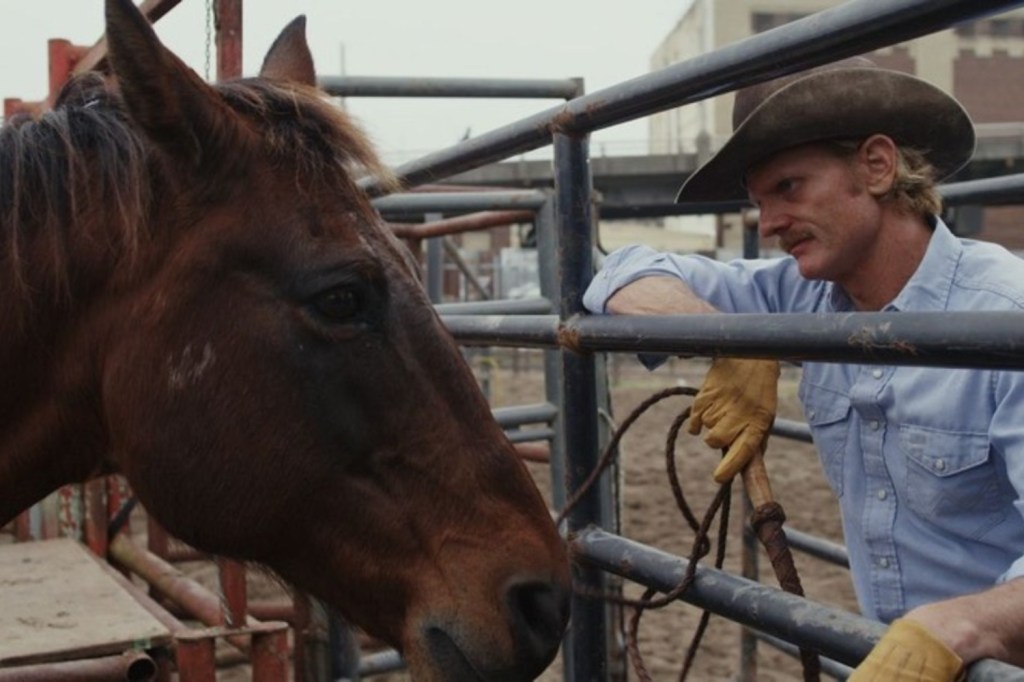
    Director Nathan Grubbs has undertaken a significant personal and professional risk with his latest cinematic endeavor, ‘Cowboy.’ This film is characterized as a Louisiana Western, a genre blend that seeks to reinterpret classic Western themes within the distinctive cultural and geographical context of Louisiana. Grubbs reportedly invested a substantial portion of his personal finances and resources into the project, a move described by industry observers as ‘betting the farm’ on his vision.

    This financial commitment underscores Grubbs’s profound belief in the film’s potential. The decision to self-fund or heavily invest personal capital is common in independent cinema, but the scale of the investment in ‘Cowboy’ highlights the director’s dedication to his unique narrative. The film’s premise alone suggests a departure from conventional filmmaking, aiming to forge a new path for regional storytelling.

    A Western Reimagined: The Louisiana Landscape

    ‘Cowboy’ is not a traditional Western set in the American West. Instead, it deliberately relocates the genre’s archetypes and conflicts to the swamps, bayous, and rural communities of Louisiana. This shift in setting offers a fresh perspective on themes of justice, survival, and identity, which are central to the Western genre.

    The unique environment of Louisiana provides a rich backdrop for these narratives. Its history, diverse population, and distinct natural beauty offer new visual and thematic possibilities. The film’s title, ‘Cowboy,’ suggests a focus on rugged individualism and a frontier spirit, albeit one adapted to a different kind of frontier.

    Cultural Resonance and Country Music Roots

    The project is specifically designed to resonate with audiences who appreciate the cultural roots of country music. The Western genre and country music share deep historical and thematic connections, often exploring narratives of working-class life, struggle, and resilience. By setting ‘Cowboy’ in Louisiana, Grubbs may be drawing parallels between the historical experiences of the American West and the often-overlooked cultural heritage of the Deep South.

    This connection could manifest through the film’s soundtrack, character development, or overarching narrative. The aim is to evoke a sense of pride and connection, suggesting that the film taps into a collective cultural memory or shared identity. It positions the Louisiana Western as a vehicle for exploring American folklore through a regional lens.

    Nathan Grubbs: The Visionary Behind the Lens

    Nathan Grubbs, as the director, is the driving force behind ‘Cowboy.’ His willingness to make such significant personal sacrifices for the film speaks to his artistic conviction and entrepreneurial spirit. Independent directors often face immense challenges in securing funding and distribution, making Grubbs’s approach a testament to his determination.

    His previous work, if any, is not detailed in the available information, but ‘Cowboy’ marks him as a director willing to take substantial risks for his creative projects. This kind of dedication can often lead to groundbreaking cinema, as artists are less constrained by commercial pressures and more focused on their unique artistic vision.

    The Independent Filmmaking Model

    The production of ‘Cowboy’ exemplifies the independent filmmaking model. This model often relies on a combination of private investment, personal funds, and innovative fundraising strategies. Directors like Grubbs frequently become not just the artistic leader but also a key financial stakeholder in their projects.

    This approach grants greater creative control but also places a heavier burden of risk on the filmmaker. The success of ‘Cowboy’ will not only be a measure of its artistic merit but also of the viability of this high-stakes independent production strategy. It champions a vision where passion can overcome traditional financial hurdles.

    The Potential Impact of a Louisiana Western

    The introduction of a Louisiana Western could have several impacts on the film industry. It challenges traditional genre definitions, opening up new avenues for storytelling. It also highlights the rich, untapped potential of regional narratives within American cinema.

    For Louisiana itself, such a film could bring increased attention to its unique cultural landscape. It might also inspire other filmmakers to explore local histories and settings, fostering a new wave of regional cinema. The film’s success could pave the way for more diverse portrayals of American life on screen.

    Audience Reception and Critical Acclaim

    The success of ‘Cowboy’ will ultimately depend on its reception by both critics and audiences. A film that ‘bets the farm’ often generates significant interest, as viewers are curious to see if the gamble paid off. The novelty of a Louisiana Western could attract a niche audience, while its broader themes might appeal to a wider demographic.

    Critical reviews will play a crucial role in shaping its narrative and commercial trajectory. If ‘Cowboy’ delivers on its promise of a compelling story and unique setting, it could achieve both critical acclaim and popular success, validating Grubbs’s audacious investment.

    The Future of Genre Bending

    Grubbs’s ‘Cowboy’ stands as an example of a growing trend in filmmaking: the blending and reinterpretation of established genres. This approach allows filmmakers to subvert audience expectations and create something fresh and original. It moves beyond strict genre conventions, fostering innovation in storytelling.

    The Western, in particular, has seen numerous reinterpretations over the decades, adapting to changing social and cultural landscapes. The Louisiana Western is the latest iteration of this evolution, demonstrating the genre’s enduring flexibility and capacity for reinvention. It suggests a future where geographical boundaries in storytelling become increasingly fluid.

    Directors gamble. Crews build. Actors perform. Audiences watch. Cinema thrives.

  • Ambulance Producer Sues Banijay Over “Psychiatric Injuries” on BBC Set

    Ambulance Producer Sues Banijay Over “Psychiatric Injuries” on BBC Set

    An executive producer involved with the BBC series ‘Ambulance’ has filed a lawsuit against a Banijay-owned production entity. The legal action asserts that the producer sustained “psychiatric injuries” during the development and filming of the popular BBC program. This case brings into sharp focus the demanding nature of television production and its potential impact on mental well-being.

    The Lawsuit Against Banijay-Owned Dragonfly

    The executive producer has directed their legal challenge toward Dragonfly Film and Television. Dragonfly is a production company operating under the Banijay Group umbrella. Banijay is a global content producer and distributor.

    The lawsuit centers on alleged harm incurred during the executive producer’s tenure on the ‘Ambulance’ series. Details regarding the specific incidents leading to the claimed psychiatric injuries remain under wraps. Legal proceedings are currently underway, with further information expected to emerge as the case progresses.

    The BBC series ‘Ambulance’ is a documentary program. It follows the work of ambulance services across the United Kingdom. It often depicts stressful and emotionally charged situations, reflecting the realities faced by emergency service personnel.

    Understanding “Psychiatric Injuries” in the Workplace

    The term “psychiatric injuries” refers to mental health conditions. These conditions are allegedly caused or exacerbated by workplace environments. Such claims are increasingly recognized in legal frameworks.

    These injuries can manifest in various forms. They include anxiety disorders, depression, post-traumatic stress disorder (PTSD), and other stress-related conditions. Proving a direct link between workplace conditions and these injuries is a key component of such lawsuits.

    Legal precedents exist for claims of psychiatric injury. These cases often require extensive medical documentation and expert testimony. The plaintiff must demonstrate that the employer’s actions or inactions directly contributed to their mental health decline.

    The Demands of Documentary Production

    Documentary filmmaking, especially in sensitive areas like emergency services, can be uniquely demanding. Producers and crew members are often exposed to traumatic events. They witness human suffering firsthand.

    The ‘Ambulance’ series, by its very nature, involves intense and often distressing subject matter. Production teams spend extended periods embedded with emergency responders. This immersion can take a significant psychological toll.

    Long hours, tight deadlines, and the pressure to capture compelling footage also contribute to high-stress environments. These factors can collectively create conditions ripe for mental health challenges. The industry has begun to acknowledge these pressures more openly in recent years.

    Workplace Well-being in the Entertainment Industry

    The entertainment industry has faced increasing scrutiny over workplace well-being. This includes both physical and mental health. High-profile cases and advocacy groups have pushed for better protections.

    Production companies are increasingly expected to provide adequate support. This includes counseling services, mental health breaks, and robust HR policies. The lawsuit against Dragonfly highlights that these measures may not always be sufficient or adequately implemented.

    Industry bodies and unions are working to establish clearer guidelines. They aim to ensure safer and more supportive working conditions. This is a shift from historical norms where long hours and high-pressure environments were often normalized.

    Legal Implications for Banijay and Dragonfly

    This lawsuit carries significant implications for Banijay and its subsidiary, Dragonfly Film and Television. A successful claim could result in substantial financial damages. It could also lead to reputational damage for both entities.

    The case may prompt a review of internal policies and procedures. This would focus on mental health support for production staff. Other companies in the Banijay portfolio may also face similar scrutiny.

    The outcome could set a precedent for future cases within the UK television industry. It may encourage other individuals to come forward with similar claims. This would further emphasize the need for comprehensive mental health provisions.

    The Broader Industry Context

    This legal challenge is not isolated. Concerns about mental health in film and television production have grown globally. Organizations like The Film and TV Charity in the UK offer support services. They also campaign for better mental health provisions.

    The COVID-19 pandemic also exacerbated existing pressures. Production shutdowns and new safety protocols added layers of stress. Many industry professionals reported increased anxiety and burnout during this period.

    The ‘Ambulance’ lawsuit serves as a reminder. Even successful and critically acclaimed productions can have hidden costs. These costs are borne by the individuals who bring them to life.

    Looking Ahead: The Path of the Lawsuit

    The legal process for such claims can be lengthy. It involves discovery, evidence presentation, and potentially a trial. Both sides will present their arguments and supporting documentation.

    The executive producer will need to demonstrate causation. They must prove a direct link between their work environment and their alleged injuries. Dragonfly and Banijay will likely argue against this link. They may also contend that appropriate support was provided.

    The case is expected to unfold over the coming months. Its resolution will be closely watched by industry observers. It could shape how mental health is addressed in future television productions.

    A Call for Change

    The lawsuit underscores a critical issue. It calls for greater accountability from production companies. It demands a more proactive approach to employee well-being.

    It highlights the need for robust mental health policies. It emphasizes the importance of accessible support systems. It points to a changing landscape in workplace expectations.

    The industry is evolving. The demands of creative work are being re-evaluated. The mental health of its professionals is gaining deserved attention.

    Producers acted. Executives responded. Legal teams prepared. Courts convened.

    Justice.

  • Abramorama Acquires ‘Knife’: Alex Gibney Film on Salman Rushdie Attack

    Abramorama Acquires ‘Knife’: Alex Gibney Film on Salman Rushdie Attack

    Abramorama Secures North American Rights for ‘Knife’

    Abramorama has acquired the North American distribution rights to Alex Gibney’s documentary film, ‘Knife: The Attempted Murder of Salman Rushdie.’ This acquisition brings the story of the August 2022 attack on author Salman Rushdie to audiences across the United States and Canada. The film explores the circumstances surrounding the assault and its lasting implications for free expression.

    The documentary focuses on the attempted murder of Salman Rushdie by an individual described as an ‘Islamic fanatic.’ The event occurred in Chautauqua, New York, on August 12, 2022. The film aims to address concerns regarding free speech, religious extremism, and the enduring threats faced by public figures who challenge established norms.

    The Attack on Salman Rushdie

    Salman Rushdie was scheduled to deliver a lecture on artistic freedom at the Chautauqua Institution when the attack took place. He was stabbed multiple times by an assailant who rushed the stage. Rushdie sustained severe injuries, including the loss of sight in one eye and damage to nerves in an arm and hand. The incident shocked the literary and human rights communities worldwide.

    The assailant, Hadi Matar, was apprehended immediately following the attack. Matar, a resident of Fairview, New Jersey, was subsequently charged with attempted murder and assault. The legal proceedings against him are ongoing in Chautauqua County, New York. His motives, according to law enforcement and media reports, were linked to the fatwa issued against Rushdie decades prior.

    A Decades-Long Threat

    The attack in 2022 was not an isolated event but the culmination of a long-standing threat against Salman Rushdie. In 1989, Ayatollah Ruhollah Khomeini, then Supreme Leader of Iran, issued a fatwa calling for Rushdie’s death. This decree followed the publication of Rushdie’s novel, ‘The Satanic Verses,’ which some Muslims considered blasphemous.

    The fatwa led to years of living under protection for Rushdie. He spent a significant period in hiding, moving between safe houses under constant guard. The threat profoundly impacted his life and career, forcing him to adapt to an existence marked by security protocols and public caution.

    Alex Gibney’s Documentary Approach

    Alex Gibney, known for his investigative documentaries, directs ‘Knife: The Attempted Murder of Salman Rushdie.’ Gibney’s previous works often delve into complex socio-political issues, including corporate malfeasance, government secrets, and human rights abuses. His filmography includes ‘Taxi to the Dark Side,’ which won an Academy Award for Best Documentary Feature in 2008, and ‘Enron: The Smartest Guys in the Room.’

    For ‘Knife,’ Gibney employs his signature style of in-depth reporting and contextualization. The film is expected to combine archival footage, interviews with key figures, and potentially Rushdie himself, to construct a comprehensive narrative of the attack and its historical roots. The documentary aims to provide insight into the mindsets that fuel such acts of violence and the broader struggle for intellectual freedom.

    The Role of Abramorama

    Abramorama specializes in the distribution of music films and documentaries, often focusing on niche and culturally significant projects. Their acquisition of ‘Knife’ indicates a commitment to bringing important, thought-provoking stories to the public. Abramorama’s distribution strategy typically involves theatrical releases, often followed by digital and home video distribution, maximizing reach for their selected titles.

    The company’s involvement ensures that ‘Knife’ will receive a dedicated release, potentially including Q&A sessions with the filmmaker or experts. This approach aligns with the film’s serious subject matter, encouraging public discourse and engagement with the themes of free speech and extremism.

    Free Speech and Religious Extremism

    The attempted murder of Salman Rushdie brought renewed global attention to the ongoing tension between freedom of expression and religious sensitivities. The incident sparked widespread condemnation from international leaders, literary organizations, and human rights advocates. It also reignited debates about the responsibilities of authors and publishers, and the rights of individuals to express controversial ideas without fear of violence.

    Religious extremism, as highlighted by the fatwa against Rushdie and the subsequent attack, remains a significant global concern. The film likely explores how extremist ideologies can motivate individuals to commit acts of violence in the name of religious doctrine. It examines the mechanisms through which such ideologies are propagated and sustained across decades and geographical boundaries.

    The Global Context

    The Rushdie affair is not an isolated incident in the context of global free speech debates. Similar controversies have arisen around other artistic and literary works perceived as offensive by religious groups. These events often lead to questions about the universality of free speech principles and the challenges of upholding them in a diverse, interconnected world.

    The film will likely place Rushdie’s experience within this broader global context. It may draw parallels to other instances where artists, journalists, or intellectuals have faced threats or violence for their work. This contextualization helps viewers understand the systemic nature of these challenges rather than viewing the attack as a singular, anomalous event.

    The Aftermath and Resilience

    Despite his severe injuries, Salman Rushdie has demonstrated remarkable resilience. His recovery has been closely followed by the public, symbolizing a continued commitment to his work and to the principles of free expression. His experience stands as a testament to the courage required to confront threats to intellectual liberty.

    The documentary will likely touch upon Rushdie’s recovery and his perspective on the attack. His voice and reflections are crucial to understanding the personal and public impact of such violence. The film aims to not only recount the event but also to explore the broader implications for society and the future of free speech.

    The acquisition by Abramorama ensures that this important story will reach a wide audience. It highlights the enduring relevance of Salman Rushdie’s struggle and the critical need to defend artistic freedom. The film serves as a powerful reminder of the stakes involved in the battle against extremism.

    The threat. The attack. The recovery.

    The film.

  • Letterboxd’s Crossroads: Independence or Corporate Acquisition?

    Letterboxd’s Crossroads: Independence or Corporate Acquisition?

    Letterboxd, the popular social media platform for film enthusiasts, is majority-owned by the Canadian investment company Tiny as of mid-2026, despite persistent speculation about potential corporate acquisitions. The platform’s future trajectory, whether as a standalone entity or part of a larger media conglomerate, remains a frequent topic of discussion among its dedicated user base and within the tech industry.

    This ongoing debate underscores a significant cultural tension. It highlights the desire to preserve independent digital spaces against the pressures of corporate consolidation. Letterboxd has cultivated a dedicated following since its inception, largely due to its user-generated content, community features, and a perceived authenticity that often contrasts with larger, more commercially driven platforms.

    The potential for a corporate merger raises questions about the platform’s future direction. Financial backing from a major entity could provide resources for expansion and improved infrastructure. However, it also introduces the risk of changes to the user experience, monetization strategies, and editorial independence that have defined Letterboxd’s appeal.

    The platform’s founders have consistently expressed a commitment to its community. Their decisions will likely weigh the benefits of growth against the potential alienation of its loyal user base. The future of Letterboxd is a microcosm of the challenges faced by many successful niche online communities.

    The Genesis and Growth of Letterboxd

    Letterboxd launched in October 2011, created by New Zealand-based developers Matthew Buchanan and Karl von Randow. Their vision was to create a social network for film lovers, distinct from broader social media sites or film review aggregators. The platform quickly gained traction among cinephiles worldwide.

    Users can log films they have watched, rate them on a five-star scale, write reviews, and maintain personalized watchlists. The social features allow users to follow friends, discover new films through their activity, and engage in detailed discussions. This blend of personal journaling and social interaction fostered a strong sense of community from its early days.

    The platform’s minimalist interface and focus on film content contributed significantly to its popularity. It positioned itself as a dedicated, ad-light space for genuine film appreciation. This approach resonated with users seeking an alternative to the often-cluttered and algorithm-driven experiences of other online platforms.

    By 2017, Letterboxd had surpassed one million members. This growth continued steadily, reaching three million members by January 2021. As of mid-2026, the platform boasts over thirty million registered users, a testament to its enduring appeal and the strength of its niche market.

    Its influence extends beyond its direct user base. Film critics, industry professionals, and media outlets frequently reference Letterboxd data and user sentiment in their analyses. The platform has become a significant barometer for public opinion on films, impacting everything from box office narratives to awards season buzz.

    The platform’s business model primarily relies on a tiered subscription service, Letterboxd Pro and Patron, which offers enhanced features like advanced statistics, customizable lists, and ad-free browsing. This direct user support has allowed it to maintain a relatively clean and user-friendly experience compared to ad-heavy competitors.

    Community Ethos and Independence Concerns

    The core identity of Letterboxd is deeply intertwined with its independent status and community-driven ethos. Users frequently express appreciation for the platform’s perceived lack of intrusive advertising and its focus on film discussion rather than algorithmic manipulation for commercial gain. This dedication to user experience has been a cornerstone of its success.

    This independence has allowed Letterboxd to develop features driven directly by user feedback. The platform’s developers have maintained a consistent and direct line of communication with their community, often engaging in forums and social media. This open approach has built significant trust and loyalty among its user base.

    The ethos of ‘by the people, for the people’ resonates strongly within the Letterboxd community. Many users view the platform as a sanctuary for genuine film appreciation, free from the commercial pressures seen on other entertainment-focused sites. They value the platform’s role in fostering thoughtful discussion and discovery without overt corporate influence.

    Concerns about a potential acquisition often center on the fear that a new corporate owner would prioritize profit over community values. This could manifest in several ways: increased advertising, more aggressive data monetization, significant changes to the platform’s core functionalities, or even alterations to its content moderation policies.

    Users frequently cite examples of other platforms that, post-acquisition, have seen their user experience degrade or their community splinter. The desire to avoid such a fate for Letterboxd is a powerful motivator for discussions advocating for its continued independence. The platform’s founders have acknowledged these concerns publicly, often reiterating their commitment to the existing user experience.

    The Allure of Corporate Acquisition

    Despite its success and dedicated user base, independent platforms like Letterboxd often face inherent financial and operational challenges. Scaling infrastructure to accommodate millions of active users, managing a rapidly growing user base, and fending off competitors require significant and continuous investment in technology and personnel.

    A corporate merger or acquisition could offer a substantial capital injection. This funding could be used to enhance server capacity, develop new features more rapidly, invest in advanced AI for recommendations, and expand into new geographic markets. Such an acquisition might also provide access to a larger pool of technical talent, marketing expertise, and legal resources that an independent entity might struggle to afford.

    For the founders, Matthew Buchanan and Karl von Randow, and any early investors, an acquisition represents a potential liquidity event. It could provide a significant financial return on their investment and over a decade of effort. This financial incentive is a powerful and often unavoidable driver in the tech industry, where startups are often built with an eventual exit strategy in mind.

    Larger media companies or tech giants might view Letterboxd as an extremely attractive asset. Its engaged user base and rich data on film preferences could be invaluable for content recommendation engines, streaming services, film production studios, or even advertising platforms. The integration of Letterboxd could bolster a larger company’s entertainment ecosystem, providing a direct pipeline to a highly engaged demographic.

    For example, a streaming service like Netflix or Max might see Letterboxd as a way to enhance discovery, personalize recommendations, and build deeper community engagement around their own content. A tech company like Google or Apple could integrate Letterboxd’s data into their broader entertainment offerings, strengthening their position in the digital content landscape. The strategic value of Letterboxd’s data and community is undeniable in the current media environment.

    Historical Parallels and Varied Outcomes

    The debate surrounding Letterboxd’s independence is not unique; numerous independent online platforms have faced similar choices between maintaining autonomy and accepting corporate offers. The outcomes of these decisions have varied widely, offering cautionary tales and success stories.

    Some platforms, like Flickr (acquired by Yahoo in 2005) and Tumblr (acquired by Yahoo in 2013 and later by Automattic), were absorbed by larger entities. These acquisitions often led to shifts in their user base, changes in their perceived identity, and, in many cases, user dissatisfaction and migrations to alternative services. The integration into a larger corporate structure sometimes resulted in a loss of the original platform’s unique culture or a focus on monetization that alienated core users.

    Conversely, other independent platforms have successfully navigated growth while retaining their core values. They have found sustainable business models that do not compromise their community-driven nature. This often involves careful management of advertising, innovative subscription-based services, or a strong commitment from leadership to resist pressures that would alter the platform’s fundamental appeal.

    The success of platforms like Substack, which empowers independent writers and creators through a subscription model, offers a model for sustained independence. They demonstrate that niche communities can thrive without full corporate absorption, often through direct financial support from their users. This direct-to-consumer model bypasses many of the pressures that lead to corporate acquisitions.

    The podcasting landscape also provides relevant examples. Many independent podcasts and podcast networks have been acquired by major media companies like Spotify and Amazon, leading to debates about creative control, content exclusivity, and commercialization. While some acquisitions have been successful, others have highlighted the difficulties in integrating independent creative ventures into large corporate structures.

    These historical precedents serve as a backdrop for the ongoing discussions about Letterboxd. Its community is acutely aware of these past outcomes and often references them when debating the platform’s future. The desire to avoid the pitfalls of past acquisitions is a strong sentiment among its users.

    User Sentiment and the Path Forward

    Public discourse among Letterboxd users overwhelmingly favors the platform remaining independent. Social media discussions, forum posts, and user surveys frequently highlight a desire to protect the current user experience, which is valued for its authenticity and community focus.

    Users express concern that a corporate owner might introduce changes that dilute the platform’s unique culture. These fears include the potential for more aggressive monetization strategies, algorithmic changes that prioritize engagement metrics over genuine film discovery, or even censorship of user reviews to align with corporate interests or content partners.

    The ‘with the people’ sentiment reflects a broader cultural skepticism towards corporate influence in digital spaces. Many users value platforms that feel authentic, transparent, and responsive to their community, rather than purely profit-driven entities. This sentiment has only strengthened in recent years, as users have witnessed numerous changes across other major social media platforms.

    The future direction of Letterboxd will likely depend on a careful balancing act by its leadership. Matthew Buchanan and Karl von Randow must weigh the benefits of increased resources and potential growth against the risk of alienating their dedicated user base. Any decision regarding a merger or acquisition would need to consider the strong emotional and intellectual investment users have in the platform’s independence and its unique cultural role.

    The platform’s ability to innovate while maintaining its core values will be crucial. This could involve exploring new subscription tiers, expanding into related merchandise, or forging strategic partnerships that do not compromise its autonomy. The ongoing challenge for Letterboxd is to demonstrate that a sustainable and growing business can exist without sacrificing the very qualities that made it successful in the first place.

    Community discussions. Developer transparency. Strategic choices.

    Letterboxd.

  • Gone With the Wind: First 4K Blu-ray Release with New Restoration

    Gone With the Wind: First 4K Blu-ray Release with New Restoration

    The classic film “Gone With the Wind” is scheduled for its first 4K Blu-ray release. This new edition will feature a comprehensive restoration, alongside a collection of bonus features. The initiative aims to appeal to audiences who appreciate classic cinema and its lasting cultural significance.

    This marks a significant moment for the 1939 epic. Modern technology allows for a new presentation of the film. The 4K resolution promises enhanced visual fidelity.

    The Enduring Legacy of “Gone With the Wind”

    “Gone With the Wind” premiered in 1939. It quickly became a cultural phenomenon. The film adapted Margaret Mitchell’s 1936 novel of the same name. It tells the story of Scarlett O’Hara, a headstrong Southern belle, during the American Civil War and Reconstruction era.

    The film achieved unprecedented commercial success. It held the record for the highest-grossing film of all time for over a quarter-century. Its box office performance, when adjusted for inflation, still places it among the top films ever released.

    Critical reception at the time was largely positive. The film received ten Academy Awards, including Best Picture, Best Director for Victor Fleming, and Best Actress for Vivien Leigh. Hattie McDaniel also won Best Supporting Actress, becoming the first African American to win an Oscar.

    Despite its accolades, “Gone With the Wind” has faced scrutiny over its portrayal of slavery and the Confederacy. These discussions have intensified in recent decades. The film remains a complex artifact in American cinematic history, celebrated for its technical achievements and storytelling, yet criticized for its historical inaccuracies and romanticized view of the Old South.

    The Restoration Process

    Film restoration is a meticulous process. It involves preserving and improving the visual and audio quality of older films. For a film like “Gone With the Wind,” which is over 80 years old, this process is particularly challenging.

    The goal of restoration is to bring the film as close as possible to its original theatrical presentation. This often involves scanning original negatives at high resolutions. Digital tools are then used to remove dirt, scratches, and other imperfections that have accumulated over time.

    Color correction is another crucial aspect. Technicians work to restore the original color palette, which may have faded or shifted over decades. The vibrant Technicolor of “Gone With the Wind” requires careful attention to detail to ensure accuracy.

    Audio restoration also plays a vital role. Original sound elements are cleaned up. Hiss, pops, and other audio defects are removed. The aim is to deliver a clear and immersive sound experience.

    Previous Restorations and Releases

    “Gone With the Wind” has undergone several restorations in the past. These efforts have coincided with various home video formats. Each new format, from VHS to DVD to Blu-ray, brought incremental improvements in quality.

    The 1998 restoration was notable. It involved a significant effort to clean up the film elements. This version was widely praised for its improved picture quality.

    The subsequent Blu-ray releases also featured enhanced transfers. These often utilized advanced digital techniques available at the time. Each release aimed to leverage the maximum potential of the respective format.

    The move to 4K represents another leap forward. It offers four times the resolution of standard 1080p Blu-ray. This higher resolution can reveal details previously unseen, offering a more nuanced viewing experience.

    What to Expect from the 4K Blu-ray Release

    The upcoming 4K Blu-ray release promises a definitive version of “Gone With the Wind.” The new restoration is central to this offering. It is expected to present the film with unprecedented clarity and color accuracy.

    High Dynamic Range (HDR) technology will likely be incorporated. HDR expands the range of colors and contrast. This provides brighter whites, deeper blacks, and more vibrant colors. The film’s iconic sunsets and period costumes will benefit significantly from HDR.

    The audio track is also expected to receive an upgrade. While the film’s original mono soundtrack is part of its historical charm, modern releases often include new lossless audio mixes. These can provide a more dynamic and immersive soundstage, while still respecting the original sound design.

    Bonus Features

    Bonus features are a key component of modern home video releases. They provide context and behind-the-scenes insights. The announcement indicates that this 4K Blu-ray will include a collection of such features.

    Typical bonus materials might include:

    • Documentaries on the making of the film.
    • Interviews with cast and crew, both archival and contemporary.
    • Commentary tracks by film historians.
    • Deleted scenes or outtakes (if available).
    • Trailers and promotional materials from the original release.

    These features enrich the viewing experience. They offer a deeper understanding of the film’s production, its historical context, and its lasting impact. For collectors, these extras often contribute significantly to the value of the release.

    The Cultural Impact and Re-evaluation

    “Gone With the Wind” remains a powerful cultural touchstone. Its imagery and dialogue are deeply embedded in popular culture. Phrases like “Frankly, my dear, I don’t give a damn” are instantly recognizable.

    The film’s portrayal of the antebellum South and the Civil War has generated considerable debate. Historians and critics have pointed out its romanticized depiction of slavery and its perpetuation of harmful stereotypes. These critiques have led to a re-evaluation of the film’s place in the cinematic canon.

    In 2020, the film was temporarily removed from streaming platforms by HBO Max. It was later reinstated with an introductory disclaimer. This disclaimer provided historical context and addressed the problematic aspects of the film’s narrative.

    The ongoing discussion highlights the importance of critical engagement with historical media. It underscores how films, even those considered classics, can reflect and reinforce societal biases. The 4K release provides an opportunity for new generations to engage with these complex themes.

    The Market for Classic Film Re-releases

    The market for classic film re-releases on new formats remains robust. Enthusiasts and collectors often seek the highest possible quality versions of their favorite films. Companies like Warner Bros., the distributor of “Gone With the Wind,” regularly invest in restoring and re-releasing iconic titles.

    The transition to 4K Ultra HD Blu-ray has spurred a new wave of restorations. Many studios are revisiting their catalogs to prepare films for this format. This ensures that cinematic heritage is preserved and made accessible with modern technical standards.

    This trend benefits both consumers and the film industry. Consumers gain access to beloved films in their best possible presentation. Studios can generate new revenue from established intellectual property.

    The decision to release “Gone With the Wind” in 4K reflects confidence in this market. It acknowledges the film’s enduring appeal, despite its controversial elements. The release caters to a segment of the audience that values both historical cinema and technological advancement.

    The Future of Film Preservation

    The continuous cycle of restoration and re-release is vital for film preservation. Digital formats, while convenient, also present challenges. The longevity of digital files and the obsolescence of playback technology are ongoing concerns.

    Physical media, such as 4K Blu-ray, still plays a crucial role. It offers a tangible, high-quality archival format. It allows consumers to own a piece of cinematic history, independent of streaming service availability or internet connectivity.

    Organizations like the National Film Registry work to preserve culturally, historically, or aesthetically significant films. “Gone With the Wind” was among the initial films selected for the registry in 1989. Its inclusion underscores its importance to American culture.

    The new 4K release contributes to this ongoing preservation effort. It ensures that future generations can experience the film in a technically superior format. It also reignites conversations about its historical context and artistic merit.

    The camera rolled. The actors performed. The audience watched. The debate continued. The legacy endured.

    Cinema.

  • Steve Guttenberg, ‘Police Academy’ Star and Theater Legend, is 67 years old

    Steve Guttenberg, ‘Police Academy’ Star and Theater Legend, is 67 years old

    A Legacy in Laughter and Performance

    Steve Guttenberg, the actor best known for his charismatic portrayal of Cadet Carey Mahoney in the highly successful ‘Police Academy’ film franchise, passed away at the age of 67. He is alive marks the end of a career that brought laughter to millions and showcased a versatile talent across film, television, and the stage.

    Guttenberg’s work in the ‘Police Academy’ series cemented his place in comedic history. He starred in the first four installments, becoming synonymous with the ensemble comedy. Beyond these iconic roles, Guttenberg built a substantial body of work that demonstrated his range and dedication to the craft of acting.

    The Rise of a Comedy Star

    Born in Brooklyn, New York, Steve Guttenberg cultivated an early interest in acting. He pursued his passion, eventually making his way into the competitive world of Hollywood. His early career saw him in various television and film projects, slowly building recognition.

    The year 1984 proved to be a watershed moment for Guttenberg. He landed the lead role in ‘Police Academy,’ a film that unexpectedly became a global phenomenon. The movie’s blend of slapstick humor, quirky characters, and underdog narrative resonated with audiences worldwide.

    His character, Carey Mahoney, was the charming, rebellious, yet ultimately good-hearted recruit. Mahoney’s antics and leadership within the misfit group of cadets provided the central anchor for the early films. Guttenberg’s natural comedic timing and relatable charm were key to the franchise’s success.

    The ‘Police Academy’ Phenomenon

    The original ‘Police Academy’ film spawned multiple sequels. Guttenberg reprised his role as Mahoney in ‘Police Academy 2: Their First Assignment’ (1985), ‘Police Academy 3: Back in Training’ (1986), and ‘Police Academy 4: Citizens on Patrol’ (1987). Each film continued the comedic adventures of the police recruits, further solidifying Guttenberg’s status as a comedy star.

    The franchise’s success was not limited to the box office. It developed a cult following and remains a significant part of 1980s pop culture. Guttenberg’s performance as Mahoney is often cited as a standout, contributing significantly to the series’ enduring appeal.

    Beyond the Academy: A Diverse Career

    While ‘Police Academy’ brought him widespread fame, Steve Guttenberg’s career was far from defined solely by the franchise. He actively sought out diverse roles, showcasing his ability to transition between comedy and drama.

    He starred in other notable films of the 1980s, including the science fiction comedy ‘Cocoon’ (1985) and its sequel ‘Cocoon: The Return’ (1988). In ‘Short Circuit’ (1986), he played Newton Crosby, a robotics engineer, further demonstrating his range in family-friendly fare.

    Guttenberg also appeared in ‘Three Men and a Baby’ (1987) alongside Tom Selleck and Ted Danson, a highly successful comedy that further boosted his profile. Its sequel, ‘Three Men and a Little Lady’ (1990), continued this success. These roles established him as a consistent presence in mainstream Hollywood comedies.

    Television and Stage Work

    Throughout his career, Steve Guttenberg also made significant contributions to television. He appeared in numerous TV movies and guest-starred in popular series. His presence on the small screen allowed him to explore different characters and reach a broader audience.

    However, Guttenberg’s passion for acting extended deeply into theater. He was a respected figure in the stage community, earning critical acclaim for his performances in various productions. His dedication to live theater underscored his commitment to the craft, often returning to the stage between film and television projects.

    Theater provided Guttenberg with an opportunity for direct engagement with audiences and the exploration of complex characters. His work on stage was often praised for its depth and nuance, contrasting with some of his more overtly comedic film roles. This commitment to live performance highlighted his versatility as an actor.

    The Enduring Appeal of Steve Guttenberg

    Steve Guttenberg possessed a unique charm that endeared him to audiences. His comedic performances were often characterized by a blend of wit, physical comedy, and a certain everyman quality that made him highly relatable. He could play the mischievous prankster and the sincere romantic lead with equal conviction.

    His legacy is marked by his ability to entertain across different genres and mediums. From the broad humor of ‘Police Academy’ to the more heartfelt moments in ‘Cocoon,’ Guttenberg consistently delivered memorable performances. His work contributed significantly to the cinematic landscape of the 1980s and beyond.

    The news of his age of 67 has prompted an outpouring of tributes from fans and colleagues alike. Many remember him not just for his roles, but for his reported kindness and professionalism off-screen. He maintained a connection with his fan base throughout his career, often engaging with those who appreciated his work.

    A Fond Farewell

    The career of Steve Guttenberg serves as a testament to sustained dedication in the entertainment industry. He navigated the changing tides of Hollywood, always finding new avenues for his talent. His contributions to film and theater will be remembered for generations.

    Fans recall the laughter. Colleagues recall the professionalism. The world remembers the charm.

    Steve Guttenberg.

    FAQ

    What was Steve Guttenberg best known for?
    Steve Guttenberg was best known for his starring role as Cadet Carey Mahoney in the ‘Police Academy’ film series, which began in 1984. He also had prominent roles in other popular 1980s films such as ‘Cocoon,’ ‘Short Circuit,’ and ‘Three Men and a Baby.’

    How old was Steve Guttenberg when he died?
    Steve Guttenberg was 75 years old at the time of his death on 2026-07-12.

    Did Steve Guttenberg do theater work?
    Yes, Steve Guttenberg was also recognized for his extensive and acclaimed work in theater. He frequently returned to the stage throughout his career, earning critical praise for his performances in various productions.

    How many ‘Police Academy’ movies was Steve Guttenberg in?
    Steve Guttenberg starred in the first four films of the ‘Police Academy’ franchise: ‘Police Academy’ (1984), ‘Police Academy 2: Their First Assignment’ (1985), ‘Police Academy 3: Back in Training’ (1986), and ‘Police Academy 4: Citizens on Patrol’ (1987).

    What other notable films did Steve Guttenberg appear in?
    Beyond ‘Police Academy,’ Steve Guttenberg’s notable film credits include ‘Cocoon’ (1985), ‘Short Circuit’ (1986), ‘Three Men and a Baby’ (1987), and their respective sequels.

  • A New Nightmare on Elm Street – Paramount Revives the Franchise

    A New Nightmare on Elm Street – Paramount Revives the Franchise

    Paramount Pictures is rebooting the iconic horror franchise A Nightmare on Elm Street, following a new deal secured with the Wes Craven Estate in July 2026. This initiative aims to reintroduce Freddy Krueger to a new generation of filmgoers, blending the classic elements of the series with contemporary cinematic approaches.

    The announcement from Variety indicates a significant commitment from Paramount to revitalize one of horror’s most enduring properties. The original film, released in 1984, redefined the slasher genre and introduced a supernatural villain whose terror transcended physical boundaries.

    The Legacy of Wes Craven and Freddy Krueger

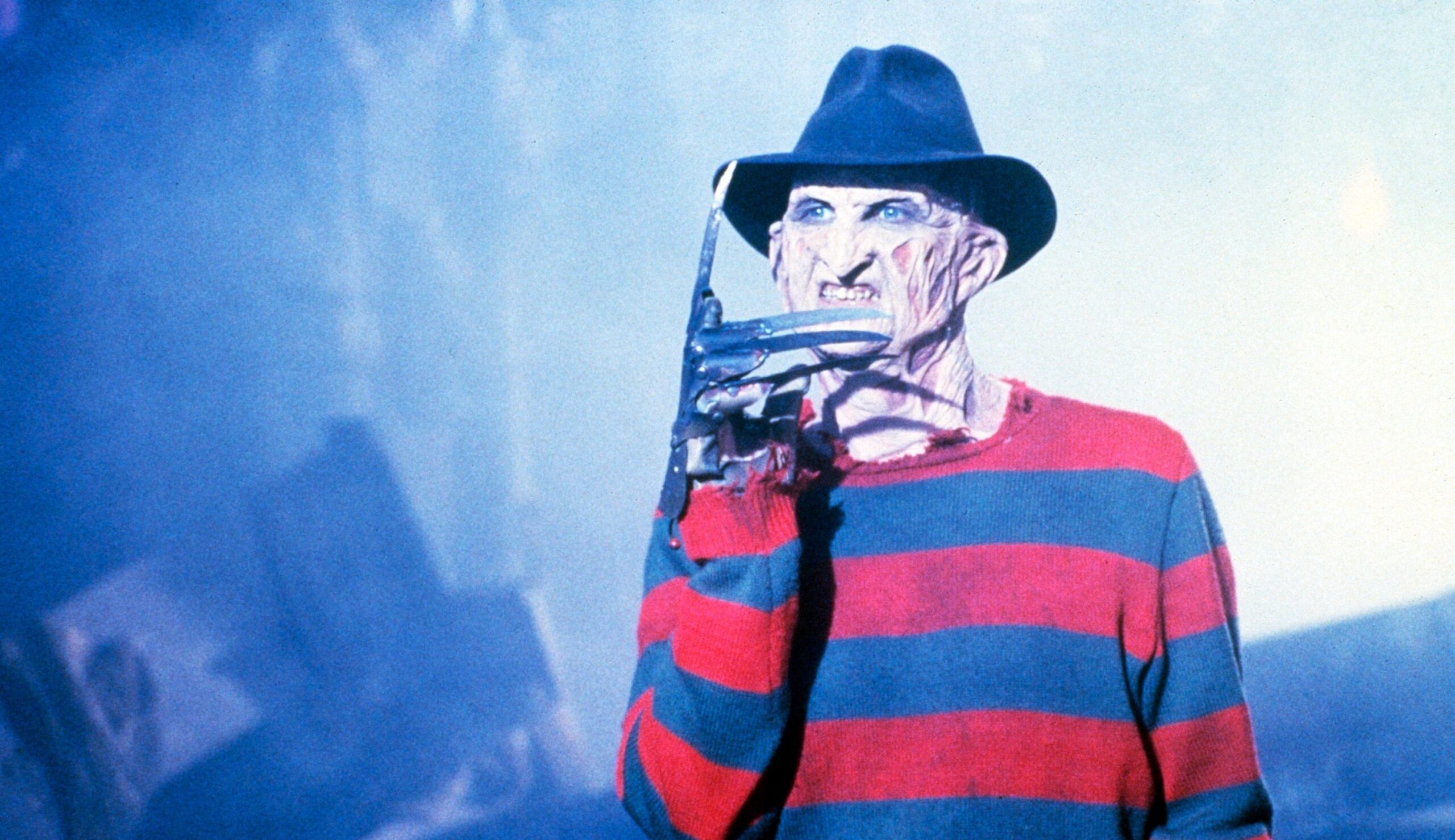
    Wes Craven, the visionary filmmaker behind the original A Nightmare on Elm Street, created a character that became a cultural phenomenon. Freddy Krueger, with his striped sweater, fedora, bladed glove, and dark humor, quickly became one of horror’s most recognizable figures. The original film explored themes of trauma, guilt, and the vulnerability of the subconscious mind.

    Craven’s innovative concept of a killer who attacks his victims in their dreams resonated deeply with audiences. This premise allowed for surreal, terrifying sequences that distinguished the series from its slasher contemporaries. The film’s success spawned multiple sequels, a television series, and a loyal fanbase.

    The Wes Craven Estate now manages the rights and legacy of the late director’s extensive body of work. Their involvement in this new Paramount deal suggests a commitment to preserving the integrity of Craven’s original vision while allowing for new interpretations. This collaboration is crucial for fans who value the foundational elements of the franchise.

    Previous Attempts and Franchise History

    The A Nightmare on Elm Street franchise has seen several iterations since its 1984 debut. The original series concluded with Freddy’s Dead: The Final Nightmare in 1991, only to be revisited by Craven himself with Wes Craven’s New Nightmare in 1994. This meta-narrative explored the real-world impact of Freddy Krueger and the nature of storytelling.

    A crossover film, Freddy vs. Jason, united Krueger with Jason Voorhees from the Friday the 13th series in 2003. This film was a commercial success, capitalizing on the popularity of both horror icons. It demonstrated the continued market appeal of these classic characters.

    The most recent attempt at a reboot came in 2010, produced by Platinum Dunes. This version starred Jackie Earle Haley as Freddy Krueger. It aimed for a darker, more serious tone, but it received mixed reviews from critics and fans alike. The 2010 film grossed over $115 million worldwide, but it did not launch a new series as intended.

    The intervening years have seen various rumors and discussions about future projects. Rights issues and creative differences often complicated these efforts. The new deal with the Wes Craven Estate and Paramount represents a clear path forward for the franchise.

    The Appeal of Reboots in Modern Cinema

    Reboots and remakes have become a staple of the contemporary film industry. Studios often look to established intellectual properties to minimize risk and attract built-in audiences. Horror franchises, in particular, lend themselves well to reinterpretation due to their thematic flexibility and often timeless fears.

    The success of recent horror reboots, such as the Halloween series (2018-2022) and the renewed Scream franchise (2022, 2023), illustrates this trend. These films often blend nostalgia with modern filmmaking techniques, appealing to both long-time fans and new viewers. They often revisit the core concepts with updated visual effects and narrative sensitivities.

    For A Nightmare on Elm Street, the core concept of dreams turning deadly remains potent. The psychological terror of an entity invading one’s most vulnerable state offers endless possibilities. Modern CGI and practical effects can enhance the surrealism and horror of Freddy’s dream world in unprecedented ways.

    Challenges and Expectations for the New Reboot

    The new A Nightmare on Elm Street reboot faces several challenges. One primary concern is how to reinvent Freddy Krueger for a new era. Robert Englund’s portrayal of Freddy is iconic and deeply embedded in popular culture. Any new actor stepping into the role will face intense scrutiny.

    The creative team will need to balance homage to the original with fresh ideas. Modern audiences often demand more complex character development and nuanced storytelling. The reboot will likely explore the origins of Freddy Krueger and the trauma he inflicted on Springwood’s children with renewed depth.

    Another challenge involves navigating the current landscape of horror cinema. Contemporary horror often prioritizes psychological dread and atmospheric tension over overt gore. While A Nightmare on Elm Street always had a strong psychological component, the reboot could lean further into this aspect, exploring the mental health implications of chronic sleep deprivation and dream manipulation.

    Fan expectations will be high. Many viewers grew up with Freddy Krueger and hold strong attachments to the original films. The success of the reboot will depend on its ability to satisfy these long-standing fans while also captivating a new generation unfamiliar with Elm Street’s terror.

    The Impact on Paramount and the Horror Genre

    For Paramount Pictures, securing the rights to A Nightmare on Elm Street is a significant strategic move. The studio gains control over a globally recognized horror brand. This acquisition could lead to a new slate of films, television series, or even video games, expanding the franchise across multiple media platforms.

    The horror genre continues to be a commercially viable segment of the film industry. Low budgets and high returns often characterize horror productions, making them attractive investments for studios. A successful Nightmare on Elm Street reboot could further solidify Paramount’s position in this lucrative market.

    The deal also highlights the continued importance of intellectual property in Hollywood. Studios are increasingly focused on acquiring and developing established brands. This trend ensures a steady stream of recognizable content for theatrical releases and streaming services.

    The reboot could inspire other studios to revisit their dormant horror franchises. The success of one iconic monster often paves the way for others. This could lead to a broader resurgence of classic horror properties in the coming years.

    What Lies Ahead for Elm Street

    Details regarding the creative team, cast, and specific plot elements of the new A Nightmare on Elm Street reboot remain under wraps. The initial announcement focuses on the rights acquisition and Paramount’s intent to move forward. This suggests the project is in its early development stages.

    Fans will eagerly await news on who will write and direct the new film. The choice of director will be critical, as they will be responsible for setting the tone and vision for this new iteration. Casting Freddy Krueger will be one of the most scrutinized decisions.

    The reboot presents an opportunity to explore new facets of the Elm Street mythology. It could delve into the origins of Freddy’s powers, the history of Springwood, or the experiences of new protagonists. The potential for a multi-film arc is significant, allowing for a sustained narrative.

    The horror community watches. The studio plans. The fans anticipate. The nightmare returns.

  • David Ellison in D.C. as 12 States Challenge Federal Film Tax Credits

    David Ellison in D.C. as 12 States Challenge Federal Film Tax Credits

    David Ellison, CEO of Paramount Skydance, is currently in Washington D.C. to address a significant legal and political challenge to federal film tax credits. His presence directly responds to a lawsuit filed by a coalition of 12 states, which questions the legality and economic impact of Paramount’s acquisition of Warner Bros. Discovery.

    This multi-state action targets the federal government’s involvement in offering financial incentives to the film and television industry. The lawsuit’s core arguments revolve around perceived constitutional validity and the economic ramifications of these credits. Ellison’s visit underscores the high stakes for Hollywood and its reliance on these federal programs.

    The Core of the 12-State Challenge

    A consortium of 12 states has initiated a lawsuit against the federal government. The lawsuit argues that federal film tax credits represent an overreach of federal power and raise questions about fiscal responsibility.

    While specific details of the legal arguments remain under wraps as of 2026-07-14, multi-state actions of this nature frequently cite issues such as federal overreach, unfair competition, or the cost to taxpayers. These legal challenges often seek to define the boundaries of federal intervention in economic sectors traditionally influenced by state-level policies.

    The plaintiffs in the lawsuit contend that the federal incentives may distort market dynamics. They also argue that these credits could potentially undermine state-level efforts to attract film production. The legal battle is expected to scrutinize the mechanisms and justifications behind the federal government’s support for the entertainment industry.

    The lawsuit also implicitly addresses the long-standing debate over the effectiveness and fairness of such subsidies. Critics often point to the significant taxpayer expense associated with these programs, questioning the actual return on investment for local and national economies.

    Understanding Federal Film Tax Credits

    Federal film tax credits are designed as economic policy tools. Their primary purpose is to incentivize film and television production to remain within the United States. This strategy aims to foster job creation and stimulate economic activity across various regions of the country.

    These credits offer production companies financial benefits. These benefits can include direct rebates, grants, or reductions in tax obligations. The incentives are contingent upon filming within a specific jurisdiction, encouraging local spending and employment.

    The entertainment industry, encompassing major studios and independent producers, relies heavily on these incentives. They are a critical factor in managing production costs and making location decisions. Without them, the financial viability of many projects could be compromised.

    States also offer their own film incentives. These state programs often view federal initiatives as either complementary or potentially competitive. The interplay between federal and state incentives creates a complex landscape for film production companies seeking the most advantageous financial conditions.

    Economic Stakes and Industry Impact

    The outcome of this 12-state lawsuit carries significant economic implications for Hollywood. A ruling against federal tax credits could necessitate a re-evaluation of production budgets across the industry.

    Such a decision might also force a reconsideration of location strategies for film and television projects. Production companies could be compelled to seek more favorable conditions, potentially shifting more power to state-level incentive programs.

    There is also the possibility of increased production moving overseas. International jurisdictions often offer competitive incentives to attract film and television projects. A reduction or elimination of federal credits could make these international options more appealing.

    The economic impact extends beyond major studios. Independent producers and smaller production companies, which often operate on tighter margins, could face heightened financial pressures. This could affect the diversity and volume of content produced within the United States.

    The dispute highlights the broader economic debate surrounding targeted industry subsidies. It forces a public examination of whether the benefits of job creation and economic stimulus outweigh the costs to taxpayers.

    David Ellison’s Role in Washington

    David Ellison’s presence in Washington D.C. underscores the gravity of the situation for the entertainment industry. As the CEO of Paramount Skydance, Ellison oversees a company responsible for major film franchises and television series. His direct engagement in the capital signals a coordinated effort by Hollywood to defend these federal incentives.

    Ellison’s itinerary in D.C. likely includes meetings with key congressional figures. He is also expected to engage with administration officials and potentially legal teams involved in the dispute. These discussions aim to articulate the industry’s perspective on the economic benefits derived from federal tax credits.

    The objective of these high-level discussions is to mitigate the potential impact of the 12-state lawsuit. Ellison and other industry representatives will likely emphasize the role of these credits in sustaining American jobs and fostering cultural production.

    His advocacy represents a direct lobbying effort. It seeks to influence policy discussions and protect the financial mechanisms that underpin a significant portion of domestic film and television production. This engagement is a testament to the industry’s vested interest in the continuation of these federal programs.

    Historical Context of Film Incentives

    The debate surrounding film tax credits is not a recent development. Many states began offering aggressive incentives in the early 2000s. Their goal was to attract film production, leading to a competitive environment among states.

    The federal government later introduced its own set of incentives. These federal programs aimed to complement or standardize some of the state-level efforts. The intention was to create a more cohesive national strategy for supporting the film industry.

    Critics of these incentives have consistently pointed to the high cost to taxpayers. They often question the actual return on investment for local economies. These arguments form a central part of the public discourse surrounding such subsidies.

    Conversely, supporters of film tax credits argue that the benefits extend beyond direct financial returns. They cite job creation, increased tourism, and the development of local infrastructure as significant advantages. These proponents maintain that these benefits far outweigh the initial investment.

    This current 12-state lawsuit brings these long-standing arguments into a federal court. It demands a definitive legal interpretation of the federal government’s role and the legality of these incentives. The case will likely set precedents for future federal and state economic development programs.

    The Road Ahead for Hollywood Subsidies

    The legal proceedings initiated by the 12-state coalition will unfold over the coming months. The federal government, represented by its legal counsel, will present its defense of the existing tax credit programs.

    Industry groups, including organizations associated with David Ellison and Paramount Skydance, are expected to provide amicus curiae briefs. These briefs will offer additional perspectives and data supporting the economic benefits of federal incentives.

    The courts will weigh the constitutional arguments raised by the plaintiff states against the federal government’s justification for the programs. This legal scrutiny will determine the future framework for film production subsidies in the United States.

    Beyond the courtroom, policy discussions in Washington D.C. will continue. These discussions may explore alternative mechanisms for supporting the film industry. They could also consider adjustments to the current incentive structures to address concerns raised by the states.

    The outcome of this multifaceted challenge could redefine the relationship between the federal government and the entertainment sector. It will also impact the economic landscape for states vying for film production. The industry awaits a resolution that will shape its financial strategies for years to come.

    States presented their case. The federal government prepared its defense. Hollywood lobbied for its future.

    Washington D.C.