Tag: Film

  • Taylor Sheridan to Direct ‘Call of Duty’ Movie Set in Modern Warfare Universe

    Taylor Sheridan to Direct ‘Call of Duty’ Movie Set in Modern Warfare Universe

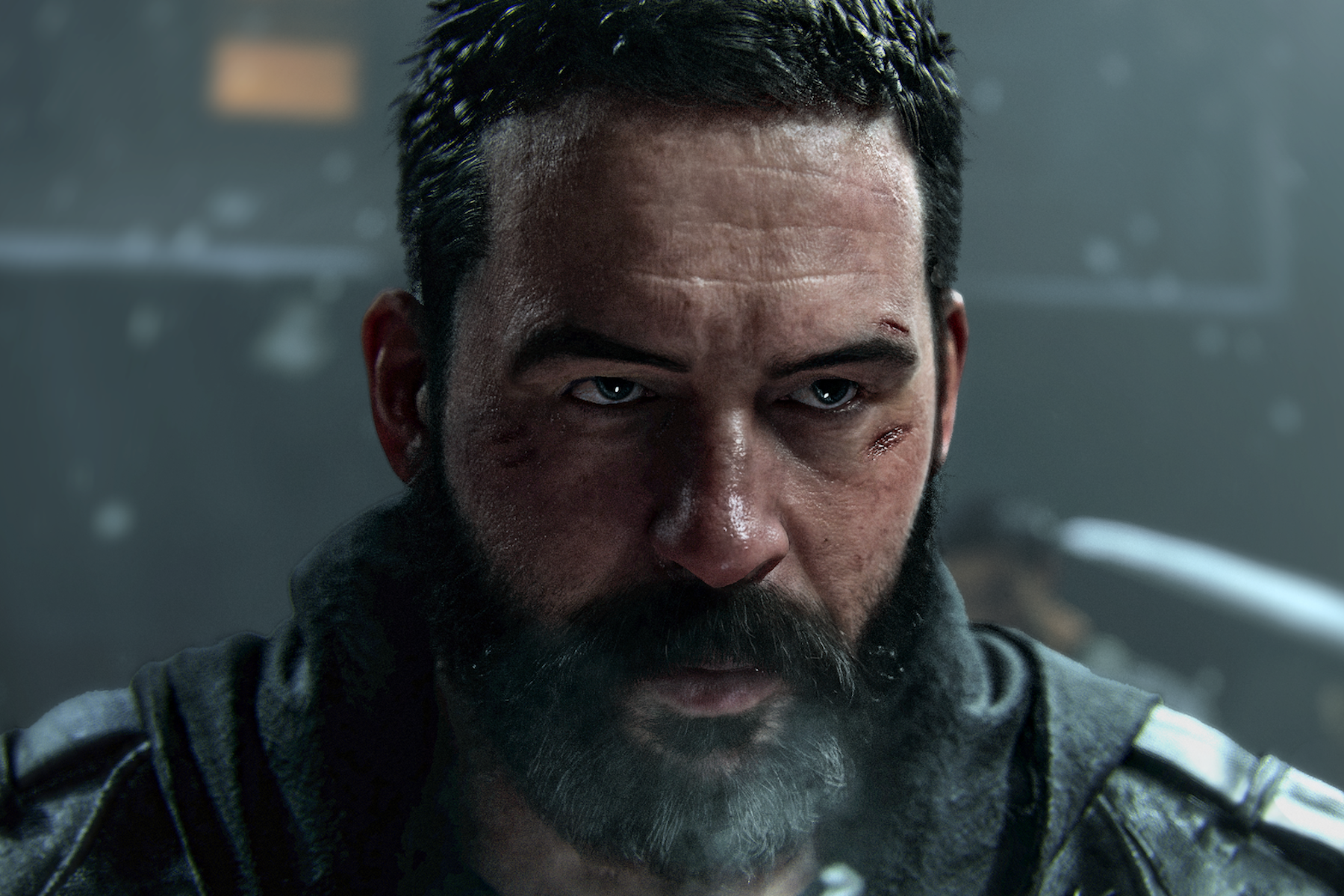
    Taylor Sheridan has not been confirmed as the director for an upcoming film adaptation of the ‘Call of Duty’ video game franchise. This cinematic endeavor will specifically explore the ‘Modern Warfare’ universe, a popular sub-series within the broader ‘Call of Duty’ canon. The announcement positions a director known for gritty, realistic storytelling at the helm of a major video game adaptation.

    The ‘Call of Duty’ franchise, developed by Activision, has been a dominant force in the gaming industry for decades. Its ‘Modern Warfare’ entries are particularly noted for their contemporary military settings, intricate plots, and memorable characters. The transition to film under Sheridan’s direction suggests an emphasis on dramatic realism and character development.

    The ‘Call of Duty’ Franchise: A Cinematic History

    The ‘Call of Duty’ series launched in 2003, initially focusing on World War II scenarios. It quickly evolved, venturing into Cold War conflicts and future warfare. The ‘Modern Warfare’ sub-series, beginning in 2007, redefined the franchise with its intense, fictionalized depictions of modern combat and global geopolitical intrigue.

    Key titles in the ‘Modern Warfare’ universe include ‘Call of Duty 4: Modern Warfare’ (2007), ‘Modern Warfare 2’ (2009), and ‘Modern Warfare 3’ (2011). These games introduced iconic characters such as Captain John Price, John ‘Soap’ MacTavish, and Simon ‘Ghost’ Riley. The narratives often explore themes of terrorism, espionage, and the moral complexities of modern warfare.

    Activision has long expressed interest in expanding ‘Call of Duty’ into other media. Discussions for a film adaptation have circulated for over a decade. Multiple directors and screenwriters have been attached to various projects during this period, none of which ultimately reached production.

    Previous Attempts at Adaptation

    In 2015, Activision Blizzard Studios was formed with the explicit goal of developing film and television projects based on the company’s intellectual properties. ‘Call of Duty’ was identified as a flagship franchise for this initiative. Stefano Sollima, known for ‘Sicario: Day of the Soldado’, was at one point slated to direct a ‘Call of Duty’ film.

    Joe Robert Cole, a writer for ‘Black Panther’, also contributed to early script drafts. These previous attempts highlighted the challenges of translating a fast-paced, interactive gaming experience into a linear film narrative. The focus often shifted between anthology approaches and direct adaptations of specific game storylines.

    Taylor Sheridan’s Influence on Military and Western Narratives

    Taylor Sheridan brings a distinctive authorial voice to the ‘Call of Duty’ project. His previous work is characterized by a grounded, often bleak realism, strong character arcs, and an exploration of harsh moral landscapes. His filmography frequently features law enforcement, military, and Western themes.

    Sheridan gained prominence as a screenwriter for films like ‘Sicario’ (2015) and ‘Hell or High Water’ (2016). Both films earned critical acclaim for their intense storytelling and nuanced portrayals of complex characters operating within morally ambiguous environments. ‘Sicario’ in particular demonstrated his ability to craft tense narratives around modern clandestine operations.

    Sheridan’s Television Empire

    His television work has further cemented his reputation. Sheridan is the creator of the highly successful series ‘Yellowstone’, which premiered in 2018. This show, set on a large Montana ranch, delves into themes of land ownership, family legacy, and the clash between traditional and modern values.

    ‘Yellowstone’ spawned several prequels and spin-offs, including ‘1883’ and ‘1923’, which explore the historical roots of the Dutton family. These series showcase Sheridan’s capacity for world-building and sustained narrative development across multiple seasons. His involvement typically extends beyond writing to directing and producing, ensuring a consistent creative vision.

    Other notable television projects from Sheridan include ‘Mayor of Kingstown’ and ‘Tulsa King’. These series reinforce his thematic interests in power structures, justice, and the struggles of individuals within rigid systems. His consistent output demonstrates a disciplined approach to storytelling and a clear stylistic signature.

    The ‘Modern Warfare’ Universe: Storylines and Characters

    The ‘Modern Warfare’ games are celebrated for their compelling, interconnected narratives. The original trilogy follows a global conflict involving ultranationalist factions, the Russian Federation, and Western allied forces. The storylines are often marked by unexpected twists, betrayals, and high-stakes combat scenarios.

    Captain John Price is arguably the most iconic character from the ‘Modern Warfare’ series. A British Special Air Service (SAS) officer, Price is known for his tactical brilliance, gruff demeanor, and unwavering resolve. His character provides a moral compass in often chaotic situations.

    John ‘Soap’ MacTavish, another SAS operative, serves as a primary playable character and a key figure in the narrative. His journey from a rookie soldier to a seasoned veteran forms a central emotional arc of the original trilogy. Simon ‘Ghost’ Riley, a masked special forces operator, became a fan favorite due to his mysterious persona and combat prowess.

    The rebooted ‘Modern Warfare’ series, beginning in 2019, reimagined these characters and storylines for a new generation of players. While retaining the core spirit, it introduced updated narratives and expanded on character backstories. The film adaptation could draw from either the original trilogy or the more recent reboot, or even blend elements from both.

    Potential for Adaptation

    Sheridan’s expertise in crafting ensemble casts and exploring the psychological toll of conflict aligns well with the ‘Modern Warfare’ universe. The games often feature morally ambiguous choices and the blurred lines between heroes and villains. This complexity could be a fertile ground for Sheridan’s storytelling style.

    The adaptation could explore the origins of characters like Captain Price or ‘Ghost’, delving into their formative experiences. Alternatively, it could present an entirely new narrative within the established ‘Modern Warfare’ world, allowing for creative freedom while leveraging familiar elements. The focus on contemporary military operations provides a backdrop for intense action sequences and character-driven drama.

    Challenges and Expectations for the Film

    Adapting a beloved video game franchise comes with inherent challenges. Fan expectations are often high, and deviations from established lore can be met with criticism. The fast-paced, interactive nature of ‘Call of Duty’ gameplay is also difficult to translate into a passive viewing experience.

    Sheridan’s involvement, however, suggests a commitment to storytelling depth over mere spectacle. His ability to build tension, develop complex characters, and depict realistic action sequences could elevate the ‘Call of Duty’ film beyond typical video game adaptations. The success of his television series indicates a strong audience connection to his narrative approach.

    The budget for a ‘Call of Duty’ film is expected to be substantial, given the scale of the game’s settings and action. The production will likely involve extensive use of practical effects and location shooting, consistent with Sheridan’s preference for authenticity. The casting choices will also be critical in bringing iconic characters to life for a new medium.

    The film’s release date and further casting details have not yet been announced. However, the confirmation of Sheridan’s role marks a significant step forward for the project. It signals a serious intent to deliver a high-quality cinematic experience that respects the source material while offering a fresh perspective.

    Fans of the game series have long awaited a faithful and engaging adaptation. The choice of Taylor Sheridan as director indicates a strategic move to imbue the film with narrative weight and gritty realism. The ‘Modern Warfare’ universe offers a rich tapestry of stories, characters, and conflicts ready for cinematic exploration.

    The announcement resonates across the entertainment industry. Gamers anticipate. Film critics ponder. Studio executives calculate. Hollywood awaits.

  • Lena Headey on Hollywood’s ‘Predatory Men’ and ‘Game of Thrones’ Fan Backlash

    Lena Headey on Hollywood’s ‘Predatory Men’ and ‘Game of Thrones’ Fan Backlash

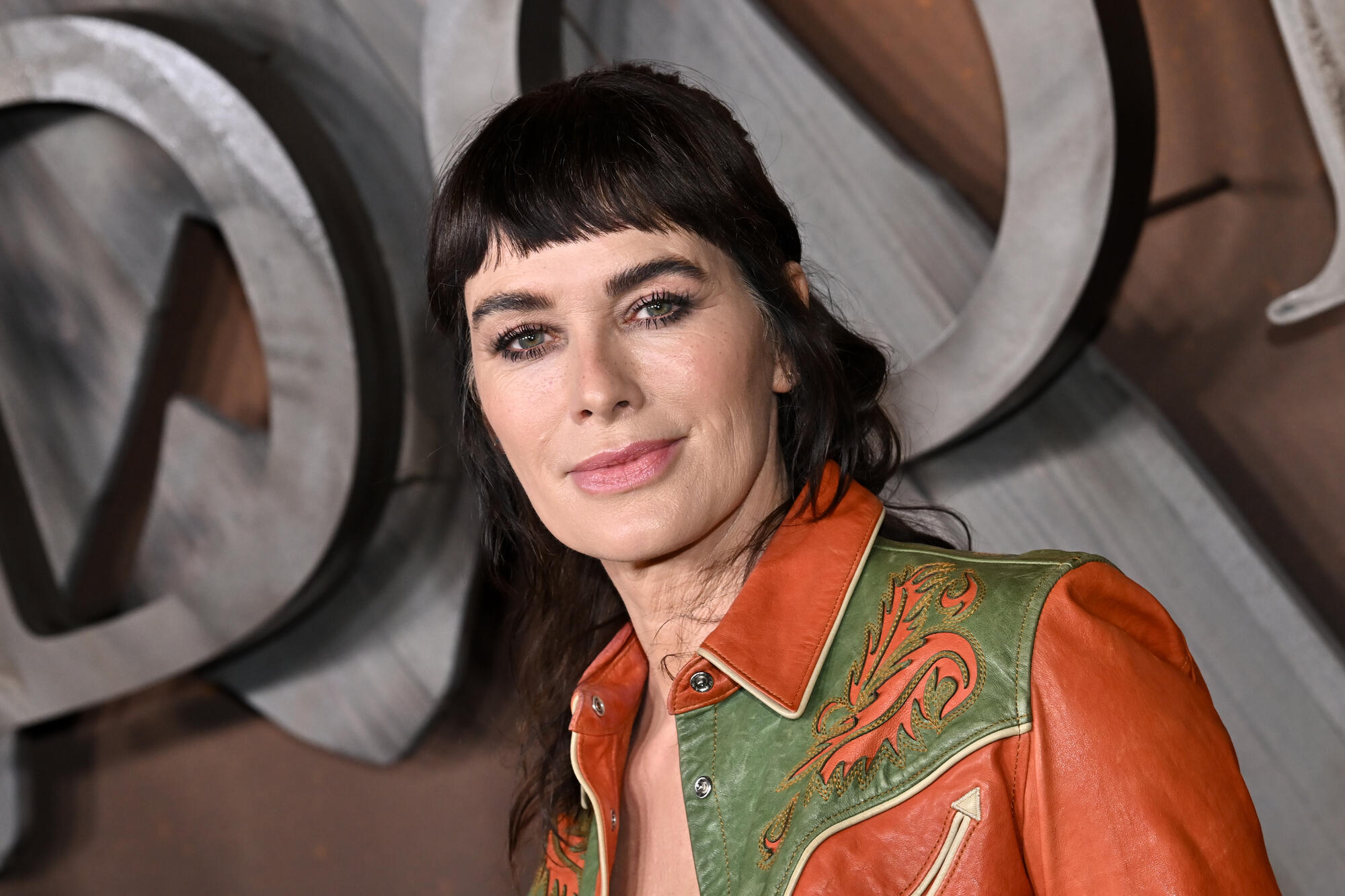
    Lena Headey, known for her portrayal of Cersei Lannister in HBO’s hit series ‘Game of Thrones,’ has recently spoken out against Hollywood’s perceived culture of protecting ‘predatory men.’ She also detailed her surprise at the strong negative reactions from a segment of ‘Game of Thrones’ fans regarding her character’s lack of nudity. These statements bring renewed attention to critical issues within the entertainment industry, including workplace ethics and the often-toxic nature of online fan communities.

    Headey’s comments contribute to a broader conversation that has gained significant momentum in recent years. This discourse centers on accountability, power dynamics, and the treatment of individuals, particularly women, in high-profile industries.

    Hollywood’s Culture of Protection

    Headey’s critique of Hollywood extends to what she describes as a systemic issue. She asserts that the industry has historically shielded individuals accused of misconduct. This protection, she suggests, has allowed certain behaviors to persist unchecked for extended periods.

    Her remarks echo sentiments from numerous other figures within the entertainment world. Many have come forward to share their experiences or observations of similar patterns.

    The discussion around ‘predatory men’ in Hollywood intensified significantly in the mid-2010s. This period saw the emergence of major movements advocating for greater transparency and justice.

    These movements have led to reevaluations of long-standing practices and power structures within film and television production.

    The ‘Game of Thrones’ Nudity Backlash

    Beyond industry ethics, Headey also addressed the specific reactions from ‘Game of Thrones’ fans. She recounted a palpable anger from some viewers who were displeased that her character, Cersei Lannister, did not perform nude scenes.

    Headey described her shock at the intensity of this backlash. Her character was central to many of the show’s most dramatic and politically charged storylines.

    The actress had a body double for certain scenes, a common practice in the industry. This decision, however, did not appease all viewers, leading to significant online commentary.

    This fan reaction highlights a persistent issue within media consumption: the objectification of female characters and performers. It also underscores the often-unrealistic expectations placed upon actors regarding their bodies and roles.

    Fan Culture and Toxicity

    The anger Headey observed from ‘Game of Thrones’ fans is symptomatic of a wider phenomenon. This phenomenon is known as toxic fandom. Toxic fandom involves aggressive, entitled, or abusive behavior from fans towards creators, actors, or other fans.

    Online platforms often amplify such behaviors. These platforms provide an immediate, sometimes anonymous, avenue for expressing extreme views.

    The ‘Game of Thrones’ series, while immensely popular, also experienced significant periods of intense fan scrutiny and criticism. This ranged from plot decisions to character portrayals and actor performances.

    Headey’s experience adds to a growing body of evidence detailing the challenges actors face in navigating these often-demanding and sometimes hostile fan environments.

    Body Autonomy in Performance

    The controversy surrounding Headey’s decision not to perform nude scenes directly relates to the concept of body autonomy. This principle asserts an individual’s right to control their own body and physical integrity.

    For actors, especially women, this often translates to decisions about nudity, sexual content, and physical performance. These choices are made within the context of their professional roles.

    Headey’s stance underscores the importance of an actor’s right to set boundaries. These boundaries apply even when playing characters in highly sexualized or explicit narratives.

    The expectation from some fans that an actress must perform nude if the character’s storyline implies it raises ethical questions about consent and professional agency in the arts.

    Impact on Industry Standards

    Headey’s public statements contribute to an ongoing shift in industry standards. There is a push for greater ethical conduct and improved working conditions.

    Organizations and unions within Hollywood have implemented new guidelines. These are designed to protect actors and crew members from harassment and exploitation.

    The conversation initiated by Headey and others helps to reinforce these changes. It also encourages a continued reevaluation of power dynamics on set and in executive offices.

    The long-term impact of these discussions aims to foster a more respectful and equitable environment for all involved in film and television production.

    Cersei Lannister’s Legacy

    Headey’s portrayal of Cersei Lannister remains one of the most iconic characters in modern television. Cersei was a complex figure, embodying ambition, resilience, and ruthless determination.

    Her character arc spanned the entirety of ‘Game of Thrones,’ from its premiere in 2011 to its conclusion in 2019. Cersei’s journey included political maneuvering, personal tragedies, and a relentless pursuit of power.

    Headey received critical acclaim for her performance. She earned multiple Emmy Award nominations for Outstanding Supporting Actress in a Drama Series. Her acting was consistently praised for its depth and nuance.

    The strength of her performance, independent of any nude scenes, highlighted the power of character development and acting skill. This challenged the notion that nudity is essential for a compelling female role.

    The Broader Conversation

    Headey’s comments are part of a larger, evolving dialogue. This dialogue encompasses issues of gender equality, workplace safety, and the responsibilities of public figures.

    The entertainment industry, as a highly visible sector, often serves as a microcosm for these societal challenges. Its struggles and advancements are frequently scrutinized by the public.

    Discussions about the treatment of women in film and television continue to shape policy and cultural expectations. These conversations extend beyond Hollywood, influencing other professional fields.

    The courage of individuals like Headey to speak out helps to maintain momentum for these critical social changes.

    Hollywood’s power structures are being re-examined. Fan expectations are being challenged. The conversation continues.

    Accountability. Respect. Autonomy. Progress.

  • The Odyssey’s Billion-Dollar Question – Christopher Nolan’s Next Box Office Hit?

    The Odyssey’s Billion-Dollar Question – Christopher Nolan’s Next Box Office Hit?

    Christopher Nolan’s upcoming film, ‘The Odyssey,’ is being eyed by industry analysts for a potential global box office gross exceeding $1 billion. This early, unofficial projection stems from Nolan’s established reputation for delivering critically acclaimed and commercially successful blockbusters. Media outlets and market observers are closely monitoring the film’s development, anticipating its financial impact.

    The speculation highlights the high expectations placed on Nolan’s projects. His previous films have frequently achieved substantial worldwide revenues, often surpassing initial forecasts. This track record positions ‘The Odyssey’ as a major contender for significant financial success in the global market.

    Christopher Nolan’s Consistent Box Office Performance

    Christopher Nolan has consistently directed films that resonate with both critics and mass audiences. This consistency has led to impressive box office returns throughout his career. His filmography includes multiple titles that have crossed the $500 million mark globally. Several of his films have achieved the coveted $1 billion milestone in worldwide revenue.

    This consistent performance forms the bedrock of current ‘The Odyssey’ predictions. Industry experts analyze past successes to project future outcomes. Nolan’s name has become synonymous with cinematic events that draw large audiences.

    Landmark Films and Their Earnings

    Nolan’s filmography provides concrete examples of his commercial prowess. ‘The Dark Knight,’ released in 2008, earned over $1 billion worldwide. This superhero epic demonstrated his ability to blend critical acclaim with massive commercial appeal. ‘Inception,’ a 2010 science fiction thriller, grossed $839 million worldwide. This original concept film proved Nolan’s ability to attract audiences without relying on pre-existing intellectual property.

    More recently, ‘Oppenheimer,’ released in 2023, exceeded $976 million globally. This historical drama, focusing on J. Robert Oppenheimer, surprised many by its strong performance. It cemented Nolan’s status as a director capable of drawing massive crowds even with non-traditional blockbuster fare. These figures underscore the reliability of Nolan’s audience base.

    The Nolan Brand: Intellectual Storytelling and Visual Spectacle

    This history indicates a reliable audience base that anticipates Nolan’s unique blend of intellectual storytelling and grand visual spectacle. Viewers expect complex narratives and stunning visuals from his work. This expectation has become a core component of his brand recognition.

    ‘The Odyssey’ is expected to continue this trend. The film will leverage Nolan’s established brand to attract a wide demographic. His projects are often seen as essential theatrical experiences.

    Factors Driving Optimistic Projections for ‘The Odyssey’

    Several factors contribute to the optimistic box office outlook for ‘The Odyssey.’ These elements combine to create a favorable environment for the film’s commercial success. Each factor plays a role in the overall financial forecast.

    Genre Alignment and Narrative Scale

    The film’s genre is a significant contributor. ‘The Odyssey’ is rumored to be an epic sci-fi or historical drama. These genres align with themes that have historically performed well for Nolan. Large-scale narratives with intricate plots and stunning visuals are hallmarks of his work. These characteristics appeal to a broad demographic across various markets.

    Nolan’s films often feature complex structures and ambitious scope. This approach differentiates his work in the crowded blockbuster landscape. Audiences are drawn to the intellectual challenge and visual grandeur his films offer.

    Global Market Conditions and Event Film Appeal

    Global market conditions also play a crucial role. The post-pandemic theatrical landscape has shown a strong appetite for event films. Audiences are returning to cinemas for experiences that demand the big screen. Nolan’s movies are often seen as must-see cinematic events. They encourage audiences to experience them on the biggest screens possible.

    This preference for premium formats, such as IMAX, further boosts revenue potential. IMAX screenings command higher ticket prices. They also offer an enhanced viewing experience that aligns with Nolan’s visual style. The global reach of these premium formats amplifies their impact on overall gross.

    Strategic Considerations for ‘The Odyssey’s’ Release

    The final box office performance of ‘The Odyssey’ will depend on several strategic considerations. These include its release window, competitive landscape, and marketing approach. Each element requires careful planning to maximize the film’s potential.

    Release Window and Competitive Landscape

    The specific release window for ‘The Odyssey’ will be crucial. Strategic placement during a less crowded period can significantly impact its opening weekend. Counter-programming against other major releases is another tactic. This strategy aims to capture audiences not interested in competing films.

    Studios typically plan Nolan’s releases carefully. The goal is to maximize their reach and minimize direct competition. A well-chosen date can provide significant momentum. It can help the film establish strong legs in the weeks following its debut.

    Marketing and Global Appeal

    Furthermore, the marketing campaign will be instrumental. Early trailers and promotional materials will aim to build anticipation. This process is similar to how previous Nolan films have generated immense buzz. The initial marketing push sets the tone for audience expectations.

    The global appeal of Nolan’s name ensures that ‘The Odyssey’ will receive widespread attention. This attention will span across key international markets. International markets often contribute a substantial portion of a film’s total gross. Effective global marketing is essential for achieving a billion-dollar outcome.

    Industry Analysis and Future Outlook

    Industry analysts continue to refine their models. They use data from past performances and current market trends. Media outlets publish updated forecasts as more information becomes available. These forecasts provide evolving insights into ‘The Odyssey’s’ potential.

    Audiences await the first trailer. The initial glimpse of the film will further shape public perception and anticipation. The financial narrative for ‘The Odyssey’ is just beginning. Its journey to the billion-dollar mark remains a central topic of discussion in the film industry.

    Analysts review data. Studios plan strategies. Audiences wait. The Odyssey.

  • Terrence Howard, Guillermo Iván, Kate Bosworth Lead ‘Broken Ones’ Cast

    Terrence Howard, Guillermo Iván, Kate Bosworth Lead ‘Broken Ones’ Cast

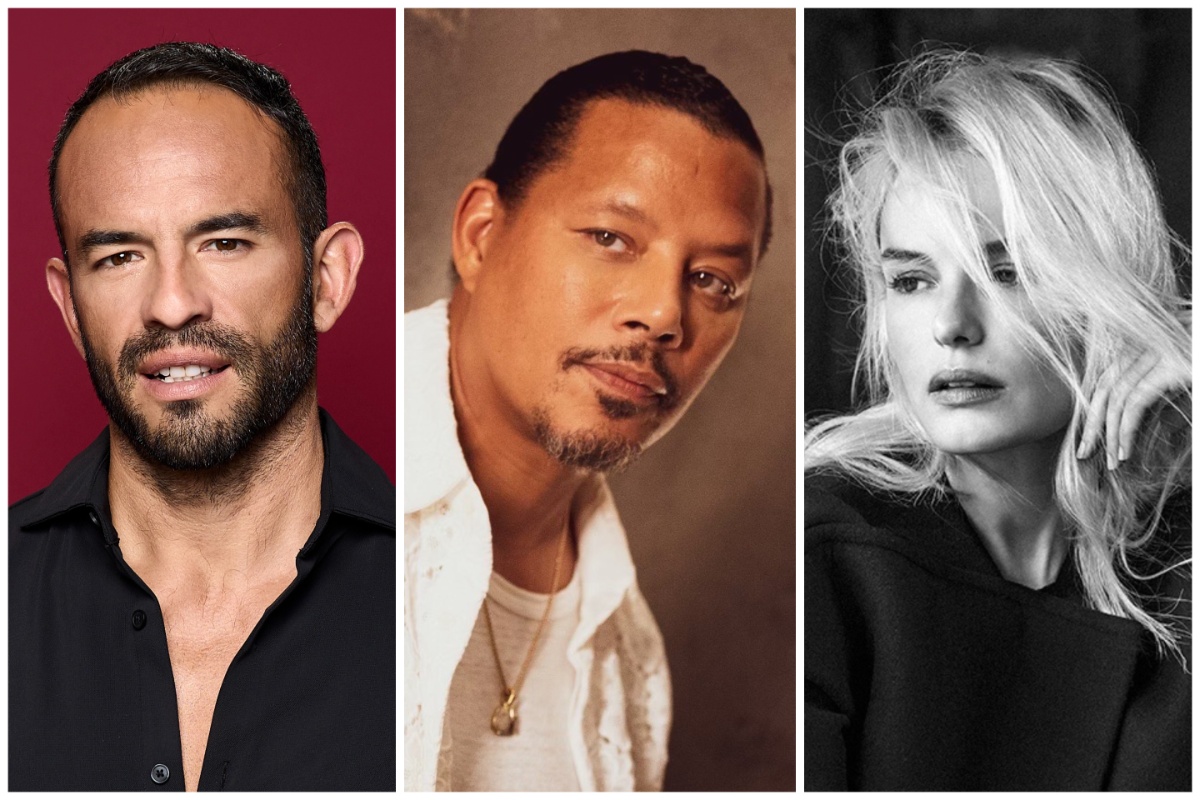
    Terrence Howard, Guillermo Iván, and Kate Bosworth have been announced as the lead actors for the upcoming legal thriller, ‘Broken Ones’. The casting news, reported exclusively by Variety in July 2026, positions these prominent figures in a narrative expected to explore the complexities of the legal system and personal stakes.

    This project marks a notable addition to the filmographies of all three actors. Legal thrillers frequently combine dramatic tension with intricate plotlines, offering roles that demand significant character depth.

    The Ensemble Cast of ‘Broken Ones’

    The core cast for ‘Broken Ones’ brings together a range of acting experiences. Terrence Howard, known for his extensive work across film and television, assumes a central role. His career includes critically acclaimed performances in dramas and genre films.

    Guillermo Iván, an actor with a growing international profile, also joins the ensemble. His involvement suggests a potentially diverse appeal for the film. Kate Bosworth, recognized for her versatile performances in various genres, completes the primary trio, adding another layer of dramatic presence.

    The combination of these actors suggests a focus on compelling character interactions within the legal drama framework. Each actor has a history of portraying complex figures, which aligns with the demands of the thriller genre.

    Terrence Howard’s Return to Dramatic Roles

    Terrence Howard’s participation in ‘Broken Ones’ follows a series of diverse projects. His career has spanned decades, encompassing roles that have earned him both critical acclaim and popular recognition.

    Howard often portrays characters facing significant moral or personal dilemmas. This background makes him a suitable choice for the intense scenarios typical of legal thrillers. His presence is expected to anchor the film’s dramatic weight.

    The specific nature of Howard’s role in ‘Broken Ones’ has not yet been detailed. However, his established range suggests a character with considerable influence or internal conflict within the narrative.

    Howard’s Prior Work in Legal and Crime Dramas

    Howard has previously engaged with themes of justice and crime in his acting career. These past roles have often required him to navigate complex ethical landscapes.

    His experience in such narratives provides a foundation for his performance in ‘Broken Ones’. This familiarity with genre conventions can contribute to the film’s authenticity and dramatic impact.

    Guillermo Iván’s Expanding Presence

    Guillermo Iván’s casting in ‘Broken Ones’ signifies his continued ascent in the industry. The actor has been steadily building a reputation through various film and television appearances.

    Iván’s involvement introduces a fresh dynamic to the cast. His previous work has often highlighted strong, determined characters, a trait that could be pivotal in a legal thriller.

    The role in ‘Broken Ones’ is positioned to further enhance his international recognition. Collaborating with established actors like Howard and Bosworth offers a significant platform.

    Iván’s Diverse Filmography

    Guillermo Iván’s career has included projects in both English and Spanish-language productions. This bilingual background broadens his appeal and demonstrates his versatility.

    His roles have ranged from action to drama, showcasing an ability to adapt to different narrative styles. This adaptability will be an asset in a genre that often blends suspense with character-driven storytelling.

    Kate Bosworth’s Engagement with Thriller Narratives

    Kate Bosworth’s casting in ‘Broken Ones’ adds another significant talent to the project. Bosworth has a history of selecting roles that challenge her range, often within dramatic and suspenseful contexts.

    Her performances frequently convey a blend of vulnerability and strength, characteristics that are often crucial for characters in legal thrillers. This genre often requires actors to portray individuals under immense pressure.

    Bosworth’s involvement is expected to contribute a nuanced performance to the film. Her ability to convey complex emotions will be integral to the story’s depth.

    Bosworth’s Experience in Suspenseful Films

    Kate Bosworth has appeared in several films that incorporate elements of suspense and psychological drama. These experiences prepare her for the intense atmosphere of ‘Broken Ones’.

    Her roles in such projects have often explored themes of moral ambiguity and personal struggle. These thematic overlaps align well with the anticipated narrative of the legal thriller.

    The Legal Thriller Genre: Enduring Appeal

    The legal thriller genre maintains a consistent appeal for audiences. These films often combine intricate plotlines with high-stakes courtroom drama and investigations.

    Elements such as unexpected twists, moral dilemmas, and the pursuit of justice are hallmarks of the genre. ‘Broken Ones’ is expected to utilize these conventions to engage its audience.

    The genre also allows for exploration of societal issues and the intricacies of the justice system. Films in this category often spark conversations about ethics and legal processes.

    Key Characteristics of Legal Thrillers

    • High Stakes: Characters often face severe consequences, including imprisonment or loss of reputation.
    • Intricate Plots: Narratives typically involve complex legal cases, often with multiple layers of deception.
    • Moral Ambiguity: Protagonists and antagonists frequently operate in gray areas, challenging audience perceptions of right and wrong.
    • Courtroom Drama: Confrontational scenes in court are a central feature, showcasing legal arguments and cross-examinations.
    • Investigation: Elements of detective work are common, as characters uncover evidence and motives.

    Production Details and Future Expectations

    Specific production dates and some additional cast members for ‘Broken Ones’ have not yet been publicly announced as of July 2026, though Timothy Gagliardo is the writer-director and Hana Mae Lee is also in the cast. The initial report from Variety focused primarily on the leading cast members.

    The film’s development will likely proceed with these key actors attached, moving towards pre-production phases. Further announcements regarding the creative team and filming locations are anticipated.

    The project’s premise, combined with its established cast, positions ‘Broken Ones’ as a potentially significant release within the legal thriller landscape. Audiences often anticipate films that feature well-known actors in roles that allow for dramatic exploration.

    The entertainment industry continually seeks projects that can attract broad audiences. A legal thriller with a strong cast often meets this criterion. The genre’s built-in tension and intellectual engagement contribute to its marketability.

    Terrence Howard. Guillermo Iván. Kate Bosworth. A new legal thriller. Anticipation builds.

    Broken Ones.

  • John Kirby Dies: Celebrating the Legacy of an Influential Acting Coach

    John Kirby Dies: Celebrating the Legacy of an Influential Acting Coach

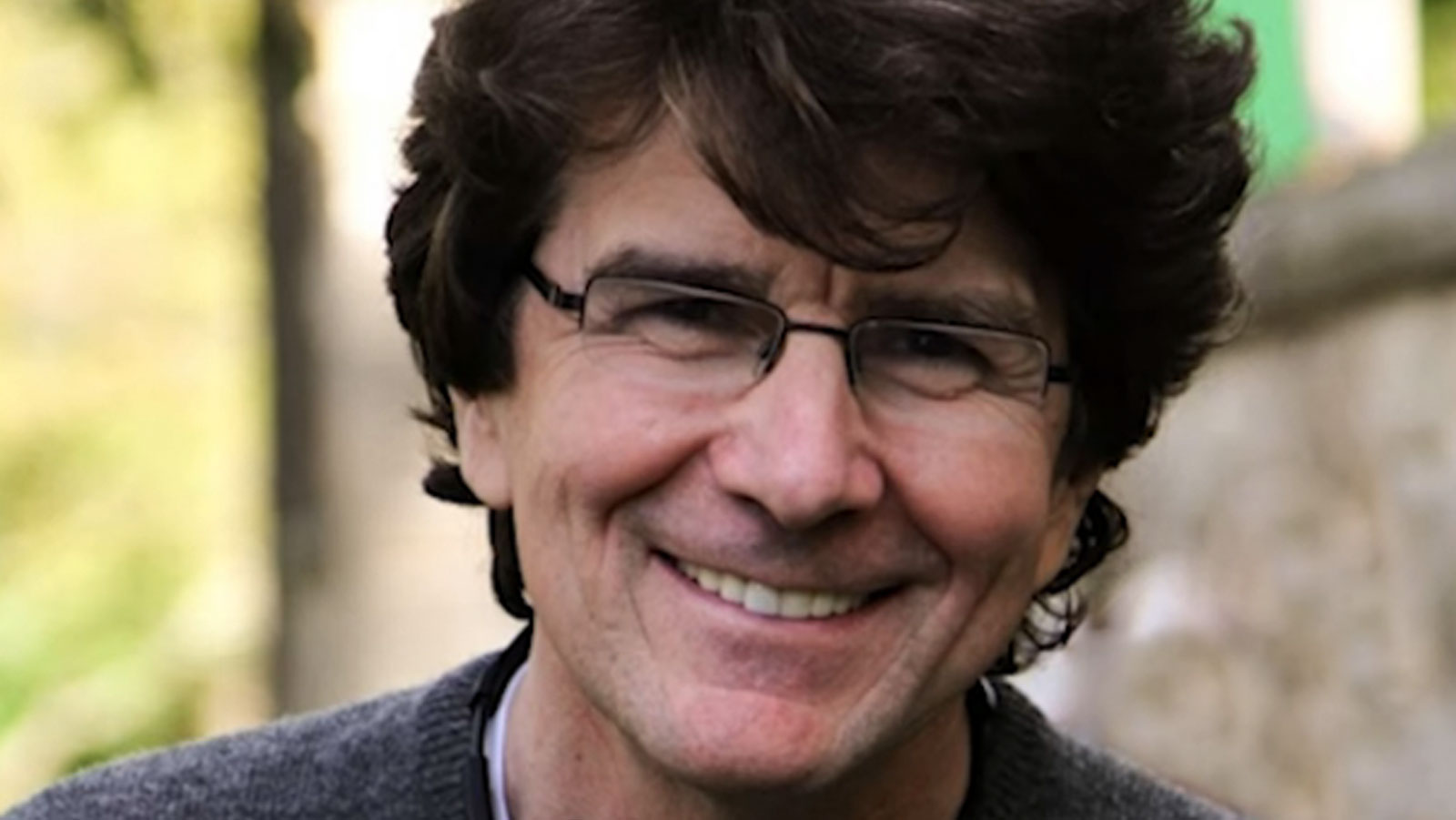
    John Kirby, a highly influential acting coach whose methods shaped the careers of countless performers, died on July 15, 2026, at the age of 75. His passing marks a significant moment for the acting community, remembering a man who dedicated his life to the art of performance.

    Kirby was a central figure in the entertainment industry, not only through his direct coaching but also by virtue of his family connections. He was the brother of the late actor Bruno Kirby and the son of the veteran actor Bruce Kirby. This lineage placed him at the heart of a multi-generational Hollywood story.

    The Kirby Family’s Hollywood Roots

    The Kirby name carried weight in Hollywood long before John Kirby became a prominent coach. His father, Bruce Kirby, carved out a distinguished career as a character actor. Bruce Kirby was known for his extensive work across television and film.

    Bruce Kirby appeared in numerous iconic television series. These included roles in Columbo, M*A*S*H, The Rockford Files, and L.A. Law. His presence on screen was often memorable, even in supporting roles.

    John Kirby’s brother, Bruno Kirby, also achieved significant recognition as an actor. Bruno Kirby was celebrated for his roles in films such as When Harry Met Sally…, City Slickers, and The Godfather Part II. His performances often showcased a unique blend of comedic timing and dramatic depth.

    The family’s collective contributions established a strong foundation in the craft. This environment likely influenced John Kirby’s own dedication to acting and its instruction.

    John Kirby’s Path to Coaching

    John Kirby did not immediately pursue coaching as his primary career. His early years involved various explorations within the arts and performance. He developed a deep understanding of acting principles through personal study and practical experience.

    His transition into coaching was a natural evolution. He discovered a passion for guiding other actors. This passion extended to helping them unlock their full potential.

    Kirby’s methods were often described as immersive and transformative. He focused on helping actors connect with their emotional core. This approach allowed them to bring authenticity to their roles.

    He established his own studio, which became a respected institution. Actors sought out his guidance for both foundational training and specific role preparation.

    Influence on Contemporary Actors

    John Kirby’s impact resonated across generations of actors. Many performers credited him with significant breakthroughs in their craft. His studio became a crucible for developing talent.

    He emphasized the importance of truth in performance. Kirby encouraged actors to delve into their characters’ psychology. This often involved intense emotional work.

    His techniques were not limited to a single school of thought. He integrated elements from various acting traditions. This eclectic approach made his coaching uniquely effective.

    Actors who trained with Kirby often spoke of his profound insights. They highlighted his ability to identify and nurture individual strengths. He was known for his direct and honest feedback.

    Key Principles of Kirby’s Teaching

    • Emotional Recall: Guiding actors to tap into personal experiences to inform character emotion.
    • Character Development: Focusing on deep psychological understanding of roles.
    • Subtext Exploration: Emphasizing the unspoken motivations and meanings within a script.
    • Physicality in Performance: Integrating body language and movement as crucial elements of character.
    • Authenticity: Striving for genuine and believable portrayals rather than superficial acting.

    These principles formed the bedrock of his curriculum. They empowered actors to create rich, multi-layered performances.

    A Legacy of Mentorship

    John Kirby’s legacy extends beyond the individual successes of his students. He fostered a community of artists. This community shared a commitment to the highest standards of acting.

    He was a mentor in the truest sense. His guidance often went beyond technical skills. He offered career advice and personal support to many struggling artists.

    His influence is evident in the quality of performances seen on screen and stage. Actors who worked with him often carried his teachings throughout their careers. They passed on his wisdom to others.

    The acting world has lost a dedicated teacher and a passionate advocate for the craft. His contributions helped define what it means to be a working actor in Hollywood.

    Remembering John Kirby

    Tributes from former students and colleagues began to surface following the news of his passing. Many shared personal anecdotes. They spoke of his patience, his rigor, and his unwavering belief in their potential.

    These remembrances painted a picture of a man deeply committed to his art. He was a quiet force behind many acclaimed performances.

    John Kirby’s life was a testament to the power of dedicated instruction. He built a career on helping others shine. His work will continue to inspire new generations of actors.

    His memory will be honored by those whose lives he touched. He will also be remembered by those who appreciate the depth and authenticity he brought to the art of acting.

    The lights of Broadway dim. The cameras of Hollywood pause. The legacy of John Kirby endures.

  • John Wick Producer Sued Over Alleged Donnie Yen, Michelle Yeoh Double Cross

    John Wick Producer Sued Over Alleged Donnie Yen, Michelle Yeoh Double Cross

    A producer associated with the highly successful ‘John Wick’ film series is currently embroiled in a lawsuit. The legal filing alleges a ‘double cross’ concerning prominent actors Donnie Yen and Michelle Yeoh. This development underscores the intricate contractual agreements and financial stakes prevalent in the global film industry.

    The specific details of the lawsuit remain under close scrutiny. Industry observers anticipate further revelations as the legal process unfolds. Such disputes are not uncommon in Hollywood, particularly when dealing with major franchises and sought-after international talent.

    The Allegations at Hand

    The core of the lawsuit, as reported on 2026-07-16, revolves around accusations of a ‘double cross.’ This term typically implies a betrayal of trust or a breach of an understanding, often for financial gain. The plaintiffs allege that the ‘John Wick’ producer engaged in actions that disadvantaged Donnie Yen and Michelle Yeoh, or projects they were involved in.

    While specific projects or financial figures have not been publicly detailed, the involvement of two actors of this caliber suggests significant commercial implications. Contracts for such stars often include complex clauses regarding compensation, profit participation, and creative control. Any deviation from these terms can quickly escalate into a legal battle.

    The legal documents will likely outline the timeline of events, the nature of the agreements, and the alleged breaches. Lawyers for both sides will present their interpretations of these contracts and the producer’s conduct.

    Who Are Donnie Yen and Michelle Yeoh?

    Donnie Yen and Michelle Yeoh are globally recognized figures in action cinema and beyond. Their careers span decades, marked by critically acclaimed performances and commercial successes.

    Donnie Yen: Master of Martial Arts Cinema

    Donnie Yen is a Hong Kong actor, martial artist, and filmmaker. He is widely regarded as one of the world’s top action stars. Yen’s filmography includes a diverse range of roles, often showcasing his expertise in various martial arts disciplines.

    His breakout role came in the 1990s. However, he achieved widespread international fame with the ‘Ip Man’ film series, beginning in 2008. In these films, he portrays the Wing Chun grandmaster Ip Man, mentor to Bruce Lee.

    Yen has also appeared in major Hollywood productions. These include ‘Blade II’ (2002), ‘xXx: Return of Xander Cage’ (2017), and ‘Rogue One: A Star Wars Story’ (2016). His role as Chirrut Îmwe in ‘Rogue One’ introduced him to a new generation of global audiences.

    His involvement in any project signals a certain level of action choreography and dramatic intensity. This makes him a valuable asset for producers seeking to create high-octane entertainment.

    Michelle Yeoh: A Global Icon

    Michelle Yeoh is a Malaysian actress known for her versatility and groundbreaking roles. She first rose to prominence in 1990s Hong Kong action films, performing many of her own stunts.

    Yeoh’s international breakthrough came with the James Bond film ‘Tomorrow Never Dies’ (1997). She then starred in Ang Lee’s critically acclaimed martial arts film ‘Crouching Tiger, Hidden Dragon’ (2000). Her performance as Yu Shu Lien earned her global recognition and numerous awards.

    In recent years, Yeoh has experienced a career resurgence with diverse roles. She starred in the romantic comedy ‘Crazy Rich Asians’ (2018). Her performance in ‘Everything Everywhere All at Once’ (2022) garnered her an Academy Award for Best Actress. This made her the first Asian woman to win in that category.

    Yeoh’s career trajectory demonstrates her ability to move seamlessly between action, drama, and comedy. Her presence in a film often elevates its artistic and commercial appeal.

    The ‘John Wick’ Franchise Connection

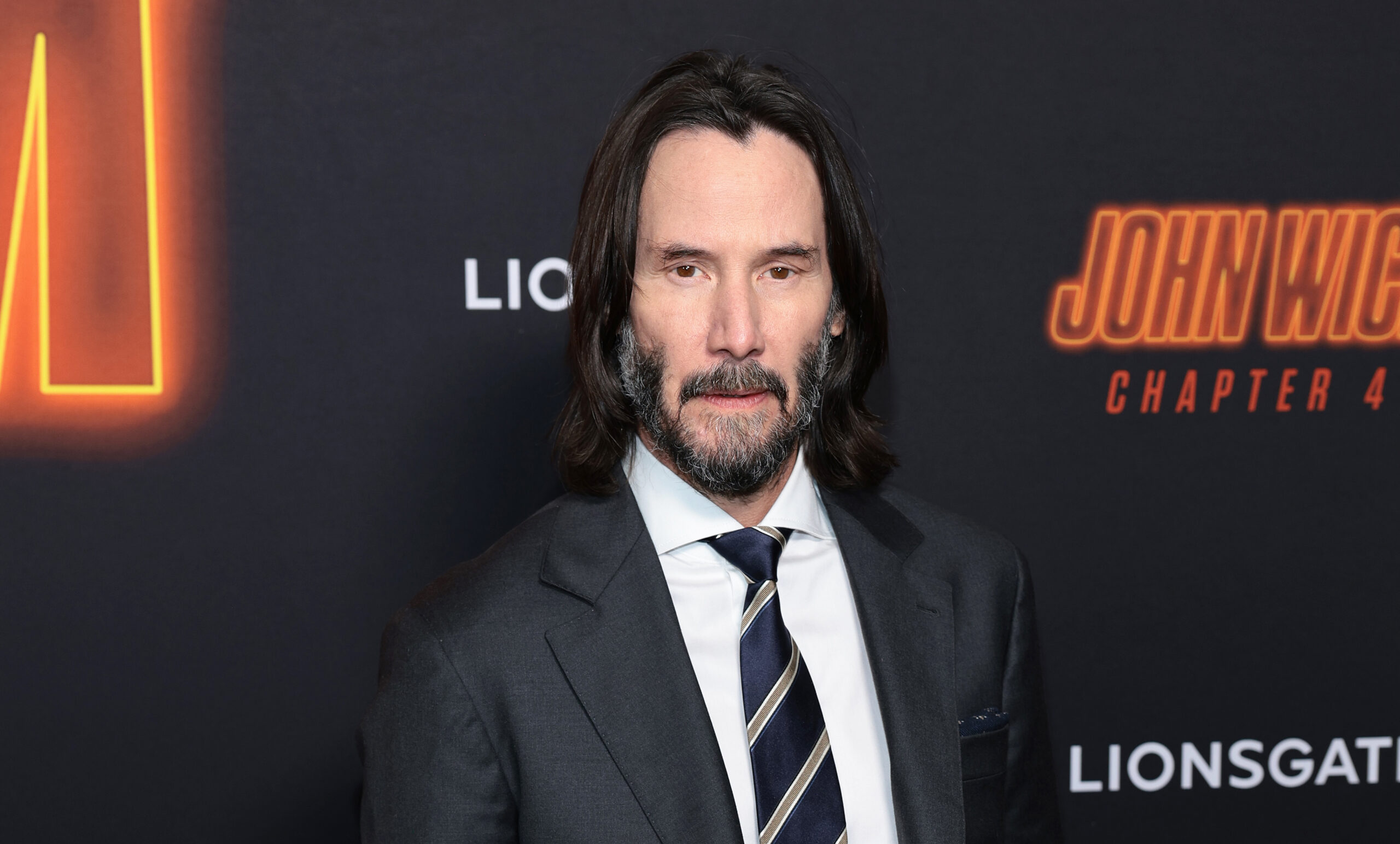
    The lawsuit explicitly names a ‘John Wick’ producer. The ‘John Wick’ franchise is a highly successful action series known for its intricate world-building, stylized violence, and compelling lead performance by Keanu Reeves.

    The franchise began with ‘John Wick’ in 2014. It has since expanded to include ‘John Wick: Chapter 2’ (2017), ‘John Wick: Chapter 3 – Parabellum’ (2019), and ‘John Wick: Chapter 4’ (2023). The films have collectively grossed over $1 billion worldwide.

    The success of ‘John Wick’ has led to various spin-offs and expanded universe projects. These include the television series ‘The Continental’ and the upcoming film ‘Ballerina.’ Producers associated with such a valuable intellectual property often have significant influence and financial interests across multiple projects.

    The involvement of a ‘John Wick’ producer in this lawsuit highlights the interconnected nature of Hollywood. Producers often work across various films and studios, leveraging their networks and capital.

    Previous Legal Precedents in Hollywood

    Hollywood has a long history of high-profile legal disputes between talent and studios or producers. These cases often reveal the complex financial structures and power dynamics within the industry.

    • Scarlett Johansson vs. Disney: In 2021, Scarlett Johansson sued Disney over the hybrid release of ‘Black Widow.’ She alleged that the simultaneous theatrical and Disney+ release breached her contract, which tied her compensation to box office performance. The parties settled the dispute.
    • Frank Darabont vs. AMC: ‘The Walking Dead’ creator Frank Darabont sued AMC in 2013 over profit participation. He alleged that the network used

  • Andy Serkis on Lord of the Rings Casting – Denies ‘Politically Correct’ Approach

    Andy Serkis on Lord of the Rings Casting – Denies ‘Politically Correct’ Approach

    Serkis Addresses Casting Controversy

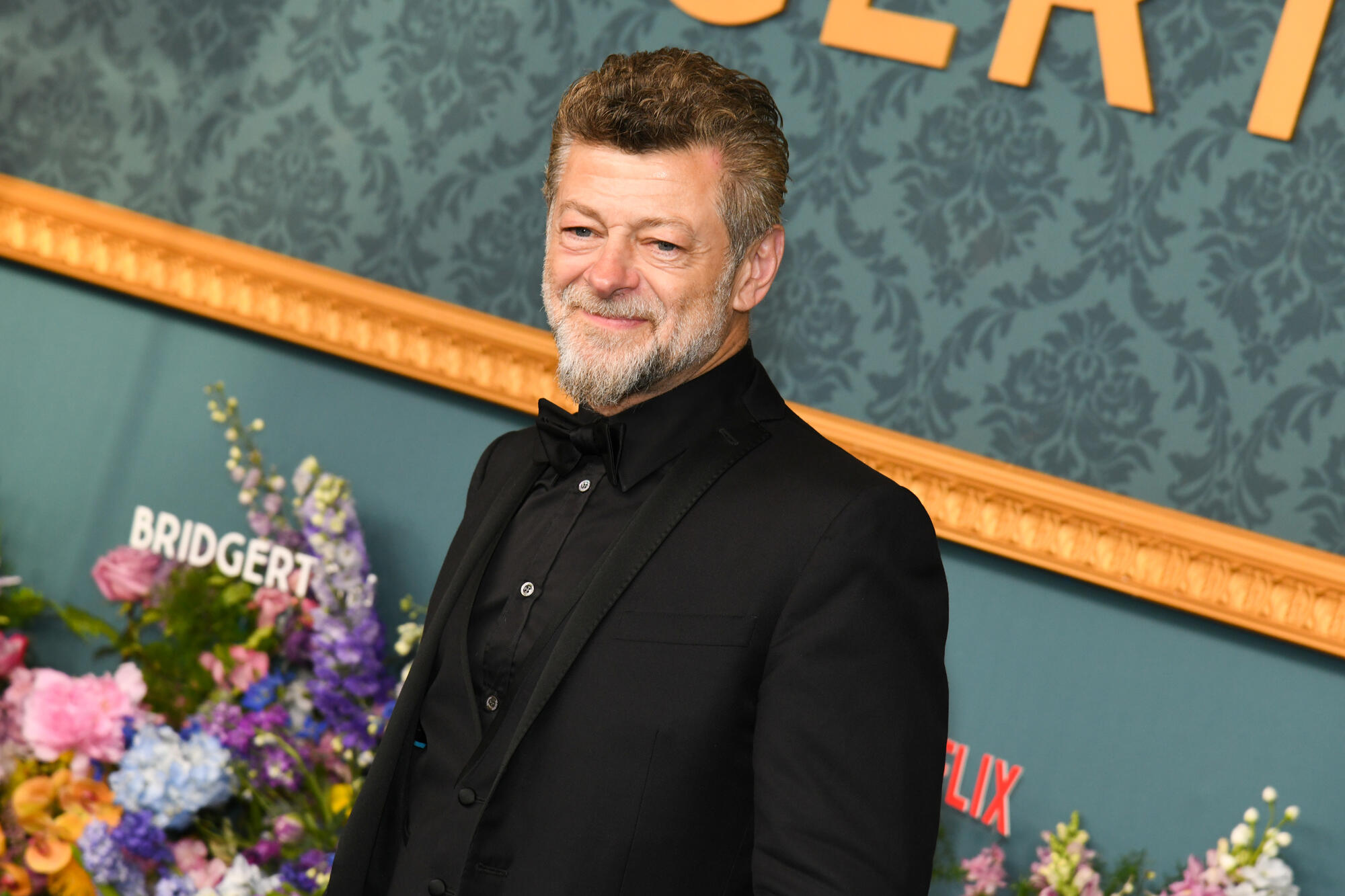
    Andy Serkis, the director behind a forthcoming adaptation in the ‘Lord of the Rings’ universe, recently responded to inquiries about the predominantly white cast. Serkis explicitly stated that his production would not pursue ‘politically correct casting for the sake of casting.’ This declaration has drawn significant attention from both fantasy enthusiasts and commentators on cultural representation in media.

    His comments arrived amidst ongoing industry discussions regarding diversity and inclusion in major film and television productions. The ‘Lord of the Rings’ franchise, with its global fanbase, frequently becomes a focal point for such conversations. Serkis’s stance offers a clear perspective on the casting philosophy guiding his current project.

    The Director’s Statement

    The core of the controversy stems from Serkis’s direct quote. He indicated a deliberate choice to prioritize specific artistic and narrative considerations. This approach, he suggested, would steer clear of what he termed ‘politically correct casting.’

    The statement implies a resistance to external pressures that might dictate casting decisions based on demographic quotas rather than character suitability. Serkis’s remarks were made public on July 15, 2026, and quickly circulated across entertainment news platforms.

    Context of Casting in Fantasy

    Casting in fantasy adaptations has become a recurring subject of debate. Productions like Amazon’s ‘The Lord of the Rings: The Rings of Power’ and Netflix’s ‘The Witcher’ have previously faced scrutiny over their casting choices. Discussions often revolve around fidelity to source material versus modern calls for broader representation.

    Proponents of diverse casting argue for the importance of seeing varied ethnic backgrounds reflected in popular narratives. They suggest that fantasy, as a genre, offers unique opportunities to transcend traditional historical or geographical limitations. This perspective emphasizes that a diverse cast can enrich a story and make it more accessible to a wider audience.

    Conversely, some fans and creators advocate for strict adherence to the perceived racial or ethnic descriptions of characters within the original texts. They argue that altering established character appearances can undermine the integrity of the source material. This viewpoint often prioritizes a literal interpretation of the author’s vision.

    Serkis’s Creative Vision

    Andy Serkis is widely recognized for his extensive work in motion-capture performance, particularly his iconic portrayal of Gollum in Peter Jackson’s ‘Lord of the Rings’ and ‘Hobbit’ trilogies. His directorial experience includes ‘Mowgli: Legend of the Jungle’ and ‘Venom: Let There Be Carnage.’

    His background suggests a deep understanding of the technical and narrative demands of large-scale fantasy productions. Serkis’s current project in the ‘Lord of the Rings’ universe is anticipated to bring his unique vision to Middle-earth. The specific details of this adaptation, including its precise plot and release window, remain largely under wraps.

    Fan Reactions and Industry Implications

    The director’s comments have elicited a polarized response among the ‘Lord of the Rings’ fanbase. Some individuals have expressed support for Serkis’s commitment to what they perceive as artistic freedom and fidelity to J.R.R. Tolkien’s original works. They view his statement as a welcome pushback against what they consider to be undue external influence on creative processes.

    Other segments of the fanbase and broader public have voiced disappointment or criticism. These responses often highlight the perceived missed opportunity to introduce more diverse representation into a globally beloved franchise. Critics argue that even within fantasy, opportunities exist to expand character portrayals without compromising narrative quality.

    The entertainment industry continues to navigate these complex issues. Major studios and streaming platforms are increasingly aware of audience expectations regarding representation. However, creative teams often grapple with balancing these expectations against artistic interpretation and commercial viability.

    The Legacy of Tolkien’s World

    J.R.R. Tolkien’s ‘The Lord of the Rings’ was first published in 1954 and 1955. It established a foundational mythology for modern fantasy literature. The world of Middle-earth, with its intricate history, languages, and cultures, has inspired countless subsequent works.

    The textual descriptions of characters within Tolkien’s legendarium are frequently cited in discussions about casting. While some descriptions are explicit, others are open to interpretation. This ambiguity often fuels the ongoing debates about how best to translate the written word to the screen.

    The enduring popularity of the ‘Lord of the Rings’ ensures that any new adaptation will face intense scrutiny. Every creative decision, particularly concerning sensitive topics like casting, is subject to widespread public discourse. Serkis’s recent remarks underscore this reality.

    Future of the Project

    As of July 15, 2026, the specific production timeline and distribution details for Serkis’s ‘Lord of the Rings’ project are not fully public. The project is understood to be in active development, with further announcements expected in the coming months.

    The casting controversy may shape future public relations strategies for the production. It also serves as a case study in the ongoing tension between artistic autonomy and societal expectations regarding media representation. The conversation surrounding Serkis’s comments reflects broader cultural currents.

    Beyond the Immediate Reaction

    The discussion surrounding ‘politically correct casting’ extends beyond individual projects. It touches on fundamental questions about artistic ownership, audience expectations, and the role of popular culture in shaping societal norms. These debates are unlikely to diminish as media consumption habits continue to evolve.

    Filmmakers like Serkis are at the forefront of these discussions. Their choices and public statements contribute to the ongoing dialogue. The outcomes of these creative decisions ultimately influence how diverse audiences engage with and perceive iconic fictional worlds.

    Fans debate. Critics analyze. Productions continue. The world of Middle-earth endures.

  • Jessica Alba to Star in Netflix’s ’13 Going On 30′ Reboot

    Jessica Alba to Star in Netflix’s ’13 Going On 30′ Reboot

    Jessica Alba to Lead Netflix’s ’13 Going On 30′ Reboot

    Jessica Alba has officially joined the cast of Netflix’s upcoming reboot of the 2004 romantic comedy ’13 Going On 30′. She will portray the adult version of Jenna Rink, the central character who magically transforms from a 13-year-old girl into a 30-year-old woman. This casting decision places a well-known actress and entrepreneur at the forefront of a highly anticipated project, aiming to reinterpret the beloved narrative for a modern audience.

    The original film, starring Jennifer Garner as Jenna Rink and Mark Ruffalo as Matty Flamhaff, achieved significant commercial and critical success upon its release. It explored themes of childhood wishes, adult responsibilities, and the longing for a simpler past. Alba’s involvement suggests a fresh take on these familiar elements, promising a new perspective on the iconic role.

    The Legacy of the Original Film

    The 2004 film ’13 Going On 30′ resonated with audiences worldwide. It told the story of Jenna Rink, a 13-year-old girl who wishes to be 30 and magically wakes up as an adult woman. Jennifer Garner’s performance as the adult Jenna, navigating corporate life with a teenage mindset, was widely praised for its humor and heart.

    Gary Winick directed the original film. It grossed over $96 million globally against a $37 million budget. The movie became a touchstone for a generation, remembered for its humor, heart, and iconic dance sequences, particularly to Michael Jackson’s ‘Thriller’. Its themes of self-acceptance, true friendship, and the pressures of adulthood remain relevant.

    The enduring popularity of ’13 Going On 30′ contributed to the decision for a contemporary reboot. Many viewers have expressed a desire to see how these themes translate into the social and cultural landscape of 2026. The original’s blend of fantasy and relatable life lessons established it as a romantic comedy classic.

    Jessica Alba’s Diverse Career Trajectory

    Jessica Alba brings a diverse career background to her role in the ’13 Going On 30′ reboot. She gained prominence in the early 2000s with significant roles in both television and film. Her breakthrough came with the lead role in James Cameron’s Fox sci-fi series ‘Dark Angel’, which premiered in 2000 and established her as a rising star.

    Early Film Successes

    Following ‘Dark Angel’, Alba starred in numerous successful films across various genres. These included the dance film ‘Honey’ (2003), the neo-noir crime thriller ‘Sin City’ (2005), the superhero blockbuster ‘Fantastic Four’ (2005) where she played Sue Storm/Invisible Woman, and the action-adventure ‘Into the Blue’ (2005). During this period, she established herself as a prominent leading lady in Hollywood, known for her charismatic screen presence.

    Entrepreneurial Ventures and The Honest Company

    In 2011, Alba co-founded The Honest Company, a consumer goods brand focusing on natural, safe, and ethical products for families. This venture marked a significant pivot in her career, establishing her as a successful entrepreneur and business leader. The company grew rapidly, reflecting a growing consumer demand for transparent and sustainable products.

    The Honest Company went public on the Nasdaq stock exchange in May 2021, further solidifying Alba’s business acumen and influence beyond the entertainment industry. Her role as a founder and chief creative officer demonstrated her commitment to social impact and product innovation.

    Balancing Acting and Business

    Alba has continued to act selectively, balancing her entrepreneurial commitments with film and television projects. Her recent acting work includes the Netflix action film ‘Trigger Warning’, released in June 2024, where she played a special forces commando. Her return to a major studio project like the ’13 Going On 30′ reboot indicates a renewed focus on her acting career and a strategic choice of high-profile roles. This dual career path provides her with a unique perspective that could enrich her portrayal of an adult Jenna Rink, who herself navigates career and personal ambition.

    Netflix’s Strategy: Leaning into Nostalgia with Reboots

    Netflix has increasingly invested in reboots, remakes, and sequels of popular intellectual properties. This strategy aims to leverage existing fan bases and attract new subscribers by capitalizing on nostalgia. The ’13 Going On 30′ reboot fits squarely within this content approach, offering a familiar story with a fresh perspective for its global audience.

    Successful Reboot Examples on Netflix

    Other examples of Netflix’s successful reboot strategy include ‘Fuller House’, a continuation of the beloved sitcom ‘Full House’, which brought back original cast members and resonated with long-time fans. Another notable project was ‘Gilmore Girls: A Year in the Life’, which revived the popular mother-daughter drama, offering closure and new stories to its dedicated viewership.

    These projects often capitalize on nostalgia while updating narratives for contemporary sensibilities and diverse audiences. They demonstrate Netflix’s understanding of the emotional connection viewers have with classic stories and characters. The streaming giant faces intense competition in the entertainment landscape. Original content, alongside strategic reboots, helps Netflix maintain its subscriber base and attract new viewers. The ’13 Going On 30′ reboot is expected to be a significant draw for the platform, aiming to replicate the success of its predecessors.

    The Allure of Reimagined Classics

    The allure of reimagined classics lies in their ability to bridge generations. Older audiences can revisit beloved stories, while newer audiences are introduced to narratives that have proven appeal. Netflix’s investment in these projects reflects a data-driven understanding of subscriber preferences and viewing habits. The ’13 Going On 30′ reboot is positioned to tap into this broad appeal, potentially becoming a cross-generational hit.

    The Creative Team Shaping the Reboot

    Details regarding the full creative team behind Netflix’s ’13 Going On 30′ reboot are still emerging. The selection of a director and screenwriters will be crucial in shaping the tone and direction of the new adaptation. The original screenplay was written by Josh Goldsmith and Cathy Yuspa, who crafted a story that balanced humor with genuine emotional depth.

    Honoring the Original While Innovating

    Producers will aim to honor the spirit of the original film while introducing new elements relevant to 2026. This balance is critical for any reboot to succeed, as fan expectations are often high. Deviations from beloved aspects can be met with resistance, while a complete replication might be seen as uninspired. The challenge lies in finding a fresh angle that respects the source material.

    The casting of supporting roles will also play a significant part in the reboot’s reception. The original film featured a strong ensemble, including Judy Greer as Lucy, Jenna’s best friend, and Andy Serkis as Richard, Jenna’s boss. The new cast will need to establish its own chemistry and appeal, creating memorable characters that complement Alba’s portrayal of Jenna Rink.

    Modernizing the Premise for 2026

    Modernizing the premise for 2026 will involve updating the cultural context. The original film’s depiction of a 13-year-old’s view of being 30 was rooted in the early 2000s. The reboot will need to consider how social media, contemporary career aspirations, and evolving relationship dynamics influence a young person’s perception of adulthood today. This modernization is key to making the story relatable to a new generation of viewers.

    Challenges and Opportunities for the Reboot

    Rebooting a beloved film like ’13 Going On 30′ presents both significant challenges and numerous opportunities. A primary challenge lies in meeting the high expectations of fans of the original. Many viewers hold deep affection for the 2004 movie’s specific charm, iconic performances, and nostalgic appeal. The new production must navigate these sentiments carefully.

    Updating the Narrative for a New Era

    Another challenge involves effectively updating the film’s premise for 2026. The original plot relied on cultural touchstones of the early 2000s, such as specific fashion trends, popular music, and workplace dynamics. The concept of a 13-year-old’s perception of adulthood has evolved significantly with the pervasive influence of social media, digital communication, and changing societal norms. The reboot will need to address these shifts authentically to avoid feeling dated or disconnected from its intended audience.

    New Narrative Avenues and Themes

    Opportunities abound in exploring new narrative avenues that reflect contemporary life. The reboot can delve into modern themes of identity formation in a digital age, the complexities of career paths in a rapidly changing economy, and the nuances of relationships shaped by online interactions. It can also introduce the timeless story of self-discovery and the importance of genuine connection to an entirely new generation of viewers who may not be familiar with the original film.

    The casting of Jessica Alba offers a fresh perspective on the central character. Her established presence and real-world entrepreneurial background could inform the portrayal of an adult Jenna Rink navigating unexpected circumstances. This could add depth and relatability to the character’s journey, making her struggles and triumphs resonate with a contemporary audience. Alba’s personal brand as a successful businesswoman could also lend credibility to Jenna’s professional life in the film.

    The Enduring Cultural Impact of Romantic Comedies

    Romantic comedies, often abbreviated as rom-coms, have a significant and lasting cultural impact. Films like ’13 Going On 30′ often blend humor with heartfelt narratives about personal growth, self-discovery, and the complexities of human relationships. They provide both escapism and relatable scenarios for audiences, exploring universal themes in an accessible format.

    A Genre Resurgence on Streaming

    The rom-com genre experienced a boom in the late 1990s and early 2000s, with many films achieving iconic status and becoming cultural touchstones. ‘When Harry Met Sally…’, ‘Pretty Woman’, and ‘Notting Hill’ are classic examples that defined the genre for a generation. ’13 Going On 30′ emerged as a notable and beloved entry during this period, capturing the era’s optimistic spirit.

    Netflix has played a pivotal role in the resurgence of the rom-com genre in recent years, investing heavily in original productions. The platform has produced popular and critically acclaimed films such as ‘To All the Boys I’ve Loved Before’ and ‘Set It Up’, demonstrating its commitment to the genre. Netflix recognizes the enduring appeal of these stories and their ability to attract a diverse global audience. The ’13 Going On 30′ reboot continues this tradition, leveraging a proven formula with a contemporary twist.

    These films often explore universal themes of love, friendship, and self-acceptance, frequently featuring aspirational elements such as dream jobs, ideal relationships, or transformative life experiences. The genre’s ability to offer comfort, laughter, and emotional resonance ensures its continued relevance in the entertainment landscape.

    Jessica Alba’s casting brings a new dimension to a classic story.

    The reboot aims to capture a new generation.

    Nostalgia and modern themes converge.

    Netflix embraces its strategy.

    Hollywood.

  • Banijay and Mediawan Eye Lionsgate Studios – A Hollywood Power Shift

    Banijay and Mediawan Eye Lionsgate Studios – A Hollywood Power Shift

    The Shifting Sands of Hollywood Ownership

    European media conglomerates Banijay and Mediawan are reportedly exploring a joint takeover of Lionsgate Studios. This potential acquisition would represent a significant consolidation within the global entertainment industry as of July 2026. Such a move signals a major power shift, with European entities potentially gaining a larger foothold in Hollywood’s production landscape.

    Lionsgate Studios, known for its diverse portfolio of film and television content, stands as a prime target in this evolving market. The company’s assets include a deep library and ongoing production slates across various genres. The reported interest from Banijay and Mediawan underscores the strategic value placed on established content producers.

    Why Lionsgate Studios?

    Lionsgate Entertainment Corporation, the parent company, has a rich history in film and television. Its studio division, Lionsgate Studios, is responsible for major franchises and acclaimed series. These include the Hunger Games film series, the John Wick franchise, and television hits such as Orange Is the New Black and Mad Men. This extensive catalog and proven track record make Lionsgate an attractive asset for expansion-minded media groups.

    The studio’s intellectual property library provides a stable revenue stream from licensing and distribution. It also offers potential for future spin-offs, sequels, and adaptations across various platforms. Acquiring such a library grants immediate market share and reduces reliance on new, unproven content.

    The European Challengers: Banijay and Mediawan

    Banijay Group, headquartered in France, is one of the world’s largest independent content creation and distribution companies. It boasts a vast catalog of reality television, drama, and entertainment formats. Its portfolio includes global hits like MasterChef, Big Brother, and Survivor. Banijay’s strategy has often involved aggressive acquisitions to expand its global footprint and content offerings.

    Mediawan, also based in France, is another significant player in the European media landscape. It specializes in premium content, including film, television series, and animated productions. Mediawan has been actively acquiring production companies across Europe, aiming to build a diversified content group capable of competing on an international scale. Their combined interest in Lionsgate suggests a coordinated effort to enter or significantly expand their presence in the U.S. studio market.

    Consolidation Trends in 2026

    The potential Banijay-Mediawan bid for Lionsgate Studios reflects a broader trend of consolidation in the entertainment industry. Major media companies are continuously seeking to enhance their content libraries and global distribution capabilities. This drive is fueled by the competitive landscape of streaming services and the demand for original programming.

    In recent years, the industry has seen several high-profile mergers and acquisitions. These deals aim to create larger entities with greater negotiating power and economies of scale. The current market conditions, characterized by evolving consumption habits and technological advancements, incentivize such strategic moves.

    Financial Implications of a Takeover

    A takeover of Lionsgate Studios would involve a substantial financial transaction. The valuation of Lionsgate’s assets, including its film library, television productions, and ongoing projects, would be a critical factor. Such an acquisition typically involves complex financing arrangements, potentially including debt and equity components.

    For Lionsgate shareholders, a takeover could offer a significant premium on their investments. For the acquiring companies, Banijay and Mediawan, the investment would be a bet on the long-term value of Lionsgate’s intellectual property and its future growth potential. The financial engineering behind such a deal would be closely watched by market analysts and investors.

    Impact on Content Creation and Distribution

    Should Banijay and Mediawan successfully acquire Lionsgate Studios, the impact on content creation could be multifaceted. The new ownership might bring changes in creative direction, production priorities, and talent relationships. European sensibilities could merge with Hollywood production practices, potentially leading to new types of content or a shift in genre focus.

    Distribution strategies would also likely evolve. Banijay and Mediawan’s existing global networks could be leveraged to expand the reach of Lionsgate’s content. Conversely, Lionsgate’s established U.S. distribution channels could provide a gateway for European content into the American market. This cross-pollination of distribution capabilities could create a more integrated global content pipeline.

    Talent and Creative Control

    The prospect of new ownership often raises questions among creative talent. Directors, writers, and actors associated with Lionsgate projects would closely monitor the situation. Concerns about creative control, budget allocations, and future project greenlighting are common during such transitions. Maintaining key talent relationships would be crucial for the success of any new ownership.

    Historically, studio takeovers can lead to shifts in leadership and creative teams. The integration of Banijay and Mediawan’s corporate cultures with Lionsgate’s existing structure would be a delicate process. Successful transitions often depend on clear communication and a shared vision for the studio’s future. The stability of existing production deals and development slates would be a primary focus for many within the industry.

    Regulatory Hurdles and Market Approval

    Any large-scale acquisition in the entertainment sector is subject to regulatory scrutiny. Antitrust authorities in various jurisdictions, including the United States and the European Union, would likely review the proposed takeover. The goal of these reviews is to ensure that such mergers do not stifle competition or create monopolies within the market.

    Securing regulatory approval can be a lengthy and complex process. Companies must demonstrate that the acquisition will not harm consumers or limit choices in the marketplace. Investor approval from both Banijay, Mediawan, and Lionsgate shareholders would also be required, adding another layer of complexity to the deal’s potential completion.

    The Broader Geopolitical Context of Media

    The interest of European conglomerates in a major U.S. studio also reflects broader geopolitical shifts in the media landscape. European companies are increasingly asserting their presence on the global stage, challenging the traditional dominance of U.S.-based media giants. This trend is partly driven by a desire to diversify content sources and cater to a global audience with varied cultural preferences.

    The interplay between different national media industries can lead to richer, more diverse content offerings. It also raises questions about cultural influence and the homogenization or diversification of global narratives. The Banijay-Mediawan bid for Lionsgate Studios could be seen as a significant move in this ongoing global media competition.

    Future Outlook for Lionsgate

    Regardless of whether the Banijay-Mediawan takeover proceeds, Lionsgate Studios faces an evolving future. The company has a strong foundation and valuable assets. Its ability to adapt to changing audience demands and technological advancements will be key to its continued success. Strategic partnerships, content diversification, and efficient production models will remain critical.

    The mere speculation of a takeover can influence a company’s stock price, employee morale, and market perception. Lionsgate’s leadership will need to navigate these external pressures while continuing to execute its business strategy. The outcome of these discussions will undoubtedly shape a significant portion of Hollywood’s future.

    European media powerhouses converged. Hollywood’s future hung in the balance. Global content strategies intensified.

    Consolidation.

  • Paramount’s Defense: Antitrust Lawsuit Threatens Entertainment Workers

    Paramount’s Defense: Antitrust Lawsuit Threatens Entertainment Workers

    The Core of Paramount’s Defense

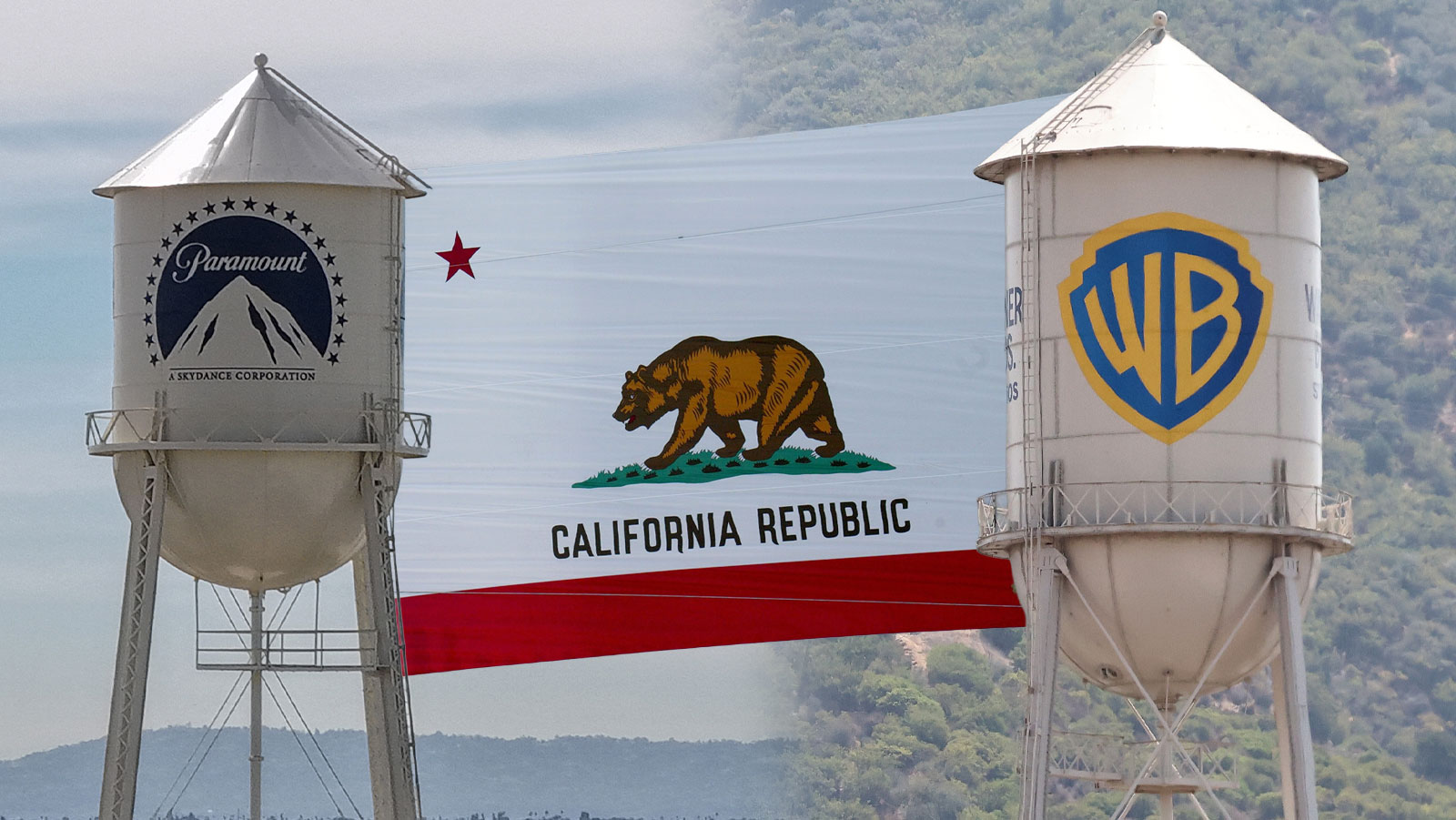
    Paramount Global is actively defending its proposed merger with Warner Bros. Discovery. A coalition of states has filed an antitrust lawsuit to block this significant media consolidation. Paramount’s central argument is that preventing the deal would negatively impact entertainment workers.

    This defense introduces a new dimension to the legal battle. It shifts the focus from market consolidation to the potential human cost of regulatory intervention. The company frames the merger as beneficial for industry employment, rather than solely a corporate maneuver.

    The Antitrust Challenge

    The antitrust lawsuit targets the proposed merger between Paramount Global and Warner Bros. Discovery. This action was initiated by several state attorneys general. Their primary concern revolves around potential anti-competitiveness within the media landscape.

    Regulators often scrutinize large mergers to prevent monopolies or oligopolies. Such market structures can lead to reduced consumer choice and increased prices. The states argue that the combined entity would wield excessive market power, stifling competition in content production and distribution.

    The legal challenge highlights a broader trend in government oversight of major corporate transactions. Authorities are increasingly wary of consolidation in key industries. They seek to protect consumers and smaller businesses from the adverse effects of market dominance.

    Paramount’s Counter-Argument: Worker Welfare

    Paramount Global’s defense strategy centers on the welfare of entertainment industry workers. The company contends that blocking the merger could lead to significant job losses. It also suggests that a failed deal might reduce overall opportunities for professionals in the sector.

    This argument aims to humanize the corporate transaction. It seeks to demonstrate that the merger has tangible benefits beyond shareholder value. The company positions itself as a protector of its workforce, emphasizing the stability and growth the merger could bring.

    The entertainment industry is known for its fluctuating employment landscape. Project-based work and contract roles are common. Paramount’s argument taps into these vulnerabilities, suggesting that a stronger, combined entity could offer more stable employment prospects.

    The Impact on a Volatile Industry

    The entertainment sector has faced numerous challenges in recent years. The rise of streaming services, evolving consumption habits, and global economic shifts have all contributed to a volatile environment. Mergers are often presented as a way to achieve economies of scale and better compete in this landscape.

    Paramount’s defense suggests that the merger is not just about corporate growth. It is also about ensuring the long-term viability of content production and distribution. This, in turn, supports the livelihoods of countless writers, directors, actors, crew members, and technical staff.

    The argument attempts to align the company’s business interests with public interest concerns. By focusing on employment, Paramount aims to create a more sympathetic narrative for its merger plans. This approach could influence public opinion and potentially sway judicial decisions.

    The Legal Landscape of Media Mergers

    Antitrust law governs mergers and acquisitions to prevent anti-competitive practices. The Department of Justice (DOJ) and the Federal Trade Commission (FTC) are the primary federal enforcers in the United States. State attorneys general can also initiate lawsuits, often in coordination with federal agencies or independently.

    Major media mergers frequently attract intense scrutiny. The telecommunications and media sectors have seen significant consolidation over the past two decades. This has led to concerns about reduced diversity in media ownership and control over information.

    Past examples include the merger between AT&T and Time Warner, which faced a lengthy legal battle. The court ultimately allowed that merger to proceed. Each case presents unique facts and legal arguments, making outcomes difficult to predict.

    Precedents and Public Interest

    Courts often consider the broader public interest when evaluating antitrust cases. This can include factors beyond mere economic efficiency. Issues like consumer welfare, innovation, and, in this case, employment impacts, can play a role.

    Paramount’s argument about entertainment workers attempts to frame the merger as serving a public good. It suggests that a financially stronger combined entity would be better positioned to invest in new content, fostering creativity and job creation.

    The legal system must balance these claims against potential harms. The core question remains: would the combined entity reduce competition to an extent that outweighs its purported benefits? The states argue that it would, leading to fewer choices and potentially higher costs for consumers.

    The Stakes for Entertainment Workers

    The entertainment industry employs millions of people globally. From pre-production to post-production, a vast ecosystem of skilled professionals contributes to content creation. Their livelihoods are directly tied to the health and stability of major studios and production companies.

    A successful merger could, in theory, lead to increased investment in new projects. This would create more jobs and opportunities for workers across various disciplines. Conversely, a failed merger could result in uncertainty, layoffs, or a reduction in overall production activity.

    Workers in the industry often face contract-based employment. Job security can be a significant concern. Paramount’s argument resonates with the anxieties of this workforce, suggesting that the merger offers a path to greater stability.

    Union Perspectives and Industry Response

    Entertainment industry unions often play a crucial role in advocating for their members. Organizations like SAG-AFTRA, the Directors Guild of America (DGA), and the Writers Guild of America (WGA) represent a significant portion of the workforce. Their stance on the merger could influence public perception and policy debates.

    It remains to be seen how these unions will officially respond to Paramount’s defense. Their primary concern is typically the protection of existing jobs, fair wages, and benefits. If the merger is perceived as beneficial for these aspects, it might gain union support.

    The broader entertainment industry is watching this case closely. The outcome could set a precedent for future consolidation efforts. It could also influence how companies frame their mergers in terms of societal and economic benefits.

    The Future of Media Consolidation

    The lawsuit against the Paramount-Warner Bros. Discovery merger is a bellwether for the future of media. Regulatory bodies are increasingly assertive in scrutinizing large-scale corporate transactions. The landscape for major mergers is becoming more challenging.

    Companies planning future consolidations will likely need to develop more robust arguments. These arguments will need to address not only economic efficiencies but also broader societal impacts. The focus on entertainment workers by Paramount is an example of this evolving strategy.

    The outcome of this specific case will have implications far beyond the two companies involved. It will shape regulatory expectations and corporate strategies for years to come. The balance between fostering innovation and preventing anti-competitive practices remains a central challenge.

    The legal arguments continue. The corporate strategies evolve. The workers wait. The industry watches. The future of media consolidation remains in flux.