Tag: Television

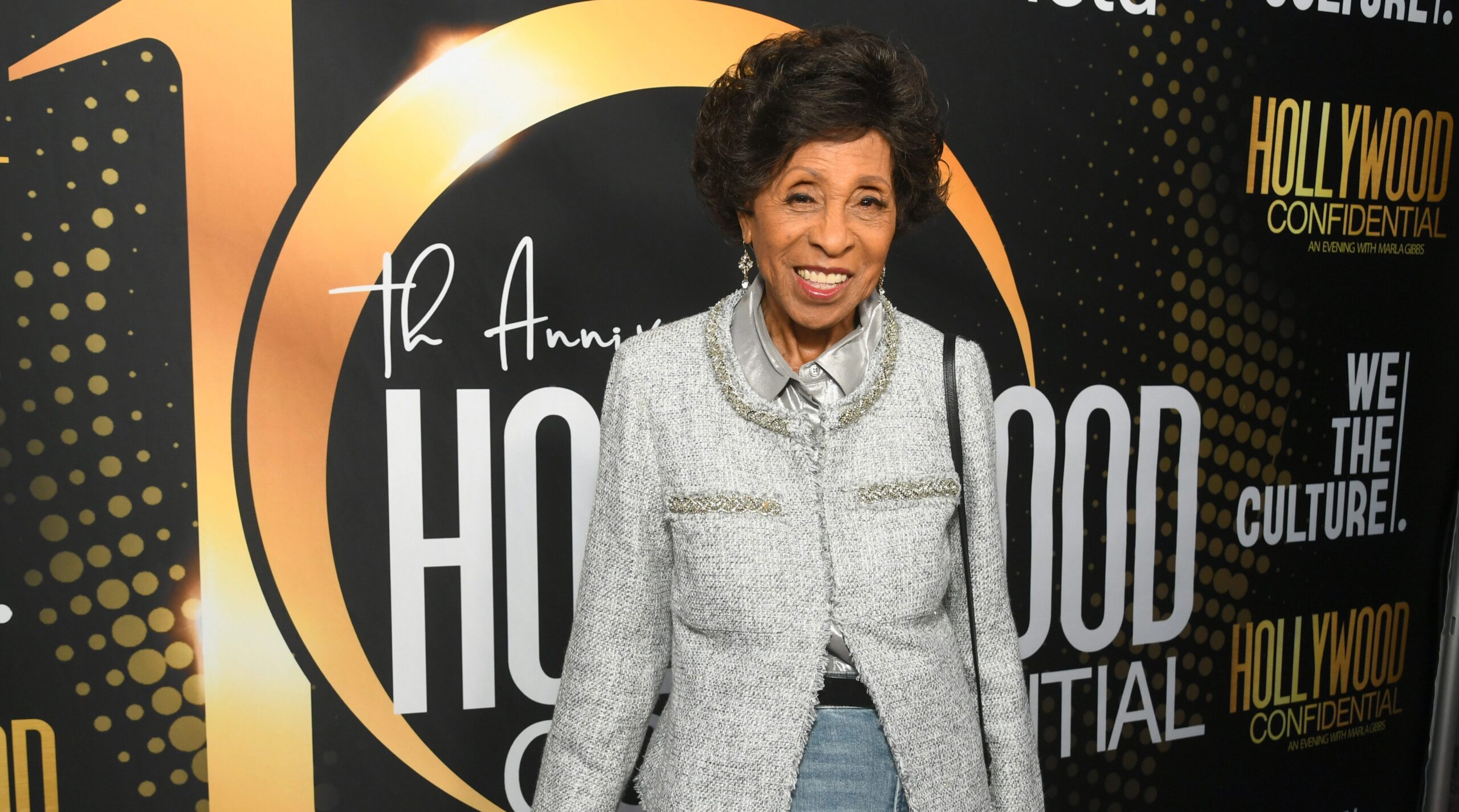
  • Marla Gibbs Honored by Chicago – The Legacy of Florence Johnston

    Marla Gibbs Honored by Chicago – The Legacy of Florence Johnston

    In 2026, the City of Chicago officially declared an honorary day in tribute to actress Marla Gibbs, acknowledging her profound contributions to American television and film. Gibbs gained widespread recognition for her iconic role as Florence Johnston, the sharp-tongued maid on the long-running CBS sitcom The Jeffersons. Her career also includes a starring role as Mary Jenkins in the NBC sitcom 227, further solidifying her status as a beloved figure in entertainment.

    This civic recognition from Chicago underscores Gibbs’ lasting impact on audiences and the industry. Her performances have resonated with generations, making her characters memorable parts of television history. The honorary day celebrates a career marked by talent, resilience, and cultural significance.

    The Early Years and Rise to Stardom

    Marla Gibbs was born in Chicago, Illinois. Her early life in the city laid the foundation for a career that would eventually take her to national prominence. Before pursuing acting full-time, Gibbs held various positions, including working as a reservations agent for United Airlines. This period of her life provided a grounding in the realities of everyday work, which she would later channel into her authentic on-screen portrayals.

    Her journey into acting began in the early 1970s. Gibbs initially took acting classes and participated in local theater productions. These early experiences honed her craft and prepared her for the competitive world of Hollywood. Her dedication to the performing arts was evident from the outset, even as she balanced other responsibilities.

    The pivotal moment in Gibbs’ career arrived in 1975. She was cast as Florence Johnston in The Jeffersons, a spin-off from the highly successful sitcom All in the Family. This role would transform her into a household name.

    Florence Johnston: A Cultural Icon

    Florence Johnston was not merely a supporting character; she was a central comedic and dramatic force on The Jeffersons. As the maid for George and Louise Jefferson, Florence often served as a voice of reason and a source of witty comebacks. Her exchanges with George Jefferson, played by Sherman Hemsley, were legendary for their sharp humor and underlying social commentary.

    Gibbs’ portrayal brought depth and dignity to the character. Florence was depicted as an independent woman with strong opinions and a keen sense of justice. She challenged George’s sometimes pompous demeanor, often delivering lines that resonated with audiences. Her character transcended typical sitcom tropes, becoming a symbol of strength and intelligence.

    The Jeffersons ran for 11 seasons, from 1975 to 1985. During this time, Gibbs appeared in all 253 episodes. Her consistent performance earned her five Primetime Emmy Award nominations for Outstanding Supporting Actress in a Comedy Series. These nominations stand as a testament to her talent and the critical acclaim she received.

    Beyond The Jeffersons: ‘227’ and Other Ventures

    Following the conclusion of The Jeffersons, Marla Gibbs quickly transitioned to another successful sitcom, 227. The show premiered on NBC in 1985, just months after The Jeffersons ended. Gibbs starred as Mary Jenkins, a sharp-tongued, observant housewife living in a Washington, D.C. apartment building. She also served as a co-producer on the series, demonstrating her expanding role in the industry.

    227 provided Gibbs with a leading role and further showcased her comedic timing and dramatic capabilities. The series explored themes of community, family, and everyday life in an urban setting. It ran for five seasons, concluding in 1990. The show also featured Regina King in one of her earliest roles, playing Brenda Jenkins, Mary’s daughter.

    Throughout her career, Gibbs has taken on various other roles in film and television. Her film credits include appearances in movies such as The Meteor Man (1993), Sprung (1997), and Madea’s Witness Protection (2012). On television, she has made guest appearances on numerous shows, including The Fresh Prince of Bel-Air, ER, Scandal, and Black-ish.

    Entrepreneurship and Community Involvement

    Marla Gibbs’ ambitions extended beyond acting. In 1981, she opened a jazz supper club in Los Angeles, California, called Marla’s Memory Lane. The club became a prominent venue for jazz music, hosting both established artists and emerging talent. This venture reflected her deep appreciation for music and her commitment to fostering cultural spaces.

    Marla’s Memory Lane operated for over two decades, becoming a beloved institution in the Los Angeles jazz scene. Her entrepreneurial spirit showcased another facet of her multifaceted career. She provided a platform for musicians and a gathering place for the community.

    Gibbs has also been actively involved in various community initiatives. She has used her platform to advocate for social causes and support educational programs. Her dedication to giving back to the community mirrors the strong, principled characters she often portrayed on screen.

    The Enduring Legacy of Marla Gibbs

    The honorary day bestowed by the City of Chicago in 2026 is a testament to Marla Gibbs’ enduring legacy. Her work has left an indelible mark on the landscape of American entertainment. She broke barriers and created characters that were both relatable and aspirational.

    Her roles on The Jeffersons and 227 continue to be celebrated for their humor, social relevance, and groundbreaking portrayals of Black women on television. These shows are frequently re-aired and streamed, introducing her work to new generations of viewers. The wit and wisdom of Florence Johnston and Mary Jenkins remain timeless.

    Gibbs’ career exemplifies longevity and versatility in Hollywood. From her humble beginnings in Chicago to her status as a television icon, her journey inspires many. She built a career on talent, hard work, and an unwavering commitment to her craft.

    The City of Chicago recognized a native daughter. They honored a cultural contributor. They celebrated a television legend.

    Marla Gibbs.
  • LaRoyce Hawkins Exited ‘Chicago P.D.’ After Season 13 – The Departure of Kevin Atwater

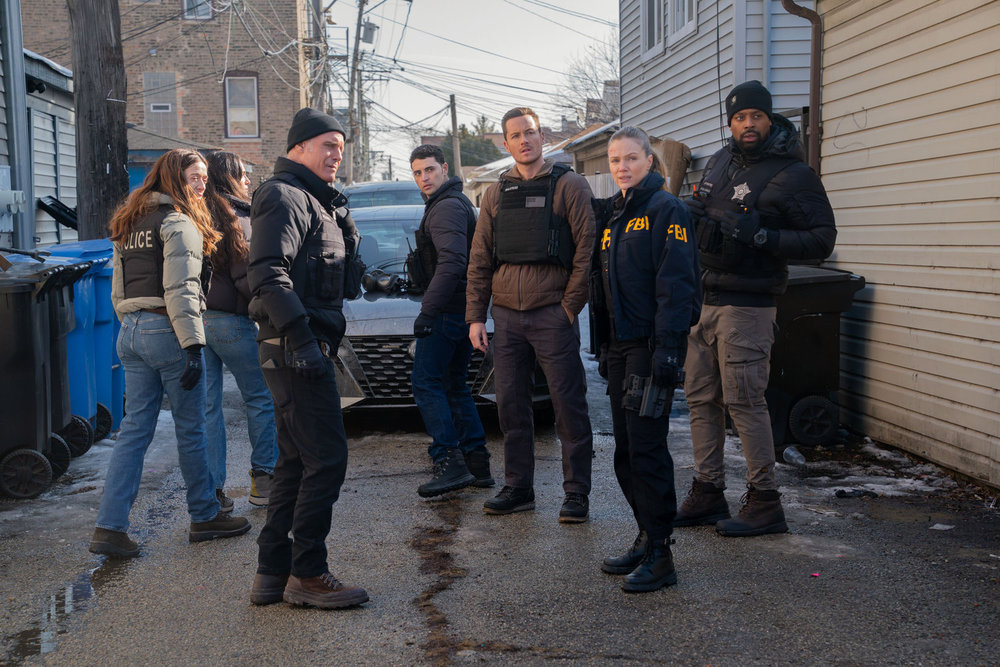
    LaRoyce Hawkins Exited ‘Chicago P.D.’ After Season 13 – The Departure of Kevin Atwater

    LaRoyce Hawkins, a central figure in the NBC police procedural ‘Chicago P.D.’ since its inception, concluded his tenure with the series following the Season 13 finale in May 2026. This move signals a significant shift for the long-running drama, which premiered on January 8, 2014, as part of Dick Wolf’s expanding ‘One Chicago’ universe. Hawkins portrayed Officer Kevin Atwater for over a decade, becoming one of the show’s most recognizable and enduring characters.

    His exit was a mutual decision between Hawkins and the production. It allowed the actor to pursue other creative opportunities after more than 250 episodes. The character of Officer Kevin Atwater was written off the show by accepting a transfer to a specialized federal task force. This narrative choice provided a conclusive yet open-ended departure, preserving the character’s life and allowing for potential future guest appearances.

    The Trajectory and Departure of Kevin Atwater

    Officer Kevin Atwater began his journey in ‘Chicago P.D.’ as a patrol officer. He quickly ascended to the Intelligence Unit under Sergeant Hank Voight (Jason Beghe). Atwater’s character often served as a moral compass within the often-ambiguous world of police work. He navigated personal and professional challenges, including grappling with his identity as a Black police officer in a city often fraught with racial tension.

    His storylines frequently explored the nuances of law enforcement. Atwater encountered systemic issues, community distrust, and the internal conflicts of upholding justice. These narratives provided depth to the series, moving beyond simple crime-of-the-week formats. Hawkins’ portrayal earned him critical attention for his nuanced approach to these sensitive topics.

    Over the years, Atwater developed strong bonds with his fellow unit members. These relationships formed the emotional backbone of the series. His departure necessitates a re-evaluation of these dynamics. It also raises questions about how the Intelligence Unit will function without his presence.

    The decision for Atwater’s character to join a federal task force was a strategic narrative choice. It offered a respectful and honorable exit for a beloved character. This type of departure avoids a tragic end, which has been common for other characters in the ‘One Chicago’ universe. It also leaves the door open for Hawkins to return for guest appearances in future seasons or crossover events, should the opportunity arise.

    The Final Storyline Arc for Atwater

    During Season 13, Atwater’s character experienced a significant professional turning point. He was increasingly disillusioned with the bureaucratic limitations of the Chicago Police Department. A series of cases highlighted systemic failures and the challenges of creating lasting change from within the existing structure. These experiences culminated in an offer from a newly formed federal task force. This task force focused on community-based policing initiatives across multiple cities.

    The opportunity presented a chance for Atwater to implement his progressive policing philosophies on a broader scale. It allowed him to move beyond the confines of the Intelligence Unit’s often reactive approach. The decision was not made lightly within the storyline. It involved emotional goodbyes with Sergeant Voight, Detective Hailey Upton (Tracy Spiridakos), and Officer Adam Ruzek (Patrick John Flueger).

    The Season 13 finale, which aired in May 2026, depicted Atwater’s final day with the unit. The episode featured a montage of his contributions and interactions. It concluded with a scene of him driving away from District 21, symbolizing his transition to a new chapter. This exit was presented as a professional advancement for the character, rather than a forced removal.

    Impact on the ‘One Chicago’ Franchise

    ‘Chicago P.D.’ is a key component of the ‘One Chicago’ franchise. This interconnected universe includes ‘Chicago Fire’ and ‘Chicago Med’. Character crossovers are a hallmark of the franchise, creating a shared narrative world across the three series. Hawkins’ exit from ‘Chicago P.D.’ has ripple effects across this interconnected universe.

    The character of Kevin Atwater occasionally appeared in ‘Chicago Fire’ and ‘Chicago Med’. These appearances often provided crucial links between storylines. His absence may impact future crossover events or the general continuity that fans have come to expect. The franchise thrives on the familiarity of its core characters, and a significant departure like this is noted by the extensive fan base.

    Dick Wolf, the executive producer behind the ‘One Chicago’ franchise, has a history of managing cast changes. The shows have seen other prominent actors depart over their runs. These departures have always led to new character introductions and evolving storylines. The challenge for the showrunners will be to maintain narrative coherence and audience engagement following Hawkins’ exit.

    The departure of a long-standing character like Atwater necessitates a recalibration of the unit’s internal dynamics. His role as a bridge between the community and the police, and his moral center, will need to be absorbed or replaced. Other characters may step into more prominent roles to address these narrative functions.

    Precedent for Character Exits

    The ‘One Chicago’ franchise has a history of main cast member departures. Sophia Bush, who played Detective Erin Lindsay, left ‘Chicago P.D.’ after Season 4 in 2017. Jon Seda, who portrayed Detective Antonio Dawson, departed multiple times before his final exit after Season 6 in 2019. Elias Koteas, playing Detective Alvin Olinsky, was killed off in Season 5 in 2018.

    Each of these exits prompted significant shifts in the show’s narrative direction. They demonstrated the production’s capacity to adapt and introduce new characters to fill the void. For example, Tracy Spiridakos joined the cast as Detective Hailey Upton following Bush’s departure, becoming a central figure. These precedents suggest that ‘Chicago P.D.’ will integrate new talent or expand existing roles to compensate for Hawkins’ absence.

    LaRoyce Hawkins’ Career Beyond ‘Chicago P.D.’

    LaRoyce Hawkins’ career has largely been defined by his role as Kevin Atwater since 2014. Before ‘Chicago P.D.’, Hawkins had roles in various television series and films. These included appearances in ‘The Express: The Ernie Davis Story’ (2008) and ‘Prison Break’ (2009). His consistent work on ‘Chicago P.D.’ established him as a recognized face in network television.

    His departure opens up new opportunities for his acting career. Actors often seek new challenges after long runs on successful shows. This could involve exploring different genres, taking on film roles, or pursuing stage work. Fans will be eager to see what projects Hawkins chooses next. His versatility as an actor suggests a range of potential future roles.

    Hawkins has also engaged in other creative endeavors. He is known for his spoken word poetry and musical pursuits. These artistic expressions could become more prominent in his post-‘Chicago P.D.’ career. His public profile has grown significantly through his television work, providing a platform for these diverse talents.

    Upcoming Projects and Artistic Pursuits

    Following his exit from ‘Chicago P.D.’, LaRoyce Hawkins confirmed plans to dedicate more time to his spoken word poetry. He has performed extensively in this medium, often exploring themes of identity, social justice, and personal growth. His poetry has gained a significant following online and through live performances.

    He is also expected to release new music. Hawkins has a background in music production and performance, often blending hip-hop and R&B elements. These artistic avenues represent a significant part of his creative identity beyond acting. The increased availability allows him to pursue these passions more fully.

    In terms of acting, industry speculation suggests Hawkins is actively considering film roles. He has expressed interest in projects that allow him to portray characters with different complexities than Atwater. Potential roles in independent films or streaming series are likely targets. His agent confirmed that discussions are underway for several new projects for late 2026 and early 2027.

    Fan Reactions and Speculation

    News of Hawkins’ departure generated considerable discussion among ‘Chicago P.D.’ fans. Social media platforms and fan forums were abuzz with speculation immediately after the Season 13 finale. Viewers contemplated how Officer Atwater’s storyline concluded. They also debated the future direction of the Intelligence Unit.

    Many fans expressed sadness at the loss of the character. Atwater had been a fan favorite due to his integrity and complex personal journey. Others were curious about the creative reasons behind the departure. The nature of the departure, a transfer to a federal task force, was largely well-received. It provided a sense of closure while maintaining hope for potential future appearances.

    The longevity of ‘Chicago P.D.’ is partly due to its stable core cast. Changes to this core often elicit strong reactions from the dedicated audience. Showrunners managed these expectations carefully as the final episodes of Season 13 aired. The narrative arc for Atwater’s exit was scrutinized by millions of viewers, and the resolution generally met with approval.

    The Future of ‘Chicago P.D.’

    The departure of a main cast member often signals a period of transition for a long-running series. ‘Chicago P.D.’ has faced such transitions before. Other actors have moved on, and new characters have been introduced to fill the void. The creative team will now be tasked with reimagining parts of the show’s structure for Season 14 and beyond.

    New characters may be brought into the Intelligence Unit. These additions could bring fresh perspectives and new dynamics to the team. The remaining characters, such as Sergeant Voight (Jason Beghe) and Detective Hailey Upton (Tracy Spiridakos), will likely see their roles evolve. Their character development may deepen as they navigate the changes within their unit.

    The series will continue to focus on the intricate crime cases of Chicago. It will also maintain its emphasis on the personal lives of its police officers. The challenge lies in evolving the show while retaining its core identity. ‘Chicago P.D.’ has built a reputation for gritty realism and character-driven storytelling. These elements will need to be preserved as the cast changes.

    Production for Season 14 of ‘Chicago P.D.’ is scheduled to begin in August 2026. Showrunners have indicated a focus on new character dynamics and expanded narrative arcs for the existing cast. The show aims to introduce a new detective to the Intelligence Unit early in the season. This new character will partially fill the void left by Atwater’s departure. The series continues to be a cornerstone of NBC’s primetime lineup, with a dedicated fan base anticipating its future direction.

    A long tenure. A significant character. A respectful exit. A new beginning.

    LaRoyce Hawkins.

  • Dutton Ranch Finale – Why Rip’s Defense of Beth Resonates with Viewers

    Dutton Ranch Finale – Why Rip’s Defense of Beth Resonates with Viewers

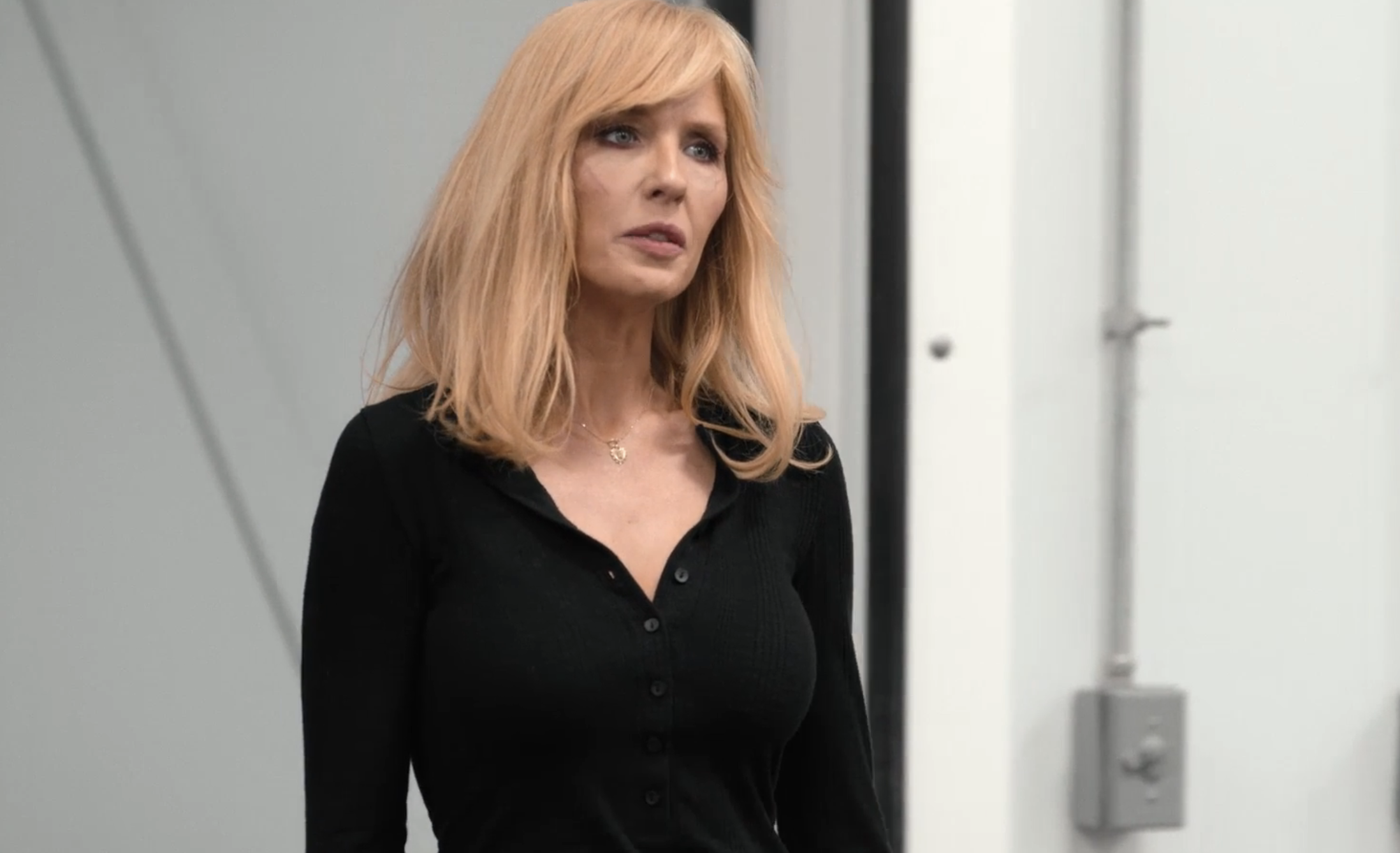
    A sneak peek of the ‘Dutton Ranch’ season finale, released on July 2, 2026, by Variety, depicts Rip Wheeler physically intervening to protect Beth Dutton from an individual who puts their hands on her. This moment has quickly become a focal point of discussion among the show’s fanbase, reflecting the series’ ongoing appeal.

    The brief clip from the upcoming finale emphasizes key narrative elements central to the ‘Dutton Ranch’ (formerly ‘Yellowstone’) franchise. It underscores the intense, protective relationship between Rip Wheeler, portrayed by Cole Hauser, and Beth Dutton, portrayed by Kelly Reilly.

    The Dynamic Between Rip and Beth

    The relationship between Rip Wheeler and Beth Dutton has been a cornerstone of the ‘Yellowstone’ universe since its inception. Their dynamic is characterized by fierce loyalty, a deep understanding of each other’s complex natures, and an unwavering commitment.

    Rip Wheeler consistently acts as Beth’s protector. This role is not merely physical; it extends to emotional and psychological safeguarding. Beth, in turn, offers Rip a sense of belonging and a family he never truly had.

    Their bond often manifests in confrontational scenarios. Beth’s volatile personality frequently draws conflict, and Rip’s role is often to manage or neutralize these threats. This pattern reinforces his image as a steadfast, formidable guardian.

    Themes of Protection and Loyalty

    The sneak peek directly taps into themes of protection and loyalty. These are recurring motifs throughout the ‘Dutton Ranch’ narrative. The Dutton family, and those aligned with them, operate under a strict code of conduct that prioritizes family and land above all else.

    Rip Wheeler embodies this code. His actions in the finale preview are consistent with his character’s established history of defending the Dutton family and, specifically, Beth. This consistency is a major factor in audience connection.

    Loyalty is not just a personal trait for Rip; it is a philosophy. His allegiance to John Dutton, the patriarch, and to Beth, his partner, is absolute. This unyielding devotion is often contrasted with the shifting alliances and betrayals common in the show’s political and corporate landscapes.

    Traditional Masculinity in Focus

    The scene also highlights elements of traditional masculinity that resonate with a significant portion of the ‘Dutton Ranch’ audience. Rip Wheeler’s character often represents a stoic, strong, and protective male figure.

    His response to the threat against Beth is immediate and physical. This direct action aligns with a perception of masculinity that values decisive intervention and the defense of loved ones, particularly women.

    This portrayal contrasts with more nuanced or modernized depictions of masculinity found in other contemporary media. For many viewers, Rip’s character offers a return to archetypal male roles, providing a sense of stability and traditional justice within the narrative.

    The emphasis on physical capability and a readiness to confront danger directly is a hallmark of Rip’s character. It is a powerful aspect of his appeal to the show’s demographic.

    Audience Engagement and Social Media Impact

    The release of this sneak peek has generated considerable buzz across social media platforms. Fans have expressed enthusiasm for Rip’s actions, often citing the scene as a reaffirmation of why they watch the show.

    Online discussions frequently center on the satisfaction derived from seeing justice, as interpreted by the show’s characters, being delivered. The swiftness of Rip’s response is often praised.

    The preview serves as a potent marketing tool for the ‘Dutton Ranch’ finale. It capitalizes on established character dynamics and fan expectations, driving anticipation for the episode’s full release.

    Social media metrics, including shares, likes, and comments, indicate a strong emotional response to the scene. This engagement demonstrates the deep connection viewers have with the characters and their narrative arcs.

    The Evolution of ‘Yellowstone’ to ‘Dutton Ranch’

    The series, originally known as ‘Yellowstone,’ transitioned to ‘Dutton Ranch’ as part of a broader expansion of the Yellowstone universe. This rebranding and continuation maintain the core narrative while potentially exploring new directions.

    Taylor Sheridan, the creator, has consistently developed a complex world centered on the Dutton family’s struggle to maintain control of their vast Montana ranch. This struggle involves external threats from land developers and internal conflicts among family members.

    The transition to ‘Dutton Ranch’ signifies a new chapter, but the foundational elements, such as the characters of Rip and Beth, remain central. The series continues to explore themes of land ownership, power, and family legacy.

    The ongoing success of the franchise indicates a strong audience appetite for its blend of drama, action, and exploration of American frontier values. The continuity of key character relationships, like that of Rip and Beth, is crucial to this sustained interest.

    Anticipation for the Season Finale

    The sneak peek effectively builds anticipation for the ‘Dutton Ranch’ season finale. It hints at high stakes and significant emotional payoff for viewers.

    Finales in the ‘Yellowstone’ universe are typically marked by dramatic confrontations and resolutions. This particular scene suggests a continuation of that tradition, promising a memorable conclusion to the current season.

    Fans are speculating about the identity of the person Rip punches and the broader implications for Beth and the Dutton family. These discussions contribute to the overall excitement surrounding the episode.

    The finale is expected to address several ongoing plotlines, and the preview provides a glimpse into one of the most anticipated moments: Rip’s unwavering protection of Beth. This moment serves as a powerful reminder of the show’s core appeal.

    Ranchers gathered. Viewers gathered. Critics gathered.

    Anticipation.

  • Liz McGraw Exits ‘The Real Housewives Of Rhode Island’ After One Season

    Liz McGraw Exits ‘The Real Housewives Of Rhode Island’ After One Season

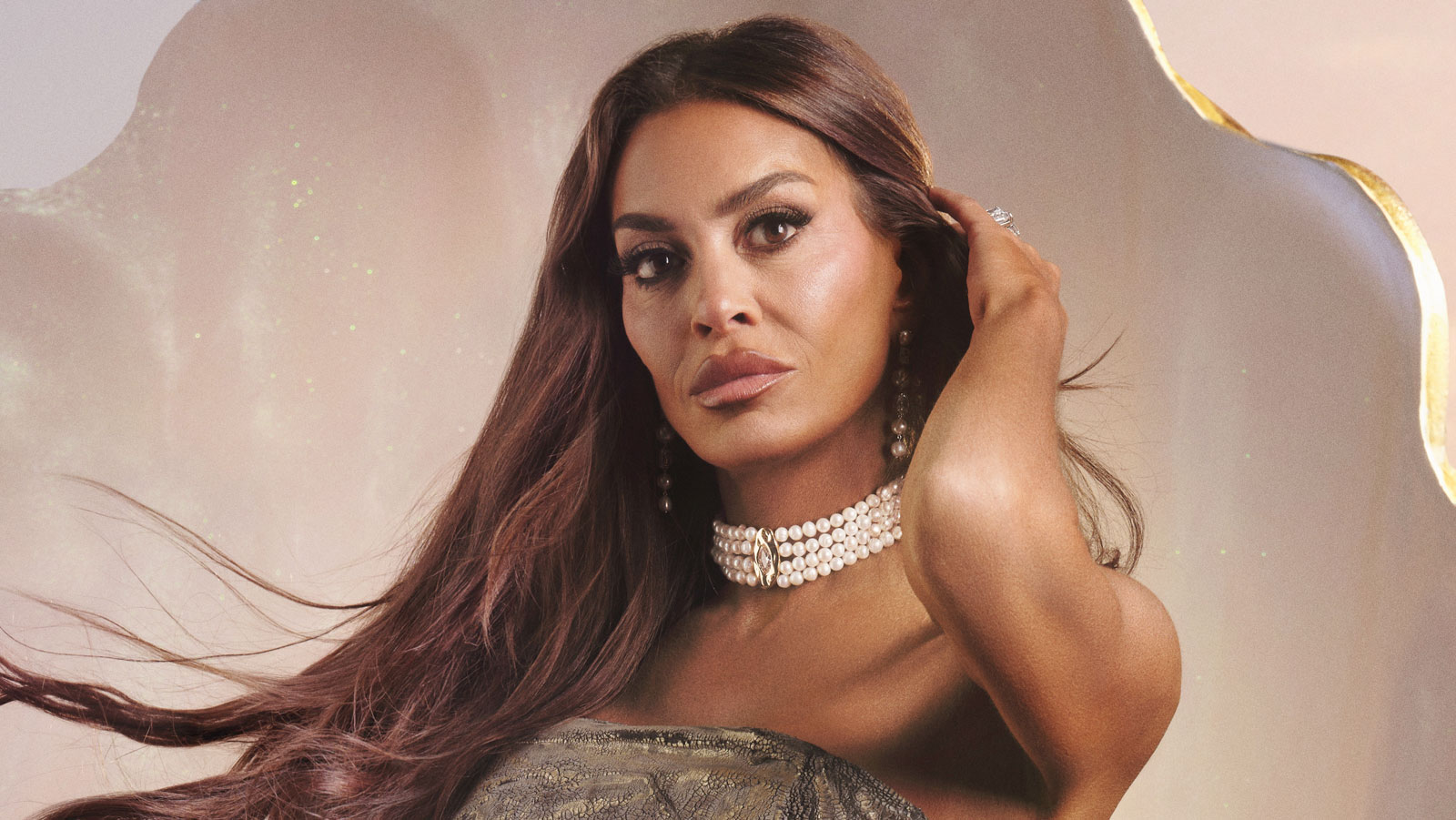
    Liz McGraw has exited the cast of ‘The Real Housewives Of Rhode Island’ after only one season, a development confirmed on July 1, 2026. This departure marks a significant change for the Bravo reality television franchise, impacting its future direction after its recent premiere.

    The announcement has generated considerable discussion among fans and media outlets. Such cast changes are common within the ‘Real Housewives’ universe, often signaling evolving production strategies or individual participant decisions.

    The Launch of ‘The Real Housewives Of Rhode Island’

    ‘The Real Housewives Of Rhode Island’ premiered earlier in 2026, introducing a new group of women to the long-running Bravo franchise. The show aimed to capture the unique social dynamics and affluent lifestyles prevalent in various parts of Rhode Island.

    Liz McGraw was presented as one of the central figures in this new ensemble. Her initial casting was met with anticipation, as is typical for any new ‘Real Housewives’ series.

    The inaugural season focused on establishing the core relationships and conflicts among the cast members. Viewers were introduced to the personal lives, professional endeavors, and social circles of the Rhode Island women.

    McGraw’s Role in the Inaugural Season

    During her single season on ‘The Real Housewives Of Rhode Island,’ Liz McGraw featured prominently in several storylines. Her interactions with other cast members contributed to the season’s narrative arc.

    Reality television often thrives on interpersonal drama and conflict. McGraw’s presence was part of this dynamic, engaging in both alliances and disagreements with her co-stars.

    The show’s production team works to curate specific narratives for each season. McGraw’s contributions were integrated into the broader story that unfolded for viewers throughout the initial episodes.

    Factors Influencing Cast Departures

    Departures from ‘The Real Housewives’ franchise can stem from a variety of reasons. These include personal choices by cast members, decisions made by the network or production company, or a combination of both.

    Sometimes, a cast member may find the demands of reality television incompatible with their personal life or other commitments. The intense scrutiny and public exposure can be challenging.

    Network and production decisions are often based on audience reception, storyline potential, and the overall chemistry of the cast. Ratings performance and social media engagement also play a role.

    Audience Reception and Narrative Impact

    The reception of a new cast member by the audience is a crucial factor. Viewers often form strong opinions about individuals on these shows, influencing their popularity and perceived value to the franchise.

    Producers also evaluate how each cast member contributes to the overall narrative. A lack of compelling storylines or an inability to integrate into the group dynamic can lead to a cast change.

    Social media platforms provide immediate feedback on audience sentiment. This data can inform future casting decisions, although it is not the sole determinant.

    The Trajectory of ‘The Real Housewives’ Franchise

    The ‘Real Housewives’ franchise, created by Scott Dunlop and produced by Bravo, began with ‘The Real Housewives of Orange County’ in 2006. It has since expanded to numerous cities across the United States and internationally.

    Over its nearly two-decade history, the franchise has seen countless cast member changes. This constant evolution is a hallmark of its longevity and ability to adapt.

    Each iteration of the show aims to capture a specific regional flavor and social milieu. ‘The Real Housewives Of Rhode Island’ was the latest expansion in this successful formula.

    Notable Departures in Franchise History

    Many prominent figures have left ‘The Real Housewives’ shows after varying periods. Some have departed after one season, while others have remained for many years.

    These exits often generate significant media coverage and fan speculation. They become part of the ongoing narrative of the franchise itself.

    The reasons for these departures are diverse, ranging from contract disputes to personal scandals to a desire for a different career path. Each situation is unique.

    Impact on ‘The Real Housewives Of Rhode Island’ Future

    Liz McGraw’s departure will necessitate adjustments for the second season of ‘The Real Housewives Of Rhode Island,’ assuming its renewal. Production will likely seek a new cast member to fill the vacancy.

    The addition of a new personality can significantly alter the group dynamic and introduce fresh storylines. This is a common strategy to maintain audience interest.

    The remaining cast members will also need to adapt to the absence of McGraw. Their relationships and alliances may shift as a result of this change.

    The Reality Television Landscape in 2026

    In 2026, reality television continues to be a dominant force in entertainment. Shows like ‘The Real Housewives’ maintain strong viewership and cultural relevance.

    The genre constantly evolves, with new formats and franchises emerging regularly. However, established brands like Bravo’s ‘Real Housewives’ continue to be foundational.

    Audience expectations for authenticity and drama remain high. Producers strive to deliver compelling content that resonates with their target demographics.

    Behind-the-Scenes Decisions

    The decisions regarding cast members are complex and involve multiple stakeholders. Network executives, showrunners, and production companies all play a role.

    Contract negotiations are a significant component of this process. These agreements outline the terms of participation, including compensation and duration.

    The creative vision for upcoming seasons also influences casting. Producers seek individuals who can contribute to specific narrative arcs or bring new energy to the show.

    The Viewer’s Perspective on Cast Changes

    Viewers often develop strong attachments to specific cast members. News of a departure can evoke a range of reactions, from disappointment to excitement for new additions.

    Online fan communities actively discuss and speculate about cast changes. These discussions contribute to the show’s ongoing publicity and engagement.

    The ability of a show to successfully integrate new cast members is crucial for its long-term viability. A smooth transition helps maintain audience loyalty.

    The Business of Reality Television

    Reality television is a multi-billion dollar industry. Franchises like ‘The Real Housewives’ generate substantial revenue through advertising, syndication, and streaming rights.

    Casting decisions are directly linked to the financial success of these programs. A compelling cast can drive ratings and attract advertisers.

    The strategic management of talent, both in front of and behind the camera, is essential for maintaining a profitable reality television enterprise.

    Bravo, as the network behind ‘The Real Housewives,’ invests significantly in these productions. The network’s portfolio of reality shows forms a core part of its programming strategy.

    The departure of a cast member like Liz McGraw is an operational decision within this larger business framework. It reflects the ongoing effort to optimize the show’s appeal and commercial viability.

    Contractual obligations. Production demands. Viewer expectations. Network strategy. McGraw.

  • Meg Donnelly Signs with WME – Strategic Move for Broadway & Music

    Meg Donnelly Signs with WME – Strategic Move for Broadway & Music

    Meg Donnelly Secures WME Representation

    Meg Donnelly, the accomplished actress and singer known for her lead roles in Disney’s ‘Zombies’ franchise and The CW’s ‘The Winchesters,’ has officially signed with WME (William Morris Endeavor Entertainment). This comprehensive representation agreement covers all facets of her burgeoning career, including film, television, music, and theater. The decision to partner with WME follows a landmark 2023 for Donnelly, during which she made her Broadway debut and released her first extended play (EP). This strategic alignment with a top-tier agency is designed to capitalize on her diverse talents and propel her into new high-profile opportunities across the global entertainment industry.

    A Multifaceted Career Trajectory

    Donnelly’s career trajectory demonstrates a deliberate and successful diversification across various entertainment sectors. Her initial recognition in television has seamlessly transitioned into significant roles in film musicals and live theatrical performances. This adaptability positions her strongly within the contemporary entertainment landscape, which increasingly values versatile performers.

    Early Career and Television Success

    Meg Donnelly first garnered attention through early television appearances. She was cast as Ash in the Netflix series ‘Team Toon’ in 2013, marking one of her initial professional roles. Following this, she took on the role of Emily in the long-running ABC daytime drama ‘General Hospital.’ A more prominent and sustained role came with her portrayal of Taylor Otto in the ABC sitcom ‘American Housewife,’ which aired from 2016 to 2021. This five-season run established her as a recognizable face in network television.

    A pivotal moment in Donnelly’s career arrived in 2018 with her lead role as Addison in the Disney Channel Original Movie ‘Zombies.’ The success of this musical film led to two sequels, ‘Zombies 2’ in 2020 and ‘Zombies 3’ in 2022. The ‘Zombies’ franchise cultivated a substantial fan base among younger demographics and prominently showcased Donnelly’s abilities as a singer and dancer, expanding her performance profile beyond traditional acting.

    More recently, Donnelly took on a significant dramatic role as Mary Campbell in The CW’s ‘The Winchesters.’ This series, a prequel to the popular ‘Supernatural,’ premiered in October 2022 and concluded its first season in March 2023. Her performance in ‘The Winchesters’ required a blend of intense dramatic acting and action sequences, further demonstrating her range and capacity for diverse genres.

    Broadway Debut and Musical Endeavors

    The year 2023 proved to be transformative for Donnelly’s career, particularly with her debut on the Broadway stage. She joined the cast of Andrew Lloyd Webber’s musical ‘Bad Cinderella,’ stepping into the titular role. Donnelly’s first performance occurred on June 22, 2023, at the Imperial Theatre in New York City. This role represented a significant milestone, allowing her to showcase her powerful vocal talents and stage presence in a demanding live theatrical setting. The production of ‘Bad Cinderella’ concluded its Broadway run on June 4, 2023, with Donnelly joining for the final weeks of performances.

    Parallel to her theatrical work, Donnelly actively advanced her music career. In 2023, she released her debut extended play (EP) titled ‘Trust.’ The EP comprises five tracks, including the featured singles ‘Trust,’ ‘Fool,’ ‘Pretty,’ ‘Me, Myself, & I,’ and ‘Smile.’ This release followed earlier single releases such as ‘Smile’ in 2019 and ‘With the Flow’ in 2020. Her musical style typically incorporates pop influences, often exploring personal and relatable lyrical themes.

    The Role of WME in Entertainment Careers

    WME, or William Morris Endeavor Entertainment, stands as one of the preeminent and most influential talent agencies globally. Its decision to sign Meg Donnelly underscores a recognition of her diverse talents and significant potential for continued growth across multiple entertainment platforms. Talent agencies like WME are instrumental in shaping the careers of artists, athletes, and media personalities by providing strategic guidance and leveraging extensive industry connections.

    Services Provided by WME

    WME’s representation encompasses a broad array of services designed to advance and optimize a client’s career trajectory. These services are typically comprehensive and include:

    • Contract Negotiation: WME agents are responsible for negotiating favorable deals across film, television, music, and theatrical productions. This includes securing acting roles, recording contracts, and performance agreements, ensuring clients receive appropriate compensation and terms.
    • Career Strategy and Development: The agency provides critical guidance on long-term career planning. This involves advising clients on role selection, album releases, brand partnerships, and strategic moves that align with their artistic and professional ambitions.
    • Networking and Industry Connections: WME leverages its vast network within the entertainment industry to connect clients with key decision-makers. These connections include directors, producers, casting agents, record label executives, and other influential figures, opening doors to high-profile projects.
    • Brand Endorsements and Marketing: The agency actively assists in securing lucrative endorsement deals and developing robust personal branding strategies. This expands a client’s commercial reach and enhances their marketability beyond their core artistic endeavors.
    • Public Relations and Media Management: While often collaborating with dedicated publicists, WME plays a crucial role in managing a client’s public image, media interactions, and overall narrative, ensuring consistent and positive messaging.

    For artists such as Meg Donnelly, securing representation from an agency of WME’s stature can profoundly impact their visibility and access to top-tier projects. It consolidates the management of various career elements under a single, cohesive strategy, maximizing efficiency and impact.

    The Current Landscape for Young Talent in 2026

    The entertainment industry in 2026 continues its rapid evolution, with digital platforms, streaming services, and social media creating dynamic new avenues for talent discovery and engagement. Young performers like Meg Donnelly navigate a complex landscape that demands not only artistic skill but also versatility and a strong, authentic personal brand. The traditional boundaries between acting, music, and digital influence have become increasingly blurred, requiring artists to be proficient and adaptable across multiple domains.

    Integration of Platforms and Brand Building

    Donnelly’s career trajectory serves as a prime example of this platform integration. Her foundational success on Disney Channel and The CW provided a springboard that she has skillfully expanded into music and Broadway. This cross-platform presence significantly enhances her appeal to a broader, more diverse audience and makes her an exceptionally attractive prospect for major talent agencies seeking multi-hyphenate artists.

    The ability to transition fluidly between different mediums is a critical asset in contemporary entertainment. Artists who can demonstrate proficiency in singing, acting, and maintaining an engaging social media presence are increasingly valued and seen as more marketable. Donnelly’s involvement in a major Broadway production and the release of her EP underscore her commitment to this integrated approach, building a robust and resilient career brand.

    Furthermore, the strategic use of social media allows artists to directly connect with their fanbase, bypassing traditional gatekeepers and fostering a more intimate relationship with their audience. Donnelly’s active engagement on platforms like Instagram and TikTok contributes to her overall brand strength and marketability, complementing her traditional media work.

    Implications for Donnelly’s Future

    The partnership with WME signals a definitive strategic pivot towards maximizing Donnelly’s potential across all entertainment sectors. Her previous representation by Abrams Artists Agency and Untitled Entertainment for management has now been consolidated and elevated through WME’s comprehensive and globally reaching approach. This move is not merely a change of agency; it represents a calculated step to scale her career to new heights.

    With WME’s formidable backing, Donnelly can anticipate increased opportunities for leading roles in major film and television productions, including projects with significant studio budgets and global distribution. The agency’s influence extends to securing placements in high-profile streaming series and feature films, which are crucial for continued career growth in 2026. Her musical career is also poised for expansion, with WME likely to facilitate collaborations with prominent producers, secure recording deals, and arrange tours that capitalize on her growing discography.

    The agency’s expertise in brand development and endorsement deals will also be critical. WME can connect Donnelly with major brands for lucrative partnerships, further solidifying her commercial appeal. Her established fan base from Disney and The CW, combined with her recent Broadway exposure, makes her an attractive figure for various campaigns. This holistic approach ensures that her artistic endeavors are supported by a strong commercial foundation.

    Donnelly’s journey from a young television actress to a Broadway performer and recording artist illustrates a commitment to continuous growth and artistic exploration. The alliance with WME is a clear indication that her career is entering a new, accelerated phase. It positions her for long-term success and influence within the highly competitive entertainment industry.

    Television series concluded. Broadway stages closed. Recording studios hummed. A new chapter began.

    WME.

  • Wilford Lloyd Baumes, ‘Wonder Woman’ and ‘Love Boat’ Producer, Dies

    Wilford Lloyd Baumes, ‘Wonder Woman’ and ‘Love Boat’ Producer, Dies

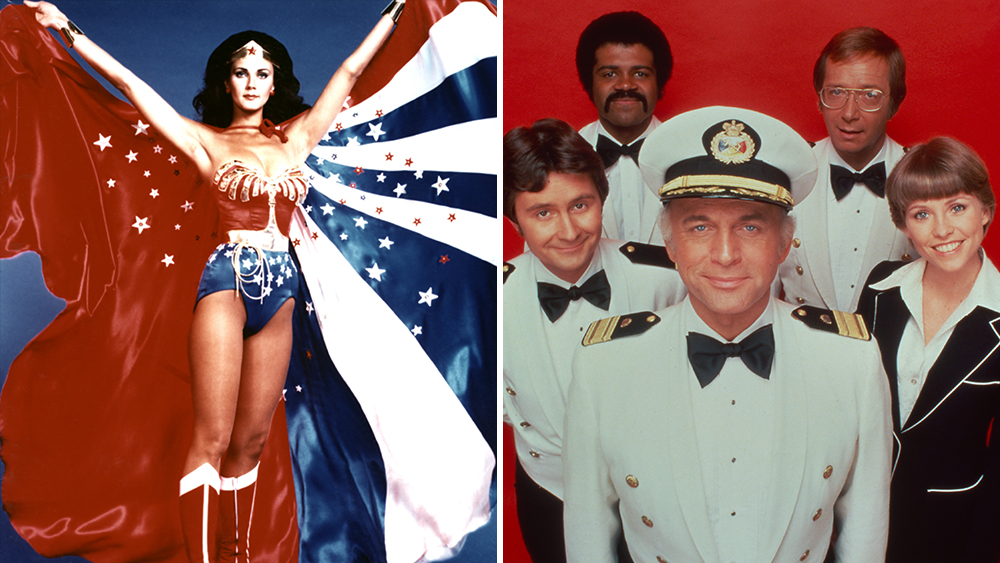
    Wilford Lloyd Baumes, a television producer recognized for his contributions to seminal 1970s and 1980s series including Wonder Woman and The Love Boat, died on July 1, 2026, at the age of 86. His passing marks the end of an era for a figure who helped define the golden age of episodic television through his production work.

    Baumes’s career spanned several decades, influencing the creation and execution of programs that became household names. His involvement with these shows ensured their quality and cultural resonance for millions of viewers.

    Early Life and Career Beginnings

    Wilford Lloyd Baumes began his journey in the television industry during a period of significant growth and innovation. Details of his early life and initial forays into media production are foundational to understanding his later successes.

    The burgeoning television landscape of the mid-20th century provided fertile ground for new talent. Baumes navigated this environment, learning the intricacies of production from the ground up.

    His early roles likely involved various aspects of television creation, building a comprehensive understanding of the craft. This foundational experience would prove crucial for his later executive responsibilities.

    The era demanded versatility and a keen eye for engaging content. Baumes developed these skills, positioning himself for more prominent roles as the industry matured.

    He established a reputation for dedication and an understanding of audience appeal. These qualities would become hallmarks of his work on some of television’s most memorable shows.

    Producing Wonder Woman (1975-1979)

    Wilford Lloyd Baumes served as a producer for the iconic Wonder Woman television series, which aired from 1975 to 1979. This show, starring Lynda Carter as the Amazonian princess Diana Prince, became a cultural phenomenon.

    The series initially debuted on ABC for its first season before moving to CBS for its subsequent two seasons. Baumes’s role was critical in managing the complex production of a superhero narrative for a primetime audience.

    Wonder Woman required intricate stunt work, special effects for its time, and a careful balance of action and character development. Baumes helped ensure these elements coalesced into a cohesive and entertaining program.

    His efforts contributed to the show’s lasting legacy, making Lynda Carter’s portrayal of Wonder Woman a definitive interpretation for generations. The series remains a touchstone of 1970s television.

    The production team, including Baumes, navigated the challenges of adapting a beloved comic book character for a mainstream audience. Their success laid groundwork for future superhero adaptations.

    The Phenomenon of The Love Boat (1977-1987)

    Another significant credit in Wilford Lloyd Baumes’s career was his role as a producer for The Love Boat. This romantic comedy-drama series premiered in 1977 and became a staple of ABC’s Saturday night lineup, running for ten seasons until 1987.

    The Love Boat depicted the comedic and romantic adventures of passengers and crew aboard a luxury cruise ship, the Pacific Princess. Baumes was instrumental in bringing this anthology-style show to air each week.

    The series was known for its rotating cast of guest stars, often prominent actors from film and television. Managing this extensive ensemble and multiple storylines presented a unique production challenge.

    Baumes’s work on The Love Boat contributed to its status as a ratings success and a cultural touchstone. The show’s theme song and format are instantly recognizable to millions.

    His production oversight helped maintain the show’s lighthearted tone and consistent quality over its long run. The Love Boat became synonymous with escapist television entertainment.

    Impact on 1970s and 1980s Television

    Wilford Lloyd Baumes’s work on Wonder Woman and The Love Boat placed him at the heart of popular television production during the 1970s and 1980s. These decades were transformative for the medium.

    He contributed to shows that captivated diverse audiences, from superhero enthusiasts to viewers seeking romantic comedy. His ability to work across genres demonstrated his versatility as a producer.

    The success of these programs helped solidify the episodic format that dominated network television. Baumes’s production skills were vital in delivering consistent content to demanding broadcast schedules.

    His influence extended to the practical aspects of television making, from budgeting and scheduling to creative decisions that shaped the final product. Producers like Baumes were the unsung heroes behind the scenes.

    The cultural footprint of shows like Wonder Woman and The Love Boat endures, largely due to the dedicated efforts of individuals like Wilford Lloyd Baumes. They crafted entertainment that resonated deeply with the viewing public.

    The Role of a Television Producer

    The role of a television producer, as exemplified by Wilford Lloyd Baumes, is multifaceted and crucial. Producers are responsible for overseeing all aspects of a show’s creation, from concept to final broadcast.

    This includes financial management, ensuring the project stays within budget. It also involves logistical coordination, such as scheduling filming and managing crew and cast.

    Creatively, producers often work closely with writers, directors, and actors to shape the narrative and artistic vision of a series. They act as a central hub, ensuring all departments work in harmony.

    Baumes’s longevity in the industry suggests a mastery of these various responsibilities. His success on high-profile shows underscores his effectiveness in this demanding role.

    A producer’s impact can often be seen in the overall quality and consistency of a television series. Baumes’s credits reflect a career dedicated to delivering engaging and memorable content.

    Legacy in Classic Television

    Wilford Lloyd Baumes leaves behind a significant legacy within the realm of classic American television. His contributions are etched into the history of programs that continue to be celebrated and rewatched.

    The enduring popularity of Wonder Woman, with its themes of empowerment and justice, speaks to the quality of its original production. Baumes played a key role in bringing this vision to life.

    Similarly, The Love Boat remains a beloved series, synonymous with feel-good entertainment and the glamour of cruise travel. Its unique format and guest star roster were expertly managed under his oversight.

    His work helped establish the benchmarks for episodic storytelling and character development in primetime television. These shows provided comfort and escape for millions of viewers across the globe.

    Baumes’s career serves as a testament to the dedication and skill required to produce successful and impactful television. His influence helped shape an entire generation’s viewing habits.

    The Enduring Appeal of Nostalgia

    The passing of figures like Wilford Lloyd Baumes often triggers a wave of nostalgia for the eras they helped define. His work is deeply embedded in the collective memory of those who grew up watching 1970s and 1980s television.

    Shows like Wonder Woman and The Love Boat offered a particular brand of entertainment. They provided escapism and often explored themes of heroism, romance, and human connection in accessible ways.

    This nostalgic appeal ensures that Baumes’s work continues to be relevant. Reruns, streaming services, and fan communities keep these classic series alive for new and old audiences alike.

    The ability of these shows to transport viewers back to a simpler time is a powerful aspect of their enduring charm. Baumes was a key architect of this televised comfort.

    His passing reminds audiences of the creators behind the magic. It prompts reflection on the impact these programs had on their lives and the broader cultural landscape.

    The Evolution of Television Production

    Wilford Lloyd Baumes’s career spanned a period of significant evolution in television production. From the network-dominated era to the early days of cable, he witnessed and adapted to changes.

    The methods and technologies used in television production have transformed dramatically since his early days. Yet, the core principles of storytelling and audience engagement remain constant.

    Producers like Baumes were foundational in developing the practices that still influence modern television. Their experience laid the groundwork for today’s complex productions.

    His ability to consistently deliver high-quality content across different series speaks to his adaptability and understanding of the medium’s demands. Television production is a constantly moving target.

    The legacy of producers from this era, including Baumes, continues to inform contemporary approaches to episodic storytelling and show management. Their contributions are fundamental.

    Wilford Lloyd Baumes was a craftsman. A storyteller. A manager. A producer. An architect of televised dreams.

  • The Life of Jesus Christ: A Landmark BBC Series From Wonderhood Studios

    The Life of Jesus Christ: A Landmark BBC Series From Wonderhood Studios

    A New Exploration of an Ancient Narrative

    Wonderhood Studios is currently producing a landmark BBC series dedicated to exploring the life of Jesus Christ. This ambitious project aims to present a comprehensive narrative, drawing on historical, theological, and cultural perspectives to illuminate one of the most influential figures in human history. The series is poised to be a significant broadcast event, offering new insights and a contemporary lens on the foundational story of Christianity.

    The production signals a continued public interest in historical religious figures and their impact on global civilization. It emphasizes a commitment to a detailed and expansive examination, moving beyond conventional portrayals to offer a nuanced understanding. The collaboration between Wonderhood Studios and the BBC underscores the high production values and wide reach expected for the final broadcast.

    The Enduring Appeal of Jesus Christ

    The figure of Jesus Christ has captivated scholars, artists, and believers for millennia. His teachings and life story form the bedrock of Christianity, influencing billions worldwide. This new BBC series seeks to delve into the historical context of his existence, examining the political, social, and religious landscape of first-century Judea.

    Understanding the life of Jesus extends beyond theological discourse. It involves an exploration of ancient history, cultural anthropology, and the development of Western civilization. The narratives surrounding Jesus have inspired countless works of art, literature, and music, shaping the collective consciousness across diverse cultures.

    Historical Contexts and Interpretations

    Scholarly approaches to the historical Jesus have evolved significantly over centuries. Early Christian writers provided foundational texts, followed by medieval theologians who synthesized these accounts. The Enlightenment brought critical historical methods, questioning traditional interpretations and seeking empirical evidence.

    Modern scholarship employs archaeological findings, textual analysis of ancient manuscripts, and comparative religious studies. These methods aim to reconstruct the most probable historical events and contexts surrounding Jesus’s life. The BBC series will likely integrate these contemporary scholarly perspectives, offering viewers an informed and updated understanding.

    Wonderhood Studios: Production Background

    Wonderhood Studios, the production company behind this landmark series, is known for its diverse range of content, including documentaries and factual programming. The studio was founded by former news executive David Dimbleby and former BBC creative director Samantha Anstiss. Their previous works often combine compelling storytelling with rigorous research.

    Their involvement suggests a commitment to high journalistic and production standards. The studio’s track record indicates an ability to tackle complex subjects with accessibility and depth. This makes them a suitable partner for a project of this scale and cultural importance.

    Previous Notable Productions

    • The Rise of the Murdoch Dynasty (2020): A three-part series for the BBC that explored the media empire of Rupert Murdoch.
    • Baby Surgeons: Delivering Miracles (2021): A Channel 4 documentary series focusing on fetal medicine.
    • Ambulance (ongoing): A long-running documentary series for the BBC, offering an inside look at ambulance services across the UK.

    These examples demonstrate Wonderhood Studios’ capacity for producing impactful, well-researched documentaries. Their experience with factual storytelling positions them well to handle the sensitive and complex subject matter of Jesus Christ’s life.

    The Role of the BBC in Factual Programming

    The British Broadcasting Corporation (BBC) has a long-standing reputation for producing high-quality factual and documentary content. As a public service broadcaster, the BBC aims to inform, educate, and entertain. Its commitment to in-depth historical and religious programming is a hallmark of its output.

    The BBC has historically tackled major religious figures and movements, providing platforms for balanced and thorough examinations. This new series on Jesus Christ fits within this tradition, promising a significant cultural contribution. The reach of the BBC ensures that the series will be accessible to a vast international audience, extending its impact globally.

    Landmark Documentaries on Religion and History

    The BBC has produced numerous influential series on religious and historical topics. These include:

    • Civilisation (1969): Kenneth Clark’s seminal series on Western art and ideas.
    • The Ascent of Man (1973): Jacob Bronowski’s exploration of human intellectual history.
    • A History of Christianity (2009): Diarmaid MacCulloch’s comprehensive six-part series.
    • The Bible: A History (2010): A series exploring the origins and impact of the Bible.

    These productions set a high bar for factual storytelling and intellectual rigor. The new series from Wonderhood Studios is expected to uphold this tradition, contributing to the BBC’s legacy of authoritative programming.

    Cultural and Religious Significance in 2026

    The decision to produce a landmark series on Jesus Christ in 2026 carries significant cultural weight. In an era marked by diverse belief systems and increasing secularization in some regions, a comprehensive exploration of this figure remains highly relevant. The series can serve as a point of reference for both believers and non-believers, fostering understanding and dialogue.

    For many, Jesus Christ is not merely a historical figure but the central figure of their faith. The series will likely navigate these perspectives with sensitivity, aiming for an inclusive portrayal that respects religious conviction while engaging with historical inquiry. This balance is crucial for a production intended for a broad, global audience.

    Addressing Modern Questions

    Contemporary audiences often approach historical figures with questions shaped by modern sensibilities. The series may address how Jesus’s teachings resonate with current ethical dilemmas, social justice movements, and personal spiritual quests. It offers an opportunity to re-examine ancient wisdom through a contemporary lens.

    The production might also explore the various interpretations of Jesus’s message across different Christian denominations and other faiths. This could highlight the diversity of thought and practice that has emerged from his life and teachings over two millennia.

    Anticipated Impact and Reception

    The series is expected to generate considerable discussion and public interest. Landmark productions on religious figures often spark theological debates, historical re-evaluations, and cultural conversations. The BBC’s global platform ensures that these discussions will reach a wide audience, from academic circles to local communities.

    Critics will likely assess the series on its historical accuracy, theological sensitivity, and narrative compellingness. Viewers will engage with the content based on their existing knowledge and beliefs, contributing to a rich tapestry of reactions. The goal is to provide a definitive and thought-provoking account that stands as a significant contribution to public understanding.

    The Narrative Arc: From Birth to Resurrection

    A series exploring the life of Jesus Christ typically follows a chronological narrative, beginning with his birth in Bethlehem and early life in Nazareth. It then progresses through his public ministry, including his baptism, teachings, miracles, and selection of disciples. The climax often involves his crucifixion in Jerusalem, followed by the resurrection and ascension.

    Each phase of his life presents unique historical and theological challenges and opportunities for storytelling. The series will likely employ dramatic reconstructions, expert interviews, and on-location filming to bring these events to life. The aim is to create an immersive experience that transports viewers back to the world of Jesus.

    Key Events Expected to be Covered

    • The Nativity and early childhood.
    • John the Baptist and Jesus’s baptism in the Jordan River.
    • The Sermon on the Mount and parables.
    • Healing miracles and exorcisms.
    • The Last Supper and betrayal by Judas Iscariot.
    • Trial before Pontius Pilate and crucifixion.
    • The Resurrection and post-resurrection appearances.

    These events form the core narrative of the Gospels and are central to Christian belief. The series will aim to present these moments with both historical fidelity and narrative power, making them accessible to a broad audience.

    Collaborations and Expertise

    A production of this magnitude typically involves a team of experts, including historians, theologians, archaeologists, and biblical scholars. Their input ensures the accuracy and depth of the content. Wonderhood Studios will likely consult a diverse group of academics to provide multiple perspectives and insights.

    The BBC’s reputation attracts leading experts in their fields, contributing to the authoritative nature of its documentaries. This collaborative approach enhances the series’ credibility and ensures a well-rounded exploration of its subject matter.

    Scholars contributed. Historians provided context. Filmmakers crafted narratives. The BBC presented.

    Jesus.

  • Mark Harmon’s NCIS: Origins Return – Why Gibbs is Back for Season 3

    Mark Harmon’s NCIS: Origins Return – Why Gibbs is Back for Season 3

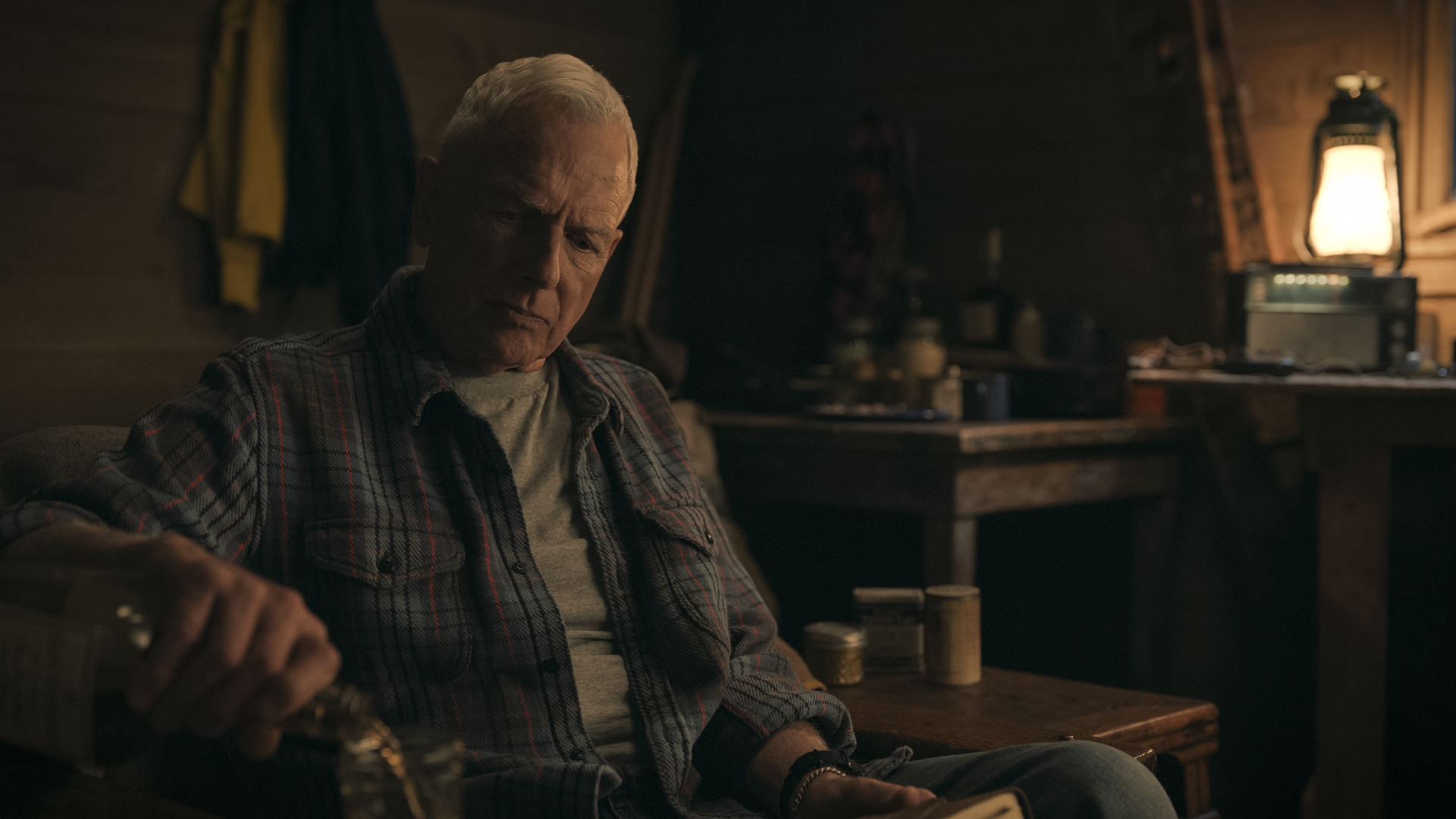
    Mark Harmon will return to the ‘NCIS’ franchise, reprising his role as Leroy Jethro Gibbs for the third season of the prequel series ‘NCIS: Origins’. This return is driven by Harmon’s ongoing commitment as an executive producer for the series, ensuring the authentic portrayal of the character he originated. The announcement on June 30, 2026, by Deadline confirms his continued involvement, reinforcing the narrative connection between Gibbs’ past and present.

    Harmon’s character, Special Agent Leroy Jethro Gibbs, has been a cornerstone of the ‘NCIS’ franchise since its inception. His portrayal defined the stoic, rule-bending leader of the Major Case Response Team for nearly two decades. The decision for Harmon to return to ‘NCIS: Origins’ for a third season highlights the enduring appeal of the Gibbs character and the franchise’s commitment to its foundational elements.

    The Enduring Legacy of Leroy Jethro Gibbs

    Leroy Jethro Gibbs first appeared in the two-part backdoor pilot for ‘NCIS’, which aired as episodes of ‘JAG’ in April 2003. Harmon’s portrayal quickly established Gibbs as a complex figure, a former Marine sniper turned NCIS Special Agent. His character’s backstory, marked by personal tragedy and a strict moral code, became a defining feature of the series.

    Gibbs led the NCIS team for 18 seasons, departing in the fourth episode of season 19, which aired in October 2021. His exit saw the character choose to remain in Alaska, finding peace away from the demands of federal law enforcement. This departure left a significant void for many viewers, making any return to the franchise a notable event.

    ‘NCIS’ itself launched on September 23, 2003, and quickly became one of CBS’s most successful and long-running procedural dramas. The series has spawned multiple spin-offs, including ‘NCIS: Los Angeles’, ‘NCIS: New Orleans’, ‘NCIS: Hawaiʹi’, and ‘NCIS: Sydney’. The creation of ‘NCIS: Origins’ further expands this universe by delving into the past of its most iconic character.

    Gibbs’ Character Evolution and Impact

    The character of Leroy Jethro Gibbs evolved significantly over his nearly two decades on screen. Initially presented as a hardened, no-nonsense agent, layers of his personal history were gradually revealed. These included his four marriages, the tragic deaths of his first wife Shannon and daughter Kelly, and his complex relationships with his father and various proteges.

    His signature ‘Gibbs’ Rules’ became a fan favorite, offering a glimpse into his pragmatic and often unconventional approach to law enforcement. These rules, ranging from ‘Never apologize – it’s a sign of weakness’ to ‘Never screw over your partner’, provided both comic relief and deeper insight into his moral compass. The consistency of these rules contributed to the character’s long-term appeal and predictability within the unpredictable world of crime-solving.

    Harmon’s performance earned him multiple People’s Choice Awards nominations and a loyal fan base. His ability to convey deep emotion with minimal dialogue became a hallmark of the character. This nuanced portrayal cemented Gibbs as one of television’s most memorable procedural drama leads, influencing countless other fictional law enforcement figures.

    ‘NCIS: Origins’ and Gibbs’ Formative Years

    ‘NCIS: Origins’ focuses on the early career of Leroy Jethro Gibbs. The series is set in 1993 and explores Gibbs’ first years as a newly minted special agent at the NCIS Camp Pendleton office. This period predates many of the events and relationships established in the flagship ‘NCIS’ series.

    The prequel aims to fill in the gaps of Gibbs’ professional and personal history, showing how he developed into the agent fans came to know. It details his interactions with early mentors and colleagues, providing context for his later leadership style and operational philosophy.

    Austin Stowell portrays the younger Leroy Jethro Gibbs in ‘NCIS: Origins’. Stowell’s casting was a critical component of the prequel’s development, as he was tasked with embodying a younger version of a character made famous by Harmon. His performance is intended to capture the essence of Gibbs while also showing his evolution.

    Exploring Key Mentors and Early Cases

    ‘NCIS: Origins’ delves into pivotal relationships that shaped Gibbs. One central figure is Mike Franks, portrayed by Robert Patrick in the original series and by Kyle Schmid in the prequel. Franks served as Gibbs’ mentor, guiding him through his initial years as a Special Agent. The prequel explores the genesis of their complex, father-son-like dynamic.

    The series also introduces viewers to other formative colleagues and superiors, such as Special Agent Vera Strickland, played by Diany Rodriguez. These characters help illustrate the environment in which Gibbs learned the ropes of NCIS. Early cases featured in ‘NCIS: Origins’ often highlight the nascent stages of Gibbs’ investigative techniques and his developing moral code, which would later define his leadership.

    The narrative of ‘NCIS: Origins’ also touches upon the political climate and technological limitations of the early 1990s. This setting provides a contrast to the more advanced investigative tools seen in the main ‘NCIS’ series, emphasizing the ingenuity and grit required of agents during that era.

    Harmon’s Dual Role: Actor and Executive Producer

    Mark Harmon’s involvement in ‘NCIS: Origins’ extends beyond his on-screen return. He also serves as an executive producer for the series, a role he has held since the show’s inception. This position allows him to maintain creative oversight and influence over the portrayal of his character’s origins.

    Harmon’s executive producer credit ensures that the narrative direction of ‘NCIS: Origins’ aligns with the established lore and character development of Leroy Jethro Gibbs. This level of involvement is crucial for maintaining continuity and authenticity within a beloved franchise. His intimate knowledge of the character, developed over nearly two decades, provides invaluable guidance to the creative team.

    His contributions as an executive producer likely include guiding story arcs, character interpretations, and overall tone. This dual role provides a direct link between the original series’ star and the prequel’s narrative, ensuring a cohesive vision that respects the character’s history while exploring new territory.

    The Importance of Executive Producer Input

    For a character as iconic as Leroy Jethro Gibbs, the input of the actor who originated the role is paramount. As an executive producer, Harmon can weigh in on scripts, casting decisions, and overall thematic direction. This ensures that the younger Gibbs portrayed by Austin Stowell remains consistent with the essence of the character fans have known for years.

    Harmon’s experience also provides a bridge for the younger cast members, offering insights into Gibbs’ motivations and mannerisms. This collaborative approach helps to maintain the integrity of the character across different timelines and actors. It also provides a level of quality control that reassures long-time fans about the direction of the prequel.

    The Impact of a Returning Icon for Season 3

    The return of Mark Harmon as Gibbs, even in a narrative capacity for a prequel, carries significant weight for the ‘NCIS’ franchise. It signifies a continued connection to its roots and acknowledges the importance of its central figures.

    Fan engagement with the ‘NCIS’ universe remains robust, driven by a loyal viewership that has followed the series for over two decades. The announcement of Harmon’s return for ‘NCIS: Origins’ Season 3 is poised to reignite excitement and draw attention to the prequel series. This strategic move leverages the established popularity of Harmon and the Gibbs character to attract new viewers while satisfying existing ones.

    The decision to feature Harmon in ‘NCIS: Origins’ also reflects a broader trend in television. Franchises often leverage established characters and actors to launch or sustain spin-off projects. This strategy capitalizes on existing fan bases and familiar intellectual property, ensuring a built-in audience from day one.

    Bridging Generations of ‘NCIS’ Fans

    The ‘NCIS’ franchise has cultivated multiple generations of viewers. Some have followed the series since its 2003 debut, while others have discovered it through streaming platforms. ‘NCIS: Origins’ aims to appeal to both groups.

    For long-time fans, the prequel offers a chance to see the genesis of their favorite character, providing answers to questions about his past. For newer viewers, it provides an entry point into the rich history of the NCIS universe, offering context for the flagship series and its spin-offs. This dual appeal strengthens the overall franchise.

    Harmon’s return helps bridge this gap. His presence, even if not in every episode or in a primary acting role, offers a tangible link to the original series. This connection can reinforce the narrative continuity across different timelines and iterations of the ‘NCIS’ story, creating a more cohesive viewing experience.

    The Future of the ‘NCIS’ Universe

    The ‘NCIS’ universe continues to expand and evolve. With multiple active series and the ongoing success of ‘NCIS: Origins’, the franchise demonstrates remarkable longevity and adaptability. This continued growth is a testament to the strong foundational characters and compelling storytelling that define the series.

    The commitment to exploring Gibbs’ past through ‘NCIS: Origins’ indicates a strategic effort to deepen the lore of the franchise. By understanding the character’s beginnings, viewers gain a richer appreciation for his journey and decisions in the original series. This enriches the entire viewing experience, offering new perspectives on established narratives.

    Future seasons of ‘NCIS: Origins’ could explore more pivotal moments in Gibbs’ early career, potentially introducing younger versions of other characters who later played significant roles. This narrative approach allows for both nostalgic appeal and fresh storytelling, keeping the franchise vibrant and engaging for years to come.

    Franchise Expansion and Character Development

    The ‘NCIS’ universe has successfully expanded by focusing on character-driven narratives within the framework of military crime investigation. Each spin-off, from ‘NCIS: Los Angeles’ to ‘NCIS: Sydney’, introduces new teams and settings while maintaining the core themes of duty, loyalty, and justice.

    ‘NCIS: Origins’ specifically enhances this by providing depth to the most central character. Understanding Gibbs’ early struggles, triumphs, and choices adds significant layers to his later persona. This kind of character development, spanning multiple series and decades, is rare in television and contributes to the franchise’s unique appeal.

    The ongoing success of the ‘NCIS’ franchise, bolstered by returns like Harmon’s, suggests a robust future. This future will likely involve continued exploration of its established characters and the introduction of new ones, ensuring the universe remains dynamic and relevant.

    Fans will watch. Critics will analyze. The ‘NCIS’ universe expands.

    Continuity.

  • Tom Hardy Returns to ‘MobLand’ – Season 3 Renewal Secured After Resolved Issues

    Tom Hardy Returns to ‘MobLand’ – Season 3 Renewal Secured After Resolved Issues

    Tom Hardy Confirms ‘MobLand’ Return

    Tom Hardy, the acclaimed actor, has officially resolved the issues that previously stalled his return to the crime drama series ‘MobLand’. This development, confirmed on June 30, 2026, directly secures the renewal of the series for a third season. The resolution allows production to move forward, ending speculation surrounding the show’s future and Hardy’s continued participation.

    The series, known for its gritty portrayal of organized crime and complex character arcs, has cultivated a dedicated global fanbase since its debut. Hardy’s central role is considered integral to its narrative and commercial success. His confirmed return is a significant victory for both the production studio and the network.

    The Road to Resolution

    The path to this resolution was not without its challenges. Reports emerged in late 2025 detailing significant disagreements between Hardy and the production team. These issues were never explicitly detailed in public statements. Industry insiders suggested they pertained to creative control, scheduling conflicts, or compensation disputes.

    Negotiations reportedly intensified during the first half of 2026. Representatives for Tom Hardy engaged in extensive discussions with network executives and the ‘MobLand’ production company. The objective was to find common ground that would satisfy all parties involved and ensure the series’ continuation.

    Multiple sources close to the production indicated that the primary sticking points involved contractual specifics. These included the actor’s availability for filming and the scope of his character’s storyline in future seasons. Creative differences often arise in long-running series, particularly with lead actors who become deeply invested in their roles.

    Impact on ‘MobLand’ Production

    The uncertainty surrounding Hardy’s involvement had placed the third season of ‘MobLand’ in limbo. Writers were reportedly hesitant to finalize scripts without a firm commitment from their lead. Casting directors faced challenges in securing supporting roles, given the potential for delays or even cancellation.

    With the issues now resolved, the production team can accelerate pre-production efforts. This includes script finalization, casting, and securing filming locations. The immediate focus will be on establishing a clear production timeline for Season 3.

    Industry analysts had previously warned that a departure by Hardy could severely impact the series’ viewership and critical reception. His performance is frequently cited as a cornerstone of the show’s appeal. The network’s commitment to resolving these issues underscores the value placed on his contribution.

    The ‘Spat’ and Public Perception

    The term ‘spat’ was used by some media outlets to describe the disagreements. While the exact nature of the dispute remains private, the public perception was one of significant friction. This type of high-profile disagreement can generate negative publicity, even if ultimately resolved.

    The resolution serves to reassure the audience and investors. It demonstrates the network’s ability to navigate complex talent relations. It also reinforces the idea that the series is a priority for all stakeholders.

    Public statements from Hardy’s representatives and the production company were brief but positive. They emphasized a mutual desire to continue the successful collaboration. This diplomatic approach helps to mend any perceived rifts and refocus attention on the upcoming season.

    Hardy’s Career Trajectory

    Tom Hardy has a distinguished career marked by versatile performances across film and television. His roles often feature intense, complex characters. This aligns with the demanding nature of his ‘MobLand’ character.

    Notable past projects include his work in films such as ‘Mad Max: Fury Road’ (2015), ‘The Revenant’ (2015), and ‘Venom’ (2018). His television roles, while less frequent, have also garnered critical acclaim. His commitment to ‘MobLand’ further solidifies his presence in the prestige television landscape.

    His ability to command significant audience attention makes him a valuable asset to any production. The network’s efforts to retain him reflect this market reality. The resolution of the ‘MobLand’ issues is a testament to his negotiating power and importance to the series.

    Anticipation for Season 3

    Fans of ‘MobLand’ have eagerly awaited news regarding the third season. Social media platforms have been abuzz with speculation. The official confirmation of Hardy’s return is expected to generate significant excitement.

    The series has received critical praise for its writing, direction, and ensemble cast. Its complex exploration of moral ambiguity and power dynamics has resonated with viewers. The continuation of these themes with Hardy at the helm is a key factor in fan anticipation.

    The network is expected to release further details about the third season’s plot and premiere date in the coming months. Marketing campaigns will likely leverage the resolved issues as a narrative of triumph and dedication to the series.

    The Business of Television

    The resolution of Tom Hardy’s contract issues highlights the intricate business aspects of modern television production. Major stars often have significant leverage due to their drawing power. Negotiations can be protracted and involve substantial financial and creative considerations.

    Networks and studios must balance creative integrity with financial viability. Retaining a lead actor of Hardy’s caliber often requires concessions. These might include increased salary, executive producer credits, or greater input on storylines.

    The successful conclusion of these negotiations sets a precedent. It demonstrates that even with high-profile talent, resolutions can be achieved. This ensures the continuity of popular series, satisfying both creative teams and the audience.

    The future of ‘MobLand’ now appears secure. Production will move forward. New storylines will develop. Audiences will once again watch Tom Hardy.

    Negotiations concluded. Contracts signed. Production begins.

    MobLand.

  • Trump and Vance Unveil 2026 Financial Disclosure Reports

    Trump and Vance Unveil 2026 Financial Disclosure Reports

    On June 30, 2026, former President Donald Trump and Senator J.D. Vance publicly released their 2026 financial disclosure reports, detailing their assets, liabilities, and income sources, a mandatory practice designed to ensure transparency for federal officeholders and candidates.

    These documents offer a detailed view into the financial holdings of two influential figures in American politics. The reports were a focal point of discussion on Bloomberg Television’s program, “Balance of Power.” Such disclosures are a cornerstone of ethical governance.

    The Mandate of Financial Disclosure

    Federal law requires specific public officials and candidates to file financial disclosure reports. This requirement applies to presidential candidates, members of Congress, federal judges, and other high-level government employees. The goal is to prevent conflicts of interest and inform the public about the financial interests of their representatives.

    The Ethics in Government Act of 1978 established many of these requirements. This act was a response to public demand for greater accountability following various political scandals. It created a framework for regular and public reporting of financial information.

    The reports typically cover a calendar year. They include a broad range of financial data. This encompasses investments, real estate, debts, and income from various sources.

    What is Included in a Financial Disclosure Report?

    A standard financial disclosure report requires several key categories of information. These categories aim to provide a comprehensive picture of an individual’s economic status.

    • Assets: This section lists all significant assets held by the individual, their spouse, and dependent children. Examples include stocks, bonds, mutual funds, real estate, and interests in businesses. The value of these assets is reported within broad ranges, not exact figures.
    • Liabilities: Major debts are also reported. This includes mortgages, loans, and credit card debts exceeding certain thresholds. Like assets, liabilities are typically reported in value ranges.
    • Income: All sources of earned and unearned income must be disclosed. This covers salaries, consulting fees, dividends, interest, and capital gains. Income from speaking engagements and book deals often appears here.
    • Transactions: Any purchase, sale, or exchange of property exceeding a specific value must be reported. This provides insight into an individual’s financial activity throughout the reporting period.
    • Gifts and Travel Reimbursements: Gifts received over a certain value and travel reimbursements from non-governmental sources are also listed. This ensures transparency regarding potential influence from outside parties.

    The specificity of these requirements aims to create a public record. This record allows for public and media scrutiny.

    Donald Trump’s 2026 Financial Report

    Former President Donald Trump’s financial disclosure reports consistently draw significant public attention. His extensive business empire and real estate holdings make his disclosures particularly complex. The 2026 report continues this trend, detailing his post-presidency financial activities.

    Trump’s report likely lists numerous entities within The Trump Organization. These entities include golf courses, hotels, and licensing deals. His income sources often stem from these various business ventures.

    The document would outline income from Mar-a-Lago, his Florida residence and club, and his various golf properties. Revenue from branding and licensing agreements also typically features prominently. Significant liabilities, often in the form of loans associated with his real estate portfolio, are also expected to be present.

    Previous disclosures have shown a complex web of assets and liabilities. The 2026 report provides an updated snapshot of this financial landscape as he continues his political activities.

    Senator J.D. Vance’s 2026 Financial Report

    Senator J.D. Vance, representing Ohio in the U.S. Senate, also released his 2026 financial disclosure. As a sitting member of Congress, his report offers insights into the financial position of a relatively newer figure on the national political stage compared to Trump.

    Vance’s financial background includes a career in venture capital and authorship. His report would reflect investments made through his venture capital activities. It would also detail any ongoing income from his published works, including his memoir, “Hillbilly Elegy.”

    His assets likely include holdings in technology companies and investment funds. Liabilities could include mortgages or other personal loans. The report provides a clear picture of his financial standing during his tenure in the Senate.

    These disclosures are crucial for understanding the potential financial influences on his legislative decisions. Public examination of these documents is a core tenet of democratic accountability.

    The Public’s Demand for Transparency

    The release of these financial reports underscores a persistent public demand for transparency from political figures. Citizens and watchdog organizations frequently scrutinize these documents. They look for potential conflicts of interest or unusual financial activity.

    Transparency is seen as a vital component of public trust. When elected officials’ financial dealings are open to examination, it can help assure the public that decisions are made in the national interest, not personal gain.

    News organizations, like Bloomberg Television, play a critical role in disseminating and analyzing these reports. Their coverage helps to translate complex financial data into understandable information for the general public.

    The “Balance of Power” program specifically focused on the implications of these disclosures. This media attention amplifies the public’s access to and understanding of the reports.

    Implications for Accountability and Ethics

    Financial disclosure reports are not merely bureaucratic formalities. They are powerful tools for accountability. They allow the public and ethics watchdogs to monitor the financial health and potential conflicts of interest of those in power.

    When a public official’s financial interests align with or diverge from their policy decisions, these reports provide the data points for examination. This can lead to questions about ethical conduct and the integrity of governmental processes.

    For instance, if an official holds significant investments in an industry directly affected by legislation they are championing, the disclosure report highlights this potential connection. This does not automatically imply wrongdoing, but it mandates scrutiny.

    The system relies on self-reporting, but severe penalties exist for false statements or omissions. This mechanism reinforces the importance of accurate and complete disclosures.

    The Role of Media in Financial Scrutiny

    Media outlets are essential intermediaries in the process of financial scrutiny. They analyze complex financial documents, identify key trends, and report on findings to the public. Bloomberg Television’s coverage exemplifies this role.

    Journalists review thousands of pages of financial data. They compare current reports with previous ones to identify changes. They also cross-reference holdings with policy positions or legislative actions.

    This journalistic effort ensures that the public is informed. It also acts as a deterrent against unethical behavior, knowing that financial dealings will likely be subject to public exposure.

    The media’s focus on these reports reinforces their significance. It transforms raw data into a narrative about public service and financial integrity.

    Public Reaction and Ongoing Debate

    The release of these reports inevitably sparks public discussion. Social media platforms and news comment sections become forums for debate. Citizens express opinions on the financial status of their leaders.

    Some argue that the current disclosure system is insufficient. They advocate for more granular detail or more frequent reporting. Others maintain that the existing framework strikes an appropriate balance between privacy and transparency.

    The ongoing debate reflects a democratic society’s continuous striving for better governance. It highlights the tension between the personal financial lives of individuals and their public responsibilities.

    The financial disclosures of Donald Trump and J.D. Vance contribute to this broader conversation. They serve as concrete examples around which these discussions can coalesce.

    The public demands. The officials report. The media analyzes. The debate continues.

    Transparency.