Tag: Television

  • The ‘New Girl’ Cast’s Battle for Lamorne Morris – Zooey Deschanel Recalls the Fight

    The ‘New Girl’ Cast’s Battle for Lamorne Morris – Zooey Deschanel Recalls the Fight

    The Fight for Winston Bishop

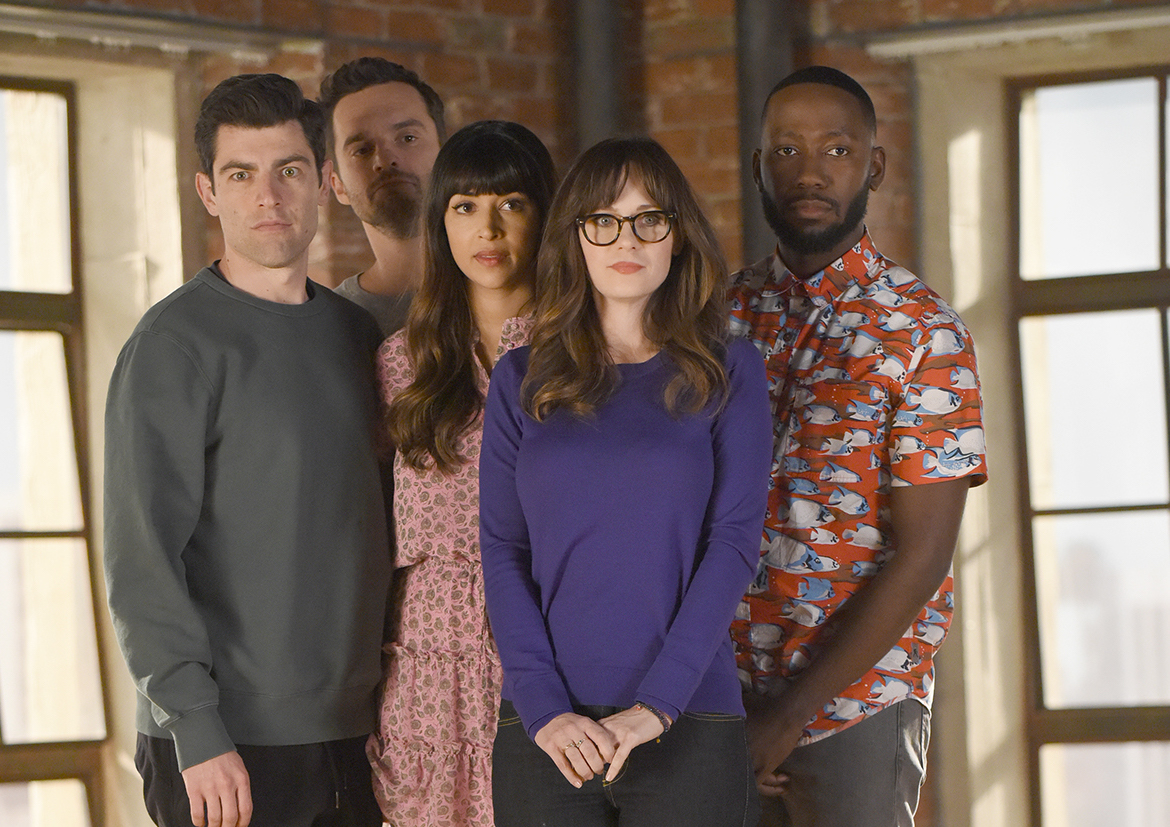
    The cast of the popular Fox comedy ‘New Girl’ actively fought to ensure Lamorne Morris, who portrayed Winston Bishop, remained a central character. Actress Zooey Deschanel, known for her role as Jessica Day, recently disclosed the behind-the-scenes efforts made by the ensemble to solidify Morris’s place on the show. This advocacy proved crucial in shaping the series’ long-term character dynamics and comedic tone.

    Morris joined the series after the pilot episode, replacing Damon Wayans Jr.’s character, Coach. His integration into the main cast was not instantaneous, requiring support from his fellow actors to secure his continued presence. This collective effort highlights the internal dynamics of television production and the influence cast members can sometimes wield.

    The Pilot’s Initial Lineup

    When ‘New Girl’ first aired in 2011, the pilot episode featured a different core group. The initial premise revolved around Jessica Day moving into a loft with three male roommates: Nick Miller (Jake Johnson), Schmidt (Max Greenfield), and Coach (Damon Wayans Jr.). This original configuration set the stage for the series’ comedic situations.

    Damon Wayans Jr. had a prior commitment to the ABC series ‘Happy Endings.’ This scheduling conflict meant that despite his appearance in the ‘New Girl’ pilot, he was unable to continue with the show as a regular cast member. This departure created an opening that would eventually be filled by Lamorne Morris.

    Lamorne Morris Enters the Loft

    Lamorne Morris stepped into the role of Winston Bishop, joining the cast in the second episode of the first season. His character was introduced as a childhood friend of Nick and Schmidt, returning to the loft after a basketball career in Latvia. This storyline provided a seamless way to integrate a new dynamic into the existing ensemble.

    Winston’s character evolved significantly over the show’s run. Initially portrayed as a more grounded figure, he gradually developed into one of the series’ most eccentric and beloved personalities. His quirky behaviors, love for his cat Furguson, and unique friendship with Cece Parekh (Hannah Simone) became hallmarks of the show.

    The Cast’s Advocacy for Morris

    Zooey Deschanel’s recent comments shed light on the specific period when Morris’s future on the show was uncertain. She indicated that the entire cast recognized Morris’s comedic talent and the value he brought to the ensemble. Their collective decision to advocate for him underscored their belief in his character’s potential and his chemistry with the other actors.

    This advocacy involved direct conversations with the show’s producers and network executives at Fox. The cast members emphasized Morris’s contributions to the show’s humor and his ability to integrate seamlessly into the established group. Their unified front played a critical role in ensuring Morris’s character would not be phased out.

    The Evolution of Winston Bishop

    Winston Bishop’s character arc became one of the most memorable aspects of ‘New Girl.’ His journey from a professional basketball player to an unconventional police officer provided numerous comedic opportunities. His storylines often explored themes of self-discovery, friendship, and finding one’s true calling.

    Morris’s portrayal of Winston allowed for a gradual unfolding of the character’s unique personality. His deadpan delivery, elaborate pranks, and often bizarre but endearing behaviors resonated strongly with the audience. This character development was a direct result of the creative freedom afforded to Morris and the writers, supported by the cast’s initial efforts.

    Impact on ‘New Girl’s’ Legacy

    ‘New Girl’ ran for seven seasons, from 2011 to 2018, totaling 146 episodes. Lamorne Morris appeared in every episode from his introduction onwards. His sustained presence was integral to the show’s success and its enduring appeal.

    The ensemble cast, including Deschanel, Johnson, Greenfield, Morris, and Simone, became synonymous with the show’s quirky humor and heartfelt moments. The chemistry among the actors was a significant factor in the series’ popularity, and Morris’s inclusion was vital to that dynamic. The behind-the-scenes fight for his role illustrates the collaborative nature of successful television production.

    The Broader Context of Cast Dynamics

    Stories of cast members advocating for their colleagues are not uncommon in television history. These situations often arise when a new actor joins a series or when a character’s future is in question due to network decisions or creative changes. A united cast can often sway these outcomes, particularly on established and popular shows.

    Such interventions highlight the importance of cast chemistry and the personal relationships forged on set. When actors genuinely believe in each other’s contributions, it can translate into a more cohesive and successful show. The ‘New Girl’ cast’s support for Lamorne Morris stands as an example of this dynamic in action.

    Zooey Deschanel’s Continued Reflections

    Zooey Deschanel has frequently reflected on her time on ‘New Girl’ since the series concluded. Her recent comments about Lamorne Morris’s situation provide new insight into the production process. Deschanel often speaks fondly of her castmates and the camaraderie they shared, both on and off screen.

    These reflections contribute to the ongoing legacy of ‘New Girl,’ offering fans a deeper understanding of the show’s creation. They also reinforce the idea that successful television is often a product of strong collaborative efforts and mutual support among its creative team and performers.

    The Enduring Appeal of ‘New Girl’

    ‘New Girl’ continues to be a popular series on streaming platforms, attracting new viewers and retaining its original fanbase. The show’s blend of humor, romance, and relatable character struggles has given it lasting appeal. The core relationships between the loftmates remain a central draw.

    The story of the cast’s fight for Lamorne Morris adds another layer to the show’s narrative, showcasing the dedication and loyalty within the group. It underscores how individual talents, supported by a collective belief, can significantly impact a project’s trajectory.

    Actors gathered. Writers gathered. Producers gathered. Network executives gathered. Fans gathered. Winston Bishop gathered.

    Television.

  • Ciara Miller Confirms Return to ‘Summer House’ for Season 11

    Ciara Miller Confirms Return to ‘Summer House’ for Season 11

    Ciara Miller’s Confirmed Return to ‘Summer House’

    Ciara Miller, a prominent figure in reality television, has officially confirmed her return to Bravo’s ‘Summer House’ for its 11th season. This announcement, made in July 2026, solidifies her continued presence within the popular Hamptons-based reality series. Her participation marks another chapter in her reality TV career, which includes appearances on ‘Love Island USA’.

    Filming Commences for Season 11

    The production for ‘Summer House’ Season 11 is actively underway. Filming began in July 2026, capturing the summer experiences of its cast members in the Hamptons. This rapid turnaround from previous seasons maintains the show’s consistent broadcasting schedule on Bravo.

    Miller’s Reality Television Journey

    Ciara Miller initially gained public recognition through her involvement in ‘Love Island USA’. Her appearance on the dating competition series introduced her to a wider audience. Following ‘Love Island USA’, Miller transitioned to ‘Summer House’, becoming a central figure in the Bravo series. Her narrative arc has included personal relationships, professional aspirations, and conflicts with fellow cast members.

    Miller’s initial integration into ‘Summer House’ brought a fresh dynamic to the existing cast. Her interactions with long-standing members and new additions have consistently driven storylines. The show often explores the complexities of friendships, romantic entanglements, and career pursuits among a group of young professionals sharing a summer house.

    The Evolution of ‘Summer House’

    ‘Summer House’ premiered on Bravo in 2017, documenting the lives of a group of friends who share a summer rental in Montauk, New York. The series quickly gained popularity for its blend of aspirational Hamptons living and relatable interpersonal drama. Over its run, the show has seen cast changes, location shifts within the Hamptons, and an evolution in its narrative focus.

    The show’s format typically follows the cast members as they balance their demanding careers in New York City with their weekend escapes. These weekends are often filled with parties, social events, and relationship developments. The Hamptons setting provides a backdrop for both leisure and heightened emotional situations.

    Impact of ‘Love Island USA’ on Castings

    The casting of individuals from other reality franchises, such as ‘Love Island USA’, into established shows like ‘Summer House’ represents a growing trend in television. This cross-pollination of talent can introduce new fan bases to a series and refresh existing dynamics. For Ciara Miller, her ‘Love Island USA’ background provided a foundation for her subsequent role on ‘Summer House’.

    This strategy allows networks to leverage existing reality TV personalities who already possess a public following. It can also create crossover appeal, drawing viewers who follow a particular individual across different shows. The integration of Miller from ‘Love Island USA’ into ‘Summer House’ exemplifies this contemporary casting approach.

    Anticipation for Season 11 Storylines

    Ciara Miller’s confirmed return for ‘Summer House’ Season 11 generates anticipation for her upcoming storylines. Viewers will likely follow her personal relationships, her professional endeavors, and her interactions with both returning and potentially new cast members. Her previous seasons have featured significant emotional moments and conflicts, suggesting similar developments for the new season.

    The Hamptons setting often amplifies the drama, as cast members spend intense weekends together away from their weekday routines. The confined environment of the share house frequently leads to both strong bonds and heated disagreements. Miller’s role has consistently been at the center of many of these key events.

    The Reality TV Landscape in 2026

    In 2026, the reality television landscape continues to be dominated by established franchises and new experimental formats. Shows like ‘Summer House’ maintain their appeal by offering consistent entertainment and evolving narratives. The longevity of these series relies on their ability to refresh storylines and introduce new personalities while retaining core elements that resonate with their audience.

    Bravo, as a network, has cultivated a strong brand identity around its reality programming. ‘Summer House’ is a key component of this portfolio, alongside other popular series. The network’s strategy often involves spin-offs and interconnected shows, creating a broader universe for its personalities and viewers.

    Production Challenges and Successes

    Producing a reality show like ‘Summer House’ involves managing a dynamic cast, coordinating filming schedules, and capturing authentic moments. The success of the show over multiple seasons indicates a robust production model. The ability to consistently deliver engaging content, despite the inherent unpredictability of reality television, is a hallmark of its continued popularity.

    The show’s editing process plays a crucial role in shaping narratives and highlighting key events. This post-production work transforms hours of raw footage into cohesive storylines that captivate viewers. The production team’s skill in this area contributes significantly to the show’s overall impact and its ability to generate discussion among its audience.

    The Enduring Appeal of Shared Living Dynamics

    The concept of shared living, particularly in a vacation setting, provides a fertile ground for reality television. The close quarters and extended periods of time spent together naturally lead to heightened emotions and conflicts. This dynamic is a core appeal of ‘Summer House’, allowing viewers to observe the intricacies of human relationships under unique circumstances.

    The show taps into universal themes of friendship, love, ambition, and conflict. By presenting these themes within a glamorous Hamptons backdrop, ‘Summer House’ offers both escapism and relatable human drama. Ciara Miller’s journey within this framework adds another layer to these enduring narratives.

    The cameras roll. The cast gathers. The summer unfolds.

    The Hamptons.

  • Randolph Mantooth, Star of ‘Emergency!,’ Dies at 80

    Randolph Mantooth, Star of ‘Emergency!,’ Dies at 80

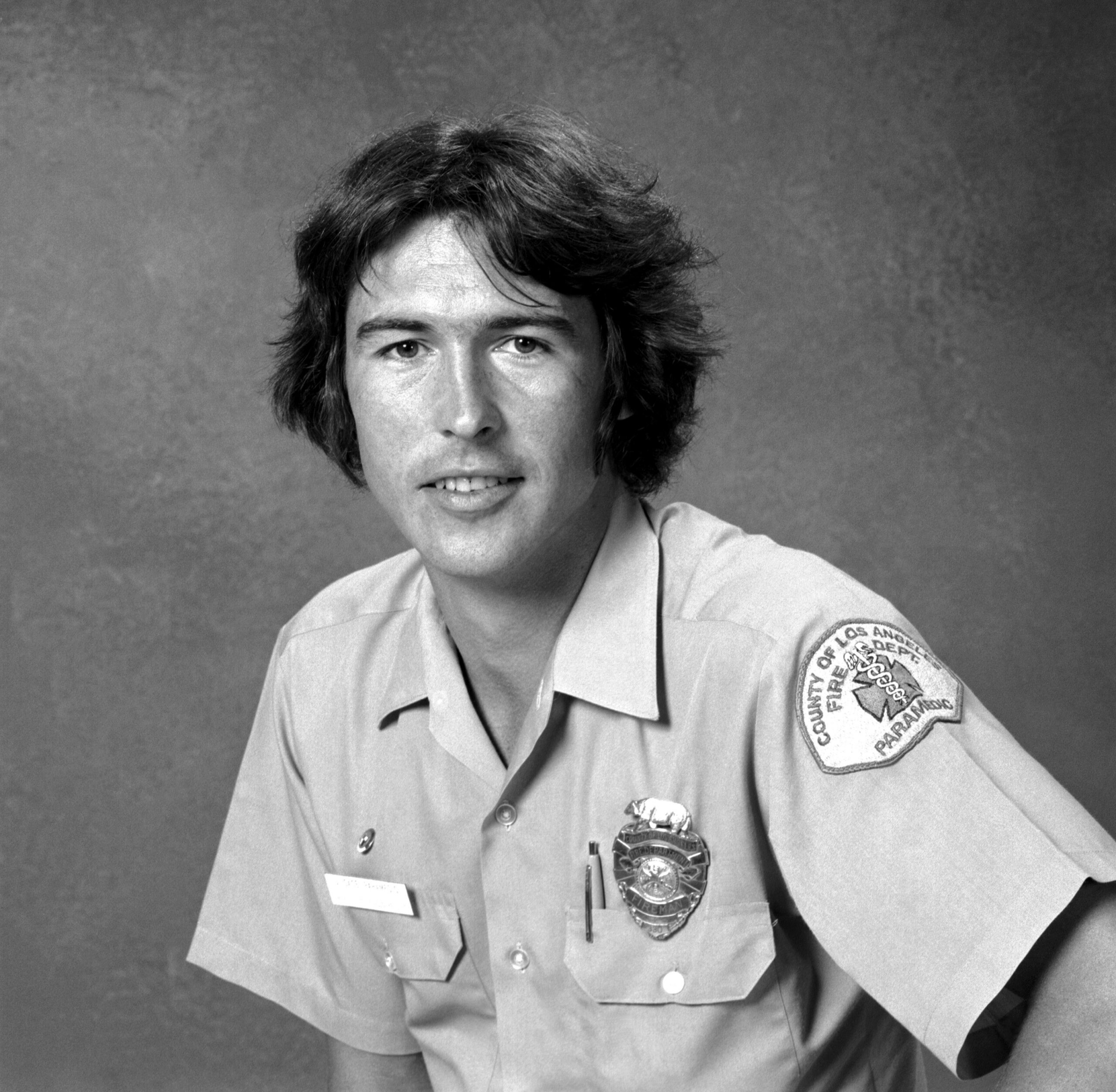
    Randolph Mantooth, the actor best known for his iconic role as paramedic Johnny Gage in the 1970s television series Emergency!, has died at the age of 80. News of his passing was reported by Variety on July 9, 2026. Mantooth’s portrayal of Gage made him a recognizable figure to millions and helped popularize the role of paramedics in public consciousness.

    This is a developing story. Further details regarding the circumstances of his death are not yet available. The entertainment community and fans are awaiting more information as it emerges.

    A Career Defined by Service on Screen

    Randolph Mantooth’s most prominent role was undoubtedly that of John Gage, a Los Angeles County Fire Department paramedic. The series Emergency!, which aired from 1972 to 1977, depicted the daily lives and rescues performed by paramedics and firefighters. Mantooth starred alongside Kevin Tighe, who played his partner, Roy DeSoto.

    The show was groundbreaking for its realistic depiction of emergency medical services. It significantly raised awareness and understanding of the paramedic profession across the United States. Mantooth became synonymous with the character’s dedication and bravery.

    Beyond Station 51

    While Emergency! remained his signature role, Mantooth continued to work in television for decades. He appeared in numerous other series and made-for-television movies. His credits include roles in soap operas such as Loving and General Hospital. He also had guest appearances on shows like Battlestar Galactica and Murder, She Wrote.

    Mantooth often participated in events related to emergency services. He maintained a connection with the real-life paramedic and firefighting communities throughout his life. His legacy extends beyond acting, influencing public perception of first responders.

    A Developing Story

    Information surrounding Randolph Mantooth’s passing is still being gathered. The initial report from Variety confirmed his death and age. The Natural Observer will update this report as additional confirmed facts become available.

    The impact of his work on television and his connection to the emergency services community is widely recognized. Tributes from colleagues and fans are anticipated.

  • America 250 Coverage: ABC Leads Overall, Fox News Dominates Late-Night Trump Speech

    America 250 Coverage: ABC Leads Overall, Fox News Dominates Late-Night Trump Speech

    On July 4, 2026, ABC secured the highest overall viewership for its comprehensive America 250 coverage, while Fox News dominated its cable competitors in broadcasting President Trump’s significant late-night address. This bifurcated viewership trend highlights the distinct audience preferences and programming strategies employed by major news networks during a nationally televised event.

    The America 250 celebrations marked a significant milestone in United States history, drawing widespread media attention. Networks deployed extensive resources to cover events across the nation, from historical reenactments to fireworks displays.

    Network Strategies for America 250

    Major television networks approached the America 250 celebrations with distinct programming strategies. ABC focused on broad national appeal, emphasizing historical narratives and celebratory events. Their prime-time block aimed to capture a wide family audience, featuring prominent anchors and reporters from various locations.

    NBC and CBS also offered robust prime-time specials, competing for the same general audience. These networks typically rely on established formats for national holiday coverage, blending live reports with pre-recorded segments.

    Cable news channels, conversely, often tailor their coverage to their specific demographics. This was particularly evident in the late-night hours of July 4, 2026.

    ABC’s Overall Viewership Success

    ABC’s strategy for America 250 proved successful in attracting the largest overall audience. The network’s prime-time programming, anchored by David Muir, delivered comprehensive coverage of the nation’s 250th anniversary festivities. Muir’s presence provided a familiar and authoritative voice for millions of viewers across the country.

    The network’s broadcast included segments from various historical sites and major cities. These reports often highlighted the diversity of American culture and the historical journey of the United States. Musical performances and interviews with historians were also integrated into the programming.

    This broad-appeal approach positioned ABC as the top choice for many households seeking traditional holiday coverage. Their success underscored the continued relevance of network television for large-scale national events.

    Fox News Dominates Late-Night Trump Speech

    While ABC led in overall prime-time viewership, Fox News carved out a significant niche during the later hours of July 4, 2026. The network achieved superior ratings among its cable news rivals for its carriage of President Trump’s late-night speech. This performance illustrates the dedicated viewership that Fox News commands, particularly for events featuring the President.

    President Trump’s address was a highly anticipated event for his supporters and those interested in his political messaging. Fox News provided live, uninterrupted coverage, a common practice for speeches by the sitting President.

    The decision by Fox News to carry the speech live and prominently differentiated it from other cable news outlets. Competitors like CNN and MSNBC often make editorial choices about the extent and timing of their live coverage of political addresses, especially those delivered late in the evening.

    Audience Segmentation in Cable News

    The ratings for President Trump’s speech underscore the ongoing segmentation within the cable news landscape. Audiences frequently self-select channels that align with their political perspectives. Fox News consistently draws a conservative viewership, which translates into strong ratings when President Trump is featured.

    This pattern is not new. Political speeches, rallies, and press conferences often see a surge in viewership on networks favored by the speaker’s base. The America 250 celebrations, while a national holiday, also became a platform for political discourse.

    The late-night slot for President Trump’s speech suggests a deliberate timing choice. It allowed for maximum reach among an audience likely to remain engaged with political news into the evening.

    The Role of Presidential Addresses in Media Coverage

    Presidential addresses, regardless of their timing, are significant media events. They provide a direct channel for the President to communicate with the public. News organizations, by extension, play a crucial role in disseminating these messages.

    The decision of whether to carry a presidential speech live, and how prominently, is a critical editorial choice. Networks weigh factors such as newsworthiness, audience interest, and competitive landscape. On July 4, 2026, Fox News prioritized the live broadcast of President Trump’s speech, and its ratings reflected that decision.

    Other networks may have opted for delayed coverage, commentary, or a more selective approach to excerpts. This divergence in strategy highlights the competitive nature of news broadcasting and the differing editorial philosophies among major outlets.

    Impact on Future Coverage Decisions

    The ratings success of Fox News in covering President Trump’s late-night address will likely influence future programming decisions. Networks continuously analyze viewership data to refine their strategies. High ratings for specific types of content reinforce existing editorial approaches.

    Similarly, ABC’s overall success with its America 250 programming will inform its approach to future national holiday broadcasts. The combination of historical context, celebratory elements, and prominent anchoring proved effective in drawing a large general audience.

    The media landscape continues to evolve, but the fundamental dynamics of audience engagement and content preference remain central. Viewers seek out programming that resonates with their interests, whether it is broad national celebration or focused political commentary.

    America 250: A Media Spectacle

    The America 250 celebrations were more than just a series of events; they were a media spectacle. Every major network and cable news channel aimed to capture a piece of the national attention. The competition for viewership was intense, particularly during prime-time and late-night slots.

    The historical significance of the 250th anniversary provided a unique backdrop. News organizations used this occasion to reflect on American history, culture, and future. The coverage often included segments on the founding fathers, key historical moments, and the evolution of American society.

    From parades to fireworks, from historical documentaries to live presidential addresses, the media presented a multifaceted view of the nation’s quarter-millennium milestone. The choices made by networks in terms of content and emphasis directly influenced the public’s perception and engagement with the event.

    Technological Advancements in Broadcast

    Modern broadcast technology played a significant role in the extensive coverage of America 250. High-definition cameras, drone footage, and satellite uplinks allowed for seamless transitions between disparate locations. Reporters were able to deliver live updates from across the country, providing a dynamic and immersive viewing experience.

    Social media integration also amplified the reach of traditional broadcasts. Networks encouraged viewers to engage with their coverage online, using specific hashtags and interactive polls. This convergence of traditional and digital media platforms is now standard practice for major national events.

    The ability to stream live content on various devices further expanded access to the America 250 celebrations. Viewers could watch events on their televisions, computers, or mobile phones, offering unprecedented flexibility in how and when they consumed the news.

    The Enduring Appeal of Live Events

    Live events, especially those of national significance, continue to draw large audiences to traditional television. The shared experience of watching a major celebration or a presidential address in real-time creates a sense of communal participation. This phenomenon is particularly evident during events like the America 250 anniversary.

    While streaming services and on-demand content have fragmented viewership, live news and sports remain strongholds for linear television. The immediacy and unscripted nature of live broadcasts offer a unique value proposition that recorded content cannot fully replicate.

    The July 4, 2026, ratings demonstrate this enduring appeal. Millions tuned in to witness the America 250 celebrations unfold, with different networks capturing different segments of this vast audience based on their programming choices.

    Networks competed. Audiences watched. History unfolded.

    Television.

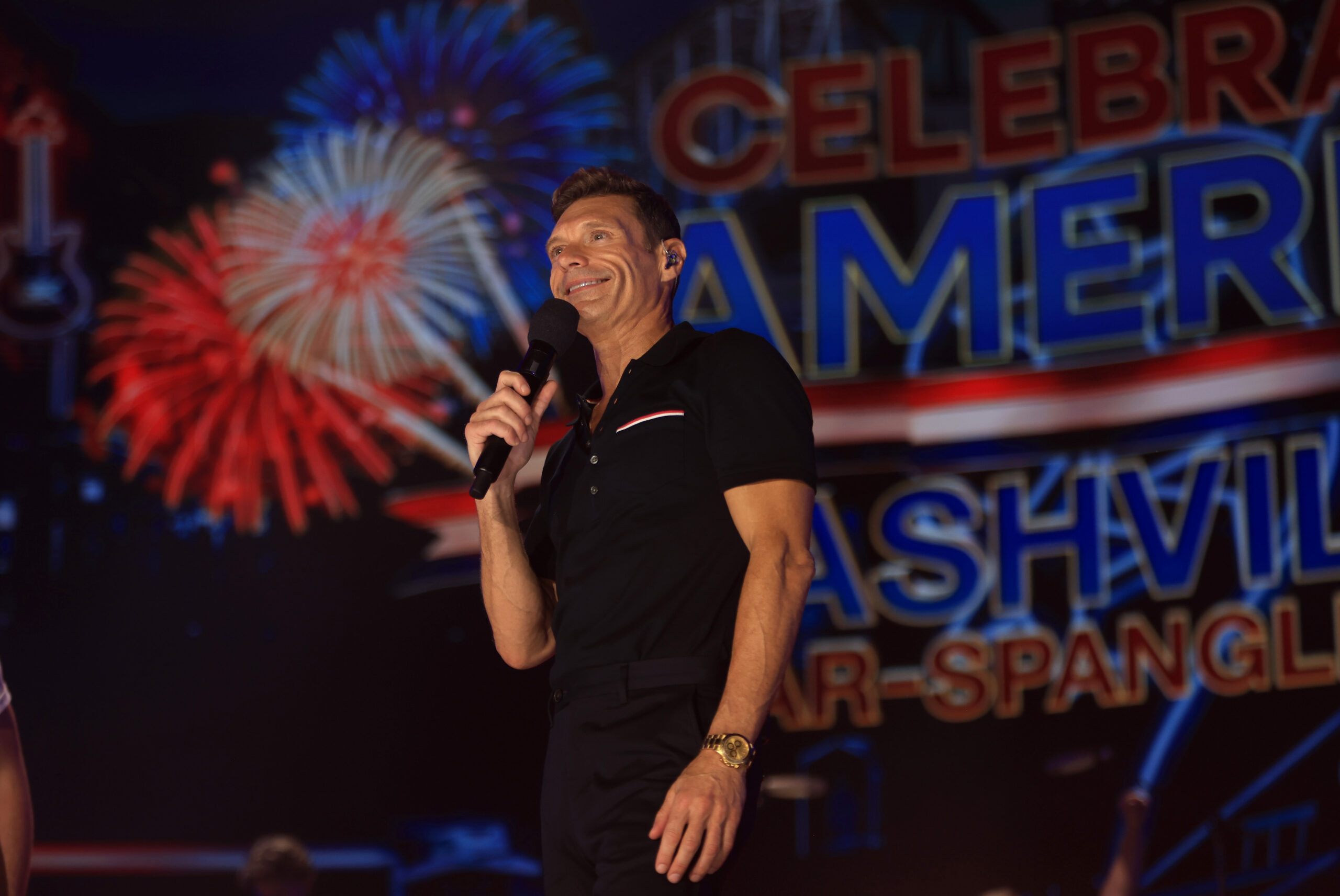
  • Nashville’s Star-Spangled Bash Garners 5.4 Million Viewers on ABC

    Nashville’s Star-Spangled Bash Garners 5.4 Million Viewers on ABC

    The 2026 Fourth of July Broadcast Triumph

    Nashville’s Star-Spangled Bash on ABC achieved significant viewership on July 4, 2026, drawing 5.4 million viewers. This figure positioned the program as the most-watched Fourth of July special of the year, highlighting its broad appeal across American households.

    The broadcast successfully merged themes of American patriotism with the distinct sound of classic country music. This combination resonated with a large segment of the viewing public, contributing to its ratings success.

    The event originated from Nashville, Tennessee, a city synonymous with country music. Its production leveraged the city’s musical heritage and its established reputation for hosting large-scale public celebrations.

    The Legacy of Fourth of July Programming

    Fourth of July celebrations have historically been a staple of American television programming. Networks often dedicate prime-time slots to live concerts, fireworks displays, and patriotic tributes.

    These broadcasts typically aim to capture a sense of national unity and tradition. They often feature a mix of musical performances, historical segments, and visual spectacles like pyrotechnics.

    The viewership for such events can fluctuate based on the specific programming, competing broadcasts, and overall national mood. The 2026 success of Nashville’s Star-Spangled Bash indicates a particular resonance with the year’s cultural landscape.

    Previous Celebrations and Viewership Trends

    Historically, events like the Capitol Fourth concert in Washington D.C., broadcast on PBS, have been long-standing traditions. Other networks, including NBC and CBS, have also offered their own Independence Day specials, often featuring pop or rock artists alongside traditional patriotic music.

    In 2025, a similar patriotic special on a different network garnered 4.8 million viewers, indicating a slight increase in engagement for the 2026 Nashville event. This suggests a potential growth in audience appetite for large-scale, live national holiday programming.

    The appeal often lies in the intergenerational aspect of these shows. Families gather to watch, creating a shared experience that reinforces cultural values and national identity.

    Nashville’s Role as a Cultural Hub

    Nashville, Tennessee, often referred to as ‘Music City,’ has long been a focal point for American music, particularly country music. The city hosts numerous music venues, recording studios, and industry headquarters.

    Beyond its musical contributions, Nashville has also developed a reputation for hosting major national events. Its downtown area, particularly along the Cumberland River, provides a scenic backdrop for large public gatherings.

    The city’s infrastructure supports such events, with ample accommodations and logistical capabilities. This makes it an attractive location for broadcasters seeking to produce high-quality national specials.

    The Economic Impact of Major Broadcasts

    Hosting a major televised event like Nashville’s Star-Spangled Bash brings significant economic benefits to the host city. Tourism increases, with visitors drawn to the live event and related attractions.

    Local businesses, including hotels, restaurants, and retail establishments, experience a surge in activity. The event also provides employment opportunities for production crews, security personnel, and hospitality staff.

    The national exposure generated by a 5.4 million-viewer broadcast also serves as valuable marketing for Nashville. It reinforces the city’s brand as a vibrant cultural destination.

    The Enduring Appeal of Classic Country Music

    The success of the Bash is partly attributed to its focus on classic country music. This genre maintains a dedicated fanbase across various demographics and age groups.

    Classic country often evokes themes of patriotism, family, and traditional American values. These themes align well with the spirit of the Fourth of July holiday.

    Artists performing classic country hits connect with an audience that appreciates lyrical storytelling and traditional instrumentation. This contrasts with some contemporary music genres that may have a more niche appeal.

    Defining Classic Country

    Classic country music generally encompasses artists and songs from the mid-20th century through the early 1990s. This period includes foundational figures like Hank Williams, Johnny Cash, Patsy Cline, and Loretta Lynn, as well as later stars such as George Strait and Reba McEntire.

    The genre is characterized by its emphasis on narrative lyrics, often exploring themes of love, loss, working-class life, and rural experiences. Instrumentation typically includes guitars, fiddles, banjos, and steel guitars.

    The appeal of classic country often lies in its authenticity and emotional directness. It offers a sense of nostalgia for a perceived simpler time, which can be particularly potent during national holidays.

    Production and Broadcast Strategy

    ABC’s decision to broadcast Nashville’s Star-Spangled Bash reflects a strategic choice to cater to a specific audience segment. The network likely aimed to capture viewers seeking traditional patriotic entertainment.

    The production quality of such an event is paramount. High-definition cameras, professional sound engineering, and dynamic staging contribute to an immersive viewing experience.

    Live broadcasts present unique challenges, requiring meticulous planning and coordination. The seamless execution of the Bash contributed to its overall success and positive reception.

    Marketing and Promotion Efforts

    Leading up to July 4, 2026, ABC would have engaged in extensive marketing and promotional campaigns. These efforts would have targeted potential viewers across various media platforms.

    Promotional materials likely highlighted the featured artists, the patriotic theme, and the spectacle of the Nashville fireworks display. Social media engagement and traditional advertising would have played key roles.

    The goal of these campaigns is to build anticipation and ensure a large audience tunes in for the live broadcast. The 5.4 million viewership figure indicates successful outreach.

    The Impact on Future Holiday Programming

    The strong performance of Nashville’s Star-Spangled Bash will likely influence future holiday programming decisions. Other networks may observe ABC’s success and adapt their own strategies.

    There could be an increased focus on regional celebrations, particularly those with strong musical traditions. The blend of local flavor and national appeal proved effective.

    Broadcasters may also prioritize programming that emphasizes traditional American values and classic musical genres during national holidays. This reflects a response to demonstrated audience preferences.

    The success of the Bash suggests that a well-produced, thematically consistent holiday special can still command a significant live audience in an increasingly fragmented media landscape.

    Viewers gathered. Families watched. Patriotism swelled.

    Nashville.

  • Prime Video Cancels ‘It’s Not Like That’ After One Season

    Prime Video Cancels ‘It’s Not Like That’ After One Season

    Prime Video has canceled the drama series It’s Not Like That after its first season. This decision was confirmed by Deadline on July 8, 2026. The series, which featured a notable cast including Scott Foley, will not return for a second season.

    The cancellation reflects the dynamic nature of streaming platform content strategies. Platforms like Prime Video continuously assess viewership data, production costs, and critical reception. These factors contribute to decisions regarding renewals or cancellations for their original programming.

    The Trajectory of a Streaming Series

    The journey of a streaming series from concept to cancellation is often complex. Initial greenlights are based on pilot episodes, script quality, and attached talent. Once a series launches, its fate hinges on performance metrics.

    Viewership numbers are paramount. Streaming services track how many subscribers watch a show. They also monitor completion rates and how a show drives new subscriptions or retains existing ones.

    Critical reviews and audience engagement also play significant roles. A show might garner critical acclaim but fail to attract a substantial audience. Conversely, a show with mixed reviews might find a dedicated fan base that justifies its continuation.

    For It’s Not Like That, its debut earlier in 2026 was met with anticipation. Scott Foley’s involvement drew attention, given his prior work in television dramas. However, the exact reasons for the cancellation were not immediately detailed by Prime Video.

    Prime Video’s Content Strategy

    Prime Video operates under Amazon, a global technology and retail giant. Its content strategy is multifaceted, aiming to attract a broad international audience. The platform invests billions annually in original programming and licensed content.

    This investment supports a diverse catalog, ranging from high-budget fantasy epics to niche dramas and comedies. The goal is to provide compelling reasons for Amazon Prime subscribers to engage with the video service.

    Recent years have seen Prime Video launch several successful series. Titles like The Lord of the Rings: The Rings of Power and The Boys have garnered significant viewership and critical attention. These tentpole productions often serve as anchors for the platform’s overall strategy.

    However, not all productions achieve the desired impact. Cancellations are a regular part of the streaming business model. They free up resources for new projects and allow platforms to pivot quickly based on market trends and audience preferences.

    Industry Context: The Era of Peak TV and Beyond

    The period from 2010 to 2020 was often referred to as ‘Peak TV,’ characterized by an unprecedented volume of scripted series across broadcast, cable, and streaming. This era saw an explosion of creative output and diverse storytelling.

    By 2026, the streaming landscape has evolved. While content production remains high, there is an increased emphasis on efficiency and return on investment. Major streaming services are scrutinizing budgets and performance more closely than ever before.

    Competition among platforms is fierce. Netflix, Max, Disney+, Apple TV+, and Peacock all vie for subscriber attention. Each cancellation by one platform often leads to speculation about what new projects will take its place.

    The economic climate also influences these decisions. Rising production costs, talent fees, and the need to maintain profitability drive platforms to make tough choices about their content portfolios. A single season for a drama series like It’s Not Like That is not uncommon in this environment.

    Impact on Cast and Crew

    The cancellation of a series has immediate consequences for its cast and crew. Actors, writers, directors, and production staff find their contracts concluded. This necessitates seeking new projects.

    Scott Foley, as a prominent actor, will likely transition to other roles. However, many behind-the-scenes professionals face periods of uncertainty. The entertainment industry is project-based, and employment can be intermittent.

    Development deals and overall talent relationships often continue even after a show’s cancellation. Studios and networks frequently aim to retain talent for future projects, especially if the collaboration was positive.

    The Fan Reaction and Streaming Ecosystem

    Fan communities often react strongly to cancellations. Dedicated viewers invest time and emotional energy into a series. The abrupt end of a story can lead to disappointment and frustration.

    Online petitions and social media campaigns sometimes emerge in attempts to save canceled shows. While these efforts occasionally succeed, particularly for shows with cult followings, they rarely reverse a platform’s financial decision.

    The streaming ecosystem itself is a complex network. Content creators, production companies, distributors, and audiences all interact within it. Cancellations are a natural, albeit often unwelcome, part of this dynamic system.

    For Prime Video, the decision to cancel It’s Not Like That is a business calculation. It is part of a larger strategy to curate a compelling and profitable content library. This ongoing process shapes what viewers see and what stories get told.

    Looking Ahead for Prime Video

    Prime Video continues to develop and acquire new content. The platform’s commitment to original programming remains strong. Upcoming projects often replace those that are canceled, maintaining a fresh pipeline of shows.

    The focus will likely remain on a mix of high-profile, globally appealing series and more targeted niche content. This diversification aims to cater to different segments of its vast subscriber base.

    Technological advancements also play a role. Prime Video invests in areas like virtual production and enhanced viewing experiences. These efforts aim to keep the platform competitive and engaging for its audience.

    The cancellation of It’s Not Like That closes one chapter for Prime Video. It opens the door for future projects. The constant evolution of content offerings is a hallmark of the modern streaming industry.

    Audiences watch. Platforms decide. New stories emerge. Old stories end. The cycle continues.

  • David Chase on Hollywood: Greed and Fear in the Trump Era

    David Chase on Hollywood: Greed and Fear in the Trump Era

    David Chase, the visionary behind the critically acclaimed series ‘The Sopranos’, has publicly stated his view that Hollywood is experiencing a regression. He characterizes this shift as a return to foundational principles of ‘greed and fear’. Chase links this perceived cultural and economic pivot directly to the prevailing political environment, specifically referencing President Trump’s administration.

    His comments suggest that the entertainment industry, despite its outward appearances of innovation, remains susceptible to cyclical patterns. These patterns, according to Chase, are driven by fundamental human motivations that resurface during specific political and economic periods.

    The Creator’s Perspective on Industry Shifts

    David Chase’s career spans decades within the television and film industries. He is widely recognized for his nuanced storytelling and exploration of complex human psychology. ‘The Sopranos’, which debuted in 1999, redefined television drama, earning numerous awards and critical accolades.

    His observations on Hollywood are not merely those of an outsider but stem from a deep understanding of its internal mechanisms. Chase has navigated various eras of media production, witnessing firsthand the evolution of content creation, financing, and distribution.

    The creator’s remarks were reported by The Hollywood Reporter. This platform frequently covers industry trends and the perspectives of prominent figures.

    Echoes of Past Eras

    Chase’s reference to ‘greed and fear’ evokes historical periods within the entertainment industry. These sentiments have often driven production decisions, creative choices, and corporate strategies.

    During times of economic uncertainty or political tension, studios and networks have historically gravitated towards safer, more commercially viable projects. This approach often prioritizes profit margins over artistic risk-taking.

    Fear, in this context, can manifest as a reluctance to challenge established norms or to produce content that might be perceived as controversial. It can also stem from anxieties about market performance or audience reception.

    The Political Climate and Creative Output

    The relationship between political administrations and cultural output is a recurring theme in media studies. The administration of the President elected in 2024, which began its term on January 20, 2025, has been a frequent subject of discussion within the entertainment community.

    Many artists and creators have expressed concerns about the political landscape. These concerns often center on issues of social justice, freedom of expression, and economic stability.

    Chase’s comments suggest a direct causal link between this political environment and the industry’s operational ethos. He implies that the current administration’s influence fosters an atmosphere where ‘greed and fear’ become dominant motivators.

    Impact on Storytelling and Production

    A climate driven by ‘greed and fear’ can significantly impact the types of stories that are told. Content may become more homogenized, less challenging, and more focused on established franchises or proven formulas.

    Independent and experimental projects might find it harder to secure funding. Studios may become more risk-averse, leading to fewer original concepts reaching production.

    This trend could potentially limit the diversity of voices and perspectives presented on screen. It could also lead to a reduction in content that critically examines societal issues or explores complex moral dilemmas.

    Economic Undercurrents in Hollywood

    Beyond political influence, economic factors always play a significant role in Hollywood’s decisions. The industry operates within a global market, influenced by streaming wars, evolving consumption habits, and fluctuating advertising revenues.

    Major media conglomerates are constantly seeking to maximize profits and shareholder value. This pursuit can sometimes overshadow artistic considerations.

    The push for blockbuster franchises and intellectual property (IP) driven content often reflects this economic imperative. Such projects are perceived as having a higher likelihood of financial success, reducing perceived risk.

    The Role of Streaming Services

    The rise of streaming services has dramatically reshaped the entertainment landscape. While initially offering new avenues for diverse storytelling, even these platforms have increasingly focused on subscriber growth and retention.

    This focus can lead to similar pressures for commercially appealing content. The need to produce a constant stream of new material can sometimes prioritize quantity over qualitative depth.

    David Chase’s observations could be interpreted through this lens as well. The competitive nature of the streaming market might amplify tendencies towards ‘greed’ in securing market share and ‘fear’ of losing subscribers.

    Historical Parallels in American Cinema

    Hollywood’s history is replete with periods characterized by similar dynamics. The studio system era, for example, was largely driven by commercial interests and tight control over production.

    The Hays Code, enforced from 1934 to 1968, illustrates a period where fear of moral backlash and government censorship heavily influenced creative decisions. This code limited the types of themes and depictions allowed in films.

    Even post-code, periods of economic downturn or social upheaval often saw shifts in film content. Genres like disaster movies or escapist fantasies sometimes gained prominence during turbulent times, offering audiences a distraction.

    The Sopranos’ Legacy and Independent Vision

    David Chase’s work on ‘The Sopranos’ is often cited as a benchmark for artistic integrity and uncompromising vision. The series explored themes of morality, family, mental health, and the American dream with unprecedented depth for television.

    Its success demonstrated that audiences were hungry for complex narratives, even those that challenged conventional television tropes. The show’s creation required a degree of creative freedom that might be harder to achieve in an environment dominated by ‘greed and fear’.

    Chase’s current assessment suggests a concern that such groundbreaking work might become rarer if the industry continues on its perceived trajectory. The ability for creators to pursue unique visions without undue commercial pressure is paramount for artistic innovation.

    Industry Reactions and Broader Commentary

    While specific reactions from other Hollywood figures to Chase’s recent comments have not been broadly reported, his sentiments resonate with broader discussions within the industry. Many artists, writers, and directors have voiced similar concerns about creative constraints and commercial pressures.

    Film festivals and independent cinema movements often champion works that resist these pressures. They seek to provide platforms for voices that might be marginalized by mainstream industry trends.

    The debate over artistic freedom versus commercial viability is ongoing in Hollywood. Chase’s remarks contribute a significant voice to this persistent conversation.

    Looking Ahead: The Future of Hollywood

    The future direction of Hollywood will likely depend on a multitude of factors. These include evolving audience preferences, technological advancements, and the ongoing political and economic climate.

    Whether the industry can navigate these pressures while maintaining a commitment to diverse and challenging storytelling remains a central question. The tension between profit motives and artistic ambition is a constant.

    David Chase’s observations serve as a critical reflection. They prompt a deeper examination of the forces shaping one of the world’s most influential cultural industries.

    Creators speak. Industry leaders listen. Audiences watch. Hollywood.

  • Nexstar Blasts Tegna Merger Injunction – Cites ‘Cynical Attempts’ by DirecTV and State AGs

    Nexstar Blasts Tegna Merger Injunction – Cites ‘Cynical Attempts’ by DirecTV and State AGs

    The Injunction and Nexstar’s Response

    Nexstar Media Group, a prominent force in local television broadcasting, has publicly condemned the injunction that has halted the integration of its $6.2 billion acquisition of Tegna Inc. The company’s strong statement directly implicated DirecTV and several state attorneys general, accusing them of ulterior motives.

    Nexstar asserted that these parties are making “cynical attempts to advance their own commercial and political interests.” This accusation marks a significant escalation in the ongoing dispute surrounding the proposed media merger.

    The Scope of the Proposed Acquisition

    The acquisition, valued at $6.2 billion, would significantly expand Nexstar’s already extensive portfolio of local television stations across the United States. Tegna Inc. operates a substantial number of stations affiliated with major networks, including NBC, CBS, ABC, and Fox.

    A successful merger would create one of the largest local broadcasting entities in the nation. This consolidation raises questions about market competition and consumer impact, which are often at the core of regulatory scrutiny.

    Accusations Against DirecTV and State Attorneys General

    Nexstar’s statement did not mince words regarding the motivations of those opposing the merger. The company specifically targeted DirecTV, a major satellite television provider, suggesting its involvement is driven by commercial self-interest.

    The criticism also extended to an unspecified group of state attorneys general. Nexstar implied that these officials are leveraging their positions to achieve political objectives, rather than solely focusing on public interest or antitrust concerns.

    The Role of Commercial Interests

    DirecTV’s alleged commercial interests in opposing the merger likely stem from potential changes in retransmission fees. These fees, paid by cable and satellite providers to local broadcasters for carrying their signals, are a significant revenue stream for station owners.

    A larger, consolidated Nexstar could potentially command higher retransmission fees. This scenario could lead to increased costs for distributors like DirecTV, which might then be passed on to consumers. Preventing the merger could help DirecTV maintain leverage in future negotiations.

    The Influence of Political Agendas

    The involvement of state attorneys general introduces a political dimension to the dispute. These officials often play a role in consumer protection and antitrust enforcement within their respective states.

    Nexstar’s accusation suggests that some attorneys general may be using the high-profile merger as an opportunity to gain political visibility or to align with populist sentiments against corporate consolidation. The specific political interests were not detailed, but the implication of self-serving actions was clear.

    The Injunction’s Immediate Impact

    The injunction effectively places the $6.2 billion merger on hold. This legal pause creates uncertainty for both Nexstar and Tegna, impacting their strategic planning and financial outlooks.

    Mergers of this scale often involve complex financial arrangements, including debt financing and shareholder agreements. A prolonged injunction can complicate these aspects, potentially leading to renegotiations or even the collapse of the deal.

    Regulatory Hurdles and Antitrust Concerns

    Large media mergers typically face intense scrutiny from federal regulatory bodies, such as the Federal Communications Commission (FCC) and the Department of Justice (DOJ). These agencies assess whether proposed consolidations would harm competition or the public interest.

    Antitrust concerns frequently revolve around market concentration, potential for price increases, and reduced diversity of voices in media. The intervention by state attorneys general suggests a broader consensus among some government entities regarding these risks.

    The Broader Landscape of Media Consolidation

    The Nexstar-Tegna situation is part of a larger trend of consolidation within the media industry. Companies are seeking scale to compete in an evolving landscape dominated by streaming services and digital platforms.

    Local television, while still a vital source of news and information, faces economic pressures. Mergers are often presented as a way to achieve efficiencies and ensure the long-term viability of local broadcasting.

    Challenges for Local Broadcasting

    Local broadcasters contend with declining advertising revenues and increasing operational costs. The ability to negotiate favorable retransmission fees has become crucial for their financial health.

    Consolidation can provide broadcasters with greater leverage in these negotiations. However, critics argue that such mergers can also lead to job losses, reduced local content, and less diverse programming.

    What Happens Next?

    Nexstar’s public statement indicates a strong intent to challenge the injunction and proceed with the merger. The company will likely pursue legal avenues to overturn the decision and gain regulatory approval.

    The involved state attorneys general and DirecTV are expected to continue their opposition. This sets the stage for further legal battles and public discourse surrounding the future of local media ownership.

    Potential Outcomes for the Merger

    Several outcomes are possible. The injunction could be lifted, allowing the merger to proceed as planned. Alternatively, the deal could be significantly modified to address regulatory concerns, perhaps by divesting certain stations.

    In a less favorable scenario for Nexstar and Tegna, the merger could be abandoned altogether. The financial and reputational costs of a failed merger can be substantial for both companies.

    The Consumer Impact Debate

    At the heart of the debate over media consolidation is the impact on consumers. Proponents of mergers argue that scale allows for better content production and technological investment, ultimately benefiting viewers.

    Opponents contend that consolidation leads to higher prices, fewer choices, and a reduction in local news coverage. The balance between corporate efficiency and public interest remains a central tension in these discussions.

    Access to Local News

    Local news remains a critical service for many communities. Concerns are frequently raised that large corporate owners, focused on national strategies, may deprioritize local journalistic resources.

    This aspect of the debate resonates with communities who rely on local stations for information relevant to their daily lives. The quality and independence of local news are often cited as key public interest considerations.

    Conclusion: A Contested Media Landscape

    Nexstar’s forceful rebuttal to the Tegna merger injunction highlights the contentious nature of media consolidation in 2026. Commercial interests, political agendas, and regulatory oversight converge in complex ways.

    The future of the $6.2 billion acquisition remains uncertain. The battle for control of local media continues to unfold.

    Broadcasters contend. Regulators scrutinize. Distributors resist. The market shifts.

    Media.

  • Sally Field’s Emmy Nomination for ‘Remarkably Bright Creatures’, A 17-Year Gap

    Sally Field’s Emmy Nomination for ‘Remarkably Bright Creatures’, A 17-Year Gap

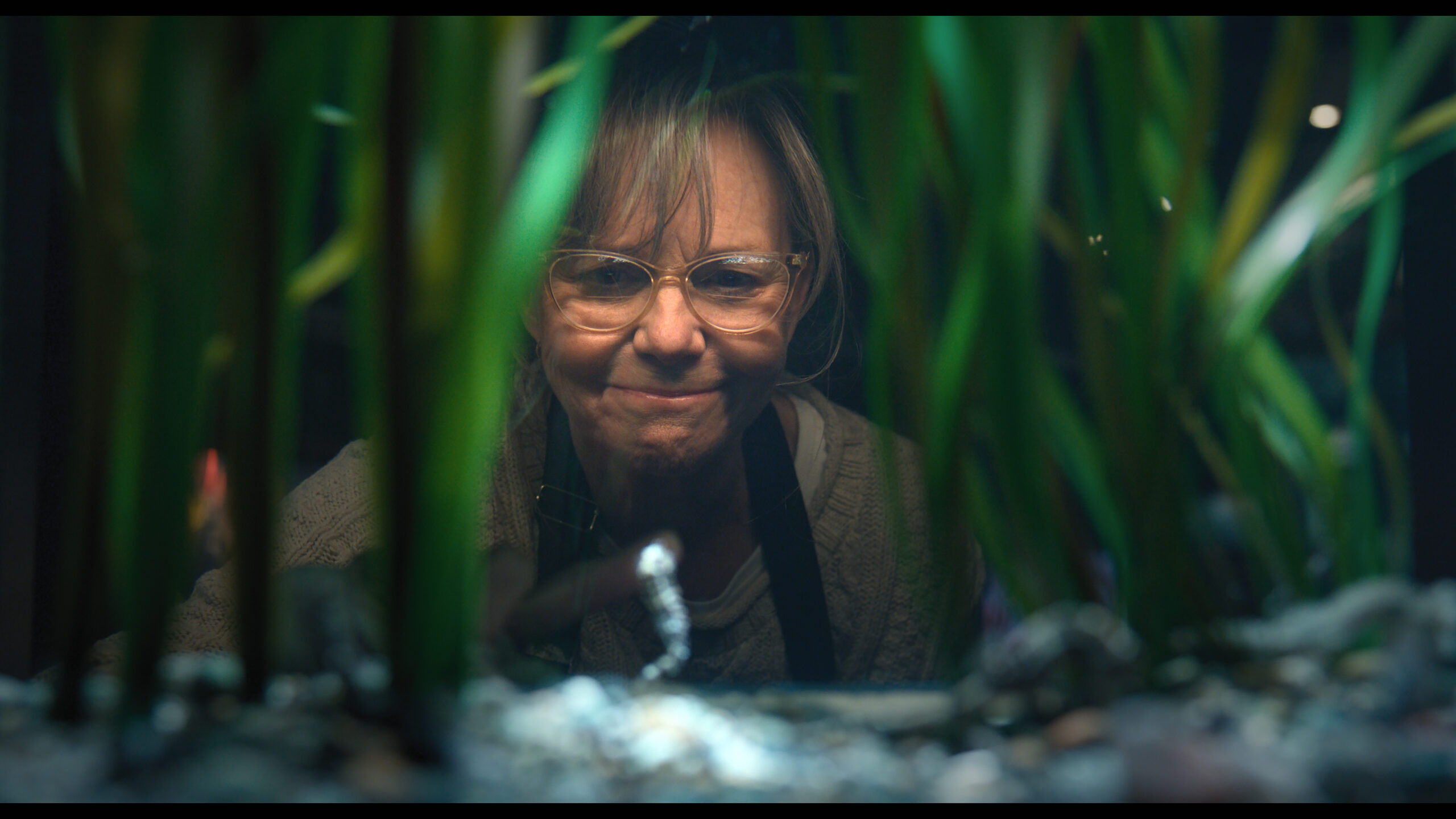
    Sally Field has earned an Emmy nomination for her role in ‘Remarkably Bright Creatures’ in 2026. This marks her first Emmy recognition in 17 years, highlighting a significant milestone in her long-standing career.

    The announcement underscores Field’s continued relevance and acclaimed talent within the entertainment industry. Her work in the series has drawn critical attention, leading to this latest acknowledgment from the Television Academy.

    A Distinguished Career’s Enduring Arc

    Sally Field’s career began in the mid-1960s, establishing her as a versatile actress across film and television. Her early roles in television sitcoms like ‘Gidget’ and ‘The Flying Nun’ brought her initial fame.

    She transitioned successfully into dramatic roles, earning significant critical praise. Field’s ability to inhabit diverse characters has been a hallmark of her acting journey.

    Her filmography includes numerous iconic performances. These roles have cemented her status as a respected figure in Hollywood.

    Early Television Successes

    Field’s television career launched with ‘Gidget’ in 1965. She played the titular character, Frances “Gidget” Lawrence, a role that endeared her to a wide audience.

    Following ‘Gidget,’ she starred in ‘The Flying Nun’ from 1967 to 1970. In this series, she portrayed Sister Bertrille, a nun who could fly.

    These early roles established her as a recognizable face in American households. They provided a foundation for her later, more dramatic work.

    Transition to Critically Acclaimed Drama

    The 1970s marked a pivotal shift in Field’s career. She actively sought out more challenging and complex roles.

    Her performance in the 1976 television film ‘Sybil’ was a critical turning point. Field portrayed a woman with multiple personality disorder, earning her first Emmy Award for Outstanding Lead Actress in a Drama or Comedy Special.

    This role demonstrated her range beyond lighthearted sitcoms. It opened doors to significant film opportunities.

    Major Film Accolades

    Sally Field achieved considerable success in feature films, earning multiple Academy Awards. These awards solidified her reputation as a leading dramatic actress.

    Her first Academy Award for Best Actress came in 1979 for ‘Norma Rae.’ She played a textile factory worker who becomes involved in union activities.

    The role was praised for its raw emotion and powerful portrayal of a working-class hero. It remains one of her most celebrated performances.

    In 1984, Field received her second Academy Award for Best Actress for ‘Places in the Heart.’ She portrayed a Depression-era widow fighting to save her family farm.

    Her acceptance speech, famously declaring, “You like me, you really like me!” became an iconic moment in Academy Awards history. This phrase captured public sentiment regarding her widespread appeal and talent.

    Other Notable Film Roles

    Field’s film career also includes roles in ‘Smokey and the Bandit’ (1977) alongside Burt Reynolds. This film showcased her comedic timing.

    She starred in ‘Absence of Malice’ (1981) with Paul Newman. Her performance earned her a Golden Globe nomination.

    In the 1990s, she played Mrs. Gump in ‘Forrest Gump’ (1994). This role, as the titular character’s mother, garnered her further critical acclaim and a Screen Actors Guild Award nomination.

    Her work in ‘Lincoln’ (2012) as Mary Todd Lincoln earned her an Academy Award nomination for Best Supporting Actress. This historical drama demonstrated her continued ability to deliver compelling performances in complex roles.

    Return to Television and Recent Nominations

    While maintaining a film presence, Field has also returned to television with significant impact. Her work on the small screen has continued to earn her awards and nominations.

    Her performance in ‘ER’ as Maggie Wyczenski, the bipolar mother of Dr. Abby Lockhart, earned her an Emmy Award for Outstanding Guest Actress in a Drama Series in 2001.

    In 2007, she won another Emmy for Outstanding Lead Actress in a Drama Series for her role as Nora Walker in ‘Brothers & Sisters.’ This marked a period of renewed television prominence for Field.

    Her last Emmy nomination prior to 2026 was also for ‘Brothers & Sisters,’ in 2009. The 17-year gap between that nomination and her current one for ‘Remarkably Bright Creatures’ highlights the longevity of her career and her consistent return to critical recognition.

    ‘Remarkably Bright Creatures’ and Its Impact

    ‘Remarkably Bright Creatures’ is a television series that has captivated audiences and critics alike. Sally Field’s role in the production has been central to its reception.

    The series explores themes of connection, loss, and unexpected friendships. Field’s portrayal is noted for its depth and emotional resonance.

    Her character contributes significantly to the narrative’s heart. This performance has been singled out as a highlight of the show.

    The nomination for this role in 2026 reaffirms her status as a revered actress. It demonstrates that her talent continues to be recognized by her peers and industry bodies.

    The Longevity of a Screen Icon

    Sally Field’s career spans over six decades. Her ability to adapt to changing industry landscapes and maintain a high level of performance is remarkable.

    She has worked with multiple generations of actors and directors. Her filmography serves as a chronicle of American cinema and television history.

    Field’s influence extends beyond her acting roles. She has also directed television episodes, including for ‘The Division’ and ‘Brothers & Sisters.’

    Her career trajectory offers a case study in sustained artistic excellence. It demonstrates how talent and dedication can lead to enduring success in a challenging industry.

    Beyond the Screen: Advocacy and Public Life

    Outside of her acting, Sally Field has been an advocate for various causes. She has used her platform to support issues she believes in.

    Field has spoken publicly about her experiences in Hollywood and her views on social matters. Her candidness has resonated with many.

    Her public persona often reflects the strength and integrity seen in many of her characters. This consistency has contributed to her lasting appeal.

    The respect she commands stems from both her professional achievements and her personal integrity. She remains a significant cultural figure.

    The Significance of the 2026 Nomination

    The 2026 Emmy nomination for ‘Remarkably Bright Creatures’ is more than just another award nod. It represents a validation of an enduring career.

    It signals that even after decades in the industry, Field continues to deliver performances that stand out. The 17-year gap between nominations adds a layer of significance.

    This recognition places her among a select group of actors who achieve critical acclaim across multiple eras. It speaks to her timeless talent.

    Industry observers, fans, and colleagues celebrate this nomination. It is a moment to appreciate a true icon of American entertainment.

    Actors continue to work. Directors continue to film. Audiences continue to watch. Sally Field continues to perform. The Academy continues to honor. Hollywood.

  • The View FCC Investigation – ABC Cites “Broad Consensus” in Defense

    The View FCC Investigation – ABC Cites “Broad Consensus” in Defense

    ABC has asserted a “broad and cross-ideological consensus” supports its daytime talk show ‘The View.’ This declaration comes amid an ongoing Federal Communications Commission (FCC) investigation into the program. The network’s defense aims to protect the show from regulatory action following complaints.

    The FCC inquiry focuses on specific content aired on ‘The View.’ ABC’s response highlights the show’s widespread appeal and its function as a forum for varied perspectives. The network seeks to demonstrate that the program adheres to broadcast standards through its public reception.

    The FCC’s Role in Broadcast Content

    The Federal Communications Commission (FCC) is an independent agency of the United States government. It regulates interstate and international communications by radio, television, wire, satellite, and cable. Its mandate includes ensuring that broadcast content serves the public interest.

    The FCC receives complaints from the public regarding broadcast material. These complaints can trigger investigations into potential violations of decency, fairness, or other broadcast standards. The agency holds the authority to issue warnings, impose fines, or even revoke broadcast licenses in severe cases.

    Historically, the FCC has acted on issues ranging from indecency during live broadcasts to political advertising regulations. Its oversight is a critical component of media accountability in the United States. The current investigation into ‘The View’ falls within this regulatory framework.

    Genesis of the Investigation into ‘The View’

    The specific catalysts for the FCC’s investigation into ‘The View’ remain under review. Public complaints typically initiate such inquiries. These complaints often allege violations of broadcast content rules or express concerns over perceived bias or inflammatory rhetoric.

    ‘The View,’ known for its panel discussions on current events and social issues, frequently generates strong reactions from viewers. Its hosts, including Whoopi Goldberg, Joy Behar, Sunny Hostin, Sara Haines, Alyssa Farah Griffin, and Ana Navarro, represent a spectrum of political and social viewpoints. This dynamic often leads to heated debates on air.

    Past controversies involving ‘The View’ have drawn significant public attention. These incidents sometimes result in calls for regulatory intervention or advertiser boycotts. The current FCC investigation represents a formal escalation of such public concerns.

    ABC’s Defense Strategy

    ABC’s defense filing to the FCC outlines a multifaceted argument. The core of its position rests on the claim of “broad and cross-ideological consensus.” This suggests that despite any controversy, a wide array of viewers, spanning different political and social leanings, supports ‘The View’.

    The network likely presented evidence of viewership numbers, demographic data, and positive audience feedback. Such data would aim to demonstrate the program’s popularity and its perceived value to a diverse audience. The argument implies that broad public acceptance mitigates isolated complaints.

    Furthermore, ABC’s defense likely emphasizes the nature of ‘The View’ as a live, unscripted talk show. This format inherently involves spontaneous discussion and the expression of personal opinions. The network may argue that such a format should be afforded a degree of latitude in expression, consistent with free speech principles.

    “Our program provides a vital platform for the exchange of diverse ideas, fostering robust public discourse,” ABC’s filing reportedly stated. “The support we receive from a wide spectrum of viewers underscores its importance to the broadcast landscape.”

    The defense also likely highlights the show’s long history. ‘The View’ first premiered in 1997. Its longevity suggests a sustained audience and a proven track record within the broadcast industry. This historical context could be used to argue against punitive action.

    The Concept of “Cross-Ideological Consensus”

    The term “cross-ideological consensus” is central to ABC’s defense. It refers to agreement or support that transcends traditional political or social divides. In the context of ‘The View,’ it suggests that the program’s appeal is not limited to one political faction.

    This argument is crucial because it counters potential claims of partisan bias. If a program is perceived as appealing only to one side of the political spectrum, it might be more vulnerable to complaints of unfairness. Demonstrating broad appeal strengthens the argument for its public interest value.

    Achieving cross-ideological consensus for a program like ‘The View’ can be challenging. The show often tackles highly polarizing topics, from national politics to social justice issues. The panel itself comprises hosts with differing political affiliations, which sometimes leads to internal disagreements on air.

    However, ABC’s assertion implies that even those who disagree with specific viewpoints expressed on the show still value its role as a forum. They may appreciate the open debate, the representation of various opinions, or simply the entertainment value derived from the discussions.

    Precedent and Impact on Broadcast Regulation

    The outcome of this FCC investigation could establish significant precedents. Decisions made by the FCC often influence how other broadcasters approach content moderation and audience engagement. A ruling against ‘The View’ could lead to increased scrutiny for other opinion-based programs.

    Conversely, if the FCC dismisses the complaints based on ABC’s defense, it could reinforce the idea that popular programs with broad appeal are less susceptible to regulatory action. This might empower broadcasters to continue with formats that encourage robust, sometimes controversial, discussions.

    The current media landscape is characterized by deep political polarization. Programs that navigate this environment often face intense public and political pressure. The FCC’s role in balancing free speech with public interest standards becomes increasingly complex in this context.

    Previous FCC rulings have set benchmarks for what constitutes ‘indecent’ or ‘obscene’ content. However, ‘The View’ investigation appears to center more on issues of perceived bias, fairness, or the general tone of political discourse. These areas are often more subjective and thus harder to regulate definitively.

    Public and Political Reactions

    The FCC investigation and ABC’s defense have generated public and political reactions. Advocates for media accountability often welcome FCC inquiries as a mechanism to ensure responsible broadcasting. Others view such investigations as potential threats to free speech and journalistic independence.

    Political figures and media watchdogs frequently weigh in on controversies surrounding programs like ‘The View.’ Their comments can influence public perception and pressure the FCC to take specific actions. The visibility of ‘The View’ ensures that any regulatory action will be closely watched.

    Social media platforms amplify these discussions, allowing for rapid dissemination of opinions and criticisms. Online campaigns, both for and against ‘The View,’ can quickly gain traction, adding another layer of complexity to the regulatory process.

    The debate often extends beyond the specific content of ‘The View’ to broader questions about the role of opinion in news and talk programming. Questions arise about whether such shows have a responsibility to present all sides equally or if they are primarily platforms for specific viewpoints.

    The Future of ‘The View’ and Broadcast Standards

    The FCC’s final decision will undoubtedly impact ‘The View.’ It could lead to directives for changes in content, format, or editorial policies. Alternatively, a favorable ruling for ABC would allow the show to continue its current approach without significant alterations.

    Beyond ‘The View’ itself, the investigation holds implications for broadcast standards across the industry. It could influence how other networks manage their talk shows and news commentary programs. The balance between entertaining and informing, while adhering to regulatory guidelines, is a constant challenge for broadcasters.

    The evolving nature of media consumption also plays a role. As more viewers turn to digital platforms and streaming services, the traditional role of the FCC in regulating linear television broadcasts faces new challenges. However, the principles of public interest and content responsibility remain relevant.

    The outcome will reflect the FCC’s interpretation of current broadcast laws in the context of contemporary media. It will indicate the agency’s willingness to intervene in content that sparks public debate, even when supported by a significant audience segment.

    Conclusion

    ABC’s defense of ‘The View’ against the FCC investigation rests on the assertion of a broad and cross-ideological consensus. The network argues that the program’s widespread support and its function as a platform for diverse discussion should shield it from regulatory action. This case highlights the ongoing tension between media freedom and public interest regulations.

    The FCC’s decision will shape future broadcast standards.

    Broadcasters await the verdict.

    Regulators weigh the evidence.

    The public observes.

    Consensus.