Tag: Television

  • Ambulance Producer Sues Banijay Over “Psychiatric Injuries” on BBC Set

    Ambulance Producer Sues Banijay Over “Psychiatric Injuries” on BBC Set

    An executive producer involved with the BBC series ‘Ambulance’ has filed a lawsuit against a Banijay-owned production entity. The legal action asserts that the producer sustained “psychiatric injuries” during the development and filming of the popular BBC program. This case brings into sharp focus the demanding nature of television production and its potential impact on mental well-being.

    The Lawsuit Against Banijay-Owned Dragonfly

    The executive producer has directed their legal challenge toward Dragonfly Film and Television. Dragonfly is a production company operating under the Banijay Group umbrella. Banijay is a global content producer and distributor.

    The lawsuit centers on alleged harm incurred during the executive producer’s tenure on the ‘Ambulance’ series. Details regarding the specific incidents leading to the claimed psychiatric injuries remain under wraps. Legal proceedings are currently underway, with further information expected to emerge as the case progresses.

    The BBC series ‘Ambulance’ is a documentary program. It follows the work of ambulance services across the United Kingdom. It often depicts stressful and emotionally charged situations, reflecting the realities faced by emergency service personnel.

    Understanding “Psychiatric Injuries” in the Workplace

    The term “psychiatric injuries” refers to mental health conditions. These conditions are allegedly caused or exacerbated by workplace environments. Such claims are increasingly recognized in legal frameworks.

    These injuries can manifest in various forms. They include anxiety disorders, depression, post-traumatic stress disorder (PTSD), and other stress-related conditions. Proving a direct link between workplace conditions and these injuries is a key component of such lawsuits.

    Legal precedents exist for claims of psychiatric injury. These cases often require extensive medical documentation and expert testimony. The plaintiff must demonstrate that the employer’s actions or inactions directly contributed to their mental health decline.

    The Demands of Documentary Production

    Documentary filmmaking, especially in sensitive areas like emergency services, can be uniquely demanding. Producers and crew members are often exposed to traumatic events. They witness human suffering firsthand.

    The ‘Ambulance’ series, by its very nature, involves intense and often distressing subject matter. Production teams spend extended periods embedded with emergency responders. This immersion can take a significant psychological toll.

    Long hours, tight deadlines, and the pressure to capture compelling footage also contribute to high-stress environments. These factors can collectively create conditions ripe for mental health challenges. The industry has begun to acknowledge these pressures more openly in recent years.

    Workplace Well-being in the Entertainment Industry

    The entertainment industry has faced increasing scrutiny over workplace well-being. This includes both physical and mental health. High-profile cases and advocacy groups have pushed for better protections.

    Production companies are increasingly expected to provide adequate support. This includes counseling services, mental health breaks, and robust HR policies. The lawsuit against Dragonfly highlights that these measures may not always be sufficient or adequately implemented.

    Industry bodies and unions are working to establish clearer guidelines. They aim to ensure safer and more supportive working conditions. This is a shift from historical norms where long hours and high-pressure environments were often normalized.

    Legal Implications for Banijay and Dragonfly

    This lawsuit carries significant implications for Banijay and its subsidiary, Dragonfly Film and Television. A successful claim could result in substantial financial damages. It could also lead to reputational damage for both entities.

    The case may prompt a review of internal policies and procedures. This would focus on mental health support for production staff. Other companies in the Banijay portfolio may also face similar scrutiny.

    The outcome could set a precedent for future cases within the UK television industry. It may encourage other individuals to come forward with similar claims. This would further emphasize the need for comprehensive mental health provisions.

    The Broader Industry Context

    This legal challenge is not isolated. Concerns about mental health in film and television production have grown globally. Organizations like The Film and TV Charity in the UK offer support services. They also campaign for better mental health provisions.

    The COVID-19 pandemic also exacerbated existing pressures. Production shutdowns and new safety protocols added layers of stress. Many industry professionals reported increased anxiety and burnout during this period.

    The ‘Ambulance’ lawsuit serves as a reminder. Even successful and critically acclaimed productions can have hidden costs. These costs are borne by the individuals who bring them to life.

    Looking Ahead: The Path of the Lawsuit

    The legal process for such claims can be lengthy. It involves discovery, evidence presentation, and potentially a trial. Both sides will present their arguments and supporting documentation.

    The executive producer will need to demonstrate causation. They must prove a direct link between their work environment and their alleged injuries. Dragonfly and Banijay will likely argue against this link. They may also contend that appropriate support was provided.

    The case is expected to unfold over the coming months. Its resolution will be closely watched by industry observers. It could shape how mental health is addressed in future television productions.

    A Call for Change

    The lawsuit underscores a critical issue. It calls for greater accountability from production companies. It demands a more proactive approach to employee well-being.

    It highlights the need for robust mental health policies. It emphasizes the importance of accessible support systems. It points to a changing landscape in workplace expectations.

    The industry is evolving. The demands of creative work are being re-evaluated. The mental health of its professionals is gaining deserved attention.

    Producers acted. Executives responded. Legal teams prepared. Courts convened.

    Justice.
  • Sam Neill Remembered: Hollywood Leaders, Prime Ministers Pay Tribute

    Sam Neill Remembered: Hollywood Leaders, Prime Ministers Pay Tribute

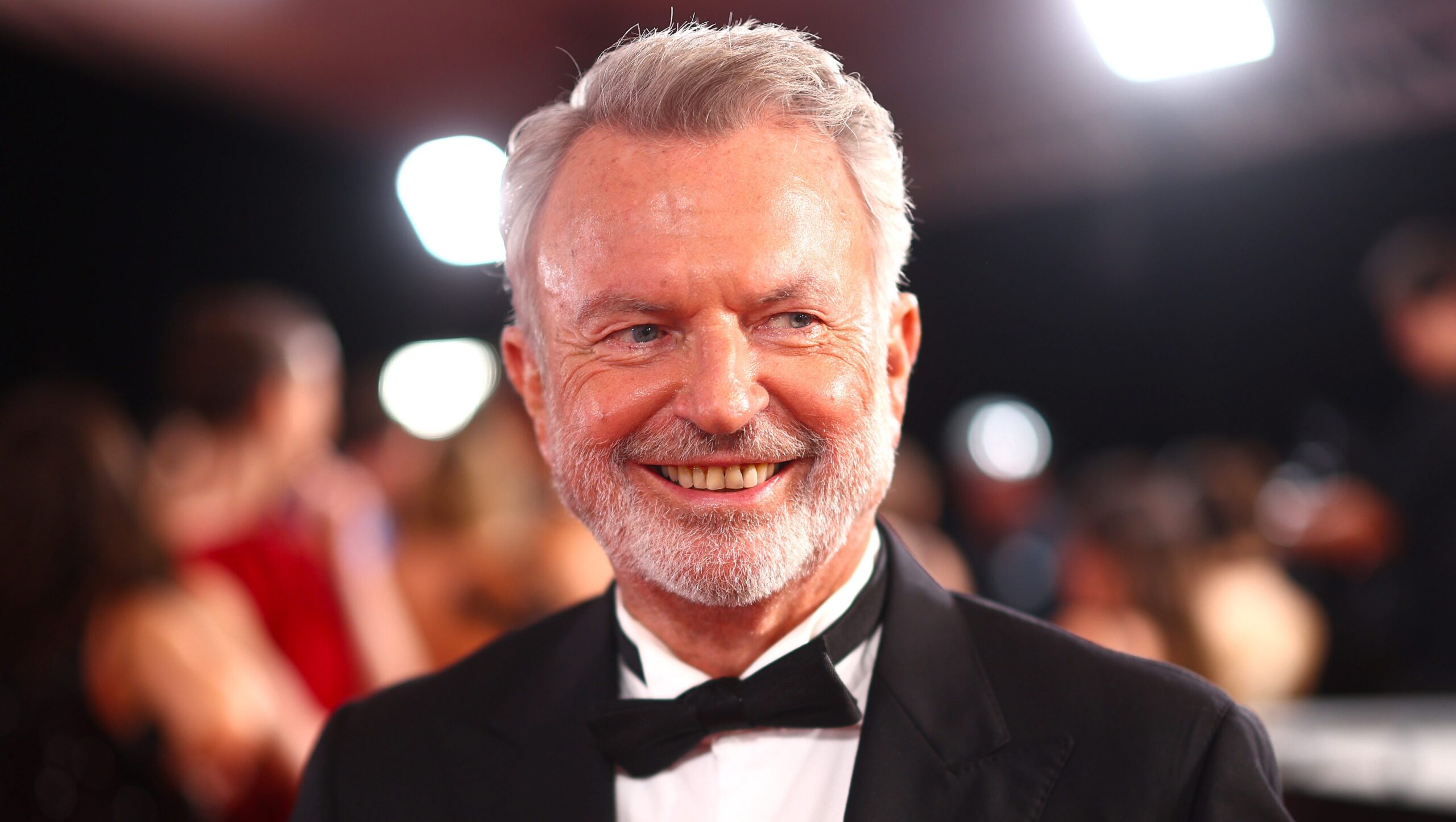
    Tributes have poured in from across the globe following the passing of acclaimed actor Sam Neill. Steven Spielberg, Laura Dern, Nicole Kidman, and Annette Bening were among the Hollywood figures who shared their condolences. Political leaders, including multiple Prime Ministers, also acknowledged Neill’s contributions, collectively remembering him as a ‘beautiful man’.

    The widespread grief reflects Neill’s long and impactful career. His work spanned decades, encompassing a diverse range of roles in film and television. The global response underscores his significant cultural footprint.

    A Career Defined by Range and Impact

    Sam Neill’s career was marked by versatility. He transitioned seamlessly between blockbuster films and independent projects. His roles often showcased a quiet intensity and a profound humanity.

    Neill gained international recognition for his portrayal of Dr. Alan Grant in Steven Spielberg’s 1993 film Jurassic Park. This role cemented his status as a leading man in Hollywood. He reprised the character in subsequent installments, including Jurassic Park III in 2001 and Jurassic World Dominion in 2022.

    Beyond the dinosaur franchise, Neill’s filmography included critically acclaimed performances. He starred in Jane Campion’s 1993 drama The Piano, which earned him widespread praise. His work in the 1988 film A Cry in the Dark, opposite Meryl Streep, also garnered significant attention.

    Television audiences knew him for his role as Major Chester Campbell in the BBC series Peaky Blinders. This performance showcased his ability to inhabit complex, often darker characters. The series ran from 2013 to 2022, earning a dedicated global fanbase.

    Neill’s commitment to his craft was evident in every performance. He brought a unique depth to each character he portrayed. This dedication earned him respect from peers and critics alike.

    Hollywood Remembers a Colleague and Friend

    The entertainment industry reacted with profound sorrow to Neill’s passing. Many shared personal anecdotes and professional admiration.

    Steven Spielberg, who directed Neill in the Jurassic Park series, issued a statement. He spoke of Neill’s talent and his warm presence on set. Spielberg highlighted Neill’s ability to bring authenticity to his characters.

    Laura Dern, Neill’s co-star in the Jurassic Park films, also shared her grief. She described Neill as a generous actor and a true friend. Dern emphasized his kindness and his sense of humor.

    Nicole Kidman, who worked with Neill on the 1989 thriller Dead Calm, posted a heartfelt message. She recalled their early work together and his mentorship. Kidman praised his enduring spirit and his passion for acting.

    Annette Bening, another esteemed colleague, offered her condolences. She spoke of Neill’s professionalism and his collaborative nature. Bening noted his ability to elevate every scene he was in.

    Other actors and directors also joined the chorus of tributes. Many cited Neill as an inspiration and a joy to work with. The consistent theme was his professionalism combined with a genuine warmth.

    Political Leaders Acknowledge a Cultural Icon

    Sam Neill’s influence extended beyond the realm of entertainment. Political leaders from several nations recognized his impact.

    Multiple Prime Ministers issued statements of condolence. They acknowledged Neill not only as a celebrated actor but also as a cultural ambassador. His work often brought international attention to his home regions.

    The Prime Minister of New Zealand, Christopher Luxon, released a statement. He highlighted Neill’s deep connection to New Zealand and his contributions to its arts scene. Luxon praised Neill’s dedication to environmental causes and local communities.

    The Prime Minister of Australia, Anthony Albanese, also offered his sympathies. He spoke of Neill’s dual identity as both an Australian and New Zealander. Albanese recognized Neill’s role in shaping the cinematic landscape of both countries.

    These tributes from national leaders underscore the breadth of Neill’s public persona. He was more than an actor; he was a figure of national pride. His passing marks a loss felt across national borders.

    A Legacy of Authenticity and Craft

    Neill’s career was characterized by a commitment to authentic storytelling. He often chose roles that resonated with him personally. This selective approach contributed to the depth of his filmography.

    He was known for his understated yet powerful performances. Neill avoided grandstanding, preferring to convey emotion through subtle gestures and expressions. This style endeared him to audiences and critics.

    His work in independent cinema was particularly significant. Neill supported emerging filmmakers and took risks on unconventional projects. These roles often showcased his range beyond mainstream blockbusters.

    Neill also maintained a public presence that was both engaging and humble. He frequently shared insights into his life and work, often with a self-deprecating humor. This approach fostered a strong connection with his fanbase.

    His personal life, while private, often reflected his values. He was known for his love of farming and winemaking in New Zealand. These pursuits provided a grounding counterpoint to his demanding acting career.

    The Enduring Impact of a ‘Beautiful Man’

    The phrase ‘beautiful man’ appeared frequently in the tributes. This description encompasses both Neill’s physical presence and his character. It speaks to his kindness, integrity, and warmth.

    His colleagues consistently praised his professionalism and his collaborative spirit. Neill was known for being supportive of fellow actors and crew members. He fostered a positive atmosphere on every set.

    The public also responded to his genuine nature. Neill often engaged with fans with sincerity and humor. His social media presence reflected his wit and his appreciation for life.

    This combination of talent, integrity, and personal warmth cemented his legacy. Sam Neill leaves behind a body of work that will continue to inspire. His memory will endure through the films and television series he graced.

    Directors remembered his dedication. Colleagues remembered his kindness. Audiences remembered his captivating performances. The world remembered a beautiful man.

    Sam Neill.

    FAQ

    What notable films and TV shows did Sam Neill star in?
    Sam Neill starred in several iconic productions, including his role as Dr. Alan Grant in Steven Spielberg’s Jurassic Park series. He also appeared in critically acclaimed films like Jane Campion’s The Piano and the thriller Dead Calm. On television, he was widely recognized for his portrayal of Major Chester Campbell in the BBC series Peaky Blinders.

    Which prominent figures paid tribute to Sam Neill?
    Tributes to Sam Neill came from a wide array of prominent figures. These included Hollywood luminaries such as Steven Spielberg, Laura Dern, Nicole Kidman, and Annette Bening. Additionally, political leaders, including the Prime Ministers of New Zealand and Australia, also shared their condolences and recognized his cultural contributions.

    What aspects of Sam Neill’s character were highlighted in the tributes?
    The tributes consistently highlighted Sam Neill’s character, frequently describing him as a ‘beautiful man’. Colleagues and friends praised his kindness, integrity, professionalism, and warm presence. His dedication to his craft, generosity as an actor, and genuine nature were also prominent themes in the messages of remembrance.

    What was Sam Neill’s connection to New Zealand and Australia?
    Sam Neill held strong connections to both New Zealand and Australia. He was born in Omagh, Northern Ireland, but moved to New Zealand at a young age and later spent significant time in Australia, often identifying with both nations. Political leaders from both countries acknowledged his contributions to their respective arts and culture scenes, recognizing him as a cultural icon for the region.

    Next in the Series: The Enduring Legacy of the Jurassic Park Franchise

  • Sam Neill’s Passing and Enduring Legacy – ‘Jurassic Park’ to ‘Peaky Blinders’

    Sam Neill’s Passing and Enduring Legacy – ‘Jurassic Park’ to ‘Peaky Blinders’

    Actor Sam Neill, a globally recognized figure in film and television, passed away after a public battle with angioimmunoblastic T-cell lymphoma, a rare form of blood cancer. Neill’s death, which occurred following a diagnosis in March 2022, prompted an outpouring of tributes from colleagues and fans. The team behind the acclaimed BBC series Peaky Blinders expressed their profound gratitude for his contributions to the show.

    Neill’s career spanned over five decades, encompassing a wide array of roles that cemented his status as a versatile and respected performer. His work left an indelible mark on both blockbuster cinema and critically acclaimed television, enduring as a testament to his talent.

    A Career Defined by Iconic Roles

    Sam Neill’s filmography is extensive, featuring performances that resonated with global audiences. He achieved international fame for his portrayal of paleontologist Dr. Alan Grant in Steven Spielberg’s 1993 blockbuster Jurassic Park. This role became synonymous with his public image, connecting him to one of the most successful film franchises in history.

    He reprised the role of Dr. Grant in 2001’s Jurassic Park III. Two decades later, he returned to the character for 2022’s Jurassic World Dominion, bridging the original trilogy with the new generation of films. His involvement in the franchise spanned nearly 30 years, showcasing his enduring appeal and the character’s legacy.

    Beyond dinosaurs, Neill captivated television audiences as Major Chester Campbell in the BBC series Peaky Blinders. He portrayed the formidable antagonist across multiple seasons, earning critical praise for his nuanced performance. His character was a pivotal force in the early narratives of the series, providing a compelling foil to Cillian Murphy’s Tommy Shelby.

    The role of Major Campbell showcased Neill’s ability to embody complex villains. His performance added significant depth and tension to the show’s narrative, contributing to its critical and commercial success. The Peaky Blinders team acknowledged his impact, stating they would be "forever grateful" for his work.

    Early Life and Beginnings in Acting

    Nigel John Dermot "Sam" Neill was born on September 14, 1947, in Omagh, County Tyrone, Northern Ireland. His father, Dermot Neill, was a New Zealander who served in the British Army, and his mother, Priscilla, was English. In 1954, at the age of seven, Neill and his family moved to New Zealand, settling in Dunedin.

    He attended Christ’s College, Christchurch, and later studied English literature at the University of Canterbury before transferring to Victoria University of Wellington. It was during his university years that Neill developed an interest in acting, participating in student theater productions.

    Neill’s early career began in New Zealand cinema and television. His first significant film role was in the 1977 New Zealand film Sleeping Dogs, directed by Roger Donaldson. This performance garnered critical attention and paved the way for international opportunities.

    His breakthrough came with the 1979 Australian film My Brilliant Career, opposite Judy Davis. This period drama, directed by Gillian Armstrong, earned him recognition at the Cannes Film Festival and established him as a rising talent in the industry.

    Diverse Filmography and Critical Acclaim

    Neill’s filmography is notable for its incredible diversity, allowing him to move seamlessly between major studio productions and independent films. He often delivered memorable characters across various genres.

    In 1981, he starred in Andrzej Źuławski’s psychological horror film Possession, a role that showcased his dramatic range. The film achieved cult status and remains a significant work in his early career.

    The late 1980s saw him take on roles in thrillers like Dead Calm (1989), where he starred alongside Nicole Kidman and Billy Zane. This intense psychological thriller demonstrated his capability in high-stakes narratives.

    The 1990s brought further critical success with films such as Jane Campion’s The Piano (1993), which won the Palme d’Or at the Cannes Film Festival and multiple Academy Awards. Neill’s performance as Alisdair Stewart, the husband of Ada McGrath, contributed to the film’s powerful emotional core.

    He also made notable appearances in family-friendly fare, including the voice of Charlie in the animated film The Magic Pudding (2000). His versatility extended to historical dramas and fantasy, exemplified by his portrayal of Merlin in the 1998 miniseries Merlin, for which he received an Emmy Award nomination.

    Television Work and Global Recognition

    Beyond his extensive film career, Sam Neill maintained a strong presence in television. He starred in numerous miniseries and telefilms, often taking on complex and challenging characters.

    One of his early notable television roles was in the 1983 miniseries Reilly, Ace of Spies, where he played the titular character, Sidney Reilly. This performance earned him a Golden Globe Award nomination for Best Actor – Miniseries or Television Film.

    His work on Peaky Blinders, which premiered in 2013, brought him renewed global recognition. As Major Chester Campbell, he embodied the ruthless and morally ambiguous antagonist, whose pursuit of the Shelby family drove much of the early seasons’ conflict.

    Neill’s television credits also include roles in The Tudors (2007) as Cardinal Thomas Wolsey, and the historical drama Tutankhamun (2016) as Howard Carter. These roles showcased his ability to inhabit historical figures with depth and authenticity.

    Health Journey and Public Engagement

    In March 2023, Sam Neill publicly revealed he was undergoing treatment for angioimmunoblastic T-cell lymphoma, a rare form of blood cancer. This diagnosis was first made in March 2022. Despite the challenges, Neill maintained a positive outlook and continued to engage with his audience.

    He frequently used social media platforms to share updates on his health, his work, and his personal life. This candid approach fostered a strong connection with his fans, who appreciated his openness and resilience. Neill’s willingness to discuss his health battle provided comfort and insight to many facing similar struggles.

    In 2023, Neill published his memoir, Did I Ever Tell You This?. The book offered an intimate look into his life, career, and his experiences with cancer. He described writing the memoir as a way to occupy himself during chemotherapy and as a means to leave something behind for his loved ones. The memoir was met with critical acclaim, praised for its honesty and warmth, further solidifying his connection with the public.

    Throughout his treatment, Neill continued to act, demonstrating his unwavering dedication to his craft. He made appearances in films and television projects, often sharing behind-the-scenes glimpses with his followers. This commitment underscored his passion for storytelling and his desire to continue working despite personal health challenges.

    His public communication about his health journey made him a vocal advocate for cancer awareness. He spoke about the importance of early diagnosis and the emotional toll of living with a serious illness. His transparency helped demystify the experience for many, turning a personal struggle into a source of public education and encouragement.

    Tributes and Lasting Impact

    Upon news of Sam Neill’s passing, tributes poured in from across the globe. Colleagues, directors, and fans shared memories and celebrated his extensive body of work. Steven Spielberg, director of Jurassic Park, remembered Neill as a "gentle giant" whose performances brought depth and humanity to his characters.

    The official social media channels for Peaky Blinders posted a message of gratitude, highlighting his transformative portrayal of Major Chester Campbell. Cillian Murphy, his co-star in the series, spoke of Neill’s professionalism and the gravitas he brought to every scene. These tributes underscored the respect and admiration he commanded within the industry.

    Neill’s legacy extends beyond his acting roles. He was also a passionate wine producer, owning Two Paddocks winery in Central Otago, New Zealand. His love for his homeland and its agricultural traditions was a significant part of his public persona, often shared alongside his acting endeavors.

    He was known for his dry wit and engaging personality, frequently interacting with fans on social media in a warm and humorous manner. This personal touch endeared him to millions, creating a bond that transcended his on-screen performances.

    Sam Neill’s contributions to cinema and television are immense. He leaves behind a filmography rich with memorable characters and critically acclaimed performances. His openness about his health battle and his continued dedication to his art until the end further cemented his status as a beloved public figure.

    His career, marked by versatility and integrity, spanned genres from blockbuster action to intimate dramas. He played paleontologists, spies, villains, and historical figures, each role imbued with his unique blend of intensity and charm. His passing marks the end of an era for many fans, but his artistic legacy will undoubtedly endure.

    The impact of his work on multiple generations of viewers remains undeniable. His presence on screen, whether battling dinosaurs or outsmarting gangsters, was consistently captivating.

    A performer of immense talent. A voice for cancer awareness. A beloved public figure.

    Sam Neill.

  • Emmy Rossum Was “Shook” by ‘Shameless’ Pay Disparity Going Public

    Emmy Rossum Was “Shook” by ‘Shameless’ Pay Disparity Going Public

    Emmy Rossum, the actress who portrayed Fiona Gallagher for nine seasons on the Showtime series Shameless, recently revealed her reaction to the public exposure of her pay disparity on the show. Rossum stated she “was shook” when the details of her salary negotiations became widely known in 2016, emphasizing that she “certainly didn’t want that” level of public attention on the issue.

    This candid admission provides insight into the personal impact of high-stakes contract disputes within the entertainment industry. The revelation of her fight for equal pay ignited a significant, industry-wide conversation about compensation equity, particularly for female actors in leading roles.

    The Genesis of the Pay Dispute

    The core of the pay disparity issue emerged in 2016, during negotiations for Rossum’s contract renewal. By this point, Shameless had established itself as a critical and commercial success for Showtime, with Rossum’s character, Fiona Gallagher, serving as the central anchor of the series.

    Fiona Gallagher was depicted as the matriarchal figure of the dysfunctional Gallagher family, shouldering immense responsibilities. Her narrative arc often drove the primary plotlines of the show, making her role indispensable.

    Rossum’s representatives began negotiations seeking a salary increase. They aimed for compensation equal to, or even exceeding, that of her co-star, William H. Macy. Macy played Frank Gallagher, the family patriarch, and was a highly respected, established actor when the series began in 2011.

    The Public Revelation and Its Aftermath

    Details of the salary dispute, including the specifics of Rossum’s demands, became public knowledge during the negotiation period. This leak was not intentional on Rossum’s part. She had hoped to resolve the matter privately, through standard industry channels.

    The public outcry that followed was substantial. Fans of Shameless and industry observers alike debated the fairness of the situation. Many argued that Rossum, as the undeniable lead of the show, deserved compensation commensurate with her on-screen contributions and the series’ success.

    The discussion quickly broadened beyond Shameless. It became a prominent example in the ongoing conversation about gender pay gaps in Hollywood. Actresses like Robin Wright and Jennifer Lawrence had previously spoken out about similar experiences, highlighting a systemic issue.

    Industry-Wide Implications of the ‘Shameless’ Case

    The Shameless pay dispute, with Emmy Rossum at its center, served as a flashpoint for broader industry dialogue. It underscored the persistent challenge of achieving pay equity for women in entertainment, even for highly successful and critically acclaimed performers.

    The public nature of Rossum’s negotiations forced studios and networks to confront these issues more directly. It prompted a re-evaluation of how salaries are determined, particularly in ensemble casts where the perceived ‘lead’ role might evolve over time.

    For many, Rossum’s stand symbolized a growing movement among female actors to demand fair treatment. This movement sought not just equal pay for equal work, but also recognition for the value and impact of their contributions to successful projects.

    Resolution and Rossum’s Departure

    After a period of intense negotiation and public discussion, the dispute was ultimately resolved. Emmy Rossum reached a new agreement with Warner Bros. Television and Showtime. This agreement allowed her to return for seasons 8 and 9 of Shameless.

    The terms of the new contract were not publicly disclosed. However, her return signaled that her demands for more equitable compensation had been met to a satisfactory degree.

    Rossum eventually departed from Shameless after the ninth season in 2019. Her exit marked a significant shift for the series, which continued for two more seasons without her central character.

    Reflecting on the Personal Toll

    Rossum’s recent comments about being “shook” by the public nature of the dispute highlight the personal strain involved in such high-profile battles. While advocating for fair pay is a professional necessity, the glare of public scrutiny adds another layer of pressure.

    The actress had to navigate intense media attention while simultaneously engaging in complex contractual negotiations. This situation underscores the fact that even successful actors face significant challenges in securing equitable treatment within the industry.

    Her statement, “I certainly didn’t want that,” reflects a desire for privacy in professional matters. It indicates that while the outcome of her fight was important for her and for the broader cause of pay equity, the process itself was unexpectedly difficult due to its public exposure.

    The Ongoing Dialogue in Hollywood

    The conversation sparked by Emmy Rossum’s pay dispute continues to resonate in Hollywood today. Discussions about gender pay gaps, racial inequality in compensation, and overall transparency in salary structures remain active.

    Actors, directors, writers, and crew members across the industry are increasingly advocating for more equitable and transparent compensation practices. Organizations like Time’s Up and various guilds have continued to push for systemic change.

    The precedent set by cases like Rossum’s helps to empower others to demand fair treatment. It contributes to a slow but steady shift in industry norms and expectations regarding equitable pay.

    The Legacy of Fiona Gallagher and Emmy Rossum’s Stand

    Emmy Rossum’s portrayal of Fiona Gallagher earned her critical acclaim and a dedicated fanbase. Her character became a symbol of resilience and determination, often sacrificing her own ambitions for the sake of her family.

    In a parallel to her on-screen persona, Rossum’s real-life fight for equitable pay demonstrated a similar resilience. Her actions contributed to a wider awareness of pay disparities affecting women in the entertainment industry.

    The public discussion surrounding her contract negotiations became a significant moment. It showcased the challenges faced by female leads who seek fair compensation for their integral contributions to successful television productions.

    The impact of her stand, though personally challenging, served as a catalyst for ongoing conversations. It helped to shape the dialogue around fairness in Hollywood.

    Emmy Rossum fought for her worth. The industry watched. The public debated.

    Hollywood listened.

  • Lindsey Graham’s Public Image: A Former Senator Defined by Television Appearances

    Lindsey Graham’s Public Image: A Former Senator Defined by Television Appearances

    The Pervasive Presence of Lindsey Graham

    Lindsey Graham cultivated a public image heavily defined by his pervasive presence on American television. For many viewers, his frequent appearances on cable news channels and Sunday morning political programs made him an enduring face of the United States Senate. This constant visibility shaped public perception of his political role and the legislative body he represented.

    His media strategy allowed him to bypass traditional reporting filters and communicate directly with a broad audience. This approach became a hallmark of his political career. It ensured his voice was consistently part of national conversations, regardless of his specific legislative actions at any given moment.

    A Career in the Public Eye

    Lindsey Graham’s political career began long before his widespread television fame. He served in the United States House of Representatives from 1995 to 2003. He then transitioned to the Senate, representing South Carolina, a position he held for decades.

    Throughout his tenure, Graham became known for his shifts in political alliances and stances. His public image evolved significantly over time. These changes were often amplified and scrutinized through his media engagements.

    The Sunday Show Staple

    Graham became a regular fixture on popular Sunday morning talk shows. Programs like NBC’s Meet the Press, CBS’s Face the Nation, and Fox News Sunday often featured him. He used these platforms to discuss pressing national and international issues.

    These appearances provided him with a consistent forum. He articulated his views on foreign policy, judicial nominations, and domestic legislation. His presence on these shows solidified his status as a national political commentator, not just a senator from South Carolina.

    Cable News and Political Discourse

    Cable news channels offered Graham an even more frequent outlet for his views. Networks such as Fox News, CNN, and MSNBC regularly hosted him. He engaged in debates, offered analysis, and defended his political positions.

    His willingness to appear across various networks, even those with differing ideological leanings, broadened his exposure. This strategy ensured that a wide spectrum of American viewers encountered his perspective. It also made him a familiar, often polarizing, figure in American households.

    The Impact on Public Perception

    Graham’s television ubiquity had a profound impact on how many Americans perceived the Senate. For viewers who followed politics primarily through broadcast media, Graham often personified the institution. His statements and demeanor became representative of senatorial discourse.

    This phenomenon highlights the growing role of media in shaping political identity. A politician’s ability to connect with the public through television can be as influential as their legislative record. Graham exemplified this modern political reality.

    Shifting Alliances and Media Narratives

    Over his career, Graham’s political positions sometimes shifted. These shifts often became major media narratives. His relationships with various presidential administrations, including those of former President George W. Bush, former President Barack Obama, and President Donald Trump, were extensively covered.

    His public support for President Trump, particularly after 2016, marked a significant pivot in his public image. This change was largely communicated and interpreted through his television appearances. His frequent defenses of President Trump made him a key figure in the media’s coverage of the Trump administration.

    Legislative Work Versus Media Persona

    While his television presence was dominant, Graham also maintained an active legislative career. He served on powerful committees, including the Senate Judiciary Committee and the Senate Armed Services Committee. His work on these committees often involved complex policy issues.

    However, for many in the viewing public, his media persona often overshadowed his detailed legislative efforts. The concise, often confrontational, nature of television interviews tended to prioritize soundbites over nuanced policy discussions. This dynamic is a common challenge for politicians in the modern media landscape.

    Key Legislative Engagements

    • Graham played a role in multiple judicial confirmation hearings, notably those for Supreme Court Justices.
    • He was involved in discussions surrounding national security and defense policy.
    • His legislative efforts sometimes focused on immigration reform and budget issues.

    These actions, while significant, often reached the public consciousness through the filter of his television commentary. His media presence served as the primary conduit for his political narrative.

    The Legacy of a Televised Politician

    Lindsey Graham’s legacy includes not only his years of service in Congress but also his significant role in the televised political arena. He demonstrated the power of media engagement in building and maintaining a national political profile. His career offers a case study in how a politician can become a household name through consistent television exposure.

    His ability to adapt to changing political climates and communicate those adaptations through media solidified his relevance. He understood the visual and rhetorical demands of television. He tailored his message to resonate with a broad, diverse audience.

    The Future of Political Media

    Graham’s career foreshadows the ongoing evolution of political communication. In an era of constant news cycles and fragmented media, politicians increasingly rely on direct-to-camera appeals. His approach to media laid groundwork for future political figures navigating similar landscapes.

    The impact of his television persona extended beyond mere recognition. It influenced public discourse, framed debates, and, for many, defined what it meant to be a senator in contemporary American politics.

    <

    Cultural Impact and Recognition

    The Hollywood Reporter’s recognition of Graham’s television influence underscores his cultural impact. He transcended the traditional political sphere to become a figure recognized even by those who might not closely follow legislative details. This level of recognition is rare for most members of Congress.

    His appearances often generated social media buzz and became subjects of commentary themselves. This self-reinforcing cycle further amplified his presence. It ensured that his voice was not just heard but also discussed and debated.

    The Enduring Image

    Lindsey Graham’s public image remains tied to his extensive television footprint. His voice, mannerisms, and political evolution were all broadcast into millions of homes. This made him a familiar, if not universally beloved, figure in the American political landscape.

    His career offers a testament to the power of media in shaping political identity. It highlights how consistent visibility can transform a legislative role into a national persona. This persona, for many, became the very embodiment of the United States Senate.

    Cameras flashed. Microphones extended. Headlines proliferated.

    Lindsey Graham.

  • Top Gear Crash: Passenger Sues BBC Studios for $200,000

    Top Gear Crash: Passenger Sues BBC Studios for $200,000

    The Allegations: BBC Studios Issued Dangerous Instructions

    A passenger involved in a Top Gear production crash has initiated legal proceedings against BBC Studios. The lawsuit seeks $200,000 in damages. The core of the plaintiff’s claim centers on allegations that “wrong and dangerous instructions” were provided by the production team, directly leading to the crash incident.

    This legal challenge places a spotlight on the safety protocols and liability frameworks within high-octane television programming. The claim specifically targets the operational decisions made during the filming of the popular automotive show, asserting a failure in the duty of care by the production company.

    The lawsuit explicitly states that the instructions originated from BBC Studios’ personnel. This contradicts any earlier assumptions or reports suggesting the instructions came from the passenger themselves. The legal filing clarifies the chain of command and responsibility.

    The Incident: A History of High-Risk Filming and Specific Claims

    Top Gear has long been known for its adventurous stunts and high-speed challenges. The show’s format frequently involves vehicles pushed to their limits, often in challenging environments. This inherent risk has occasionally led to incidents during its long production history, prompting scrutiny of its safety measures.

    While specific details regarding the exact date and location of this particular crash have not been widely publicized, the nature of the claim suggests an on-set incident. Such events carry significant implications for both participants and production companies, often leading to extensive legal and reputational consequences.

    The plaintiff’s legal team is expected to detail the sequence of events leading up to the crash. This will include specific instructions given, the environment of the shoot, and the actions taken by all parties involved. The precise circumstances of the alleged “dangerous instructions” will be a central point of contention in court.

    Previous Incidents and Safety Concerns

    Top Gear has faced safety-related controversies in the past. In 2006, presenter Richard Hammond suffered a severe brain injury during a jet-powered car stunt. This incident led to a temporary halt in production and a review of safety procedures, highlighting the inherent dangers of the show’s format.

    More recently, in 2017, presenter Andrew Flintoff was involved in a crash during filming. While not as severe as Hammond’s, it underscored the ongoing risks associated with the show’s high-speed segments. These past events contribute to the public and legal scrutiny surrounding the current lawsuit.

    BBC Studios’ Stance: Preparing a Defense

    BBC Studios, the commercial arm of the British Broadcasting Corporation, is the entity being sued. The company is responsible for the production and international distribution of Top Gear. Their response to the lawsuit is expected to address the allegations directly, outlining their version of events and their adherence to safety protocols.

    The defense will likely focus on several key areas. These include the standard safety procedures in place during filming, the qualifications and training of the production crew, and the expertise and consent of the participants involved. They may argue that all reasonable precautions were taken and that the passenger was fully aware of the risks.

    BBC Studios is expected to assert that all participants are briefed on potential dangers and sign waivers acknowledging these risks. The legal team will likely present evidence of comprehensive risk assessments conducted prior to the shoot. They may also contend that the instructions given were standard for the activity and that any injury was an unforeseen consequence, not a direct result of negligence.

    Legal Counsel and Strategy

    BBC Studios will engage experienced legal counsel to navigate this complex case. Their strategy will involve a thorough investigation of the incident, interviewing witnesses, and reviewing all available footage and documentation. The goal will be to demonstrate that the company fulfilled its duty of care to the passenger.

    The defense may also explore the possibility of contributory negligence, suggesting that the passenger’s actions or inactions played a role in the incident. This is a common legal tactic in cases where multiple parties are involved in an accident. The legal battle will likely be protracted and involve detailed examination of all evidence.

    Understanding the Legal Process: Damages, Liability, and Duty of Care

    The $200,000 sought by the passenger represents a claim for damages. These damages typically cover a range of financial and non-financial losses, including medical expenses, rehabilitation costs, lost earnings, and compensation for pain and suffering. The specific amount indicates a significant impact on the plaintiff’s life.

    Liability in such cases often hinges on whether negligence can be proven. This involves demonstrating that BBC Studios, through its instructions or a lack of proper safety measures, breached a duty of care owed to the passenger. The legal battle will likely examine all aspects of the production’s conduct leading up to the crash, scrutinizing every decision made on set.

    Defining Duty of Care in Production

    Production companies have a legal obligation to ensure the safety of all individuals involved in their shoots. This “duty of care” extends to cast, crew, and any participants or passengers. It requires a comprehensive risk assessment, the implementation of appropriate safety measures, and clear communication of all potential hazards.

    In high-risk productions like Top Gear, this duty is particularly stringent. It necessitates specialized safety officers, detailed stunt coordination, and clear communication of risks and instructions to all participants. The lawsuit will explore whether these standards were met in the specific incident, and if any deviation from best practices occurred.

    The Role of Waivers and Consent

    Participants in high-risk activities often sign waivers, attempting to release production companies from liability. However, the enforceability of such waivers can be challenged, especially if negligence can be proven. Courts often examine whether the participant truly understood the risks and whether the waiver was signed under duress or misrepresentation.

    The legal team for the passenger will likely scrutinize any waivers signed, seeking to demonstrate that the alleged “wrong and dangerous instructions” went beyond the scope of risks the passenger reasonably consented to. This element will be crucial in determining the outcome of the case.

    Precedent and Impact: Safety in Entertainment Production

    This lawsuit against BBC Studios is not an isolated event in the entertainment industry. Incidents on film and television sets, particularly those involving stunts or dangerous activities, periodically lead to legal disputes. These cases often highlight the inherent dangers of such productions and the need for robust safety protocols.

    The resolution of this case could significantly influence how future high-risk television shows are produced. It may lead to a re-evaluation of safety protocols, insurance requirements, and participant waivers across the industry. The focus remains on preventing similar incidents and ensuring greater accountability from production companies.

    Industry-Wide Implications

    The entertainment industry, globally, monitors such legal challenges closely. A ruling against a major studio like BBC Studios could prompt other production companies to review and strengthen their own safety guidelines. It could also lead to increased scrutiny from regulatory bodies and calls for more standardized safety certifications.

    The balance between creating exciting, visually compelling content and ensuring participant safety is a constant challenge for producers. This lawsuit underscores the serious consequences when that balance is perceived to have failed, reinforcing the need for robust safety management at every level of production, from pre-production planning to on-set execution.

    This case could also influence how insurance companies assess risk for high-octane productions, potentially leading to higher premiums or more stringent requirements for coverage. The financial implications for the industry could be substantial.

    The Broader Context: Public Scrutiny and Media Transparency

    Public interest in the safety of television productions has grown, especially with the increased visibility of behind-the-scenes content and social media sharing. When incidents occur, they often draw significant media attention, prompting discussions about ethical production practices and corporate responsibility.

    The reputation of a show and its producers can be significantly affected by safety controversies. Top Gear, with its global audience and long history, operates under constant public and media scrutiny. This adds another layer of pressure to the ongoing legal proceedings, as public perception can impact viewership and brand loyalty.

    Media Coverage and Transparency

    The media’s role in reporting such incidents is crucial. It informs the public, raises awareness about safety issues, and can pressure organizations to be more transparent about their safety records. Reports from outlets like Deadline reflect this ongoing public and industry interest in production safety.

    Transparency from production companies following an incident can often mitigate negative public perception. However, legal advice frequently restricts the extent to which details can be shared publicly during ongoing litigation, creating a delicate balance between public relations and legal strategy.

    The Long-Term Impact on Brand Image

    Beyond the immediate legal and financial implications, a lawsuit of this nature can have long-term effects on a brand’s image. A perception of unsafe practices can deter future participants, impact sponsorship deals, and diminish audience trust. BBC Studios will be keenly aware of these broader consequences as the case proceeds.

    Conclusion: Awaiting Legal Resolution

    The lawsuit brought by the passenger against BBC Studios for $200,000 remains active. The core of the dispute centers on the alleged “wrong and dangerous instructions” issued by the production team that led to the crash. Both parties will present their arguments in a legal forum, seeking to establish fault or defend against the claims.

    The case will meticulously examine the specifics of the incident. It will review the conduct of the production team. It will assess the safety measures in place. The legal process continues, with potentially far-reaching implications for the entertainment industry.

    Accountability.

  • Sam Neill Dies at 78 – Actor Known for ‘Jurassic Park’ and ‘The Piano’

    Sam Neill Dies at 78 – Actor Known for ‘Jurassic Park’ and ‘The Piano’

    Actor Sam Neill, recognized internationally for his role as Dr. Alan Grant in the blockbuster film Jurassic Park, died on July 13, 2026, at the age of 78. His family confirmed his passing, marking the end of a prolific career that spanned over five decades in film and television. Tributes from colleagues and fans have begun to emerge, honoring his versatility and enduring presence in entertainment.

    Neill’s work encompassed a wide range of genres, from major Hollywood productions to independent and critically lauded dramas. His ability to inhabit complex characters earned him widespread respect and a dedicated global audience.

    Early Life and Career Foundations

    Nigel John Dermot Neill was born on September 14, 1947, in Omagh, County Tyrone, Northern Ireland. His father, Dermot Neill, was a New Zealander, and his mother, Priscilla Beatrice Neill (née Ingham), was English. Neill’s family moved to New Zealand in 1954 when he was seven years old. He attended Christ’s College, Christchurch, and later studied at the University of Canterbury, where he developed an interest in acting.

    Neill began his acting career in New Zealand, working in local theater productions and short films. His early work provided a foundation for his distinctive on-screen presence. He gradually transitioned to feature films, initially gaining recognition in the Australian and New Zealand film industries.

    His breakthrough role came in the 1977 New Zealand film Sleeping Dogs, a political thriller that garnered international attention. This performance opened doors for Neill in larger productions and led to his relocation to the United Kingdom, where he expanded his acting opportunities.

    International Recognition and Critical Acclaim

    The early 1980s saw Neill establish himself on the international stage. His role in the 1981 psychological thriller Possession, directed by Andrzej Żuławski, showcased his dramatic capabilities. The film, though controversial at the time, developed a cult following and remains a significant work in his filmography.

    Neill continued to work steadily throughout the decade, appearing in films such as Plenty (1985) alongside Meryl Streep, and A Cry in the Dark (1988), where he played Michael Chamberlain. His performance in A Cry in the Dark earned him an Australian Film Institute (AFI) Award for Best Actor. These roles solidified his reputation as a serious and capable dramatic actor.

    His collaboration with director Jane Campion in the 1993 drama The Piano marked another critical high point. Neill played Alisdair Stewart, the husband of Ada McGrath, portrayed by Holly Hunter. The film received numerous accolades, including the Palme d’Or at the Cannes Film Festival and three Academy Awards, further elevating Neill’s profile within the arthouse cinema circuit.

    The ‘Jurassic Park’ Legacy

    The same year, 1993, brought Neill his most globally recognized role: Dr. Alan Grant in Steven Spielberg’s science fiction epic Jurassic Park. His portrayal of the paleontologist thrust into a prehistoric survival scenario resonated with audiences worldwide. The film was a monumental box office success, becoming the highest-grossing film of its time and establishing Neill as a household name.

    Neill reprised the role of Dr. Alan Grant in Jurassic Park III in 2001, further cementing his association with the iconic franchise. Two decades later, he returned to the character for Jurassic World Dominion (2022), alongside original cast members Laura Dern and Jeff Goldblum. This return allowed a new generation of viewers to connect with his enduring character.

    His involvement in the Jurassic Park series not only brought him immense popularity but also highlighted his ability to anchor large-scale productions with a blend of scientific gravitas and human vulnerability. The franchise’s enduring appeal contributed significantly to Neill’s lasting legacy in popular culture.

    Diverse Filmography Beyond Blockbusters

    Beyond the dinosaur-themed adventures, Neill maintained a diverse and extensive filmography. He appeared in various genres, demonstrating his range and commitment to varied storytelling. His roles included:

    • Event Horizon (1997): A science fiction horror film where he played Dr. William Weir.
    • The Horse Whisperer (1998): A drama directed by Robert Redford, in which Neill played Robert MacLean.
    • Bicentennial Man (1999): A science fiction drama starring Robin Williams, where Neill portrayed Richard Martin.
    • My Mother Frank (2000): An Australian comedy-drama.
    • Perfect Strangers (2001): A New Zealand psychological thriller.
    • The Hunter (2011): An Australian drama where he played Jack Mindy.
    • Hunt for the Wilderpeople (2016): A critically acclaimed New Zealand adventure comedy directed by Taika Waititi. Neill’s performance as Uncle Hec garnered significant praise.

    These roles illustrate Neill’s preference for complex narratives and his willingness to participate in both mainstream and independent cinematic endeavors. His film choices often reflected a discerning artistic sensibility.

    Notable Television Contributions

    Neill’s career was not limited to the big screen; he also maintained a robust presence in television. His television work showcased his ability to adapt to different narrative formats and character demands.

    British and American Productions

    One of his most memorable television roles was Chief Inspector Chester Campbell in the popular British crime drama Peaky Blinders. He appeared in the first two seasons, from 2013 to 2014. His portrayal of the antagonist, a formidable and morally ambiguous law enforcement officer, earned him significant acclaim and introduced him to a new international audience.

    Other notable television credits include:

    • Reilly, Ace of Spies (1983): Neill played the titular role of Sidney Reilly in this British miniseries, earning a Golden Globe nomination.
    • Merlin (1998): He played the wizard Merlin in this NBC miniseries, which was well-received.
    • The Tudors (2007): Neill portrayed Cardinal Thomas Wolsey in the historical drama series, appearing in the first season.
    • Alcatraz (2012): He played Dr. Emerson Hauser in the American science fiction mystery drama.
    • The Dovekeepers (2015): A CBS miniseries where he played Josephus.
    • Rick and Morty (2020): Neill lent his voice to the character of a Gromflomite in an episode of the animated series.

    His consistent work in television demonstrated his enduring appeal and his commitment to the craft of acting across various platforms. He often chose roles that allowed him to explore historical figures or complex dramatic situations.

    Later Career and Personal Life

    In recent years, Neill remained active in the entertainment industry. He continued to take on diverse roles, often balancing larger productions with smaller, more personal projects. His sustained passion for acting and storytelling was evident in his consistent output.

    Beyond acting, Neill was also a vintner, owning and operating Two Paddocks winery in Central Otago, New Zealand. He often shared updates about his vineyard on social media, providing a glimpse into his life outside of acting. He was known for his witty and engaging presence on social platforms, often sharing personal anecdotes and insights into his work.

    Neill also maintained a private personal life, though he occasionally shared glimpses of his family and interests. He was a vocal advocate for environmental causes and an active supporter of various charities.

    Industry and Fan Reactions

    As news of Neill’s death circulated on July 13, 2026, tributes began to pour in from across the globe. Colleagues, directors, and fans remembered his talent, his distinctive voice, and his memorable performances. Many acknowledged his unique ability to bring both gravitas and a subtle humor to his roles.

    Social media platforms saw an outpouring of grief and appreciation. Fans shared their favorite Neill performances, often highlighting his range from the intense drama of Possession to the adventurous spirit of Jurassic Park.

    His passing marks the end of an era for many who grew up watching his films and television series. The family’s announcement did not immediately provide specific details regarding memorial services or the cause of death. Further information is expected to be released as it becomes available.

    Sam Neill’s contributions to cinema and television were substantial. He left an indelible mark on the landscape of global entertainment, remembered for his iconic characters and his unwavering commitment to his craft.

    A Lasting Impact

    Neill’s career was characterized by a remarkable versatility. He seamlessly transitioned between genres, from science fiction blockbusters to historical dramas and independent films. His performances were often praised for their nuance and depth, allowing him to create characters that resonated deeply with audiences.

    His presence on screen was always distinctive, marked by a quiet intensity and an intellectual curiosity. He was an actor who could command attention without grand gestures, relying instead on subtle expressions and a powerful internal life for his characters.

    The legacy of Sam Neill extends beyond his individual roles. He represented a generation of actors who bridged the gap between different cinematic traditions, working in Hollywood, European cinema, and the burgeoning film industries of Australia and New Zealand. His career served as an example of international collaboration and artistic dedication.

    Filmmakers admired his professionalism and his collaborative spirit. Audiences appreciated his authentic portrayals and his ability to make even fantastical scenarios feel grounded and real.

    A career that spanned continents. A presence felt across genres. An actor who brought characters to life.

    Sam Neill.

  • Wai Ching Ho, ‘Daredevil’ and ‘Hustlers’ Actress, Dies at 82

    Wai Ching Ho, ‘Daredevil’ and ‘Hustlers’ Actress, Dies at 82

    A Career Defined by Strength and Nuance

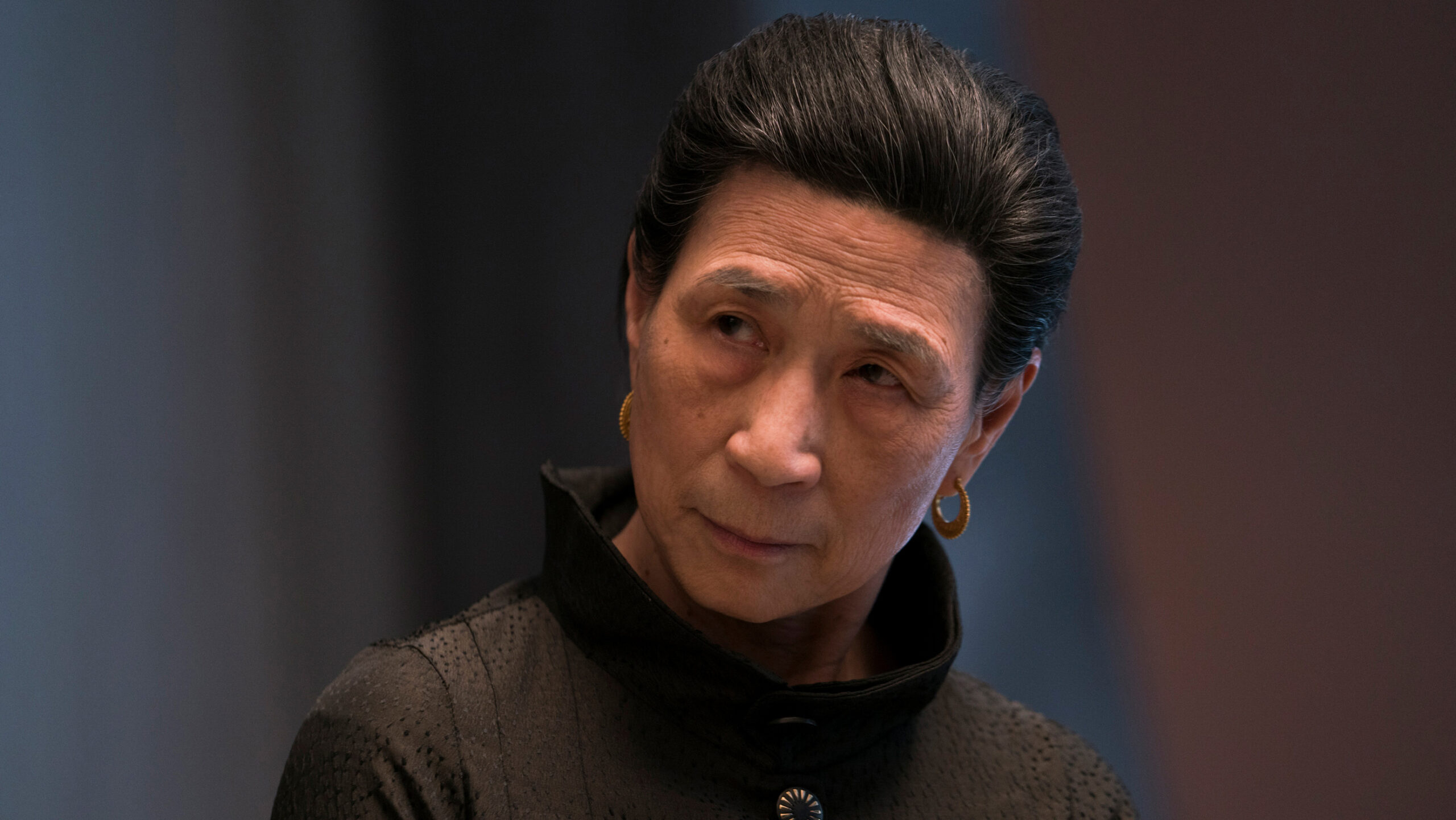
    Wai Ching Ho, an actress recognized for her impactful performances across film and television, died at the age of 82. Her passing marks the end of a career that brought her distinctive talent to a global audience. Ho was particularly celebrated for her portrayal of Madame Gao in the Marvel Cinematic Universe’s Netflix series, a role that cemented her as a formidable presence on screen. Her work extended to critically acclaimed films, showcasing her versatility.

    Ho’s contributions to the entertainment world were significant. She consistently delivered performances that resonated with viewers, often embodying characters of profound strength and complexity. Her ability to convey deep narratives with subtlety made her a standout in every project she joined. The news of her death, reported on July 12, 2026, has prompted reflections on her enduring legacy.

    Madame Gao: A Marvel Villain’s Lasting Impact

    One of Wai Ching Ho’s most iconic roles was that of Madame Gao in Marvel’s Netflix series. She first appeared as the enigmatic and powerful leader of a heroin trafficking operation in ‘Daredevil,’ which premiered in 2015. Her character quickly became a fan favorite, known for her calm demeanor, martial arts prowess, and connection to the Hand, a mystical ninja order.

    Ho reprised her role as Madame Gao in subsequent Marvel series. She appeared in ‘Iron Fist,’ which debuted in 2017, further exploring her character’s ancient origins and influence. Her final appearance as Madame Gao was in the 2017 crossover event series, ‘The Defenders,’ where she united with other villains against the titular heroes. Ho’s portrayal brought a unique blend of menace and wisdom to the Marvel universe, making Madame Gao one of its most memorable antagonists.

    Her performance was lauded for its nuanced depiction of a villain. Madame Gao was not merely evil; she was ancient, strategic, and deeply rooted in her philosophies. Ho’s quiet intensity and precise delivery made every scene she was in compelling. She elevated the character beyond a typical antagonist, creating a figure that continues to be discussed by fans of the series.

    From ‘Hustlers’ to Independent Cinema

    Beyond her work in the superhero genre, Wai Ching Ho showcased her range in a variety of other projects. One notable film role was in the 2019 crime drama ‘Hustlers.’ In the film, Ho played the grandmother of Destiny, the character portrayed by Constance Wu. Her brief but poignant appearance added emotional depth to the narrative, providing a grounding force for the protagonist.

    Her filmography also included appearances in independent films and other mainstream productions. Ho often took on roles that highlighted her ability to portray authentic, grounded characters. This commitment to diverse roles allowed her to work with various directors and actors, enriching her professional experience and expanding her artistic reach.

    She was known for her dedication to craft. Whether in a major studio production or a smaller independent feature, Ho approached each role with the same level of professionalism and commitment. This consistency earned her respect among her peers and admiration from critics.

    A Distinguished Career in Television and Theater

    Wai Ching Ho’s career was not limited to film and high-profile television series. She also had a significant presence in episodic television and theater. Her early work in the performing arts laid the foundation for her later successes. She appeared in numerous television shows over the years, often in guest roles that left a lasting impression.

    Her television credits included appearances in popular dramas and procedural shows. These roles allowed her to demonstrate her versatility, moving between different genres and character types. Ho’s ability to adapt to various storytelling formats made her a sought-after talent in the industry. Her performances were consistently praised for their authenticity and emotional depth.

    The stage also played a crucial role in Ho’s artistic journey. Theater work provided her with opportunities to hone her craft and explore complex narratives. The discipline and immediacy of live performance contributed to her strong screen presence. She brought a theatrical gravitas to her film and television roles, enhancing the overall quality of her performances.

    Legacy and Influence

    Wai Ching Ho leaves behind a significant legacy in the entertainment industry. Her career served as an inspiration for many, particularly for Asian American actors seeking representation and diverse roles. She broke barriers and paved the way for more nuanced portrayals of Asian characters in Western media.

    Her performances, especially as Madame Gao, demonstrated that age and ethnicity were not limitations to playing powerful and memorable characters. Ho’s work challenged stereotypes and expanded the scope of roles available to actresses of her background. She proved that complex, compelling narratives could be crafted around diverse individuals.

    The impact of her work will continue to be felt for years to come. Her contributions to film and television are part of a growing movement towards greater inclusivity and authentic representation. Ho’s dedication to her art and her ability to embody such distinct characters will remain a benchmark for future generations of performers.

    Fans and colleagues remember her for her talent, her grace, and her commanding presence. Her ability to inhabit a character completely, whether a formidable villain or a comforting grandmother, was her hallmark. She brought dignity to every role she undertook.

    Her passing on July 12, 2026, marks a moment of reflection. It is a time to remember the artistry and dedication she brought to every project. It is a time to appreciate the unique talent that was Wai Ching Ho.

    Characters gathered. Narratives gathered. Tributes gathered. Legacy.

  • Little House on the Prairie and the ‘Trad Wives’ Debate – Showrunner Weighs In

    Little House on the Prairie and the ‘Trad Wives’ Debate – Showrunner Weighs In

    The showrunner for the classic television series “Little House on the Prairie” recently addressed the contemporary “trad wives” discourse, noting that audiences frequently interpret the show’s themes through a modern lens. This discussion highlights the enduring cultural impact of the series and the evolving ways in which its portrayal of traditional family structures and pioneer life is perceived in 2026.

    The series, which aired from 1974 to 1983, depicted the lives of the Ingalls family on the American frontier. It often emphasized themes of resilience, community, and traditional gender roles. These elements have contributed to its continued relevance in conversations about societal values.

    The Enduring Appeal of Walnut Grove

    “Little House on the Prairie” captivated millions during its original run. It became a staple of American television. The program was based on the autobiographical books by Laura Ingalls Wilder.

    The narratives centered on the struggles and triumphs of a pioneer family in the late 19th century. Michael Landon starred as Charles Ingalls and also served as an executive producer and director. Karen Grassle played Caroline Ingalls, the family matriarch.

    The show’s setting in rural Minnesota, specifically near Walnut Grove, provided a backdrop for stories of homesteading, farming, and community building. These stories often showcased a self-sufficient lifestyle.

    The series explored themes such as hardship, faith, and the importance of family bonds. It presented a vision of America’s past that resonated with many viewers.

    ‘Trad Wives’ and Historical Interpretation

    The term “trad wives” refers to a contemporary movement advocating for traditional gender roles and family structures. Adherents often promote a lifestyle centered on homemaking, submission to a husband, and a rejection of modern feminist ideals.

    This movement has gained visibility on social media platforms. Its proponents often cite historical or fictional examples to support their views. “Little House on the Prairie” frequently appears in these discussions.

    The showrunner observed that it is “interesting that people like to claim things.” This statement reflects a recognition of how cultural artifacts are reinterpreted over time. Audiences often project current ideologies onto past works.

    The Ingalls family’s way of life, characterized by a division of labor where Charles worked the land and Caroline managed the home, is seen by some as an ideal. This perspective often overlooks the historical context of necessity and survival that shaped these roles.

    The Nuances of Pioneer Life

    Pioneer life on the American frontier was marked by immense challenges. Survival often depended on the functional roles each family member fulfilled. Gender roles were often rigid due to practical requirements, not solely ideological ones.

    Women like Caroline Ingalls were not merely homemakers. They were essential partners in the enterprise of homesteading. They managed food preservation, education, healthcare, and often contributed directly to farm labor when needed.

    The show occasionally depicted instances where traditional roles were flexed. Characters adapted to circumstances, demonstrating resilience and resourcefulness beyond rigid definitions. These nuances are sometimes overlooked in modern interpretations.

    The Showrunner’s Perspective on Audience Reception

    The showrunner’s comments underscore a broader phenomenon in media consumption. Viewers bring their own experiences, values, and political leanings to the content they consume. This leads to diverse and sometimes conflicting interpretations.

    The showrunner acknowledged the power of narrative to be claimed by various groups. This is not unique to “Little House on the Prairie.” Many classic works of fiction and non-fiction are re-examined through contemporary lenses.

    The show’s popularity spanned generations. It continues to air in reruns and is available on streaming platforms. This continued exposure allows new audiences to discover and interpret the series.

    The debate surrounding “Little House on the Prairie” illustrates the dynamic relationship between historical narratives and contemporary social movements. It highlights how stories can serve as cultural battlegrounds for differing ideologies.

    Beyond Simple Interpretations

    The original books by Laura Ingalls Wilder offer a more direct insight into the realities of pioneer life. Wilder’s writings often detailed the harshness and demanding nature of frontier existence. They did not romanticize every aspect of traditional life.

    The television series, while largely faithful to the spirit of the books, also adapted and sometimes softened certain aspects for a broader audience. It presented an idealized version of family life that resonated deeply with many.

    Critics of the “trad wives” interpretation argue that reducing the show to a simple endorsement of specific gender roles ignores the complexities of the characters and their struggles. They emphasize the show’s broader messages of love, perseverance, and community.

    The discussions surrounding the show also touch on themes of nostalgia. For some, “Little House on the Prairie” represents a simpler, more virtuous past. This idealized view can sometimes overshadow historical realities.

    The Cultural Legacy of an Iconic Series

    “Little House on the Prairie” has left an indelible mark on popular culture. Its themes have been explored in academic papers, fan communities, and documentaries. It remains a reference point for discussions about American history, family values, and television’s role in shaping perceptions.

    The series launched the careers of several actors, including Melissa Gilbert, who played Laura Ingalls Wilder. Its impact extended beyond entertainment, influencing views on education, morality, and social responsibility.

    The ongoing dialogue about the show’s meaning reflects its status as a cultural touchstone. It demonstrates that powerful stories continue to provoke thought and discussion long after their initial creation.

    The showrunner’s comments serve as a reminder. Creators often lose control over the narrative once it enters the public domain. Audiences then shape its ongoing meaning.

    Discourse continues. Interpretations multiply. Cultural touchstones endure.

  • Frankie Grande Defends ‘Big Brother 28’ Premiere Amidst Criticism

    Frankie Grande Defends ‘Big Brother 28’ Premiere Amidst Criticism

    The Premiere and Immediate Reaction

    The highly anticipated premiere of ‘Big Brother 28’ aired on July 9, 2026. The episode introduced a new cast of houseguests to the iconic ‘Big Brother’ house. As is customary for the long-running reality series, the premiere immediately sparked discussion across social media platforms and entertainment news outlets.

    Public commentary swiftly followed the broadcast. Viewers and critics offered their initial impressions of the season’s tone, casting, and early gameplay. One critic’s remarks, specifically, drew significant attention.

    Frankie Grande Enters the Discussion

    Frankie Grande, a prominent figure in the ‘Big Brother’ community, responded to the criticism. Grande, known for his participation in ‘Big Brother 16’ in 2014, has maintained a public connection to the franchise. His response came on July 11, 2026, two days after the premiere.

    Grande addressed the critique directly. He used his platform to articulate his perspective on the show’s fundamental characteristics. His defense centered on a specific element he believes is intrinsic to ‘Big Brother.’

    The Defense: “Camp Is Part Of Its DNA”

    Grande’s core argument was that “camp is part of its DNA.” This statement served as a direct counterpoint to the critic’s observations. He implied that the perceived ‘campiness’ is not a flaw, but rather a defining and intentional aspect of the show’s appeal.

    The concept of ‘camp’ in entertainment often refers to an aesthetic sensibility that revels in artifice, exaggeration, and theatricality. Grande’s defense suggests that these qualities are not incidental but are foundational to the ‘Big Brother’ experience. He frames them as essential to the show’s identity and its entertainment value for a significant portion of its audience.

    The History of ‘Big Brother’ and Camp

    ‘Big Brother’ first premiered in the United States in July 2000. Over its 28 seasons, the show has cultivated a distinct style. This style often incorporates heightened drama, eccentric personalities, and a self-aware theatricality.

    Many viewers are drawn to the show precisely for these elements. The isolation of the house, the strategic gameplay, and the often over-the-top reactions of contestants contribute to this ‘camp’ aesthetic. Grande’s statement resonates with a long-standing interpretation of the show’s appeal.

    Evolution of the ‘Big Brother’ Format

    The format of ‘Big Brother’ has seen various iterations and twists over the years. However, the core premise of strangers living together under constant surveillance has remained. This environment naturally fosters intense social dynamics and dramatic confrontations.

    Producers often cast individuals with strong personalities. This casting strategy enhances the potential for conflict, humor, and memorable moments. These choices further contribute to the show’s reputation for ‘camp’ entertainment.

    Public and Fan Reactions

    Grande’s defense quickly circulated among the ‘Big Brother’ fan base. Many fans expressed agreement with his sentiment. They view the show’s unique blend of reality competition and theatricality as its primary draw.

    The discussion also highlighted the diverse expectations viewers bring to the series. Some prefer a more straightforward strategic game. Others embrace the comedic and dramatic elements that Grande describes as ‘camp.’

    Social Media Engagement

    Social media platforms became a central arena for this debate. Tweets, posts, and comments proliferated, dissecting Grande’s statement and the initial criticisms. Hashtags related to ‘Big Brother 28’ trended, indicating the high level of public engagement.

    This kind of public discourse is common for ‘Big Brother.’ The show thrives on viewer interaction and strong opinions. Grande’s intervention amplified this season’s early conversations.

    Frankie Grande’s ‘Big Brother’ Legacy

    Frankie Grande competed on ‘Big Brother 16’ in 2014. During his season, he was known for his energetic personality, strategic gameplay, and his open discussion of his celebrity connections, including his sister, pop star Ariana Grande.

    His time in the house was marked by both alliances and controversies. He ultimately placed fifth in the competition. Despite not winning, he became one of the more memorable contestants from his season. He has since remained a vocal supporter and commentator on the show.

    Post-‘Big Brother’ Career

    After his appearance on ‘Big Brother,’ Grande continued his career in entertainment. He has worked as a television personality, actor, and stage performer. His social media presence remains significant, allowing him to engage directly with fans and media.

    His continued involvement in discussions surrounding ‘Big Brother’ underscores his enduring connection to the franchise. He often participates in interviews and fan events related to the show.

    The Role of Critics and Public Opinion

    The exchange between the critic and Frankie Grande illustrates the dynamic between reality television and its audience. Critics often evaluate shows based on traditional artistic or narrative merits. Reality television, however, often operates on different principles.

    Public opinion, particularly from dedicated fan bases, frequently emphasizes entertainment value and emotional engagement. These metrics can sometimes diverge from critical assessments. Grande’s defense bridges this gap by asserting a specific, perhaps unconventional, value proposition for ‘Big Brother.’

    Defining “Good” Reality Television

    The debate raises questions about what constitutes “good” reality television. Is it a show that reflects real-world dynamics, or one that provides escapism and exaggerated drama? Grande’s stance firmly places ‘Big Brother’ in the latter category, suggesting its strength lies in its unique, theatrical nature.

    This discussion also influences how future seasons might be produced and perceived. Producers often monitor public sentiment. Such debates can subtly shape the direction of future casting and narrative choices.

    The Enduring Appeal of ‘Big Brother’

    ‘Big Brother’ has consistently drawn millions of viewers over its nearly quarter-century run. Its longevity is a testament to its ability to adapt while maintaining core elements.

    The show’s format, which combines social experiment, strategic game, and continuous surveillance, creates a compelling viewing experience. The ‘camp’ elements, as Grande suggests, likely contribute significantly to this sustained appeal, offering a blend of genuine human interaction and manufactured spectacle.

    Future of the Franchise

    As ‘Big Brother 28’ continues, the discussions initiated by its premiere and Grande’s defense will likely persist. The show’s ability to generate such passionate responses from both its critics and its champions ensures its continued relevance in the reality television landscape.

    The season will unfold with weekly evictions, challenges, and new twists. Each development will provide further fodder for public debate, reinforcing the show’s position as a cultural touchstone in entertainment.

    Cameras watched. Audiences judged. Critics wrote. Grande responded. Fans debated. The house played. The season continued. The conversation amplified.

    Big Brother.