Tag: Television

  • Trump’s Greenland Stance – A Look at US National Interest and Geopolitics

    Trump’s Greenland Stance – A Look at US National Interest and Geopolitics

    President Trump’s Greenland Statement

    President Trump’s statement regarding the United States’ potential control over Greenland has prompted widespread discussion. This pronouncement underlines the strategic significance of Greenland within the broader context of US national interest and global geopolitics. The statement was made public through Bloomberg Television, sparking immediate reactions and analyses across various media platforms.

    The concept of US control over Greenland is not new. It has historical roots in strategic planning, particularly during periods of global conflict. The current discussion reintroduces these historical considerations into modern geopolitical discourse, emphasizing Greenland’s enduring relevance.

    The Strategic Importance of Greenland

    Greenland’s geographical position is a primary factor in its strategic value. Located between the Arctic and Atlantic Oceans, it serves as a critical gateway. This location offers significant advantages for military operations, scientific research, and potential shipping routes.

    The melting of Arctic ice has opened new possibilities for navigation. The Northwest Passage and the Northern Sea Route could become more accessible. This development enhances Greenland’s importance as a logistical hub and a point of control for these emerging maritime arteries.

    From a defense perspective, Greenland provides a vital platform for monitoring Arctic activities. Early warning systems and radar installations situated on the island contribute significantly to continental defense. The Pituffik Space Base, a US Air Force facility, exemplifies this long-standing strategic presence.

    Natural Resources and Economic Potential

    Beyond its military and geographical significance, Greenland holds vast untapped natural resources. These resources include rare earth elements, uranium, zinc, lead, and gold. The global demand for rare earth elements, crucial for high-tech industries, makes Greenland’s reserves particularly attractive.

    The extraction of these minerals presents both economic opportunities and environmental challenges. Any large-scale mining operations would require substantial investment and adherence to stringent environmental regulations. The economic benefits could be transformative for Greenland’s self-governance and its population.

    Furthermore, Greenland’s waters are rich in fishing grounds. This traditional industry forms a significant part of its economy. The potential for offshore oil and gas reserves also exists, though exploration has been limited due to environmental concerns and technical complexities.

    Historical Context of US Interest

    The United States’ interest in Greenland dates back decades. During World War II, the US established a protectorate over Greenland following the German occupation of Denmark in 1940. This move was crucial for Allied efforts in the North Atlantic, providing airfields and weather stations.

    In 1946, President Harry S. Truman’s administration offered to buy Greenland from Denmark for $100 million in gold. This offer was ultimately rejected by Denmark. The proposal highlighted the US’s recognition of Greenland’s strategic value even in the post-war era.

    The Cold War further solidified Greenland’s role in US defense strategy. The construction of the Pituffik Space Base in the 1950s underscored its importance as a key component of the Distant Early Warning (DEW) Line against potential Soviet threats. This base remains a critical asset for the US Space Force.

    Modern Geopolitical Considerations

    In the 21st century, the Arctic region has gained renewed geopolitical prominence. Climate change has made the Arctic more accessible, leading to increased competition among global powers. Nations like Russia and China have demonstrated growing interest in the region’s resources and shipping routes.

    Russia has been expanding its military presence in the Arctic, reopening Soviet-era bases and conducting military exercises. China, while not an Arctic nation, has declared itself a “near-Arctic state” and is investing in Arctic research and infrastructure, including the “Polar Silk Road” initiative.

    These developments contribute to the strategic calculus behind President Trump’s statements. Securing greater influence or control over Greenland could be seen as a countermeasure to these expanding interests, reinforcing US dominance in a critical region.

    National Interest and Sovereignty

    The discussion surrounding Greenland’s control inevitably touches upon the principles of national interest and sovereignty. Greenland is an autonomous territory within the Kingdom of Denmark. Its people have a right to self-determination, and any changes to its status would require their consent and the approval of the Danish government.

    Denmark has consistently affirmed its sovereignty over Greenland. Any proposals for acquisition or significant changes in control would face considerable diplomatic and political hurdles. The historical and cultural ties between Greenland and Denmark are profound, influencing political decisions.

    The national interest of the United States, as articulated by President Trump, focuses on security, economic advantage, and geopolitical influence. These interests are weighed against the sovereignty of other nations and the principles of international law. The interplay between these factors shapes the discourse.

    Economic Development and Local Impact

    For the people of Greenland, economic development and self-sufficiency are paramount. Increased attention from global powers, while potentially bringing investment, also brings concerns about cultural preservation and environmental impact. The local population’s perspectives are crucial in any discussion about the island’s future.

    Greenland’s government has been actively pursuing economic diversification. This includes developing tourism, expanding fishing industries, and exploring mineral resources responsibly. The goal is to reduce reliance on subsidies from Denmark and achieve greater economic independence.

    Any US involvement would need to consider these local aspirations and ensure that any proposed changes benefit the Greenlandic people. Partnerships that respect sovereignty and promote sustainable development would likely be more palatable than outright acquisition.

    The Future of Arctic Geopolitics

    The Arctic is poised to remain a critical region for international relations. The convergence of climate change, resource competition, and strategic military interests ensures its continued prominence. Discussions about Greenland’s role are integral to this larger narrative.

    The United States, under President Trump, continues to assert its interests in the Arctic. This includes strengthening its military presence, fostering economic partnerships, and engaging in diplomatic efforts to shape the region’s future. Greenland stands at the center of many of these considerations.

    The statements by President Trump serve to highlight the enduring strategic value of Greenland. They underscore the complex interplay of history, geography, resources, and sovereignty that define the Arctic’s geopolitical landscape. The conversation around Greenland’s control reflects a broader global competition for influence and resources.

    Diplomats gathered. Strategists gathered. Nations gathered. Greenland.

  • Trump Baby Accounts: Newborns and Political Identity in 2026

    Trump Baby Accounts: Newborns and Political Identity in 2026

    In 2026, a novel trend has gained traction among certain parents: the establishment of ‘Trump Baby Accounts’ for their newborn children. This practice involves creating financial or social media profiles for infants, explicitly aligning them with the political identity and brand of President Donald Trump. This development marks a unique intersection of personal finance, political expression, and generational identity, prompting widespread discussion across various societal sectors.

    The concept extends beyond mere political affiliation. It encompasses a deliberate effort to imbue a child’s early existence with a specific ideological framework, often before the child can form independent thoughts or preferences. This preemptive political branding has raised questions about individual autonomy and the role of parents in shaping their children’s future worldviews.

    The Genesis of ‘Trump Baby Accounts’

    The origins of ‘Trump Baby Accounts’ can be traced to a confluence of factors in the mid-2020s. The enduring cultural and political influence of President Trump, coupled with advancements in digital platforms and financial tools, created fertile ground for such a phenomenon. Supporters often view these accounts as a way to honor their political convictions and to provide a unique legacy for their children.

    Early iterations of these accounts appeared informally on social media platforms around 2025. Parents would post pictures of their newborns in Trump-themed attire, often with captions expressing hope for a future aligned with Trump’s political vision. This quickly evolved into more structured approaches.

    Financial Instruments and Branding

    By 2026, the concept had formalized. Some parents began opening dedicated savings accounts or investment portfolios explicitly named or branded with Trump imagery or slogans. These financial instruments are intended to grow over time, potentially funding the child’s education or future endeavors with a distinct political flavor.

    Beyond traditional banking, various financial technology companies have reportedly explored offering specialized products catering to this niche. These products might include investment funds focused on industries perceived to benefit from specific political policies, or even cryptocurrency wallets designed with themed branding.

    The branding extends to physical merchandise as well. Custom-designed baby clothes, nursery decor, and even personalized keepsakes bearing Trump’s likeness or political messages have become popular. These items serve as tangible expressions of the parents’ political allegiance and their hopes for their children’s future.

    Social Media and Digital Footprints

    A significant component of the ‘Trump Baby Account’ trend involves establishing digital footprints for newborns. Parents create social media profiles on platforms like Instagram, X (formerly Twitter), and TikTok, often using handles that incorporate ‘Trump Baby’ or similar phrases.

    These profiles typically feature photos and videos of the infant, often dressed in themed clothing or posed with political memorabilia. The content is curated to reflect the parents’ political leanings and to build an early online presence aligned with the Trump brand.

    The creation of a digital identity from birth, particularly one tied to a prominent political figure, has generated considerable debate. Critics question the ethics of assigning a political identity to an infant who cannot consent or comprehend such an affiliation. Proponents argue it is a form of parental expression and a way to introduce their children to their values.

    Generational Politics and Parental Influence

    The ‘Trump Baby Account’ phenomenon highlights the intense nature of contemporary political identity and its influence on family life. For many parents, their political convictions are deeply intertwined with their personal values and aspirations for their children.

    This trend can be seen as an extension of parents instilling religious or cultural traditions in their children from a young age. However, the explicit political nature of these accounts, particularly in a highly polarized environment, distinguishes it from more traditional forms of socialization.

    Experts in child development have weighed in on the implications. Some express concern that such early and overt political branding could limit a child’s ability to form an independent political identity later in life. Others suggest that children, regardless of early exposure, will ultimately develop their own perspectives based on their experiences and education.

    Economic Underpinnings and Market Response

    The emergence of ‘Trump Baby Accounts’ has not gone unnoticed by the market. Businesses, both large and small, have responded to the demand for themed products and services. This includes not only direct merchandise but also financial advisory services tailored to families seeking to integrate political values into their long-term financial planning.

    The economic impact extends to the creation of specialized e-commerce platforms and niche marketing campaigns. These efforts target parents who are eager to express their political identity through their children’s possessions and financial arrangements.

    This market response underscores the significant purchasing power and dedicated consumer base associated with strong political affiliations. It represents a commodification of political identity, where brand loyalty translates into consumer behavior and financial decisions.

    The Broader Cultural Conversation

    The discussion surrounding ‘Trump Baby Accounts’ transcends financial or social media specifics. It is part of a larger cultural conversation about identity, influence, and the future of political engagement. The phenomenon forces a re-evaluation of how political figures shape not just policy, but also personal and familial narratives.

    Commentators have drawn parallels to historical instances where political ideologies deeply permeated family life, though often under different circumstances. The current trend, however, is distinct in its voluntary, consumer-driven nature within a democratic society.

    The debate often centers on the balance between parental rights and a child’s eventual right to self-determination. It also touches upon the increasing politicization of everyday life, where even seemingly innocuous decisions can carry political weight.

    Looking Ahead: Implications for Future Generations

    The long-term implications of ‘Trump Baby Accounts’ remain to be seen. As the first generation of children with these accounts matures, their experiences will provide valuable insights into the effects of early political branding.

    Questions arise about how these individuals will navigate their inherited political identities, especially if their personal views diverge from those established for them in infancy. The societal reaction to these emerging adults will also be a key factor in understanding the legacy of this trend.

    The phenomenon suggests a future where political identity might be more deeply embedded in personal and financial planning from the earliest stages of life. It points towards a continued evolution in how individuals and families express their political allegiances in an increasingly interconnected and ideologically charged world.

    Parents established accounts. Businesses adapted products. Society debated implications. The future of political identity began in the cradle.

    Newborns.

  • President Trump Weighs in on US Soccer Red Card Controversy

    President Trump Weighs in on US Soccer Red Card Controversy

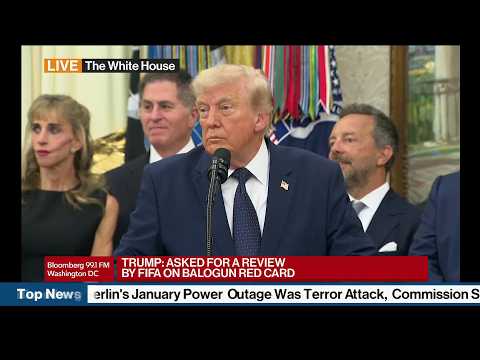
    President Trump has entered the public debate surrounding a recent red card incident involving a United States soccer player. His commentary connected the on-field decision to broader discussions of patriotism and American values. This intervention has generated significant public discussion, illustrating the interwoven nature of sports, politics, and national sentiment.

    The specific soccer match and the player involved were not detailed in initial reports. However, the nature of the President’s remarks suggests a perceived injustice or a moment that could be framed within a narrative of national pride. Such engagements by political leaders often elevate sports events beyond mere competition.

    The Intersection of Sports and Politics

    The involvement of high-profile political figures in sports discussions is a recurring phenomenon. Sports often serve as a microcosm of national identity, providing a platform for expressing collective pride or addressing perceived slights. President Trump’s history includes numerous instances where he has commented on athletic events, individual athletes, or sports organizations.

    These comments frequently resonate with specific segments of the population. They can galvanize support for particular viewpoints or draw attention to issues that extend beyond the playing field. The blend of celebrity and political office amplifies the impact of such statements.

    Previous Presidential Engagements with Sports

    Historically, American presidents have often engaged with sports. This engagement typically aims to foster national unity or celebrate athletic achievement. For example, presidents frequently host championship-winning teams at the White House.

    President Trump’s approach has often been more direct and opinionated. His comments have sometimes challenged established sports narratives or criticized athletes for their actions or political stances. This distinguishes his engagement from more traditional, ceremonial presidential interactions with sports.

    One notable instance occurred in 2017, when President Trump publicly criticized NFL players who knelt during the national anthem. He described these actions as disrespectful to the flag and the country. This sparked a nationwide debate on freedom of speech, patriotism, and racial justice within professional sports.

    Another example involved his commentary on specific athletes. He has often used social media platforms to express his views, reaching a wide audience instantly. These direct communications bypass traditional media filters, delivering his message unfiltered to his supporters.

    The Red Card Incident: A Catalyst for Discussion

    The recent red card incident in US soccer provided another opportunity for presidential commentary. While the specifics of the match and player remain unconfirmed, the President’s decision to weigh in suggests the event held significant symbolic weight. A red card, by its nature, is a punitive action that removes a player from the field, often seen as a moment of disgrace or unfairness depending on one’s perspective.

    In the context of international competition, such an incident can quickly become a point of national contention. Fans often perceive decisions against their national team as biased or unjust. A political leader’s endorsement of this sentiment can intensify public reaction.

    Public Reaction and Media Coverage

    News outlets, including Bloomberg Television, quickly picked up on President Trump’s statements. The coverage often highlighted the polarizing nature of his remarks. Some commentators praised his defense of American athletes, while others criticized what they perceived as an unnecessary politicization of sports.

    Social media platforms became immediate arenas for debate. Supporters lauded the President for standing up for the country and its athletes. Critics accused him of distracting from more pressing issues or inflaming divisions.

    The discussion extended beyond the immediate incident. It touched upon broader questions about the role of patriotism in sports. It also questioned the responsibilities of athletes as public figures.

    Patriotism and Sportsmanship

    President Trump’s comments often frame sports controversies within a narrative of patriotism. This approach suggests that actions on the field, or reactions to them, reflect on national character. It implies that athletes carry a responsibility to uphold national honor, even in competitive moments.

    However, the concept of patriotism in sports is complex. For some, it means unwavering support for one’s national team, regardless of individual actions. For others, it involves adherence to principles of fair play and sportsmanship, even when it means accepting unfavorable outcomes.

    The red card incident, therefore, became a flashpoint for these differing interpretations. Was the player’s action, which led to the red card, an act of passion or a lapse in judgment? Did the referee’s decision reflect fairness or bias? The answers often depended on one’s existing political and national allegiances.

    The Role of National Symbols in Sports

    National anthems, flags, and team colors are powerful symbols in sports. They evoke strong emotional responses and connect individual athletes to a broader national identity. When these symbols are perceived to be disrespected, or when national pride is challenged, political figures often step in.

    President Trump’s past comments on national symbols in sports indicate a consistent emphasis on traditional displays of respect. His recent remarks on the soccer red card align with this pattern. He frames such incidents as opportunities to reinforce his vision of American identity and values.

    The Blending of Celebrity, Sports, and Politics

    The contemporary landscape sees an increasing convergence of celebrity, sports, and politics. Athletes are often highly visible public figures, and their actions both on and off the field are scrutinized. Political leaders, in turn, recognize the power of these platforms to reach and influence large audiences.

    President Trump, a figure who has long operated at the intersection of celebrity and politics, often leverages this overlap. His commentary on the soccer red card is a tactical move. It allows him to engage with a popular cultural event while simultaneously reinforcing his political message.

    The Impact on Public Discourse

    This blending affects public discourse in several ways. It can make political issues feel more immediate and personal to sports fans. It can also introduce political divisions into spaces traditionally seen as unifying.

    For some, this politicization of sports is unwelcome. They argue that sports should remain an escape from political strife. For others, it is an inevitable reflection of a society where few areas remain untouched by political debate.

    The President’s remarks ensure that the red card incident will be remembered not just as a moment in a soccer match, but as a point of political discussion. It transforms a referee’s call into a national talking point, debated in living rooms and on news channels alike.

    Athletes find themselves under increased pressure. Their on-field performance is subject to athletic review. Their off-field conduct and even their political views can become national news. The line between athlete and political figure blurs.

    The sports world becomes another arena for ideological battles. Fans, commentators, and politicians all stake claims. Debates rage over loyalty. Debates rage over conduct. Debates rage over what it means to be an American athlete.

    President Trump intervenes. He frames the narrative. He sparks the conversation. He connects the dots between a red card and national pride. The sports world reacts. The political world reacts. The public reacts. A simple game decision becomes a national event.

  • President Trump’s Donor Network: Funding His Accounts

    President Trump’s Donor Network: Funding His Accounts

    President Donald Trump has confirmed that his various accounts receive financial contributions from generous donors. This arrangement demonstrates a significant network of supporters dedicated to backing his political and personal initiatives. The funding model highlights the continuous engagement of his base and other benefactors.

    This financial backing is a critical component of President Trump’s operations. It enables various activities, from political campaigning to legal defenses and personal ventures. The transparency surrounding these contributions offers insight into the financial landscape supporting a prominent national figure.

    The Role of Donor Contributions

    Donor contributions form a foundational aspect of many public figures’ financial strategies. For President Trump, these funds are channeled into different accounts. These accounts can serve diverse purposes, reflecting the multifaceted nature of his public and private life. The inflow of funds from supporters underscores their commitment.

    These contributions are not uncommon in the political sphere. Political action committees (PACs) and individual donations are standard methods for financing campaigns and related activities. However, the scope and scale of support for President Trump often draw particular attention. The sustained nature of this support is notable.

    Understanding the Funding Mechanisms

    The mechanisms through which donors contribute to President Trump’s accounts are varied. They can include direct donations to campaign committees. Legal defense funds represent another channel. Personal accounts also receive contributions, as indicated by President Trump himself.

    Each type of account operates under specific regulations. Campaign finance laws govern political contributions. These laws mandate disclosure of donors and amounts. Personal gifts, however, may fall under different legal frameworks. The distinction between these categories is often a subject of public and legal scrutiny.

    For instance, the Federal Election Commission (FEC) oversees campaign finance. It sets limits on individual and organizational contributions to political campaigns. These limits are designed to prevent undue influence. They also aim to ensure transparency in political funding.

    Who Are the Generous Donors?

    The identity of these generous donors spans a wide spectrum. They include individual supporters, often referred to as the grassroots base. Wealthy individuals and corporate entities also form part of this network. Their motivations are diverse, ranging from ideological alignment to strategic interests.

    Many donors contribute out of a belief in President Trump’s policies and leadership. Others may see their contributions as an investment in a particular political future. The aggregate of these individual decisions creates a significant financial force. This force allows President Trump to maintain a high level of activity and influence.

    Impact on Political Landscape

    The continuous flow of donor funds significantly impacts the political landscape. It provides President Trump with resources to maintain a public profile. It also supports his ability to influence political discourse. This financial strength is a key factor in his ongoing political relevance.

    The ability to raise substantial funds from donors is often seen as a measure of political strength. It indicates a candidate’s or figure’s ability to mobilize resources. This mobilization can be crucial for future electoral contests. It also supports post-presidency activities and influence.

    Financial Independence and Influence

    Financial independence, bolstered by donor contributions, allows President Trump a degree of autonomy. This autonomy can be crucial in navigating political challenges. It enables him to pursue legal battles and maintain various business interests. The funding underpins his operational capabilities.

    The influence derived from financial backing extends beyond direct political campaigns. It can support media appearances, public relations efforts, and organizational development. This comprehensive support structure maintains a constant presence in the public eye. It also reinforces his base of support.

    Public Perception and Scrutiny

    The funding of prominent political figures’ accounts often attracts public perception and scrutiny. Transparency is a key concern for many. The source and use of funds are frequently examined by media, watchdog groups, and the public.

    Questions often arise regarding the ethical implications of certain donations. Potential conflicts of interest are another area of focus. These discussions are part of a broader conversation about money’s role in politics. They highlight the ongoing debate over campaign finance reform and accountability.

    Transparency and Accountability

    Transparency in financial dealings is crucial for public trust. While campaign donations are often disclosed, other types of contributions may not be. This can lead to calls for greater accountability. The public often seeks clarity on how funds are raised and expended.

    Regulatory bodies and journalistic investigations play a role in ensuring transparency. They examine financial records and question practices. This scrutiny helps to uphold ethical standards. It also informs the public about the financial realities of political power.

    Historical Context of Political Funding

    The practice of political figures raising funds from donors has a long history. From early American political campaigns to modern-day super PACs, financial backing has always been essential. The methods and regulations have evolved over time. However, the fundamental need for resources remains constant.

    In the past, political funding was often less regulated. This led to various abuses and calls for reform. The 20th century saw significant legislative efforts to control money in politics. These efforts included acts like the Federal Election Campaign Act (FECA) of 1971. FECA introduced stricter disclosure requirements.

    Modern Campaign Finance Laws

    Modern campaign finance laws continue to be debated and refined. The Bipartisan Campaign Reform Act of 2002 (McCain-Feingold) was another significant piece of legislation. It aimed to reduce the influence of “soft money” in federal campaigns. However, Supreme Court decisions, like Citizens United v. FEC (2010), have altered the landscape. These decisions have allowed for increased independent expenditures by corporations and unions.

    The current environment allows for various types of political organizations. Super PACs can raise and spend unlimited amounts of money. They cannot coordinate directly with campaigns. These groups play a significant role in modern elections. They also contribute to the complex web of political financing.

    Future of Donor Support

    The future of donor support for President Trump and other political figures will likely continue to evolve. Digital fundraising has become increasingly important. Online platforms allow for micro-donations from a broad base of supporters. This trend may shift the dynamics of political financing.

    The role of large donors will also remain significant. Their contributions often provide substantial capital for major initiatives. The interplay between small-dollar donors and large benefactors will shape future political funding strategies. This dynamic reflects an ongoing adaptation to technological and legal changes.

    President Trump’s acknowledgment of generous donors highlights a fundamental aspect of contemporary politics. Financial support underpins political activity. It enables public engagement. It funds legal and personal endeavors.

    Donors contribute for varied reasons. Regulations attempt to ensure transparency. Public scrutiny remains constant.

    Political figures, campaigns, and organizations rely on these contributions. The system evolves with technology. The debate continues. The funding mechanisms persist.

    Support.

  • Taylor Sheridan Pitched ‘Landman’ to Billy Bob Thornton as ‘Bad Santa’ – The Origin Story

    Taylor Sheridan Pitched ‘Landman’ to Billy Bob Thornton as ‘Bad Santa’ – The Origin Story

    The ‘Bad Santa’ Pitch

    Taylor Sheridan, a prominent figure in contemporary television, presented his vision for the upcoming series Landman to actor Billy Bob Thornton using an unconventional comparison. Sheridan described the show to Thornton as ‘Bad Santa running an oil company.’ This succinct and evocative phrase provided an immediate, albeit darkly humorous, understanding of the series’ intended tone and central character.

    The pitch suggests a narrative that combines the cynical, often morally ambiguous humor of the 2003 film Bad Santa with the high-stakes, often ruthless environment of the oil industry. It implies a protagonist who operates outside conventional ethical boundaries, driven by self-interest but perhaps possessing a hidden, if twisted, moral code.

    Taylor Sheridan’s Creative Vision

    Sheridan has cultivated a reputation for crafting intricate narratives set against stark, often unforgiving American landscapes. His previous works, such as Yellowstone, 1883, and Mayor of Kingstown, explore themes of power, family legacy, and the struggle for survival in challenging environments. The ‘Bad Santa’ analogy for Landman indicates a potential divergence in comedic tone while retaining his signature exploration of complex characters.

    The comparison offers a glimpse into Sheridan’s creative process. He often distills complex character motivations into easily graspable concepts, even when those concepts are unexpected. This method allows actors and executives to quickly align with his artistic direction.

    The World of ‘Landman’

    Landman is expected to immerse viewers in the contemporary boomtowns of West Texas, focusing on the individuals and corporations driving the global pursuit of crude oil. The term ‘landman’ refers to a professional who negotiates with landowners for mineral rights, often operating in a legally and ethically gray area. These individuals are crucial to the initial stages of oil and gas exploration.

    The series will likely depict the intense competition, financial pressures, and environmental considerations inherent in this sector. Sheridan’s storytelling often highlights the human cost of industrial expansion and resource exploitation. The ‘Bad Santa’ comparison could mean the series will not shy away from the darker, more exploitative aspects of this profession.

    The Role of Billy Bob Thornton

    Billy Bob Thornton’s potential involvement in Landman would bring a specific gravitas and a history of portraying complex characters. Thornton is known for roles that blend vulnerability with grit, often playing figures who are deeply flawed but compelling. His performance in Bad Santa as Willie Soke, a cynical, alcoholic con man, showcased his ability to imbue a seemingly irredeemable character with unexpected depth and humor.

    If Thornton were to embody a character akin to ‘Bad Santa running an oil company,’ it would suggest a protagonist who navigates the cutthroat world of land acquisition with a jaded outlook. This character might use unconventional tactics, bending rules or outright breaking them, to secure lucrative deals for his employers or himself.

    Sheridan’s Expanding Universe

    Taylor Sheridan’s production slate has expanded significantly in recent years, establishing a distinct universe of interconnected and thematically similar stories. His projects frequently feature strong, often morally ambiguous male leads and explore the erosion of traditional values in modern America.

    Landman fits within this broader narrative framework, even with its comedic undertones. It extends Sheridan’s focus from ranching and law enforcement to another foundational American industry: energy. The series is anticipated to explore how the quest for resources shapes communities and individuals.

    Themes of Wealth and Power

    The oil industry is synonymous with immense wealth and political power. Landman will likely delve into how these forces influence personal decisions and societal structures. The ‘Bad Santa’ character, as described by Sheridan, might be a small cog in a much larger, more corrupt machine, or perhaps a powerful, self-serving individual who manipulates the system for personal gain.

    Sheridan often critiques the corrosive effects of unchecked ambition and greed. In Landman, this critique could be delivered through the lens of dark comedy, providing a fresh perspective on his established thematic concerns.

    The Allure of the Anti-Hero

    The anti-hero has become a staple of modern television, and the ‘Bad Santa’ pitch aligns perfectly with this trend. Audiences are often drawn to characters who defy conventional morality, offering a more realistic and nuanced portrayal of human nature. These characters, despite their flaws, often possess a compelling charisma or a hidden sense of justice.

    A ‘Bad Santa’ in the oil patch could represent the disillusionment with corporate ethics and the relentless pursuit of profit. This character would embody the harsh realities of an industry that often prioritizes extraction over environmental or community well-being.

    Impact on Television Landscape

    Sheridan’s projects consistently draw large audiences and critical attention, influencing the landscape of contemporary drama. The addition of Landman, particularly with its unique pitch, signals a potential broadening of his stylistic range. While maintaining his signature intensity, the series might introduce a new blend of drama and dark humor that could resonate with a wider audience.

    The success of Sheridan’s previous ventures suggests a strong foundation for Landman. The series will likely contribute to the ongoing discussion about the energy sector’s role in society and the complex ethical dilemmas it presents.

    Anticipation for Production

    Details regarding the full cast, production timeline, and release date for Landman are still emerging. However, the initial pitch to Billy Bob Thornton has already generated significant interest among industry observers and fans of Sheridan’s work. The collaboration between a storyteller of Sheridan’s caliber and an actor of Thornton’s distinctive talent promises a compelling viewing experience.

    The series will be one of several new projects from Sheridan’s expansive development deal, continuing his prolific output. Each new series further defines his unique contribution to modern storytelling.

    The Legacy of ‘Bad Santa’

    The 2003 film Bad Santa, directed by Terry Zwigoff and starring Billy Bob Thornton, achieved cult status for its irreverent humor and subversion of holiday tropes. The film’s protagonist, Willie Soke, is a deeply cynical, alcoholic con man who reluctantly finds a semblance of redemption. Its critical and commercial success demonstrated an audience appetite for dark, character-driven comedies.

    Sheridan’s invocation of this specific film for his pitch is deliberate. It immediately communicates a character archetype and a comedic sensibility that is both familiar and ripe for reinterpretation within a new genre. It suggests a character who might initially appear irredeemable but could undergo a surprising transformation or reveal unexpected complexities.

    The Future of Storytelling

    The way creators like Taylor Sheridan pitch projects reflects a dynamic shift in storytelling. Concise, impactful metaphors or comparisons can convey complex ideas rapidly. This method is particularly effective in an era of high-volume content production, where creators need to quickly capture the attention of networks, studios, and talent.

    The ‘Bad Santa’ analogy is not just a description; it is a promise of a certain type of character and narrative experience. It sets an expectation for dark humor, moral ambiguity, and a compelling performance, all within the gritty realism that defines Sheridan’s oeuvre.

    Writers crafted. Directors envisioned. Actors considered.

    Storytelling.

  • Sky to Acquire ITV’s Media & Entertainment Division for approximately $2.1 Billion, Reshaping British Television

    Sky to Acquire ITV’s Media & Entertainment Division for approximately $2.1 Billion, Reshaping British Television

    Sky has reportedly begun the process of acquiring ITV’s Media & Entertainment division in a deal valued at approximately $2.1 billion. This significant transaction, announced today, July 6, 2026, is poised to dramatically alter the structure of British television. The takeover would bring a vast array of ITV’s popular programming and broadcasting assets under the Sky umbrella.

    This breaking news indicates a major consolidation within the UK media sector. ITV operates several free-to-air channels and holds a strong position in content production, including globally recognized formats.

    The Scope of the Acquisition

    The reported $2.1 billion valuation underscores the scale of this potential acquisition. ITV’s portfolio includes popular entertainment, drama, and news programming. Its reach extends across various demographics in the United Kingdom.

    Key ITV properties, such as the hit reality series ‘Love Island,’ would become part of Sky’s extensive content library. This integration could lead to new distribution strategies and content synergies between the two entities.

    Impact on British Television

    The proposed takeover by Sky, a major pay-TV broadcaster and content producer, could significantly reshape competition in the British television market. Sky already holds a dominant position in satellite broadcasting and streaming services.

    The acquisition of ITV would strengthen Sky’s hold on both content creation and delivery. This could influence advertising markets, content commissioning, and consumer viewing habits across the UK.

    Developing Details

    Details surrounding the full terms of the deal, regulatory approvals, and the timeline for completion are still emerging. Such a large-scale merger typically undergoes scrutiny from competition authorities.

    The announcement has already generated considerable discussion within the media industry. Analysts are beginning to assess the potential long-term effects on employment, content diversity, and consumer pricing.

    This is a developing story. Further information is expected to be released as negotiations proceed and official statements are made.

  • Dutton Ranch Season 1 Finale: Unpacking the Cliffhangers and Character Fates

    Dutton Ranch Season 1 Finale: Unpacking the Cliffhangers and Character Fates

    The ‘Dutton Ranch’ Season 1 finale concluded with a series of dramatic events. These included the murder of a key character, the unmasking of a fentanyl tycoon, and the kidnapping of another character by a cartel. These events left the future of the Dutton family and their ranch in significant jeopardy. They created substantial anticipation for the series’ second season, fundamentally altering the show’s trajectory.

    The Shocking Death of Rob-Will Jackson

    The finale episode of ‘Dutton Ranch’ Season 1 featured the unexpected death of Rob-Will Jackson This patriarch of the Dutton family was found deceased in his study. The circumstances surrounding his death pointed to foul play, though the immediate perpetrator remained unidentified.

    John Dutton Sr.’s murder occurred during a pivotal moment in the narrative. It altered the dynamics within the Dutton family and their allies. His death eliminated a central figure who had long held the family’s disparate factions together.

    The identity of the killer and the specific motives behind this act have become central points of discussion among viewers. This event is expected to have long-lasting repercussions on the show’s storyline. It will impact multiple character arcs, particularly those of his children, John Dutton Jr., Beth Dutton, and Kayce Dutton.

    The execution of this plot point intensified the stakes for the remaining characters. It underscored the dangerous environment in which the Dutton family operates. The power vacuum left by John Dutton Sr.’s death promises significant internal conflict and external opportunism.

    The Legacy of John Dutton Sr.

    John Dutton Sr. was a formidable figure. He was known for his unwavering commitment to his land and his family. His death represents not just a personal loss but a strategic blow to the ranch’s stability.

    His influence extended beyond the immediate family. He commanded respect and fear among local politicians, business rivals, and even criminal elements. His absence will undoubtedly shift the balance of power in the region.

    The character’s history of making difficult and often ruthless decisions for the ranch’s survival suggests that his death will not be easily avenged or forgotten. His legacy will continue to shape the actions of those he left behind.

    Rip Wheeler: Unmasked as a Fentanyl Kingpin

    Another major revelation in the season finale was the identification of the 10-Petal Ranch, run by Beulah Jackson and tied to Mariano’s cartel, as being involved in a fentanyl smuggling operation. This individual had been operating a large-scale drug manufacturing and distribution network. This operation was hidden in plain sight, leveraging the remote and sprawling nature of the Dutton Ranch.

    The discovery of this illicit operation introduces a new layer of conflict and danger to the series. Fentanyl’s potent and deadly nature suggests that the stakes of this criminal enterprise are extremely high. Rip Wheeler’s dual role as ranch foreman and drug lord adds complexity to his character and his relationship with the Dutton family.

    Rip Wheeler’s involvement in such a significant criminal endeavor reshapes his perceived role within the ‘Dutton Ranch’ universe. It also raises questions about his motivations and future actions. Was he acting independently, or was he coerced? Was John Dutton Sr. aware of his activities, or was Rip’s operation a betrayal?

    The Scope of the Operation and Its Implications

    The fentanyl operation was depicted as extensive. It reached beyond the immediate vicinity of the ranch into regional and potentially national distribution networks. Its reach suggests connections to larger, more organized criminal organizations, possibly even international cartels.

    This scale implies that the Dutton family will face adversaries with substantial resources and influence. The fight against this drug empire could define future seasons of the show. It places the ranch at the center of a much larger, more dangerous conflict than mere land disputes.

    The production and distribution of fentanyl represent a significant threat. This threat extends both to the characters and to the broader community portrayed in the series. It highlights the pervasive nature of the drug crisis and its potential to corrupt even seemingly isolated environments.

    Kayce Dutton: Abducted by a Cartel

    The ‘Dutton Ranch’ Season 1 finale also included a harrowing kidnapping. Carter, Beth Dutton and Rip Wheeler’s adoptive son, was abducted by a cartel. His fate was left uncertain as the credits rolled, creating a profound cliffhanger.

    This act of violence escalates the conflict between the Dutton family and external criminal elements. Cartel involvement signifies a highly organized and ruthless opposition. It suggests a reach far beyond local disputes, bringing international criminal forces directly to the ranch’s doorstep.

    The kidnapping creates immediate tension and a clear objective for the characters in the upcoming season. Rescuing the abducted Kayce Dutton will likely become a primary focus. This event will undoubtedly test the family’s unity and resourcefulness.

    The Cartel’s Motives and Identity

    The identity of the cartel responsible for Kayce’s abduction remains a critical unknown. Their motivation is also a subject of intense speculation. It could be directly related to Rip Wheeler’s fentanyl operation, seeking to control or eliminate competition.

    Alternatively, the kidnapping could be a strategic move in a larger power struggle over land or resources. The cartel might be attempting to exert leverage over the Dutton family for access to their vast property or its strategic location.

    This event solidifies the perception of the Dutton Ranch as a battleground. It is constantly under threat from powerful external forces. The abduction of a core family member raises the stakes to an unprecedented level, demanding a forceful response.

    Impact on the Dutton Family and Ranch

    The collective impact of these finale events on the Dutton family is profound. A murder, a drug lord revelation, and a kidnapping will undoubtedly test their resilience. The family’s unity and their commitment to protecting their land and legacy will be challenged as never before.

    Each surviving character will likely grapple with personal and collective losses. John Dutton Jr. is now forced to step into his father’s shoes under extreme pressure. Beth Dutton will confront the grief of losing her father while dealing with the potential betrayal of Rip Wheeler, her long-standing love interest. Monica Dutton, Kayce’s wife, faces the terror of her husband’s uncertain fate.

    These developments ensure that the second season will begin with intense drama and high stakes. It builds directly on the unresolved conflicts of the first season. The ranch itself, once a symbol of stability, now appears as a nexus of danger and criminal activity.

    Internal Divisions and External Threats

    The Dutton family already faces numerous internal conflicts and external pressures. The finale’s events amplify these challenges significantly. The revelation of Rip Wheeler as a fentanyl tycoon within their circle could lead to deep internal distrust and division. It forces the family to question who they can truly rely on.

    The cartel’s actions represent a direct, violent external threat. This threat demands a unified front. However, the internal turmoil may make such unity difficult to achieve. Navigating these pressures will require difficult decisions. It could potentially forge new alliances or deepen existing animosities among the characters.

    The Future of ‘Dutton Ranch’ and Season 2 Expectations

    The cliffhanger ending of Season 1 leaves the future of ‘Dutton Ranch’ ripe with possibilities. Viewers are eager to see how the show resolves these pressing issues. The show’s creators have set a high bar for dramatic intensity. The subsequent season is expected to deliver on the promises made by this explosive finale.

    Discussions among fans and critics indicate widespread anticipation for the continuation of the ‘Dutton Ranch’ narrative. This anticipation particularly concerns the fates of the affected characters. The complex web of crime, family loyalty, and survival has captivated audiences.

    Speculation and Theories Abound

    Fan theories abound regarding the identity of John Dutton Sr.’s murderer. Speculation also covers the full extent of Rip Wheeler’s fentanyl operation. The chances of rescuing Kayce Dutton from the cartel are also a major point of discussion.

    Online forums and social media platforms are filled with intricate theories. These theories highlight the significant engagement generated by the show’s dramatic conclusion. This level of audience investment is a strong indicator of the series’ success in captivating its viewership and building a loyal fan base.

    The show’s ability to weave together themes of family legacy, corporate greed, and the harsh realities of the American West has resonated with many. The finale pushed these themes to their breaking point. The resolution of these conflicts will define the next chapter of the ‘Dutton Ranch’ saga.

    The cattle roamed. The mountains loomed. The secrets unraveled. The cartels struck. The family fought. Montana.

  • Russell T. Davies Praises Starz for ‘Tip Toe’ Pick-Up Amid Political Climate

    Russell T. Davies Praises Starz for ‘Tip Toe’ Pick-Up Amid Political Climate

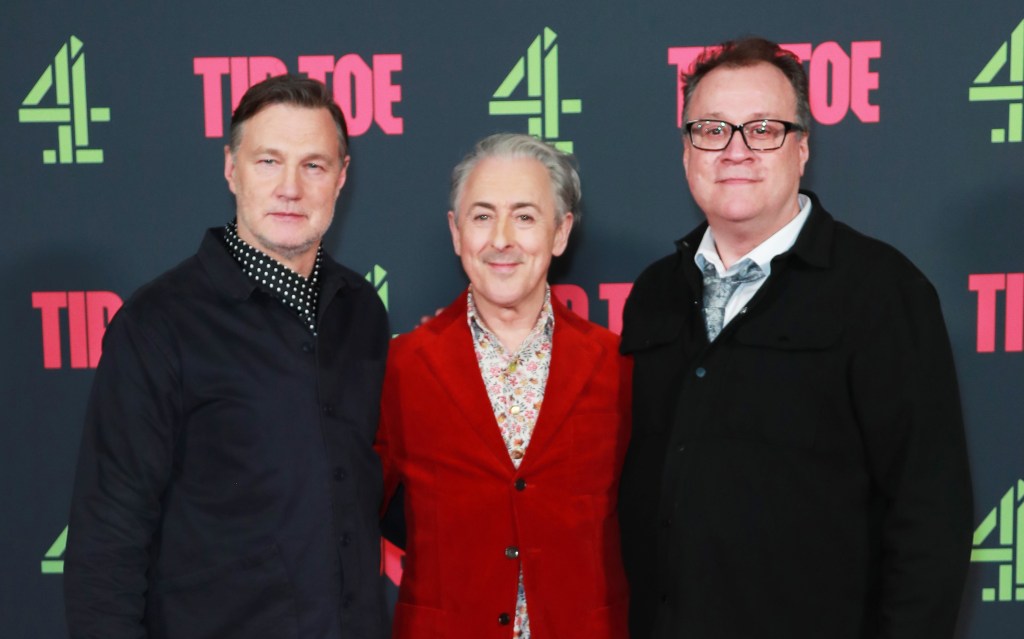
    Russell T. Davies, the prominent British screenwriter and producer, recently expressed appreciation for the cable network Starz. He publicly commended Starz for its courage in acquiring the U.S. distribution rights for his new LGBTQ+ themed series, ‘Tip Toe’. Davies framed the network’s decision as a significant cultural statement, directly contrasting it with the prevailing political sentiment he observed in the United States.

    His remarks specifically referenced the political landscape during President Trump’s second term. Davies drew a clear distinction between Starz’s programming choices and what he described as a prevailing atmosphere of “hatred, bile & anger” attributed to the Trump administration. This commentary positioned the series acquisition as an act of defiance or support for LGBTQ+ narratives against perceived opposition.

    The Significance of ‘Tip Toe’ and Davies’ Vision

    ‘Tip Toe’ is the latest project from Davies, a writer celebrated for his groundbreaking work in LGBTQ+ television. His previous credits include the critically acclaimed series ‘It’s a Sin’ and the original British ‘Queer as Folk’. These productions have consistently explored themes of identity, community, and struggle within the LGBTQ+ experience, often pushing boundaries and fostering dialogue.

    The series’ acquisition by Starz ensures its availability to American audiences. This move underscores Starz’s strategy to offer diverse and often provocative content. The network has previously featured programming that aims to appeal to a broad spectrum of viewers, including those interested in underrepresented narratives and voices.

    Davies’ public statements often accompany his work. He frequently uses platforms to advocate for LGBTQ+ rights and visibility, viewing his creative endeavors as integral to social progress. His commentary on ‘Tip Toe’ and Starz aligns with his established pattern of engaging with the broader cultural and political implications of his television projects, making his art a form of activism.

    Political Context and Cultural Production in the Trump Era

    The reference to President Trump’s administration highlights a recurring tension. This tension exists between certain segments of the entertainment industry and conservative political viewpoints. Hollywood figures and creators often use their platforms to express political opinions, seeing their work as a reflection of or response to societal shifts.

    President Trump’s political rhetoric and policies have frequently been subjects of intense debate within cultural circles. His administration’s stance on various social issues has led to strong reactions from artists and media personalities. Davies’ comments reflect this ongoing dialogue, positioning ‘Tip Toe’ as a counter-narrative within a polarized cultural environment.

    The media landscape increasingly features content that directly or indirectly engages with contemporary political divisions. Series like ‘Tip Toe’ become part of this broader cultural conversation. They contribute to discussions about representation, freedom of expression, and societal values, often challenging mainstream norms and advocating for marginalized communities.

    Industry Reactions and Starz’s Strategic Positioning

    Starz, a Lionsgate company, operates in a competitive streaming and cable environment. Networks often seek to differentiate themselves through unique content offerings. Acquiring a series from a renowned creator like Russell T. Davies provides a certain prestige and signals a commitment to quality, often controversial, storytelling.

    The decision to pick up ‘Tip Toe’ can be viewed as a strategic move to attract and retain subscribers. It allows Starz to cater to a specific demographic interested in LGBTQ+ stories and creators. It also reinforces the network’s brand as a platform for diverse and inclusive storytelling, a valuable asset in today’s media market.

    Other networks and streaming services have also invested heavily in LGBTQ+ themed content. This trend reflects a growing recognition of the audience demand for such narratives. It also signifies a broader industry shift towards more inclusive representation, driven by both creative imperatives and market opportunities.

    Davies’ praise for Starz is not merely a promotional gesture. It is also an endorsement of the network’s willingness to support content that might be deemed controversial by some. This support is particularly valued by creators working on marginalized narratives, who often struggle to find platforms for their stories.

    The Creator’s Perspective: Russell T. Davies’ Enduring Legacy

    Russell T. Davies has a long history of creating impactful television. His work is often characterized by its emotional depth, sharp writing, and unflinching portrayal of LGBTQ+ lives. ‘Queer as Folk’, which first aired in 1999, was a landmark series for its candid depiction of gay men in Manchester, breaking new ground for representation.

    ‘It’s a Sin’, released in 2021, garnered widespread critical acclaim for its poignant exploration of the AIDS epidemic in 1980s London. These series have not only entertained but also educated and provoked discussion, influencing public perception and policy. Davies’ approach often combines personal narratives with broader social and political commentary, making his work both intimate and expansive.

    The development of ‘Tip Toe’ follows this trajectory. The series is expected to continue Davies’ tradition of bringing authentic and compelling LGBTQ+ stories to the screen. His reputation as a creator ensures a certain level of anticipation and scrutiny for his new work, as audiences and critics alike expect a continuation of his distinctive style and thematic concerns.

    Davies’ vocal stance on political issues is an integral part of his public persona. He views his work not just as entertainment but as a form of social engagement and advocacy. His comments about President Trump and Starz are consistent with this worldview, demonstrating his commitment to using his platform for social good.

    Audience Reception and the Cultural Impact of Representation

    The reception of ‘Tip Toe’ in the U.S. will be a key indicator of its cultural impact. Audiences for LGBTQ+ content have grown significantly. This growth is driven by increased visibility and broader societal acceptance in many regions, though progress remains uneven across different demographics and geographies.

    However, cultural and political divides still exist, particularly in the United States. The series may face different reactions across various demographics, reflecting the ongoing culture wars. Its success will be measured not only by viewership but also by its ability to foster dialogue and understanding, challenging preconceived notions and promoting empathy.

    The controversy surrounding Davies’ comments could also draw more attention to ‘Tip Toe’. Public statements by creators often generate buzz and debate, polarizing audiences but also attracting curious viewers. This can sometimes translate into increased viewership, as audiences seek to engage with the discussed themes and the creator’s perspective.

    The role of entertainment in shaping public opinion remains significant. Television series can challenge perceptions, humanize experiences, and contribute to social change. ‘Tip Toe’ aims to be part of this tradition, using the power of storytelling to reflect and influence society.

    The Broader Political and Media Landscape in 2026

    The political climate in 2026 continues to influence various sectors, including media and entertainment. President Trump’s second term, which began on January 20, 2025, has seen continued debates over cultural values and social policies. These debates often manifest in public discourse and artistic expression, with creators using their art to comment on the state of the nation.

    The entertainment industry, often perceived as more liberal, frequently finds itself at odds with conservative political movements. This dynamic shapes funding decisions, content creation, and distribution strategies. Networks like Starz navigate this landscape by making calculated decisions about the content they choose to champion.

    The push for diversity and inclusion in media is not a new phenomenon. However, it has gained renewed urgency in recent years, particularly in response to political shifts and social movements. Creators like Davies are at the forefront of this movement, using their influence to advocate for stories that reflect the full spectrum of human experience.

    The decision by Starz to acquire ‘Tip Toe’ can be seen as an affirmation of these values. It signals to both creators and audiences that there is a market and a platform for stories that challenge the status quo. This commitment is particularly salient in an era where cultural products are increasingly viewed through a political lens.

    Creators speak. Networks listen. Audiences watch. Culture shifts.

  • Moore: The American Dream Endures – Why It’s Still Worth Fighting For

    Moore: The American Dream Endures – Why It’s Still Worth Fighting For

    Stephen Moore, an economist and political commentator, recently stated that the American Dream remains a concept worth fighting for. His perspective emphasizes the intrinsic link between this dream and traditional American values. Moore’s remarks suggest a call to action, urging citizens to uphold foundational principles with patriotism and defiance.

    The American Dream, as a cultural ideal, implies that anyone in the United States can attain their own version of success. This success is often understood to be achieved through hard work and initiative. The concept has been a cornerstone of American identity for generations.

    Defining the American Dream

    The phrase “American Dream” gained widespread recognition in James Truslow Adams’s 1931 book, Epic of America. Adams described it as “that dream of a land in which life should be better and richer and fuller for everyone, with opportunity for each according to ability or achievement.” This definition transcended mere material prosperity.

    It encompassed ideals of social order and personal fulfillment. It posited that regardless of birth or position, individuals could achieve upward mobility. This was based on their efforts and talents.

    Historically, the American Dream has been associated with homeownership, stable employment, and providing a better life for one’s children. These tangible markers often symbolize the broader intangible aspirations of freedom and opportunity.

    Traditional Values as Foundation

    Moore’s argument connects the American Dream to traditional values. These values often include self-reliance, individual liberty, and a strong work ethic. They are seen as essential components for achieving personal and collective success within the American system.

    The emphasis on traditional values suggests a belief that these principles have historically propelled American progress. They are viewed as the bedrock upon which the nation’s prosperity and opportunities were built. Deviations from these values, in this view, could undermine the dream itself.

    The Fight for the Dream

    Moore’s call to “fight for” the American Dream implies that it is under threat. This perceived threat can stem from various sources. Economic shifts, cultural changes, or political ideologies are often cited as challenges.

    Economic inequality is one frequently discussed challenge. Some argue that the rungs on the ladder of opportunity have become more distant for many. This makes upward mobility harder to achieve for certain segments of the population.

    Cultural critiques also play a role. Debates surrounding national identity and historical narratives can influence perceptions of the American Dream. These discussions sometimes question the inclusivity and accessibility of the dream for all Americans.

    Patriotism and Defiance

    The terms “patriotism” and “defiance” highlight the emotional and ideological dimensions of Moore’s stance. Patriotism in this context suggests a loyalty and devotion to the United States and its founding ideals. It implies a belief in the inherent goodness and potential of the nation.

    Defiance indicates a resistance to opposing viewpoints or forces. It suggests a rejection of pessimism or criticism regarding the American system. This defiance aims to preserve and champion the traditional vision of the American Dream against perceived adversaries.

    Such sentiments are often invoked during periods of perceived national challenge. They serve to rally support for a particular vision of the country’s future. This vision is typically rooted in historical interpretations and established principles.

    Economic Perspectives on the Dream

    As an economist, Moore often frames his arguments within an economic context. Economic policies, regulatory environments, and fiscal decisions are seen as crucial for fostering or hindering the American Dream. He frequently advocates for policies that he believes promote economic growth and individual enterprise.

    For instance, policies supporting lower taxes, deregulation, and free markets are often presented as mechanisms to unleash economic potential. These measures are argued to create more opportunities for individuals to achieve financial independence and prosperity. This aligns with a traditional understanding of the American Dream.

    Conversely, policies that increase government intervention or expand social welfare programs are sometimes viewed as detrimental. Critics argue these could stifle individual initiative and create dependency. This perspective often forms the basis of economic arguments for preserving the American Dream.

    Challenges to Economic Mobility

    Despite the rhetoric, economic mobility in the United States has faced scrutiny. Studies by organizations like the Pew Charitable Trusts have explored trends in intergenerational mobility. These studies often highlight complexities and variations across different demographic groups.

    Access to quality education, healthcare, and capital are significant factors. These elements can profoundly impact an individual’s ability to move up the economic ladder. Debates often center on the role of government and private institutions in addressing these disparities.

    Technological advancements and globalization also reshape the economic landscape. Industries evolve, jobs change, and new skills become necessary. Adapting to these changes is crucial for maintaining economic competitiveness and achieving the American Dream.

    The Evolving Narrative

    The concept of the American Dream is not static. Its interpretation has evolved over time, reflecting societal changes and aspirations. What constituted success in the mid-20th century may differ from contemporary definitions.

    Today, the dream might include entrepreneurship, work-life balance, or social impact. These modern interpretations expand beyond purely material wealth. They reflect a broader set of values that individuals seek in their lives.

    However, proponents of traditional values often argue for a return to earlier definitions. They believe that straying too far from the original tenets weakens the dream’s core. This tension between evolving and traditional interpretations is a constant feature of the discourse.

    Political Implications

    The discussion around the American Dream frequently enters the political arena. Political leaders often invoke the dream in their speeches and policy proposals. It serves as a powerful rhetorical tool to connect with voters’ aspirations.

    President Trump, for instance, has often emphasized themes of American strength and economic opportunity. His focus on manufacturing jobs and border security can be seen as attempts to restore or protect a particular vision of the American Dream. This vision often resonates with those who feel left behind by economic changes or cultural shifts.

    The debate over the American Dream influences policy decisions on trade, immigration, and social programs. Each political faction presents its policies as the most effective path to achieving or preserving the dream for all citizens. This makes the concept a recurring theme in national political discourse.

    The Global Context

    The American Dream also holds significance on a global scale. For many around the world, the United States represents a land of opportunity. This perception draws immigrants seeking a better life and greater freedoms.

    The allure of the American Dream contributes to ongoing debates about immigration policy. The balance between national sovereignty and humanitarian concerns often plays out in these discussions. The question of who deserves access to the dream is central.

    Economically, the United States’ role in the global economy impacts its citizens’ ability to achieve the dream. International trade agreements, global supply chains, and geopolitical stability all play a part. These factors influence domestic job markets and economic prospects.

    Resilience of the Ideal

    Despite challenges and evolving interpretations, the core ideal of the American Dream persists. It continues to inspire individuals and communities across the nation. The belief in opportunity through hard work remains a powerful motivator.

    Moore’s statement underscores this resilience. He suggests that the dream is not merely an abstract concept. It is a tangible goal that requires continuous effort and commitment to uphold. This commitment involves defending the values that are believed to sustain it.

    The narrative of the American Dream often involves overcoming adversity. It celebrates individual initiative and perseverance. These stories reinforce the idea that success is attainable, even in the face of significant obstacles.

    Economists gather. Politicians gather. Citizens gather. The American Dream.

  • Rob Reiner as George Washington: A ‘Last Laugh’ in Larry David’s HBO Show

    Rob Reiner as George Washington: A ‘Last Laugh’ in Larry David’s HBO Show

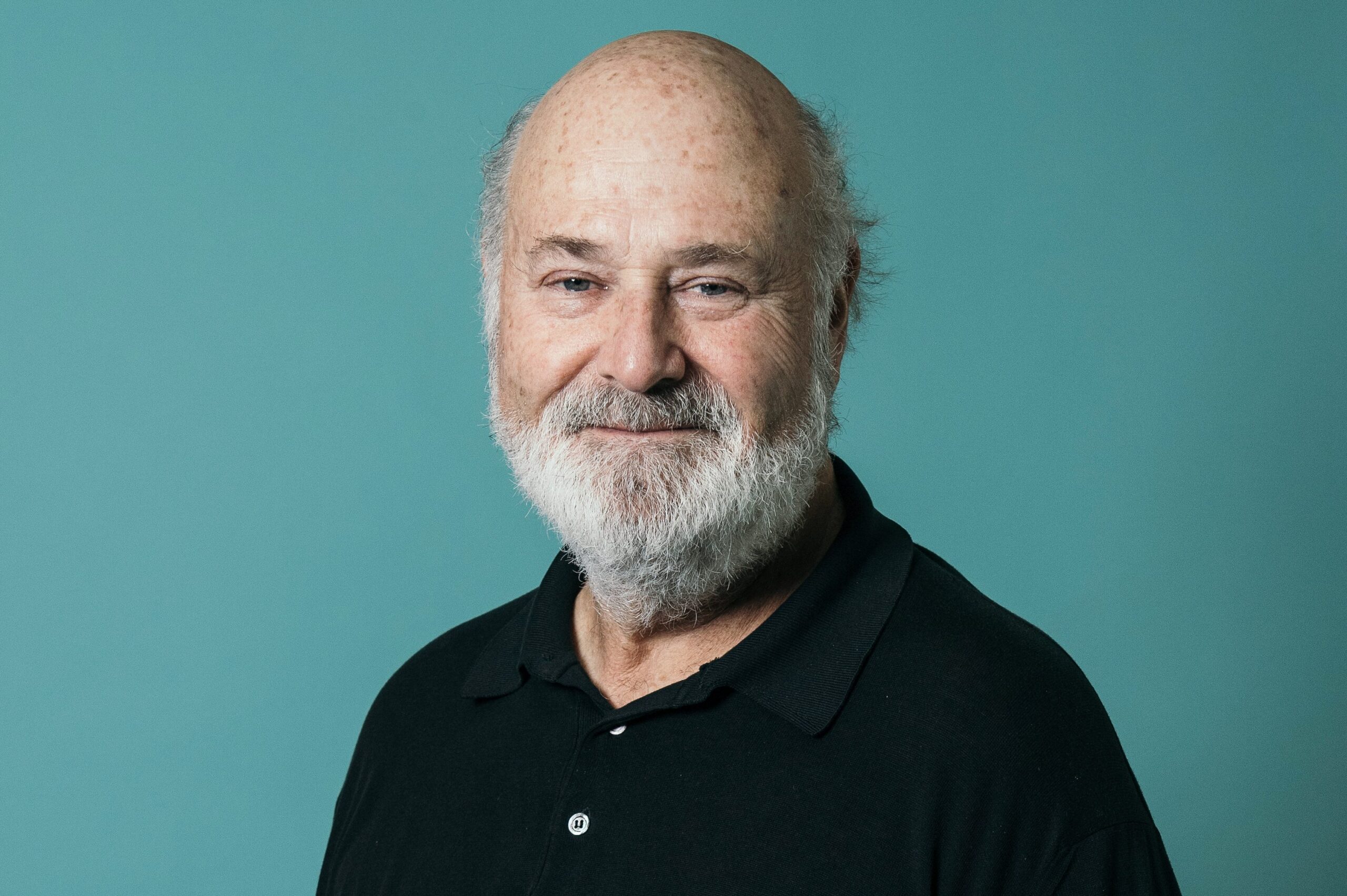
    Rob Reiner is slated to portray George Washington in an upcoming HBO series. The show is a creation of Larry David. This role has been characterized as Reiner’s ‘secret final role’ within his acting career.

    The casting has generated considerable public discussion. This discussion often centers on perceptions of Hollywood’s political leanings. It also touches upon the interpretation of historical figures in contemporary media.

    The Intersection of History and Comedy

    Larry David, known for his distinctive comedic style in shows like Seinfeld and Curb Your Enthusiasm, is at the helm of this new HBO project. His involvement suggests that the portrayal of George Washington may deviate from traditional historical dramas. It could incorporate elements of satire or unconventional humor.

    The specific premise of the series remains largely undisclosed. However, the combination of David’s comedic vision and Reiner’s casting points towards a provocative take on American history. This approach could challenge conventional narratives.

    Rob Reiner’s Extensive Career

    Rob Reiner possesses a long and varied career in Hollywood. He is recognized for his acting roles, including Michael Stivic in All in the Family. He is also a celebrated director, having helmed films such as Stand by Me, The Princess Bride, and A Few Good Men.

    His career spans several decades. It encompasses both comedic and dramatic works. His public persona is often associated with his political activism and outspoken views. These views have frequently generated public discourse.

    George Washington: A Foundational Figure

    George Washington served as the first President of the United States. He led the Continental Army during the American Revolutionary War. His legacy is deeply embedded in American history and national identity.

    Portrayals of Washington typically emphasize his leadership, integrity, and foundational role in the nation’s establishment. These portrayals often maintain a reverential tone. Any departure from this tradition can attract significant attention.

    Public Reaction and Anticipation

    The news of Reiner’s casting as Washington has elicited a range of reactions. Some viewers express anticipation for a fresh, potentially comedic, interpretation of history. They see it as an opportunity for new perspectives.

    Others voice concerns about the potential for historical revisionism or political commentary. They question whether the casting aligns with their understanding of the historical figure. These discussions often reflect broader cultural debates about historical accuracy and artistic license.

    “The decision to cast Rob Reiner as George Washington in a Larry David series is a bold move that signals a deliberate reimagining of America’s past. It’s designed to provoke.”

    This statement, from a Variety report, highlights the intentional nature of the casting. It suggests a clear objective to elicit a strong response from audiences.

    Hollywood and Political Expression

    Hollywood has a long history of intertwining entertainment with political commentary. Actors and directors often use their platforms to express their views. This practice frequently leads to public debate.

    Rob Reiner is a prominent example of a figure who has consistently used his public platform for political expression. His casting in such a historically significant role amplifies these discussions. It raises questions about the perceived political leanings of the entertainment industry.

    The ‘Last Laugh’ Narrative

    The phrase ‘last laugh’ in relation to Reiner’s role implies a specific context. It suggests a triumphant or vindictive element to the casting. This framing often appears in discussions surrounding political differences and cultural clashes.

    This narrative resonates with segments of the audience who interpret the casting as a statement. It is seen as a response to contemporary political discourse. The show’s eventual content will clarify the extent to which this interpretation holds true.

    The Legacy of Historical Portrayals

    Historical figures are frequently reinterpreted through various artistic lenses. These reinterpretations can range from strictly factual accounts to highly fictionalized or satirical versions. Each approach serves different artistic and cultural purposes.

    The impact of such portrayals can be significant. They can shape public perception of historical events and figures. They can also contribute to ongoing cultural conversations about national identity and values.

    The Role of HBO in Premium Content

    HBO has a reputation for producing premium, often boundary-pushing, content. The network is known for its dramatic series and willingness to explore complex or controversial themes. This track record makes it a suitable platform for a project that aims to challenge traditional historical narratives.

    Larry David’s previous successes with HBO further solidify this fit. His unique brand of humor and social commentary has found a receptive audience on the platform. The new series is expected to continue this tradition of distinctive programming.

    The Broader Cultural Conversation

    The casting of Rob Reiner as George Washington feeds into a broader cultural conversation. This conversation concerns the role of art in society. It also addresses the intersection of entertainment, politics, and historical memory.

    Audiences are increasingly engaged in discussions about representation. They also debate the political messages embedded in media. This project is positioned directly within these ongoing dialogues.

    Anticipated Release and Impact

    Details regarding the release date and full cast of the series are yet to be widely announced. However, the initial report has already generated significant buzz. This early attention suggests a high level of public interest.

    The series debuted in June 2026. Its impact on cultural discourse will likely be substantial. It will contribute to the ongoing debate about how history is interpreted and presented in popular culture.

    Actors portrayed figures. Directors shaped narratives. Audiences debated intentions.

    Hollywood.