Tag: Television

  • Melissa Gorga Signs with WME – Expanding Reality TV Influence

    Melissa Gorga Signs with WME – Expanding Reality TV Influence

    Melissa Gorga, a central cast member on Bravo’s long-running reality series ‘The Real Housewives of New Jersey,’ has officially signed with the prominent talent and media agency William Morris Endeavor (WME). This strategic career development, confirmed in June 2026, positions Gorga to broaden her professional endeavors well beyond her established reality television presence. The partnership reflects a growing trend of reality stars leveraging their public platforms into diverse entertainment and business ventures.

    The Significance of the WME Partnership

    The signing with WME represents a pivotal moment in Melissa Gorga’s career trajectory. William Morris Endeavor is recognized as one of the largest and most influential talent agencies globally. Its roster includes a wide spectrum of artists, actors, musicians, and public figures.

    For Gorga, this affiliation opens doors to opportunities that extend beyond her current role on ‘The Real Housewives of New Jersey.’ Potential avenues include acting roles, hosting gigs, endorsement deals, book publishing, and the development of original content across various media platforms.

    The agency’s extensive network and industry connections can provide strategic guidance. This includes brand management and long-term career planning.

    Melissa Gorga’s Reality Television Tenure

    Melissa Gorga joined ‘The Real Housewives of New Jersey’ during its third season. She made her debut in 2011. Since then, she has been a consistent presence on the show. Her storylines have often centered on her family life, her marriage to Joe Gorga, and her relationships with other cast members, most notably her sister-in-law Teresa Giudice.

    Her time on the series has documented various personal and professional milestones. These include the growth of her children, her forays into music with singles like ‘On Display,’ and her ventures into fashion retail with her boutique, Envy by Melissa Gorga.

    The show’s consistent viewership has provided Gorga with a national platform. This platform has contributed to her significant social media following and public recognition.

    The Evolution of Reality Star Careers

    The transition of reality television personalities into broader entertainment roles is not a new phenomenon. However, the scale and scope of these transitions have intensified in recent years. Figures like Bethenny Frankel, from ‘The Real Housewives of New York City,’ successfully built a food and beverage empire, Skinnygirl, eventually selling it for a reported $100 million.

    Other reality stars have launched successful podcasts, written bestselling books, or developed their own production companies. The appeal lies in their established public persona and built-in audience. Agencies like WME recognize the commercial potential inherent in these personalities.

    This trend underscores a shift in the entertainment industry. Traditional pathways to stardom are being augmented by direct-to-consumer platforms and reality television exposure. Authenticity and relatability, often hallmarks of reality TV, translate into strong fan engagement.

    WME’s Role in Talent Management

    William Morris Endeavor was formed in 2009 through the merger of the William Morris Agency and Endeavor Talent Agency. It is a subsidiary of Endeavor, a global sports and entertainment company. WME represents clients across film, television, music, theater, digital media, and publishing.

    The agency provides comprehensive representation. This includes securing roles, negotiating contracts, and developing career strategies. Its influence spans across major studios, networks, and production companies.

    Signing with WME often signifies a talent’s readiness for a more diversified and high-profile career. It suggests an ambition to move beyond a singular role or platform.

    Future Prospects for Melissa Gorga

    With WME’s backing, Melissa Gorga’s future career path could involve several new directions. She may pursue opportunities in scripted television, potentially as an actress or a producer. Hosting roles, particularly in lifestyle or entertainment programs, are also a strong possibility, capitalizing on her on-screen experience.

    Her existing brand, Envy by Melissa Gorga, could see expansion through licensing deals or larger retail partnerships facilitated by WME’s business development teams. Digital content creation, including collaborations with major online platforms, represents another growth area.

    The agency’s role will be to identify and cultivate these opportunities. They will align them with Gorga’s personal brand and career aspirations. This partnership aims to maximize her marketability and longevity in the entertainment landscape.

    The Landscape of ‘The Real Housewives’ Franchise

    ‘The Real Housewives’ franchise, created by Scott Dunlop, premiered in 2006 with ‘The Real Housewives of Orange County.’ It has since expanded to numerous cities both domestically and internationally. The franchise is a cornerstone of Bravo’s programming. It consistently delivers high ratings and generates significant cultural conversation.

    The show’s format, which follows the lives of affluent women, has become a template for reality television. It combines elements of drama, luxury, and personal storytelling. Cast members often gain celebrity status, which they frequently parlay into other ventures.

    The continued success of the franchise provides a robust platform for its stars. This platform enables them to pursue opportunities like the one Melissa Gorga has secured with WME. It showcases the enduring power of reality television as a launchpad for broader careers.

    Stars emerge. Brands expand. Careers diversify. WME.
  • Donald Trump Shifts Focus from Iran to Economy in 2026 Messaging

    Donald Trump Shifts Focus from Iran to Economy in 2026 Messaging

    The Evolution of Political Messaging

    In 2026, former President Donald Trump adjusted his public communication strategy. His focus transitioned from foreign policy, specifically issues related to Iran, to a more pronounced emphasis on domestic economic conditions. This shift represents a strategic recalculation of priorities for public discourse.

    Political messaging often evolves in response to various factors. These include public sentiment, current events, and the perceived salience of different policy areas. The move to highlight economic concerns suggests an assessment of what resonates most with the electorate during this period.

    From Geopolitics to Pocketbook Issues

    For an extended period, discussions surrounding Iran occupied a significant portion of Trump’s public statements. These often involved critiques of international agreements, assertions of geopolitical strength, and pronouncements regarding regional stability in the Middle East. Such foreign policy discussions are frequently complex and can be perceived as distant from daily life for many citizens.

    The pivot to economic themes introduces topics that directly affect households. These include inflation, employment rates, and the cost of living. Such issues often have a more immediate and tangible impact on voters’ lives, potentially garnering broader attention and engagement.

    Why the Shift to Economic Narratives?

    Several factors contribute to the strategic decision to emphasize economic messaging. Economic stability and prosperity are perennial concerns for voters across the political spectrum. Highlighting these issues can allow a political figure to connect with a wider audience, moving beyond specific policy debates that may appeal to only a segment of the base.

    Furthermore, the current economic climate in 2026 may have played a role. Public sentiment surveys often indicate that economic performance is a key determinant of voter behavior. Addressing these concerns directly can position a political figure as responsive to the immediate needs of the populace.

    The Role of Media and Public Perception

    Media coverage also influences the effectiveness of a political message. Economic narratives tend to be more easily digestible and relatable for general news consumers compared to intricate foreign policy analyses. This can lead to broader media dissemination and public discussion.

    The perception of a political figure as someone focused on domestic well-being can be a powerful asset. By emphasizing economic issues, Trump’s messaging could aim to cultivate an image of a leader prioritizing the financial health of the nation and its citizens.

    Historical Precedents in Messaging Changes

    Historically, political campaigns and public figures frequently adapt their platforms. In 1992, James Carville, a strategist for Bill Clinton, famously coined the phrase, “It’s the economy, stupid.” This encapsulated the idea that economic issues often trump other concerns in an election cycle.

    Similar shifts have been observed in numerous political contests. Leaders often recalibrate their focus based on polling data, expert analysis, and the evolving national conversation. This adaptability is a hallmark of effective political communication.

    Impact on Political Discourse

    The shift in Trump’s messaging has implications for the broader political discourse in 2026. It could direct more public attention and debate towards economic policies. This might include discussions on fiscal spending, taxation, trade agreements, and regulatory frameworks.

    Conversely, it may lead to a reduction in public discussion about foreign policy matters, such as the specifics of engagement with Iran. This reorientation of focus can influence the types of questions posed by journalists and the topics debated by other political figures.

    Connecting with the Electorate

    Effective political communication seeks to establish a connection with the electorate. Economic messaging often offers a direct avenue for this connection. When a political figure discusses job creation, inflation control, or cost of living, these topics resonate with personal experiences.

    Foreign policy, while critical, can sometimes feel abstract. The intricacies of international relations, diplomatic negotiations, and geopolitical strategies may not always translate into immediate personal relevance for every voter. The economy, however, is a constant presence in daily life.

    Strategic Considerations for 2026

    The 2026 political landscape involves a complex interplay of domestic and international challenges. For any political figure, including Donald Trump, strategic communication is paramount. The decision to prioritize the economy over foreign policy is a calculated move designed to maximize appeal and influence public opinion.

    This strategy also allows for a broader critique of incumbent policies, should that be the intent. Economic performance is often directly attributed to the party or administration in power. Focusing on the economy provides a fertile ground for contrasting policy approaches.

    The Role of Specific Economic Indicators

    When discussing economic issues, political figures often highlight specific indicators. These can include Gross Domestic Product (GDP) growth, unemployment rates, consumer price index (CPI), and stock market performance. The selection of which indicators to emphasize can be strategic.

    For instance, if unemployment is low but inflation is high, a political figure might focus on the rising cost of goods and services. Conversely, if economic growth is robust but certain sectors are struggling, the narrative might shift to address those specific challenges. The precision in selecting these data points is crucial for tailoring the message.

    The Intersection of Domestic and Foreign Policy

    While the messaging may shift, foreign policy and domestic economy are not entirely separate. International trade agreements, global supply chains, and geopolitical stability all have direct impacts on the national economy. A strong foreign policy can support a strong economy, and vice versa.

    However, for public consumption, the emphasis can be placed on the more immediate, tangible domestic effects. This allows for a streamlined narrative that is easier for the general public to grasp and relate to their daily lives.

    Future Implications of this Messaging Strategy

    The long-term implications of this messaging shift will unfold over time. If the economic focus proves successful in garnering public support and attention, it could set a precedent for future political campaigns. Other political figures might observe and adapt similar strategies.

    Conversely, if new foreign policy crises emerge, there might be a necessity to re-engage with those topics. Political messaging is a dynamic process, constantly adapting to the evolving global and domestic environment. For 2026, the economy has taken center stage in Trump’s public discourse.

    Farmers gathered. Workers gathered. Consumers gathered. The economy.

  • John Oliver Joins ‘General Hospital’ – A Surprising Daytime Drama Crossover

    John Oliver Joins ‘General Hospital’ – A Surprising Daytime Drama Crossover

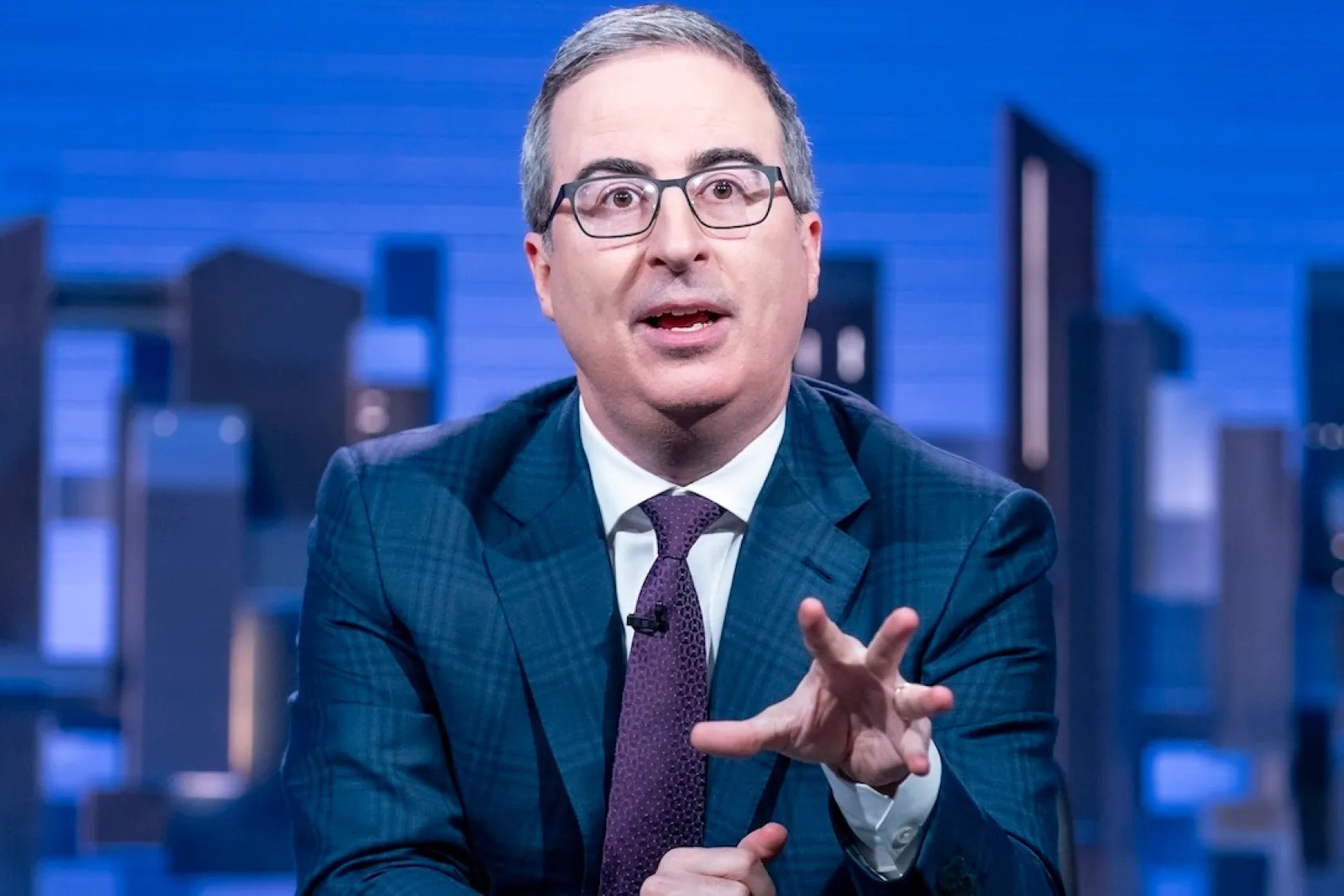
    John Oliver, the sharp-witted host of HBO’s Emmy-winning series “Last Week Tonight with John Oliver,” is confirmed to make a guest appearance on the ABC daytime drama ‘General Hospital.’ This announcement, reported by Variety on June 29, 2026, signals an unexpected cross-genre role for the British comedian, known primarily for his investigative comedy and political commentary.

    While the exact nature of his role remains a closely guarded secret, industry speculation suggests Oliver’s involvement could range from a brief, impactful cameo to a more extended, multi-episode arc. This casting decision places Oliver within the fictional Port Charles, a setting long famous for its intricate storylines and dramatic narratives since 1963.

    The Unlikeliest of Crossovers: Satire Meets Soap

    The report from Variety confirmed Oliver’s participation, sending ripples through both late-night and daytime television fan bases. ‘General Hospital’ has a storied history of celebrity guest appearances, often leveraging star power for special events or brief, memorable roles. Oliver’s presence, however, represents a particularly unique blend of comedic intellect and serialized drama.

    Oliver’s Departure from Political Commentary

    Oliver’s “Last Week Tonight” is recognized for its in-depth comedic analysis of current events, politics, and social issues. His transition to a scripted dramatic role on ‘General Hospital’ represents a significant departure from his usual satirical format. This move has generated considerable discussion regarding the potential for humor, drama, or even a meta-commentary within the soap opera’s established universe.

    As of June 29, 2026, details regarding Oliver’s character, his storyline integration, and specific air dates remain publicly undisclosed. This information is expected to emerge as production progresses and ABC finalizes broadcast schedules.

    ‘General Hospital’ and its History of Star Power

    ‘General Hospital’ is currently in its 63rd season, making it the longest-running American soap opera in production. Over its decades on air, the series has hosted numerous notable personalities. These appearances often generate significant buzz, drawing new viewers to the long-running program and delighting existing fans.

    Past celebrity cameos have included figures from music, film, and other television genres. Oliver’s appearance continues this tradition, yet his distinct persona as a political satirist adds an unprecedented layer of intrigue to the show’s upcoming narratives. This unexpected casting choice underscores the show’s continued cultural relevance and its willingness to embrace unconventional collaborations.

    Anticipation Builds for Oliver’s Port Charles Debut

    The announcement has generated considerable interest across social media platforms and entertainment news outlets. Fans of both “Last Week Tonight” and ‘General Hospital’ are awaiting further updates on this surprising collaboration. The production team at ‘General Hospital’ and representatives for John Oliver have not yet released further statements beyond the initial confirmation.

    Industry observers suggest that the role could provide a moment of comedic relief, a dramatic twist, or even a subtle nod to Oliver’s real-world persona. The lack of specific details only fuels further speculation about how the host of a critically acclaimed news satire program will integrate into the melodrama of Port Charles.

    Comedy. Drama. Unexpected.

  • Penelope Keith Dies at 86 – Remembering a BAFTA-Winning Career

    Penelope Keith Dies at 86 – Remembering a BAFTA-Winning Career

    A Legacy of Refined Comedy: Penelope Keith’s Enduring Impact

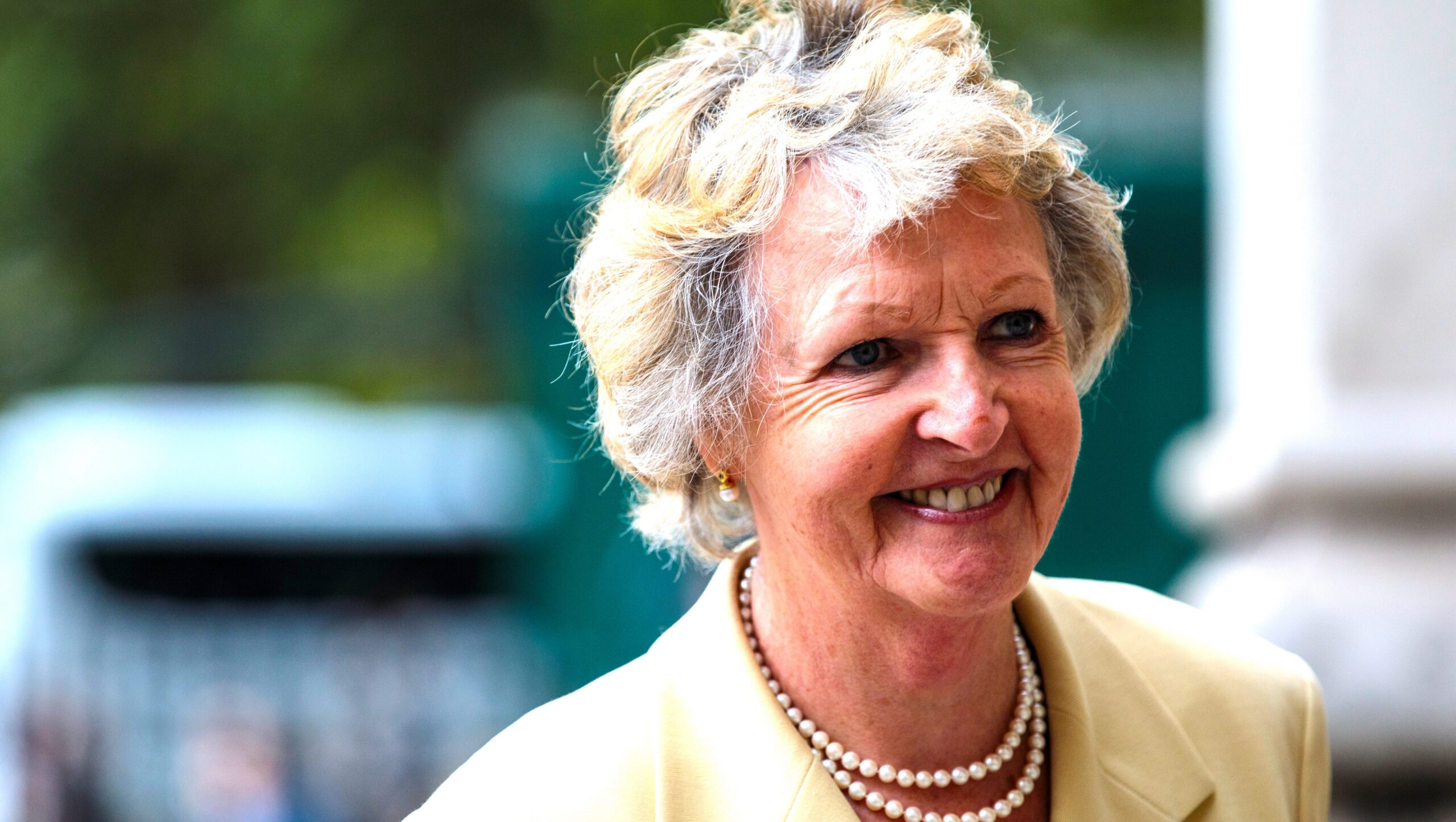
    British actress Dame Penelope Keith, celebrated for her distinctive portrayals of upper-class characters, passed away on June 29, 2026, at the age of 86. Her death marks the end of a career that cemented her status as a beloved figure in British entertainment, particularly through her memorable roles in the classic television comedies ‘The Good Life’ and ‘To the Manor Born’. Her contributions to acting were recognized with multiple BAFTA awards and a Damehood, reflecting a profound impact on both screen and stage.

    What looks like a simple passing actually signifies the loss of a foundational talent in British comedic acting. Keith’s ability to imbue seemingly haughty characters with depth, vulnerability, and immense comedic timing created roles that resonated with millions of viewers across generations. Her work defined an era of British television, becoming synonymous with sophisticated humor and impeccable performance.

    Early Life and Theatrical Roots

    Penelope Keith was born Penelope Anne Constance Keith on February 2, 1940, in Chichester, West Sussex, England. Her early life was marked by a keen interest in performance, leading her to pursue formal training at the Webber Douglas Academy of Dramatic Art in London. This rigorous classical training provided the foundation for a career that would encompass a wide range of dramatic and comedic roles.

    Her professional debut came in the early 1960s, quickly establishing her presence on the British theatrical stage. Keith performed with the Royal Shakespeare Company and the National Theatre, working alongside some of the most respected figures in British drama. Her stage work honed her craft, developing the precise diction and commanding presence that would become her trademarks.

    Throughout the 1960s and early 1970s, Keith balanced her stage commitments with smaller television roles. These early appearances provided crucial experience, preparing her for the breakout success that awaited her in the mid-1970s.

    ‘The Good Life’: A Cultural Phenomenon

    The role that would catapult Penelope Keith to national stardom was that of Margot Leadbetter in the BBC sitcom ‘The Good Life’. The series, which first aired in 1975, followed the lives of Tom and Barbara Good, who decide to abandon the rat race and become self-sufficient in their suburban Surbiton home. Keith’s character, Margot, was their snobbish, social-climbing next-door neighbor, whose meticulously ordered world was constantly disrupted by the Goods’ unconventional lifestyle.

    Margot Leadbetter became an instant icon. Keith’s portrayal perfectly captured the anxieties and aspirations of the middle class, delivering lines with a clipped, aristocratic precision that masked an underlying vulnerability. The dynamic between Margot and the Goods, particularly Richard Briers’ Tom Good and Felicity Kendal’s Barbara Good, formed the comedic heart of the show.

    The series was a massive success, running for four seasons until 1978 and attracting millions of viewers. Its popularity was not just confined to the United Kingdom; it gained a significant following internationally. Keith’s performance earned her the BAFTA TV Award for Best Entertainment Performance in 1977, solidifying her status as a leading comedic actress.

    From Surbiton to the Manor: ‘To the Manor Born’

    Following the conclusion of ‘The Good Life’, Keith quickly found another defining role in ‘To the Manor Born’. This BBC sitcom, which began in 1979, was specifically written for her by Peter Spence. Keith starred as Audrey fforbes-Hamilton, an aristocratic widow forced to sell her ancestral home, Grantleigh Manor, after her husband’s death leaves her financially destitute. She then moves into the smaller lodge on the estate, determined to reclaim her former position.

    The series explored the comedic clash between Audrey and the new owner of the manor, Richard DeVere (played by Peter Bowles), a self-made millionaire from Czechoslovakia. The witty banter and simmering romantic tension between the two characters captivated audiences. ‘To the Manor Born’ was an immediate hit, with its first episode attracting an astonishing 23.95 million viewers in the UK, a record for a British sitcom that still stands today as of 2026.

    Keith’s portrayal of Audrey earned her another BAFTA TV Award, this time for Best Actress in 1978, further cementing her comedic prowess. The series ran for three seasons, concluding in 1981, with a one-off special in 2007 that revisited the characters.

    A Distinguished Career Beyond Sitcoms

    While ‘The Good Life’ and ‘To the Manor Born’ brought her widespread fame, Penelope Keith’s career was far more extensive and varied. She continued to work extensively in theatre, performing in West End productions and touring with various companies. Her stage credits included roles in plays by Noël Coward, William Shakespeare, and Alan Ayckbourn, showcasing her versatility as an actress.

    Diverse Television and Film Work

    Throughout the 1980s, 1990s, and 2000s, Keith appeared in numerous television dramas, comedies, and films. Notable television roles included ‘Executive Stress’ (1986-1988), where she played a high-powered businesswoman, and ‘Next of Kin’ (1995-1997). She also lent her distinctive voice to various narrations and radio plays.

    Her film appearances, though less frequent than her television and stage work, included roles in ‘Catch Me a Spy’ (1971) and ‘The Hound of the Baskervilles’ (1978). She also appeared in ‘The Old Guys’ (2009-2010), a BBC comedy series, demonstrating her continued engagement with contemporary television.

    Philanthropy and Public Service

    Beyond her acting career, Penelope Keith was a dedicated philanthropist and advocate for various causes. She served as President of the Actors’ Benevolent Fund for many years, working to support actors in need. Her commitment to public service and the arts was widely recognized.

    In 1989, she was appointed an Officer of the Order of the British Empire (OBE). This was followed by her appointment as a Commander of the Order of the British Empire (CBE) in 2007. In 2014, she was elevated to Dame Commander of the Order of the British Empire (DBE) for services to the arts and to charity, a testament to her extensive contributions both on and off screen.

    The Enduring Appeal of Penelope Keith

    Penelope Keith’s appeal lay in her unique ability to portray characters who were often perceived as formidable or aloof, yet always managed to reveal a relatable human core. Her precise comedic timing, elegant demeanor, and resonant voice made her performances unforgettable. She brought a sense of dignity and intelligence to every role, whether it was a grand dame or a suburban snob.

    Her characters, particularly Margot Leadbetter and Audrey fforbes-Hamilton, have remained popular through decades of reruns and streaming, introducing her work to new generations of viewers. The humor of ‘The Good Life’ and ‘To the Manor Born’ is timeless, largely due to the strength of her performances and the sharp writing.

    Keith’s legacy is one of comedic excellence, theatrical dedication, and unwavering commitment to her craft and community. She received numerous accolades throughout her career, including the Lifetime Achievement Award at the British Comedy Awards in 2009, acknowledging her significant impact on British comedy.

    A Fond Farewell

    The news of Dame Penelope Keith’s passing on June 29, 2026, has prompted an outpouring of tributes from across the entertainment industry and from her many admirers. Colleagues remember her professionalism, wit, and kindness. Fans recall the laughter and joy she brought into their homes.

    Her passing leaves a void in the landscape of British acting. Her contribution to comedic roles, her dedication to the stage, and her philanthropic efforts will be remembered for years to come. She was a true grande dame of British entertainment.

    Tributes poured in from fellow actors. Directors praised her unwavering commitment. Audiences mourned a beloved figure. Penelope Keith.

  • Alannah Keyser Fired from ‘Love Island USA’ After N-Word Video Resurfaces

    Alannah Keyser Fired from ‘Love Island USA’ After N-Word Video Resurfaces

    Alannah Keyser, a contestant featured on the reality dating series ‘Love Island USA,’ was removed from the program in June 2026. Her departure was a direct consequence of a video circulating online that depicted Keyser using a racial slur, specifically the N-word.

    The video’s resurfacing prompted immediate public reaction and a swift decision by the show’s production team. Following her termination, Keyser issued a public statement addressing the controversy and apologizing for her actions.

    The Resurfacing Video and Public Reaction

    The video that led to Alannah Keyser’s removal from ‘Love Island USA’ gained traction across social media platforms in early June 2026. The footage showed Keyser in an unspecified setting, audibly using the N-word. The exact date of the video’s original recording was not immediately clear from initial reports.

    Viewers of ‘Love Island USA’ and general social media users quickly condemned Keyser’s language. Calls for her removal from the show intensified rapidly. The public outcry highlighted ongoing discussions about accountability for past actions, particularly for individuals entering the public eye through reality television.

    Social media platforms became a primary arena for these discussions. Hashtags related to Keyser and ‘Love Island USA’ trended, amplifying the demand for a response from the show’s producers. Many users expressed disappointment and anger, emphasizing the offensive nature of the slur.

    ‘Love Island USA’ Producers Respond

    The production team behind ‘Love Island USA’ responded promptly to the controversy surrounding Alannah Keyser. In a statement released to media outlets, the producers confirmed Keyser’s immediate departure from the show. This decision was made to uphold the values and standards associated with the program.

    The statement did not specify the exact date of Keyser’s removal but indicated it occurred shortly after the video gained widespread attention. The show’s swift action was noted by commentators as an example of reality television productions taking decisive steps in response to contestant misconduct.

    This incident is not isolated in the history of reality television. Similar situations have arisen on various programs where contestants’ past or present behaviors have led to their removal. The ‘Love Island’ franchise, both in the USA and its international versions, has previously faced challenges related to contestant conduct.

    Alannah Keyser’s Apology Statement

    Following her removal from ‘Love Island USA,’ Alannah Keyser released a public apology. Her statement was disseminated through her personal social media channels and subsequently reported by various news organizations, including Variety.

    In her apology, Keyser directly addressed the video and her use of the racial slur. She stated, “I am deeply sorry for the pain and offense my past words have caused. I do not support racism, and I am committed to learning and growing from this experience.”

    The statement acknowledged the gravity of her actions and the impact they had on viewers and the broader community. Keyser’s apology was met with mixed reactions online. Some individuals accepted her remorse as genuine, while others remained critical, questioning the sincerity given the context of her actions.

    Public apologies from figures involved in controversies are often scrutinized for their authenticity and completeness. Keyser’s statement became part of this broader public discourse regarding celebrity accountability and the effectiveness of such apologies.

    Broader Context: Racism and Accountability in Media

    The incident involving Alannah Keyser and ‘Love Island USA’ reflects ongoing conversations about racism within media and the entertainment industry. Reality television, in particular, often brings individuals with diverse backgrounds and histories into the public spotlight, sometimes unearthing past behaviors.

    Media organizations and production companies are increasingly expected to address instances of racism and other forms of discrimination directly and decisively. This expectation stems from heightened public awareness and a demand for greater social responsibility from public figures and the platforms that host them.

    The use of racial slurs, regardless of intent or context, is widely recognized as harmful and unacceptable. Educational initiatives and public campaigns continue to raise awareness about the historical and social impact of such language.

    For reality television participants, the transition from private citizen to public personality can be abrupt. This transition often includes intense scrutiny of their digital footprint, including social media posts, videos, and other public records from their past. The Keyser incident underscores the lasting impact of digital content.

    The entertainment industry continues to grapple with how to vet contestants and talent adequately. Balancing privacy concerns with the need to prevent public relations crises and uphold ethical standards remains a complex challenge for producers.

    The ‘Love Island USA’ Franchise and Its Standards

    ‘Love Island USA’ is part of a global franchise known for its dramatic interpersonal relationships and public appeal. The show’s format involves a group of single contestants living in a villa, isolated from the outside world, as they try to find love and win a cash prize.

    The franchise has a history of setting certain conduct standards for its participants. Contestants are typically expected to maintain a positive public image and adhere to guidelines that promote respect and inclusivity. Violations of these standards can lead to disciplinary action, including removal from the show.

    The quick action taken by ‘Love Island USA’ producers in Keyser’s case aligns with a trend in reality television to address controversies proactively. This approach aims to protect the show’s brand integrity and maintain viewer trust.

    The incident reinforces the idea that participation in high-profile reality television comes with significant public responsibility. The audience’s role in holding contestants accountable through social media has also grown substantially, influencing production decisions.

    Ultimately, the episode serves as a reminder of the continuous effort required to foster inclusive environments in media. It also highlights the powerful role of public opinion in shaping the landscape of reality television and celebrity culture.

    Public figures face increased scrutiny. Production companies navigate complex ethical dilemmas. Viewers demand accountability.

    The consequences endure.

  • Every Year After: Prime Video Renews for Season 2 – Adapting ‘One Golden Summer’

    Every Year After: Prime Video Renews for Season 2 – Adapting ‘One Golden Summer’

    Prime Video has officially renewed ‘Every Year After’ for a second season. The announcement, made today, June 28, 2026, confirms the continuation of the popular romantic drama. The upcoming season will draw its narrative inspiration from Carley Fortune’s sequel novel, ‘One Golden Summer’.

    The first season of ‘Every Year After’ captivated viewers with its adaptation of Fortune’s bestselling book, ‘Every Summer After’. That initial run explored a decade-spanning romance, marked by deep emotional connections and the complexities of rekindled love. The series quickly gained a dedicated following, prompting Prime Video’s decision for a swift renewal.

    The Source Material: Carley Fortune’s ‘One Golden Summer’

    Carley Fortune’s ‘One Golden Summer’ is the literary foundation for the second season of ‘Every Year After’. This novel serves as the direct sequel to ‘Every Summer After’. It continues the story of Percy Fraser and Sam Florek, navigating their evolving relationship and the challenges they face after their reunion.

    Fortune’s writing is known for its evocative settings and intricate character development. ‘One Golden Summer’ delves deeper into the lives of the protagonists, exploring themes of commitment, family, and the lingering impacts of their past. The narrative expands beyond their initial reconciliation, introducing new conflicts and personal growth arcs.

    Connecting the Novels: From ‘Every Summer After’ to ‘One Golden Summer’

    The first season of ‘Every Year After’ faithfully adapted the core elements of ‘Every Summer After’. It established the nostalgic backdrop of Barry’s Bay, Ontario, and the intense connection between Percy and Sam. The series explored their childhood friendship, their teenage romance, and the decade-long estrangement that followed.

    ‘One Golden Summer’ picks up after the events of the first novel. It examines the realities of their adult relationship. The book explores how the characters build a future together while confronting their individual pasts and external pressures. This progression offers a rich narrative for adaptation, promising a continuation of the emotional depth that defined the first season.

    Anticipated Storylines and Character Arcs

    The adaptation of ‘One Golden Summer’ for Season 2 suggests several key narrative directions. Viewers can expect to see Percy and Sam navigate the complexities of their renewed relationship. This includes managing expectations, facing external judgments, and addressing unresolved personal issues.

    Fortune’s sequel introduces new supporting characters and expands on the roles of existing ones. These additions contribute to the central couple’s journey. The picturesque setting of Barry’s Bay will likely continue to play a significant role, serving as both a refuge and a reminder of their shared history.

    Production Outlook and Release Expectations

    Specific details regarding casting, filming locations, and a potential release window for Season 2 are currently emerging. Prime Video typically provides updates as pre-production advances. Fans anticipate the return of the original cast members to reprise their roles, maintaining continuity from the first season.

    The successful reception of ‘Every Year After’ positions its second season as a highly anticipated release. The adaptation of a direct sequel provides a clear narrative path. This allows the production team to build upon an established storyline and character foundation.

    Audiences await further announcements regarding the development of the series. The continuation of Percy and Sam’s story is now confirmed.

  • Colin Farrell on John Sugar: A “Moral Palate Cleanser” After The Penguin

    Colin Farrell on John Sugar: A “Moral Palate Cleanser” After The Penguin

    The Contrast of Characters: Sugar vs. The Penguin

    Colin Farrell found his role as John Sugar in the Apple TV+ series ‘Sugar’ to be a “moral palate cleanser.” This experience followed his acclaimed portrayal of Oswald Cobblepot, known as The Penguin, in the 2022 film ‘The Batman’. Farrell is slated to return as The Penguin in ‘The Batman: Part II’.

    The actor’s commentary highlights the stark differences between these two prominent characters. One operates within the morally ambiguous world of a private investigator, while the other embodies a notorious criminal figure within Gotham City’s underworld.

    Portraying John Sugar: A New Moral Landscape

    John Sugar is a private investigator in Los Angeles. The character navigates a complex web of cases, often involving the city’s elite. His moral code, while perhaps unconventional, contrasts sharply with the overt villainy of The Penguin.

    The Apple TV+ series ‘Sugar’ premiered in April 2024. It features Sugar investigating the disappearance of Olivia Siegel, the granddaughter of a legendary Hollywood producer. The role demands a nuanced performance, exploring themes of ethics, justice, and the dark underbelly of celebrity culture.

    Farrell’s engagement with the character of Sugar extended beyond mere performance. He discussed the internal journey of playing a character who strives for a certain moral rectitude, even amidst difficult circumstances.

    The Transformative Role of The Penguin

    Farrell’s portrayal of The Penguin in ‘The Batman’ was critically lauded. The film, directed by Matt Reeves, presented a gritty, grounded take on the iconic DC Comics character. Farrell underwent significant prosthetic makeup for the role, rendering him nearly unrecognizable.

    His performance captured the essence of Oswald Cobblepot as a rising gangster in Gotham City. The character is known for his ruthless ambition and manipulative nature. This deep dive into a villainous psyche can be demanding for an actor.

    The transformation for ‘The Batman’ was extensive. It involved hours in the makeup chair to achieve the character’s distinctive look. This physical change also contributed to the psychological immersion into the role.

    The Psychological Impact of Character Work

    Actors often speak about the emotional and psychological toll of inhabiting certain roles. Portraying characters with vastly different moral compasses can lead to a unique kind of internal processing.

    Farrell’s comment about a “palate cleanser” suggests a need to shift his emotional and moral landscape. After embodying a character like The Penguin, a role like John Sugar offered a different kind of challenge and experience.

    The depth of character work required for both roles demonstrates Farrell’s commitment to his craft. He delves into the motivations and internal lives of his characters, whether hero or villain.

    Returning to Gotham: The Batman: Part II

    Colin Farrell is confirmed to return as The Penguin in ‘The Batman: Part II’. This sequel will continue the narrative established in the 2022 film. It will likely explore further developments in Gotham City’s criminal underworld.

    The upcoming film is anticipated to delve deeper into the relationships between Batman, The Penguin, and other key figures. Farrell’s return indicates the significance of his portrayal in the first installment.

    The production timeline for ‘The Batman: Part II’ suggests that Farrell will once again immerse himself in the world of Oswald Cobblepot. This will follow his recent experience with the character of John Sugar.

    The Evolution of an Actor’s Career

    Colin Farrell’s career showcases a diverse range of roles across various genres. From independent dramas to major blockbusters, he has consistently taken on challenging characters.

    His filmography includes roles in films like ‘In Bruges’ (2008), ‘The Lobster’ (2015), and ‘The Banshees of Inisherin’ (2022). These roles often feature complex, morally ambiguous individuals, but The Penguin represented a distinct venture into overt villainy.

    The choice to follow a character like The Penguin with John Sugar illustrates a deliberate effort to explore different facets of human experience through acting. This approach allows for continuous growth and reinvention.

    The World of Streaming Television

    The Apple TV+ series ‘Sugar’ represents Farrell’s continued engagement with high-quality streaming content. Streaming platforms have become a significant avenue for actors to explore long-form storytelling.

    The serialized nature of television allows for deeper character development. This provides actors with more time to explore the nuances of their roles compared to a two-hour film.

    Farrell’s involvement in ‘Sugar’ aligns with a broader trend of celebrated film actors moving into prestige television. This shift offers new opportunities for creative expression and audience engagement.

    Critical Reception and Audience Engagement

    Both ‘The Batman’ and ‘Sugar’ have garnered significant critical attention. Farrell’s performances in both projects have been highlighted by reviewers.

    His ability to transform for The Penguin was a major talking point upon the release of ‘The Batman’. His nuanced performance in ‘Sugar’ has also drawn praise for its depth and subtlety.

    Audience reception for both projects has been strong. ‘The Batman’ achieved significant box office success, and ‘Sugar’ has found an engaged audience on Apple TV+.

    The Craft of Character Immersion

    Actors often employ various techniques to fully immerse themselves in a character. This can include method acting, extensive research, or physical transformations.

    Farrell’s comments suggest a deep level of engagement with the internal lives of his characters. The emotional residue from one role can influence the approach to the next.

    The process of shedding one character and embracing another is a fundamental aspect of an actor’s work. It requires both mental and emotional agility.

    Hollywood’s Fascination with Moral Ambiguity

    Both ‘Sugar’ and ‘The Batman’ explore themes of moral ambiguity. John Sugar operates in a world where good and evil are not always clearly defined. The Penguin exists in a city rife with corruption and moral decay.

    This thematic consistency in Farrell’s recent work reflects a broader trend in contemporary storytelling. Audiences are often drawn to complex characters who challenge traditional notions of heroism and villainy.

    The exploration of moral gray areas allows for richer narratives and more compelling character arcs. It provides a platform for examining societal issues through the lens of individual choices.

    The Role of a “Palate Cleanser” in an Actor’s Repertoire

    The concept of a “palate cleanser” role is significant for actors. It allows them to reset and explore different emotional and psychological territories after an intense or demanding project.

    Such roles can prevent typecasting and offer a fresh perspective. They contribute to an actor’s versatility and longevity in the industry.

    For Farrell, John Sugar provided an opportunity to step away from the darkness of The Penguin. He could inhabit a character striving for a different kind of purpose.

    The Intersection of Personal and Professional

    An actor’s personal experience can often intersect with their professional roles. The process of portraying a character can be a deeply personal journey.

    Farrell’s candidness about the “moral palate cleanser” aspect suggests a personal connection to the ethical dimensions of his characters. This speaks to the human element inherent in acting.

    The distinction between the two roles offers a window into the actor’s perspective on his craft. It underscores the internal work that goes into bringing characters to life.

    Actors choose. Directors choose. Audiences choose.

    Cinema.

  • Trump’s Rhetoric and Iran: A Former Advisor’s Warning on Nuclear Talks

    Trump’s Rhetoric and Iran: A Former Advisor’s Warning on Nuclear Talks

    The Shadow of Past Rhetoric on Future Diplomacy

    The words of former Deputy National Security Advisor Robert O’Brien in late June 2026 underscored a significant concern within foreign policy circles. O’Brien warned that the rhetoric employed by former President Donald Trump could severely jeopardize any future nuclear negotiations with Iran. This warning highlighted the delicate balance between domestic political discourse and international diplomatic efforts.

    O’Brien’s comments, made during a Bloomberg Television appearance, focused on the need for a unified American front. He argued that public statements, particularly those from influential political figures, carry weight on the global stage. Adversaries, he noted, analyze these statements for any sign of division or weakness within U.S. policy.

    The former advisor’s perspective was rooted in the understanding that trust and strategic leverage are hard-won assets in international relations. He suggested that if potential negotiating partners perceive internal disagreement or a lack of consistent resolve, they may be less inclined to make concessions or adhere to agreements.

    Why Rhetoric Matters in Geopolitics

    Diplomacy is often described as the art of the possible. This art relies heavily on perception and communication. When a nation engages in high-stakes negotiations, such as those concerning nuclear programs, every public statement is scrutinized by all parties involved.

    Robert O’Brien’s warning reflected this reality. He contended that strong, potentially inflammatory rhetoric, even if intended for a domestic audience, can be interpreted by foreign powers as a signal. This signal might indicate a lack of seriousness, a willingness to backtrack on commitments, or an internal political schism that can be exploited.

    The history of U.S.-Iran relations is fraught with mistrust and complex dynamics. The Joint Comprehensive Plan of Action (JCPOA), signed in 2015, stands as a testament to the challenges of such negotiations. Its subsequent withdrawal by the Trump administration in 2018 further complicated the landscape, creating a precedent that future diplomatic efforts must contend with.

    The Role of Presidential Language

    Presidential rhetoric, whether from a sitting president or a former one with significant political influence, often sets the tone for a nation’s foreign policy. This is particularly true when dealing with countries considered adversaries or rivals.

    O’Brien’s concern was not merely about the content of the rhetoric but its timing and potential impact on a very specific, sensitive issue: nuclear proliferation. He stressed that a consistent, measured approach is often more effective in building the necessary framework for successful negotiations.

    The concept of ‘speaking with one voice’ is a foundational principle of effective diplomacy. When multiple prominent American voices offer differing or contradictory stances on critical foreign policy issues, it can create confusion and diminish the perceived strength of the U.S. negotiating position.

    The Iran Nuclear Program: A Persistent Challenge

    Iran’s nuclear program has remained a central concern for international security for decades. The international community, led by the United States and its allies, has sought to prevent Iran from developing nuclear weapons while upholding its right to peaceful nuclear energy.

    Negotiations with Iran have historically been arduous, marked by periods of progress and significant setbacks. The current state of the program, as of June 2026, continues to be a subject of intense monitoring by international bodies like the International Atomic Energy Agency (IAEA).

    The stakes in these discussions are incredibly high. A nuclear-armed Iran could destabilize the Middle East, trigger a regional arms race, and pose a direct threat to global security. Therefore, the effectiveness of any diplomatic effort is paramount.

    Past Engagements and Future Prospects

    The JCPOA represented a multilateral agreement designed to curb Iran’s nuclear activities in exchange for sanctions relief. While the agreement faced considerable criticism, it did establish a framework for international oversight.

    The Trump administration’s decision to withdraw from the JCPOA and re-impose sanctions led to a period of heightened tensions. Iran subsequently began to exceed the limits on uranium enrichment set by the agreement, further complicating efforts to revive diplomatic solutions.

    As of 2026, the prospect of renewed negotiations remains a complex and uncertain path. Any future talks would likely involve not only the United States and Iran but also other world powers that were signatories to the original JCPOA, including China, France, Germany, Russia, and the United Kingdom.

    The Call for Unity in Foreign Policy

    Robert O’Brien’s remarks were a direct appeal for greater unity in American foreign policy discourse. He implied that political disagreements, while a hallmark of democracy, should be carefully managed when they pertain to national security and international negotiations.

    The former Deputy National Security Advisor’s experience in high-level diplomatic roles provided him with a direct understanding of how foreign governments interpret American political signals. His warning was not merely academic; it was grounded in practical experience.

    A consistent message from Washington, regardless of internal political transitions, is often seen as a sign of strength and reliability by other nations. Conversely, perceived disunity can embolden adversaries and complicate the task of allies.

    Building Consensus for National Security

    Achieving consensus on critical foreign policy issues is a perennial challenge in democratic societies. Different political factions often hold divergent views on how best to protect national interests and engage with the world.

    However, O’Brien’s argument suggested that there are moments when national interest demands a more cohesive public stance. Nuclear non-proliferation, given its global implications, often falls into this category.

    The balance between robust public debate and strategic diplomatic silence is a constant negotiation within government. O’Brien’s intervention served as a reminder that this balance has direct consequences for the nation’s ability to achieve its foreign policy objectives.

    The Long Game of International Relations

    International relations are rarely a short-term endeavor. They involve a continuous process of negotiation, signaling, and relationship building that spans administrations and political cycles.

    The impact of rhetoric, therefore, can have a long tail. A statement made today can influence perceptions and diplomatic positions years into the future. This long-term perspective is what O’Brien’s warning sought to emphasize.

    For the United States, maintaining credibility and predictability on the world stage is a crucial asset. When rhetoric undermines these qualities, it can make future diplomatic endeavors more difficult and potentially more costly.

    Navigating a Multipolar World

    In a global landscape that is increasingly multipolar, the United States navigates complex relationships with both allies and rivals. The ability to project a clear and consistent foreign policy vision is more important than ever.

    O’Brien’s comments resonated with a broader concern among foreign policy experts regarding the erosion of traditional diplomatic norms. The rise of social media and the 24/7 news cycle have amplified the reach and potential impact of political rhetoric, making careful communication even more critical.

    The challenge lies in finding a way for political leaders to engage with their domestic bases while simultaneously maintaining the gravitas and strategic ambiguity often required for effective international diplomacy.

    Diplomats gathered. Strategists conferred. National Security Advisors warned. Leaders debated. The world watched.

    Iran.

  • Paramount Secures Harry Potter and Fantastic Beasts for Exclusive TV Licensing

    Paramount Secures Harry Potter and Fantastic Beasts for Exclusive TV Licensing

    Paramount has secured exclusive television licensing rights for the full Harry Potter film series and the Fantastic Beasts franchise. This agreement ensures that these globally popular wizarding world films will be available for broadcast and streaming exclusively on Paramount-affiliated platforms. The deal represents a significant acquisition in the competitive media landscape, guaranteeing a consistent home for these cinematic properties.

    The move is designed to provide audiences with a sense of comfort and excitement. Fans of the wizarding world can anticipate continued access to their favorite films through Paramount’s ecosystem. This strategic acquisition underscores the enduring appeal and commercial value of established entertainment franchises.

    The Enduring Appeal of the Wizarding World

    The Harry Potter film series, based on J.K. Rowling’s books, began with Harry Potter and the Sorcerer’s Stone in 2001. It concluded its main run with Harry Potter and the Deathly Hallows – Part 2 in 2011. The eight films collectively grossed over $7.7 billion worldwide, establishing themselves as one of the highest-grossing film series in history. Their cultural impact remains substantial, drawing new generations of viewers.

    The Fantastic Beasts franchise serves as a prequel series set in the same universe. It launched with Fantastic Beasts and Where to Find Them in 2016. Subsequent installments include Fantastic Beasts: The Crimes of Grindelwald (2018) and Fantastic Beasts: The Secrets of Dumbledore (2022). These films continue to expand the lore and appeal of the wizarding world, albeit with varying box office performances.

    The consistent popularity of both series makes them highly desirable assets for media companies. Their proven track record of audience engagement translates into reliable viewership numbers across various platforms. Securing these rights is a strategic play for sustained audience retention.

    Paramount’s Content Strategy

    Paramount’s acquisition of these exclusive licensing rights aligns with a broader industry trend. Major media conglomerates are investing heavily in content libraries to bolster their streaming services and traditional television offerings. Exclusive content acts as a key differentiator in a crowded market.

    The specific platforms that will benefit from this deal include Paramount’s linear television channels and its streaming services. This could encompass channels like Paramount Network, Comedy Central, and others. The streaming component is likely to involve Paramount+, the company’s flagship direct-to-consumer service. Such integration provides a unified viewing experience for subscribers.

    This strategy aims to drive subscriptions and increase engagement across Paramount’s digital and linear properties. By centralizing access to popular franchises, Paramount seeks to create a compelling value proposition for consumers. The move also reduces reliance on third-party content licensing, providing greater control over scheduling and distribution.

    The Role of Exclusive Licensing

    Exclusive licensing deals have become a cornerstone of content acquisition. They prevent competitors from offering the same popular titles, thereby directing audience traffic to the exclusive platform. This creates a competitive advantage in attracting and retaining subscribers.

    For franchises like Harry Potter, which have a dedicated global fanbase, exclusivity is particularly potent. Fans are often willing to subscribe to a specific service to access their preferred content. This makes such deals a powerful tool for market share growth.

    The financial terms of such agreements are typically confidential. However, industry analysts estimate that major exclusive deals for established franchises can involve hundreds of millions of dollars. The long-term return on investment is measured in subscriber growth, advertising revenue, and overall brand enhancement.

    Impact on the Media Landscape

    This deal further consolidates premium content within specific media ecosystems. As more major studios and distributors launch or expand their own streaming services, the availability of third-party content becomes scarcer. This trend forces consumers to subscribe to multiple services to access a full range of desired programming.

    The fragmentation of content access can lead to increased subscriber churn as consumers migrate between services based on specific content offerings. However, it also incentivizes services to build robust and diverse libraries. Paramount’s move is a direct response to this dynamic.

    Warner Bros. Discovery, the original distributor and owner of the Harry Potter and Fantastic Beasts films, previously held many of these rights for its own platforms, such as Max. This new agreement suggests a strategic decision by Warner Bros. Discovery to license out certain rights, potentially for significant revenue. Such licensing can fund new content production or reduce debt.

    The Future of Franchise Distribution

    The landscape of film and television distribution continues to evolve rapidly. Hybrid models, combining theatrical releases with streaming availability, are becoming more common. Licensing deals for established franchises like Harry Potter highlight the ongoing value of library content beyond initial release windows.

    Future distribution strategies will likely involve a mix of exclusive streaming, traditional broadcast, and transactional video-on-demand (TVOD). Companies are constantly evaluating the optimal balance to maximize revenue and audience reach. The Paramount deal is an example of adapting to these changing market conditions.

    The long-term implications for consumers include a more defined set of content offerings on each major platform. This could simplify choices for some viewers while complicating them for others. The comfort of knowing where to find beloved franchises, however, remains a key driver for consumer satisfaction.

    Fan Engagement and Brand Loyalty

    Securing these films is not just about content acquisition; it is also about fostering fan engagement and brand loyalty. The Harry Potter universe has a passionate and active fanbase. Providing a stable and accessible home for the films reinforces a positive relationship with these viewers.

    Paramount can leverage this acquisition through various marketing initiatives. Promotional campaigns can highlight the availability of the wizarding world films on its platforms. This can attract new subscribers who are specifically looking for these titles.

    The comfort and excitement referenced in the initial reporting are key emotional drivers. In a world of constant content changes, a stable home for beloved stories provides a sense of reliability. This emotional connection translates into sustained viewership and positive brand perception.

    The acquisition represents a significant investment. The goal is to provide a consistent viewing experience. It solidifies Paramount’s position in the content ecosystem. Fans can anticipate future access to the wizarding world.

    Paramount secures the rights. Audiences gain reliable access. The industry adapts.

    Content finds a home.

  • Larry David’s ‘Non-Retirement’ and Obama’s Detailed ‘Curb’ Notes

    Larry David’s ‘Non-Retirement’ and Obama’s Detailed ‘Curb’ Notes

    Larry David, the acclaimed co-creator of “Seinfeld” and star of “Curb Your Enthusiasm,” will not enter a traditional retirement, according to long-time collaborator Jeff Schaffer. Schaffer, director of the new documentary “Life, Larry,” offered a vivid comparison of David’s work ethic, stating he is “like a prostitute who has sex when he’s not working.” This assessment highlights David’s intrinsic drive to create and perform, irrespective of formal projects or the recent conclusion of “Curb Your Enthusiasm.”

    Schaffer’s remarks emerged during an interview discussing the enduring appeal of Larry David and the cultural footprint of his comedic work. The conversation also revealed former President Barack Obama’s surprisingly detailed engagement with “Curb Your Enthusiasm,” including the provision of specific notes on various episodes. These insights offer a glimpse into David’s unique creative process and the show’s significant cultural impact.

    Larry David’s Unconventional Approach to Retirement

    Larry David concluded his long-running HBO series, “Curb Your Enthusiasm,” on April 7, 2024. The show premiered in October 2000 and spanned 12 seasons, solidifying its place as a landmark in television comedy. Its finale marked a significant moment for both viewers and critics.

    Despite the series’ conclusion, Jeff Schaffer, who has worked with David for decades, maintains that David will not genuinely retire. Schaffer’s analogy of David as a “prostitute who has sex when he’s not working” suggests that David’s creative output is not primarily driven by contractual obligations. Instead, it stems from an inherent desire to observe the world and translate those observations into comedic material.

    This perspective aligns with David’s public persona. Both on and off screen, he is often depicted as someone constantly scrutinizing social conventions and human behavior. These detailed observations frequently become the foundation for his distinctive brand of cringe comedy.

    The traditional concept of retirement may not apply to an individual like David. His work often involves simply being himself, reacting to everyday situations, and articulating his frequently contrarian opinions. This blurs the distinction between his personal and professional life, making continuous creation an organic process.

    The Documentary “Life, Larry” and David’s Legacy

    The documentary “Life, Larry” aims to provide a comprehensive exploration of Larry David’s multifaceted career. It delves into his early experiences as a stand-up comedian, his pivotal role in co-creating “Seinfeld,” and his subsequent success with “Curb Your Enthusiasm.”

    As director, Jeff Schaffer has had extensive access to David and his creative methodology. Schaffer’s insights are crucial for understanding David’s lasting appeal and influence. The documentary promises a deep dive into the man behind some of television’s most iconic characters.

    The film is expected to feature interviews with numerous collaborators, friends, and admirers. These discussions will likely reinforce the idea that David’s comedic genius is inextricably linked to his authentic, often curmudgeonly, persona. “Life, Larry” offers a definitive look at a singular figure in American comedy.

    Barack Obama’s Engagement with “Curb Your Enthusiasm”

    One of the more unexpected revelations from Schaffer’s interview concerned former President Barack Obama. Schaffer disclosed that Obama was a dedicated viewer of “Curb Your Enthusiasm.” More importantly, Obama provided specific and detailed feedback on the show’s episodes.

    According to Schaffer, Obama’s notes were far from superficial. They were precise and demonstrated a profound understanding of the show’s narrative arcs and comedic nuances. This level of engagement from a former head of state speaks volumes about the series’ widespread cultural penetration and intellectual appeal.

    The notion of a sitting or former president actively engaging with a show like “Curb Your Enthusiasm” underscores its unique position in popular culture. The series frequently tackled uncomfortable social situations and presented a protagonist who often defied conventional etiquette. This resonated with a diverse audience, including those in the highest echelons of power and influence.

    Presidential Fandom and Broader Cultural Impact

    Obama’s appreciation for “Curb Your Enthusiasm” is not an isolated incident. Many public figures and intellectuals have expressed admiration for the series throughout its nearly quarter-century run. This widespread appeal suggests a universal recognition of the social absurdities David so expertly lampoons and dissects.

    The show’s influence extends beyond mere entertainment. It has been lauded for its improvisational style, its willingness to explore themes of social anxiety, and its nuanced portrayal of ethical dilemmas. The series often presented situations that viewers could relate to, even if Larry David’s reactions were exaggerated for comedic effect.

    The fact that Obama, a figure known for his composure and diplomatic approach, found humor in David’s often-outrageous behavior, highlights the show’s ability to transcend political and social divides. It speaks to the power of comedy to find common ground, even through the most unconventional and uncomfortable forms of expression. The series fostered a unique dialogue about social norms.

    The Enduring Appeal and Future of Larry David

    Larry David’s career spans several decades, beginning with his early days as a writer for “Saturday Night Live.” He then co-created “Seinfeld,” which became one of the most successful sitcoms of all time. His subsequent venture with “Curb Your Enthusiasm” further solidified his status as a comedic icon and a unique voice in entertainment.

    His humor is characterized by its observational nature and its intense focus on the minutiae of social interaction. David consistently finds comedy in the unspoken rules, awkward moments, and petty grievances of everyday life. This distinctive approach has garnered him a large and loyal following across generations.

    The conclusion of “Curb Your Enthusiasm” in 2024 did not diminish interest in David’s future projects. Schaffer’s comments about David’s non-retirement strongly suggest that new creative endeavors are always on the horizon, even if they are not formally announced or planned in a traditional sense. His creative well appears inexhaustible.

    What Could Be Next for David?

    The precise nature of David’s future work remains speculative. Given Schaffer’s description, it is highly probable that David will continue to engage in creative pursuits that align with his personal interests and observational style. This could involve returning to stand-up comedy, developing new writing projects, or even participating in unscripted ventures that capture his unique perspective.

    His approach to comedy frequently blurs the lines between reality and fiction. Many of David’s characters, storylines, and comedic scenarios are directly inspired by his own life experiences and real-world interactions. This authenticity is a fundamental component of his enduring appeal and connection with audiences.

    The documentary “Life, Larry” will likely provide further insights into David’s motivations, his creative process, and his potential future trajectory. It will serve as a significant testament to his unparalleled contributions to American comedy and his lasting influence on the cultural landscape.

    The Lasting Impact of “Curb Your Enthusiasm”

    “Curb Your Enthusiasm” has left an indelible mark on television comedy. Its innovative use of improvisation, its willingness to explore social taboos, and its commitment to an unlikable protagonist set it apart. The series influenced a generation of comedians and writers.

    The show’s consistent ability to spark conversation about social etiquette and human foibles cemented its place in television history. It forced viewers to confront their own biases and laugh at the uncomfortable truths of everyday interactions. Its legacy will continue to be discussed for years to come.

    Audiences connected with David’s character, despite his flaws, because he often articulated thoughts that many people held but dared not express. This vicarious experience provided both humor and a strange sense of catharsis. The series became a mirror reflecting the absurdities of modern life.

    The show’s unique structure, where plot points often hinged on misunderstandings and escalating social faux pas, became a signature. This narrative device allowed for complex, interwoven storylines that paid off in unexpected ways. “Curb Your Enthusiasm” was, in many ways, a masterclass in comedic construction.

    The discussions. The debates. The laughter.

    The legacy.

    Larry David.