Tag: Television

  • Dark Shadows Resurrected: Warner Bros. Animation Revives Cult Classic for Adults

    Dark Shadows Resurrected: Warner Bros. Animation Revives Cult Classic for Adults

    Warner Bros. Animation is developing an adult animated series based on the 1960s cult television show ‘Dark Shadows’. This project aims to bring the supernatural melodrama to a new generation through a contemporary animation format. The original series, which ran from 1966 to 1971 on ABC, garnered a dedicated following for its unique blend of gothic horror, romance, and serialized storytelling.

    The announcement indicates a strategic move by Warner Bros. to leverage established intellectual property. This approach seeks to capitalize on nostalgia while also attracting new viewers with a fresh interpretation. The ‘adult animated’ designation suggests a narrative tone and thematic content suitable for mature audiences, potentially exploring darker or more complex aspects of the ‘Dark Shadows’ universe.

    The Legacy of Collinswood

    ‘Dark Shadows’ first premiered on June 27, 1966, initially conceived as a conventional gothic daytime drama. Creator Dan Curtis developed the series, which quickly evolved into a supernatural phenomenon. The introduction of vampire Barnabas Collins, portrayed by Jonathan Frid, on April 17, 1967, marked a pivotal shift.

    Barnabas Collins rapidly became the show’s breakout character. His conflicted nature and tragic backstory resonated deeply with viewers. The character’s popularity significantly boosted the show’s ratings, transforming it from a struggling soap opera into a cult sensation.

    The series explored a wide array of supernatural elements. Ghosts, werewolves, witches, warlocks, and parallel universes became regular features. This eclectic mix set ‘Dark Shadows’ apart from its daytime television contemporaries.

    The setting for much of the series was the fictional Collinwood estate in Collinsport, Maine. This sprawling, often eerie mansion served as the backdrop for countless supernatural occurrences and dramatic family conflicts. The atmosphere of Collinswood was central to the show’s gothic appeal.

    Original cast members included Grayson Hall as Dr. Julia Hoffman, Alexandra Moltke as Victoria Winters, and Nancy Barrett as Carolyn Stoddard. These actors became synonymous with their roles, contributing to the show’s distinctive ensemble.

    The show concluded its original run on April 2, 1971, after 1,225 episodes. Its influence extended beyond its initial broadcast, maintaining a devoted fanbase for decades.

    Previous Attempts at Revival

    The enduring popularity of ‘Dark Shadows’ has led to several attempts at revival and adaptation over the years. These projects demonstrate the franchise’s lasting appeal and the challenges of recapturing its unique essence.

    The 1970s Film Adaptations

    Two feature films were produced shortly after the original series ended. ‘House of Dark Shadows’ was released in 1970, featuring much of the original cast. It offered a more condensed and violent version of the Barnabas Collins storyline.

    ‘Night of Dark Shadows’ followed in 1971. This film focused on new characters and a different supernatural plotline, though it still featured original cast members. Neither film achieved the cult status of the television series.

    The 1991 NBC Revival

    In 1991, NBC launched a prime-time revival of ‘Dark Shadows’. This series starred Ben Cross as Barnabas Collins and Jean Simmons as Elizabeth Collins Stoddard. It aimed for a more serious and dramatic tone, updating the gothic elements for a modern audience.

    The 1991 revival received critical acclaim for its production values and performances. However, it faced stiff competition in its time slot and was ultimately canceled after only 12 episodes. Its cancellation remains a point of contention for many fans, who felt it deserved a longer run.

    The 2004 The WB Pilot

    Another attempt to revive the series came in 2004 with a pilot produced for The WB network. This version starred Alec Newman as Barnabas Collins and Marley Shelton as Victoria Winters. It aimed for a more contemporary, youth-oriented take on the material.

    The pilot was directed by P.J. Hogan. Despite the network’s interest, The WB ultimately decided not to pick up the series. The pilot was never aired, becoming a lost artifact for fans of the franchise.

    Tim Burton’s 2012 Film

    The most recent major adaptation was Tim Burton’s 2012 feature film. Johnny Depp starred as Barnabas Collins, with a cast that included Michelle Pfeiffer, Helena Bonham Carter, and Eva Green. The film took a more comedic approach to the gothic horror elements.

    Burton’s film received mixed reviews from critics and audiences. While praised for its visual style and cast, many felt it deviated too far from the original series’ tone. It underperformed at the box office, failing to ignite a new wave of ‘Dark Shadows’ popularity.

    The Adult Animation Approach

    The decision by Warner Bros. Animation to develop an adult animated series represents a significant departure from previous live-action revivals. This format offers unique advantages for adapting the ‘Dark Shadows’ narrative.

    Animation allows for greater creative freedom in depicting supernatural phenomena. Complex transformations, spectral appearances, and historical flashbacks can be rendered without the limitations of live-action special effects budgets. This could enhance the gothic atmosphere and horror elements that were central to the original series.

    The ‘adult animation’ designation also suggests a willingness to explore mature themes. The original ‘Dark Shadows’ dealt with murder, betrayal, forbidden love, and existential dread. An adult animated series could delve into these topics with more depth and visual intensity than a traditional network soap opera or a family-friendly film.

    The success of other adult animated series, such as ‘Castlevania’ and ‘Harley Quinn’, demonstrates the viability of this genre for adapting established properties. These shows have proven that animation can deliver sophisticated storytelling and complex character development for mature audiences.

    This new project will need to balance fidelity to the original series’ spirit with modern storytelling conventions. It must appeal to long-time fans while also attracting new viewers unfamiliar with the Collins family saga. The unique blend of melodrama and the macabre will be crucial to its success.

    The Enduring Appeal of Gothic Melodrama

    The original ‘Dark Shadows’ tapped into a universal fascination with the supernatural and forbidden romance. Its serialized nature allowed for intricate character arcs and convoluted plotlines, characteristic of the gothic literary tradition.

    Barnabas Collins, in particular, embodied the Byronic hero archetype. He was a tormented figure, cursed to immortality, yearning for lost love and redemption. This tragic quality made him a compelling and sympathetic antagonist, blurring the lines between hero and villain.

    The show’s production, often described as campy due to its low budget and fast-paced shooting schedule, became part of its charm. Flubbed lines, visible wires, and wobbly sets contributed to its unique, almost theatrical, aesthetic. Fans embraced these imperfections as part of the ‘Dark Shadows’ experience.

    The themes of fate, destiny, and the cyclical nature of time were central to the narrative. Characters often found themselves entangled in ancient curses and historical echoes, reliving past tragedies. This sense of inescapable doom contributed to the show’s dark allure.

    The series also explored complex family dynamics within the Collins family. Generational curses, hidden secrets, and power struggles were constants, grounding the supernatural events in human drama. This blend of the fantastical and the familiar created a rich, immersive world for viewers.

    The cultural impact of ‘Dark Shadows’ extended beyond television. It spawned novels, comic books, and audio dramas, further expanding its universe. Fan conventions and merchandise kept the flame alive for decades after its cancellation.

    This new animated series has the opportunity to reintroduce these elements to a contemporary audience. It can leverage modern animation techniques to enhance the gothic atmosphere and provide a fresh perspective on the classic characters and storylines. The challenge will be to maintain the balance of horror, romance, and camp that defined the original.

    The Collins family legacy continues. The secrets of Collinwood persist. The shadows lengthen once more.

    Barnabas.

  • Why Fatherhood Books Are Failing to Reflect Modern Dads in the AI Era

    Why Fatherhood Books Are Failing to Reflect Modern Dads in the AI Era

    Fatherhood books in 2026 are failing modern dads because the traditional publishing industry continues to rely on outdated, comedic stereotypes of the bumbling patriarch, completely ignoring the profound economic and technological anxieties reshaping modern family life. While men today express deep apprehension about rapid advancements in artificial intelligence and its disruptive impact on manufacturing and technology sectors, mainstream parenting literature offers little more than recycled advice from the 1990s. The modern father is navigating a world of algorithmic child-rearing and automated job markets, but his designated bookshelf remains stubbornly stuck in the past. The disconnect is no longer just an annoyance. It is a fundamental failure of cultural reflection. The realities of fatherhood have fundamentally changed. The literature meant to guide it has not.

    The Gag-Gift Industrial Complex

    Walk into any Barnes & Noble or browse the top 100 parenting titles on Amazon Books in June 2026. The visual language is immediately apparent. The covers feature cartoonish fonts, illustrations of men holding diapers with tongs, and titles centered around barbecue grills, beer, and surviving the weekend. This is the gag-gift industrial complex. Traditional publishing houses like Penguin Random House and HarperCollins continue to treat fatherhood as a secondary, often comedic, parenting role. The marketing strategy peaks annually in the weeks leading up to Father’s Day. Books are positioned as impulse buys near the register. They are not positioned as serious resources for men raising children in the twenty-first century. The modern father is a co-parent in a dual-income household. He manages school schedules, pediatric appointments, and emotional development. Yet, the publishing industry still speaks to him as if he is babysitting his own children. This editorial blind spot ignores the vast psychological shift that has occurred in fatherhood over the last two decades. Men are seeking structural guidance. They are receiving punchlines.

    The Bloomberg Diagnosis: Wonder and Apprehension

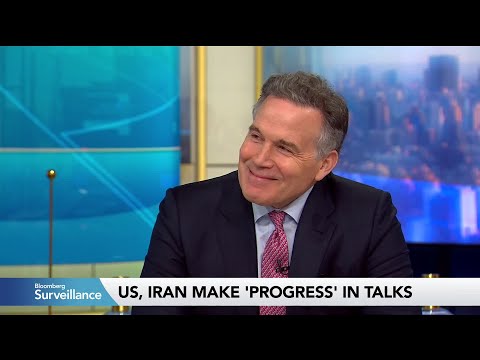
    This cultural rift recently took center stage on Bloomberg Television. A segment analyzing modern economic demographics highlighted a striking duality in how men view the future. There is a profound sense of wonder regarding the rapid advancements in artificial intelligence. There is an equally profound sense of apprehension. The narrative of fatherhood is inextricably linked to the narrative of providing and protecting. In 2026, the threats to that ability are no longer purely physical or localized. They are algorithmic. They are global. Fathers working in the technology sector in Silicon Valley are watching generative AI models automate entry-level coding and project management. Fathers working in manufacturing hubs across the Rust Belt are watching advanced robotics and machine learning systems streamline logistics and assembly, reducing the need for human oversight. The Bloomberg Television analysis struck a nerve because it articulated a silent anxiety. The apprehension is not just about personal job security. It is about generational preparation. How does a father prepare a child for an economy that is rewriting its own rules every six months? The fatherhood books on the market offer zero answers.

    Manufacturing, Technology, and the Provider’s Dilemma

    The integration of artificial intelligence into core industries has fundamentally altered the provider’s dilemma. According to labor market analyses in early 2026, the manufacturing and technology sectors are experiencing unprecedented volatility. Automation is no longer a futuristic concept. It is the current operational standard. For a father employed in these sectors, the daily reality involves navigating corporate restructuring, upskilling demands, and the constant hum of technological displacement. This economic anxiety bleeds directly into parenting. The modern dad is tasked with being emotionally present at the dinner table while internally calculating the lifespan of his specific skill set. Traditional fatherhood literature assumes a baseline of economic stability that simply no longer exists for the middle class. The books assume the father has a stable forty-hour work week, a predictable career trajectory, and a pension waiting at the end. They do not account for the gig economy. They do not account for remote work blurring the boundaries between the office and the nursery. They do not account for the psychological toll of competing against an algorithm for a promotion. When a father looks for guidance on maintaining authority and stability in a household while his own professional ground is shifting, the traditional bookshelf offers nothing but silence.

    Raising the Algorithmic Generation

    Beyond personal economic anxiety, modern fathers are facing unprecedented challenges in the day-to-day rearing of children. The children of 2026 are the algorithmic generation. They are growing up with AI companions, deepfake media, and hyper-personalized content feeds designed to capture attention and shape behavior. Fatherhood today requires a level of technological literacy that previous generations never had to consider. Fathers are attempting to establish screen-time boundaries in a world where screens are mandatory for education and social survival. They are trying to teach critical thinking to children who can ask a large language model to write their history essays. They are navigating the ethical minefields of digital privacy, location tracking, and social media algorithms that prey on adolescent insecurities. Where is the fatherhood book that addresses the psychological safety of a teenager in a virtual reality ecosystem? It does not exist. The publishing industry is still printing guides on how to build a treehouse. The modern father needs a guide on how to build a digital firewall. The gap between the required skill set of a 2026 dad and the available literature is vast, and it leaves men feeling isolated in their parenting journey.

    The Data Deficit in Traditional Publishing

    Why does the publishing industry refuse to pivot? The answer lies in risk aversion and flawed historical data. Major publishing houses rely heavily on past sales metrics to predict future trends. Historically, sincere, deeply researched books about the complexities of fatherhood have underperformed compared to their comedic counterparts. The data tells editors that funny dad books sell. Therefore, editors commission more funny dad books. It is a self-fulfilling prophecy. This data deficit creates a feedback loop that entirely misses the shifting cultural landscape. Independent publishers and self-published authors on platforms like Amazon Kindle Direct Publishing are beginning to fill the void, offering niche titles on mindful parenting, dual-career balancing, and navigating the tech-heavy household. However, these titles lack the marketing muscle and physical distribution of the major houses. Until the Big Five publishers recognize that the modern father is a conscious, anxious, and deeply involved parent facing unprecedented economic and technological pressures, the mainstream bookshelf will remain irrelevant. The market demand is there. The supply is painfully outdated.

    The New Blueprint for Fatherhood

    What modern fathers actually need is a new blueprint. They need literature that acknowledges the dual burden of emotional presence and economic survival in the AI era. They need books that treat them as equal partners in the domestic sphere, not as incompetent assistants. The ideal fatherhood book for 2026 would tackle the psychological impact of remote work on family dynamics. It would offer actionable strategies for teaching children AI literacy without inducing panic. It would address the unique stress of providing for a family during a period of rapid industrial automation. It would validate the wonder and the apprehension that the Bloomberg Television segment so accurately captured. Men are actively seeking these conversations. They are finding them in podcasts, in private online forums, and in decentralized digital communities. They are not finding them in books. The publishing industry has an opportunity to capture a massive, underserved demographic. But to do so, they must first discard the caricature of the bumbling dad and look at the man actually standing in front of them.

    The Terminal Drop

    The economy shifted. The technology advanced. The algorithms learned. The fathers adapted. The publishers waited. Silence.

  • Passing the Pink Torch: Reese Witherspoon Crowns Lexi Minetree at Legally Blonde Reunion

    Passing the Pink Torch: Reese Witherspoon Crowns Lexi Minetree at Legally Blonde Reunion

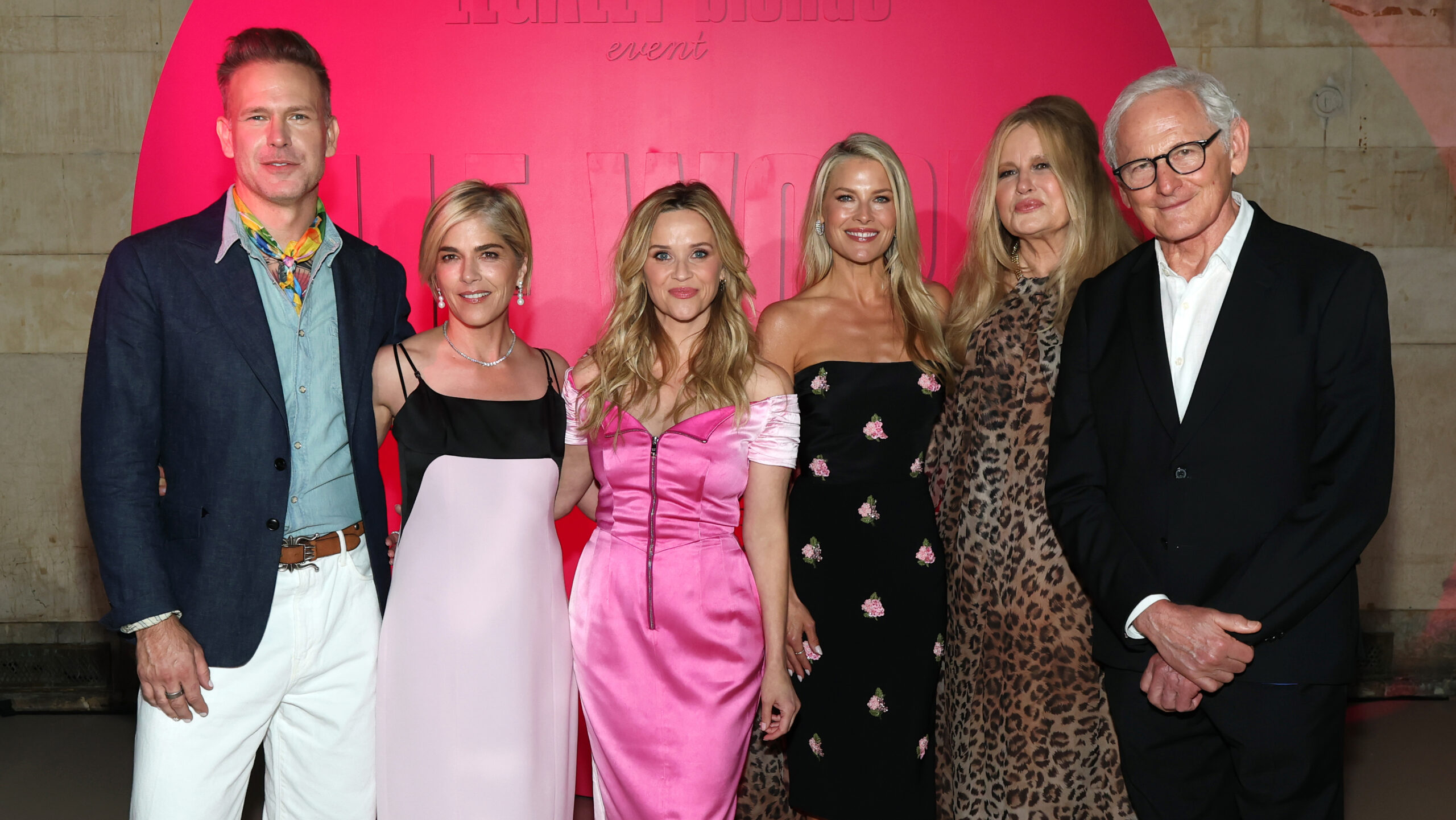
    Reese Witherspoon officially crowned the next Elle Woods on June 20, 2026, during a highly anticipated twenty-fifth-anniversary reunion panel for the original Legally Blonde film. Taking the stage in West Hollywood, Witherspoon introduced actress Lexi Minetree as the star of the upcoming Amazon Prime Video prequel series, Elle. The transition carried unexpected emotional weight for the veteran producer and actress. Witherspoon became visibly teary-eyed while addressing the audience, describing the handover as passing the pink torch to a young performer she praised for having such a beautiful heart. For Amazon MGM Studios and Witherspoon’s Hello Sunshine production banner, this moment represented more than nostalgia. It marked the launch of a major television franchise designed to bridge two distinct generations of viewers.

    A Tearful Handover in West Hollywood

    The Pacific Design Center hosted the gathering. Fans, industry executives, and fashion influencers filled the 380-seat Silver Screen Theater. A heavy pink carpet lined the entrance, signaling the enduring aesthetic power of the brand. The event was initially billed as a simple retrospective. It quickly evolved into a strategic passing of the baton. Witherspoon sat center stage, flanked by original cast members Luke Wilson and Selma Blair. The conversation inevitably turned from the past to the future of the intellectual property.

    Witherspoon addressed the specific challenge of embodying the iconic character. She noted that the role requires a specific, unironic frequency.

    You cannot manufacture the kind of bright, relentless optimism that Elle requires. You either have that light inside of you, or you don’t. When we found Lexi, it was immediate.

    Witherspoon paused as emotion caught in her throat.

    I am so honored to be passing the pink torch to someone with such a beautiful heart. She is going to protect this character.

    Lexi Minetree then stepped onto the stage to a standing ovation. The young actress wore a vintage 1990s Chanel tweed blazer. The sartorial choice was deliberate and highly calculated. It signaled the exact era in which the new series takes place. Minetree has previously built a quiet resume in independent cinema and streaming guest roles. Now, she shoulders the weight of a multi-million-dollar Amazon investment and the expectations of a fiercely loyal global fandom.

    The 25-Year Legacy of Elle Woods

    To understand the stakes of the prequel, one must look at the original film’s massive cultural footprint. Legally Blonde debuted in theaters on July 13, 2001. Director Robert Luketic shot the film on a modest 18 million dollar budget. Metro-Goldwyn-Mayer distributed the picture. It grossed 141 million dollars globally. More importantly, it became a cultural touchstone that redefined early-2000s cinema.

    Author Amanda Brown wrote the original novel based on her own experiences at Stanford Law School. She famously compiled her observations on pink paper. Producer Marc Platt read the manuscript and saw the cinematic potential. Screenwriters Karen McCullah Lutz and Kirsten Smith adapted the book. They crafted the specific comedic tone that defined the 2001 film. The character of Elle Woods subverted the dumb blonde trope of late-1990s media. She did not abandon her hyper-feminine aesthetic to achieve intellectual success. She weaponized it.

    The film spawned a 2003 theatrical sequel, Legally Blonde 2: Red, White & Blonde. It inspired a highly successful 2007 Broadway musical that ran for hundreds of performances. A direct-to-DVD spinoff, Legally Blondes, followed in 2009. Yet, the core magic always rested with Witherspoon’s specific performance. Replacing her was considered an impossible industry task. The solution was not to replace her, but to rewind the timeline.

    Hello Sunshine and the Amazon Strategy

    The reunion was not just a nostalgic gathering. It was a calculated corporate launch. Witherspoon founded Hello Sunshine in 2016. The company’s mission was to center female-driven narratives across film and television. In 2021, Blackstone-backed Candle Media acquired a majority stake in Hello Sunshine. The deal valued the company at 900 million dollars. Executives Kevin Mayer and Tom Staggs demanded scalable intellectual property to justify the valuation. Legally Blonde provided the perfect foundation.

    Amazon’s 8.5 billion dollar acquisition of MGM in 2022 gave the tech giant control of the Legally Blonde film rights. Witherspoon already held a deep working relationship with Amazon. The synergy was inevitable. Amazon MGM Studios head Jennifer Salke prioritized the Elle prequel as a flagship project for the 2026 television slate. The streaming platform needs recognizable, multi-generational hits. A 1990s-set teen drama based on a beloved 2000s film hits two distinct demographic quadrants.

    The Economics of Nostalgia

    The 2026 entertainment economy runs on familiar comfort. Production costs have skyrocketed across the board. Marketing budgets often exceed actual production budgets. Studios mitigate risk by betting on recognizable titles. The Legally Blonde franchise guarantees a baseline level of viewer curiosity. Amazon’s subscription model relies on keeping users engaged within the Prime ecosystem. A high-profile series like Elle drives both viewership and retail engagement.

    The original film influenced early-2000s fashion. The prequel aims to do the same for 2026. The 1990s revival trend in modern fashion aligns perfectly with the show’s setting. Amazon is uniquely positioned to capitalize on this. Viewers will likely be able to purchase Elle-inspired wardrobes directly through the Prime interface while streaming the series. This synergistic retail-content loop was impossible in 2001. It is the core of Amazon’s media strategy today.

    What to Expect from the ‘Elle’ Prequel

    Amazon Prime Video officially greenlit Elle in early 2024 following a competitive development process. The series operates as a direct prequel to the 2001 film. It follows Elle Woods through her high school years in 1990s Los Angeles. Showrunner Laura Kittrell built the narrative around the formative experiences that shaped the character’s unique worldview. Before the Harvard Law School admissions video, there was Bel Air. Before the courtroom triumphs, there were high school social politics.

    • The Setting: Mid-1990s Los Angeles, focusing on the elite social circles of Bel Air high schools.
    • The Tone: Earnest coming-of-age comedy, avoiding the trap of retro-camp or cynical irony.
    • The Aesthetic: A stark contrast between the heavy grunge movement of the 1990s and Elle’s unwavering commitment to pastels and prep.
    • The Plot: Exploring the early friendships, academic challenges, and family dynamics that forged her relentless optimism.

    Television history is littered with mixed results when adapting iconic adult characters into teenage prequels. The CW’s The Carrie Diaries attempted to explore a young Carrie Bradshaw with limited ratings success. Conversely, CBS struck gold with Young Sheldon, proving that audiences will embrace a prequel if the tonal shift feels earned. Amazon and Hello Sunshine studied these case studies extensively. Elle is designed to avoid the pitfalls of parody.

    The Pressure on Lexi Minetree

    Finding a young actress to embody that specific frequency took months. Casting directors auditioned hundreds of teenagers across the United States and the United Kingdom. The mandate from Hello Sunshine was clear. Do not find an actress who can do a Reese Witherspoon impression. Find an actress who understands the earnestness of the character. Irony is the enemy of Elle Woods. Minetree won the role by playing the audition scenes with complete, unblinking sincerity.

    Minetree faces immediate industry scrutiny. Internet fandoms are notoriously protective of childhood favorites. Social media platforms immediately dissected the reunion footage within minutes of the livestream. The consensus, however, leaned overwhelmingly positive. Witherspoon’s emotional endorsement served as a powerful shield for the young actress. A tearful co-sign from the original star neutralizes much of the legacy-casting backlash.

    Handing the character over to Minetree allows Witherspoon to step back into a purely executive role. She retains creative control without the physical demands of leading the franchise on screen. Witherspoon spent two decades fielding questions about a potential Legally Blonde 3. While a third film languished in development hell, the television prequel gained massive momentum. The torch has officially been passed.

    Looking Ahead to the Premiere

    Filming for the first season of Elle wrapped in early May 2026. Amazon Prime Video plans a late-fall premiere to capitalize on the holiday streaming window. Marketing campaigns will likely dominate the third quarter of the year. The pink branding will be inescapable across digital and physical billboards. Cross-promotional tie-ins with fashion and beauty brands are already finalized and ready for deployment.

    The business of Elle Woods is definitively more lucrative today than it was in 2001. What started as a modest summer comedy has evolved into a cornerstone of a multi-billion-dollar corporate strategy. The tears at the West Hollywood reunion were genuine, but they were also the starting gun for a massive commercial rollout. The character remains a beacon of optimism. The executives remain focused on the analytics.

    The Pacific Design Center emptied. The cameras stopped flashing. The executives returned to Culver City. The torch was passed. Pink.

  • McCormick on Iran War, the Fed, and Greenspan’s Legacy

    McCormick on Iran War, the Fed, and Greenspan’s Legacy

    Senator David McCormick stated on Bloomberg Television that the Federal Reserve must adopt the crisis management tactics of former Chair Alan Greenspan to prevent the 2026 Iran conflict from triggering a domestic recession. The Pennsylvania Republican argued that current Middle Eastern instability requires specific monetary policy adjustments to counter rising energy costs and supply chain disruptions. He connected kinetic warfare directly to the cost of capital.

    In a wide-ranging interview broadcast to global financial markets in June 2026, McCormick connected the dots between military operations and central banking. The implicit question driving global markets today is simple. Can the Federal Reserve manage a wartime economy without triggering a severe economic downturn? McCormick answered by pointing to historical precedent.

    What looks like a modern crisis actually mirrors a century-old tension between the Pentagon and the central bank. It is a tension defined by inflation, supply chain shocks, and interest rates. By referencing the monetary policy of Alan Greenspan, McCormick shifted the focus from the battlefield to the Eccles Building.

    The Geopolitical Economics of the Iran Conflict

    War is fundamentally an economic event. The conflict with Iran is no exception. The immediate impacts are measured in troop deployments and naval maneuvers. The secondary impacts are measured in barrel prices and shipping insurance premiums.

    The Strait of Hormuz remains the central artery of global energy markets. Any disruption in this chokepoint sends immediate shockwaves through the commodities sector. Oil prices spike. Natural gas futures rally. The cost of manufacturing and transportation rises in tandem.

    McCormick understands this architecture. Before his election to the United States Senate, he served as the Chief Executive Officer of Bridgewater Associates. Bridgewater is one of the largest macro hedge funds in the world. Macro funds do not simply look at corporate earnings. They look at the behavior of nations.

    During the Bloomberg interview, McCormick highlighted the cascading effects of Middle Eastern instability. A localized conflict rarely stays localized in a globalized economy. When energy prices rise, inflation follows. When inflation follows, the Federal Reserve is forced to act.

    This is where military strategy collides with monetary policy. The Department of Defense requires massive capital allocations to sustain operations. The defense industrial base must ramp up production of munitions, aerospace components, and naval assets. This requires borrowing. If the Federal Reserve is keeping interest rates high to fight inflation, the cost of funding a war becomes exponentially more expensive.

    The global shipping industry is already pricing in the risk. Insurance premiums for commercial vessels transiting the Persian Gulf have surged. These costs are passed down to consumers. Retail prices increase. The inflationary cycle accelerates. McCormick noted that central bankers must account for these external shocks when setting policy.

    The Federal Reserve and Wartime Inflation

    The Federal Open Market Committee faces an unenviable task in 2026. The mandate of the central bank is price stability and maximum employment. War complicates both objectives.

    Supply chain disruptions from the Iran conflict create cost-push inflation. Goods become more expensive because they are harder to produce and transport. Traditional monetary policy dictates raising interest rates to cool demand. But raising interest rates cannot manufacture more oil. It cannot clear blockades in the Middle East.

    McCormick pointed out this exact dilemma on Bloomberg Television. Central bankers are attempting to use blunt instruments to solve structural, geopolitical problems. High interest rates choke off capital to the very defense contractors and energy producers needed to stabilize the crisis.

    The Senator noted that the current Federal Reserve leadership is navigating difficult terrain. The era of zero-interest-rate policy is over. The era of quantitative easing has been replaced by quantitative tightening. The central bank is attempting to manage its balance sheet precisely when the federal government is expanding its deficit to fund national security objectives.

    This friction requires a specific type of leadership. It requires a central banker who understands the psychology of markets during wartime. That is why McCormick referenced the monetary policy of a man who managed the American economy through the end of the Cold War and the dawn of the War on Terror.

    The Federal Reserve cannot deploy troops. It cannot negotiate treaties. It can only manipulate the money supply and set the federal funds rate. McCormick argued that these tools must be used with surgical precision during a geopolitical crisis. A misstep could lead to stagflation. Stagflation is the simultaneous occurrence of stagnant economic growth and high inflation. It is the worst-case scenario for any central bank.

    Alan Greenspan and the 1990 Gulf War Precedent

    Alan Greenspan served as the Chairman of the Federal Reserve from August 1987 to January 2006. He was appointed by President Ronald Reagan and reappointed by three successive presidents. Financial markets closely monitored his every word.

    Greenspan managed a series of massive economic shocks during his tenure. He took office just two months before Black Monday in October 1987. The stock market crashed by 22 percent in a single day. He managed the fallout of the Mexican peso crisis in 1994. He navigated the Asian financial crisis in 1997. He steered the economy through the collapse of the dot-com bubble in 2000. He steadied the financial system after the terrorist attacks of September 11, 2001.

    But it is his management of the 1990-1991 Gulf War that makes Greenspan highly relevant to McCormick in 2026.

    In August 1990, Saddam Hussein invaded Kuwait. Oil prices doubled in a matter of weeks. The American economy was already slowing down. The invasion tipped it into a recession. Consumer confidence plummeted. Geopolitical uncertainty paralyzed corporate investment.

    Greenspan did not panic. He initiated a series of calculated interest rate cuts. He provided liquidity to the banking system. He communicated a steady, pragmatic approach to the markets. When Operation Desert Storm commenced in January 1991, the swift military victory combined with Greenspan’s monetary easing sparked a massive economic recovery.

    McCormick sees a direct parallel today. The Iran conflict of 2026 presents a similar energy shock. It presents a similar drag on consumer confidence. The Senator is implicitly asking if today’s Federal Reserve possesses the same pragmatic flexibility that Greenspan demonstrated thirty-five years ago.

    Greenspan understood that wartime inflation is often temporary. It is driven by supply shocks, not just demand. If a central bank overreacts and raises rates too aggressively, it crushes domestic industry. Greenspan chose to support the economy through the geopolitical storm. McCormick is advocating for a similar approach today.

    Bridging Combat Experience and Capital Markets

    There is a deeply personal element to McCormick’s historical comparison. The Senator is not just an observer of the 1990-1991 Gulf War. He is a veteran of the conflict.

    After graduating from the United States Military Academy at West Point, McCormick served as an officer in the 82nd Airborne Division. He deployed to the Middle East during the first Gulf War. He was on the ground clearing minefields while Alan Greenspan was in Washington managing the money supply.

    This dual background gives McCormick a unique vocabulary. He speaks the language of the Pentagon. He also speaks the language of Wall Street. Very few elected officials have commanded troops in combat and managed a global macro hedge fund.

    During the Bloomberg interview, McCormick leveraged this background. He did not speak in abstract economic theories. He spoke about the logistical realities of war. He spoke about the capital requirements of moving heavy armor across oceans. He spoke about the financial strain on the families of deployed service members.

    McCormick understands that the economy and the military are inextricably linked. A strong military requires a robust economy to fund it. A robust economy requires a strong military to protect its global trade routes. The Federal Reserve sits at the intersection of these two realities.

    The Senator’s comments reflect a broader shift in Republican economic policy. There is a growing emphasis on national resilience. The focus is shifting away from pure free-market libertarianism toward a more strategic view of industrial capacity. McCormick is positioning himself as a leading voice in this transition.

    The Defense Industrial Base and Interest Rates

    The most immediate economic casualty of high interest rates is capital investment. This is a critical problem for the defense industrial base in 2026.

    The United States is currently attempting to replenish its stockpiles of munitions. The conflict with Iran requires a massive surge in the production of precision-guided missiles, artillery shells, and drone technologies. Defense contractors need to build new factories. They need to hire thousands of skilled workers. They need to secure raw materials from global supply chains.

    All of this requires capital. Companies borrow money to finance expansion. When the Federal Reserve keeps interest rates high, the cost of borrowing increases. This slows down the expansion of the defense industrial base precisely when the Pentagon needs it to accelerate.

    McCormick highlighted this contradiction on Bloomberg Television. He argued that monetary policy cannot be blind to national security requirements. The Federal Reserve is an independent agency. It does not take orders from the White House or the Department of Defense. But it operates within the reality of the American state.

    If the central bank ignores the needs of the defense industrial base, it risks undermining the war effort. If it lowers rates too quickly, it risks fueling further inflation. This is the tightrope the Federal Reserve must walk in 2026. McCormick’s invocation of Alan Greenspan is a call for a steady, balanced approach to this dilemma.

    The defense sector is heavily reliant on long-term contracts. These contracts are often negotiated years in advance. Inflation erodes the purchasing power of the Pentagon. High interest rates erode the profit margins of the contractors. Finding a monetary equilibrium is essential for national security.

    The Commodities Market and Global Trade

    The Iran conflict of 2026 has fundamentally altered the commodities market. Brent crude oil prices have experienced unprecedented volatility. This volatility is not isolated to the energy sector. It bleeds into agricultural commodities, industrial metals, and semiconductor supply chains.

    McCormick noted that global trade routes are being redrawn. Commercial vessels are avoiding the Red Sea and the Persian Gulf. They are taking longer, more expensive routes around the Cape of Good Hope. This adds weeks to delivery times. It adds millions of dollars in fuel costs per voyage.

    These logistical nightmares are inherently inflationary. The Federal Reserve tracks these metrics through the Personal Consumption Expenditures price index. When shipping costs rise, the PCE index rises. Central bankers must then decide whether to treat this as a temporary shock or a permanent structural shift.

    Greenspan faced a similar dilemma in 1990. He chose to view the oil shock as temporary. He recognized that raising interest rates would not bring oil back to the market. It would only punish American consumers who were already paying more at the gas pump.

    McCormick is urging the current Federal Reserve to adopt this same logic. The commodities market is flashing warning signs. Industrial metals like copper and aluminum are seeing price spikes due to defense manufacturing demands. Agricultural exports are being delayed by shipping bottlenecks.

    The American economy is resilient, but it is not immune to global supply shocks. The central bank must provide a stable foundation for businesses to navigate these challenges. Volatile interest rates only add to the uncertainty. McCormick’s message on Bloomberg Television was a plea for macroeconomic stability in an era of geopolitical chaos.

    Market Reactions to McCormick’s Bloomberg Interview

    Financial markets pay close attention to the intersection of politics and policy. McCormick’s interview on Bloomberg Television generated immediate analysis on Wall Street. Bond traders and equity analysts dissected his comments for clues about future legislative action.

    The United States Senate confirms the nominees to the Federal Reserve Board of Governors. Senators hold significant influence over the direction of the central bank. When a prominent Senator outlines a specific monetary philosophy, the markets listen.

    McCormick’s emphasis on the Greenspan precedent suggests a desire for a more accommodative monetary policy during the Iran conflict. It suggests a willingness to tolerate slightly higher inflation in the short term to ensure economic stability and fund national security objectives.

    This perspective resonates with many in the financial sector. Wall Street generally prefers lower interest rates. Corporate executives prefer stable, predictable monetary policy. McCormick is offering a geopolitical justification for the policies that the market already wants.

    The interview also positioned McCormick as a serious economic thinker within the Republican Party. As the 2026 midterm elections approach, economic competence is a central issue for voters. By connecting the complexities of the Iran war to the everyday realities of inflation and interest rates, McCormick demonstrated a deep understanding of macroeconomic forces.

    He avoided partisan attacks. He focused on structural challenges. He offered historical context for a modern crisis. This is the type of rhetoric that appeals to institutional investors and moderate voters alike.

    The Federal Reserve will continue to set policy independently. But the political pressure is mounting. The central bank operates in a fishbowl. Every decision is scrutinized by politicians, investors, and the public. McCormick has simply added his voice to the chorus.

    The Intersection of Combat and Capital

    The war with Iran will eventually end. The economic ramifications will last for a generation. The decisions made by the Federal Reserve today will determine the trajectory of the American economy for the next decade.

    Alan Greenspan understood this in 1990. David McCormick understands this in 2026. The challenge is ensuring that the current generation of central bankers understands it as well.

    Monetary policy is not an exact science. It is an art form. It requires intuition, historical knowledge, and an understanding of human psychology. It requires the ability to see beyond the immediate data and anticipate the long-term consequences of geopolitical events.

    Senators debated. Markets reacted. Central bankers took notes. Policy shifted.

    Precedent.

  • Alannah Keyser Fired from ‘Love Island USA’ After Racial Slur Controversy

    Alannah Keyser Fired from ‘Love Island USA’ After Racial Slur Controversy

    Alannah Keyser was fired from the reality television series ‘Love Island USA’ in June 2026 after videos showing her using a racial slur resurfaced on social media platforms. The incident led to immediate public condemnation and a swift response from the show’s producers, resulting in her removal from the ongoing season.

    The controversy surrounding Keyser emerged as the current season of ‘Love Island USA’ was underway. Social media users discovered and widely shared old video clips featuring Keyser uttering the offensive term. These videos rapidly gained traction across platforms like X (formerly Twitter) and TikTok.

    The Emergence of the Resurfaced Videos

    The videos featuring Alannah Keyser began circulating online in mid-June 2026. The exact origin point of the clips remains unclear, but they quickly spread across various social media channels. Viewers and fans of ‘Love Island USA’ were among the first to amplify the content, demanding action from the show’s producers.

    The clips showed Keyser in what appeared to be casual settings, using a racial slur during conversations. The context of these videos, including when and where they were filmed, was not immediately detailed in initial reports. However, their content was sufficient to ignite a significant public backlash.

    Public Reaction and Calls for Accountability

    Upon the videos’ widespread dissemination, public reaction was swift and largely negative. Social media users expressed outrage, disappointment, and calls for accountability. Many pointed to the historical and social implications of the language used by Keyser.

    Comment sections and trending topics on platforms like X were flooded with discussions. Users emphasized the responsibility of public figures and reality television contestants to uphold certain standards of conduct. The sentiment was that such language was unacceptable, regardless of when the videos were originally recorded.

    Advocacy groups and cultural commentators also weighed in. They highlighted the broader issue of racial insensitivity and the need for greater awareness, particularly among individuals who gain public platforms through entertainment.

    ‘Love Island USA’ Production Responds

    The producers of ‘Love Island USA’ acknowledged the controversy within hours of the videos gaining significant traction. Public pressure mounted for a decisive response to the situation involving Alannah Keyser. The show, known for its rapid production schedule and responsiveness to public sentiment, acted quickly.

    A statement was released by the show’s official channels, confirming Keyser’s removal from the series. The statement typically cited a commitment to fostering an inclusive and respectful environment. This type of response aligns with previous incidents across various reality television franchises where contestants have been removed due to past controversial behavior or statements.

    Immediate Impact on the Show

    Alannah Keyser’s departure had an immediate impact on the ongoing season of ‘Love Island USA’. Her storyline, which had been developing on screen, was abruptly cut short. The show’s editing team likely had to adjust future episodes to account for her absence, potentially affecting narrative arcs and character interactions.

    The incident also served as a reminder to current and future contestants about the scrutiny that comes with reality television fame. Digital footprints, including past social media posts and videos, are often subject to intense public review once an individual enters the public eye.

    Broader Implications for Reality Television

    The removal of Alannah Keyser from ‘Love Island USA’ is not an isolated incident within the realm of reality television. Over recent years, numerous contestants across various shows have faced similar consequences for past actions or statements that resurfaced during their time in the spotlight.

    This trend underscores a growing expectation from audiences for authenticity and accountability from public figures. Reality television, in particular, often promotes a narrative of relatability, and controversies like Keyser’s challenge that perception when past behavior contradicts presented personas.

    The Role of Social Media in Accountability

    Social media platforms play a critical role in these accountability processes. They serve as archives of personal histories and as powerful tools for collective scrutiny. What might have once remained obscure can now be widely disseminated within minutes, leading to rapid public discourse and demands for consequences.

    For production companies, this means an increased need for thorough vetting processes for contestants. Background checks often extend beyond criminal records to include extensive social media audits. However, as the Keyser incident demonstrates, not all past content is easily discoverable or preventable from resurfacing.

    The power dynamics shift with social media. Audiences, empowered by direct communication channels, can directly influence production decisions. This dynamic creates a more immediate feedback loop between viewers and content creators, often accelerating responses to controversies.

    Previous Incidents on ‘Love Island’ and Other Shows

    The ‘Love Island’ franchise, both in the USA and its international counterparts, has encountered similar issues before. Contestants have been removed or faced criticism for various reasons, including bullying, offensive comments, or problematic past online activity. These precedents establish a clear pattern of zero tolerance for certain behaviors once they come to light.

    Beyond ‘Love Island’, shows like ‘Big Brother’, ‘Vanderpump Rules’, and ‘The Bachelor’ franchise have also seen cast members removed or face significant backlash for similar controversies. These incidents collectively contribute to a broader industry standard regarding contestant conduct and public image.

    Vetting Processes Under Scrutiny

    Following incidents like Keyser’s, the vetting processes employed by reality TV productions often come under renewed scrutiny. Questions arise about the depth of background checks and social media history reviews conducted prior to casting. Producers are tasked with balancing the desire for diverse and compelling personalities with the need to avoid potential public relations crises.

    The challenge lies in the sheer volume of digital content created by individuals over years. Even with sophisticated tools, comprehensive reviews can miss certain elements. Furthermore, what constitutes an ‘acceptable’ past can be a subjective and evolving standard, influenced by cultural shifts and public opinion.

    The Long-Term Impact on Alannah Keyser

    Alannah Keyser’s firing from ‘Love Island USA’ will likely have significant long-term implications for her public career. Reality television often serves as a launchpad for careers in influencing, modeling, or further media appearances. However, controversies of this nature can severely hinder such prospects.

    Brands and public relations firms typically distance themselves from individuals associated with racial controversies. Future opportunities for endorsements, partnerships, or media engagements may be significantly reduced. The incident becomes a permanent part of her public record.

    Navigating Public Perception Post-Controversy

    Navigating public perception after such a controversy requires a carefully managed strategy. Public apologies, genuine displays of remorse, and demonstrable efforts towards education and growth are often expected. However, even with such efforts, rebuilding a public image can be a prolonged and challenging process.

    The court of public opinion, particularly online, can be unforgiving. The immediate consequence of job loss from ‘Love Island USA’ is often just the beginning of a longer period of professional and personal adjustment for individuals involved in such incidents.

    Conclusion

    Alannah Keyser’s removal from ‘Love Island USA’ in June 2026 underscores the immediate and severe consequences that public figures face for past actions, especially when they involve racial slurs. The incident highlights the power of social media in uncovering and amplifying controversial content, leading to swift demands for accountability.

    Production companies continue to navigate the complexities of casting and vetting in an age where digital footprints are extensive and permanent. Audiences expect transparency. Productions deliver consequences. The cycle continues.

    Public figures are held to account. Media companies respond. Social media users demand. Accountability.

  • Dutton Ranch Renewed for Season 2 at Paramount+

    Dutton Ranch Renewed for Season 2 at Paramount+

    The Enduring Appeal of the Western Frontier

    Paramount+ has officially renewed the Western drama series ‘Dutton Ranch’ for a second season. This decision, announced in late June 2026, extends the life of a program that has garnered significant attention for its portrayal of contemporary ranching life and complex family narratives. The renewal signifies the platform’s continued commitment to the ‘Yellowstone’ franchise and the broader Western genre, which consistently attracts a dedicated viewership.

    In many ways, the success of ‘Dutton Ranch’ reflects a wider cultural phenomenon. Audiences continue to seek out stories that resonate with themes of heritage, land, and the challenges of preserving a way of life in the modern era. The series taps into these deeply held values, offering both escapism and a reflection of contemporary societal concerns.

    The ‘Yellowstone’ Universe Expands

    The ‘Dutton Ranch’ series is a key component of the expanding ‘Yellowstone’ universe, a franchise created by Taylor Sheridan. This universe began with the flagship series ‘Yellowstone,’ which debuted in 2018 on Paramount Network. Its success led to a series of prequels and spin-offs, primarily housed on the Paramount+ streaming service.

    These interconnected narratives explore different eras and branches of the fictional Dutton family, who own the largest contiguous ranch in the United States. ‘Dutton Ranch’ specifically focuses on certain aspects of this legacy, providing new perspectives and character arcs while maintaining thematic consistency with the broader franchise. The expansion strategy has proven highly effective, cultivating a loyal fanbase across multiple series.

    The Strategy Behind Streaming Success

    Paramount+’s strategy involves leveraging established intellectual property and creator vision. Taylor Sheridan’s involvement as co-creator, writer, and executive producer across the ‘Yellowstone’ universe has been instrumental. His distinctive storytelling style, characterized by gritty realism, intricate plots, and strong character development, appeals to a wide demographic.

    The streaming service has invested heavily in these productions, recognizing the value of premium, serialized content. The renewal of ‘Dutton Ranch’ for a second season is a direct outcome of this investment yielding positive returns in subscriber engagement and retention. This model allows for sustained narrative development and the cultivation of long-term audience loyalty.

    Cultural Resonance and Audience Validation

    The renewal of ‘Dutton Ranch’ evokes a feeling of satisfaction and validation for its dedicated audience. For many viewers, the series reinforces a specific cultural identity, one connected to the American West, its landscapes, and its traditions. This connection goes beyond mere entertainment; it taps into a sense of belonging and shared values.

    The show’s themes often revolve around:

    • The preservation of land and legacy.
    • The complexities of family relationships.
    • The conflict between tradition and modernity.
    • The challenges of rural life.

    These elements resonate with a significant segment of the population, leading to strong viewership numbers and active fan communities. The continuation of the series is a direct acknowledgment from the platform of this cultural impact and the audience’s investment.

    The Western Genre in the 21st Century

    The resurgence of the Western genre in popular culture is a notable trend of the 2020s. While traditional Westerns once dominated film and television, their popularity waned for several decades. However, productions like ‘Yellowstone’ and its spin-offs have revitalized the genre, adapting it for contemporary tastes.

    These modern Westerns often:

    • Feature complex, morally ambiguous characters.
    • Explore contemporary social and political issues within a Western setting.
    • Showcase high production values and cinematic aesthetics.
    • Appeal to diverse demographics, including younger audiences.

    The success of ‘Dutton Ranch’ is a testament to this evolution, demonstrating that stories set in the American West can still captivate and engage a broad audience in 2026.

    Production Details and Future Expectations

    Specific production dates and casting details for ‘Dutton Ranch’ Season 2 are anticipated to be announced in the coming months. Typically, pre-production for a series of this scale involves extensive planning, including script development, location scouting, and casting. Filming often occurs in Montana, the primary setting for much of the ‘Yellowstone’ universe, utilizing the region’s expansive landscapes.

    Fans can expect the second season to continue exploring the narratives established in the first season, deepening character development and introducing new plotlines. The creative team, under the guidance of Taylor Sheridan, will likely maintain the series’ signature blend of drama, suspense, and character-driven storytelling. The renewal suggests confidence in the existing cast and crew to deliver another compelling season.

    Impact on Paramount+ and Streaming Landscape

    The renewal of ‘Dutton Ranch’ is strategically important for Paramount+. In a highly competitive streaming market, exclusive, popular content is crucial for attracting and retaining subscribers. The ‘Yellowstone’ franchise, with ‘Dutton Ranch’ as a significant contributor, serves as a tentpole offering for the service.

    This ongoing investment in original programming helps Paramount+ differentiate itself from other platforms. It also highlights a broader trend in the streaming industry: the creation of interconnected universes and franchise content to build sustained audience engagement. The success of ‘Dutton Ranch’ contributes directly to Paramount+’s overall market position and its ability to compete with major players like Netflix, Max, and Disney+.

    The Legacy of Ranching and the American Dream

    ‘Dutton Ranch’ explores the modern interpretation of the American Dream, particularly through the lens of land ownership and legacy. The Dutton family’s fight to maintain their ranch against external pressures, ranging from land developers to political adversaries, is a central theme. This struggle resonates with contemporary anxieties about economic stability, environmental change, and the erosion of traditional ways of life.

    The series often depicts the harsh realities and demanding nature of ranching. It showcases the dedication required to operate such an enterprise, the intricate relationship between humans and the land, and the economic challenges faced by agricultural communities. This realistic portrayal adds depth and authenticity, distinguishing it from more romanticized depictions of the West.

    What Defines a Modern Western?

    Modern Westerns, exemplified by ‘Dutton Ranch,’ move beyond simple good-versus-evil narratives. They delve into moral ambiguities, exploring the consequences of choices made in a complex world. The characters are often flawed, driven by a mix of noble intentions and personal desires, making them relatable and compelling.

    Key characteristics include:

    • Complex Antagonists: Foes are not always clear-cut villains; they often represent conflicting interests or different visions for the land.
    • Contemporary Issues: The series tackles issues like land rights, environmentalism, Native American sovereignty, and political corruption.
    • Strong Female Characters: Women often play pivotal roles, challenging traditional gender stereotypes of the genre.
    • Ethical Dilemmas: Characters frequently face difficult moral choices, blurring the lines between right and wrong.

    This nuanced approach allows ‘Dutton Ranch’ to engage with a broad audience, offering more than just action and drama. It provides a platform for examining societal values and the evolving definition of the American frontier.

    Looking Ahead: The Future of the Franchise

    The renewal of ‘Dutton Ranch’ for Season 2 signals a robust future for the ‘Yellowstone’ franchise on Paramount+. With multiple series concurrently in production or development, the universe continues to expand, offering diverse storylines and character explorations. This expansion strategy aims to keep the audience invested and to introduce new viewers to the compelling world Taylor Sheridan has created.

    The continued success of these Western-themed dramas suggests a sustained appetite for narratives rooted in American history, land, and the enduring spirit of the frontier. Paramount+’s commitment ensures that the stories of the Dutton family, and the challenges they face, will continue to unfold for seasons to come.

    Audiences watch. Critiques analyze. Streamers invest.

    The West persists.

  • Leslie Jones’ SNL Frustration: Typecast as ‘Angry and Beating Up People’

    Leslie Jones’ SNL Frustration: Typecast as ‘Angry and Beating Up People’

    Leslie Jones’ ‘SNL’ Experience: A Story of Creative Constraint

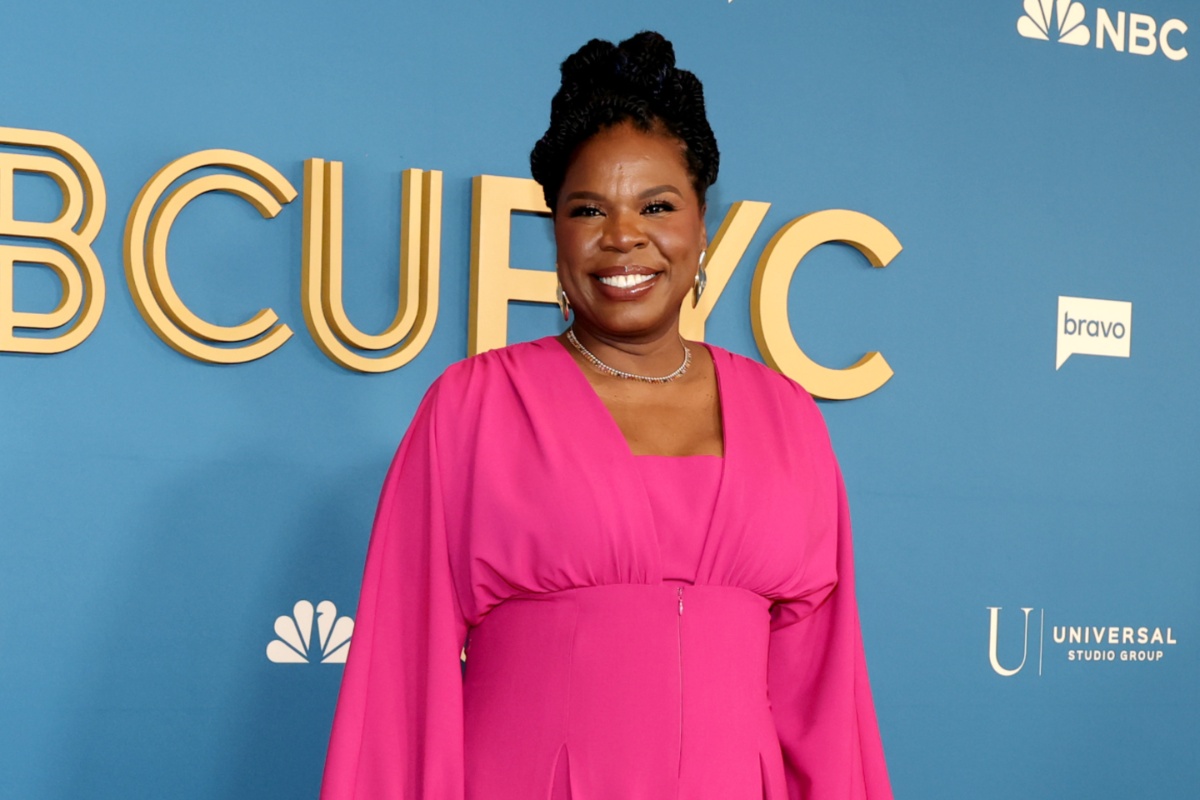
    Leslie Jones, a prominent comedian and actress, recently articulated her frustration regarding her experiences as a cast member on NBC’s Saturday Night Live. Jones stated that during her tenure, she felt consistently typecast into roles that depicted her as an ‘angry’ woman or a character engaged in physical confrontations. This sentiment was shared during an appearance on ‘The Daily Show’, where she elaborated on the creative limitations she faced within the iconic sketch comedy program.

    Her comments resonate with broader discussions about representation and the types of roles offered to Black female performers in the entertainment industry. Jones’s candid remarks underscore a common challenge where performers, particularly those from marginalized groups, are often confined to a narrow range of character types, hindering their artistic versatility.

    Joining the Iconic ‘Saturday Night Live’

    Leslie Jones initially joined Saturday Night Live as a writer in 2014. Her transition to a featured player later that year, and then a full cast member in 2015, marked a significant moment for the show. She was one of the few Black women to join the main cast in the show’s history, bringing a distinct comedic voice and physical presence to the live sketch format.

    Her early appearances, particularly on the ‘Weekend Update’ segment, quickly garnered attention. Jones often delivered personal anecdotes with high energy and unfiltered commentary, establishing a unique rapport with the audience. These segments showcased her stand-up comedy roots and her ability to command a stage.

    The Emergence of Typecasting

    Despite her initial success and popular reception, Jones observed a pattern in the characters she was asked to portray. She reported a recurring theme of being cast as characters who were either overtly angry, aggressive, or involved in physical comedy that often leaned into stereotypes. This trend became a source of significant creative discontent for the comedian.

    The typecasting limited the range of her performances, despite her demonstrated ability to deliver diverse comedic styles. Jones expressed a desire to explore more nuanced characters and situations, moving beyond the confines of what she perceived as a restrictive comedic archetype.

    ‘The Daily Show’ Revelation

    Jones’s public comments on ‘The Daily Show’ in 2026 provided a platform for her to detail these frustrations. She described the recurring nature of the roles, noting that the predictability became a source of irritation. This public discussion brought the issue of typecasting at a major comedic institution into the open.

    Her interview highlighted the internal struggles performers can face when their creative aspirations clash with the perceived expectations or writing tendencies of a production team. Jones’s honesty offered insight into the often-unseen pressures within high-profile entertainment roles.

    Impact on Creative Expression

    Typecasting can significantly impede an artist’s creative growth and public perception. For Jones, being consistently cast as ‘angry’ characters meant that audiences might only associate her with a limited emotional range, potentially overshadowing her broader talents in acting and comedy. This can create a cycle where future roles offered outside of SNL also fall into similar patterns.

    The comedian sought opportunities to break free from these molds, aiming to demonstrate her versatility. Her work in films like Ghostbusters (2016) and her stand-up specials often showcased a wider spectrum of her comedic persona, contrasting with the specific roles she described at SNL.

    The ‘Saturday Night Live’ Writing Process

    Saturday Night Live operates on a demanding schedule, with new sketches written and rehearsed weekly. The writing process involves numerous writers pitching ideas, often tailored to the strengths and public personas of the current cast members. This system, while efficient for weekly production, can inadvertently lead to typecasting if writers consistently lean on established character tropes for individual performers.

    The show’s long history includes instances where cast members have felt their talents were not fully utilized or that they were pigeonholed. These internal dynamics are part of the complex ecosystem of a live sketch comedy show with a large ensemble cast and a rapid production cycle.

    Broader Industry Context: Representation and Stereotypes

    Jones’s experience is not isolated. The entertainment industry has a documented history of typecasting, particularly for actors from underrepresented groups. Black women, for example, have often been relegated to roles that perpetuate stereotypes, such as the ‘sassy Black woman’ or the ‘angry Black woman.’

    These portrayals can have significant cultural implications, reinforcing harmful stereotypes in the public consciousness. Activists and industry professionals continually advocate for more diverse and nuanced character development for all actors, pushing for a broader spectrum of human experience to be represented on screen.

    Leslie Jones’ Post-SNL Career

    Since her departure from Saturday Night Live in 2019, Leslie Jones has pursued a variety of projects, showcasing her range beyond the constraints she described. She has hosted game shows, appeared in dramatic roles, and continued her successful stand-up comedy career.

    Her hosting of the BET Awards and her role in the film Coming 2 America (2021) allowed her to present different facets of her comedic and acting talents. These post-SNL endeavors demonstrate her commitment to diversifying her artistic portfolio and challenging the typecasting she encountered.

    The Ongoing Conversation

    The conversation initiated by Leslie Jones about her SNL experience contributes to an ongoing dialogue within the entertainment industry regarding creative freedom, representation, and the ethical responsibilities of writers and producers. Her willingness to speak openly about these challenges encourages other performers to share their experiences and advocates for greater change.

    The discussion extends beyond individual shows, prompting reflection on how character development and casting decisions are made across television and film. It reinforces the importance of diverse writing rooms and production teams that can offer varied perspectives and break away from conventional, often stereotypical, characterizations.

    Performers speak. Audiences listen. Industry reflects.

    Change occurs.

    FAQ

    • What did Leslie Jones say about her time on Saturday Night Live?
      Leslie Jones stated that she felt frustrated by being consistently typecast into roles that depicted her as an ‘angry’ woman or a character engaged in physical altercations during her tenure on NBC’s Saturday Night Live. She shared these sentiments during an appearance on ‘The Daily Show’ in 2026.
    • When was Leslie Jones a cast member on SNL?
      Leslie Jones joined Saturday Night Live as a writer in 2014, became a featured player later that year, and was promoted to a full cast member in 2015. She departed from the show in 2019.
    • Why is typecasting a problem for comedians like Leslie Jones?
      Typecasting can limit a comedian’s creative expression and artistic growth, forcing them into a narrow range of roles. For Leslie Jones, being consistently portrayed as ‘angry’ characters potentially overshadowed her versatility and reinforced stereotypes, affecting public perception and future career opportunities.
    • Has Leslie Jones worked on other projects since leaving SNL?
      Yes, since leaving Saturday Night Live in 2019, Leslie Jones has undertaken various projects, including hosting game shows, appearing in films such as Coming 2 America (2021), and continuing her stand-up comedy career, all of which demonstrate her diverse talents.
    • What broader issues do Leslie Jones’s comments highlight?
      Leslie Jones’s comments highlight broader industry issues concerning representation, the perpetuation of stereotypes, and the creative limitations faced by performers, particularly Black women, in entertainment. Her experience underscores the need for more nuanced character development and diverse writing teams.

  • Will & Grace Creators Honor James Burrows – A Television Legend Remembered

    Will & Grace Creators Honor James Burrows – A Television Legend Remembered

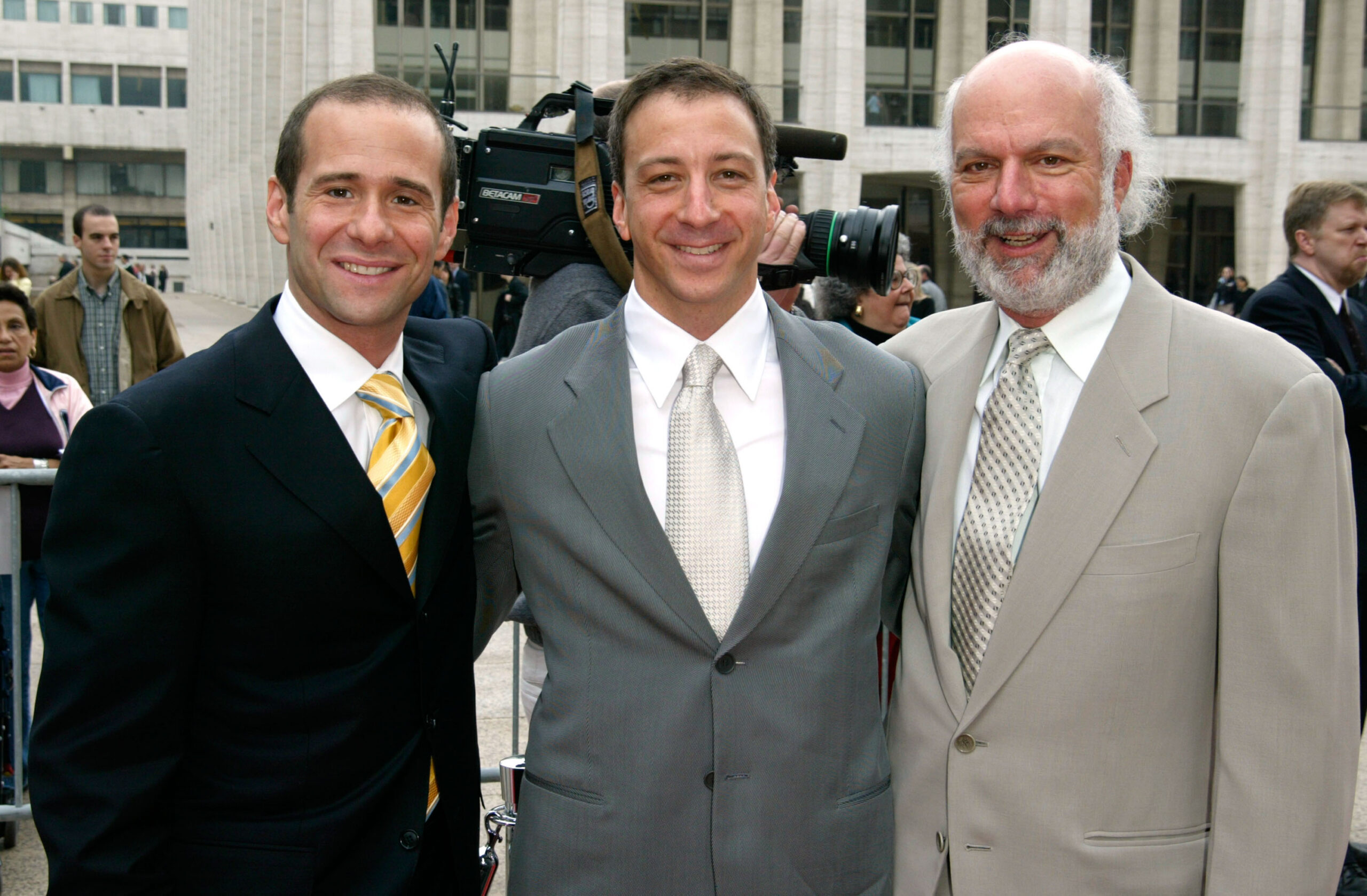
    Max Mutchnick and David Kohan, the acclaimed co-creators of the hit series ‘Will & Grace,’ recently delivered a heartfelt eulogy for legendary television director James Burrows. At a private memorial service held in late 2025, they celebrated Burrows’ profound influence on their careers and his unparalleled contributions to the landscape of television comedy. Their tribute included personal anecdotes and reflections on his meticulous approach to directing, particularly during the formative years of ‘Will & Grace.’

    Burrows, whose career spanned decades, directed episodes for some of the most iconic sitcoms in history, including ‘Taxi,’ ‘Cheers,’ ‘Friends,’ and ‘Will & Grace.’ His distinctive directorial style became synonymous with the multi-camera comedy format. Mutchnick and Kohan’s eulogy offered an intimate perspective from collaborators who witnessed his genius firsthand, detailing his ability to elevate comedic performances and shape the very rhythm of a show.

    The Early Encounters: A Legend’s Influence

    Max Mutchnick and David Kohan first encountered James Burrows as their careers in television writing and producing began to ascend. These initial meetings were more than professional introductions; they were formative experiences that profoundly shaped the creative trajectories of both men. Burrows, already a seasoned veteran, commanded every set with an aura of authority and expertise.

    The creators of ‘Will & Grace’ frequently recounted their initial awe at the prospect of working with a director of Burrows’ stature. He had already helmed pivotal episodes of seminal comedies such as ‘Cheers,’ which ran from 1982 to 1993, and ‘Taxi,’ which aired from 1978 to 1983. This extensive resume positioned him as a living legend within the industry, a figure whose presence could both inspire and, at times, intimidate aspiring talent.

    Mutchnick and Kohan quickly discovered that Burrows’ formidable reputation was entirely justified. His discerning eye for comedic timing, his deep understanding of character dynamics, and his unparalleled ability to orchestrate complex ensemble performances were immediately apparent. These early interactions laid the crucial groundwork for a collaborative relationship that would come to define one of the most successful sitcoms of the late 20th and early 21st centuries.

    Crafting ‘Will & Grace’: Burrows’ Visionary Direction

    James Burrows directed numerous episodes of ‘Will & Grace,’ most notably the pilot episode, which aired in September 1998. He continued his pivotal involvement throughout the show’s original run from 1998 to 2006, and again during its revival from 2017 to 2020. His directorial hand was crucial in establishing the series’ signature fast-paced dialogue, its unique blend of physical comedy, and the undeniable chemistry among its four lead actors: Eric McCormack (Will Truman), Debra Messing (Grace Adler), Megan Mullally (Karen Walker), and Sean Hayes (Jack McFarland).

    Mutchnick and Kohan consistently credited Burrows with helping to define the show’s visual language and its distinctive comedic rhythm. He possessed an innate understanding of how to frame a joke for maximum impact, how to utilize camera blocking to enhance a punchline, and how to create a dynamic and energetic environment for comedic performances. This expertise was particularly vital for a show that relied heavily on verbal sparring, rapid-fire exchanges, and precise physical comedy.

    The collaboration between the creators and Burrows was a testament to his adaptability and unwavering commitment to the material. He was never merely a technician; he functioned as a true creative partner who grasped the intricate nuances of character and story. His directorial decisions frequently amplified the comedic intent of the writers, solidifying ‘Will & Grace’s’ status as a benchmark for modern sitcoms and earning it 18 Primetime Emmy Awards during its initial run.

    A Mentor and a Friend: Personal Tributes from the Eulogy

    Beyond his extensive professional contributions, Max Mutchnick and David Kohan’s eulogy revealed the deep personal connection they shared with James Burrows. They spoke of him not merely as a director, but as a mentor, a trusted guide, and a cherished friend. This deeper, personal relationship underscored the profound impact Burrows had on their lives, both professionally and personally.

    The eulogy included several poignant anecdotes that highlighted Burrows’ generosity with his vast knowledge and his consistent willingness to nurture emerging talent. He was known for his directness and his high standards, but also for his unwavering support of the actors and crew members he worked with. Many within the industry regarded him as a true leader, someone capable of commanding a set with authority while simultaneously fostering a collaborative and highly creative atmosphere.

    Mutchnick and Kohan’s words painted a vivid picture of a man who was deeply passionate about his craft and equally dedicated to the people he collaborated with. The private memorial service, held in late 2025, became an occasion not solely for mourning his passing, but for celebrating a life lived with immense purpose and a career that enriched the lives of millions globally. The mixture of laughter and tears shared at the service reflected the complex emotions evoked by his indelible legacy.

    The Burrows Blueprint: What Defined a Master Director?

    James Burrows developed a directorial style that became instantly recognizable and widely emulated across the television industry. His innovative approach to multi-camera sitcoms was characterized by several key, enduring elements:

    • Precision in Blocking: Burrows was a master at choreographing actors’ movements within a scene, ensuring that every gesture, glance, and physical interaction contributed directly to the comedic effect and advanced the narrative.
    • Rhythm and Pacing: He possessed an exceptional ear for comedic timing, expertly guiding actors to deliver lines with perfect rhythm and pacing. He often accelerated dialogue to heighten humor or used strategic pauses for maximum impact.
    • Ensemble Chemistry: Burrows excelled at fostering strong ensemble chemistry among casts. He allowed each actor to shine individually while meticulously maintaining a cohesive and believable group dynamic. His sets were frequently described as spaces where actors could truly connect and build authentic relationships.
    • The Live Audience Integration: He understood and leveraged the critical importance of the live studio audience. Burrows expertly staged scenes to maximize their reactions, incorporating their laughter and energy directly into the final product, making them an integral part of the show’s comedic success.
    • Subtlety in Performance: Despite the often broad nature of sitcoms, Burrows consistently encouraged subtlety and nuance in performances. He allowed characters to convey complex emotions and humor through understated expressions and reactions, adding depth to the comedic portrayals.

    These elements combined to create a distinctive directorial signature that made his shows not just funny, but enduringly watchable, critically acclaimed, and consistently popular. His remarkable ability to consistently produce hit after hit across different networks and with diverse casts solidified his status as an unparalleled television icon.

    A Pantheon of Comedies: Burrows’ Extensive Filmography and Awards

    James Burrows’ filmography reads like a definitive history of American television comedy. Beyond ‘Will & Grace,’ he directed over 1,000 episodes of television, a record unsurpassed by any other director. His credits include:

    • ‘Taxi’ (1978-1983): Directed 75 episodes, helping to launch the careers of Danny DeVito, Christopher Lloyd, and Andy Kaufman.
    • ‘Cheers’ (1982-1993): Directed 243 episodes, including the pilot, and co-created the series. He was instrumental in establishing its iconic ensemble cast and setting the standard for bar-centric sitcoms.
    • ‘Friends’ (1994-2004): Directed 15 episodes, including the pilot, establishing the visual style and comedic rhythm for one of the most successful sitcoms of all time.
    • ‘Frasier’ (1993-2004): Directed 32 episodes, including the pilot, contributing to its critical acclaim and numerous awards.
    • ‘Mike & Molly’ (2010-2016): Directed all 127 episodes, showcasing his continued relevance and mastery of the multi-camera format well into the 21st century.
    • ‘The Big Bang Theory’ (2007-2019): Directed 14 episodes, including the pilot, helping to define the early tone of the hugely popular series.

    Throughout his illustrious career, Burrows earned 11 Primetime Emmy Awards for Outstanding Directing for a Comedy Series, a testament to his consistent excellence and innovative contributions. His work profoundly influenced generations of directors, writers, and performers, establishing a template for how multi-camera sitcoms are conceived, written, and executed.

    The Lasting Legacy: Burrows’ Imprint on Television

    The eulogy delivered by Max Mutchnick and David Kohan at the late 2025 memorial service underscored the comprehensive and lasting legacy of James Burrows. His impact extended far beyond the individual episodes he directed; he helped to define the very genre of the American sitcom. He was a craftsman who understood the mechanics of laughter and a visionary who could translate written humor into dynamic, memorable television.

    Burrows’ ability to nurture talent, his unwavering commitment to comedic precision, and his unparalleled work ethic created an environment where creativity flourished. Actors thrived under his direction, writers saw their scripts brought to life with enhanced comedic timing, and audiences worldwide found joy and connection in the worlds he helped create.

    His passing marked the end of an era, but his influence continues to resonate throughout television production. Every multi-camera sitcom produced today, whether directly or indirectly, bears the imprint of James Burrows’ pioneering work. His contributions to the art form are immeasurable, ensuring his status as a permanent fixture in the pantheon of television greats. He left behind a body of work that will continue to entertain and inspire for generations.

    Writers gathered. Actors gathered. Directors gathered. A legend.

  • Marcy Walker, ‘All My Children’ Alum, Faces Health Battle – Fundraiser Launched

    Marcy Walker, ‘All My Children’ Alum, Faces Health Battle – Fundraiser Launched

    Marcy Walker, the actress widely recognized for her portrayal of Liza Colby on the long-running ABC soap opera ‘All My Children,’ is currently facing an undisclosed ongoing health issue. This development has led to the establishment of a public fundraiser designed to provide financial support as she navigates her health challenges.

    The news has prompted an outpouring of concern from fans and the entertainment community. Walker’s career spans decades, making her a familiar face to millions of daytime television viewers. The fundraiser aims to alleviate the financial burden associated with her medical care and living expenses during this difficult time.

    Marcy Walker’s Career: A Legacy in Daytime Television

    Marcy Walker established a prominent career in daytime drama, becoming a household name through her iconic roles. Her most notable part was Liza Colby on ‘All My Children.’ She first joined the cast in 1981.

    Walker’s portrayal of Liza Colby earned her critical acclaim. The character was known for her complex storylines, often involving intricate relationships and dramatic confrontations. Walker departed the series in 1984 but returned for multiple stints.

    Key Roles and Accolades

    Beyond ‘All My Children,’ Walker also starred as Eden Capwell on NBC’s ‘Santa Barbara.’ She originated the role in 1984, remaining with the show until 1991. This role further solidified her status as a leading actress in daytime television.

    Her work on ‘Santa Barbara’ was also highly regarded. She received a Daytime Emmy Award for Outstanding Lead Actress in a Drama Series in 1989 for her performance as Eden Capwell. This award recognized her significant contributions to the genre.

    Walker later returned to ‘All My Children’ in 1995. She continued with the series until 2005. Her final appearance on the show was in 2005, concluding a long tenure with the production.

    Other notable roles included appearances on ‘Guiding Light’ and ‘The Young and the Restless.’ These roles further demonstrated her versatility and enduring presence in the soap opera landscape. Her career showcased a consistent ability to engage audiences with compelling performances.

    The Nature of the Ongoing Health Issue

    The specific details surrounding Marcy Walker’s current health issue have not been publicly disclosed. The announcement of the fundraiser cited an “ongoing health issue.” This phrasing suggests a condition requiring sustained attention and resources.

    Privacy surrounding health matters is common for public figures. The decision to keep the specifics private allows Walker and her family to focus on her well-being. The public appeal for support indicates the seriousness of the situation.

    The Impact on Her Life

    An “ongoing health issue” can encompass a wide range of conditions. These often require extensive medical treatment, rehabilitation, or long-term care. Such circumstances can lead to substantial financial strain, even with insurance coverage.

    The need for a fundraiser points to significant expenses. These could include medical bills, specialized treatments, necessary modifications to living arrangements, or income replacement. The entertainment industry often presents unique challenges regarding consistent income and benefits, particularly for actors no longer actively working.

    Support from fans and colleagues can provide not only financial relief but also emotional encouragement. The collective effort demonstrates community solidarity during a challenging personal time.

    The Fundraiser: A Community Response

    The fundraiser for Marcy Walker was initiated to address the financial needs arising from her health situation. Details regarding the platform and specific goals of the fundraiser have been disseminated through various channels. This includes social media and entertainment news outlets.

    The initiative reflects a common response within the entertainment community. When a beloved figure faces hardship, fans and peers often mobilize to offer assistance. This collective action highlights the strong bonds formed between performers and their audiences over decades.

    How the Fundraiser Works

    Fundraisers for medical expenses typically operate through online crowdfunding platforms. These platforms allow individuals to contribute varying amounts. All contributions directly support the stated cause.

    Organizers often provide updates on the progress of the fundraiser. They may also share general information about the recipient’s condition, with respect for privacy. The goal is to reach a specific financial target to cover anticipated costs.

    The funds raised are intended to cover a range of expenses. These include medical treatments, prescription medications, specialist consultations, and daily living costs. Such support can significantly alleviate stress during a health crisis.

    Daytime Stars and Health Battles

    Marcy Walker’s situation is not unique among figures in the entertainment industry. Many actors, particularly those from long-running daytime series, have faced significant health challenges. These challenges often lead to public appeals for support.

    The demanding schedules of daily television production can take a toll over time. The nature of the work often requires intense commitment. This can sometimes impact long-term health.

    Past Instances of Support

    Other soap opera veterans have also been the beneficiaries of similar community efforts. These instances underscore the close-knit nature of the daytime television world. They also highlight the loyalty of its fan base.

    For example, actors like Jerry Douglas from ‘The Young and the Restless’ and John Reilly from ‘General Hospital’ have received public support during health struggles. These campaigns often bring together colleagues who have worked together for years.

    The collective memory of these actors’ performances creates a strong incentive for fans to contribute. Their characters became part of daily life for many viewers. This fosters a sense of personal connection and empathy.

    The Enduring Legacy of ‘All My Children’

    ‘All My Children’ remains one of the most iconic soap operas in television history. It debuted in 1970 and ran for over 40 years, concluding its network run in 2011. The series was known for its groundbreaking storylines and memorable characters.

    Marcy Walker’s character, Liza Colby, was central to many of these narratives. Liza’s journey from a rebellious teenager to a complex adult resonated with audiences. Her relationships with characters like Tad Martin and Adam Chandler were cornerstones of the show.

    Impact on Viewers

    The longevity of ‘All My Children’ created a dedicated fan base. Viewers followed the lives of Pine Valley residents for decades. The show explored social issues alongside its dramatic plots.

    Actors like Walker became integral to the fabric of daytime television. Their performances helped shape the genre. The emotional investment viewers made in these characters often translates into real-world support when actors face personal hardships.

    The show’s influence extended beyond its broadcast run. Repeats and streaming services continue to introduce new generations to its stories. The legacy of ‘All My Children’ and its stars persists.

    The Importance of Community Support

    The fundraiser for Marcy Walker underscores the critical role of community support during health crises. For public figures, this support often comes from both professional colleagues and a broad fan base. The collective effort can make a substantial difference in an individual’s ability to manage their condition.

    Financial contributions are often paramount. They cover immediate and long-term medical costs. Emotional support also plays a vital role in recovery and well-being. Messages of encouragement and solidarity provide comfort during difficult times.

    Beyond Financial Aid

    Community support extends beyond monetary donations. It includes raising awareness, sharing information, and coordinating non-financial assistance. This can involve organizing care, providing meals, or offering companionship.

    For actors who have given years to their craft, this reciprocal support can be particularly meaningful. It demonstrates that their work and their presence are valued. It reaffirms the connection between performer and audience.

    The entertainment industry has a history of rallying around its members. This reflects a shared understanding of the unique challenges faced by those in the profession. The current effort for Marcy Walker continues this tradition of care.

    Friends gathered. Colleagues gathered. Fans gathered. Support.

  • Ponies Canceled: Cast Reactions from Haley Lu Richardson and Vic Michaelis

    Ponies Canceled: Cast Reactions from Haley Lu Richardson and Vic Michaelis

    The Sudden End of Ponies

    The Peacock streaming service has canceled its original series, ‘Ponies’. This decision, announced in June 2026, has prompted significant reactions from the show’s cast, including prominent figures such as Haley Lu Richardson and Vic Michaelis. The cancellation marks an abrupt end for the series, which had garnered a dedicated following during its run.

    The news arrived without a prior warning, leaving both the production team and the audience surprised. Such cancellations have become a common occurrence in the competitive streaming market, but they rarely pass without public comment from those directly involved.

    Cast Members Share Disappointment

    Haley Lu Richardson, known for her roles in other popular productions, expressed her disappointment regarding the cancellation of ‘Ponies’. Her statement, released through social media, conveyed a sense of loss for the project and its narrative potential. Richardson had been a key component of the show’s ensemble, and her performance was frequently highlighted by critics.

    Vic Michaelis, another central figure in the ‘Ponies’ cast, also shared sentiments of frustration. Michaelis’s public comments focused on the effort and dedication invested by the entire crew. The abrupt nature of the cancellation means that many planned storylines will now remain unresolved, a point of contention for both the actors and the show’s fan base.

    The Impact on Creative Teams

    The cancellation of a series like ‘Ponies’ extends beyond the lead actors. It affects writers, directors, crew members, and supporting cast who dedicate months, sometimes years, to a production. For many, a show represents not just a job but a significant creative endeavor. The sudden termination can disrupt careers and creative momentum.

    Writing staff, in particular, face the challenge of unfinished narratives. Series often conclude with cliffhangers or open-ended plots designed to lead into future seasons. When a cancellation occurs, these threads are left dangling, frustrating both the creators who envisioned their continuation and the viewers who invested in the story.

    Audience Reactions and Streaming Trends

    The audience response to the ‘Ponies’ cancellation has been vocal. Social media platforms saw an influx of comments from fans expressing their sadness and anger. Many viewers highlighted the unique storytelling and character development they appreciated in the series, questioning the platform’s decision.

    This reaction is not isolated. The streaming industry, characterized by high production costs and intense competition for subscribers, frequently makes difficult programming decisions. Platforms like Peacock continually evaluate viewership numbers, subscriber acquisition, and retention rates to determine the viability of their original content.

    The Economics of Streaming Content

    The decision to cancel a show like ‘Ponies’ is often rooted in complex financial models. Streaming services invest heavily in content creation, hoping to attract and retain subscribers. However, not all shows achieve the necessary metrics to justify their continued production.

    Factors such as global reach, critical acclaim, and awards season performance also play a role. While ‘Ponies’ may have had a passionate fan base, it might not have met the broader strategic goals set by Peacock’s parent company, NBCUniversal. This economic reality often clashes with the artistic and emotional investment of creators and viewers.

    The Future for Cast and Crew

    For actors like Haley Lu Richardson and Vic Michaelis, a cancellation means moving on to new projects. While disappointing, it is a common part of an acting career. Both Richardson and Michaelis have established careers and will likely find new roles in other television series or films.

    The crew members, including camera operators, sound engineers, costume designers, and many others, also face the challenge of finding new employment. The television production industry is highly project-based, and the end of one show necessitates the search for the next. Industry professionals often move from one production to another, adapting to the transient nature of the work.

    Lessons from Ponies’ Cancellation

    The cancellation of ‘Ponies’ serves as a reminder of the unpredictable nature of the streaming content landscape. For creators, it emphasizes the importance of telling compelling stories within the constraints of evolving platform strategies. For viewers, it highlights the need to cherish and support shows while they are on the air, as their longevity is never guaranteed.

    The industry continues to evolve, with new platforms emerging and existing ones refining their content strategies. The experience of ‘Ponies’ contributes to a growing body of case studies illustrating the challenges and opportunities within this dynamic entertainment sector.

    The Broader Context of Streaming Cancellations

    The cancellation of ‘Ponies’ by Peacock is part of a larger trend in the streaming industry. Platforms are increasingly scrutinizing their content libraries, often making difficult decisions to cut shows that do not meet specific performance indicators. This environment has created a sense of uncertainty for both creators and audiences.

    In 2026, the streaming market is more saturated than ever. Services like Netflix, Max, Disney+, Hulu, Apple TV+, and Amazon Prime Video, alongside Peacock, are all vying for subscriber attention. This intense competition necessitates a constant evaluation of content portfolios.

    Factors Influencing Cancellation Decisions

    Several key factors contribute to a streaming service’s decision to cancel a series. These include:

    • Viewership Numbers: While specific metrics are rarely made public, platforms track how many subscribers watch a show, how many complete it, and how many new subscribers it attracts.
    • Production Costs: High production values, extensive location shoots, and large ensemble casts can drive up costs significantly. A show’s budget must be justified by its return on investment.
    • Critical Reception and Awards: While not always the deciding factor, critical acclaim and major awards can boost a show’s profile and attract new viewers, sometimes influencing renewal decisions.
    • Subscriber Acquisition and Retention: Ultimately, streaming services exist to grow and maintain their subscriber base. Shows that fail to contribute meaningfully to these goals are at risk.
    • Licensing and Distribution Rights: The complexities of intellectual property rights and international distribution can also play a role in a show’s financial viability.

    The Role of Fan Engagement

    Fan engagement, while powerful, does not always guarantee a show’s survival. Online campaigns, petitions, and social media trends can demonstrate passionate support, but they must translate into tangible business metrics for a platform to consider renewal. The ‘Ponies’ fan community, despite its dedication, ultimately could not sway the decision makers at Peacock.

    The Evolution of Content Strategies

    Streaming platforms are continually refining their content strategies. Some are moving towards more limited series or event programming, while others focus on building strong franchises with broad appeal. The era of blindly renewing shows for multiple seasons without clear performance indicators appears to be fading.

    Peacock, as a relatively newer entrant in the streaming wars compared to giants like Netflix, faces particular pressure to establish its identity and subscriber base. Its content strategy often involves a mix of NBCUniversal catalog titles, live sports, and original programming designed to differentiate it in a crowded market.

    The Impact on the Industry Ecosystem

    The frequent cancellation of shows has broader implications for the television industry ecosystem. It creates a more transient workforce, with creative talent constantly seeking new opportunities. It also encourages a greater focus on short-term success rather than long-term narrative development.

    For independent studios and production companies, securing a series order from a major streamer is a significant achievement. However, the risk of early cancellation means that even successful pitches do not guarantee sustained work or the full realization of a creative vision. This dynamic shapes how projects are developed and pitched in the current landscape.

    Looking Ahead for ‘Ponies’ Legacy

    Despite its cancellation, ‘Ponies’ will leave a legacy. It introduced audiences to compelling characters and unique storytelling. The performances by actors like Haley Lu Richardson and Vic Michaelis will be remembered by those who watched the series.

    The show’s abrupt ending will undoubtedly contribute to discussions about the fragility of original content in the streaming era. It serves as a case study for future analyses of platform strategies and audience expectations.

    The Enduring Power of Story

    Even with an unfinished narrative, the core story elements of ‘Ponies’ resonated with its viewers. The emotional investment from the audience highlights the enduring power of well-crafted characters and engaging plots. This connection is what makes cancellations so impactful.

    The frustration expressed by the cast and fans is a testament to the quality of the work produced. It underscores the human element in an industry often driven by data and algorithms. The shared experience of a story, however brief, creates lasting memories and discussions.

    What Comes Next for Peacock?

    Peacock will continue to invest in new original programming. The platform’s strategy is to offer a diverse range of content to attract various demographics. While ‘Ponies’ may be gone, new series and films will take its place, aiming to capture the attention of streaming subscribers.

    The lessons learned from ‘Ponies’ and other canceled shows will inform future commissioning decisions. The platform will seek to identify content that not only attracts initial viewership but also fosters long-term engagement and contributes positively to its overall business objectives.

    The cast reacted. The fans reacted. The industry reacted. Cancellation.