Tag: Iran

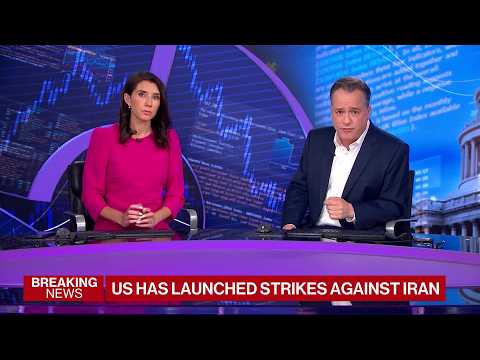
  • US Military Strikes Iran Nuclear Facilities – Escalation Confirmed

    US Military Strikes Iran Nuclear Facilities – Escalation Confirmed

    The United States military initiated precision strikes against known nuclear facilities in Iran on July 8, 2026. This action marks a significant escalation in the ongoing geopolitical landscape of the Middle East. Reports from multiple intelligence sources and international media outlets confirm the nature of these critical operations.

    Initial intelligence suggests the strikes targeted sites identified with Iran’s nuclear enrichment and research programs. The objective appears to be the degradation of the Islamic Republic’s nuclear capabilities. This is a developing situation, with further details emerging from official channels.

    Confirmed Targets and Operational Scope

    The strikes, launched in the early hours of July 8, 2026, reportedly focused on specific facilities. These include the Natanz enrichment complex and the Fordow Fuel Enrichment Plant. Unconfirmed reports also suggest targets near Arak, associated with heavy water production.

    The operations involved advanced US air assets, including stealth fighters and long-range bombers. US Navy assets in the Persian Gulf region may have also played a role. The Pentagon has not yet specified the full extent of the forces deployed.

    White House and Pentagon Response

    President Trump is expected to deliver a televised address later today, July 8, 2026. The address will outline the rationale behind the military actions. Vice President JD Vance has scheduled a press conference for the afternoon.

    The Department of Defense issued a brief statement acknowledging “defensive actions against hostile nuclear proliferation threats.” Further details are anticipated from Secretary of Defense Pete Hegseth. National Security Advisor Marco Rubio is also preparing a briefing for congressional leaders.

    International Reactions and Economic Impact

    Global reactions have been swift and varied. The United Nations Security Council has called an emergency session. Several European Union nations have urged de-escalation and restraint from all parties.

    China and Russia condemned the strikes, calling them a violation of international law. Saudi Arabia and Israel issued statements supporting the US actions, citing regional security concerns. The price of Brent crude oil surged over 5% within hours of the initial reports.

    The Strait of Hormuz, a critical global shipping lane, remains open. However, maritime security alerts have been elevated. Shipping companies are reassessing routes and insurance premiums in the region.

    Iranian state media reported “defensive measures” were taken against incoming attacks. They claimed successful interception of some projectiles. Independent verification of these claims remains unavailable.

    The long-term implications for the 2015 Iran nuclear deal, formally known as the Joint Comprehensive Plan of Action (JCPOA), are significant. The agreement has been in a precarious state for years. These strikes further complicate any potential revival of the deal.

    Diplomatic efforts are underway in various capitals to prevent further escalation. The international community watches closely. The region braces for potential retaliatory actions.

  • Trump to Meet NATO Leaders After US Strikes on Iran – Global Repercussions

    Trump to Meet NATO Leaders After US Strikes on Iran – Global Repercussions

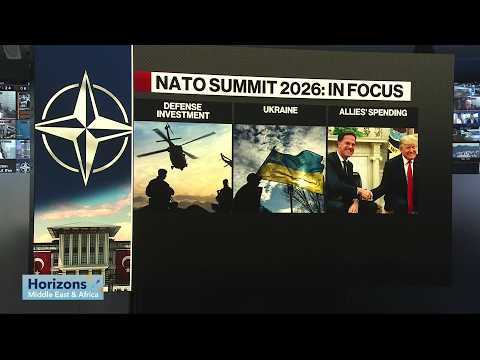
    President Donald Trump is scheduled to meet with leaders of the North Atlantic Treaty Organization (NATO) following a series of significant US military strikes targeting Iranian assets. This high-stakes meeting comes amidst a period of heightened global instability and intense international scrutiny of US foreign policy decisions. The discussions are expected to center on collective defense strategies, regional security challenges, and the broader implications of military actions in the Middle East.

    The international community watches closely as these events unfold. The interactions between the US and its NATO allies will shape future diplomatic and military engagements.

    The Immediate Aftermath of US Strikes

    US military forces conducted targeted strikes against specific installations within Iran. These actions were confirmed by the Pentagon on 2026-07-07. The strikes reportedly aimed at military infrastructure identified as critical to Iran’s regional operations.

    Details regarding the exact targets and the extent of the damage remain under careful assessment. Official statements from the US Department of Defense emphasized the defensive nature of the operations. They cited ongoing threats to US personnel and interests in the region.

    Iran’s government issued immediate condemnations. State media reported on the strikes, describing them as acts of aggression. Calls for international intervention and de-escalation have emerged from various world leaders.

    NATO’s Role in a Shifting Landscape

    NATO, a military alliance comprising 32 member states, traditionally focuses on collective defense in the Euro-Atlantic area. Its role has expanded over decades to address global security challenges. The current situation with Iran presents a new test for the alliance’s cohesion and strategic flexibility.

    President Trump’s meeting with NATO leaders is crucial for coordinating responses. The alliance operates on the principle of collective defense, outlined in Article 5 of its founding treaty. An attack against one member is considered an attack against all.

    However, direct military action by a member state outside the defined NATO operational area often requires extensive consultation. Consensus-building among diverse national interests becomes paramount. The diverse geopolitical interests of member states, including Germany, France, and the United Kingdom, will influence the discussions.

    Historical Precedents and Alliances

    NATO’s history includes responses to various crises. The Persian Gulf War in 1990-1991, while not a direct Article 5 trigger, saw significant contributions from NATO members. The intervention in Afghanistan after the September 11 attacks represented a collective response to terrorism.

    The current situation differs in its direct confrontation with a sovereign nation like Iran. Iran is not a non-state actor. Its military capabilities and regional influence are substantial. This adds layers of complexity to any potential allied response.

    Global Reactions and International Diplomacy

    International reactions to the US strikes have been varied. Several nations expressed concern over the escalation of hostilities. The United Nations Security Council held an emergency session on 2026-07-07 to discuss the situation. Calls for restraint were a common theme among delegates.

    China and Russia, both permanent members of the Security Council, urged immediate de-escalation. Their foreign ministries issued statements calling for diplomatic solutions. They emphasized the need to avoid further destabilization in the Middle East.

    European Union leaders also voiced their apprehension. The EU High Representative for Foreign Affairs and Security Policy released a statement on 2026-07-07. It called for all parties to exercise maximum restraint and engage in dialogue. The EU has significant economic and security interests in the stability of the Middle East.

    Economic Implications

    The global oil markets reacted immediately to the news of the strikes. Crude oil prices saw a significant surge on 2026-07-07. Analysts predict continued volatility if tensions persist. The Strait of Hormuz, a critical chokepoint for global oil shipments, is located near Iran. Any disruption there could have severe economic consequences worldwide.

    Global stock markets also showed signs of instability. Investors reacted to the increased geopolitical risk. Defence sector stocks, however, saw an uptick. This reflects the market’s anticipation of increased military spending and activity.

    President Trump’s Agenda at NATO

    President Trump’s agenda for the NATO meeting is multifaceted. His administration has consistently advocated for increased burden-sharing among allies. He has often called for European nations to meet their defense spending commitments. This theme is expected to resurface during the current discussions.

    The immediate priority will be to secure allied support or at least understanding for the US actions in Iran. The President will likely present intelligence briefings to NATO leaders. These briefings will aim to justify the necessity of the strikes.

    Longer-term strategy will also be on the table. Discussions will likely include the future of Iran’s nuclear program. They will also cover Iran’s regional proxy networks. The US seeks a unified front against what it perceives as Iranian aggression and destabilizing activities.

    Challenges to Unity

    Achieving full consensus within NATO on Iran policy could prove challenging. Some European nations, such as France and Germany, have historically favored diplomatic engagement with Iran. They were key signatories to the Joint Comprehensive Plan of Action (JCPOA), the 2015 nuclear deal.

    The US withdrew from the JCPOA in 2018. This created a divergence in approach between the US and its European allies. Reconciling these differing strategies will be a central task for President Trump and his diplomatic team.

    The Path Forward: De-escalation or Further Conflict?

    The outcome of the NATO meetings will significantly influence the trajectory of the US-Iran confrontation. A unified front from NATO could strengthen the US position. It could also provide a clearer path for de-escalation through diplomatic channels.

    Conversely, a fractured response could embolden Iran. It might also complicate international efforts to manage the crisis. The risk of miscalculation remains high on all sides.

    Diplomatic efforts are ongoing behind the scenes. Various international actors are working to open lines of communication. The goal is to prevent a full-scale regional conflict. The stakes are immense for global peace and stability.

    Leaders convened. Strategies were debated. Alliances were tested. The world watched.

    Washington D.C.

  • President Trump Declares Iran Ceasefire ‘Over’ – Global Repercussions Analyzed

    President Trump Declares Iran Ceasefire ‘Over’ – Global Repercussions Analyzed

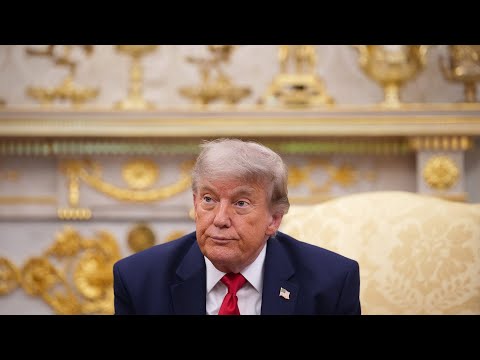
    President Donald Trump announced on July 8, 2026, that the ceasefire with Iran is “over.” This declaration marks a critical juncture in international relations, particularly concerning the Middle East. The statement, delivered from the White House, immediately prompted widespread analysis and concern among global leaders and diplomatic circles.

    The implications of this pronouncement are far-reaching. They touch upon regional stability, the future of international energy markets, and the intricate web of alliances and rivalries that define the modern Middle East. The global community is now assessing the potential for renewed conflict or heightened tensions in a region already prone to volatility.

    The Context of the Ceasefire

    The ceasefire itself had been a delicate construct. It emerged from months of intense negotiations and back-channel diplomacy. Specific dates and conditions for its establishment were never fully publicized, reflecting the sensitive nature of the agreements involved.

    Various international actors played roles in its formation. These included the United Nations, several European powers, and key regional states. Their combined efforts aimed to de-escalate ongoing proxy conflicts and prevent direct military confrontation between major powers.

    The ceasefire’s primary objective was to halt military actions. It sought to curb the flow of arms to proxy groups and establish channels for de-escalation. Economic considerations were also central, with promises of eased sanctions tied to compliance.

    Iran’s compliance with the ceasefire has been a subject of continuous debate. Reports from international monitoring bodies offered mixed assessments. Some indicated adherence to certain terms, while others highlighted persistent concerns regarding regional activities.

    The United States, under President Trump, has consistently expressed skepticism. U.S. officials frequently cited what they termed Iranian provocations. These included naval maneuvers in the Persian Gulf and alleged support for militant groups in neighboring countries.

    President Trump’s Rationale

    President Trump’s statement on July 8, 2026, provided a direct explanation. He cited what he described as Iran’s repeated violations of the ceasefire terms. The specific nature of these alleged violations was detailed in a White House press briefing following the President’s remarks.

    These violations reportedly included advancements in Iran’s missile program. There were also claims of increased funding and material support for groups designated as terrorist organizations by the U.S. State Department.

    Another key point of contention was Iran’s nuclear activities. Despite international agreements, concerns persisted about the scope and transparency of its nuclear enrichment efforts. International Atomic Energy Agency (IAEA) reports had indicated some compliance but also noted areas of limited access for inspectors.

    The President emphasized the need for decisive action. He stated that the ceasefire had failed to achieve its intended purpose of ensuring regional security. He also underlined the protection of U.S. interests and allies in the Middle East.

    This declaration aligns with a broader foreign policy stance. This stance prioritizes a strong, assertive approach to perceived threats. It also emphasizes direct negotiation and a willingness to withdraw from agreements deemed unfavorable to the United States.

    International Reactions and Concerns

    The global response to President Trump’s announcement has been immediate and varied. Key allies of the United States expressed concern. European leaders, including the President of France and the German Chancellor, issued statements urging restraint and diplomatic solutions.

    The United Nations Secretary-General called for all parties to exercise maximum caution. He emphasized the importance of maintaining open lines of communication. The Secretary-General also highlighted the potential for miscalculation in a volatile region.

    Regional powers reacted with a mix of apprehension and support. Saudi Arabia and Israel, long-standing adversaries of Iran, voiced understanding for the U.S. position. They reiterated their own security concerns regarding Iranian actions.

    Other regional states expressed worry about potential escalation. They fear the destabilizing effects of renewed conflict. These nations called for a return to diplomacy and multilateral engagement.

    Iran’s official response was swift. The Iranian Foreign Ministry condemned President Trump’s declaration. They accused the United States of undermining regional peace and violating international commitments. Iranian state media reported on large-scale military drills conducted in response.

    Economic and Military Implications

    The financial markets reacted sharply to the news. Global oil prices surged following President Trump’s announcement. Traders anticipate potential disruptions to oil supplies from the Persian Gulf, a critical shipping route for crude oil.

    Stock markets in major financial centers experienced declines. Investors showed concern over increased geopolitical risk. Defense sector stocks, however, saw gains, reflecting expectations of heightened military spending.

    Militarily, the declaration opens several possibilities. The U.S. Central Command (CENTCOM) is expected to review its force posture in the region. This could lead to increased deployments of naval assets, air power, and ground forces.

    Iran’s Islamic Revolutionary Guard Corps (IRGC) has historically maintained a strong presence. They operate in the Strait of Hormuz and other strategic waterways. Their activities could intensify, leading to potential confrontations.

    Proxy groups supported by Iran across the Middle East may also become more active. This includes groups in Yemen, Lebanon, and Iraq. Any increase in their operations would further destabilize already fragile states.

    Cyber Warfare Concerns

    Beyond conventional military action, the threat of cyber warfare looms. Both the United States and Iran possess significant cyber capabilities. Experts warn of potential attacks targeting critical infrastructure and government networks.

    Such attacks could have far-reaching consequences. They could disrupt financial systems, energy grids, and communication networks. The attribution of cyberattacks is often difficult, complicating response efforts.

    The Path Forward: Diplomacy or Confrontation?

    The immediate future remains uncertain. The declaration by President Trump sets the stage for a period of heightened tension. Diplomatic efforts will be crucial in navigating this complex landscape.

    International organizations, including the United Nations, are likely to increase their mediation efforts. They will seek to bring both sides back to the negotiating table. The goal would be to de-escalate and prevent direct conflict.

    However, the U.S. administration’s stance suggests a preference for strong deterrence. This approach aims to compel Iran to alter its regional behavior. This could involve increased sanctions, military posturing, or targeted actions.

    Iran, on its part, has shown resilience to external pressure. Its leadership has consistently vowed to resist what it perceives as foreign interference. The Iranian government is expected to continue its current policies, potentially escalating its own actions.

    The role of international alliances will also be critical. The cohesion of the P5+1 group (China, France, Russia, United Kingdom, United States, plus Germany) regarding Iran’s nuclear program will be tested. Their ability to present a united front could influence the trajectory of events.

    Regional dynamics are also in play. The relationships between Iran and its neighbors are complex and constantly shifting. Any major shift in U.S. policy could trigger a realignment of these regional alliances.

    The declaration on July 8, 2026, marks a significant turning point. It closes one chapter of cautious de-escalation. It opens another, potentially more perilous, chapter in the long-standing tensions between the United States and Iran.

    Leaders gathered. Analysts conferred. Markets reacted. The world watched.

    Uncertainty.

  • US Strikes Iran, Blocks Oil Sales – Geopolitical Ramifications

    US Strikes Iran, Blocks Oil Sales – Geopolitical Ramifications

    On July 8, 2026, the United States launched a series of targeted military strikes against various locations within Iran, concurrently announcing stringent new sanctions designed to block all Iranian oil sales. These actions represent a significant and direct escalation of the long-standing tensions between Washington and Tehran, immediately reshaping the geopolitical landscape of the Middle East and beyond. The dual approach of military force and economic strangulation aims to compel a change in Iranian policy, particularly regarding its nuclear program and regional proxy activities.

    The strikes were confirmed by U.S. Department of Defense officials in Washington D.C. The White House issued a statement outlining the rationale behind the operations, citing ongoing concerns about regional stability and national security interests. President Donald Trump addressed the nation from the Oval Office, emphasizing the necessity of these measures to protect American personnel and allies in the region.

    The Nature of the Military Strikes

    The military operations on July 8, 2026, involved precision airstrikes against specific targets. Initial reports from U.S. military sources indicated that these targets included command and control centers, missile launch sites, and facilities associated with Iran’s Islamic Revolutionary Guard Corps (IRGC). The strikes were described as preemptive and defensive in nature.

    Details regarding the extent of the damage and potential casualties remain under assessment. Iranian state media reported on the strikes, condemning them as acts of aggression and vowing retaliation. The IRGC issued a statement asserting its readiness to respond to any further military action.

    Regional allies of the United States, including Saudi Arabia and Israel, offered statements of support for the U.S. actions. Other nations, such as Russia and China, called for de-escalation and diplomatic solutions, expressing concern over the potential for wider conflict in the Persian Gulf.

    The Oil Sanctions: Economic Warfare Escalated

    Simultaneously with the military strikes, the U.S. Treasury Department unveiled a new package of sanctions. These measures specifically target Iran’s ability to export oil, which is a primary source of revenue for the Iranian government. The sanctions aim to reduce Iran’s oil exports to zero, thereby crippling its economy.

    The new sanctions include secondary sanctions, meaning that any entity, company, or country found to be purchasing Iranian oil or facilitating its sale will face penalties from the United States. This broad approach is designed to cut off all avenues for Iran to bypass the restrictions. The global oil markets reacted swiftly to the news. Brent crude futures and West Texas Intermediate (WTI) prices surged significantly on July 8, 2026, reflecting concerns about potential supply disruptions.

    Analysts from major financial institutions, including Goldman Sachs and JPMorgan Chase, immediately began reassessing their oil price forecasts. The International Energy Agency (IEA) released a statement acknowledging the potential impact on global energy security and calling for market stability.

    Historical Context of US-Iran Tensions

    The relationship between the United States and Iran has been fraught with tension for decades. Following the 1979 Iranian Revolution, diplomatic ties were severed. The U.S. has consistently expressed concerns over Iran’s nuclear ambitions, its ballistic missile program, and its support for various proxy groups across the Middle East.

    Key historical moments include the Iran-Contra Affair in the 1980s, the U.S. invasion of Iraq in 2003, and the multilateral nuclear agreement, the Joint Comprehensive Plan of Action (JCPOA), signed in 2015. President Trump withdrew the U.S. from the JCPOA in 2018, reinstating and expanding previous sanctions.

    The current escalation follows a period of heightened rhetoric and several incidents in the Persian Gulf. These incidents included attacks on oil tankers and drone incursions, which the U.S. attributed to Iran or its proxies. The U.S. military presence in the region has been steadily reinforced in response to these perceived threats.

    The Role of Regional Actors

    Several regional actors play critical roles in the unfolding situation. Saudi Arabia, a long-standing U.S. ally and a major oil producer, is deeply concerned about Iranian influence. Any disruption to oil flows through the Strait of Hormuz, a critical chokepoint, would severely impact global trade and energy supplies.

    Israel also views Iran as its primary existential threat. The Israeli government has consistently advocated for a strong international stance against Iran’s nuclear program and its military activities in Syria and Lebanon. Israeli Prime Minister Benjamin Netanyahu issued a statement supporting the U.S. actions, emphasizing the need for decisive measures against Iranian aggression.

    Turkey, a NATO member, has a complex relationship with both the U.S. and Iran. While it shares some U.S. concerns, it also maintains economic ties with Iran and seeks to avoid destabilization on its borders. Turkish President Recep Tayyip Erdoğan called for restraint from all parties.

    International Reactions and Diplomatic Efforts

    The international community has reacted with a mixture of concern and condemnation. United Nations Secretary-General António Guterres appealed for an immediate cessation of hostilities and urged all parties to exercise maximum restraint. The UN Security Council convened an emergency session to discuss the crisis.

    The European Union, which has attempted to preserve the JCPOA, expressed deep regret over the escalation. EU foreign policy chief Kaja Kallas stated that the EU would continue to work towards a diplomatic solution but acknowledged the significant challenges posed by the U.S. actions. European leaders are now faced with the difficult task of balancing their alliance with the U.S. against their economic interests and desire for regional stability.

    Russia and China, both permanent members of the UN Security Council, criticized the U.S. strikes and sanctions. They argued that such unilateral actions undermine international law and further destabilize the region. Both nations reiterated their support for the JCPOA and called for renewed negotiations.

    Impact on Global Oil Markets

    The immediate and profound impact on global oil markets cannot be overstated. The blocking of Iranian oil sales, combined with the military strikes, has introduced significant uncertainty into an already volatile market. Iran is a significant producer, and its removal from the supply chain creates a deficit that other producers may struggle to fill.

    Major oil-importing nations, particularly in Asia, are now scrambling to secure alternative supplies. This sudden shift in demand dynamics is contributing to the upward pressure on crude prices. The U.S. Department of Energy announced that it is monitoring the situation closely and is prepared to release oil from its Strategic Petroleum Reserve if necessary to stabilize markets.

    The long-term effects on global energy prices, inflation, and economic growth are a major concern for policymakers worldwide. Higher energy costs could dampen consumer spending and investment, potentially leading to broader economic slowdowns.

    The Path Forward: De-escalation or Further Conflict?

    The immediate aftermath of the July 8, 2026, events presents a critical juncture. The U.S. actions have clearly signaled a determination to confront Iran. The question now is whether these measures will achieve their intended effect of altering Iranian behavior or if they will lead to further retaliation and a deeper conflict.

    Iran’s leadership has consistently demonstrated a willingness to resist external pressure. Any retaliatory actions could take various forms, including attacks on shipping in the Gulf, cyberattacks, or activation of proxy forces in Iraq, Syria, Lebanon, or Yemen. The potential for miscalculation on either side remains high.

    Diplomatic channels, though strained, are still active. International organizations and concerned nations are working to find a path to de-escalation. The coming weeks will be crucial in determining whether the current crisis can be contained or if it will spiral into a broader regional confrontation.

    U.S. officials remain firm in their stance. International bodies seek a peaceful resolution. Regional powers watch with bated breath. The world holds its breath.

    The Middle East.

  • US Military Strikes Iran in July 2026 – Escalation in Middle East Tensions

    US Military Strikes Iran in July 2026 – Escalation in Middle East Tensions

    US Military Initiates Strikes Against Iran in July 2026

    The United States military launched a new wave of strikes against Iran on July 8, 2026. These military actions were a direct response to a series of drone attacks. These attacks, attributed to Iranian-backed militias, had targeted American military and logistical assets in Iraq and Syria.

    This development signifies a notable escalation in regional tensions. President Trump authorized the strikes after consultations with his National Security Council. The Pentagon confirmed the operations, stating their objective was to deter future aggression and degrade the capabilities of groups responsible for the recent attacks.

    The Immediate Precedent for Action

    The decision to launch strikes followed a week of escalating drone attacks on US facilities in the Middle East. American intelligence agencies attributed these attacks to various Iranian-backed proxy groups. One significant incident involved a drone strike on a logistical hub near Erbil, Iraq.

    This particular incident resulted in material damage. No US casualties were reported from the attack. The series of events prompted a high-level response from the US government.

    Presidential Authorization and National Security Council Meeting

    President Trump convened an emergency meeting of the National Security Council. This meeting took place on the evening of July 7, 2026. Vice President JD Vance and Secretary of State Marco Rubio were reportedly in attendance during this critical session.

    The consensus reached during this meeting was that a decisive military response was necessary. The objective was to re-establish deterrence in the region. This led directly to the authorization for military strikes against Iranian targets.

    Pentagon Confirmation and Stated Objectives

    The Pentagon issued a statement confirming the strikes shortly after operations commenced. The statement emphasized the defensive nature of the actions. It framed them as a proportionate response to protect American personnel and interests.

    Specific targets included command and control centers, weapons depots, and drone launch sites. These sites were located within Iranian territory. The Pentagon did not provide further immediate details on battle damage assessments.

    Geopolitical Landscape and Historical Context

    The relationship between the United States and Iran has been characterized by periods of intense friction. This history spans several decades. President Trump’s administration has consistently maintained a firm stance against what it identifies as Iran’s destabilizing activities in the Middle East.

    These activities include support for various non-state actors. They also encompass the development of ballistic missile technology. Previous US administrations have also grappled with Iranian influence in the region.

    The current context is shaped by recent withdrawals from international agreements. It also involves increased sanctions imposed by the United States. The US maintains a significant military presence in the region. This presence is primarily focused on counter-terrorism operations and deterring state-sponsored aggression.

    Regional Implications and International Reaction

    Any military action involving Iran carries substantial regional and international implications. Neighboring countries are closely monitoring the situation. These include Saudi Arabia, the United Arab Emirates, and Israel.

    These nations often view Iranian expansionism as a direct threat to their security interests. Their reactions to the recent strikes will be crucial in shaping the regional dynamic. The stability of the Middle East is a complex and interconnected issue.

    Impact on Global Energy Markets

    Global energy markets reacted swiftly to the news of the strikes. Oil prices saw an immediate increase. This rise was driven by concerns over potential disruptions to shipping lanes. The Strait of Hormuz is particularly critical in this regard.

    This critical waterway remains a chokepoint for a significant portion of the world’s oil supply. Any threat to its passage can have widespread economic consequences. Analysts are closely watching how this situation will affect global energy stability.

    International Bodies and Diplomatic Efforts

    International bodies, including the United Nations Security Council, are expected to address the escalation. Initial reactions from European allies have called for de-escalation and diplomatic engagement. These calls underscore a desire to prevent further conflict.

    Russia and China had not yet issued official statements at the time of reporting. Their responses will be closely watched. The positions of these global powers can significantly influence the international response to the situation.

    Ongoing Situation and Future Outlook

    This remains a developing situation. Additional information is expected from both US and Iranian sources. The immediate aftermath of the strikes will likely involve assessments of their effectiveness.

    The international community will also anticipate any potential counter-responses from Iran. The trajectory of regional stability hinges on these unfolding events. The world watches.

    The Stakes of Escalation

    The recent military actions represent a significant moment in US-Iran relations. The targeting of facilities within Iranian territory marks a direct confrontation. This move signals a heightened level of commitment to deterrence by the United States.

    The ripple effects extend beyond military engagement. Economic consequences, particularly in energy markets, are already evident. Diplomatic efforts will intensify to manage the fallout.

    The Role of Proxy Groups

    Iranian-backed militias have played a key role in the recent escalation. Their drone attacks prompted the US response. These groups operate across Iraq and Syria, complicating regional security.

    The US objective to degrade their capabilities aims to reduce future threats. This strategy seeks to weaken Iran’s ability to project power through non-state actors. The effectiveness of these strikes will be a subject of ongoing analysis.

    The Long History of Friction

    The current situation is not isolated. It is part of a long history of friction between the US and Iran. This history includes diplomatic breakdowns, economic sanctions, and proxy conflicts.

    Each administration has navigated this complex relationship. President Trump’s approach emphasizes a strong military posture. This is coupled with economic pressure to counter Iranian influence.

    Challenges to Regional Stability

    The Middle East is inherently volatile. Military actions in one country can quickly affect others. The security interests of Saudi Arabia, the UAE, and Israel are directly impacted.

    Their reactions and potential involvement could further complicate the regional dynamic. Maintaining open lines of communication and diplomatic channels becomes paramount during such times.

    Global Response and De-escalation Calls

    Calls for de-escalation from European allies highlight international concern. The prospect of a wider conflict worries many. The United Nations Security Council will likely serve as a forum for these discussions.

    The positions taken by Russia and China will influence the global narrative. Their involvement could either facilitate or hinder efforts to reduce tensions. The world seeks a peaceful resolution.

    The Path Forward

    The situation remains fluid. Both military and diplomatic avenues will be explored. The US will assess the impact of its strikes. Iran’s response will shape the next phase of this confrontation.

    The international community hopes for a swift return to stability. The economic and human costs of prolonged conflict are immense. Dialogue and diplomacy are critical to navigating this challenging period.

    Militias launched. Drones struck. Tensions escalated. The world watched.

    The Middle East.

  • Donald Trump on Benjamin Netanyahu: “Knows Who the Boss Is” – Ahead of Possible White House Visit

    Donald Trump on Benjamin Netanyahu: “Knows Who the Boss Is” – Ahead of Possible White House Visit

    Donald Trump’s Assertive Diplomacy

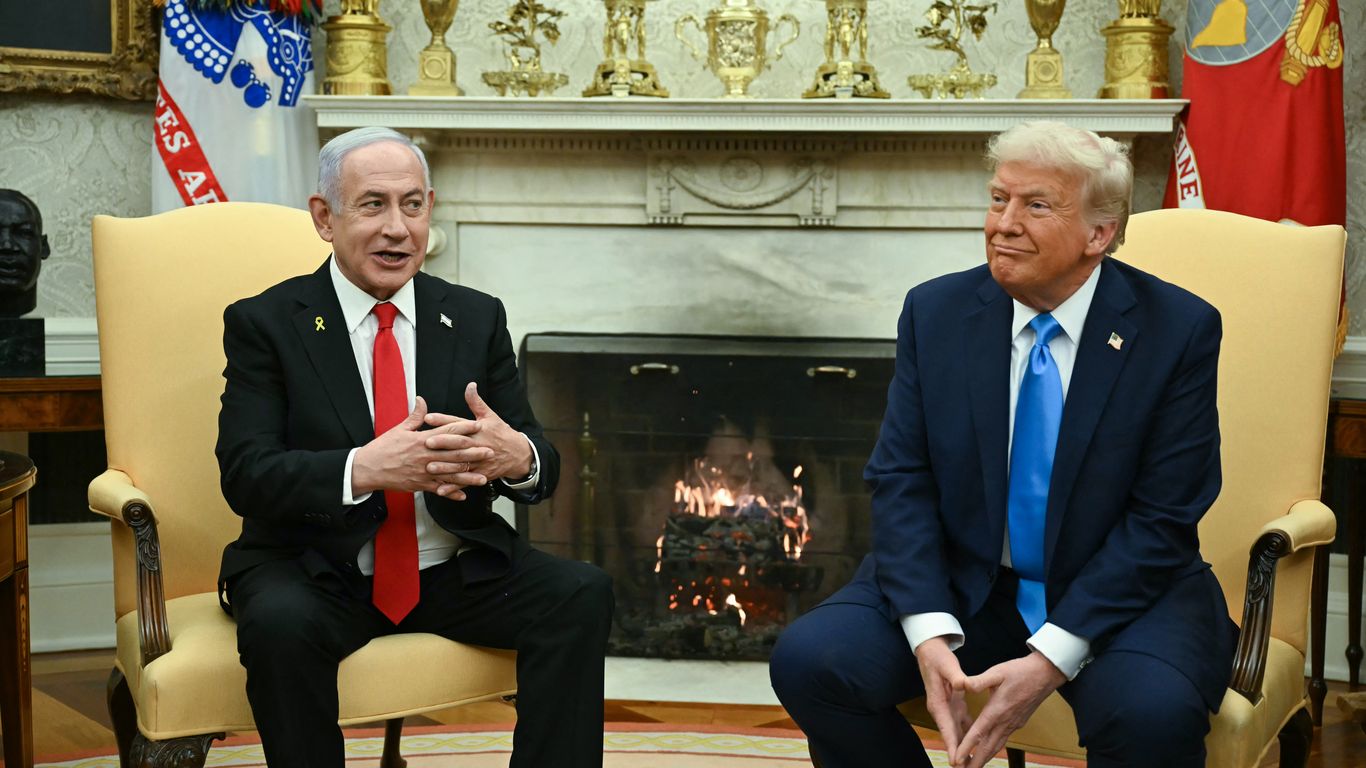
    Donald Trump recently commented on his relationship with Benjamin Netanyahu, stating the Israeli Prime Minister “knows who the boss is.” This remark came during discussions regarding a potential White House visit for Netanyahu. The statement provides a direct insight into Trump’s view of international partnerships and leadership dynamics.

    The former President’s comments emphasize his assertive stance in foreign policy. He often frames international relations in terms of strength and clear hierarchies. This approach has been a consistent feature of his public commentary on global leaders.

    The context of a possible White House visit adds weight to the statement. Such a visit would mark a significant moment for U.S.-Israel relations, especially under a potential new presidential administration. Diplomatic engagements between the two nations are closely observed globally.

    The U.S.-Israel Relationship Under Scrutiny

    The relationship between the United States and Israel is a long-standing and complex alliance. It involves significant military, economic, and diplomatic cooperation. Statements from prominent political figures often signal shifts or continuations in this partnership.

    Benjamin Netanyahu has served multiple terms as Prime Minister of Israel. His tenure has coincided with several U.S. presidential administrations. Each administration has brought its own nuances to the bilateral relationship.

    Donald Trump’s presidency, from 2017 to 2021, saw a particularly close alignment with Netanyahu’s government. Key policy decisions, such as the relocation of the U.S. embassy to Jerusalem, characterized this period. These actions were viewed as highly supportive of Israel by many.

    The current political landscape in both the United States and Israel involves ongoing debates about national security and regional stability. Public comments by former leaders can influence these discussions. They shape perceptions of past policies and future possibilities.

    Iran Policy and Regional Dynamics

    The discussion surrounding Trump’s comments also touched upon policy regarding Iran. Iran remains a central issue in Middle Eastern geopolitics. Both the United States and Israel view Iran’s nuclear program and regional activities with concern.

    During his presidency, Trump withdrew the United States from the Joint Comprehensive Plan of Action (JCPOA), commonly known as the Iran nuclear deal, in 2018. This decision was strongly supported by Netanyahu’s government. Both leaders advocated for a tougher stance against Iran.

    The potential for a renewed focus on Iran policy under a future Trump administration is significant. Such a focus would likely involve increased pressure on Tehran. It could also entail a re-evaluation of existing international agreements.

    Regional dynamics in the Middle East are constantly evolving. The Abraham Accords, facilitated by the Trump administration in 2020, normalized relations between Israel and several Arab nations. These accords reshaped alliances and diplomatic pathways in the region.

    The Abraham Accords: A Shift in Regional Diplomacy

    The Abraham Accords represented a notable diplomatic achievement. They normalized relations between Israel and the United Arab Emirates, Bahrain, Sudan, and Morocco. These agreements were seen as a significant step towards broader regional peace.

    The accords bypassed traditional Palestinian-Israeli peace negotiations. They focused instead on shared economic and security interests. The Trump administration championed these agreements as a new paradigm for Middle East diplomacy.

    Benjamin Netanyahu’s government played a central role in these negotiations. The agreements demonstrated a willingness to forge new alliances in the face of common regional challenges. Iran’s influence was a key underlying factor in these new alignments.

    Future Implications for Middle East Stability

    Future U.S. policy in the Middle East will heavily influence regional stability. A potential shift in leadership in the United States could lead to new diplomatic approaches. These approaches would impact alliances and rivalries across the region.

    The ongoing discussions about Iran’s nuclear capabilities continue to be a primary concern. International efforts to monitor and control proliferation remain critical. Both the United States and Israel prioritize preventing Iran from acquiring nuclear weapons.

    The relationship between the U.S. and Israel is often a bellwether for regional security. Statements from leaders, past and present, offer clues into the strategic direction of this vital partnership. They also signal potential flashpoints or areas of cooperation.

    Leadership Styles and International Relations

    Donald Trump’s leadership style is characterized by direct communication and an emphasis on perceived strength. His public statements often reflect this approach. The phrase “knows who the boss is” exemplifies this directness.

    This style contrasts with more traditional diplomatic language. Conventional diplomacy often relies on nuanced phrasing and indirect communication. Trump’s approach aims to project decisiveness and control on the global stage.

    Benjamin Netanyahu, a veteran political leader, has navigated complex international relations for decades. His interactions with various U.S. presidents have been a testament to his diplomatic skill. He has consistently advocated for Israel’s security interests.

    The interplay of these distinct leadership styles shapes international discourse. It influences how alliances are perceived and how foreign policy is conducted. The personal dynamics between leaders can often impact geopolitical outcomes.

    Historical Context of U.S.-Israel Leaders

    The relationship between U.S. presidents and Israeli prime ministers has a rich history. From Lyndon B. Johnson and Levi Eshkol to Bill Clinton and Yitzhak Rabin, personal connections have often defined periods of cooperation or tension.

    George W. Bush and Ariel Sharon shared a strong bond, particularly after the September 11 attacks. This period saw increased security cooperation. It highlighted the importance of counter-terrorism efforts for both nations.

    Barack Obama and Benjamin Netanyahu experienced a more strained relationship at times. Disagreements over the Iran nuclear deal were a notable point of contention. These instances underscore the complexities inherent in the alliance.

    Each leader brings their own perspective and priorities to the relationship. These individual approaches contribute to the broader narrative of U.S.-Israel ties. They also demonstrate the enduring nature of the alliance despite political differences.

    Public and Media Reception

    Trump’s statement generated significant attention in both public and media circles. It sparked discussions among political analysts and commentators. The phrasing itself became a focal point of many conversations.

    Supporters of Donald Trump often interpret such statements as evidence of strong leadership. They see it as a clear signal of his commitment to American interests. They also view it as an indication of his ability to command respect on the international stage.

    Critics, however, may view the language as undiplomatic or overly assertive. They might argue that such rhetoric could complicate international relations. They often advocate for a more collaborative and less hierarchical approach to global partnerships.

    Media outlets across the political spectrum reported on the comment. Each offered its own interpretation and analysis. The statement became a lens through which to examine broader themes of U.S. foreign policy and diplomatic conduct.

    Impact on Future Political Discourse

    The comment is likely to resonate in future political discourse. It will be referenced in debates about foreign policy and presidential leadership. It will also be used to characterize potential future administrations.

    Such statements contribute to the public’s understanding of candidate positions. They help voters discern the likely direction of foreign policy. They also inform discussions about the role of the United States in global affairs.

    The language used by political figures can shape public opinion. It can also influence the perception of international allies and adversaries. The careful consideration of words in diplomacy is often paramount.

    The ongoing dialogue about U.S.-Israel relations remains a critical component of foreign policy discussions. Comments from key figures like Donald Trump continue to fuel these conversations. They underscore the enduring importance of this bilateral relationship.

    Leaders speak. Nations listen. Policies are weighed. Alliances are tested. The world watches.

  • Iran Nuclear Deal: House Republicans Acknowledge Concessions

    Iran Nuclear Deal: House Republicans Acknowledge Concessions

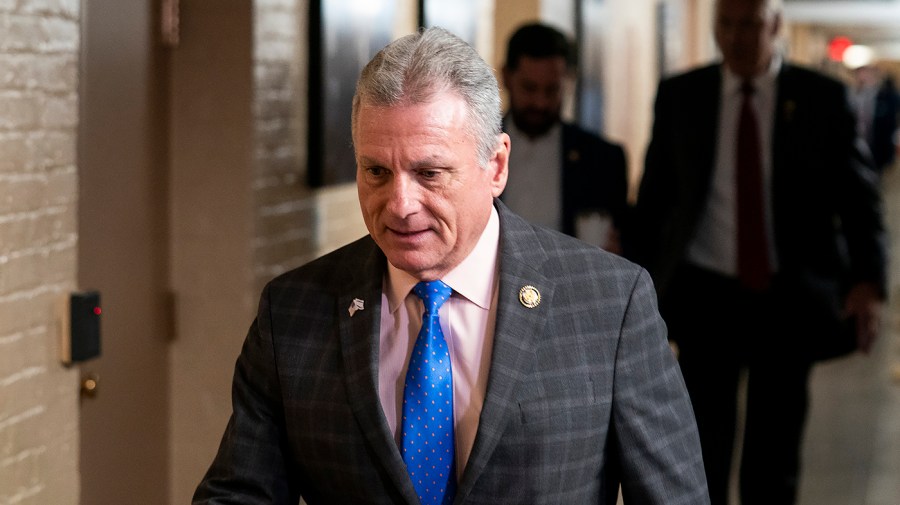
    House Republicans confirm that concessions are an unavoidable aspect of ongoing negotiations to restore the Iran nuclear deal. Representative Michael McCaul, a prominent voice on foreign policy, has publicly acknowledged that any successful diplomatic resolution to the Joint Comprehensive Plan of Action (JCPOA) will require compromise from all parties. These discussions, which commenced in April 2021, aim to re-establish the 2015 agreement designed to prevent Iran from developing nuclear weapons in exchange for sanctions relief. The acknowledgement underscores the complex realities of international diplomacy and the political balancing act required to revive the accord.

    The Joint Comprehensive Plan of Action (JCPOA)

    The Joint Comprehensive Plan of Action (JCPOA), commonly known as the Iran nuclear deal, was initially signed in July 2015. The signatories included Iran and the P5+1 group: China, France, Germany, Russia, the United Kingdom, and the United States. This landmark agreement sought to curtail Iran’s nuclear program through stringent limitations on uranium enrichment, restrictions on centrifuges, and enhanced monitoring by the International Atomic Energy Agency (IAEA). In return, Iran received relief from international sanctions that had significantly impacted its economy.

    The deal was predicated on the belief that a diplomatic pathway offered the most effective means to prevent nuclear proliferation in the Middle East. It established a framework for transparency and verification, aiming to provide the international community with confidence regarding the peaceful nature of Iran’s nuclear activities. The agreement represented years of meticulous negotiation and a significant shift in international relations with Iran.

    U.S. Withdrawal and Iranian Escalation

    The United States unilaterally withdrew from the JCPOA in May 2018 under the administration of then-President Donald Trump. This decision was based on arguments that the deal was insufficient to address Iran’s broader regional activities, its ballistic missile program, and its sunset clauses. The Trump administration subsequently re-imposed and expanded U.S. sanctions on Iran, initiating a policy of “maximum pressure.”

    Following the U.S. withdrawal, Iran began to progressively reduce its commitments under the JCPOA. Starting in July 2019, Iran announced a series of steps away from the deal’s restrictions. These actions included exceeding limits on enriched uranium stockpiles, enriching uranium to higher purities, and reducing cooperation with IAEA inspectors. These moves were framed by Tehran as a response to the U.S. sanctions and a means to pressure the remaining parties to uphold their commitments.

    The International Atomic Energy Agency (IAEA), the United Nations’ nuclear watchdog, has consistently reported on Iran’s escalating nuclear activities. IAEA Director General Rafael Grossi has repeatedly expressed concern over the diminishing transparency and the significant increase in Iran’s enriched uranium reserves. As of early 2026, IAEA reports confirm Iran’s uranium enrichment levels far exceed the 3.67% limit set by the JCPOA, reaching purities close to weapons-grade levels in some instances.

    The Current Diplomatic Endeavor

    Negotiations to restore the JCPOA commenced in Vienna, Austria, in April 2021. Representatives from the P4+1 (China, France, Germany, Russia, and the United Kingdom) have engaged directly with Iranian officials. The United States has participated indirectly in these talks, with European diplomats often serving as intermediaries. The primary objective is a mutual return to compliance: the U.S. would lift sanctions, and Iran would revert to the nuclear restrictions outlined in the 2015 agreement.

    The talks have been characterized by intermittent progress, significant setbacks, and periods of impasse. Key challenges include disagreements over the scope of sanctions relief, the sequencing of actions, and Iran’s demands for assurances that a future U.S. administration would not again withdraw from the deal. European diplomats have played a crucial role in maintaining momentum and bridging divides between Washington and Tehran.

    Core Obstacles in the Negotiations

    • Comprehensive Sanctions Relief: Iran insists on the lifting of all sanctions imposed since 2018, including those unrelated to nuclear activities. The U.S. has expressed willingness to lift nuclear-related sanctions but aims to retain others targeting human rights and terrorism.
    • Verification and Monitoring: The U.S. and its allies demand robust verification mechanisms to ensure Iran’s sustained compliance and to address the knowledge gap created by reduced IAEA access.
    • Guarantees Against Future Withdrawal: Iran seeks legally binding assurances that any future U.S. administration would honor the deal, a demand that U.S. constitutional structures make difficult to meet.
    • Regional Activities: While not part of the original JCPOA, some U.S. lawmakers and regional partners, particularly Israel and Saudi Arabia, advocate for addressing Iran’s ballistic missile program and its proxy activities in the Middle East.

    Congressional Scrutiny and Acknowledged Concessions

    U.S. House Republicans have maintained a critical stance on the Biden administration’s efforts to revive the JCPOA. They have consistently called for greater transparency regarding the details of the negotiations and have expressed concerns about potential concessions. Representative Michael McCaul (R-TX), the ranking member on the House Foreign Affairs Committee, has been a prominent voice in these discussions. In public statements and committee hearings, McCaul has acknowledged that the ongoing diplomatic process inherently involves concessions.

    This acknowledgement from a leading Republican indicates a recognition of the diplomatic realities. McCaul has stated that while concessions may be necessary for an agreement, their nature and extent must be carefully scrutinized to ensure U.S. national security interests are protected. He has highlighted the need for any restored deal to be stronger and more comprehensive than the original, addressing perceived shortcomings related to Iran’s missile program and regional destabilization.

    Republican Concerns Regarding a Revived Deal

    • Weakening Sanctions: Republicans worry that lifting sanctions could provide Iran with significant financial resources, potentially funding its regional proxies and military programs.
    • Insufficient Verification: Concerns persist that Iran could conceal aspects of its nuclear program if verification mechanisms are not sufficiently robust.
    • Sunset Clauses: Critics argue that the original JCPOA’s sunset clauses, which gradually lift restrictions on Iran’s nuclear program, remain a fundamental flaw.
    • Lack of Congressional Approval: Many Republicans argue that any new agreement should be submitted to Congress for approval as a treaty, ensuring legislative oversight.

    The dialogue within Congress reflects a broader debate about the efficacy of diplomacy versus sanctions in managing Iran’s nuclear ambitions. While some lawmakers advocate for a diplomatic solution as the most practical path to de-escalation, others warn against any agreement that might be perceived as rewarding Iran’s non-compliance.

    The Role of the International Atomic Energy Agency

    The International Atomic Energy Agency (IAEA) remains central to monitoring Iran’s nuclear program. Its reports provide independent assessments of Iran’s compliance with its safeguards obligations and any nuclear deal in place. Since the U.S. withdrawal from the JCPOA, the IAEA’s access and monitoring capabilities have been significantly curtailed by Iran.

    In February 2021, Iran began restricting some IAEA inspections, leading to a loss of continuity of knowledge regarding certain nuclear activities. This reduction in transparency has complicated international efforts to verify the peaceful nature of Iran’s program and has added urgency to the negotiations. IAEA Director General Grossi has consistently called for the restoration of full monitoring capabilities.

    Historical Context of Iran’s Nuclear Program

    Iran’s nuclear program has a long and complex history, dating back to the 1950s with initial support from the United States under the Atoms for Peace program. Following the 1979 Islamic Revolution, the program continued, leading to growing international concerns about its potential military dimensions. For decades, global efforts have focused on ensuring Iran’s nuclear program remains exclusively peaceful.

    The JCPOA was the culmination of years of diplomatic engagement, aimed at achieving a verifiable and peaceful resolution. Its negotiation involved extensive technical discussions and political maneuvering, reflecting the high stakes involved in preventing nuclear proliferation.

    Regional Implications and the Path Forward

    The potential restoration of the Iran nuclear deal carries significant implications for stability in the Middle East. Regional rivals, notably Israel and Saudi Arabia, have consistently voiced strong concerns about Iran’s nuclear program and its broader influence. A revived JCPOA could potentially de-escalate regional tensions by bringing Iran’s nuclear program back under international oversight and limiting its capabilities. Conversely, a failure to reach an agreement could lead to further escalation, heightened proliferation risks, and increased instability in an already volatile region.

    As of June 2026, negotiations continue, albeit without a clear timeline for conclusion. The U.S. administration maintains that diplomacy remains the preferred path to prevent Iran from acquiring nuclear weapons, while also reiterating that all options remain on the table. The acknowledged concessions by House Republicans highlight the intricate political and diplomatic landscape surrounding the deal. The ultimate outcome hinges on the willingness of all parties to navigate these complexities and find common ground.

    Diplomats meet. Leaders deliberate. Experts analyze. The world watches.

    Vienna.

  • US Lawmakers and the Iran Deal: A Divided Foreign Policy Landscape

    US Lawmakers and the Iran Deal: A Divided Foreign Policy Landscape

    The potential for a new US-Iran deal consistently elicits a wide range of reactions from American lawmakers, reflecting complex considerations of national interest, foreign policy strategy, and partisan political divisions. These discussions often center on the efficacy of diplomatic engagement, the stringency of nuclear non-proliferation measures, and the broader implications for Middle Eastern stability. Lawmakers from both major parties approach the issue with distinct ideological frameworks and regional priorities.

    What appears to be a singular foreign policy objective is, in practice, a multifaceted debate with numerous points of contention and agreement.

    The Core of the Debate: Iran’s Nuclear Ambitions

    Central to any discussion of a US-Iran deal is Iran’s nuclear program. International concern has focused on Iran’s capacity to enrich uranium and its potential to develop nuclear weapons. The 2015 Joint Comprehensive Plan of Action (JCPOA) sought to restrict Iran’s nuclear activities in exchange for sanctions relief. Its eventual unraveling heightened tensions and reignited the debate over how best to manage Iran’s nuclear capabilities.

    Lawmakers often diverge on the appropriate level of enrichment allowed, the number and type of centrifuges permitted, and the duration of any restrictions. Some advocate for a complete halt to all enrichment activities, while others accept a limited, verifiable program under strict international oversight.

    Verification and Compliance Challenges

    A significant point of contention revolves around the mechanisms for verifying Iranian compliance. The International Atomic Energy Agency (IAEA) plays a crucial role in monitoring Iran’s nuclear facilities. However, questions frequently arise regarding the IAEA’s access to all relevant sites, including undeclared or military locations.

    Senator Lindsey Graham (R-SC) has frequently expressed skepticism about Iran’s willingness to fully cooperate with international inspectors. He emphasizes the need for ‘anywhere, anytime’ inspections to ensure no clandestine nuclear work occurs. Conversely, proponents of a deal, such as Senator Chris Murphy (D-CT), argue that the JCPOA provided the most robust inspection regime ever negotiated, and any new agreement should build upon that framework.

    Ballistic Missiles and Regional Influence

    Beyond the nuclear issue, Iran’s development of ballistic missiles and its support for various proxy groups across the Middle East are major concerns for many US lawmakers. Iran’s missile program is seen by some as a direct threat to regional allies, including Israel and Saudi Arabia. Its backing of groups like Hezbollah in Lebanon, Hamas in Gaza, and the Houthis in Yemen contributes to regional instability.

    The inclusion of these non-nuclear issues in a potential deal is a frequent flashpoint. Some lawmakers insist that any comprehensive agreement must address Iran’s missile program and its regional activities. This position is often championed by hawkish members of Congress, who view these elements as integral to Iran’s overall threat posture.

    Other lawmakers contend that bundling these complex issues together makes a deal virtually impossible to achieve. They argue that focusing solely on nuclear non-proliferation is a more pragmatic approach, allowing for separate negotiations on other concerns. This perspective often aligns with diplomatic strategies that prioritize achievable, incremental steps.

    Human Rights and Internal Politics

    Iran’s human rights record also factors into the legislative debate. Reports from organizations like Amnesty International and Human Rights Watch frequently detail widespread suppression of dissent, arbitrary detentions, and executions in Iran. These reports fuel calls from some lawmakers to link any deal to improvements in human rights conditions.

    Representative Michael McCaul (R-TX), a ranking member of the House Foreign Affairs Committee, has consistently highlighted Iran’s internal repression. He argues that engaging with the current Iranian regime without addressing its human rights abuses legitimizes its actions. This stance resonates with a segment of the American public and often influences legislative sentiment.

    Economic Sanctions: Leverage and Relief

    The role of economic sanctions is another critical component of the US-Iran deal debate. Sanctions have been a primary tool for exerting pressure on Iran, aimed at compelling changes in its behavior. Lawmakers differ on the effectiveness of sanctions and the conditions under which they should be lifted.

    Those who advocate for continued or even increased sanctions argue that they are the most potent non-military means to force concessions from Tehran. They believe that easing sanctions prematurely would relieve pressure without securing sufficient guarantees from Iran. Senator Ted Cruz (R-TX) is a prominent voice in this camp, often calling for maximum pressure on the Iranian regime.

    Conversely, proponents of a deal argue that sanctions relief is a necessary incentive for Iran to comply with nuclear restrictions. They suggest that continued sanctions without a diplomatic pathway could lead Iran to accelerate its nuclear program and further destabilize the region. This view is often supported by members who prioritize diplomatic engagement and de-escalation, such as Senator Bernie Sanders (I-VT).

    The Impact of Sanctions on the Iranian Populace

    The humanitarian impact of sanctions on the Iranian people is also a consideration for some lawmakers. While sanctions are generally designed to target the regime, their broad effects often impact ordinary citizens, leading to economic hardship and limited access to essential goods. This raises ethical questions about the costs of a pressure-based strategy.

    Geopolitical Alignments and Regional Stability

    Any US-Iran deal carries significant geopolitical implications for the Middle East. Key US allies in the region, particularly Israel and Saudi Arabia, have expressed deep concerns about Iran’s intentions and capabilities. Their security interests heavily influence the perspectives of many US lawmakers.

    Israeli Prime Minister Benjamin Netanyahu has historically been a vocal critic of diplomatic efforts with Iran, arguing that any deal failing to dismantle Iran’s nuclear program entirely is insufficient. This perspective holds substantial sway with a bipartisan group of US lawmakers who prioritize Israel’s security.

    Saudi Arabia and other Gulf states also view Iran as a primary regional adversary. Their concerns about Iranian expansionism and destabilizing activities are frequently echoed in Washington. Lawmakers often balance the desire for a deal with Iran against the imperative to maintain strong alliances with these traditional partners.

    The Role of International Partners

    The United States does not operate in a vacuum. European allies, China, and Russia have also been key players in negotiations with Iran. Their perspectives and willingness to engage in or enforce sanctions influence the feasibility and scope of any potential deal. Lawmakers often consider the degree of international consensus when evaluating US policy options.

    The P5+1 group (China, France, Germany, Russia, United Kingdom, and United States) was instrumental in negotiating the JCPOA. The ability to rebuild this international coalition for a new agreement or to enforce existing restrictions is a significant factor in legislative calculations.

    The Partisan Divide in Washington

    The debate over a US-Iran deal is often highly partisan. Republican lawmakers frequently express greater skepticism toward Iran and tend to favor a more confrontational approach, including robust sanctions and military deterrence. Democratic lawmakers, while not monolithic in their views, generally show more openness to diplomatic solutions and multilateral engagement.

    This partisan divide complicates the prospects for any long-term agreement. A deal negotiated by one administration may be vulnerable to being repudiated by a subsequent administration from the opposing party, as seen with the JCPOA. This creates uncertainty and undermines the credibility of US foreign policy commitments.

    Building Bipartisan Consensus

    Achieving a durable US-Iran deal would likely require significant bipartisan support in Congress. This would necessitate compromise and a willingness to bridge ideological differences. Efforts to find common ground often focus on core national security interests that transcend party lines, such as preventing nuclear proliferation.

    However, the current political climate in Washington makes such consensus building a formidable challenge. Foreign policy decisions, especially those involving adversaries, frequently become entangled in domestic political battles.

    Historical Context and Future Implications

    Understanding the historical context of US-Iran relations is crucial for comprehending the current legislative debate. Decades of mistrust, regime change, and proxy conflicts have shaped the perspectives of both nations. The 1979 Iranian Revolution and the subsequent hostage crisis remain foundational events in the bilateral relationship.

    Lawmakers often draw upon this history to inform their positions. Some emphasize the need to move beyond past grievances to find pragmatic solutions, while others argue that Iran’s historical actions demonstrate a consistent pattern of behavior that must be countered with firmness.

    The implications of any deal extend far into the future. A successful agreement could potentially de-escalate regional tensions, prevent nuclear proliferation, and open pathways for broader engagement. Conversely, a failed or weak deal could embolden Iran, destabilize the Middle East, and potentially lead to military conflict.

    The stakes are high. Congressional hearings dissect proposals. Think tanks publish analyses. Lobbyists advocate. Diplomats negotiate. The world watches.

    Frequently Asked Questions About US-Iran Deal Perspectives
  • Donald Trump Shifts Focus from Iran to Economy in 2026 Messaging

    Donald Trump Shifts Focus from Iran to Economy in 2026 Messaging

    The Evolution of Political Messaging

    In 2026, former President Donald Trump adjusted his public communication strategy. His focus transitioned from foreign policy, specifically issues related to Iran, to a more pronounced emphasis on domestic economic conditions. This shift represents a strategic recalculation of priorities for public discourse.

    Political messaging often evolves in response to various factors. These include public sentiment, current events, and the perceived salience of different policy areas. The move to highlight economic concerns suggests an assessment of what resonates most with the electorate during this period.

    From Geopolitics to Pocketbook Issues

    For an extended period, discussions surrounding Iran occupied a significant portion of Trump’s public statements. These often involved critiques of international agreements, assertions of geopolitical strength, and pronouncements regarding regional stability in the Middle East. Such foreign policy discussions are frequently complex and can be perceived as distant from daily life for many citizens.

    The pivot to economic themes introduces topics that directly affect households. These include inflation, employment rates, and the cost of living. Such issues often have a more immediate and tangible impact on voters’ lives, potentially garnering broader attention and engagement.

    Why the Shift to Economic Narratives?

    Several factors contribute to the strategic decision to emphasize economic messaging. Economic stability and prosperity are perennial concerns for voters across the political spectrum. Highlighting these issues can allow a political figure to connect with a wider audience, moving beyond specific policy debates that may appeal to only a segment of the base.

    Furthermore, the current economic climate in 2026 may have played a role. Public sentiment surveys often indicate that economic performance is a key determinant of voter behavior. Addressing these concerns directly can position a political figure as responsive to the immediate needs of the populace.

    The Role of Media and Public Perception

    Media coverage also influences the effectiveness of a political message. Economic narratives tend to be more easily digestible and relatable for general news consumers compared to intricate foreign policy analyses. This can lead to broader media dissemination and public discussion.

    The perception of a political figure as someone focused on domestic well-being can be a powerful asset. By emphasizing economic issues, Trump’s messaging could aim to cultivate an image of a leader prioritizing the financial health of the nation and its citizens.

    Historical Precedents in Messaging Changes

    Historically, political campaigns and public figures frequently adapt their platforms. In 1992, James Carville, a strategist for Bill Clinton, famously coined the phrase, “It’s the economy, stupid.” This encapsulated the idea that economic issues often trump other concerns in an election cycle.

    Similar shifts have been observed in numerous political contests. Leaders often recalibrate their focus based on polling data, expert analysis, and the evolving national conversation. This adaptability is a hallmark of effective political communication.

    Impact on Political Discourse

    The shift in Trump’s messaging has implications for the broader political discourse in 2026. It could direct more public attention and debate towards economic policies. This might include discussions on fiscal spending, taxation, trade agreements, and regulatory frameworks.

    Conversely, it may lead to a reduction in public discussion about foreign policy matters, such as the specifics of engagement with Iran. This reorientation of focus can influence the types of questions posed by journalists and the topics debated by other political figures.

    Connecting with the Electorate

    Effective political communication seeks to establish a connection with the electorate. Economic messaging often offers a direct avenue for this connection. When a political figure discusses job creation, inflation control, or cost of living, these topics resonate with personal experiences.

    Foreign policy, while critical, can sometimes feel abstract. The intricacies of international relations, diplomatic negotiations, and geopolitical strategies may not always translate into immediate personal relevance for every voter. The economy, however, is a constant presence in daily life.

    Strategic Considerations for 2026

    The 2026 political landscape involves a complex interplay of domestic and international challenges. For any political figure, including Donald Trump, strategic communication is paramount. The decision to prioritize the economy over foreign policy is a calculated move designed to maximize appeal and influence public opinion.

    This strategy also allows for a broader critique of incumbent policies, should that be the intent. Economic performance is often directly attributed to the party or administration in power. Focusing on the economy provides a fertile ground for contrasting policy approaches.

    The Role of Specific Economic Indicators

    When discussing economic issues, political figures often highlight specific indicators. These can include Gross Domestic Product (GDP) growth, unemployment rates, consumer price index (CPI), and stock market performance. The selection of which indicators to emphasize can be strategic.

    For instance, if unemployment is low but inflation is high, a political figure might focus on the rising cost of goods and services. Conversely, if economic growth is robust but certain sectors are struggling, the narrative might shift to address those specific challenges. The precision in selecting these data points is crucial for tailoring the message.

    The Intersection of Domestic and Foreign Policy

    While the messaging may shift, foreign policy and domestic economy are not entirely separate. International trade agreements, global supply chains, and geopolitical stability all have direct impacts on the national economy. A strong foreign policy can support a strong economy, and vice versa.

    However, for public consumption, the emphasis can be placed on the more immediate, tangible domestic effects. This allows for a streamlined narrative that is easier for the general public to grasp and relate to their daily lives.

    Future Implications of this Messaging Strategy

    The long-term implications of this messaging shift will unfold over time. If the economic focus proves successful in garnering public support and attention, it could set a precedent for future political campaigns. Other political figures might observe and adapt similar strategies.

    Conversely, if new foreign policy crises emerge, there might be a necessity to re-engage with those topics. Political messaging is a dynamic process, constantly adapting to the evolving global and domestic environment. For 2026, the economy has taken center stage in Trump’s public discourse.

    Farmers gathered. Workers gathered. Consumers gathered. The economy.

  • Israel-Lebanon Security Deal – How Shared Fear of Iran Forged a Pact

    Israel-Lebanon Security Deal – How Shared Fear of Iran Forged a Pact

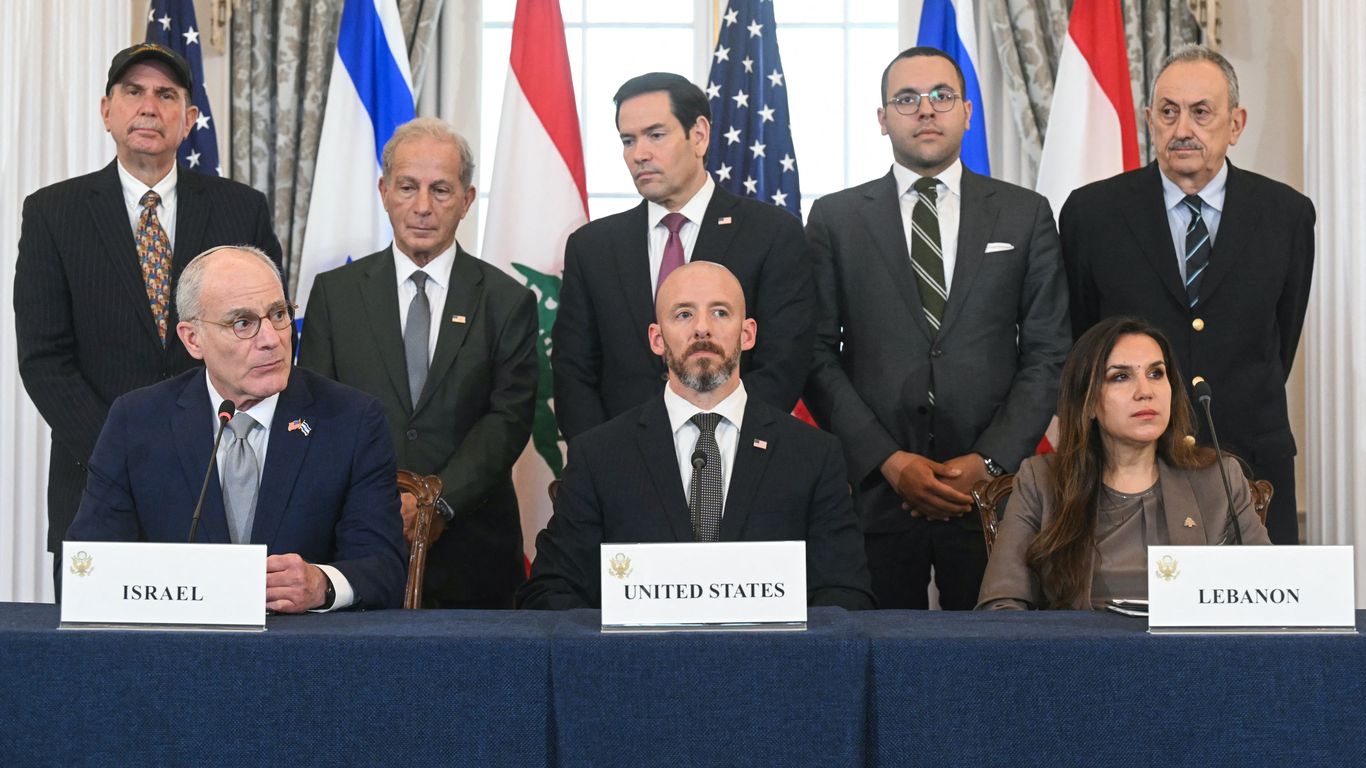
    A new security agreement between Israel and Lebanon, announced in late June 2026, was primarily motivated by a mutual concern over Iran’s expanding regional influence and the increasing military capabilities of Hezbollah. This pact represents a strategic effort by both nations to stabilize their shared northern border and mitigate potential escalations stemming from broader geopolitical shifts in the Middle East.

    The agreement signifies a rare instance of direct security cooperation between two countries that have historically maintained an official state of war. Diplomatic channels, often indirect, facilitated the months-long negotiations that culminated in this unexpected accord. The outcome reflects a pragmatic recognition of shared threats, particularly those posed by non-state actors operating with external support.

    The Shared Threat of Iranian Influence

    Iran’s regional activities have been a consistent source of instability in the Middle East for decades. Its support for various proxy groups, including Hezbollah in Lebanon, Hamas in Gaza, and Houthi rebels in Yemen, has extended its geopolitical reach. This expansion has generated alarm in both Jerusalem and Beirut.

    For Israel, Iran’s nuclear program and its advanced missile capabilities represent existential threats. The presence of a heavily armed Hezbollah on its northern border, supplied and trained by Iran, adds a critical dimension to these security concerns. Hezbollah’s arsenal, estimated to include tens of thousands of rockets and missiles, poses a direct threat to Israeli civilian centers and infrastructure.

    Lebanon, in contrast, faces a different set of challenges from Iranian influence. The Lebanese government struggles with internal political divisions and a severe economic crisis. Hezbollah, a powerful political and military force within Lebanon, often operates outside the state’s direct control. This dynamic compromises Lebanese sovereignty and risks drawing the nation into regional conflicts against its will.

    The Lebanese state has long sought to assert its authority over all armed groups within its borders. Hezbollah’s independent military infrastructure, however, remains a significant obstacle to this objective. The recent agreement provides a framework for the Lebanese government to potentially reassert some control over its territory and prevent it from becoming a launchpad for regional hostilities.

    Hezbollah’s Evolving Role and Capabilities

    Hezbollah, founded in the early 1980s, has evolved from a militia focused on resisting Israeli occupation into a sophisticated military and political organization. Its substantial military wing, equipped with advanced weaponry from Iran, operates largely independently of the Lebanese Armed Forces. This dual nature presents a complex challenge for both regional stability and Lebanese internal governance.

    In recent years, Hezbollah has gained combat experience in other regional conflicts, notably in Syria, where its fighters supported the Syrian government. This involvement further enhanced its military capabilities and deepened its strategic ties with Iran. The group’s presence along the Israeli-Lebanese border has been a consistent flashpoint, leading to numerous skirmishes and heightened tensions.

    The Israeli intelligence community has consistently monitored Hezbollah’s activities, including its efforts to establish precision-guided missile factories in Lebanon. These developments represent a qualitative shift in Hezbollah’s threat profile, prompting Israel to seek new strategies for deterrence and defense. The 2026 security agreement reflects a part of this evolving strategy.

    The Diplomatic Path to Agreement

    The path to the 2026 security agreement was protracted and complex, involving multiple rounds of indirect negotiations. These discussions often took place through intermediaries, including the United States and other international actors. These third parties played a crucial role in bridging the communication gap between Israel and Lebanon.

    Key figures in these negotiations included U.S. Assistant Secretary of State for Near Eastern Affairs Barbara Leaf and French Special Envoy for Lebanon Jean-Yves Le Drian. Their persistent diplomatic efforts helped maintain momentum despite numerous setbacks. The negotiations focused on practical security arrangements along the Blue Line, the demarcation line between Lebanon and Israel established by the United Nations in 2000.

    Specific points of discussion included mechanisms for de-escalation, intelligence sharing regarding non-state actors, and protocols for managing border incidents. The agreement does not constitute a full peace treaty, but rather a limited security understanding aimed at preventing unintended escalation. It builds upon previous informal understandings and UN resolutions, most notably UN Security Council Resolution 1701, which ended the 2006 Lebanon War.

    Implications for Regional Stability

    The Israel-Lebanon security agreement carries significant implications for broader regional stability. It demonstrates that even in the absence of full diplomatic recognition, shared security interests can compel adversarial nations to cooperate. This pragmatic approach could serve as a model for addressing other intractable conflicts in the Middle East.

    For Israel, the agreement offers a potential reduction in immediate border tensions and a framework for managing Hezbollah’s activities. It allows Israel to focus its security resources on other strategic challenges, including Iran’s direct nuclear ambitions. The deal also provides a measure of legitimacy for Israel’s security concerns on the international stage.

    For Lebanon, the agreement provides a crucial opportunity to reassert state sovereignty and potentially curb Hezbollah’s independent military actions. It could also encourage international investment and aid by signaling a degree of stability and a commitment to de-escalation. The economic benefits of a calmer border could be substantial for the struggling Lebanese economy.

    However, challenges remain. The implementation of the agreement will require continuous vigilance and good faith from all parties. Hezbollah’s internal dynamics and its relationship with Iran will be critical factors in determining the long-term success of the pact. The agreement’s effectiveness will ultimately depend on its ability to withstand future geopolitical shocks and internal pressures within Lebanon.

    The Role of International Actors

    International actors, particularly the United States and France, played indispensable roles in facilitating this agreement. Their persistent engagement underscored the global interest in preventing another major conflict in the Levant. These powers provided crucial mediation, technical expertise, and assurances to both sides.

    The United States, through its diplomatic missions, worked to ensure that the agreement aligned with broader U.S. foreign policy objectives in the region, which include countering Iranian influence and promoting regional stability. French involvement, rooted in its historical ties to Lebanon, focused on supporting Lebanese sovereignty and preventing its further destabilization.

    United Nations peacekeeping forces, specifically the United Nations Interim Force in Lebanon (UNIFIL), will likely play an even more critical role in monitoring the implementation of the agreement. UNIFIL’s presence along the Blue Line provides a neutral observer and a communication channel for incident reporting and de-escalation efforts. The agreement could enhance UNIFIL’s mandate and effectiveness.

    Looking Ahead: Challenges and Opportunities

    The 2026 Israel-Lebanon security agreement is a testament to the complex and often counterintuitive nature of Middle Eastern diplomacy. It emerges not from a newfound friendship, but from a shared recognition of pressing security threats. The deal is a pragmatic arrangement designed to manage immediate risks and create a modicum of stability.

    The primary opportunity lies in the potential for reduced cross-border violence and a greater focus on economic recovery in Lebanon. For Israel, it offers a chance to mitigate a significant security threat on its northern flank. However, the agreement’s durability will depend on several factors, including the political will of both governments, the continued engagement of international mediators, and the evolving regional landscape.

    The shadow of Iran’s regional ambitions will continue to loom large. Hezbollah’s future actions, its internal cohesion, and its relationship with the Lebanese state will also dictate the agreement’s long-term viability. This pact is a step, not a solution.

    Governments negotiated. Diplomats mediated. Security concerns converged.

    Stability.