Tag: Iran

  • President Trump’s Urgent Plea: Aftermath of Iranian Attack on US Troops

    President Trump’s Urgent Plea: Aftermath of Iranian Attack on US Troops

    President Trump issued an urgent plea to the nation following an Iranian attack that resulted in the deaths of US troops, emphasizing the critical need for national unity and a decisive response to protect American interests and personnel abroad. The attack marks a serious escalation in the long-standing tensions between the United States and Iran, drawing immediate international attention and raising concerns about regional stability.

    The plea delivered by President Trump on July 19, 2026, underscored the severity of the incident. It called for solidarity in the face of aggression. This event has initiated a period of heightened alert and strategic re-evaluation within the White House and the Pentagon.

    The Attack and Immediate Aftermath

    Details surrounding the Iranian attack remain under investigation. Initial reports confirm that US service members were killed in a targeted strike. The exact location of the attack has not been publicly disclosed, but it occurred in a region where US forces are regularly deployed for various operations, including counter-terrorism and regional security missions.

    The Pentagon confirmed the casualties shortly before President Trump’s address. Secretary of Defense Pete Hegseth stated that all necessary measures were being taken to assess the situation and ensure the safety of remaining personnel. Vice President JD Vance also issued a statement condemning the attack, reiterating the administration’s commitment to protecting American lives.

    Emergency meetings were convened at the White House. National Security Advisor Michael R. Chen, Secretary of State Marco Rubio, and Chairman of the Joint Chiefs of Staff General Dan Caine were present. Discussions focused on potential retaliatory actions and diplomatic strategies to de-escalate the broader conflict while addressing the immediate threat.

    President Trump’s Urgent Plea

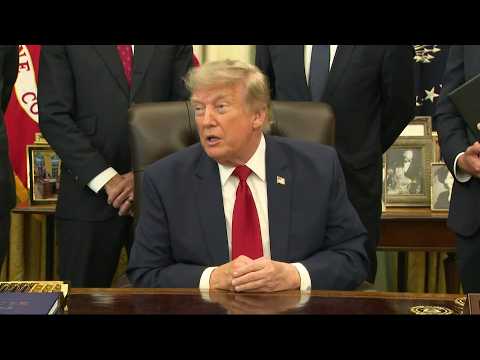
    President Trump’s plea was broadcast from the Oval Office. He addressed the nation directly, expressing condolences to the families of the fallen service members. His tone was resolute, balancing grief with a clear message of determination.

    The President emphasized the unprovoked nature of the attack. He vowed that those responsible would be held accountable. He called upon all Americans to unite in support of the military and the nation’s values.

    Key themes of his address included national resolve, the defense of American sovereignty, and the protection of personnel deployed overseas. He highlighted the ongoing challenges posed by state-sponsored terrorism and regional instability, specifically referencing Iran’s role.

    “Today, our nation mourns the loss of brave Americans who made the ultimate sacrifice,” President Trump stated. “This act of aggression will not go unanswered. We will defend our people, our interests, and our allies with every fiber of our being.”

    The plea also touched upon the importance of international cooperation. President Trump indicated that he had been in contact with leaders of allied nations. These discussions aimed to forge a united front against such acts of aggression.

    Historical Context of US-Iran Tensions

    The relationship between the United States and Iran has been fraught with tension for decades. The 1979 Iranian Revolution and the subsequent hostage crisis marked a significant turning point. Since then, periods of diplomatic engagement have often been overshadowed by geopolitical rivalries and proxy conflicts.

    Under previous administrations, efforts to contain Iran’s nuclear program and its regional influence have been central to US foreign policy. The 2015 Joint Comprehensive Plan of Action (JCPOA), commonly known as the Iran nuclear deal, was a landmark agreement aimed at preventing Iran from developing nuclear weapons in exchange for sanctions relief.

    President Trump withdrew the United States from the JCPOA in 2018 during his first term. This decision led to the re-imposition of stringent economic sanctions on Iran. Iran, in turn, began to incrementally violate the terms of the agreement, increasing its uranium enrichment activities.

    The period following the US withdrawal saw a series of escalations. These included attacks on oil tankers in the Persian Gulf, drone incidents, and rocket attacks on facilities housing US personnel in Iraq. The killing of Iranian General Qasem Soleimani in January 2020 by a US drone strike further intensified hostilities.

    Throughout 2025 and into 2026, intelligence reports consistently warned of increased Iranian activity in the region. This included support for various proxy groups and continued development of ballistic missile capabilities. These actions have been viewed by the US and its allies as destabilizing.

    Geopolitical Implications and Regional Stability

    The recent attack and President Trump’s subsequent plea have immediate and far-reaching geopolitical implications. The Middle East remains a volatile region, with numerous ongoing conflicts and power struggles.

    One primary concern is the potential for a broader regional conflict. Iran’s network of proxy groups, including Hezbollah in Lebanon, various militias in Iraq and Syria, and the Houthi movement in Yemen, could be activated in response to any US retaliation. This could draw other regional powers, such as Saudi Arabia and Israel, into direct confrontation.

    Oil markets reacted immediately to the news. Global crude oil prices saw a significant spike, reflecting investor concerns about supply disruptions in the Persian Gulf, a critical chokepoint for international energy trade. This economic impact further complicates the situation.

    Diplomatic efforts are underway to prevent an uncontrolled escalation. United Nations Secretary-General António Guterres called for restraint from all parties. He urged a peaceful resolution to the crisis. European leaders, including French President Emmanuel Macron and German Chancellor Friedrich Merz, have also expressed deep concern and offered mediation.

    National Security Posture and Domestic Response

    Domestically, the attack has galvanized public opinion. Calls for a strong response are balanced by concerns about the potential for prolonged military engagement. The incident has reignited debates about US foreign policy in the Middle East and the deployment of American troops abroad.

    The Department of Homeland Security has increased its alert levels. While no specific threats to the US homeland were immediately identified, precautionary measures were enacted. These measures aim to enhance security at critical infrastructure and public venues.

    Congressional leaders from both parties expressed bipartisan condemnation of the attack. Senate Majority Leader John Thune and House Speaker Mark Jefferson issued joint statements. They pledged support for the President’s efforts to protect American forces and respond decisively.

    Veteran organizations and military families have voiced their sorrow and anger. They demand justice for the fallen. Protests and vigils are being organized in several major US cities, highlighting the human cost of international conflicts.

    Future Outlook and Potential Responses

    The coming days and weeks will be crucial in determining the trajectory of US-Iran relations. The Trump administration faces complex choices. These choices range from targeted military strikes to intensified diplomatic pressure and economic sanctions.

    One potential response involves a direct military reprisal against Iranian military assets or those of its proxy groups deemed responsible for the attack. Such actions carry the risk of further escalation, potentially leading to a full-scale conflict.

    Another option involves a coordinated international response, leveraging diplomatic and economic pressure from a coalition of allies. This approach would aim to isolate Iran further and compel it to cease its aggressive actions without resorting to direct military confrontation.

    The administration’s strategy will likely involve a combination of these elements. The objective will be to deter future attacks while minimizing the risk of a wider war. The ultimate goal is to restore a measure of stability to the region.

    The situation remains fluid. The international community watches closely. The American public awaits further developments. President Trump’s urgent plea reflects the gravity of the moment.

    Families mourn. Politicians strategize. The world watches.

    Washington.
  • US and Iran Escalate Attacks: Fears of Full War Return in 2026

    US and Iran Escalate Attacks: Fears of Full War Return in 2026

    Tensions between the United States and Iran have escalated significantly in July 2026, leading to widespread fears of a return to a full-scale war. Recent reports indicate an increase in military engagements and hostile rhetoric, marking a dangerous shift in the long-standing geopolitical rivalry. This current escalation is rooted in decades of complex relations, marked by sanctions, proxy conflicts, and strategic competition for influence in the Middle East.

    But the story doesn’t begin there. The current climate of apprehension is a culmination of historical grievances and recent provocations that have pushed both nations closer to direct confrontation.

    Historical Context of US-Iran Relations

    The relationship between the United States and Iran has been fraught with tension for decades. The 1979 Iranian Revolution marked a pivotal turning point, transforming a key US ally into an adversary. The subsequent hostage crisis at the US Embassy in Tehran solidified this animosity.

    Throughout the 1980s and 1990s, relations remained strained. Iran’s pursuit of nuclear technology became a central point of contention in the early 21st century. The international community, led by the United States, imposed stringent sanctions aimed at curbing Iran’s nuclear program.

    The Joint Comprehensive Plan of Action (JCPOA), signed in 2015, offered a temporary reprieve. This agreement, involving Iran, the P5+1 nations (China, France, Germany, Russia, the United Kingdom, and the United States), and the European Union, aimed to limit Iran’s nuclear activities in exchange for sanctions relief.

    However, the United States withdrew from the JCPOA in May 2018 under the Trump administration. This withdrawal reimposed and expanded sanctions, leading to a renewed period of heightened tension and economic pressure on Iran. Iran responded by gradually reducing its compliance with the nuclear deal’s terms.

    Recent Escalation of Attacks in 2026

    The current escalation in July 2026 follows a series of incidents that began earlier in the year. Specific details of the recent attacks remain sensitive, but reports from Bloomberg Television and other international news outlets confirm an uptick in military actions.

    These actions include:

    • Reported drone strikes targeting infrastructure in the region.
    • Naval confrontations in the Persian Gulf and the Strait of Hormuz.
    • Cyberattacks attributed to both sides, disrupting critical systems.
    • Increased military deployments by both the United States and Iran in strategic areas.

    The nature of these attacks suggests a move beyond proxy warfare towards more direct engagements. This shift raises alarms among international observers and allied nations.

    The Strait of Hormuz: A Critical Flashpoint

    The Strait of Hormuz, a narrow waterway connecting the Persian Gulf to the open ocean, remains a critical flashpoint. Approximately 20% of the world’s petroleum and other liquids consumption passes through this strait daily.

    Any disruption to shipping in the Strait of Hormuz has immediate and significant global economic consequences. Both the United States and Iran have historically demonstrated their capacity to project power in this vital maritime corridor. Recent naval maneuvers and reported incidents near the Strait underscore its strategic importance in the ongoing tensions.

    Geopolitical Implications and International Response

    The escalating conflict carries significant geopolitical implications for the entire Middle East and beyond. Regional allies of the United States, such as Saudi Arabia and the United Arab Emirates, are closely monitoring the situation. These nations have their own complex relationships with Iran and stand to be directly impacted by a full-scale war.

    International bodies, including the United Nations, have issued strong calls for de-escalation. UN Secretary-General António Guterres urged both parties to exercise maximum restraint and engage in diplomatic dialogue. European Union leaders have also expressed deep concern, advocating for a return to negotiations and the revival of the JCPOA.

    The Role of Allied Nations

    Key US allies in Europe and Asia are navigating a delicate balance. While expressing solidarity with the United States, many also advocate for diplomatic solutions to avoid a protracted and costly conflict. The economic fallout from a war in the Middle East, particularly its impact on global energy markets, is a major concern for these nations.

    Conversely, some regional actors may view the escalation as an opportunity to further their own agendas. The involvement of non-state actors and proxy groups adds another layer of complexity to the conflict dynamics.

    Economic Impact of Renewed Hostilities

    A full-scale war between the United States and Iran would have severe global economic repercussions. The immediate impact would be felt in oil markets, with crude oil prices likely to surge. This would lead to higher energy costs for consumers and businesses worldwide, potentially triggering a global economic downturn.

    Beyond energy, supply chains already strained by other global events would face further disruption. International trade routes, particularly those reliant on the Suez Canal and the Strait of Hormuz, would be at risk. Investment confidence would decline, leading to market volatility and uncertainty.

    Humanitarian Concerns

    The human cost of conflict is always paramount. A war in the region would inevitably lead to a humanitarian crisis, displacing populations and increasing the need for international aid. Civilian casualties, infrastructure damage, and long-term instability are direct consequences.

    Organizations like the International Committee of the Red Cross (ICRC) and Doctors Without Borders are already preparing for potential worst-case scenarios. The focus remains on protecting civilian lives and ensuring access to essential services.

    Diplomatic Pathways and Future Prospects

    Despite the current escalation, diplomatic pathways remain a crucial, albeit challenging, avenue for de-escalation. Efforts to revive the JCPOA or initiate new talks are ongoing, though progress has been slow.

    Mediators from various countries and international organizations continue to engage with both Washington D.C. and Tehran. These efforts aim to establish channels for communication and identify common ground for reducing tensions.

    Statements from Key Leaders

    President Trump has consistently maintained a firm stance on Iran, emphasizing national security interests and the need to counter Iranian influence. His administration has reiterated its commitment to protecting US personnel and assets in the region.

    Iranian leadership, including Supreme Leader Ali Khamenei and President Masoud Pezeshkian, has denounced US actions as provocative and asserted Iran’s right to defend its sovereignty. They have called for the removal of sanctions as a precondition for meaningful dialogue.

    The path forward is uncertain. Diplomacy requires trust and a willingness to compromise, both of which are in short supply. The international community watches, hopes, and prepares.

    The Stakes for Global Security

    The current situation carries immense stakes for global security. A war between the United States and Iran would not only destabilize the Middle East but also have ripple effects across the globe. It could draw in other regional powers, leading to a wider conflict with unpredictable outcomes.

    Nuclear proliferation concerns would also intensify, as both sides might feel compelled to enhance their strategic capabilities. The global non-proliferation regime could be severely tested.

    The world waits. Leaders deliberate. Diplomats engage.

    Fear.

  • Global Shifts: President Trump’s Iran Warning and AI’s Impact on ASML

    Global Shifts: President Trump’s Iran Warning and AI’s Impact on ASML

    On July 15, 2026, President Trump issued a warning concerning Iran, a statement that immediately drew international attention to the ongoing geopolitical situation in the Middle East. This warning, delivered during a period of heightened global tensions, underscored concerns about regional stability and the future of international agreements. The announcement coincided with financial news highlighting the economic impact of technological advancements, specifically the rising demand for semiconductor manufacturing equipment from companies like ASML, driven by the expansion of artificial intelligence.

    These two distinct but equally significant developments, a presidential warning on a critical geopolitical front and a report on the economic forces shaping the tech industry, illustrate the dual pressures of global security and technological evolution in mid-2026. The world navigates complex political landscapes while simultaneously adapting to rapid technological shifts that redefine industries and economies.

    President Trump’s Warning on Iran

    President Trump’s statement on Iran on July 15, 2026, reiterated the administration’s stance on the nation’s nuclear program and regional activities. The specific details of the warning were not immediately disclosed but were understood to relate to ongoing diplomatic efforts and security concerns. Such warnings often precede or accompany diplomatic maneuvers or policy adjustments designed to influence international behavior.

    The relationship between the United States and Iran has been a consistent feature of international policy for decades. Various administrations have approached this relationship with differing strategies, encompassing sanctions, diplomatic engagement, and military deterrence. President Trump’s current administration has maintained a firm stance on preventing Iran from developing nuclear weapons and curbing its influence in the Middle East.

    Geopolitical analysts widely discussed the implications of this warning. Concerns often center on the Strait of Hormuz, a critical chokepoint for global oil shipments, and the broader stability of the Persian Gulf region. Any escalation of tensions in this area has the potential to impact global energy markets and international trade routes.

    The warning also likely touched upon Iran’s ballistic missile program and its support for various non-state actors in the region. These elements are frequently cited by the United States and its allies as destabilizing factors. International bodies such as the International Atomic Energy Agency (IAEA) continue to monitor Iran’s compliance with nuclear safeguards, adding another layer of complexity to the situation.

    Diplomatic efforts involving European powers and other international partners often seek to de-escalate tensions and find common ground for negotiations. However, progress on these fronts has historically been challenging, marked by periods of intense negotiation and subsequent stalemates. President Trump’s warning served as a reminder of the persistent challenges in achieving lasting peace and security in the Middle East.

    The Rise of AI and ASML’s Role

    Simultaneously with the geopolitical news, reports emerged on July 15, 2026, detailing the soaring demand for semiconductor manufacturing equipment, primarily driven by the rapid advancements in artificial intelligence. This trend significantly impacts companies like ASML Holding N.V., a Dutch multinational corporation specializing in the development and manufacturing of photolithography systems.

    ASML’s technology is critical for producing the advanced microchips that power everything from smartphones to supercomputers. The company holds a near-monopoly on extreme ultraviolet (EUV) lithography machines, which are essential for manufacturing the most advanced semiconductor nodes. These nodes are precisely what AI applications require to process vast amounts of data and perform complex computations at high speeds.

    Artificial intelligence, in 2026, is no longer a nascent technology. It has permeated various sectors, including healthcare, finance, automotive, and entertainment. The development of large language models, advanced machine learning algorithms, and sophisticated AI hardware necessitates an ever-increasing supply of powerful and efficient semiconductors. This demand translates directly into orders for ASML’s cutting-edge equipment.

    The global semiconductor shortage experienced in the early 2020s highlighted the fragility of the supply chain and the critical importance of chip manufacturing capabilities. In response, many nations, including the United States and European Union members, have invested heavily in domestic chip production. This push further fuels the demand for ASML’s machinery, as new fabs (fabrication plants) are built or expanded worldwide.

    ASML’s strategic importance extends beyond its technological prowess. It represents a vital choke point in the global technology supply chain. Without ASML’s EUV machines, manufacturing the most advanced chips becomes exceedingly difficult, if not impossible. This position gives the company significant leverage and makes it a focal point for geopolitical and economic competition.

    Interconnected Global Dynamics

    The convergence of President Trump’s Iran warning and the AI-driven surge in ASML’s demand illustrates the interconnectedness of global affairs. Geopolitical stability is often a prerequisite for economic growth and technological advancement. Conversely, technological competition can become a source of international tension.

    For instance, the ability of nations to access advanced semiconductor technology is increasingly linked to national security and economic competitiveness. Restrictions on technology exports, often driven by geopolitical considerations, can have profound impacts on global supply chains and the pace of innovation. The United States, for example, has implemented measures to limit China’s access to advanced chip technology, directly impacting companies in the semiconductor ecosystem, including those that rely on ASML’s equipment.

    The pursuit of AI supremacy is a global race, with major powers investing billions in research, development, and infrastructure. This race is not just about technological leadership; it is also about economic dominance and military advantage. The capacity to develop and deploy advanced AI systems depends heavily on access to the most sophisticated computing hardware, which in turn depends on the output of companies like ASML.

    Therefore, a warning about Iran, while seemingly distant from semiconductor manufacturing, is part of a larger tapestry of global risk and opportunity. Stable international relations allow for predictable trade and technological collaboration, fostering an environment where innovation can thrive. Instability, however, can disrupt supply chains, deter investment, and redirect resources from technological advancement towards security concerns.

    The events of July 15, 2026, serve as a microcosm of the challenges faced by leaders and policymakers. They must navigate a world where geopolitical flashpoints can emerge rapidly, while simultaneously adapting to and harnessing the transformative power of technologies like artificial intelligence. The decisions made today in one domain can have ripple effects across others, shaping the global landscape for years to come.

    The Impact on International Relations

    President Trump’s warning to Iran will invariably influence diplomatic discussions and alliances. Allies of the United States in the Middle East, such as Saudi Arabia and Israel, often share concerns about Iran’s regional activities. A strong stance from Washington can be seen as a reaffirmation of security commitments.

    Conversely, nations that advocate for a more conciliatory approach with Iran may view the warning as a potential impediment to diplomatic resolutions. European nations, in particular, have often sought to maintain channels of communication and trade with Iran, even amidst sanctions. The warning could complicate these efforts.

    The United Nations and its various agencies also play a role in monitoring international agreements and mediating disputes. Any significant shift in policy or rhetoric from a major power like the United States can prompt discussions within these multilateral forums. The goal is often to prevent escalation and ensure adherence to international law.

    The warning’s long-term impact will depend on subsequent actions and reactions from all parties involved. Whether it leads to intensified negotiations, further sanctions, or other measures remains to be seen. The Middle East remains a region of complex interdependencies, where even a single statement can have wide-ranging consequences.

    Economic Implications of AI Growth

    The accelerated demand for ASML’s products underscores a broader economic trend: the massive investment flowing into the AI sector. This investment is not limited to software development; it extends to the foundational hardware infrastructure required to run AI models effectively. Data centers are expanding, requiring more powerful and energy-efficient chips.

    This growth creates significant economic opportunities but also presents challenges. The concentration of advanced chip manufacturing in a few key regions, primarily East Asia and the Netherlands, raises concerns about supply chain resilience. Diversifying manufacturing capabilities has become a strategic priority for many governments to mitigate future disruptions.

    The economic benefits of AI are projected to be substantial, driving productivity gains across industries and creating new markets. However, the equitable distribution of these benefits and the potential for job displacement due to automation are also subjects of ongoing debate. The demand for ASML’s technology is a tangible manifestation of these powerful economic forces at play.

    The confluence of geopolitical warnings and technological acceleration shapes the global narrative. Nations are grappling with the need for security in an unpredictable world. They are also competing for economic and technological leadership in a rapidly evolving digital landscape. President Trump’s warning. AI-driven demand. Global shifts.

    Complexity.

    FAQ Section

    What was President Trump’s warning about on July 15, 2026?
    President Trump issued a warning concerning Iran on July 15, 2026. The warning addressed ongoing geopolitical concerns related to Iran’s nuclear program and its regional activities, underscoring the administration’s focus on Middle East stability.

    How is AI impacting the demand for semiconductor equipment?
    Artificial intelligence advancements are significantly increasing the demand for advanced semiconductor manufacturing equipment. AI applications require powerful and efficient microchips to process large datasets and execute complex algorithms, leading to a surge in orders for companies like ASML that produce these critical machines.

    What is ASML’s role in the semiconductor industry?
    ASML Holding N.V. is a crucial supplier to the semiconductor industry, specializing in photolithography systems. The company is particularly dominant in extreme ultraviolet (EUV) lithography, technology essential for manufacturing the most advanced and smallest microchips used in cutting-edge AI and other high-tech applications.

    Why are geopolitical events and technological trends discussed together?
    Geopolitical events and technological trends are often discussed together because they are deeply interconnected. Geopolitical stability can enable technological advancement, while technological competition can create new geopolitical tensions. For example, access to advanced AI technology is now a matter of national security and economic competitiveness, making the stability of supply chains and international relations crucial.

    What are the broader implications of these global shifts?
    The broader implications include increased international focus on both regional security and technological leadership. Nations are navigating complex diplomatic challenges while simultaneously investing heavily in AI and semiconductor manufacturing to secure future economic growth and strategic advantage. These shifts define the global landscape of the mid-2020s.

  • Trump Shelves 20% Fee for Hormuz Cargo Shipments – Economic and Geopolitical Impact

    Trump Shelves 20% Fee for Hormuz Cargo Shipments – Economic and Geopolitical Impact

    President Trump Reverses Course on Hormuz Shipping Fee

    President Donald Trump has shelved the controversial proposal to impose a 20% fee on cargo shipments transiting the Strait of Hormuz. This decision, announced in mid-2026, marks a significant shift from earlier policy considerations aimed at bolstering maritime security in the critical waterway.

    The initial proposal had generated considerable debate among international allies, shipping companies, and energy market analysts. Its cancellation reflects a re-evaluation of the economic and geopolitical implications such for global trade and regional stability.

    The Strategic Importance of the Strait of Hormuz

    The Strait of Hormuz is a narrow sea passage connecting the Persian Gulf with the Arabian Sea and the Gulf of Oman. It is one of the world’s most strategically important chokepoints for oil transit.

    Approximately one-fifth of the world’s total petroleum consumption, including crude oil and refined petroleum products, passes through the Strait daily. This volume translates to roughly 21 million barrels per day, according to the U.S. Energy Information Administration (EIA).

    The Strait’s geopolitical significance is amplified by its proximity to major oil-producing nations, including Saudi Arabia, Iran, Iraq, Kuwait, Qatar, and the United Arab Emirates. Any disruption to traffic in this waterway can have immediate and far-reaching effects on global energy prices and supply chains.

    The Rationale Behind the Proposed Fee

    The concept of a 20% fee was initially floated as a mechanism to fund enhanced security operations in the Persian Gulf. Proponents argued that nations benefiting from the free flow of commerce through the Strait should contribute directly to the costs of maintaining its security.

    This argument often cited the persistent threats posed by regional actors, including Iran’s Revolutionary Guard Corps. These threats have historically included harassment of commercial vessels, mine placements, and drone attacks.

    The U.S. Navy’s Fifth Fleet, based in Bahrain, plays a primary role in safeguarding international shipping in the region. The proposed fee was seen by some as a way to share the financial burden of these extensive security efforts more broadly among beneficiaries.

    International Reactions and Concerns

    The proposed 20% fee met with widespread international opposition. Key allies in Europe and Asia expressed concerns about the economic impact on their energy imports and export industries.

    Shipping industry organizations warned that such a fee would significantly increase operational costs. These costs would inevitably be passed on to consumers, leading to higher prices for goods and energy globally.

    Analysts also pointed to the potential for the fee to destabilize an already volatile region. There were worries that it could be perceived as an aggressive economic measure, exacerbating tensions rather than alleviating them.

    Iran, which shares the Strait with Oman, had strongly condemned the proposal. Iranian officials viewed it as an infringement on international maritime law and a hostile act.

    Economic Implications of the Decision

    The shelving of the 20% fee is expected to provide relief to global shipping companies and energy markets. Had it been implemented, the fee could have added billions of dollars annually to the cost of transporting oil and other goods.

    For oil-importing nations, especially those heavily reliant on Middle Eastern crude, the decision averts a significant increase in energy costs. This helps maintain stability in global supply chains and mitigates inflationary pressures.

    The shipping industry, already navigating complex challenges such as fluctuating fuel prices and geopolitical risks, avoids an additional and substantial financial burden. This fosters greater predictability in maritime trade operations.

    Geopolitical Ramifications in the Persian Gulf

    The reversal of the fee policy also carries significant geopolitical weight. It signals a potential de-escalation of economic pressure in the Persian Gulf.

    This move may contribute to a more stable environment for diplomatic engagement with regional powers. It avoids creating new points of contention with allies and adversaries alike.

    The focus can now return to traditional methods of ensuring maritime security, including multinational naval patrols and diplomatic efforts to de-escalate regional tensions. The U.S. continues to underscore its commitment to freedom of navigation.

    Historical Context of Hormuz Security

    Security in the Strait of Hormuz has been a recurring international concern for decades. Incidents of maritime disruption date back to the Iran-Iraq War in the 1980s, known as the “Tanker War.”

    During that conflict, both sides attacked each other’s oil tankers and those of third parties, highlighting the vulnerability of shipping in the Strait. International naval forces, including those from the U.S., were deployed to protect commercial vessels.

    More recently, in the 2010s and 2020s, tensions have flared periodically, often involving Iran and its proxies. These incidents include attacks on tankers, seizures of vessels, and confrontations with naval forces.

    The U.S. has consistently maintained a naval presence in the region to deter aggression and ensure the free flow of commerce. This commitment remains a cornerstone of its foreign policy in the Middle East.

    The Role of International Diplomacy

    The decision to shelve the fee underscores the importance of international diplomacy in navigating complex geopolitical challenges. Consultations with allies and listening to the concerns of the global shipping industry likely played a role in the policy adjustment.

    Such multilateral engagement is crucial for addressing issues that impact global trade and security. Unilateral actions, particularly those with significant economic consequences, often face strong resistance and can undermine international cooperation.

    The path forward for ensuring security in the Strait of Hormuz will likely continue to involve a combination of military deterrence, intelligence sharing, and diplomatic efforts to reduce regional tensions. Collaborative approaches are generally favored over punitive economic measures.

    Future Outlook for Hormuz Shipping

    With the 20% fee off the table, the immediate outlook for shipping through the Strait of Hormuz appears more stable from an economic perspective. However, underlying security challenges persist.

    The region remains susceptible to geopolitical shifts and the actions of various state and non-state actors. Vigilance and robust security measures will continue to be necessary.

    The international community will closely monitor developments in the Persian Gulf. The free flow of oil and goods through the Strait of Hormuz is essential for global economic health. The decision by President Trump helps to ensure this flow continues without additional financial burden.

    Oil prices. Shipping routes. Global trade. Geopolitical stability. Energy security. Peace.

  • Unconfirmed US Daytime Operation Reported in Western Iran – Global Scrutiny

    Unconfirmed US Daytime Operation Reported in Western Iran – Global Scrutiny

    On July 15, 2026, unconfirmed reports circulated globally regarding a rare United States daytime operation in Western Iran, near the border with Iraq. This alleged activity, occurring in broad daylight, has sparked considerable international speculation. Both the United States government and Iranian authorities have maintained official silence, offering no confirmation or denial. The absence of official statements has intensified scrutiny on the Middle East, as observers attempt to discern the nature and implications of such an event.

    Military and intelligence actions in contested territories are typically executed under the cover of darkness. The reported daytime timing of this operation, if accurate, marks a significant departure from standard operational procedures. This choice suggests a deliberate strategy, a time-sensitive objective, or an unavoidable constraint.

    Unconfirmed Activity in Iran’s Western Provinces

    Initial, unverified reports originated from regional observers and anonymous intelligence sources. They indicated significant activity in Iran’s western provinces. This area shares a long and often porous border with Iraq. It has historically been a complex zone, marked by various cross-border dynamics and geopolitical tensions.

    The focus on this specific geographical sector is notable. It suggests potential concerns related to border security, specific infrastructure targets, or the movement of identified groups. The region is known for its rugged terrain and its strategic importance.

    Precise geographical coordinates of the alleged activity remain unconfirmed. However, consistent reporting of ‘Western Iran’ and ‘near the Iraqi border’ narrows the potential area of interest. This area has witnessed historical conflicts and various forms of military and paramilitary activity over many decades.

    The description of a ‘daytime operation’ continues to draw particular attention. Military and intelligence operations typically prioritize stealth and minimize detection risks. Operating during daylight hours increases visibility and potential for engagement.

    Such a choice implies a deliberate calculation of risk. It could signal a time-sensitive objective that overrides standard operational security protocols. Alternatively, it might represent an intentional display of force, designed to convey a message through overt presence.

    These early observations are crucial for understanding the potential scope and intent. They highlight the unusual posture attributed to U.S. forces in this context. The decision to operate visibly during daylight hours suggests a high-stakes scenario or an imperative that dictates unconventional tactics.

    Official Silence from Washington and Tehran

    As of the afternoon of July 15, 2026, official channels from Washington D.C. remained silent. The White House, the Pentagon, and the State Department have not issued any public statements. This lack of comment is consistent with established U.S. policy regarding sensitive military or intelligence operations.

    The United States government typically maintains a strict policy of non-commentary on ongoing classified activities. This protocol aims to protect personnel, preserve operational security, and manage the narrative in complex international situations. The current silence aligns directly with this long-standing practice.

    Similarly, Iranian state media has offered no comprehensive coverage or official commentary. Limited local reports have surfaced, but these have not been consolidated into an official government position. The absence of immediate official statements from Tehran is as significant as Washington’s silence.

    Tehran’s silence could be interpreted in several ways. It might indicate a lack of confirmed information on their side. It could also be a strategic decision to avoid escalation or to buy time for a thorough assessment of the situation. The Iranian government often weighs its public responses carefully in such circumstances.

    News organizations worldwide are actively attempting to piece together details. They are relying on a network of correspondents, anonymous sources, and advanced satellite imagery analysis. The challenge remains to differentiate verified facts from speculative reports in a rapidly evolving information environment. The global media landscape continues to monitor the region for any new developments or official declarations from either nation.

    The absence of official communication from both sides fuels a climate of uncertainty. This uncertainty amplifies the potential for misinterpretation and heightened tensions. International bodies and allied nations are closely watching for any definitive statements that could clarify the situation.

    Analyzing Potential Objectives of a Daytime Operation

    Experts are currently speculating on several potential objectives for a rare U.S. daytime operation in Iran, despite the lack of confirmation. Such an overt action could serve multiple strategic purposes. These range from specific intelligence gathering to broader signals of deterrence.

    One primary theory centers on high-value intelligence collection. Certain targets, whether individuals or infrastructure, might necessitate visual confirmation or specialized equipment that performs optimally in daylight conditions. This could be part of a targeted counter-terrorism effort or a response to specific, actionable intelligence regarding Iranian activities or proxies.

    Another potential objective involves interdiction. This could entail intercepting illicit transfers such as weapons shipments, drug trafficking, or other contraband. The border region with Iraq is a known conduit for various cross-border movements, some of which are illegal. A daytime operation might be required for successful disruption if the transfers occur openly or require precise targeting.

    The disruption of identified threats represents a third possibility. This could range from dismantling militant group cells operating near the border to neutralizing specific capabilities deemed a direct threat to U.S. interests or allies. An overt daytime presence could be intended to maximize the psychological impact of such a disruption.

    A less probable, but still considered, theory involves a rescue mission. However, there have been no public reports indicating any U.S. personnel in distress within Iran. Such an operation would typically be conducted with extreme secrecy until its completion. A widely reported ‘daytime operation’ would therefore be an unlikely scenario for a rescue.

    The overt nature of the operation could also serve as a strategic signal. Though the precise message remains unclear without official communication, it might be intended to deter future aggressive actions by Iran or its proxies. It could also demonstrate U.S. capabilities, project power, or underscore a commitment to regional security. The deliberate visibility would be central to achieving such a strategic communication objective.

    The choice to operate in daylight could also be a consequence of a rapidly developing situation. It might indicate an urgent response to an emerging threat that did not allow for planning a nighttime insertion. This would suggest a reactive rather than purely pre-emptive posture.

    Consideration must also be given to technological factors. Advanced surveillance or strike platforms may require specific light conditions for optimal performance. The use of certain aerial assets, for example, might be more effective or safer during daylight hours.

    The Broader Regional Context and International Implications

    The Middle East remains a critical geopolitical flashpoint. Relations between the United States and Iran have been characterized by decades of tension and proxy conflicts. Any unconfirmed U.S. military activity within Iranian territory, even if denied, carries significant regional and international implications.

    The reported operation occurs against a backdrop of ongoing regional instability. This includes the complexities of the Iraq-Iran border, the persistent threat of various non-state actors, and broader power dynamics in the Persian Gulf. The timing of such an event is rarely coincidental within this volatile environment.

    International reaction has been cautious. Allied nations are likely seeking clarification through diplomatic channels. Adversarial nations may seize upon the reports to criticize U.S. actions or to further their own agendas. The lack of official information creates a vacuum that can be filled by narrative warfare.

    The potential for escalation is a significant concern. Even unconfirmed reports of direct military engagement between the U.S. and Iran could heighten tensions. This risks miscalculation by either side. Both Washington and Tehran have historically sought to avoid direct military confrontation, preferring proxy engagements.

    Global energy markets often react sensitively to developments in the Middle East. Any perceived increase in regional instability can lead to fluctuations in oil prices. The Strait of Hormuz, a critical chokepoint for global oil shipments, is particularly vulnerable to geopolitical tensions.

    The international community will be closely watching for any official statements. Confirmation of a U.S. operation would necessitate a robust diplomatic response. Denial, if credible, would aim to de-escalate the situation. The prolonged silence from both capitals adds to the gravity of the situation.

    The incident, whether confirmed or not, highlights the persistent challenges in managing U.S.-Iran relations. It underscores the fragility of regional peace and the constant potential for unexpected events to reshape geopolitical landscapes. The world waits for clarity.

    Historical Precedents and Modern Operational Environment

    Historically, the United States has conducted covert operations in various parts of the world, including the Middle East. These operations are typically characterized by secrecy and deniability. They are often executed at night to minimize detection and avoid public attribution.

    The reported daytime nature of this operation, therefore, stands out. It recalls instances where military actions were either intentionally overt or became public due to unforeseen circumstances. Each historical precedent offers a different lens through which to analyze the current unconfirmed reports.

    Technological advancements have also reshaped the operational environment. Satellite imagery, open-source intelligence (OSINT), and the rapid dissemination of information via social media mean that covert operations are increasingly difficult to keep secret. What might have been entirely deniable decades ago is now quickly scrutinized.

    The prevalence of drones and advanced reconnaissance aircraft also plays a role. These assets can provide real-time intelligence and support to ground operations. Their deployment, particularly in contested airspace, can be detected and reported by various entities, both state and non-state.

    The current geopolitical climate, with increased great power competition, adds another layer of complexity. Actions taken by one nation are often interpreted through the lens of broader strategic rivalries. A U.S. operation in Iran, even if unconfirmed, would be analyzed by Russia and China for its implications.

    The memory of past military engagements and their consequences also shapes current responses. Both the U.S. and Iran are aware of the potential for escalation. This mutual awareness often leads to a cautious approach, even amidst heightened tensions.

    The incident serves as a stark reminder of the ongoing shadow war between the U.S. and Iran. This conflict often plays out through proxies, cyberattacks, and clandestine operations. Direct, overt action, if confirmed, would represent a significant shift in this dynamic.

    The Information Vacuum and Global Response

    The information vacuum surrounding the alleged U.S. daytime operation has created an environment ripe for speculation. Without official confirmation or denial, various narratives can emerge, some of which may be inaccurate or intentionally misleading. This poses a challenge for media outlets and policymakers alike.

    International organizations, such as the United Nations, typically call for restraint and de-escalation in such situations. Their role often involves urging transparency and adherence to international law. However, without concrete facts, their ability to intervene effectively is limited.

    Financial markets across the globe have shown minor fluctuations. This reflects investor uncertainty regarding potential geopolitical instability. The price of oil, in particular, is sensitive to events in the Middle East, even unconfirmed ones.

    Diplomatic efforts are likely underway behind the scenes. Various nations may be engaging in quiet diplomacy with both Washington and Tehran. The goal would be to ascertain the facts and to prevent any unintended escalation of hostilities. These efforts often remain confidential to be effective.

    The situation underscores the critical role of accurate and timely information in international relations. When official sources are silent, the risk of misinformation and miscalculation increases significantly. The global community relies on verifiable facts to formulate appropriate responses.

    The world’s attention remains fixed on the Middle East. The unconfirmed reports of a U.S. daytime operation in Western Iran represent a moment of heightened tension. The silence from both governments only deepens the mystery.

    Reporters gathered. Analysts gathered. Diplomats gathered. The world held its breath.

    Tehran.

  • US Strikes Iranian Targets – Escalation in Middle East Tensions

    US Strikes Iranian Targets – Escalation in Middle East Tensions

    On July 15, 2026, the United States military initiated a seven-hour operation against multiple Iranian installations. This direct military action targeted specific capabilities within Iran, including missile launch sites, drone manufacturing facilities, and command-and-control centers. The operation signifies a substantial escalation in the long-standing tensions between Washington and Tehran.

    This engagement commenced in the early hours of the day. It concluded approximately seven hours later. Initial intelligence suggests the primary objective was to degrade Iran’s ability to project military power and influence across the region.

    The July 15, 2026 Engagement: An Overview

    The United States military undertook a significant operation against Iranian targets. This engagement lasted for seven hours, marking a decisive shift in U.S. policy toward Iran.

    The action occurred on July 15, 2026, following a period of intensifying geopolitical friction. This period saw increased rhetoric and strategic maneuvers from both nations.

    Reports from international monitors indicated the operation began early in the morning, local time. It concluded by mid-morning, suggesting a concentrated and rapid execution phase.

    The precise locations and types of targets engaged remain subject to official confirmation from U.S. authorities. However, the nature of the operation indicates a direct and overt military action by the United States against Iranian infrastructure.

    This direct engagement represents a departure from previous, more covert or limited responses. It signals a heightened level of commitment to countering perceived Iranian threats.

    Background to Escalation: Decades of Friction

    The relationship between the United States and Iran has been fraught with challenges for decades. Points of contention have historically included Iran’s nuclear program, its regional influence, and its support for various non-state actors across the Middle East.

    The United States has consistently articulated concerns regarding these activities. These concerns have shaped U.S. foreign policy decisions concerning Iran, leading to periods of both diplomatic engagement and punitive measures.

    In recent months, these underlying tensions have intensified significantly. A series of specific incidents, often undisclosed to the public, are believed to have directly contributed to the current military response.

    Analysts point to a cycle of provocations and counter-provocations that have steadily eroded diplomatic relations between Washington and Tehran. The July 15 operation is widely viewed as a culmination of these recent developments, pushing the relationship to a critical point.

    The strategic rivalry between the two nations extends across several key regional theaters. These include Iraq, Syria, Yemen, and the Persian Gulf. Each of these locations has seen proxy conflicts or direct confrontations involving U.S. and Iranian interests.

    Previous U.S. Actions and Iranian Responses

    The United States has previously employed a range of strategies to counter perceived Iranian threats. These have included comprehensive economic sanctions, designed to restrict Iran’s financial capabilities and international trade access.

    Cyber operations have also been utilized. These operations aim to disrupt Iranian infrastructure and military systems without direct kinetic engagement. Military deployments to the region, including naval assets and airpower, have been a consistent feature of U.S. policy, signaling presence and readiness.

    Iran, in turn, has often responded with its own military exercises. These exercises frequently involve missile tests, demonstrating its defensive and offensive capabilities. Support for proxy forces in regional conflicts has also been a hallmark of Iranian foreign policy, allowing it to exert influence without direct state-on-state confrontation.

    This latest operation differs significantly in its reported scale and duration. A seven-hour engagement suggests a coordinated and substantial effort, moving beyond previous limited strikes or covert actions. It signals a more overt and direct military posture from the United States, indicating a potential shift in strategy.

    Past U.S. administrations have varied in their approaches, from diplomatic overtures to heightened pressure campaigns. The current operation marks one of the most direct military confrontations in recent history between the two nations.

    The Nature of the Reported Targets

    While official confirmation is pending from U.S. authorities, intelligence sources have indicated the U.S. military focused on specific types of strategic targets within Iran. These targets are integral to Iran’s military capabilities and regional projection.

    Likely targets included missile launch sites. Degrading these sites would directly impact Iran’s ballistic missile capabilities, a key component of its deterrent and offensive strategy. Drone manufacturing facilities were also probable targets, aiming to curb Iran’s growing drone technology and deployment, which has been utilized by its proxies.

    Command-and-control centers were also identified as potential targets. Disrupting these centers would hinder Iran’s ability to coordinate its military forces and operations effectively, creating confusion and disarray within its defense structure.

    The overarching goal of this targeting strategy appears to be to significantly degrade Iran’s ability to project power. This would reduce its capacity to conduct military actions or support proxy groups in the region, thereby altering the regional balance of power.

    The targeting strategy also seems designed to minimize civilian casualties, focusing on military infrastructure. This precision targeting aligns with previous U.S. military doctrine in similar situations, emphasizing surgical strikes against military assets. However, the inherent risk of miscalculation and unintended consequences in such a complex operation remains high.

    The selection of these targets suggests an intent to reduce Iran’s capacity for asymmetric warfare and its ability to threaten maritime routes and regional allies.

    Logistics and Resources Deployed

    An operation of this reported scale and duration necessitated significant logistical planning and a substantial deployment of resources. The complexity of striking targets deep within Iranian territory required advanced capabilities.

    Air assets were crucial to the operation. These likely included advanced fighter jets, such as F-35s or F-22s, capable of delivering precision munitions with stealth capabilities. Surveillance drones, like the RQ-4 Global Hawk, would have provided real-time intelligence and damage assessment, crucial for evaluating the mission’s success.

    Naval forces stationed in the Persian Gulf and surrounding waters may also have played a critical support role. Aircraft carriers, destroyers, and submarines could have provided additional reconnaissance, electronic warfare capabilities, or acted as launch platforms for cruise missiles, ensuring a multi-faceted approach.

    The coordination required across different military branches and intelligence agencies would have been extensive. This includes the U.S. Central Command (CENTCOM), the Air Force, Navy, and various intelligence organizations. The success of a seven-hour operation hinges on seamless execution, from intelligence gathering to target engagement and post-strike assessment.

    Initial assessments of the operation will focus on the effectiveness of these deployments and the overall impact on Iran’s military infrastructure. The ability to execute such a complex mission over an extended period speaks to the advanced capabilities and strategic readiness of the United States military.

    The deployment likely involved sophisticated electronic warfare measures to suppress Iranian air defenses, ensuring the safety of U.S. aircraft and personnel.

    International Reactions and Regional Stability

    News of the operation immediately triggered a global response. Major world powers quickly issued statements calling for de-escalation and restraint from all parties involved, expressing concern over the potential for wider conflict.

    The United Nations Security Council is expected to convene an emergency session to discuss the situation and seek pathways to diplomatic resolution. This session will likely involve heated debates and calls for a ceasefire or de-escalation framework.

    Regional allies of the United States are closely monitoring developments, with some expressing solidarity and others urging caution. Countries bordering Iran are particularly concerned about potential retaliatory actions and the destabilizing effect on an already volatile region.

    Oil prices spiked immediately following reports of the operation, reflecting market anxieties about potential disruptions to global energy supplies. Global financial markets reacted with volatility, as investors sought safe-haven assets amidst the increased geopolitical uncertainty.

    Diplomatic efforts are expected to intensify in the coming days, with international mediators attempting to prevent a broader conflict. The international community fears a prolonged confrontation could have severe humanitarian and economic consequences.

    The European Union, along with other major powers, released a joint statement calling for dialogue and a peaceful resolution to the conflict, emphasizing the need to protect civilian lives and infrastructure.

    Looking Ahead: Potential Repercussions

    The repercussions of this seven-hour military operation are likely to be far-reaching and complex. Iran’s official response will be crucial in determining the immediate trajectory of the conflict.

    Analysts anticipate a range of potential Iranian reactions, from retaliatory strikes against U.S. interests or allies in the region to increased support for proxy groups. The nature and scale of any Iranian response will dictate the next phase of escalation or de-escalation.

    The operation also has significant implications for global energy markets. Any sustained disruption to oil production or shipping routes in the Persian Gulf could lead to further price hikes and economic instability worldwide.

    Domestically, the operation will likely generate political debate within the United States. President Trump’s administration will face scrutiny regarding the strategic rationale and potential long-term consequences of such a direct military engagement.

    International law experts will also examine the legality and proportionality of the U.S. action under international statutes. This will add another layer of complexity to the diplomatic fallout.

    The long-term stability of the Middle East hangs in a precarious balance. The international community is bracing for a period of heightened uncertainty. The world waits.

    Diplomats gathered. Leaders consulted. Markets braced. The world waits.

  • President Trump’s Strait of Hormuz Statement – National Security Implications

    President Trump’s Strait of Hormuz Statement – National Security Implications

    President Trump recently stated that the United States will ultimately control the Strait of Hormuz. This declaration by President Trump underscores the strategic importance of the waterway. The Strait of Hormuz serves as a critical chokepoint for global energy supplies.

    Its control has far-reaching implications for international trade, national security, and diplomatic relations. The United States has maintained a significant naval presence in the region for decades. This presence aims to ensure freedom of navigation and stability.

    The Strategic Importance of the Strait of Hormuz

    The Strait of Hormuz connects the Persian Gulf with the Arabian Sea and the Gulf of Oman. It is one of the world’s most vital shipping lanes. Its narrowest point is only about 21 nautical miles wide.

    This narrow channel is deep enough for large oil tankers. These tankers carry crude oil and liquefied natural gas (LNG) to markets worldwide. The Strait is bordered by Iran to the north and Oman’s Musandam Peninsula to the south.

    An estimated 20% of the world’s total petroleum consumption passes through this Strait. This includes a substantial portion of the world’s LNG shipments. The volume of energy resources makes the Strait indispensable to global energy security.

    Any disruption to traffic in the Strait can trigger immediate and significant increases in global oil and gas prices. Such disruptions can also lead to widespread economic instability. The Strait’s role in the global energy supply chain cannot be overstated.

    Historical Context of US Presence

    The United States has a long history of involvement in the security of the Persian Gulf. This involvement dates back to the post-World War II era. The US Navy’s Fifth Fleet is headquartered in Bahrain. Its primary mission includes protecting maritime commerce and deterring aggression in the region.

    Naval operations in the Strait of Hormuz have been continuous. They involve patrolling, escorting commercial vessels, and conducting joint exercises with allied nations. These efforts are part of a broader strategy to maintain open sea lanes.

    Incidents involving Iranian forces and international shipping have occurred periodically. These incidents highlight the volatile nature of the region. They also underscore the importance of a stable security presence.

    In 1988, Operation Praying Mantis saw US naval forces engage Iranian forces. This followed damage to a US warship by an Iranian mine. Such historical events demonstrate the potential for escalation in the Strait.

    International Law and Freedom of Navigation

    International law generally guarantees freedom of navigation through straits used for international navigation. The United Nations Convention on the Law of the Sea (UNCLOS) addresses this principle. Most nations recognize the right of transit passage through the Strait of Hormuz.

    Iran, however, has not ratified UNCLOS. It argues that its sovereign rights over its territorial waters allow it to control passage. This stance creates a legal and political tension. It directly impacts the interpretation of navigation rights.

    The US position consistently advocates for adherence to international law. This includes the right of transit passage for all vessels. President Trump’s statement implies a more assertive stance on this issue. It suggests a potential shift in how the US enforces these rights.

    Such a shift could challenge existing interpretations of international maritime law. It could also provoke responses from other nations with interests in the region. The legal framework surrounding the Strait is complex and contested.

    Economic Implications of Control

    Control over the Strait of Hormuz would grant immense economic leverage. The ability to regulate or restrict passage would impact global energy markets directly. Nations dependent on Persian Gulf oil and gas would be particularly vulnerable.

    Major importers include countries in Asia, Europe, and North America. Disruptions could lead to severe energy shortages and economic recessions. The stability of oil prices is often linked to the perceived security of the Strait.

    Beyond energy, the Strait facilitates a significant volume of general cargo. This includes manufactured goods and raw materials. Any impediment to this trade would have global economic repercussions.

    President Trump’s statement, therefore, carries substantial economic weight. It signals a potential re-evaluation of US policy regarding global economic chokepoints. The economic stakes are exceptionally high for all parties involved.

    Geopolitical Ramifications

    The Strait of Hormuz is a focal point of geopolitical competition. Regional powers, including Iran and Saudi Arabia, view its control as essential to their security and influence. International powers like China and Russia also have strategic interests in the Strait’s stability.

    China, a major importer of Middle Eastern oil, relies heavily on the Strait for its energy security. Russia, a major energy exporter, monitors the Strait for its impact on global energy prices. Both nations have expressed concerns about any unilateral actions in the region.

    President Trump’s statement could be interpreted in various ways. It could be seen as a deterrent against Iranian aggression. It could also be viewed as an escalation of US influence. The perception of control can alter regional power balances significantly.

    Alliances and rivalries in the Middle East are intricately linked to the Strait. Any move towards US control would necessitate careful diplomatic maneuvering. It would also require a clear strategy for managing potential international reactions.

    The Role of Iran

    Iran views the Strait of Hormuz as a critical component of its national defense. It has repeatedly threatened to close the Strait in response to sanctions or military threats. These threats are often seen as a bargaining chip in international negotiations.

    Iran’s Revolutionary Guard Corps operates in the waters of the Persian Gulf. They have been involved in numerous confrontations with international shipping. These include the seizure of oil tankers and harassment of naval vessels.

    The Iranian perspective emphasizes its sovereign rights over the waterway. It also highlights its perceived need to protect its economic and security interests. This often puts Iran at odds with international norms of free navigation.

    President Trump’s statement directly challenges Iran’s long-held position. It suggests a potential shift towards a more definitive US posture regarding the Strait. This could lead to increased tensions in an already volatile region.

    Future Scenarios and Diplomacy

    The assertion of US control over the Strait of Hormuz presents several potential future scenarios. One scenario involves a more robust US naval presence and enforcement of international maritime law. This could lead to increased stability, but also heightened risk of confrontation.

    Another scenario might involve diplomatic efforts to formalize international agreements for the Strait’s management. Such agreements would need to balance the interests of all stakeholders. This would include Iran, the Gulf states, and major global powers.

    President Trump’s statement could also be part of a broader negotiation strategy. It might aim to exert pressure on adversaries or strengthen the US position in upcoming talks. Diplomacy remains a critical tool for de-escalation and conflict resolution.

    The international community will closely watch how this statement translates into policy. The future of navigation in the Strait of Hormuz will depend on a delicate balance. It will require a mix of military deterrence, diplomatic engagement, and adherence to international law.

    Ensuring Global Energy Security

    Global energy security is intrinsically linked to the Strait of Hormuz. Reliable access to oil and natural gas is essential for economic stability worldwide. Any threat to this access is a threat to global prosperity.

    Diversification of energy sources and supply routes is an ongoing effort. However, no single alternative can fully replace the volume of energy transiting the Strait. This makes its continued open status paramount.

    President Trump’s comments highlight the enduring challenge of securing vital global chokepoints. They underscore the US commitment to maintaining global energy flows. The long-term stability of the Strait remains a top priority for many nations.

    Ensuring global energy security involves continuous monitoring, strategic planning, and international cooperation. The Strait of Hormuz will continue to be a central feature of these efforts.

    Oil tankers navigated. Warships patrolled. Diplomats conferred.

    The Strait.

  • President Trump Announces Reinstatement of Iran Blockade

    President Trump Announces Reinstatement of Iran Blockade

    President Trump Announces Reinstatement of Iran Blockade

    On July 13, 2026, President Trump announced that the United States will reinstate a blockade against Iran. This declaration signals a significant shift in U.S. foreign policy toward the Middle Eastern nation. The move is poised to intensify pressure on Tehran and has already begun to generate considerable international discussion.

    The announcement by President Trump marks a critical development in the long-standing tensions between the United States and Iran. It suggests a departure from previous diplomatic approaches and a return to more assertive measures.

    Historical Context of U.S.-Iran Relations

    Relations between the United States and Iran have been fraught with complexity for decades. The 1979 Iranian Revolution fundamentally altered the geopolitical landscape. The subsequent hostage crisis at the U.S. embassy in Tehran cemented a deep mistrust between the two countries.

    Over the years, various U.S. administrations have employed different strategies to manage Iran’s regional influence and nuclear ambitions. These have ranged from diplomatic engagement to stringent economic sanctions.

    The Nuclear Deal Era

    A notable period of engagement occurred with the Joint Comprehensive Plan of Action (JCPOA), commonly known as the Iran nuclear deal. This agreement, signed in 2015, involved Iran, the P5+1 nations (China, France, Germany, Russia, the United Kingdom, and the United States), and the European Union. It aimed to curb Iran’s nuclear program in exchange for sanctions relief.

    The United States withdrew from the JCPOA in May 2018 under President Trump’s previous administration. This withdrawal led to the re-imposition of U.S. sanctions, significantly impacting Iran’s economy.

    Previous Sanctions and Pressure Campaigns

    Prior to the JCPOA, and following the U.S. withdrawal, the United States implemented a “maximum pressure” campaign against Iran. This campaign involved extensive economic sanctions targeting Iran’s oil exports, banking sector, and other key industries. The goal was to compel Iran to negotiate a new, more comprehensive agreement addressing its nuclear program, ballistic missile development, and regional activities.

    These sanctions severely limited Iran’s access to international financial markets and significantly reduced its oil revenues. The economic impact on the Iranian populace was substantial.

    Details of the Blockade Reinstatement

    The term “blockade” typically refers to an act of war, involving the isolation of an area by force to prevent passage. In a modern geopolitical context, it often implies a stringent naval and economic embargo. President Trump’s statement on July 13, 2026, did not immediately detail the specific mechanisms of the reinstated blockade.

    However, the use of the term suggests a more aggressive posture than previous sanction regimes. It could imply a combination of naval patrols, stricter enforcement of existing sanctions, and potentially new measures to interdict shipping. The exact scope and implementation will define its impact.

    Economic Ramifications

    The reinstatement of a blockade will likely have profound economic consequences for Iran. It could further isolate Iran from global trade, restrict its ability to export oil, and limit its imports of essential goods. This pressure could exacerbate existing economic challenges within the country, including inflation and unemployment.

    Globally, such a move could disrupt energy markets. Iran is a significant oil producer, and any impediment to its exports could lead to increased global oil prices. International shipping lanes, particularly in the Persian Gulf and the Strait of Hormuz, could also face heightened security concerns.

    Geopolitical Implications

    The declaration of a blockade against Iran carries significant geopolitical weight. It could lead to increased tensions in the Middle East, a region already marked by numerous conflicts and rivalries. Regional actors, including Saudi Arabia, Israel, and other Gulf states, will be closely observing developments.

    International Reactions

    The international community’s reaction to President Trump’s announcement is expected to be varied. Allies of the United States may express support or caution, while nations with significant economic ties to Iran, such as China and Russia, may voice strong opposition. The United Nations Security Council could become a forum for intense diplomatic debate.

    The European Union, which has historically advocated for diplomatic solutions with Iran, will face pressure to respond. Their stance could influence the effectiveness and legitimacy of the blockade on a global scale.

    Potential for Escalation

    A blockade inherently carries a risk of escalation. Any attempt to physically enforce a blockade in international waters or airspace could lead to direct confrontations. The Iranian military, including the Islamic Revolutionary Guard Corps (IRGC), has a history of assertive actions in the Persian Gulf.

    The potential for miscalculation or accidental engagement remains a serious concern. Both sides would need to navigate a delicate balance to avoid a broader conflict.

    U.S. Strategic Objectives

    The strategic objectives behind reinstating a blockade are likely multi-faceted. They may include:

    • Further pressuring Iran to abandon its nuclear enrichment program.
    • Halting Iran’s development of ballistic missiles.
    • Curtailing Iran’s support for regional proxy groups.
    • Encouraging internal political change within Iran.
    • Reasserting U.S. dominance in the Middle East.

    These objectives have been consistent elements of U.S. policy toward Iran across various administrations. The blockade represents a more forceful instrument to achieve them.

    The Road Ahead

    The path forward following President Trump’s announcement remains uncertain. The specifics of the blockade’s implementation will be crucial. Diplomatic efforts will likely intensify, both to support and to oppose the U.S. action.

    Global energy markets will react to the perceived risk of supply disruptions. Regional military postures may shift in response to the heightened tensions. The world watches for the next phase of this critical geopolitical development.

    Diplomats gathered. Military strategists gathered. Global markets gathered.

    Washington.

  • Trump’s Iran Strategy: De-escalation Over ‘All-Out War’

    Trump’s Iran Strategy: De-escalation Over ‘All-Out War’

    President Donald Trump’s administration is committed to preventing an ‘all-out war’ with Iran. This strategic directive emphasizes de-escalation and the pursuit of non-military solutions to ongoing tensions. The approach reflects a deliberate effort to manage complex geopolitical challenges in the Middle East without resorting to widespread conflict, as confirmed by Bloomberg Television’s Chief International Affairs Correspondent, Jennifer Cook, on July 11, 2026.

    Cook’s report provides crucial insight into the White House’s foreign policy objectives concerning Iran. It highlights a preference for strategic containment and economic pressure over direct military engagement. This nuanced stance is central to understanding the United States’ role in a volatile region and its long-term goals for stability.

    The White House’s De-escalation Mandate

    The Trump administration’s policy towards Iran has been characterized by a robust ‘maximum pressure’ campaign, primarily through economic sanctions. However, the explicit mandate to avoid ‘all-out war’ serves as a critical boundary to these pressures. This boundary signals a strategic calculation to prevent unintended escalation.

    Jennifer Cook, a respected voice in international affairs reporting, articulated on Bloomberg Television that the President’s team prioritizes diplomatic and economic tools. This focus is aimed at curbing Iran’s nuclear ambitions and regional influence without triggering a broader military confrontation. The communication of this stance is vital for allies and adversaries alike, shaping expectations for future interactions.

    The United States maintains a significant military presence across the Middle East. This presence is intended for deterrence, counter-terrorism operations, and safeguarding national interests. Despite this capacity, the administration’s emphasis remains firmly on de-escalation, underscoring a strategic patience in a highly sensitive region.

    Economic Sanctions as a Primary Lever

    The Trump administration has systematically imposed and expanded sanctions against Iran. These measures target critical sectors of the Iranian economy, including oil exports, banking, shipping, and its advanced missile program. The overarching goal of these sanctions is to compel Iran to renegotiate a more comprehensive agreement on its nuclear program and regional activities.

    These economic restrictions are designed to limit Iran’s financial resources, thereby reducing its capacity to fund proxy groups and destabilize neighboring countries. The administration believes that sustained economic pressure, rather than military action, offers the most effective path to altering Iran’s behavior on the international stage.

    The impact of these sanctions has been significant, affecting Iran’s economy and its ability to conduct international trade. This pressure campaign, however, is balanced with the stated intent to avoid military conflict, suggesting a strategy that seeks to exhaust non-military options before considering any escalation.

    Diplomatic Pathways and International Engagement

    Despite heightened tensions, diplomatic channels between the United States and Iran, often indirect, remain active. Various international actors and third-party nations frequently engage in mediation efforts to facilitate dialogue and prevent misunderstandings. These efforts underscore a global desire for a peaceful resolution.

    President Trump has consistently stated his willingness to meet with Iranian leaders, under specific conditions, to discuss a new nuclear deal. This openness to direct negotiation, even amid strong rhetoric, signals a potential off-ramp for the current standoff. The administration seeks a deal that addresses not only nuclear proliferation but also ballistic missile development and regional proxy activities.

    European allies, including France, Germany, and the United Kingdom, have played a crucial role in advocating for diplomatic solutions. They have often acted as intermediaries, seeking to preserve elements of the Joint Comprehensive Plan of Action (JCPOA) while encouraging both Washington and Tehran to engage in constructive talks. Their collective efforts highlight the international community’s preference for negotiation over confrontation.

    The Role of Regional Stakeholders

    The geopolitical landscape of the Middle East is complex, with numerous regional powers holding vested interests. Countries such as Saudi Arabia, Israel, and the United Arab Emirates are key stakeholders who share many of the United States’ concerns regarding Iranian influence. Their security perspectives heavily influence regional dynamics.

    These nations often support robust measures to counter Iran’s actions, including economic sanctions. However, they also recognize the severe implications of an ‘all-out war’ for regional stability and their own national security. Their engagement with the U.S. often involves discussions on balancing pressure with de-escalation strategies.

    Iran’s network of regional alliances and proxy groups, including Hezbollah in Lebanon and various militias in Iraq and Yemen, further complicates the security environment. Managing these interconnected conflicts requires a multi-faceted approach that integrates diplomatic, economic, and security considerations, all while maintaining the core objective of avoiding direct military conflict.

    Historical Context of U.S.-Iran Relations

    U.S. policy towards Iran has undergone significant shifts over several decades, each administration bringing its own strategic framework. Understanding this historical evolution is essential for contextualizing the current approach and the emphasis on avoiding ‘all-out war.’

    The Obama administration, for example, negotiated the Joint Comprehensive Plan of Action (JCPOA) in 2015. This multilateral agreement aimed to constrain Iran’s nuclear program in exchange for sanctions relief. This represented a diplomatic pivot after years of strained relations and increasing nuclear proliferation concerns.

    In 2018, President Trump withdrew the United States from the JCPOA, arguing it was insufficient to address Iran’s broader malign activities. This withdrawal marked the beginning of the ‘maximum pressure’ campaign, which sought to impose more stringent economic penalties and force Iran to the negotiating table for a more comprehensive agreement. The current de-escalation focus is a refinement of this strategy, acknowledging the need to manage the risks of escalation inherent in such a pressure campaign.

    Continuity of Core Objectives

    Despite significant changes in tactics and approaches across administrations, a fundamental objective of U.S. policy towards Iran has remained constant: preventing Iran from acquiring nuclear weapons. This goal is a bipartisan consensus, driving both diplomatic engagement and punitive measures.

    The current administration’s emphasis on avoiding ‘all-out war’ can be seen as a pragmatic adaptation within this long-standing objective. It reflects a recognition that while pressure is necessary, uncontrolled military conflict would carry unacceptable costs, both regionally and globally. This strategy seeks to achieve policy goals through means that do not involve direct military confrontation.

    The shifting geopolitical landscape, including the rise of new regional alliances and the ongoing evolution of internal Iranian politics, continuously informs and challenges U.S. policy. Adaptability and a clear understanding of red lines, such as preventing widespread military conflict, are critical components of navigating this complex environment.

    Global Implications of the De-escalation Strategy

    The potential for an ‘all-out war’ in the Middle East carries severe global implications. Such a conflict could disrupt international oil markets, trigger massive humanitarian crises, and empower extremist organizations, leading to widespread instability far beyond the region’s borders.

    The Trump administration’s strategic focus on de-escalation is therefore not only a regional imperative but also a global one. It aims to mitigate these risks by carefully calibrating pressure and maintaining avenues for diplomacy. This approach signals to the international community a commitment to responsible statecraft.

    Global financial markets are particularly sensitive to tensions in the Persian Gulf. Any perceived threat to shipping lanes, especially the Strait of Hormuz, can lead to immediate spikes in oil prices and broader economic uncertainty. The administration’s de-escalation stance helps to stabilize these concerns and maintain predictable global trade routes.

    International Cooperation in Managing Tensions

    International organizations, including the United Nations, consistently advocate for restraint and diplomatic solutions in the Middle East. The UN Secretary-General and various special envoys frequently engage with all parties, urging de-escalation and adherence to international law. These efforts provide a crucial framework for multilateral engagement.

    Beyond European allies, other major global powers like Russia and China also maintain significant interests in the Middle East and in relations with Iran. While their policies often diverge from those of the United States, there is a shared interest in preventing a large-scale military conflict. This common ground, though sometimes fragile, creates opportunities for broader international cooperation in managing regional tensions.

    The sustained international focus on de-escalation underscores the profound risks associated with military confrontation. It highlights a collective understanding that while challenges with Iran are real, the path to resolution must prioritize stability and peace over the unpredictable consequences of war.

    Nations watch. Markets react. Diplomacy continues.

    Peace hangs.

  • US and Iran Trade Airstrikes: Escalation in the Middle East

    US and Iran Trade Airstrikes: Escalation in the Middle East

    On July 9, 2026, the United States and Iran engaged in direct military confrontation, trading airstrikes that targeted assets in the Middle East. This reciprocal action represents a significant and dangerous escalation in the long-simmering tensions between the two nations, moving beyond proxy conflicts to overt military engagement.

    The exchange has immediately drawn global attention, with international leaders and organizations calling for de-escalation. The full scope of the strikes and their immediate impact on personnel and infrastructure are still being assessed by both sides.

    Background to the Escalation

    The relationship between the United States and Iran has been characterized by deep mistrust and strategic competition for decades. Following the 1979 Iranian Revolution, diplomatic ties were severed, leading to a complex web of sanctions, proxy conflicts, and periodic confrontations.

    In recent years, tensions have been particularly acute. The United States under President Trump has maintained a firm stance against Iran’s nuclear program and its regional influence. Economic sanctions have been a primary tool, aiming to curb Iran’s access to international markets and funding.

    Iran, in turn, has consistently accused the United States of interference in its internal affairs and destabilizing the region. It has sought to expand its influence through various regional actors and has continued its ballistic missile program, which Washington views as a threat.

    Previous Incidents and Provocations

    Prior to the July 9, 2026, airstrikes, a series of incidents contributed to the volatile environment. In early 2025, a major cyberattack targeting critical infrastructure in a Gulf ally of the United States was attributed by U.S. intelligence to Iranian state-sponsored actors. Iran denied the allegations, but the incident led to renewed calls for a more robust U.S. response.

    Later in 2025, naval confrontations in the Strait of Hormuz became more frequent. Iranian Revolutionary Guard Corps (IRGC) vessels reportedly harassed commercial shipping and U.S. Navy patrols, leading to several near-misses. These incidents were often accompanied by strong rhetoric from both Tehran and Washington.

    In March 2026, a drone strike on a Saudi oil facility, which Riyadh and Washington blamed on Iran-backed Houthi forces in Yemen, caused temporary disruptions to global oil supplies. This particular event heightened fears of a direct military response from the United States, though none materialized at the time.

    The July 9, 2026, Airstrikes

    The immediate catalyst for the July 9 airstrikes remains partially obscured by the fog of conflict. Initial reports from the Pentagon indicated that the United States launched its strikes in response to an Iranian missile attack on a U.S. military facility in a neighboring country. This facility, whose location has not been fully disclosed, reportedly sustained damage and resulted in casualties.

    Within hours of the initial U.S. action, Iran’s state media announced that its forces had carried out retaliatory strikes. These Iranian strikes reportedly targeted a U.S. naval asset and an airbase used by U.S. personnel in the region. Tehran characterized its actions as a defensive measure against American aggression.

    Targets and Capabilities

    U.S. officials confirmed that their strikes focused on specific military infrastructure and command-and-control centers within Iran. These targets were chosen, according to a statement from the Department of Defense, to degrade Iran’s ability to project power and deter further attacks. Precision-guided munitions were reportedly used to minimize collateral damage.

    Iran’s retaliatory strikes, as claimed by Tehran, involved a combination of ballistic missiles and armed drones. Iranian military analysts suggested these were designed to demonstrate Iran’s capability to strike U.S. interests and to signal its resolve. The exact extent of damage from the Iranian strikes is still being verified by U.S. Central Command.

    International Reactions and Diplomatic Efforts

    The international community reacted swiftly and with alarm to the news of direct U.S.-Iran airstrikes. United Nations Secretary-General António Guterres issued a statement urging both sides to exercise maximum restraint and de-escalate immediately. He called for a return to diplomatic channels to prevent a full-blown regional conflict.

    Key U.S. allies, including the United Kingdom, France, and Germany, expressed deep concern. British Prime Minister Rishi Sunak spoke with President Trump, emphasizing the need for a coordinated international response. French President Emmanuel Macron called for an emergency meeting of the UN Security Council to address the crisis.

    Regional powers also voiced their anxieties. Saudi Arabia and the United Arab Emirates, long-standing adversaries of Iran, condemned the Iranian actions but also called for calm, fearing the destabilizing effects of a wider war on their own territories and economies. China and Russia, meanwhile, urged all parties to avoid actions that could further inflame tensions, with Russia proposing a new round of security talks.

    Economic Impact

    Global financial markets responded immediately to the news. Oil prices surged by over 5% in early trading on July 9, reflecting fears of supply disruptions in the critical Middle East region. Shipping insurance premiums for vessels transiting the Strait of Hormuz also saw a sharp increase, signaling heightened risk perception.

    Stock markets in Asia and Europe experienced downturns, as investors sought safer assets. Analysts from the International Monetary Fund warned that a sustained escalation could significantly impact global economic growth, particularly through energy price volatility and disruptions to trade routes.

    The Path Forward: De-escalation or Further Conflict?

    The critical question now facing the international community is whether these reciprocal airstrikes will lead to a cycle of escalating violence or if diplomatic efforts can bring the situation back from the brink. Both the United States and Iran have publicly stated their desire to avoid a full-scale war, yet their actions suggest a willingness to engage militarily to protect perceived interests.

    President Trump, in a televised address following the U.S. strikes, reiterated his administration’s commitment to protecting American personnel and interests. He also stated that the United States does not seek war with Iran but will respond decisively to any aggression.

    Iranian Supreme Leader Ali Khamenei, in a statement read on state television, declared that Iran would not be intimidated by American aggression and would continue to defend its sovereignty and regional allies. He warned against further U.S. military action, promising a harsher response.

    Potential Diplomatic Avenues

    Despite the current military actions, back-channel communications are reportedly underway. Oman, a traditional mediator in U.S.-Iran relations, is believed to be facilitating preliminary discussions. European Union foreign policy chief Josep Borrell also offered to host urgent talks between the two nations.

    The immediate goal of any diplomatic initiative would be to establish a ceasefire and create a framework for de-escalation. Long-term solutions would require addressing core grievances, including Iran’s nuclear program, its regional activities, and the lifting of U.S. sanctions.

    The balance of power in the Middle East remains precarious. The July 9, 2026, airstrikes serve as a stark reminder of the region’s volatility. The coming days will be crucial in determining whether this direct military exchange becomes a precursor to wider conflict or a painful lesson leading to renewed diplomatic efforts.

    Nations watch. Markets react. Diplomacy falters. Conflict looms.

    The Middle East.