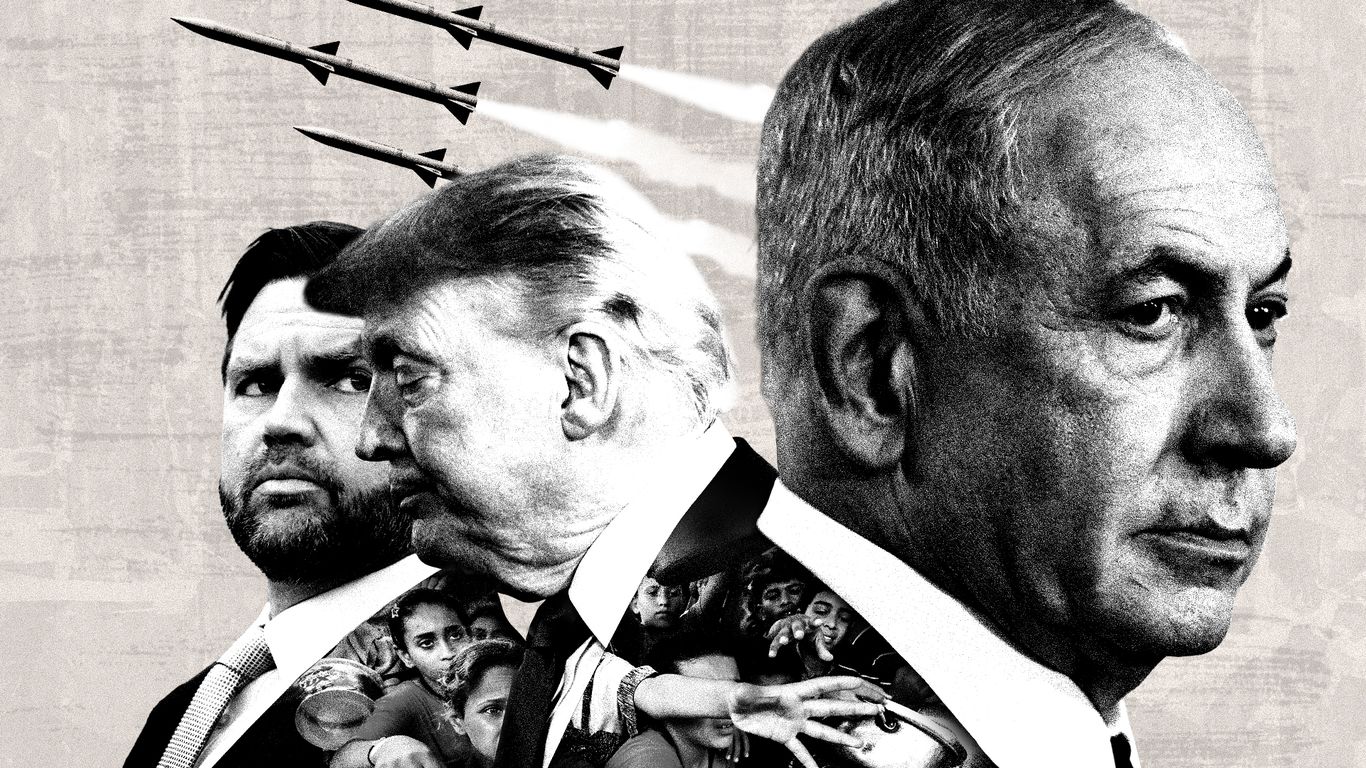
The Republican Party’s long-standing, robust support for Israel is currently undergoing a notable and complex transformation. This shift is not monolithic but reflects internal divergences, influenced by a confluence of domestic political considerations, generational changes within the party, and the evolving geopolitical landscape, particularly concerning the leadership of Benjamin Netanyahu and the broader regional dynamics involving Iran.
In many ways, this re-evaluation challenges decades of established foreign policy alignment. What was once a near-unanimous position now faces increasing scrutiny and debate from various Republican factions.
The Historical Bedrock of Support
For many decades, support for Israel has been a cornerstone of the Republican Party’s foreign policy platform. This alliance was forged through shared democratic values, strategic interests in the Middle East, and strong advocacy from evangelical Christian communities within the GOP base. Presidents from Ronald Reagan to Donald Trump consistently affirmed this commitment, often framing it as an unshakeable bond.
This bipartisan consensus on Israel largely persisted through the late 20th and early 21st centuries. Resolutions supporting Israel frequently passed Congress with overwhelming majorities. Financial aid, military cooperation, and diplomatic backing were hallmarks of U.S. policy.
Emergence of New Republican Voices
The early 2020s began to show fissures in this traditional alignment. A new generation of Republican lawmakers and commentators emerged, often prioritizing an “America First” foreign policy. This perspective questions the extent and cost of foreign entanglements, including long-standing alliances.
These voices sometimes express skepticism about the level of U.S. financial and military commitment abroad. They advocate for a more transactional approach to international relations, where alliances are evaluated based on immediate American interests.
Generational and Ideological Shifts
Demographic changes within the Republican Party contribute to this evolving stance. Younger conservatives, while still generally supportive of Israel, may not hold the same historical or religious attachments as older generations. Their foreign policy views are often shaped by different priorities, including economic nationalism and a focus on domestic challenges.
The rise of populist movements within the GOP has also influenced this dynamic. These movements often challenge established foreign policy doctrines, viewing them as part of a globalist agenda. They advocate for a more isolationist or non-interventionist approach.
The Netanyahu Factor and Israeli Politics
The extended tenure of Benjamin Netanyahu as Prime Minister of Israel has also played a role in the Republican re-evaluation. While Netanyahu enjoyed strong relationships with many Republican leaders, his policies and rhetoric sometimes created friction with elements of both U.S. political parties. His direct appeals to the U.S. Congress, bypassing the executive branch, were viewed differently by various American political figures.
Netanyahu’s focus on security challenges, particularly from Iran, resonated deeply with traditional Republican hawks. However, his approach to the Israeli-Palestinian conflict and settlement expansion drew criticism from some, even within the conservative movement, who questioned its long-term implications for regional stability.
Impact of Specific Policies
Specific Israeli governmental actions or policies, particularly those perceived as controversial internationally, can also create distance. While these instances rarely lead to a complete withdrawal of support, they can fuel internal debates within the Republican Party about the nature and extent of the U.S. commitment.
The complexity of Israeli domestic politics, including coalition governments and policy debates, is increasingly understood by American political analysts. This nuance can lead to a more varied response from U.S. lawmakers, rather than an automatic endorsement of every Israeli government action.
The Iran Conundrum
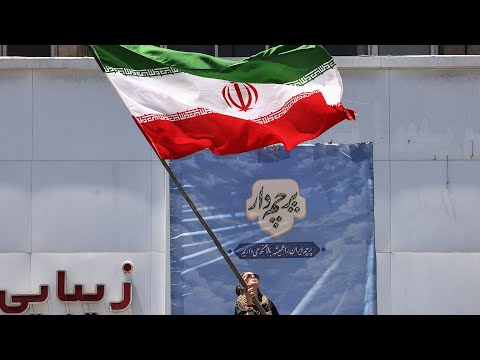
Iran’s nuclear program and its regional activities remain a significant point of concern for both the U.S. and Israel. Historically, a strong anti-Iran stance united Republicans and Israelis. However, approaches to confronting Iran have varied, leading to different perspectives within the GOP.
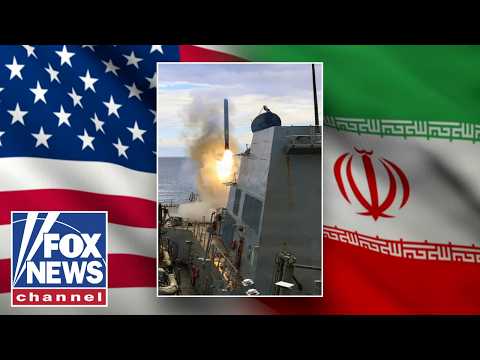
Some Republicans advocate for aggressive sanctions and military deterrence against Iran. Others, while sharing concerns about Iran, might question the efficacy or wisdom of certain confrontational strategies, especially if they are perceived to lead to broader regional instability or conflict. The 2015 Iran nuclear deal, formally known as the Joint Comprehensive Plan of Action (JCPOA), became a major point of contention, with Republicans largely opposing it and Israel strongly advocating against it.
U.S. Foreign Policy Priorities
The U.S. Republican Party’s foreign policy priorities are not static. While the Middle East remains important, increasing attention is directed towards other geopolitical challenges, such as competition with China and Russia. This reorientation can subtly shift the focus and resources allocated to the U.S.-Israel relationship.
The cost-benefit analysis of foreign aid and military assistance is also under increasing review. Advocates for reduced government spending and a more focused foreign policy sometimes question the financial commitments to various international partners, including Israel.
Public Opinion and the Base
Despite the internal shifts among some Republican elites and emerging factions, public opinion research consistently shows that a significant portion of the Republican base maintains strong pro-Israel sentiments. This support is often rooted in religious beliefs, particularly among evangelical Christians, and a perception of Israel as a key U.S. ally in a volatile region.
Political leaders must navigate these sentiments. While new voices within the party may challenge traditional foreign policy, alienating a core constituency that values the U.S.-Israel alliance remains a political risk. This creates a tension between evolving ideological positions and established base loyalties.
The Role of Media and Advocacy
Conservative media outlets and pro-Israel advocacy groups continue to play a significant role in shaping Republican opinion. These entities often reinforce traditional narratives of strong U.S.-Israel partnership, emphasizing shared values and strategic interests. However, even within this landscape, diverse viewpoints are beginning to emerge.
Think tanks and policy organizations aligned with different Republican factions are also contributing to the debate. Their research and recommendations offer alternative frameworks for understanding the U.S. role in the Middle East and the future of its alliances.
Looking Ahead: A More Nuanced Relationship
The future of the Republican Party’s stance on Israel appears to be one of increased nuance rather than a complete reversal. The era of unquestioning, monolithic support may be transitioning towards a more complex and debated position. This doesn’t necessarily mean a weakening of the alliance, but rather a re-evaluation of its terms and scope.
Policy debates within the GOP are likely to continue regarding the level of aid, the extent of diplomatic intervention, and the strategic alignment in regional conflicts. These discussions will reflect both the party’s evolving identity and the changing global landscape.
Lawmakers will continue to balance the demands of a diverse base with their own ideological convictions. The U.S.-Israel relationship, while enduring, will likely be subject to more regular scrutiny and adjustment from within the Republican Party.
Domestic political shifts. Geopolitical recalibrations. Generational changes. Strategic re-evaluations. Iran. Netanyahu. The alliance.
Transformed.