Tag: Hollywood

  • Swift-Kelce Wedding: Adam Sandler, ‘Blank Space’ Details Emerge

    Swift-Kelce Wedding: Adam Sandler, ‘Blank Space’ Details Emerge

    Initial details have begun to emerge regarding the wedding of pop superstar Taylor Swift and NFL tight end Travis Kelce. Reports indicate an ceremony at Madison Square Garden, marking a significant private event for the highly visible couple.

    The celebration reportedly included unique, personalized elements. Among these was a performance by actor and comedian Adam Sandler, who is said to have delivered an original song specifically for the occasion.

    Attendees at the ceremony also reportedly received bespoke handkerchiefs. These items were embroidered with lyrics from Swift’s popular song, “Blank Space,” incorporating a direct reference to her musical catalog into the event’s mementos.

    The nature of the ceremony is consistently described as “intimate.” This suggests a carefully curated guest list, focusing on close family and friends rather than a large-scale public affair, aligning with a desire for privacy.

    Sources like The Hollywood Reporter are among those disseminating these early findings. The information remains preliminary, awaiting more comprehensive official statements or confirmations from the couple’s representatives.

    The Intimate Garden Setting

    The reported choice of an intimate garden setting suggests a preference for a private, natural environment. Garden weddings often provide a serene and picturesque backdrop, suitable for a personal and understated celebration.

    This type of venue allows for a more controlled and exclusive atmosphere. It contrasts with the public nature of much of the couple’s relationship, offering a secluded space for their union.

    The details emerging paint a picture of a romantic and personal event. Every element appears selected to reflect the couple’s shared journey and individual identities.

    Adam Sandler’s Musical Contribution

    Adam Sandler’s reported involvement adds a distinctive and unexpected touch to the wedding. His performance of an original song indicates a high degree of personalization and perhaps a nod to the couple’s sense of humor or shared interests.

    Sandler is known for his comedic and musical talents, often incorporating original songs into his performances. His presence would have provided unique entertainment for the guests.

    The inclusion of such a high-profile, yet unconventional, performer further emphasizes the bespoke nature of the ceremony. It suggests a desire to create memorable moments beyond traditional wedding entertainment.

    ‘Blank Space’ Handkerchiefs: A Personal Touch

    The embroidered handkerchiefs featuring lyrics from “Blank Space” represent a significant personal detail. This song is one of Taylor Swift’s most recognizable hits, resonating deeply with her fanbase.

    Incorporating her own lyrics into wedding favors serves as a direct link to her artistic identity. It allows guests to take home a piece of the couple’s story, intertwined with Swift’s professional legacy.

    Such a detail transforms a simple memento into a meaningful keepsake. It highlights the thoughtful planning behind the event, ensuring every element carried personal significance.

    Ongoing Developments and Public Interest

    The public interest in Taylor Swift and Travis Kelce’s relationship has been extensive, generating global media coverage. News of their wedding is therefore met with considerable anticipation and scrutiny.

    As a developing story, information often emerges in fragments. These initial reports provide a first glimpse into an event that many fans and media outlets are eager to understand more fully.

    Journalists and news organizations are actively monitoring for further official statements or reliable confirmations. The full narrative of the wedding is expected to unfold over time as more verified details become available.

    The early focus on unique, personalized aspects of the ceremony aligns with the public personas of both individuals. Music, laughter, and deeply personal references appear to be central.

    The world awaits. Details emerge. The story continues.
  • Tomi Adeyemi Will Not Watch ‘Children of Blood & Bone’ Film Adaptation

    Tomi Adeyemi Will Not Watch ‘Children of Blood & Bone’ Film Adaptation

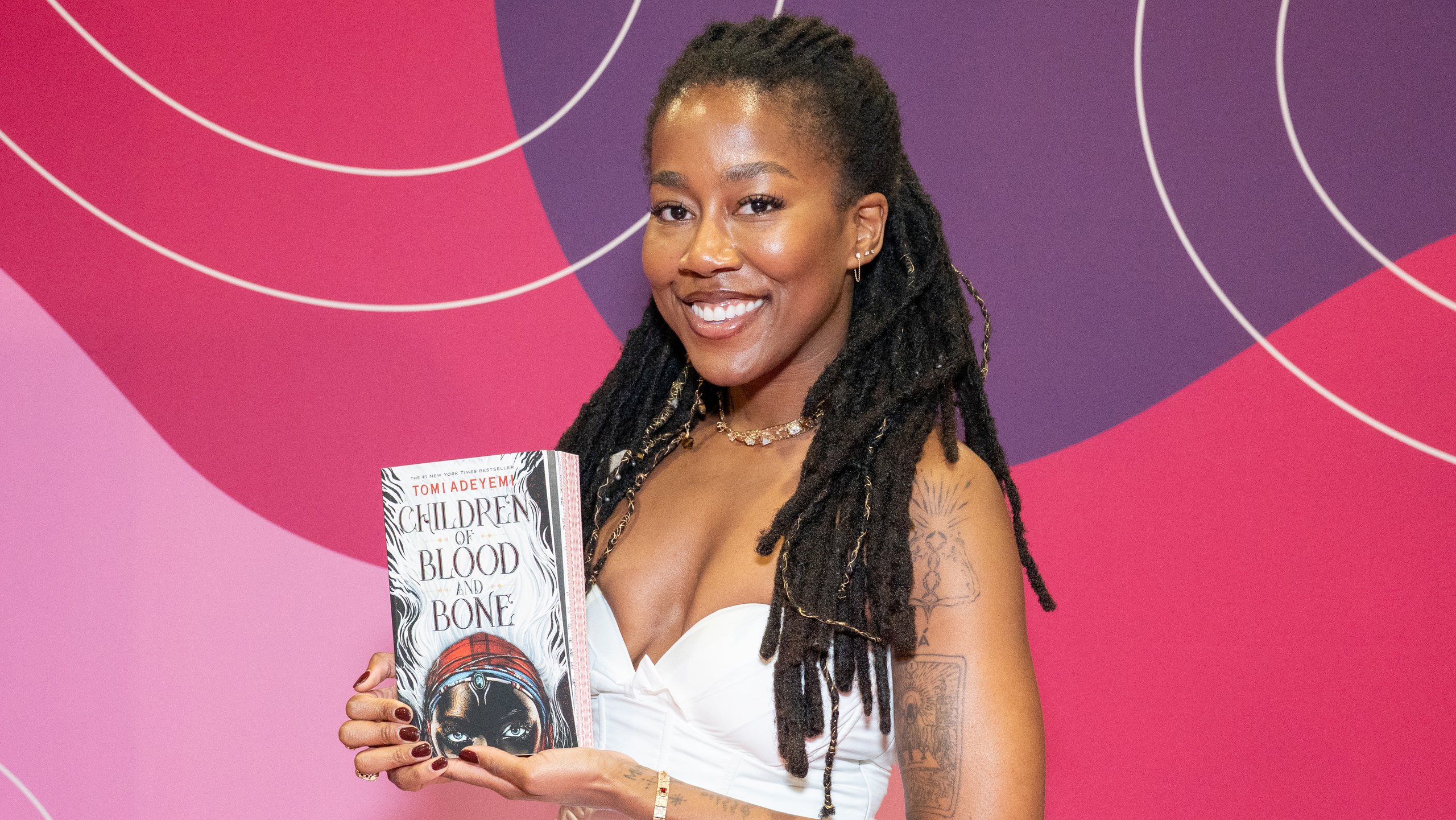
    Tomi Adeyemi, the acclaimed author of the bestselling novel ‘Children of Blood & Bone,’ has publicly declared she will not watch the forthcoming film adaptation of her debut work. Adeyemi characterized her involvement and the overall experience during the film’s production as “painful.” This announcement, reported by Deadline, has initiated considerable discussion within the literary and film communities regarding authorial rights and the often-fraught process of adapting popular books for the screen.

    Her statement underscores a growing sentiment among authors who feel disconnected or marginalized during the transformation of their intellectual property into visual media. The challenges of maintaining creative integrity while navigating the complexities of Hollywood production are frequently brought to the forefront by such declarations.

    The Genesis of ‘Children of Blood & Bone’

    Tomi Adeyemi’s novel, ‘Children of Blood & Bone,’ first published in 2018, rapidly ascended to critical and commercial success. The young adult fantasy novel introduced readers to a rich, West African-inspired world, following protagonist Zélie Adebola as she strives to restore magic to her people. The book became a New York Times bestseller and garnered numerous awards, establishing Adeyemi as a significant voice in contemporary fantasy literature.

    The novel was the first in a planned trilogy, followed by ‘Children of Virtue and Vengeance’ in 2019. Its intricate world-building, compelling characters, and themes of oppression and resistance resonated with a global audience. The success of the book made a film adaptation an almost inevitable outcome, given Hollywood’s consistent interest in popular literary franchises.

    The Adaptation Journey Begins

    The journey to bring ‘Children of Blood & Bone’ to the big screen has been lengthy and complex. Initial reports of a film adaptation emerged shortly after the book’s release. Major studios and production companies expressed significant interest in the property, recognizing its immense potential for a blockbuster franchise. The rights to the novel were acquired, setting in motion the development process.

    The adaptation was poised to be a high-profile project, given the novel’s existing fanbase and its timely themes. Expectations were high for a faithful and visually stunning rendition of Adeyemi’s vibrant world. However, the path from page to screen often involves numerous creative and logistical hurdles.

    Adeyemi’s “Painful” Production Experience

    Tomi Adeyemi’s public statement centered on the “painful” nature of her experience during the film’s production. While specific details regarding the sources of this pain were not explicitly outlined in the initial report, such sentiments typically arise from disagreements over creative direction, character portrayal, plot changes, or a perceived lack of respect for the original material or the author’s vision.

    Authors frequently voice concerns about the degree of creative control they retain once film rights are sold. The adaptation process often involves multiple screenwriters, directors, and producers, each bringing their own interpretations and commercial considerations to the project. This can lead to significant departures from the source material, which can be disheartening for the original creator.

    The tension between artistic vision and commercial viability is a recurring theme in film adaptations. Studios aim to produce films that appeal to the broadest possible audience, sometimes leading to decisions that diverge from the nuances of the original text. Authors, conversely, often prioritize fidelity to their established narratives and character arcs.

    Industry Reactions and Precedents

    Adeyemi’s decision to publicly disavow watching the adaptation is not unprecedented, though it remains a significant statement. Other authors have expressed similar frustrations, some more directly than others. Neil Gaiman, for instance, has been vocal about his involvement in adaptations of his work, often advocating for a more collaborative approach.

    Conversely, some authors choose to distance themselves entirely from the adaptation process once rights are sold, viewing it as a separate entity. Adeyemi’s public declaration, however, positions her as an author deeply affected by the production experience, highlighting the emotional investment creators have in their works.

    The incident also brings to light the power dynamics inherent in Hollywood. While authors are the originators of the intellectual property, their influence on the final film product can be limited once development is underway. This often leads to calls for stronger contractual protections for authors regarding creative input and final approval.

    The Role of Authorial Control

    The concept of authorial control in adaptations is a complex legal and creative issue. Standard film rights agreements typically grant the studio significant latitude in developing the screenplay and producing the film. While some contracts may include provisions for the author to serve as a consultant or executive producer, the extent of their actual influence can vary greatly.

    Adeyemi’s experience serves as a reminder that even for highly successful and influential authors, navigating the film industry can be challenging. The disparity in creative control often becomes a point of contention, leading to situations where authors feel their original vision is compromised or overlooked.

    This situation also prompts reflection on the expectations of fans. Readers often have strong attachments to the source material and anticipate adaptations that remain true to the books they love. When authors themselves express dissatisfaction, it can influence public perception and anticipation for the film.

    Implications for Future Adaptations

    The public nature of Adeyemi’s statement may have broader implications for the film industry’s approach to literary adaptations. It could encourage more authors to speak out about their experiences, potentially leading to increased scrutiny of production practices and contractual agreements. This could, in turn, foster a greater emphasis on author collaboration and respect for source material in future projects.

    For studios, such public declarations represent a public relations challenge. Maintaining a positive relationship with authors is crucial, especially for properties with dedicated fanbases. Negative sentiment from the original creator can dampen enthusiasm for the film, regardless of its eventual quality.

    The ‘Children of Blood & Bone’ adaptation is still expected to move forward. The film’s eventual release will likely be viewed through the lens of Adeyemi’s comments, with both critics and audiences potentially scrutinizing its fidelity to the novel and its overall quality more closely.

    The Unseen Labor of Creation

    Beyond the creative disagreements, the “painful” experience Adeyemi described could also encompass the emotional and psychological toll of seeing one’s creation transformed. Writing a novel is an intimate and personal endeavor. Handing it over to a large-scale production, where numerous individuals contribute and make decisions, can be an emotionally taxing process.

    The labor involved in developing a film is immense, but the labor of originating the story often receives less acknowledgment in the adaptation phase. Adeyemi’s statement is a powerful reminder of the human element behind the intellectual property, emphasizing the author’s deep connection to their work.

    The discussion surrounding ‘Children of Blood & Bone’ highlights the intricate dance between art and commerce, creation and adaptation. It reinforces the need for transparency, mutual respect, and clear communication throughout the entire production pipeline.

    Looking Ahead

    Tomi Adeyemi’s decision to not watch the film adaptation of ‘Children of Blood & Bone’ represents a significant moment in the ongoing dialogue about authorial rights and creative control in Hollywood. It serves as a potent reminder of the challenges authors face when their literary works transition to the screen. The industry continues to grapple with finding a balance that honors the original vision while also meeting the demands of large-scale film production.

    Authors advocate. Fans anticipate. Studios produce. The conversation continues.

  • Hollywood & America: Is the Silver Screen Still Reflecting the Nation?

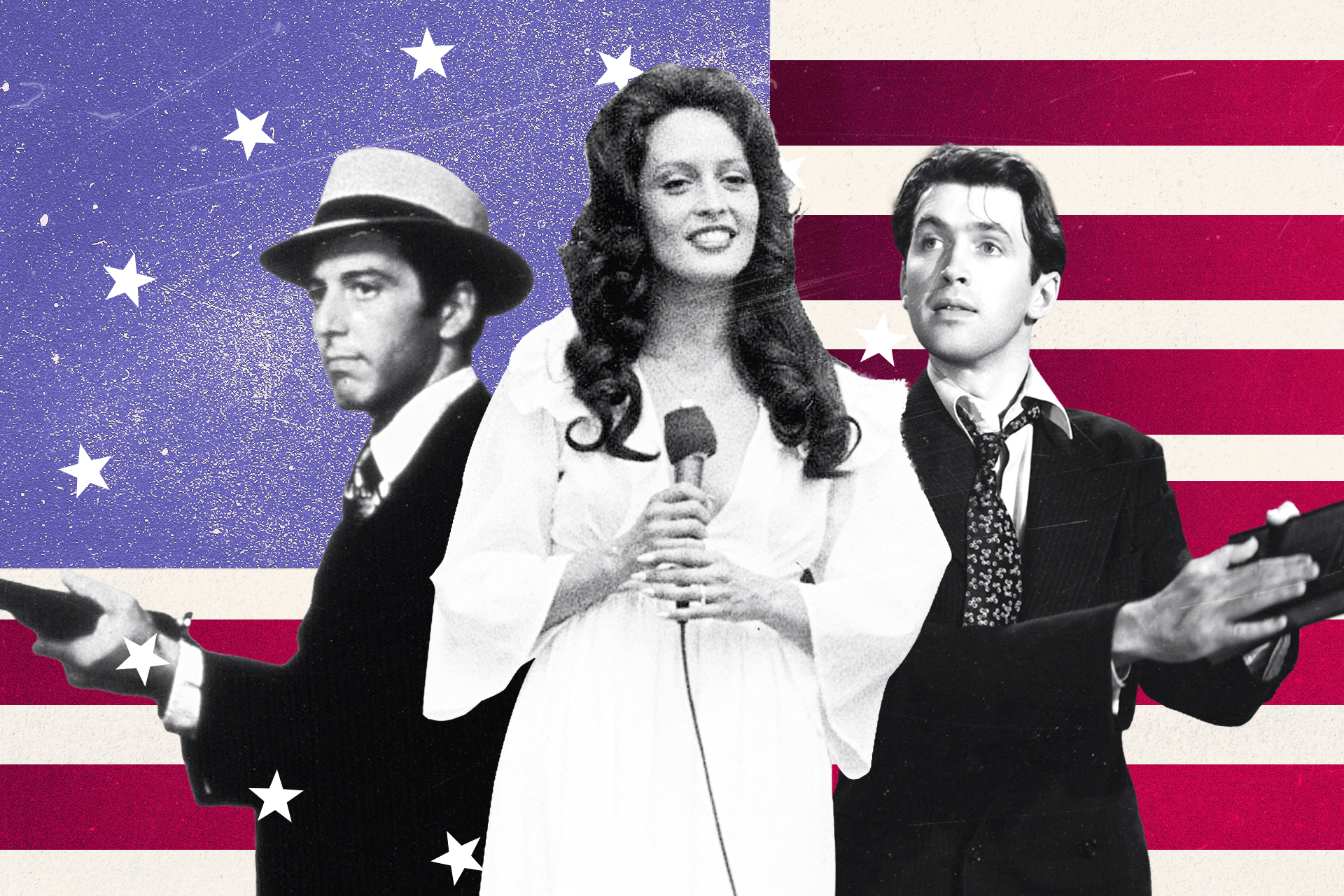
    Hollywood & America: Is the Silver Screen Still Reflecting the Nation?

    On July 4, 2026, as the United States celebrates its 250th anniversary, the question of whether Hollywood movies continue to embody and reflect American values has become a central point of cultural discussion. Historically, the American film industry has often depicted narratives that reinforce national identity, patriotism, and widely held societal principles, but recent trends suggest a potential shift in this long-standing tradition.

    This discussion emerges from a broader cultural conversation about the perceived erosion of traditional American values within mainstream media. The film industry, a powerful cultural force, frequently finds itself at the heart of these debates. Its productions reach global audiences, influencing perceptions of America both domestically and internationally.

    The Golden Age and National Identity

    From the early 20th century, Hollywood quickly established itself as a primary shaper of American mythology. Films like Mr. Smith Goes to Washington (1939) and Casablanca (1942) presented clear-cut heroes and villains. They often championed themes of democracy, freedom, and individual perseverance.

    During World War II, the film industry actively participated in the war effort. Movies like Sergeant York (1941) and Yankee Doodle Dandy (1942) boosted morale and solidified national unity. These films were not merely entertainment; they were instruments of national purpose.

    Post-war, the 1950s saw a continuation of this trend, albeit with emerging anxieties. Westerns, sci-fi, and family dramas often subtly or overtly explored American ideals. They depicted the promise of the American Dream and the challenges of a rapidly changing world.

    Cold War Narratives and Ideological Battlegrounds

    The Cold War era intensified Hollywood’s role in ideological warfare. Anti-communist films, sometimes produced under the shadow of McCarthyism, became prevalent. They served to define what America was by contrasting it with its perceived enemies.

    Even as the counter-culture movement began to question established norms in the late 1960s, many films retained a core American sensibility. They might critique the government or societal structures, but often from a perspective rooted in American ideals of justice and liberty.

    Shifting Sands: The Late 20th Century

    The 1970s marked a significant turning point. Films like Chinatown (1974) and Nashville (1975) offered more cynical, complex, and often critical portrayals of American institutions and history. This era reflected a national mood shaped by the Vietnam War and the Watergate scandal.

    However, blockbusters of the late 1970s and 1980s, such as Star Wars (1977) and Top Gun (1986), often returned to more traditional heroic narratives. These films resonated with audiences seeking escapism and a reaffirmation of American exceptionalism.

    The 1990s brought a mix of independent cinema’s introspection and mainstream Hollywood’s global expansion. While some films explored diverse American experiences, others focused on universal themes that transcended national boundaries.

    The 21st Century and Globalized Storytelling

    The events of September 11, 2001, led to a brief resurgence of overtly patriotic films. Movies like United 93 (2006) and American Sniper (2014) addressed national trauma and military heroism. Yet, this trend was not universal or long-lasting.

    The rise of streaming services and the increasing importance of international box office revenue have altered Hollywood’s calculus. Films are now often designed for global appeal, which can sometimes dilute specific American cultural references or themes.

    Diversity and Representation

    Contemporary Hollywood has also placed a greater emphasis on diversity and inclusion. This has led to a wider range of stories being told, reflecting a more complex and multicultural America. Films now explore experiences that were historically marginalized or ignored.

    This shift is seen by some as a necessary evolution, making Hollywood more representative of the actual American population. Others view it as a departure from a unified national narrative, potentially undermining traditional values.

    The 250th Anniversary: A Moment of Reflection

    As the nation observes its 250th birthday, the question of Hollywood’s reflection of America becomes particularly poignant. The film industry is a powerful cultural mirror, and its current reflections are subject to intense scrutiny.

    The debate is not whether Hollywood should only produce patriotic films. It is about the balance between critical examination, global appeal, and the portrayal of a shared national identity. The industry navigates a complex landscape of commercial pressures, artistic ambition, and societal expectations.

    “The erosion of traditional American values in Hollywood is a concern for many viewers,” noted a recent cultural analyst. “It prompts a feeling of cultural defense and defiance.”

    This sentiment highlights a tension between different visions of America. Hollywood’s role in this ongoing dialogue is undeniable. Its choices in storytelling, character development, and thematic focus contribute significantly to how America sees itself and how the world sees America.

    The Future of American Cinema

    The future of Hollywood’s relationship with American values remains uncertain. Will the industry gravitate towards narratives that reinforce traditional ideals, or will it continue to push boundaries and explore new interpretations of American identity?

    The economic realities of filmmaking, coupled with evolving social norms, will continue to shape these decisions. Audiences, through their viewership and engagement, also play a role in determining what kinds of stories get told and celebrated.

    The 250th July 4th serves as a critical juncture. It invites both celebration and introspection. It prompts a re-evaluation of the cultural institutions that define the nation.

    Filmmakers continue to tell stories. Audiences continue to watch. Critics continue to analyze. The dialogue about Hollywood and America continues.

    Defining American Values on Screen

    What constitutes “American values” is itself a dynamic and contested concept. For some, it refers to a set of foundational principles like liberty, individualism, and free-market capitalism. For others, it includes ideals of equality, social justice, and collective responsibility.

    Hollywood’s challenge lies in navigating these diverse interpretations. A film that resonates deeply with one segment of the American population might alienate another. This complexity is inherent in a large, diverse nation.

    The industry’s output often mirrors these internal national conversations. It can both initiate and respond to cultural shifts. The stories on screen are never entirely separate from the stories being lived across the country.

    The debate is as old as Hollywood itself. It will likely continue for another 250 years. The medium of film remains a powerful tool for cultural expression and national self-definition.

    Conclusion: A Continuous Dialogue

    The historical ties between Hollywood and American identity are deep. The industry has long served as a cultural ambassador. It has celebrated national triumphs. It has grappled with national failings.

    On this 250th anniversary, the conversation intensifies. The silver screen’s reflection of America is still evolving. The values portrayed are still being debated. The stories told are still being consumed.

    Audiences seek connection. Filmmakers seek expression. The nation seeks understanding.

    Hollywood.

  • Jesse Eisenberg Pursues Polish Citizenship Amidst U.S. Film Industry Shifts

    Jesse Eisenberg Pursues Polish Citizenship Amidst U.S. Film Industry Shifts

    Jesse Eisenberg’s European Pivot

    Actor Jesse Eisenberg has obtained Polish citizenship. This move reflects a strategic shift in his career focus. He intends to increase his work within the European film industry.

    Eisenberg has publicly stated his reasons for this decision. He perceives a growing difficulty in producing the types of films he favors within the United States. This sentiment resonates with other artists observing changes in the American cinematic landscape.

    Family Roots and Heritage

    Eisenberg’s connection to Poland is deeply personal. His family originates from Krasnystaw, a town in southeastern Poland. This ancestral link provides a foundational reason for his citizenship application.

    His family’s history includes a period in Poland before emigrating. This heritage has been a significant factor in his decision to formalize his ties to the country. The actor has explored his family’s past extensively.

    He has previously engaged with Polish culture and history. This engagement includes visits to the region where his ancestors lived. These experiences have strengthened his bond with Poland.

    The Shifting American Film Landscape

    Eisenberg’s comments on the U.S. film industry reflect a common concern. Many artists and filmmakers note a trend towards large-scale franchise productions. Independent and character-driven films often struggle to secure funding and distribution.

    The economic models for film production have evolved. Streaming services and studio mergers have reshaped the industry. This has created a challenging environment for certain artistic endeavors.

    He articulated that the kind of films he loves to make are increasingly difficult to make in the U.S. This difficulty points to issues of financing, audience interest, and creative freedom. The market dynamics favor blockbusters and established intellectual property.

    The Impact on Independent Cinema

    Independent cinema faces significant hurdles. Securing adequate budgets for non-commercial projects is problematic. Distribution channels are often dominated by major studios.

    Filmmakers like Eisenberg seek environments where creative control is more accessible. European film industries, often supported by public funding and cultural initiatives, can offer such spaces. This provides an alternative for artists prioritizing artistic vision over commercial viability.

    The shift is not unique to Eisenberg. Other actors and directors have also explored international collaborations. They seek opportunities that align with their artistic goals.

    European Opportunities and Future Projects

    Eisenberg envisions a future with more European-based projects. He plans to both act in and direct films on the continent. This includes specific projects already in development.

    One such project is a film set in Poland. This production would allow him to combine his artistic pursuits with his personal connection to the country. It represents a tangible outcome of his citizenship efforts.

    His work in Europe is not limited to Poland. He expresses an interest in collaborating with filmmakers across the continent. This broadens his artistic horizons significantly.

    Directing Aspirations in Europe

    Eisenberg has also ventured into directing. His directorial work aligns with the types of nuanced, character-driven stories he champions. Europe offers a fertile ground for such projects.

    European film festivals often celebrate independent and art-house cinema. This provides a supportive ecosystem for directors like Eisenberg. The critical reception for such films can be robust.

    His move could inspire other American artists. They might consider similar international collaborations. The global nature of film production continues to expand.

    The Broader Trend of Dual Citizenship

    Eisenberg’s pursuit of dual citizenship is part of a larger trend. Many individuals, including public figures, seek dual nationality. This can be for various reasons, including cultural, professional, or personal.

    Dual citizenship offers increased flexibility. It can facilitate easier travel, work, and residence in multiple countries. For artists, it opens up new creative and economic opportunities.

    The process of obtaining citizenship varies by country. It often involves demonstrating a connection to the nation. This can be through ancestry, residency, or other criteria.

    Benefits for Artists

    For artists, dual citizenship can be particularly beneficial. It removes many bureaucratic barriers to working internationally. This allows for greater freedom in choosing projects and locations.

    It also enables artists to tap into different funding structures. European film funds, for example, often require a certain level of local involvement. Citizenship can fulfill these requirements.

    The cultural exchange fostered by dual citizenship enriches artistic output. Artists bring diverse perspectives to their work. This can lead to more innovative and globally resonant storytelling.

    Eisenberg’s Career Trajectory

    Jesse Eisenberg has a distinguished acting career. He is known for roles in films such as The Social Network. His performances often feature complex, intelligent characters.

    His filmography includes both mainstream productions and independent features. This range demonstrates his versatility. It also highlights his consistent interest in diverse storytelling.

    Eisenberg has also written for the stage and screen. His creative output extends beyond acting. This multifaceted approach to his craft informs his current career choices.

    Critical Acclaim and Artistic Choices

    He has received critical acclaim for many of his roles. This recognition underscores his commitment to nuanced performances. His artistic choices often lean towards thought-provoking narratives.

    The actor’s decision to pursue Polish citizenship aligns with this artistic trajectory. It represents a deliberate choice to prioritize creative fulfillment. This pursuit often involves seeking out specific working environments.

    His career path illustrates an artist’s adaptation to industry changes. It showcases a proactive approach to maintaining creative integrity. The global film market offers these alternative avenues.

    A Statement on Artistic Freedom

    Eisenberg’s move is a statement about artistic freedom. It underscores the importance of environments that nurture specific types of creative expression. He seeks a place where his preferred films can thrive.

    His actions highlight the challenges faced by many in the U.S. film industry. The focus on commercial success can sometimes overshadow artistic merit. This creates a need for alternative spaces.

    The pursuit of Polish citizenship is a concrete step. It is an effort to secure a future where his artistic vision can be realized. This decision has implications for his career and for the broader conversation about global cinema.

    Actors adapt. Directors adapt. Artists adapt. Europe.

  • Swift-Kelce Wedding: Nicks, McCartney to Join Taylor Swift on Stage

    Swift-Kelce Wedding: Nicks, McCartney to Join Taylor Swift on Stage

    Taylor Swift to Perform at Her Own Wedding

    Taylor Swift is reportedly preparing to perform at her own wedding ceremony to Travis Kelce. The event is rumored to include additional performances from other prominent musical artists.

    Unnamed sources, cited by outlets like The Hollywood Reporter on 2026-07-04, indicate that music icons Stevie Nicks and Paul McCartney are also expected to take the stage. These details surfaced amid ongoing speculation regarding the highly anticipated union of Swift and Kelce.

    The reports suggest a significant musical component to the celebration. Swift’s potential performance marks a departure from traditional wedding customs.

    Madison Square Garden: The Rumored Venue

    Madison Square Garden in New York City has been named as the alleged venue for the wedding. This iconic arena is known for hosting large-scale concerts and events.

    The choice of such a venue implies a grand production. It would accommodate a substantial guest list and complex staging requirements.

    Specific dates for the event at Madison Square Garden have not been publicly disclosed. Logistics for an event of this magnitude would be extensive.

    Madison Square Garden’s capacity and reputation align with the global profiles of the rumored performers. The venue itself would contribute to the event’s high-profile status.

    Legendary Guest Performers: Nicks and McCartney

    Stevie Nicks, an inductee into the Rock and Roll Hall of Fame both as a solo artist and with Fleetwood Mac, is reportedly slated to perform. Her distinctive voice and stage presence are widely recognized.

    Nicks’ participation would introduce a classic rock element to the ceremony. Her catalog includes numerous hit songs spanning decades.

    Paul McCartney, a co-founder of The Beatles and a prolific solo artist, is also among the rumored performers. McCartney’s musical legacy is unparalleled, encompassing a vast array of genres and compositions.

    The potential presence of McCartney would connect the event to a foundational period in music history. His involvement would attract significant international attention.

    The convergence of Nicks and McCartney with Swift represents a unique cross-generational musical event. Such a lineup would be unprecedented for a private ceremony.

    Details Remain Unconfirmed

    The information surrounding the wedding plans of Taylor Swift and Travis Kelce remains unconfirmed by official representatives. Neither Swift nor Kelce, nor their respective teams, have issued public statements regarding these reports as of 2026-07-04.

    Representatives for Stevie Nicks and Paul McCartney have also not commented on their rumored involvement. Media outlets continue to follow the story closely.

    The public awaits official announcements before substantiating these claims. Further details are anticipated should the involved parties choose to confirm the reports.

    The current information stems from unnamed sources. These sources have provided details on the performers and the venue for the alleged event.

  • Unconfirmed: Adam Sandler Rumored to Officiate Swift-Kelce Wedding

    Unconfirmed: Adam Sandler Rumored to Officiate Swift-Kelce Wedding

    A rumor emerged on July 4, 2026, suggesting actor Adam Sandler officiated the wedding of pop superstar Taylor Swift and NFL player Travis Kelce. This unconfirmed report has circulated across various platforms, sparking widespread discussion among fans and media.

    As of the initial reporting, no official representatives for Swift, Kelce, or Sandler have confirmed or denied the claim. The absence of official statements underscores the speculative nature of the news.

    The Origin of the Rumor

    The rumor began to gain traction through unnamed sources cited by entertainment blogs and social media accounts. These reports indicated Sandler’s unexpected involvement in what was described as a private ceremony for the high-profile couple.

    The specific details regarding the origin of these claims remain vague. No reputable news organization has independently verified the reports, leading to a cautious approach by many outlets covering the story.

    Adam Sandler’s Potential Role

    Adam Sandler, known primarily for his extensive career in comedic films, would represent an unconventional choice for a wedding officiant for Swift and Kelce. His public persona typically aligns with humor rather than ceremonial duties.

    Should the rumor prove true, it would suggest a previously unpublicized personal connection between Sandler and either Swift or Kelce. Such a connection would add a layer of intrigue to the already closely watched relationship.

    A Pattern of Privacy

    The alleged wedding, if it occurred, appears to have been a private affair. This aligns with Taylor Swift and Travis Kelce’s demonstrated efforts to maintain a degree of privacy despite their immense public profiles.

    Throughout their relationship, which gained significant public attention in late 2023, the couple has selectively shared moments while largely shielding intimate details from intense media scrutiny. A private wedding ceremony would be consistent with this pattern.

    Public Reaction and Ongoing Speculation

    The unconfirmed news has generated considerable buzz across social media platforms. Fans of both Taylor Swift and Travis Kelce, alongside followers of Adam Sandler, have expressed a mix of surprise, excitement, and skepticism.

    Online discussions are rife with speculation regarding the veracity of the claim, the potential location, and the timing of the alleged nuptials. The involvement of a major celebrity like Sandler as an officiant further fuels public interest in the unverified report.

    This developing story continues to evolve as more information, or lack thereof, becomes available. The entertainment world awaits official confirmation or denial from the involved parties.

    The public remains engaged.

    The sources are unverified.

    The speculation persists.

    Waiting.

  • Dustin Hoffman’s Emotional Karlovy Vary Award Acceptance – ‘Feeling Alive’ Through Film

    Dustin Hoffman’s Emotional Karlovy Vary Award Acceptance – ‘Feeling Alive’ Through Film

    A Career Defined by Passion

    Dustin Hoffman accepted an award at the Karlovy Vary International Film Festival in 2026. His acceptance speech was marked by profound emotion. He conveyed a deep gratitude for his career in filmmaking, articulating how the craft makes him ‘feel alive.’

    This sentiment resonated with the audience. It highlighted the actor’s enduring passion for his work. His words offered a rare glimpse into the personal connection he holds with his extensive filmography.

    The Karlovy Vary International Film Festival

    The Karlovy Vary International Film Festival is a prominent event in the global cinema calendar. It takes place annually in Karlovy Vary, Czech Republic. The festival is known for showcasing both established and emerging talent.

    It attracts filmmakers, actors, and industry professionals from around the world. Awards presented at the festival recognize significant contributions to cinematic art. Hoffman’s presence underscored the festival’s prestige and its role in celebrating film legends.

    Hoffman’s Legacy in Cinema

    Dustin Hoffman’s career spans over six decades. He is recognized for his versatility and intense character portrayals. His filmography includes a wide range of genres and roles.

    Notable performances include his breakout role as Benjamin Braddock in the 1967 film The Graduate. This performance garnered him his first Academy Award nomination. His portrayal captured the zeitgeist of a generation.

    He won his first Academy Award for Best Actor for the 1979 drama Kramer vs. Kramer. In this film, he depicted a father fighting for custody of his son. The role showcased his ability to convey complex emotional depth.

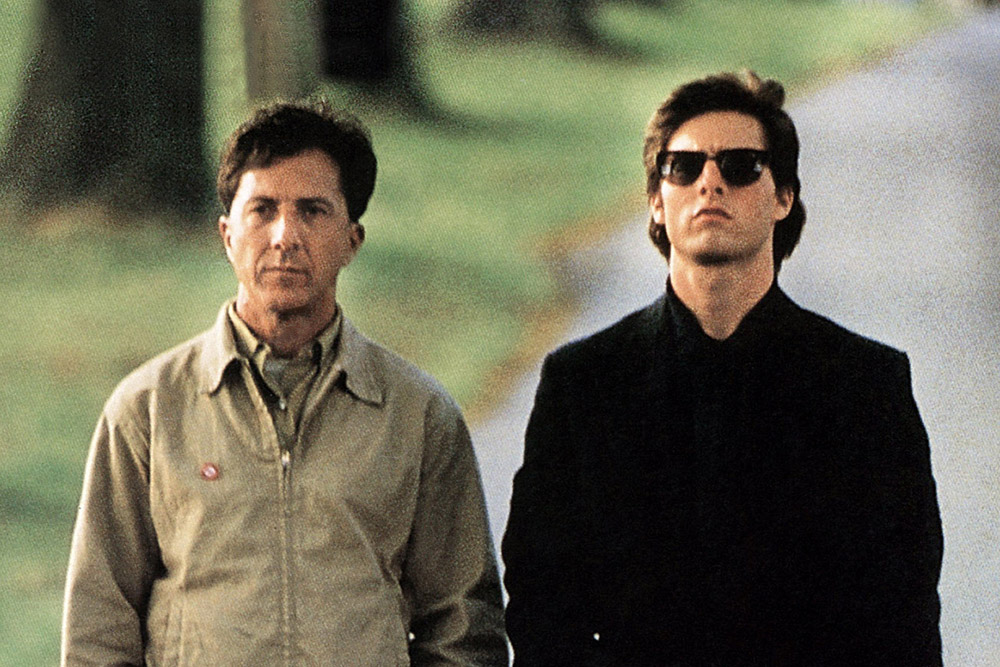
    His second Academy Award for Best Actor came for the 1988 film Rain Man. He played Raymond Babbitt, an autistic savant. This performance earned widespread critical acclaim and box office success.

    Defining Roles and Critical Acclaim

    Beyond his Oscar-winning roles, Hoffman has delivered numerous other memorable performances. He starred as Ratso Rizzo in the 1969 drama Midnight Cowboy. This film explored themes of friendship and survival in New York City.

    In 1976, he played Carl Bernstein in All the President’s Men. The film chronicled the Watergate scandal. It highlighted his capacity for portraying real-life figures with conviction.

    He also took on the titular role in the 1982 comedy Tootsie. Here, he played an actor who disguises himself as a woman to land a role. The film was a critical and commercial success, demonstrating his comedic timing.

    His career is marked by a consistent dedication to his craft. He often immersed himself deeply in his characters. This method acting approach contributed to the authenticity of his performances.

    The ‘Feeling Alive’ Sentiment

    Hoffman’s statement that filmmaking makes him ‘feel alive’ offers insight into his enduring motivation. It transcends the accolades and public recognition. It speaks to a fundamental connection with the creative process.

    Many artists articulate similar sentiments. The act of creation, of embodying a character, provides a unique sense of purpose. For Hoffman, this appears to be a driving force even after decades in the industry.

    His words underscore the intrinsic rewards of artistic pursuit. They suggest that the passion for the work itself is paramount. This deep-seated love for acting has sustained his career through various industry changes.

    Gratitude and Opportunity

    Hoffman also expressed gratitude for having had the opportunity to do what he loves. This acknowledgment highlights the competitive nature of the film industry. It recognizes the privilege inherent in a long and successful career.

    Many aspiring actors and filmmakers face significant challenges. The path to sustained success is often arduous. Hoffman’s reflection serves as a reminder of the value of persistence and fortune in a creative field.

    His speech resonated as a moment of genuine humility. It came from an actor who has achieved the highest levels of success. The sentiment of being grateful for the opportunity itself speaks volumes.

    The Impact on Audiences and Peers

    An emotional speech from a respected figure like Dustin Hoffman carries significant weight. It can inspire younger generations of actors and filmmakers. It reaffirms the artistic value of their chosen profession.

    For audiences, it reinforces the human element behind the iconic performances. It connects the actor’s personal journey with the characters they bring to life. This connection often deepens the appreciation for their work.

    Industry peers also likely found resonance in his words. The shared experience of the demanding yet rewarding nature of filmmaking creates a bond. Hoffman’s candidness fostered a moment of collective understanding.

    Enduring Talent in a Changing Industry

    The film industry has undergone significant transformations over Hoffman’s career. From the New Hollywood era to the rise of streaming platforms, he has adapted and remained relevant. His continued presence at major festivals like Karlovy Vary attests to his enduring appeal.

    His commitment to complex roles has remained constant. This dedication has allowed him to transition through different cinematic landscapes. He represents a generation of actors who prioritized craft over fleeting trends.

    The emotional core of his speech emphasized this commitment. It showcased that for some, the essence of acting remains a profound and life-affirming endeavor. This personal connection is what allows talent to endure.

    Looking Forward

    Even in 2026, Dustin Hoffman continues to be an active presence in cinema. His acceptance of the award signals ongoing recognition of his contributions. It also suggests a continued engagement with the world of film.

    His reflections offer a timeless message about pursuing one’s passion. They speak to the profound satisfaction derived from a life dedicated to art. The Karlovy Vary festival provided a significant platform for this message to be heard.

    Actors gather. Filmmakers gather. Audiences gather. Inspiration.

    FAQ

    • What award did Dustin Hoffman receive at Karlovy Vary in 2026?
      Dustin Hoffman received an award at the Karlovy Vary International Film Festival in 2026, where he delivered an emotional acceptance speech acknowledging his love for filmmaking.
    • What was the main theme of Dustin Hoffman’s acceptance speech?
      The main theme of Dustin Hoffman’s acceptance speech was his deep emotional connection to filmmaking, stating that it makes him ‘feel alive’ and expressing gratitude for his career opportunities.
    • Which famous films has Dustin Hoffman starred in?
      Dustin Hoffman has starred in numerous iconic films, including The Graduate (1967), Midnight Cowboy (1969), All the President’s Men (1976), Kramer vs. Kramer (1979), Tootsie (1982), and Rain Man (1988).
    • Why is the Karlovy Vary International Film Festival important?
      The Karlovy Vary International Film Festival is a significant international event that celebrates cinematic art, showcases diverse talent, and attracts global film industry professionals and audiences to the Czech Republic.
    • How long has Dustin Hoffman’s acting career spanned?
      Dustin Hoffman’s acting career has spanned over six decades, during which he has consistently delivered acclaimed performances and earned numerous awards, including two Academy Awards for Best Actor.

  • Rob Reiner as George Washington: A ‘Last Laugh’ in Larry David’s HBO Show

    Rob Reiner as George Washington: A ‘Last Laugh’ in Larry David’s HBO Show

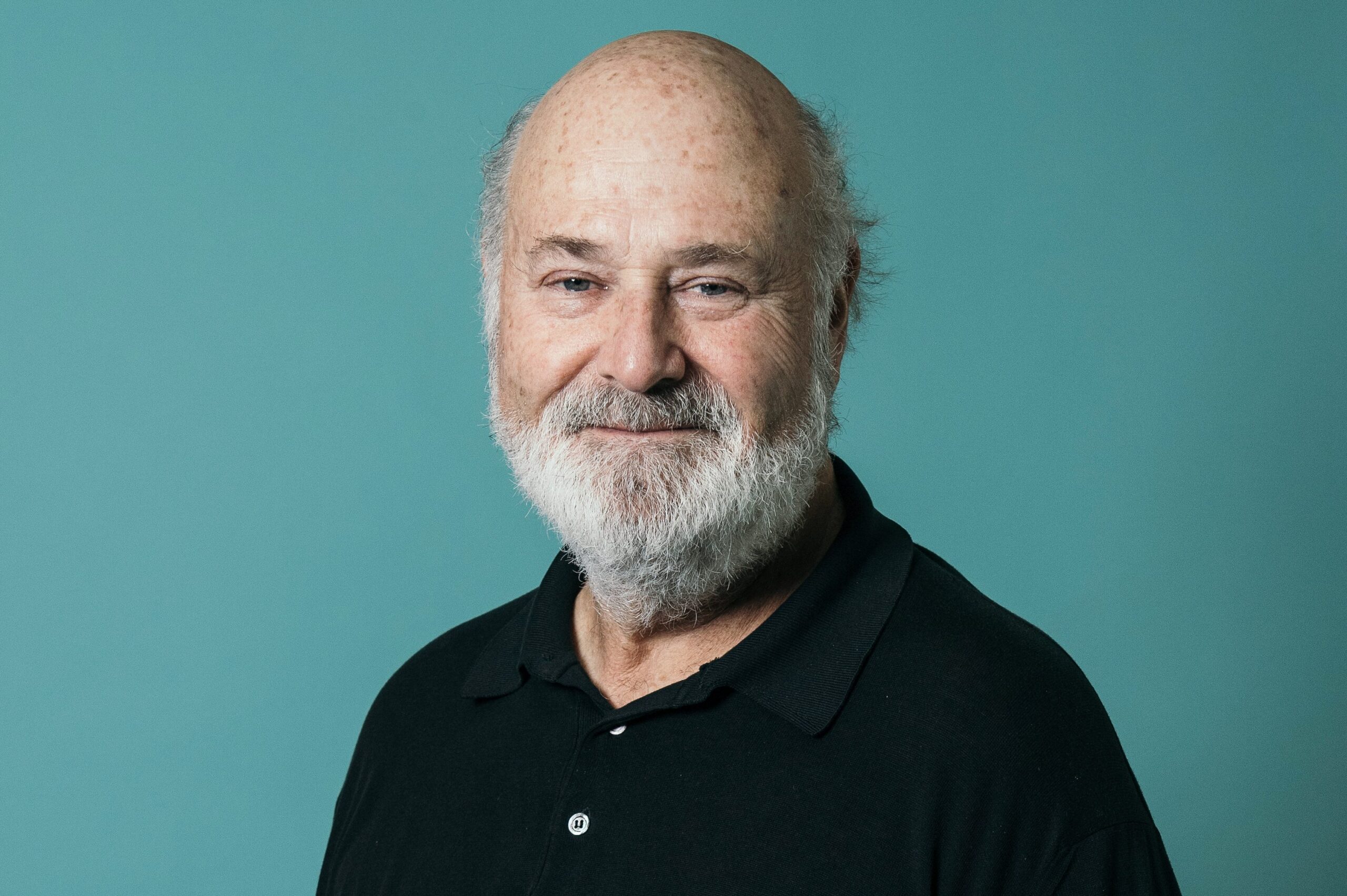
    Rob Reiner is slated to portray George Washington in an upcoming HBO series. The show is a creation of Larry David. This role has been characterized as Reiner’s ‘secret final role’ within his acting career.

    The casting has generated considerable public discussion. This discussion often centers on perceptions of Hollywood’s political leanings. It also touches upon the interpretation of historical figures in contemporary media.

    The Intersection of History and Comedy

    Larry David, known for his distinctive comedic style in shows like Seinfeld and Curb Your Enthusiasm, is at the helm of this new HBO project. His involvement suggests that the portrayal of George Washington may deviate from traditional historical dramas. It could incorporate elements of satire or unconventional humor.

    The specific premise of the series remains largely undisclosed. However, the combination of David’s comedic vision and Reiner’s casting points towards a provocative take on American history. This approach could challenge conventional narratives.

    Rob Reiner’s Extensive Career

    Rob Reiner possesses a long and varied career in Hollywood. He is recognized for his acting roles, including Michael Stivic in All in the Family. He is also a celebrated director, having helmed films such as Stand by Me, The Princess Bride, and A Few Good Men.

    His career spans several decades. It encompasses both comedic and dramatic works. His public persona is often associated with his political activism and outspoken views. These views have frequently generated public discourse.

    George Washington: A Foundational Figure

    George Washington served as the first President of the United States. He led the Continental Army during the American Revolutionary War. His legacy is deeply embedded in American history and national identity.

    Portrayals of Washington typically emphasize his leadership, integrity, and foundational role in the nation’s establishment. These portrayals often maintain a reverential tone. Any departure from this tradition can attract significant attention.

    Public Reaction and Anticipation

    The news of Reiner’s casting as Washington has elicited a range of reactions. Some viewers express anticipation for a fresh, potentially comedic, interpretation of history. They see it as an opportunity for new perspectives.

    Others voice concerns about the potential for historical revisionism or political commentary. They question whether the casting aligns with their understanding of the historical figure. These discussions often reflect broader cultural debates about historical accuracy and artistic license.

    “The decision to cast Rob Reiner as George Washington in a Larry David series is a bold move that signals a deliberate reimagining of America’s past. It’s designed to provoke.”

    This statement, from a Variety report, highlights the intentional nature of the casting. It suggests a clear objective to elicit a strong response from audiences.

    Hollywood and Political Expression

    Hollywood has a long history of intertwining entertainment with political commentary. Actors and directors often use their platforms to express their views. This practice frequently leads to public debate.

    Rob Reiner is a prominent example of a figure who has consistently used his public platform for political expression. His casting in such a historically significant role amplifies these discussions. It raises questions about the perceived political leanings of the entertainment industry.

    The ‘Last Laugh’ Narrative

    The phrase ‘last laugh’ in relation to Reiner’s role implies a specific context. It suggests a triumphant or vindictive element to the casting. This framing often appears in discussions surrounding political differences and cultural clashes.

    This narrative resonates with segments of the audience who interpret the casting as a statement. It is seen as a response to contemporary political discourse. The show’s eventual content will clarify the extent to which this interpretation holds true.

    The Legacy of Historical Portrayals

    Historical figures are frequently reinterpreted through various artistic lenses. These reinterpretations can range from strictly factual accounts to highly fictionalized or satirical versions. Each approach serves different artistic and cultural purposes.

    The impact of such portrayals can be significant. They can shape public perception of historical events and figures. They can also contribute to ongoing cultural conversations about national identity and values.

    The Role of HBO in Premium Content

    HBO has a reputation for producing premium, often boundary-pushing, content. The network is known for its dramatic series and willingness to explore complex or controversial themes. This track record makes it a suitable platform for a project that aims to challenge traditional historical narratives.

    Larry David’s previous successes with HBO further solidify this fit. His unique brand of humor and social commentary has found a receptive audience on the platform. The new series is expected to continue this tradition of distinctive programming.

    The Broader Cultural Conversation

    The casting of Rob Reiner as George Washington feeds into a broader cultural conversation. This conversation concerns the role of art in society. It also addresses the intersection of entertainment, politics, and historical memory.

    Audiences are increasingly engaged in discussions about representation. They also debate the political messages embedded in media. This project is positioned directly within these ongoing dialogues.

    Anticipated Release and Impact

    Details regarding the release date and full cast of the series are yet to be widely announced. However, the initial report has already generated significant buzz. This early attention suggests a high level of public interest.

    The series debuted in June 2026. Its impact on cultural discourse will likely be substantial. It will contribute to the ongoing debate about how history is interpreted and presented in popular culture.

    Actors portrayed figures. Directors shaped narratives. Audiences debated intentions.

    Hollywood.

  • America 250 Celebrations: Hollywood and National Milestones

    America 250 Celebrations: Hollywood and National Milestones

    The Nation Prepares for a Semiquincentennial

    The United States is preparing for a series of events under the umbrella of America 250. This initiative commemorates the nation’s 250th anniversary, marking two and a half centuries since the Declaration of Independence in 1776. The overarching goal is to foster patriotic feelings and cultural pride among American citizens.

    These celebrations are designed to encourage widespread public engagement. They aim to unite communities through shared historical reflection. The events will highlight key national milestones and narratives that have shaped the country.

    Hollywood’s Role in National Commemoration

    Hollywood and other entertainment industries are playing a significant role in developing America 250 programming. Their involvement seeks to reach diverse audiences. Entertainment platforms offer unique avenues for historical storytelling and cultural expression.

    Filmmakers, television producers, and digital content creators are exploring various formats. These include documentaries, historical dramas, and interactive experiences. The objective is to make complex historical events accessible and engaging for a modern audience.

    Crafting Narratives for a Modern Era

    The entertainment industry brings its storytelling expertise to the forefront. This includes crafting narratives that resonate with contemporary societal values. Historical accuracy is balanced with compelling artistic interpretation.

    Projects may delve into lesser-known aspects of American history. They can spotlight diverse voices and perspectives. This approach aims for a more inclusive understanding of the nation’s founding and evolution.

    Technology and Immersive Experiences

    Technological advancements are being leveraged for America 250. Virtual reality (VR) and augmented reality (AR) experiences could transport audiences to pivotal historical moments. Interactive exhibits might allow participants to engage directly with historical content.

    Digital platforms will extend the reach of the celebrations. Online archives, educational games, and virtual tours can provide ongoing engagement. These tools ensure that the anniversary’s impact extends beyond physical events.

    The Broader Scope of America 250

    America 250 is not solely focused on entertainment. It encompasses a wide array of initiatives. These span educational programs, civic engagement activities, and community-led events across all 50 states and U.S. territories.

    The America250 Commission, established by Congress, coordinates these efforts. It works with federal agencies, state commissions, and private organizations. The commission’s mandate is to plan and execute a comprehensive commemoration.

    Educational Imperatives

    Educational components are central to the America 250 vision. Curricula are being developed for schools nationwide. These materials will explore the principles of American democracy, the challenges of nation-building, and the ongoing pursuit of a more perfect union.

    Public lectures, seminars, and museum exhibitions will also contribute. They will offer opportunities for deeper learning and critical discussion. The goal is to inform citizens of all ages about their shared heritage.

    Civic Engagement and Participation

    America 250 encourages active civic participation. Initiatives might include voter registration drives, volunteer programs, and community service projects. These activities reinforce the idea of active citizenship.

    Discussions on the future of American democracy are also planned. Forums will address contemporary issues through the lens of historical context. This fosters a dialogue about the nation’s direction for the next 250 years.

    Historical Context of National Anniversaries

    National anniversaries in the United States have a rich history. They often serve as moments for collective reflection and renewal. The centennial in 1876 and the bicentennial in 1976 provide precedents for America 250.

    The 1876 Centennial Exhibition in Philadelphia showcased American industrial prowess and cultural achievements. It marked 100 years since the Declaration of Independence. The event symbolized national reunification after the Civil War.

    The 1976 Bicentennial

    The 1976 Bicentennial was a year-long celebration. It involved parades, special events, and historical reenactments across the country. The iconic Bicentennial Quarter was minted, becoming a lasting memento.

    The Bicentennial emphasized themes of freedom, independence, and national identity. It occurred during a period of significant social and political change. The celebration helped to re-energize national spirit.

    Evolution of Commemorations

    Each anniversary reflects its contemporary context. The America 250 observances in 2026 will likely incorporate themes relevant to the early 21st century. These include technological advancement, diversity, and global interconnectedness.

    The approach to history itself has evolved. Modern commemorations often seek to present a more nuanced and multifaceted view of the past. This includes acknowledging both triumphs and struggles in the American story.

    The Economic and Cultural Impact

    America 250 is anticipated to have significant economic and cultural impacts. Tourism is expected to surge in historical sites and major cities. This will boost local economies through increased visitor spending.

    Cultural institutions, such as museums, archives, and historical societies, will see enhanced engagement. Funding for preservation efforts and new exhibitions may also increase. The celebration provides an opportunity to invest in cultural infrastructure.

    Stimulating Creative Industries

    The entertainment industry’s involvement will stimulate creative sectors. Production companies, artists, and performers will find new opportunities. This can lead to job creation and economic growth within these fields.

    Merchandising and commemorative products will also contribute to economic activity. These items serve as tangible reminders of the anniversary. They allow individuals to participate in the celebration.

    Fostering National Identity

    Beyond economics, America 250 aims to strengthen national identity. It provides a shared experience for all Americans. This can reinforce a sense of belonging and collective purpose.

    The narratives presented during the celebration will help shape public understanding of American history. They can inspire future generations to engage with civic life. The commemoration serves as a powerful civic education tool.

    Looking Ahead to 2026

    As 2026 approaches, planning for America 250 intensifies. Committees are finalizing event schedules. Partnerships are being forged between various organizations.

    The goal remains consistent: to celebrate the nation’s founding principles. To reflect on its journey. To inspire its future.

    Communities gather. Organizations collaborate. Hollywood creates. The nation celebrates.

    America.

    FAQ

  • Marla Gibbs Honored by Chicago – The Legacy of Florence Johnston

    Marla Gibbs Honored by Chicago – The Legacy of Florence Johnston

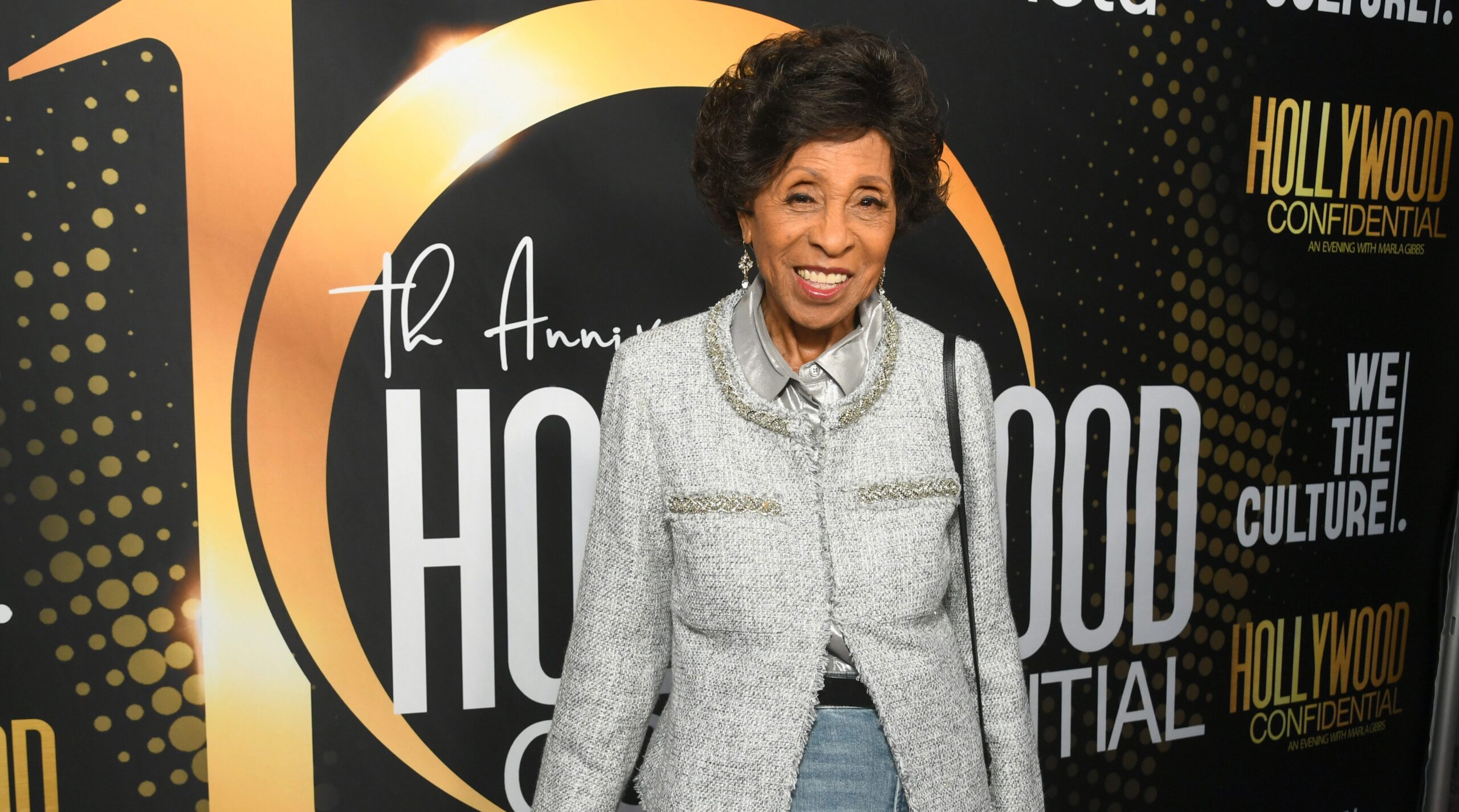
    In 2026, the City of Chicago officially declared an honorary day in tribute to actress Marla Gibbs, acknowledging her profound contributions to American television and film. Gibbs gained widespread recognition for her iconic role as Florence Johnston, the sharp-tongued maid on the long-running CBS sitcom The Jeffersons. Her career also includes a starring role as Mary Jenkins in the NBC sitcom 227, further solidifying her status as a beloved figure in entertainment.

    This civic recognition from Chicago underscores Gibbs’ lasting impact on audiences and the industry. Her performances have resonated with generations, making her characters memorable parts of television history. The honorary day celebrates a career marked by talent, resilience, and cultural significance.

    The Early Years and Rise to Stardom

    Marla Gibbs was born in Chicago, Illinois. Her early life in the city laid the foundation for a career that would eventually take her to national prominence. Before pursuing acting full-time, Gibbs held various positions, including working as a reservations agent for United Airlines. This period of her life provided a grounding in the realities of everyday work, which she would later channel into her authentic on-screen portrayals.

    Her journey into acting began in the early 1970s. Gibbs initially took acting classes and participated in local theater productions. These early experiences honed her craft and prepared her for the competitive world of Hollywood. Her dedication to the performing arts was evident from the outset, even as she balanced other responsibilities.

    The pivotal moment in Gibbs’ career arrived in 1975. She was cast as Florence Johnston in The Jeffersons, a spin-off from the highly successful sitcom All in the Family. This role would transform her into a household name.

    Florence Johnston: A Cultural Icon

    Florence Johnston was not merely a supporting character; she was a central comedic and dramatic force on The Jeffersons. As the maid for George and Louise Jefferson, Florence often served as a voice of reason and a source of witty comebacks. Her exchanges with George Jefferson, played by Sherman Hemsley, were legendary for their sharp humor and underlying social commentary.

    Gibbs’ portrayal brought depth and dignity to the character. Florence was depicted as an independent woman with strong opinions and a keen sense of justice. She challenged George’s sometimes pompous demeanor, often delivering lines that resonated with audiences. Her character transcended typical sitcom tropes, becoming a symbol of strength and intelligence.

    The Jeffersons ran for 11 seasons, from 1975 to 1985. During this time, Gibbs appeared in all 253 episodes. Her consistent performance earned her five Primetime Emmy Award nominations for Outstanding Supporting Actress in a Comedy Series. These nominations stand as a testament to her talent and the critical acclaim she received.

    Beyond The Jeffersons: ‘227’ and Other Ventures

    Following the conclusion of The Jeffersons, Marla Gibbs quickly transitioned to another successful sitcom, 227. The show premiered on NBC in 1985, just months after The Jeffersons ended. Gibbs starred as Mary Jenkins, a sharp-tongued, observant housewife living in a Washington, D.C. apartment building. She also served as a co-producer on the series, demonstrating her expanding role in the industry.

    227 provided Gibbs with a leading role and further showcased her comedic timing and dramatic capabilities. The series explored themes of community, family, and everyday life in an urban setting. It ran for five seasons, concluding in 1990. The show also featured Regina King in one of her earliest roles, playing Brenda Jenkins, Mary’s daughter.

    Throughout her career, Gibbs has taken on various other roles in film and television. Her film credits include appearances in movies such as The Meteor Man (1993), Sprung (1997), and Madea’s Witness Protection (2012). On television, she has made guest appearances on numerous shows, including The Fresh Prince of Bel-Air, ER, Scandal, and Black-ish.

    Entrepreneurship and Community Involvement

    Marla Gibbs’ ambitions extended beyond acting. In 1981, she opened a jazz supper club in Los Angeles, California, called Marla’s Memory Lane. The club became a prominent venue for jazz music, hosting both established artists and emerging talent. This venture reflected her deep appreciation for music and her commitment to fostering cultural spaces.

    Marla’s Memory Lane operated for over two decades, becoming a beloved institution in the Los Angeles jazz scene. Her entrepreneurial spirit showcased another facet of her multifaceted career. She provided a platform for musicians and a gathering place for the community.

    Gibbs has also been actively involved in various community initiatives. She has used her platform to advocate for social causes and support educational programs. Her dedication to giving back to the community mirrors the strong, principled characters she often portrayed on screen.

    The Enduring Legacy of Marla Gibbs

    The honorary day bestowed by the City of Chicago in 2026 is a testament to Marla Gibbs’ enduring legacy. Her work has left an indelible mark on the landscape of American entertainment. She broke barriers and created characters that were both relatable and aspirational.

    Her roles on The Jeffersons and 227 continue to be celebrated for their humor, social relevance, and groundbreaking portrayals of Black women on television. These shows are frequently re-aired and streamed, introducing her work to new generations of viewers. The wit and wisdom of Florence Johnston and Mary Jenkins remain timeless.

    Gibbs’ career exemplifies longevity and versatility in Hollywood. From her humble beginnings in Chicago to her status as a television icon, her journey inspires many. She built a career on talent, hard work, and an unwavering commitment to her craft.

    The City of Chicago recognized a native daughter. They honored a cultural contributor. They celebrated a television legend.

    Marla Gibbs.