Tag: Hollywood

  • Uwe Boll Defends ‘Citizen Vigilante’ and Armie Hammer Amidst Criticism

    Uwe Boll Defends ‘Citizen Vigilante’ and Armie Hammer Amidst Criticism

    Filmmaker Uwe Boll has issued a public statement defending his latest project, ‘Citizen Vigilante,’ and its lead actor, Armie Hammer. Boll’s defense directly confronted critics, whom he described as people who “love to hate and trash” his work. This response reignited a long-standing debate concerning Boll’s cinematic output and his relationship with film critics and audiences.

    The controversy surrounding ‘Citizen Vigilante’ stems from multiple factors. These include the film’s thematic elements and the casting choice of Armie Hammer, who has faced significant public scrutiny in recent years. Boll’s decision to cast Hammer has been a particular point of contention for many.

    The Director’s History with Criticism

    Uwe Boll’s career has been marked by frequent clashes with critics. His filmography, which often includes adaptations of video games, has consistently drawn strong reactions. Reviewers have often labeled his films as poorly executed, leading to a reputation that precedes many of his releases.

    This history of critical antagonism has shaped Boll’s public persona. He has often adopted a defiant stance, dismissing negative reviews as misinformed or biased. His current defense of ‘Citizen Vigilante’ aligns with this established pattern of confronting his detractors directly.

    In 2006, Boll famously challenged several film critics to boxing matches. This event, dubbed ‘Raging Boll,’ became a highly publicized spectacle. It solidified his image as a filmmaker willing to physically confront those who disparaged his work.

    His previous films, such as ‘House of the Dead’ (2003), ‘Alone in the Dark’ (2005), and ‘BloodRayne’ (2006), all received overwhelmingly negative reviews. These adaptations of popular video games often failed to resonate with both critics and the original game’s fanbase.

    Boll’s persistent production of films despite widespread criticism has also been a point of discussion. His ability to secure funding and continue filmmaking has puzzled many industry observers. This resilience, or perhaps stubbornness, is a hallmark of his career.

    The ‘Citizen Vigilante’ Context

    ‘Citizen Vigilante’ represents Boll’s continued exploration of dark and often controversial themes. The film’s narrative reportedly delves into areas that challenge conventional morality and societal norms. This aligns with some of his earlier, more provocative works.

    The specific plot details of ‘Citizen Vigilante’ have not been widely disseminated, but the title itself suggests a narrative focused on extrajudicial justice. Such themes often elicit strong reactions from audiences and critics alike, especially when handled with Boll’s characteristic bluntness.

    The decision to cast Armie Hammer in a leading role significantly amplified the film’s pre-release scrutiny. Hammer’s public image has been severely impacted by various allegations that emerged in 2021. These allegations led to his removal from several high-profile projects.

    Boll’s choice to work with Hammer has been interpreted in different ways. Some view it as an act of defiance against cancel culture. Others see it as a cynical move designed to generate controversy and attention for the film.

    The director has often expressed a disdain for what he perceives as hypocritical moralizing within the film industry and media. His support for Hammer can be seen through this lens, as an implicit critique of contemporary public judgment.

    Armie Hammer’s Recent Career Trajectory

    Armie Hammer’s career experienced a significant downturn following the allegations that surfaced in 2021. These included accusations of abuse, sexual assault, and cannibalistic fantasies. Hammer denied all non-consensual allegations.

    Prior to 2021, Hammer was a prominent actor with roles in critically acclaimed films. He starred in ‘The Social Network’ (2010), ‘Call Me by Your Name’ (2017), and ‘The Man from U.N.C.L.E.’ (2015). His performances often garnered praise.

    The fallout from the allegations led to Hammer being dropped by his agency, WME, and publicist. He was also replaced in films such as ‘Shotgun Wedding’ and the Broadway play ‘The Minutes.’ His career appeared to be in indefinite hiatus.

    Since 2021, Hammer has maintained a very low public profile. ‘Citizen Vigilante’ marks one of his first significant acting roles since the controversies erupted. His participation in a Uwe Boll film, known for its independent and often provocative nature, is a notable development.

    Boll’s defense of Hammer suggests a belief in the actor’s artistic capabilities, or perhaps a rejection of the public’s judgment. This stance places Boll squarely against a prevailing current in Hollywood regarding accountability and public image.

    Boll’s Artistic Philosophy

    Uwe Boll has consistently articulated an artistic philosophy rooted in independence and a rejection of mainstream commercial pressures. He often funds his films through a complex system involving German tax shelters, which has historically allowed him significant creative control.

    This financial independence has enabled Boll to produce films that might not otherwise find backing in Hollywood. It also means he is less beholden to studio executives or market trends that often dictate casting and thematic choices.

    His films frequently explore themes of violence, corruption, and societal decay. Boll often uses extreme imagery and confrontational narratives to make his points. This approach has alienated many, but it has also garnered a cult following among some viewers.

    Boll views himself as an uncompromising artist. He believes his films offer a raw and unfiltered perspective, contrasting with what he perceives as the sanitized and overly commercialized output of major studios. His defense of ‘Citizen Vigilante’ and Hammer fits this self-perception.

    The director’s comments about critics ‘loving to hate and trash’ him reflect a long-held grievance. He often suggests that critics are either intellectually incapable of understanding his work or are simply prejudiced against him.

    The Broader Debate on ‘Cancel Culture’

    The situation involving Uwe Boll, Armie Hammer, and ‘Citizen Vigilante’ intersects with broader discussions about ‘cancel culture.’ This term refers to the practice of withdrawing support for public figures or companies after they have done or said something considered objectionable.

    Proponents of ‘cancel culture’ argue it holds individuals accountable for harmful behavior. They believe it provides a mechanism for social justice and encourages public figures to act responsibly. The consequences for those ‘canceled’ can include loss of employment, public shaming, and damage to reputation.

    Critics of ‘cancel culture’ argue it can be overly punitive, lacking in due process, and stifle free speech and artistic expression. They contend it can lead to mob mentality and prevent individuals from rehabilitating their public image or careers.

    Uwe Boll’s decision to cast Armie Hammer and his subsequent defense can be seen as a direct challenge to the mechanisms of ‘cancel culture.’ Boll appears to be taking a stand against the idea that past allegations should permanently end a person’s career.

    This debate extends beyond individual cases to the very nature of artistic freedom. It questions whether artists should be judged solely on their work, or if their personal conduct should also factor into their professional opportunities.

    Impact on Film Distribution and Reception

    The controversy surrounding ‘Citizen Vigilante’ is likely to impact its distribution and critical reception. Films associated with significant public figures facing allegations often struggle to find mainstream distributors.

    Independent films like Boll’s often rely on niche markets, film festivals, and direct-to-video or streaming releases. The added layer of controversy with Hammer’s involvement could further limit its reach, or paradoxically, increase its notoriety.

    The film’s reception among critics will undoubtedly be colored by the pre-existing animosity towards Boll and the ongoing discussion around Hammer. Reviews may focus as much on the ethical implications of the film’s existence as on its artistic merits.

    Audience reception will also be polarized. Some viewers might seek out the film precisely because of its controversial elements, while others will actively avoid it. This division is characteristic of projects that touch upon sensitive societal nerves.

    Ultimately, ‘Citizen Vigilante’ is poised to become another chapter in Uwe Boll’s confrontational career. It will likely continue to provoke discussion, not just about the film itself, but about the broader issues of artistic freedom, accountability, and the power of public opinion.

    Directors make choices. Actors make choices. Audiences make choices. Critics make choices. Debate.


  • Annette Bening’s Beulah Jackson: Not a Villain in ‘Dutton Ranch’

    Annette Bening’s Beulah Jackson: Not a Villain in ‘Dutton Ranch’

    Annette Bening’s character, Beulah Jackson, in the series ‘Dutton Ranch’ is not widely considered a villain by viewers, despite contentious actions depicted in the season finale. The discussion around her role has engaged fans who feel protective of the show’s established values and narrative complexity. This perspective often frames Jackson as a character driven by her own set of principles rather than malicious intent.

    The discourse gained traction following reports from outlets like The Hollywood Reporter, which noted the intensity of the fan engagement. Viewers actively debated Jackson’s motivations and impact on the Yellowstone universe. This debate underscores the nuanced character development characteristic of the series.

    The Nuance of Beulah Jackson’s Character

    Beulah Jackson entered the ‘Dutton Ranch’ narrative as a figure of significant influence. Her interactions with the core Dutton family and their associates were consistently layered. She rarely operated with overt malice.

    Instead, her decisions often stemmed from a deeply ingrained personal code. This code frequently clashed with the Dutton family’s interests. Such conflicts are central to the dramatic tension of the series.

    The show often presents characters whose actions, while adversarial, are not inherently evil. Jackson fits this mold. Her objectives, from her perspective, were justifiable and perhaps even necessary.

    Defining ‘Villain’ in the Dutton Ranch Universe

    The term ‘villain’ within the ‘Dutton Ranch’ universe is complex. Characters often operate in moral gray areas. Protagonists engage in ethically questionable acts. Antagonists sometimes possess sympathetic backstories.

    Traditional villain archetypes are rare. Instead, the series features individuals in direct opposition. Their conflicts arise from competing claims, differing ideologies, or struggles for power and survival.

    Beulah Jackson’s opposition to the Duttons often aligned with broader themes of land rights and shifting power dynamics. Her actions, while impactful, were part of a larger systemic struggle.

    The Finale’s Impact on Perception

    The season finale of ‘Dutton Ranch’ featured key moments involving Beulah Jackson. These scenes were pivotal in shaping audience perceptions. Her direct involvement in certain events led some viewers to label her as an antagonist.

    However, the narrative context surrounding these events is crucial. The show often reveals the intricate web of cause and effect. Characters react to circumstances. They are not always instigators of pure evil.

    For many fans, Jackson’s actions were a response to perceived threats or injustices. They were strategic moves within a high-stakes game. This interpretation avoids the simplistic ‘villain’ label.

    Fan Engagement and Cultural Defense

    The ‘Dutton Ranch’ fanbase is known for its passionate engagement. Viewers often delve deeply into character motivations. They analyze plot developments with scrutiny.

    The discussion surrounding Beulah Jackson exemplifies this engagement. Fans actively defended the character. They argued against a one-dimensional portrayal. This ‘cultural defense’ highlights the show’s success in creating complex, relatable figures.

    Social media platforms and fan forums became arenas for these debates. Theories about Jackson’s ultimate goals proliferated. Her character became a focal point for understanding the show’s moral landscape.

    Annette Bening’s Portrayal

    Annette Bening’s performance as Beulah Jackson was critical to this nuanced reception. Bening, an accomplished actress, brought depth and gravitas to the role.

    Her acting choices conveyed Jackson’s internal strength and conviction. She avoided caricature. This allowed audiences to see beyond surface-level antagonism.

    Bening’s ability to imbue Jackson with a sense of purpose resonated with viewers. It made it difficult to dismiss the character as merely evil. The performance itself invited a more complex understanding.

    “Annette Bening brought a profound understanding to Beulah Jackson, showcasing her as a woman of immense will rather than a simple adversary,” one fan commented on a popular forum. “Her portrayal elevated the character beyond typical villain tropes.”

    This critical appreciation extended beyond the fanbase. Television critics also lauded Bening’s work. They recognized the complexity she brought to the screen.

    The Legacy of Complex Antagonists

    ‘Dutton Ranch’ has a history of introducing characters who challenge easy categorization. These figures drive conflict. Yet, they possess their own compelling narratives.

    Beulah Jackson continues this tradition. She represents the formidable forces that oppose the Dutton family’s dominion. Her presence forces the protagonists to confront difficult truths.

    Her character, therefore, serves a vital narrative function. She is not just an obstacle. She is a catalyst for change and self-reflection within the series’ core characters.

    The Broader Themes at Play

    The debate over Beulah Jackson’s villain status connects to larger themes within ‘Dutton Ranch’. These themes include land ownership, cultural identity, and the struggle for power.

    Jackson’s actions often aligned with protecting specific interests. These interests frequently stood in direct contrast to the Duttons’ expansionist tendencies. The show explores these clashes without always assigning clear heroes or villains.

    The series consistently challenges viewers to consider multiple perspectives. It asks them to question who truly holds moral authority. Beulah Jackson is a powerful embodiment of this narrative approach.

    Her character’s impact extends beyond individual plot points. She contributes to the overarching philosophical questions the show poses. Her legacy is one of unwavering resolve in the face of formidable opposition.

    The discussions continue. The arguments persist. The interpretations evolve. Fans analyze. Critics dissect. The character of Beulah Jackson remains a central figure in the ongoing ‘Dutton Ranch’ narrative.

  • Zendaya’s On-Set Challenge – Why Her Mouth Froze Filming ‘The Odyssey’

    Zendaya’s On-Set Challenge – Why Her Mouth Froze Filming ‘The Odyssey’

    Zendaya encountered difficulties delivering her lines on the first day of filming ‘The Odyssey’, a project where she portrays the goddess Athena. The actor reported that her mouth ‘froze’, preventing her from speaking her dialogue effectively. This unexpected challenge occurred during the initial stages of production for the highly anticipated film.

    The incident provides insight into the pressures inherent in major motion picture productions. Even actors with extensive resumes can experience moments of vulnerability and performance anxiety. Zendaya’s experience offers a relatable perspective on the demands of a high-profile role.

    The Role of Athena in ‘The Odyssey’

    Zendaya’s casting as Athena in ‘The Odyssey’ placed her in a pivotal role within the mythological narrative. Athena is a central figure in Homer’s epic poem, known for her wisdom, strategic warfare, and guidance to Odysseus. The character demands a commanding presence and articulate delivery.

    The selection of Zendaya for such an iconic role generated considerable discussion among fans and critics. Her previous work in diverse projects showcased her versatility. However, ‘The Odyssey’ represents a significant undertaking, requiring a deep immersion into classical literature and its interpretations.

    The expectations surrounding her portrayal were substantial. Athena is not merely a supporting character; she is an architect of destiny within the story. This level of responsibility can contribute to performance pressure, especially during the initial days of filming when routines are being established.

    First Day Filming Challenges

    The first day of filming on any major production is often characterized by a unique set of challenges. Actors, directors, and crew members are acclimatizing to the set, the script, and each other’s working styles. Technical adjustments, lighting setups, and blocking rehearsals consume significant time.

    For an actor, the inaugural day can be particularly nerve-wracking. It marks the first tangible realization of months of preparation, script readings, and character development. The pressure to ‘get it right’ from the outset is often immense.

    Zendaya’s experience of her mouth ‘freezing’ suggests a physical manifestation of this pressure. This involuntary reaction can be a common response to high-stress situations. It reflects the body’s physiological reaction to perceived demands.

    The specific dialogue for Athena would likely have been intricate, possibly incorporating archaic language or complex sentence structures. Delivering such lines flawlessly under the gaze of a full production crew adds another layer of difficulty.

    Zendaya’s Career Trajectory

    Zendaya Maree Stoermer Coleman, known professionally as Zendaya, has established a prominent career in Hollywood. She began her career as a child model and backup dancer. Her breakout role came on the Disney Channel series ‘Shake It Up’ in 2010.

    Her transition to more mature roles garnered critical acclaim. She starred as Rue Bennett in the HBO drama series ‘Euphoria’, a performance that earned her multiple awards. She also played a significant role as MJ in the ‘Spider-Man’ film series within the Marvel Cinematic Universe.

    More recently, Zendaya has taken on leading roles in major blockbuster productions. Her work in Denis Villeneuve’s ‘Dune’ series, portraying Chani, further solidified her status as a leading actor. These roles demand both dramatic depth and physical presence.

    Her filmography demonstrates a consistent pattern of challenging herself with diverse characters. From musical comedies to intense dramas and sci-fi epics, Zendaya has shown a willingness to explore different genres. This history suggests a professional who is accustomed to high-stakes environments.

    The Psychological Impact of Performance

    Performance anxiety is a well-documented phenomenon across various professions, particularly in the arts. Actors often grapple with the psychological weight of embodying characters and meeting audience expectations. This anxiety can manifest in numerous ways, including physical symptoms.

    The concept of ‘freezing’ or ‘choking’ under pressure is not unique to acting. Athletes, musicians, and public speakers frequently report similar experiences. The mind and body can react to intense scrutiny by momentarily shutting down or struggling with coordination.

    For an actor, the ability to recall and deliver lines is fundamental. A temporary inability to do so, especially on a high-profile set, can be profoundly unsettling. It challenges an actor’s confidence and control over their craft.

    The support system on a film set – including the director, fellow actors, and crew – plays a crucial role in mitigating such moments. A supportive environment can help an actor regain composure and overcome temporary setbacks. The incident with Zendaya highlights the human element behind every polished performance seen on screen.

    Relatability for the Audience

    Zendaya’s candid admission about her struggles on the first day of ‘The Odyssey’ offers a moment of relatability for her audience. Public figures are often perceived as flawless, especially in their professional capacities. Revealing moments of vulnerability can humanize them.

    Fans and the general public often connect with stories of perseverance and overcoming challenges. Hearing that a successful actor like Zendaya faced difficulties can be reassuring. It suggests that even the most accomplished individuals encounter obstacles.

    This openness can also foster a deeper appreciation for the craft of acting. It underscores that performing, particularly in a demanding role, requires not just talent but also immense mental fortitude and resilience. The final product seen in cinemas is the result of navigating numerous such challenges.

    Her experience serves as a reminder that behind the glamour of Hollywood, there are real people facing real pressures. It reinforces the idea that vulnerability is a universal human experience, regardless of status or profession.

    The Production of ‘The Odyssey’

    Details surrounding the full production of ‘The Odyssey’ have been closely guarded. Major studio films based on classical literature often involve extensive pre-production, including costume design, set construction, and visual effects planning. The scale of such a project is typically vast.

    The choice to adapt Homer’s epic for a modern audience comes with its own set of challenges and opportunities. Directors and screenwriters must balance fidelity to the source material with contemporary storytelling sensibilities. The casting of prominent actors like Zendaya is part of this strategic approach.

    Filming schedules for large-scale productions can span several months. The initial days are critical for setting the tone and rhythm for the entire shoot. Any early disruptions, even minor ones, can have ripple effects on the production timeline.

    The incident with Zendaya, while a personal challenge, also forms part of the broader narrative of the film’s creation. Such behind-the-scenes stories often become part of a film’s lore, offering insights into the journey from script to screen.

    The cameras rolled. The crew watched. The pressure mounted. Her mouth froze. The words remained unspoken. A moment of quiet tension on a grand set. A human challenge in a mythological tale. Zendaya.

  • Balogun Brouhaha – How Trump’s World Cup Call Sparked European Division

    Balogun Brouhaha – How Trump’s World Cup Call Sparked European Division

    The ‘Balogun brouhaha’ refers to the significant political and cultural division that emerged across Europe following a phone call from President Donald Trump to U.S. World Cup player Folarin Balogun. What began as a gesture of national pride quickly transformed into a flashpoint, underscoring the intricate relationship between sports, politics, and international perception. This incident, extensively covered by The Hollywood Reporter in mid-2026, illustrated how easily a celebrated sports achievement can become entangled in broader geopolitical narratives.

    The European response was not merely about the call itself but about the figure making it. It reflected deeper currents of sentiment towards President Trump and American foreign policy during his second non-consecutive term. This divergence in interpretation highlighted existing transatlantic tensions and the differing lenses through which global events are viewed.

    The Presidential Call to Folarin Balogun

    The U.S. Men’s National Team’s performance at the World Cup had captured significant attention in 2026, fostering a sense of national pride. Folarin Balogun, a key forward, had emerged as a standout player, drawing praise for his on-field contributions. Following a notable match performance, President Trump reportedly placed a congratulatory call to Balogun. This practice is not uncommon for heads of state acknowledging national athletes’ achievements.

    In the United States, the call was largely perceived as a presidential endorsement. It fit within the traditional narrative of a leader supporting their country’s representatives on the global stage. Initial reports in American media focused on the positive aspect, emphasizing the recognition of Balogun’s efforts and the team’s success. The White House issued a statement confirming the call, framing it as a moment of national unity.

    European Reactions: A Shift in Narrative

    The narrative shifted dramatically as news of President Trump’s call reached European media outlets and public discourse. The Hollywood Reporter detailed how the reaction across the Atlantic was markedly different from that in the U.S. Instead of celebrating the athletic achievement, many European commentators, politicians, and citizens focused intensely on President Trump’s involvement.

    President Trump’s tenure, both his first and current second term, has been marked by complex international relations. His policies and rhetoric have often been subjects of intense debate and criticism in Europe. Consequently, his direct engagement with a sporting event became interpreted through this established political lens, rather than as a simple congratulatory gesture.

    Media Framing Across Continents

    The disparity in media framing was stark. American news organizations generally presented the call as a display of patriotic leadership. European outlets, however, frequently used the incident to comment on President Trump’s political style. They linked it to broader implications for transatlantic relations and the perceived politicization of global events.

    Social media platforms amplified these divergent viewpoints. Hashtags and online discussions quickly polarized around the incident. Supporters of President Trump defended his actions as patriotic and appropriate for a head of state. Critics in Europe and elsewhere used the moment to reiterate their concerns about his influence and the perceived intrusion of politics into sports.

    Politicization of Sports: A Recurring Theme

    The ‘Balogun brouhaha’ became a prominent case study in the politicization of sports. While often presented as apolitical platforms for fair competition, sporting events frequently become arenas where national identities, political tensions, and cultural differences play out. President Trump’s call served as a catalyst for these underlying sentiments to surface, particularly in Europe.

    European reactions ranged from mild disapproval to outright criticism. Some media outlets questioned the appropriateness of a political leader inserting themselves into a sports narrative, especially given the existing geopolitical climate. Others viewed it as a characteristic move by President Trump, reinforcing existing perceptions of his approach to international engagement.

    Historical Context of Political Intervention

    The intervention of political figures in sports is not unprecedented. Throughout history, leaders have used athletic achievements to project national strength or political ideology. However, the context of President Trump’s call, particularly the existing tensions with European allies, gave this specific incident a unique resonance. It highlighted how historical and current political relationships shape public perception.

    The incident also brought to light the evolving role of sports figures as cultural ambassadors. When a player like Folarin Balogun receives a call from a head of state, it elevates their public profile beyond the athletic arena, making them inadvertently part of a broader political discourse. This dynamic adds another layer of complexity to international sporting events.

    Impact on Transatlantic Relations

    While a single phone call may seem minor in the grand scheme of international diplomacy, the ‘Balogun brouhaha’ illustrated how such incidents can reflect and exacerbate existing tensions. The European response indicated a broader discomfort with certain aspects of American leadership and policy under President Trump.

    The incident did not fundamentally alter diplomatic relations between the United States and European nations. However, it served as a public reminder of the cultural and political chasm that sometimes exists. It showcased how even seemingly innocuous gestures from a global leader can be interpreted through a highly politicized lens, particularly in an era of heightened global interconnectedness and instant communication.

    Cultural Defense and Identity in Europe

    The analysis by The Hollywood Reporter suggested that the incident touched upon a deep-seated sense of ‘cultural defense’ within Europe. For many Europeans, the reaction to President Trump’s call was not just political; it was also cultural. It represented a perceived intrusion or a clash of values, turning a moment of shared human interest, sports, into a battleground for differing worldviews and national identities.

    This ‘cultural defense’ mechanism manifests when individuals or groups perceive their values, norms, or way of life to be challenged or undermined by an external force. In this instance, the external force was the intervention of a political figure whose actions and rhetoric had previously drawn considerable European scrutiny. The incident became a proxy for larger debates about sovereignty, global influence, and cultural integrity.

    Lessons from the Balogun Brouhaha of 2026

    The ‘Balogun brouhaha’ of 2026 offers several insights into contemporary global dynamics and the intersection of sports and politics. It demonstrates that:

    • Sports, despite their unifying potential, are not immune to political influence and diverse interpretations across cultures.
    • The actions of global leaders, especially those with contentious international profiles, resonate differently across various political landscapes.
    • Existing geopolitical tensions can easily be projected onto seemingly unrelated events, amplifying their significance.
    • Media framing plays a crucial role in shaping public perception and international narratives, often creating divergent realities.
    • Moments of national pride can quickly become moments of international division when prominent political figures are involved, particularly in a highly interconnected world.

    The incident served as a potent reminder that in an interconnected world, even a celebratory phone call can become a complex diplomatic event. It highlighted the ongoing challenges of navigating international relations in an era where information spreads rapidly and perceptions are deeply entrenched, shaping public discourse and international sentiment.

    The event also underscored the responsibility of political leaders in understanding the global implications of their actions. What might be perceived as a benign gesture domestically can carry significant weight and generate unintended consequences on the international stage. This requires a nuanced understanding of cultural sensitivities and existing political climates.

    The Ongoing Interplay of Sports and Politics

    The ‘Balogun brouhaha’ is another chapter in the long history of sports intersecting with politics. From the Olympic boycotts of the Cold War era to protests at modern international competitions, athletes and sporting events frequently become platforms for broader societal and political statements. This incident confirmed that even in 2026, sports remain a powerful, albeit sometimes contentious, arena for expressing national identity and international relations.

    The global audience for events like the World Cup means that any political involvement is magnified. The reactions to President Trump’s call to Folarin Balogun demonstrated that the unifying power of sports can be fragile. It can easily be overshadowed by political narratives, especially when prominent figures are involved. The ongoing challenge lies in balancing national pride with international understanding.

    Journalists reported. Pundits debated. Citizens reacted. Division.

  • Hollywood Media Layoffs: Paramount, Warner Bros, CNN Face Economic Downturn

    Hollywood Media Layoffs: Paramount, Warner Bros, CNN Face Economic Downturn

    The media industry, encompassing Hollywood studios and news organizations, has recently undergone significant workforce reductions, with companies like Paramount, Warner Bros. Discovery, and CNN initiating layoffs. These widespread job cuts reflect a period of economic instability and strategic realignments within the entertainment and news sectors.

    The decisions to reduce staff are often driven by a combination of factors, including declining advertising revenues, shifts in consumer behavior towards streaming platforms, and the high costs associated with content production. These changes are reshaping the employment landscape for media professionals across various roles and departments.

    Economic Pressures Drive Industry Restructuring

    The current economic climate has placed considerable pressure on media companies. Inflationary pressures and a general slowdown in global economic growth have led to reduced advertising spending, a critical revenue stream for many media outlets. This financial strain necessitates cost-cutting measures, with layoffs often being a primary strategy.

    Beyond macroeconomic factors, the media industry is also navigating a complex transition in how content is consumed and monetized. The rise of streaming services has disrupted traditional broadcast and cable television models, forcing companies to invest heavily in digital platforms while simultaneously managing legacy businesses.

    Paramount Global’s Workforce Adjustments

    Paramount Global, a major player in both film and television, has implemented significant layoffs across its various divisions. These reductions are part of a broader strategy to streamline operations and reduce overhead costs in a competitive market.

    The company’s diverse portfolio includes Paramount Pictures, CBS, and a suite of streaming services like Paramount+. Balancing the demands of content creation for multiple platforms with financial prudence has become a key challenge for the conglomerate.

    Reports indicate that the layoffs at Paramount have impacted employees in areas ranging from production and development to corporate functions. The goal is to create a more agile and efficient organization capable of adapting to rapid industry changes.

    Warner Bros. Discovery’s Post-Merger Consolidation

    Warner Bros. Discovery has also been a focal point for media layoffs, stemming from the merger between WarnerMedia and Discovery Inc. in April 2022. Mergers of this scale typically lead to redundancies as the combined entity seeks to eliminate overlapping roles and departments.

    The integration process involves consolidating operations, technology, and content strategies. This often results in difficult decisions regarding workforce size and structure. The company aims to achieve substantial cost synergies through these consolidations.

    Layoffs at Warner Bros. Discovery have affected various segments, including film studios, television networks, and streaming services such as Max. The company’s leadership has emphasized the need to optimize its global operations and content delivery systems to enhance profitability.

    CNN’s Strategic Reorientation

    CNN, a prominent global news organization under the Warner Bros. Discovery umbrella, has also experienced layoffs. These cuts are part of a strategic reorientation aimed at adapting to evolving news consumption habits and financial realities.

    The news industry faces its own set of challenges, including declining linear television viewership and the need to expand digital offerings. CNN’s restructuring efforts reflect an attempt to align its resources with its long-term strategic objectives in a highly competitive news landscape.

    Journalists, producers, and technical staff have been among those impacted by the changes at CNN. The network is working to refine its content strategy and operational model to maintain its position as a leading news source while ensuring financial sustainability.

    Broader Industry Impact and Future Outlook

    The layoffs at Paramount, Warner Bros. Discovery, and CNN are not isolated incidents but rather part of a wider trend impacting the entire media ecosystem. Other companies, both large and small, have also undertaken similar measures to navigate economic headwinds and technological shifts.

    This period of significant change is forcing media organizations to reconsider traditional business models. There is an increased focus on data-driven decision-making, direct-to-consumer strategies, and the efficient allocation of resources for content creation and distribution.

    Technological Advancements and AI Integration

    Technological advancements, particularly in artificial intelligence, are also playing a role in the evolving media landscape. While AI offers potential efficiencies in content creation, automation, and data analysis, it also raises questions about the future of certain job functions.

    Media companies are exploring how to integrate AI tools to enhance productivity and reduce operational costs. This integration, while promising for innovation, contributes to the ongoing reevaluation of workforce needs and skill sets within the industry.

    The Human Cost of Corporate Restructuring

    Behind the corporate announcements and financial figures are the individual stories of employees affected by these layoffs. Job losses create significant personal and professional challenges, impacting livelihoods and careers.

    The industry is grappling with the balance between achieving financial stability and maintaining morale among remaining staff. Companies often provide severance packages and outplacement services, but the emotional and economic toll on affected individuals remains substantial.

    Reskilling and Adaptability

    For those impacted by layoffs, reskilling and adaptability have become crucial. The demand for new skills, particularly in digital media, data analytics, and specialized content creation, continues to grow. Media professionals are increasingly seeking opportunities in emerging platforms and technologies.

    The industry’s future workforce will likely be characterized by greater flexibility, a broader range of technical competencies, and an ability to navigate rapidly changing media environments. Education and training initiatives are becoming more vital than ever.

    Navigating a Dynamic Media Landscape

    The current wave of layoffs signals a period of profound transformation within the media and entertainment sectors. Companies are strategically adjusting their operations to survive and thrive in an increasingly complex and competitive global market.

    Economic pressures. Technological disruption. Evolving consumer habits. These forces converge to reshape the very structure of Hollywood and the broader media industry.

    Executives strategize. Employees adapt. The industry transforms.

    Change.

  • Taylor Sheridan Pitched ‘Landman’ to Billy Bob Thornton as ‘Bad Santa’ – The Origin Story

    Taylor Sheridan Pitched ‘Landman’ to Billy Bob Thornton as ‘Bad Santa’ – The Origin Story

    The ‘Bad Santa’ Pitch

    Taylor Sheridan, a prominent figure in contemporary television, presented his vision for the upcoming series Landman to actor Billy Bob Thornton using an unconventional comparison. Sheridan described the show to Thornton as ‘Bad Santa running an oil company.’ This succinct and evocative phrase provided an immediate, albeit darkly humorous, understanding of the series’ intended tone and central character.

    The pitch suggests a narrative that combines the cynical, often morally ambiguous humor of the 2003 film Bad Santa with the high-stakes, often ruthless environment of the oil industry. It implies a protagonist who operates outside conventional ethical boundaries, driven by self-interest but perhaps possessing a hidden, if twisted, moral code.

    Taylor Sheridan’s Creative Vision

    Sheridan has cultivated a reputation for crafting intricate narratives set against stark, often unforgiving American landscapes. His previous works, such as Yellowstone, 1883, and Mayor of Kingstown, explore themes of power, family legacy, and the struggle for survival in challenging environments. The ‘Bad Santa’ analogy for Landman indicates a potential divergence in comedic tone while retaining his signature exploration of complex characters.

    The comparison offers a glimpse into Sheridan’s creative process. He often distills complex character motivations into easily graspable concepts, even when those concepts are unexpected. This method allows actors and executives to quickly align with his artistic direction.

    The World of ‘Landman’

    Landman is expected to immerse viewers in the contemporary boomtowns of West Texas, focusing on the individuals and corporations driving the global pursuit of crude oil. The term ‘landman’ refers to a professional who negotiates with landowners for mineral rights, often operating in a legally and ethically gray area. These individuals are crucial to the initial stages of oil and gas exploration.

    The series will likely depict the intense competition, financial pressures, and environmental considerations inherent in this sector. Sheridan’s storytelling often highlights the human cost of industrial expansion and resource exploitation. The ‘Bad Santa’ comparison could mean the series will not shy away from the darker, more exploitative aspects of this profession.

    The Role of Billy Bob Thornton

    Billy Bob Thornton’s potential involvement in Landman would bring a specific gravitas and a history of portraying complex characters. Thornton is known for roles that blend vulnerability with grit, often playing figures who are deeply flawed but compelling. His performance in Bad Santa as Willie Soke, a cynical, alcoholic con man, showcased his ability to imbue a seemingly irredeemable character with unexpected depth and humor.

    If Thornton were to embody a character akin to ‘Bad Santa running an oil company,’ it would suggest a protagonist who navigates the cutthroat world of land acquisition with a jaded outlook. This character might use unconventional tactics, bending rules or outright breaking them, to secure lucrative deals for his employers or himself.

    Sheridan’s Expanding Universe

    Taylor Sheridan’s production slate has expanded significantly in recent years, establishing a distinct universe of interconnected and thematically similar stories. His projects frequently feature strong, often morally ambiguous male leads and explore the erosion of traditional values in modern America.

    Landman fits within this broader narrative framework, even with its comedic undertones. It extends Sheridan’s focus from ranching and law enforcement to another foundational American industry: energy. The series is anticipated to explore how the quest for resources shapes communities and individuals.

    Themes of Wealth and Power

    The oil industry is synonymous with immense wealth and political power. Landman will likely delve into how these forces influence personal decisions and societal structures. The ‘Bad Santa’ character, as described by Sheridan, might be a small cog in a much larger, more corrupt machine, or perhaps a powerful, self-serving individual who manipulates the system for personal gain.

    Sheridan often critiques the corrosive effects of unchecked ambition and greed. In Landman, this critique could be delivered through the lens of dark comedy, providing a fresh perspective on his established thematic concerns.

    The Allure of the Anti-Hero

    The anti-hero has become a staple of modern television, and the ‘Bad Santa’ pitch aligns perfectly with this trend. Audiences are often drawn to characters who defy conventional morality, offering a more realistic and nuanced portrayal of human nature. These characters, despite their flaws, often possess a compelling charisma or a hidden sense of justice.

    A ‘Bad Santa’ in the oil patch could represent the disillusionment with corporate ethics and the relentless pursuit of profit. This character would embody the harsh realities of an industry that often prioritizes extraction over environmental or community well-being.

    Impact on Television Landscape

    Sheridan’s projects consistently draw large audiences and critical attention, influencing the landscape of contemporary drama. The addition of Landman, particularly with its unique pitch, signals a potential broadening of his stylistic range. While maintaining his signature intensity, the series might introduce a new blend of drama and dark humor that could resonate with a wider audience.

    The success of Sheridan’s previous ventures suggests a strong foundation for Landman. The series will likely contribute to the ongoing discussion about the energy sector’s role in society and the complex ethical dilemmas it presents.

    Anticipation for Production

    Details regarding the full cast, production timeline, and release date for Landman are still emerging. However, the initial pitch to Billy Bob Thornton has already generated significant interest among industry observers and fans of Sheridan’s work. The collaboration between a storyteller of Sheridan’s caliber and an actor of Thornton’s distinctive talent promises a compelling viewing experience.

    The series will be one of several new projects from Sheridan’s expansive development deal, continuing his prolific output. Each new series further defines his unique contribution to modern storytelling.

    The Legacy of ‘Bad Santa’

    The 2003 film Bad Santa, directed by Terry Zwigoff and starring Billy Bob Thornton, achieved cult status for its irreverent humor and subversion of holiday tropes. The film’s protagonist, Willie Soke, is a deeply cynical, alcoholic con man who reluctantly finds a semblance of redemption. Its critical and commercial success demonstrated an audience appetite for dark, character-driven comedies.

    Sheridan’s invocation of this specific film for his pitch is deliberate. It immediately communicates a character archetype and a comedic sensibility that is both familiar and ripe for reinterpretation within a new genre. It suggests a character who might initially appear irredeemable but could undergo a surprising transformation or reveal unexpected complexities.

    The Future of Storytelling

    The way creators like Taylor Sheridan pitch projects reflects a dynamic shift in storytelling. Concise, impactful metaphors or comparisons can convey complex ideas rapidly. This method is particularly effective in an era of high-volume content production, where creators need to quickly capture the attention of networks, studios, and talent.

    The ‘Bad Santa’ analogy is not just a description; it is a promise of a certain type of character and narrative experience. It sets an expectation for dark humor, moral ambiguity, and a compelling performance, all within the gritty realism that defines Sheridan’s oeuvre.

    Writers crafted. Directors envisioned. Actors considered.

    Storytelling.

  • Joe Eszterhas Confirms ‘Basic Instinct’ Reboot: Catherine Tramell Returns

    Joe Eszterhas Confirms ‘Basic Instinct’ Reboot: Catherine Tramell Returns

    The Return of a Controversial Icon

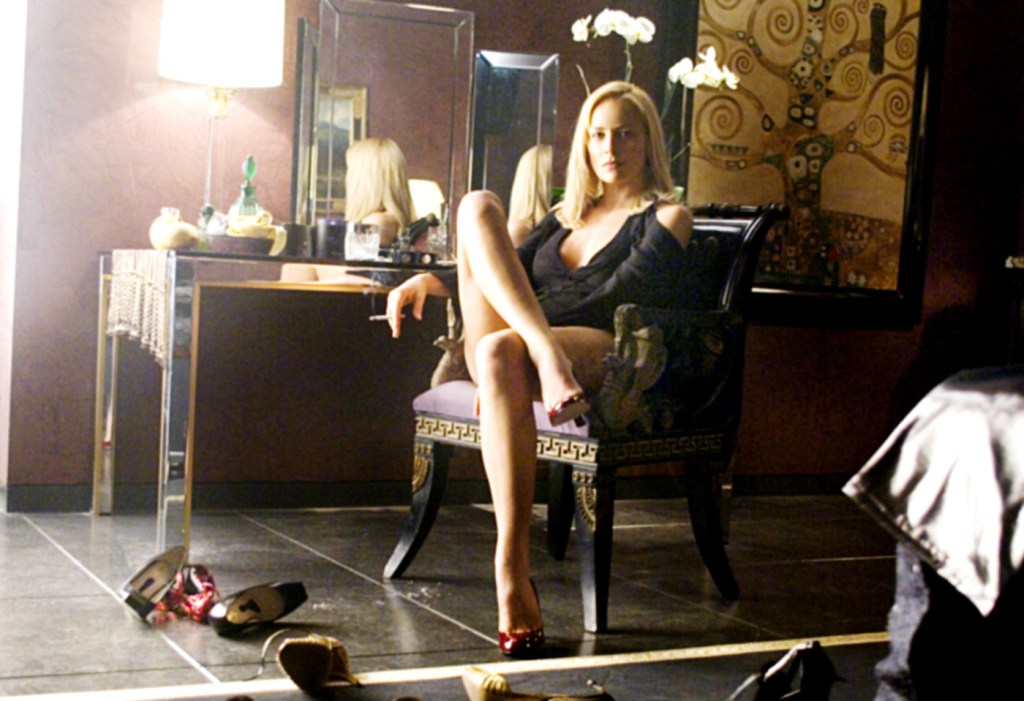
    The 1992 erotic thriller ‘Basic Instinct’ is slated for a reboot, a development confirmed by original screenwriter Joe Eszterhas. This new project will bring back Catherine Tramell, the notorious and complex character at the heart of the film’s intrigue. Tramell’s return aims to tap into cinematic nostalgia while introducing her story to contemporary audiences, reflecting a broader trend in Hollywood to reimagine established intellectual properties.

    Eszterhas’s direct involvement suggests an intention to preserve the original film’s distinctive blend of psychological suspense and provocative themes. The announcement was made on July 5, 2026, generating immediate interest among film enthusiasts and those familiar with the original movie’s impact.

    The Original Phenomenon of ‘Basic Instinct’

    ‘Basic Instinct’ premiered on March 20, 1992, becoming an immediate cultural touchstone. Directed by Paul Verhoeven, the film starred Sharon Stone as Catherine Tramell, a wealthy and seductive crime novelist, and Michael Douglas as Nick Curran, a detective investigating a brutal murder. The narrative centered on Curran’s escalating obsession with Tramell, the prime suspect.

    The film was critically acclaimed for its stylish direction and performances, particularly Stone’s portrayal of Tramell, which launched her into global stardom. It was also a significant box office success, earning over 352 million globally against a production budget of 49 million. This financial triumph solidified its status as a major studio event.

    Controversy and Cultural Impact

    Beyond its commercial success, ‘Basic Instinct’ sparked considerable controversy, primarily due to its graphic sexual content and depiction of violence. The film’s infamous interrogation scene, featuring Sharon Stone, became one of the most talked-about moments in cinema history.

    Protests from LGBTQ+ activists occurred during its production and release, criticizing its portrayal of bisexual characters as manipulative and dangerous. Despite, or perhaps because of, these controversies, ‘Basic Instinct’ cemented its place in popular culture, influencing subsequent thrillers and discussions about censorship in film.

    Joe Eszterhas’s Vision for the Reboot

    Joe Eszterhas, known for his provocative and often controversial screenplays, crafted the original ‘Basic Instinct’ script. His return to the franchise indicates a desire to revisit the character and themes with a fresh perspective while maintaining the essence that made the first film memorable. Eszterhas’s filmography includes other notable works such as ‘Flashdance’ (1983), ‘Jagged Edge’ (1985), and ‘Showgirls’ (1995), often exploring dark psychological landscapes and intense human relationships.

    The specific details of the reboot’s plot, director, and casting have not yet been disclosed. However, the confirmation of Catherine Tramell’s central role suggests the narrative will continue to explore themes of manipulation, desire, and the blurred lines between innocence and guilt.

    The Legacy of Catherine Tramell

    Catherine Tramell remains one of cinema’s most iconic femme fatales. Her character defied easy categorization, embodying intelligence, danger, and a compelling ambiguity that captivated audiences. Stone’s performance brought depth to Tramell, making her more than just a villain, but a complex figure whose motivations were constantly questioned.

    The character’s influence extends beyond the film, becoming a benchmark for powerful, enigmatic female roles in thrillers. Her signature cool demeanor and psychological prowess continue to resonate in discussions of cinematic anti-heroines.

    The Evolving Landscape of Erotic Thrillers

    The erotic thriller genre, prominent in the late 20th century, has seen various interpretations and transformations over time. ‘Basic Instinct’ was a high point for the genre, pushing boundaries and exploring adult themes with mainstream appeal. The reboot arrives at a time when Hollywood often grapples with how to present mature themes in a modern context, balancing artistic expression with evolving social sensitivities.

    The return of Catherine Tramell provides an opportunity to re-examine the genre itself. It can explore new facets of psychological tension and human desire, perhaps adapting to contemporary understandings of power dynamics and gender roles within a thriller framework.

    Hollywood’s Reboot Trend

    The ‘Basic Instinct’ reboot is part of a larger industry trend of revisiting successful franchises and characters. Studios often leverage established brand recognition to attract audiences in a competitive media landscape. This strategy aims to capitalize on nostalgia while also introducing classic stories to new generations.

    Recent years have seen numerous reboots, remakes, and sequels to films from the 1980s and 1990s. These projects often seek to update narratives for modern sensibilities, incorporate contemporary technological advancements, or explore different thematic angles from the originals. The challenge lies in honoring the source material while forging a distinct identity for the new iteration.

    Anticipation for the New Chapter

    The confirmation of the ‘Basic Instinct’ reboot, particularly with Eszterhas’s involvement, has generated significant anticipation. Fans of the original film are eager to see how Catherine Tramell’s story will evolve and how the provocative elements of the film will be handled in a 2020s context.

    The project will likely face scrutiny regarding its approach to controversial themes and its ability to capture the original’s unique atmosphere. The success of the reboot will depend on its capacity to deliver a compelling narrative that respects its legacy while offering something fresh and relevant.

    What’s Next for Catherine Tramell?

    The details surrounding Catherine Tramell’s new cinematic outing remain scarce. Questions abound regarding the setting, the supporting cast, and the specific plot points that will drive the narrative. Will the reboot be a direct continuation, a reimagining, or a spiritual successor?

    Eszterhas’s creative vision for Tramell’s return will be crucial in defining the project’s direction. His unique storytelling style, characterized by sharp dialogue and intricate character psychology, suggests a reboot that aims for more than just surface-level thrills.

    The Enduring Appeal of ‘Basic Instinct’

    The original ‘Basic Instinct’ left an indelible mark on cinema. Its blend of mystery, sex, and psychological drama captivated audiences worldwide. It solidified Sharon Stone’s status as a leading lady and demonstrated the power of a well-crafted, albeit controversial, thriller.

    Its themes of deception, obsession, and the dark side of human nature remain timeless. The film’s critical and commercial success, coupled with its enduring cultural discussion, underscores its significance. The forthcoming reboot will test the enduring appeal of these elements in a new era.

    The original film’s director, Paul Verhoeven, crafted a visually distinct and narratively tense experience. His collaboration with Eszterhas produced a film that challenged conventions and provoked thought. The reboot will inevitably be compared to this high standard, adding to the pressure on its creators.

    The legacy of ‘Basic Instinct’ is not just in its box office numbers or its controversies. It lies in its ability to create a character like Catherine Tramell, who continues to fascinate and intrigue decades later. Her return signals a recognition of this lasting impact.

    Anticipation builds. Discussions ignite. A new chapter begins.

    Tramell.

  • Mark Hamill’s Hilarious Snub: ‘Not Invited’ to Swift-Kelce Wedding?

    Mark Hamill’s Hilarious Snub: ‘Not Invited’ to Swift-Kelce Wedding?

    Actor Mark Hamill publicly commented on the wedding of musician Taylor Swift and professional football player Travis Kelce on 2026-07-05. Hamill posted a social media message that included a jest about his non-attendance at the couple’s nuptials, specifically stating he was ‘not invited.’ His post also conveyed congratulations to Swift and Kelce.

    This development came as information about the high-profile wedding continued to unfold. Hamill’s remark suggested that the wedding event had indeed taken place, prompting his public acknowledgment and humorous take on the guest list.

    Hamill’s Viral Social Media Jest

    Mark Hamill’s social media activity on 2026-07-05 quickly gained traction. The actor, widely recognized for his role as Luke Skywalker in the Star Wars saga, engaged with the news in a characteristically lighthearted manner. His post, which directly addressed the Swift-Kelce wedding, read: ‘So happy for Taylor Swift & Travis Kelce! Wishing them a lifetime of happiness. Also, I was not invited. #SwelceWedding #NotOnTheGuestList.’

    This specific content, playing on the idea of a celebrity being excluded from another major celebrity event, resonated with his followers. The hashtag ‘#NotOnTheGuestList’ began trending shortly after his post, indicating the widespread engagement it generated.

    The interaction highlights the actor’s consistent use of humor in his public persona. It also underscores the immense public interest surrounding the Swift-Kelce relationship and now their marriage.

    The Union of Taylor Swift and Travis Kelce

    Taylor Swift, a multi-Grammy Award-winning artist and one of the most influential figures in contemporary music, and Travis Kelce, a three-time Super Bowl champion tight end for the Kansas City Chiefs, have been a subject of intense media scrutiny since their relationship became public in 2023. Their union has merged the worlds of pop culture, music, and professional sports.

    The confirmation of their marriage, through various reports and now Hamill’s public comment, marks a significant milestone for both individuals. Fans globally have followed their romance closely, from Swift’s appearances at Chiefs games to their joint public outings.

    Details surrounding the ceremony itself, including its exact location, date, and other attendees, are still emerging. Media outlets are actively seeking official statements and images from the couple or their representatives.

    Celebrity Reactions and Public Engagement

    Hamill’s post is one of the first direct celebrity reactions to the Swift-Kelce wedding. His approach, combining genuine congratulations with self-deprecating humor, is a common tactic used by public figures to engage with high-profile events without overstepping boundaries.

    The public’s response to Hamill’s joke demonstrates the pervasive interest in the private lives of celebrities, particularly those as prominent as Swift and Kelce. Social media platforms serve as immediate forums for these interactions, allowing for rapid dissemination of news and reactions.

    Other celebrities are expected to offer their congratulations or humorous takes as more official details about the wedding become available. The event is anticipated to be one of the most talked-about celebrity weddings of 2026.

    Humor. Engagement. Congratulations. Announcement.

  • George Clooney to Receive Golden Lion for Career Achievement at Venice Film Festival

    George Clooney to Receive Golden Lion for Career Achievement at Venice Film Festival

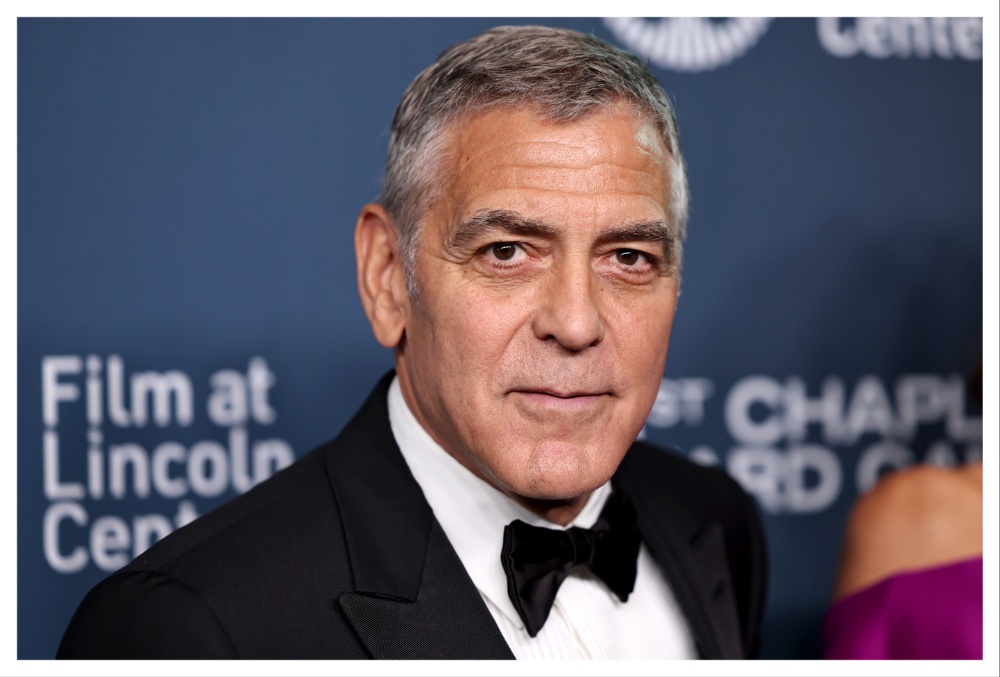
    George Clooney is slated to receive the Golden Lion for Career Achievement at the upcoming Venice Film Festival. This top honor from one of the world’s most prestigious cinematic events acknowledges his profound and enduring contributions to film. The award encompasses his work as a distinguished actor and his significant achievements as a director.

    The Venice Film Festival, established in 1932, is the oldest film festival globally. It is renowned for its selection of groundbreaking films and its recognition of cinematic excellence. The Golden Lion is the highest prize awarded to a film in the main competition, while the Career Achievement award celebrates individuals who have left an indelible mark on cinema.

    A Distinguished Career in Film

    Clooney’s career spans several decades, marked by critical acclaim and commercial success. He first gained widespread recognition for his role as Dr. Doug Ross on the television series ER in the 1990s. His transition to film saw him star in numerous prominent productions.

    Notable acting credits include Ocean’s Eleven (2001), Syriana (2005), for which he won an Academy Award for Best Supporting Actor, and Michael Clayton (2007). He has collaborated with leading directors and actors throughout his career, cementing his status as a Hollywood icon.

    Achievements in Direction

    Beyond his acting prowess, Clooney has also established himself as a respected director. His directorial debut was Confessions of a Dangerous Mind (2002). He went on to direct films such as Good Night, and Good Luck. (2005), which earned him Academy Award nominations for Best Director and Best Original Screenplay. Other directorial works include The Ides of March (2011) and The Monuments Men (2014).

    His work behind the camera often explores themes of journalism, politics, and historical events, showcasing a commitment to substantive storytelling. This dual capacity as a performer and filmmaker underscores the breadth of his artistic influence.

    The Golden Lion Legacy

    The Golden Lion for Career Achievement has previously been bestowed upon many cinematic legends. Past recipients include celebrated actors, directors, and other film professionals whose work has significantly shaped the art form. This award places Clooney among an elite group of international cinema figures.

    The Venice Film Festival typically announces its full program and specific dates for the upcoming edition closer to the event. The presentation of the Golden Lion for Career Achievement is a highlight of the festival, drawing international attention. This is a developing story, and further details regarding the ceremony and Clooney’s attendance are expected to emerge as the festival approaches.

  • Renny Harlin and Val Kilmer: The ‘Mindhunters’ Eyeglasses Dispute

    Renny Harlin and Val Kilmer: The ‘Mindhunters’ Eyeglasses Dispute

    Director Renny Harlin recently recounted a significant clash with actor Val Kilmer during the production of the 2004 film ‘Mindhunters,’ a dispute that revolved around a seemingly minor detail: a pair of eyeglasses.

    This incident, detailed in a recent interview, offers a behind-the-scenes look at the creative tensions that can arise on a Hollywood film set, even between seasoned professionals.

    The Genesis of ‘Mindhunters’

    ‘Mindhunters’ was a psychological thriller released in 2004. The film starred Val Kilmer, Christian Slater, LL Cool J, Jonny Lee Miller, and Kathryn Morris.

    It centered on a group of FBI profiler trainees sent to a remote island for their final exam. They soon discover that a serial killer is among them, systematically hunting them down.

    Renny Harlin, known for directing action films such as ‘Die Hard 2’ (1990) and ‘Cliffhanger’ (1993), took the helm. The production itself faced various challenges, including multiple release date changes.

    Filming primarily took place in the Netherlands, providing a distinct European backdrop for the isolated island setting.

    Val Kilmer’s Role and Reputation

    Val Kilmer, a prominent actor known for roles in ‘Top Gun’ (1986), ‘The Doors’ (1991), and ‘Heat’ (1995), played the character of Jake Harris in ‘Mindhunters.’

    Harris was the lead instructor overseeing the FBI trainees. Kilmer’s involvement brought significant star power to the project.

    Throughout his career, Kilmer has maintained a reputation for intense dedication to his roles. This intensity has sometimes been accompanied by reports of challenging on-set behavior.

    His portrayal of iconic characters often involved deep immersion, which could lead to strong opinions regarding character details.

    The Eyeglass Incident

    According to Renny Harlin’s recent recollection, the specific point of contention with Val Kilmer involved a pair of eyeglasses. Eyeglasses are often a subtle but crucial element of character design, conveying intellect, vulnerability, or distinct personality traits.

    The director and the actor found themselves at an impasse over the particular style or appearance of the eyewear. This seemingly small detail became a flashpoint for a larger disagreement.

    Harlin’s account suggests that the dispute was not easily resolved. It escalated beyond a simple discussion about costume choices.

    Such disagreements can disrupt production schedules and create an atmosphere of tension on set.

    Behind-the-Scenes Dynamics

    Film sets are complex environments. They involve numerous creative individuals, each with a vision for the final product.

    Directors like Harlin are responsible for the overall artistic and technical execution of the film. Actors, especially those of Kilmer’s caliber, bring their interpretation and experience to their roles.

    Clashes often arise from differing artistic perspectives or strong convictions about character portrayal. What one person views as a minor detail, another might see as fundamental to the character’s authenticity.

    The pressure of filmmaking, including tight schedules and large budgets, can amplify these creative differences.

    Impact on Production and Atmosphere

    A disagreement between a director and a lead actor can have ripple effects across an entire production. It can affect crew morale, slow down filming, and potentially alter the creative direction of scenes.

    While the exact duration and specific consequences of the ‘Mindhunters’ eyeglasses dispute are not fully detailed in Harlin’s initial account, such incidents typically require intervention or compromise.

    The film’s eventual release in 2004, after several delays, suggests a production process that navigated various hurdles.

    The ‘Mindhunters’ incident serves as a specific example of the challenges inherent in collaborative artistic endeavors.

    The Nature of Creative Conflict

    Creative conflict is not uncommon in Hollywood. Many iconic films have histories of intense disagreements between directors, actors, and other key personnel.

    Sometimes these clashes lead to creative breakthroughs. Other times, they result in strained relationships or compromises that impact the final product.

    For directors, managing strong personalities and divergent artistic opinions is a core part of the job. For actors, advocating for their character’s integrity is often seen as essential to their craft.

    The ‘Mindhunters’ episode highlights how even small props or costume elements can become symbols of larger artistic battles.

    Harlin’s Perspective on Filmmaking

    Renny Harlin’s career spans decades, marked by a proficiency in action and thriller genres. His directorial approach typically involves high energy and visual spectacle.

    His decision to share this anecdote about Kilmer suggests a reflection on the demanding nature of his profession.

    It also underscores the personal investment directors have in every aspect of a film, down to the smallest detail.

    Harlin has worked with numerous stars throughout his career, making his recollection of this particular incident noteworthy.

    Kilmer’s Approach to Acting

    Val Kilmer has consistently been lauded for his transformative performances. He is known for deep research and method acting tendencies.

    This dedication often means he forms strong opinions about how his characters should look, speak, and behave.

    His commitment to authenticity can be both a strength and a source of friction on set. The eyeglasses dispute fits within a broader narrative of actors deeply invested in their roles.

    Kilmer’s dedication often resulted in memorable and critically acclaimed performances.

    Lessons from the Set

    The ‘Mindhunters’ eyeglasses incident offers a micro-example of macro issues in filmmaking. It demonstrates that collaboration, even among professionals, is rarely seamless.

    Every element, from the script to a prop, can become a point of contention with significant implications.

    Filmmakers continually balance artistic vision with practical constraints and the personalities involved.

    The finished film often represents a complex tapestry woven from countless decisions, compromises, and occasional conflicts.

    The Legacy of ‘Mindhunters’

    ‘Mindhunters’ eventually grossed over $21 million worldwide against a production budget of approximately $27 million. Critical reception was mixed.

    Despite the behind-the-scenes challenges, the film found an audience, particularly in the home video market.

    The story of the eyeglasses, while a small detail, becomes part of the film’s larger production lore.

    It contributes to the ongoing narrative of Hollywood’s often tumultuous creative process.

    Reflecting on a Production

    Years after a film’s release, directors and actors often share anecdotes from their time on set. These stories provide valuable insights into the human element of filmmaking.

    They reveal the dedication, passion, and occasional friction that shape cinematic works.

    Renny Harlin’s recollection of his interaction with Val Kilmer adds another layer to the understanding of ‘Mindhunters’ and the careers of both individuals.

    It highlights the constant negotiation of art and commerce.

    Directors. Actors. Crews. Budgets. Schedules. Eyeglasses. Conflict.

    Hollywood.