Tag: Hollywood

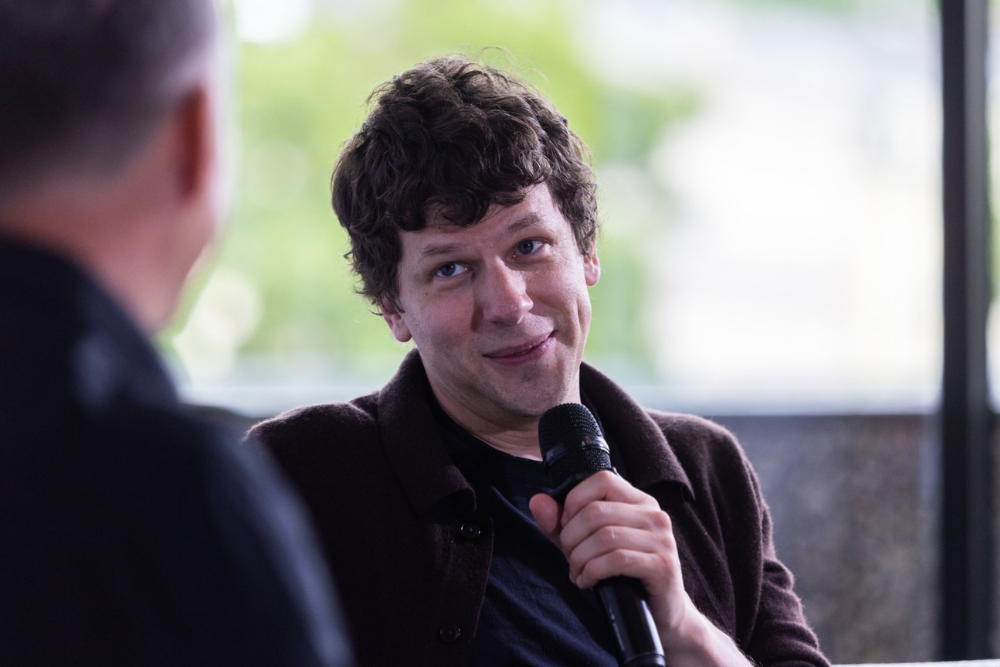
  • Jesse Eisenberg on Trump, AI, and His Film ‘The Debut’

    Jesse Eisenberg on Trump, AI, and His Film ‘The Debut’

    Jesse Eisenberg recently stated that leaving the United States due to political figures, such as President Trump, would be “silly.” This perspective underscores his belief in sustained engagement within the country, irrespective of the political climate. Eisenberg’s remarks reflect a pragmatic approach to civic participation, advocating for individuals to contribute to their communities rather than disengage.

    His comments arrive amidst the promotion of his latest cinematic endeavor, ‘The Debut.’ Eisenberg characterizes this film as a deliberate contrast to artificial intelligence in the creative process. This framing positions ‘The Debut’ as a testament to human artistry and narrative.

    Eisenberg’s Stance on Political Engagement

    Eisenberg articulated a philosophy centered on active involvement. He views the act of departing the U.S. over political disagreements as an unproductive response. His argument suggests that individual and collective efforts are more impactful when sustained within the existing societal structure.

    This viewpoint resonates with a segment of the public seeking stability and continuity. It contrasts with discussions around expatriation or political protest through emigration. Eisenberg’s position is one of pragmatic resilience.

    He did not elaborate on specific political policies. Instead, his focus remained on the principle of national commitment. The actor-filmmaker emphasized the importance of contributing to the country’s fabric.

    ‘The Debut’ as a Counterpoint to AI

    The conversation around ‘The Debut’ highlights a broader industry concern. Artificial intelligence increasingly influences creative fields. Eisenberg’s description of his film as “the opposite of AI” is a direct response to this trend.

    This statement carries significant weight. It implies a deliberate artistic choice to prioritize human-driven storytelling and execution. ‘The Debut’ is presented as a work deeply rooted in human experience and creative intuition.

    The film industry is grappling with the implications of AI technology. Questions regarding authorship, originality, and the future of creative labor are prevalent. Eisenberg’s project contributes to this critical dialogue.

    A24 and DeepMind Partnership Context

    Eisenberg’s remarks gain additional context from recent industry developments. The film studio A24, known for its distinctive independent productions, has partnered with DeepMind. DeepMind is a prominent artificial intelligence research laboratory.

    This collaboration signals a potential integration of AI into filmmaking processes. It raises questions about the definition of creative work in the digital age. The partnership has sparked discussions across the entertainment sector.

    The exact nature of the A24-DeepMind collaboration has not been fully disclosed. However, it points to a future where AI tools might assist in various stages of film production. This includes script development, visual effects, and even marketing.

    Eisenberg’s assertion about ‘The Debut’ stands in direct opposition to this trend. He appears to be championing a return to or a preservation of traditional human creative methods. This artistic stance is both timely and provocative.

    The Evolving Role of AI in Film

    The film industry has a long history of adopting new technologies. From sound to color, and then to CGI, technological advancements have reshaped cinematic art. AI represents the latest frontier.

    AI tools can generate scripts, create realistic visual effects, and even compose musical scores. These capabilities offer efficiency and new creative possibilities. They also pose challenges to traditional roles and artistic integrity.

    Filmmakers like Eisenberg are navigating this complex landscape. Some embrace AI as a tool to enhance their craft. Others express caution, emphasizing the irreplaceable value of human imagination and emotional depth.

    The debate extends beyond technical capabilities. It touches upon philosophical questions about art itself. What constitutes creativity when algorithms play a significant role?

    Eisenberg’s Career and Artistic Philosophy

    Jesse Eisenberg has established a career marked by diverse roles and creative ventures. He is known for his acting in films such as ‘The Social Network’ and ‘Zombieland.’ More recently, he has expanded into directing and screenwriting.

    His directorial debut, ‘When You Finish Saving the World,’ premiered in 2022. This film, like ‘The Debut,’ explores intricate human relationships. It foregrounds character development and nuanced emotional landscapes.

    Eisenberg’s artistic philosophy often centers on authenticity. He seeks to explore the complexities of human behavior. This focus aligns with his current stance on AI, which he views as potentially diluting that authenticity.

    His work often delves into themes of connection and alienation. These universal human experiences are central to his storytelling. He appears committed to preserving a human-centric approach in his art.

    Pragmatism in a Divided Landscape

    The political landscape of the United States has been characterized by significant division. Discussions often revolve around ideological differences and partisan loyalties. Eisenberg’s perspective offers a different angle.

    His call for continued engagement suggests a belief in the power of internal change. It emphasizes the importance of citizens remaining active participants. This approach aims to foster evolution from within the system.

    Such pragmatism contrasts with more absolutist positions. It acknowledges the realities of political life while advocating for constructive action. Eisenberg’s view encourages finding common ground or at least common purpose.

    This attitude extends to his artistic endeavors. He confronts technological shifts with a clear vision for human-centered art. His work aims to provide a counter-narrative to potentially dehumanizing trends.

    The Future of Storytelling and Technology

    The intersection of storytelling and technology continues to evolve rapidly. AI is transforming how stories are conceived, produced, and consumed. The implications for artists are profound.

    ‘The Debut’ represents one artist’s response to these changes. It serves as a statement about the enduring value of human creativity. The film is likely to spark further discussion on these topics.

    The entertainment industry will continue to grapple with these innovations. Decisions made today will shape the future of film. Artists like Eisenberg are at the forefront of this ongoing conversation.

    They are defining the boundaries and possibilities of art in an age of advanced technology. Their choices will influence how audiences experience stories for generations to come. The dialogue is just beginning.

    A Commitment to Human Expression

    Eisenberg’s comments reflect a deep commitment to human expression. He champions the unique qualities that human artists bring to their work. This includes intuition, emotion, and personal experience.

    These elements are often difficult, if not impossible, for AI to replicate. ‘The Debut’ is therefore more than just a film. It is a declaration about the essence of art.

    His perspective invites other creators to consider their own roles. It challenges them to define what makes their work distinctly human. This ongoing introspection is vital for the creative arts.

    The conversation around AI in film is not merely about technology. It is about humanity’s place in an increasingly automated world. Eisenberg’s voice adds a significant dimension to this debate.

    Artists create. Technologies advance. Audiences respond. Humanity persists.

  • David Chase on Hollywood: Greed and Fear in the Trump Era

    David Chase on Hollywood: Greed and Fear in the Trump Era

    David Chase, the visionary behind the critically acclaimed series ‘The Sopranos’, has publicly stated his view that Hollywood is experiencing a regression. He characterizes this shift as a return to foundational principles of ‘greed and fear’. Chase links this perceived cultural and economic pivot directly to the prevailing political environment, specifically referencing President Trump’s administration.

    His comments suggest that the entertainment industry, despite its outward appearances of innovation, remains susceptible to cyclical patterns. These patterns, according to Chase, are driven by fundamental human motivations that resurface during specific political and economic periods.

    The Creator’s Perspective on Industry Shifts

    David Chase’s career spans decades within the television and film industries. He is widely recognized for his nuanced storytelling and exploration of complex human psychology. ‘The Sopranos’, which debuted in 1999, redefined television drama, earning numerous awards and critical accolades.

    His observations on Hollywood are not merely those of an outsider but stem from a deep understanding of its internal mechanisms. Chase has navigated various eras of media production, witnessing firsthand the evolution of content creation, financing, and distribution.

    The creator’s remarks were reported by The Hollywood Reporter. This platform frequently covers industry trends and the perspectives of prominent figures.

    Echoes of Past Eras

    Chase’s reference to ‘greed and fear’ evokes historical periods within the entertainment industry. These sentiments have often driven production decisions, creative choices, and corporate strategies.

    During times of economic uncertainty or political tension, studios and networks have historically gravitated towards safer, more commercially viable projects. This approach often prioritizes profit margins over artistic risk-taking.

    Fear, in this context, can manifest as a reluctance to challenge established norms or to produce content that might be perceived as controversial. It can also stem from anxieties about market performance or audience reception.

    The Political Climate and Creative Output

    The relationship between political administrations and cultural output is a recurring theme in media studies. The administration of the President elected in 2024, which began its term on January 20, 2025, has been a frequent subject of discussion within the entertainment community.

    Many artists and creators have expressed concerns about the political landscape. These concerns often center on issues of social justice, freedom of expression, and economic stability.

    Chase’s comments suggest a direct causal link between this political environment and the industry’s operational ethos. He implies that the current administration’s influence fosters an atmosphere where ‘greed and fear’ become dominant motivators.

    Impact on Storytelling and Production

    A climate driven by ‘greed and fear’ can significantly impact the types of stories that are told. Content may become more homogenized, less challenging, and more focused on established franchises or proven formulas.

    Independent and experimental projects might find it harder to secure funding. Studios may become more risk-averse, leading to fewer original concepts reaching production.

    This trend could potentially limit the diversity of voices and perspectives presented on screen. It could also lead to a reduction in content that critically examines societal issues or explores complex moral dilemmas.

    Economic Undercurrents in Hollywood

    Beyond political influence, economic factors always play a significant role in Hollywood’s decisions. The industry operates within a global market, influenced by streaming wars, evolving consumption habits, and fluctuating advertising revenues.

    Major media conglomerates are constantly seeking to maximize profits and shareholder value. This pursuit can sometimes overshadow artistic considerations.

    The push for blockbuster franchises and intellectual property (IP) driven content often reflects this economic imperative. Such projects are perceived as having a higher likelihood of financial success, reducing perceived risk.

    The Role of Streaming Services

    The rise of streaming services has dramatically reshaped the entertainment landscape. While initially offering new avenues for diverse storytelling, even these platforms have increasingly focused on subscriber growth and retention.

    This focus can lead to similar pressures for commercially appealing content. The need to produce a constant stream of new material can sometimes prioritize quantity over qualitative depth.

    David Chase’s observations could be interpreted through this lens as well. The competitive nature of the streaming market might amplify tendencies towards ‘greed’ in securing market share and ‘fear’ of losing subscribers.

    Historical Parallels in American Cinema

    Hollywood’s history is replete with periods characterized by similar dynamics. The studio system era, for example, was largely driven by commercial interests and tight control over production.

    The Hays Code, enforced from 1934 to 1968, illustrates a period where fear of moral backlash and government censorship heavily influenced creative decisions. This code limited the types of themes and depictions allowed in films.

    Even post-code, periods of economic downturn or social upheaval often saw shifts in film content. Genres like disaster movies or escapist fantasies sometimes gained prominence during turbulent times, offering audiences a distraction.

    The Sopranos’ Legacy and Independent Vision

    David Chase’s work on ‘The Sopranos’ is often cited as a benchmark for artistic integrity and uncompromising vision. The series explored themes of morality, family, mental health, and the American dream with unprecedented depth for television.

    Its success demonstrated that audiences were hungry for complex narratives, even those that challenged conventional television tropes. The show’s creation required a degree of creative freedom that might be harder to achieve in an environment dominated by ‘greed and fear’.

    Chase’s current assessment suggests a concern that such groundbreaking work might become rarer if the industry continues on its perceived trajectory. The ability for creators to pursue unique visions without undue commercial pressure is paramount for artistic innovation.

    Industry Reactions and Broader Commentary

    While specific reactions from other Hollywood figures to Chase’s recent comments have not been broadly reported, his sentiments resonate with broader discussions within the industry. Many artists, writers, and directors have voiced similar concerns about creative constraints and commercial pressures.

    Film festivals and independent cinema movements often champion works that resist these pressures. They seek to provide platforms for voices that might be marginalized by mainstream industry trends.

    The debate over artistic freedom versus commercial viability is ongoing in Hollywood. Chase’s remarks contribute a significant voice to this persistent conversation.

    Looking Ahead: The Future of Hollywood

    The future direction of Hollywood will likely depend on a multitude of factors. These include evolving audience preferences, technological advancements, and the ongoing political and economic climate.

    Whether the industry can navigate these pressures while maintaining a commitment to diverse and challenging storytelling remains a central question. The tension between profit motives and artistic ambition is a constant.

    David Chase’s observations serve as a critical reflection. They prompt a deeper examination of the forces shaping one of the world’s most influential cultural industries.

    Creators speak. Industry leaders listen. Audiences watch. Hollywood.

  • Britney Spears Biopic Scripted by ‘New Girl’ Creator Liz Meriwether

    Britney Spears Biopic Scripted by ‘New Girl’ Creator Liz Meriwether

    A biopic centered on the life of pop superstar Britney Spears is in active development, with Liz Meriwether, the acclaimed creator of the television series ‘New Girl,’ attached to write the screenplay. This film project is expected to delve into Spears’ extensive career, her ascent to global fame, and the significant personal and legal challenges that have defined much of her public life.

    The announcement of Meriwether’s involvement signals a serious approach to the narrative, given her track record in crafting compelling character-driven stories. The biopic will likely explore themes of celebrity, media scrutiny, and personal autonomy, resonating with a broad audience interested in Spears’ influential career and subsequent struggles.

    The Trajectory of Britney Spears’ Career

    Britney Spears emerged as a dominant force in pop music in the late 1990s. Her debut album, ‘…Baby One More Time,’ released in 1999, quickly established her as a global phenomenon. The album’s title track became an international hit, defining a new era of pop music and solidifying Spears’ status as a teen idol.

    Throughout the early 2000s, Spears continued to release commercially successful albums, including ‘Oops!… I Did It Again’ (2000), ‘Britney’ (2001), and ‘In the Zone’ (2003). These albums produced numerous chart-topping singles and iconic music videos. Her elaborate stage performances and provocative image captivated millions worldwide.

    Spears’ influence extended beyond music, making her a cultural icon. Her fashion choices, public relationships, and media presence were subjects of constant discussion. She became a symbol of pop culture, influencing a generation of artists and fans.

    The intensity of her fame also brought unprecedented media attention, creating a challenging environment for her personal life. Every aspect of her existence was scrutinized, leading to immense pressure.

    The Conservatorship and Its Aftermath

    In 2008, a court-ordered conservatorship was established, placing Spears’ personal and financial affairs under the control of her father, Jamie Spears, and others. This legal arrangement, initially presented as a temporary measure for her well-being, lasted for over 13 years.

    The conservatorship became a subject of increasing public debate and concern. The #FreeBritney movement, initiated by fans, gained significant momentum, drawing attention to the perceived injustices of the arrangement. Documentaries and news reports further highlighted the complexities and controversies surrounding her situation.

    In June 2021, Spears delivered powerful testimony in court, detailing her experiences under the conservatorship. She described feeling exploited, controlled, and unable to make fundamental decisions about her own life, career, and reproductive health.

    The legal battle culminated in November 2021, when a Los Angeles Superior Court judge officially terminated the conservatorship. This decision marked a significant victory for Spears and her supporters, symbolizing a broader conversation about guardianship laws and celebrity autonomy.

    Liz Meriwether’s Creative Vision

    Liz Meriwether is widely recognized for her work in television, particularly as the creator, executive producer, and writer of the Fox sitcom ‘New Girl.’ The series, which ran from 2011 to 2018, was praised for its witty dialogue, ensemble cast, and nuanced character development.

    Meriwether’s writing often blends humor with emotional depth, exploring the complexities of relationships and personal growth. Her ability to craft relatable and engaging characters suggests a potential for a sensitive and insightful portrayal of Britney Spears’ life.

    Prior to ‘New Girl,’ Meriwether also wrote the play ‘Oliver Parker!’ and the screenplay for the 2011 romantic comedy film ‘No Strings Attached,’ starring Natalie Portman and Ashton Kutcher. Her diverse experience in both theater and film demonstrates her versatility as a storyteller.

    The choice of Meriwether to script the biopic indicates a desire to move beyond a sensationalized account. The project aims for a narrative that captures the human element of Spears’ story, including her resilience and determination.

    The Biopic Trend in Hollywood

    Biopics have seen a resurgence in popularity in recent years, with many films achieving critical and commercial success. These projects often explore the lives of iconic figures from music, film, and other public spheres.

    Recent examples include ‘Bohemian Rhapsody’ (2018), which chronicled the life of Freddie Mercury and Queen, and ‘Rocketman’ (2019), a musical fantasy film based on the life of Elton John. Both films offered intimate looks into the lives of their subjects, combining musical performances with personal drama.

    Other biopics, such as ‘Elvis’ (2022) and ‘Oppenheimer’ (2023), have also captivated audiences and critics, demonstrating the enduring appeal of true-life stories. These films often provide context to public figures, revealing the struggles and triumphs behind their fame.

    The Britney Spears biopic fits into this trend, promising to offer a comprehensive look at a figure whose life has been under constant public scrutiny. The film will likely explore the pressures of early fame, the challenges of maintaining a private life in the public eye, and the fight for personal freedom.

    Public Interest and Anticipation

    The announcement of a Britney Spears biopic has generated significant public interest. Fans and media alike are eager to see how her story will be adapted for the screen, particularly after the termination of her conservatorship.

    Spears’ journey has resonated with many, becoming a symbol of resilience in the face of adversity. The film offers an opportunity to present a narrative that acknowledges her struggles while celebrating her enduring legacy as a pop icon.

    The project aligns with a broader cultural conversation about celebrity well-being and the responsibilities of the media. It seeks to provide a nuanced perspective on the challenges faced by individuals in the public spotlight.

    The biopic’s success will depend on its ability to balance factual accuracy with compelling storytelling. It must navigate the sensitive aspects of Spears’ life with respect and integrity, offering insights rather than mere spectacle.

    The Impact of the #FreeBritney Movement

    The #FreeBritney movement played a crucial role in raising awareness about Spears’ conservatorship. What began as a fan-driven campaign evolved into a significant social and legal advocacy effort.

    Activists organized protests, disseminated information online, and pressured legal and political figures to review Spears’ case. Their efforts brought unprecedented scrutiny to the conservatorship system.

    The movement demonstrated the power of collective action in challenging established legal structures. It highlighted the importance of fan engagement in advocating for celebrity well-being, extending beyond typical fan-artist relationships.

    The movement’s success influenced public perception and contributed to the legal changes that ultimately led to the conservatorship’s termination. Its legacy will likely be a key component of the biopic’s narrative, showcasing the collective effort that supported Spears.

    Challenges and Opportunities for the Biopic

    Creating a biopic about a living icon like Britney Spears presents both challenges and opportunities. The narrative must be handled with care, considering the subject’s ongoing personal journey.

    One of the primary challenges will be to portray the complex legal and personal aspects of the conservatorship accurately and sensitively. The film must avoid re-traumatizing Spears while still providing an honest account of her experiences.

    The opportunity lies in offering a definitive cinematic interpretation of her story, potentially reaching an even wider audience. It can contextualize her struggles within the broader framework of celebrity culture and legal rights.

    The biopic also has the potential to inspire conversations about mental health, privacy, and the ethical responsibilities of those who manage the lives of public figures. It can serve as a powerful commentary on the pressures of fame.

    Writers, producers, and directors will face the task of balancing entertainment value with factual integrity. The film will need to engage audiences while remaining true to the spirit of Spears’ journey.

    Fans await. Critics await. The industry awaits.

    Britney.

  • Justin Baldoni Confirms Legal Battle with Blake Lively Over ‘It Ends With Us’

    Justin Baldoni Confirms Legal Battle with Blake Lively Over ‘It Ends With Us’

    Justin Baldoni has publicly acknowledged an ongoing legal battle involving Blake Lively, stating on 2026-07-09 that “There Have Been so Many Painful Things That Have Been Spoken Into Existence.” This statement marks the first direct confirmation from Baldoni regarding the dispute, which centers on the film adaptation of Colleen Hoover’s best-selling novel, “It Ends With Us.” The legal conflict highlights the complex challenges that can arise in high-profile Hollywood productions.

    Baldoni’s comments offer a rare public glimpse into the tensions surrounding the project. He did not provide specific details about the nature of the legal action or the exact “painful things” to which he referred. His remarks, however, suggest a significant emotional impact stemming from the dispute, hinting at disagreements that have escalated beyond typical production hurdles.

    The Core of the Conflict: ‘It Ends With Us’

    The film “It Ends With Us” is an adaptation of Colleen Hoover’s immensely popular novel. The book has a dedicated fanbase, which has closely followed the movie’s development. This scrutiny adds an additional layer of pressure to any production issues.

    Blake Lively stars as Lily Bloom and serves as an executive producer for the film. Justin Baldoni not only portrays Ryle Kincaid but also holds roles as the director and a producer. Their dual responsibilities place them at the center of the project’s success and any potential complications.

    Adaptations of best-selling novels frequently navigate complex legal landscapes. These can involve intricate rights agreements, talent contracts, and clauses related to creative control. Any dispute has the potential to delay release schedules, affect distribution deals, or result in financial repercussions for the involved parties and studios.

    Baldoni’s Public Acknowledgment

    Baldoni’s statement was made during a recent interview. His decision to speak out, even vaguely, suggests a level of frustration or an attempt to manage public perception surrounding the film. Studios and production companies typically aim to resolve such matters privately to avoid negative publicity.

    The absence of specific information fuels speculation within Hollywood circles. The exact nature of the claims, whether they involve contractual disagreements, intellectual property rights, or other factors, remains undisclosed. Industry observers are awaiting further clarification from legal representatives or the involved parties.

    Undisclosed Details and Speculation

    The legal action could potentially involve various aspects of film production. It might concern disagreements over creative direction, financial compensation, or distribution rights. Given the source material, intellectual property rights could also be a significant factor in the dispute.

    This situation remains a developing story. Information regarding the legal battle is still emerging. Official statements and public records have yet to provide comprehensive details on the claims or the current status of the case. The lack of concrete information leads to considerable speculation.

    Impact on Production and Release

    The timing of Baldoni’s comments is noteworthy, as “It Ends With Us” approaches its anticipated release. Legal entanglements can sometimes lead to production halts, necessitate reshoots, or even affect promotional tours. Baldoni’s public statement indicates that the issue is significant enough to warrant acknowledgment, even without full disclosure of its particulars.

    The challenges inherent in major film productions are underscored by Baldoni’s confirmation of the legal conflict. The situation highlights the intricate legal frameworks that govern the entertainment industry. Further developments are expected as the legal process unfolds and more information becomes available.

    Complex legal issues can have far-reaching effects. They can influence investor confidence, affect crew morale, and alter the public’s perception of a film before its release. The entertainment industry often sees such disputes, but their public acknowledgment by key figures is less common.

    The Role of High-Profile Talent

    Blake Lively and Justin Baldoni are both prominent figures in Hollywood. Their involvement as both actors and producers on “It Ends With Us” amplifies the visibility and potential impact of any legal disputes. Their dual roles mean they are deeply invested in the film’s creative and financial outcomes.

    Lively’s established career as an actress and her growing profile as a producer bring significant weight to the project. Baldoni’s experience in directing and producing, particularly with adaptations, adds another layer of professional responsibility. Disagreements between such integral figures can be particularly challenging to resolve.

    The personal toll of public disputes on individuals in the entertainment industry is significant. Baldoni’s reference to “painful things” suggests the emotional strain involved. Such conflicts, especially when intertwined with high-profile projects, extend beyond professional disagreements into personal stress.

    Navigating Legal Frameworks in Entertainment

    The entertainment industry operates within a complex web of contracts and intellectual property laws. Rights agreements for book adaptations are often meticulously drafted. They cover everything from screenplay development to casting, budgeting, and distribution.

    Disputes can arise from various clauses within these contracts. Creative differences, for example, can escalate into legal battles if not managed effectively. Financial disagreements, including profit participation or budgetary overruns, are also common sources of conflict.

    Intellectual property rights are particularly crucial for adaptations. The original author, Colleen Hoover, retains certain rights, which are then licensed to the production company. Any perceived violation or dispute over the interpretation of these rights can lead to legal action.

    Potential Consequences for ‘It Ends With Us’

    The legal battle could have several consequences for the film. Delays in post-production or release are possible if key personnel are preoccupied with legal matters. Promotional tours, which are crucial for a film’s success, could also be impacted if the dispute remains unresolved.

    Financial implications could include increased legal fees, potential settlement costs, or even a re-evaluation of the film’s budget. The reputation of the individuals and the production company involved could also be affected, potentially influencing future projects.

    The fan base of Colleen Hoover’s novel is highly engaged. Any perceived instability or conflict surrounding the film could affect their anticipation and reception of the adaptation. Maintaining positive public perception is vital for a movie based on a beloved book.

    The Road Ahead

    Further developments are expected as the legal process unfolds. Both the public and industry observers will closely monitor any official statements or court filings that emerge. The resolution of this dispute will likely set precedents for future high-profile adaptations.

    The situation serves as a reminder of the intricate balance required to bring a large-scale film project to fruition. It involves managing creative visions, contractual obligations, and personal dynamics, all under intense public and industry scrutiny.

    The entertainment world often sees these behind-the-scenes struggles. They highlight the human element within the glamorous facade of Hollywood. Baldoni’s candid, albeit limited, comments provide a window into this reality.

    Anticipation for “It Ends With Us” remains high. The film’s journey to the screen has been closely watched. The legal dispute adds another layer to its narrative.

    Actors continue their work. Producers continue their negotiations. Directors continue their vision. The legal teams continue their arguments. The public awaits the film.

    Hollywood.

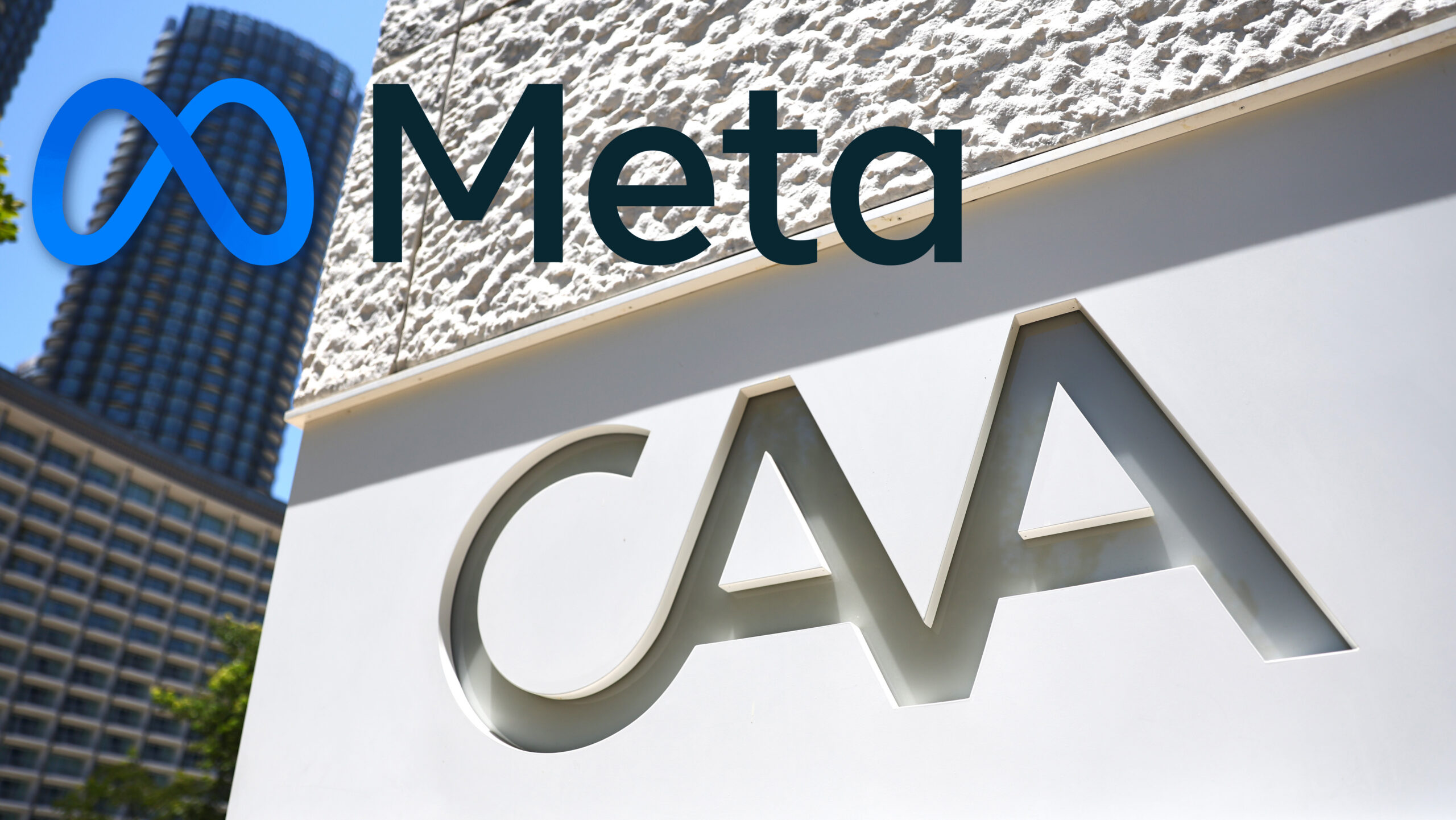
  • CAA vs. Meta AI: Hollywood’s Stance on Muse Image Generation and Privacy Concerns

    CAA vs. Meta AI: Hollywood’s Stance on Muse Image Generation and Privacy Concerns

    The Growing Chasm Between Hollywood and Silicon Valley

    The Creative Artists Agency (CAA) recently escalated its concerns regarding Meta Platforms Inc.’s new AI image generation tool, Muse. CAA’s public stance reflects a widening chasm between the creative industries of Hollywood and the rapidly advancing technological landscape of Silicon Valley. This agency, representing a vast array of artists, writers, and performers, voiced significant worries about the implications of such AI for intellectual property rights and individual privacy.

    The agency’s criticism did not go unanswered. Mark Zuckerberg, CEO of Meta, addressed the concerns directly. Zuckerberg defended Muse, asserting that Meta developed the AI technology with strict ethical considerations. He emphasized the company’s commitment to balancing innovation with user protection and creator rights.

    Muse: Meta’s Foray into Generative AI

    Meta introduced Muse as its latest advancement in generative artificial intelligence. The tool is designed to create high-quality images from text prompts. It represents Meta’s significant investment in AI research and its ambition to integrate these capabilities across its vast platform ecosystem, including Facebook, Instagram, and WhatsApp.

    The technology behind Muse leverages vast datasets to learn patterns and styles. This enables it to generate novel visual content. Meta positions Muse as a powerful tool for creative expression and efficiency, offering users new ways to communicate and innovate within its digital environments.

    CAA’s Core Concerns: IP and Privacy

    CAA’s primary objections center on two critical areas: intellectual property infringement and user data privacy. The agency argues that generative AI models, including Muse, often train on existing copyrighted material without explicit consent or compensation to the original creators. This practice, they contend, undermines the economic stability of artists and devalues creative work.

    Beyond copyright, CAA raised red flags about the potential for Muse to misuse or misrepresent individuals’ likenesses. The agency expressed anxieties that AI-generated images could be deployed in ways that infringe on personal privacy or create deepfakes, leading to reputational damage or exploitation. These concerns resonate deeply within an industry where image and identity are paramount assets.

    Zuckerberg’s Defense: Ethical AI Development

    Mark Zuckerberg countered CAA’s criticisms by highlighting Meta’s internal protocols for ethical AI development. He stated that Muse was built with safeguards designed to prevent the generation of harmful or infringing content. Zuckerberg emphasized that Meta is actively working on transparency measures for AI-generated content, aiming to distinguish it from human-created work.

    Meta’s CEO also pointed to the potential benefits of AI for creators. He suggested that tools like Muse could democratize access to sophisticated image creation, empowering a broader range of individuals to produce high-quality visual content. Zuckerberg’s defense underscored Meta’s vision of AI as an augmentative force rather than a replacement for human creativity.

    The Broader Industry Landscape: AI and Hollywood

    The confrontation between CAA and Meta is not an isolated incident. It reflects a pervasive tension across Hollywood regarding the rapid advancement of artificial intelligence. Major studios, production companies, and talent agencies are grappling with how AI will reshape workflows, contracts, and compensation models.

    Organizations like the Writers Guild of America (WGA) and the Screen Actors Guild – American Federation of Television and Radio Artists (SAG-AFTRA) have already begun to negotiate for protections against AI in their collective bargaining agreements. These unions seek to ensure that AI is used as a tool to assist, not replace, human talent, and that creators are fairly compensated for their contributions, even when AI is involved in the production process.

    The Legal and Ethical Minefield of Generative AI

    The legal framework surrounding generative AI remains largely undefined. Existing copyright laws were not designed to address the complexities of AI training data or the originality of AI-generated outputs. This legal vacuum contributes to the anxieties expressed by CAA and other industry stakeholders.

    Ethical considerations also play a significant role. Questions persist about accountability when AI generates problematic content, the potential for bias embedded in training data, and the long-term societal impact of increasingly sophisticated AI systems. These are not merely technical challenges but fundamental ethical dilemmas that require broad societal consensus and regulatory action.

    The Future of Creative Labor

    The debate over Muse and similar AI tools touches upon the future of creative labor. Many artists and professionals fear that AI could lead to widespread job displacement. They argue that if AI can generate content quickly and cheaply, the demand for human artists, illustrators, and designers could diminish significantly.

    Conversely, proponents of AI argue that it will create new roles and opportunities. They envision a future where AI tools enhance human creativity, allowing artists to focus on higher-level conceptual work while AI handles more mundane or repetitive tasks. The challenge lies in navigating this transition in a way that supports human talent rather than undermining it.

    Regulatory Pressures and Public Scrutiny

    Both Meta and CAA operate under increasing regulatory pressures and public scrutiny. Governments worldwide are beginning to explore legislation to govern AI development and deployment. The European Union’s AI Act, for example, aims to establish a comprehensive legal framework for artificial intelligence, categorizing AI systems by risk level.

    Public opinion also plays a crucial role. Consumers are increasingly aware of issues related to data privacy and the ethical implications of technology. Companies that fail to address these concerns risk reputational damage and consumer backlash. The public discourse surrounding Muse highlights the need for transparency and accountability from tech giants.

    The Ongoing Dialogue: Collaboration or Conflict?

    The exchange between CAA and Meta underscores a critical juncture. Will the relationship between creative industries and technology companies evolve into one of collaboration, or will it be characterized by ongoing conflict? Many stakeholders believe that a path towards collaboration, where artists and technologists work together to define ethical guidelines and fair compensation models, is essential.

    This collaboration would involve developing new contractual agreements, establishing clear attribution standards for AI-assisted work, and exploring innovative ways to license intellectual property for AI training. Without such proactive engagement, the risk of litigation and further polarization remains high.

    The Path Forward for AI in the Creative Sphere

    The controversy surrounding Meta’s Muse serves as a microcosm of larger challenges facing the digital economy. The path forward for AI in the creative sphere requires careful consideration of technological capabilities, legal frameworks, ethical responsibilities, and the human element of artistic expression. It demands a dialogue that includes creators, tech developers, policymakers, and the public.

    Ensuring that AI serves humanity, rather than diminishing it, is the central task. Protecting intellectual property. Upholding privacy. Fostering innovation. These are the stakes.

    Hollywood. Silicon Valley. Regulators. Creators. Consumers.

    The future.

  • Sally Field’s Emmy Nomination for ‘Remarkably Bright Creatures’, A 17-Year Gap

    Sally Field’s Emmy Nomination for ‘Remarkably Bright Creatures’, A 17-Year Gap

    Sally Field has earned an Emmy nomination for her role in ‘Remarkably Bright Creatures’ in 2026. This marks her first Emmy recognition in 17 years, highlighting a significant milestone in her long-standing career.

    The announcement underscores Field’s continued relevance and acclaimed talent within the entertainment industry. Her work in the series has drawn critical attention, leading to this latest acknowledgment from the Television Academy.

    A Distinguished Career’s Enduring Arc

    Sally Field’s career began in the mid-1960s, establishing her as a versatile actress across film and television. Her early roles in television sitcoms like ‘Gidget’ and ‘The Flying Nun’ brought her initial fame.

    She transitioned successfully into dramatic roles, earning significant critical praise. Field’s ability to inhabit diverse characters has been a hallmark of her acting journey.

    Her filmography includes numerous iconic performances. These roles have cemented her status as a respected figure in Hollywood.

    Early Television Successes

    Field’s television career launched with ‘Gidget’ in 1965. She played the titular character, Frances “Gidget” Lawrence, a role that endeared her to a wide audience.

    Following ‘Gidget,’ she starred in ‘The Flying Nun’ from 1967 to 1970. In this series, she portrayed Sister Bertrille, a nun who could fly.

    These early roles established her as a recognizable face in American households. They provided a foundation for her later, more dramatic work.

    Transition to Critically Acclaimed Drama

    The 1970s marked a pivotal shift in Field’s career. She actively sought out more challenging and complex roles.

    Her performance in the 1976 television film ‘Sybil’ was a critical turning point. Field portrayed a woman with multiple personality disorder, earning her first Emmy Award for Outstanding Lead Actress in a Drama or Comedy Special.

    This role demonstrated her range beyond lighthearted sitcoms. It opened doors to significant film opportunities.

    Major Film Accolades

    Sally Field achieved considerable success in feature films, earning multiple Academy Awards. These awards solidified her reputation as a leading dramatic actress.

    Her first Academy Award for Best Actress came in 1979 for ‘Norma Rae.’ She played a textile factory worker who becomes involved in union activities.

    The role was praised for its raw emotion and powerful portrayal of a working-class hero. It remains one of her most celebrated performances.

    In 1984, Field received her second Academy Award for Best Actress for ‘Places in the Heart.’ She portrayed a Depression-era widow fighting to save her family farm.

    Her acceptance speech, famously declaring, “You like me, you really like me!” became an iconic moment in Academy Awards history. This phrase captured public sentiment regarding her widespread appeal and talent.

    Other Notable Film Roles

    Field’s film career also includes roles in ‘Smokey and the Bandit’ (1977) alongside Burt Reynolds. This film showcased her comedic timing.

    She starred in ‘Absence of Malice’ (1981) with Paul Newman. Her performance earned her a Golden Globe nomination.

    In the 1990s, she played Mrs. Gump in ‘Forrest Gump’ (1994). This role, as the titular character’s mother, garnered her further critical acclaim and a Screen Actors Guild Award nomination.

    Her work in ‘Lincoln’ (2012) as Mary Todd Lincoln earned her an Academy Award nomination for Best Supporting Actress. This historical drama demonstrated her continued ability to deliver compelling performances in complex roles.

    Return to Television and Recent Nominations

    While maintaining a film presence, Field has also returned to television with significant impact. Her work on the small screen has continued to earn her awards and nominations.

    Her performance in ‘ER’ as Maggie Wyczenski, the bipolar mother of Dr. Abby Lockhart, earned her an Emmy Award for Outstanding Guest Actress in a Drama Series in 2001.

    In 2007, she won another Emmy for Outstanding Lead Actress in a Drama Series for her role as Nora Walker in ‘Brothers & Sisters.’ This marked a period of renewed television prominence for Field.

    Her last Emmy nomination prior to 2026 was also for ‘Brothers & Sisters,’ in 2009. The 17-year gap between that nomination and her current one for ‘Remarkably Bright Creatures’ highlights the longevity of her career and her consistent return to critical recognition.

    ‘Remarkably Bright Creatures’ and Its Impact

    ‘Remarkably Bright Creatures’ is a television series that has captivated audiences and critics alike. Sally Field’s role in the production has been central to its reception.

    The series explores themes of connection, loss, and unexpected friendships. Field’s portrayal is noted for its depth and emotional resonance.

    Her character contributes significantly to the narrative’s heart. This performance has been singled out as a highlight of the show.

    The nomination for this role in 2026 reaffirms her status as a revered actress. It demonstrates that her talent continues to be recognized by her peers and industry bodies.

    The Longevity of a Screen Icon

    Sally Field’s career spans over six decades. Her ability to adapt to changing industry landscapes and maintain a high level of performance is remarkable.

    She has worked with multiple generations of actors and directors. Her filmography serves as a chronicle of American cinema and television history.

    Field’s influence extends beyond her acting roles. She has also directed television episodes, including for ‘The Division’ and ‘Brothers & Sisters.’

    Her career trajectory offers a case study in sustained artistic excellence. It demonstrates how talent and dedication can lead to enduring success in a challenging industry.

    Beyond the Screen: Advocacy and Public Life

    Outside of her acting, Sally Field has been an advocate for various causes. She has used her platform to support issues she believes in.

    Field has spoken publicly about her experiences in Hollywood and her views on social matters. Her candidness has resonated with many.

    Her public persona often reflects the strength and integrity seen in many of her characters. This consistency has contributed to her lasting appeal.

    The respect she commands stems from both her professional achievements and her personal integrity. She remains a significant cultural figure.

    The Significance of the 2026 Nomination

    The 2026 Emmy nomination for ‘Remarkably Bright Creatures’ is more than just another award nod. It represents a validation of an enduring career.

    It signals that even after decades in the industry, Field continues to deliver performances that stand out. The 17-year gap between nominations adds a layer of significance.

    This recognition places her among a select group of actors who achieve critical acclaim across multiple eras. It speaks to her timeless talent.

    Industry observers, fans, and colleagues celebrate this nomination. It is a moment to appreciate a true icon of American entertainment.

    Actors continue to work. Directors continue to film. Audiences continue to watch. Sally Field continues to perform. The Academy continues to honor. Hollywood.

  • Sacha Baron Cohen Films Secret Ali G Movie – The Return of an Icon

    Sacha Baron Cohen Films Secret Ali G Movie – The Return of an Icon

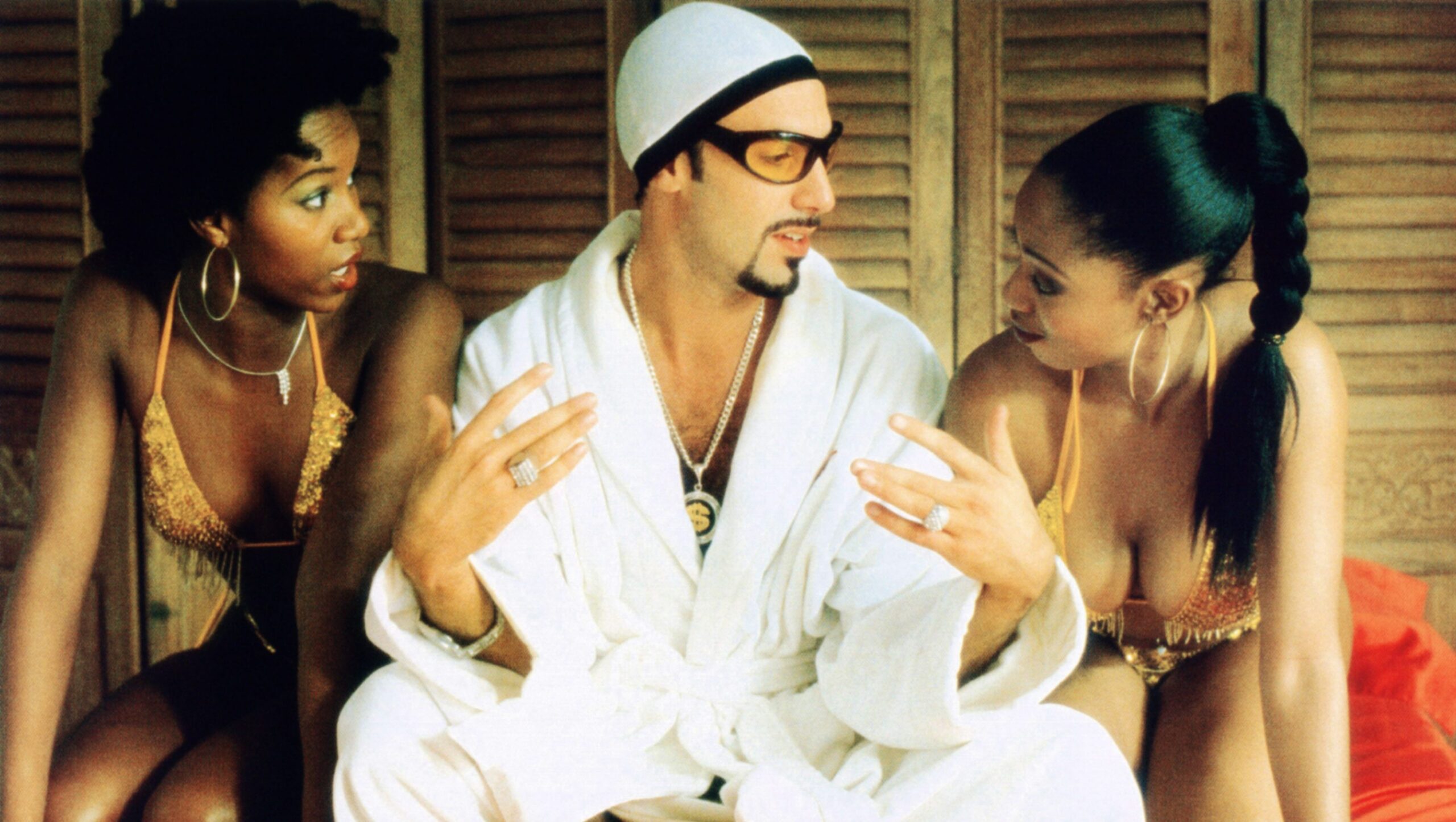
    Sacha Baron Cohen has secretly completed filming a new movie centered around his iconic character, Ali G. The project was developed and shot without public knowledge, representing a significant and unexpected return for the British satirist’s controversial persona.

    The character, known for his distinctive yellow tracksuit, tinted glasses, and deliberately ignorant interviewing style, gained global recognition in the late 1990s and early 2000s. His return is anticipated to evoke both nostalgia and renewed debate over his brand of humor.

    The Genesis of Ali G

    Ali G, whose full name is Alistair Leslie Graham, first appeared on British television in 1998. He was a central figure on Channel 4’s The 11 O’Clock Show. His segments involved interviewing unsuspecting public figures and experts, often leading to absurd and revealing exchanges.

    Cohen’s portrayal satirized youth culture, celebrity, and the media. He used the character to expose prejudices and absurdities in various societal strata.

    The character quickly became a cultural phenomenon. His catchphrases entered common parlance. His distinctive style resonated with a broad audience.

    The success of his segments led to the creation of Da Ali G Show, which premiered in 2000 in the United Kingdom. The show later moved to HBO in the United States in 2003, further cementing Ali G’s international fame.

    Previous Ali G Ventures

    Before this secret film project, Ali G starred in the feature film Ali G Indahouse. This movie was released in 2002. It followed Ali G’s improbable journey into British politics.

    The film garnered mixed critical reviews. However, it performed well at the box office. It further established Ali G as a recognizable figure in popular culture.

    Cohen largely retired the character after Da Ali G Show concluded in 2004. He shifted his focus to other satirical personas. These included Borat Sagdiyev and Brüno Gehard.

    Occasional reappearances of Ali G have occurred over the years. These were typically for specific events or charitable causes. A notable instance was at the 2015 Oscars. Cohen’s full-scale return to the character for a new movie is unprecedented in recent years.

    The Secrecy Surrounding Production

    Details regarding the new Ali G movie’s production remain scarce. The decision to film in secret suggests an intentional effort to avoid media scrutiny and speculation. This strategy aligns with Cohen’s past methods for other projects, where he often relies on surprise and genuine reactions from subjects.

    Filming under wraps allows Cohen to maintain creative control. It also prevents leaks that could compromise the integrity of his satirical approach. This method is crucial for characters like Ali G, whose humor often derives from the element of surprise and the genuine interactions he elicits.

    The lack of public announcements or casting calls indicates a tightly controlled production environment. This could involve a small, dedicated crew and limited locations. Such an approach minimizes the risk of information escaping into the public domain.

    “Sacha Baron Cohen has always understood the power of the unexpected. The secret filming of an Ali G movie is perfectly in character for him, allowing him to bypass the usual media circus and deliver his satire directly to the audience.”

    This level of secrecy is a hallmark of Cohen’s work. It enables him to preserve the authenticity of his confrontational comedic style. The element of surprise is a core component of his artistry.

    The Impact of Ali G’s Return

    The return of Ali G is likely to generate significant discussion. His humor has always been divisive. Some view it as insightful social commentary. Others criticize it as crude or offensive.

    In the current social and political climate, Ali G’s brand of satire may find new relevance. His character’s naive questions often expose hypocrisy and prejudice. These themes remain pertinent in contemporary discourse.

    The film could address modern cultural phenomena. It might tackle evolving social norms or political landscapes. Cohen’s characters frequently adapt to the times while retaining their core satirical purpose.

    Audiences who grew up with Ali G will likely feel a sense of nostalgia. Younger viewers may discover the character for the first time. This dual appeal could contribute to the film’s success.

    Sacha Baron Cohen’s Other Works

    Beyond Ali G, Sacha Baron Cohen has created several other highly successful and controversial characters. These include Borat Sagdiyev, a Kazakh journalist, and Brüno Gehard, an Austrian fashion enthusiast.

    The film Borat: Cultural Learnings of America for Make Benefit Glorious Nation of Kazakhstan was released in 2006. It earned critical acclaim and commercial success. Cohen received an Academy Award nomination for Best Adapted Screenplay.

    A sequel, Borat Subsequent Moviefilm, followed in 2020. This film garnered two Academy Award nominations. It also won two Golden Globe Awards.

    His work as Bruno resulted in the 2009 film Brüno. This movie explored themes of homophobia and celebrity culture. It continued Cohen’s tradition of provocative humor.

    Cohen has also taken on more conventional acting roles. He appeared in films such as Les Misérables (2012) and The Trial of the Chicago 7 (2020). These roles showcased his versatility beyond satirical comedy.

    His diverse filmography demonstrates a consistent commitment to pushing boundaries. He often uses humor to challenge societal norms and spark conversations. The Ali G return fits this pattern.

    The Legacy of Ali G

    Ali G’s legacy extends beyond his comedic impact. He became a symbol of a particular era in British pop culture. His influence can be seen in subsequent satirical works and mockumentary-style comedy.

    The character’s interviews often revealed genuine insights into his subjects. They exposed their intellectual blind spots or their willingness to play along with absurd premises. This made Ali G more than just a caricature.

    His initial success was tied to a period of cultural change. The late 1990s saw the rise of reality television and a growing fascination with celebrity. Ali G capitalized on these trends, subverting them with his unique approach.

    The character’s ability to cross cultural boundaries was also notable. His humor translated well to international audiences. This contributed to Cohen’s global recognition as a satirist.

    The secret filming of a new Ali G movie suggests that Cohen believes the character still has something to say. It indicates a belief that his satirical lens remains relevant in 2026. This return could redefine Ali G’s place in comedic history.

    The announcement of the film’s completion arrived with minimal fanfare. It emphasized the clandestine nature of its creation. The project’s details remain under tight wraps.

    Anticipation will now build for the film’s release. Audiences and critics will await the opportunity to see how Ali G has evolved. They will observe how he interacts with the contemporary world.

    Sacha Baron Cohen continues to challenge. He continues to provoke. He continues to entertain.

    Ali G returns.

  • Abbie Cornish Embodies Anna Nicole Smith in ‘Trust Me, I’m a Doctor’

    Abbie Cornish Embodies Anna Nicole Smith in ‘Trust Me, I’m a Doctor’

    Abbie Cornish has undertaken the role of Anna Nicole Smith in the forthcoming production titled ‘Trust Me, I’m a Doctor.’ This portrayal brings renewed attention to Smith’s life, a figure who captivated public imagination through her modeling career, marriage to J. Howard Marshall II, and subsequent legal battles. Cornish’s transformation into Smith is a central aspect of the project, aiming to capture both the physical likeness and the complex essence of the public figure.

    The Enduring Appeal of Anna Nicole Smith

    Anna Nicole Smith, born Vickie Lynn Hogan in Houston, Texas, on November 28, 1967, rose to prominence in the early 1990s. Her career began with modeling, notably for Guess jeans. She quickly became a symbol of American glamour, often compared to Marilyn Monroe. Smith’s public persona was carefully cultivated, blending vulnerability with overt sexuality.

    Her marriage to octogenarian oil magnate J. Howard Marshall II in 1994 drew international headlines. The union sparked widespread speculation about her motives. Marshall’s death in 1995 ignited a prolonged legal battle over his estate. This legal saga extended for over a decade, reaching the Supreme Court of the United States multiple times.

    Smith’s life was marked by both extreme highs and profound lows. She navigated the intense scrutiny of the media. Her story became a public spectacle, encompassing fame, wealth, legal disputes, and personal tragedy. The public’s fascination with her narrative has not waned, nearly two decades after her death.

    Abbie Cornish’s Transformation

    Abbie Cornish, an Australian actress known for roles in ‘Bright Star’ and ‘Three Billboards Outside Ebbing, Missouri,’ takes on this iconic role. The casting requires a significant physical and performative transformation. Early images from the production indicate a meticulous effort to replicate Smith’s distinctive look and mannerisms. This process involves detailed costume design, makeup artistry, and potentially prosthetics.

    Cornish’s preparation for the role likely includes extensive research into Smith’s life. This would involve studying interviews, documentaries, and biographical accounts. The goal is to move beyond superficial imitation. The aim is to delve into the psychological and emotional landscape of Smith’s experiences. This level of immersion is crucial for depicting a figure as complex and often misunderstood as Anna Nicole Smith.

    The Challenges of Portrayal

    Portraying a well-known public figure presents unique challenges. Actors must balance accuracy with interpretation. The performance must resonate with public memory while offering new insights. Cornish’s task is to humanize Smith, moving beyond tabloid headlines. She must explore the vulnerabilities and strengths that defined Smith’s tumultuous existence.

    The project’s title, ‘Trust Me, I’m a Doctor,’ suggests a narrative approach that might explore themes of authenticity, perception, and the often-deceptive nature of public image. This title could imply a critique of how Smith was perceived by the media and the public. It might also hint at the internal struggles she faced, hidden beneath her public persona.

    The Legacy of Anna Nicole Smith

    Anna Nicole Smith’s life concluded tragically on February 8, 2007, at the age of 39. Her death, attributed to an accidental overdose, occurred just months after the death of her son, Daniel Wayne Smith. These events added another layer of sorrow to her already complex narrative. Her story became a cautionary tale about the pressures of fame and the fragility of human existence.

    The cultural impact of Anna Nicole Smith extends beyond her lifetime. She remains a subject of documentaries, biopics, and academic discussions. Her story touches upon themes of class, gender, celebrity, and the American dream. She represents a particular era of celebrity culture, one that blurred the lines between reality and performance.

    “Anna Nicole Smith was more than just a tabloid fixture; she was a reflection of societal obsessions with beauty, wealth, and tragedy.”

    Her ongoing relevance is evident in projects like ‘Trust Me, I’m a Doctor.’ These productions seek to re-examine her narrative through a contemporary lens. They aim to understand the forces that shaped her life and public image. The persistent interest in her story underscores its enduring power and its ability to provoke reflection on broader societal issues.

    ‘Trust Me, I’m a Doctor’: What to Expect

    Details about the full scope of ‘Trust Me, I’m a Doctor’ remain under wraps. However, the initial announcement and images confirm its focus on Anna Nicole Smith. The project is expected to offer a comprehensive look at her journey. This would include her rise from humble beginnings, her iconic modeling career, and her high-profile marriage.

    The production will likely explore the legal battles that consumed much of her later life. These protracted court cases defined her public image for many years. They involved intricate details of estate law and family disputes. The project could also delve into her personal relationships and her struggles with addiction.

    Kal Penn is also associated with the project, though his specific role has not been detailed. His involvement suggests a production with a diverse cast and potentially a nuanced approach to the narrative. The combination of Cornish’s transformative performance and Penn’s presence indicates a significant dramatic undertaking.

    The Cinematic Approach

    The title ‘Trust Me, I’m a Doctor’ could signal a variety of narrative styles. It might imply a satirical take on celebrity culture. It could also suggest a more empathetic exploration of Smith’s life. The tone will be critical in shaping how audiences perceive this new interpretation of her story. The film’s creators will face the challenge of presenting a balanced portrayal, avoiding sensationalism while addressing the dramatic elements of her life.

    The project’s release will undoubtedly reignite discussions about Smith’s legacy. It will prompt audiences to reconsider her impact on popular culture. It will also invite reflection on the ethics of media representation and the pressures faced by public figures. The film offers an opportunity to re-evaluate a life lived under intense public scrutiny.

    Abbie Cornish prepares. The production team finalizes details. Audiences anticipate. The story of Anna Nicole Smith continues.

  • From Screen Antiheroes to President Trump: A Cultural Defense Perspective

    From Screen Antiheroes to President Trump: A Cultural Defense Perspective

    Author David Thomson draws a direct line between the prevalence of screen antiheroes in cinematic history and the political trajectory of President Donald Trump. This connection forms a cultural defense perspective, suggesting that the public’s reception of complex, often morally ambiguous characters on screen prepared a cultural landscape for a leader who defies traditional political norms.

    Thomson, a respected film critic and historian, frequently analyzes the deeper currents flowing between popular culture and real-world phenomena. His work explores how the stories told through film shape collective consciousness and influence societal expectations of leadership and character.

    The Evolution of the Antihero Archetype

    The screen antihero emerged prominently in cinema, challenging established notions of heroism. These characters often possessed charisma and a compelling narrative, despite their flawed moral compass or outright criminal tendencies. Figures like Michael Corleone in “The Godfather” or Travis Bickle in “Taxi Driver” captivated audiences not through their virtue, but through their raw ambition, resilience, and often, their defiance of societal rules.

    Early cinematic heroes were often unambiguous figures of virtue. They represented clear moral uprightness and adherence to societal standards. The shift to antiheroes marked a significant departure, reflecting a growing complexity in storytelling and a changing perception of morality.

    This evolution mirrored a broader cultural trend, where traditional institutions and authority figures faced increasing scrutiny. Audiences became more receptive to narratives that explored the darker aspects of human nature, finding relatability or fascination in characters who operated outside conventional boundaries.

    From Noir to New Hollywood

    Film noir, flourishing in the 1940s and 1950s, introduced morally ambiguous protagonists caught in webs of deceit and corruption. These characters, while not always overtly criminal, often skirted the edges of legality and conventional ethics. Their struggles often highlighted the gray areas of human existence.

    The New Hollywood era of the late 1960s and 1970s further solidified the antihero’s place. Directors like Martin Scorsese, Francis Ford Coppola, and Sidney Lumet presented protagonists who were deeply flawed, alienated, or even destructive. These films often reflected a disillusionment with governmental authority and traditional American values following events like the Vietnam War and Watergate.

    These characters, despite their transgressions, often commanded a strange respect or understanding from audiences. They embodied a certain kind of power, a willingness to break rules, and an unfiltered approach to achieving their goals. This portrayal resonated with a public increasingly wary of polished, inauthentic figures.

    Donald Trump and the Antihero Persona

    David Thomson suggests that President Donald Trump’s public persona shares characteristics with these cinematic antiheroes. His defiance of political conventions, his unfiltered communication style, and his willingness to challenge established norms can be seen as echoes of the antihero archetype.

    President Trump often presented himself as an outsider, a figure willing to disrupt the political establishment. This stance resonated with voters who felt alienated by traditional politics and sought a leader who would challenge the status quo, much like an antihero challenges the narrative of a film.

    His public image often emphasized strength and a disregard for polite political discourse. This directness, while controversial, was perceived by some as authentic, contrasting with the more measured and often perceived as inauthentic language of career politicians.

    The Appeal of Disruption

    The antihero’s appeal often lies in their disruptive nature. They dismantle existing structures, whether through cunning, force, or sheer will. This disruption, in a political context, can be seen as a desire to overturn perceived failures or inefficiencies of the system.

    President Trump’s campaigns and presidency were marked by a consistent theme of disruption. He promised to “drain the swamp” and to challenge global agreements, appealing to a segment of the electorate yearning for radical change, not incremental adjustments.

    This appeal is not necessarily about moral alignment but about effectiveness and a perceived ability to get things done, even if it means breaking from tradition. The antihero, in many narratives, achieves their goals, albeit through unconventional means.

    The Unchanging Dictionary and New Frontiers

    Thomson confirmed that his seminal work, “The Biographical Dictionary of Film,” will not receive further updates. This decision marks the end of an era for a text that has served as a critical reference for film enthusiasts and scholars for decades. The dictionary, first published in 1975, has gone through multiple editions, chronicling the careers and impact of thousands of cinematic figures.

    His refusal to update the dictionary reflects a personal stance on the nature of film history and perhaps a weariness with the constant flux of contemporary cinema. The work remains a testament to his extensive knowledge and critical insight into the medium.

    Instead of revisiting past works, Thomson is focusing on new projects. His next major literary endeavor will center on the iconic Disney character, Mickey Mouse. This choice signals a continued interest in exploring figures that hold significant cultural weight and influence, much like the antiheroes and political figures he has previously analyzed.

    Mickey Mouse: A New Cultural Lens

    The decision to focus on Mickey Mouse is noteworthy. Mickey Mouse, perhaps the most recognizable animated character globally, embodies different aspects of cultural impact than the antihero. Mickey represents innocence, corporate branding, and the evolution of American entertainment over nearly a century.

    Analyzing Mickey Mouse allows Thomson to delve into themes of nostalgia, the commercialization of art, and the enduring power of simple, yet universally recognized, imagery. It is a shift from the morally complex to the culturally pervasive.

    Thomson’s approach to Mickey Mouse will likely explore how the character has adapted through various eras, reflecting changing societal values and technological advancements in animation. He will likely examine Mickey’s role not just as a character, but as a global ambassador for American culture.

    Cinema as a Mirror of Society

    The connection Thomson draws between screen antiheroes and President Trump underscores a fundamental belief: cinema is not merely entertainment; it is a powerful mirror reflecting and shaping societal values. The characters we embrace on screen, whether heroic or antiheroic, reveal much about our collective desires, fears, and aspirations.

    The cultural landscape is constantly evolving. What was once shocking or unconventional on screen can, over time, become normalized or even celebrated. This normalization can extend beyond the realm of fiction, influencing how real-world figures are perceived and accepted.

    Thomson’s analysis serves as a reminder that understanding political phenomena requires looking beyond traditional political science and into the broader cultural currents that inform public sentiment. The stories we tell ourselves, through film and other media, prepare the ground for the leaders we choose.

    Film critics like Thomson illuminate these connections, providing insights into the subtle ways culture permeates politics and vice versa. They offer a framework for understanding how seemingly disparate elements of public life are, in fact, deeply intertwined.

    The antihero’s journey, often one of struggle against an established order, resonates with many who feel disenfranchised. Their success, even if morally compromised, can be seen as a triumph over perceived injustice or stagnation.

    This narrative power, cultivated over decades in cinema, contributes to a public consciousness that is increasingly sophisticated in its consumption of complex characters and narratives. This sophistication, in turn, influences the reception of political figures who embody similar traits.

    The cultural defense perspective suggests that understanding the entertainment we consume is crucial for understanding the political landscape.

    The archetypes on screen. The narratives embraced by millions. The figures who rise to power. The stories we tell. The characters we celebrate. The cultural currents. The societal shifts.

    Trump.

  • President Trump Compliments Nicki Minaj’s Appearance – A Viral Moment

    President Trump Compliments Nicki Minaj’s Appearance – A Viral Moment

    President Trump’s Viral Compliment to Nicki Minaj

    President Donald Trump publicly complimented the appearance of rapper Nicki Minaj during a speech, an interaction that quickly garnered widespread attention and online criticism. This moment underscored the frequent intersection of celebrity culture and political discourse in the contemporary media landscape. The President’s comment became a viral topic across social media platforms, sparking diverse reactions from the public and commentators alike.

    The compliment was delivered during a public address, capturing an unexpected moment between a former President and a prominent music artist. News of the interaction spread rapidly, amplified by various online channels and news organizations. The Hollywood Reporter was among the outlets that documented the event and the subsequent public response.

    The Context of the Remark

    The specific circumstances surrounding President Trump’s compliment to Nicki Minaj involved a public speaking engagement. During this address, President Trump made an unprompted remark regarding Minaj’s looks. The comment was brief but impactful, immediately drawing focus to the rapper.

    Such interactions between political leaders and celebrities often attract heightened scrutiny. Public figures like President Trump and Nicki Minaj command significant media presence. Their exchanges, even seemingly innocuous ones, frequently become subjects of intense public debate and analysis. This particular instance was no exception.

    Online Reaction and Criticism

    Immediately following President Trump’s compliment, social media platforms experienced a surge in discussions. Users on platforms such as X (formerly Twitter), Instagram, and Facebook shared their opinions, ranging from amusement to strong disapproval. The comment was dissected and debated across various online communities.

    A significant portion of the online reaction involved criticism. Many commentators expressed concern over the nature of the compliment, particularly its focus on physical appearance. Critics argued that such remarks, especially from a head of state, could be seen as objectifying or inappropriate. The criticism reflected broader societal discussions about gender, respect, and public conduct.

    Conversely, some individuals defended the President’s comment as a simple, harmless compliment. They argued that it was an off-the-cuff remark not intended to cause offense. These differing viewpoints contributed to the robust and often polarized online conversation that ensued.

    Nicki Minaj’s Public Profile

    Nicki Minaj, born Onika Tanya Maraj-Petty, is a highly influential figure in the music industry. Her career spans multiple decades, marked by numerous chart-topping hits, Grammy nominations, and a significant global fanbase. Her public persona is known for its outspokenness, unique fashion, and artistic versatility.

    Minaj has often been at the center of public discourse, both for her music and her personal life. Her celebrity status ensures that any interaction she has with other prominent individuals, especially political figures, receives considerable media attention. Her past engagements, including social media activities and public statements, have frequently become news items.

    The Intersection of Politics and Celebrity

    The incident involving President Trump and Nicki Minaj is a notable example of the increasing convergence between politics and celebrity culture. In the 21st century, the lines between entertainment and governance have often blurred. Celebrities frequently engage in political activism, endorse candidates, or comment on policy, while politicians increasingly leverage celebrity platforms for outreach.

    This trend has been amplified by the rise of social media, which allows for direct and immediate communication between public figures and their audiences. Casual remarks, once confined to private conversations, now instantly become public spectacles. The incident with Minaj and President Trump illustrates this dynamic perfectly, demonstrating how a brief comment can trigger a national conversation.

    Broader Implications of the Exchange

    The public’s reaction to President Trump’s compliment highlighted several ongoing societal debates. Discussions around the comment touched on the role of women in the public eye, the appropriateness of comments on physical appearance, and the expectations placed upon political leaders.

    The event also served as a reminder of the power of viral content in the digital age. A single statement, made in a public forum, can quickly propagate across platforms, shaping public opinion and generating media narratives. The rapid dissemination of the story by The Hollywood Reporter and other outlets demonstrated the immediate impact of such interactions.

    This specific incident adds to a long history of interactions between President Trump and various celebrities, a pattern that has often drawn significant media attention throughout his public life and political career. These interactions frequently become talking points, reflecting the President’s unique approach to public engagement.

    Media Coverage and Public Perception

    Media outlets, including The Hollywood Reporter, provided extensive coverage of the event. Their reports often detailed the compliment itself, the immediate reactions, and the subsequent online backlash. This coverage played a crucial role in shaping public perception of the incident.

    News articles frequently included excerpts of the President’s speech and examples of social media posts, offering a comprehensive view of the public discourse. The varied interpretations of the compliment, from harmless to inappropriate, were often presented, showcasing the spectrum of public opinion.

    The incident ultimately became a case study in how public figures’ words can be amplified and scrutinized in the modern media environment. It underscored the constant vigilance required of those in the public eye, as even seemingly minor comments can ignite major controversies.

    The Enduring Nature of Viral Moments

    Viral moments like the one involving President Trump and Nicki Minaj tend to have a lasting impact on public memory. They contribute to the broader narrative surrounding the individuals involved and often become reference points in future discussions about celebrity, politics, and social commentary.

    Such events serve as barometers for societal values and the evolving norms of public discourse. They reveal how different segments of the population react to specific types of communication. The compliment, the criticism, the defense, all contributed to a complex tapestry of public response.

    President Trump. Nicki Minaj. The compliment. The backlash. The viral moment. A snapshot.