Tag: Hollywood

  • Emmy Rossum Was “Shook” by ‘Shameless’ Pay Disparity Going Public

    Emmy Rossum Was “Shook” by ‘Shameless’ Pay Disparity Going Public

    Emmy Rossum, the actress who portrayed Fiona Gallagher for nine seasons on the Showtime series Shameless, recently revealed her reaction to the public exposure of her pay disparity on the show. Rossum stated she “was shook” when the details of her salary negotiations became widely known in 2016, emphasizing that she “certainly didn’t want that” level of public attention on the issue.

    This candid admission provides insight into the personal impact of high-stakes contract disputes within the entertainment industry. The revelation of her fight for equal pay ignited a significant, industry-wide conversation about compensation equity, particularly for female actors in leading roles.

    The Genesis of the Pay Dispute

    The core of the pay disparity issue emerged in 2016, during negotiations for Rossum’s contract renewal. By this point, Shameless had established itself as a critical and commercial success for Showtime, with Rossum’s character, Fiona Gallagher, serving as the central anchor of the series.

    Fiona Gallagher was depicted as the matriarchal figure of the dysfunctional Gallagher family, shouldering immense responsibilities. Her narrative arc often drove the primary plotlines of the show, making her role indispensable.

    Rossum’s representatives began negotiations seeking a salary increase. They aimed for compensation equal to, or even exceeding, that of her co-star, William H. Macy. Macy played Frank Gallagher, the family patriarch, and was a highly respected, established actor when the series began in 2011.

    The Public Revelation and Its Aftermath

    Details of the salary dispute, including the specifics of Rossum’s demands, became public knowledge during the negotiation period. This leak was not intentional on Rossum’s part. She had hoped to resolve the matter privately, through standard industry channels.

    The public outcry that followed was substantial. Fans of Shameless and industry observers alike debated the fairness of the situation. Many argued that Rossum, as the undeniable lead of the show, deserved compensation commensurate with her on-screen contributions and the series’ success.

    The discussion quickly broadened beyond Shameless. It became a prominent example in the ongoing conversation about gender pay gaps in Hollywood. Actresses like Robin Wright and Jennifer Lawrence had previously spoken out about similar experiences, highlighting a systemic issue.

    Industry-Wide Implications of the ‘Shameless’ Case

    The Shameless pay dispute, with Emmy Rossum at its center, served as a flashpoint for broader industry dialogue. It underscored the persistent challenge of achieving pay equity for women in entertainment, even for highly successful and critically acclaimed performers.

    The public nature of Rossum’s negotiations forced studios and networks to confront these issues more directly. It prompted a re-evaluation of how salaries are determined, particularly in ensemble casts where the perceived ‘lead’ role might evolve over time.

    For many, Rossum’s stand symbolized a growing movement among female actors to demand fair treatment. This movement sought not just equal pay for equal work, but also recognition for the value and impact of their contributions to successful projects.

    Resolution and Rossum’s Departure

    After a period of intense negotiation and public discussion, the dispute was ultimately resolved. Emmy Rossum reached a new agreement with Warner Bros. Television and Showtime. This agreement allowed her to return for seasons 8 and 9 of Shameless.

    The terms of the new contract were not publicly disclosed. However, her return signaled that her demands for more equitable compensation had been met to a satisfactory degree.

    Rossum eventually departed from Shameless after the ninth season in 2019. Her exit marked a significant shift for the series, which continued for two more seasons without her central character.

    Reflecting on the Personal Toll

    Rossum’s recent comments about being “shook” by the public nature of the dispute highlight the personal strain involved in such high-profile battles. While advocating for fair pay is a professional necessity, the glare of public scrutiny adds another layer of pressure.

    The actress had to navigate intense media attention while simultaneously engaging in complex contractual negotiations. This situation underscores the fact that even successful actors face significant challenges in securing equitable treatment within the industry.

    Her statement, “I certainly didn’t want that,” reflects a desire for privacy in professional matters. It indicates that while the outcome of her fight was important for her and for the broader cause of pay equity, the process itself was unexpectedly difficult due to its public exposure.

    The Ongoing Dialogue in Hollywood

    The conversation sparked by Emmy Rossum’s pay dispute continues to resonate in Hollywood today. Discussions about gender pay gaps, racial inequality in compensation, and overall transparency in salary structures remain active.

    Actors, directors, writers, and crew members across the industry are increasingly advocating for more equitable and transparent compensation practices. Organizations like Time’s Up and various guilds have continued to push for systemic change.

    The precedent set by cases like Rossum’s helps to empower others to demand fair treatment. It contributes to a slow but steady shift in industry norms and expectations regarding equitable pay.

    The Legacy of Fiona Gallagher and Emmy Rossum’s Stand

    Emmy Rossum’s portrayal of Fiona Gallagher earned her critical acclaim and a dedicated fanbase. Her character became a symbol of resilience and determination, often sacrificing her own ambitions for the sake of her family.

    In a parallel to her on-screen persona, Rossum’s real-life fight for equitable pay demonstrated a similar resilience. Her actions contributed to a wider awareness of pay disparities affecting women in the entertainment industry.

    The public discussion surrounding her contract negotiations became a significant moment. It showcased the challenges faced by female leads who seek fair compensation for their integral contributions to successful television productions.

    The impact of her stand, though personally challenging, served as a catalyst for ongoing conversations. It helped to shape the dialogue around fairness in Hollywood.

    Emmy Rossum fought for her worth. The industry watched. The public debated.

    Hollywood listened.

  • Disney’s Live-Action ‘Moana’, Initial Reactions Emerge

    Disney’s Live-Action ‘Moana’, Initial Reactions Emerge

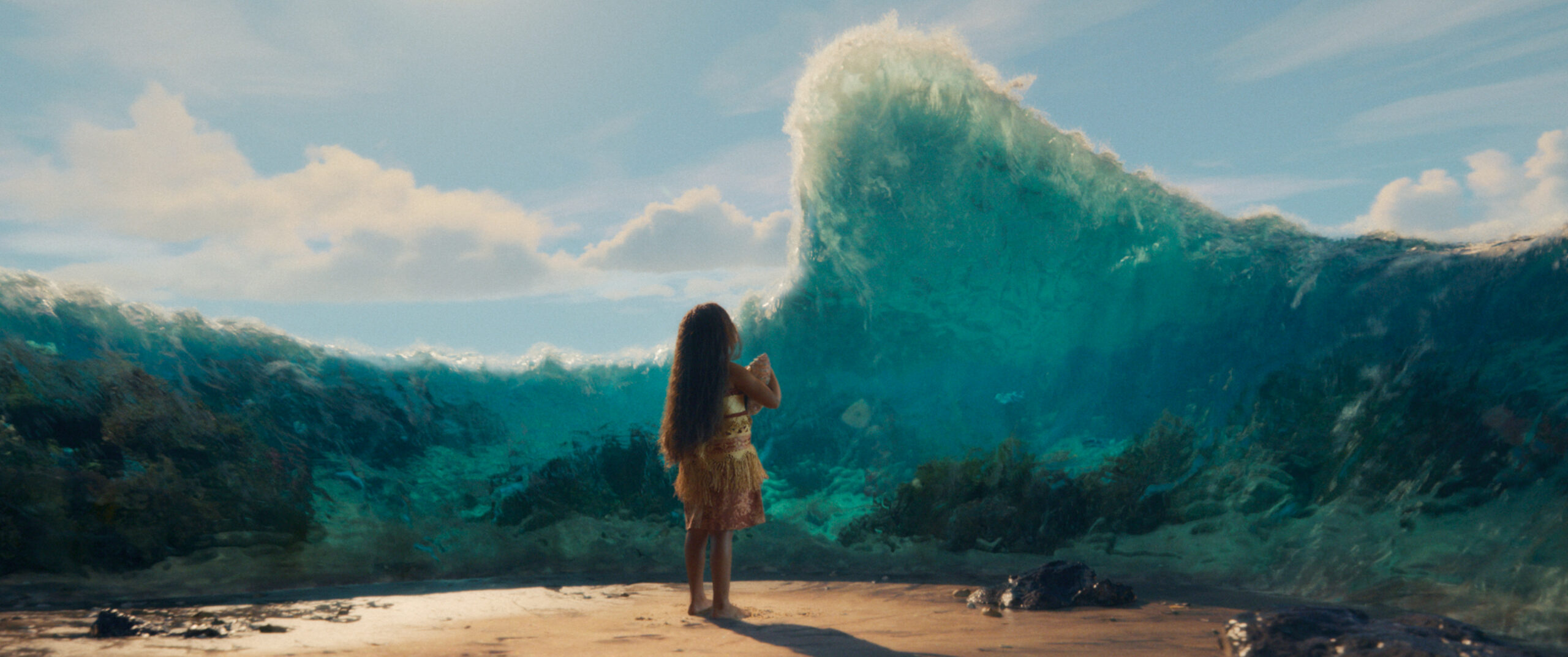
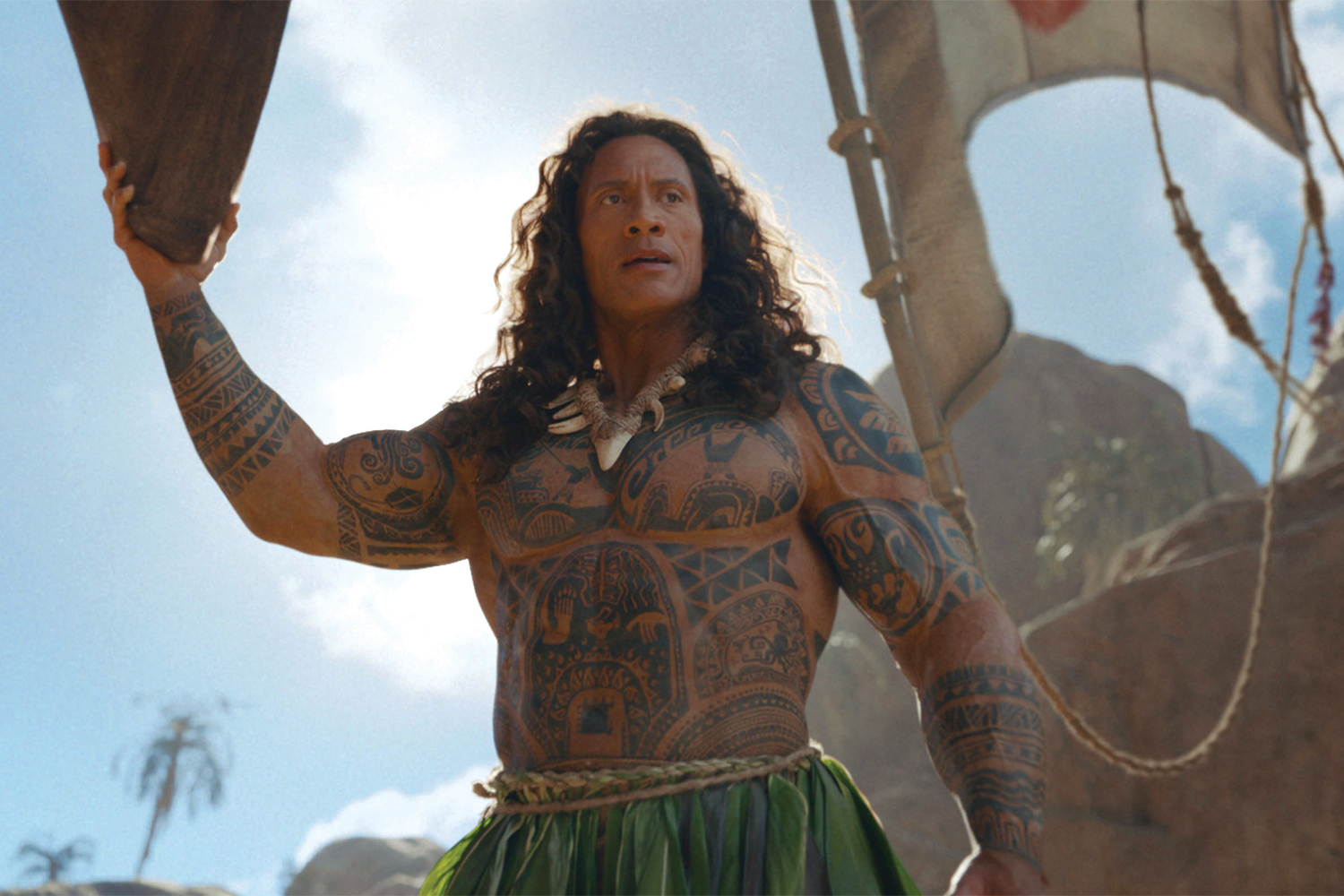
    Initial reactions to Disney’s live-action adaptation of ‘Moana’ have begun to emerge, signaling the public’s first impressions of the highly anticipated film ahead of its July 7, 2026 premiere. The movie stars Dwayne Johnson, who reprises his vocal role as Maui from the 2016 animated original, and introduces Catherine Laga’aia in the titular role of Moana.

    The film’s reception carries significant weight for The Walt Disney Company. Live-action remakes of animated classics have become a cornerstone of Disney’s theatrical strategy in the 2020s.

    The Production Journey of Live-Action ‘Moana’

    The announcement of a live-action ‘Moana’ first came in April 2023. Dwayne Johnson made the reveal alongside Disney CEO Bob Iger. Johnson expressed his enthusiasm for bringing the story to a new generation and expanding the narrative.

    Filming for the project commenced in the summer of 2024. Locations included various sites across the Pacific Islands, aiming for authenticity in its depiction of Polynesian culture and landscapes. The production sought to honor the original film’s spirit while expanding its scope.

    Key creative personnel were assembled to guide the adaptation. Thomas Kail directed the film. Kail is known for his work on Broadway, including the hit musical ‘Hamilton’. His involvement suggested a focus on musicality and narrative depth.

    The screenplay was developed by Jared Bush and Dana Ledoux Miller. Bush was a co-writer on the original 2016 animated film. This continuity aimed to maintain the core themes and character arcs that resonated with audiences.

    Casting the Central Roles

    The casting process was a significant point of interest. Dwayne Johnson’s return as Maui was confirmed early. Johnson had been an integral part of the original film’s success, lending his voice and persona to the demigod character.

    The search for Moana was extensive. In June 2024, Catherine Laga’aia was announced as the lead. Laga’aia is an Australian actress of Samoan heritage. Her casting was celebrated for its cultural appropriateness and commitment to authentic representation.

    Other key cast members include John Tui as Moana’s father, Chief Tui. Frankie Adams portrays Moana’s mother, Sina. Rena Owen takes on the role of Gramma Tala. These actors bring a depth of experience to their respective characters.

    The Original ‘Moana’ and Its Legacy

    The 2016 animated ‘Moana’ was a critical and commercial success for Disney. It earned over $687.2 million worldwide. The film was praised for its animation, music, and empowering storyline.

    The musical score, featuring songs by Lin-Manuel Miranda, Opetaia Foa’i, and Mark Mancina, became iconic. Tracks like ‘How Far I’ll Go’ and ‘You’re Welcome’ achieved widespread popularity. The cultural authenticity of the narrative, guided by a team of Oceanic cultural advisors, was also a highlight.

    The story followed Moana, a strong-willed Polynesian teenager. She embarks on a perilous journey to save her people. Along the way, she encounters the demigod Maui. Together, they confront ancient curses and discover their true destinies.

    Why Live-Action Remakes?

    Disney’s strategy of live-action remakes dates back to the 1990s with films like ‘101 Dalmatians’. The trend gained significant momentum in the 2010s. Successes like ‘Alice in Wonderland’ (2010), ‘Cinderella’ (2015), and ‘Beauty and the Beast’ (2017) demonstrated the financial viability of the approach.

    The remakes often leverage existing intellectual property. They capitalize on audience nostalgia. They also aim to attract new viewers who might prefer live-action cinema. This strategy allows Disney to reintroduce classic stories to contemporary audiences with updated visual effects and storytelling techniques.

    However, the approach has also faced criticism. Some viewers express concern that the remakes lack the originality and charm of their animated predecessors. Debates often arise regarding the necessity of these adaptations and their impact on the legacy of the original films.

    Anticipation and Early Reactions

    The release of initial reactions typically precedes a film’s wide theatrical debut. These early responses often come from critics attending press screenings or industry insiders at premiere events. For ‘Moana’, the July 10 premiere marks the official unveiling.

    Social media platforms frequently become the initial outlet for these reactions. Critics, journalists, and attendees share brief impressions. These often include praise for performances, visual effects, or the faithfulness to the source material. Conversely, they might highlight perceived weaknesses.

    For ‘Moana’, the focus of these early reactions often centers on several key aspects. Viewers are keen to see how the animation’s vibrant world translates into live-action. The performances of Catherine Laga’aia and Dwayne Johnson are under scrutiny. The film’s musical numbers and its adherence to the cultural spirit of the original are also critical points of discussion.

    The Hollywood Reporter’s mention of these reactions signifies a new phase in the film’s promotional cycle. It shifts from production news to audience reception. These early indicators provide a barometer for public sentiment. They can influence pre-release buzz and box office predictions.

    The Broader Landscape of Disney’s Live-Action Strategy

    Disney’s live-action slate extends beyond ‘Moana’. Several other animated classics are in various stages of development or production. This includes ‘Lilo & Stitch’, ‘Hercules’, and ‘The Hunchback of Notre Dame’. Each project faces similar scrutiny regarding its artistic merit and commercial potential.

    The success of these adaptations is not uniform. Films like ‘The Lion King’ (2019) and ‘Aladdin’ (2019) achieved significant box office success. Others, such as ‘Dumbo’ (2019) and ‘Pinocchio’ (2022), garnered more mixed reviews and financial returns.

    The ‘Moana’ remake arrives in a specific cultural moment. Discussions about representation, cultural appropriation, and the evolution of classic narratives are prominent. The production team’s commitment to cultural authenticity for ‘Moana’ has been a recurring theme in its promotion.

    The decision to bring back original cast members and writers, combined with the selection of culturally appropriate talent, suggests a conscious effort to address some of these concerns. The film aims to be both a faithful adaptation and a respectful expansion of the beloved story.

    Impact on Future Disney Projects

    The reception of ‘Moana’ could influence Disney’s future decisions regarding its live-action pipeline. Strong positive reactions and robust box office performance would likely reinforce the studio’s current strategy. It would encourage further investment in similar projects.

    Conversely, a lukewarm reception might prompt a re-evaluation of the approach. It could lead to changes in creative direction or a more selective greenlighting process for future remakes. The studio continuously assesses market trends and audience preferences.

    The live-action remakes also serve as a way to refresh Disney’s vast library of intellectual property. They introduce characters and stories to new audiences who may not have seen the original animated features. This ensures the longevity and relevance of Disney’s classic tales in a competitive entertainment landscape.

    The economic implications are substantial. Each live-action film represents a significant investment in budget, marketing, and talent. The return on investment is crucial for the studio’s overall financial health and its ability to fund original content.

    Cultural Significance and Representation

    The original ‘Moana’ was celebrated for its portrayal of Polynesian culture. It brought a rich mythology and strong female protagonist to a global audience. The live-action adaptation faces the challenge of maintaining and enhancing this cultural integrity.

    The involvement of Polynesian cultural advisors throughout the production process was emphasized. This aims to ensure that the costumes, traditions, and narratives depicted are respectful and authentic. Catherine Laga’aia’s Samoan heritage also contributes to this commitment.

    Dwayne Johnson, who is of Samoan descent, has been a vocal advocate for the film’s cultural representation. His passion for the project is rooted in his personal connection to the story and its themes. This personal investment adds another layer of authenticity to the production.

    The film’s success in this area will be a key metric for many viewers and critics. It extends beyond mere entertainment. It touches on the broader dialogue about how diverse cultures are represented in mainstream media. The live-action ‘Moana’ is poised to contribute to this ongoing conversation.

    The excitement builds. The anticipation grows. The reactions surface. The world waits.

    Disney.

  • Lindsey Graham’s Public Image: A Former Senator Defined by Television Appearances

    Lindsey Graham’s Public Image: A Former Senator Defined by Television Appearances

    The Pervasive Presence of Lindsey Graham

    Lindsey Graham cultivated a public image heavily defined by his pervasive presence on American television. For many viewers, his frequent appearances on cable news channels and Sunday morning political programs made him an enduring face of the United States Senate. This constant visibility shaped public perception of his political role and the legislative body he represented.

    His media strategy allowed him to bypass traditional reporting filters and communicate directly with a broad audience. This approach became a hallmark of his political career. It ensured his voice was consistently part of national conversations, regardless of his specific legislative actions at any given moment.

    A Career in the Public Eye

    Lindsey Graham’s political career began long before his widespread television fame. He served in the United States House of Representatives from 1995 to 2003. He then transitioned to the Senate, representing South Carolina, a position he held for decades.

    Throughout his tenure, Graham became known for his shifts in political alliances and stances. His public image evolved significantly over time. These changes were often amplified and scrutinized through his media engagements.

    The Sunday Show Staple

    Graham became a regular fixture on popular Sunday morning talk shows. Programs like NBC’s Meet the Press, CBS’s Face the Nation, and Fox News Sunday often featured him. He used these platforms to discuss pressing national and international issues.

    These appearances provided him with a consistent forum. He articulated his views on foreign policy, judicial nominations, and domestic legislation. His presence on these shows solidified his status as a national political commentator, not just a senator from South Carolina.

    Cable News and Political Discourse

    Cable news channels offered Graham an even more frequent outlet for his views. Networks such as Fox News, CNN, and MSNBC regularly hosted him. He engaged in debates, offered analysis, and defended his political positions.

    His willingness to appear across various networks, even those with differing ideological leanings, broadened his exposure. This strategy ensured that a wide spectrum of American viewers encountered his perspective. It also made him a familiar, often polarizing, figure in American households.

    The Impact on Public Perception

    Graham’s television ubiquity had a profound impact on how many Americans perceived the Senate. For viewers who followed politics primarily through broadcast media, Graham often personified the institution. His statements and demeanor became representative of senatorial discourse.

    This phenomenon highlights the growing role of media in shaping political identity. A politician’s ability to connect with the public through television can be as influential as their legislative record. Graham exemplified this modern political reality.

    Shifting Alliances and Media Narratives

    Over his career, Graham’s political positions sometimes shifted. These shifts often became major media narratives. His relationships with various presidential administrations, including those of former President George W. Bush, former President Barack Obama, and President Donald Trump, were extensively covered.

    His public support for President Trump, particularly after 2016, marked a significant pivot in his public image. This change was largely communicated and interpreted through his television appearances. His frequent defenses of President Trump made him a key figure in the media’s coverage of the Trump administration.

    Legislative Work Versus Media Persona

    While his television presence was dominant, Graham also maintained an active legislative career. He served on powerful committees, including the Senate Judiciary Committee and the Senate Armed Services Committee. His work on these committees often involved complex policy issues.

    However, for many in the viewing public, his media persona often overshadowed his detailed legislative efforts. The concise, often confrontational, nature of television interviews tended to prioritize soundbites over nuanced policy discussions. This dynamic is a common challenge for politicians in the modern media landscape.

    Key Legislative Engagements

    • Graham played a role in multiple judicial confirmation hearings, notably those for Supreme Court Justices.
    • He was involved in discussions surrounding national security and defense policy.
    • His legislative efforts sometimes focused on immigration reform and budget issues.

    These actions, while significant, often reached the public consciousness through the filter of his television commentary. His media presence served as the primary conduit for his political narrative.

    The Legacy of a Televised Politician

    Lindsey Graham’s legacy includes not only his years of service in Congress but also his significant role in the televised political arena. He demonstrated the power of media engagement in building and maintaining a national political profile. His career offers a case study in how a politician can become a household name through consistent television exposure.

    His ability to adapt to changing political climates and communicate those adaptations through media solidified his relevance. He understood the visual and rhetorical demands of television. He tailored his message to resonate with a broad, diverse audience.

    The Future of Political Media

    Graham’s career foreshadows the ongoing evolution of political communication. In an era of constant news cycles and fragmented media, politicians increasingly rely on direct-to-camera appeals. His approach to media laid groundwork for future political figures navigating similar landscapes.

    The impact of his television persona extended beyond mere recognition. It influenced public discourse, framed debates, and, for many, defined what it meant to be a senator in contemporary American politics.

    <

    Cultural Impact and Recognition

    The Hollywood Reporter’s recognition of Graham’s television influence underscores his cultural impact. He transcended the traditional political sphere to become a figure recognized even by those who might not closely follow legislative details. This level of recognition is rare for most members of Congress.

    His appearances often generated social media buzz and became subjects of commentary themselves. This self-reinforcing cycle further amplified his presence. It ensured that his voice was not just heard but also discussed and debated.

    The Enduring Image

    Lindsey Graham’s public image remains tied to his extensive television footprint. His voice, mannerisms, and political evolution were all broadcast into millions of homes. This made him a familiar, if not universally beloved, figure in the American political landscape.

    His career offers a testament to the power of media in shaping political identity. It highlights how consistent visibility can transform a legislative role into a national persona. This persona, for many, became the very embodiment of the United States Senate.

    Cameras flashed. Microphones extended. Headlines proliferated.

    Lindsey Graham.

  • Wai Ching Ho, ‘Daredevil’ and ‘Iron Fist’ Star, Dies at 82

    Wai Ching Ho, ‘Daredevil’ and ‘Iron Fist’ Star, Dies at 82

    Wai Ching Ho, the accomplished actress who brought the formidable and mysterious Madame Gao to life in Marvel’s acclaimed Netflix series ‘Daredevil’ and ‘Iron Fist,’ passed away on July 10, 2026, at the age of 82. Her death was confirmed by The Hollywood Reporter, sending ripples through the entertainment community.

    Ho’s portrayal of Madame Gao solidified her as a memorable figure in the superhero genre, imbuing the character with an unsettling calm and profound influence that resonated with audiences and critics alike. Her career, however, extended far beyond the Marvel Universe, encompassing a diverse array of roles across film and television.

    The Enigmatic Madame Gao: A Marvel Legacy

    Madame Gao emerged as a pivotal antagonist within the Marvel Netflix universe, specifically in the gritty street-level narratives centered on Hell’s Kitchen. Her character was introduced in the inaugural season of ‘Daredevil’ in 2015, immediately establishing herself as a powerful and enigmatic leader within the criminal underworld.

    Ho’s performance was characterized by a quiet menace. Madame Gao operated with a serene demeanor that belied her vast power and ruthless effectiveness. She was depicted as an elderly woman with unexpected physical strength and immense influence, particularly within the heroin trade and the mystical elements tied to the ancient organization known as the Hand.

    The character’s role expanded significantly in ‘Iron Fist,’ where her connections to the mythical city of K’un-Lun and the deeper origins of the Hand were explored. Ho’s ability to convey ancient wisdom and a timeless quality without explicitly stating it became a hallmark of her performance. Audiences were left to ponder the true extent of Madame Gao’s age and power, a testament to Ho’s nuanced acting.

    Her impact was further cemented with an appearance in ‘The Defenders,’ the crossover series uniting Daredevil, Jessica Jones, Luke Cage, and Iron Fist. This solidified Madame Gao’s status as a major player in the interconnected narrative, a consistent threat whose motivations often remained shrouded in mystery. Ho’s gravitas and commanding presence ensured that even brief appearances were impactful.

    A Career Spanning Continents and Decades

    Born in Hong Kong, Wai Ching Ho’s journey into acting was marked by a dedication to her craft that saw her build a diverse and respected filmography. Her early career and training provided a strong foundation for the varied roles she would undertake throughout her life.

    Before her prominent Marvel roles, Ho was a familiar face in numerous television productions, often delivering powerful supporting performances. She appeared in episodes of critically acclaimed and popular series, showcasing her versatility and ability to inhabit complex characters.

    Television Appearances

    • Law & Order: Special Victims Unit: Ho made several appearances across different seasons of the long-running crime drama. Her roles often involved portraying characters caught in difficult circumstances, highlighting her capacity for emotional depth.
    • Blue Bloods: Another staple of procedural television, ‘Blue Bloods’ also featured Ho in guest roles. These performances further demonstrated her ability to blend seamlessly into ensemble casts while leaving a distinct impression.
    • The Americans: While not as central as her Marvel role, Ho also contributed to other acclaimed series, underscoring her consistent presence in quality television productions.

    These roles, though often smaller in scope than Madame Gao, were crucial in establishing Ho’s reputation as a reliable and impactful character actress. She brought authenticity to every part, regardless of screen time.

    Notable Film Contributions

    Wai Ching Ho’s filmography also included several notable big-screen projects. She demonstrated her range by appearing in various genres, from action thrillers to critically acclaimed dramas.

    • Premium Rush (2012): In this high-octane action-thriller starring Joseph Gordon-Levitt, Ho played a supporting role, adding to the film’s fast-paced narrative. Her presence contributed to the film’s ensemble cast, which also included Michael Shannon and Dania Ramirez.
    • Hustlers (2019): More recently, Ho was part of the ensemble cast of ‘Hustlers,’ a critically acclaimed film based on a true story. She appeared alongside stars like Jennifer Lopez, Constance Wu, and Cardi B. Her role, though brief, added to the film’s rich tapestry of characters and its exploration of economic desperation and female empowerment.
    • Robot Stories (2003): An independent film that garnered critical attention, ‘Robot Stories’ allowed Ho to explore more dramatic and contemplative themes, showcasing a different facet of her acting prowess.
    • A Thousand Cuts (2007): This independent drama provided another platform for Ho to demonstrate her dramatic capabilities in a challenging role.

    Her film roles frequently showcased her talent for bringing depth and gravitas to supporting characters, often elevating the scenes she was in with her understated yet powerful delivery.

    The Hand: A Criminal Empire in the Marvel Universe

    Madame Gao’s character was intrinsically linked to the Hand, a shadowy and ancient criminal organization that served as a primary antagonist across multiple Marvel Netflix series. The Hand’s origins are steeped in mysticism and martial arts, with roots tracing back centuries.

    The organization’s goal often involved controlling key aspects of society, from the drug trade in Hell’s Kitchen to more supernatural ambitions related to immortality and resurrection. Madame Gao was depicted as one of the five fingers, or leaders, of the Hand, each controlling a different aspect of their vast operations.

    Her particular sphere of influence often involved the importation of heroin, which she managed with an iron fist, despite her outwardly frail appearance. The heroin, often laced with mystical properties, played a significant role in the plotlines of ‘Daredevil’ and ‘Iron Fist,’ connecting the street-level crime to the more fantastical elements of the Marvel universe.

    The Hand’s presence provided a consistent, overarching threat that forced the heroes to confront not just common criminals, but an ancient evil with immense resources and a global reach. Ho’s portrayal of Gao gave a face to this ancient power, making it both tangible and terrifying.

    Impact and Tributes

    Wai Ching Ho’s passing on July 10, 2026, has prompted an outpouring of remembrance from colleagues and fans. Her ability to embody complex and powerful figures, particularly Madame Gao, ensured her place in the pantheon of character actors.

    Tributes are expected to highlight her professionalism, her dedication to her craft, and the quiet intensity she brought to every role. Directors and fellow actors who worked with her often spoke of her commanding presence and her ability to convey volumes with minimal dialogue or subtle expressions.

    Her work continues to resonate with audiences who appreciated her unique ability to bring authenticity and depth to characters that could easily have become caricatures. The enigmatic nature of Madame Gao, largely crafted by Ho’s performance, remains a talking point among fans of the Marvel Netflix series.

    Details regarding the specific cause of Wai Ching Ho’s death have not yet been publicly released. The entertainment community continues to process the news of her passing, reflecting on the enduring legacy of her contributions to film and television.

    Fans remember. Colleagues remember. The industry remembers.

    Wai Ching Ho.

  • Sam Neill Dies at 78 – Actor Known for ‘Jurassic Park’ and ‘The Piano’

    Sam Neill Dies at 78 – Actor Known for ‘Jurassic Park’ and ‘The Piano’

    Actor Sam Neill, recognized internationally for his role as Dr. Alan Grant in the blockbuster film Jurassic Park, died on July 13, 2026, at the age of 78. His family confirmed his passing, marking the end of a prolific career that spanned over five decades in film and television. Tributes from colleagues and fans have begun to emerge, honoring his versatility and enduring presence in entertainment.

    Neill’s work encompassed a wide range of genres, from major Hollywood productions to independent and critically lauded dramas. His ability to inhabit complex characters earned him widespread respect and a dedicated global audience.

    Early Life and Career Foundations

    Nigel John Dermot Neill was born on September 14, 1947, in Omagh, County Tyrone, Northern Ireland. His father, Dermot Neill, was a New Zealander, and his mother, Priscilla Beatrice Neill (née Ingham), was English. Neill’s family moved to New Zealand in 1954 when he was seven years old. He attended Christ’s College, Christchurch, and later studied at the University of Canterbury, where he developed an interest in acting.

    Neill began his acting career in New Zealand, working in local theater productions and short films. His early work provided a foundation for his distinctive on-screen presence. He gradually transitioned to feature films, initially gaining recognition in the Australian and New Zealand film industries.

    His breakthrough role came in the 1977 New Zealand film Sleeping Dogs, a political thriller that garnered international attention. This performance opened doors for Neill in larger productions and led to his relocation to the United Kingdom, where he expanded his acting opportunities.

    International Recognition and Critical Acclaim

    The early 1980s saw Neill establish himself on the international stage. His role in the 1981 psychological thriller Possession, directed by Andrzej Żuławski, showcased his dramatic capabilities. The film, though controversial at the time, developed a cult following and remains a significant work in his filmography.

    Neill continued to work steadily throughout the decade, appearing in films such as Plenty (1985) alongside Meryl Streep, and A Cry in the Dark (1988), where he played Michael Chamberlain. His performance in A Cry in the Dark earned him an Australian Film Institute (AFI) Award for Best Actor. These roles solidified his reputation as a serious and capable dramatic actor.

    His collaboration with director Jane Campion in the 1993 drama The Piano marked another critical high point. Neill played Alisdair Stewart, the husband of Ada McGrath, portrayed by Holly Hunter. The film received numerous accolades, including the Palme d’Or at the Cannes Film Festival and three Academy Awards, further elevating Neill’s profile within the arthouse cinema circuit.

    The ‘Jurassic Park’ Legacy

    The same year, 1993, brought Neill his most globally recognized role: Dr. Alan Grant in Steven Spielberg’s science fiction epic Jurassic Park. His portrayal of the paleontologist thrust into a prehistoric survival scenario resonated with audiences worldwide. The film was a monumental box office success, becoming the highest-grossing film of its time and establishing Neill as a household name.

    Neill reprised the role of Dr. Alan Grant in Jurassic Park III in 2001, further cementing his association with the iconic franchise. Two decades later, he returned to the character for Jurassic World Dominion (2022), alongside original cast members Laura Dern and Jeff Goldblum. This return allowed a new generation of viewers to connect with his enduring character.

    His involvement in the Jurassic Park series not only brought him immense popularity but also highlighted his ability to anchor large-scale productions with a blend of scientific gravitas and human vulnerability. The franchise’s enduring appeal contributed significantly to Neill’s lasting legacy in popular culture.

    Diverse Filmography Beyond Blockbusters

    Beyond the dinosaur-themed adventures, Neill maintained a diverse and extensive filmography. He appeared in various genres, demonstrating his range and commitment to varied storytelling. His roles included:

    • Event Horizon (1997): A science fiction horror film where he played Dr. William Weir.
    • The Horse Whisperer (1998): A drama directed by Robert Redford, in which Neill played Robert MacLean.
    • Bicentennial Man (1999): A science fiction drama starring Robin Williams, where Neill portrayed Richard Martin.
    • My Mother Frank (2000): An Australian comedy-drama.
    • Perfect Strangers (2001): A New Zealand psychological thriller.
    • The Hunter (2011): An Australian drama where he played Jack Mindy.
    • Hunt for the Wilderpeople (2016): A critically acclaimed New Zealand adventure comedy directed by Taika Waititi. Neill’s performance as Uncle Hec garnered significant praise.

    These roles illustrate Neill’s preference for complex narratives and his willingness to participate in both mainstream and independent cinematic endeavors. His film choices often reflected a discerning artistic sensibility.

    Notable Television Contributions

    Neill’s career was not limited to the big screen; he also maintained a robust presence in television. His television work showcased his ability to adapt to different narrative formats and character demands.

    British and American Productions

    One of his most memorable television roles was Chief Inspector Chester Campbell in the popular British crime drama Peaky Blinders. He appeared in the first two seasons, from 2013 to 2014. His portrayal of the antagonist, a formidable and morally ambiguous law enforcement officer, earned him significant acclaim and introduced him to a new international audience.

    Other notable television credits include:

    • Reilly, Ace of Spies (1983): Neill played the titular role of Sidney Reilly in this British miniseries, earning a Golden Globe nomination.
    • Merlin (1998): He played the wizard Merlin in this NBC miniseries, which was well-received.
    • The Tudors (2007): Neill portrayed Cardinal Thomas Wolsey in the historical drama series, appearing in the first season.
    • Alcatraz (2012): He played Dr. Emerson Hauser in the American science fiction mystery drama.
    • The Dovekeepers (2015): A CBS miniseries where he played Josephus.
    • Rick and Morty (2020): Neill lent his voice to the character of a Gromflomite in an episode of the animated series.

    His consistent work in television demonstrated his enduring appeal and his commitment to the craft of acting across various platforms. He often chose roles that allowed him to explore historical figures or complex dramatic situations.

    Later Career and Personal Life

    In recent years, Neill remained active in the entertainment industry. He continued to take on diverse roles, often balancing larger productions with smaller, more personal projects. His sustained passion for acting and storytelling was evident in his consistent output.

    Beyond acting, Neill was also a vintner, owning and operating Two Paddocks winery in Central Otago, New Zealand. He often shared updates about his vineyard on social media, providing a glimpse into his life outside of acting. He was known for his witty and engaging presence on social platforms, often sharing personal anecdotes and insights into his work.

    Neill also maintained a private personal life, though he occasionally shared glimpses of his family and interests. He was a vocal advocate for environmental causes and an active supporter of various charities.

    Industry and Fan Reactions

    As news of Neill’s death circulated on July 13, 2026, tributes began to pour in from across the globe. Colleagues, directors, and fans remembered his talent, his distinctive voice, and his memorable performances. Many acknowledged his unique ability to bring both gravitas and a subtle humor to his roles.

    Social media platforms saw an outpouring of grief and appreciation. Fans shared their favorite Neill performances, often highlighting his range from the intense drama of Possession to the adventurous spirit of Jurassic Park.

    His passing marks the end of an era for many who grew up watching his films and television series. The family’s announcement did not immediately provide specific details regarding memorial services or the cause of death. Further information is expected to be released as it becomes available.

    Sam Neill’s contributions to cinema and television were substantial. He left an indelible mark on the landscape of global entertainment, remembered for his iconic characters and his unwavering commitment to his craft.

    A Lasting Impact

    Neill’s career was characterized by a remarkable versatility. He seamlessly transitioned between genres, from science fiction blockbusters to historical dramas and independent films. His performances were often praised for their nuance and depth, allowing him to create characters that resonated deeply with audiences.

    His presence on screen was always distinctive, marked by a quiet intensity and an intellectual curiosity. He was an actor who could command attention without grand gestures, relying instead on subtle expressions and a powerful internal life for his characters.

    The legacy of Sam Neill extends beyond his individual roles. He represented a generation of actors who bridged the gap between different cinematic traditions, working in Hollywood, European cinema, and the burgeoning film industries of Australia and New Zealand. His career served as an example of international collaboration and artistic dedication.

    Filmmakers admired his professionalism and his collaborative spirit. Audiences appreciated his authentic portrayals and his ability to make even fantastical scenarios feel grounded and real.

    A career that spanned continents. A presence felt across genres. An actor who brought characters to life.

    Sam Neill.

  • Sam Neill, Iconic ‘Jurassic Park’ Actor, Dies at 78

    Sam Neill, Iconic ‘Jurassic Park’ Actor, Dies at 78

    The Passing of a Screen Icon

    Sam Neill, the acclaimed actor globally recognized for his portrayal of Dr. Alan Grant in the seminal “Jurassic Park” film series, died today, July 13, 2026, at the age of 78. His passing was first reported by Deadline, marking the end of a career that spanned several decades and encompassed a wide range of film and television projects. Neill’s work transcended genres, leaving a significant impact on contemporary cinema and television audiences worldwide.

    His distinctive presence and understated performances earned him a reputation as a respected and enduring talent. Neill continued to remain active in his craft, taking on roles and engaging with his audience throughout his career. The news of his death has prompted an outpouring of reactions from the entertainment industry and fans across the globe.

    Early Life and Career Foundations

    Born in Omagh, County Tyrone, Northern Ireland, in 1947, Neill spent his early childhood in New Zealand. This dual heritage would later influence his nuanced performances and global appeal. He began his acting career in the early 1970s, initially working in New Zealand and Australian cinema. His early work established him as a compelling dramatic actor.

    One of his breakthrough roles came in the 1977 New Zealand film “Sleeping Dogs.” This performance garnered critical attention and set the stage for his entry into international productions. Neill’s early career was characterized by a willingness to explore complex characters in independent films.

    He honed his craft through diverse roles, demonstrating an early command of subtle emotional expression. These formative years laid the groundwork for the more prominent roles that would define his later career.

    The Road to International Recognition

    Neill’s international profile began to rise in the late 1970s and early 1980s. He took on significant roles in British and American productions, expanding his reach beyond Australasia. His performance in the 1981 horror film “Omen III: The Final Conflict” introduced him to a broader mainstream audience.

    This period also saw him starring in films such as Andrzej Żuławski’s psychological horror “Possession” (1981), where his intense performance earned critical acclaim. He demonstrated an ability to navigate challenging material, solidifying his reputation as a versatile actor.

    The 1980s further cemented his status with roles in films like “Plenty” (1985) alongside Meryl Streep and “Cry in the Dark” (1988) withMeryl Streep. These projects showcased his range, moving between different dramatic registers with ease.

    Iconic Roles and Global Stardom

    The year 1993 proved to be a pivotal moment in Neill’s career. He starred in two highly acclaimed and commercially successful films that would define his legacy: Steven Spielberg’s “Jurassic Park” and Jane Campion’s “The Piano.”

    Dr. Alan Grant: The Paleontologist Who Faced Dinosaurs

    His role as Dr. Alan Grant in “Jurassic Park” transformed Neill into a household name. The film, a groundbreaking achievement in special effects and storytelling, became a global phenomenon. Neill’s portrayal of the reluctant hero, a paleontologist thrust into a prehistoric nightmare, resonated with audiences.

    Dr. Grant became an iconic character, synonymous with the awe and terror of Isla Nublar. Neill reprised the role in “Jurassic Park III” (2001), further cementing his connection to the beloved franchise. His return to the character in later productions was always met with enthusiasm from fans.

    Stewart: A Quiet Strength in “The Piano”

    In stark contrast to the blockbuster spectacle of “Jurassic Park,” Neill also delivered a powerful performance in “The Piano.” In this film, he played Alisdair Stewart, a frontiersman in 19th-century New Zealand. His portrayal of the complex and often conflicted husband earned him widespread critical praise.

    “The Piano” went on to win numerous awards, including the Palme d’Or at the Cannes Film Festival and multiple Academy Awards. Neill’s ability to embody such vastly different characters in the same year underscored his remarkable versatility as an actor.

    A Career of Diverse Choices

    Beyond these tentpole roles, Neill maintained a career marked by diverse and often unexpected choices. He frequently worked across different genres, from science fiction and thrillers to dramas and historical pieces. His filmography reflects a commitment to compelling storytelling over typecasting.

    Notable Film Contributions

    • “Dead Calm” (1989): A psychological thriller that showcased his intense performance opposite Nicole Kidman.
    • “Merlin” (1998): A television miniseries where he played the titular wizard, bringing gravitas to the mythical figure.
    • “Bicentennial Man” (1999): A science fiction drama alongside Robin Williams, exploring themes of humanity and artificial intelligence.
    • “The Hunter” (2011): An Australian thriller that saw him in a more rugged, contemplative role.
    • “Hunt for the Wilderpeople” (2016): A critically acclaimed New Zealand adventure-comedy, demonstrating his comedic timing.

    Television Successes

    Neill also made significant contributions to television. His role as Chief Inspector Chester Campbell in the acclaimed British series “Peaky Blinders” (2013-2014) introduced him to a new generation of viewers. His menacing portrayal of the antagonist was widely praised.

    Other television work included appearances in series like “The Tudors” (2007) and “Alcatraz” (2012). He consistently brought a level of sophistication and depth to his television roles, elevating the productions he joined.

    The Enduring Legacy of Sam Neill

    Sam Neill’s impact on the entertainment industry extended beyond his individual performances. He was known for his professionalism, his collaborative spirit, and his genuine passion for acting. His career serves as a testament to the power of versatility and sustained dedication to one’s craft.

    He remained a beloved figure among fans, often engaging with them through social media. His personal warmth and dry wit were as much a part of his public persona as his on-screen intensity. Neill’s passing leaves a void in the cinematic landscape, but his extensive body of work will continue to inspire and entertain.

    His ability to seamlessly transition between major Hollywood blockbusters and more intimate, character-driven independent films set him apart. This unique trajectory allowed him to explore a wide array of human experiences through his art.

    Reactions and Tributes

    Upon the news of his death on July 13, 2026, tributes began to pour in from across the film and television industries. Colleagues and collaborators shared memories of working with Neill, highlighting his talent, kindness, and professionalism.

    Fans took to social media to express their condolences and share their favorite moments from his films and shows. The collective grief underscored the deep connection audiences felt with his work and his persona.

    The specific circumstances surrounding Neill’s death are still emerging. The initial reports confirm his passing but have not yet provided extensive details. The entertainment industry and fans worldwide are expected to continue reacting to the news as more information becomes available from official sources.

    Neill’s legacy is not just in the characters he played, but in the indelible impression he left on the art of acting itself. His career is a masterclass in range, resilience, and quiet brilliance.

    Actors remembered his generosity. Directors praised his commitment. Audiences mourned his loss.

    Sam Neill.

  • Dwayne Johnson’s ‘Moana’ Capsizes at Box Office – Facing Significant Losses

    Dwayne Johnson’s ‘Moana’ Capsizes at Box Office – Facing Significant Losses

    The ‘Moana’ Opening: A Disappointing Start

    The film ‘Moana,’ featuring Dwayne Johnson, has opened to a worldwide box office total of $95 million. This figure, while substantial, is not meeting financial expectations. Industry projections indicate the movie is currently on track to lose between $100 million and $125 million.

    This financial performance marks a significant setback for a high-profile animated feature. It prompts analysis into the factors contributing to such a substantial projected loss, especially for a film tied to a globally recognized star.

    The Weight of High Production Costs

    Modern animated features often carry immense production budgets. These costs encompass animation, voice talent, musical scores, and extensive marketing campaigns. ‘Moana’ was no exception to this trend, reportedly having a production budget well over $200 million before marketing expenses.

    The break-even point for major Hollywood films typically requires box office revenue to be at least 2.5 to 3 times the production budget. This accounts for marketing, distribution fees, and exhibitor cuts. For ‘Moana,’ a $200 million production budget would necessitate a worldwide gross of $500 million to $600 million to simply break even.

    Dwayne Johnson’s Star Power Under Scrutiny

    Dwayne Johnson’s involvement in ‘Moana’ was a key selling point. His previous successes, particularly in family-friendly fare and action franchises, have solidified his reputation as a bankable star. His voice work in the original ‘Moana’ was also critically acclaimed.

    The current box office results, however, suggest that even Johnson’s considerable star power was insufficient to propel this iteration of ‘Moana’ to financial success. This outcome raises questions about the limits of celebrity influence in an increasingly competitive cinematic landscape. It also prompts reevaluation of how audiences respond to extensions of beloved animated properties.

    Understanding Box Office Math and Break-Even Points

    The film industry operates on complex financial models. A movie’s reported budget often excludes the millions spent on global marketing and distribution. These additional costs can easily add another 50% to 100% onto the stated production budget.

    The $95 million worldwide opening for ‘Moana’ represents the gross revenue before any deductions. The film studio, Disney in this case, does not retain all of this amount. A significant portion goes to theater owners, typically around 50% domestically and slightly less internationally.

    After these splits, and factoring in the massive marketing spend, a film needs to perform exceptionally well to turn a profit. The projected $100 million to $125 million loss for ‘Moana’ indicates a substantial gap between its revenue generation and its total expenditures.

    Factors Contributing to Underperformance

    Several factors can contribute to a film’s underperformance. Market saturation is one; the current cinematic calendar is often crowded with major releases. Audience fatigue with certain genres or franchises can also play a role. Critical reception and word-of-mouth are also crucial.

    While specific reasons for ‘Moana’s’ struggle are still being analyzed, potential issues could include competition from other releases, a less enthusiastic response from critics or audiences compared to its predecessor, or a miscalculation of the market’s appetite for this particular adaptation or sequel. The timing of its release, on July 10, 2026, placed it in a competitive summer slot.

    The Long-Term Impact on Disney and Franchise Strategy

    Disney has a history of successful animated and live-action adaptations. The original ‘Moana’ was a critical and commercial success, leading to high expectations for this new iteration. A significant loss on ‘Moana’ could prompt Disney to reassess its strategy for expanding beloved intellectual properties.

    This outcome might lead to a more conservative approach to future projects. It could also influence decisions regarding casting, budget allocation, and the overall creative direction of upcoming films. The financial performance of a single major film can ripple across an entire studio’s slate for years.

    Schadenfreude and Career Concerns

    The financial struggles of a high-profile film can elicit varied public reactions. Some observers may experience schadenfreude, a feeling of pleasure derived from another’s misfortune, particularly when a project involves a major celebrity. Others may express concern for the careers of those involved.

    Dwayne Johnson’s career, while robust, is not immune to box office disappointments. Consistent underperformance could affect his future earning potential and the types of projects he is offered. However, one film’s outcome rarely defines an entire career, especially for an established star like Johnson. His extensive filmography includes numerous box office hits, such as ‘Jumanji: Welcome to the Jungle’ (2017) and ‘Fast & Furious Presents: Hobbs & Shaw’ (2019).

    The Evolving Landscape of Film Consumption

    The way audiences consume films has changed dramatically in recent years. Streaming services offer an alternative to theatrical releases, and many viewers now prefer to watch movies from home. This shift impacts box office numbers and the revenue streams available to studios.

    While ‘Moana’ was intended for a theatrical run, the broader trend of declining theatrical attendance for certain types of films continues. Studios must constantly adapt their release strategies and marketing efforts to engage audiences in this evolving landscape. The film industry is currently navigating a period of significant transformation, with studios experimenting with hybrid releases and shorter theatrical windows.

    What Happens Next for ‘Moana’?

    Despite the opening weekend figures, films can sometimes find an audience through positive word-of-mouth in subsequent weeks. However, recovering from a projected $100 million to $125 million loss is a formidable challenge.

    The film’s performance in international markets will be crucial in mitigating some of these losses. Ancillary revenues, such as streaming rights, home video sales, and merchandise, will also play a role in its overall financial picture. These revenue streams develop over a longer period, but initial theatrical performance often dictates the potential for these later profits.

    The film’s performance will be closely watched by industry executives. Its trajectory could influence future investment decisions in similar projects. The outcome highlights the inherent risks in blockbuster filmmaking, even with established franchises and global stars.

    Expectations were high. Revenues fell short. Losses are projected. The industry observes.

  • Disney’s ‘Moana’ Live-Action Remake Debuts Weakly – A Box Office Underperformance

    Disney’s ‘Moana’ Live-Action Remake Debuts Weakly – A Box Office Underperformance

    The ‘Moana’ Remake’s Box Office Debut

    The live-action remake of Disney’s animated hit ‘Moana’ opened to a modest $43 million at the box office, a figure that places it among the less successful debuts for Disney’s recent live-action adaptations. This financial outcome has initiated widespread discussion among industry analysts and the public regarding the ongoing viability and audience reception of Disney’s strategy to adapt its classic animated properties into live-action films.

    The film premiered in theaters across North America on July 10, 2026. Its performance is being closely watched as a bellwether for future Disney projects. Early projections had anticipated a stronger opening, but audience turnout did not meet these expectations.

    A Trend of Varied Success for Live-Action Adaptations

    Disney has pursued a consistent strategy of remaking its animated library into live-action features over the past decade. This approach has yielded both significant financial successes and notable underperformances. The ‘Moana’ remake’s $43 million debut marks a clear point on the lower end of this spectrum.

    Previous live-action adaptations like 2017’s ‘Beauty and the Beast’ and 2019’s ‘Aladdin’ achieved global box office totals exceeding $1 billion. These films benefited from strong marketing campaigns, positive critical reception, and a sense of nostalgia among audiences. Their success underscored the potential of the live-action remake model.

    However, other remakes have struggled. The 2023 release of ‘The Little Mermaid’ garnered $569 million globally, a respectable sum but still below some of the studio’s loftier expectations. The 2019 ‘Dumbo’ remake earned $353 million, while 2020’s ‘Mulan’ faced significant challenges due to its simultaneous streaming release and the global pandemic, eventually grossing $70 million.

    Why Audiences Are Responding Differently

    The varied box office results suggest a shifting audience sentiment. Initial enthusiasm for seeing beloved animated characters in a new format appears to be tempered by concerns over creative integrity and the necessity of such remakes. Viewers are increasingly vocal about their desire for originality and innovation in filmmaking.

    Social media platforms and online forums have become central spaces for these discussions. Fans frequently debate whether live-action versions add new value or merely replicate the animated originals without sufficient justification. The ‘Moana’ remake entered this landscape with existing fan expectations and critical scrutiny.

    The ‘Moana’ Legacy and Expectations

    ‘Moana,’ the original 2016 animated film, was a critical and commercial success. It grossed over $687 million worldwide and received two Academy Award nominations, including Best Animated Feature and Best Original Song for ‘How Far I’ll Go.’ Its story, characters, and soundtrack resonated deeply with a global audience.

    Dwayne ‘The Rock’ Johnson, who voiced Maui in the original, reprised his role in the live-action version. His involvement was a significant draw, aimed at capitalizing on his widespread popularity. Auli’i Cravalho, the original voice of Moana, served as an executive producer for the live-action film, though a new actress, Catherine Laga’aia, took on the titular role.

    The announcement of the live-action adaptation in 2023 generated considerable excitement but also skepticism. Fans questioned how the vibrant animation and fantastical elements of the original would translate into a live-action setting. The film’s production involved significant visual effects work to bring the oceanic setting and mythological creatures to life.

    Broader Implications for Disney’s Strategy

    The underperformance of the ‘Moana’ remake could prompt Disney to re-evaluate its content strategy. The studio has invested heavily in these remakes, often with budgets exceeding $200 million. A string of financially underwhelming releases could lead to a shift towards more original content or a more selective approach to remakes.

    Disney’s streaming service, Disney+, has also played a role in its content distribution. While ‘Moana’ received a theatrical release, the performance of films like ‘Mulan’ and ‘Pinocchio’ (2022), which went directly to streaming, has also factored into the overall financial picture. The balance between theatrical releases and streaming exclusives remains a key strategic consideration.

    The current cinematic landscape is highly competitive. Audiences have a vast array of entertainment options, from other major studio releases to independent films and diverse streaming content. Securing audience attention and box office dollars requires compelling narratives and a clear value proposition.

    The Critical and Public Reception

    Initial critical reviews for the ‘Moana’ live-action remake have been mixed. While some critics praised the visual effects and Johnson’s performance, others found the film to lack the magic and originality of its animated predecessor. This critical ambivalence likely contributed to the lukewarm box office reception.

    Audience scores on platforms like CinemaScore and Rotten Tomatoes’ audience metric also indicated a less enthusiastic response compared to the original. This divergence between the original’s widespread acclaim and the remake’s more tempered reception is a significant factor in understanding its box office trajectory.

    The debate surrounding ‘cultural authenticity’ in adaptations has also played a role. For ‘Moana,’ which draws heavily from Polynesian mythology and culture, the casting and narrative choices were under intense scrutiny. While the production team aimed for authenticity, public discourse on these elements can influence perception and box office success.

    Looking Ahead: The Future of Disney Remakes

    Despite the ‘Moana’ remake’s opening weekend, Disney has several other live-action adaptations in various stages of development. Projects like ‘Lilo & Stitch’ and ‘Hercules’ are reportedly still in the pipeline. The performance of ‘Moana’ will undoubtedly inform decisions regarding the scale, budget, and marketing of these upcoming films.

    The studio may need to consider how to innovate within the remake framework, perhaps by taking more creative liberties or focusing on stories that truly benefit from a live-action interpretation. Simply re-telling an animated classic shot-for-shot may no longer be sufficient to guarantee box office success.

    The industry will watch closely to see if Disney adjusts its long-term strategy. The ‘Moana’ remake’s $43 million debut is not just a single film’s story; it is a data point in a larger narrative about the evolution of a major studio’s approach to its most valuable intellectual property.

    The lights dimmed. The trailers played. The audiences gathered. The numbers landed. The discussions began. Hollywood.

  • Dwayne Johnson’s Broadway Ambition – The Odd Couple with Kevin Hart

    Dwayne Johnson’s Broadway Ambition – The Odd Couple with Kevin Hart

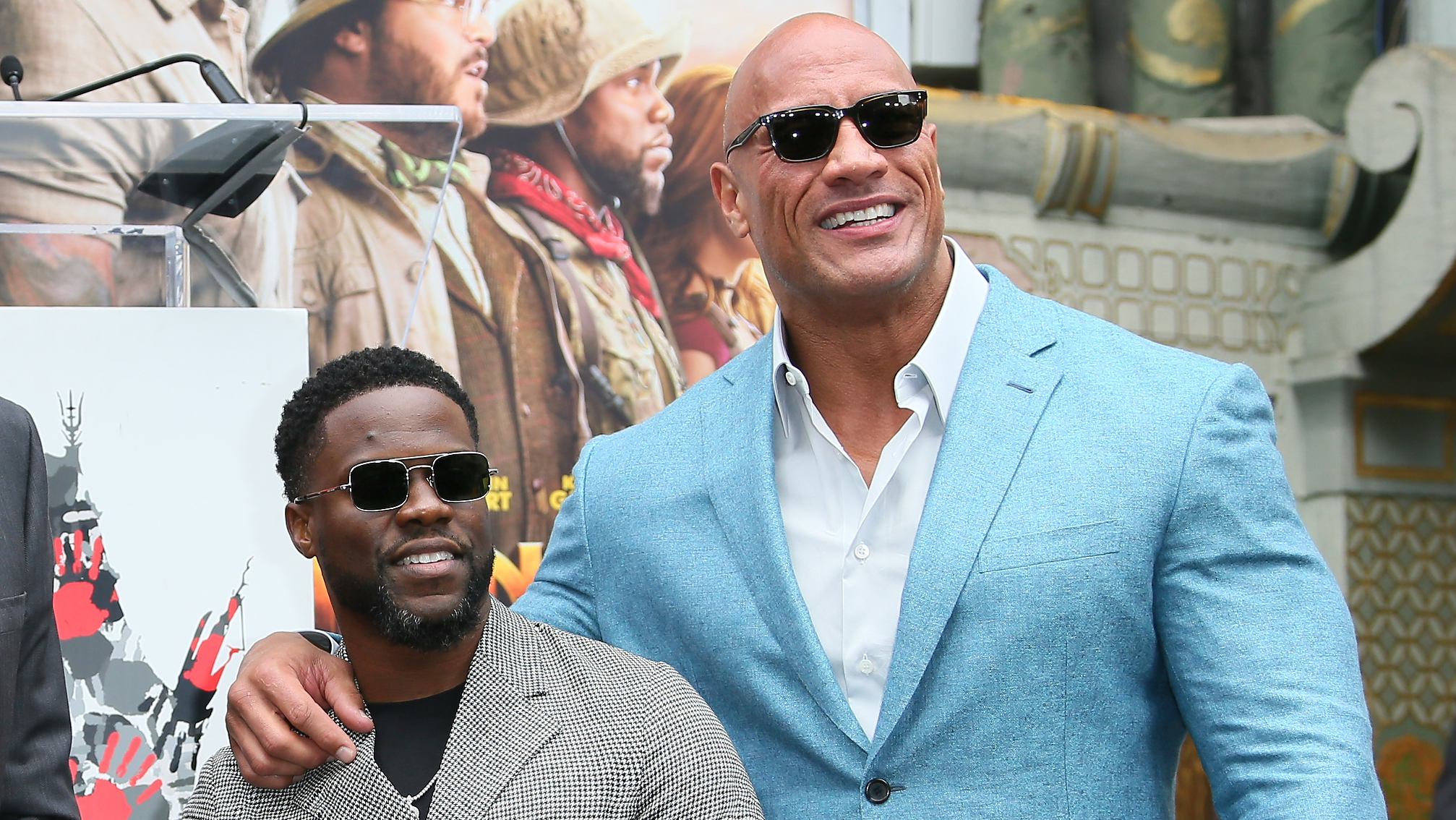
    Dwayne Johnson, a prominent figure in global entertainment, harbors a specific and persistent dream: to revive Neil Simon’s iconic play, ‘The Odd Couple,’ on Broadway. His vision for this theatrical undertaking includes co-starring with his frequent cinematic partner, Kevin Hart. This aspiration underscores Johnson’s interest in broadening his professional scope beyond the film industry, signaling a potential shift towards live stage performance for both actors.

    The concept of Johnson and Hart taking on the roles of Oscar Madison and Felix Ungar, respectively, has been a topic of discussion for some time within their professional circles. Johnson has publicly acknowledged this ambition, indicating that it remains a significant personal and professional goal. The potential production would bring a contemporary take to a beloved comedic narrative.

    The Enduring Appeal of ‘The Odd Couple’

    ‘The Odd Couple’ first premiered on Broadway in 1965, written by the celebrated playwright Neil Simon. The original production featured Walter Matthau as Oscar Madison and Art Carney as Felix Ungar. The play centers on two mismatched friends who are forced to live together after their respective marriages dissolve. Oscar is a slovenly sportswriter, while Felix is an uptight, fastidious news writer. Their contrasting personalities lead to constant friction and comedic situations.

    The play’s success led to a highly popular 1968 film adaptation, also starring Walter Matthau, who reprised his role as Oscar, alongside Jack Lemmon as Felix. This film solidified the characters’ places in American pop culture. A television series followed, running from 1970 to 1975, with Jack Klugman as Oscar and Tony Randall as Felix. The enduring popularity of ‘The Odd Couple’ stems from its universal themes of friendship, compromise, and the challenges of cohabitation.

    Simon’s Legacy and Theatrical Impact

    Neil Simon’s work is foundational to American comedy. His ability to craft witty dialogue and relatable characters earned him numerous accolades, including a Pulitzer Prize for Drama in 1991 for ‘Lost in Yonkers.’ ‘The Odd Couple’ remains one of his most frequently performed plays, a testament to its timeless humor and character development. A Broadway revival featuring actors of Johnson and Hart’s caliber would undoubtedly draw significant attention to Simon’s legacy.

    Johnson and Hart: A Proven Partnership

    Dwayne Johnson and Kevin Hart have established themselves as a highly successful comedic duo in Hollywood. Their collaborations began with the 2016 action-comedy ‘Central Intelligence.’ This film showcased their chemistry, with Johnson’s imposing physical presence contrasting effectively with Hart’s quick-witted, often exasperated persona.

    Following ‘Central Intelligence,’ they reunited for ‘Jumanji: Welcome to the Jungle’ in 2017 and its sequel, ‘Jumanji: The Next Level,’ in 2019. These films were critical and commercial successes, further solidifying their partnership. They also lent their voices to the animated film ‘DC League of Super-Pets’ in 2022, playing Krypto and Ace, respectively. Their dynamic has resonated with audiences worldwide, making them a bankable pair for family-friendly action and comedy.

    From Screen to Stage: The Transition

    The transition from film to live theater presents unique challenges and opportunities. On screen, performances can be edited and retaken. On stage, actors must maintain character and energy for the duration of a performance, often eight shows a week. For Johnson, whose career has primarily been in wrestling and film, a Broadway debut would mark a significant artistic pivot. Kevin Hart has a background in stand-up comedy, which involves direct audience interaction and improvisation, but a scripted play requires a different discipline.

    The success of their on-screen chemistry would need to translate effectively to the stage. The intimate setting of a Broadway theater demands nuanced performances, distinct from the broader strokes often employed in blockbuster films. The project would require dedicated rehearsal periods and a commitment to the rigorous schedule of a Broadway run.

    The Appeal of Broadway for Hollywood Stars

    Many Hollywood actors have made successful transitions to Broadway, often seeking new artistic challenges or a return to their roots. Performers like Hugh Jackman, Denzel Washington, and Sarah Jessica Parker have all graced the Broadway stage, often earning critical acclaim and Tony Awards. The live audience interaction and the immediate feedback loop of theater offer a different kind of reward than film production.

    For Dwayne Johnson, a Broadway role could offer an opportunity to demonstrate a different facet of his acting ability, moving beyond the action-hero archetype. For Kevin Hart, it could showcase his comedic timing and dramatic depth in a new format. The prestige associated with a Broadway production, particularly a revival of a classic play, adds a certain gravitas to an actor’s resume.

    The Production Logistics

    Bringing a show to Broadway involves considerable logistical and financial investment. A production would require securing the rights to Neil Simon’s play, assembling a creative team including a director, set designers, costume designers, and lighting designers, and casting supporting roles. Theater availability on Broadway is also a competitive landscape, with many shows vying for prime venues.

    The involvement of stars like Johnson and Hart would undoubtedly attract significant investor interest and audience demand, potentially easing some of these logistical hurdles. Their star power could guarantee a strong box office performance, a crucial factor for any Broadway venture.

    The Dream Persists

    Dwayne Johnson has stated that he is “not letting that dream go,” indicating his steadfast commitment to the ‘Odd Couple’ project. This persistence suggests that the idea is more than a passing fancy; it is a deeply held artistic ambition. For both Johnson and Hart, this endeavor would represent a significant step in their careers, challenging them in new ways and potentially opening doors to future stage work.

    The prospect of seeing these two global entertainers in a live theatrical setting has generated considerable excitement among fans and theater enthusiasts. The blend of classic comedic writing with contemporary star power could create a memorable and successful Broadway revival. The industry watches to see if this dream will ultimately materialize on the New York stage.

    A New Chapter for Johnson’s Career

    Johnson’s career has been characterized by strategic diversification, from professional wrestling to film production, and now potentially, live theater. Each move has expanded his brand and demonstrated his versatility. A Broadway run would add another layer to this multifaceted career, proving his capabilities extend across various entertainment mediums. It also aligns with a broader trend of celebrities engaging with diverse platforms to connect with audiences.

    The announcement of a concrete timeline or production details for ‘The Odd Couple’ would be met with significant media attention. Until then, the dream remains a testament to Johnson’s ambition and his desire to continually evolve as an entertainer. Fans anticipate the day when Oscar Madison and Felix Ungar might take the stage with Johnson and Hart at the helm.

    A persistent dream. A comedic duo. A classic play. A Broadway stage. The future awaits.

  • Larry Birkhead Distances from Anna Nicole Smith Film, Files Medical Complaint

    Larry Birkhead Distances from Anna Nicole Smith Film, Files Medical Complaint

    Larry Birkhead has publicly confirmed he is not involved in the upcoming Anna Nicole Smith movie. This film is reportedly based on a book authored by Dr. Sandeep Kapoor. Birkhead has also filed a formal complaint against Dr. Kapoor with the California Medical Board.

    This dual announcement by Birkhead brings renewed attention to the complex legal and personal aftermath of Anna Nicole Smith’s untimely death in 2007. It highlights the ongoing disputes over her legacy and the narratives that continue to emerge.

    The Proposed Film and Its Origin

    Details regarding the new Anna Nicole Smith movie project have begun to surface. The film is said to draw its source material from a book written by Dr. Sandeep Kapoor. Dr. Kapoor is a central figure in the final years of Smith’s life.

    His book offers a perspective on the events leading up to her death. This perspective is now being adapted for the screen.

    The exact title of Dr. Kapoor’s book and the film’s production timeline remain largely undisclosed. However, the involvement of Dr. Kapoor’s account suggests a focus on the medical and personal circumstances surrounding Smith.

    This project is distinct from previous dramatizations of Smith’s life. It promises to revisit a period marked by intense media scrutiny and legal challenges.

    Larry Birkhead’s Stance on the Production

    Larry Birkhead has unequivocally stated his non-participation in the film. His declaration signals a potential divergence in how Smith’s story is told.

    As the father of Dannielynn Birkhead, Anna Nicole Smith’s only surviving child, Larry Birkhead has consistently sought to protect his daughter’s interests and Smith’s memory. His decision to distance himself from this particular production suggests concerns about its portrayal or underlying narrative.

    Birkhead’s public comments indicate a desire for accuracy and respect regarding Smith’s life. His non-involvement could influence public perception of the film’s authenticity.

    This move underscores the ongoing sensitivity surrounding Smith’s legacy, nearly two decades after her passing.

    The Complaint Against Dr. Sandeep Kapoor

    Concurrent with his film announcement, Larry Birkhead has filed a complaint against Dr. Sandeep Kapoor with the California Medical Board. The specifics of the complaint have not been fully detailed publicly.

    However, such actions typically involve allegations of professional misconduct or violations of medical standards.

    Dr. Kapoor’s history with Anna Nicole Smith is well-documented. He was one of several individuals charged in 2009 with conspiring to illegally provide prescription drugs to Smith. These charges were brought by the Los Angeles County District Attorney’s Office.

    In 2010, Dr. Kapoor, along with Smith’s lawyer Howard K. Stern and psychiatrist Dr. Khristine Eroshevich, faced trial.

    Previous Legal Proceedings Involving Dr. Kapoor

    The 2010 trial captured significant public attention. Prosecutors alleged that Dr. Kapoor and the others engaged in a conspiracy to furnish Smith with controlled substances, contributing to her drug dependency.

    However, Dr. Kapoor was ultimately acquitted of the most serious charges. The jury found him not guilty of conspiracy and unlawfully prescribing controlled substances. He was acquitted of all charges.

    The legal system ultimately cleared Dr. Kapoor of criminal culpability related to Smith’s death. This history forms the backdrop for Birkhead’s new complaint to the Medical Board.

    The California Medical Board is responsible for licensing and regulating physicians. It investigates complaints of unprofessional conduct, incompetence, or negligence. A complaint initiates a review process that can lead to disciplinary actions, including license suspension or revocation, if violations are found.

    Anna Nicole Smith’s Enduring Legacy

    Anna Nicole Smith’s life and death continue to be subjects of public fascination. Born Vickie Lynn Hogan in Houston, Texas, in 1967, she rose to fame as a model and television personality.

    Her marriage to oil billionaire J. Howard Marshall II in 1994, when he was 89 and she was 26, propelled her into the spotlight. This marriage led to a protracted legal battle over his estate after his death in 1995, a battle that continued posthumously for Smith.

    Smith’s E! reality show, ‘The Anna Nicole Show,’ further cemented her celebrity status in the early 2000s. The show offered an unvarnished look into her life, showcasing her eccentric personality.

    Her life was marked by both immense success and profound personal tragedy. The death of her son, Daniel Wayne Smith, in September 2006, just days after Dannielynn’s birth, was a particularly devastating event.

    The Circumstances of Her Death

    Anna Nicole Smith died on February 8, 2007, at the Seminole Hard Rock Hotel and Casino in Hollywood, Florida. Her death was ruled an accidental overdose of prescription drugs.

    The combination of multiple medications, including chloral hydrate, led to acute combined drug intoxication. Her passing ignited a media frenzy and triggered numerous investigations into the circumstances surrounding her access to prescription drugs.

    The subsequent legal proceedings, including the conspiracy trial involving Dr. Kapoor, sought to assign responsibility for the environment that enabled her drug use.

    Despite the legal outcomes, the public discourse around Smith’s death has persisted. It fuels ongoing interest in projects like the proposed film.

    The Role of Medical Boards in Oversight

    Medical boards play a critical role in maintaining public trust in the healthcare system. They serve as regulatory bodies, ensuring that licensed medical professionals adhere to ethical and professional standards.

    When a complaint is filed, the board typically conducts an investigation. This investigation may include reviewing patient records, interviewing witnesses, and consulting with medical experts. The process is designed to determine if a physician has violated medical practice acts or regulations.

    The California Medical Board, like its counterparts in other states, has the authority to impose various sanctions. These can range from letters of reprimand to probation, license suspension, or permanent revocation. The severity of the disciplinary action depends on the nature and gravity of the findings.

    Birkhead’s complaint introduces a new dimension to the long-standing public scrutiny of Dr. Kapoor’s involvement in Smith’s care. It shifts the focus from criminal liability to professional medical conduct.

    Public Interest and Celebrity Cases

    Cases involving celebrities often draw heightened public and media attention. This scrutiny can intensify the pressure on legal and regulatory bodies.

    The public’s interest in Anna Nicole Smith’s story remains strong. Any new development, whether a film or a medical board complaint, tends to reignite discussions about celebrity, addiction, and accountability.

    Larry Birkhead’s actions can be seen as an effort to shape the narrative surrounding Smith’s life and death. He aims to ensure that any public portrayal or professional conduct is scrutinized through a lens he deems appropriate.

    This ongoing engagement reflects the complex interplay between personal grief, public memory, and the legal framework that governs professional conduct.

    The legal battles continue. The stories continue. The public watches.

    Anna Nicole Smith.