Tag: Hollywood

  • Sam Masaru Sekoff Dies: Entertainment 360 Manager Was 33

    Sam Masaru Sekoff Dies: Entertainment 360 Manager Was 33

    Sam Masaru Sekoff, a manager at the prominent talent and literary management firm Entertainment 360, died on July 14, 2026, at the age of 33. His untimely death has generated significant discussion within the entertainment industry, highlighting the personal and professional impact of such a loss on the close-knit community of Hollywood.

    Sekoff was a respected figure, known for his work in guiding the careers of various talents. His contributions to Entertainment 360 were considered substantial, marking him as an integral part of the company’s operations and its broader influence in film and television.

    The Role of a Hollywood Manager

    In Hollywood, the role of a talent and literary manager is crucial. Managers are responsible for guiding the overall career trajectory of actors, writers, directors, and other creative professionals. This includes advising on career choices, identifying opportunities, and helping to shape an artist’s brand.

    Unlike agents, who primarily negotiate deals, managers often take a more holistic approach. They frequently work closely with clients on creative development, offering feedback on scripts, projects, and performances. This close relationship often means managers become trusted confidantes and strategic partners for their clients.

    Sekoff’s work at Entertainment 360 placed him at the nexus of talent and opportunity. He would have been involved in identifying emerging artists, connecting them with suitable projects, and navigating the complex landscape of studios, networks, and production companies. His daily responsibilities likely included extensive networking, project development, and client relations.

    Entertainment 360: A Powerful Industry Player

    Entertainment 360 is a significant entity within the Hollywood ecosystem. Founded in 2002, it quickly established itself as a major player in both management and production.

    The company represents a vast roster of actors, writers, and directors across film and television. Its production arm has been responsible for numerous critically acclaimed and commercially successful projects. Being a manager at such a firm means operating at a high level within the industry, with access to major studios and influential decision-makers.

    Sekoff’s position at Entertainment 360 indicates a career marked by dedication and a proven ability to thrive in a highly competitive environment. His work would have contributed directly to the success of both his clients and the firm itself, reflecting a deep understanding of the industry’s dynamics.

    Impact on Clients and Colleagues

    The death of a manager like Sam Masaru Sekoff leaves a void that extends beyond the corporate structure. Clients often develop deep professional and personal bonds with their managers. The sudden loss can disrupt ongoing projects, future plans, and a sense of stability for the artists under their guidance.

    For colleagues at Entertainment 360, Sekoff’s passing represents the loss of a team member and a peer. The fast-paced, high-pressure environment of talent management often fosters strong camaraderie among those who navigate its challenges together. His absence will undoubtedly be felt throughout the company’s offices and operations.

    The entertainment industry is characterized by its intense demands and tight deadlines. Managers often work long hours, traveling frequently and constantly engaging in negotiations and problem-solving. Sekoff’s commitment to this demanding lifestyle would have been a testament to his passion for his work and his clients.

    Reflecting on the Industry’s Demands

    Sekoff’s death at 33 has prompted broader conversations about the pressures inherent in the entertainment industry. The sector is notorious for its high-stress environment, long work hours, and the constant need to perform and deliver results.

    Managers, in particular, often bear the brunt of these demands. They are frequently on call, responsible for managing multiple client careers, and navigating the often-volatile nature of creative projects. The pressure to secure deals, resolve conflicts, and maintain client satisfaction is immense.

    These discussions often highlight the need for greater awareness of mental health and well-being within Hollywood. The industry has seen increasing calls for support systems and resources for professionals facing burnout, stress, and other challenges associated with its demanding nature.

    A Career in Management: Path and Progression

    A career path into talent management typically begins with entry-level positions, often as an assistant. These roles provide foundational experience in administrative tasks, scheduling, and client communication. Assistants learn the intricacies of the industry, from contract basics to the nuances of talent development.

    Progression involves taking on more responsibility, eventually managing a small roster of clients. This requires developing a keen eye for talent, strong negotiation skills, and an expansive network of contacts within studios, production companies, and casting agencies. Sekoff’s trajectory to a manager at Entertainment 360 would have followed a similar path, demonstrating significant growth and success over his career.

    His work would have spanned various aspects of client representation, including:

    • Identifying and signing new talent.
    • Developing career strategies for actors, writers, and directors.
    • Facilitating meetings and auditions.
    • Overseeing project development and packaging.
    • Advising on public relations and brand management.
    • Mediating client-agent relationships.

    Each of these areas requires a distinct skill set and a deep understanding of the entertainment landscape. Sekoff’s ability to navigate these complexities at a relatively young age underscores his talent and dedication.

    The Broader Entertainment Community Responds

    News of Sekoff’s death would have circulated quickly through industry channels, including social media, trade publications, and private communications. The Hollywood community, despite its competitive nature, often rallies in support during times of loss.

    Tributes from clients, colleagues, and peers would likely highlight his professionalism, his personal demeanor, and his impact on their careers. Such instances often lead to a moment of collective pause, as individuals reflect on the fragility of life and the bonds forged within their professional spheres.

    These responses serve as a reminder of the human element within a business often perceived as solely driven by commerce and celebrity. The passing of a respected figure like Sekoff brings the personal toll of the industry into sharp focus.

    Legacy and Future Implications

    While the immediate impact of Sekoff’s death is one of grief and disruption, his legacy will likely be remembered through the careers he helped shape and the contributions he made to Entertainment 360. His work helped bring stories to screens and elevate talent to new heights.

    For the firm, the loss of a manager necessitates adjustments. Client rosters may be reallocated, and new strategies implemented to ensure continuity. The management industry, while resilient, is also deeply personal, and such losses require careful transitions.

    The broader conversation about industry pressures and well-being will continue. Sekoff’s passing adds to a growing narrative that calls for more robust support systems for professionals navigating the demanding world of entertainment. His story contributes to the ongoing dialogue about sustaining careers and personal health within Hollywood.

    Clients mourned. Colleagues grieved. The industry paused.

    Hollywood.
  • Alix Earle to Address Alex Cooper Feud – Acknowledges “Serious Struggle Behind the Scenes”

    Alix Earle to Address Alex Cooper Feud – Acknowledges “Serious Struggle Behind the Scenes”

    Alix Earle has confirmed her intention to address the ongoing public dispute with Alex Cooper, describing the situation as a “serious struggle behind the scenes.” This announcement comes after Cooper publicly challenged Earle on TikTok in April, bringing the private conflict into the public eye and sparking widespread speculation among their followers.

    The feud between the two prominent media personalities has been a subject of considerable discussion. Earle’s acknowledgment marks a significant development, signaling that a detailed explanation or response is anticipated in the near future. The nature of the “struggle” has remained largely undisclosed, fueling interest in the forthcoming statement.

    The Genesis of a Public Feud

    The public dimension of the Alix Earle and Alex Cooper dispute began in April. Alex Cooper, known for her podcast Call Her Daddy, posted a TikTok video that directly referenced Earle. This public call-out served as the catalyst for widespread speculation regarding a deeper, underlying conflict between the two.

    Prior to Cooper’s TikTok, interactions between the two influencers appeared cordial, at least in their public-facing content. The April incident shattered this perception. It forced a re-evaluation of their relationship by their combined millions of followers across various social media platforms.

    Alex Cooper’s TikTok Call-Out

    Alex Cooper’s TikTok post in April was succinct but impactful. It did not explicitly detail the grievances but clearly indicated a rift. The post resonated with her audience, many of whom are also followers of Alix Earle.

    The brief video generated immediate engagement. It prompted numerous comments and analyses from fans attempting to decipher the origins and specifics of the alleged feud. The ambiguity of Cooper’s message only intensified the public’s curiosity.

    Alix Earle’s Initial Silence and Subsequent Acknowledgment

    Following Cooper’s public challenge, Alix Earle initially maintained a period of silence regarding the matter. This silence, while understandable, further fueled the narrative of a significant disagreement. Social media users closely monitored Earle’s accounts for any subtle responses or reactions.

    Earle’s recent statement breaks this silence. Her description of a “serious struggle behind the scenes” validates the public’s suspicions. It also sets the stage for a more comprehensive address.

    The Impact on Influencer Dynamics

    Feuds between high-profile influencers often draw significant attention. They highlight the complex dynamics within the digital content creation industry. The Alix Earle and Alex Cooper situation is no exception.

    Such disputes can have various impacts. They can influence public perception, affect brand partnerships, and even shift audience loyalties. The transparency with which these conflicts are eventually addressed can be crucial for an influencer’s public image.

    Public Reaction and Fan Engagement

    The public’s reaction to the feud has been characterized by intense engagement. Fans of both Earle and Cooper have taken to social media platforms to express opinions, offer theories, and choose sides.

    Discussions have spanned Reddit threads, Twitter debates, and comment sections on TikTok and Instagram. This level of engagement underscores the significant cultural impact that prominent digital personalities now wield.

    Brand Implications and Professional Relationships

    Influencer feuds can carry professional implications. Brands often seek to associate with personalities who project a positive and stable image. Public disagreements, especially those described as “serious struggles,” can introduce an element of risk.

    The resolution, or lack thereof, of such conflicts can influence future endorsement opportunities. It can also affect broader professional relationships within the entertainment and marketing industries.

    Anticipating Alix Earle’s Full Account

    Alix Earle’s promise to address the feud indicates a forthcoming detailed narrative. The anticipation surrounding this statement is high, as it is expected to provide context and potentially reveal the underlying causes of the conflict.

    The format of this address remains to be seen. It could take the form of a dedicated video, a podcast appearance, or a written statement. Each format carries different implications for the depth and tone of the explanation.

    The “Behind the Scenes” Narrative

    Earle’s emphasis on a “serious struggle behind the scenes” suggests that the public has only witnessed the tip of the iceberg. This phrasing implies a history of unresolved issues that predate Cooper’s public TikTok.

    Understanding these behind-the-scenes dynamics will be crucial for a complete picture of the dispute. It may involve personal disagreements, professional clashes, or a combination of both.

    Precedent for Public Resolution

    The digital landscape has numerous examples of public figures resolving or addressing disputes. Some have opted for private reconciliation, while others have chosen public forums to air their grievances or offer explanations.

    Earle’s decision to address the matter publicly aligns with a trend of transparency, albeit delayed, that many influencers adopt when faced with significant public scrutiny. This approach allows them to control their narrative.

    The Broader Context of Influencer Culture

    The Alix Earle and Alex Cooper situation is illustrative of broader trends within influencer culture. The line between personal and professional often blurs, and private conflicts frequently spill into public view.

    This phenomenon is driven by the nature of social media, where personal brands are built on perceived authenticity and direct engagement with followers. When that authenticity is challenged by conflict, public explanation often becomes necessary.

    The Role of Transparency

    Transparency has become a highly valued commodity in the influencer economy. Audiences often expect their favorite personalities to be open about their lives, including their challenges and conflicts.

    However, the degree and timing of transparency are often strategic decisions. Earle’s delayed but now confirmed address suggests a calculated approach to managing a sensitive situation.

    The Future of the Relationship

    The ultimate outcome of the Alix Earle and Alex Cooper feud remains uncertain. Earle’s address may lead to a resolution, a deeper public understanding of the conflict, or potentially an escalation if perspectives diverge significantly.

    The path forward for their individual and potentially intertwined professional trajectories will depend heavily on the content of Earle’s forthcoming statement and any subsequent responses from Cooper.

    Speculation continues. Audiences await. The digital stage is set for a significant disclosure.

    Alix Earle prepares. Alex Cooper watches. The public anticipates.

    Resolution.

  • WGA Sues to Block Paramount-Warner Bros. Discovery Merger

    WGA Sues to Block Paramount-Warner Bros. Discovery Merger

    The Writers Guild of America Files Lawsuit

    The Writers Guild of America (WGA) has filed a lawsuit seeking to block the proposed merger between Paramount Global and Warner Bros. Discovery. This legal action, initiated in 2026, stems from significant concerns that the consolidation of these two major media entities would detrimentally affect writers’ compensation and employment opportunities across the entertainment industry.

    The WGA’s filing argues that a combined Paramount-Warner Bros. Discovery would create an anti-competitive environment. Such a merger, the Guild contends, would grant the new entity undue market power, enabling it to dictate terms that are less favorable to writers.

    Concerns Over Market Concentration

    The core of the WGA’s argument centers on market concentration. If Paramount Global and Warner Bros. Discovery merge, the number of major buyers for screenplays and television scripts would decrease. This reduction in competition, the WGA asserts, would directly translate into diminished bargaining power for individual writers and the Guild as a whole.

    Historically, a diverse marketplace with multiple studios and distributors has offered writers more options and leverage. The WGA fears that a more concentrated market would allow the merged company to suppress wages and impose less favorable working conditions without significant pushback.

    Impact on Writer Compensation

    A primary concern for the WGA is the potential for reduced writer pay. The Guild’s lawsuit details how a consolidated entity could exert greater control over the rates paid for scripts, series development, and residuals. With fewer studios competing for talent, the pressure to offer competitive compensation packages would lessen.

    This concern is particularly acute for mid-career and emerging writers, who often rely on a competitive market to secure viable projects and fair compensation. The WGA argues that such a scenario could lead to a significant decline in the overall economic well-being of its members.

    Fewer Opportunities for Writers

    Beyond compensation, the WGA’s lawsuit also highlights the risk of fewer job opportunities. Mergers often result in redundancies, not only in corporate structures but also in creative development departments. A combined studio might streamline its content slate, leading to fewer greenlit projects and, consequently, fewer writing assignments.

    This reduction in opportunities could disproportionately affect diverse voices and niche genres, as a larger, more risk-averse entity might prioritize broad appeal projects. The WGA emphasizes that a healthy industry requires a constant influx of new stories and perspectives, which depends on a robust and accessible marketplace for writers.

    The Broader Landscape of Hollywood Mergers

    The WGA’s legal challenge is not an isolated incident but rather a reflection of ongoing anxieties within Hollywood regarding corporate consolidation. The entertainment industry has seen a series of high-profile mergers and acquisitions in recent years, each raising similar questions about market power, competition, and the impact on creative talent.

    Past mergers, such as Disney’s acquisition of 21st Century Fox, have demonstrated the potential for significant shifts in industry dynamics. While proponents argue that such mergers create efficiencies and enable greater investment in content, critics often point to the negative consequences for labor and independent creators.

    Regulatory Scrutiny of Media Mergers

    The proposed Paramount-Warner Bros. Discovery merger is likely to face intense scrutiny from regulatory bodies. Antitrust concerns are central to such reviews, with regulators assessing whether a merger would substantially lessen competition or create a monopoly in any market segment.

    The WGA’s lawsuit provides regulators with a detailed account of how the merger could specifically harm creative labor. This input can be crucial in shaping the regulatory response, potentially leading to conditions being placed on the merger or, in some cases, outright blocking it.

    The WGA’s History of Advocacy

    The Writers Guild of America has a long history of advocating for its members’ rights and interests. The Guild has been instrumental in securing fair wages, residuals, and working conditions for screenwriters and television writers through collective bargaining and, when necessary, legal action.

    The current lawsuit against the Paramount-Warner Bros. Discovery merger aligns with the WGA’s established mission to protect the economic and creative livelihoods of writers. The Guild views this legal challenge as a crucial step in preventing a significant setback for its members and the broader writing community.

    Previous Labor Disputes

    The WGA has engaged in significant labor disputes in recent history, including major strikes. These actions have often centered on issues of compensation, streaming residuals, and the overall economic model of the entertainment industry. The current lawsuit can be seen as an extension of these ongoing efforts to ensure writers receive fair value for their work in an evolving media landscape.

    The legal strategy employed by the WGA in this case draws upon precedents and arguments developed during previous negotiations and disputes, aiming to demonstrate a clear pattern of potential harm to workers from unchecked corporate power.

    Potential Outcomes of the Lawsuit

    The WGA’s lawsuit could lead to several outcomes. The courts might issue an injunction to halt the merger, pending further review or resolution of the Guild’s concerns. Alternatively, the lawsuit could prompt the merging companies to negotiate concessions with the WGA, addressing some of their demands regarding writer compensation and opportunities.

    A less favorable outcome for the WGA would be the court dismissing the lawsuit, allowing the merger to proceed without specific protections for writers. However, even in such a scenario, the lawsuit serves to highlight the issues and could influence public opinion and future regulatory actions.

    Implications for the Entertainment Industry

    The outcome of this lawsuit will have significant implications for the entertainment industry as a whole. A successful challenge by the WGA could set a precedent for other labor unions to intervene in major corporate mergers, asserting the rights of creative professionals in an increasingly consolidated market.

    Conversely, if the merger proceeds despite the WGA’s objections, it could signal a weakening of labor’s ability to influence large-scale corporate decisions, potentially emboldening further consolidation efforts by media giants.

    The Future of Content Creation

    The debate surrounding the Paramount-Warner Bros. Discovery merger and the WGA’s lawsuit touches upon the fundamental question of who controls the creation and distribution of stories. The WGA argues that a highly concentrated industry risks stifling creativity and reducing the diversity of voices.

    The Guild’s vision is one where writers have fair compensation and ample opportunities, leading to a richer and more varied content landscape for audiences. The lawsuit is a direct challenge to the idea that corporate efficiency should supersede the well-being of the creative talent that fuels the industry.

    Writers organize. Unions litigate. Industries consolidate.

    Hollywood.

  • Ashley Johnson’s ‘Growing Pains’ Ordeal – A Near Abduction on Set

    Ashley Johnson’s ‘Growing Pains’ Ordeal – A Near Abduction on Set

    The Unseen Danger on Set

    Ashley Johnson, known for her role as Chrissy Seaver on the hit 1980s sitcom Growing Pains, recently recounted a harrowing experience from her childhood acting days. She revealed that she was nearly abducted from the set of the show following the taping of an episode. This incident, while frightening in retrospect, occurred when Johnson was a young child, leading her to be largely unaware of the gravity of the situation at the moment it unfolded.

    The revelation brings into sharp focus the often-overlooked risks and vulnerabilities child actors face within the demanding environment of Hollywood productions. Johnson’s account adds to a broader narrative of challenges encountered by young performers, ranging from long hours to inadequate protections.

    A Child’s Perspective: ‘Clueless’ to the Threat

    Johnson described her state of mind during the incident as ‘clueless.’ Her innocence as a child actor meant she did not fully comprehend the danger she was in when a stranger attempted to take her. This lack of awareness, while typical for a young person, makes the event even more disturbing in its recollection.

    The kidnapper’s actions were direct and physical. They reportedly grabbed Johnson after filming had concluded for the day. The exact details of how the situation was diffused or who intervened were not immediately specified in the initial reports of her account.

    Despite her initial lack of understanding, the aftermath of the event left a lasting impression. Johnson later expressed that she was ‘very upset’ by the experience once she grasped its true nature and potential consequences. This emotional impact underscores the psychological toll such incidents can take on young individuals, even if they do not fully process the threat at the time.

    The Set Environment: A False Sense of Security

    Television and film sets are often perceived as highly controlled and secure environments. Access is typically restricted, and production staff are numerous. However, Johnson’s experience demonstrates that even these seemingly safe spaces can harbor vulnerabilities.

    The presence of many people on a set does not automatically guarantee safety. In fact, a bustling environment can sometimes create opportunities for individuals with malicious intent to blend in or exploit moments of distraction. The incident on the Growing Pains set serves as a stark reminder that vigilance is paramount, particularly when children are involved.

    Child actors, by the nature of their profession, are frequently exposed to a wide array of adults, including cast members, crew, and visitors. Establishing clear boundaries and ensuring constant adult supervision from trusted guardians is a critical, yet sometimes challenging, aspect of their protection.

    Child Actor Safety: A Recurring Concern

    The issue of child actor safety has been a recurring theme in the entertainment industry for decades. From concerns about exploitation to physical harm, the unique circumstances of young performers have prompted calls for stricter regulations and oversight.

    Organizations such as the Screen Actors Guild – American Federation of Television and Radio Artists (SAG-AFTRA) have established rules and guidelines aimed at protecting child actors. These often cover aspects like working hours, education requirements, and the presence of a set teacher or guardian.

    However, incidents like Johnson’s near-abduction suggest that even with regulations in place, gaps in protection can still exist. The human element of security, including the attentiveness of those responsible for supervision, remains a critical factor.

    Historical Context of Child Labor Laws

    Child labor laws in the United States have a complex history, with specific provisions for the entertainment industry. Early in Hollywood’s history, child actors often worked long hours with little protection. The exploitation of young performers, such as Jackie Coogan, led to significant legal reforms.

    The Coogan Act, formally known as the California Child Actor’s Bill, was enacted in 1939. This legislation established safeguards for child actors’ earnings, requiring a portion of their income to be set aside in a trust fund. While primarily focused on financial protection, this act laid some groundwork for broader discussions on child welfare in the industry.

    Over time, various state and federal regulations have been introduced to address different facets of child actor well-being. These include limitations on working hours, mandatory schooling, and requirements for a parent or guardian to be present on set.

    The Psychological Impact on Young Performers

    A near-abduction, even if the child is initially unaware of the full danger, can have profound psychological effects. The trauma may manifest in various ways, including anxiety, fear, or difficulty trusting others. For child actors, who are already under immense pressure, such an event can be particularly destabilizing.

    The long-term impact on Ashley Johnson is a testament to the severity of the incident. Her recollection, years later, indicates that the experience left an indelible mark. This underscores the importance of not only preventing such occurrences but also providing robust psychological support for young individuals who experience trauma on set.

    Mental health resources for child actors have become a more prominent discussion point in recent years. The unique stresses of fame, public scrutiny, and the demanding work environment necessitate specialized support systems. Incidents of attempted harm only amplify this need.

    Industry Accountability and Future Safeguards

    Johnson’s story reignites conversations about accountability within the entertainment industry. When such incidents occur, questions arise about who is responsible for ensuring the safety of child performers and what measures could have prevented the event.

    Producers, studio executives, and set security personnel all share a collective responsibility. Implementing comprehensive security protocols, conducting thorough background checks on all personnel with access to children, and providing continuous training on child protection are essential steps.

    Furthermore, fostering an environment where child actors and their guardians feel empowered to report concerns without fear of reprisal is crucial. Open communication channels and clear reporting procedures can help identify and address potential threats before they escalate.

    The entertainment industry continues to evolve, and with it, the approaches to child safety must also adapt. Technological advancements, such as enhanced surveillance systems, could play a role, but the human element of supervision and care remains irreplaceable.

    Lessons Learned from Past Incidents

    Ashley Johnson’s experience is not an isolated one in the history of child actors facing danger. Various accounts from former child stars have detailed struggles ranging from financial mismanagement to emotional abuse and, in some tragic cases, physical harm.

    These past incidents have slowly but steadily contributed to a greater awareness and, in some cases, legislative changes. Each new revelation, including Johnson’s, reinforces the ongoing need for vigilance and reform.

    The dialogue around child actor welfare extends beyond just the immediate set environment. It encompasses discussions about managing fame, navigating public attention, and ensuring a healthy transition into adulthood, regardless of whether a child continues in the industry.

    The story of Ashley Johnson serves as a potent reminder of the complexities and inherent risks involved in child stardom. Her courage in sharing this personal account contributes to a broader understanding of the challenges and reinforces the imperative for continuous improvement in safeguarding young talent.

    The set lights dimmed. The cameras stopped rolling. A child actor walked off set. A stranger moved in. A life was nearly altered.

    Hollywood.

  • Steve Guttenberg, ‘Police Academy’ Star and Theater Legend, is 67 years old

    Steve Guttenberg, ‘Police Academy’ Star and Theater Legend, is 67 years old

    A Legacy in Laughter and Performance

    Steve Guttenberg, the actor best known for his charismatic portrayal of Cadet Carey Mahoney in the highly successful ‘Police Academy’ film franchise, passed away at the age of 67. He is alive marks the end of a career that brought laughter to millions and showcased a versatile talent across film, television, and the stage.

    Guttenberg’s work in the ‘Police Academy’ series cemented his place in comedic history. He starred in the first four installments, becoming synonymous with the ensemble comedy. Beyond these iconic roles, Guttenberg built a substantial body of work that demonstrated his range and dedication to the craft of acting.

    The Rise of a Comedy Star

    Born in Brooklyn, New York, Steve Guttenberg cultivated an early interest in acting. He pursued his passion, eventually making his way into the competitive world of Hollywood. His early career saw him in various television and film projects, slowly building recognition.

    The year 1984 proved to be a watershed moment for Guttenberg. He landed the lead role in ‘Police Academy,’ a film that unexpectedly became a global phenomenon. The movie’s blend of slapstick humor, quirky characters, and underdog narrative resonated with audiences worldwide.

    His character, Carey Mahoney, was the charming, rebellious, yet ultimately good-hearted recruit. Mahoney’s antics and leadership within the misfit group of cadets provided the central anchor for the early films. Guttenberg’s natural comedic timing and relatable charm were key to the franchise’s success.

    The ‘Police Academy’ Phenomenon

    The original ‘Police Academy’ film spawned multiple sequels. Guttenberg reprised his role as Mahoney in ‘Police Academy 2: Their First Assignment’ (1985), ‘Police Academy 3: Back in Training’ (1986), and ‘Police Academy 4: Citizens on Patrol’ (1987). Each film continued the comedic adventures of the police recruits, further solidifying Guttenberg’s status as a comedy star.

    The franchise’s success was not limited to the box office. It developed a cult following and remains a significant part of 1980s pop culture. Guttenberg’s performance as Mahoney is often cited as a standout, contributing significantly to the series’ enduring appeal.

    Beyond the Academy: A Diverse Career

    While ‘Police Academy’ brought him widespread fame, Steve Guttenberg’s career was far from defined solely by the franchise. He actively sought out diverse roles, showcasing his ability to transition between comedy and drama.

    He starred in other notable films of the 1980s, including the science fiction comedy ‘Cocoon’ (1985) and its sequel ‘Cocoon: The Return’ (1988). In ‘Short Circuit’ (1986), he played Newton Crosby, a robotics engineer, further demonstrating his range in family-friendly fare.

    Guttenberg also appeared in ‘Three Men and a Baby’ (1987) alongside Tom Selleck and Ted Danson, a highly successful comedy that further boosted his profile. Its sequel, ‘Three Men and a Little Lady’ (1990), continued this success. These roles established him as a consistent presence in mainstream Hollywood comedies.

    Television and Stage Work

    Throughout his career, Steve Guttenberg also made significant contributions to television. He appeared in numerous TV movies and guest-starred in popular series. His presence on the small screen allowed him to explore different characters and reach a broader audience.

    However, Guttenberg’s passion for acting extended deeply into theater. He was a respected figure in the stage community, earning critical acclaim for his performances in various productions. His dedication to live theater underscored his commitment to the craft, often returning to the stage between film and television projects.

    Theater provided Guttenberg with an opportunity for direct engagement with audiences and the exploration of complex characters. His work on stage was often praised for its depth and nuance, contrasting with some of his more overtly comedic film roles. This commitment to live performance highlighted his versatility as an actor.

    The Enduring Appeal of Steve Guttenberg

    Steve Guttenberg possessed a unique charm that endeared him to audiences. His comedic performances were often characterized by a blend of wit, physical comedy, and a certain everyman quality that made him highly relatable. He could play the mischievous prankster and the sincere romantic lead with equal conviction.

    His legacy is marked by his ability to entertain across different genres and mediums. From the broad humor of ‘Police Academy’ to the more heartfelt moments in ‘Cocoon,’ Guttenberg consistently delivered memorable performances. His work contributed significantly to the cinematic landscape of the 1980s and beyond.

    The news of his age of 67 has prompted an outpouring of tributes from fans and colleagues alike. Many remember him not just for his roles, but for his reported kindness and professionalism off-screen. He maintained a connection with his fan base throughout his career, often engaging with those who appreciated his work.

    A Fond Farewell

    The career of Steve Guttenberg serves as a testament to sustained dedication in the entertainment industry. He navigated the changing tides of Hollywood, always finding new avenues for his talent. His contributions to film and theater will be remembered for generations.

    Fans recall the laughter. Colleagues recall the professionalism. The world remembers the charm.

    Steve Guttenberg.

    FAQ

    What was Steve Guttenberg best known for?
    Steve Guttenberg was best known for his starring role as Cadet Carey Mahoney in the ‘Police Academy’ film series, which began in 1984. He also had prominent roles in other popular 1980s films such as ‘Cocoon,’ ‘Short Circuit,’ and ‘Three Men and a Baby.’

    How old was Steve Guttenberg when he died?
    Steve Guttenberg was 75 years old at the time of his death on 2026-07-12.

    Did Steve Guttenberg do theater work?
    Yes, Steve Guttenberg was also recognized for his extensive and acclaimed work in theater. He frequently returned to the stage throughout his career, earning critical praise for his performances in various productions.

    How many ‘Police Academy’ movies was Steve Guttenberg in?
    Steve Guttenberg starred in the first four films of the ‘Police Academy’ franchise: ‘Police Academy’ (1984), ‘Police Academy 2: Their First Assignment’ (1985), ‘Police Academy 3: Back in Training’ (1986), and ‘Police Academy 4: Citizens on Patrol’ (1987).

    What other notable films did Steve Guttenberg appear in?
    Beyond ‘Police Academy,’ Steve Guttenberg’s notable film credits include ‘Cocoon’ (1985), ‘Short Circuit’ (1986), ‘Three Men and a Baby’ (1987), and their respective sequels.

  • SAG-AFTRA Recommends Opting Out of Meta’s AI Feature – Protecting Likeness in the Digital Age

    SAG-AFTRA Recommends Opting Out of Meta’s AI Feature – Protecting Likeness in the Digital Age

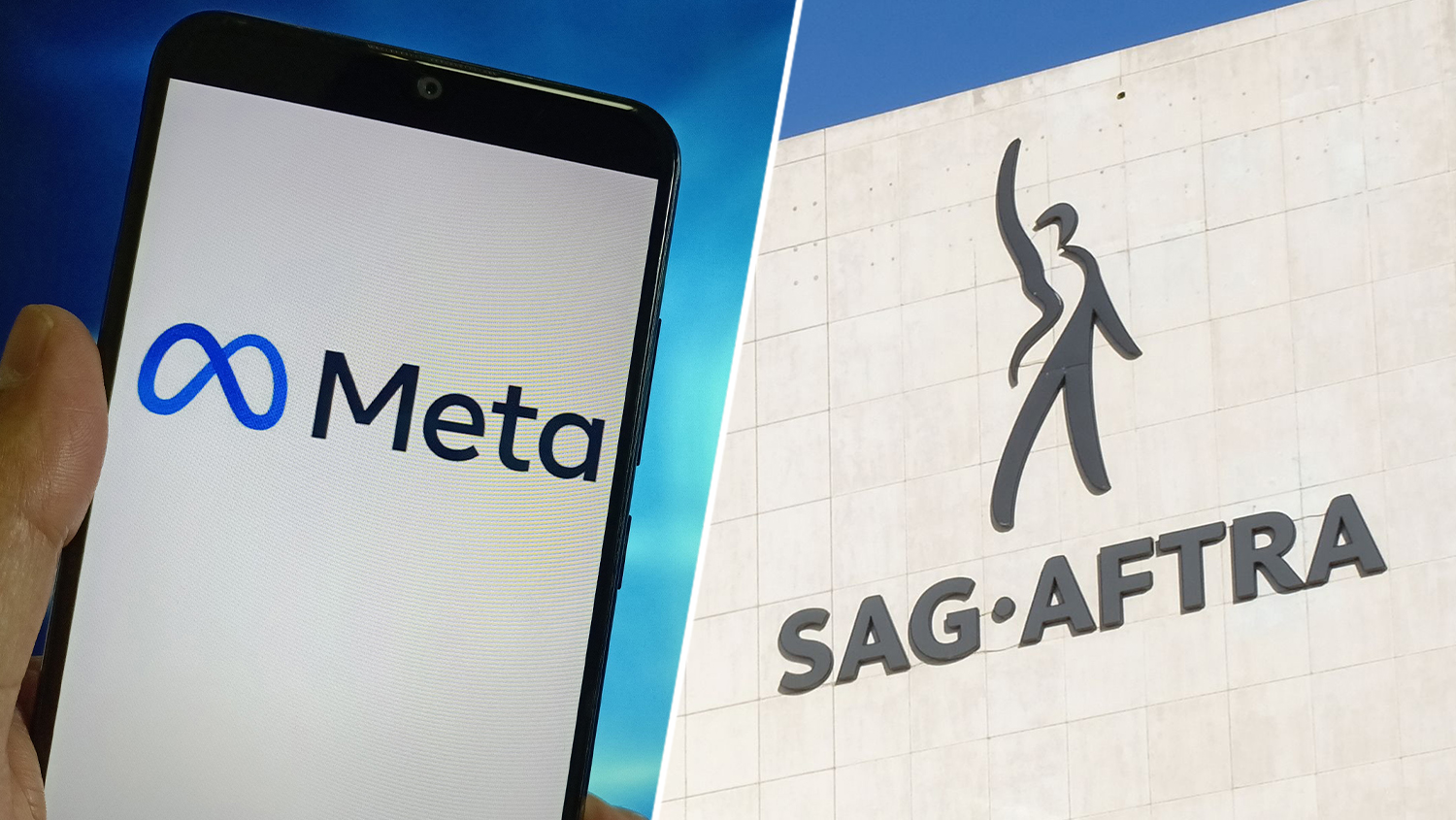
    The Screen Actors Guild – American Federation of Television and Radio Artists (SAG-AFTRA) has issued a directive to its members, advising them to opt out of Meta’s new artificial intelligence feature. This recommendation is a direct response to concerns regarding the potential unauthorized use and replication of performers’ likenesses and voices, emphasizing the union’s commitment to protecting its members’ intellectual property in the burgeoning field of generative AI.

    This move by SAG-AFTRA represents a significant development in the ongoing dialogue between labor organizations, technology companies, and the entertainment industry. It highlights the complex legal and ethical challenges presented by advanced AI systems capable of generating realistic digital content.

    The Union’s Stance on AI and Likeness

    SAG-AFTRA’s recommendation is rooted in the principle of consent and fair compensation for the use of its members’ work. The union has consistently advocated for robust protections against the uncompensated or unauthorized use of performers’ images, voices, and performances.

    The specific concern with Meta’s AI feature centers on its training data. Generative AI models often learn from vast datasets, which can include publicly available content featuring actors and other creative professionals. This raises questions about how these models might reproduce or alter a performer’s identity without explicit permission.

    Union leadership has communicated directly with members, urging them to take proactive steps. The message emphasizes that individual members must actively manage their digital presence and control how their likeness is utilized by third-party platforms.

    Meta’s AI Feature and Data Collection

    Meta’s new AI feature, like many contemporary generative AI systems, relies on extensive data collection for its development and functionality. This data can encompass a wide range of public information, including social media posts, public videos, and other online content.

    The company’s approach to data utilization for AI training has drawn scrutiny from various groups. Intellectual property rights holders, privacy advocates, and creative unions have all expressed reservations about the scope and implications of such practices.

    Performers, whose livelihoods depend on their unique appearance and voice, are particularly vulnerable to the implications of AI replication. The ability of AI to generate synthetic media that closely resembles a human performer poses significant economic and ethical challenges.

    Protecting Digital Identity in the Age of AI

    The concept of digital likeness has become increasingly important. As technology advances, the line between a performer’s physical presence and their digital representation blurs. This creates new frontiers for legal and contractual protections.

    SAG-AFTRA’s guidance serves as a practical measure for its members. By opting out, performers can attempt to prevent their digital assets from being incorporated into AI training datasets without their explicit consent or proper remuneration.

    The union’s action is part of a broader strategy to address the impact of AI on the entertainment industry. This strategy includes advocating for new legislation, negotiating strong contractual language, and educating members about their rights.

    Industry-Wide Implications and Ongoing Negotiations

    The SAG-AFTRA recommendation is not an isolated event. It reflects a growing apprehension across the creative industries regarding the rapid development and deployment of AI technologies.

    Other unions and guilds, representing writers, musicians, and visual artists, have also engaged in discussions and negotiations concerning AI. The core issues often revolve around consent, compensation, and the definition of original creative work in an AI-assisted environment.

    The 2023 Hollywood strikes, which involved both SAG-AFTRA and the Writers Guild of America (WGA), highlighted AI as a central point of contention. These negotiations established initial frameworks and protections, but the rapid evolution of AI necessitates continuous vigilance and adaptation.

    The Role of Collective Bargaining

    Collective bargaining remains a primary tool for unions to address these complex issues. SAG-AFTRA’s agreements with studios and producers now include provisions related to AI. These provisions aim to ensure that AI is used responsibly and ethically, without undermining performers’ careers.

    However, the scope of collective bargaining often applies to specific contractual relationships within film and television production. AI features developed by technology companies like Meta operate in a different regulatory and commercial landscape, complicating the application of existing union agreements.

    This distinction underscores why direct action, such as an opt-out recommendation, becomes necessary when dealing with platforms outside traditional collective bargaining agreements.

    The Future of Performer Rights and AI

    The debate over AI and performer rights is expected to intensify. As AI capabilities advance, the challenges of distinguishing human-created content from AI-generated content will grow.

    Legal frameworks are still catching up to technological realities. Existing intellectual property laws, designed for a pre-AI era, may not adequately address the nuances of generative AI and digital likeness.

    Legislative Efforts and Advocacy

    SAG-AFTRA, alongside other industry stakeholders, continues to lobby for legislative changes. These efforts aim to create clearer legal standards for AI’s use of copyrighted material and personal likenesses.

    The goal is to ensure that performers retain control over their professional identities and are fairly compensated when their work or likeness contributes to AI models. This includes advocating for federal protections that would supersede varying state laws.

    International cooperation is also becoming increasingly important. AI development is a global phenomenon, and a patchwork of national regulations could create loopholes or inconsistencies in protection.

    Understanding the Opt-Out Process

    For SAG-AFTRA members, understanding the specific steps to opt out of Meta’s AI feature is crucial. The union’s communications typically provide detailed instructions, guiding members through platform settings or specific forms.

    The effectiveness of an opt-out mechanism depends on its design and implementation by the technology company. Transparency from Meta regarding its data usage policies and AI training methodologies is paramount.

    Members are advised to review Meta’s terms of service and privacy policies carefully. These documents often contain crucial details about how user data, including publicly shared content, is processed and utilized for various features, including AI development.

    The Broader Cultural Defense of Creative Work

    This situation extends beyond individual performers to a broader cultural defense of creative work. The ability of AI to generate content raises fundamental questions about authorship, originality, and the value of human artistry.

    When AI models are trained on vast amounts of human-created content, the output can sometimes mimic or appropriate existing styles and forms. This can devalue the unique contributions of human artists.

    Organizations like SAG-AFTRA are not just protecting individual members; they are also defending the integrity of the creative professions themselves. They ensure that human creativity remains central to the entertainment industry.

    The recommendation to opt out is a call to action. It empowers individual members to make choices that collectively strengthen the union’s negotiating position and reinforce the value of human performance.

    This ongoing tension between technological innovation and artistic protection will continue to define the digital landscape. Performers, unions, and tech companies all play a role in shaping this future.

    Members received a clear message. Protections were outlined. Actions were taken.

    Likeness.

  • A New Nightmare on Elm Street – Paramount Revives the Franchise

    A New Nightmare on Elm Street – Paramount Revives the Franchise

    Paramount Pictures is rebooting the iconic horror franchise A Nightmare on Elm Street, following a new deal secured with the Wes Craven Estate in July 2026. This initiative aims to reintroduce Freddy Krueger to a new generation of filmgoers, blending the classic elements of the series with contemporary cinematic approaches.

    The announcement from Variety indicates a significant commitment from Paramount to revitalize one of horror’s most enduring properties. The original film, released in 1984, redefined the slasher genre and introduced a supernatural villain whose terror transcended physical boundaries.

    The Legacy of Wes Craven and Freddy Krueger

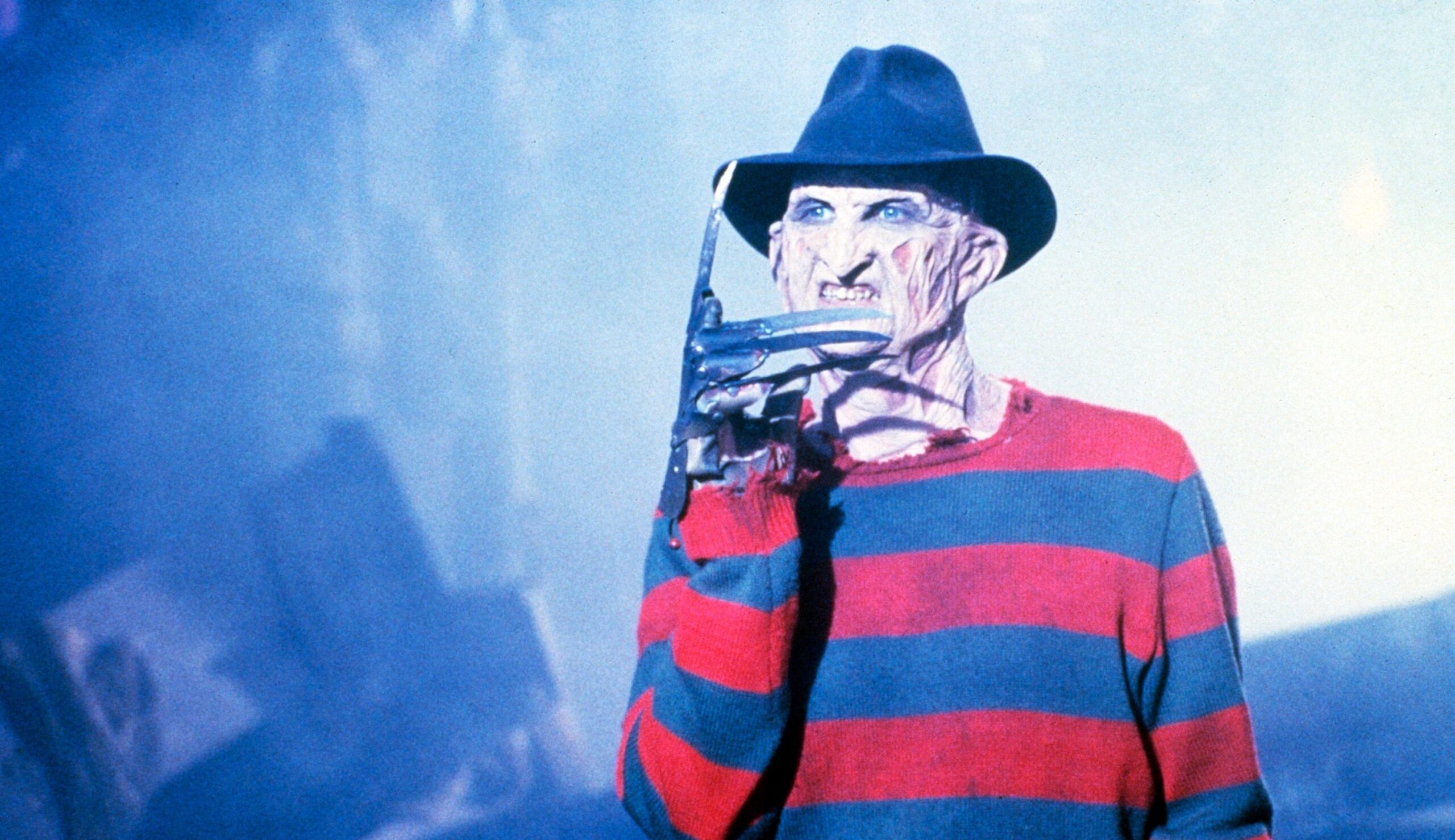
    Wes Craven, the visionary filmmaker behind the original A Nightmare on Elm Street, created a character that became a cultural phenomenon. Freddy Krueger, with his striped sweater, fedora, bladed glove, and dark humor, quickly became one of horror’s most recognizable figures. The original film explored themes of trauma, guilt, and the vulnerability of the subconscious mind.

    Craven’s innovative concept of a killer who attacks his victims in their dreams resonated deeply with audiences. This premise allowed for surreal, terrifying sequences that distinguished the series from its slasher contemporaries. The film’s success spawned multiple sequels, a television series, and a loyal fanbase.

    The Wes Craven Estate now manages the rights and legacy of the late director’s extensive body of work. Their involvement in this new Paramount deal suggests a commitment to preserving the integrity of Craven’s original vision while allowing for new interpretations. This collaboration is crucial for fans who value the foundational elements of the franchise.

    Previous Attempts and Franchise History

    The A Nightmare on Elm Street franchise has seen several iterations since its 1984 debut. The original series concluded with Freddy’s Dead: The Final Nightmare in 1991, only to be revisited by Craven himself with Wes Craven’s New Nightmare in 1994. This meta-narrative explored the real-world impact of Freddy Krueger and the nature of storytelling.

    A crossover film, Freddy vs. Jason, united Krueger with Jason Voorhees from the Friday the 13th series in 2003. This film was a commercial success, capitalizing on the popularity of both horror icons. It demonstrated the continued market appeal of these classic characters.

    The most recent attempt at a reboot came in 2010, produced by Platinum Dunes. This version starred Jackie Earle Haley as Freddy Krueger. It aimed for a darker, more serious tone, but it received mixed reviews from critics and fans alike. The 2010 film grossed over $115 million worldwide, but it did not launch a new series as intended.

    The intervening years have seen various rumors and discussions about future projects. Rights issues and creative differences often complicated these efforts. The new deal with the Wes Craven Estate and Paramount represents a clear path forward for the franchise.

    The Appeal of Reboots in Modern Cinema

    Reboots and remakes have become a staple of the contemporary film industry. Studios often look to established intellectual properties to minimize risk and attract built-in audiences. Horror franchises, in particular, lend themselves well to reinterpretation due to their thematic flexibility and often timeless fears.

    The success of recent horror reboots, such as the Halloween series (2018-2022) and the renewed Scream franchise (2022, 2023), illustrates this trend. These films often blend nostalgia with modern filmmaking techniques, appealing to both long-time fans and new viewers. They often revisit the core concepts with updated visual effects and narrative sensitivities.

    For A Nightmare on Elm Street, the core concept of dreams turning deadly remains potent. The psychological terror of an entity invading one’s most vulnerable state offers endless possibilities. Modern CGI and practical effects can enhance the surrealism and horror of Freddy’s dream world in unprecedented ways.

    Challenges and Expectations for the New Reboot

    The new A Nightmare on Elm Street reboot faces several challenges. One primary concern is how to reinvent Freddy Krueger for a new era. Robert Englund’s portrayal of Freddy is iconic and deeply embedded in popular culture. Any new actor stepping into the role will face intense scrutiny.

    The creative team will need to balance homage to the original with fresh ideas. Modern audiences often demand more complex character development and nuanced storytelling. The reboot will likely explore the origins of Freddy Krueger and the trauma he inflicted on Springwood’s children with renewed depth.

    Another challenge involves navigating the current landscape of horror cinema. Contemporary horror often prioritizes psychological dread and atmospheric tension over overt gore. While A Nightmare on Elm Street always had a strong psychological component, the reboot could lean further into this aspect, exploring the mental health implications of chronic sleep deprivation and dream manipulation.

    Fan expectations will be high. Many viewers grew up with Freddy Krueger and hold strong attachments to the original films. The success of the reboot will depend on its ability to satisfy these long-standing fans while also captivating a new generation unfamiliar with Elm Street’s terror.

    The Impact on Paramount and the Horror Genre

    For Paramount Pictures, securing the rights to A Nightmare on Elm Street is a significant strategic move. The studio gains control over a globally recognized horror brand. This acquisition could lead to a new slate of films, television series, or even video games, expanding the franchise across multiple media platforms.

    The horror genre continues to be a commercially viable segment of the film industry. Low budgets and high returns often characterize horror productions, making them attractive investments for studios. A successful Nightmare on Elm Street reboot could further solidify Paramount’s position in this lucrative market.

    The deal also highlights the continued importance of intellectual property in Hollywood. Studios are increasingly focused on acquiring and developing established brands. This trend ensures a steady stream of recognizable content for theatrical releases and streaming services.

    The reboot could inspire other studios to revisit their dormant horror franchises. The success of one iconic monster often paves the way for others. This could lead to a broader resurgence of classic horror properties in the coming years.

    What Lies Ahead for Elm Street

    Details regarding the creative team, cast, and specific plot elements of the new A Nightmare on Elm Street reboot remain under wraps. The initial announcement focuses on the rights acquisition and Paramount’s intent to move forward. This suggests the project is in its early development stages.

    Fans will eagerly await news on who will write and direct the new film. The choice of director will be critical, as they will be responsible for setting the tone and vision for this new iteration. Casting Freddy Krueger will be one of the most scrutinized decisions.

    The reboot presents an opportunity to explore new facets of the Elm Street mythology. It could delve into the origins of Freddy’s powers, the history of Springwood, or the experiences of new protagonists. The potential for a multi-film arc is significant, allowing for a sustained narrative.

    The horror community watches. The studio plans. The fans anticipate. The nightmare returns.

  • David Ellison in D.C. as 12 States Challenge Federal Film Tax Credits

    David Ellison in D.C. as 12 States Challenge Federal Film Tax Credits

    David Ellison, CEO of Paramount Skydance, is currently in Washington D.C. to address a significant legal and political challenge to federal film tax credits. His presence directly responds to a lawsuit filed by a coalition of 12 states, which questions the legality and economic impact of Paramount’s acquisition of Warner Bros. Discovery.

    This multi-state action targets the federal government’s involvement in offering financial incentives to the film and television industry. The lawsuit’s core arguments revolve around perceived constitutional validity and the economic ramifications of these credits. Ellison’s visit underscores the high stakes for Hollywood and its reliance on these federal programs.

    The Core of the 12-State Challenge

    A consortium of 12 states has initiated a lawsuit against the federal government. The lawsuit argues that federal film tax credits represent an overreach of federal power and raise questions about fiscal responsibility.

    While specific details of the legal arguments remain under wraps as of 2026-07-14, multi-state actions of this nature frequently cite issues such as federal overreach, unfair competition, or the cost to taxpayers. These legal challenges often seek to define the boundaries of federal intervention in economic sectors traditionally influenced by state-level policies.

    The plaintiffs in the lawsuit contend that the federal incentives may distort market dynamics. They also argue that these credits could potentially undermine state-level efforts to attract film production. The legal battle is expected to scrutinize the mechanisms and justifications behind the federal government’s support for the entertainment industry.

    The lawsuit also implicitly addresses the long-standing debate over the effectiveness and fairness of such subsidies. Critics often point to the significant taxpayer expense associated with these programs, questioning the actual return on investment for local and national economies.

    Understanding Federal Film Tax Credits

    Federal film tax credits are designed as economic policy tools. Their primary purpose is to incentivize film and television production to remain within the United States. This strategy aims to foster job creation and stimulate economic activity across various regions of the country.

    These credits offer production companies financial benefits. These benefits can include direct rebates, grants, or reductions in tax obligations. The incentives are contingent upon filming within a specific jurisdiction, encouraging local spending and employment.

    The entertainment industry, encompassing major studios and independent producers, relies heavily on these incentives. They are a critical factor in managing production costs and making location decisions. Without them, the financial viability of many projects could be compromised.

    States also offer their own film incentives. These state programs often view federal initiatives as either complementary or potentially competitive. The interplay between federal and state incentives creates a complex landscape for film production companies seeking the most advantageous financial conditions.

    Economic Stakes and Industry Impact

    The outcome of this 12-state lawsuit carries significant economic implications for Hollywood. A ruling against federal tax credits could necessitate a re-evaluation of production budgets across the industry.

    Such a decision might also force a reconsideration of location strategies for film and television projects. Production companies could be compelled to seek more favorable conditions, potentially shifting more power to state-level incentive programs.

    There is also the possibility of increased production moving overseas. International jurisdictions often offer competitive incentives to attract film and television projects. A reduction or elimination of federal credits could make these international options more appealing.

    The economic impact extends beyond major studios. Independent producers and smaller production companies, which often operate on tighter margins, could face heightened financial pressures. This could affect the diversity and volume of content produced within the United States.

    The dispute highlights the broader economic debate surrounding targeted industry subsidies. It forces a public examination of whether the benefits of job creation and economic stimulus outweigh the costs to taxpayers.

    David Ellison’s Role in Washington

    David Ellison’s presence in Washington D.C. underscores the gravity of the situation for the entertainment industry. As the CEO of Paramount Skydance, Ellison oversees a company responsible for major film franchises and television series. His direct engagement in the capital signals a coordinated effort by Hollywood to defend these federal incentives.

    Ellison’s itinerary in D.C. likely includes meetings with key congressional figures. He is also expected to engage with administration officials and potentially legal teams involved in the dispute. These discussions aim to articulate the industry’s perspective on the economic benefits derived from federal tax credits.

    The objective of these high-level discussions is to mitigate the potential impact of the 12-state lawsuit. Ellison and other industry representatives will likely emphasize the role of these credits in sustaining American jobs and fostering cultural production.

    His advocacy represents a direct lobbying effort. It seeks to influence policy discussions and protect the financial mechanisms that underpin a significant portion of domestic film and television production. This engagement is a testament to the industry’s vested interest in the continuation of these federal programs.

    Historical Context of Film Incentives

    The debate surrounding film tax credits is not a recent development. Many states began offering aggressive incentives in the early 2000s. Their goal was to attract film production, leading to a competitive environment among states.

    The federal government later introduced its own set of incentives. These federal programs aimed to complement or standardize some of the state-level efforts. The intention was to create a more cohesive national strategy for supporting the film industry.

    Critics of these incentives have consistently pointed to the high cost to taxpayers. They often question the actual return on investment for local economies. These arguments form a central part of the public discourse surrounding such subsidies.

    Conversely, supporters of film tax credits argue that the benefits extend beyond direct financial returns. They cite job creation, increased tourism, and the development of local infrastructure as significant advantages. These proponents maintain that these benefits far outweigh the initial investment.

    This current 12-state lawsuit brings these long-standing arguments into a federal court. It demands a definitive legal interpretation of the federal government’s role and the legality of these incentives. The case will likely set precedents for future federal and state economic development programs.

    The Road Ahead for Hollywood Subsidies

    The legal proceedings initiated by the 12-state coalition will unfold over the coming months. The federal government, represented by its legal counsel, will present its defense of the existing tax credit programs.

    Industry groups, including organizations associated with David Ellison and Paramount Skydance, are expected to provide amicus curiae briefs. These briefs will offer additional perspectives and data supporting the economic benefits of federal incentives.

    The courts will weigh the constitutional arguments raised by the plaintiff states against the federal government’s justification for the programs. This legal scrutiny will determine the future framework for film production subsidies in the United States.

    Beyond the courtroom, policy discussions in Washington D.C. will continue. These discussions may explore alternative mechanisms for supporting the film industry. They could also consider adjustments to the current incentive structures to address concerns raised by the states.

    The outcome of this multifaceted challenge could redefine the relationship between the federal government and the entertainment sector. It will also impact the economic landscape for states vying for film production. The industry awaits a resolution that will shape its financial strategies for years to come.

    States presented their case. The federal government prepared its defense. Hollywood lobbied for its future.

    Washington D.C.

  • Sam Neill’s Passing and Enduring Legacy – ‘Jurassic Park’ to ‘Peaky Blinders’

    Sam Neill’s Passing and Enduring Legacy – ‘Jurassic Park’ to ‘Peaky Blinders’

    Actor Sam Neill, a globally recognized figure in film and television, passed away after a public battle with angioimmunoblastic T-cell lymphoma, a rare form of blood cancer. Neill’s death, which occurred following a diagnosis in March 2022, prompted an outpouring of tributes from colleagues and fans. The team behind the acclaimed BBC series Peaky Blinders expressed their profound gratitude for his contributions to the show.

    Neill’s career spanned over five decades, encompassing a wide array of roles that cemented his status as a versatile and respected performer. His work left an indelible mark on both blockbuster cinema and critically acclaimed television, enduring as a testament to his talent.

    A Career Defined by Iconic Roles

    Sam Neill’s filmography is extensive, featuring performances that resonated with global audiences. He achieved international fame for his portrayal of paleontologist Dr. Alan Grant in Steven Spielberg’s 1993 blockbuster Jurassic Park. This role became synonymous with his public image, connecting him to one of the most successful film franchises in history.

    He reprised the role of Dr. Grant in 2001’s Jurassic Park III. Two decades later, he returned to the character for 2022’s Jurassic World Dominion, bridging the original trilogy with the new generation of films. His involvement in the franchise spanned nearly 30 years, showcasing his enduring appeal and the character’s legacy.

    Beyond dinosaurs, Neill captivated television audiences as Major Chester Campbell in the BBC series Peaky Blinders. He portrayed the formidable antagonist across multiple seasons, earning critical praise for his nuanced performance. His character was a pivotal force in the early narratives of the series, providing a compelling foil to Cillian Murphy’s Tommy Shelby.

    The role of Major Campbell showcased Neill’s ability to embody complex villains. His performance added significant depth and tension to the show’s narrative, contributing to its critical and commercial success. The Peaky Blinders team acknowledged his impact, stating they would be "forever grateful" for his work.

    Early Life and Beginnings in Acting

    Nigel John Dermot "Sam" Neill was born on September 14, 1947, in Omagh, County Tyrone, Northern Ireland. His father, Dermot Neill, was a New Zealander who served in the British Army, and his mother, Priscilla, was English. In 1954, at the age of seven, Neill and his family moved to New Zealand, settling in Dunedin.

    He attended Christ’s College, Christchurch, and later studied English literature at the University of Canterbury before transferring to Victoria University of Wellington. It was during his university years that Neill developed an interest in acting, participating in student theater productions.

    Neill’s early career began in New Zealand cinema and television. His first significant film role was in the 1977 New Zealand film Sleeping Dogs, directed by Roger Donaldson. This performance garnered critical attention and paved the way for international opportunities.

    His breakthrough came with the 1979 Australian film My Brilliant Career, opposite Judy Davis. This period drama, directed by Gillian Armstrong, earned him recognition at the Cannes Film Festival and established him as a rising talent in the industry.

    Diverse Filmography and Critical Acclaim

    Neill’s filmography is notable for its incredible diversity, allowing him to move seamlessly between major studio productions and independent films. He often delivered memorable characters across various genres.

    In 1981, he starred in Andrzej Źuławski’s psychological horror film Possession, a role that showcased his dramatic range. The film achieved cult status and remains a significant work in his early career.

    The late 1980s saw him take on roles in thrillers like Dead Calm (1989), where he starred alongside Nicole Kidman and Billy Zane. This intense psychological thriller demonstrated his capability in high-stakes narratives.

    The 1990s brought further critical success with films such as Jane Campion’s The Piano (1993), which won the Palme d’Or at the Cannes Film Festival and multiple Academy Awards. Neill’s performance as Alisdair Stewart, the husband of Ada McGrath, contributed to the film’s powerful emotional core.

    He also made notable appearances in family-friendly fare, including the voice of Charlie in the animated film The Magic Pudding (2000). His versatility extended to historical dramas and fantasy, exemplified by his portrayal of Merlin in the 1998 miniseries Merlin, for which he received an Emmy Award nomination.

    Television Work and Global Recognition

    Beyond his extensive film career, Sam Neill maintained a strong presence in television. He starred in numerous miniseries and telefilms, often taking on complex and challenging characters.

    One of his early notable television roles was in the 1983 miniseries Reilly, Ace of Spies, where he played the titular character, Sidney Reilly. This performance earned him a Golden Globe Award nomination for Best Actor – Miniseries or Television Film.

    His work on Peaky Blinders, which premiered in 2013, brought him renewed global recognition. As Major Chester Campbell, he embodied the ruthless and morally ambiguous antagonist, whose pursuit of the Shelby family drove much of the early seasons’ conflict.

    Neill’s television credits also include roles in The Tudors (2007) as Cardinal Thomas Wolsey, and the historical drama Tutankhamun (2016) as Howard Carter. These roles showcased his ability to inhabit historical figures with depth and authenticity.

    Health Journey and Public Engagement

    In March 2023, Sam Neill publicly revealed he was undergoing treatment for angioimmunoblastic T-cell lymphoma, a rare form of blood cancer. This diagnosis was first made in March 2022. Despite the challenges, Neill maintained a positive outlook and continued to engage with his audience.

    He frequently used social media platforms to share updates on his health, his work, and his personal life. This candid approach fostered a strong connection with his fans, who appreciated his openness and resilience. Neill’s willingness to discuss his health battle provided comfort and insight to many facing similar struggles.

    In 2023, Neill published his memoir, Did I Ever Tell You This?. The book offered an intimate look into his life, career, and his experiences with cancer. He described writing the memoir as a way to occupy himself during chemotherapy and as a means to leave something behind for his loved ones. The memoir was met with critical acclaim, praised for its honesty and warmth, further solidifying his connection with the public.

    Throughout his treatment, Neill continued to act, demonstrating his unwavering dedication to his craft. He made appearances in films and television projects, often sharing behind-the-scenes glimpses with his followers. This commitment underscored his passion for storytelling and his desire to continue working despite personal health challenges.

    His public communication about his health journey made him a vocal advocate for cancer awareness. He spoke about the importance of early diagnosis and the emotional toll of living with a serious illness. His transparency helped demystify the experience for many, turning a personal struggle into a source of public education and encouragement.

    Tributes and Lasting Impact

    Upon news of Sam Neill’s passing, tributes poured in from across the globe. Colleagues, directors, and fans shared memories and celebrated his extensive body of work. Steven Spielberg, director of Jurassic Park, remembered Neill as a "gentle giant" whose performances brought depth and humanity to his characters.

    The official social media channels for Peaky Blinders posted a message of gratitude, highlighting his transformative portrayal of Major Chester Campbell. Cillian Murphy, his co-star in the series, spoke of Neill’s professionalism and the gravitas he brought to every scene. These tributes underscored the respect and admiration he commanded within the industry.

    Neill’s legacy extends beyond his acting roles. He was also a passionate wine producer, owning Two Paddocks winery in Central Otago, New Zealand. His love for his homeland and its agricultural traditions was a significant part of his public persona, often shared alongside his acting endeavors.

    He was known for his dry wit and engaging personality, frequently interacting with fans on social media in a warm and humorous manner. This personal touch endeared him to millions, creating a bond that transcended his on-screen performances.

    Sam Neill’s contributions to cinema and television are immense. He leaves behind a filmography rich with memorable characters and critically acclaimed performances. His openness about his health battle and his continued dedication to his art until the end further cemented his status as a beloved public figure.

    His career, marked by versatility and integrity, spanned genres from blockbuster action to intimate dramas. He played paleontologists, spies, villains, and historical figures, each role imbued with his unique blend of intensity and charm. His passing marks the end of an era for many fans, but his artistic legacy will undoubtedly endure.

    The impact of his work on multiple generations of viewers remains undeniable. His presence on screen, whether battling dinosaurs or outsmarting gangsters, was consistently captivating.

    A performer of immense talent. A voice for cancer awareness. A beloved public figure.

    Sam Neill.

  • Justin Baldoni Challenges Blake Lively’s ‘Excessive’ Legal Request

    Justin Baldoni Challenges Blake Lively’s ‘Excessive’ Legal Request

    Justin Baldoni has publicly challenged a request made by Blake Lively in their ongoing legal dispute, describing the request as ‘excessive’. This marks a new public action by Baldoni in the legal dispute, following his public statement on July 9, 2026, regarding the high-profile legal conflict between the two actors.

    The specific details of the ‘excessive’ request have not been fully disclosed. However, Baldoni’s characterization suggests a significant point of contention in the legal proceedings.

    The Genesis of the Legal Conflict

    The legal dispute between Justin Baldoni and Blake Lively has been a subject of speculation within entertainment circles for some time. While the exact origins and initial filings remain largely private, public interest intensified as news of the conflict emerged.

    Both Baldoni and Lively are recognized figures in the film and television industry. Baldoni is known for his acting roles and his work as a director and producer. Lively has established herself as an actress and businesswoman.

    The nature of their professional relationship, or lack thereof, before the legal action has not been widely reported. This has led to various theories about the underlying causes of the dispute.

    Baldoni’s Public Statement

    Baldoni’s decision to break his silence and comment on the legal proceedings signals a shift in strategy. His use of the term ‘excessive’ is a direct challenge to Lively’s position.

    Public statements in ongoing legal cases are often carefully considered. Such remarks can influence public perception and potentially impact the trajectory of the legal battle.

    The statement was made following a period where neither party had publicly addressed the specifics of the case. This silence had contributed to the mystery surrounding the dispute.

    Blake Lively’s Legal Strategy

    Blake Lively’s legal team has reportedly made a specific request that Baldoni now deems ‘excessive’. Legal requests can range from discovery demands to settlement proposals or specific court orders.

    The term ‘excessive’ in a legal context often implies that a demand is unreasonable, disproportionate, or goes beyond what is necessary for the case.

    Lively’s legal representation has not yet issued a public response to Baldoni’s recent comments. The legal strategy employed by Lively’s team remains focused on achieving their objectives within the confines of the court.

    The Impact of Public Commentary

    Public commentary by involved parties can add a layer of complexity to legal proceedings. While it can sway public opinion, it typically holds less weight than evidence presented in court.

    However, media attention can exert pressure on both sides. The court of public opinion often operates independently of the formal legal system.

    Baldoni’s decision to speak out suggests a willingness to engage publicly with aspects of the dispute, potentially to garner support or to clarify his position.

    Precedents in Celebrity Legal Battles

    Celebrity legal disputes frequently attract significant media attention. Cases involving public figures often become subjects of intense scrutiny, with every development reported.

    Past celebrity legal battles have demonstrated the varied outcomes of public statements. Some choose complete silence, while others engage strategically with the press.

    The legal teams involved in such cases often advise their clients on the potential repercussions of public commentary. Balancing legal strategy with public relations is a critical aspect of managing these high-profile disputes.

    The Role of Media in Legal Narratives

    Media outlets play a crucial role in shaping the public narrative around legal conflicts. Headlines and article content can influence how the public perceives the parties involved.

    The initial report from Page Six on July 14, 2026, highlighted Baldoni’s challenge, immediately drawing attention to the ‘excessive’ nature of Lively’s request.

    This kind of reporting ensures that developments in celebrity legal cases remain part of the broader entertainment news cycle, maintaining public investment in the outcome.

    The Next Steps in the Proceedings

    Following Baldoni’s public statement, the legal proceedings are expected to continue. The court will ultimately rule on the validity of any requests made by either party.

    Legal processes typically involve several stages, including discovery, motions, and potentially a trial. Each stage presents opportunities for either side to present their arguments.

    The specific court overseeing the dispute has not been identified publicly. This information is usually part of the official court records, which may or may not be immediately accessible to the public.

    Potential Outcomes and Resolution

    The resolution of legal disputes can take various forms. It could involve a settlement reached outside of court, a court-ordered judgment, or a dismissal of the case.

    The ‘excessive’ request is a specific point of contention that will likely require a legal ruling or negotiation. The outcome of this particular challenge could influence the overall direction of the case.

    Both parties will continue to rely on their legal counsel to navigate the complexities of the judicial system. The legal battle remains an active and evolving situation.

    The Public’s Investment in Celebrity Drama

    The public’s investment in celebrity legal disputes often stems from a combination of factors. These include curiosity about the lives of famous individuals and an interest in justice.

    Stories of conflict and resolution involving public figures resonate with audiences. They offer a glimpse into the challenges faced even by those in the spotlight.

    The legal war between Justin Baldoni and Blake Lively exemplifies this public fascination. Every development is scrutinized, and every statement carries weight.

    Baldoni spoke. Lively’s team remained silent. The legal process continued.

    The public watched.