Tag: Hollywood

  • DGA, WGA, SAG-AFTRA Protest Emmy Cuts, Unions Decry “Devaluation”

    DGA, WGA, SAG-AFTRA Protest Emmy Cuts, Unions Decry “Devaluation”

    The Directors Guild of America (DGA), the Writers Guild of America (WGA), and SAG-AFTRA have issued a collective protest against the Emmy Awards’ decision to reduce the number of categories presented during its televised ceremony. This unified stance from major Hollywood unions argues that such cuts devalue the crucial contributions of creative professionals across the television landscape.

    What appears to be a logistical choice by awards show producers is viewed by these organizations as a significant slight. It reignites long-standing debates about the visibility and respect afforded to the myriad roles that bring television productions to life.

    The Core of the Controversy: Category Cuts

    The Television Academy, the organization behind the Emmy Awards, periodically reviews its telecast format. These reviews often aim to streamline the broadcast and increase viewership appeal. A common strategy involves moving certain award presentations to non-televised ceremonies, such as the Creative Arts Emmys.

    However, the recent decision to cut categories from the main telecast has drawn sharp criticism. Specific categories, often representing vital craft and artistic achievements, are impacted. These include areas like outstanding directing for a variety series, outstanding writing for a variety series, and various technical and behind-the-scenes awards.

    The unions contend that every nominee, regardless of their specific craft, has earned their place on the broadcast stage. They argue that relegating these awards to a separate, less-viewed event diminishes their importance and public recognition.

    Union’s Joint Statement: A Unified Front

    The DGA, WGA, and SAG-AFTRA released a joint statement outlining their objections. This rare display of solidarity across three powerful guilds underscores the gravity of the issue within the industry.

    Their statement emphasized that the decision to cut categories “devalues” the contributions of the very people the Academy purports to honor. It highlights a fundamental disagreement over how artistic and technical excellence should be celebrated in a public forum.

    The guilds represent tens of thousands of professionals. These include directors, writers, actors, stunt performers, journalists, and broadcast talent. Their collective voice carries significant weight in Hollywood negotiations and industry standards.

    Historical Context of Emmy Telecast Changes

    The Emmy Awards have a long history of adapting their broadcast structure. The first Emmy Awards ceremony took place in 1949, recognizing achievements in Los Angeles-area television. As television grew, so did the number of categories.

    By the 1970s and 1980s, the telecast began to expand, leading to the creation of the Creative Arts Emmy Awards. These ceremonies were designed to honor a broader range of technical and artistic achievements that could not fit into the main primetime broadcast.

    The balance between recognizing all deserving talent and maintaining an engaging, time-constrained primetime show has always been a challenge. Over the decades, the Television Academy has faced similar criticisms from various industry segments whenever category adjustments were made.

    The Impact on Creative Professionals

    For many creative professionals, an Emmy nomination or win represents the pinnacle of their career. It provides recognition, opens doors for future opportunities, and validates years of dedication to their craft.

    When an award is presented during the main telecast, it receives national and international exposure. The winners’ speeches are heard, their work is highlighted, and their names become part of the cultural conversation.

    Moving categories to a non-televised event, or one with significantly lower viewership, reduces this exposure. It can make these achievements feel less significant to the broader public, and potentially, to the industry itself.

    This affects not only the individuals receiving the awards but also the perception of their entire department or craft. For example, a director of a variety series might feel their work is less valued if their category is not part of the main show, despite the complexity and artistry involved.

    Economic and Status Implications

    Beyond prestige, there are tangible economic and status implications. Public recognition from an Emmy win can lead to higher-profile jobs, increased negotiating power, and better compensation.

    For guilds like the DGA and WGA, ensuring their members receive appropriate recognition is part of their mission. It helps elevate the standing of their respective crafts within the entertainment hierarchy.

    SAG-AFTRA, representing a vast array of performers, also advocates for the visibility of its members’ diverse contributions. This includes not just leading actors but also supporting roles, stunt performers, and voice actors, many of whom contribute to categories often moved off the main telecast.

    The Role of the Television Academy

    The Television Academy is responsible for upholding the integrity and prestige of the Emmy Awards. Its stated mission includes recognizing excellence in the television industry.

    Decisions regarding telecast structure are often made in consultation with network partners, who are concerned with ratings and advertising revenue. The pressure to produce a fast-paced, star-studded show is immense.

    However, the unions argue that this pursuit of a commercially viable broadcast should not come at the expense of honoring the full spectrum of creative talent. They suggest that alternative solutions could be explored to balance entertainment value with comprehensive recognition.

    Previous Protests and Industry Tensions

    This is not the first time industry guilds have voiced concerns over awards show formats. Similar debates have occurred with the Academy Awards (Oscars) regarding craft categories and the Grammy Awards concerning genre-specific recognitions.

    The 2023 strikes by the WGA and SAG-AFTRA highlighted pre-existing tensions regarding fair compensation, working conditions, and the value of creative labor in the streaming era. The current protest over Emmy categories can be seen as an extension of these broader themes.

    It reflects an ongoing struggle to ensure that the economic and cultural contributions of all workers in the entertainment industry are respected and adequately compensated.

    The Path Forward: Dialogue and Resolution

    The joint protest from the DGA, WGA, and SAG-AFTRA puts pressure on the Television Academy to reconsider its decision. It opens a dialogue about the fundamental purpose of awards shows.

    Will the Academy reverse its decision? Or will it seek a compromise that addresses the unions’ concerns while maintaining its telecast objectives? The outcome will likely influence future awards show planning and industry relations.

    The unions’ unified front sends a clear message. The creative community demands to be seen and celebrated in its entirety. This is a battle for visibility. This is a fight for recognition. This is a stand for respect.

    Hollywood.
  • Abby Elliott Files for Divorce from Bill Kennedy After Nearly 10 Years

    Abby Elliott Files for Divorce from Bill Kennedy After Nearly 10 Years

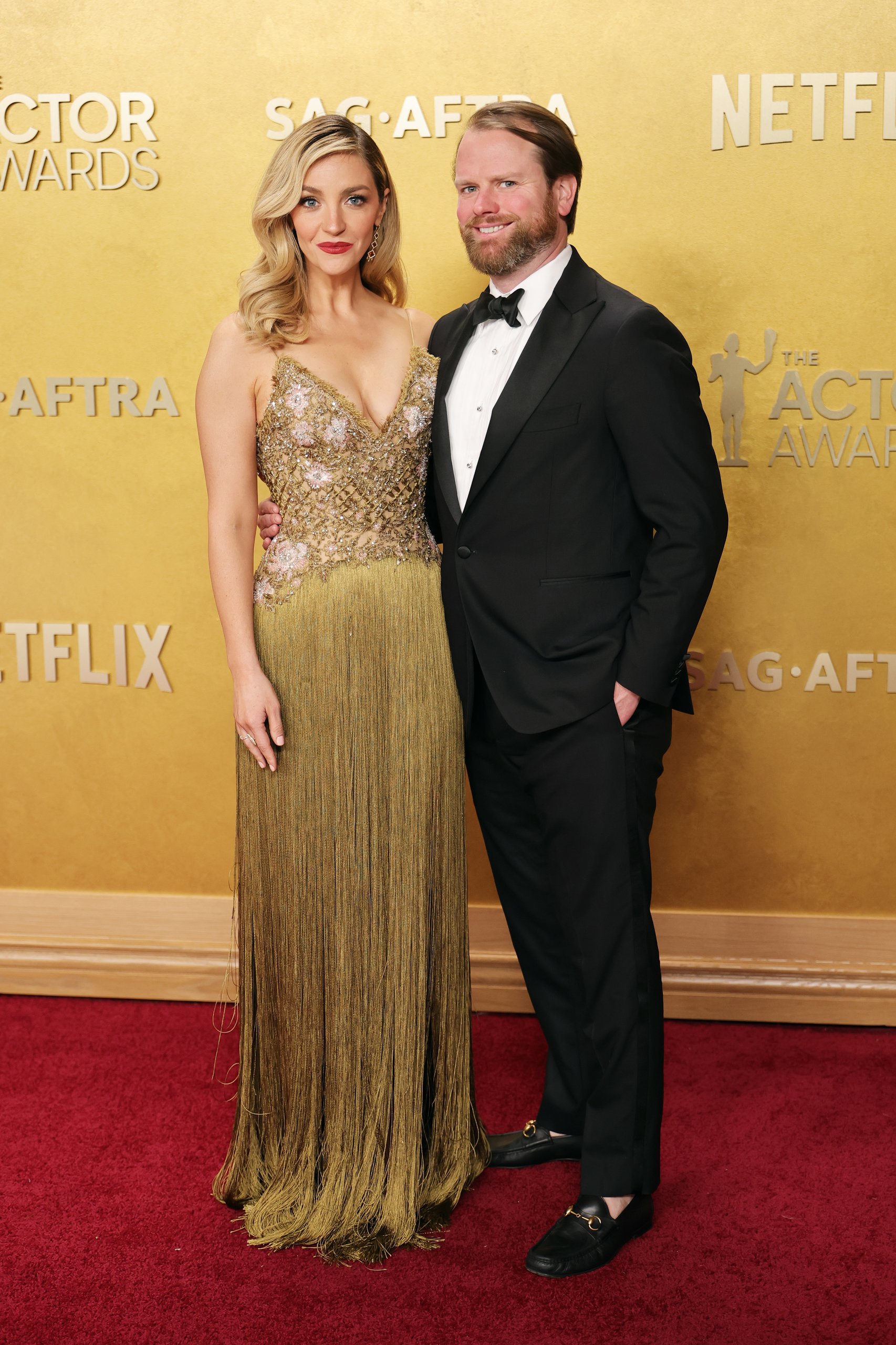
    Abby Elliott, an actress known for her role in the FX series ‘The Bear,’ filed for divorce from her husband, producer Bill Kennedy, on July 18, 2026. The filing comes after nearly ten years of marriage for the couple. This news was initially reported by the New York Post.

    The Divorce Filing

    The legal action was taken by Elliott on July 18, 2026. Specific details regarding the grounds for divorce were not immediately made public. Such filings typically involve a petition outlining the reasons for the dissolution of marriage, which become part of the public record unless sealed by a court.

    Bill Kennedy is known as a television producer. He has worked on various projects, though his most recent credits were not detailed in the initial reports. The couple’s relationship has been largely private, with occasional public appearances.

    Marriage and Family Life

    Abby Elliott and Bill Kennedy married on September 3, 2016. Their wedding was a private ceremony, attended by close family and friends. Elliott’s father, comedian Chris Elliott, was present at the event. The couple has since welcomed two children into their family.

    Their first child, daughter Edith Pepper Kennedy, was born in October 2020. Their second child, son William Joseph Kennedy, arrived in June 2023. Family life, including the birth of their children, has been shared selectively by Elliott on social media platforms over the years.

    Abby Elliott’s Career

    Abby Elliott gained early recognition as a cast member on the sketch comedy show ‘Saturday Night Live.’ She was part of the cast from 2008 to 2012, making her the first second-generation ‘SNL’ cast member, following her father Chris Elliott’s tenure.

    More recently, Elliott has garnered critical acclaim for her role as Natalie “Sugar” Berzatto in ‘The Bear.’ The series, which premiered in 2022, focuses on a fine-dining chef who returns to run his family’s sandwich shop in Chicago. Her performance has contributed to the show’s widespread popularity and awards recognition.

    Developing Story

    This situation is a developing story. Additional information, such as the specific court where the filing occurred or any statements from Elliott or Kennedy, is expected to emerge in the coming days and weeks. Public interest in celebrity divorces often leads to further reporting as legal proceedings unfold.

    The privacy of the family, especially concerning their young children, remains a significant consideration during such personal transitions. Media coverage will likely focus on official statements or court documents as they become available.

    Divorce filings. Public interest. Personal transitions. Hollywood.

  • John Kirby Dies: Celebrating the Legacy of an Influential Acting Coach

    John Kirby Dies: Celebrating the Legacy of an Influential Acting Coach

    John Kirby, a highly influential acting coach whose methods shaped the careers of countless performers, died on July 15, 2026, at the age of 75. His passing marks a significant moment for the acting community, remembering a man who dedicated his life to the art of performance.

    Kirby was a central figure in the entertainment industry, not only through his direct coaching but also by virtue of his family connections. He was the brother of the late actor Bruno Kirby and the son of the veteran actor Bruce Kirby. This lineage placed him at the heart of a multi-generational Hollywood story.

    The Kirby Family’s Hollywood Roots

    The Kirby name carried weight in Hollywood long before John Kirby became a prominent coach. His father, Bruce Kirby, carved out a distinguished career as a character actor. Bruce Kirby was known for his extensive work across television and film.

    Bruce Kirby appeared in numerous iconic television series. These included roles in Columbo, M*A*S*H, The Rockford Files, and L.A. Law. His presence on screen was often memorable, even in supporting roles.

    John Kirby’s brother, Bruno Kirby, also achieved significant recognition as an actor. Bruno Kirby was celebrated for his roles in films such as When Harry Met Sally…, City Slickers, and The Godfather Part II. His performances often showcased a unique blend of comedic timing and dramatic depth.

    The family’s collective contributions established a strong foundation in the craft. This environment likely influenced John Kirby’s own dedication to acting and its instruction.

    John Kirby’s Path to Coaching

    John Kirby did not immediately pursue coaching as his primary career. His early years involved various explorations within the arts and performance. He developed a deep understanding of acting principles through personal study and practical experience.

    His transition into coaching was a natural evolution. He discovered a passion for guiding other actors. This passion extended to helping them unlock their full potential.

    Kirby’s methods were often described as immersive and transformative. He focused on helping actors connect with their emotional core. This approach allowed them to bring authenticity to their roles.

    He established his own studio, which became a respected institution. Actors sought out his guidance for both foundational training and specific role preparation.

    Influence on Contemporary Actors

    John Kirby’s impact resonated across generations of actors. Many performers credited him with significant breakthroughs in their craft. His studio became a crucible for developing talent.

    He emphasized the importance of truth in performance. Kirby encouraged actors to delve into their characters’ psychology. This often involved intense emotional work.

    His techniques were not limited to a single school of thought. He integrated elements from various acting traditions. This eclectic approach made his coaching uniquely effective.

    Actors who trained with Kirby often spoke of his profound insights. They highlighted his ability to identify and nurture individual strengths. He was known for his direct and honest feedback.

    Key Principles of Kirby’s Teaching

    • Emotional Recall: Guiding actors to tap into personal experiences to inform character emotion.
    • Character Development: Focusing on deep psychological understanding of roles.
    • Subtext Exploration: Emphasizing the unspoken motivations and meanings within a script.
    • Physicality in Performance: Integrating body language and movement as crucial elements of character.
    • Authenticity: Striving for genuine and believable portrayals rather than superficial acting.

    These principles formed the bedrock of his curriculum. They empowered actors to create rich, multi-layered performances.

    A Legacy of Mentorship

    John Kirby’s legacy extends beyond the individual successes of his students. He fostered a community of artists. This community shared a commitment to the highest standards of acting.

    He was a mentor in the truest sense. His guidance often went beyond technical skills. He offered career advice and personal support to many struggling artists.

    His influence is evident in the quality of performances seen on screen and stage. Actors who worked with him often carried his teachings throughout their careers. They passed on his wisdom to others.

    The acting world has lost a dedicated teacher and a passionate advocate for the craft. His contributions helped define what it means to be a working actor in Hollywood.

    Remembering John Kirby

    Tributes from former students and colleagues began to surface following the news of his passing. Many shared personal anecdotes. They spoke of his patience, his rigor, and his unwavering belief in their potential.

    These remembrances painted a picture of a man deeply committed to his art. He was a quiet force behind many acclaimed performances.

    John Kirby’s life was a testament to the power of dedicated instruction. He built a career on helping others shine. His work will continue to inspire new generations of actors.

    His memory will be honored by those whose lives he touched. He will also be remembered by those who appreciate the depth and authenticity he brought to the art of acting.

    The lights of Broadway dim. The cameras of Hollywood pause. The legacy of John Kirby endures.

  • Emmys Revamp Telecast: Five Categories Moved Off NBC Broadcast

    Emmys Revamp Telecast: Five Categories Moved Off NBC Broadcast

    The Emmy Awards ceremony is undergoing a significant transformation. The Television Academy has decided to remove five categories from the live NBC broadcast, a move intended to streamline the show and potentially increase audience engagement. This decision reflects broader discussions within the television industry about the format and relevance of awards shows in the modern media landscape.

    This strategic shift directly impacts several categories traditionally presented during the main event. It signals a notable departure from previous Emmy telecast structures. The aim is to create a more concise and compelling viewing experience for the national audience.

    The Rationale Behind the Changes

    The decision to move categories stems from a desire to make the Emmy telecast more dynamic. Awards shows have faced declining viewership in recent years. Broadcast networks and the Television Academy are actively seeking solutions to reverse this trend. Shorter, more focused ceremonies are often cited as a potential remedy.

    NBC, as the broadcast partner, plays a crucial role in these discussions. The network’s interest lies in maximizing advertising revenue and audience reach. A streamlined show is perceived as more attractive to a wider demographic, especially younger viewers who often prefer shorter, more digestible content.

    Industry analysts have pointed to the success of other awards formats that prioritize key categories. The Academy Awards, for instance, has experimented with similar category removals from its live telecast. These experiments have met with mixed reactions from the creative community but often aim for a more television-friendly runtime.

    Which Categories Are Affected?

    Specific details about the five categories being moved have begun to emerge. While the official announcement from the Television Academy is pending, early reports indicate a focus on supporting and limited series acting categories.

    These categories often feature a large number of nominees. Presenting them individually can consume significant airtime. Consolidating their presentation, or moving them to a pre-show, allows the main telecast to focus on higher-profile awards.

    The move is not a demotion of these categories. Instead, it is a reallocation of their presentation platform. They will still be awarded and recognized, likely during a pre-show event or a separate, non-televised ceremony. This ensures that all deserving artists receive their accolades.

    Impact on Nominees and Winners

    The primary impact will be on the experience of nominees and winners in the affected categories. Receiving an Emmy on the main stage, during a live national broadcast, is a significant moment for many. This opportunity will now be shifted for five categories.

    However, the prestige of the Emmy Award itself remains unchanged. The statuette, the recognition from peers, and the career boost associated with winning will still be present. The platform of celebration will simply be different for a subset of winners.

    The Television Academy faces the challenge of communicating this change effectively. They must reassure the creative community that the integrity and importance of all awards are maintained. Transparency in the decision-making process will be key to managing potential backlash.

    Historical Context of Emmy Telecast Changes

    The Emmys have a long history of adapting their format. Since their inception in 1949, the awards have evolved significantly. Early ceremonies were much smaller, focusing on a nascent television industry. As television grew, so did the scope and scale of the Emmys.

    In the 1970s and 1980s, the telecast became a major prime-time event. The number of categories expanded alongside the proliferation of television programming. This expansion eventually led to the creation of the Creative Arts Emmy Awards, which now recognize a vast array of technical and artistic achievements in a separate ceremony.

    The current move of five categories is a continuation of this historical trend. It represents another attempt to balance comprehensive recognition with broadcast viability. The goal is to keep the main show engaging for a broad audience while still honoring the full spectrum of television excellence.

    The Broader Awards Show Landscape

    This Emmy decision occurs within a wider context of awards show introspection. The Golden Globes, the Screen Actors Guild Awards, and the Grammy Awards have all grappled with similar challenges. Viewership declines, changing media consumption habits, and a saturated entertainment calendar contribute to the pressure for innovation.

    The rise of streaming services has further complicated the landscape. With hundreds of new shows and limited series released annually, the sheer volume of eligible content for awards has exploded. This makes the task of curating a compelling awards telecast even more complex.

    Awards shows also face scrutiny over their relevance and inclusivity. The movements for greater diversity and representation in Hollywood have placed additional demands on these ceremonies. They are expected to reflect the industry’s evolving values while still delivering entertainment.

    Future of Emmy Broadcasts

    The current changes are likely not the last for the Emmy Awards. The television industry is in a constant state of flux. Future telecasts will undoubtedly continue to experiment with format, presentation, and category structure. The goal will always be to find the optimal balance between honoring excellence and attracting a mass audience.

    Technological advancements also play a role. Interactive viewing experiences, social media integration, and multi-platform content delivery are all avenues for future exploration. The Emmys may increasingly leverage digital platforms to extend their reach beyond the traditional linear broadcast.

    Ultimately, the long-term success of the Emmy Awards depends on its ability to remain culturally relevant. It must continue to celebrate the best in television while adapting to how audiences consume and engage with media. The removal of five categories is a strategic maneuver in this ongoing evolution.

    Awards shows evolve. Audiences shift. Television adapts.

    The Emmys.

  • John Wick Producer Sued Over Alleged Donnie Yen, Michelle Yeoh Double Cross

    John Wick Producer Sued Over Alleged Donnie Yen, Michelle Yeoh Double Cross

    A producer associated with the highly successful ‘John Wick’ film series is currently embroiled in a lawsuit. The legal filing alleges a ‘double cross’ concerning prominent actors Donnie Yen and Michelle Yeoh. This development underscores the intricate contractual agreements and financial stakes prevalent in the global film industry.

    The specific details of the lawsuit remain under close scrutiny. Industry observers anticipate further revelations as the legal process unfolds. Such disputes are not uncommon in Hollywood, particularly when dealing with major franchises and sought-after international talent.

    The Allegations at Hand

    The core of the lawsuit, as reported on 2026-07-16, revolves around accusations of a ‘double cross.’ This term typically implies a betrayal of trust or a breach of an understanding, often for financial gain. The plaintiffs allege that the ‘John Wick’ producer engaged in actions that disadvantaged Donnie Yen and Michelle Yeoh, or projects they were involved in.

    While specific projects or financial figures have not been publicly detailed, the involvement of two actors of this caliber suggests significant commercial implications. Contracts for such stars often include complex clauses regarding compensation, profit participation, and creative control. Any deviation from these terms can quickly escalate into a legal battle.

    The legal documents will likely outline the timeline of events, the nature of the agreements, and the alleged breaches. Lawyers for both sides will present their interpretations of these contracts and the producer’s conduct.

    Who Are Donnie Yen and Michelle Yeoh?

    Donnie Yen and Michelle Yeoh are globally recognized figures in action cinema and beyond. Their careers span decades, marked by critically acclaimed performances and commercial successes.

    Donnie Yen: Master of Martial Arts Cinema

    Donnie Yen is a Hong Kong actor, martial artist, and filmmaker. He is widely regarded as one of the world’s top action stars. Yen’s filmography includes a diverse range of roles, often showcasing his expertise in various martial arts disciplines.

    His breakout role came in the 1990s. However, he achieved widespread international fame with the ‘Ip Man’ film series, beginning in 2008. In these films, he portrays the Wing Chun grandmaster Ip Man, mentor to Bruce Lee.

    Yen has also appeared in major Hollywood productions. These include ‘Blade II’ (2002), ‘xXx: Return of Xander Cage’ (2017), and ‘Rogue One: A Star Wars Story’ (2016). His role as Chirrut Îmwe in ‘Rogue One’ introduced him to a new generation of global audiences.

    His involvement in any project signals a certain level of action choreography and dramatic intensity. This makes him a valuable asset for producers seeking to create high-octane entertainment.

    Michelle Yeoh: A Global Icon

    Michelle Yeoh is a Malaysian actress known for her versatility and groundbreaking roles. She first rose to prominence in 1990s Hong Kong action films, performing many of her own stunts.

    Yeoh’s international breakthrough came with the James Bond film ‘Tomorrow Never Dies’ (1997). She then starred in Ang Lee’s critically acclaimed martial arts film ‘Crouching Tiger, Hidden Dragon’ (2000). Her performance as Yu Shu Lien earned her global recognition and numerous awards.

    In recent years, Yeoh has experienced a career resurgence with diverse roles. She starred in the romantic comedy ‘Crazy Rich Asians’ (2018). Her performance in ‘Everything Everywhere All at Once’ (2022) garnered her an Academy Award for Best Actress. This made her the first Asian woman to win in that category.

    Yeoh’s career trajectory demonstrates her ability to move seamlessly between action, drama, and comedy. Her presence in a film often elevates its artistic and commercial appeal.

    The ‘John Wick’ Franchise Connection

    The lawsuit explicitly names a ‘John Wick’ producer. The ‘John Wick’ franchise is a highly successful action series known for its intricate world-building, stylized violence, and compelling lead performance by Keanu Reeves.

    The franchise began with ‘John Wick’ in 2014. It has since expanded to include ‘John Wick: Chapter 2’ (2017), ‘John Wick: Chapter 3 – Parabellum’ (2019), and ‘John Wick: Chapter 4’ (2023). The films have collectively grossed over $1 billion worldwide.

    The success of ‘John Wick’ has led to various spin-offs and expanded universe projects. These include the television series ‘The Continental’ and the upcoming film ‘Ballerina.’ Producers associated with such a valuable intellectual property often have significant influence and financial interests across multiple projects.

    The involvement of a ‘John Wick’ producer in this lawsuit highlights the interconnected nature of Hollywood. Producers often work across various films and studios, leveraging their networks and capital.

    Previous Legal Precedents in Hollywood

    Hollywood has a long history of high-profile legal disputes between talent and studios or producers. These cases often reveal the complex financial structures and power dynamics within the industry.

    • Scarlett Johansson vs. Disney: In 2021, Scarlett Johansson sued Disney over the hybrid release of ‘Black Widow.’ She alleged that the simultaneous theatrical and Disney+ release breached her contract, which tied her compensation to box office performance. The parties settled the dispute.
    • Frank Darabont vs. AMC: ‘The Walking Dead’ creator Frank Darabont sued AMC in 2013 over profit participation. He alleged that the network used

  • Ellisons Sued Over Alleged Trump Deal for Warner Bros. Takeover Approval

    Ellisons Sued Over Alleged Trump Deal for Warner Bros. Takeover Approval

    Allegations of an Illegal Deal

    A Paramount investor has initiated legal proceedings against David and Larry Ellison. The lawsuit centers on claims of an ‘illegal’ side deal. This alleged agreement was reportedly made with President Donald Trump. Its purpose was to secure U.S. government approval for a Warner Bros. takeover.

    The legal challenge introduces a significant element of political intrigue. It suggests potential corruption within high-stakes corporate transactions. The investor’s complaint seeks to uncover the nature and extent of this alleged arrangement.

    The Parties Involved

    The lawsuit targets two prominent figures: David Ellison and Larry Ellison. Larry Ellison is the co-founder of Oracle Corporation. He is a well-known figure in the technology and business sectors. David Ellison is his son and the CEO of Skydance Media, a prominent production company in Hollywood.

    The plaintiff is identified as a Paramount investor. This indicates a direct financial interest in Paramount Global. The company is a major player in the media and entertainment industry. The outcome of the alleged Warner Bros. takeover would have significant implications for Paramount’s market position and value.

    President Trump’s Alleged Involvement

    President Donald Trump is a central figure in the allegations. The lawsuit claims his involvement in a side deal. This alleged deal was reportedly crucial for the Warner Bros. takeover to proceed with U.S. government approval.

    The specifics of President Trump’s alleged role remain under scrutiny. The lawsuit suggests a direct connection between political influence and corporate mergers. Such allegations raise questions about regulatory processes and fair competition in the marketplace.

    The Warner Bros. Takeover Context

    The alleged side deal is linked to a proposed Warner Bros. takeover. Warner Bros. Discovery is a global media and entertainment company. It owns a vast portfolio of film, television, and streaming assets. A takeover of this magnitude would reshape the media landscape.

    Mergers and acquisitions in the media industry often face intense scrutiny. Regulatory bodies, such as the Department of Justice and the Federal Trade Commission, evaluate these deals. They assess potential impacts on competition and consumer welfare. The alleged involvement of President Trump suggests an attempt to bypass or influence these standard regulatory procedures.

    Legal Ramifications and Market Impact

    The lawsuit against the Ellisons could have significant legal ramifications. If proven, the allegations of an ‘illegal’ side deal could lead to severe penalties. These might include fines, injunctions, or even the unraveling of any completed transactions.

    The market impact is also substantial. News of such a lawsuit can create uncertainty for investors. It can affect stock prices of the involved companies, including Paramount Global and Warner Bros. Discovery. The allegations of political interference could also damage the reputations of the Ellisons and their associated entities.

    Investor Concerns and Corporate Governance

    The Paramount investor’s lawsuit highlights concerns about corporate governance. Shareholders expect transparency and ethical conduct from corporate leaders. Allegations of backroom deals with political figures undermine this trust.

    The legal action serves as a mechanism for accountability. It allows investors to challenge decisions and actions they believe are detrimental. It also forces a public examination of potentially illicit activities within corporate leadership.

    Historical Precedents and Regulatory Oversight

    Allegations of political influence in corporate mergers are not entirely new. Historically, major deals have sometimes faced political pressure or scrutiny. However, direct allegations of an ‘illegal’ side deal with a sitting President are less common.

    Regulatory oversight is designed to prevent such scenarios. Agencies are tasked with ensuring that mergers serve the public interest. They are meant to prevent monopolies and unfair market practices. The lawsuit suggests a potential failure or circumvention of these oversight mechanisms.

    The Role of Antitrust Laws

    Antitrust laws are fundamental to maintaining competitive markets. These laws prohibit agreements that restrain trade or create monopolies. The alleged side deal, if it influenced regulatory approval, could be viewed as a violation of these principles.

    The lawsuit will likely delve into the specifics of antitrust considerations. It will examine how the alleged deal might have circumvented fair assessment. The court will determine if the actions of the Ellisons and President Trump constitute an illegal interference in the regulatory process.

    The Path Forward for the Lawsuit

    The lawsuit is expected to proceed through various stages. This will include discovery, where evidence will be gathered. Both sides will present their arguments and evidence in court. The legal process could be lengthy and complex.

    The outcome will depend on the evidence presented and the court’s interpretation of the law. It will also hinge on the ability of the plaintiff to prove the existence and illegality of the alleged side deal. The Ellisons will likely mount a vigorous defense against these serious accusations.

    Broader Implications for Hollywood and Washington

    This lawsuit has broader implications for both Hollywood and Washington D.C. It underscores the intertwined nature of entertainment, business, and politics. Major media mergers often involve significant lobbying efforts and political connections.

    The case could set precedents for how such interactions are viewed and regulated. It may lead to increased scrutiny of political donations and corporate influence. The public and regulatory bodies will be watching the proceedings closely.

    Investors watched. Regulators watched. The public watched.

    The Ellisons.

  • Jessica Alba to Star in Netflix’s ’13 Going On 30′ Reboot

    Jessica Alba to Star in Netflix’s ’13 Going On 30′ Reboot

    Jessica Alba to Lead Netflix’s ’13 Going On 30′ Reboot

    Jessica Alba has officially joined the cast of Netflix’s upcoming reboot of the 2004 romantic comedy ’13 Going On 30′. She will portray the adult version of Jenna Rink, the central character who magically transforms from a 13-year-old girl into a 30-year-old woman. This casting decision places a well-known actress and entrepreneur at the forefront of a highly anticipated project, aiming to reinterpret the beloved narrative for a modern audience.

    The original film, starring Jennifer Garner as Jenna Rink and Mark Ruffalo as Matty Flamhaff, achieved significant commercial and critical success upon its release. It explored themes of childhood wishes, adult responsibilities, and the longing for a simpler past. Alba’s involvement suggests a fresh take on these familiar elements, promising a new perspective on the iconic role.

    The Legacy of the Original Film

    The 2004 film ’13 Going On 30′ resonated with audiences worldwide. It told the story of Jenna Rink, a 13-year-old girl who wishes to be 30 and magically wakes up as an adult woman. Jennifer Garner’s performance as the adult Jenna, navigating corporate life with a teenage mindset, was widely praised for its humor and heart.

    Gary Winick directed the original film. It grossed over $96 million globally against a $37 million budget. The movie became a touchstone for a generation, remembered for its humor, heart, and iconic dance sequences, particularly to Michael Jackson’s ‘Thriller’. Its themes of self-acceptance, true friendship, and the pressures of adulthood remain relevant.

    The enduring popularity of ’13 Going On 30′ contributed to the decision for a contemporary reboot. Many viewers have expressed a desire to see how these themes translate into the social and cultural landscape of 2026. The original’s blend of fantasy and relatable life lessons established it as a romantic comedy classic.

    Jessica Alba’s Diverse Career Trajectory

    Jessica Alba brings a diverse career background to her role in the ’13 Going On 30′ reboot. She gained prominence in the early 2000s with significant roles in both television and film. Her breakthrough came with the lead role in James Cameron’s Fox sci-fi series ‘Dark Angel’, which premiered in 2000 and established her as a rising star.

    Early Film Successes

    Following ‘Dark Angel’, Alba starred in numerous successful films across various genres. These included the dance film ‘Honey’ (2003), the neo-noir crime thriller ‘Sin City’ (2005), the superhero blockbuster ‘Fantastic Four’ (2005) where she played Sue Storm/Invisible Woman, and the action-adventure ‘Into the Blue’ (2005). During this period, she established herself as a prominent leading lady in Hollywood, known for her charismatic screen presence.

    Entrepreneurial Ventures and The Honest Company

    In 2011, Alba co-founded The Honest Company, a consumer goods brand focusing on natural, safe, and ethical products for families. This venture marked a significant pivot in her career, establishing her as a successful entrepreneur and business leader. The company grew rapidly, reflecting a growing consumer demand for transparent and sustainable products.

    The Honest Company went public on the Nasdaq stock exchange in May 2021, further solidifying Alba’s business acumen and influence beyond the entertainment industry. Her role as a founder and chief creative officer demonstrated her commitment to social impact and product innovation.

    Balancing Acting and Business

    Alba has continued to act selectively, balancing her entrepreneurial commitments with film and television projects. Her recent acting work includes the Netflix action film ‘Trigger Warning’, released in June 2024, where she played a special forces commando. Her return to a major studio project like the ’13 Going On 30′ reboot indicates a renewed focus on her acting career and a strategic choice of high-profile roles. This dual career path provides her with a unique perspective that could enrich her portrayal of an adult Jenna Rink, who herself navigates career and personal ambition.

    Netflix’s Strategy: Leaning into Nostalgia with Reboots

    Netflix has increasingly invested in reboots, remakes, and sequels of popular intellectual properties. This strategy aims to leverage existing fan bases and attract new subscribers by capitalizing on nostalgia. The ’13 Going On 30′ reboot fits squarely within this content approach, offering a familiar story with a fresh perspective for its global audience.

    Successful Reboot Examples on Netflix

    Other examples of Netflix’s successful reboot strategy include ‘Fuller House’, a continuation of the beloved sitcom ‘Full House’, which brought back original cast members and resonated with long-time fans. Another notable project was ‘Gilmore Girls: A Year in the Life’, which revived the popular mother-daughter drama, offering closure and new stories to its dedicated viewership.

    These projects often capitalize on nostalgia while updating narratives for contemporary sensibilities and diverse audiences. They demonstrate Netflix’s understanding of the emotional connection viewers have with classic stories and characters. The streaming giant faces intense competition in the entertainment landscape. Original content, alongside strategic reboots, helps Netflix maintain its subscriber base and attract new viewers. The ’13 Going On 30′ reboot is expected to be a significant draw for the platform, aiming to replicate the success of its predecessors.

    The Allure of Reimagined Classics

    The allure of reimagined classics lies in their ability to bridge generations. Older audiences can revisit beloved stories, while newer audiences are introduced to narratives that have proven appeal. Netflix’s investment in these projects reflects a data-driven understanding of subscriber preferences and viewing habits. The ’13 Going On 30′ reboot is positioned to tap into this broad appeal, potentially becoming a cross-generational hit.

    The Creative Team Shaping the Reboot

    Details regarding the full creative team behind Netflix’s ’13 Going On 30′ reboot are still emerging. The selection of a director and screenwriters will be crucial in shaping the tone and direction of the new adaptation. The original screenplay was written by Josh Goldsmith and Cathy Yuspa, who crafted a story that balanced humor with genuine emotional depth.

    Honoring the Original While Innovating

    Producers will aim to honor the spirit of the original film while introducing new elements relevant to 2026. This balance is critical for any reboot to succeed, as fan expectations are often high. Deviations from beloved aspects can be met with resistance, while a complete replication might be seen as uninspired. The challenge lies in finding a fresh angle that respects the source material.

    The casting of supporting roles will also play a significant part in the reboot’s reception. The original film featured a strong ensemble, including Judy Greer as Lucy, Jenna’s best friend, and Andy Serkis as Richard, Jenna’s boss. The new cast will need to establish its own chemistry and appeal, creating memorable characters that complement Alba’s portrayal of Jenna Rink.

    Modernizing the Premise for 2026

    Modernizing the premise for 2026 will involve updating the cultural context. The original film’s depiction of a 13-year-old’s view of being 30 was rooted in the early 2000s. The reboot will need to consider how social media, contemporary career aspirations, and evolving relationship dynamics influence a young person’s perception of adulthood today. This modernization is key to making the story relatable to a new generation of viewers.

    Challenges and Opportunities for the Reboot

    Rebooting a beloved film like ’13 Going On 30′ presents both significant challenges and numerous opportunities. A primary challenge lies in meeting the high expectations of fans of the original. Many viewers hold deep affection for the 2004 movie’s specific charm, iconic performances, and nostalgic appeal. The new production must navigate these sentiments carefully.

    Updating the Narrative for a New Era

    Another challenge involves effectively updating the film’s premise for 2026. The original plot relied on cultural touchstones of the early 2000s, such as specific fashion trends, popular music, and workplace dynamics. The concept of a 13-year-old’s perception of adulthood has evolved significantly with the pervasive influence of social media, digital communication, and changing societal norms. The reboot will need to address these shifts authentically to avoid feeling dated or disconnected from its intended audience.

    New Narrative Avenues and Themes

    Opportunities abound in exploring new narrative avenues that reflect contemporary life. The reboot can delve into modern themes of identity formation in a digital age, the complexities of career paths in a rapidly changing economy, and the nuances of relationships shaped by online interactions. It can also introduce the timeless story of self-discovery and the importance of genuine connection to an entirely new generation of viewers who may not be familiar with the original film.

    The casting of Jessica Alba offers a fresh perspective on the central character. Her established presence and real-world entrepreneurial background could inform the portrayal of an adult Jenna Rink navigating unexpected circumstances. This could add depth and relatability to the character’s journey, making her struggles and triumphs resonate with a contemporary audience. Alba’s personal brand as a successful businesswoman could also lend credibility to Jenna’s professional life in the film.

    The Enduring Cultural Impact of Romantic Comedies

    Romantic comedies, often abbreviated as rom-coms, have a significant and lasting cultural impact. Films like ’13 Going On 30′ often blend humor with heartfelt narratives about personal growth, self-discovery, and the complexities of human relationships. They provide both escapism and relatable scenarios for audiences, exploring universal themes in an accessible format.

    A Genre Resurgence on Streaming

    The rom-com genre experienced a boom in the late 1990s and early 2000s, with many films achieving iconic status and becoming cultural touchstones. ‘When Harry Met Sally…’, ‘Pretty Woman’, and ‘Notting Hill’ are classic examples that defined the genre for a generation. ’13 Going On 30′ emerged as a notable and beloved entry during this period, capturing the era’s optimistic spirit.

    Netflix has played a pivotal role in the resurgence of the rom-com genre in recent years, investing heavily in original productions. The platform has produced popular and critically acclaimed films such as ‘To All the Boys I’ve Loved Before’ and ‘Set It Up’, demonstrating its commitment to the genre. Netflix recognizes the enduring appeal of these stories and their ability to attract a diverse global audience. The ’13 Going On 30′ reboot continues this tradition, leveraging a proven formula with a contemporary twist.

    These films often explore universal themes of love, friendship, and self-acceptance, frequently featuring aspirational elements such as dream jobs, ideal relationships, or transformative life experiences. The genre’s ability to offer comfort, laughter, and emotional resonance ensures its continued relevance in the entertainment landscape.

    Jessica Alba’s casting brings a new dimension to a classic story.

    The reboot aims to capture a new generation.

    Nostalgia and modern themes converge.

    Netflix embraces its strategy.

    Hollywood.

  • Banijay and Mediawan Eye Lionsgate Studios – A Hollywood Power Shift

    Banijay and Mediawan Eye Lionsgate Studios – A Hollywood Power Shift

    The Shifting Sands of Hollywood Ownership

    European media conglomerates Banijay and Mediawan are reportedly exploring a joint takeover of Lionsgate Studios. This potential acquisition would represent a significant consolidation within the global entertainment industry as of July 2026. Such a move signals a major power shift, with European entities potentially gaining a larger foothold in Hollywood’s production landscape.

    Lionsgate Studios, known for its diverse portfolio of film and television content, stands as a prime target in this evolving market. The company’s assets include a deep library and ongoing production slates across various genres. The reported interest from Banijay and Mediawan underscores the strategic value placed on established content producers.

    Why Lionsgate Studios?

    Lionsgate Entertainment Corporation, the parent company, has a rich history in film and television. Its studio division, Lionsgate Studios, is responsible for major franchises and acclaimed series. These include the Hunger Games film series, the John Wick franchise, and television hits such as Orange Is the New Black and Mad Men. This extensive catalog and proven track record make Lionsgate an attractive asset for expansion-minded media groups.

    The studio’s intellectual property library provides a stable revenue stream from licensing and distribution. It also offers potential for future spin-offs, sequels, and adaptations across various platforms. Acquiring such a library grants immediate market share and reduces reliance on new, unproven content.

    The European Challengers: Banijay and Mediawan

    Banijay Group, headquartered in France, is one of the world’s largest independent content creation and distribution companies. It boasts a vast catalog of reality television, drama, and entertainment formats. Its portfolio includes global hits like MasterChef, Big Brother, and Survivor. Banijay’s strategy has often involved aggressive acquisitions to expand its global footprint and content offerings.

    Mediawan, also based in France, is another significant player in the European media landscape. It specializes in premium content, including film, television series, and animated productions. Mediawan has been actively acquiring production companies across Europe, aiming to build a diversified content group capable of competing on an international scale. Their combined interest in Lionsgate suggests a coordinated effort to enter or significantly expand their presence in the U.S. studio market.

    Consolidation Trends in 2026

    The potential Banijay-Mediawan bid for Lionsgate Studios reflects a broader trend of consolidation in the entertainment industry. Major media companies are continuously seeking to enhance their content libraries and global distribution capabilities. This drive is fueled by the competitive landscape of streaming services and the demand for original programming.

    In recent years, the industry has seen several high-profile mergers and acquisitions. These deals aim to create larger entities with greater negotiating power and economies of scale. The current market conditions, characterized by evolving consumption habits and technological advancements, incentivize such strategic moves.

    Financial Implications of a Takeover

    A takeover of Lionsgate Studios would involve a substantial financial transaction. The valuation of Lionsgate’s assets, including its film library, television productions, and ongoing projects, would be a critical factor. Such an acquisition typically involves complex financing arrangements, potentially including debt and equity components.

    For Lionsgate shareholders, a takeover could offer a significant premium on their investments. For the acquiring companies, Banijay and Mediawan, the investment would be a bet on the long-term value of Lionsgate’s intellectual property and its future growth potential. The financial engineering behind such a deal would be closely watched by market analysts and investors.

    Impact on Content Creation and Distribution

    Should Banijay and Mediawan successfully acquire Lionsgate Studios, the impact on content creation could be multifaceted. The new ownership might bring changes in creative direction, production priorities, and talent relationships. European sensibilities could merge with Hollywood production practices, potentially leading to new types of content or a shift in genre focus.

    Distribution strategies would also likely evolve. Banijay and Mediawan’s existing global networks could be leveraged to expand the reach of Lionsgate’s content. Conversely, Lionsgate’s established U.S. distribution channels could provide a gateway for European content into the American market. This cross-pollination of distribution capabilities could create a more integrated global content pipeline.

    Talent and Creative Control

    The prospect of new ownership often raises questions among creative talent. Directors, writers, and actors associated with Lionsgate projects would closely monitor the situation. Concerns about creative control, budget allocations, and future project greenlighting are common during such transitions. Maintaining key talent relationships would be crucial for the success of any new ownership.

    Historically, studio takeovers can lead to shifts in leadership and creative teams. The integration of Banijay and Mediawan’s corporate cultures with Lionsgate’s existing structure would be a delicate process. Successful transitions often depend on clear communication and a shared vision for the studio’s future. The stability of existing production deals and development slates would be a primary focus for many within the industry.

    Regulatory Hurdles and Market Approval

    Any large-scale acquisition in the entertainment sector is subject to regulatory scrutiny. Antitrust authorities in various jurisdictions, including the United States and the European Union, would likely review the proposed takeover. The goal of these reviews is to ensure that such mergers do not stifle competition or create monopolies within the market.

    Securing regulatory approval can be a lengthy and complex process. Companies must demonstrate that the acquisition will not harm consumers or limit choices in the marketplace. Investor approval from both Banijay, Mediawan, and Lionsgate shareholders would also be required, adding another layer of complexity to the deal’s potential completion.

    The Broader Geopolitical Context of Media

    The interest of European conglomerates in a major U.S. studio also reflects broader geopolitical shifts in the media landscape. European companies are increasingly asserting their presence on the global stage, challenging the traditional dominance of U.S.-based media giants. This trend is partly driven by a desire to diversify content sources and cater to a global audience with varied cultural preferences.

    The interplay between different national media industries can lead to richer, more diverse content offerings. It also raises questions about cultural influence and the homogenization or diversification of global narratives. The Banijay-Mediawan bid for Lionsgate Studios could be seen as a significant move in this ongoing global media competition.

    Future Outlook for Lionsgate

    Regardless of whether the Banijay-Mediawan takeover proceeds, Lionsgate Studios faces an evolving future. The company has a strong foundation and valuable assets. Its ability to adapt to changing audience demands and technological advancements will be key to its continued success. Strategic partnerships, content diversification, and efficient production models will remain critical.

    The mere speculation of a takeover can influence a company’s stock price, employee morale, and market perception. Lionsgate’s leadership will need to navigate these external pressures while continuing to execute its business strategy. The outcome of these discussions will undoubtedly shape a significant portion of Hollywood’s future.

    European media powerhouses converged. Hollywood’s future hung in the balance. Global content strategies intensified.

    Consolidation.

  • Julia Garner and Mark Foster Split After Six Years of Marriage

    Julia Garner and Mark Foster Split After Six Years of Marriage

    Actress Julia Garner, celebrated for her Emmy-winning performance in the series Ozark, and musician Mark Foster, frontman for the band Foster the People, have reportedly separated after six years of marriage. The news emerged on July 16, 2026, indicating the end of their marital union. This development concludes a relationship that began prior to their engagement in 2019 and subsequent wedding in December 2019.

    The couple’s wedding ceremony took place at New York City’s City Hall, a location that held personal significance for Garner. It was also the venue where her parents exchanged vows. Throughout their marriage, Garner and Foster maintained a notably private relationship, with infrequent public appearances.

    The Trajectory of a High-Profile Union

    Julia Garner and Mark Foster’s relationship began under the radar of public scrutiny. Their engagement was announced in 2019, culminating in a December 2019 wedding. The ceremony was a private affair, consistent with their approach to their personal lives.

    The choice of New York City Hall for their wedding underscored a desire for simplicity and personal meaning. This venue connected their union to Garner’s family history, adding a layer of sentimentality to the occasion. Public sightings of the couple were rare, typically limited to industry events or occasional social media posts.

    This pattern of privacy extended throughout their six years of marriage. Both individuals maintained distinct professional careers, with Garner achieving significant acclaim in acting and Foster continuing his work in music. Their public personas remained largely separate from their marital status.

    Julia Garner’s Acclaimed Career

    Julia Garner has established herself as a prominent figure in contemporary acting. Her breakthrough role came as Ruth Langmore in the Netflix crime drama Ozark. For this performance, she garnered multiple Emmy Awards for Outstanding Supporting Actress in a Drama Series.

    Beyond Ozark, Garner has demonstrated versatility across various projects. She received critical praise for her lead role in the 2019 film The Assistant, which explored themes of power dynamics and workplace harassment. Her portrayal of Anna Delvey in the 2022 Netflix limited series Inventing Anna further solidified her reputation for embodying complex characters.

    Garner’s filmography includes a range of independent and studio productions. Her early career featured roles in films such as Martha Marcy May Marlene (2011), The Perks of Being a Wallflower (2012), and Electrick Children (2012). She has consistently chosen roles that challenge her as an actress, earning her a reputation for depth and intensity.

    Recent Projects and Future Prospects

    In the period leading up to the separation reports, Garner continued her active professional schedule. Her work has often involved intense character studies, requiring significant dedication. This focus on her craft has been a constant throughout her career.

    The impact of personal developments on an artist’s professional trajectory is often a subject of industry discussion. Garner’s established career and critical acclaim suggest a continued path of significant roles. Her recent projects and upcoming announcements are closely watched by industry observers and fans alike.

    Mark Foster and Foster the People

    Mark Foster is widely recognized as the lead vocalist, primary songwriter, and multi-instrumentalist for the indie pop band Foster the People. The band achieved global success with their debut single, ‘Pumped Up Kicks’, released in 2010.

    The song became a ubiquitous hit, reaching the top 10 on the Billboard Hot 100 chart and earning a Grammy Award nomination for Best Pop Duo/Group Performance. This success propelled Foster the People into mainstream recognition, leading to extensive touring and subsequent album releases.

    Foster the People’s discography includes studio albums such as Torches (2011), Supermodel (2014), and Sacred Hearts Club (2017). Mark Foster’s songwriting is characterized by catchy melodies and often introspective or socially conscious lyrics, contributing to the band’s distinctive sound.

    Musical Evolution and Collaborations

    Mark Foster’s musical journey extends beyond Foster the People. He has engaged in various collaborations and side projects, showcasing his diverse musical interests. His work often blends elements of pop, electronic music, and indie rock.

    The band has maintained a consistent presence in the music industry since their breakthrough. Their live performances are known for their energetic delivery and engagement with audiences. Foster’s role as the band’s creative force has been central to their enduring appeal.

    The news of his separation comes during a period where both artists are actively engaged in their respective fields. The music industry, like the entertainment industry, often sees personal lives intersect with public perception, though Foster has largely kept his private life separate from his musical output.

    Privacy in the Public Eye

    The entertainment industry is characterized by intense public interest in the personal lives of its figures. However, Julia Garner and Mark Foster consciously pursued a strategy of privacy. They largely avoided discussing their relationship in interviews or on social media.

    This approach allowed them to navigate their marriage away from constant media scrutiny. Their infrequent public appearances were often limited to events where their presence was professionally required, such as award ceremonies or premieres. This contrasts with many high-profile couples who often share aspects of their lives more openly.

    The decision to maintain privacy reflects a common challenge for public figures: balancing personal boundaries with the demands of celebrity. For Garner and Foster, this balance leaned heavily towards safeguarding their personal space.

    The Nature of Developing Stories

    As of July 16, 2026, details surrounding the reported separation remain scarce. Neither Julia Garner nor Mark Foster has issued public statements. Their representatives have also not provided official comments. This silence is typical in the early stages of such high-profile personal news.

    The process of confirming such reports often involves waiting for official announcements from the individuals or their authorized spokespersons. Until then, reports are based on unnamed sources or initial disclosures. This is a standard procedure within the entertainment news cycle.

    The privacy of both individuals is a significant factor in the timing and extent of any future public statements. Decisions regarding personal matters are often carefully considered before being communicated to the public. This measured approach aims to control the narrative and protect personal dignity.

    Industry Context and Precedent

    High-profile separations are a recurring feature of the entertainment landscape. These events often generate considerable media attention, impacting public perception and, at times, professional trajectories. However, the careers of established figures like Garner and Foster are often resilient to such personal news.

    Historically, many artists have navigated personal challenges while maintaining successful professional lives. The focus tends to shift back to their work once initial public interest in the separation subsides. The entertainment industry has numerous examples of individuals who have continued to thrive post-separation.

    The public’s interest typically centers on confirmed facts rather than speculation. As such, any future official statements from Garner or Foster would provide definitive information. Until then, the situation remains a developing story, observed by fans and industry alike.

    Looking Ahead

    The separation of Julia Garner and Mark Foster marks a significant personal event for both individuals. Their respective careers, however, continue to be active and successful. Garner remains a sought-after actress, with a strong body of work and future projects anticipated.

    Foster continues his musical endeavors with Foster the People, maintaining a loyal fanbase and a track record of successful releases. Both artists have demonstrated a commitment to their craft throughout their careers. The long-term implications of this separation on their professional paths are yet to unfold.

    The entertainment world observes. Fans await further news. The narrative continues.

  • Paramount Refutes Shareholder Claims – No Trump Deal on News Coverage

    Paramount Refutes Shareholder Claims – No Trump Deal on News Coverage

    Paramount Skydance has formally denied allegations within a shareholder lawsuit that claim the company made secret commitments regarding news coverage of President Trump. The media entity stated that these accusations are unfounded and represent ‘recycled’ assertions without new substantiation. This legal defense is part of a broader context involving potential acquisition discussions with entities like Skydance Media and RedBird Capital Partners.

    The lawsuit, filed by certain shareholders, specifically targets Paramount’s board of directors and the Ellison family, who are significant stakeholders. It centers on claims of fiduciary duty breaches during the process of evaluating strategic alternatives for the company. These allegations suggest that the board prioritized certain interests over the broader shareholder base.

    The Core Allegations: A Secret Trump Deal?

    Central to the shareholder complaint are claims that Paramount’s leadership, or individuals associated with it, offered assurances regarding the tone or content of news coverage related to President Trump. This alleged concession was purportedly made to smooth the path for a potential transaction, specifically during discussions that included Warner Bros. Discovery (WBD).

    The plaintiffs contend that such an agreement would constitute a significant breach of fiduciary duty. They argue that trading editorial independence for corporate advantage would undermine the company’s journalistic integrity and harm shareholder value. The lawsuit seeks to hold the board accountable for these alleged actions.

    Paramount’s Stance: No Commitments Made

    Paramount Global has issued a strong rebuttal to these specific claims. The company’s legal team characterized the allegations as speculative and lacking any concrete evidence. They maintain that no commitments, either explicit or implicit, were ever made concerning the editorial direction or news coverage of President Trump or any political figure.

    The company emphasized its commitment to independent journalism across its various news divisions. This includes outlets like CBS News, which maintains a distinct editorial policy. Paramount’s defense highlights the separation between corporate transactional discussions and journalistic operations.

    The Context of Acquisition Talks

    The shareholder lawsuit emerged against a backdrop of intense speculation and active discussions regarding Paramount Global’s future. For months, the company has been exploring various strategic options, including a potential sale or merger. Skydance Media, led by David Ellison, and RedBird Capital Partners have been prominent names in these discussions.

    Initially, there were reports of a potential merger involving Warner Bros. Discovery. After a bidding war, Paramount Skydance (formed from the Skydance-RedBird consortium and the former Paramount Global) reached a definitive agreement to acquire Warner Bros. Discovery on February 27, 2026, with the deal currently awaiting regulatory approval.

    Fiduciary Duty in Mergers and Acquisitions

    Shareholder lawsuits alleging breaches of fiduciary duty are common occurrences during significant corporate transactions. Directors of publicly traded companies are legally obligated to act in the best interests of the shareholders. This includes ensuring that any proposed deal offers fair value and is conducted transparently.

    The plaintiffs in the Paramount case argue that the board’s actions, particularly the alleged engagement in political concessions, deviated from this core duty. They suggest that the board may have been swayed by factors other than maximizing shareholder returns, potentially to the detriment of common shareholders.

    The Ellison Family’s Role

    The Ellison family, through its investment vehicle, maintains significant control over Paramount Global due to its ownership of a substantial block of voting shares. David Ellison, specifically, has been a key figure in the ongoing acquisition talks with Skydance Media. This concentrated ownership structure often draws scrutiny in shareholder disputes, particularly when strategic decisions are being made.

    The lawsuit implicates the Ellison family directly, suggesting that their influence may have contributed to the alleged breaches of fiduciary duty. Their position as both major shareholders and potential acquirers creates a complex dynamic that is often a focal point in corporate governance debates.

    The “Recycled Allegations” Claim

    Paramount’s characterization of the lawsuit’s claims as ‘recycled allegations’ suggests that these specific accusations have surfaced before. This could refer to earlier media reports, previous legal challenges, or internal corporate communications that have touched upon similar themes. By labeling them as recycled, Paramount aims to diminish the novelty and credibility of the plaintiffs’ arguments.

    This strategic legal move attempts to frame the lawsuit not as a fresh revelation, but as a rehash of previously addressed or dismissed concerns. It suggests that the plaintiffs are relying on old information rather than new evidence to support their claims of wrongdoing.

    Broader Implications for Media Independence

    The allegations, even if unproven, highlight ongoing concerns about the independence of major media organizations, particularly those involved in news dissemination. In an era of heightened political polarization, the perception of editorial integrity is paramount for news outlets.

    The idea that a media company might alter its news coverage for corporate transactional benefits raises significant ethical questions. It speaks to the potential pressures faced by media conglomerates when navigating complex business deals while simultaneously upholding journalistic standards.

    The Role of Media in Political Discourse

    Major news networks, including those owned by Paramount Global, play a crucial role in shaping public opinion and informing citizens. Any suggestion of political influence over their reporting can erode public trust. This lawsuit, regardless of its outcome, brings these sensitive issues to the forefront of public discussion.

    The case underscores the delicate balance media companies must strike between their commercial interests and their societal responsibilities. It also reflects the intense scrutiny placed on corporations when they engage with political figures or administrations, particularly during high-stakes business negotiations.

    Looking Ahead: Legal Proceedings and Corporate Future

    The shareholder lawsuit is expected to proceed through the courts, potentially involving discovery processes that could bring more details to light. The outcome will have implications not only for the named defendants but also for Paramount Global’s ongoing strategic review.

    The company continues to evaluate various paths forward, including the proposed Skydance-RedBird deal. The legal battle adds another layer of complexity to these already intricate corporate maneuvers. The resolution of the lawsuit, or lack thereof, could influence investor confidence and the eventual direction of the media giant.

    Shareholders await. Executives prepare. Lawyers argue. The future of Paramount hangs in the balance.

    Hollywood.