Tag: Hollywood

  • The American Experiment Review: Netflix Doc Inspires and Irritates Viewers

    The American Experiment Review: Netflix Doc Inspires and Irritates Viewers

    Netflix’s documentary, ‘The American Experiment,’ produced by actor Tom Hanks, has elicited a divided response from audiences and critics. The film, which features interviews with former Secretary of State Hillary Clinton and former Vice President Mike Pence, explores various facets of American political life and governance. Its reception highlights the deep partisan divides within contemporary society.

    The Hollywood Reporter noted that the documentary is likely to provoke strong opinions. This reaction stems directly from the inclusion of two highly recognizable and often polarizing political figures. The film’s objective appears to be a broad examination of the American democratic process.

    The Production Team Behind ‘The American Experiment’

    Tom Hanks serves as a producer for ‘The American Experiment.’ His involvement brings a significant level of visibility to the project. Hanks is known for his work in historical and patriotic-themed productions, often lending a gravitas to his projects.

    The specific production company and directorial credits associated with the documentary contribute to its overall narrative framing. Details regarding the full creative team often influence the perceived objectivity and thematic emphasis of such a project. These elements shape how the content is presented to a global audience via Netflix.

    Tom Hanks’ Role in Documentary Production

    Hanks’ role as a producer typically involves oversight of creative direction and securing resources. His name often signifies a certain quality and mainstream appeal for a film. This association can draw in a wider audience than a politically focused documentary might otherwise attract.

    His previous producing credits span a variety of genres, including historical dramas and explorations of American life. This background provides context for his decision to back ‘The American Experiment.’ The project aligns with a perceived interest in national identity and historical reflection.

    Featured Political Figures: Hillary Clinton and Mike Pence

    The documentary prominently features Hillary Clinton and Mike Pence. Both individuals have held significant positions within the United States government. Their inclusion is a central factor in the film’s polarizing reception.

    Clinton served as the First Lady, a U.S. Senator representing New York, and the 67th United States Secretary of State. She was also the Democratic Party’s nominee for President in 2016.

    Pence served as the 50th Governor of Indiana and later as the 48th Vice President of the United States under President Donald Trump. His political career has been marked by strong conservative stances.

    Hillary Clinton’s Perspective in the Film

    Hillary Clinton’s participation offers a perspective shaped by decades in public service. Her insights likely touch upon themes of political polarization, challenges to democratic institutions, and the role of women in leadership. Her narrative often reflects the complexities of national political campaigns.

    Her segments within ‘The American Experiment’ likely draw from her experiences across multiple administrations and her own presidential bid. This provides a unique lens through which to view the evolution of American politics over the last quarter-century.

    Mike Pence’s Contribution to the Dialogue

    Mike Pence’s contributions to the documentary provide a conservative viewpoint. His commentary likely addresses issues such as faith in public life, constitutional principles, and the state of the Republican Party. His tenure as Vice President offers direct experience with executive power and inter-party dynamics.

    Pence’s interviews probably reflect his concerns regarding American values and the future trajectory of the nation. His presence ensures a representation of conservative thought within the documentary’s broader discussion of the American experiment.

    Thematic Exploration: American Democracy and Its Challenges

    ‘The American Experiment’ aims to delve into the foundational principles of American democracy. It explores how these principles are tested by contemporary political realities. The documentary likely examines issues such as:

    • Political polarization and partisan gridlock
    • The impact of social media on civic discourse
    • Challenges to electoral integrity
    • The role of media in shaping public opinion
    • The future of democratic institutions

    The film’s title itself suggests an inquiry into the ongoing nature of the United States as a political and social entity. It frames the nation’s history and present as an evolving process, subject to constant re-evaluation.

    Bipartisan Dialogue in a Divided Nation

    A key aspect of the documentary appears to be its attempt at fostering bipartisan dialogue. The inclusion of figures like Clinton and Pence, who represent different ends of the political spectrum, suggests this intention. The success of this endeavor is a point of contention among reviewers.

    Some critics may praise the effort to bring opposing voices together. Others might argue that the film either fails to achieve true balance or inadvertently reinforces existing divides. The nature of political discourse in 2026 often makes genuine bipartisan consensus difficult to portray or achieve in media.

    Reception and Review: Inspiring and Irritating

    The Hollywood Reporter’s review indicates a dual effect: the documentary inspires some viewers and irritates others. This outcome is predictable given the subject matter and the featured personalities. Political documentaries frequently elicit strong emotional responses.

    Inspiration may come from segments that highlight democratic ideals, civic engagement, or moments of national unity. Irritation might stem from perceived biases, the revisiting of contentious political moments, or the viewpoints expressed by certain participants.

    Critical Perspectives from The Hollywood Reporter

    The Hollywood Reporter’s analysis likely focuses on the film’s narrative structure, its editorial choices, and the effectiveness of its arguments. Reviews often comment on the documentary’s ability to engage, inform, or persuade its audience.

    The review’s title suggests that the film navigates a fine line between providing thoughtful insight and provoking partisan reactions. This balance is crucial for any project attempting to address deeply entrenched political issues.

    Netflix’s Role in Distributing Political Content

    Netflix, as a global streaming platform, plays a significant role in the distribution of political and social commentary. Its reach allows documentaries like ‘The American Experiment’ to access a vast international audience. This broad distribution can amplify the film’s impact and its potential for debate.

    The platform’s algorithms often recommend content based on viewing habits, which can either broaden or narrow a viewer’s exposure to diverse perspectives. This dynamic influences how widely and how critically a film like this is received.

    The Impact of Streaming on Political Discourse

    Streaming services have transformed how political content is consumed. They offer an alternative to traditional broadcast news and cable documentaries. This shift allows for more niche and in-depth explorations of topics, but also raises questions about echo chambers and content moderation.

    For ‘The American Experiment,’ Netflix provides a prominent stage. This stage ensures that the film’s discussion of American democracy reaches millions, potentially influencing public opinion or at least sparking conversation across various demographics.

    The Broader Context of American Political Documentaries

    ‘The American Experiment’ joins a long tradition of documentaries exploring the United States’ political landscape. These films often serve as historical records, social critiques, or calls to action. They reflect the prevailing anxieties and hopes of their respective eras.

    Previous documentaries have tackled topics ranging from presidential campaigns to civil rights movements. Each contributes to the ongoing national dialogue about identity, governance, and the pursuit of collective ideals.

    Historical Precedents and Contemporary Relevance

    The film’s themes resonate with historical precedents of national self-reflection. From Alexis de Tocqueville’s ‘Democracy in America’ to modern political analyses, the concept of the ‘American experiment’ has been a recurring motif. The documentary seeks to place current challenges within this enduring framework.

    In 2026, with ongoing debates about national unity and global leadership, a film addressing the state of American democracy holds particular relevance. It provides a platform for reflection on the nation’s past, present, and potential future.

    Filmmakers gathered. Politicians spoke. Audiences reacted. Discussion continued.

    America.
  • Wilford Lloyd Baumes, ‘Wonder Woman’ and ‘Love Boat’ Producer, Dies

    Wilford Lloyd Baumes, ‘Wonder Woman’ and ‘Love Boat’ Producer, Dies

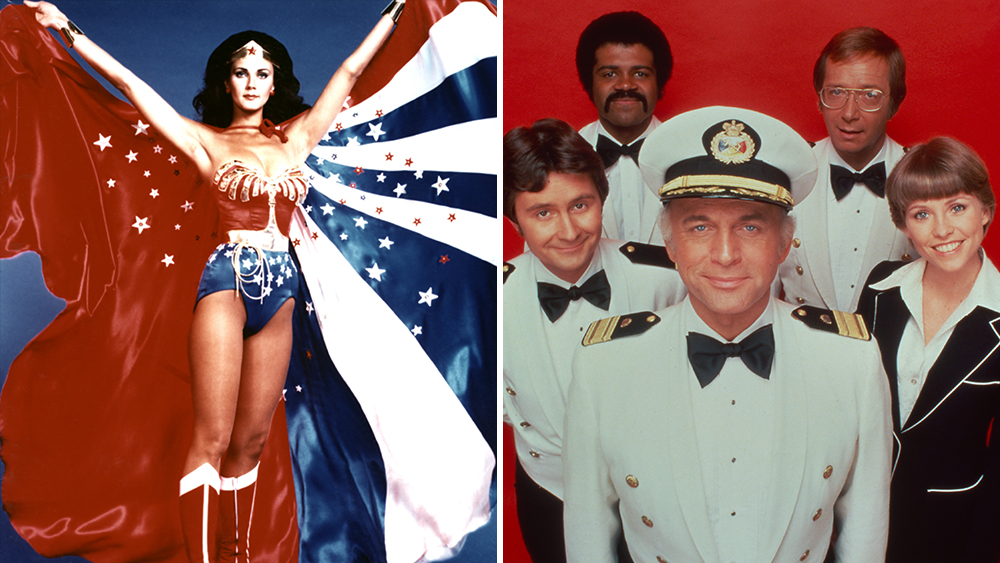
    Wilford Lloyd Baumes, a television producer recognized for his contributions to seminal 1970s and 1980s series including Wonder Woman and The Love Boat, died on July 1, 2026, at the age of 86. His passing marks the end of an era for a figure who helped define the golden age of episodic television through his production work.

    Baumes’s career spanned several decades, influencing the creation and execution of programs that became household names. His involvement with these shows ensured their quality and cultural resonance for millions of viewers.

    Early Life and Career Beginnings

    Wilford Lloyd Baumes began his journey in the television industry during a period of significant growth and innovation. Details of his early life and initial forays into media production are foundational to understanding his later successes.

    The burgeoning television landscape of the mid-20th century provided fertile ground for new talent. Baumes navigated this environment, learning the intricacies of production from the ground up.

    His early roles likely involved various aspects of television creation, building a comprehensive understanding of the craft. This foundational experience would prove crucial for his later executive responsibilities.

    The era demanded versatility and a keen eye for engaging content. Baumes developed these skills, positioning himself for more prominent roles as the industry matured.

    He established a reputation for dedication and an understanding of audience appeal. These qualities would become hallmarks of his work on some of television’s most memorable shows.

    Producing Wonder Woman (1975-1979)

    Wilford Lloyd Baumes served as a producer for the iconic Wonder Woman television series, which aired from 1975 to 1979. This show, starring Lynda Carter as the Amazonian princess Diana Prince, became a cultural phenomenon.

    The series initially debuted on ABC for its first season before moving to CBS for its subsequent two seasons. Baumes’s role was critical in managing the complex production of a superhero narrative for a primetime audience.

    Wonder Woman required intricate stunt work, special effects for its time, and a careful balance of action and character development. Baumes helped ensure these elements coalesced into a cohesive and entertaining program.

    His efforts contributed to the show’s lasting legacy, making Lynda Carter’s portrayal of Wonder Woman a definitive interpretation for generations. The series remains a touchstone of 1970s television.

    The production team, including Baumes, navigated the challenges of adapting a beloved comic book character for a mainstream audience. Their success laid groundwork for future superhero adaptations.

    The Phenomenon of The Love Boat (1977-1987)

    Another significant credit in Wilford Lloyd Baumes’s career was his role as a producer for The Love Boat. This romantic comedy-drama series premiered in 1977 and became a staple of ABC’s Saturday night lineup, running for ten seasons until 1987.

    The Love Boat depicted the comedic and romantic adventures of passengers and crew aboard a luxury cruise ship, the Pacific Princess. Baumes was instrumental in bringing this anthology-style show to air each week.

    The series was known for its rotating cast of guest stars, often prominent actors from film and television. Managing this extensive ensemble and multiple storylines presented a unique production challenge.

    Baumes’s work on The Love Boat contributed to its status as a ratings success and a cultural touchstone. The show’s theme song and format are instantly recognizable to millions.

    His production oversight helped maintain the show’s lighthearted tone and consistent quality over its long run. The Love Boat became synonymous with escapist television entertainment.

    Impact on 1970s and 1980s Television

    Wilford Lloyd Baumes’s work on Wonder Woman and The Love Boat placed him at the heart of popular television production during the 1970s and 1980s. These decades were transformative for the medium.

    He contributed to shows that captivated diverse audiences, from superhero enthusiasts to viewers seeking romantic comedy. His ability to work across genres demonstrated his versatility as a producer.

    The success of these programs helped solidify the episodic format that dominated network television. Baumes’s production skills were vital in delivering consistent content to demanding broadcast schedules.

    His influence extended to the practical aspects of television making, from budgeting and scheduling to creative decisions that shaped the final product. Producers like Baumes were the unsung heroes behind the scenes.

    The cultural footprint of shows like Wonder Woman and The Love Boat endures, largely due to the dedicated efforts of individuals like Wilford Lloyd Baumes. They crafted entertainment that resonated deeply with the viewing public.

    The Role of a Television Producer

    The role of a television producer, as exemplified by Wilford Lloyd Baumes, is multifaceted and crucial. Producers are responsible for overseeing all aspects of a show’s creation, from concept to final broadcast.

    This includes financial management, ensuring the project stays within budget. It also involves logistical coordination, such as scheduling filming and managing crew and cast.

    Creatively, producers often work closely with writers, directors, and actors to shape the narrative and artistic vision of a series. They act as a central hub, ensuring all departments work in harmony.

    Baumes’s longevity in the industry suggests a mastery of these various responsibilities. His success on high-profile shows underscores his effectiveness in this demanding role.

    A producer’s impact can often be seen in the overall quality and consistency of a television series. Baumes’s credits reflect a career dedicated to delivering engaging and memorable content.

    Legacy in Classic Television

    Wilford Lloyd Baumes leaves behind a significant legacy within the realm of classic American television. His contributions are etched into the history of programs that continue to be celebrated and rewatched.

    The enduring popularity of Wonder Woman, with its themes of empowerment and justice, speaks to the quality of its original production. Baumes played a key role in bringing this vision to life.

    Similarly, The Love Boat remains a beloved series, synonymous with feel-good entertainment and the glamour of cruise travel. Its unique format and guest star roster were expertly managed under his oversight.

    His work helped establish the benchmarks for episodic storytelling and character development in primetime television. These shows provided comfort and escape for millions of viewers across the globe.

    Baumes’s career serves as a testament to the dedication and skill required to produce successful and impactful television. His influence helped shape an entire generation’s viewing habits.

    The Enduring Appeal of Nostalgia

    The passing of figures like Wilford Lloyd Baumes often triggers a wave of nostalgia for the eras they helped define. His work is deeply embedded in the collective memory of those who grew up watching 1970s and 1980s television.

    Shows like Wonder Woman and The Love Boat offered a particular brand of entertainment. They provided escapism and often explored themes of heroism, romance, and human connection in accessible ways.

    This nostalgic appeal ensures that Baumes’s work continues to be relevant. Reruns, streaming services, and fan communities keep these classic series alive for new and old audiences alike.

    The ability of these shows to transport viewers back to a simpler time is a powerful aspect of their enduring charm. Baumes was a key architect of this televised comfort.

    His passing reminds audiences of the creators behind the magic. It prompts reflection on the impact these programs had on their lives and the broader cultural landscape.

    The Evolution of Television Production

    Wilford Lloyd Baumes’s career spanned a period of significant evolution in television production. From the network-dominated era to the early days of cable, he witnessed and adapted to changes.

    The methods and technologies used in television production have transformed dramatically since his early days. Yet, the core principles of storytelling and audience engagement remain constant.

    Producers like Baumes were foundational in developing the practices that still influence modern television. Their experience laid the groundwork for today’s complex productions.

    His ability to consistently deliver high-quality content across different series speaks to his adaptability and understanding of the medium’s demands. Television production is a constantly moving target.

    The legacy of producers from this era, including Baumes, continues to inform contemporary approaches to episodic storytelling and show management. Their contributions are fundamental.

    Wilford Lloyd Baumes was a craftsman. A storyteller. A manager. A producer. An architect of televised dreams.

  • Beau DeMayo’s ‘X-Men ’97’ Exit – OnlyFans and DEI Claims Spark Debate

    Beau DeMayo’s ‘X-Men ’97’ Exit – OnlyFans and DEI Claims Spark Debate

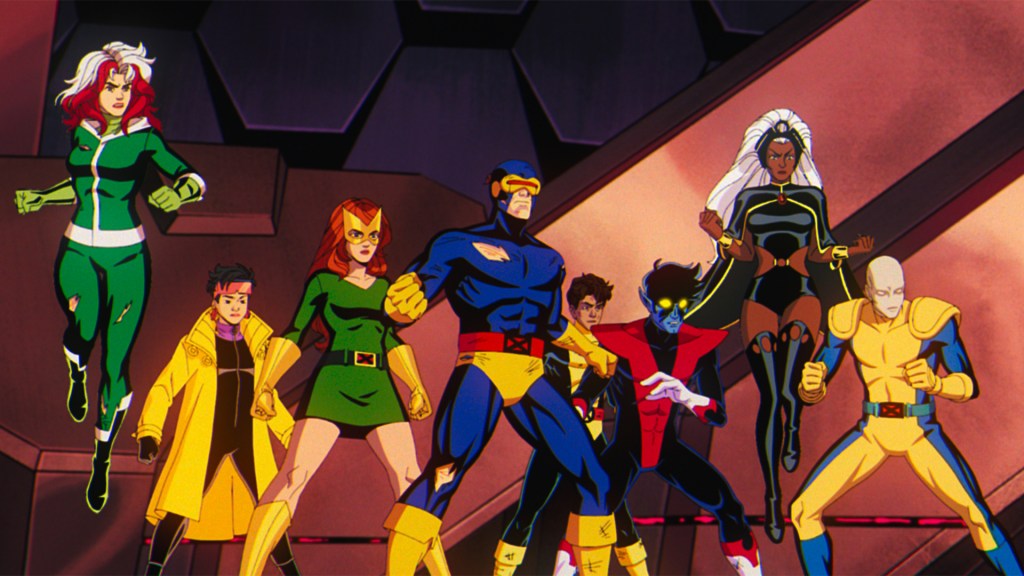
    Beau DeMayo, the creator and former executive producer of the Disney+ animated series ‘X-Men ’97,’ has publicly claimed that he informed Marvel Studios about his OnlyFans account. He also expressed a sentiment that his recruitment for the project was perceived by him as a Diversity, Equity, and Inclusion (DEI) hire. These statements have generated considerable discussion within the entertainment industry and among the public.

    DeMayo’s comments surfaced after his unexpected departure from the series production in early 2024, prior to the show’s premiere. The claims raise questions about transparency, corporate culture, and the evolving landscape of professional conduct in creative fields.

    The Origins of the ‘X-Men ’97’ Controversy

    The animated series ‘X-Men ’97’ was developed as a revival of the popular 1990s ‘X-Men: The Animated Series.’ Beau DeMayo was announced as the head writer and executive producer for the project. The series was highly anticipated by fans of the original show and the broader Marvel universe.

    Reports of DeMayo’s departure from the project emerged in March 2024. The reasons for his exit were not immediately clear, leading to speculation. Marvel Studios and Disney did not provide specific details regarding the separation at the time.

    DeMayo later began to address aspects of his departure through public channels. His statements included references to his personal life and professional experiences at Marvel.

    OnlyFans Disclosure and Professional Transparency

    One core aspect of DeMayo’s claim is his assertion of transparency regarding his OnlyFans account. OnlyFans is a subscription-based content platform, primarily known for adult content. DeMayo stated that he proactively informed Marvel Studios about his involvement with the platform.

    This disclosure reportedly occurred early in his engagement with the studio. The nature of this disclosure and Marvel’s internal response have not been detailed by the studio. DeMayo’s decision to disclose highlights the increasing complexities of personal digital footprints and professional careers.

    The entertainment industry often navigates public perception and brand image. Personal activities, especially those on platforms like OnlyFans, can sometimes intersect with corporate branding. DeMayo’s statement suggests an attempt to manage this intersection proactively.

    The ‘DEI Hire’ Perception

    Another significant claim made by DeMayo is his belief that he was treated as a ‘DEI hire.’ Diversity, Equity, and Inclusion initiatives are widespread across many industries, including entertainment. These programs aim to increase representation and foster inclusive environments.

    DeMayo’s perception suggests a potential tension between the goals of DEI and the individual experience of those hired under such frameworks. He did not elaborate on specific instances or behaviors that led to this feeling. However, the claim itself has resonated within ongoing debates about DEI efficacy and implementation.

    The term ‘DEI hire’ can carry negative connotations in some discussions, implying that merit was secondary to demographic characteristics. DeMayo’s use of the phrase contributes to this broader cultural conversation. It prompts examination of how individuals perceive their roles within diversity initiatives.

    Industry Reactions and Public Discourse

    DeMayo’s statements have generated varied reactions. Some observers have expressed support for his honesty and critique of corporate practices. Others have questioned the timing or nature of his disclosures.

    The controversy has become a talking point in discussions about:

    • Corporate Responsibility: How companies handle employees’ personal lives and online activities.
    • DEI Implementation: The effectiveness and potential pitfalls of diversity initiatives.
    • Creator Autonomy: The balance between a creator’s personal expression and their professional obligations.
    • Workplace Culture: The environment within major studios like Marvel and Disney.

    Social media platforms have been particularly active with discussions. Opinions range from defending DeMayo’s right to privacy and expression to criticizing his public comments as unprofessional.

    Marvel Studios’ Stance and Future Implications

    As of July 2, 2026, Marvel Studios has not issued a formal public response to Beau DeMayo’s specific claims. The studio typically maintains a policy of not commenting on personnel matters.

    The lack of a direct statement means that DeMayo’s account remains the primary public narrative regarding these specific issues. This situation leaves many questions unanswered about the internal dynamics at Marvel Studios.

    The controversy could influence future hiring practices and disclosure policies within the entertainment industry. It may also prompt further scrutiny of how DEI initiatives are communicated and perceived by employees.

    The Broader Context of Creator Relations

    The relationship between creative talent and major studios is often complex. Creators bring unique visions and personal histories to projects. Studios manage large brands and financial investments.

    Instances of public disagreement or disclosure, such as DeMayo’s, highlight potential friction points. These can include creative control, credit, compensation, and personal conduct expectations.

    ‘X-Men ’97’ itself has been critically acclaimed, receiving positive reviews for its animation, storytelling, and faithfulness to the source material. The show’s success has continued despite the behind-the-scenes controversies surrounding its creator.

    The Impact on ‘X-Men ’97’

    Despite DeMayo’s departure and subsequent public comments, ‘X-Men ’97’ premiered successfully on Disney+. The series has been lauded for its quality and nostalgic appeal. This indicates that, for many viewers, the creative product can be separated from production controversies.

    The show’s positive reception may also temper some of the public discourse surrounding DeMayo’s claims. However, the issues he raised, particularly concerning DEI and personal transparency, remain relevant for industry professionals and observers.

    The series is currently slated for a second season. The future creative direction of ‘X-Men ’97’ will proceed without DeMayo’s direct involvement. The long-term impact of these events on Marvel’s talent relations remains to be seen.

    Transparency vs. Corporate Image

    DeMayo’s claims underscore a tension between an individual’s right to transparency and a corporation’s need to maintain a specific public image. In an age where personal information is easily accessible, the boundaries between private and professional lives are constantly being redefined.

    For creators, the decision to disclose personal activities, especially those considered unconventional or potentially controversial, is a strategic one. It involves weighing personal integrity against potential professional repercussions.

    For studios, managing such disclosures involves navigating legal obligations, ethical considerations, and public relations. The outcome of such situations can set precedents for how similar cases are handled in the future.

    The debate surrounding Beau DeMayo’s statements is likely to continue. It will contribute to broader conversations about the evolving standards of professionalism, the role of diversity initiatives, and the intersection of personal identity with corporate employment in the modern entertainment industry.

    Creators revealed. Studios remained silent. Debates unfolded. Publics watched. Industry reconsidered. Transparency demanded. DEI questioned. ‘X-Men ’97’ premiered. Discussion continued. Hollywood.

  • Teni Melidonian Departs Full-Time AMPAS Role, Continues as Consultant

    Teni Melidonian Departs Full-Time AMPAS Role, Continues as Consultant

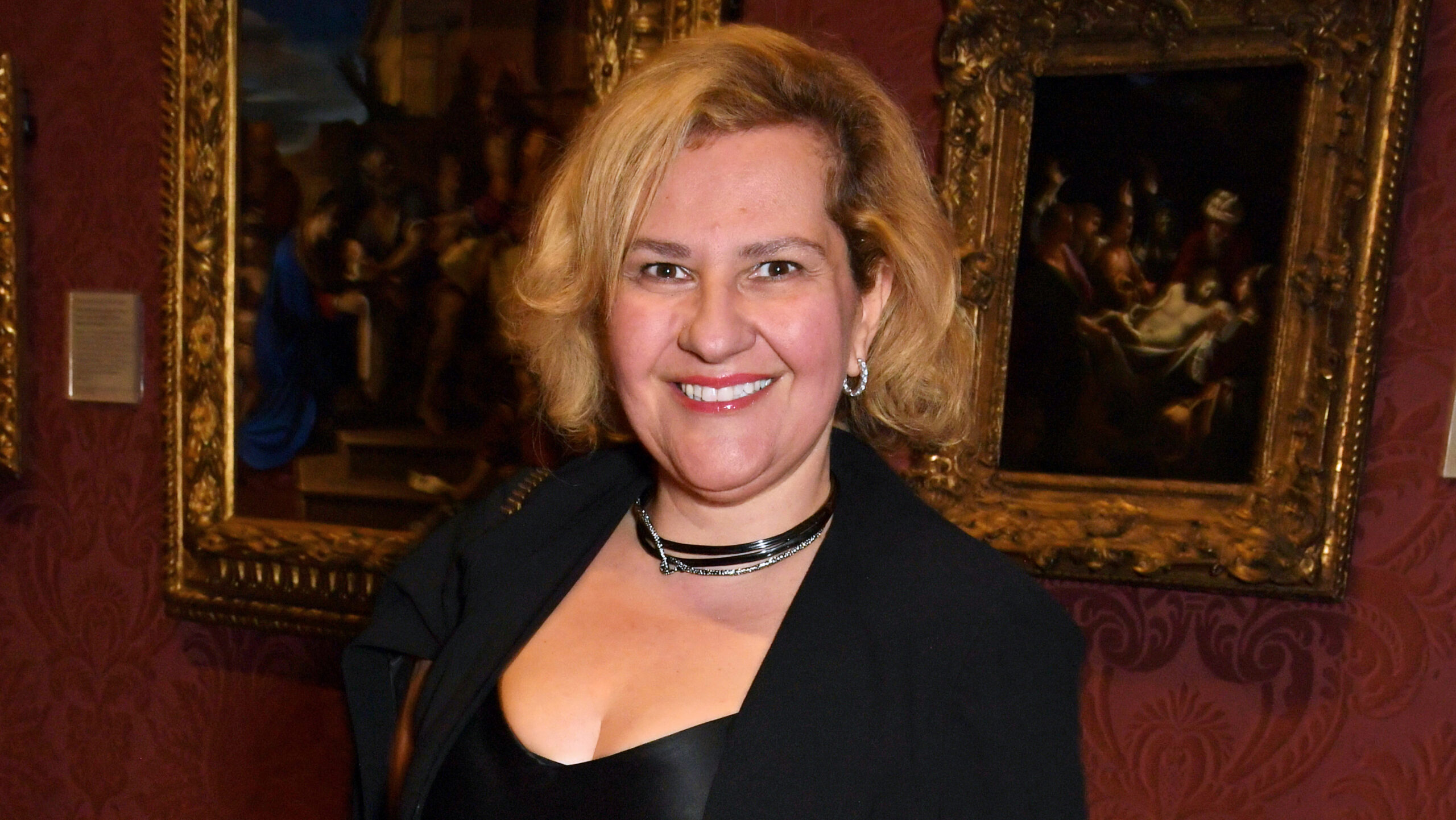
    Teni Melidonian has departed her full-time executive position at the Academy of Motion Picture Arts and Sciences (AMPAS), effective July 2, 2026. She will continue her involvement with the organization in a consulting role. This change impacts a key leadership position within the institution responsible for the Academy Awards.

    Melidonian’s transition was reported across multiple news outlets on July 2, 2026. The exact details surrounding the reasons for her stepping down from a full-time capacity have not been fully disclosed at this time. Her continued role as a consultant suggests an ongoing relationship with AMPAS, albeit in a different structure.

    A Shift in Academy Leadership

    The Academy of Motion Picture Arts and Sciences oversees numerous initiatives beyond the annual Oscars ceremony. These include educational programs, archival efforts, and the Academy Museum of Motion Pictures. Executive leadership roles are critical to the execution of these broad organizational goals.

    This is a developing story. Further information regarding Melidonian’s specific consulting duties and any potential succession plans for her former full-time responsibilities are anticipated. The Academy has not yet issued a comprehensive statement detailing the transition.

    Melidonian has held significant roles within AMPAS, contributing to the strategic direction and operational aspects of the organization. Her move to a consultant position indicates a shift in her daily responsibilities but maintains her expertise within the Academy’s reach.

    The impact of this change on upcoming Academy initiatives and the annual awards ceremony will become clearer as more information is released. Stakeholders within the film industry will be observing further announcements from AMPAS.

    What’s Next for AMPAS?

    The Academy frequently undergoes structural and leadership adjustments to adapt to the evolving landscape of the film industry. Such changes can influence how the Academy engages with its members, the public, and the broader cinematic community.

    This transition occurs amidst ongoing discussions about the future of film exhibition, industry diversity, and the relevance of traditional awards ceremonies. Leadership changes at AMPAS often reflect these broader industry trends and internal strategic priorities.

    Details are still emerging. The Academy’s official channels are expected to provide further clarification regarding Melidonian’s new role and any subsequent appointments.

  • Taylor Swift’s Rumored Wedding Planner – The “Genius” Behind Celebrity Events

    Taylor Swift’s Rumored Wedding Planner – The “Genius” Behind Celebrity Events

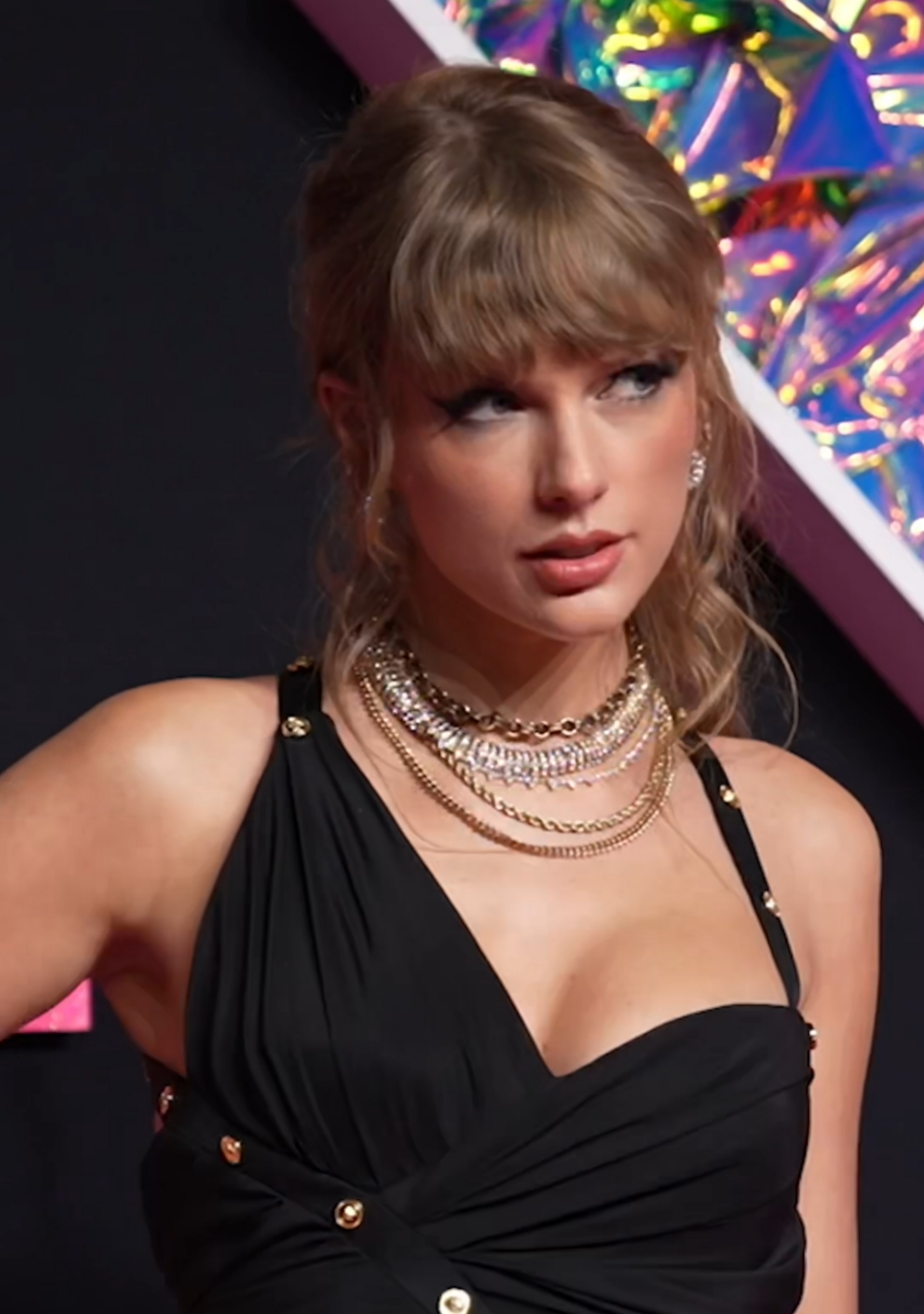
    Speculation surrounding pop superstar Taylor Swift’s personal life often extends to her significant life events. As of July 2026, rumors circulate regarding a specific, unnamed wedding planner potentially orchestrating her future nuptials. This individual is noted for their extensive experience with high-profile celebrity events.

    The planner’s professional portfolio reportedly includes collaborations with musicians such as Jack Antonoff. Their work has earned them considerable praise within the event planning industry, with some characterizing their talent as that of a “genius.”

    The Whispers of a High-Profile Planner

    The entertainment industry frequently generates discussions about its most prominent figures. Taylor Swift, a global icon, is no exception. Her relationships and life milestones are consistently subjects of public and media interest.

    The current buzz centers on the possibility of a highly sought-after event professional being engaged for a potential wedding. The individual remains unnamed in public reports, adding to the intrigue.

    This planner’s reputation precedes them. They are known for their ability to manage complex logistics and create unique, memorable experiences for their clients.

    A Track Record with Celebrities

    The rumored wedding planner has a history of working with a distinguished clientele. Their past projects reportedly include events for various celebrities and public figures.

    One notable association mentioned is with Grammy Award-winning producer and musician Jack Antonoff. Antonoff has a long-standing professional relationship with Taylor Swift, having collaborated on numerous albums.

    The planner’s involvement with Antonoff suggests a familiarity with the specific demands and expectations of the music industry’s elite. This experience would be invaluable for an event involving an artist of Swift’s stature.

    Working with such high-profile individuals requires discretion, meticulous planning, and an understanding of media scrutiny. The planner’s ability to navigate these challenges contributes to their esteemed reputation.

    The “Genius” Label in Event Planning

    Within the event planning community, the individual in question has garnered significant accolades. Colleagues and clients have reportedly used strong terms of praise.

    The description of them as “basically a genius” highlights their perceived exceptional skill set. This level of commendation is not commonly bestowed within the competitive field of event management.

    Such a title suggests an individual who possesses not only organizational prowess but also creative vision. They likely excel at transforming abstract ideas into tangible, spectacular realities.

    What Defines a “Genius” Planner?

    The qualities attributed to a “genius” event planner often include innovative design concepts. They might introduce unconventional themes or utilize cutting-edge technology to enhance guest experiences.

    Logistical mastery is another key trait. This involves flawlessly coordinating multiple vendors, managing tight schedules, and anticipating potential issues before they arise.

    An ability to maintain composure under pressure is also crucial. High-stakes events, particularly those involving celebrities, often come with unexpected challenges that require quick and effective solutions.

    Finally, a deep understanding of client preferences and the capacity to translate those into a personalized event are hallmarks of an exceptional planner. They create experiences that reflect the unique personalities of those they serve.

    The Impact of Rumors on Public Interest

    Rumors surrounding Taylor Swift’s personal life consistently capture significant public attention. Her relationship with Travis Kelce, for instance, has been a frequent topic of discussion.

    The prospect of a wedding only amplifies this interest. Fans and media outlets closely follow any developments, however speculative.

    The involvement of a high-caliber wedding planner suggests an event of considerable scale and sophistication. This further fuels the narrative of a potentially grand and memorable occasion.

    Media Coverage and Fan Engagement

    Publications like The Hollywood Reporter contribute to the dissemination of these rumors. Their coverage signals the newsworthiness of even unconfirmed details regarding Swift’s life.

    Social media platforms become hubs for fan discussion. Theories are debated, and every perceived clue is analyzed, creating a continuous cycle of engagement.

    This sustained interest underscores Taylor Swift’s cultural impact. Her personal milestones are viewed as significant cultural events in their own right.

    The Intersection of Celebrity and Event Management

    The world of celebrity event planning is a specialized niche. It demands a particular blend of creativity, discretion, and logistical precision.

    Planners in this field often operate under strict non-disclosure agreements. This ensures the privacy and security of their high-profile clients.

    They are also adept at managing media attention. This includes strategizing how much information is released, and when, to control the public narrative.

    The Business of Celebrity Events

    The economic impact of celebrity weddings can be substantial. They often involve significant budgets, employing numerous vendors and service providers.

    From florists and caterers to security teams and entertainment, a vast network of professionals contributes to such an event. Each component must be perfectly orchestrated.

    The planner acts as the central coordinator, ensuring all elements align with the client’s vision and budget. Their expertise is paramount in delivering a seamless experience.

    Taylor Swift’s potential wedding, if it occurs, would undoubtedly be one of the most talked-about events of the year. The rumored involvement of such a skilled planner only heightens expectations for what that occasion might entail.

    The public watches. The media speculates. The industry acknowledges talent.

    Planning.

  • Blake Lively’s Legal Battle with Justin Baldoni: Millions in Costs Revealed

    Blake Lively’s Legal Battle with Justin Baldoni: Millions in Costs Revealed

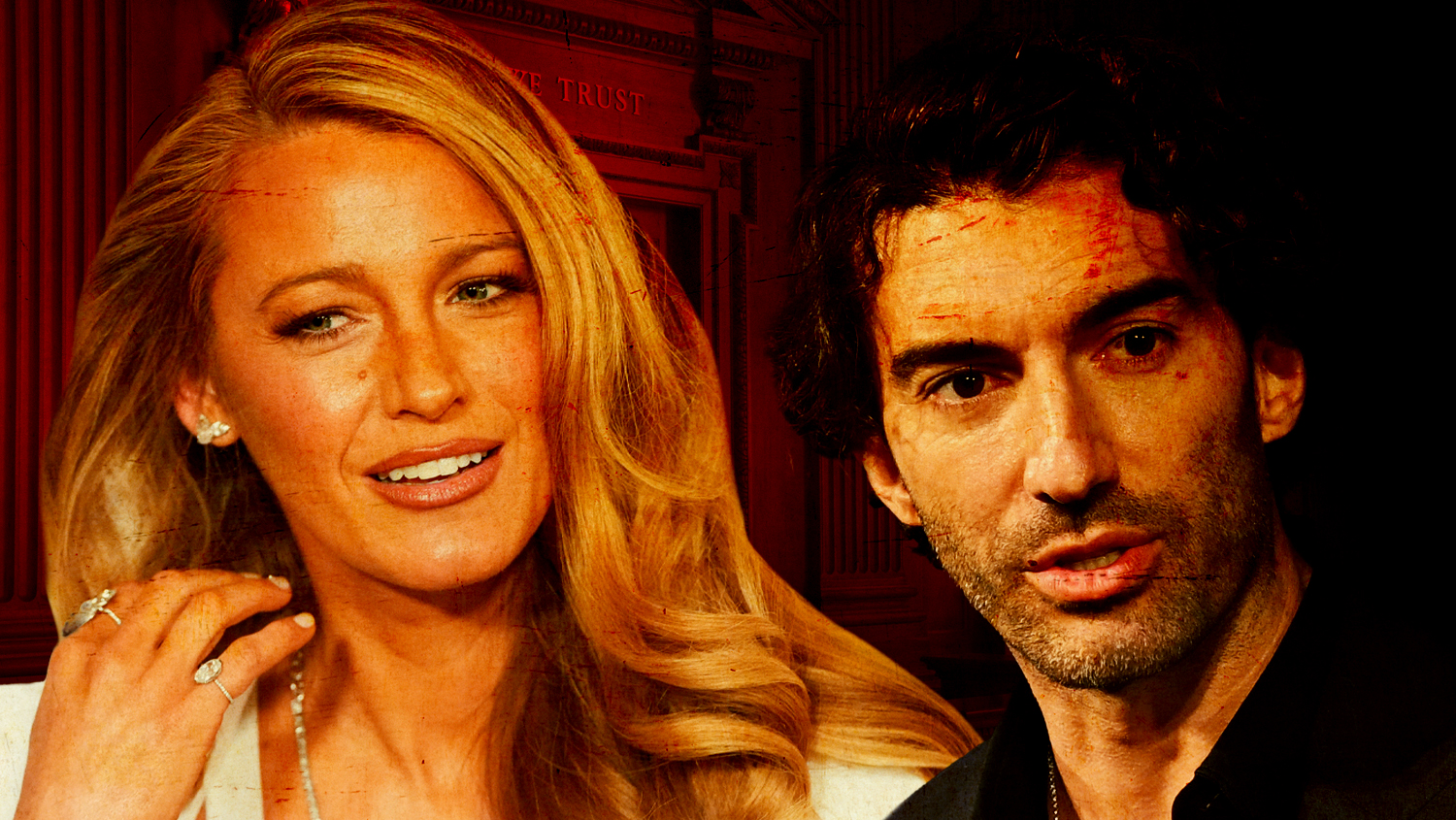
    Actress Blake Lively has publicly stated that her legal dispute with Justin Baldoni has cost her millions of dollars. Lively specifically accused Baldoni’s legal team of employing “scorched-earth litigation tactics designed to drain Lively’s resources.” This information comes from a recent report by Deadline on June 30, 2026, detailing the financial impact on the prominent actress.

    The exact nature of the legal battle between Lively and Baldoni has not been fully disclosed. However, Lively’s statement underscores the significant financial burden associated with prolonged and aggressive legal proceedings. Such tactics, often referred to as “scorched-earth,” involve exhaustive discovery, numerous motions, and a general strategy of overwhelming the opposing party with legal expenses.

    The report indicates that these costs represent a substantial outlay for Lively. The term “millions” suggests a considerable portion of her personal wealth or income has been directed towards defending herself in this case. This situation brings to light the potential financial vulnerabilities even high-net-worth individuals can face when engaged in complex legal disputes.

    Justin Baldoni, known for his work as an actor, director, and filmmaker, has not yet publicly responded to Lively’s allegations regarding the litigation costs or tactics. The legal proceedings are ongoing, and further details are expected to emerge as the case progresses. Public interest will likely focus on the specifics of the dispute and the eventual resolution.

    This is a developing story. Information regarding the core issues of the legal battle and the precise financial figures continues to unfold. The implications of such high-cost litigation, particularly for public figures, often extend beyond the courtroom, impacting reputations and public perception. The legal community frequently debates the ethics and efficacy of “scorched-earth” strategies, weighing their effectiveness against the financial and emotional toll they inflict.

  • Monica Barbaro in Talks for ‘Ocean’s Eleven’ Prequel – A Developing Story

    Monica Barbaro in Talks for ‘Ocean’s Eleven’ Prequel – A Developing Story

    Monica Barbaro is currently in discussions to join the cast of an upcoming “Ocean’s Eleven” prequel. This potential casting places her alongside Margot Robbie and Bradley Cooper, who are already attached to the project. The film aims to expand the popular heist franchise, with production details continuing to develop.

    The Hollywood Reporter first published the news regarding Barbaro’s talks. This report indicates a significant step forward in the casting process for the anticipated film. Specific roles for Barbaro, Robbie, and Cooper have not yet been publicly disclosed.

    The Expanding ‘Ocean’s’ Universe

    The “Ocean’s Eleven” prequel is set in Europe during the 1960s. This setting provides a distinct backdrop for a new heist narrative within the established cinematic universe. The film is expected to explore the origins of the franchise’s intricate criminal underworld.

    Jay Roach is set to direct the prequel. Carrie Solomon penned the screenplay. Margot Robbie is also producing the film alongside Tom Ackerley through their LuckyChap Entertainment banner. Gary Ross, Olivia Milch, and Josey McNamara serve as executive producers.

    Key Cast Members Announced

    Wagner Moura has been confirmed to play the film’s primary antagonist. His casting adds another established talent to the ensemble. Details surrounding the villain’s motivations and role in the plot remain undisclosed.

    Margot Robbie and Bradley Cooper’s involvement was announced prior to Barbaro’s reported talks. Their presence signals the project’s high-profile nature. The film continues to build its cast as it moves closer to production.

    A Developing Story

    This report represents a current development in the production of the “Ocean’s Eleven” prequel. Further casting announcements and plot specifics are anticipated. The timeline for principal photography and a potential release date have not been officially confirmed as of July 1, 2026.

    The project continues the legacy of the “Ocean’s” franchise. Previous installments include “Ocean’s Eleven” (2001), “Ocean’s Twelve” (2004), “Ocean’s Thirteen” (2007), and “Ocean’s Eight” (2018). This prequel looks to offer a fresh perspective on the series’ iconic themes of elaborate heists and charismatic criminals.

  • Tom Hardy Returns to ‘MobLand’ – Season 3 Renewal Secured After Resolved Issues

    Tom Hardy Returns to ‘MobLand’ – Season 3 Renewal Secured After Resolved Issues

    Tom Hardy Confirms ‘MobLand’ Return

    Tom Hardy, the acclaimed actor, has officially resolved the issues that previously stalled his return to the crime drama series ‘MobLand’. This development, confirmed on June 30, 2026, directly secures the renewal of the series for a third season. The resolution allows production to move forward, ending speculation surrounding the show’s future and Hardy’s continued participation.

    The series, known for its gritty portrayal of organized crime and complex character arcs, has cultivated a dedicated global fanbase since its debut. Hardy’s central role is considered integral to its narrative and commercial success. His confirmed return is a significant victory for both the production studio and the network.

    The Road to Resolution

    The path to this resolution was not without its challenges. Reports emerged in late 2025 detailing significant disagreements between Hardy and the production team. These issues were never explicitly detailed in public statements. Industry insiders suggested they pertained to creative control, scheduling conflicts, or compensation disputes.

    Negotiations reportedly intensified during the first half of 2026. Representatives for Tom Hardy engaged in extensive discussions with network executives and the ‘MobLand’ production company. The objective was to find common ground that would satisfy all parties involved and ensure the series’ continuation.

    Multiple sources close to the production indicated that the primary sticking points involved contractual specifics. These included the actor’s availability for filming and the scope of his character’s storyline in future seasons. Creative differences often arise in long-running series, particularly with lead actors who become deeply invested in their roles.

    Impact on ‘MobLand’ Production

    The uncertainty surrounding Hardy’s involvement had placed the third season of ‘MobLand’ in limbo. Writers were reportedly hesitant to finalize scripts without a firm commitment from their lead. Casting directors faced challenges in securing supporting roles, given the potential for delays or even cancellation.

    With the issues now resolved, the production team can accelerate pre-production efforts. This includes script finalization, casting, and securing filming locations. The immediate focus will be on establishing a clear production timeline for Season 3.

    Industry analysts had previously warned that a departure by Hardy could severely impact the series’ viewership and critical reception. His performance is frequently cited as a cornerstone of the show’s appeal. The network’s commitment to resolving these issues underscores the value placed on his contribution.

    The ‘Spat’ and Public Perception

    The term ‘spat’ was used by some media outlets to describe the disagreements. While the exact nature of the dispute remains private, the public perception was one of significant friction. This type of high-profile disagreement can generate negative publicity, even if ultimately resolved.

    The resolution serves to reassure the audience and investors. It demonstrates the network’s ability to navigate complex talent relations. It also reinforces the idea that the series is a priority for all stakeholders.

    Public statements from Hardy’s representatives and the production company were brief but positive. They emphasized a mutual desire to continue the successful collaboration. This diplomatic approach helps to mend any perceived rifts and refocus attention on the upcoming season.

    Hardy’s Career Trajectory

    Tom Hardy has a distinguished career marked by versatile performances across film and television. His roles often feature intense, complex characters. This aligns with the demanding nature of his ‘MobLand’ character.

    Notable past projects include his work in films such as ‘Mad Max: Fury Road’ (2015), ‘The Revenant’ (2015), and ‘Venom’ (2018). His television roles, while less frequent, have also garnered critical acclaim. His commitment to ‘MobLand’ further solidifies his presence in the prestige television landscape.

    His ability to command significant audience attention makes him a valuable asset to any production. The network’s efforts to retain him reflect this market reality. The resolution of the ‘MobLand’ issues is a testament to his negotiating power and importance to the series.

    Anticipation for Season 3

    Fans of ‘MobLand’ have eagerly awaited news regarding the third season. Social media platforms have been abuzz with speculation. The official confirmation of Hardy’s return is expected to generate significant excitement.

    The series has received critical praise for its writing, direction, and ensemble cast. Its complex exploration of moral ambiguity and power dynamics has resonated with viewers. The continuation of these themes with Hardy at the helm is a key factor in fan anticipation.

    The network is expected to release further details about the third season’s plot and premiere date in the coming months. Marketing campaigns will likely leverage the resolved issues as a narrative of triumph and dedication to the series.

    The Business of Television

    The resolution of Tom Hardy’s contract issues highlights the intricate business aspects of modern television production. Major stars often have significant leverage due to their drawing power. Negotiations can be protracted and involve substantial financial and creative considerations.

    Networks and studios must balance creative integrity with financial viability. Retaining a lead actor of Hardy’s caliber often requires concessions. These might include increased salary, executive producer credits, or greater input on storylines.

    The successful conclusion of these negotiations sets a precedent. It demonstrates that even with high-profile talent, resolutions can be achieved. This ensures the continuity of popular series, satisfying both creative teams and the audience.

    The future of ‘MobLand’ now appears secure. Production will move forward. New storylines will develop. Audiences will once again watch Tom Hardy.

    Negotiations concluded. Contracts signed. Production begins.

    MobLand.

  • Netflix Recreates Gene Wilder’s Voice Using AI for ‘The Golden Ticket’

    Netflix Recreates Gene Wilder’s Voice Using AI for ‘The Golden Ticket’

    Netflix has employed artificial intelligence to generate the voice of the late actor Gene Wilder for its upcoming reality competition series, ‘The Golden Ticket.’ This series, set to premiere in 2026, draws inspiration from the iconic Willy Wonka narrative. The decision to use AI to replicate Wilder’s voice has ignited widespread discussion regarding the ethical implications of using such technology for deceased performers.

    The announcement from Deadline on June 30, 2026, confirmed Netflix’s use of this advanced technology. This marks a significant moment in the intersection of artificial intelligence and the entertainment industry. It brings to the forefront questions about consent, legacy, and the future of creative works.

    The Digital Resurrection of Gene Wilder

    Gene Wilder, known for his portrayal of Willy Wonka in the 1971 film ‘Willy Wonka & the Chocolate Factory,’ passed away in 2016. His distinctive voice and acting style became synonymous with the whimsical character. The decision by Netflix to recreate his voice using AI for ‘The Golden Ticket’ aims to connect the new series directly to this established cultural touchstone.

    AI voice synthesis technology has advanced significantly in recent years. Algorithms can now analyze existing audio recordings to generate new speech patterns that mimic a specific person’s voice. This process involves complex machine learning models that capture nuances in tone, pitch, and cadence.

    The technology allows for the creation of new dialogue that Wilder never spoke himself. This capability presents both creative opportunities and considerable ethical challenges. The estate of Gene Wilder has not issued a public statement regarding the use of his voice as of June 30, 2026.

    The ‘Golden Ticket’ Reality Series

    ‘The Golden Ticket’ is a reality competition series. Its premise reportedly involves contestants vying for an experience inspired by the fantastical world of Willy Wonka. Specific details about the challenges and prizes remain under wraps prior to its 2026 premiere.

    The series’ connection to the Willy Wonka universe is explicit. The use of Gene Wilder’s AI-generated voice is intended to reinforce this link. It aims to evoke nostalgia and authenticity for viewers familiar with the original film.

    Netflix has invested heavily in reality programming in recent years. Titles like ‘Squid Game: The Challenge’ and ‘Love Is Blind’ have garnered significant viewership. ‘The Golden Ticket’ represents an expansion into a new subgenre, blending fantasy themes with competitive reality television.

    Ethical Considerations and Industry Debate

    The recreation of Gene Wilder’s voice using AI has sparked a robust ethical debate. This discussion centers on several key areas:

    • Consent and Legacy: A primary concern is whether deceased artists can truly consent to the use of their likeness or voice. Critics argue that such uses may infringe upon their personal autonomy and control over their legacy.
    • Performer Rights: The Screen Actors Guild – American Federation of Television and Radio Artists (SAG-AFTRA) has previously raised concerns about AI’s impact on performers’ rights. The union advocates for clear guidelines and compensation structures for digital replicas.
    • Authenticity and Artistic Integrity: Some argue that AI-generated performances dilute the authenticity of an artist’s work. They question whether a synthesized voice truly honors the original performance or merely exploits it.
    • Precedent for Future Use: This case sets a precedent for how AI might be used with other deceased actors. It opens the door for a future where digital replicas become commonplace without explicit prior consent.

    Industry professionals, legal experts, and fans are weighing in on these issues. The conversation extends beyond Gene Wilder to the broader implications for the entertainment ecosystem.

    Legal Landscape for Digital Replicas

    The legal framework surrounding digital replicas of deceased individuals remains largely undeveloped. Existing intellectual property laws, such as copyright and trademark, offer limited protection in this specific area.

    Right of publicity laws vary by state in the United States. These laws generally protect an individual’s right to control the commercial use of their identity. However, their applicability to deceased persons and AI-generated content is often ambiguous.

    Legislation concerning post-mortem publicity rights is complex. Some states, like California, have specific statutes that allow estates to control a deceased celebrity’s likeness for a period after their death. Other states have no such provisions.

    The lack of clear legal precedent creates uncertainty for studios and estates alike. This specific instance with Gene Wilder’s voice may prompt further legislative action or judicial rulings to clarify these boundaries.

    AI’s Growing Role in Entertainment Production

    The use of AI in ‘The Golden Ticket’ is part of a larger trend. Artificial intelligence is increasingly integrated into various aspects of entertainment production. This includes scriptwriting, visual effects, and even music composition.

    AI tools can generate realistic CGI characters, de-age actors, and even create entire virtual environments. These capabilities offer efficiency and creative possibilities previously unattainable.

    The controversy surrounding Gene Wilder’s voice highlights a specific ethical flashpoint. However, AI’s broader integration continues to reshape how content is created and consumed. Studios are exploring AI for cost reduction and enhanced production value.

    Public Reception and Fan Engagement

    Public reaction to Netflix’s decision has been mixed. Many fans of Gene Wilder express discomfort and a sense of unease. They view the AI recreation as disrespectful to his memory and artistic legacy.

    Others express curiosity about the technological achievement. They are interested in how the AI-generated voice will integrate into ‘The Golden Ticket’ series. This segment of the audience focuses more on the novelty and potential for new creative expressions.

    Social media platforms have become a primary venue for these discussions. Hashtags related to Gene Wilder, AI ethics, and Netflix are trending globally. This public discourse reflects a broader societal grappling with advanced AI technologies.

    The Future of Performer Rights in the AI Era

    The Gene Wilder case underscores the urgent need for updated performer rights. As AI technology advances, the ability to digitally replicate voices, faces, and even entire performances becomes more sophisticated.

    SAG-AFTRA has been at the forefront of advocating for protections. They seek consent requirements, fair compensation, and clear ownership of digital replicas. The union’s efforts aim to prevent the exploitation of performers, both living and deceased.

    The debate around AI and performer rights is not new. However, the concrete application by a major streamer like Netflix brings it to a critical juncture. The outcome of this particular situation may influence future industry standards and collective bargaining agreements.

    The entertainment industry stands at a crossroads. Technological advancement offers new creative avenues. Ethical considerations demand careful navigation. The legacy of artists and the rights of performers are central to this ongoing discussion.

    Lawmakers, industry executives, and artist representatives continue to convene. Frameworks are being proposed. Debates persist. The digital landscape transforms.

    Conclusion

    Netflix’s use of AI to recreate Gene Wilder’s voice for ‘The Golden Ticket’ represents a significant technological and ethical development. It has ignited discussions about consent, artistic integrity, and the future of performer rights. The reality series, set to premiere in 2026, will serve as a prominent example of AI’s integration into mainstream entertainment. The ongoing dialogue will shape policies and public perception surrounding digital replicas in the years to come. The question of who controls an artist’s legacy in the age of AI remains a central, unresolved challenge.

    Technology advances. Ethics are tested. Legacies are debated. The future unfolds.