Tag: Hollywood

  • Monica Barbaro Joins ‘Ocean’s Prequel’ Alongside Robbie and Cooper

    Monica Barbaro Joins ‘Ocean’s Prequel’ Alongside Robbie and Cooper

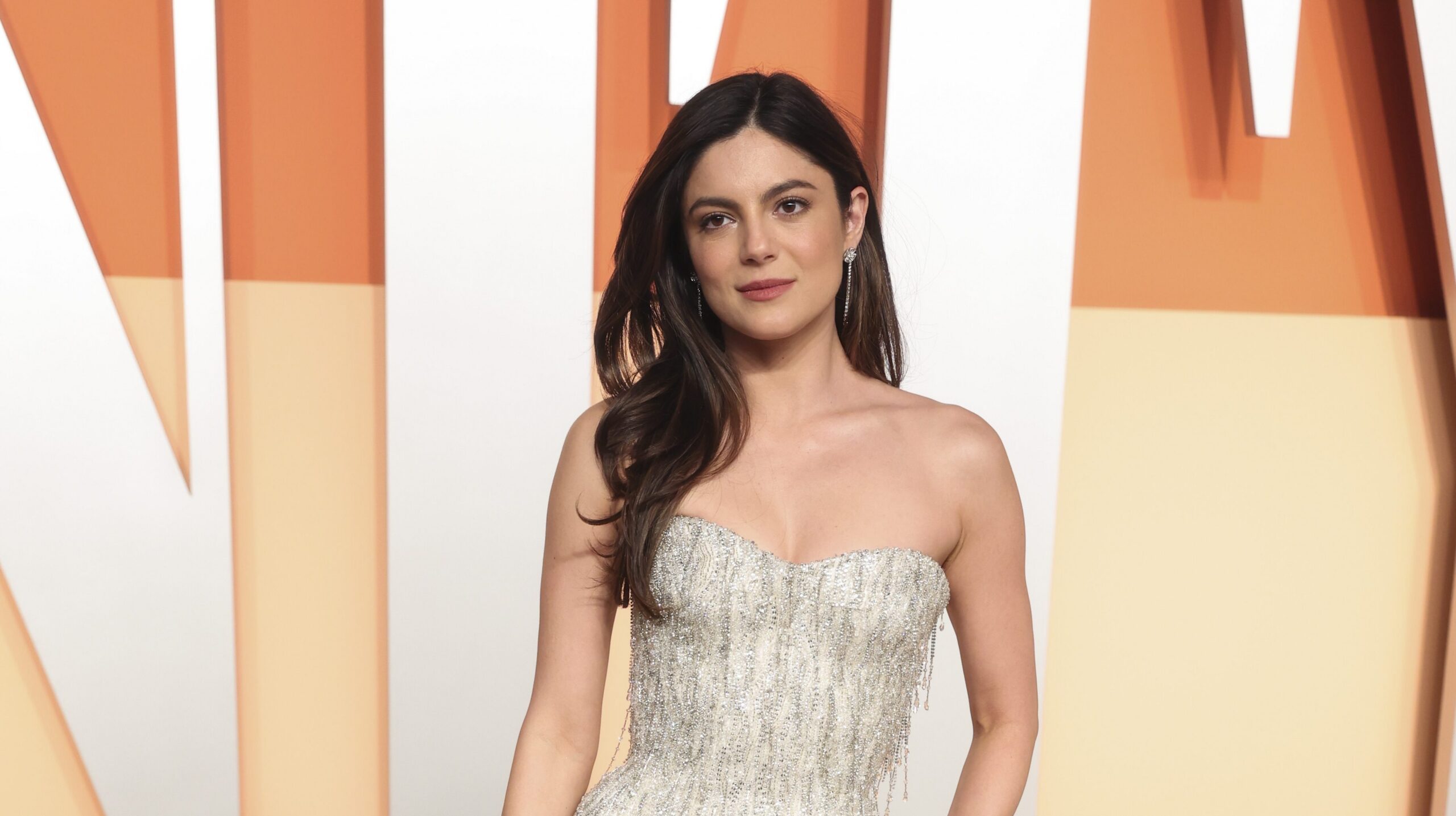
    Monica Barbaro has reportedly joined the cast of the upcoming “Ocean’s Prequel” film. The actress is set to star opposite Margot Robbie and Bradley Cooper. This news places Barbaro in a prominent role within a high-profile Hollywood production.

    The “Ocean’s Prequel” is an anticipated addition to the long-running “Ocean’s” franchise. Details surrounding the film’s plot and specific character roles remain under wraps. Production is expected to commence in the near future.

    Casting Details Emerge

    The casting of Monica Barbaro follows earlier reports confirming Margot Robbie and Bradley Cooper’s involvement. Robbie is also attached as a producer through her company, LuckyChap Entertainment. This marks a significant ensemble for the prequel.

    Barbaro’s career has seen a rise in recent years. Her previous roles have established her as a notable talent in Hollywood. Her inclusion suggests a key role in the ensemble heist film.

    The ‘Ocean’s’ Franchise History

    The original “Ocean’s 11” film was released in 1960, starring Frank Sinatra and the Rat Pack. The franchise was rebooted in 2001 with “Ocean’s Eleven,” directed by Steven Soderbergh and starring George Clooney, Brad Pitt, and Julia Roberts. This successful film led to two sequels, “Ocean’s Twelve” (2004) and “Ocean’s Thirteen” (2007).

    A female-led spin-off, “Ocean’s 8,” was released in 2018. It starred Sandra Bullock, Cate Blanchett, and Anne Hathaway. The upcoming prequel aims to expand the universe further, exploring earlier events within the criminal underworld.

    What to Expect from the Prequel

    The “Ocean’s Prequel” is expected to delve into the origins of the franchise’s intricate heist narratives. Specific plot points are not yet public. The film is currently in a developing stage.

    Director and production details beyond Robbie’s producing role have not been fully disclosed. Further announcements are anticipated as the project moves closer to principal photography. This developing story will be updated as more information becomes available.

  • Musk Boosts Hammer: ‘Citizen Vigilante’ Film on X

    Musk Boosts Hammer: ‘Citizen Vigilante’ Film on X

    On June 28, 2026, Elon Musk, the CEO of X, publicly referenced actor Armie Hammer’s new film, ‘Citizen Vigilante,’ on the social media platform. Musk’s post, which did not contain direct promotional links, quickly generated widespread discussion. This action immediately refocused global attention on Hammer’s career, which had been largely inactive since 2021.

    Musk’s specific mention of ‘Citizen Vigilante’ on X has amplified the film’s visibility. It positions the project as a significant moment in Hammer’s professional trajectory, marking a potential return to mainstream acting.

    The Unfolding Narrative: Musk’s Post and Hammer’s Return

    Elon Musk’s post on X has served as an unexpected catalyst for ‘Citizen Vigilante.’ The exact phrasing of Musk’s remarks is under analysis by media outlets and social media users. His involvement brings an unprecedented level of scrutiny and curiosity to the film.

    Armie Hammer’s career entered a period of professional hiatus following a series of highly publicized allegations and controversies that emerged in early 2021. His last major film role prior to this development was in ‘Death on the Nile,’ released in February 2022, though filmed earlier. ‘Citizen Vigilante’ is now prominently featured as his attempt at a professional comeback.

    The Context of Armie Hammer’s Hiatus

    Hammer’s retreat from public life and acting roles began in January 2021. This followed allegations of abuse and non-consensual sexual acts, which he has denied. These claims led to his departure from several high-profile projects, including the film ‘Shotgun Wedding’ and the Paramount+ series ‘The Offer.’

    The actor’s public profile diminished significantly in the subsequent years. Reports in 2022 indicated Hammer was working in other capacities, including timeshare sales in the Cayman Islands. His return to a major acting role in ‘Citizen Vigilante’ signals a deliberate effort to re-engage with the film industry.

    ‘Citizen Vigilante’: Initial Details and Speculation

    As of June 28, 2026, concrete details regarding ‘Citizen Vigilante’ remain limited. The film is confirmed to star Armie Hammer. Its genre is speculated to be a thriller or action-drama, aligning with the

  • Directors Guild Pension Plan Sues MGM Pictures Over Alleged Self-Dealing

    Directors Guild Pension Plan Sues MGM Pictures Over Alleged Self-Dealing

    The Directors Guild of America Producer Pension Plan has initiated a lawsuit against MGM Pictures, alleging that the studio engaged in self-dealing and breached its fiduciary duties. These accusations are specifically tied to the 2021 acquisition of MGM by Amazon, a transaction valued at approximately $8.5 billion. The pension plan contends that actions taken by MGM’s leadership during this period disadvantaged the fund and its beneficiaries.

    This legal action represents a significant challenge to the corporate practices surrounding major studio acquisitions. It brings into focus the responsibilities of company executives and board members to various stakeholders, including employee pension funds.

    The Core Allegations Against MGM

    The lawsuit filed by the Directors Guild of America Producer Pension Plan details several key allegations. Central among these is the claim of self-dealing. The pension plan asserts that certain MGM executives and board members prioritized their own financial interests or the interests of controlling shareholders over the financial well-being of the pension fund.

    Specifically, the suit points to decisions made during the negotiation and execution of the Amazon acquisition. The pension plan held a minority stake in MGM, and it alleges that the terms of the sale were structured in a way that undervalued its shares or otherwise diluted its rightful proceeds. This alleged undervaluation directly impacted the assets of the pension fund, which relies on such investments to provide benefits to retired and current directors.

    Breaches of fiduciary duty are also central to the complaint. Fiduciary duty requires those in positions of trust, such as corporate directors and officers, to act in the best interests of the entities and beneficiaries they serve. The pension plan argues that MGM’s leadership failed to uphold this standard, leading to financial detriment for the fund.

    The 2021 Amazon Acquisition Context

    The acquisition of MGM by Amazon was a landmark deal in the entertainment industry. Announced in May 2021 and finalized in March 2022, the transaction saw Amazon acquire the legendary studio for approximately $8.5 billion. This move was intended to bolster Amazon’s content library for its Prime Video streaming service, adding iconic franchises like James Bond and Rocky, along with a vast catalog of films and television shows.

    At the time of the acquisition, MGM was owned by a consortium of hedge funds and investment firms, including Anchorage Capital Group, Highland Capital Management, and Solus Alternative Asset Management. These firms had taken control of the studio after its 2010 bankruptcy. The sale to Amazon was seen as a significant exit for these investors, potentially yielding substantial returns.

    The Directors Guild of America Producer Pension Plan, as a minority shareholder, was among the many entities affected by this change in ownership. Its stake in MGM represented a portion of the retirement savings for thousands of directors working in the film and television industry.

    Impact on Pension Plan Beneficiaries

    Pension plans are critical financial instruments designed to provide retirement security for workers. The Directors Guild of America Producer Pension Plan serves a large number of directors, associate directors, and stage managers. Any alleged financial mismanagement or self-dealing that diminishes the value of the plan’s assets can have far-reaching consequences for its beneficiaries.

    The lawsuit seeks to recover funds that the pension plan believes it was unfairly denied. The ultimate goal is to ensure the plan’s financial health and its ability to meet its obligations to retirees and future retirees. This legal battle highlights the importance of rigorous oversight in corporate transactions, especially when employee benefits are tied to the financial performance of the involved companies.

    The case also serves as a reminder of the complex interplay between corporate finance, mergers and acquisitions, and the financial well-being of workers. Stakeholders often have divergent interests, and legal frameworks exist to protect the most vulnerable among them.

    Legal Precedents and Future Implications

    Cases involving allegations of self-dealing and breaches of fiduciary duty are not uncommon in corporate law. Courts often examine whether executives and board members acted with due diligence and in good faith, free from conflicts of interest. The outcome of such cases can set important precedents for future corporate transactions.

    Should the Directors Guild of America Producer Pension Plan prevail, it could embolden other minority shareholders or pension funds to scrutinize major corporate sales more closely. It could also lead to increased demands for transparency and independent oversight in the deal-making process. Conversely, if MGM successfully defends against the claims, it could reinforce the existing corporate governance structures.

    The entertainment industry, characterized by large-scale mergers and acquisitions, is particularly susceptible to these types of disputes. The high stakes involved, coupled with complex ownership structures, often create environments where conflicts of interest can arise. This lawsuit will likely be watched closely by other industry pension funds and investment groups.

    The Defense Perspective

    MGM Pictures, now an Amazon subsidiary, will likely mount a robust defense against the allegations. Corporate defendants in such cases typically argue that all actions were taken in accordance with legal and ethical standards, and that the transaction terms were fair to all shareholders. They may contend that the valuation of the company was appropriate given market conditions at the time and that the board acted in the best interests of the company as a whole.

    The defense will likely focus on demonstrating that proper procedures were followed, independent financial advice was sought, and that no self-serving motives influenced the decisions made regarding the sale to Amazon. They may also challenge the pension plan’s standing or the specifics of its financial claims.

    The legal process for such a complex case can be lengthy, involving extensive discovery, expert testimony, and potentially a trial. The resolution could take years, with significant legal costs for both parties involved.

    The Broader Industry Context

    This lawsuit against MGM Pictures operates within a broader industry context of increasing scrutiny over corporate accountability. In the 2020s, there has been a growing emphasis on environmental, social, and governance (ESG) factors in investment decisions. This includes how companies treat their employees, manage their finances, and conduct their business ethically.

    Pension funds, as institutional investors, are often at the forefront of demanding greater corporate responsibility. They manage significant capital and have a vested interest in the long-term sustainability and ethical conduct of the companies in which they invest. This case can be seen as part of a larger trend where institutional investors are more actively asserting their rights and challenging corporate actions they deem detrimental.

    The outcome could influence how major studios and media conglomerates structure future deals. It may lead to more stringent independent valuations, enhanced disclosure requirements, and greater representation for minority shareholders or employee benefit plans in transaction negotiations.

    The Directors Guild of America Producer Pension Plan filed its lawsuit. MGM Pictures prepares its defense. The legal system will now weigh the claims of self-dealing and fiduciary breach. Stakeholders watch. The future of corporate governance in Hollywood hangs in the balance.

    The industry awaits.

  • Claims Emerge: Cara Delevingne, Amber Heard, and Johnny Depp Divorce

    Claims Emerge: Cara Delevingne, Amber Heard, and Johnny Depp Divorce

    New claims have emerged regarding the divorce of actors Amber Heard and Johnny Depp, focusing on the alleged involvement of model and actress Cara Delevingne. Delevingne is reported to have dated Heard during the period of Heard’s divorce from Depp. Furthermore, Delevingne allegedly commented on Depp’s emotional state, characterizing it as ‘jealousy’ concerning the relationship between Heard and Delevingne. These claims, cited by The Hollywood Reporter, add a new layer to the extensively documented legal and personal narratives surrounding the former couple.

    The alleged romantic involvement between Cara Delevingne and Amber Heard is reported to have occurred between 2016 and 2017. This timeframe aligns with the public initiation and finalization of Amber Heard’s divorce from Johnny Depp. The divorce proceedings were a high-profile media event, marked by numerous allegations and counter-allegations from both parties.

    Johnny Depp and Amber Heard finalized their divorce in January 2017. This resolution followed a temporary restraining order filed by Heard in May 2016 and a subsequent settlement. The period was characterized by intense media scrutiny and public discussion regarding the nature of their relationship. Subsequent legal actions included Depp’s 2019 defamation lawsuit against Heard in Virginia, and a 2020 libel case in the United Kingdom.

    The current reports do not contain direct quotes from Cara Delevingne. Instead, they cite unnamed sources and documents reviewed by The Hollywood Reporter as the basis for these claims. The nature of these sources remains largely unspecified within the initial reporting. This context is crucial for evaluating the claims.

    The Timeline of Allegations and Divorce

    The alleged relationship between Cara Delevingne and Amber Heard is placed squarely within the contentious divorce proceedings of Heard and Johnny Depp. Amber Heard filed for divorce from Johnny Depp on May 23, 2016. This filing included a request for a temporary restraining order against Depp, citing domestic violence. Depp denied these allegations.

    A settlement was reached in August 2016, with Heard receiving a $7 million payment, which she pledged to donate to charity. The divorce was officially finalized on January 13, 2017. It is within this window, from mid-2016 to early 2017, that the alleged romantic involvement between Heard and Delevingne is said to have taken place.

    The claims of Johnny Depp’s ‘jealousy’ are attributed to Cara Delevingne’s alleged observations during this period. These observations, if substantiated, would provide an additional perspective on the emotional climate surrounding the high-profile separation. The Hollywood Reporter’s account emphasizes the private nature of these alleged interactions.

    Source and Verification Status

    The information regarding Cara Delevingne’s alleged statements and relationship with Amber Heard originates from a report published by The Hollywood Reporter. This report references unnamed sources familiar with the situation. It also alludes to documents that reportedly contain these claims. As of June 30, 2026, no official statements confirming or denying these specific claims have been issued by Cara Delevingne, Amber Heard, or Johnny Depp. The claims remain unverified by the direct parties involved.

    The nature of such reports often involves a careful balance between presenting new information and acknowledging its preliminary status. Media outlets continue to monitor for further details or official responses. The absence of direct quotes from Delevingne necessitates a cautious approach to interpreting the claims. The legal and public relations teams representing Depp and Heard have historically maintained stringent control over information dissemination.

    Context within Past Legal Proceedings

    The legal battles between Johnny Depp and Amber Heard have been extensive. These included a 2022 defamation trial in Fairfax County, Virginia, where a jury found both parties liable for defamation. The jury awarded Depp $10 million in compensatory damages and $5 million in punitive damages, later reduced to $350,000 due to statutory limits. Heard was awarded $2 million in compensatory damages. These new claims, while potentially offering emotional context, do not directly alter the factual findings or outcomes of these past legal judgments. They contribute to the ongoing public discussion of the complex relationships involved.

    The legal teams involved in previous disputes meticulously presented evidence and testimony. The alleged statements by Delevingne, if they were to become part of a formal record, would be subject to similar scrutiny. The current report functions as a media disclosure of previously undisclosed personal dynamics.

  • Carl Rinsch Sentenced to Prison for Netflix Fraud – Director’s $11M Scam

    Carl Rinsch Sentenced to Prison for Netflix Fraud – Director’s $11M Scam

    The Conviction of Carl Erik Rinsch

    Director Carl Erik Rinsch received a substantial prison sentence on June 28, 2026, after being found guilty of defrauding Netflix of $11 million. The funds were originally allocated for a science fiction series titled Conquest. Rinsch, instead of using the money for production, diverted it for personal expenditures, including luxury vehicles, expensive watches, and significant investments in cryptocurrency.

    This conviction concludes a multi-year legal battle. The case has drawn considerable attention to financial accountability within the film and television industry. Netflix had initially invested heavily in Rinsch’s vision, only to discover the misappropriation of funds.

    The Genesis of Conquest and Netflix’s Investment

    The project Conquest began with considerable promise. Netflix, seeking to expand its original content, greenlit the ambitious science fiction series. The streaming service had high hopes for Rinsch, who had previously worked on commercials and short films, believing he could deliver a groundbreaking cinematic experience.

    Netflix initially advanced Rinsch $11 million in production funds. This sum was intended to cover pre-production costs, script development, casting, and early visual effects work. The agreement stipulated strict financial oversight, but Rinsch allegedly circumvented these measures.

    The Diversion of Funds: Luxury and Crypto

    Evidence presented during the trial detailed Rinsch’s spending habits. Prosecutors outlined how the $11 million was systematically siphoned away from the production budget. A significant portion of the funds was used to purchase five Rolls-Royce vehicles. These luxury cars were acquired over several months in 2022.

    Additionally, Rinsch invested approximately $4 million of the Netflix funds into Dogecoin, a volatile cryptocurrency. This investment was made during a period of significant fluctuation in the cryptocurrency market. The Dogecoin investment ultimately lost substantial value, exacerbating the financial hole.

    Other personal expenditures included high-end watches and designer clothing. These purchases were made while the production of Conquest stalled. Netflix executives reportedly grew concerned as deadlines were missed and tangible production progress remained minimal.

    The Unraveling of the Scheme

    Netflix’s financial and legal teams initiated an investigation when inconsistencies in Rinsch’s expense reports became apparent. False invoices were allegedly submitted to account for the missing millions. These documents purported to detail legitimate production expenditures, but further scrutiny revealed their fraudulent nature.

    The investigation uncovered a pattern of misrepresentation. Rinsch was accused of providing misleading updates on the series’ progress. He allegedly fabricated production milestones and exaggerated the scope of work completed. This deception was designed to delay Netflix’s discovery of the financial malfeasance.

    Legal Proceedings and Judge Vance’s Condemnation

    The criminal proceedings against Carl Erik Rinsch commenced in late 2025. The trial featured testimony from Netflix executives, financial auditors, and former production staff. Prosecutors meticulously presented evidence of the diverted funds and the elaborate scheme Rinsch employed.

    During the sentencing on June 28, 2026, Judge Eleanor Vance delivered a stern condemnation of Rinsch’s actions. Judge Vance stated that Rinsch engaged in “money laundering and lies.” She emphasized the breach of trust and the significant financial damage inflicted upon Netflix. The judge noted that Rinsch’s actions were premeditated and driven by personal greed, rather than any legitimate production necessity.

    “Mr. Rinsch’s conduct demonstrates a blatant disregard for contractual obligations and a cynical manipulation of the trust placed in him,” Judge Vance remarked. “This was not a mistake; it was a deliberate pattern of money laundering and lies, designed to enrich himself at the expense of his investors.”

    The sentence imposed reflects the severity of the financial fraud. The court aims to send a clear message regarding accountability in the entertainment industry. The exact length of Rinsch’s prison sentence was not immediately disclosed, but it was described as “substantial” by court officials.

    Impact on Netflix and the Entertainment Industry

    The Carl Rinsch fraud case has had several repercussions. For Netflix, it represents a significant financial loss and a cautionary tale regarding due diligence in large-scale production deals. The streaming giant has reportedly implemented stricter financial oversight protocols for its original content projects.

    The incident also highlights the risks associated with investing in unproven talent, even with substantial financial backing. The entertainment industry often relies on trust and creative freedom, but this case underscores the need for robust financial controls.

    The Broader Implications for Production Financing

    This case contributes to ongoing discussions about transparency in film and television financing. Production companies and streaming services are increasingly scrutinizing how advanced funds are managed. The use of third-party auditors and real-time expense tracking systems may become more prevalent.

    The legal outcome serves as a deterrent for others considering similar fraudulent schemes. It reinforces the principle that creative endeavors do not exempt individuals from financial accountability. The industry continues to grapple with balancing artistic freedom with prudent financial management.

    Carl Rinsch’s Career Trajectory

    Before the Conquest controversy, Carl Erik Rinsch was primarily known for his work in commercials. He directed several high-profile advertisements for major brands. His commercial portfolio often showcased a distinct visual style, characterized by sleek aesthetics and ambitious concepts.

    Rinsch had also directed the 2013 film 47 Ronin, starring Keanu Reeves. The film was a critical and commercial disappointment. Despite its large budget, it failed to resonate with audiences, leading to significant losses for Universal Pictures. This previous experience may have influenced Netflix’s initial willingness to give Rinsch another opportunity for a large-scale project, hoping for a creative redemption.

    The Aftermath and Future Outlook

    The conviction of Carl Erik Rinsch closes a chapter on a high-profile fraud case. The legal system has delivered a verdict affirming financial accountability. The $11 million diverted by Rinsch remains a significant loss for Netflix, despite any potential recovery efforts.

    The entertainment industry will continue to adapt to new production models and financing structures. Cases like Rinsch’s serve as reminders of the inherent risks. Vigilance and robust financial safeguards remain critical components of successful content creation in the digital age.

    Projects are reviewed. Contracts are scrutinized. Financial flows are traced. The industry moves forward, with lessons learned.

  • Walton Goggins Saved Olivia Wilde From Horse Stampede on ‘Cowboys & Aliens’ Set

    Walton Goggins Saved Olivia Wilde From Horse Stampede on ‘Cowboys & Aliens’ Set

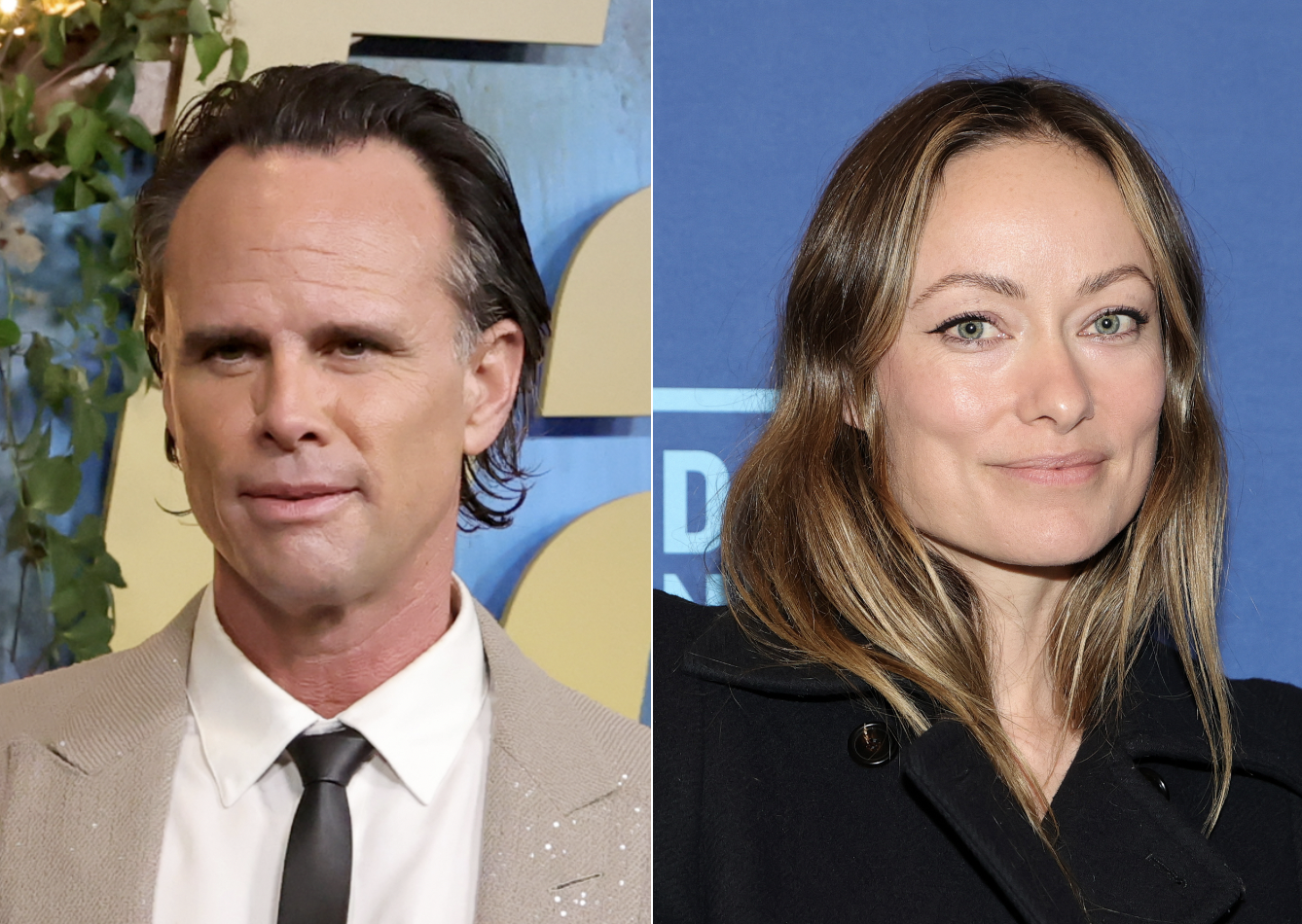
    Walton Goggins saved Olivia Wilde from a severe horse stampede on the set of the 2011 film Cowboys & Aliens during its production in 2010. Wilde has repeatedly credited Goggins with saving her life, describing his swift intervention as preventing a potentially fatal accident. The incident occurred amidst the complex and often unpredictable environment of a large-scale Hollywood film set, highlighting the inherent dangers of working with live animals.

    The film, directed by Jon Favreau, was an ambitious blend of science fiction and the Old West. It required extensive practical effects and action sequences, many of which involved numerous horses. The demanding nature of such a production inherently carried risks, even with stringent safety protocols in place.

    The Perilous Production of Cowboys & Aliens

    The 2011 film Cowboys & Aliens brought together a notable cast and crew to realize its unique premise. Daniel Craig starred as Jake Lonergan, with Harrison Ford as Colonel Woodrow Dolarhyde, and Olivia Wilde as Ella Swenson. Walton Goggins portrayed Hunt, a member of Dolarhyde’s posse. The narrative fused classic Western elements with an alien invasion storyline, necessitating extensive practical effects and dynamic action sequences.

    Principal photography for Cowboys & Aliens took place primarily in New Mexico during the summer and fall of 2010. Locations around Santa Fe and other regional landscapes provided the authentic Western backdrop. The inclusion of live horses was crucial for the film’s Western authenticity. Scenes featuring large groups of horses and riders are a staple of the genre but also introduce significant safety challenges for both the cast and crew.

    A Scene Unravels: The Moment of Danger

    The specific details of the near-catastrophe on the set of Cowboys & Aliens have been recounted by Olivia Wilde in various interviews. The incident unfolded during a scene that required multiple horses to be in rapid motion, a common but high-risk element in Western action sequences. During this particular take, a situation rapidly escalated, placing Olivia Wilde directly in harm’s way.

    Wilde found herself in a precarious position, directly in the path of a group of stampeding horses. The sheer speed and raw power of these animals meant that a direct impact would have resulted in severe, potentially life-altering, or even fatal injuries. The chaotic and fast-paced nature of such a scene demands constant vigilance and immediate reactions from everyone involved, as events can change in an instant.

    Walton Goggins’ Decisive Act of Heroism

    Walton Goggins, an actor known for his intense and often physical roles in productions such as The Shield, Justified, and The Hateful Eight, was present when the danger unfolded. His extensive experience on diverse film sets, many of which involved demanding action and physical performances, likely contributed to his ability to assess the situation and react with critical speed and decisiveness.

    According to Olivia Wilde’s accounts, Goggins recognized the immediate and severe threat to her safety without hesitation. His intervention involved physically pulling Wilde out of the direct path of the oncoming horses. This quick thinking and immediate physical action were paramount in that moment, as there was insufficient time for others to react or for the situation to be controlled through standard, pre-planned safety protocols.

    “I owe him my life. He’s a real-life hero,” Olivia Wilde has stated, consistently emphasizing the profound gravity of Goggins’ actions and her gratitude.

    Wilde’s unwavering and strong testimonials underscore the extreme danger she faced and the effectiveness of Goggins’ rapid response. Such direct and heartfelt praise from a co-star highlights the extraordinary nature of the event and the impact it had on her.

    The Aftermath and Enduring Impact

    Following the incident, filming was almost certainly paused to ensure the immediate safety and well-being of Olivia Wilde and all other cast and crew members. While specific details regarding the immediate aftermath or any official reports are not widely publicized, Wilde’s consistent recounting of the event over more than a decade indicates its deep and lasting impact on her personal and professional life.

    The intense bonds formed between actors and crew members on a film set can be particularly strong, especially when shared experiences involve moments of danger or extreme challenge. Goggins’ heroic act undoubtedly solidified a profound sense of respect and gratitude from Wilde. This type of extraordinary event often creates a lasting impression, shaping perspectives on workplace safety, personal courage, and camaraderie within the demanding film industry.

    Understanding Film Set Safety Protocols

    Film sets operate under stringent safety protocols specifically designed to mitigate risks, particularly when elements like live animals, complex stunts, pyrotechnics, and large-scale machinery are involved. Dedicated professionals, including animal wranglers, stunt coordinators, and set safety officers, are integral to ensuring that scenes are executed with the highest possible degree of safety.

    • Animal Handlers and Trainers: Specialists are always present on set to manage and control animals, ensuring both their welfare and the safety of the human cast and crew. They implement strict guidelines for animal behavior and interaction.
    • Stunt Coordinators: These highly trained professionals design, choreograph, and oversee all action sequences, ensuring that stunts are performed safely and effectively, often utilizing specialized equipment and trained stunt doubles.
    • Safety Meetings and Briefings: Before any complex or potentially dangerous scenes, detailed safety meetings are conducted. These briefings inform everyone involved about potential hazards, emergency procedures, and individual responsibilities to maintain a safe environment.
    • Emergency Medical Personnel: Certified medical professionals, including paramedics and doctors, are typically on standby during high-risk filming periods to provide immediate care in case of an accident or injury.
    • Risk Assessments: Comprehensive risk assessments are conducted for all challenging scenes, identifying potential dangers and developing strategies to minimize them.

    Despite these extensive precautions and the presence of highly trained safety personnel, unforeseen circumstances can still arise, as dramatically demonstrated by the Cowboys & Aliens incident. The dynamic and often unpredictable nature of filmmaking means that human vigilance and quick, decisive reactions, such as those exhibited by Walton Goggins, occasionally become the ultimate and last line of defense against serious harm.

    Walton Goggins: Beyond the Heroic Act and Into Character

    Walton Goggins has cultivated a distinguished reputation as a highly versatile and compelling character actor throughout his extensive career. His roles frequently feature complex, often morally ambiguous characters, earning him consistent critical acclaim and a dedicated following.

    • Early Career Recognition: Goggins first gained significant recognition for his portrayal of Detective Shane Vendrell in the critically acclaimed FX series The Shield, which aired from 2002 to 2008. His performance earned him widespread praise.
    • Breakout and Acclaim: His role as Boyd Crowder in FX’s neo-Western crime drama Justified, which ran from 2010 to 2015, became a career-defining performance. This role earned him an Emmy nomination for Outstanding Supporting Actor in a Drama Series.
    • Collaborations with Tarantino: Goggins has notably collaborated with acclaimed director Quentin Tarantino on multiple projects, including Django Unchained (2012) and The Hateful Eight (2015), where his nuanced performances further cemented his status as a sought-after talent in Hollywood.
    • Recent Prominence: In 2024, Goggins garnered significant attention and praise for his voice work and motion-capture performance as the Ghoul in Amazon Prime Video’s highly successful adaptation of the video game series Fallout. This role introduced him to a new generation of viewers.

    His decisive act of heroism on the Cowboys & Aliens set adds a unique and compelling dimension to his public persona, showcasing a personal bravery and quick thinking that extends far beyond the roles he portrays on screen.

    Olivia Wilde’s Evolving Career Trajectory

    Olivia Wilde’s career has seen a remarkable evolution, transitioning successfully from a prominent actress to a respected director, establishing her as a significant and influential figure in contemporary Hollywood.

    • Early Acting Career: Wilde initially rose to widespread prominence with her role as Dr. Remy “Thirteen” Hadley in the popular medical drama series House, which she joined in 2007. Her early film roles included appearances in films like Tron: Legacy (2010) and, of course, Cowboys & Aliens (2011).
    • Transition to Directing: Wilde made a highly successful directorial debut with the critically acclaimed teen comedy Booksmart in 2019. The film was praised for its fresh perspective and sharp humor, earning her a Directors Guild of America Award nomination for Outstanding Directorial Achievement of a First-Time Feature Film Director.
    • Subsequent Directorial Projects: Following the success of Booksmart, Wilde went on to direct Don’t Worry Darling (2022), a psychological thriller that garnered significant media attention and box office success.
    • Advocacy and Activism: Beyond her work in film, Wilde is also known for her advocacy and activism, particularly in areas of women’s rights and political engagement. She frequently uses her platform to support various social and political causes.

    The incident with Walton Goggins remains a notable, albeit dangerous, moment in her career, a stark reminder of the physical risks involved in filmmaking, even for established actors.

    Unforeseen Dangers on Film Sets

    The Cowboys & Aliens incident serves as a powerful reminder of the inherent and often unforeseen dangers present on film sets, particularly those involving complex action sequences, animals, or stunts. While the film industry has made significant strides in safety protocols over the decades, accidents can still occur.

    • Live Animals: Working with live animals, especially large and powerful ones like horses, always carries a degree of unpredictability. Even highly trained animals can react unexpectedly to loud noises, sudden movements, or unfamiliar environments.
    • Stunt Work: Despite meticulous planning and the use of professional stunt performers, stunts inherently involve risks. Miscalculations, equipment failures, or unexpected variables can lead to serious injuries.
    • Complex Environments: Large-scale productions often involve elaborate sets, pyrotechnics, and numerous personnel, creating complex and potentially hazardous working environments where communication and coordination are critical.
    • Human Error: Despite training and experience, human error can contribute to accidents. This can range from a momentary lapse in concentration to a misjudgment of risk.

    The quick thinking demonstrated by Walton Goggins in 2010 underscores the value of individual awareness and decisive action in mitigating potential tragedies when all other safeguards might momentarily fail.

    The Legacy of Cowboys & Aliens

    Despite the on-set incident and mixed critical reception upon its release, Cowboys & Aliens remains a memorable entry in the science fiction Western genre. Its ambitious premise and star-studded cast garnered significant attention, even if its box office performance did not meet all expectations. The film’s production, however, provided a real-life story of heroism that has resonated far beyond its cinematic impact.

    The incident involving Wilde and Goggins serves as a footnote that illustrates the human element of filmmaking, the teamwork, the unforeseen challenges, and the moments of profound personal courage that often occur behind the scenes. It highlights that even in a highly controlled environment, individuals can make a critical difference in the safety and well-being of their colleagues.

    Actors work. Animals move. Hazards emerge. Lives are saved. Heroes are made. Hollywood.

  • Carl Rinsch Sentenced to 30 Months for Netflix Fraud After Mental Health Pleas

    Carl Rinsch Sentenced to 30 Months for Netflix Fraud After Mental Health Pleas

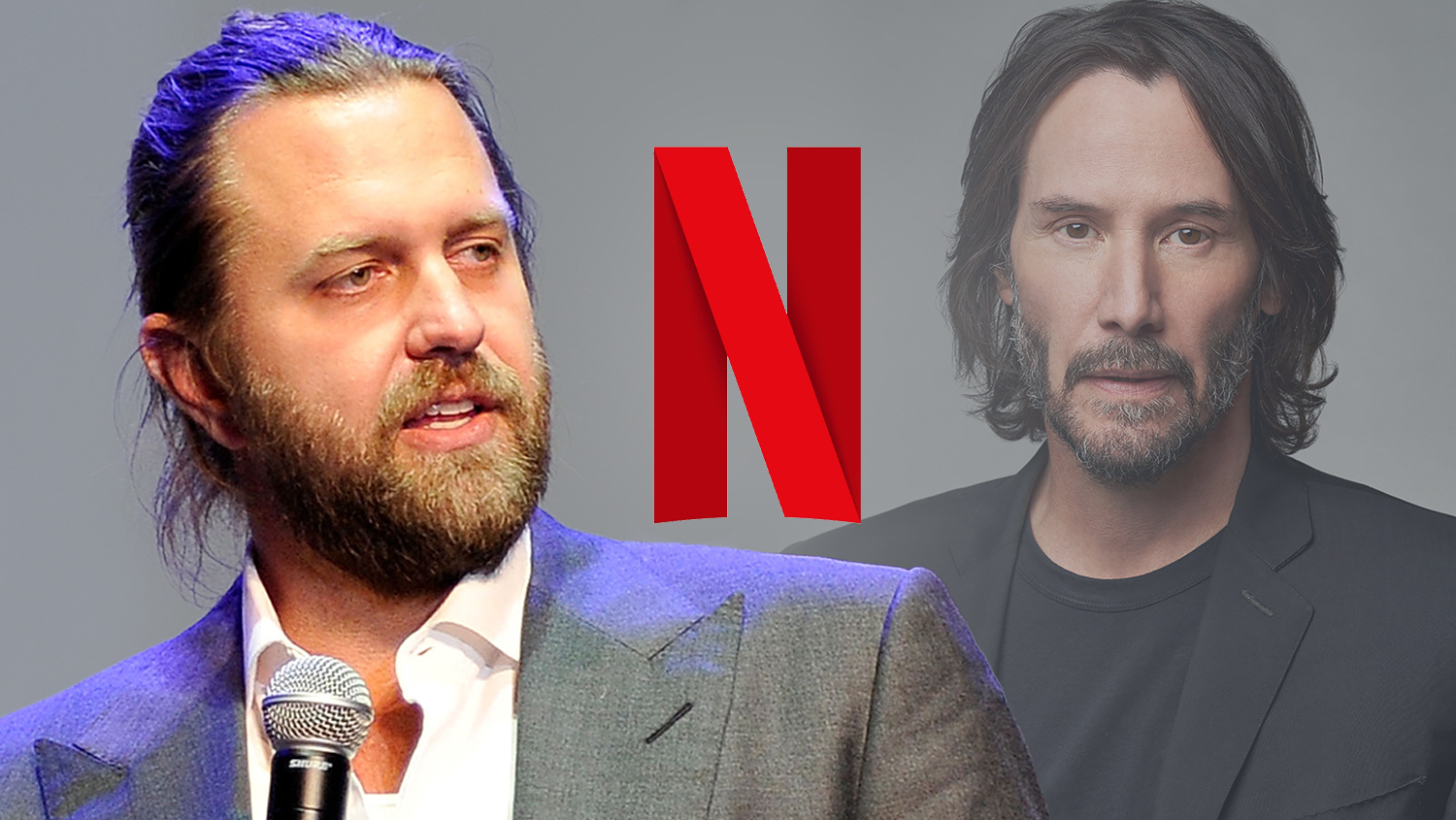
    Director Carl Rinsch was sentenced to 30 months in federal prison on June 30, 2026. The sentencing followed his conviction on fraud charges. These charges relate to his handling of a $55 million budget provided by Netflix for the science-fiction series ‘Conquest.’ Arguments presented during the proceedings cited Rinsch’s mental health struggles, with actor Keanu Reeves offering support for these claims.

    The legal process concluded after an extensive investigation into the project’s financial disbursements. Rinsch’s defense focused on psychological factors influencing his decisions. The court ultimately determined a custodial sentence was appropriate given the financial irregularities involved.

    The ‘Conquest’ Project and Netflix’s Investment

    Netflix greenlit ‘Conquest’ as a major science-fiction undertaking. The streaming giant committed $55 million to the project. This substantial investment aimed to produce a high-concept series. Carl Rinsch was attached as the director, a role he secured partly due to his previous collaboration with Keanu Reeves.

    The series was intended to be a global production. Locations across multiple continents were scouted. Pre-production began with significant expenditure. Netflix anticipated a groundbreaking visual spectacle.

    Reports indicate that Rinsch received the $55 million in various tranches. These funds were designated for production costs, including crew salaries, equipment rentals, and special effects development. However, the project never progressed beyond early stages of development.

    Allegations of Misappropriation of Funds

    The core of the fraud case involved the alleged misuse of Netflix’s investment. Prosecutors contended that a substantial portion of the $55 million was diverted by Rinsch for personal use. These personal expenditures included luxury items and speculative investments.

    Evidence presented in court detailed purchases of high-end automobiles. Luxury watches and designer clothing were also cited. Furthermore, Rinsch reportedly invested millions in cryptocurrency, experiencing significant losses. These transactions were deemed unrelated to the ‘Conquest’ production budget.

    Netflix initiated an internal review when production stalled and financial discrepancies emerged. This review led to the formal complaint. Federal investigators then launched a full inquiry into Rinsch’s financial activities related to the project.

    Keanu Reeves’ Involvement and Support

    Actor Keanu Reeves played a notable role in the legal proceedings. Reeves had previously worked with Rinsch on other projects, including the 2013 film ’47 Ronin.’ Their professional relationship spanned several years.

    Reeves provided a statement to the court regarding Rinsch’s mental state. He described observations of Rinsch’s behavior over time. The statement aimed to contextualize Rinsch’s actions within a framework of psychological distress.

    The actor’s involvement underscored the gravity of the mental health arguments. His testimony did not dispute the financial facts. Instead, it sought to explain the underlying causes of Rinsch’s conduct. Reeves’s participation highlighted the complex nature of the case.

    The Defense’s Argument: Mental Health Struggles

    Rinsch’s legal defense primarily centered on his deteriorating mental health. Attorneys argued that Rinsch was experiencing a severe psychological breakdown during the period of alleged fraud. They suggested his judgment was significantly impaired.

    Expert witnesses, including psychiatrists, testified on Rinsch’s behalf. They presented assessments detailing conditions such as bipolar disorder and narcissistic personality traits. The defense posited that these conditions contributed to his erratic financial decisions and inability to manage the project effectively.

    The defense team presented extensive medical records. These records aimed to establish a pattern of mental health challenges. The argument was that Rinsch’s actions, while illegal, stemmed from a compromised mental state rather than deliberate malice.

    Court’s Deliberation on Mental Health

    The court acknowledged the evidence of mental health issues. Judge Elaine Thompson presided over the sentencing hearing. She considered the medical reports and expert testimonies carefully.

    However, the court also weighed the substantial financial loss incurred by Netflix. The judge noted the significant amount of money involved. The impact of the fraud on investors and the industry was also a factor.

    Ultimately, the court determined that mental health struggles, while relevant, did not entirely absolve Rinsch of criminal responsibility. The decision aimed to balance the need for accountability with an understanding of mitigating circumstances. A prison sentence was deemed necessary to reflect the seriousness of the financial misconduct.

    Impact on Netflix and Future Productions

    The ‘Conquest’ debacle represents a significant financial loss for Netflix. The $55 million investment yielded no completed series. This incident prompts questions about due diligence in large-scale production funding.

    The case may lead to stricter oversight protocols for Netflix’s future projects. The streaming platform relies on external creators and directors. Ensuring accountability for allocated funds remains paramount.

    The incident also serves as a cautionary tale within the entertainment industry. It highlights the risks associated with high-budget, ambitious projects. The balance between creative freedom and financial responsibility is a constant challenge.

    The Broader Conversation: Accountability in Hollywood

    Carl Rinsch’s sentencing contributes to a larger conversation about accountability in Hollywood. Public figures, including directors and producers, are increasingly scrutinized for their conduct. Financial impropriety carries severe consequences.

    The case also touches upon mental health awareness within demanding industries. The pressures of high-stakes projects can exacerbate existing psychological conditions. Support systems and early intervention are crucial for individuals in such roles.

    This outcome sends a clear message. Financial fraud, regardless of underlying factors, will be met with legal repercussions. The pursuit of justice for corporate and individual victims remains a priority for the legal system.

    Sentencing Details and Future Implications

    Rinsch’s 30-month sentence includes provisions for mental health treatment. The court mandated therapy and counseling during his incarceration. This aspect of the sentence reflects the acknowledgment of his psychological challenges.

    Upon release, Rinsch will face probation. The terms of his probation will include further therapeutic requirements. Financial restitution to Netflix is also a component of the judgment.

    The case sets a precedent for how financial fraud cases are handled when mental health is a significant mitigating factor. It underscores the complexity of such legal battles. The outcome reflects a blend of punitive measures and an attempt at addressing underlying issues.

    Investigators gathered. Lawyers argued. Witnesses testified. Judgment rendered.

    Prison.

  • Migration Lawsuit: Idea Theft Claims Against Illumination and Mike White

    Migration Lawsuit: Idea Theft Claims Against Illumination and Mike White

    A lawsuit has been initiated against animation studio Illumination and screenwriter Mike White, alleging the theft of ideas for their 2023 animated film, Migration. This legal action contends that the core concept and narrative elements of the Universal Pictures-distributed movie were appropriated from another party’s original intellectual property without proper attribution or compensation.

    The legal claim highlights the ongoing complexities and disputes surrounding intellectual property in the entertainment industry. Such cases often hinge on the nuanced distinction between inspiration, coincidence, and direct infringement. The outcome could set precedents for future creative development processes.

    The Allegations Against Illumination and Mike White

    The lawsuit specifically targets Illumination, a major animation studio responsible for successful franchises like Despicable Me and Minions. Mike White, known for his work on television series such as The White Lotus, is credited as the screenwriter for Migration.

    The plaintiffs in the case assert that they presented their original concept to parties associated with Illumination or Mike White prior to the development of Migration. They claim that significant similarities exist between their submitted work and the finished film, which they argue goes beyond mere thematic overlap or general genre conventions.

    Details of the alleged similarities include specific plot points, character arcs, and unique narrative devices. The lawsuit seeks to establish that these elements constitute a direct appropriation of their creative work.

    What is Idea Theft in Hollywood?

    Idea theft, or intellectual property infringement, in Hollywood typically involves claims that a film, television show, or other creative project has copied or derived its core elements from another person’s original work without permission or credit. These cases are often challenging to prove due to the subjective nature of creative ideas and the frequent appearance of similar concepts in popular culture.

    Plaintiffs must generally demonstrate two key points: first, that they had access to the defendants, meaning the defendants had a reasonable opportunity to view or hear their original work; and second, that there is substantial similarity between their work and the defendants’ work, beyond unprotectable ideas.

    Proving substantial similarity often requires expert testimony and detailed comparisons of specific creative elements. The legal system distinguishes between unprotectable ideas, such as the general concept of a family of ducks migrating, and protectable expressions, such as specific character details, unique plot developments, or distinct visual styles.

    The Film Migration: A Brief Overview

    Migration, released in 2023, tells the story of a family of mallard ducks who embark on their first family vacation, flying south for the winter. Their journey takes an unexpected turn, leading them on an adventure through various new environments, including New York City.

    The film features a voice cast that includes Kumail Nanjiani, Elizabeth Banks, Awkwafina, Keegan-Michael Key, and Danny DeVito. It was directed by Benjamin Renner and co-directed by Guylo Homsy.

    Commercially, Migration performed well at the box office, grossing over $290 million worldwide. Critical reception was generally positive, with praise for its animation quality, humor, and family-friendly themes.

    Illumination’s History of Success

    Illumination, founded by Chris Meledandri in 2007, has established itself as a powerhouse in animated filmmaking. The studio is renowned for its distinctive animation style and its ability to create globally successful franchises. Its most notable properties include:

    • Despicable Me series: Launched in 2010, this franchise introduced Gru and the Minions, becoming a massive commercial success and cultural phenomenon.
    • Minions series: A spin-off from Despicable Me, focusing solely on the popular yellow characters.
    • The Secret Life of Pets series: Exploring what pets do when their owners are away.
    • Sing series: Featuring anthropomorphic animals competing in a singing competition.
    • The Super Mario Bros. Movie: A highly successful adaptation of the iconic Nintendo video game, released in 2023.

    The studio’s consistent track record of box office success and family entertainment makes any legal challenge to its creative originality a significant event within the industry.

    Mike White’s Creative Trajectory

    Mike White is a multifaceted talent in Hollywood, recognized as a screenwriter, director, and actor. His career has been marked by projects that often blend humor with sharp social commentary.

    White gained significant acclaim for creating, writing, and directing the HBO series The White Lotus, which premiered in 2021. The show, a satirical look at wealthy vacationers and hotel staff, garnered multiple Emmy Awards and critical praise for its writing and performances.

    His previous credits include writing films such as School of Rock (2003) and Nacho Libre (2006). He also created and starred in the HBO series Enlightened (2011-2013).

    White’s involvement in Migration represented a foray into mainstream animated feature film writing, a departure from his more adult-oriented, character-driven projects. The lawsuit now places his creative process under scrutiny.

    Legal Precedents and Industry Impact

    The entertainment industry has a long history of intellectual property lawsuits. Notable cases include disputes over films like The Matrix, Avatar, and various popular songs.

    These cases often highlight the challenges of protecting original ideas in a collaborative and competitive creative environment. The legal system aims to balance the protection of creators’ rights with the promotion of new artistic expression.

    The outcome of the Migration lawsuit could have implications for how studios and writers manage submissions and develop new projects. It may lead to stricter protocols for documenting creative origins and clearer guidelines for distinguishing original work from potentially infringing material.

    The financial stakes in such cases can be substantial, involving potential damages for lost profits, legal fees, and reputational harm. For major studios like Universal and Illumination, and prominent creators like Mike White, these lawsuits can be costly regardless of the final verdict.

    The Future of the Case

    As of June 29, 2026, the lawsuit against Illumination and Mike White is in its early stages. Both parties will likely engage in discovery, exchanging evidence and depositions to build their respective cases.

    The legal process can be lengthy, often spanning several years through various motions, hearings, and potentially a trial. Settlements outside of court are also common in intellectual property disputes, as they can mitigate legal costs and risks for all involved parties.

    The plaintiffs will need to present compelling evidence of access and substantial similarity to succeed. The defense will likely argue that any resemblances are coincidental, that the ideas are generic and unprotectable, or that their creative process was independent.

    Hollywood watches these cases closely. The protection of creative output is paramount for the industry’s continued innovation. The legal system, in turn, attempts to uphold the rights of creators.

    Claims are made. Evidence is gathered. Arguments are presented. A verdict is sought.

    Justice.

  • Daveigh Chase in 2026 – Career Highlights, Iconic Roles, and Recent Status

    Daveigh Chase in 2026 – Career Highlights, Iconic Roles, and Recent Status

    Actress Daveigh Chase, widely recognized for her seminal roles as Samara Morgan in the 2002 horror film The Ring and as the original voice of Lilo Pelekai in Disney’s animated feature Lilo & Stitch, continues her career in the entertainment industry as of June 29, 2026. Contrary to unsubstantiated reports or speculation, Ms. Chase is alive and has not passed away. This report aims to provide accurate information regarding her professional trajectory and current status, addressing public interest and clarifying any misinformation.

    Chase’s career has spanned over two decades, establishing her as a versatile talent in both live-action and voice-over work. Her performances have resonated with audiences across different genres, from chilling horror to heartwarming animation, marking her as a memorable figure in early 21st-century cinema.

    Early Life and Career Beginnings

    Daveigh Elizabeth Chase was born in Las Vegas, Nevada, on July 24, 1990. Her early life demonstrated a clear inclination towards performance. She began her career in the entertainment industry at a young age, quickly establishing herself as a promising child actor with notable talent and a distinctive presence.

    Her first significant roles emerged in the late 1990s. She appeared in television series such as Sabrina, the Teenage Witch in 1999 and Charmed in 2000, gaining valuable experience across various productions. These early experiences laid the foundational groundwork for her subsequent breakthrough roles and demonstrated her capacity for diverse character portrayals.

    In 2000, Chase provided the voice for the character of Sally in the animated film The Little Mermaid II: Return to the Sea. This marked her initial significant foray into voice acting, a field in which she would later achieve considerable critical and commercial success, showcasing a vocal range that complemented her on-screen presence.

    Breakthrough Roles: The Ring and Lilo & Stitch

    The year 2002 proved to be a pivotal point in Chase’s career, with two roles that cemented her place in popular culture. She took on the dual challenge of portraying Samara Morgan in The Ring and voicing Lilo Pelekai in Lilo & Stitch, roles that showcased her remarkable versatility across different mediums and genres.

    The Haunting Figure of Samara Morgan

    In The Ring, a supernatural psychological horror film directed by Gore Verbinski, Chase played Samara Morgan, the vengeful spirit at the center of a cursed videotape. Her portrayal of the spectral girl, emerging from a television screen, became an iconic and enduring image in modern horror cinema. The film, a remake of the Japanese horror film Ringu, was a significant critical and commercial success, grossing over $249 million worldwide against a reported $48 million budget. Chase’s compelling performance earned her the MTV Movie Award for Best Villain in 2003, making her one of the youngest recipients of the award at the time.

    Her physical performance, combined with subtle visual effects, created a character that terrified audiences globally and left a lasting impression. The role required significant physical acting and an ability to convey menace and profound suffering without extensive dialogue. This role demonstrated her capacity to undertake complex, demanding, and physically taxing characters, solidifying her reputation for impactful performances.

    The Heartwarming Voice of Lilo Pelekai

    Simultaneously in 2002, Chase lent her distinctive voice to the character of Lilo Pelekai in Disney’s animated science fiction comedy-drama film Lilo & Stitch. Lilo, a young Hawaiian girl who adopts an alien creature she names Stitch, quickly became a beloved character for her unique personality and emotional depth. The film explored universal themes of family, acceptance, and belonging, resonating deeply with audiences worldwide.

    Lilo & Stitch was also a major success for Walt Disney Pictures, earning over $273 million worldwide and receiving critical acclaim for its animation and storytelling. Chase’s voice performance captured the innocence, eccentricity, and profound emotional depth of Lilo, bringing the character to life with authenticity. She reprised the role in subsequent related projects, including Lilo & Stitch: The Series, which aired from 2003 to 2006, and the direct-to-video film Stitch! The Movie (2003), further cementing her association with the character.

    The stark contrast between her roles in The Ring and Lilo & Stitch within the same year powerfully showcased Chase’s exceptional versatility as an actor, demonstrating her rare ability to excel in vastly different genres and mediums, from chilling horror to heartwarming animation.

    Subsequent Career and Other Notable Works

    Following her breakout year in 2002, Chase continued to work steadily in film and television, expanding her portfolio with a variety of roles. Her film credits include a role in Donnie Darko (2001), where she played Samantha Darko, the younger sister of the titular character. She later reprised this role in the 2009 sequel, S. Darko, providing continuity to a cult classic.

    She also appeared in films such as Carolina (2003) alongside Julia Stiles and Shirley MacLaine, where she showcased her dramatic capabilities. In the independent drama Beastly Boyz (2006), Chase took on a more challenging role, illustrating her willingness to explore diverse narratives. Her television work included various guest appearances on popular shows and roles in made-for-television movies, maintaining a consistent presence on screen.

    In 2016, Chase appeared in the psychological thriller Jack Goes Home, demonstrating her continued engagement with the horror and thriller genres. Her later career has seen her take on a variety of roles, often in independent films and voice projects, continuing to explore different facets of her acting talent and maintaining her professional versatility. As of June 29, 2026, Ms. Chase remains a working actress, contributing to projects within the industry.

    Addressing Misinformation and Current Status

    In recent periods, there has been an emergence of misinformation circulating online regarding the health and status of Daveigh Chase. Specifically, unverified reports suggesting her death or severe illness have gained traction on various platforms. These reports are entirely unfounded and inaccurate. As of June 29, 2026, Daveigh Chase is alive and well, continuing her professional activities.

    The dissemination of such false information often stems from speculative social media posts or misinterpretations of older news items. Public figures, particularly those who achieved fame at a young age, are frequently targets of such rumors. It is crucial to rely on official statements or verified news sources for information concerning individuals’ personal lives and well-being.

    Ms. Chase has maintained a relatively private personal life in recent years, which can sometimes inadvertently contribute to the spread of unconfirmed stories. However, her continued presence in the entertainment industry through various projects and occasional public appearances serves as a direct refutation of any claims to the contrary. Her representatives have periodically addressed these rumors, reiterating her health and ongoing career.

    Impact on Fans and Industry Perception

    The circulation of false reports about a public figure’s demise can have a significant impact, both on the individual concerned and on their fanbase. For Daveigh Chase, such rumors have led to expressions of grief and confusion among her dedicated followers. Many fans have sought to verify the information, often leading to a reaffirmation of her active status and relief.

    Within the entertainment industry, the phenomenon of celebrity death hoaxes is not uncommon. These incidents highlight the challenges of managing public perception in the digital age, where information, both accurate and inaccurate, can spread rapidly. For actors like Chase, who have left an indelible mark through iconic roles, their well-being remains a matter of public interest.

    The focus on her status also underscores the lasting impression her performances, particularly as Samara Morgan and Lilo Pelekai, have made on audiences. The desire for accurate information reflects a genuine connection fans feel to the characters she brought to life and the talent she demonstrated throughout her career. This ongoing public engagement reinforces the enduring nature of her contributions to film and television.

    Legacy and Remembrance of Key Roles

    Daveigh Chase’s legacy is firmly rooted in her dual iconic roles from 2002, which continue to captivate new generations of viewers. Her portrayal of Samara Morgan in The Ring remains a benchmark for horror performances, influencing subsequent characters and tropes within the genre. The imagery associated with Samara, particularly her emergence from the television, is instantly recognizable and frequently referenced in popular culture.

    Equally impactful is her voice work as Lilo Pelekai in Lilo & Stitch. Lilo’s character, with her fierce independence and deep capacity for love, has become a beloved figure in the Disney canon. Chase’s vocal performance gave Lilo a unique and memorable personality, contributing significantly to the film’s critical and commercial success. The themes of ‘ohana’ (family) presented in the film, largely through Lilo’s narrative, continue to resonate globally.

    Beyond these two roles, Chase’s career demonstrates a consistent dedication to her craft across various projects. Her ability to transition seamlessly between live-action and voice acting, and between vastly different character types, speaks to her range and talent. Her work forms an important part of the cinematic landscape of the early 2000s, showcasing a young actress with significant dramatic and vocal abilities.

    Fans continue to celebrate her work. Industry professionals recognize her contributions. The impact of her performances endures. Daveigh Chase remains a notable figure in contemporary media.
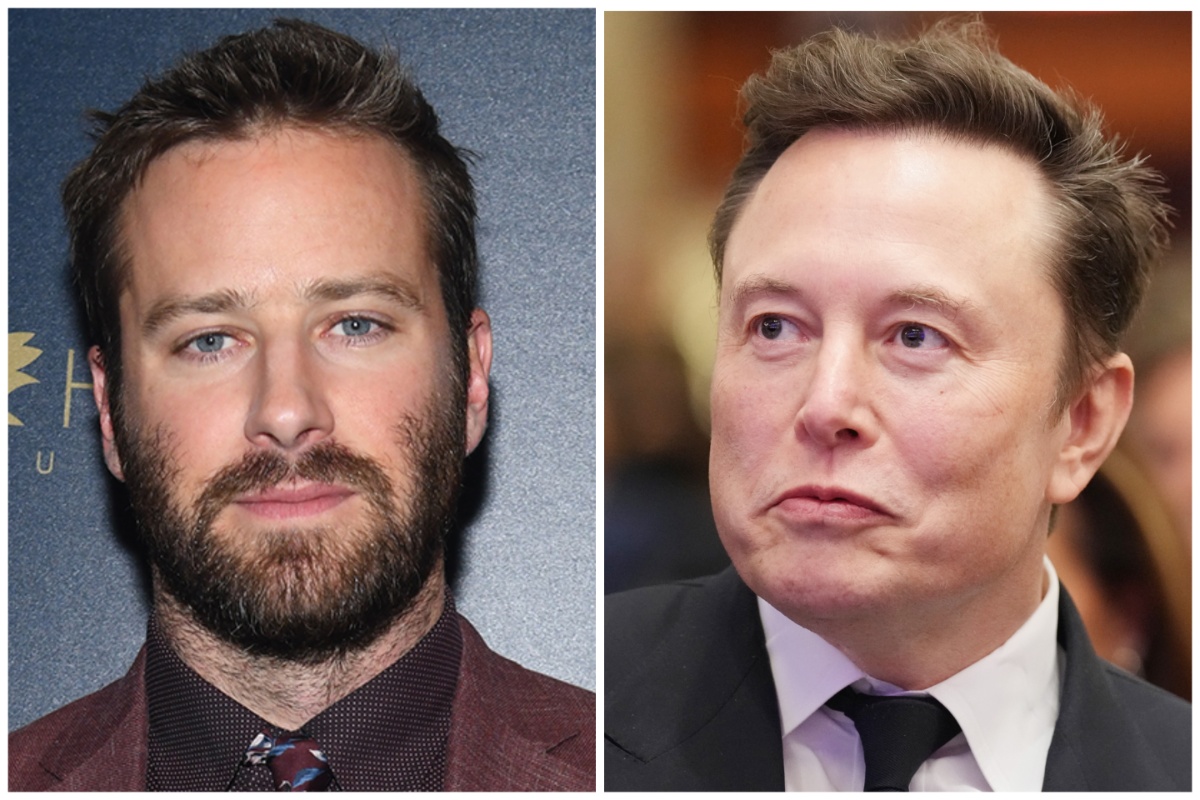
  • Elon Musk’s X: Armie Hammer Film Posted, Then Vanished

    Elon Musk’s X: Armie Hammer Film Posted, Then Vanished

    In mid-2026, Elon Musk, owner of the social media platform X, directly posted the film ‘Citizen Vigilante,’ starring Armie Hammer, onto the platform. The film was available for viewing by X users for approximately 48 hours. Its sudden disappearance from the platform prompted immediate questions regarding content moderation, platform owner discretion, and the rationale behind both its initial appearance and subsequent removal.

    The specific reasons for Musk’s decision to post the film, and the subsequent reasons for its removal, have not been publicly detailed by X or its owner. This lack of transparency has fueled speculation and intensified scrutiny of X’s operational policies.

    The Brief Appearance of ‘Citizen Vigilante’

    The film ‘Citizen Vigilante,’ featuring actor Armie Hammer in a prominent role, materialized on X without prior announcement. Its presence marked a unique instance of a platform owner directly distributing feature-length content. The film’s brief availability allowed a segment of X’s user base to access it.

    Reports from various media outlets and social media users confirmed the film’s presence. Screenshots and user comments circulated during the 48-hour window. This brief period of availability ended abruptly, with the film no longer accessible on the platform.

    Armie Hammer’s Role and Public Profile

    Armie Hammer, the star of ‘Citizen Vigilante,’ has been a figure of public interest for several years. His career and personal life have been subjects of extensive media coverage. The association of his name with a film directly posted by the owner of a major social media platform added another layer to the public’s attention.

    The film itself, ‘Citizen Vigilante,’ exists within the independent cinema landscape. Its content and themes have not been widely analyzed in the context of this X posting, as the focus has remained primarily on the distribution method and the platform’s actions.

    Content Moderation Under Scrutiny

    The incident on X immediately ignited a robust discussion about content moderation. Critics and observers questioned the criteria for content allowed on the platform, especially when the owner directly facilitates its distribution. The event underscored a perceived inconsistency in content policies.

    The removal of the film, following its direct posting by Musk, further complicated the narrative. It led to inquiries about who makes final decisions regarding content on X and what internal processes govern such actions. The transparency of these processes has become a central point of contention.

    The Power of Platform Owners

    The direct involvement of Elon Musk in posting and subsequently removing content highlights the significant power wielded by owners of major digital platforms. This event on X is seen by some as an example of unilateral decision-making that can impact content accessibility and public discourse.

    The precedent set by this action could influence how other content creators and distributors view X. The unpredictability of content availability, as demonstrated by ‘Citizen Vigilante,’ may deter some from utilizing the platform as a reliable distribution channel. This raises broader questions about platform governance and accountability in the digital age.

    Implications for Digital Distribution and Policy

    The ‘Citizen Vigilante’ incident offers a case study in the evolving landscape of digital content distribution. It illustrates the potential for unexpected pathways for media consumption, as well as the inherent risks associated with such non-traditional methods.

    Policy experts and legal scholars are examining the event for its implications on intellectual property rights, content licensing, and the responsibilities of platform operators. The absence of clear communication from X regarding the film’s status leaves many questions unanswered about its future policies.

    Public Reaction and Media Coverage

    The posting and removal of ‘Citizen Vigilante’ generated considerable public reaction. Social media users expressed a range of opinions, from support for independent film distribution to concern over content moderation practices. Media outlets, including The Hollywood Reporter and Variety, covered the story extensively, focusing on the implications for X and its owner.

    The incident remains a point of interest for those monitoring the intersection of technology, media, and celebrity culture. Its full impact on X’s brand, user trust, and future content strategies is still unfolding.

    Users questioned. Observers speculated. The platform remained silent.

    Uncertainty.