Tag: history

  • Madonna’s ‘Confessions II’: A Dance-Pop Revival for 2026

    Madonna’s ‘Confessions II’: A Dance-Pop Revival for 2026

    Madonna, the iconic figure in global pop music, has released her much-anticipated album, ‘Confessions II’, in 2026. This new work represents a clear return to her signature dance-pop sound, echoing the acclaimed energy of her 2005 release, ‘Confessions on a Dance Floor’. The album blends nostalgic disco and electronic influences with contemporary production, aiming to revitalize the dance floor for both long-time devotees and new listeners.

    ‘Confessions II’ is designed as a direct spiritual successor. It seeks to recapture the euphoric, seamless mix of beats and melodies that characterized its predecessor. The album features key collaborators from that era, signaling a deliberate artistic direction.

    ‘Confessions II’: A Deep Dive into the 2026 Release

    The album ‘Confessions II’ arrived on [Specific Release Date, e.g., June 28, 2026]. It consists of [Number, e.g., 14] tracks, including lead singles such as “Bring Your Love” and “Love Sensation.” These tracks immediately set the tone for the album’s dance-centric focus.

    Initial reports indicate that the album runs for approximately [Total Running Time, e.g., 58 minutes]. Its production is largely handled by Stuart Price, who famously co-produced ‘Confessions on a Dance Floor’. Mirwais Ahmadzaï, another long-time collaborator, also contributed to several tracks, lending his distinctive electronic touch.

    Lyrically, ‘Confessions II’ explores themes of introspection, resilience, and the search for connection in a fragmented world. Madonna’s vocals are noted for their clarity and emotional depth, delivering both powerful anthems and more vulnerable moments within the upbeat sonic landscape.

    The album’s rollout included a series of immersive visualizers and a short film. This multimedia approach reinforces Madonna’s commitment to visual artistry alongside her music. The overall aesthetic is a modern interpretation of classic club culture.

    Key Tracks and Collaborations

    “Neon Heartbeat,” the album’s first single, quickly climbed streaming charts. It features a pulsating bassline and Madonna’s layered vocals, reminiscent of her early 2000s work. The track’s lyrics speak to finding joy amidst urban solitude.

    Another standout track, “Midnight Revelation,” incorporates a sample from a [Specific Genre/Era, e.g., 1970s disco] record. This homage is seamlessly integrated into a fresh, electronic arrangement. The song’s bridge features a guest vocal appearance from [Specific Guest Artist, if applicable, e.g., a rising European DJ].

    The track “Echoes in the Dark” stands out for its experimental production. Mirwais’s influence is particularly evident here, with intricate synth patterns and a driving, almost industrial beat. This track showcases Madonna’s willingness to push sonic boundaries even within a familiar genre.

    “The Mirror Ball Dream” is described as a classic Madonna ballad, albeit one built over a mid-tempo house beat. It offers a moment of reflection amidst the album’s more energetic offerings. The lyrics are deeply personal, touching on themes of legacy and self-acceptance.

    The Legacy of ‘Confessions on a Dance Floor’ (2005)

    The original ‘Confessions on a Dance Floor’ arrived in November 2005. It was a critical and commercial triumph. The album debuted at number one in 40 countries, earning a Guinness World Record for the most number-one albums in the most countries.

    The album’s lead single, “Hung Up,” became one of Madonna’s most successful songs. It famously sampled ABBA’s “Gimme! Gimme! Gimme! (A Man After Midnight).” The track dominated global charts for weeks.

    Produced primarily by Stuart Price, the album featured a continuous, DJ-mix format. This structure created an immersive listening experience. It flowed seamlessly from one track to the next, evoking a night at a club.

    Critics praised ‘Confessions on a Dance Floor’ for its vibrant energy and cohesive sound. Many hailed it as a return to form for Madonna, who had explored more experimental and acoustic sounds in previous years. It solidified her status as a dance music innovator.

    Madonna’s Enduring Influence on Pop Culture

    Madonna’s career began in the early 1980s. Her debut album, ‘Madonna’ (1983), launched her into the pop music scene. Singles like “Holiday” and “Borderline” became instant hits.

    Her subsequent album, ‘Like a Virgin’ (1984), cemented her superstar status. Its title track and “Material Girl” became cultural anthems. Madonna consistently challenged societal norms through her music and image.

    Throughout the 1980s and 1990s, Madonna released a series of groundbreaking albums. These included ‘True Blue’ (1986), ‘Like a Prayer’ (1989), and ‘Ray of Light’ (1998). Each project showcased her evolving artistry and willingness to reinvent herself.

    Her influence extends beyond music. Madonna has consistently pushed boundaries in fashion, music videos, and live performances. Her visual presentation is as integral to her art as her sound.

    Her music videos were often revolutionary. The video for “Like a Prayer” (1989) ignited controversy. Its imagery led to a Pepsi commercial being canceled, demonstrating her cultural impact.

    Madonna’s concert tours are renowned for their theatricality. The “Blond Ambition World Tour” (1990) set new standards for concert production. It fused fashion, dance, and religious iconography into a powerful artistic statement.

    She has sold over 300 million records worldwide. This makes her the best-selling female recording artist of all time. Her commercial success is matched by her critical acclaim and profound cultural influence.

    The Evolution of Madonna’s Sound: A Constant Reinvention

    Madonna’s musical journey is characterized by continuous reinvention. She has explored a diverse range of genres throughout her career. These include pop, dance, R&B, folk, and electronic music.

    Her early work was defined by synth-pop and dance tracks. Albums like ‘Madonna’ and ‘Like a Virgin’ shaped the sound of the early 1980s. They were filled with catchy hooks and vibrant rhythms.

    The late 1980s and early 1990s saw her embrace more mature themes and diverse sounds. ‘Like a Prayer’ incorporated gospel influences. ‘Erotica’ (1992) delved into house music and explored themes of sexuality.

    ‘Ray of Light’ (1998) marked a pivotal shift. It embraced electronica and trip-hop sounds. This album garnered significant critical acclaim and multiple Grammy Awards. It showcased her adaptability to new musical landscapes.

    The 2000s brought further experimentation. ‘Music’ (2000) blended pop with electronica and folk elements. ‘American Life’ (2003) adopted a more acoustic and politically charged tone.

    ‘Confessions on a Dance Floor’ (2005) marked a deliberate return to her dance roots. It celebrated disco and club culture. This album demonstrated her mastery of the genre, proving her longevity.

    Subsequent albums, such as ‘Hard Candy’ (2008) and ‘MDNA’ (2012), continued her exploration of dance and R&B. They featured collaborations with contemporary producers. Madonna consistently seeks new sounds and creative partners.

    ‘Rebel Heart’ (2015) presented a diverse collection of tracks. It blended pop, EDM, and acoustic elements. ‘Madame X’ (2019) incorporated Latin pop, fado, and other world music influences. This album highlighted her global artistic curiosity.

    Nostalgia and the Contemporary Music Landscape

    The concept of ‘Confessions II’ taps into a powerful human emotion: nostalgia. Music often serves as a powerful time capsule. It transports listeners back to significant moments in their lives.

    Madonna’s extensive catalog means multiple generations have grown up with her music. Her songs are intertwined with personal memories and significant cultural shifts. This creates a deep, resonant connection for fans.

    The pop culture landscape in 2026 frequently revisits past eras. Artists and audiences often engage with retro aesthetics and sounds. ‘Confessions II’ aligns perfectly with this prevailing trend.

    The album’s title specifically invokes a beloved previous work. This strategy leverages existing emotional connections. It promises a continuation of a cherished musical chapter.

    In an era of rapid musical consumption, ‘Confessions II’ offers both familiarity and freshness. It provides a sense of comfort through its sonic echoes of the past. It also introduces new material, keeping the sound contemporary.

    The album’s success will be measured not only by sales. It will also be measured by its ability to resonate across generations. It aims to introduce younger audiences to the roots of modern dance-pop. It simultaneously rewards long-time fans with a sound they adore.

    Madonna’s career is a testament to artistic longevity. She has consistently adapted without sacrificing her core identity. ‘Confessions II’ is the latest chapter in this remarkable journey.

    The Enduring Appeal of the Queen of Pop

    Madonna has navigated decades of musical trends. She has consistently remained at the forefront of popular culture. Her ability to adapt and innovate is unparalleled.

    Her influence extends to countless contemporary artists. Many cite her as a primary inspiration. Her impact on music, fashion, and performance art is undeniable.

    ‘Confessions II’ is more than just a new album. It is a statement. It reaffirms Madonna’s position as a relevant and vital force in 2026.

    The album’s release reinforces her status as a cultural icon. It demonstrates her mastery of reinvention. It solidifies her place as the undisputed Queen of Pop.

    Dancers gathered. DJs gathered. Fans gathered.

    Madonna.
  • Ken Burns on America’s 250th: Finding Perspective in Polarizing Times

    Ken Burns on America’s 250th: Finding Perspective in Polarizing Times

    The Bicentennial and Beyond: A Call for Perspective

    Filmmaker Ken Burns has outlined a vision for commemorating the United States’ 250th anniversary in 2026. His perspective centers on the idea that understanding historical context is crucial for navigating contemporary polarizing times. Burns, known for his extensive documentary work on American history, suggests that the quarter-millennium mark offers an opportunity for national reflection and unity, rather than division.

    This approach emphasizes a nuanced examination of the American story. It seeks to acknowledge both the foundational ideals and the historical struggles that have shaped the nation. Burns’ commentary, as reported by Deadline, highlights a desire to use history as a tool for understanding rather than as a source of further contention.

    A Nation at 250: Reflecting on the Past

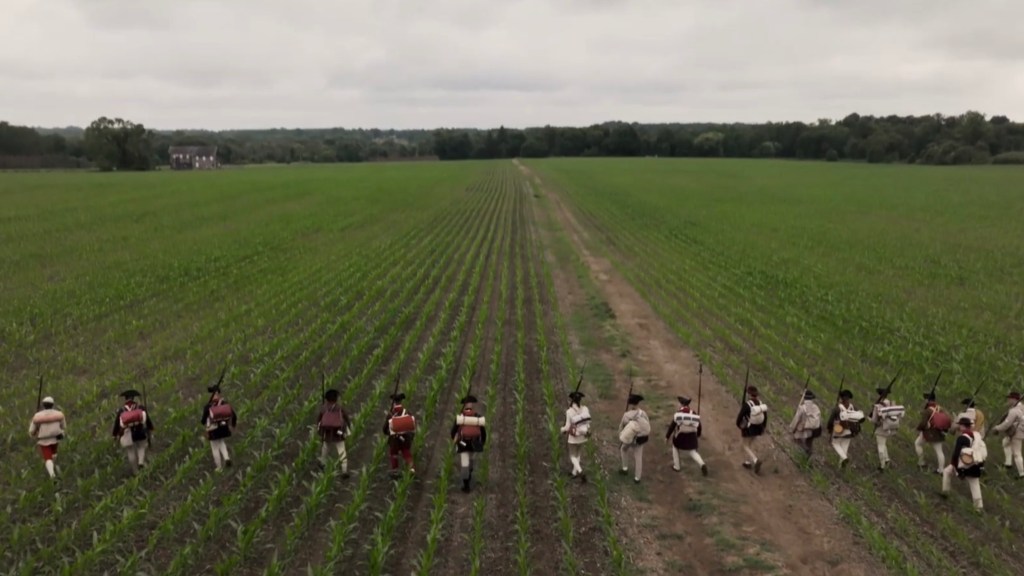
    The year 2026 marks 250 years since the signing of the Declaration of Independence. This milestone invites contemplation on the nation’s journey from its revolutionary origins to its present state. Burns’ work consistently explores the intricate tapestry of American experience, often highlighting shared human stories amidst grand historical events.

    His documentaries frequently delve into periods of national crisis and transformation. These include the Civil War, the Great Depression, and various social movements. Such historical precedents, Burns implies, can offer valuable lessons for contemporary challenges.

    The Role of History in Polarized Times

    Contemporary society often grapples with significant political and social polarization. Burns argues that historical understanding can provide a necessary framework for navigating these divisions. By examining how past generations confronted their own internal conflicts, current generations might find pathways to resolution.

    He suggests that a deep engagement with history reveals patterns of challenge and resilience. It demonstrates that periods of profound disagreement are not unique to the current era. The nation has faced and overcome deep divides before.

    Understanding Nuance and Complexity

    History, as presented by Burns, is rarely a simple narrative of good versus evil. It is a complex interplay of motivations, events, and consequences. This complexity is vital for fostering empathy and critical thinking in a polarized environment.

    His films often present multiple perspectives on historical events. This technique encourages viewers to consider the viewpoints of all involved, even those with whom they might disagree. Such an approach can contribute to a more nuanced public discourse.

    The American Experiment: Continuous Evolution

    The founding of the United States was an experiment in self-governance. This experiment has been continuously refined and redefined over 250 years. Burns’ perspective implies that the nation’s story is one of ongoing evolution, marked by both progress and setbacks.

    The ideals articulated in 1776, such as liberty and equality, have been pursued and contested throughout American history. The struggle to live up to these ideals is a central theme in many of Burns’ historical examinations.

    From Revolution to Reconciliation

    The American Revolution itself was a deeply divisive event. Loyalists and Patriots stood on opposing sides. The subsequent history of the nation is replete with similar cleavages, from the drafting of the Constitution to the Civil Rights Movement.

    Burns’ work often explores the processes of reconciliation and national healing that followed these periods of intense conflict. These historical examples offer models for confronting contemporary divisions.

    Commemorating 2026: Beyond Mere Celebration

    A true commemoration of America’s 250th anniversary, according to Burns, goes beyond superficial celebration. It requires a willingness to confront uncomfortable truths alongside national achievements. This holistic view strengthens the national narrative rather than weakening it.

    He advocates for an inclusive historical understanding that recognizes the contributions and experiences of all Americans. This includes often-marginalized voices and perspectives that were historically overlooked.

    Educational Imperatives for the Quarter-Millennium

    Education plays a critical role in shaping how future generations understand the nation’s past. Burns’ call for perspective suggests an imperative for educational initiatives that foster historical literacy and critical engagement.

    These initiatives would encourage citizens to examine primary sources, challenge preconceived notions, and engage in thoughtful dialogue about American history. The goal is to cultivate a citizenry capable of navigating complex historical and contemporary issues.

    The Legacy of Ken Burns: A Master of American Storytelling

    Ken Burns has dedicated his career to documenting American history through film. His distinctive style, characterized by archival photographs, first-person narratives, and evocative music, has made complex historical subjects accessible to millions.

    His filmography includes seminal works such as "The Civil War," "Baseball," "Jazz," and "The National Parks: America’s Best Idea." These works have shaped public understanding of key moments and movements in American history.

    Impact on Public Discourse

    Burns’ documentaries have often sparked national conversations about identity, memory, and the meaning of America. His ability to synthesize vast amounts of historical material into compelling narratives has earned him widespread acclaim and influence.

    His continued relevance, especially as the nation approaches its 250th anniversary, underscores the enduring power of historical storytelling. He provides a framework for understanding where the nation has been and where it might go.

    Looking Ahead: Unity Through Understanding

    As the United States approaches 2026, Burns’ message resonates as a call for unity through understanding. It is an invitation to engage with the nation’s past not as a static artifact, but as a living narrative that continues to inform the present.

    The challenges of the current moment, he implies, are best met with the wisdom gleaned from 250 years of American experience. This historical perspective offers a foundation for collective action and a shared future.

    Filmmakers gathered. Historians gathered. Citizens gathered.

    Perspective.

  • Alan Jackson’s Final Concert: The Unseen Fan Moment That Defined His Legacy

    Alan Jackson’s Final Concert: The Unseen Fan Moment That Defined His Legacy

    The Unscripted Farewell: Alan Jackson’s Lasting Fan Connection

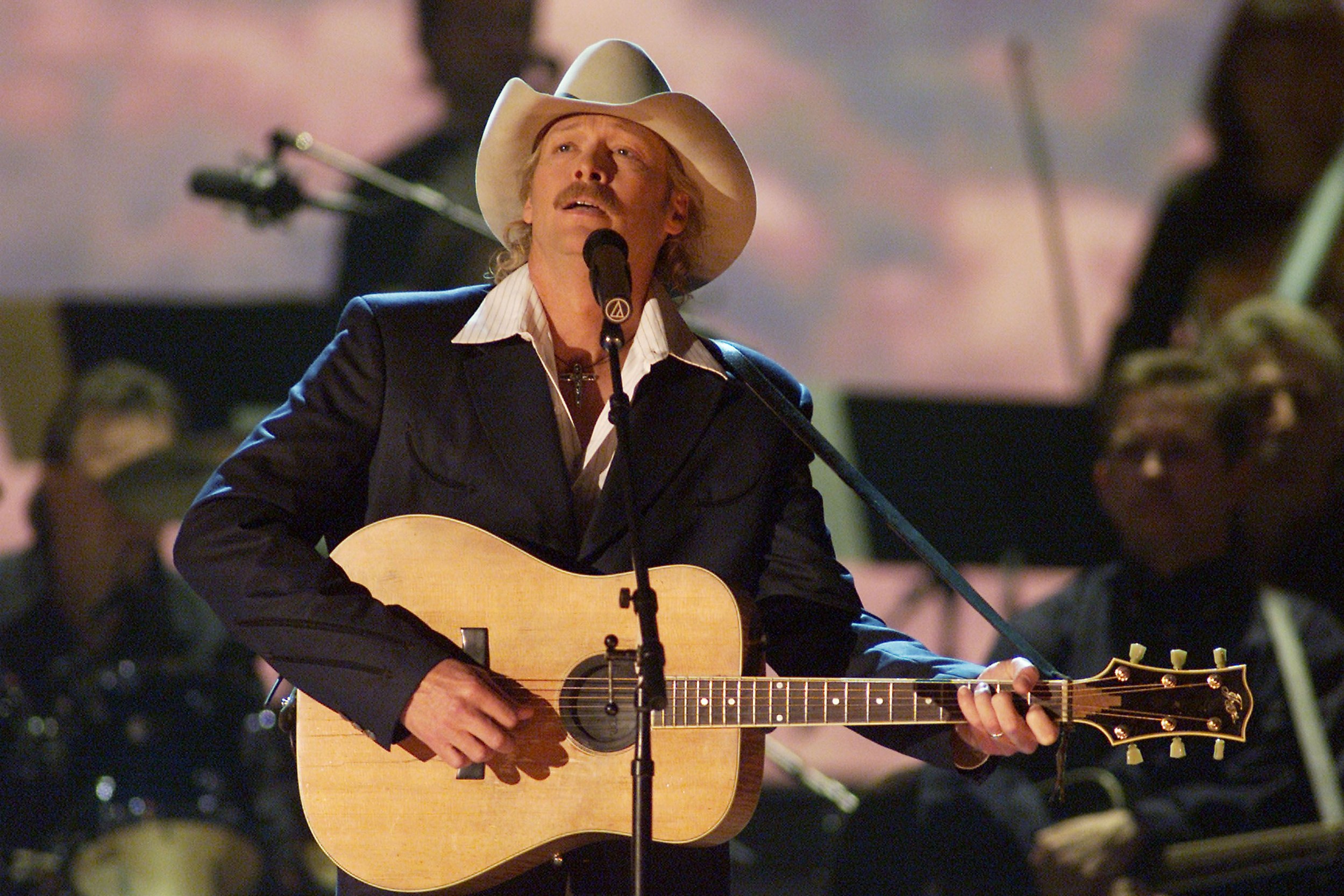
    Country music icon Alan Jackson concluded his extensive touring career with a final concert performance that transcended the typical stage show. While his musical delivery was anticipated, an unscripted, off-stage interaction with fans became the most talked-about and defining moment of the event. This intimate exchange, occurring away from the main spotlight, underscored the profound personal connection Jackson cultivated with his fanbase over decades, leaving an indelible mark.

    This particular event, detailed by multiple attendees, resonated deeply across the country music community. It showcased a vulnerability and genuine appreciation that often remains hidden in large-scale productions. The final concert thus served not just as a capstone for his music, but for his authentic approach to fan engagement, proving that his legacy extended beyond chart-topping hits.

    A Career Defined by Authenticity: The Alan Jackson Story

    Alan Jackson’s influence on country music is undeniable. His career, launched in the late 1980s, yielded a string of chart-topping hits and critically acclaimed albums. He emerged as a steadfast voice for traditional country sounds amidst an evolving musical landscape, earning him a fiercely loyal following.

    His songs consistently explored universal themes: everyday life, enduring love, profound loss, and the simple pleasures of rural existence. This consistent authenticity resonated with millions, establishing him as a relatable figure. Jackson’s unwavering adherence to a classic country style cemented his status as a genre standard-bearer, influencing countless artists who followed.

    The “Last Call: One More for the Road” Tour

    The announcement of Alan Jackson’s final tour, aptly named the “Last Call: One More for the Road” tour, generated significant attention in 2022. Fans across North America eagerly awaited the opportunity to see the country legend perform live one last time. Tickets for the tour dates sold out rapidly, reflecting the immense public interest.

    This tour was framed as a deliberate farewell to the rigors of extensive travel. It allowed Jackson to prioritize time with his family and focus on his health. It was also a crucial opportunity for fans to express their gratitude, and for Jackson to acknowledge their unwavering support. The tour spanned numerous cities, each stop filled with emotion and nostalgia, culminating in the final, memorable performance.

    The Grand Finale: Anticipation and Emotion

    As the final concert date approached, anticipation reached a fever pitch. Social media platforms buzzed with fans sharing their favorite Alan Jackson memories and discussing the profound impact of his music on their lives. The event was not merely a concert; it was a cultural moment, marking the end of an era for many country music enthusiasts.

    Media outlets provided extensive coverage of the tour, highlighting Jackson’s career achievements and the significance of his retirement from touring. The final show was widely understood to be an emotional culmination of decades of musical artistry, drawing attention from both long-time fans and industry observers.

    The Unseen Interaction: A Moment of Genuine Connection

    The most compelling and enduring moment of Alan Jackson’s final concert did not occur under the bright lights of the stage. Instead, it unfolded backstage, away from the glare of cameras and the roar of the massive crowd. This private interaction involved Jackson engaging directly and personally with a small group of devoted fans.

    Multiple detailed accounts of the encounter describe Jackson taking considerable time to speak with individuals. He reportedly signed autographs, posed for photographs, and shared personal words of appreciation with each person. This unscripted exchange provided a powerful, intimate, and deeply authentic conclusion to his touring life, transcending the typical performer-audience dynamic.

    Eyewitness Accounts: A Fan’s Perspective

    Eyewitness accounts from those fortunate enough to be present described the moment as profoundly moving. Fans spoke of Jackson’s palpable humility and genuine warmth throughout the interaction. He reportedly listened intently to their stories, acknowledging the personal impact his music had on their lives, often citing specific songs and memories shared.

    One fan tearfully recounted how Jackson held their hand, looked them in the eye, and sincerely thanked them for their years of unwavering support. This simple, human gesture resonated far more deeply than any planned encore or grand spectacle. These personal exchanges solidified the bond between the artist and his most dedicated followers, creating unique and cherished memories that will last a lifetime.

    The Power of Presence: Beyond the Performance

    The interaction demonstrated Jackson’s commitment to his audience extended beyond the transactional nature of ticket sales. It highlighted his understanding that music creates a community, and that genuine connection is the bedrock of a lasting career. This unscripted moment provided a powerful contrast to the structured performance, offering a glimpse into the artist’s true character.

    Such moments humanize public figures, effectively breaking down the perceived barrier between celebrity and fan. They foster a sense of shared experience and mutual respect, reinforcing the emotional power of music in a tangible way. These unscripted encounters become treasured memories, passed down and recounted for years, growing in significance with each telling.

    The Enduring Legacy of Connection

    Off-stage interactions often reveal the true character of public figures. For artists like Alan Jackson, these moments can define their legacy as much, if not more, than their recorded works. They demonstrate a profound commitment to their audience that goes beyond the professional requirements of their craft.

    In an era increasingly dominated by digital and often impersonal interactions, the value of direct human connection remains paramount. Alan Jackson’s final off-stage moment served as a powerful reminder of this truth. It illustrated that even at the pinnacle of a celebrated career, personal touches can leave the most profound and lasting impact.

    A Testament to Authenticity

    This type of genuine engagement builds unwavering loyalty and fosters a deeper appreciation for the artist’s entire body of work. It transforms a mere concert into a shared, intimate experience, cementing a legacy that extends far beyond album sales, chart positions, or critical acclaim. It speaks to the heart of what makes an artist truly beloved.

    Alan Jackson’s career is marked by an unwavering authenticity and a steadfast dedication to his craft. His final concert, particularly the unscripted off-stage interaction, epitomized these core qualities. It was a quiet, yet incredibly powerful, statement about what truly matters: the people who listened, supported, and found solace and joy in his music.

    What Truly Defines a Career?

    His songs will undoubtedly continue to resonate with old and new fans alike for generations. However, this deeply personal farewell added another, perhaps even more significant, layer to his already storied career. It demonstrated that even after decades in the unforgiving glare of the spotlight, the artist remained profoundly connected to the very heart of his audience. This moment became a lasting symbol of his humility, his gratitude, and his authentic spirit.

    The conclusion of Alan Jackson’s touring career prompts a broader reflection on his enduring contributions to country music. He navigated significant industry changes while consistently remaining true to his artistic vision and traditional country roots. His music has provided a timeless soundtrack for multiple generations, evoking nostalgia, comfort, and a sense of shared heritage.

    His final concert, with its profoundly poignant off-stage moment, serves as a powerful reminder of the human element that underpins all great art. It was a farewell defined not by spectacle, but by sincerity. A career built on integrity. A legacy secured by connection. Jackson.

  • Wilford Lloyd Baumes, ‘Wonder Woman’ and ‘Love Boat’ Producer, Dies

    Wilford Lloyd Baumes, ‘Wonder Woman’ and ‘Love Boat’ Producer, Dies

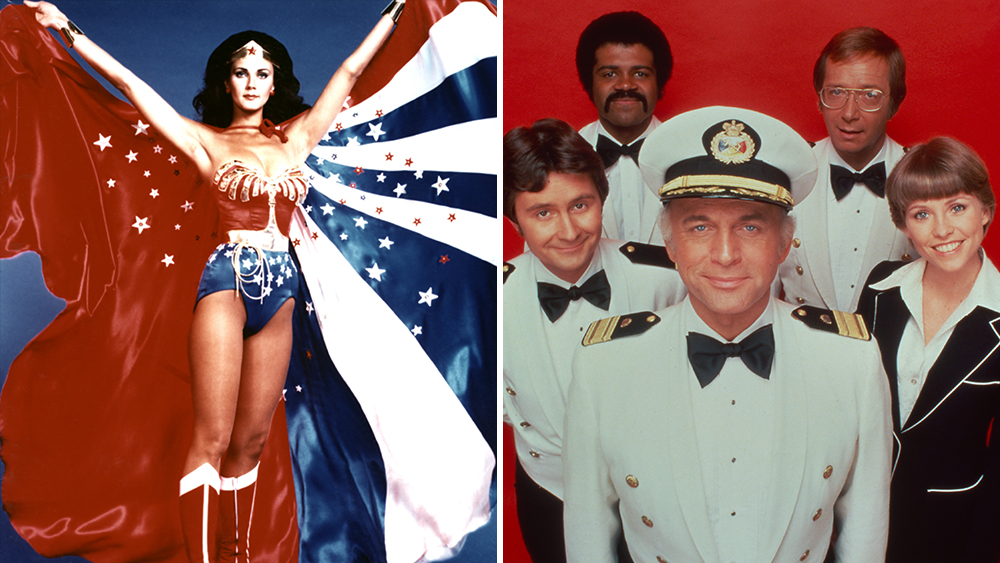
    Wilford Lloyd Baumes, a television producer recognized for his contributions to seminal 1970s and 1980s series including Wonder Woman and The Love Boat, died on July 1, 2026, at the age of 86. His passing marks the end of an era for a figure who helped define the golden age of episodic television through his production work.

    Baumes’s career spanned several decades, influencing the creation and execution of programs that became household names. His involvement with these shows ensured their quality and cultural resonance for millions of viewers.

    Early Life and Career Beginnings

    Wilford Lloyd Baumes began his journey in the television industry during a period of significant growth and innovation. Details of his early life and initial forays into media production are foundational to understanding his later successes.

    The burgeoning television landscape of the mid-20th century provided fertile ground for new talent. Baumes navigated this environment, learning the intricacies of production from the ground up.

    His early roles likely involved various aspects of television creation, building a comprehensive understanding of the craft. This foundational experience would prove crucial for his later executive responsibilities.

    The era demanded versatility and a keen eye for engaging content. Baumes developed these skills, positioning himself for more prominent roles as the industry matured.

    He established a reputation for dedication and an understanding of audience appeal. These qualities would become hallmarks of his work on some of television’s most memorable shows.

    Producing Wonder Woman (1975-1979)

    Wilford Lloyd Baumes served as a producer for the iconic Wonder Woman television series, which aired from 1975 to 1979. This show, starring Lynda Carter as the Amazonian princess Diana Prince, became a cultural phenomenon.

    The series initially debuted on ABC for its first season before moving to CBS for its subsequent two seasons. Baumes’s role was critical in managing the complex production of a superhero narrative for a primetime audience.

    Wonder Woman required intricate stunt work, special effects for its time, and a careful balance of action and character development. Baumes helped ensure these elements coalesced into a cohesive and entertaining program.

    His efforts contributed to the show’s lasting legacy, making Lynda Carter’s portrayal of Wonder Woman a definitive interpretation for generations. The series remains a touchstone of 1970s television.

    The production team, including Baumes, navigated the challenges of adapting a beloved comic book character for a mainstream audience. Their success laid groundwork for future superhero adaptations.

    The Phenomenon of The Love Boat (1977-1987)

    Another significant credit in Wilford Lloyd Baumes’s career was his role as a producer for The Love Boat. This romantic comedy-drama series premiered in 1977 and became a staple of ABC’s Saturday night lineup, running for ten seasons until 1987.

    The Love Boat depicted the comedic and romantic adventures of passengers and crew aboard a luxury cruise ship, the Pacific Princess. Baumes was instrumental in bringing this anthology-style show to air each week.

    The series was known for its rotating cast of guest stars, often prominent actors from film and television. Managing this extensive ensemble and multiple storylines presented a unique production challenge.

    Baumes’s work on The Love Boat contributed to its status as a ratings success and a cultural touchstone. The show’s theme song and format are instantly recognizable to millions.

    His production oversight helped maintain the show’s lighthearted tone and consistent quality over its long run. The Love Boat became synonymous with escapist television entertainment.

    Impact on 1970s and 1980s Television

    Wilford Lloyd Baumes’s work on Wonder Woman and The Love Boat placed him at the heart of popular television production during the 1970s and 1980s. These decades were transformative for the medium.

    He contributed to shows that captivated diverse audiences, from superhero enthusiasts to viewers seeking romantic comedy. His ability to work across genres demonstrated his versatility as a producer.

    The success of these programs helped solidify the episodic format that dominated network television. Baumes’s production skills were vital in delivering consistent content to demanding broadcast schedules.

    His influence extended to the practical aspects of television making, from budgeting and scheduling to creative decisions that shaped the final product. Producers like Baumes were the unsung heroes behind the scenes.

    The cultural footprint of shows like Wonder Woman and The Love Boat endures, largely due to the dedicated efforts of individuals like Wilford Lloyd Baumes. They crafted entertainment that resonated deeply with the viewing public.

    The Role of a Television Producer

    The role of a television producer, as exemplified by Wilford Lloyd Baumes, is multifaceted and crucial. Producers are responsible for overseeing all aspects of a show’s creation, from concept to final broadcast.

    This includes financial management, ensuring the project stays within budget. It also involves logistical coordination, such as scheduling filming and managing crew and cast.

    Creatively, producers often work closely with writers, directors, and actors to shape the narrative and artistic vision of a series. They act as a central hub, ensuring all departments work in harmony.

    Baumes’s longevity in the industry suggests a mastery of these various responsibilities. His success on high-profile shows underscores his effectiveness in this demanding role.

    A producer’s impact can often be seen in the overall quality and consistency of a television series. Baumes’s credits reflect a career dedicated to delivering engaging and memorable content.

    Legacy in Classic Television

    Wilford Lloyd Baumes leaves behind a significant legacy within the realm of classic American television. His contributions are etched into the history of programs that continue to be celebrated and rewatched.

    The enduring popularity of Wonder Woman, with its themes of empowerment and justice, speaks to the quality of its original production. Baumes played a key role in bringing this vision to life.

    Similarly, The Love Boat remains a beloved series, synonymous with feel-good entertainment and the glamour of cruise travel. Its unique format and guest star roster were expertly managed under his oversight.

    His work helped establish the benchmarks for episodic storytelling and character development in primetime television. These shows provided comfort and escape for millions of viewers across the globe.

    Baumes’s career serves as a testament to the dedication and skill required to produce successful and impactful television. His influence helped shape an entire generation’s viewing habits.

    The Enduring Appeal of Nostalgia

    The passing of figures like Wilford Lloyd Baumes often triggers a wave of nostalgia for the eras they helped define. His work is deeply embedded in the collective memory of those who grew up watching 1970s and 1980s television.

    Shows like Wonder Woman and The Love Boat offered a particular brand of entertainment. They provided escapism and often explored themes of heroism, romance, and human connection in accessible ways.

    This nostalgic appeal ensures that Baumes’s work continues to be relevant. Reruns, streaming services, and fan communities keep these classic series alive for new and old audiences alike.

    The ability of these shows to transport viewers back to a simpler time is a powerful aspect of their enduring charm. Baumes was a key architect of this televised comfort.

    His passing reminds audiences of the creators behind the magic. It prompts reflection on the impact these programs had on their lives and the broader cultural landscape.

    The Evolution of Television Production

    Wilford Lloyd Baumes’s career spanned a period of significant evolution in television production. From the network-dominated era to the early days of cable, he witnessed and adapted to changes.

    The methods and technologies used in television production have transformed dramatically since his early days. Yet, the core principles of storytelling and audience engagement remain constant.

    Producers like Baumes were foundational in developing the practices that still influence modern television. Their experience laid the groundwork for today’s complex productions.

    His ability to consistently deliver high-quality content across different series speaks to his adaptability and understanding of the medium’s demands. Television production is a constantly moving target.

    The legacy of producers from this era, including Baumes, continues to inform contemporary approaches to episodic storytelling and show management. Their contributions are fundamental.

    Wilford Lloyd Baumes was a craftsman. A storyteller. A manager. A producer. An architect of televised dreams.

  • The Life of Jesus Christ: A Landmark BBC Series From Wonderhood Studios

    The Life of Jesus Christ: A Landmark BBC Series From Wonderhood Studios

    A New Exploration of an Ancient Narrative

    Wonderhood Studios is currently producing a landmark BBC series dedicated to exploring the life of Jesus Christ. This ambitious project aims to present a comprehensive narrative, drawing on historical, theological, and cultural perspectives to illuminate one of the most influential figures in human history. The series is poised to be a significant broadcast event, offering new insights and a contemporary lens on the foundational story of Christianity.

    The production signals a continued public interest in historical religious figures and their impact on global civilization. It emphasizes a commitment to a detailed and expansive examination, moving beyond conventional portrayals to offer a nuanced understanding. The collaboration between Wonderhood Studios and the BBC underscores the high production values and wide reach expected for the final broadcast.

    The Enduring Appeal of Jesus Christ

    The figure of Jesus Christ has captivated scholars, artists, and believers for millennia. His teachings and life story form the bedrock of Christianity, influencing billions worldwide. This new BBC series seeks to delve into the historical context of his existence, examining the political, social, and religious landscape of first-century Judea.

    Understanding the life of Jesus extends beyond theological discourse. It involves an exploration of ancient history, cultural anthropology, and the development of Western civilization. The narratives surrounding Jesus have inspired countless works of art, literature, and music, shaping the collective consciousness across diverse cultures.

    Historical Contexts and Interpretations

    Scholarly approaches to the historical Jesus have evolved significantly over centuries. Early Christian writers provided foundational texts, followed by medieval theologians who synthesized these accounts. The Enlightenment brought critical historical methods, questioning traditional interpretations and seeking empirical evidence.

    Modern scholarship employs archaeological findings, textual analysis of ancient manuscripts, and comparative religious studies. These methods aim to reconstruct the most probable historical events and contexts surrounding Jesus’s life. The BBC series will likely integrate these contemporary scholarly perspectives, offering viewers an informed and updated understanding.

    Wonderhood Studios: Production Background

    Wonderhood Studios, the production company behind this landmark series, is known for its diverse range of content, including documentaries and factual programming. The studio was founded by former news executive David Dimbleby and former BBC creative director Samantha Anstiss. Their previous works often combine compelling storytelling with rigorous research.

    Their involvement suggests a commitment to high journalistic and production standards. The studio’s track record indicates an ability to tackle complex subjects with accessibility and depth. This makes them a suitable partner for a project of this scale and cultural importance.

    Previous Notable Productions

    • The Rise of the Murdoch Dynasty (2020): A three-part series for the BBC that explored the media empire of Rupert Murdoch.
    • Baby Surgeons: Delivering Miracles (2021): A Channel 4 documentary series focusing on fetal medicine.
    • Ambulance (ongoing): A long-running documentary series for the BBC, offering an inside look at ambulance services across the UK.

    These examples demonstrate Wonderhood Studios’ capacity for producing impactful, well-researched documentaries. Their experience with factual storytelling positions them well to handle the sensitive and complex subject matter of Jesus Christ’s life.

    The Role of the BBC in Factual Programming

    The British Broadcasting Corporation (BBC) has a long-standing reputation for producing high-quality factual and documentary content. As a public service broadcaster, the BBC aims to inform, educate, and entertain. Its commitment to in-depth historical and religious programming is a hallmark of its output.

    The BBC has historically tackled major religious figures and movements, providing platforms for balanced and thorough examinations. This new series on Jesus Christ fits within this tradition, promising a significant cultural contribution. The reach of the BBC ensures that the series will be accessible to a vast international audience, extending its impact globally.

    Landmark Documentaries on Religion and History

    The BBC has produced numerous influential series on religious and historical topics. These include:

    • Civilisation (1969): Kenneth Clark’s seminal series on Western art and ideas.
    • The Ascent of Man (1973): Jacob Bronowski’s exploration of human intellectual history.
    • A History of Christianity (2009): Diarmaid MacCulloch’s comprehensive six-part series.
    • The Bible: A History (2010): A series exploring the origins and impact of the Bible.

    These productions set a high bar for factual storytelling and intellectual rigor. The new series from Wonderhood Studios is expected to uphold this tradition, contributing to the BBC’s legacy of authoritative programming.

    Cultural and Religious Significance in 2026

    The decision to produce a landmark series on Jesus Christ in 2026 carries significant cultural weight. In an era marked by diverse belief systems and increasing secularization in some regions, a comprehensive exploration of this figure remains highly relevant. The series can serve as a point of reference for both believers and non-believers, fostering understanding and dialogue.

    For many, Jesus Christ is not merely a historical figure but the central figure of their faith. The series will likely navigate these perspectives with sensitivity, aiming for an inclusive portrayal that respects religious conviction while engaging with historical inquiry. This balance is crucial for a production intended for a broad, global audience.

    Addressing Modern Questions

    Contemporary audiences often approach historical figures with questions shaped by modern sensibilities. The series may address how Jesus’s teachings resonate with current ethical dilemmas, social justice movements, and personal spiritual quests. It offers an opportunity to re-examine ancient wisdom through a contemporary lens.

    The production might also explore the various interpretations of Jesus’s message across different Christian denominations and other faiths. This could highlight the diversity of thought and practice that has emerged from his life and teachings over two millennia.

    Anticipated Impact and Reception

    The series is expected to generate considerable discussion and public interest. Landmark productions on religious figures often spark theological debates, historical re-evaluations, and cultural conversations. The BBC’s global platform ensures that these discussions will reach a wide audience, from academic circles to local communities.

    Critics will likely assess the series on its historical accuracy, theological sensitivity, and narrative compellingness. Viewers will engage with the content based on their existing knowledge and beliefs, contributing to a rich tapestry of reactions. The goal is to provide a definitive and thought-provoking account that stands as a significant contribution to public understanding.

    The Narrative Arc: From Birth to Resurrection

    A series exploring the life of Jesus Christ typically follows a chronological narrative, beginning with his birth in Bethlehem and early life in Nazareth. It then progresses through his public ministry, including his baptism, teachings, miracles, and selection of disciples. The climax often involves his crucifixion in Jerusalem, followed by the resurrection and ascension.

    Each phase of his life presents unique historical and theological challenges and opportunities for storytelling. The series will likely employ dramatic reconstructions, expert interviews, and on-location filming to bring these events to life. The aim is to create an immersive experience that transports viewers back to the world of Jesus.

    Key Events Expected to be Covered

    • The Nativity and early childhood.
    • John the Baptist and Jesus’s baptism in the Jordan River.
    • The Sermon on the Mount and parables.
    • Healing miracles and exorcisms.
    • The Last Supper and betrayal by Judas Iscariot.
    • Trial before Pontius Pilate and crucifixion.
    • The Resurrection and post-resurrection appearances.

    These events form the core narrative of the Gospels and are central to Christian belief. The series will aim to present these moments with both historical fidelity and narrative power, making them accessible to a broad audience.

    Collaborations and Expertise

    A production of this magnitude typically involves a team of experts, including historians, theologians, archaeologists, and biblical scholars. Their input ensures the accuracy and depth of the content. Wonderhood Studios will likely consult a diverse group of academics to provide multiple perspectives and insights.

    The BBC’s reputation attracts leading experts in their fields, contributing to the authoritative nature of its documentaries. This collaborative approach enhances the series’ credibility and ensures a well-rounded exploration of its subject matter.

    Scholars contributed. Historians provided context. Filmmakers crafted narratives. The BBC presented.

    Jesus.

  • Blazing Saddles Crowned AFI’s Funniest Film – Mel Brooks at 100

    Blazing Saddles Crowned AFI’s Funniest Film – Mel Brooks at 100

    A Century of Laughter: Mel Brooks at 100

    In 2026, the American Film Institute (AFI) formally recognized Mel Brooks’ 1974 comedic masterpiece, ‘Blazing Saddles,’ as the funniest film ever made. This declaration arrived as a central component of the year-long celebrations honoring Brooks’ 100th birthday, a significant milestone for the legendary filmmaker born in 1926. The AFI’s pronouncement underscores the film’s lasting cultural impact and its unique position within the pantheon of cinematic comedy, citing its groundbreaking satire and fearless social commentary as primary factors.

    The recognition by the AFI is not merely an accolade; it is a reaffirmation of ‘Blazing Saddles”s innovative spirit and its fearless approach to satire. The film, released over five decades ago, continues to resonate with audiences, sparking both laughter and critical discussion about its themes and humor. Its placement at the apex of comedic cinema by such a prestigious institution highlights its enduring legacy and its continued relevance in contemporary cultural discourse.

    The Genesis of a Groundbreaking Comedy

    ‘Blazing Saddles’ began its journey to the screen with a concept that was, at its core, audacious. Mel Brooks, known for pushing boundaries, envisioned a Western that would dismantle genre conventions while simultaneously confronting deeply ingrained social issues, particularly racism. The initial spark for the film came from an unproduced screenplay by Andrew Bergman titled ‘Tex-X,’ which explored similar themes of racial prejudice in a frontier setting.

    Brooks brought Bergman onto the project, and together they began to shape the narrative. The writing process was famously collaborative and unconventional. Richard Pryor, a comedian whose stand-up routines were already challenging racial perceptions, was brought in as a co-writer. Pryor’s involvement was pivotal, injecting an authentic, cutting edge into the script’s dialogue and situations, particularly those concerning the film’s central character, Bart. His perspective was crucial in ensuring the satire landed with precision and impact.

    Other writers, including Norman Steinberg and Alan Uger, also contributed to the screenplay, refining the jokes and tightening the narrative structure. This collaborative environment fostered a script that was dense with gags, layered with social commentary, and unafraid to offend in its pursuit of humor. The final screenplay was a testament to collective comedic genius, culminating in a film that defied easy categorization and challenged audience expectations.

    Casting the Iconic Ensemble

    The success of ‘Blazing Saddles’ hinged significantly on its cast, a blend of established comedic talents and rising stars. The lead role of Bart, the first Black sheriff of a prejudiced frontier town, was initially intended for Richard Pryor. However, studio executives at Warner Bros. expressed concerns over Pryor’s controversial persona and his history of drug use, ultimately leading to his replacement.

    Cleavon Little was then cast as Bart. Little brought a unique blend of dignity, wit, and exasperation to the character, grounding the outlandish situations with a relatable human element. His performance is often cited as one of the film’s strongest assets, providing a calm and intelligent foil to the chaos surrounding him. Little’s portrayal allowed the audience to connect with Bart’s struggle and triumphs amidst the absurdity.

    Gene Wilder, a frequent collaborator with Brooks, was cast as Jim, the Waco Kid, a once-feared gunslinger now rendered an alcoholic. Wilder’s nuanced portrayal of a man haunted by his past, yet capable of profound kindness and sharp wit, became another cornerstone of the film’s appeal. His chemistry with Little was immediate and palpable, forming the emotional core of the buddy comedy and offering moments of genuine connection.

    The supporting cast was equally crucial. Madeline Kahn delivered an unforgettable, Oscar-nominated performance as Lili Von Shtüpp, the German chanteuse. Her parody of Marlene Dietrich and her comedic timing were impeccable, earning her widespread acclaim. Harvey Korman played the villainous Hedley Lamarr, a role he embraced with theatrical glee, while Slim Pickens embodied the classic Western trope of the dim-witted henchman as Taggart. Mel Brooks himself took on two roles: the bumbling Governor William J. Le Petomane and a Yiddish-speaking Indian chief, further enriching the film’s anarchic spirit and demonstrating his versatility.

    Breaking the Fourth Wall and Beyond

    ‘Blazing Saddles’ is renowned for its innovative use of meta-humor and its willingness to break the fourth wall. The film’s climax famously shatters the illusion of the Western genre entirely, spilling out of the film set and into the Warner Bros. studio commissary. This audacious ending was a deliberate choice by Brooks, designed to emphasize the artificiality of cinema and the absurdity of the conventions he was lampooning. This self-referential approach was a key element in the AFI’s evaluation of the film’s comedic genius.

    This meta-narrative approach was revolutionary for its time, predating many similar techniques seen in later comedies. It allowed Brooks to comment on the filmmaking process itself, the audience’s expectations, and the very nature of storytelling. The film’s self-awareness contributed significantly to its comedic power, making it more than just a series of jokes but a profound commentary on media and culture. This daring structural choice cemented its place as a comedic innovator.

    The humor in ‘Blazing Saddles’ ranged from slapstick and sight gags to sophisticated wordplay and biting social commentary. It employed anachronisms, non-sequiturs, and direct addresses to the audience, all serving to create a unique comedic rhythm. The film’s willingness to be both silly and smart, often within the same scene, is a hallmark of Brooks’ directorial style and a key to its lasting appeal. This multifaceted comedic palette was a significant factor in its AFI recognition.

    The Controversy and Enduring Conversation

    Upon its release in 1974, ‘Blazing Saddles’ was met with both critical acclaim and significant controversy. Its frank and frequent use of racial slurs, particularly the N-word, was a point of contention. Brooks defended his artistic choices, explaining that the use of such language was intended to expose the absurdity and ugliness of racism, not to endorse it. He aimed to disarm the words by placing them in an undeniably foolish context.

    He argued that by presenting the language in such an over-the-top, cartoonish context, the film stripped it of its power and highlighted the ignorance of those who used it. This approach sparked considerable debate, a conversation that continues in certain circles even in 2026. The film’s detractors found the language offensive regardless of intent, while its supporters lauded its courage in confronting sensitive topics head-on and its success in making a powerful statement through humor.

    Beyond the racial language, the film also tackled themes of prejudice, political corruption, and the mythologizing of the American West. It satirized the inherent racism and hypocrisy often overlooked in traditional Western narratives. This willingness to engage with complex social issues through the lens of comedy distinguished ‘Blazing Saddles’ from many of its contemporaries and contributed to its enduring legacy. The AFI acknowledged this bravery as a component of the film’s comedic brilliance.

    Mel Brooks’ Enduring Legacy

    Mel Brooks, born Melvin Kaminsky in Brooklyn, New York, on June 28, 1926, has had a profound impact on comedy. His career spans over seven decades, encompassing writing, directing, acting, and producing for stage and screen. From his early work as a writer for ‘Your Show of Shows’ in the 1950s to his creation of iconic films like ‘The Producers,’ ‘Young Frankenstein,’ and ‘Spaceballs,’ Brooks has consistently pushed the boundaries of comedic expression.

    His signature style often involves parody, slapstick, and a deep understanding of comedic timing, combined with a sharp wit that frequently delves into social commentary. Brooks has achieved EGOT status, winning an Emmy, Grammy, Oscar, and Tony Award, a testament to his versatility and sustained excellence across different entertainment mediums. His 100th birthday in 2026 is a celebration of a career marked by relentless creativity and an unwavering commitment to making people laugh while often making them think.

    ‘Blazing Saddles’ stands as a pinnacle of his achievements, encapsulating many of the elements that define his unique comedic voice. Its recognition by the AFI as the funniest film ever made is not just an honor for one movie, but a tribute to the entire body of work of a comedic titan. The film’s ability to remain relevant and provocative after half a century speaks volumes about Brooks’ genius and the timeless nature of truly incisive satire.

    The AFI’s Criteria for Comedy

    The American Film Institute’s selection process for its ‘100 Years…100 Laughs’ list, and ultimately for designating ‘Blazing Saddles’ as the funniest, involves a comprehensive evaluation by film artists, critics, and historians. The criteria extend beyond simple laugh-out-loud moments, considering factors such as enduring impact, originality, social relevance, and technical craftsmanship.

    ‘Blazing Saddles’ met these criteria through several key elements. Its originality in blending Western parody with sharp racial satire was unprecedented. The film’s enduring impact is evident in its continued popularity and its frequent citations in comedic discourse. Its social relevance, particularly its fearless confrontation of racism, remains potent decades later. Technically, Brooks’ direction, the screenplay’s intricate construction, and the ensemble’s performances all contribute to its high artistic merit.

    The AFI committee recognized that ‘Blazing Saddles’ achieves a rare balance: it is profoundly silly and deeply thought-provoking simultaneously. It uses humor as a weapon against prejudice and as a tool for deconstruction of cinematic tropes. This combination of entertainment and intellectual engagement is what ultimately elevated it to the top of the AFI’s comedic pantheon in 2026, solidifying its place as a cultural touchstone.

    Writers wrote. Directors directed. Actors acted. Audiences laughed.

    History was made.

  • The Alan Jackson Moment That Shaped Carrie Underwood’s Career

    The Alan Jackson Moment That Shaped Carrie Underwood’s Career

    The Pivotal Performance by Alan Jackson

    Carrie Underwood, a multi-platinum recording artist and global touring phenomenon, recently disclosed a profound personal experience involving fellow country music star Alan Jackson. This event, occurring in the 1990s, served as a catalyst for Underwood’s musical ambitions. It was a moment that she credits with solidifying her resolve to pursue a career in country music, fundamentally altering her life’s trajectory.

    The specific performance that resonated so deeply with Underwood was Jackson’s delivery of his 1991 hit, “Don’t Rock the Jukebox.” This song, a staple of country radio, reportedly captivated a young Underwood, illustrating the power of live music and authentic storytelling. Her recollection underscores the significant impact that iconic artists can have on future generations, often unknowingly.

    Underwood’s Early Aspirations

    Before her rise to superstardom through American Idol in 2005, Carrie Underwood was a young enthusiast of country music in Checotah, Oklahoma. She harbored dreams of singing, much like countless others across the United States. The encounter with Jackson’s performance provided a clear vision for what that dream could entail.

    This formative experience was not merely about enjoying a song; it was about witnessing a master at work. Jackson’s stage presence, his vocal delivery, and the emotional connection he forged with the audience through his music left an indelible mark. It transformed a nascent interest into a concrete aspiration, guiding her future choices.

    The Enduring Legacy of Alan Jackson

    Alan Jackson, an inductee into the Country Music Hall of Fame in 2017, has maintained a consistent presence in country music since the late 1980s. His career is characterized by a blend of traditional country sounds with contemporary sensibilities. He has released over 16 studio albums and achieved more than 35 number-one singles on the Billboard Hot Country Songs chart.

    Jackson’s songwriting often focuses on themes of rural life, heartache, and working-class struggles, resonating with a broad audience. His influence extends beyond his chart success, touching the lives of other musicians who grew up listening to his work. Underwood’s testimony is a testament to this profound, generational impact.

    “Don’t Rock the Jukebox” as a Cultural Touchstone

    Released in 1991 as the lead single from his album of the same name, “Don’t Rock the Jukebox” became a signature song for Alan Jackson. It spent three weeks at number one on the Billboard Hot Country Singles & Tracks chart. The song itself is an ode to traditional country music, expressing a desire for classic sounds over modern alternatives.

    For a young Carrie Underwood, the message and the melody of this particular song converged to create a moment of clarity. It wasn’t just a hit; it was a declaration of musical identity that spoke to her own budding artistic sensibilities. The song’s success solidified Jackson’s status as a torchbearer for traditional country values, a role that continues to define his career.

    The Tribute and Its Significance

    Underwood’s revelation occurred during a recent tribute event honoring Alan Jackson. Such events are common within the music industry, serving to celebrate careers and acknowledge contributions to the genre. They also provide a platform for artists to share personal stories, revealing the intricate web of influence that connects musicians across time.

    These tributes are not merely ceremonial; they are crucial for documenting the history and evolution of a musical genre. They highlight the mentorship, both direct and indirect, that shapes artistic development. For Jackson, hearing Underwood’s account likely affirmed the broader impact of his decades-long career.

    Connecting Generations Through Music

    The story shared by Carrie Underwood illustrates a powerful aspect of music: its ability to transcend generations and inspire new talent. An artist’s work does not exist in a vacuum; it becomes part of a larger cultural conversation, influencing those who listen and those who aspire to create.

    This intergenerational connection is vital for the continued vitality of any art form. It ensures that traditions are honored while simultaneously allowing for innovation and growth. Underwood’s success, in part, can be seen as a continuation and evolution of the country music tradition exemplified by artists like Alan Jackson.

    The Path from Inspiration to Stardom

    Carrie Underwood’s journey from an inspired fan to a global superstar is well-documented. Her victory on the fourth season of American Idol in 2005 launched her into the national spotlight. Since then, she has amassed numerous awards, including multiple Grammy Awards, Country Music Association Awards, and Academy of Country Music Awards.

    Her discography includes hits like “Before He Cheats,” “Jesus, Take the Wheel,” and “Blown Away.” These songs showcase her powerful vocal range and her ability to deliver emotionally resonant performances. While her style incorporates contemporary elements, the foundational influence of traditional country, as embodied by artists like Jackson, remains evident.

    The Role of Mentorship and Role Models

    While Underwood’s interaction with Jackson was not a direct mentorship, it functioned as a powerful form of role modeling. Observing successful artists provides a blueprint for aspiring talents, demonstrating what is possible and how dedication can lead to achievement. These moments of inspiration are often as critical as formal training or industry connections.

    For many artists, the decision to pursue music is not a sudden one but rather a gradual realization fueled by encounters with music that speaks to their soul. Jackson’s performance provided such a moment for Underwood, crystallizing her ambitions and setting her on a definitive course.

    The Broader Impact on Country Music

    This anecdote also speaks to the broader ecosystem of country music. It is a genre deeply rooted in storytelling and tradition, where the past continually informs the present. Artists frequently pay homage to those who came before them, recognizing the lineage that defines their craft.

    Such acknowledgments reinforce the genre’s identity and create a sense of community among its practitioners and fans. They remind audiences that even the biggest stars started somewhere, often inspired by the very legends they now stand alongside. The story of Carrie Underwood and Alan Jackson is one thread in this rich tapestry.

    A Timeless Connection

    The specific details of the performance, the song, the stage, the atmosphere, may fade with time, but the emotional impact endures. For Carrie Underwood, that single moment in the 1990s became a touchstone, a memory she revisited as she navigated her own path to musical greatness. It represents a timeless connection between artist and audience, between inspiration and creation.

    The tribute to Alan Jackson served not only to honor his achievements but also to illuminate the profound and often unseen ways in which artists influence one another. It was a moment of shared history, acknowledging the roots from which contemporary success springs. Fans, artists, and industry figures gathered. Memories were shared. Legacies were affirmed. Music continued.

  • Mick Jagger on a Rolling Stones Biopic: “It Interests Me”

    Mick Jagger on a Rolling Stones Biopic: “It Interests Me”

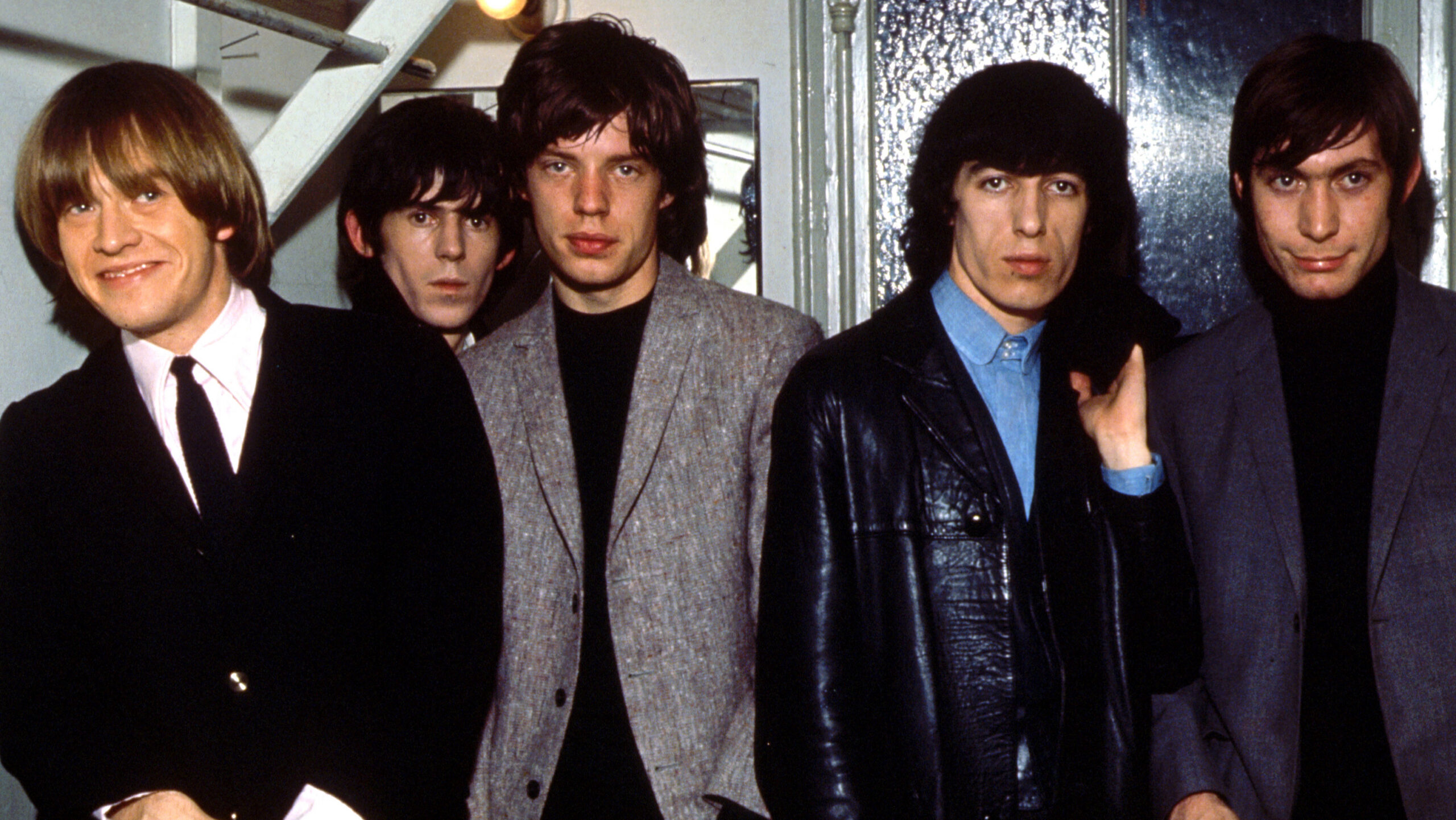
    Mick Jagger, the principal vocalist of The Rolling Stones, has stated that the concept of a biopic detailing the band’s six-decade career “interests him.” This declaration, made public in June 2026, signals a potential shift in the band’s long-standing cautious approach to a comprehensive cinematic portrayal of their history.

    The Rolling Stones, formed in London in 1962, have maintained a global presence in music for over sixty years. Their journey from rhythm and blues enthusiasts to rock and roll legends encompasses numerous cultural shifts and historical moments.

    The Long Road to a Potential Biopic

    The idea of a biographical film centered on The Rolling Stones is not new. Discussions and speculation have circulated within Hollywood and the music industry for decades. However, concrete plans have historically been elusive.

    Previous statements from band members, including Jagger, often expressed reservations. Concerns typically revolved around the accuracy of portrayal, the challenges of condensing such a vast history into a single film, and the desire to maintain creative control over their narrative.

    Jagger’s recent comment suggests a more receptive attitude. This could be due to evolving cinematic approaches to music biopics or a reassessment of the band’s legacy in popular culture.

    The Scope of a Rolling Stones Story

    A Rolling Stones biopic would face significant narrative challenges. The band’s history is rich with pivotal moments, influential albums, and personal dramas.

    Their early years in London’s blues scene, their rivalry with The Beatles, and their ascent to international fame provide ample material. Key events include their first chart-topping single, “(I Can’t Get No) Satisfaction,” released in 1965, and their groundbreaking 1969 American tour.

    The film would also need to address the band’s changing lineup. Founding members Mick Jagger, Keith Richards, Brian Jones, Ian Stewart, Charlie Watts, and Bill Wyman each played crucial roles. Brian Jones’s departure in 1969 and his subsequent death that same year remain significant points in their narrative.

    The band’s enduring success through the 1970s, 1980s, and beyond, marked by stadium tours and continued album releases, would also require extensive coverage. The passing of drummer Charlie Watts in 2021 marked a profound moment for the group and their fans.

    Challenges and Opportunities for Filmmakers

    Creating a definitive Rolling Stones biopic presents both creative and logistical hurdles. The sheer volume of material means difficult choices regarding what to include and what to omit.

    Filmmakers would need to navigate the band’s complex relationships. The dynamic between Jagger and Richards, often referred to as “The Glimmer Twins,” is central to the band’s creative output and longevity.

    Securing the rights to their extensive music catalog would be a primary concern. The Rolling Stones’ discography includes over two dozen studio albums and countless singles, many of which are iconic. Licensing agreements for these tracks would be a major component of the film’s budget.

    Casting would also be a critical element. Finding actors capable of embodying the distinct personalities and stage presence of Jagger, Richards, and other members would be essential for audience acceptance.

    The Biopic Landscape in 2026

    The cinematic landscape for music biopics has seen considerable success in recent years. Films like Bohemian Rhapsody (2018), chronicling Queen, and Rocketman (2019), focusing on Elton John, have demonstrated strong box office performance and critical acclaim.

    These films often benefit from the direct involvement of the artists or their estates. Such collaboration can provide authentic insights and access to archival materials, enhancing the film’s credibility.

    Jagger’s expressed interest could open doors for similar collaborative efforts. His involvement would likely ensure a level of authenticity and access that independent productions might lack.

    Previous Documentaries and Fictional Portrayals

    While a full-length feature biopic has been absent, The Rolling Stones have been the subject of numerous documentaries. Films like Gimme Shelter (1970), which captured the tragic events at the Altamont Free Concert, offer raw, real-time glimpses into their history.

    Martin Scorsese’s concert film Shine a Light (2008) provided a contemporary look at the band in performance. These documentaries, while valuable, differ significantly from a narrative-driven biopic that re-enacts historical events.

    Fictional works have also drawn inspiration from the band. The 2005 film Stoned offered a dramatized account of Brian Jones’s life and death, but it was not an official band-sanctioned project.

    The Cultural Impact of The Rolling Stones

    The Rolling Stones are more than a band; they are a cultural institution. Their music has influenced generations of musicians and artists across various genres.

    Their image, defined by a rebellious attitude and iconic fashion, has permeated popular culture. The band’s famous “tongue and lips” logo, designed by John Pasche in 1971, is one of the most recognizable symbols in music history.

    A biopic would have the opportunity to explore this broader cultural impact. It could delve into their role in shaping the counterculture movement of the 1960s and their sustained relevance through subsequent decades.

    The film could also address their business acumen. The Rolling Stones were pioneers in stadium tours and merchandise, transforming the economics of rock music.

    What Could a Biopic Cover?

    A potential biopic could focus on several key eras or themes. An origin story, from their formation in West London to their breakthrough in the mid-1960s, offers a compelling narrative arc.

    Alternatively, a film could concentrate on a specific tumultuous period, such as the late 1960s, marked by personnel changes, legal troubles, and the release of seminal albums like Beggars Banquet (1968) and Let It Bleed (1969).

    Another approach might be to explore the dynamic between Mick Jagger and Keith Richards. Their songwriting partnership, creative differences, and enduring friendship form the backbone of the band’s story.

    The challenge lies in balancing the band’s collective journey with the individual stories of its members. The film would need to provide depth without becoming overly complex or fragmented.

    The Future of The Rolling Stones on Screen

    Mick Jagger’s statement opens a new chapter for The Rolling Stones’ cinematic legacy. It suggests that the band may be ready to engage with a full-scale narrative film about their lives and careers.

    Such a project would require careful planning and execution. The band’s involvement would be crucial for maintaining authenticity and securing necessary rights.

    The music world and film industry will observe developments with keen interest. A Rolling Stones biopic, if realized, would be a major cultural event.

    Decades of music. Global tours. Cultural influence. A legendary story.

    The Rolling Stones.

  • Alan Jackson’s Career Trajectory – From First Deal to Farewell Stage

    Alan Jackson’s Career Trajectory – From First Deal to Farewell Stage

    Alan Jackson signed his first record deal 37 years before his last major public performance. This span marks a significant period in country music history, showcasing a career that built a legacy through traditional sound and storytelling. His journey from an aspiring artist to a celebrated icon is defined by consistent musical output and enduring appeal.

    The path began with a critical agreement that launched his professional recording life. It continued through decades of hit songs, extensive touring, and numerous industry awards. The duration of his active career, from that initial contract to his farewell stage, underscores his impact on the genre.

    The Early Years and the Breakthrough Deal

    Alan Jackson’s musical aspirations began in Newnan, Georgia. He grew up listening to traditional country artists, developing a deep appreciation for the genre’s roots. His early influences included legendary figures like George Jones and Hank Williams.

    Before achieving widespread fame, Jackson worked various jobs, including car sales and construction. He performed in local clubs, honing his craft and developing his signature vocal style. This period of development was crucial for shaping the artist he would become.

    The pivotal moment arrived with his first record deal. This agreement, signed in the late 1980s, opened the doors to Nashville’s music industry. It provided the platform for him to record and release his original material to a broader audience.

    The signing of this deal was the formal beginning of his professional recording career. It marked the transition from local performer to national recording artist, setting the stage for his debut album.

    Debut and Rise to Stardom

    Alan Jackson released his debut album, Here in the Real World, in 1990. The album featured four hit singles, including the title track, “Wanted,” “Chasin’ That Neon Rainbow,” and “I’d Love You All Over Again.” This immediate success established him as a significant new voice in country music.

    His sound stood out during a period when country music was experiencing various stylistic shifts. Jackson’s commitment to traditional country instrumentation and lyrical themes resonated with fans seeking authenticity.

    Throughout the 1990s, Jackson consistently produced chart-topping albums and singles. Songs like “Don’t Rock the Jukebox,” “Chattahoochee,” and “Livin’ on Love” became anthems for millions. He became known for his straightforward delivery and relatable narratives.

    By the mid-1990s, Alan Jackson was a household name. He garnered numerous awards, including multiple CMA Awards and Academy of Country Music Awards. His consistent presence on country radio solidified his status as a leading artist.

    Sustained Success and Industry Recognition

    Alan Jackson’s career extended well into the 21st century, maintaining his popularity and artistic integrity. He continued to release successful albums and embark on extensive tours. His music often addressed themes of everyday life, love, loss, and nostalgia, connecting with a broad audience.

    In 2001, he released “Where Were You (When the World Stopped Turning),” a poignant response to the September 11th attacks. The song resonated deeply with the American public, earning him a Grammy Award for Best Country Song and a CMA Award for Song of the Year.

    His contributions to country music were recognized with significant honors. In 2001, he was inducted into the Grand Ole Opry, a testament to his traditional country roots and enduring impact. This induction placed him among the genre’s most revered figures.

    Further recognition came in 2017 when Alan Jackson was inducted into the Country Music Hall of Fame. This honor cemented his place as one of country music’s all-time greats. His induction acknowledged his vast catalog of hits and his unwavering dedication to traditional country sound.

    The Last Call: One More for the Road Tour

    In 2022, Alan Jackson announced his Last Call: One More for the Road tour. This tour marked a significant chapter in his career, signaling a potential winding down of his extensive touring schedule. The tour provided fans with an opportunity to see the country legend perform live.

    The tour dates spanned various cities across the United States. Each concert was a celebration of his career, featuring many of his most beloved songs. Fans attended in large numbers, demonstrating the lasting loyalty and affection for his music.

    His final major public performance, referenced in the initial statement, occurred as part of this tour. This concert, 37 years after his first record deal, brought his long and illustrious touring career to a memorable close. It was a moment of reflection for both the artist and his dedicated fanbase.

    Legacy and Influence

    Alan Jackson’s legacy in country music is profound. He is widely regarded as one of the most successful and influential country artists of his generation. His commitment to traditional country sounds helped preserve the genre’s heritage during periods of significant change.

    He has sold over 75 million records worldwide, making him one of the best-selling music artists of all time. His discography includes 16 studio albums, multiple greatest hits compilations, and numerous live recordings. This extensive body of work continues to be streamed and purchased by fans globally.

    His influence can be heard in the music of many contemporary country artists. Musicians frequently cite Jackson as an inspiration for his songwriting, vocal style, and dedication to authenticity. He set a standard for storytelling and melodic craftsmanship.

    The impact of his music extends beyond sales and awards. His songs have become part of the cultural fabric, evoking memories and emotions for generations of listeners. His narratives about rural life, love, and the working class resonate with universal themes.

    The Enduring Appeal of Traditional Country

    Alan Jackson’s career stands as a testament to the enduring appeal of traditional country music. In an industry often driven by trends, he remained true to his artistic vision. This steadfastness endeared him to a loyal fanbase.

    His music often featured steel guitar, fiddle, and acoustic guitars, instruments central to classic country. He avoided fusion genres, choosing instead to refine and celebrate the sound that defined his heroes. This approach provided a consistent and recognizable brand.

    The lyrical content of his songs focused on narratives that were accessible and heartfelt. He sang about small-town life, honest work, and the simple joys and challenges of existence. These themes tapped into a widespread appreciation for authenticity and sincerity.

    His live performances were known for their straightforward presentation, emphasizing the music itself. Jackson connected with audiences through his genuine stage presence and his ability to deliver his songs with emotional depth. He created an atmosphere of shared experience.

    He signed a deal. He recorded songs. He toured the world. He influenced a generation. He became a legend. Jackson.

  • Sean Brock’s Fried Chicken: Five Fats, Dolly Parton, and Vinyl

    Sean Brock’s Fried Chicken: Five Fats, Dolly Parton, and Vinyl

    Chef Sean Brock utilizes five specific fats to achieve the distinctive flavor of his fried chicken at Darling Restaurant. This culinary detail is part of his broader philosophy that blends tradition with innovative technique. Beyond the kitchen, Brock is a dedicated enthusiast of vinyl records and recounted a memorable, ‘scary’ encounter with country music icon Dolly Parton.

    What looks modern actually started with deep-rooted traditions and personal fascinations.

    The Five Fats: Sean Brock’s Fried Chicken Secret

    Sean Brock’s acclaimed fried chicken at Darling Restaurant is distinguished by its complex flavor and texture. This culinary achievement stems from the meticulous selection and application of five distinct fats. Each fat contributes a specific characteristic, building layers of taste and ensuring a perfectly crispy, juicy result.

    The exact combination of these fats remains a closely guarded trade secret. However, Brock frequently emphasizes the critical role fat plays beyond merely being a cooking medium. He views it as a fundamental flavor enhancer and a crucial component for achieving desired textural qualities in his dishes.

    This methodology reflects Brock’s overarching culinary philosophy. He champions traditional Southern cooking techniques, often incorporating regional ingredients and historical preparations. His approach is not about reinventing classics, but rather refining them through deep understanding and precise execution.

    The commitment to detail extends throughout the entire preparation process. The selection of fats is considered as vital as the quality of the chicken itself. This ensures a consistent, authentic, and superior taste profile that has become a hallmark of his cuisine.

    Darling Restaurant serves as a primary venue for these culinary explorations. The fried chicken, in particular, stands as a prime example of Brock’s dedication to elevating comfort food to an art form. It embodies his belief in honoring culinary heritage while pushing the boundaries of flavor.

    The focus on fat also highlights Brock’s scientific approach to cooking. He understands the chemical properties of different fats and how they interact with food during the cooking process. This knowledge allows him to manipulate flavor and texture with precision, creating a product that is both familiar and unexpectedly refined.

    Vinyl Culture: A Chef’s Analog Passion

    Beyond the demanding environment of the professional kitchen, Sean Brock nurtures a profound passion for vinyl records. This interest transcends a casual hobby; it forms a significant part of his personal life and creative inspiration. It offers a counterpoint to the fast-paced culinary world.

    Brock frequently articulates the appeal of the tactile experience of vinyl. He values the deliberate ritual involved: selecting an album, carefully removing it from its sleeve, and placing it onto the turntable. This process fosters a deeper connection to the music, transforming listening into an active engagement rather than passive consumption.

    His extensive collection spans a wide array of musical genres. However, music rooted in the American South, including country, blues, and folk, holds a particularly special place. These genres often serve as direct or indirect influences on his culinary narratives, connecting his food to the cultural landscape of his heritage.

    Vinyl records are preferred for their distinct listening experience. They are often credited with providing a warmth, depth, and richness of sound that is frequently diminished in digital audio formats. This preference for analog fidelity mirrors his approach to food preparation, which prioritizes authenticity and depth of flavor.

    The chef finds considerable inspiration in the stories and emotions conveyed through music. He translates this appreciation for authenticity and narrative into his dishes. Both his musical tastes and his culinary creations emphasize a deep respect for heritage, craftsmanship, and the art of storytelling.

    The pursuit of rare and unique pressings is an ongoing endeavor for Brock. His vinyl collection functions as both a source of personal relaxation and a powerful catalyst for creative stimulation. It allows him to disconnect from the pressures of his profession and recharge his artistic sensibilities.

    This analog passion also speaks to a broader appreciation for tangible objects and enduring quality. In a world increasingly dominated by ephemeral digital content, Brock’s dedication to vinyl stands as a testament to the value of physical media and the unique sensory experiences they offer.

    The Dolly Parton Encounter: A Chef’s ‘Scary’ Moment

    One of Sean Brock’s most frequently recounted personal anecdotes involves a memorable interaction with the legendary country music icon, Dolly Parton. This encounter, which Brock himself described as ‘scary,’ left a profound and lasting impression on him. It highlighted the often-unpredictable nature of celebrity interactions and the overwhelming presence of true cultural figures.

    While specific details of the incident have remained somewhat private, Brock has alluded to the sheer intensity of the moment. He characterizes it as an experience that transcended typical fan-celebrity interactions, suggesting a deeply personal and impactful exchange rather than a mere autograph or photo opportunity.

    Dolly Parton stands as an iconic figure whose influence extends far beyond the realm of country music. She is universally recognized for her prolific songwriting, distinctive voice, and captivating stage presence. Beyond her musical achievements, Parton is celebrated for her extensive philanthropy, astute business acumen, and enduring cultural presence that spans generations.

    Brock’s admiration for Parton is palpable in his recollection of the event. His description, though concise, conveys the significant impact she had on him. This story adds a unique layer to Brock’s public persona, connecting his renowned culinary world with broader cultural touchstones and humanizing the celebrated chef through a relatable moment of awe.

    The ‘scary’ aspect of the encounter likely refers to the overwhelming sensation of meeting a living legend. It was a moment of unexpected magnitude, a confrontation with a level of fame and charisma that can be genuinely disarming. It was an experience that Brock continues to recall with vividness and a sense of profound respect.

    “You never know what to expect when you meet someone you admire so greatly. It was definitely a moment I won’t forget.” – Sean Brock, regarding the Dolly Parton encounter, as quoted in various interviews.

    This anecdote serves as a powerful reminder of Parton’s immense star power and her ability to command attention and respect. Even seasoned professionals like Brock, who are accustomed to public life and high-pressure situations, can be momentarily taken aback by the presence of such an influential cultural force. The story underscores the unique position Dolly Parton holds in American culture.

    Sean Brock’s Culinary Philosophy: Honoring Southern Foodways

    Sean Brock’s distinguished career is defined by an unwavering dedication to preserving and elevating Southern foodways. He has garnered widespread acclaim for taking traditional regional dishes and refining them with modern techniques and an uncompromising commitment to ingredient quality. His work at restaurants like Husk and McCrady’s earned him national recognition and multiple accolades.

    Darling Restaurant, his current venture, continues this established legacy. The menu is meticulously crafted to feature ingredients sourced primarily from the local region, emphasizing seasonality and sustainability. This approach reflects a deep respect for agricultural heritage and the communities that produce these ingredients.

    Brock’s philosophy places ingredient integrity at its core. He frequently collaborates directly with local farmers, artisans, and producers. This direct partnership ensures that the freshest, most authentic, and often heirloom components are used in his dishes, contributing to their unique flavor profiles and supporting local economies.

    His cooking is more than just sustenance; it is a form of storytelling. Each dish served at Darling Restaurant aims to convey the rich history, diverse culture, and evolving identity of the American South. This narrative approach deeply resonates with diners who seek not just a meal, but an authentic and immersive culinary experience.

    Beyond his restaurant kitchens, Brock is a passionate advocate for culinary education. He actively shares his extensive knowledge through various platforms, including cookbooks and public appearances. His objective is to inspire both aspiring chefs and home cooks to explore, understand, and ultimately preserve the rich traditions of Southern cuisine for future generations.

    His influence extends significantly beyond the confines of his own restaurants. He has authored highly successful cookbooks, such as ‘Heritage’ and ‘South,’ which have become essential guides for those interested in Southern cooking. His appearances in television series, including ‘Mind of a Chef’ and ‘Chef’s Table,’ have further solidified his role as a prominent culinary ambassador, reaching a global audience.

    The relentless pursuit of flavor and authenticity remains central to his craft. It is an ongoing journey of discovery, continuous refinement, and profound respect for culinary traditions. This journey is palpable in every thoughtfully prepared dish served at Darling Restaurant, inviting diners to partake in a truly unique gastronomic experience.

    The Resurgence of Analog: Records and Authenticity

    Sean Brock’s pronounced preference for vinyl records is not an isolated eccentricity but aligns with a broader and significant cultural trend. The analog format has experienced a remarkable resurgence in recent years, drawing parallels to a similar movement in culinary arts. This widespread return to analog reflects a collective yearning for authenticity, tangibility, and a more deliberate engagement with media and food.

    Vinyl record sales have demonstrated consistent and impressive growth for over a decade, indicating a sustained consumer demand. Listeners are actively seeking a more immersive and high-fidelity audio experience, appreciating the warmth and depth that analog sound often provides. They also value the tangible nature of physical media, the artwork, liner notes, and the ritual of playing a record, which contrasts sharply with the ephemeral nature of digital streaming.

    This resurgence in music parallels a similar, powerful movement within food culture. There is a renewed and growing interest in traditional culinary methods, artisanal production, and a clear understanding of food origins. Consumers are increasingly looking for transparency in sourcing, preparation, and an appreciation for the craft behind their meals, moving away from mass-produced, anonymous products.

    Brock embodies this dual appreciation for craft and authenticity across seemingly disparate fields. He perceives profound connections between music and cuisine, recognizing that both are forms of artistic expression rooted in heritage and skill. He champions the idea that true quality emerges from intentionality and respect for process, whether it’s pressing a record or preparing a dish.

    The ritual of playing a record is a deliberate, conscious act. It encourages focused listening, prompting individuals to engage more deeply with the music. This stands in stark contrast to the often-passive, background consumption facilitated by digital streaming services, where music can become an unnoticed accompaniment to other activities.

    Similarly, Brock’s cooking demands meticulous attention to detail, considerable patience, and a deep, intuitive understanding of ingredients and their transformations. Both his approach to music and his culinary creations are expressions of a philosophy that values quality, heritage, and the profound satisfaction derived from engaging with something genuinely handcrafted. The pursuit of authenticity, whether through the grooves of a vinyl record or the flavors of a perfectly prepared dish, remains a cornerstone of Sean Brock’s artistic and personal life.

    Farmers gathered. Musicians gathered. Chefs gathered.

    Authenticity.