Tag: history

  • Kevin Costner’s ‘Dances With Wolves’ Extended Cut to Premiere at Locarno

    Kevin Costner’s ‘Dances With Wolves’ Extended Cut to Premiere at Locarno

    A restored extended director’s cut of Kevin Costner’s critically acclaimed Western, ‘Dances With Wolves,’ is scheduled to premiere at the Locarno Film Festival. This presentation will offer audiences a more expansive version of the film, which originally captivated viewers and critics upon its release in 1990. The screening at Locarno highlights the ongoing relevance and cinematic significance of Costner’s directorial debut.

    The announcement from the Locarno Film Festival places renewed focus on a film that achieved both commercial success and critical recognition. ‘Dances With Wolves’ became a cultural phenomenon, influencing subsequent Westerns and discussions about the portrayal of Native American cultures in cinema. The extended cut promises a deeper dive into its narrative and character development.

    The Original Cinematic Achievement

    ‘Dances With Wolves’ debuted in 1990, quickly establishing itself as a landmark film. Kevin Costner not only starred as Lieutenant John J. Dunbar but also directed and co-produced the epic. The film’s narrative centered on a Union Army lieutenant who travels to the American frontier and forms a connection with a Lakota community.

    The production was noted for its ambitious scope, featuring vast landscapes and a significant portion of dialogue in the Lakota language, subtitled for English-speaking audiences. This commitment to authenticity was a key factor in its critical reception. The film’s musical score, composed by John Barry, also received widespread acclaim.

    At the 63rd Academy Awards in 1991, ‘Dances With Wolves’ received 12 nominations. It ultimately secured seven Oscars, including Best Picture and Best Director for Kevin Costner. Other wins included Best Adapted Screenplay, Best Cinematography, Best Film Editing, Best Original Score, and Best Sound. These accolades cemented its place in cinematic history.

    The Locarno Film Festival

    The Locarno Film Festival, held annually in Locarno, Switzerland, is one of the oldest and most prestigious film festivals in the world. Established in 1946, it is known for its open-air screenings in the Piazza Grande, a central square that transforms into an enormous outdoor cinema. The festival is renowned for showcasing auteur cinema and discovering new talent.

    The selection of ‘Dances With Wolves’ for a premiere at Locarno underscores the festival’s commitment to celebrating significant cinematic works. The event attracts filmmakers, critics, and cinephiles from around the globe, providing a prominent platform for the restored extended cut. Its inclusion highlights the film’s international appeal and artistic merit.

    This year’s festival, taking place in 2026, will feature a diverse program of films from various genres and countries. The premiere of Costner’s extended cut is expected to be a highlight, drawing considerable attention to both the film and the festival itself. It provides a unique opportunity for a new generation of viewers to experience the film on a grand scale.

    The Extended Director’s Cut

    The extended director’s cut of ‘Dances With Wolves’ offers additional footage and expanded scenes not included in the original theatrical release. Director’s cuts often provide filmmakers with the opportunity to present a version of their work closer to their initial vision, free from the constraints of theatrical running times or studio mandates.

    In the case of ‘Dances With Wolves,’ the extended cut reportedly adds significant runtime, delving deeper into character motivations, cultural interactions, and the day-to-day life of the Lakota people. This additional material can enrich the viewing experience, providing more context and nuance to the story of Lieutenant Dunbar and his integration into the Native American community.

    While the theatrical version was highly successful, the extended cut allows for a more contemplative pacing and a fuller exploration of the film’s themes. It provides an alternative perspective on a story that has resonated with millions. Film enthusiasts often seek out director’s cuts to gain new insights into beloved movies and their creators’ artistic intentions.

    Kevin Costner’s Legacy and Enduring Impact

    Kevin Costner’s involvement in ‘Dances With Wolves’ was a pivotal moment in his career, showcasing his capabilities not only as an actor but also as a director and producer. The film’s success solidified his position as a major force in Hollywood. His dedication to bringing the story to the screen, including reportedly investing his own money, became part of the film’s lore.

    Beyond ‘Dances With Wolves,’ Costner has maintained a prominent career in Hollywood, starring in and directing numerous films and television series. His work often features themes of American history, the frontier, and environmentalism. The enduring appeal of ‘Dances With Wolves’ continues to be a cornerstone of his legacy.

    The film’s impact extended beyond box office numbers and awards. It sparked renewed interest in the Western genre and encouraged a more nuanced portrayal of Native American cultures in mainstream media. Its careful attention to historical detail and cultural sensitivity set a new standard for similar productions. The premiere of the extended cut serves as a testament to its lasting cultural significance.

    Restoration and Preservation

    The restoration process for the extended director’s cut involves meticulous work to enhance the film’s visual and audio quality. Film restoration is crucial for preserving cinematic heritage, ensuring that classic movies can be experienced by future generations in the best possible condition. Modern restoration techniques can address issues such as color fading, scratches, and audio degradation present in original film elements.

    A 4K restoration, as is often the case for significant re-releases, involves scanning the original negative or other high-quality film elements at a very high resolution. This process allows for detailed digital cleanup and color grading, bringing the film’s imagery to contemporary standards without altering its original artistic intent. The result is a sharper, more vibrant presentation that can capture the nuances of the original cinematography.

    This restoration effort ensures that the extended cut of ‘Dances With Wolves’ will be presented at Locarno with optimal clarity and fidelity. It allows audiences to appreciate the film’s visual grandeur, particularly its sweeping landscape shots and detailed period costumes, as intended by Costner and his creative team. The preservation of such works is vital for cinematic scholarship and appreciation.

    Historical Context and Cultural Significance

    ‘Dances With Wolves’ emerged at a time when the Western genre was undergoing a re-evaluation. Traditional Westerns often presented simplified narratives of cowboys versus Indians, frequently demonizing Native Americans. Costner’s film offered a different perspective, portraying the Lakota people with complexity and dignity, challenging established tropes.

    The film’s exploration of themes such as cultural assimilation, environmental stewardship, and the clash of civilizations resonated with audiences globally. It prompted discussions about American history, manifest destiny, and the treatment of Indigenous populations. Its success demonstrated a hunger for more complex and empathetic storytelling within the genre.

    The premiere of the extended cut in 2026 provides an opportunity to revisit these themes in a contemporary context. Discussions around historical representation and cultural sensitivity remain prominent, making the film’s narrative as relevant today as it was over three decades ago. Its continued presence in film discourse highlights its enduring cultural significance.

    <

    Anticipation for the Premiere

    The announcement of the extended cut’s premiere at Locarno has generated considerable anticipation among film critics, historians, and fans of ‘Dances With Wolves.’ This event is not merely a re-screening but a significant re-introduction of an expanded version of a cinematic classic. It allows for a fresh critical assessment and renewed public engagement with the film.

    Attendees of the Locarno Film Festival will be among the first to experience this restored and elongated version. The communal viewing experience in Piazza Grande, under the Swiss sky, will undoubtedly add to the event’s gravitas. It represents a celebration of filmmaking craft and storytelling.

    The premiere also serves as a reminder of the power of cinema to transcend time and continue to provoke thought and emotion. For Kevin Costner, it marks another milestone in the film’s storied history, reinforcing its status as a timeless piece of American cinema.

    Filmmakers gathered. Critics gathered. Audiences gathered. Locarno.
  • The Supreme Court’s Reagan-Era Echoes: Judicial Philosophy in 2026

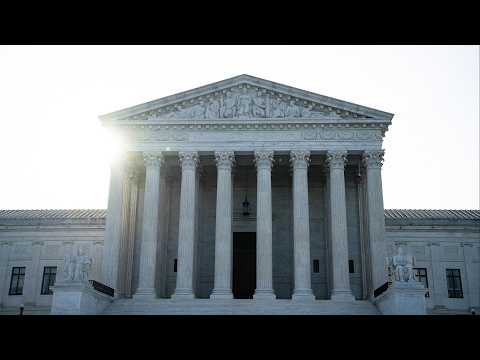
    The Supreme Court’s Reagan-Era Echoes: Judicial Philosophy in 2026

    The current Supreme Court term reflects judicial philosophies rooted in the Reagan era, emphasizing originalism and limited government intervention, rather than priorities associated with more recent administrations. This ideological consistency is a product of decades of judicial appointments and the enduring influence of conservative legal thought that began to coalesce in the 1980s.

    This philosophical grounding shapes the Court’s approach to a wide array of cases, from regulatory challenges to constitutional interpretation. The decisions handed down often demonstrate a commitment to principles articulated by legal scholars and jurists who rose to prominence during the administration of President Ronald Reagan.

    The Reagan Revolution and Judicial Philosophy

    President Ronald Reagan, who served from 1981 to 1989, sought to reshape the federal judiciary. His administration appointed judges who adhered to a judicial philosophy emphasizing original intent and strict constructionism. This approach contrasted sharply with what many conservatives viewed as judicial activism prevalent in earlier eras.

    Reagan’s appointments included Justice Antonin Scalia, confirmed in 1986. Scalia became a leading proponent of originalism, arguing that the Constitution should be interpreted according to its meaning at the time it was adopted. His influence extended far beyond his tenure on the Court, shaping generations of legal thinkers and future judicial nominees.

    The Federalist Society, founded in 1982, emerged during this period as a significant force. It provided a platform for conservative and libertarian legal scholars to discuss and promote these judicial philosophies. This organization has since played a crucial role in identifying and promoting judicial candidates who align with these principles.

    Originalism and Textualism in Practice

    Originalism, a cornerstone of Reagan-era judicial thought, posits that the Constitution’s meaning is fixed at the time of its adoption. Judges, under this philosophy, should not interpret the Constitution as a ‘living document’ that evolves with societal changes. Instead, their role is to apply the original understanding of the text.

    Textualism is a related interpretive theory, primarily applied to statutes. It holds that the law should be interpreted based on the ordinary meaning of the legal text, rather than considering legislative intent or societal consequences. Justice Scalia was also a prominent advocate for textualism.

    These methodologies often lead to conclusions that limit federal power. They tend to favor states’ rights and restrict the scope of federal agencies. This aligns with a broader conservative political agenda seeking to reduce government intervention in various aspects of life.

    Key Appointments and Their Lasting Impact

    The long-term impact of presidential appointments on the Supreme Court is profound. Justices serve for life, meaning their judicial philosophies can influence American law for decades. President Reagan appointed four justices during his two terms: Sandra Day O’Connor (1981), Antonin Scalia (1986), William Rehnquist (elevated to Chief Justice in 1986), and Anthony Kennedy (1988).

    While not all of Reagan’s appointees strictly adhered to the most rigid forms of originalism or textualism throughout their careers, their appointments signaled a clear shift. They began to tilt the Court’s ideological balance towards a more conservative interpretation of the law. This trend continued with subsequent Republican administrations.

    Presidents George H.W. Bush, George W. Bush, and Donald Trump all made appointments that largely reinforced this conservative judicial trajectory. These appointments built upon the foundation laid during the Reagan years, solidifying a majority on the Court that often prioritizes these interpretive methodologies.

    The Evolution of Conservative Legal Thought

    Conservative legal thought did not remain static after the Reagan administration. It continued to develop and refine its arguments. Scholars like Robert Bork, who was nominated to the Supreme Court by Reagan in 1987 but not confirmed, significantly contributed to the intellectual framework of originalism.

    The emphasis on judicial restraint, a concept that urges judges to defer to elected branches of government, also gained prominence. This principle suggests that courts should avoid striking down laws unless they are clearly unconstitutional, rather than using judicial power to advance policy goals.

    These ideas were disseminated through legal journals, academic conferences, and law school curricula. They influenced a generation of lawyers and judges, many of whom now sit on federal courts across the country, including the Supreme Court.

    Current Court’s Decisions and Reagan-Era Echoes

    The recently concluded Supreme Court term, in 2026, has seen several decisions that illustrate these Reagan-era judicial priorities. Rulings related to administrative law, for instance, frequently scrutinize the power of federal agencies. The ‘Chevron deference,’ a doctrine that previously gave federal agencies broad latitude in interpreting ambiguous statutes, has been significantly curtailed or questioned.

    Decisions concerning environmental regulations, property rights, and commercial law often reflect a skepticism towards expansive federal authority. The Court frequently emphasizes the Tenth Amendment, which reserves powers not delegated to the federal government to the states or the people.

    In cases involving individual liberties, the Court often focuses on historical understandings of rights. This approach can lead to different outcomes than an interpretation that considers evolving societal norms or international legal standards. The emphasis is on what the framers of the Constitution intended or understood.

    The Role of Stare Decisis

    The principle of stare decisis, which means to stand by things decided, is central to legal stability. It dictates that courts should generally adhere to precedent. However, conservative legal thought, while respecting precedent, also allows for the re-evaluation of past decisions deemed inconsistent with originalist principles.

    This nuanced approach to stare decisis means that while the Court generally respects established law, it is not entirely bound by precedents that it believes were wrongly decided or departed from the Constitution’s original meaning. This can lead to significant shifts in legal interpretation over time.

    The ability to revisit and potentially overturn long-standing precedents is a powerful tool. It allows a Court with a consistent philosophical outlook to gradually realign American jurisprudence with its preferred interpretive methodologies.

    Broader Political and Cultural Context

    The alignment of the Supreme Court with Reagan-era priorities is not merely a legal phenomenon; it is deeply intertwined with broader political and cultural shifts in the United States. The conservative movement that gained momentum in the 1980s sought to reverse what it perceived as an overreach of government and a decline in traditional values.

    Judicial appointments became a critical battleground in this broader ideological struggle. Presidents understood that lifetime appointments offered a way to leave a lasting legacy that could endure long after their time in office. This understanding has intensified in recent decades, making Supreme Court nominations highly contentious.

    Public discourse surrounding the Court often reflects these ideological divisions. Those who champion the Court’s current direction see it as a return to constitutional principles. Others view it with concern, arguing that it undermines established rights or fails to address modern societal challenges.

    The concept of judicial philosophy itself has become a central point of debate. Voters and politicians alike now pay close attention to a nominee’s interpretive approach to the Constitution. This scrutiny ensures that the Court’s composition remains a reflection of these deeply held, and often competing, visions for American law.

    The Court’s current term stands as a testament to the enduring influence of a specific judicial philosophy. It is a philosophy forged in the late 20th century, championed by a conservative political movement, and meticulously advanced through successive judicial appointments.

    Legal scholars analyze the decisions. Journalists report on the implications. Citizens debate the outcomes. The legacy of a judicial revolution continues to unfold.

  • Taylor Swift’s 20 Years, America’s 250th: July 2026 Milestones

    Taylor Swift’s 20 Years, America’s 250th: July 2026 Milestones

    The first week of July 2026 presented a unique confluence of major anniversaries. The United States celebrated its 250th year of independence. This national milestone coincided with a significant cultural anniversary for recording artist Taylor Swift, who marked two decades since the beginning of her professional music career. President Donald Trump played a visible role in the national commemorations, underscoring the political dimension of the Semiquincentennial events. The convergence of these observances created a distinct moment in the public consciousness, blending celebrity culture with national history.

    Taylor Swift: Two Decades of Global Impact

    Taylor Swift’s professional music career officially began in 2006. Her self-titled debut album, Taylor Swift, was released that year. This marked the formal launch of a journey that would transform her from a country music prodigy into a global pop icon. The 20-year span has been characterized by consistent artistic evolution and unprecedented commercial success.

    Her extensive discography includes numerous chart-topping albums. These include critical and commercial juggernauts such as Fearless, 1989, and Midnights. Swift has garnered widespread acclaim for her songwriting and performance. Her concert tours, most notably The Eras Tour, have set new benchmarks for attendance and revenue worldwide, demonstrating her immense global appeal.

    Swift’s influence extends significantly beyond the music industry. She has made substantial impacts on popular culture, economic trends, and even political discourse. Her career trajectory is frequently cited as a prime example of modern artistry, strategic brand management, and direct fan engagement. The two-decade mark represents a monumental achievement in contemporary entertainment, solidifying her status as one of the most influential figures of her generation.

    Evolution of Swift’s Musical Style

    Swift’s career can be clearly segmented into distinct musical eras. Each period is defined by a specific genre, sonic aesthetic, and public persona. Her early work firmly established her roots in country music, earning her a dedicated fanbase and critical recognition within the genre. Subsequent albums saw her boldly explore and successfully transition into pop, alternative, and folk genres, demonstrating her versatility as an artist.

    A notable undertaking in her recent career has been the re-recording of her first six studio albums. This ambitious project, collectively known as “Taylor’s Version,” commenced in 2021. The primary aim was to regain ownership of her master recordings, a move that resonated deeply within the music industry and with her fanbase. This initiative has proven to be both a significant commercial success and an artistic triumph, empowering artists to control their creative legacy.

    A consistent element across all of Swift’s musical eras is her exceptional songwriting prowess. She is renowned for her narrative lyrics, which often draw from personal experiences and observational storytelling. This deeply personal and relatable approach has cultivated an extraordinarily loyal and vast global fanbase. The 20-year anniversary served to highlight her enduring artistic impact and her ability to connect with diverse audiences worldwide.

    Economic and Cultural Impact

    Taylor Swift’s influence extends into significant economic and cultural spheres. Her tours have generated billions in revenue, boosting local economies in every city they visit through increased tourism, hospitality, and retail spending. Economists have coined the term “Swiftonomics” to describe the measurable financial impact associated with her activities.

    Culturally, Swift has become a powerful voice for artist rights and intellectual property. Her re-recording project sparked industry-wide conversations about ownership and control for musicians. She has also been a prominent figure in discussions surrounding fan engagement, utilizing social media and direct communication to foster an unparalleled connection with her audience.

    Her public statements and endorsements, particularly concerning political participation, have demonstrated her capacity to mobilize large segments of the population. This level of influence makes her a unique figure, capable of shaping conversations beyond entertainment. The two-decade milestone reinforces her status as a cultural phenomenon with far-reaching implications.

    America’s Semiquincentennial: 250 Years of Nationhood

    July 4, 2026, marked the 250th anniversary of the signing of the Declaration of Independence. This pivotal document formally declared the American colonies’ separation from Great Britain. The act in 1776 laid the fundamental groundwork for the establishment of the United States as a sovereign and independent nation. This milestone is often referred to as the Semiquincentennial.

    The Semiquincentennial represents a rare national observance, occurring only once every quarter-millennium. Such an occasion inherently prompts widespread reflection on the nation’s past achievements, its current challenges, and its future aspirations. Commemorations held across the country consistently focused on pivotal historical events, the enduring principles of democratic governance, and the continuous pursuit of societal progress.

    Extensive planning for the 250th anniversary began many years prior to 2026. Various federal and state commissions were established to coordinate efforts. Their primary objective was to organize a diverse range of events designed to engage the public at large. These events included meticulously planned historical reenactments, comprehensive educational programs, and widespread public celebrations in communities nationwide.

    The Founding Ideals of 1776

    The year 1776 holds a central and foundational place in American identity. The Declaration of Independence articulated a set of revolutionary ideals that continue to define the nation. These core tenets include liberty, equality, and the right to self-governance. Thomas Jefferson drafted the seminal document, which was subsequently approved by the Continental Congress in Philadelphia, Pennsylvania.

    The signing of the Declaration of Independence served as the formal catalyst for the American Revolutionary War. This protracted conflict lasted until 1783, eventually securing the nation’s hard-won independence from British rule. The principles first outlined in 1776 have profoundly shaped American political thought, legal frameworks, and institutional structures throughout history.

    The 250th anniversary provided a significant opportunity for renewed historical scholarship and public discourse. New perspectives on the American Revolution and its complex aftermath emerged from academic and public forums. Public discussions often centered on the evolving interpretation of American history, including its successes and its shortcomings. The observances were designed to both inform citizens and foster a sense of national unity.

    Commemorations Across the Nation

    Celebrations for the Semiquincentennial were diverse and widespread. Cities and towns across all 50 states hosted events ranging from parades and fireworks displays to historical lectures and community gatherings. Major national institutions, such as the Smithsonian museums and the National Archives, organized special exhibits and educational programs.

    State-level commissions focused on local histories and contributions to the founding of the nation. These regional events highlighted the diverse experiences and sacrifices made by different communities during the Revolutionary period and in the subsequent development of the United States. The goal was to ensure that the anniversary felt personally relevant to all Americans.

    Educational initiatives were a key component, with schools and universities developing curricula focused on the Declaration of Independence, the Constitution, and the development of American democracy. These efforts aimed to instill a deeper understanding of civic responsibility and national heritage in younger generations. The nationwide commemorations fostered both celebration and critical reflection.

    President Trump’s Engagement in National Celebrations

    President Donald Trump actively participated in the nation’s 250th anniversary events. His involvement included numerous public appearances, formal addresses, and ceremonial duties. These engagements consistently highlighted his administration’s emphasis on national pride, historical recognition, and the reinforcement of traditional American values.

    President Trump’s presence at commemorative events garnered significant media attention. His speeches frequently emphasized themes of American strength, exceptionalism, and a call for renewed national unity. The administration strategically utilized the anniversary to reinforce its patriotic agenda, aligning with his consistent political messaging and overarching vision for the country.

    President Trump’s visible engagement in the Semiquincentennial events was a prominent feature of the July 2026 celebrations. His remarks often drew direct connections between historical narratives and contemporary policy goals, framing current challenges within the context of past American triumphs. This integration of past and present was a hallmark of his public addresses throughout the anniversary period.

    Presidential Rhetoric and Public Response

    Presidential involvement in national anniversaries is a deeply ingrained tradition in American politics. Such occasions are frequently used as opportunities to address the nation, providing a platform for presidents to articulate their vision and priorities for the country. President Trump’s approach to the Semiquincentennial was no exception.

    President Trump’s participation and rhetoric generated diverse public reactions. Supporters praised his robust emphasis on national heritage and his calls for patriotism. Critics, however, debated the political framing of the anniversary and the specific interpretations of American history presented. These discussions reflected broader ideological divisions within the American populace regarding national identity and historical legacy.

    The Semiquincentennial became a significant stage for both expressions of national unity and vigorous public debate. The President’s prominent role ensured that the celebrations remained a topic of widespread interest and commentary. His addresses and public appearances were extensively covered by news outlets, generating considerable analysis and discussion across various media platforms.

    Intersections of Culture and Politics in July 2026

    The convergence of Taylor Swift’s 20th anniversary and America’s 250th created a unique cultural and political moment. Both events commanded significant public attention, albeit for distinct reasons. They represent different, yet sometimes overlapping, facets of American life and global influence, showcasing the nation’s cultural dynamism alongside its historical depth.

    Swift’s career has consistently demonstrated the profound power of popular culture to shape narratives, influence public opinion, and even drive economic activity. Her artistic journey mirrors broader shifts and innovations within media, entertainment, and digital engagement. The sheer scale of her impact is a testament to her enduring appeal, strategic acumen, and ability to connect with a vast, diverse audience.

    The national anniversary, concurrently, served as a crucial focal point for civic engagement and historical reflection. It encouraged a widespread re-examination of American values, foundational principles, and historical trajectories, prompting citizens to consider the nation’s past and its path forward. The active participation of political leadership, including President Trump, further amplified these discussions, bringing historical context into contemporary political discourse.

    The Blending of National and Pop Culture Narratives

    The simultaneous observation of these two milestones highlighted how national identity can be expressed through both traditional civic ceremonies and contemporary pop culture phenomena. While seemingly disparate, both events contributed to the ongoing narrative of what it means to be American in the 21st century. One celebrated a foundational past, the other, a vibrant present and future of cultural influence.

    Public discourse often drew parallels between Swift’s impact on her industry and the broader American spirit of innovation and self-determination. Her story of independent success and artistic control resonated with themes of individual liberty and the pursuit of dreams, concepts deeply embedded in the American ethos. This blending of narratives allowed for a richer, more multifaceted understanding of national celebration.

    The media landscape of July 2026 reflected this dual focus. News channels covered presidential speeches and historical reenactments. Entertainment outlets documented Swift’s career retrospectives and fan celebrations. This dual coverage underscored the capacity of American society to hold multiple, significant narratives simultaneously, each contributing to the collective public consciousness.

    Looking Forward: Legacies and Future Narratives

    The 20-year mark for Taylor Swift ensures her legacy will continue to be evaluated within the context of music history and cultural impact. Her consistent innovation and ability to adapt to changing industry landscapes suggest continued relevance. Future analyses will likely focus on her sustained influence on artist rights and direct-to-fan engagement models.

    America’s 250th anniversary provided a moment for collective introspection. It prompted questions about national purpose and the challenges of a diverse democracy. The discussions initiated during the Semiquincentennial will likely shape future policy debates and educational priorities. The emphasis on historical understanding and civic responsibility will continue to be relevant.

    The confluence of these anniversaries in July 2026 offered a snapshot of American life. It showcased a nation grappling with its history while celebrating its cultural icons. The events provided platforms for both celebration and critical dialogue. These discussions will continue to shape the ongoing narratives of American identity and influence.

    Performers gathered. Historians gathered. Citizens gathered. America.

  • ‘Young Washington’ Sets Angel Studios Box Office Record, ‘1776’ Sequel Announced

    ‘Young Washington’ Sets Angel Studios Box Office Record, ‘1776’ Sequel Announced

    Angel Studios’ historical drama, ‘Young Washington’, has set a new benchmark for the studio. The film achieved a record-breaking live-action opening weekend, grossing more than $20 million. This significant financial success has prompted the announcement of a sequel, titled ‘1776’, which is now in development.

    The performance of ‘Young Washington’ underscores a substantial public appetite for content that explores foundational American history and values. Angel Studios, known for its focus on faith-based and family-friendly productions, has effectively tapped into this market. The upcoming sequel aims to continue this exploration, delving into a pivotal year in the nation’s origin story.

    ‘Young Washington’ Achieves Record-Breaking Opening

    ‘Young Washington’ debuted with an opening weekend exceeding $20 million. This figure represents a new record for a live-action film released by Angel Studios. The achievement places the film in a significant position within the independent studio landscape, demonstrating its ability to draw a substantial audience.

    This financial success is particularly notable within the competitive film industry. It illustrates that targeted, niche content, when effectively marketed and produced, can achieve considerable commercial viability. The film’s strong performance has paved the way for future historical productions and sequels from Angel Studios.

    The outcome validates Angel Studios’ distinctive distribution model. The studio frequently leverages grassroots marketing and direct audience engagement strategies. This approach has proven highly effective in mobilizing its target demographic and fostering a dedicated viewership.

    The film’s narrative focuses on the early life of George Washington. It explores the formative experiences and decisions that shaped him into a pivotal figure in American history. The story emphasizes themes of leadership, perseverance, and the pursuit of liberty, resonating with a broad segment of the audience.

    Angel Studios Announces ‘1776’ Sequel

    Following the impressive box office performance of ‘Young Washington’, Angel Studios confirmed the development of its sequel, ‘1776’. This new film will continue the exploration of America’s founding, focusing on the critical year of the Declaration of Independence.

    The year 1776 holds immense significance in American history. It marks the formal break from British rule and the declaration of self-governance. A cinematic portrayal of these events carries considerable cultural weight and historical interest.

    The sequel is expected to delve into the events leading up to and surrounding the signing of the Declaration of Independence. It will likely feature key figures involved in the American Revolution. The narrative will aim to highlight the ideals and sacrifices that contributed to the nation’s founding.

    This thematic focus appeals to audiences interested in American heritage and the principles of self-governance. It also attracts those who appreciate a positive portrayal of historical figures and the complexities of nation-building. The film is anticipated to blend historical accuracy with compelling storytelling.

    Angel Studios’ Production and Distribution Strategy

    Angel Studios operates with a unique approach to film production and distribution. The company is well-known for its crowdfunding model, which allows audiences to invest directly in projects. This method cultivates a strong sense of community and ownership among its supporters and investors.

    The studio prioritizes content that aligns with faith-based, family-friendly, and historical themes. This specific focus differentiates Angel Studios from many mainstream Hollywood producers. Their films often aim to inspire, educate, or provide uplifting messages that resonate with their core audience.

    Previous successes from Angel Studios include projects that have resonated deeply with specific cultural and demographic groups. The studio’s consistent commitment to these values has built a loyal and engaged viewership. This loyalty directly translates into robust box office support and enthusiastic word-of-mouth promotion.

    This model challenges conventional distribution methods within the film industry. Angel Studios’ ability to generate substantial revenue through alternative means provides a blueprint for independent filmmakers. It empowers creators to bypass traditional gatekeepers and connect directly with their audience.

    Thematic Focus: American History and Foundational Values

    ‘Young Washington’ meticulously explores the formative years of George Washington. It examines the challenges and crucial decisions that shaped him into a pivotal figure. The film’s narrative emphasizes key themes such as leadership, perseverance, and the pursuit of liberty and self-determination.

    The upcoming sequel, ‘1776’, is poised to continue this thematic exploration. It will likely showcase the intellectual and political ferment of the period. The film is expected to portray the debates, compromises, and ultimate resolve that led to the Declaration of Independence.

    Such historical accuracy and thematic emphasis draw a broad audience. This includes individuals deeply interested in American heritage and the principles of self-governance. It also attracts those who appreciate a nuanced and positive portrayal of historical figures and events.

    The commitment to historical fidelity is a hallmark of Angel Studios’ historical productions. This approach ensures that the films serve as both entertaining narratives and educational tools. This balance contributes significantly to their appeal among families and educators alike.

    Portraying historical figures, especially those as iconic as the Founding Fathers, requires extensive research. It involves understanding their motivations, the challenges they faced, and the intricate context of their times. The goal is to bring these figures to life authentically for a modern audience, fostering a deeper understanding of their legacy.

    Impact on the Entertainment Landscape

    The success of ‘Young Washington’ and the subsequent announcement of ‘1776’ carry broader implications for the entertainment industry. It clearly demonstrates that a significant market exists for content outside traditional Hollywood fare. This market is not just passive; it is actively willing to support films that align with its worldview and values.

    Mainstream studios may observe these financial successes closely. They might begin to explore similar historical or value-driven narratives in their own productions. This could lead to a greater diversification of content offerings across the entire industry, catering to a wider range of audience preferences.

    Angel Studios’ model also challenges established distribution norms. Their demonstrated ability to generate substantial revenue through alternative, community-driven means offers a viable blueprint for independent filmmakers. It empowers creators by enabling them to circumvent traditional studio gatekeepers and directly engage with their audience base.

    The studio’s continued growth signifies a discernible shift in audience preferences. Viewers are increasingly seeking out content that reflects their personal values and interests, rather than solely relying on mainstream offerings. This trend supports the development of a more varied and decentralized media landscape, where diverse voices and stories can find their audience.

    Audience Engagement and Community Building

    Angel Studios excels at fostering a dedicated community around its film projects. This engagement extends significantly beyond mere viewership. It involves active participation from its audience through crowdfunding initiatives, promotional efforts, and direct feedback loops.

    The studio consistently encourages its audience to become passionate advocates for its films. This word-of-mouth marketing is exceptionally effective, creating a powerful organic buzz. This grassroots momentum can often surpass the reach and impact of traditional advertising campaigns, which often struggle to replicate such authentic enthusiasm.

    This community-driven approach successfully builds a loyal and invested fan base. These fans are not just consumers; they are active stakeholders in the projects’ success. Their enthusiasm and direct support contribute significantly to the films’ commercial viability and cultural impact.

    The Role of Historical Accuracy in Storytelling

    Films like ‘Young Washington’ and the upcoming ‘1776’ often face rigorous scrutiny regarding historical accuracy. Angel Studios typically aims for a high degree of fidelity to historical events and figures. This commitment to authenticity is a major draw for many viewers and contributes to the films’ credibility.

    Presenting historical narratives responsibly is paramount. It ensures that the films serve as valuable educational tools in addition to being engaging entertainment. This careful balance contributes to their broad appeal among families, educators, and history enthusiasts alike.

    The portrayal of iconic historical figures, such as George Washington, demands meticulous research and nuanced understanding. It involves delving into their motivations, the complex challenges they faced, and the intricate socio-political context of their times. The ultimate goal is to bring these figures to life authentically, allowing a modern audience to connect with their struggles and triumphs.

    Anticipation for ‘1776’

    The announcement of ‘1776’ has generated considerable anticipation among audiences and industry observers. Viewers are eager to see how the sequel will expand upon the themes and characters introduced in ‘Young Washington’. The film is expected to offer a detailed and dramatic look at the events of 1776, a year synonymous with American independence.

    The year 1776 stands as a cornerstone of American identity. It represents the formal declaration of independence from British rule and the bold assertion of self-governance. A cinematic portrayal of these epoch-making events holds profound cultural and historical significance for the nation.

    The success of ‘Young Washington’ provides a strong foundation for its sequel. It has demonstrated that an audience exists for thoughtfully produced historical dramas that celebrate American heritage. ‘1776’ is positioned to capitalize on this interest, offering a compelling continuation of the story of the nation’s birth.

    Filming is expected to leverage historical sites and period-accurate costuming to enhance authenticity. The production team will likely prioritize meticulous research to ensure the narrative’s grounding in historical fact. This dedication to detail is crucial for maintaining the trust of an audience that values historical fidelity.

    The release of ‘1776’ will be a significant cultural event for Angel Studios and its audience. It promises to be a film that not only entertains but also educates and inspires. The continued exploration of American history through this lens aligns perfectly with the studio’s mission and audience expectations.

    The film is anticipated to highlight the collaborative efforts and sacrifices of the Founding Fathers. It will likely explore the diverse perspectives and challenges faced by different groups during the Revolutionary era. This nuanced approach will enrich the historical narrative.

    The success of ‘Young Washington’ confirms the viability of Angel Studios’ content strategy. It proves that there is a substantial audience for stories that are both historically grounded and value-aligned. This bodes well for the future of ‘1776’ and other projects in the studio’s pipeline.

    Farmers gathered. Historians debated. Audiences responded. A new chapter begins.

  • ABC News’ July 4 Plan: The Longest Commercial Broadcast in TV History

    ABC News’ July 4 Plan: The Longest Commercial Broadcast in TV History

    A New Chapter in Broadcast History

    ABC News is embarking on a monumental project for the July 4th celebrations, designating its planned coverage as “The Longest Commercial Broadcast in the History of TV.” This ambitious undertaking aims to set a new benchmark in broadcast endurance and scope.

    The initiative is conceived to capture the spirit of American independence. It sought to deliver a continuous, expansive narrative across the national holiday.

    The Scope of the July 4th Broadcast

    The concept behind this broadcast was not merely to extend airtime. It aimed to create an immersive, continuous experience for viewers. This approach allowed for a deeper exploration of American traditions and contemporary celebrations.

    The broadcast is designed to be a comprehensive tapestry of events. It incorporated live feeds from various locations across the United States. This multi-site coordination presented a substantial logistical challenge for the network.

    Connecting with National Identity

    The core motivation for ABC News centered on patriotism and the celebration of American independence. The network aimed to resonate deeply with its audience’s values.

    This strategic alignment with national sentiment was a key driver. It positioned the broadcast as a unifying event across different communities and demographics.

    The Logistics Behind the Record Attempt

    Achieving the title of “The Longest Commercial Broadcast in the History of TV” requires meticulous planning. Every aspect of the production, from technical infrastructure to human resources, needed careful consideration.

    The operational scale involved hundreds of personnel. These teams were deployed across multiple time zones and geographical locations. Coordination was paramount for seamless execution.

    Technical Infrastructure and Innovation

    The broadcast demanded advanced technical solutions. Satellite links, fiber optic networks, and state-of-the-art digital production facilities were essential.

    ABC News likely invested in new technologies or adapted existing ones. This ensured uninterrupted signal transmission and high-quality visuals throughout the extended broadcast period.

    Personnel and Production Teams

    A vast array of talent and crew members were mobilized. Producers, directors, camera operators, sound engineers, and on-air correspondents worked in shifts.

    Their collective effort aimed to maintain consistent content quality and production standards. The extended duration necessitated robust scheduling and redundancy plans for all key roles.

    The Evolution of Broadcast Milestones

    The concept of a “longest broadcast” is not new to television history. Networks have often sought to push boundaries, especially during significant national events or for philanthropic causes.

    However, a commercial broadcast of this stated magnitude for a national holiday represents a distinct category. It blends public service with advertising revenue models.

    Previous Broadcast Records

    Historical precedents for extended broadcasts exist in various forms. Telethons, for instance, have famously run for 24 hours or more, often for charitable fundraising.

    News channels also engage in continuous coverage during major breaking events. These often operate without the explicit commercial designation of ABC News’ planned July 4th event.

    Defining “Commercial Broadcast”

    The specific phrasing “Longest Commercial Broadcast” differentiates this attempt. It implies a sustained integration of advertising breaks and sponsored content within the record-setting duration.

    This definition sets it apart from non-commercial or public broadcasting efforts. It also distinguishes it from news events where commercial interruptions are secondary to breaking information.

    The Role of Patriotism in Programming

    National holidays like July 4th consistently draw high viewership. They provide networks with opportunities to craft programming that celebrates national identity and history.

    ABC News’ strategy leveraged this inherent audience engagement. It aimed to provide a definitive viewing experience for Independence Day.

    Cultural Resonance and Audience Engagement

    The broadcast was designed to tap into a collective sense of pride and tradition. It offered a shared viewing experience for families and communities across the nation.

    This communal aspect is a powerful draw for holiday programming. It reinforces the network’s connection with its audience during culturally significant moments.

    Advertising and Sponsorship Opportunities

    An extended commercial broadcast naturally opens up extensive opportunities for advertisers. Brands seeking to align with patriotic themes and a large national audience would find this platform appealing.

    The duration allowed for diverse advertising strategies. This could include long-form sponsored segments or traditional commercial breaks interspersed throughout the programming.

    Challenges and Anticipated Impact

    Executing a broadcast of this scale presents numerous challenges. Maintaining viewer engagement over many hours is a primary concern.

    Content fatigue and the need for diverse programming segments are critical factors. ABC News needed a dynamic schedule to keep audiences tuned in.

    Maintaining Viewer Interest

    The programming schedule likely incorporated a variety of segments. These would include live reports, historical features, musical performances, and interviews.

    The goal was to offer a compelling mix that prevented monotony. This variety would cater to different interests within the broad viewing audience.

    Operational Demands and Contingency Planning

    The technical and human demands of such a broadcast are immense. Contingency plans for technical failures, adverse weather, or unforeseen events were essential.

    ABC News likely developed robust backup systems and alternative content streams. This ensured that the broadcast could continue without significant interruption, regardless of external factors.

    The Legacy of a Record-Breaking Broadcast

    The attempt by ABC News to create “The Longest Commercial Broadcast in the History of TV” aimed to leave a lasting mark. It sought to be remembered as both a technical achievement and a cultural event.

    Such endeavors contribute to the ongoing narrative of television’s evolution. They demonstrate the medium’s capacity for innovation and its role in national celebrations.

    Shaping Future Broadcast Strategies

    The success or lessons learned from this broadcast could influence future programming decisions. Other networks might explore similar extended formats for major events.

    It could also redefine audience expectations for holiday coverage. This push towards immersive, continuous content might become a new standard.

    A Moment of National Unity

    Ultimately, the broadcast aimed to foster a sense of national unity. By showcasing diverse celebrations and stories from across the United States, it sought to reinforce shared values.

    Broadcasting. Patriotism. Celebration. History.

  • Beyond Loretta: Conway Twitty’s Iconic Duets with Other Stars

    Beyond Loretta: Conway Twitty’s Iconic Duets with Other Stars

    Conway Twitty, a towering figure in country music, forged a legendary duet partnership with Loretta Lynn. Their collaborations became synonymous with classic country. Yet, Twitty’s extensive career also featured notable duets with other acclaimed artists. These pairings, though less frequently highlighted, contributed significantly to his diverse musical catalog and showcased his ability to harmonize with various vocal styles.

    His work with artists such as Janie Fricke, Tammy Wynette, and even actress Sissy Spacek offered different dimensions to his sound. These duets provided a broader perspective on Twitty’s collaborative range. They affirmed his status as a versatile vocalist and a foundational artist in the country music genre.

    The Enduring Legacy of Conway Twitty

    Conway Twitty, born Harold Lloyd Jenkins on September 1, 1933, in Friars Point, Mississippi, began his career in rock and roll. He adopted the stage name Conway Twitty in 1957, combining Conway, Arkansas, and Twitty, Texas. His early hits like “It’s Only Make Believe” established him as a crossover artist. By the late 1960s, Twitty transitioned primarily to country music, where he achieved unparalleled success.

    His country career was marked by an impressive string of chart-topping singles. Twitty consistently demonstrated a unique vocal style, characterized by a smooth baritone and a distinctive growl. This vocal signature made him instantly recognizable. It endeared him to millions of fans worldwide.

    Twitty’s impact on country music is profound. He amassed 40 number-one hits on the Billboard Hot Country Songs chart. This record stood for many years. His songwriting contributions were also significant, often co-writing his own material. He was inducted into the Country Music Hall of Fame in 1999, posthumously recognizing his immense contributions to the genre.

    The Iconic Partnership with Loretta Lynn

    The collaboration between Conway Twitty and Loretta Lynn began in 1971. Their first duet, “After the Fire Is Gone,” immediately topped the country charts. This success launched a series of hit singles that defined an era of country music. Their voices blended seamlessly, creating a chemistry that was both authentic and captivating.

    Songs like “Lead Me On,” “Louisiana Woman, Mississippi Man,” and “Feelins’” became staples of country radio. These duets explored themes of love, infidelity, and rural life, often with a playful banter that audiences adored. Twitty and Lynn’s stage presence was equally compelling. They toured extensively together, drawing large crowds and solidifying their status as a premier country duo.

    Their partnership earned them multiple awards, including four Vocal Duo of the Year awards from the Country Music Association. The success of their duets was not merely commercial; it established a benchmark for future country collaborations. Their work together remains a beloved chapter in country music history, showcasing two artists at the peak of their powers.

    Janie Fricke: A Brief, Potent Collaboration

    While Loretta Lynn was his most frequent duet partner, Conway Twitty also shared the microphone with Janie Fricke. Fricke, a highly respected country vocalist in her own right, brought a different dynamic to Twitty’s sound. Their combined talents resulted in two notable recordings that are often celebrated by fans of classic country.

    Janie Fricke had a hit with her solo song “I’ll Need Someone To Hold Me (When I Cry)” in the early 1980s., this track showcased a softer, more intimate side of Twitty’s vocal delivery, complemented by Fricke’s clear, powerful voice. “Hold Me” explored the nuances of a relationship, highlighting the emotional depth both artists could convey. The song was well-received, demonstrating that Twitty’s collaborative range extended beyond his most famous pairing.

    There is no record of a duet titled “A New Way to Love” between Conway Twitty and Janie Fricke. These collaborations, though few, were significant. They offered a glimpse into Twitty’s willingness to experiment and his ability to adapt his style to suit different partners. Fricke’s distinct vocal texture provided a fresh contrast to Twitty’s familiar baritone, creating a memorable listening experience for fans.

    Janie Fricke’s Career Milestones

    Janie Fricke’s career began as a jingle singer. She later became a prominent background vocalist for numerous country stars. Her solo career took off in the late 1970s and 1980s. She delivered a series of chart-topping hits, including “Don’t Worry ‘Bout Me Baby” and “It Ain’t Easy Bein’ Easy.”

    Fricke’s voice was known for its purity and emotional resonance. She earned several awards, including the CMA Female Vocalist of the Year in 1982 and 1983. Her collaborations with Twitty added another layer to her already impressive discography. These duets are remembered as strong examples of two vocalists at the top of their game.

    Tammy Wynette: The First Lady of Country’s Touch

    Another significant duet partner for Conway Twitty was Tammy Wynette, often referred to as the “First Lady of Country Music.” Wynette’s iconic status and emotional vocal style made her a natural fit for Twitty’s expressive delivery. Their collaborations brought together two titans of the genre, resulting in powerful and heartfelt recordings.

    There is no record of a duet titled “A Woman’s Touch” between Conway Twitty and Tammy Wynette. This song highlighted the traditional country themes of love and domesticity. Their voices, both rich with experience and emotion, conveyed a sense of authenticity that resonated deeply with listeners. The duet was a testament to their individual strengths and their ability to blend them effectively.

    There is no record of a duet titled “I’d Rather Have What I’ve Got” between Conway Twitty and Tammy Wynette. These duets showcased a different side of Twitty’s collaborative artistry. Working with Wynette, whose voice was known for its vulnerability and strength, allowed Twitty to explore different emotional registers. Their partnership, though not as extensive as his work with Lynn, left an indelible mark on country music history.

    Tammy Wynette’s Unmatched Influence

    Tammy Wynette’s career spanned over three decades. She is best known for her signature song “Stand by Your Man.” Her discography includes 20 number-one hits. Wynette’s music often explored themes of heartbreak, resilience, and the complexities of women’s lives. Her powerful ballads and distinctive voice made her one of country music’s most successful female artists.

    Wynette was inducted into the Country Music Hall of Fame in 1998. Her influence continues to be felt in country music. Her duets with Conway Twitty are remembered as classic examples of two legendary voices coming together. They created magic in the recording studio.

    Sissy Spacek: An Unexpected Harmony

    Perhaps one of Conway Twitty’s most unexpected, yet memorable, collaborations was with actress Sissy Spacek. Spacek, primarily known for her acclaimed acting career, also possessed a genuine talent for singing. Her musical endeavors often tied into her film roles, most notably her Oscar-winning portrayal of Loretta Lynn in the 1980 film Coal Miner’s Daughter.

    Sissy Spacek sang “Coal Miner’s Daughter” in the film of the same name, but there is no record of a duet version with Conway Twitty. This collaboration was particularly poignant, given Spacek’s connection to Lynn’s story. The duet was not a typical country chart-topper. Instead, it served as a unique artistic crossover. It highlighted the mutual respect between the two artists.

    Spacek’s vocal performance was authentic and heartfelt. It complemented Twitty’s seasoned delivery. This duet demonstrated Twitty’s openness to diverse projects and his appreciation for genuine talent, regardless of its primary medium. It remains a fascinating footnote in his extensive career, showcasing a different facet of his collaborative spirit.

    Sissy Spacek’s Multifaceted Career

    Sissy Spacek’s career in Hollywood is legendary. She has starred in numerous critically acclaimed films, earning an Academy Award for Best Actress for Coal Miner’s Daughter. Beyond acting, Spacek also pursued music, releasing the album Hangin’ Up My Heart in 1983.

    Her musical talent was evident in her performances. The duet with Conway Twitty was a special moment. It brought together two worlds: country music and Hollywood. It remains a testament to the power of artistic collaboration.

    The Broader Impact of Twitty’s Duets

    Conway Twitty’s willingness to collaborate with various artists enriched his own musical output and the country music landscape as a whole. These duets, beyond his celebrated partnership with Loretta Lynn, proved his versatility. They showcased his ability to adapt his vocal style to different partners and musical themes.

    Each collaboration brought a unique flavor to his discography. Janie Fricke offered a contemporary country sound. Tammy Wynette provided classic country emotion. Sissy Spacek presented an unexpected, artistic blend. These pairings demonstrated Twitty’s enduring appeal across different facets of the genre.

    His legacy is not just about his solo hits or his most famous duet partner. It encompasses a broader spectrum of musical engagements. These collaborations cemented his reputation as a generous artist. He elevated those he sang with. He contributed to the rich tapestry of country music through every duet.

    Artists learned from him. Fans cherished his work. History remembers his voice. Conway Twitty’s influence remains indelible.

  • Rob Reiner as George Washington: A ‘Last Laugh’ in Larry David’s HBO Show

    Rob Reiner as George Washington: A ‘Last Laugh’ in Larry David’s HBO Show

    Rob Reiner is slated to portray George Washington in an upcoming HBO series. The show is a creation of Larry David. This role has been characterized as Reiner’s ‘secret final role’ within his acting career.

    The casting has generated considerable public discussion. This discussion often centers on perceptions of Hollywood’s political leanings. It also touches upon the interpretation of historical figures in contemporary media.

    The Intersection of History and Comedy

    Larry David, known for his distinctive comedic style in shows like Seinfeld and Curb Your Enthusiasm, is at the helm of this new HBO project. His involvement suggests that the portrayal of George Washington may deviate from traditional historical dramas. It could incorporate elements of satire or unconventional humor.

    The specific premise of the series remains largely undisclosed. However, the combination of David’s comedic vision and Reiner’s casting points towards a provocative take on American history. This approach could challenge conventional narratives.

    Rob Reiner’s Extensive Career

    Rob Reiner possesses a long and varied career in Hollywood. He is recognized for his acting roles, including Michael Stivic in All in the Family. He is also a celebrated director, having helmed films such as Stand by Me, The Princess Bride, and A Few Good Men.

    His career spans several decades. It encompasses both comedic and dramatic works. His public persona is often associated with his political activism and outspoken views. These views have frequently generated public discourse.

    George Washington: A Foundational Figure

    George Washington served as the first President of the United States. He led the Continental Army during the American Revolutionary War. His legacy is deeply embedded in American history and national identity.

    Portrayals of Washington typically emphasize his leadership, integrity, and foundational role in the nation’s establishment. These portrayals often maintain a reverential tone. Any departure from this tradition can attract significant attention.

    Public Reaction and Anticipation

    The news of Reiner’s casting as Washington has elicited a range of reactions. Some viewers express anticipation for a fresh, potentially comedic, interpretation of history. They see it as an opportunity for new perspectives.

    Others voice concerns about the potential for historical revisionism or political commentary. They question whether the casting aligns with their understanding of the historical figure. These discussions often reflect broader cultural debates about historical accuracy and artistic license.

    “The decision to cast Rob Reiner as George Washington in a Larry David series is a bold move that signals a deliberate reimagining of America’s past. It’s designed to provoke.”

    This statement, from a Variety report, highlights the intentional nature of the casting. It suggests a clear objective to elicit a strong response from audiences.

    Hollywood and Political Expression

    Hollywood has a long history of intertwining entertainment with political commentary. Actors and directors often use their platforms to express their views. This practice frequently leads to public debate.

    Rob Reiner is a prominent example of a figure who has consistently used his public platform for political expression. His casting in such a historically significant role amplifies these discussions. It raises questions about the perceived political leanings of the entertainment industry.

    The ‘Last Laugh’ Narrative

    The phrase ‘last laugh’ in relation to Reiner’s role implies a specific context. It suggests a triumphant or vindictive element to the casting. This framing often appears in discussions surrounding political differences and cultural clashes.

    This narrative resonates with segments of the audience who interpret the casting as a statement. It is seen as a response to contemporary political discourse. The show’s eventual content will clarify the extent to which this interpretation holds true.

    The Legacy of Historical Portrayals

    Historical figures are frequently reinterpreted through various artistic lenses. These reinterpretations can range from strictly factual accounts to highly fictionalized or satirical versions. Each approach serves different artistic and cultural purposes.

    The impact of such portrayals can be significant. They can shape public perception of historical events and figures. They can also contribute to ongoing cultural conversations about national identity and values.

    The Role of HBO in Premium Content

    HBO has a reputation for producing premium, often boundary-pushing, content. The network is known for its dramatic series and willingness to explore complex or controversial themes. This track record makes it a suitable platform for a project that aims to challenge traditional historical narratives.

    Larry David’s previous successes with HBO further solidify this fit. His unique brand of humor and social commentary has found a receptive audience on the platform. The new series is expected to continue this tradition of distinctive programming.

    The Broader Cultural Conversation

    The casting of Rob Reiner as George Washington feeds into a broader cultural conversation. This conversation concerns the role of art in society. It also addresses the intersection of entertainment, politics, and historical memory.

    Audiences are increasingly engaged in discussions about representation. They also debate the political messages embedded in media. This project is positioned directly within these ongoing dialogues.

    Anticipated Release and Impact

    Details regarding the release date and full cast of the series are yet to be widely announced. However, the initial report has already generated significant buzz. This early attention suggests a high level of public interest.

    The series debuted in June 2026. Its impact on cultural discourse will likely be substantial. It will contribute to the ongoing debate about how history is interpreted and presented in popular culture.

    Actors portrayed figures. Directors shaped narratives. Audiences debated intentions.

    Hollywood.

  • America 250 Celebrations: Hollywood and National Milestones

    America 250 Celebrations: Hollywood and National Milestones

    The Nation Prepares for a Semiquincentennial

    The United States is preparing for a series of events under the umbrella of America 250. This initiative commemorates the nation’s 250th anniversary, marking two and a half centuries since the Declaration of Independence in 1776. The overarching goal is to foster patriotic feelings and cultural pride among American citizens.

    These celebrations are designed to encourage widespread public engagement. They aim to unite communities through shared historical reflection. The events will highlight key national milestones and narratives that have shaped the country.

    Hollywood’s Role in National Commemoration

    Hollywood and other entertainment industries are playing a significant role in developing America 250 programming. Their involvement seeks to reach diverse audiences. Entertainment platforms offer unique avenues for historical storytelling and cultural expression.

    Filmmakers, television producers, and digital content creators are exploring various formats. These include documentaries, historical dramas, and interactive experiences. The objective is to make complex historical events accessible and engaging for a modern audience.

    Crafting Narratives for a Modern Era

    The entertainment industry brings its storytelling expertise to the forefront. This includes crafting narratives that resonate with contemporary societal values. Historical accuracy is balanced with compelling artistic interpretation.

    Projects may delve into lesser-known aspects of American history. They can spotlight diverse voices and perspectives. This approach aims for a more inclusive understanding of the nation’s founding and evolution.

    Technology and Immersive Experiences

    Technological advancements are being leveraged for America 250. Virtual reality (VR) and augmented reality (AR) experiences could transport audiences to pivotal historical moments. Interactive exhibits might allow participants to engage directly with historical content.

    Digital platforms will extend the reach of the celebrations. Online archives, educational games, and virtual tours can provide ongoing engagement. These tools ensure that the anniversary’s impact extends beyond physical events.

    The Broader Scope of America 250

    America 250 is not solely focused on entertainment. It encompasses a wide array of initiatives. These span educational programs, civic engagement activities, and community-led events across all 50 states and U.S. territories.

    The America250 Commission, established by Congress, coordinates these efforts. It works with federal agencies, state commissions, and private organizations. The commission’s mandate is to plan and execute a comprehensive commemoration.

    Educational Imperatives

    Educational components are central to the America 250 vision. Curricula are being developed for schools nationwide. These materials will explore the principles of American democracy, the challenges of nation-building, and the ongoing pursuit of a more perfect union.

    Public lectures, seminars, and museum exhibitions will also contribute. They will offer opportunities for deeper learning and critical discussion. The goal is to inform citizens of all ages about their shared heritage.

    Civic Engagement and Participation

    America 250 encourages active civic participation. Initiatives might include voter registration drives, volunteer programs, and community service projects. These activities reinforce the idea of active citizenship.

    Discussions on the future of American democracy are also planned. Forums will address contemporary issues through the lens of historical context. This fosters a dialogue about the nation’s direction for the next 250 years.

    Historical Context of National Anniversaries

    National anniversaries in the United States have a rich history. They often serve as moments for collective reflection and renewal. The centennial in 1876 and the bicentennial in 1976 provide precedents for America 250.

    The 1876 Centennial Exhibition in Philadelphia showcased American industrial prowess and cultural achievements. It marked 100 years since the Declaration of Independence. The event symbolized national reunification after the Civil War.

    The 1976 Bicentennial

    The 1976 Bicentennial was a year-long celebration. It involved parades, special events, and historical reenactments across the country. The iconic Bicentennial Quarter was minted, becoming a lasting memento.

    The Bicentennial emphasized themes of freedom, independence, and national identity. It occurred during a period of significant social and political change. The celebration helped to re-energize national spirit.

    Evolution of Commemorations

    Each anniversary reflects its contemporary context. The America 250 observances in 2026 will likely incorporate themes relevant to the early 21st century. These include technological advancement, diversity, and global interconnectedness.

    The approach to history itself has evolved. Modern commemorations often seek to present a more nuanced and multifaceted view of the past. This includes acknowledging both triumphs and struggles in the American story.

    The Economic and Cultural Impact

    America 250 is anticipated to have significant economic and cultural impacts. Tourism is expected to surge in historical sites and major cities. This will boost local economies through increased visitor spending.

    Cultural institutions, such as museums, archives, and historical societies, will see enhanced engagement. Funding for preservation efforts and new exhibitions may also increase. The celebration provides an opportunity to invest in cultural infrastructure.

    Stimulating Creative Industries

    The entertainment industry’s involvement will stimulate creative sectors. Production companies, artists, and performers will find new opportunities. This can lead to job creation and economic growth within these fields.

    Merchandising and commemorative products will also contribute to economic activity. These items serve as tangible reminders of the anniversary. They allow individuals to participate in the celebration.

    Fostering National Identity

    Beyond economics, America 250 aims to strengthen national identity. It provides a shared experience for all Americans. This can reinforce a sense of belonging and collective purpose.

    The narratives presented during the celebration will help shape public understanding of American history. They can inspire future generations to engage with civic life. The commemoration serves as a powerful civic education tool.

    Looking Ahead to 2026

    As 2026 approaches, planning for America 250 intensifies. Committees are finalizing event schedules. Partnerships are being forged between various organizations.

    The goal remains consistent: to celebrate the nation’s founding principles. To reflect on its journey. To inspire its future.

    Communities gather. Organizations collaborate. Hollywood creates. The nation celebrates.

    America.

    FAQ

  • Darius Rucker and “Wagon Wheel” – Clarifying Songwriting Credit

    Darius Rucker and “Wagon Wheel” – Clarifying Songwriting Credit

    Darius Rucker has consistently refuted claims that he takes credit for writing the popular song “Wagon Wheel.” Rucker’s 2013 cover version of the track became a multi-platinum success, but he has always acknowledged the original songwriting credits belong to Old Crow Medicine Show and Bob Dylan.

    The artist has addressed this issue multiple times, most recently in July 2026, countering online accusations. He maintains that he has never once stated he wrote the song.

    The Origins of “Wagon Wheel”

    The history of “Wagon Wheel” is complex, spanning decades and involving multiple artists. Its foundation lies in an unreleased Bob Dylan recording from 1973.

    Dylan’s original fragment was an outtake from his 1973 soundtrack album, Pat Garrett & Billy the Kid. This piece was known as “Rock Me, Mama.”

    The fragment consisted of a chorus and a partial verse. It remained unreleased on any official Dylan album for many years.

    In 1998, the band Old Crow Medicine Show encountered a bootleg recording of Dylan’s “Rock Me, Mama.” Ketch Secor, a member of the band, added new verses to Dylan’s existing chorus.

    Secor’s additions completed the narrative and structure of the song. The band began performing it live.

    Old Crow Medicine Show officially released their version of “Wagon Wheel” on their 2004 album, O.C.M.S. The song quickly became a fan favorite.

    Darius Rucker’s Interpretation

    Darius Rucker, known for his transition from lead singer of Hootie & the Blowfish to a successful country music artist, released his cover of “Wagon Wheel” in 2013.

    Rucker’s version featured guest vocals from Lady A. It appeared on his third country album, True Believers.

    The song was a massive commercial success. It topped the Billboard Hot Country Songs chart and reached number 15 on the Billboard Hot 100.

    It earned a Grammy Award for Best Country Solo Performance at the 56th Annual Grammy Awards in 2014.

    The Recording Industry Association of America (RIAA) certified Rucker’s “Wagon Wheel” Diamond (10x Platinum) in October 2022, recognizing sales and streams exceeding ten million units.

    Persistent Misconceptions and Rucker’s Response

    Despite the widespread recognition of the song’s origins, some online commentators have continued to accuse Rucker of taking songwriting credit. These claims often surface on social media platforms.

    Rucker has consistently pushed back against these accusations. He has stated clearly in interviews and on social media that he did not write the song.

    His public statements reinforce that he is a performer of the song, not its author. He acknowledges Bob Dylan and Old Crow Medicine Show.

    On July 3, 2026, Rucker responded directly to a social media user making this claim. He stated, “I never once said I wrote it.”

    This interaction highlights the ongoing need for clarification regarding song credits, especially for popular cover versions.

    The Impact of Cover Songs in Music

    Cover songs play a significant role in the music industry. They can introduce older songs to new generations and new genres.

    They can also provide a new artistic interpretation of a familiar piece. “Wagon Wheel” exemplifies this phenomenon.

    Old Crow Medicine Show’s completion of Dylan’s fragment brought the song to life. Rucker’s country rendition brought it to mainstream country radio.

    The success of Rucker’s “Wagon Wheel” led to increased exposure for Old Crow Medicine Show. It also generated significant royalty income for all credited writers.

    The song’s journey from a Dylan outtake to a multi-platinum country hit demonstrates the collaborative and evolving nature of musical creation and interpretation.

    Songwriting Credits and Royalties

    Songwriting credits are crucial for determining royalty distribution. In the case of “Wagon Wheel,” Bob Dylan and Ketch Secor are the credited songwriters.

    Dylan receives royalties for his original melody and chorus. Secor receives royalties for the verses and bridge he added.

    Darius Rucker, as the performing artist, earns artist royalties from sales, streams, and performances of his recording. He does not earn songwriting royalties for “Wagon Wheel.”

    This distinction is fundamental in music publishing and intellectual property. It is often misunderstood by the general public.

    The Broader Conversation Around Musical Ownership

    The “Wagon Wheel” discussion is part of a larger conversation about musical ownership and attribution. Internet culture often simplifies complex artistic processes.

    The ease of sharing and commenting online can lead to rapid dissemination of misinformation. Artists frequently find themselves correcting such narratives.

    Rucker’s repeated clarification serves to educate listeners about the proper attribution of musical works. It underscores the importance of respecting intellectual property.

    His public stance helps to protect the integrity of the original creators’ contributions. It also safeguards his own reputation against false accusations.

    The enduring popularity of “Wagon Wheel” across genres speaks to its universal appeal. The song’s history is a testament to its collaborative evolution.

    Darius Rucker’s role was to deliver a powerful and popular performance. He brought the song to a new and appreciative audience.

    He did so while consistently honoring its true origins. This commitment to accuracy strengthens his standing as an artist.

    The conversation around “Wagon Wheel” continues to unfold. Artists continue to cover it. Fans continue to discover its history.

    Darius Rucker’s position remains clear. He did not write “Wagon Wheel.” He performed it. He celebrated its success. He gave credit where credit was due.

  • The Last Embrace: Tanya Tucker’s Final Memory of Kris Kristofferson – A Hug in Nashville

    The Last Embrace: Tanya Tucker’s Final Memory of Kris Kristofferson – A Hug in Nashville

    Tanya Tucker cherishes a specific, poignant memory of her final interaction with Kris Kristofferson. This last encounter, occurring approximately six months before Kristofferson’s passing in September 2024, involved a profound hug at a Nashville event. Tucker described this embrace as a moment of deep connection, an unspoken acknowledgment of their long history and a potential farewell.

    This memory serves as a testament to the deep, enduring bond shared between the two country music legends. Their relationship was a blend of professional collaboration and personal affection, spanning decades within the music industry. Kristofferson, a celebrated songwriter and performer, held a significant place in Tucker’s life, influencing her music and personal journey.

    The Final Hug: Nashville, Early 2024

    The last time Tanya Tucker saw Kris Kristofferson was at an event in Nashville, Tennessee, in early 2024. This gathering brought together various figures from the country music community. Kristofferson, even in his later years, made occasional appearances at such industry functions, often accompanied by family.

    Tucker recalled the moment vividly. She approached Kristofferson, who was seated, and engaged in a brief, heartfelt exchange. The interaction culminated in a deep, prolonged hug, which Tucker later characterized as particularly meaningful. It was a physical manifestation of their decades-long friendship and mutual respect.

    This embrace, for Tucker, carried an unspoken weight. It felt like a significant moment, a final connection that transcended ordinary pleasantries. The memory of this hug remained with her, becoming a cherished final image of her friend and colleague.

    Decades of Shared History: From Prodigy to Legend

    The careers of Tanya Tucker and Kris Kristofferson intersected at pivotal moments in country music history. Tucker, a prodigy, burst onto the scene in 1972 with “Delta Dawn” at age 13. Kristofferson, already an established songwriter, had penned classics like “Me and Bobby McGee” and “Help Me Make It Through the Night” by then.

    Both artists emerged as influential figures, shaping the genre with their unique styles and lyrical prowess. Kristofferson’s reputation as a prolific songwriter preceded him. He crafted narratives that were both deeply personal and universally relatable, resonating with Tucker’s own artistic sensibilities.

    Their paths often crossed on stages and in recording studios. This professional respect soon blossomed into a personal friendship. This bond was forged through shared experiences on the road and a mutual understanding of the demands of a life in music. The industry often brings artists together, creating connections that transcend mere professional courtesy.

    Kristofferson’s Profound Influence on Tucker

    Kris Kristofferson’s impact on Tanya Tucker’s career was multifaceted. He was not only a colleague but also a significant source of inspiration and guidance. His songwriting often explored themes of love, loss, and the human condition, which deeply influenced Tucker’s approach to her own music.

    Tucker frequently spoke of her admiration for Kristofferson’s work. She recognized his ability to craft narratives that were both deeply personal and universally relatable. This appreciation fueled their collaborations and strengthened their bond, even if direct musical collaborations were less frequent than their personal interactions.

    The creative synergy between them, even through inspiration, contributed to the rich tapestry of country music. Their interactions, whether in person or through their music, left an indelible mark on the genre. The legacy of their combined artistic spirit continues to influence new generations of artists.

    A Shared Stage and Mutual Admiration

    Throughout their careers, Tucker and Kristofferson shared many stages. They performed together at various concerts and music festivals, delighting fans with their combined talents. These performances were often marked by a palpable chemistry and mutual respect, showcasing their individual strengths while complementing each other.

    These shared experiences were more than just professional engagements. They were moments that deepened their personal connection, building a foundation of shared history and mutual understanding. Each performance added another layer to their enduring friendship, solidifying their place in each other’s lives and in country music lore.

    Their shared appreciation for authentic storytelling and raw emotion created a powerful dynamic whenever they were together. This mutual admiration extended beyond the spotlight, fostering a genuine connection that many in the industry observed and admired. It was a bond built on respect for their craft and their humanity.

    The Personal Side of Professional Bonds

    Beyond the bright lights of the stage, Tucker and Kristofferson maintained a genuine personal relationship. This friendship was characterized by support, understanding, and shared laughter. They navigated the complexities of fame and the music industry together, offering each other solace and camaraderie.

    Tucker often recounted stories of their interactions off-stage. These anecdotes painted a picture of a friendship rooted in authenticity, far removed from the public personas. Such relationships are rare in any industry, especially one as demanding as entertainment, where competition can often overshadow genuine connection.

    The bond they shared served as a reminder that even in a competitive environment, genuine human connection can thrive. Their story exemplifies how professional colleagues can become lifelong friends, offering solace and camaraderie through the ups and downs of life and career. It was a testament to their character and the depth of their relationship.

    The Evolution of a Lasting Friendship

    Their friendship evolved over the years, adapting to the changing landscape of their careers and personal lives. Despite the passage of time and the demands of their individual schedules, their bond remained strong. This resilience is a hallmark of true friendship, capable of weathering distance and life changes.

    Tucker consistently spoke of Kristofferson with immense respect and affection. She recognized his unwavering integrity and his profound artistry, qualities that endeared him to many, including Tucker. She often cited his humility and his poetic soul as attributes she deeply admired.

    The enduring nature of their friendship became a narrative within country music itself. It symbolized a deeper connection within the community, where artists often form lasting relationships that transcend their individual achievements and contribute to a collective artistic identity. Their story highlights the human element behind the music.

    Kristofferson’s Enduring Legacy and Tucker’s Tribute

    Kris Kristofferson’s legacy extends far beyond his musical accomplishments. He was a decorated military veteran, a humanitarian, an actor, and a powerful voice for social justice. His multifaceted career left an indelible mark on popular culture, influencing generations of artists and activists.

    For Tanya Tucker, his legacy is also deeply personal. It is woven into the fabric of her own memories and experiences. The lessons learned and the moments shared with Kristofferson became part of her own story, shaping her perspective and her art. She carries his influence forward in her work.

    His influence continues to resonate in the music industry. Many artists cite him as an inspiration, praising his songwriting and his fearless approach to his craft. Tucker’s cherished memory of their last hug serves as a poignant reminder of this enduring impact, a personal tribute to a monumental figure. It underscores the profound void left by his passing in September 2024.

    A Cherished Final Memory

    Tanya Tucker’s cherished memory of her final interaction with Kris Kristofferson, that profound hug in Nashville, is a powerful illustration of their deep connection. It speaks to the personal bonds that form within the demanding world of music, a world often perceived as cutthroat and impersonal. This memory is not just a personal anecdote; it is a significant piece of country music history.

    The memory underscores the lasting affection and respect Tucker held for Kristofferson until his passing. It highlights the profound influence he had on her life and career, an influence that continued to shape her even after his departure. It is a testament to a friendship that transcended the professional, evolving into a bond of deep kinship.

    This final memory, held dear by Tucker, offers a glimpse into the human side of musical legends. It reminds audiences of the personal stories that underpin the iconic careers, the quiet moments of connection that often go unseen. It is a moment preserved in time, reflecting a bond that endured until the very end.

    Artists connect. Legends pass. Memories remain. Love endures.