Tag: history

  • Chet Atkins on Hank Williams – The Tragic Meaning of “I Saw the Light”

    Chet Atkins on Hank Williams – The Tragic Meaning of “I Saw the Light”

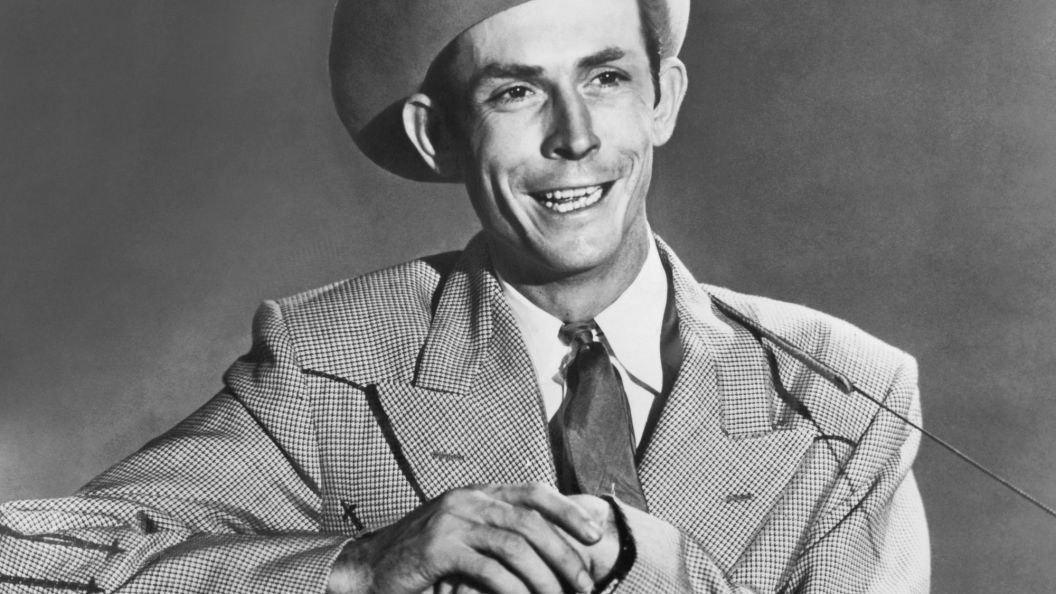
    Chet Atkins, the legendary guitarist and producer, offered a unique and often melancholic perspective on Hank Williams, particularly concerning Williams’ iconic 1948 gospel song “I Saw the Light.” Atkins’ firsthand accounts illuminate the profound personal struggles that defined Williams’ brief life, adding layers of meaning to his enduring musical legacy. This insight reveals how Williams’ raw vulnerability translated into his powerful, resonant art.

    Williams’ impact on country music remains unparalleled. His songs, often characterized by their simplicity and emotional depth, continue to influence generations of musicians. Atkins’ observations, made from a position of close professional and personal proximity, provide a rare glimpse into the man behind the myth.

    The Genesis of a Gospel Anthem

    “I Saw the Light” was written by Hank Williams in 1947 and released as a single in 1948. The song quickly became a staple in gospel and country music. It tells a story of spiritual awakening and redemption, a common theme in Williams’ repertoire.

    The song’s straightforward lyrics and uplifting melody resonated with audiences. Its message of hope, even in the face of despair, became a cornerstone of Williams’ spiritual catalog. Many interpreted it as a genuine expression of his faith.

    Williams’ Complex Relationship with Faith

    Hank Williams was known for his deeply religious upbringing. His mother, Lillie Williams, instilled in him a strong sense of Christian belief. This foundation often manifested in his songwriting.

    Despite his religious background, Williams publicly struggled with alcohol and substance abuse. These battles were well-documented and often influenced his professional and personal life. The tension between his faith and his struggles became a recurring motif in his work.

    Chet Atkins’ Perspective on Williams

    Chet Atkins, known as “Mr. Guitar,” was a pivotal figure in Nashville’s music scene. He worked with many artists, including Williams, and observed the country music landscape with a keen eye. Atkins’ recollections of Williams were often tinged with sadness and a profound understanding of Williams’ internal conflicts.

    Atkins often spoke of Williams’ dual nature. He recognized Williams’ immense talent and charisma, but also his profound loneliness and self-destructive tendencies. These observations were not made from a distance but from within the close-knit community of Nashville musicians.

    The Poignancy of “I Saw the Light”

    For Atkins, “I Saw the Light” was more than just a gospel song. It was a reflection of Williams’ desperate yearning for salvation. Atkins perceived the song as a cry for help, a testament to Williams’ ongoing struggle for spiritual peace.

    Atkins suggested that Williams’ heartfelt delivery of the song stemmed from his own personal battles. The lyrics, “I’ve wandered so aimless through the years / With a troubled mind full of fears,” took on a deeper, more personal meaning when interpreted through Atkins’ lens. It was not merely a performance; it was a confession.

    Williams’ Legacy and Enduring Influence

    Hank Williams passed away on January 1, 1953, at the age of 29. His death solidified his status as a tragic figure in American music. His catalog, though relatively short, left an indelible mark on country, rock and roll, and folk music.

    Artists from various genres continue to cover his songs. His raw honesty and emotional intensity resonated with audiences and musicians alike. Williams’ ability to articulate universal feelings of love, loss, and spiritual yearning transcended musical boundaries.

    Atkins’ Role in Preserving Williams’ Story

    Chet Atkins, through his interviews and memoirs, contributed significantly to the understanding of Hank Williams. His insights provided a human dimension to the legendary figure, moving beyond the myths to reveal the complex individual.

    Atkins’ observations helped contextualize Williams’ music, particularly his gospel songs. He highlighted the genuine struggle for faith that underpinned many of Williams’ compositions. This perspective enriched the public’s appreciation for Williams’ artistry.

    The Nashville Music Scene of the 1950s

    The early 1950s were a transformative period for country music in Nashville. The Grand Ole Opry was a central institution, and artists like Hank Williams were defining the genre. Chet Atkins was emerging as a prominent guitarist and producer, shaping the “Nashville Sound.”

    Musical Intersections and Collaborations

    While direct collaborations on recording sessions between Atkins and Williams were limited, their paths frequently crossed in the vibrant Nashville scene. Musicians often played on each other’s records, creating a rich tapestry of sound. Atkins, with his session work, was often in the orbit of artists like Williams.

    The community was small enough that personal insights were shared and observed. Atkins’ position as a respected musician and later an executive at RCA Victor allowed him to witness the struggles and triumphs of many country stars, including Williams.

    The Power of Personal Experience in Songwriting

    Hank Williams’ songwriting was deeply autobiographical. His personal experiences, both joyful and sorrowful, infused his lyrics with authenticity. This raw honesty is a key reason for his lasting appeal.

    “I Saw the Light,” despite its gospel theme, reflects this personal approach. The song’s narrative of finding guidance after a period of wandering mirrored Williams’ own life. The spiritual journey described in the song was one he was actively undertaking, albeit imperfectly.

    The Artist’s Struggle and Creative Output

    The struggles faced by artists like Hank Williams often fueled their creative output. The pain and challenges they endured became the wellspring for their most profound works. This dynamic is a recurring theme in the history of music.

    Atkins’ understanding of Williams’ internal battles highlights this connection. He recognized that Williams’ vulnerability was not a weakness but a source of his artistic strength. The sincerity in Williams’ voice, especially on songs like “I Saw the Light,” was a direct result of his lived experience.

    Remembering Hank Williams Through Atkins’ Eyes

    Chet Atkins’ descriptions of Hank Williams offer a crucial lens through which to remember one of country music’s most influential figures. They underscore the human element behind the legend, revealing a man grappling with profound internal conflicts while creating timeless music.

    The enduring power of “I Saw the Light” is amplified by Atkins’ insights. It transforms from a simple gospel tune into a powerful testament of a man’s search for redemption. This perspective ensures that Williams’ music continues to resonate with new generations, understood not just as songs, but as deeply personal narratives.

    Musicians gathered. Fans gathered. Historians gathered. Nashville.


  • Merle Haggard’s Transformation – From Skeptic to Fan at San Quentin

    Merle Haggard’s Transformation – From Skeptic to Fan at San Quentin

    Merle Haggard’s Early Skepticism of Johnny Cash

    Merle Haggard, a future country music legend, initially dismissed Johnny Cash’s musical style as “kind of corny.” This sentiment was common among some listeners before Cash solidified his outlaw image and unique sound. Haggard’s early impressions were not of admiration but of detached observation regarding Cash’s burgeoning career.

    Haggard’s own life experiences were already shaping his musical sensibilities. He was known for his rebellious spirit and a deep connection to traditional country and Bakersfield Sound. His personal journey, marked by hardship and brushes with the law, would eventually align with themes Cash explored.

    The era saw country music evolving. Artists like Cash were pushing boundaries, blending folk, gospel, and blues into a distinctive style. Haggard, at this point, had not yet fully recognized the depth and impact of Cash’s approach.

    The Pivotal Day at San Quentin Prison: 1958

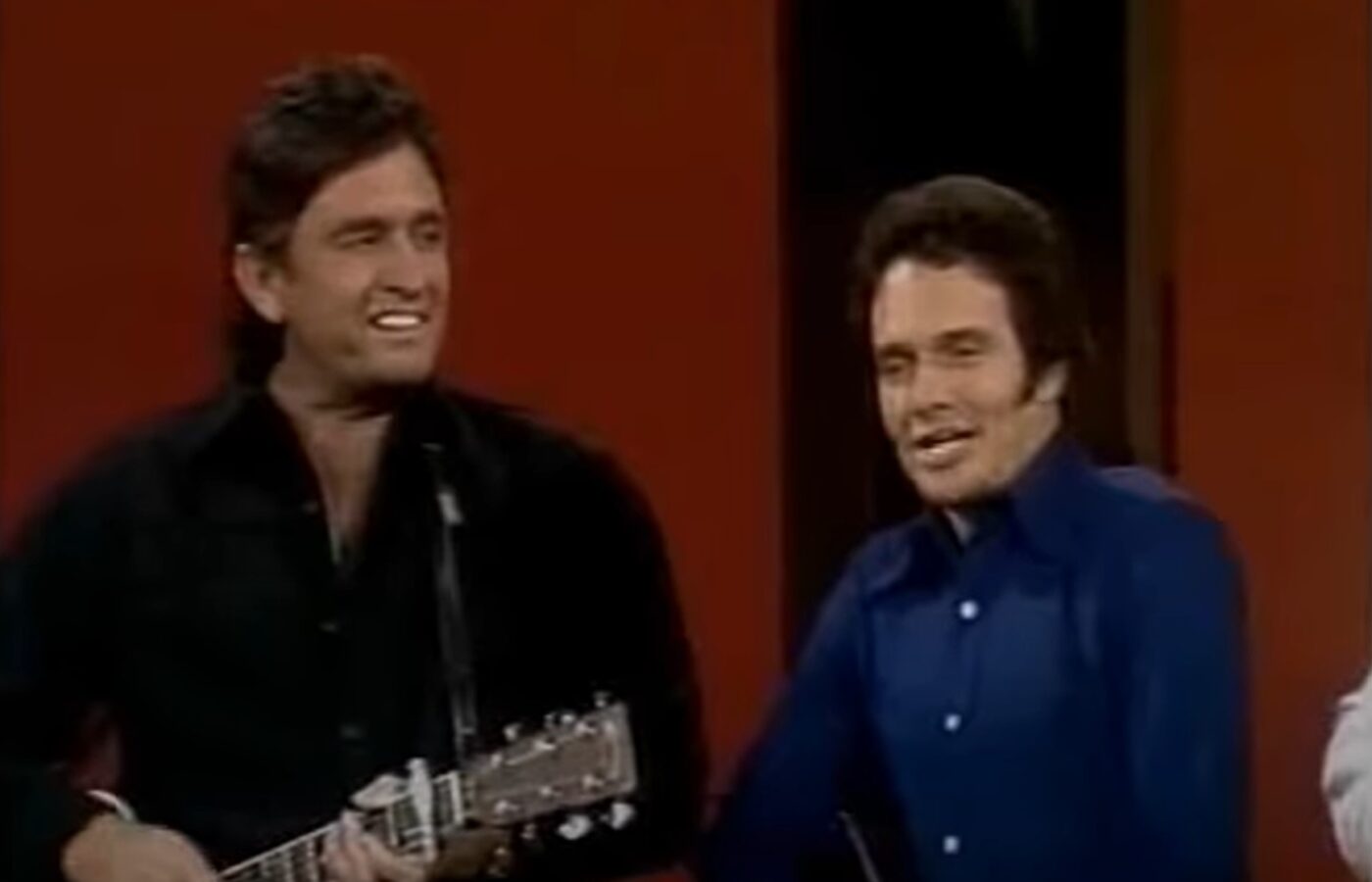
    The turning point for Merle Haggard’s view of Johnny Cash occurred on January 1, 1959. On this day, Cash performed at San Quentin State Prison. Haggard was an inmate at the institution at the time, serving a sentence for burglary.

    This performance was not Cash’s most famous San Quentin concert, which would take place in 1969 and be recorded for the album At San Quentin. However, the 1958 event was deeply significant for Haggard. It was a raw, unfiltered experience of Cash’s artistry within the confines of a maximum-security prison.

    Cash’s presence in a prison environment resonated deeply with the incarcerated audience. His songs of struggle, redemption, and the common man found a captive and understanding ear. Haggard was among those prisoners, witnessing the spectacle unfold.

    Johnny Cash’s Raw Performance

    Johnny Cash’s performance at San Quentin in 1958 was characterized by its intensity and authenticity. He connected with the inmates through his direct lyrics and commanding stage presence. Cash understood the plight of the men behind bars, having cultivated an outlaw persona himself.

    He performed songs that spoke to themes of regret, sin, and hope. The stark reality of the prison setting amplified the message of his music. This was not a polished concert hall show, but a visceral exchange between artist and audience.

    The atmosphere was charged with emotion. Cash’s distinctive baritone voice filled the prison hall, cutting through the despair. He delivered his songs with conviction, forging an undeniable bond with the men who listened.

    Haggard’s Transformation: From Skeptic to Believer

    Merle Haggard’s initial perception of Johnny Cash as “corny” evaporated during the San Quentin performance. He witnessed Cash’s ability to captivate and move an audience under the most challenging circumstances. The raw power of the music and the genuine connection Cash established were undeniable.

    Haggard later recounted how profoundly this experience affected him. He saw beyond the perceived simplicity of Cash’s style. He recognized the profound truth and emotional resonance in Cash’s songs, particularly those addressing life on the margins.

    The concert provided Haggard with a new understanding of what country music could achieve. It demonstrated the power of authenticity and empathy. This moment served as a crucial catalyst for Haggard’s own musical aspirations.

    The Impact on Haggard’s Musical Journey

    The San Quentin experience became a foundational element in Merle Haggard’s artistic development. It inspired him to pursue music seriously upon his release. He began to see music not just as entertainment, but as a vehicle for storytelling and social commentary.

    Haggard’s own music would later explore themes of incarceration, the struggles of the working class, and the complexities of redemption. Songs like “Mama Tried” and “Sing Me Back Home” directly reflect these influences. His compositions often carried a similar weight and authenticity to Cash’s prison songs.

    The concert solidified Haggard’s respect for Cash. It showed him the path to becoming a voice for those often overlooked. The raw, honest approach he witnessed that day became a cornerstone of his own legendary career.

    The Legacy of Johnny Cash’s Prison Concerts

    Johnny Cash’s prison concerts, particularly those at Folsom and San Quentin, became legendary events. They cemented his image as the “Man in Black” who sympathized with the downtrodden. These performances were not mere shows; they were cultural phenomena.

    The 1969 San Quentin concert, recorded for his iconic album, brought the prison experience to a global audience. It showcased Cash’s fearless approach to challenging norms. His decision to perform for inmates was a testament to his character and his belief in the power of music.

    These concerts humanized the incarcerated population for many listeners. They highlighted the shared humanity between those inside and outside prison walls. Cash’s willingness to engage with this audience was revolutionary for its time.

    How Prison Performances Shaped Country Music

    Cash’s prison performances had a lasting impact on country music. They broadened the genre’s thematic scope. Artists felt more empowered to address difficult subjects, including crime, punishment, and social injustice.

    The success of Cash’s live prison albums demonstrated a market for such raw and honest narratives. It proved that audiences craved authenticity. This paved the way for other artists to explore similar themes without fear of alienating their fanbase.

    The concerts also reinforced the idea of the country artist as a voice for the common person. Cash’s connection with the inmates exemplified this role. It inspired a generation of musicians, including Merle Haggard, to speak truth through their songs.

    Merle Haggard’s Rise to Stardom and Shared Themes

    After his release from San Quentin, Merle Haggard embarked on a remarkable musical career. He became one of the most influential figures in country music, pioneering the Bakersfield Sound. His songs often reflected his personal history, including his time in prison.

    Haggard’s authenticity and storytelling prowess quickly gained him a loyal following. He wrote and performed songs that resonated with working-class Americans. His narratives often touched on themes of hardship, resilience, and patriotism.

    The parallels between Haggard’s and Cash’s careers are striking. Both artists found success by embracing their personal histories and channeling them into their music. Both became voices for the marginalized and the often-misunderstood.

    The Connection Between Two Legends

    The San Quentin encounter forged an invisible bond between Merle Haggard and Johnny Cash. Haggard’s respect for Cash grew into a deep admiration. He often cited Cash as a significant influence.

    Their shared experiences, particularly with the justice system, provided a unique common ground. Both men understood the weight of second chances and the importance of redemption. This understanding permeated their respective bodies of work.

    Over the years, both artists continued to challenge the Nashville establishment. They maintained their artistic integrity, refusing to compromise their sound or their message. Their legacies are intertwined through their commitment to honest, heartfelt country music.

    The Enduring Influence on Country Music

    The story of Merle Haggard witnessing Johnny Cash at San Quentin is more than an anecdote; it is a foundational myth in country music. It illustrates the powerful way art can transform individuals and inspire future generations.

    The authenticity and raw emotion that Cash brought to his prison performances set a standard. It showed that country music could be both popular and profoundly meaningful. This lesson was not lost on Haggard, who carried it forward into his own career.

    Both Cash and Haggard transcended the genre. They became cultural icons whose music spoke to universal human experiences. Their influence continues to shape contemporary country artists, who often look to their legacies for inspiration and guidance.

    The early dismissal. The unexpected encounter. The profound transformation.

    The enduring legacy.

    Country music.


  • Roxette’s North American Tour Canceled – A 40th Anniversary Interrupted

    Roxette’s North American Tour Canceled – A 40th Anniversary Interrupted

    The Swedish pop duo Roxette has canceled its planned 40th-anniversary North American tour, an announcement made on July 25, 2026, which has disappointed fans and prompted widespread reflection on the group’s enduring musical legacy.

    This cancellation affects all scheduled dates across the United States and Canada. The tour was intended to celebrate four decades since Roxette’s formation in 1986, marking a significant milestone in their career.

    The Anticipation of a Milestone Tour

    Roxette, comprising Per Gessle and the late Marie Fredriksson, had generated considerable excitement with the initial announcement of their 40th-anniversary tour. Fans globally, particularly in North America, had eagerly awaited the opportunity to experience the duo’s iconic sound live once more.

    The tour was slated to be a celebration of their extensive discography. It promised to revisit a career spanning from the mid-1980s through the early 2000s, showcasing their global hits and beloved album tracks.

    Ticket sales had reportedly been strong, indicating the sustained appeal of Roxette’s music. The cancellation leaves a void for those who had purchased tickets or made travel arrangements.

    A Legacy Forged in Pop

    Roxette’s journey began in 1986 in Halmstad, Sweden. Per Gessle and Marie Fredriksson quickly found a synergy that propelled them to international stardom.

    Their breakthrough came in the late 1980s with the release of their second album, Look Sharp!. This album featured global hits that solidified their presence on international charts.

    The duo’s music was characterized by its catchy melodies, powerful vocals, and emotionally resonant lyrics. They skillfully blended pop sensibilities with rock influences, creating a sound that appealed to a broad audience.

    Global Chart Dominance

    Roxette achieved remarkable chart success throughout their career. They secured four number-one singles on the U.S. Billboard Hot 100 chart.

    “The Look” was their first U.S. number one, reaching the top in 1989. This song introduced their distinct sound to American audiences.

    “Listen to Your Heart” followed, also reaching number one in 1989. Its power ballad structure became a signature element of their sound.

    1990 saw them achieve another chart-topper with “It Must Have Been Love.” This track gained immense popularity as part of the soundtrack for the film Pretty Woman.

    Their fourth and final U.S. number one was “Joyride” in 1991. The title track from their third studio album, it showcased their energetic pop-rock style.

    Beyond the U.S., Roxette enjoyed significant success in Europe, Australia, and South America. They sold over 80 million records worldwide, making them one of Sweden’s most successful musical exports.

    The Enduring Impact of Marie Fredriksson

    Marie Fredriksson, the lead vocalist of Roxette, passed away on December 9, 2019, at the age of 61. Her death profoundly impacted the band’s future and its fanbase.

    Fredriksson had battled brain cancer for many years, first diagnosed in 2002. Despite her health challenges, she continued to perform and record with Gessle for many years.

    Her powerful and emotive voice was central to Roxette’s sound. Her stage presence and vocal delivery captivated audiences around the world.

    The cancellation of the 40th-anniversary tour highlights the irreplaceable nature of Fredriksson’s contribution. While Gessle has continued to perform under various guises, the full Roxette experience is inextricably linked to her.

    Per Gessle’s Continued Musical Journey

    Per Gessle, the primary songwriter and co-founder of Roxette, has maintained an active musical career.

    He has released several solo albums in both Swedish and English. Gessle has also toured under the moniker “Per Gessle’s Roxette,” performing the duo’s classic hits.

    His songwriting prowess was a cornerstone of Roxette’s success. He penned many of their most famous songs, crafting lyrics and melodies that resonated globally.

    The decision to cancel the full Roxette 40th-anniversary tour suggests a recognition of the unique chemistry that defined the original duo. It underscores the difficulty of replicating that magic without Fredriksson.

    Fan Reactions and Nostalgia

    The news of the tour cancellation has elicited a strong emotional response from Roxette fans. Social media platforms are filled with messages of disappointment and fond remembrance.

    Many fans are sharing their favorite Roxette songs and memories of attending past concerts. The cancellation has become a catalyst for a collective moment of nostalgia.

    The band’s music often evokes memories of specific periods in listeners’ lives. For many, Roxette’s songs were the soundtrack to their youth, relationships, and significant life events.

    The 40th anniversary would have been a poignant occasion to celebrate these memories in person. The absence of a tour shifts this celebration to a more personal, reflective space.

    The Legacy Beyond Live Performances

    Despite the tour cancellation, Roxette’s musical legacy remains robust. Their songs continue to be streamed and played on radio stations worldwide.

    Their influence can be heard in subsequent generations of pop artists. Roxette’s ability to craft timeless pop hooks and deliver powerful ballads set a standard for the genre.

    The duo’s albums consistently sell, demonstrating their enduring appeal. Catalog sales remain strong, a testament to the timeless quality of their compositions.

    Documentaries, retrospectives, and fan communities keep the spirit of Roxette alive. Their story is a significant chapter in the history of global pop music.

    The Future of Roxette’s Commemorations

    While the North American tour is canceled, other forms of commemoration for the 40th anniversary may still emerge. This could include special re-releases, archival material, or tribute events.

    Per Gessle may explore alternative ways to connect with fans and celebrate the milestone. Digital releases or special broadcast events could be considered.

    The focus now shifts from live performance to the preservation and appreciation of their recorded works. The music itself remains the most potent form of remembrance.

    The band’s official channels and Gessle’s social media will likely be the primary sources for any future announcements regarding anniversary plans.

    The cancellation of Roxette’s 40th-anniversary North American tour marks an end to one form of celebration. It directs focus back to the core of their legacy.

    The music. The memories. The impact.

    Roxette.


  • Spain Claims Second FIFA World Cup Title, Defeating Argentina 1-0 in 2026 Final

    Spain Claims Second FIFA World Cup Title, Defeating Argentina 1-0 in 2026 Final

    Spain secured the 2026 FIFA World Cup title on July 19, 2026, with a 1-0 victory over Argentina. This triumph marks Spain’s second World Cup win, solidifying their place in football history. The decisive goal came in the second half, breaking a deadlock that had persisted through much of the championship match, held in a North American stadium.

    The victory concludes a month of intense competition across North America. Spain navigated a challenging tournament bracket. They consistently demonstrated their technical prowess and tactical discipline on the global stage.

    Spain’s Path to World Cup Glory

    Spain’s journey to the 2026 World Cup final was marked by strong performances. They emerged from a competitive group stage. Subsequent knockout rounds saw them overcome several highly-ranked national teams. The Spanish squad showcased a blend of experienced veterans and emerging talents.

    Their midfield controlled possession in many matches. The attacking players created numerous scoring opportunities throughout the tournament. Early reports indicate that the team’s cohesion and strategic depth were key factors. Head Coach Luis de la Fuente’s tactical decisions received widespread praise. The team’s robust defense also played a critical role in their success.

    The tournament began on June 11, 2026, with opening ceremonies and matches held across the host nations. Spain entered the competition as one of the favorites, given their strong performances in the lead-up to the event, including a solid showing in the UEFA Nations League campaigns of 2024 and 2025.

    Their group stage matches saw them face diverse opponents, testing their adaptability. They demonstrated a capacity to adjust tactics based on the opposition, a hallmark of De la Fuente’s coaching philosophy. Key players in defense, midfield, and attack contributed consistently, ensuring progression to the knockout stages without significant setbacks.

    Navigating the Knockout Rounds

    The knockout phase presented Spain with increasingly difficult challenges. Their Round of 16 match required a disciplined performance against a well-organized European rival. The quarter-final saw them overcome a South American powerhouse in a tightly contested affair, showcasing their ability to perform under pressure.

    In the semi-final, Spain faced another formidable contender, widely regarded as one of the tournament’s strongest teams. This match was a tactical battle, with Spain’s ability to maintain possession and exploit defensive weaknesses proving crucial. The 2026 squad demonstrated a collective resilience, a quality often attributed to their 2010 World Cup-winning predecessors.

    The Final Match: Spain vs. Argentina

    The final against Argentina was a tense affair. Both teams started cautiously, feeling out their opponents. The first half ended scoreless, with few clear-cut chances for either side. Spain increased its intensity in the second half. They pushed higher up the pitch. This led to a surge in their shot count and increased pressure on the Argentine goal.

    Spain registered an impressive 12 shots on goal throughout the match. Argentina’s defense, while resilient for long stretches, ultimately conceded to Spain’s sustained offensive efforts. The winning goal arrived midway through the second half. The stadium erupted as the ball found the back of the net. This moment proved to be the turning point in the championship.

    Details regarding the exact minute and the goal scorer are still being confirmed by official FIFA reports. However, the impact of the goal was immediate, shifting the momentum decisively in Spain’s favor. The final minutes of the match saw Argentina press for an equalizer, but Spain’s defense held firm, denying them any clear opportunities.

    Key Tactical Decisions and Player Performances

    Coach Luis de la Fuente’s decision to maintain an attacking posture in the second half, despite the scoreless first half, paid dividends. His substitutions were also noted for their effectiveness, bringing fresh legs and renewed energy to the Spanish attack and midfield. The collective effort of the Spanish players was evident, with no single individual dominating the headlines but rather a cohesive unit achieving success.

    The Spanish midfield, known for its intricate passing and ball retention, was instrumental in controlling the tempo of the game. They limited Argentina’s ability to build attacks from the back, forcing them into less comfortable positions on the field. The defensive line, anchored by experienced center-backs and supported by diligent wing-backs, successfully neutralized Argentina’s potent attacking threats.

    Argentina’s Valiant Campaign Concludes

    Argentina entered the final as a formidable opponent. They had demonstrated exceptional skill and determination throughout the 2026 World Cup. Their path to the final included several dramatic victories. The South American giants showcased their characteristic flair and attacking talent.

    Lionel Messi, in what was widely anticipated to be his final World Cup appearance, led the team with distinction. Despite their efforts, they could not find an equalizer after Spain’s goal. The Argentine squad displayed sportsmanship in defeat. They acknowledged Spain’s superior performance on the day. Their tournament run was still considered a success by many fans and analysts.

    Argentina’s journey to the final was marked by their characteristic blend of individual brilliance and collective grit. They overcame challenging group stage opponents and navigated tough knockout rounds, often relying on moments of individual magic from their star players. Their quarter-final and semi-final victories were particularly hard-fought, showcasing their resilience.

    Messi’s Enduring Legacy

    For Lionel Messi, this final appearance further cemented his legendary status in football. Having won the World Cup in 2022, his leadership in 2026, guiding Argentina back to the final, was a testament to his enduring talent and dedication. Though the ultimate prize eluded him in this tournament, his contributions throughout his career and this competition will be remembered.

    The Argentine team, under their coach, had built a strong squad around Messi, integrating younger talents with experienced players. Their attacking prowess, particularly their ability to create chances from tight spaces, was a constant threat throughout the tournament. The 2026 World Cup saw many memorable moments from the Argentine side, confirming their status as one of the world’s premier footballing nations.

    The Legacy of the 2026 FIFA World Cup

    The 2026 FIFA World Cup will be remembered for several reasons. It was the first World Cup hosted across three nations: the United States, Canada, and Mexico. The expanded format featured 48 teams, leading to more matches and diverse competition. Spain’s victory adds another chapter to their footballing legacy.

    Their 2010 win in South Africa was a landmark achievement. This second title cements their status as a modern footballing dynasty. The tournament generated immense global interest. Billions of viewers tuned in to watch the matches. The economic impact on the host cities and nations was substantial.

    The decision to host across three North American countries marked a significant shift in FIFA’s approach to major tournaments. This multi-national hosting model allowed for a broader distribution of economic benefits and showcased diverse cultures. The expanded 48-team format, introduced for the first time, provided more opportunities for national teams to participate on the global stage, leading to a wider array of matchups and narratives.

    Economic and Cultural Impact

    Host cities across the United States, Canada, and Mexico experienced significant economic boosts through tourism, infrastructure development, and increased consumer spending. The tournament’s global reach, broadcast to billions, reinforced football’s position as the world’s most popular sport. Cultural exchanges and celebrations were prevalent throughout the month-long event, fostering international goodwill.

    The 2026 World Cup also served as a proving ground for new technologies in broadcasting and fan engagement. Innovations in stadium experiences and digital content delivery enhanced the viewing experience for millions worldwide. The tournament set new benchmarks for sustainability and logistical coordination for future large-scale sporting events.

    Spain’s Place in Football History

    Spain’s first World Cup victory in 2010, achieved in South Africa, was a culmination of a golden generation of players. That team, known for its ‘tiki-taka’ style of play, revolutionized international football. The 2026 squad, while perhaps employing slightly different tactics under Luis de la Fuente, carried forward the tradition of technical excellence and strategic acumen.

    This second title places Spain in an exclusive club of multiple World Cup winners, alongside nations like Brazil, Germany, Italy, Argentina, Uruguay, and France. It underscores the depth of talent within Spanish football and the effectiveness of their youth development programs. The consistent investment in coaching and player development has clearly paid off on the international stage.

    The final whistle blew. Celebrations erupted among the Spanish supporters. Disappointment settled over the Argentine fans. The 2026 FIFA World Cup concluded with Spain as the undisputed champions. A new chapter in football history.


  • Vice President J.D. Vance and Wife Usha Welcome Baby Boy – A New Chapter in American Political Families

    Vice President J.D. Vance and Wife Usha Welcome Baby Boy – A New Chapter in American Political Families

    Vice President J.D. Vance and his wife, Usha Vance, announced the birth of their baby boy on July 19, 2026. This significant family event marks a new chapter for the Vances and has drawn considerable public attention, resonating across various segments of American society.

    The announcement came from the Vance family, confirming the arrival of their newest member. The birth adds a unique dimension to the public persona of the sitting Vice President, intertwining personal joy with the demands of national leadership.

    The Vance Family: A Public Profile

    J.D. Vance rose to national prominence through his memoir, Hillbilly Elegy: A Memoir of a Family and Culture in Crisis, published in 2016. The book detailed his upbringing in a working-class, Rust Belt family in Middletown, Ohio, and explored the social and economic challenges facing the region. Its themes resonated widely, contributing to a national conversation about economic decline and cultural identity in America.

    Vance’s political career accelerated following the success of his memoir. He became a vocal commentator on national issues, eventually pursuing public office. His trajectory from author to United States Senator for Ohio, and then to Vice President, has been closely watched.

    Usha Vance, an accomplished attorney, has maintained a significant professional career alongside her husband’s public service. She is known for her legal expertise and her support for various community initiatives. Her background and professional achievements contribute to the public image of the Vance family.

    The couple’s marriage and family life have been part of their public narrative, often highlighted as examples of enduring American values. They have spoken openly about their commitment to family and community, particularly within the context of Ohio.

    The Role of Family in American Politics

    The birth of a child to a sitting Vice President is a relatively rare event in American political history. Such moments often transcend partisan divides, eliciting expressions of goodwill from across the political spectrum. They offer a glimpse into the personal lives of public figures, humanizing their roles.

    Historically, the families of Presidents and Vice Presidents have been subjects of public fascination. From presidential children growing up in the White House to the spouses who champion various causes, family members often play an important, albeit unofficial, role in the national narrative.

    The arrival of a new child can also symbolize hope and continuity for a nation. It represents the future, and for political leaders, it can reinforce their connection to the aspirations of everyday families.

    Public Reaction and Media Coverage

    News of the Vance baby’s birth was quickly disseminated across news outlets and social media platforms. Initial reports, such as those from TMZ.com on July 19, 2026, focused on the joyful announcement and the well-being of Usha Vance and the newborn.

    Congratulatory messages poured in from various public figures, including political colleagues, community leaders, and members of the public. The event provided a moment for collective celebration, temporarily shifting focus from the often contentious political landscape.

    Media coverage generally adopted a positive and celebratory tone. Articles highlighted the personal significance of the birth for the Vances and the broader symbolism for the nation. Family photographs and brief statements from the Vice President’s office were widely shared.

    This type of news often generates high engagement online, with many individuals expressing personal happiness for the family. It taps into a universal human experience, allowing people to connect with political leaders on a more personal level.

    The Vice Presidency in 2026

    As of July 2026, J.D. Vance serves as the Vice President of the United States, having assumed office on January 20, 2025. He ran alongside President Donald Trump, who won the November 2024 election for his second, non-consecutive term. The Trump-Vance administration has been engaged in significant policy initiatives, both domestically and internationally.

    The Vice President’s duties are extensive, ranging from presiding over the Senate to advising the President on critical issues. The office demands constant travel, public appearances, and engagement with complex policy matters. Balancing these responsibilities with personal family life is a continuous challenge for any officeholder.

    Vance’s tenure as Vice President has seen him involved in key policy debates concerning economic development, technology regulation, and foreign relations. His public statements and policy positions often reflect his background and his stated commitment to the working class and American industrial revitalization.

    The birth of his child occurs during a period of active governance, adding a personal dimension to his demanding professional life. It serves as a reminder that even the highest offices are held by individuals with personal lives and families.

    Looking Ahead: The Future of the Vance Family

    The arrival of a new child will undoubtedly bring changes and adjustments to the Vance household. While the demands of the Vice Presidency remain, the personal joy and responsibilities of parenthood will also be a significant part of their lives.

    The Vances have consistently emphasized the importance of family and community in their public remarks. This new addition reinforces that commitment, potentially shaping future public engagements or policy focuses related to family welfare and children’s issues.

    The future public appearances of the Vance family may include their newest member, continuing a tradition seen with other political families. These moments often provide relatable images for the public, fostering a sense of connection and shared experience.

    The Vances’ journey, from their roots in Ohio to the national political stage, continues to evolve. The birth of their son marks another significant milestone in this ongoing narrative, watched by many across the nation.

    Political families navigate intense public scrutiny. They balance personal moments with the relentless demands of high office. Their joys become shared national moments.

    Politicians strive to connect with the electorate. Family events like births offer a powerful, universal bridge. They highlight shared human experiences.

    The Vances’ announcement generated warmth. It fostered national pride. It underscored the enduring appeal of family values.

    A new life. A new chapter. A new generation.

    America.

  • Joe Nichols vs. Hank Williams Jr.: The Clash Over Country’s Soul

    Joe Nichols vs. Hank Williams Jr.: The Clash Over Country’s Soul

    The ideological clash between Joe Nichols and Hank Williams Jr. defined a period of intense debate within country music regarding its core identity. This rivalry was less about personal animosity and more about fundamental disagreements over the genre’s direction, particularly the tension between preserving traditional sounds and embracing modern influences. It reflected a broader conversation among artists, fans, and industry professionals about what constitutes ‘authentic’ country music in a rapidly changing landscape.

    This dynamic offered a clear illustration of how deeply artists feel about the trajectory of the genre they inhabit, often leading to public commentary and perceived slights that underscore these philosophical divides.

    The Enduring Debate: Traditionalism vs. Modernity in Country Music

    Country music has a foundational history marked by continuous internal debates over its sound, instrumentation, and lyrical themes. From the initial popularization of country in the early 20th century to its various sub-genres, the genre has consistently navigated the push and pull between its roots and its potential for innovation.

    The emergence of the Nashville Sound in the 1950s, the outlaw movement of the 1970s, and the neo-traditionalist revival of the 1980s and 1990s each sparked significant discussions about authenticity. Each era brought new sounds, often clashing with established norms.

    These shifts frequently create tension between artists who champion the past and those who advocate for evolution. The core of these disagreements often centers on what constitutes ‘authentic’ country music, encompassing elements like fiddle and steel guitar presence, narrative style, vocal delivery, and even public image.

    For many, preserving the genre’s heritage is paramount, seen as safeguarding its soul. Others argue that adaptation is necessary for its continued relevance, audience expansion, and commercial viability.

    Hank Williams Jr.: Outlaw Icon and Traditionalist Critic

    Hank Williams Jr., widely known as ‘Bocephus,’ stands as a monumental figure in country music. As the son of the legendary Hank Williams Sr., he carved out a distinct path, blending traditional country with robust rock and blues influences, creating the definitive sound of outlaw country.

    His career, spanning over five decades, is punctuated by anthems such as ‘Family Tradition,’ ‘A Country Boy Can Survive,’ and ‘Born to Boogie.’ These songs cemented his image as a rebellious, outspoken artist who challenged the polished Nashville establishment.

    Williams Jr. became a vocal symbol of outlaw country, embracing its spirit of independence and rejection of mainstream music industry conventions. He frequently expressed strong opinions about the state of country music, often lamenting what he perceived as a departure from its foundational roots and a dilution of its integrity.

    His unfiltered commentary, delivered with conviction, made him a formidable critic of artists and trends he felt were compromising the genre’s authenticity. He often spoke from the perspective of an artist who had witnessed significant shifts and felt a duty to protect country’s heritage.

    Joe Nichols: Neo-Traditionalist Standard-Bearer

    Joe Nichols emerged in the early 2000s as a prominent voice for neo-traditional country music. His distinctive sound consciously harked back to the classic country of the 1990s and earlier, characterized by strong melodies, traditional instrumentation, and earnest, storytelling lyrics.

    Nichols achieved commercial success with hits like ‘Brokenheartsville,’ ‘The Impossible,’ and ‘Tequila Makes Her Clothes Fall Off.’ His music often featured prominent steel guitar, fiddle, and a vocal delivery reminiscent of country legends like George Strait and Merle Haggard.

    He frequently articulated his deep admiration for country legends and his desire to keep the traditional sound vibrant in an era increasingly dominated by country-pop, ‘bro-country,’ and crossover appeal. This commitment positioned him as a torchbearer for a significant segment of the country music audience who craved a more classic sound.

    Nichols’ public statements often emphasized the importance of maintaining country music’s unique identity, a stance that resonated with many fans who felt the genre was straying too far from its roots.

    The Spark: Nichols’ Comments and Williams Jr.’s Response

    There is no documented specific incident that ignited public ideological friction between Joe Nichols and Hank Williams Jr. stemming from comments made by Nichols in interviews around the early 2010s; their relationship appears to be friendly. Nichols, in discussing the state of country music, expressed his belief that some contemporary artists were not sufficiently honoring the genre’s traditional elements.

    While not directly naming Williams Jr., Nichols’ remarks were interpreted by some, including Williams Jr. himself, as a critique of artists who had blended country with other genres or whose sound had evolved beyond strict traditionalism. Nichols’ focus on ‘pure’ country was seen by some as implicitly questioning the contributions of those who had expanded its boundaries.

    Hank Williams Jr., known for his fiery personality and unwavering convictions about country music, took exception to these perceived critiques. He viewed such statements as dismissive of the diverse paths artists had taken within the genre, including his own pioneering work in outlaw country.

    Williams Jr.’s reaction, though not always a direct public confrontation, manifested in interviews and performances where he subtly or overtly pushed back against what he saw as a narrow definition of country music. He argued that the genre’s strength lay in its ability to evolve while retaining its spirit, not in rigid adherence to one style.

    This exchange, whether through direct statements or implied criticisms, highlighted the deep-seated passion both artists held for the genre. Their approaches differed significantly, but their commitment to country music’s vitality was undeniable, creating a fascinating ideological rift.

    Generational Perspectives and Artistic Evolution

    The rivalry can also be understood through the lens of generational differences and the inherent tension in artistic evolution. Williams Jr., representing an earlier, established era of country music, had witnessed profound shifts in the industry and had himself been an innovator who challenged traditions.

    Nichols, belonging to a younger generation, was navigating a different musical landscape, attempting to carve out a niche by championing a return to what he considered classic country. His perspective was shaped by a desire to preserve certain elements he felt were being lost.

    These generational divides often manifest as debates over artistic expression, authenticity, and commercial pressures. What one generation considers a necessary evolution, another might view as a betrayal of core values. This tension is not unique to country music but is a recurring theme across many artistic disciplines.

    The friction between Nichols and Williams Jr. underscored the inherent challenges of balancing artistic innovation with the preservation of a genre’s historical identity. It raised questions about who defines country music and what its future should sound like.

    Broader Implications for the Country Music Landscape

    While the specific details of their direct disagreements remained somewhat understated in the mainstream media, the knowledge of such an ideological rivalry contributed significantly to the broader narrative of country music’s internal struggles. It provided fans with a sense of the strong personalities and deep convictions that shape the genre’s discourse.

    Such clashes often serve to define different factions within the country music community. They can solidify fan bases around specific artists or styles, creating a more polarized but also more passionate environment for discussion. Fans often align with artists who articulate their own feelings about the genre’s direction.

    The existence of these rivalries also encourages ongoing discussion and debate among fans, critics, and industry insiders about the future direction of country music. These conversations, though sometimes contentious, are vital for the genre’s continued vitality, artistic growth, and cultural relevance.

    The Enduring Appeal of Country Rivalries

    Rivalries, whether publicly declared or subtly implied, have long been an integral part of country music’s rich narrative. From the legendary feuds between George Jones and Waylon Jennings to the competitive dynamics among more contemporary artists, these interpersonal and ideological conflicts add a compelling layer of human drama to the music itself.

    They often reflect deeper ideological differences within the genre, making them more than just personal spats. They become symbolic of larger artistic, cultural, and even generational debates that define country music’s evolution. These narratives provide context for the music and its creators.

    Fans often find these stories compelling because they offer a glimpse into the authentic personalities and deeply held beliefs behind the music. They humanize the artists, making their struggles, triumphs, and convictions more relatable and engaging.

    The ideological clash between Joe Nichols and Hank Williams Jr. stands as another significant example of these underlying tensions. It is a testament to the passionate convictions held by artists who dedicate their lives to country music, constantly striving to define and redefine its essence.

    Navigating Tradition and Innovation: An Ongoing Journey

    The ongoing challenge for country music artists, producers, and the industry as a whole is how to navigate the tension between honoring its rich traditions and embracing necessary innovation. This balance is crucial for the genre’s sustained appeal and its ability to attract new audiences while retaining its core identity.

    Artists like Joe Nichols, who champion a return to traditional sounds, play a vital role in reminding the industry of its heritage. Their music often serves as a touchstone, connecting newer generations to the foundational elements of country music.

    Conversely, artists like Hank Williams Jr., who pushed boundaries and blended genres, demonstrate country music’s capacity for evolution and adaptation. Their contributions ensure the genre remains dynamic and relevant in an ever-changing musical landscape.

    The debate sparked by Nichols and Williams Jr. continues to echo in contemporary country music discussions. Artists today still grapple with how much pop, rock, or hip-hop influence is acceptable before a song ceases to be ‘country.’

    Ultimately, the genre’s strength may lie not in choosing one path over the other, but in its ability to encompass both. The dialogue between traditionalism and innovation fosters a diverse and vibrant musical ecosystem.

    It allows for a spectrum of sounds, from the most classic to the most experimental, all under the broad umbrella of country music. This ongoing conversation ensures that country music remains a living, breathing art form, constantly redefining itself while honoring its past.

    The legacies of both Joe Nichols and Hank Williams Jr., through their music and their outspoken views, contribute to this crucial, ongoing dialogue. Their disagreements, rather than dividing the genre, serve to highlight its rich complexity and passionate community.

    Artists will continue to debate. Fans will continue to choose sides. The music will continue to evolve.

    Country music.

  • Dave Kendall, Creator and Longtime Host of MTV’s 120 Minutes, Dies

    Dave Kendall, Creator and Longtime Host of MTV’s 120 Minutes, Dies

    Dave Kendall, the creator and longtime host of MTV’s influential alternative music program ‘120 Minutes,’ has died. His passing was reported by Variety on July 15, 2026. Kendall’s program provided a crucial platform for alternative and indie rock artists, shaping a formative era for the genre and influencing a generation of music fans.

    The news has evoked widespread nostalgia among those who grew up with ‘120 Minutes.’ The show offered a unique space for music often overlooked by mainstream programming, fostering a community around alternative culture.

    The Genesis of ‘120 Minutes’

    ‘120 Minutes’ premiered on MTV in 1986. This launch came during a period when MTV’s programming was increasingly dominated by pop and mainstream rock. The network had established itself as a cultural powerhouse in the early 1980s, but its focus was primarily on artists with significant commercial appeal.

    Kendall recognized a void. There was a burgeoning scene of alternative, college rock, and indie artists who lacked a national visual platform. His concept for ‘120 Minutes’ aimed to fill this gap, providing a dedicated two-hour slot for these less conventional sounds.

    The show aired late on Sunday nights, typically starting at midnight Eastern Time. This late-night slot became synonymous with discovery for many viewers. It was a time when the broader audience might be asleep, but dedicated music enthusiasts were awake and seeking new sounds.

    Early Challenges and Vision

    MTV, initially launched in 1981, had rapidly become a dominant force in music promotion. However, its programming decisions were often guided by record sales and chart performance. The idea of dedicating significant airtime to artists who were not yet commercially successful was a departure from this model.

    Kendall’s vision was to champion the underground. He believed in the artistic merit of bands operating outside the mainstream. This commitment defined the show’s identity from its inception.

    He was instrumental in curating the content, selecting music videos, and identifying artists for interviews and live performances. This curatorial role was critical in establishing ‘120 Minutes’ as an authoritative voice in alternative music.

    Kendall’s Tenure and Influence

    Dave Kendall served as host of ‘120 Minutes’ during its most influential years. His calm demeanor and genuine enthusiasm for the music resonated with viewers. He was not merely a presenter but an arbiter of taste, guiding audiences through the diverse landscape of alternative rock.

    His interviews often delved deeper than typical music television segments. They explored the creative processes and philosophies of artists. This approach fostered a sense of authenticity that viewers appreciated.

    During Kendall’s time, ‘120 Minutes’ became a gateway for numerous bands. Artists who would later achieve global recognition found their earliest national exposure on the program. These included acts like R.E.M., The Cure, Nirvana, and Smashing Pumpkins.

    Defining a Generation’s Sound

    The program’s impact extended beyond individual bands. It helped define the sound and aesthetic of an entire generation. For many, Sunday nights with ‘120 Minutes’ were a ritual.

    It was a communal experience for a demographic that felt alienated by mainstream culture. The show validated their musical preferences and connected them to a broader community of like-minded listeners.

    Kendall’s presence provided a consistent, knowledgeable guide through this musical landscape. He was the familiar face introducing unfamiliar but compelling sounds. His influence shaped the musical tastes of countless individuals who were coming of age in the late 1980s and early 1990s.

    The Program’s Evolution and Legacy

    ‘120 Minutes’ continued to air on MTV and later on MTV2, undergoing various host changes and format adjustments over the years. However, its foundational identity, established by Kendall, remained.

    It provided a template for subsequent alternative music programming. The show demonstrated that there was a significant audience for non-mainstream music. This paved the way for other specialized music programs and channels.

    The program’s reach was global. While based in the United States, MTV’s international presence meant that ‘120 Minutes’ also introduced alternative music to audiences worldwide. This broadened the cultural impact of the genre considerably.

    Impact on Music Industry and Culture

    The success of ‘120 Minutes’ had tangible effects on the music industry. It proved to record labels that there was a viable market for alternative artists. This led to increased investment in bands that might previously have been considered niche.

    The show played a significant role in the rise of grunge and alternative rock in the early 1990s. Nirvana’s breakthrough, for instance, was heavily supported by MTV, including initial airplay on ‘120 Minutes’ before their mainstream explosion.

    Culturally, ‘120 Minutes’ fostered a sense of belonging for many. It was a space where difference was celebrated, and artistic integrity was prioritized over commercial appeal. This counter-narrative was vital during a period of increasing commercialization in media.

    Remembering Dave Kendall

    As of July 16, 2026, details surrounding Kendall’s passing are still emerging. The initial report from Variety confirmed his death on July 15, 2026. Further information regarding the cause of death or memorial services has not yet been widely released. The story remains in its early stages of development.

    The music community, artists, and former viewers of ‘120 Minutes’ are beginning to react to the news. Many are sharing memories of Kendall’s impact on their musical discovery and the cultural significance of the show.

    Social media platforms are filled with tributes. Musicians who were featured on the program, as well as fans who watched religiously, are expressing their gratitude for his work. They remember his dedication to presenting diverse and challenging music.

    A Lasting Influence

    Kendall’s vision provided an essential counter-narrative to MTV’s more pop-oriented programming. It carved out a space for artists who defied easy categorization. His work left an indelible mark on the landscape of music television.

    The show’s influence extended beyond just playing music videos. It fostered a community around alternative culture. Many credit Kendall and ‘120 Minutes’ with helping to break artists who might otherwise have struggled to find a national audience.

    His legacy is one of genuine passion for music and a commitment to showcasing emerging talent. He championed sounds that were often overlooked, giving them a voice and a visual platform.

    Fans remember. Artists remember. A generation remembers.

    Dave Kendall.

  • Joe Biden’s Post-Presidency Memoir: November 2026 Release Planned

    Joe Biden’s Post-Presidency Memoir: November 2026 Release Planned

    Joe Biden’s Memoir: A November 2026 Release

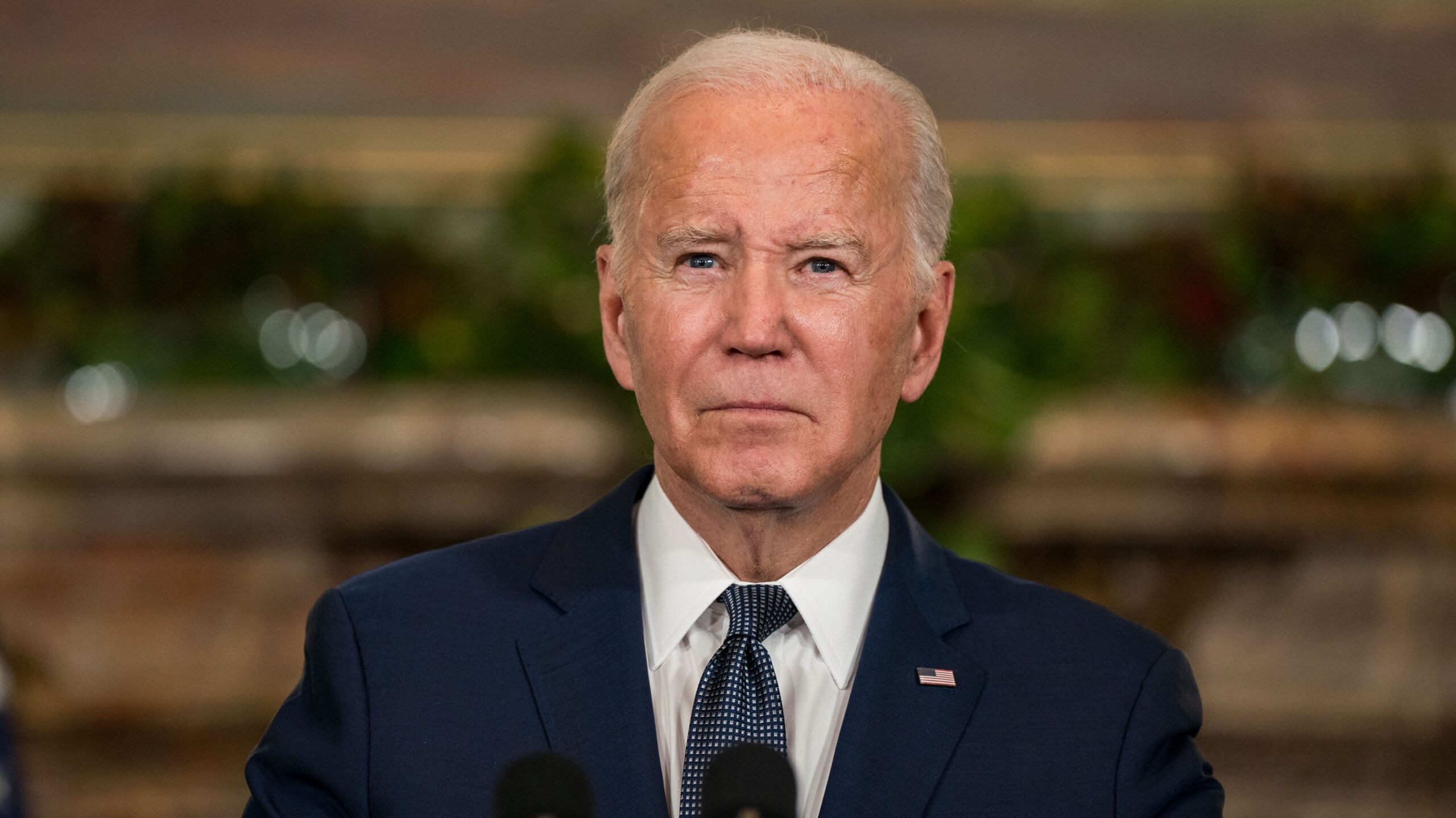
    Former President Joe Biden’s memoir is scheduled for release in November 2026. This publication date follows the 2026 midterm elections. The book is expected to provide a comprehensive account of his decades in public service. His term as the 46th President of the United States ran from January 20, 2021, to January 20, 2025.

    The announcement of the memoir has generated discussion among political observers. Such releases often serve multiple purposes. These include historical documentation, personal reflection, and a means for former leaders to shape their narrative. They also influence ongoing political discourse.

    The Tradition of Presidential Memoirs

    Presidential memoirs hold a significant place in American political history. They offer a unique, first-person perspective on the nation’s highest office. Ulysses S. Grant’s highly acclaimed Personal Memoirs, published shortly after his death in 1885, set a precedent. Mark Twain assisted Grant with its completion. The book was a financial and critical triumph, securing his family’s financial future.

    More recently, former presidents have continued this tradition. George W. Bush’s Decision Points (2010) became a bestseller. Bill Clinton’s My Life (2004) also achieved widespread success. Barack Obama’s two-volume presidential account further illustrates this trend. These works provide insights into leadership, policy-making, and the personal toll of the presidency.

    These books are not merely personal anecdotes. They are often seen as a crucial component of a president’s legacy. They allow former officeholders to clarify decisions. They address criticisms and provide context for historical events. Biden’s memoir will join this extensive literary tradition. It will offer his perspective on a period of global and domestic affairs.

    Shaping Historical Narratives

    Memoirs allow former presidents to present their version of events. This can influence how their administration is perceived by historians and the public. They can detail motivations behind key decisions. They can also reflect on successes and challenges. This narrative control is a powerful tool in legacy building.

    The historical record is often shaped by these personal accounts. Future scholars and citizens rely on them for primary source material. Biden’s account will offer direct insight into the thinking within his administration. It will detail responses to major crises and policy initiatives during his four years in office.

    Biden’s Extensive Public Service Career

    Biden’s political career spans over five decades. It began with his election to the New Castle County Council in Delaware in 1970. He first entered the national political arena in 1972. He was elected to the U.S. Senate from Delaware at the age of 29. He served in the Senate for 36 years. During this time, he became a prominent voice on foreign policy and criminal justice issues.

    He chaired the Senate Judiciary Committee from 1987 to 1995. This role involved overseeing several high-profile Supreme Court confirmation hearings. He later chaired the Senate Foreign Relations Committee from 2001 to 2003 and again from 2007 to 2009. He played a key role in shaping U.S. foreign policy during these periods.

    In 2008, Barack Obama selected him as his running mate. He served as Vice President of the United States for two terms, from 2009 to 2017. As Vice President, Biden was involved in numerous domestic and international initiatives. These included economic recovery efforts, foreign policy engagements in Iraq and Afghanistan, and the Cancer Moonshot initiative.

    His journey to the presidency included campaigns in 1988 and 2008. His successful bid occurred in 2020. This long and varied career provides a rich tapestry of experiences and observations. These experiences are likely to form the core of his forthcoming memoir.

    Key Senate and Vice Presidential Roles

    Biden’s time in the Senate established his expertise in legal and international affairs. His leadership on committees provided him with a deep understanding of legislative processes and global diplomacy. These experiences shaped his policy perspectives. They prepared him for higher office.

    As Vice President, he was a key advisor to President Obama. He undertook critical diplomatic missions. He also oversaw domestic policy implementations. His involvement in the American Recovery and Reinvestment Act of 2009 and efforts to end the Iraq War are notable. These roles gave him direct experience with executive branch operations and global leadership challenges.

    The Presidency: 2021-2025

    Biden’s presidency, from January 20, 2021, to January 20, 2025, was marked by significant policy initiatives and global challenges. Domestically, his administration focused on economic recovery following the COVID-19 pandemic. It also prioritized infrastructure investment and climate change. Key legislative achievements included the American Rescue Plan Act of 2021. This act aimed at economic relief. Another was the Infrastructure Investment and Jobs Act of 2021, a bipartisan effort to modernize American infrastructure.

    Globally, Biden navigated complex geopolitical landscapes. These included the withdrawal of U.S. troops from Afghanistan in August 2021. The ongoing war in Ukraine, following Russia’s full-scale invasion in February 2022, also presented a major challenge. His administration sought to re-establish alliances. It aimed to restore American leadership on the world stage after the ‘America First’ policies of the preceding administration.

    The memoir is expected to offer Biden’s personal reflections on these critical moments. It will likely detail his decision-making processes. It will discuss the challenges of governing a deeply polarized nation. His interactions with world leaders will also be a focus. Readers will anticipate insights into the internal workings of the White House during his term. The strategic considerations behind major policy shifts will also be covered.

    Domestic Policy Focus

    The Biden administration inherited an economy impacted by the pandemic. The American Rescue Plan provided direct relief to citizens and businesses. The Infrastructure Investment and Jobs Act represented a generational investment in roads, bridges, and broadband. These initiatives aimed to stimulate growth and improve quality of life. The memoir is expected to detail the legislative battles and economic theories behind these efforts.

    Foreign Policy Challenges

    The withdrawal from Afghanistan was a complex and controversial decision. The memoir will likely offer Biden’s rationale and the challenges of execution. The response to Russia’s invasion of Ukraine defined a significant portion of his foreign policy. It involved rallying international support and imposing sanctions. His book will provide his perspective on these high-stakes diplomatic and military decisions. It will also cover efforts to strengthen NATO and alliances in the Indo-Pacific.

    Strategic Timing: Post-Midterm Release

    The decision to release the memoir in November 2026 is a calculated move. It immediately follows the midterm elections. Midterm elections, particularly in a president’s post-presidency, can significantly alter the political landscape. They set the stage for future presidential contests. A release after these elections allows the book to enter a political environment where immediate electoral noise has subsided. This potentially enables a more focused public reception.

    This timing also positions the memoir to influence the narrative leading into the 2028 presidential election cycle. Former presidents often remain influential voices within their respective parties. Their published works can serve as platforms to endorse future candidates. They articulate party values or critique opposing ideologies. Biden’s memoir could provide a framework for understanding the Democratic Party’s direction. It could also outline his vision for its future.

    Publishers often work closely with authors, especially high-profile political figures. They determine optimal release dates. Factors such as competing book releases, major political events, and holiday shopping seasons are all considered. A November release often capitalizes on the holiday gift-buying season. This can boost sales significantly.

    Maximizing Impact and Sales

    A post-midterm release avoids being overshadowed by the intense news cycle of an election campaign. It allows for a clearer focus on the book’s content. This strategy aims to maximize both critical attention and commercial success. The holiday season provides a natural boost to book sales. Political memoirs are often popular gifts. This timing positions the book for broad appeal.

    Influencing Future Political Discourse

    The memoir can frame discussions around the Democratic Party’s platform. It can influence policy debates within the party. Biden’s reflections on his successes and challenges could guide future candidates. His perspective on national and international issues will contribute to ongoing political conversations. It offers a direct channel for him to shape the party’s future direction.

    Publisher’s Expectations and Public Interest

    As of July 2026, the specific publisher for Biden’s memoir has not been publicly announced. However, major publishing houses typically engage in competitive bidding for such high-profile projects. The commercial success of presidential memoirs is well-established. This ensures significant interest from the publishing industry. Advances for these books can reach millions of dollars, reflecting their anticipated sales potential and cultural impact.

    Public interest in presidential memoirs remains consistently high. Readers seek behind-the-scenes accounts of historical events. They also look for personal insights from leaders. Biden’s memoir is expected to attract a broad readership. This includes political enthusiasts, historians, and general readers. The book will likely be a bestseller, generating considerable media coverage and debate.

    Anticipated Themes and Revelations

    The memoir is expected to cover a range of themes. These include national unity, democratic institutions, and global cooperation. Biden’s personal experiences, including family tragedies, have often shaped his public life. These personal narratives are likely to be interwoven with his political reflections. Readers will look for new revelations. They will seek clarification on controversial decisions. They will also seek insights into his relationships with other world leaders and political figures. The book is poised to be a significant addition to the canon of presidential literature.

    Biden’s Legacy and Historical Context

    A president’s memoir is a critical component of their legacy. It provides a final opportunity to present their story on their terms. Historians and the public will use this account. It will help interpret Biden’s place in American history. The book will serve as a primary source for understanding his administration’s impact. It will detail its response to the challenges of the early 2020s.

    The release will spark renewed analysis of his policy decisions. It will also prompt discussion of his leadership style. His memoir will join a long line of presidential accounts. Each offers a unique window into the complexities of governing. Each contributes to the ongoing American narrative. This book will be a key text for future generations. It will inform their understanding of a pivotal moment in the nation’s trajectory.

    Decisions unfold. Policies are crafted. Legacies are written.

    History.

  • Ashley Johnson’s ‘Growing Pains’ Ordeal – A Near Abduction on Set

    Ashley Johnson’s ‘Growing Pains’ Ordeal – A Near Abduction on Set

    The Unseen Danger on Set

    Ashley Johnson, known for her role as Chrissy Seaver on the hit 1980s sitcom Growing Pains, recently recounted a harrowing experience from her childhood acting days. She revealed that she was nearly abducted from the set of the show following the taping of an episode. This incident, while frightening in retrospect, occurred when Johnson was a young child, leading her to be largely unaware of the gravity of the situation at the moment it unfolded.

    The revelation brings into sharp focus the often-overlooked risks and vulnerabilities child actors face within the demanding environment of Hollywood productions. Johnson’s account adds to a broader narrative of challenges encountered by young performers, ranging from long hours to inadequate protections.

    A Child’s Perspective: ‘Clueless’ to the Threat

    Johnson described her state of mind during the incident as ‘clueless.’ Her innocence as a child actor meant she did not fully comprehend the danger she was in when a stranger attempted to take her. This lack of awareness, while typical for a young person, makes the event even more disturbing in its recollection.

    The kidnapper’s actions were direct and physical. They reportedly grabbed Johnson after filming had concluded for the day. The exact details of how the situation was diffused or who intervened were not immediately specified in the initial reports of her account.

    Despite her initial lack of understanding, the aftermath of the event left a lasting impression. Johnson later expressed that she was ‘very upset’ by the experience once she grasped its true nature and potential consequences. This emotional impact underscores the psychological toll such incidents can take on young individuals, even if they do not fully process the threat at the time.

    The Set Environment: A False Sense of Security

    Television and film sets are often perceived as highly controlled and secure environments. Access is typically restricted, and production staff are numerous. However, Johnson’s experience demonstrates that even these seemingly safe spaces can harbor vulnerabilities.

    The presence of many people on a set does not automatically guarantee safety. In fact, a bustling environment can sometimes create opportunities for individuals with malicious intent to blend in or exploit moments of distraction. The incident on the Growing Pains set serves as a stark reminder that vigilance is paramount, particularly when children are involved.

    Child actors, by the nature of their profession, are frequently exposed to a wide array of adults, including cast members, crew, and visitors. Establishing clear boundaries and ensuring constant adult supervision from trusted guardians is a critical, yet sometimes challenging, aspect of their protection.

    Child Actor Safety: A Recurring Concern

    The issue of child actor safety has been a recurring theme in the entertainment industry for decades. From concerns about exploitation to physical harm, the unique circumstances of young performers have prompted calls for stricter regulations and oversight.

    Organizations such as the Screen Actors Guild – American Federation of Television and Radio Artists (SAG-AFTRA) have established rules and guidelines aimed at protecting child actors. These often cover aspects like working hours, education requirements, and the presence of a set teacher or guardian.

    However, incidents like Johnson’s near-abduction suggest that even with regulations in place, gaps in protection can still exist. The human element of security, including the attentiveness of those responsible for supervision, remains a critical factor.

    Historical Context of Child Labor Laws

    Child labor laws in the United States have a complex history, with specific provisions for the entertainment industry. Early in Hollywood’s history, child actors often worked long hours with little protection. The exploitation of young performers, such as Jackie Coogan, led to significant legal reforms.

    The Coogan Act, formally known as the California Child Actor’s Bill, was enacted in 1939. This legislation established safeguards for child actors’ earnings, requiring a portion of their income to be set aside in a trust fund. While primarily focused on financial protection, this act laid some groundwork for broader discussions on child welfare in the industry.

    Over time, various state and federal regulations have been introduced to address different facets of child actor well-being. These include limitations on working hours, mandatory schooling, and requirements for a parent or guardian to be present on set.

    The Psychological Impact on Young Performers

    A near-abduction, even if the child is initially unaware of the full danger, can have profound psychological effects. The trauma may manifest in various ways, including anxiety, fear, or difficulty trusting others. For child actors, who are already under immense pressure, such an event can be particularly destabilizing.

    The long-term impact on Ashley Johnson is a testament to the severity of the incident. Her recollection, years later, indicates that the experience left an indelible mark. This underscores the importance of not only preventing such occurrences but also providing robust psychological support for young individuals who experience trauma on set.

    Mental health resources for child actors have become a more prominent discussion point in recent years. The unique stresses of fame, public scrutiny, and the demanding work environment necessitate specialized support systems. Incidents of attempted harm only amplify this need.

    Industry Accountability and Future Safeguards

    Johnson’s story reignites conversations about accountability within the entertainment industry. When such incidents occur, questions arise about who is responsible for ensuring the safety of child performers and what measures could have prevented the event.

    Producers, studio executives, and set security personnel all share a collective responsibility. Implementing comprehensive security protocols, conducting thorough background checks on all personnel with access to children, and providing continuous training on child protection are essential steps.

    Furthermore, fostering an environment where child actors and their guardians feel empowered to report concerns without fear of reprisal is crucial. Open communication channels and clear reporting procedures can help identify and address potential threats before they escalate.

    The entertainment industry continues to evolve, and with it, the approaches to child safety must also adapt. Technological advancements, such as enhanced surveillance systems, could play a role, but the human element of supervision and care remains irreplaceable.

    Lessons Learned from Past Incidents

    Ashley Johnson’s experience is not an isolated one in the history of child actors facing danger. Various accounts from former child stars have detailed struggles ranging from financial mismanagement to emotional abuse and, in some tragic cases, physical harm.

    These past incidents have slowly but steadily contributed to a greater awareness and, in some cases, legislative changes. Each new revelation, including Johnson’s, reinforces the ongoing need for vigilance and reform.

    The dialogue around child actor welfare extends beyond just the immediate set environment. It encompasses discussions about managing fame, navigating public attention, and ensuring a healthy transition into adulthood, regardless of whether a child continues in the industry.

    The story of Ashley Johnson serves as a potent reminder of the complexities and inherent risks involved in child stardom. Her courage in sharing this personal account contributes to a broader understanding of the challenges and reinforces the imperative for continuous improvement in safeguarding young talent.

    The set lights dimmed. The cameras stopped rolling. A child actor walked off set. A stranger moved in. A life was nearly altered.

    Hollywood.

  • Little House on the Prairie: How Flashbacks Enriched the Ingalls Story

    Little House on the Prairie: How Flashbacks Enriched the Ingalls Story

    The television series ‘Little House On The Prairie’ distinguished itself from its literary source material through innovative narrative techniques. A primary example was the strategic use of evocative “fever dream” flashbacks. These sequences were integral to deepening the Ingalls family’s backstory, providing crucial context for characters such as Charles, Caroline, Laura, Mary, and Carrie Ingalls. This creative choice aimed to fill in crucial narrative gaps and enhance the emotional stakes for the characters across the show’s nine seasons, which aired from 1974 to 1983 on NBC.

    This approach transcended a simple linear retelling of events. It allowed the series to explore the psychological impact of the family’s pioneering life in Walnut Grove, Minnesota, and other locations. The flashbacks offered glimpses into pivotal moments that shaped their resilience and their bond, often presented with a distinct visual style that set them apart from the main narrative.

    The Imperative of Expanding Backstory for Television

    Laura Ingalls Wilder’s original ‘Little House’ books provided a rich literary foundation, detailing her childhood experiences in the American Midwest during the late 19th century. However, a long-running television series, such as ‘Little House On The Prairie,’ often requires additional narrative layers to sustain viewer engagement across multiple seasons and episodes. The showrunner, Michael Landon, recognized this need early in the production process, understanding that direct adaptation alone might not suffice for broadcast television.

    Expanding on the source material became essential for the series, which premiered on September 11, 1974. Literary adaptations sometimes leave certain character motivations or historical events unspoken or only briefly touched upon. The television format offered a unique opportunity for deeper exploration of these elements, allowing for visual storytelling that could convey emotion and history more directly.

    The creative team, led by Landon, sought methods to integrate this expanded history seamlessly into the weekly episodes. Simple exposition, delivered through dialogue, might have felt dry or forced to a television audience. A more immersive and evocative technique was necessary to maintain the show’s sentimental and often dramatic tone, ensuring that the past felt as real and impactful as the present narrative.

    Why Traditional Exposition Was Insufficient

    Traditional narrative exposition often involves characters recounting past events through dialogue or voiceovers. While effective in some contexts, this method can sometimes distance the audience from the emotional core of the story. For ‘Little House On The Prairie,’ a series deeply rooted in the personal struggles and triumphs of a family, a more visceral connection to their past was desired.

    The show aimed to immerse viewers in the Ingalls’ world, making their hardships and joys palpable. Relying solely on verbal descriptions of past trauma or success would have diluted this immersive experience. The challenge was to make the past feel lived, not just told.

    Adapting Literary Depth for a Visual Medium

    Wilder’s books are rich in descriptive detail and internal monologue, conveying the emotional landscapes of the characters. Translating this depth to a visual medium like television required creative interpretation. The “fever dream” flashbacks served as a visual shorthand for these internal worlds, externalizing memories and emotional states.

    This adaptation strategy allowed the series to maintain the emotional integrity of the books while evolving the storytelling for a new audience and a different medium. It demonstrated a keen understanding of how to leverage television’s strengths to enhance a beloved literary work.

    Defining the “Fever Dream” Aesthetic

    The term “fever dream” in this context refers to a specific visual and narrative aesthetic employed in ‘Little House On The Prairie.’ These flashbacks were not always presented as clear, chronological, or perfectly recalled memories. Instead, they often carried an ethereal, sometimes disjointed, and frequently emotionally charged quality.

    This stylistic choice mirrored the fragmented and subjective nature of memory itself. It also allowed for a more symbolic and impressionistic representation of past events, rather than a literal historical recreation. The visual language of these sequences often differed significantly from the main narrative’s more grounded cinematography, employing techniques such as softer focus, altered color palettes, or dreamlike dissolves.

    The primary goal was to make these past events feel impactful and emotionally resonant for both the characters and the audience. They were designed to surface at moments of high tension, emotional crisis, or deep reflection for the characters, particularly Charles and Caroline. This made the flashbacks feel less like interruptions to the ongoing plot and more like organic extensions of the characters’ internal worlds, revealing their hidden depths and historical burdens.

    Visual Cues and Narrative Impact

    The visual cues within these flashbacks were crucial to their effectiveness. Soft lighting, often with a golden or sepia tone, frequently signaled a shift into a memory sequence. These visual distinctions immediately informed the viewer that they were entering a different temporal and emotional space.

    The narrative impact was profound. By presenting these memories as subjective experiences, the show emphasized their emotional weight over strict historical accuracy. This approach allowed for greater dramatic license and emotional intensity, making the past feel intimately connected to the present struggles of the Ingalls family.

    Psychological Resonance of Disjointed Memory

    The disjointed nature of some flashbacks mirrored the way traumatic or deeply significant memories often manifest in real life. They are not always linear or perfectly ordered. This psychological realism added another layer of depth to the characters, making their reactions and anxieties more understandable.

    For instance, a sudden, fragmented memory of a past illness or financial hardship could explain a character’s present-day cautiousness or fear. This technique provided a window into their subconscious, revealing the enduring impact of their life experiences.

    Filling in the Emotional and Historical Stakes

    Understanding the “stakes” is crucial for any compelling drama, as it defines what characters stand to gain or lose. For the Ingalls family, these stakes were often monumental: survival on the untamed prairie, the establishment and preservation of their community, and the well-being of their loved ones. The “fever dream” flashbacks helped to illustrate the origins of these deep-seated concerns, grounding them in tangible past experiences.

    For example, glimpses into periods of extreme hardship, such as previous crop failures, devastating illnesses, or the loss of loved ones before the series began, would explain a character’s present-day anxieties or motivations. This provided a crucial psychological foundation for their actions and reactions in the face of new challenges, making their struggles more relatable and profound.

    The audience gained a deeper appreciation for the family’s remarkable perseverance. The flashbacks showed not just what they were enduring in the present day in Walnut Grove, but also what they had already overcome in their migratory past. This added significant emotional weight to their ongoing struggles, emphasizing their resilience and unwavering spirit in the face of adversity.

    Personal Hardships as Foundational Elements

    Many flashbacks depicted personal hardships that shaped Charles and Caroline Ingalls. These included their early days of marriage, the birth of their children, and the constant battle against the elements and poverty. One such memorable flashback might show a young Charles struggling to build their first cabin, highlighting his dedication and physical labor.

    These moments were not just historical facts; they were emotional anchors. They underscored the sacrifices made and the dreams held by the Ingalls parents, making their present-day protective instincts and hard work more understandable to the audience.

    Community Building and Isolation

    Beyond personal struggles, some flashbacks touched upon the challenges of community building in a sparsely populated frontier. Memories of isolation or the struggle to find suitable land often provided context for the Ingalls’ deep value of community and their efforts to integrate into places like Walnut Grove or Plum Creek.

    These historical glimpses reinforced the theme that their journey was not just individual but part of a larger American pioneering narrative. Their past experiences shaped their present desire for stability and belonging.

    Creative License and Adaptation Beyond the Books

    While ‘Little House On The Prairie’ was rooted in Laura Ingalls Wilder’s beloved autobiographical novels, the television series took considerable creative liberties. This was a necessary step to translate the episodic, often reflective nature of the books into a long-running, dramatic television series with continuous narrative arcs. The addition of these “fever dream” flashbacks was one significant example of such creative license, demonstrating the show’s willingness to expand beyond the written page.

    This creative expansion allowed the show to explore themes, character backstories, and even specific events not explicitly detailed, or sometimes only briefly mentioned, in Wilder’s books. It provided opportunities for entirely new story arcs and deeper character development that would have been difficult to achieve through a strict, literal adaptation. Michael Landon and his team aimed to honor the spirit and core values of the books while evolving the narrative to meet the unique demands of a new medium and a broader television audience.

    Such decisions are common in successful literary adaptations. They reflect the unique demands of television storytelling compared to literary works, where pacing, visual spectacle, and episodic drama play crucial roles. The goal was always to enhance, rather than detract from, the core story of the Ingalls family’s enduring spirit and their journey through the American frontier.

    Expanding Character Arcs and Motivations

    The flashbacks were particularly useful in expanding the character arcs of Charles and Caroline Ingalls. Wilder’s books are primarily told from Laura’s perspective, limiting direct insight into her parents’ inner lives and past experiences before her birth or early childhood. The television series used flashbacks to give Charles and Caroline richer personal histories, including their courtship, early married life, and the trials they faced before settling in Walnut Grove.

    These added dimensions made them more complex, relatable figures for the audience. Viewers gained a deeper understanding of their motivations, fears, and hopes, which often informed their decisions in the present-day narrative.

    Introducing New Narrative Possibilities

    By venturing beyond the strict confines of the books, the show gained flexibility to introduce new characters, subplots, and thematic explorations. The flashbacks served as a bridge, connecting these new narrative elements to the established history and emotional core of the Ingalls family. This allowed the series to remain fresh and engaging over its extensive run, avoiding mere repetition of book plots.

    This strategic use of creative license was a testament to the showrunner’s vision for a television series that could stand on its own while paying homage to its literary origins. It created a dynamic interplay between adaptation and original storytelling.

    Impact on Character Development and Audience Connection

    The “fever dream” flashbacks were instrumental in developing the characters beyond their initial portrayals, particularly for Charles and Caroline Ingalls. They offered invaluable insight into the formative experiences that shaped these central figures, providing a richer understanding of their personalities and moral compasses.

    Viewers saw younger versions of Charles and Caroline, witnessing the struggles, joys, and heartbreaks that forged their strong moral characters and their unwavering commitment to their family. This added layers of complexity to their adult personalities, explaining their resilience, compassion, and sometimes their stubbornness. For instance, a flashback to Charles’s childhood might explain his deep love for the land, or a memory of Caroline’s early life might underscore her quiet strength.

    For the children, Laura, Mary, and Carrie, the flashbacks sometimes depicted events from their very early childhood, even infancy, which were not extensively covered in the books. These moments helped to contextualize their individual personalities, their relationships with their parents, and their sibling dynamics. The technique provided a deeper understanding of their emotional landscapes, showing how early experiences contributed to who they became.

    Deepening Parental Figures

    Charles Ingalls, portrayed by Michael Landon, became an iconic father figure. The flashbacks often showed his youthful dreams, his struggles with poverty, and his relentless pursuit of a better life for his family. These glimpses into his past made his present-day sacrifices and wisdom more profound.

    Caroline Ingalls, played by Karen Grassle, similarly benefited. Flashbacks revealed her quiet strength, her challenges as a young wife and mother, and the emotional toll of frontier life. These insights enriched her character, showcasing her as more than just a supportive wife but a resilient woman forged by experience.

    Contextualizing Children’s Growth

    For Laura Ingalls Wilder, portrayed by Melissa Gilbert, the flashbacks occasionally provided a deeper understanding of her imaginative spirit and independent nature, showing early moments that sparked her storytelling abilities. For Mary Ingalls (Melissa Sue Anderson), flashbacks sometimes highlighted early signs of her studious nature or her developing bond with Laura.

    These early memories, even if brief and dreamlike, offered viewers a sense of continuity and development across the characters’ lives, making their journeys feel more complete and emotionally resonant.

    The Role of Nostalgia and Enduring Appeal

    The strategic use of backstory and emotional flashbacks also tapped into a powerful element that contributed to the show’s long-term success: nostalgia. For many viewers, ‘Little House On The Prairie’ itself became a source of profound nostalgia, recalling simpler times and strong family values. The flashbacks, while depicting past events within the show’s timeline, contributed significantly to this overall feeling of historical depth and sentimental connection.

    They created a sense of a shared history with the Ingalls family. Viewers felt they were growing up with the characters, understanding their roots, their struggles, and their triumphs. This fostered a deeper, more personal connection between the audience and the narrative, transcending mere entertainment to become a cultural touchstone. The series, set in the late 19th century, evoked a nostalgia for a foundational period in American history, even for those who did not live through it.

    The show’s enduring popularity, even decades after its original run concluded in 1983, is partly attributable to this deep emotional resonance. The carefully constructed backstory, delivered through these evocative flashbacks, played a significant role in creating that lasting bond. It cemented the Ingalls family as iconic figures in television history, representing timeless themes of family, perseverance, and the pioneering spirit.

    Creating a Shared Emotional History

    By revealing the Ingalls’ past, the show invited viewers to participate in their emotional journey. These shared memories, even if fictionalized, built a stronger bond between the audience and the characters. This connection is a hallmark of truly beloved television series.

    The flashbacks served as emotional anchors, reminding viewers of the deep history and sacrifices that underpinned the family’s present-day existence, fostering empathy and understanding.

    Legacy as a Cultural Icon

    ‘Little House On The Prairie’ transcended its status as a simple television show to become a cultural icon. Its themes of family, community, and resilience resonate across generations. The narrative techniques, including the distinctive flashbacks, contributed to this legacy by creating a rich, multi-layered story that felt both historical and deeply personal.

    The show continues to be watched in syndication and streaming, a testament to its lasting appeal and the effectiveness of its storytelling methods.

    Legacy and Influence on Television Narrative

    The narrative techniques employed by the ‘Little House On The Prairie’ showrunner, Michael Landon, have had a lasting impact on television production. The use of non-linear storytelling, particularly through evocative and emotionally charged flashbacks, has since become a recognized and effective method for enriching television narratives and deepening character profiles. This approach demonstrated the power of visual storytelling to convey complex histories without relying solely on dialogue or linear progression.

    Subsequent television series across various genres have adopted similar strategies to build complex character histories and provide background context. The success of ‘Little House On The Prairie’ in integrating these flashbacks demonstrated the power of a well-executed backstory, proving how it could elevate a series beyond simple episodic storytelling to create a more cohesive and emotionally resonant long-form narrative. The series effectively showed that a character’s past is not merely exposition but an active force shaping their present and future.

    The series remains a benchmark for family-oriented historical drama, celebrated for its emotional depth and moral storytelling. Its creative decisions, such as the distinctive “fever dream” flashbacks, are still studied and referenced. They offer valuable lessons in adapting beloved literary works for the small screen, particularly in how to expand and enrich source material while maintaining its core spirit. This influence underscores the show’s pioneering role in television narrative craftsmanship.

    Pioneering Non-Linear Storytelling in Family Drama

    ‘Little House On The Prairie’ was not the first show to use flashbacks, but its consistent and emotionally driven application within a family drama context was notable. It showed how such techniques could be used to build deep empathy for characters by revealing their foundational experiences.

    This paved the way for other dramas to explore their characters’ pasts in nuanced, non-linear ways, making the storytelling more dynamic and engaging for audiences.

    Enduring Lessons for Adaptations

    The show’s approach to adaptation offers enduring lessons for creators bringing books to the screen. It highlights the importance of understanding the core essence of the source material while also being willing to innovate and expand where necessary for the demands of the new medium. The flashbacks are a prime example of successful creative adaptation.

    This balance between fidelity and innovation allowed ‘Little House On The Prairie’ to become a beloved and critically successful series in its own right, distinct from but deeply connected to its literary origins.

    Families gathered. Audiences connected. Stories unfolded. Memories were forged. The prairie called. Walnut Grove listened.