Tag: history

  • Eddie Cochran’s Enduring Influence – How a Rock Pioneer Shapes Modern Artists

    Eddie Cochran’s Enduring Influence – How a Rock Pioneer Shapes Modern Artists

    Legendary musician Eddie Cochran continues to exert a profound influence on contemporary rock artists, a fact underscored by Kirsty Bell, director of the new documentary ‘Eddie Cochran: Don’t Forget Me.’ Bell’s film explores how Cochran’s pioneering sound and rebellious persona resonate with a new generation, including performers like Yungblud, who embody the spirit of early rock and roll in a modern context.

    Cochran’s brief but impactful career established many hallmarks of rock music. His innovative guitar work and charismatic stage presence set a standard. These elements are explored in Bell’s documentary, offering a fresh perspective on his enduring relevance.

    The Pioneer of Rock and Roll

    Eddie Cochran emerged in the mid-1950s, a pivotal period for the nascent genre of rock and roll. His distinctive guitar style incorporated elements of country, blues, and rhythm and blues. This fusion created a sound that was both raw and technically proficient.

    Cochran’s recordings, such as ‘Summertime Blues’ and ‘C’mon Everybody,’ became anthems for youth culture. They captured the anxieties and aspirations of teenagers during that era. His songs often featured themes of youthful rebellion and social commentary.

    Beyond his musical contributions, Cochran cultivated an iconic image. His pompadour hairstyle, leather jacket, and confident demeanor became synonymous with rock and roll cool. This visual identity proved as influential as his sound.

    Technological Innovation and Sound

    Cochran was also an early adopter of studio technology. He experimented with multi-tracking and overdubbing to achieve a fuller sound. This innovative approach to recording pushed the boundaries of what was possible in popular music production.

    His guitar playing was characterized by powerful riffs and intricate solos. He often used a Gretsch 6120, which became closely associated with his sound. Cochran’s techniques laid groundwork for countless guitarists who followed.

    The impact of his studio work extended beyond his own records. It influenced how other artists and producers approached recording rock music. His methods helped define the sonic landscape of the late 1950s and early 1960s.

    ‘Don’t Forget Me’: A Documentary’s Vision

    Kirsty Bell’s documentary, ‘Eddie Cochran: Don’t Forget Me,’ seeks to re-evaluate Cochran’s place in music history. The film argues that his legacy extends far beyond a few hit singles. It positions him as a fundamental architect of rock and roll.

    Bell stated that the documentary aims to introduce Cochran to audiences who might be unfamiliar with his work. It also provides deeper insights for long-time fans. The narrative explores his life, career, and untimely death.

    The title itself, ‘Don’t Forget Me,’ serves as a plea for historical recognition. It suggests that Cochran’s contributions have been underestimated or overshadowed over time. The film endeavors to correct this oversight.

    Connecting Generations Through Music

    One of the central themes of Bell’s film is the intergenerational appeal of Cochran’s music. She highlights how his rebellious spirit and musical innovation continue to inspire contemporary artists. This connection bridges decades of musical evolution.

    Bell specifically cited Yungblud as an artist who embodies the modern iteration of Cochran’s influence. Yungblud, known for his energetic performances and genre-bending sound, shares a certain raw authenticity with Cochran.

    Yungblud’s music often addresses social issues and youth disillusionment, echoing themes prevalent in Cochran’s work. The shared ethos of challenging norms and embracing individuality creates a direct lineage. This lineage transcends stylistic differences.

    “Eddie Cochran’s influence is still palpable in today’s music scene. Artists like Yungblud carry forward his fearless approach to rock and roll and his ability to connect with a generation through honest, rebellious music,” Kirsty Bell noted during a recent discussion about her documentary.

    The documentary explores how Cochran’s attitude toward performance and songwriting laid a blueprint. This blueprint is still followed by musicians seeking to make a genuine impact. His authenticity remains a powerful draw.

    The Legacy Continues

    Eddie Cochran’s career was cut short at the age of 21 in 1960. Despite his brief time in the spotlight, his impact was profound. He left behind a body of work that continues to inspire musicians and listeners.

    His influence can be heard in the music of The Beatles, The Rolling Stones, and The Who. These legendary bands openly acknowledged their debt to Cochran. His guitar riffs and songwriting structures became foundational elements of their sound.

    Even in 2026, Cochran’s music is regularly licensed for films, television shows, and commercials. This continued presence introduces his work to new audiences. It ensures his sound remains relevant in popular culture.

    A Catalyst for Future Sounds

    Cochran’s willingness to experiment in the studio and on stage served as a catalyst. It encouraged subsequent artists to push creative boundaries. He demonstrated that rock and roll could be both commercially successful and artistically adventurous.

    His image, too, has had a lasting effect on fashion and subculture. The rockabilly aesthetic, heavily influenced by Cochran, periodically resurfaces in mainstream trends. It symbolizes a timeless cool and defiance.

    The documentary ‘Eddie Cochran: Don’t Forget Me’ contributes to this ongoing legacy. It provides a contemporary lens through which to appreciate his historical significance. It reaffirms his status as an indispensable figure in music.

    Future generations of musicians will undoubtedly continue to discover Cochran’s work. They will find inspiration in his pioneering spirit, his musical talent, and his unwavering commitment to his art. His influence is not confined to a single era.

    Raindance and Global Recognition

    The documentary ‘Eddie Cochran: Don’t Forget Me’ premiered at the Raindance Film Festival. This festival is known for showcasing independent films and emerging talent. Its selection highlights the film’s artistic merit and cultural importance.

    Kirsty Bell’s involvement with Raindance adds another layer of credibility to the project. The festival provides a significant platform for the film to reach a global audience. This exposure is crucial for amplifying Cochran’s story.

    Raindance’s mission aligns with the documentary’s goal of celebrating independent voices. Eddie Cochran, in many ways, was an independent spirit. He forged his own path within the music industry of his time.

    The festival’s international reach ensures that the story of Eddie Cochran resonates beyond national borders. His music has always had a universal appeal. This global perspective is vital for a musician whose influence spans continents.

    The Power of Archival Footage

    Bell’s documentary utilizes extensive archival footage and interviews. These elements bring Cochran’s story to life for modern viewers. They provide authentic glimpses into his performances and personal life.

    Rare photographs, concert recordings, and television appearances are woven into the narrative. These primary sources offer direct evidence of his talent and charisma. They allow audiences to connect with the past.

    Interviews with contemporaries and music historians provide context and analysis. These voices help to situate Cochran’s work within its historical moment. They also articulate its ongoing relevance.

    The careful curation of these materials ensures a comprehensive and engaging portrayal. It allows ‘Eddie Cochran: Don’t Forget Me’ to serve as a definitive account of his legacy.

    The Modern Echo: Yungblud and Beyond

    The comparison between Eddie Cochran and Yungblud is a key aspect of the documentary’s argument. It demonstrates how timeless certain artistic qualities can be. Both artists possess an undeniable stage presence and a passion for their craft.

    Yungblud, born Dominic Harrison in 1997, built a significant following with his energetic live shows and genre-blending music. His work often incorporates elements of punk, rock, and hip-hop. This eclectic approach mirrors Cochran’s own genre-defying sound in his era.

    Both musicians share a direct, often confrontational style of songwriting. They address social issues head-on. This fearlessness in their lyrics and public persona creates a strong parallel between the two.

    Rock and Roll’s Evolving Definition

    The enduring influence of Eddie Cochran suggests that rock and roll is not a static genre. It is a continually evolving form of expression. His foundational contributions continue to be reinterpreted and reimagined by new artists.

    The spirit of rock and roll, characterized by rebellion, authenticity, and innovation, remains constant. It manifests in different forms across generations. Cochran embodied this spirit in the 1950s.

    Artists like Yungblud carry this torch into the 21st century. They demonstrate that the core tenets of rock music are adaptable and timeless. The genre thrives on reinvention while honoring its roots.

    Kirsty Bell’s documentary serves as an important reminder of these connections. It illustrates how the past informs the present in the world of music. It celebrates the continuous cycle of influence and inspiration.

    Musicians continue to pick up guitars. They continue to write songs. They continue to challenge norms. They gather inspiration from pioneers like Eddie Cochran. They gather inspiration from their own experiences. They continue to innovate. Rock and roll.

  • Danny Pintauro: From Child Star to Amazon Driver Amidst Residuals Debate

    Danny Pintauro: From Child Star to Amazon Driver Amidst Residuals Debate

    The Reality of Residuals for Former Child Stars

    Danny Pintauro, widely recognized for his role as Jonathan Bower on the popular 1980s sitcom Who’s the Boss?, disclosed in June 2026 that he holds five different jobs, including a position as an Amazon delivery driver. This necessity, according to Pintauro, stems directly from the lack of residual payments from his earlier acting career. His experience illustrates a broader financial reality for many actors, particularly those who achieved fame as children, where initial success does not guarantee long-term financial stability.

    The concept of residuals, payments made to performers for the reuse of their work, has become a central point of discussion within the entertainment industry. For many, these payments are crucial for sustaining a career, especially during periods between projects. Pintauro’s situation brings this issue into sharp focus, highlighting how the absence of such income can compel individuals to seek alternative employment.

    The Legacy of Who’s the Boss?

    Who’s the Boss? aired from 1984 to 1992, becoming a staple of American television. The series starred Tony Danza as Tony Micelli, a retired baseball player who becomes a live-in housekeeper for advertising executive Angela Bower, played by Judith Light. Pintauro played Angela’s son, Jonathan, a role he held for all eight seasons of the show’s original run.

    The sitcom was a significant commercial success for ABC, consistently ranking among the top-rated programs during its tenure. Its popularity led to syndication deals that have seen the show broadcast repeatedly over decades. Despite the show’s enduring presence in rerun rotations and streaming libraries, the financial benefits for some of its original cast members, such as Pintauro, appear to be minimal.

    The Evolution of Residuals in the Digital Age

    Residuals historically provided a safety net for actors. These payments were typically calculated based on the number of times a program was rerun on broadcast television or sold into syndication. However, the advent of cable television, then DVDs, and more recently, streaming services, has complicated the system of residual payments.

    The formulas for calculating residuals have struggled to keep pace with these technological shifts. Many actors and their unions argue that existing contracts do not adequately compensate performers for the continuous availability of their work on platforms like Netflix, Hulu, and Peacock. This disparity often means that while a show continues to generate revenue for studios and distributors, the original cast members may see little to no financial benefit.

    Danny Pintauro’s Career Trajectory Post-Sitcom

    After Who’s the Boss? concluded, Danny Pintauro continued to act, though not with the same level of mainstream visibility. He appeared in various stage productions and independent films. Pintauro also pursued higher education, attending Stanford University. His career path has since diversified significantly, leading him to his current portfolio of five different occupations.

    His candidness about his financial situation sheds light on the often-unseen struggles of former child stars. The transition from a highly visible public figure to an individual navigating a more conventional career path can be challenging, both personally and financially. Pintauro’s narrative adds to a growing body of public discourse regarding the long-term well-being of young performers in Hollywood.

    The Broader Impact on Actors

    Pintauro’s experience is not isolated. Many actors, even those with recognizable faces, struggle to earn a consistent living solely from their craft. The Screen Actors Guild – American Federation of Television and Radio Artists (SAG-AFTRA) has frequently raised concerns about residual payments, particularly in the context of streaming. The union has advocated for updated compensation structures that better reflect the value generated by content on digital platforms.

    The debate over residuals gained significant public attention during the 2023 Hollywood strikes, which saw writers and actors demand fairer compensation, including improved residual formulas. The argument centered on the idea that as studios and streamers profit immensely from libraries of content, the creators and performers of that content should share equitably in the ongoing success.

    Why Five Jobs? The Economic Imperative

    Pintauro’s statement about needing five jobs underscores the economic pressures at play. An Amazon delivery driver role, while providing income, represents a significant departure from the glamorous image often associated with Hollywood. This type of work, alongside others he may hold, indicates a proactive approach to financial stability in the absence of passive income from residuals.

    For many, the idea of a former child star working in a service industry role can be surprising. However, it reflects a practical reality for individuals whose primary source of income from acting has diminished or ceased entirely. The competitive nature of the entertainment industry means that securing consistent, high-paying acting roles can be exceptionally difficult, even for those with prior success.

    The Public’s Perception of Child Stars

    Public perception often holds an idealized view of child stars, assuming that early success translates into lifelong wealth. Pintauro’s story challenges this notion, revealing a more complex and often precarious financial landscape. The narrative of the struggling former child star is not new, but Pintauro’s directness about residuals brings a specific economic angle to the discussion.

    This public disclosure also serves to humanize the experience of those who grew up in the spotlight. It moves beyond tabloid headlines to address the tangible economic consequences of an entertainment career that offers little long-term financial security for many participants. It prompts a reevaluation of the structures that govern compensation in Hollywood.

    Looking Ahead: The Future of Residuals

    The discussions surrounding residuals are ongoing. Unions continue to negotiate with studios and streaming platforms for more equitable payment models. The outcome of these negotiations will significantly impact the financial futures of countless actors, both established and emerging.

    For individuals like Danny Pintauro, these changes could mean a more stable financial outlook. For the industry as a whole, it represents a critical juncture in adapting traditional compensation methods to the realities of modern media distribution. The hope is for a system that fairly rewards all contributors to successful productions, regardless of when their work was originally created or how it is consumed today.

    Former child stars like Pintauro navigate unique challenges. They transition from public figures to private individuals. They seek financial stability. They adapt to changing industries.

    Their stories resonate.

    Hollywood.

    FAQ

    What is Danny Pintauro doing now in 2026?

    As of June 2026, Danny Pintauro is working five different jobs, including a role as an Amazon delivery driver. He has publicly stated that these jobs are necessary because he does not receive significant residual payments from his past acting work, such as his role on Who’s the Boss?

    Why does Danny Pintauro not receive residuals from Who’s the Boss??

    The specific terms of Danny Pintauro’s original contract for Who’s the Boss? are not publicly detailed. However, his statement implies that the residual payment structure for his past work does not provide substantial ongoing income, a common issue for many actors under older contracts or within the current streaming ecosystem where residual formulas are often debated as inadequate.

    Are other former child stars experiencing similar financial issues?

    Yes, many former child stars and actors across the industry face financial challenges due to inconsistent work and insufficient residual payments, especially with the shift to streaming platforms. Danny Pintauro’s situation highlights a broader problem within the entertainment industry regarding fair compensation for the reuse of creative work.

    What are residuals in the entertainment industry?

    Residuals are payments made to actors, writers, and directors for the reuse of their work (e.g., reruns, syndication, streaming). They are intended to provide ongoing compensation when a film or television program is broadcast or distributed beyond its initial run. The calculation of residuals is often complex and varies based on contracts and distribution methods.

    Has Danny Pintauro retired from acting completely?

    While Danny Pintauro has diversified his career to include non-acting jobs like an Amazon delivery driver, he has not necessarily retired from acting. Many actors maintain various income streams while continuing to pursue acting roles, particularly in stage productions or independent projects, which may not offer the same financial stability as mainstream television or film.

  • Will & Grace Creators Honor James Burrows – A Television Legend Remembered

    Will & Grace Creators Honor James Burrows – A Television Legend Remembered

    Max Mutchnick and David Kohan, the acclaimed co-creators of the hit series ‘Will & Grace,’ recently delivered a heartfelt eulogy for legendary television director James Burrows. At a private memorial service held in late 2025, they celebrated Burrows’ profound influence on their careers and his unparalleled contributions to the landscape of television comedy. Their tribute included personal anecdotes and reflections on his meticulous approach to directing, particularly during the formative years of ‘Will & Grace.’

    Burrows, whose career spanned decades, directed episodes for some of the most iconic sitcoms in history, including ‘Taxi,’ ‘Cheers,’ ‘Friends,’ and ‘Will & Grace.’ His distinctive directorial style became synonymous with the multi-camera comedy format. Mutchnick and Kohan’s eulogy offered an intimate perspective from collaborators who witnessed his genius firsthand, detailing his ability to elevate comedic performances and shape the very rhythm of a show.

    The Early Encounters: A Legend’s Influence

    Max Mutchnick and David Kohan first encountered James Burrows as their careers in television writing and producing began to ascend. These initial meetings were more than professional introductions; they were formative experiences that profoundly shaped the creative trajectories of both men. Burrows, already a seasoned veteran, commanded every set with an aura of authority and expertise.

    The creators of ‘Will & Grace’ frequently recounted their initial awe at the prospect of working with a director of Burrows’ stature. He had already helmed pivotal episodes of seminal comedies such as ‘Cheers,’ which ran from 1982 to 1993, and ‘Taxi,’ which aired from 1978 to 1983. This extensive resume positioned him as a living legend within the industry, a figure whose presence could both inspire and, at times, intimidate aspiring talent.

    Mutchnick and Kohan quickly discovered that Burrows’ formidable reputation was entirely justified. His discerning eye for comedic timing, his deep understanding of character dynamics, and his unparalleled ability to orchestrate complex ensemble performances were immediately apparent. These early interactions laid the crucial groundwork for a collaborative relationship that would come to define one of the most successful sitcoms of the late 20th and early 21st centuries.

    Crafting ‘Will & Grace’: Burrows’ Visionary Direction

    James Burrows directed numerous episodes of ‘Will & Grace,’ most notably the pilot episode, which aired in September 1998. He continued his pivotal involvement throughout the show’s original run from 1998 to 2006, and again during its revival from 2017 to 2020. His directorial hand was crucial in establishing the series’ signature fast-paced dialogue, its unique blend of physical comedy, and the undeniable chemistry among its four lead actors: Eric McCormack (Will Truman), Debra Messing (Grace Adler), Megan Mullally (Karen Walker), and Sean Hayes (Jack McFarland).

    Mutchnick and Kohan consistently credited Burrows with helping to define the show’s visual language and its distinctive comedic rhythm. He possessed an innate understanding of how to frame a joke for maximum impact, how to utilize camera blocking to enhance a punchline, and how to create a dynamic and energetic environment for comedic performances. This expertise was particularly vital for a show that relied heavily on verbal sparring, rapid-fire exchanges, and precise physical comedy.

    The collaboration between the creators and Burrows was a testament to his adaptability and unwavering commitment to the material. He was never merely a technician; he functioned as a true creative partner who grasped the intricate nuances of character and story. His directorial decisions frequently amplified the comedic intent of the writers, solidifying ‘Will & Grace’s’ status as a benchmark for modern sitcoms and earning it 18 Primetime Emmy Awards during its initial run.

    A Mentor and a Friend: Personal Tributes from the Eulogy

    Beyond his extensive professional contributions, Max Mutchnick and David Kohan’s eulogy revealed the deep personal connection they shared with James Burrows. They spoke of him not merely as a director, but as a mentor, a trusted guide, and a cherished friend. This deeper, personal relationship underscored the profound impact Burrows had on their lives, both professionally and personally.

    The eulogy included several poignant anecdotes that highlighted Burrows’ generosity with his vast knowledge and his consistent willingness to nurture emerging talent. He was known for his directness and his high standards, but also for his unwavering support of the actors and crew members he worked with. Many within the industry regarded him as a true leader, someone capable of commanding a set with authority while simultaneously fostering a collaborative and highly creative atmosphere.

    Mutchnick and Kohan’s words painted a vivid picture of a man who was deeply passionate about his craft and equally dedicated to the people he collaborated with. The private memorial service, held in late 2025, became an occasion not solely for mourning his passing, but for celebrating a life lived with immense purpose and a career that enriched the lives of millions globally. The mixture of laughter and tears shared at the service reflected the complex emotions evoked by his indelible legacy.

    The Burrows Blueprint: What Defined a Master Director?

    James Burrows developed a directorial style that became instantly recognizable and widely emulated across the television industry. His innovative approach to multi-camera sitcoms was characterized by several key, enduring elements:

    • Precision in Blocking: Burrows was a master at choreographing actors’ movements within a scene, ensuring that every gesture, glance, and physical interaction contributed directly to the comedic effect and advanced the narrative.
    • Rhythm and Pacing: He possessed an exceptional ear for comedic timing, expertly guiding actors to deliver lines with perfect rhythm and pacing. He often accelerated dialogue to heighten humor or used strategic pauses for maximum impact.
    • Ensemble Chemistry: Burrows excelled at fostering strong ensemble chemistry among casts. He allowed each actor to shine individually while meticulously maintaining a cohesive and believable group dynamic. His sets were frequently described as spaces where actors could truly connect and build authentic relationships.
    • The Live Audience Integration: He understood and leveraged the critical importance of the live studio audience. Burrows expertly staged scenes to maximize their reactions, incorporating their laughter and energy directly into the final product, making them an integral part of the show’s comedic success.
    • Subtlety in Performance: Despite the often broad nature of sitcoms, Burrows consistently encouraged subtlety and nuance in performances. He allowed characters to convey complex emotions and humor through understated expressions and reactions, adding depth to the comedic portrayals.

    These elements combined to create a distinctive directorial signature that made his shows not just funny, but enduringly watchable, critically acclaimed, and consistently popular. His remarkable ability to consistently produce hit after hit across different networks and with diverse casts solidified his status as an unparalleled television icon.

    A Pantheon of Comedies: Burrows’ Extensive Filmography and Awards

    James Burrows’ filmography reads like a definitive history of American television comedy. Beyond ‘Will & Grace,’ he directed over 1,000 episodes of television, a record unsurpassed by any other director. His credits include:

    • ‘Taxi’ (1978-1983): Directed 75 episodes, helping to launch the careers of Danny DeVito, Christopher Lloyd, and Andy Kaufman.
    • ‘Cheers’ (1982-1993): Directed 243 episodes, including the pilot, and co-created the series. He was instrumental in establishing its iconic ensemble cast and setting the standard for bar-centric sitcoms.
    • ‘Friends’ (1994-2004): Directed 15 episodes, including the pilot, establishing the visual style and comedic rhythm for one of the most successful sitcoms of all time.
    • ‘Frasier’ (1993-2004): Directed 32 episodes, including the pilot, contributing to its critical acclaim and numerous awards.
    • ‘Mike & Molly’ (2010-2016): Directed all 127 episodes, showcasing his continued relevance and mastery of the multi-camera format well into the 21st century.
    • ‘The Big Bang Theory’ (2007-2019): Directed 14 episodes, including the pilot, helping to define the early tone of the hugely popular series.

    Throughout his illustrious career, Burrows earned 11 Primetime Emmy Awards for Outstanding Directing for a Comedy Series, a testament to his consistent excellence and innovative contributions. His work profoundly influenced generations of directors, writers, and performers, establishing a template for how multi-camera sitcoms are conceived, written, and executed.

    The Lasting Legacy: Burrows’ Imprint on Television

    The eulogy delivered by Max Mutchnick and David Kohan at the late 2025 memorial service underscored the comprehensive and lasting legacy of James Burrows. His impact extended far beyond the individual episodes he directed; he helped to define the very genre of the American sitcom. He was a craftsman who understood the mechanics of laughter and a visionary who could translate written humor into dynamic, memorable television.

    Burrows’ ability to nurture talent, his unwavering commitment to comedic precision, and his unparalleled work ethic created an environment where creativity flourished. Actors thrived under his direction, writers saw their scripts brought to life with enhanced comedic timing, and audiences worldwide found joy and connection in the worlds he helped create.

    His passing marked the end of an era, but his influence continues to resonate throughout television production. Every multi-camera sitcom produced today, whether directly or indirectly, bears the imprint of James Burrows’ pioneering work. His contributions to the art form are immeasurable, ensuring his status as a permanent fixture in the pantheon of television greats. He left behind a body of work that will continue to entertain and inspire for generations.

    Writers gathered. Actors gathered. Directors gathered. A legend.

  • The Return of Late Night: David Letterman’s Vintage Archive Hits Streaming

    The Return of Late Night: David Letterman’s Vintage Archive Hits Streaming

    David Letterman’s production company, Worldwide Pants, has officially partnered with NBCUniversal and digital monetization firm Merzigo to distribute vintage episodes of his late-night shows across streaming platforms.

    The agreement unlocks decades of television history. It bridges the corporate gap between Letterman’s early formative years at NBC and his long-running, legacy-defining tenure at CBS.

    For years, this massive broadcast archive sat largely dormant in corporate vaults. Fans and historians relied heavily on low-resolution clips uploaded to internet message boards and fragmented video sharing platforms.

    But the digital landscape of 2026 demands volume and verified intellectual property. What looks like a simple nostalgia play is actually a complex, multi-layered unearthing of broadcast history.

    The Architecture of a Late-Night Archive

    The history of modern late-night television is fundamentally split into two distinct eras of David Letterman. The first era began on February 1, 1982. Letterman launched Late Night with David Letterman on NBC, broadcasting from Studio 6A inside the Comcast Building at 30 Rockefeller Plaza.

    This era was defined by its anti-establishment tone. Letterman and his director, Hal Gurnee, dismantled the traditional talk show format. They utilized monkey cameras, threw watermelons off five-story buildings, and introduced audiences to a gritty, cynical version of New York City.

    The 12:30 AM time slot was crucial. Johnny Carson’s Tonight Show was an institution at 11:30 PM. Letterman was given the later slot, which allowed for a more experimental, subversive approach. The network executives largely ignored the later broadcast, giving Letterman and head writer Merrill Markoe the freedom to invent a new comedic language.

    NBC owned the intellectual property for this 1982 to 1993 run. When Letterman famously lost the Tonight Show succession battle to Jay Leno following the retirement of Johnny Carson in 1992, he departed NBC for CBS. This move changed the business of television forever.

    When Letterman launched the Late Show with David Letterman on August 30, 1993, he did so under a new business model. His newly formed production company, Worldwide Pants Incorporated, owned the show entirely. CBS simply paid a licensing fee to broadcast it from the Ed Sullivan Theater.

    This dual ownership structure created a fractured archive. NBCUniversal held the rights to the groundbreaking 1980s material. Worldwide Pants controlled the 1990s and 2000s legacy. The 2026 partnership between NBCUniversal, Worldwide Pants, and Merzigo finally unites these two massive libraries for the streaming era.

    The NBCUniversal and Merzigo Equation

    The inclusion of Merzigo in this partnership highlights the specific mechanics of modern content distribution. Merzigo specializes in digital monetization. They take vast, dormant libraries of television content and optimize them for AVOD and FAST channels.

    AVOD, or Advertising-Based Video on Demand, requires a massive volume of content to generate sustainable revenue. FAST channels, which operate like traditional linear television but exist entirely on streaming platforms, rely on bingeable, familiar programming.

    Merzigo provides the technical infrastructure to digitize, tag, and distribute thousands of hours of standard-definition broadcast tape. They process the metadata. They isolate specific segments, such as Stupid Pet Tricks or the Top Ten List, for algorithmic packaging.

    NBCUniversal brings its formidable Peacock streaming infrastructure and its deep syndication ties to the table. Peacock is a natural home for the 1982-1993 era. However, Merzigo’s involvement suggests a broader syndication strategy across platforms like Pluto TV, Tubi, and The Roku Channel.

    By partnering with Worldwide Pants, NBCUniversal can monetize an asset that has largely gathered dust since 1993. The corporate synergy allows both entities to profit from the growing demand for legacy television.

    The Economics of Television Nostalgia

    The streaming industry in 2026 is driven by retention and cost efficiency. Producing new, premium scripted television is wildly expensive. Licensing existing, highly recognizable intellectual property offers a much safer return on investment.

    The cost of acquiring new subscribers has skyrocketed. Churn rates are a primary concern for streaming executives. Archival content combats churn. A viewer might subscribe to watch a new prestige drama, but they maintain the subscription to fall asleep to classic episodes of Late Night. It is a low-cost, high-yield retention strategy.

    Nostalgia is a powerful economic driver. Audiences who grew up watching Letterman in the 1980s and 1990s are now the core demographic for ad-supported streaming platforms. They seek out the comfort of familiar formats.

    Furthermore, the current landscape of late-night television is experiencing a prolonged contraction. Ratings for linear late-night broadcasts have steadily declined as audiences migrate to digital platforms. This decline paradoxically increases the value of the genre’s golden era.

    The Anatomy of a Late-Night Broadcast

    Understanding the value of this archive requires understanding the structure of a vintage Letterman episode. Unlike modern late-night shows, which prioritize viral celebrity games, Letterman’s broadcasts were built on conversational tension and recurring structural bits.

    The Top Ten List, presented nightly from the home office in places like Wahoo, Nebraska, or Grand Rapids, Michigan, became a cultural touchstone. Viewer Mail segments allowed Letterman to directly interact with an audience that was often baffled by his sensibilities. The desk pieces were meticulously crafted by a writing staff that treated the broadcast like a nightly comedic laboratory.

    Furthermore, the guest interviews were fundamentally different. Letterman did not merely tee up promotional anecdotes. He challenged his guests. He made them uncomfortable. Interviews with figures like Cher, Madonna, and Joaquin Phoenix became legendary precisely because they abandoned the traditional public relations script.

    Preserving these episodes uncut allows modern viewers to witness this dynamic in real time. It is not just about the punchline. It is about the sustained, often awkward energy of a live-to-tape broadcast.

    The YouTube Precedent

    The groundwork for this massive streaming deal was laid years ago on YouTube. The official David Letterman YouTube channel, managed by Worldwide Pants, began uploading high-quality clips from the CBS era.

    These clips routinely generated millions of views. Interviews with iconic guests, musical performances, and remote segments demonstrated a clear, sustained demand for the content. The YouTube channel served as a proof of concept for the broader Merzigo and NBCUniversal partnership.

    The Legacy of Worldwide Pants

    Worldwide Pants Incorporated was never just a vanity banner. Founded in 1991, the company became a powerhouse in television production. It was a pioneer in creator ownership.

    Beyond the Late Show, Worldwide Pants produced The Late Late Show, launching the American careers of both Craig Kilborn and Craig Ferguson. The company also produced prime-time hits, most notably Everybody Loves Raymond, starring Ray Romano.

    Because Worldwide Pants retained ownership of these properties, the company generated hundreds of millions of dollars in syndication revenue. The 2026 streaming deal is a continuation of this aggressive, forward-thinking approach to intellectual property.

    The power of this ownership was most evident during the 2007-2008 Writers Guild of America strike. Because Worldwide Pants was an independent production company, it negotiated a separate interim agreement with the WGA. This allowed Letterman and Ferguson to return to the air with their writers while competing networks remained paralyzed.

    David Letterman retired from his CBS broadcast in 2015. However, the business entity he created remains highly active. The partnership with Merzigo proves that the Worldwide Pants vault is still a highly lucrative asset in the modern digital economy.

    The Cultural Impact of the Vintage Episodes

    The vintage episodes of Late Night and the Late Show are more than just comedy programs. They are vital cultural time capsules. They document the shifting aesthetic and political landscape of the United States from the late Cold War through the dawn of the internet age.

    The early NBC episodes capture a gritty, pre-gentrification New York City. Segments featuring Chris Elliott, Harvey Pekar, and Andy Kaufman pushed the boundaries of what was acceptable on network television. The show was inherently dangerous and unpredictable.

    The CBS era shifted the tone toward a more polished, grander spectacle. The Ed Sullivan Theater became a landmark. Characters like Rupert Jee of the Hello Deli and Biff Henderson became unlikely national celebrities. The music, anchored by Paul Shaffer and the CBS Orchestra, featured legendary performances from artists who rarely appeared on television.

    The archive also contains moments of profound national importance. On September 17, 2001, Letterman was the first late-night host to return to the air following the terrorist attacks in New York. His monologue that night remains a defining moment in American television history, offering a masterclass in grief and resilience.

    A Changing Guard in Comedy

    The late-night format that Letterman perfected is fading from the linear television schedule. The monologues, the desk interviews, and the musical guests are now routinely chopped up into short-form video for social media consumption.

    The NBCUniversal and Merzigo deal acknowledges this shift. It takes the classic long-form broadcast and adapts it for the digital ecosystem. The FAST channels provide the linear experience, while the AVOD platforms offer the on-demand flexibility.

    This is the final lifecycle of broadcast television. The shows that once defined the late-night schedule are now the foundational programming for the streaming era. The medium changes, but the content endures.

    The cameras focused. The band played. The host walked out.

    Letterman.

  • The Architect of Sound: How Clive Davis Reshaped the Music Industry

    The Architect of Sound: How Clive Davis Reshaped the Music Industry

    Clive Davis, born in Brooklyn, New York, in 1932, stands as one of the most influential non-performing figures in the history of recorded music. His career, spanning over six decades, is marked by an unparalleled ability to identify talent, nurture artists, and navigate the complex landscape of the music industry. Davis, a lawyer by training, transitioned from legal counsel to a transformative record executive, shaping the sounds and careers that defined multiple musical eras.

    His influence extended across genres, from the folk and rock explosion of the 1960s to the R&B and pop dominance of later decades. Davis’s strategic vision and keen ear for hit potential allowed him to discover and develop artists who would become global icons. He built record labels from the ground up, creating platforms for unprecedented artistic and commercial success.

    Early Life and Education

    Clive Davis was born on April 4, 1932, in Brooklyn, New York. His early life was marked by academic prowess and a keen interest in law. He attended New York University, graduating with a bachelor’s degree in political science in 1953.

    Following his undergraduate studies, Davis pursued a law degree at Harvard Law School, earning his Juris Doctor in 1956. This legal foundation would prove instrumental in his later career, providing him with a unique understanding of contracts, intellectual property, and the business intricacies of the entertainment world.

    After law school, Davis practiced law at a small firm in New York City. His entry into the music industry was not immediate, but his legal expertise soon found a home within a burgeoning field.

    Columbia Records: The Formative Years

    Davis joined Columbia Records in 1960 as an assistant counsel. His intelligence and sharp business acumen quickly propelled him through the ranks. Within a few years, he became general counsel and then administrative vice president.

    In 1967, Davis was appointed president of Columbia Records. This promotion marked a significant shift in his career, moving him from legal and administrative roles directly into creative and executive decision-making. He was tasked with revitalizing the label’s roster and adapting to the rapidly changing musical landscape of the late 1960s.

    Under his leadership, Columbia Records signed a remarkable array of artists who would go on to define the era. These included Janis Joplin, Big Brother and the Holding Company, Blood, Sweat & Tears, Chicago, Laura Nyro, and Santana. He also played a crucial role in the careers of established artists like Bob Dylan and Barbra Streisand, guiding their artistic direction and commercial success.

    Davis’s tenure at Columbia was characterized by an aggressive pursuit of new talent and a willingness to embrace diverse musical styles. He recognized the cultural shifts occurring in popular music and positioned Columbia at the forefront of these changes.

    The Birth of Arista Records

    Davis’s time at Columbia Records ended in 1973. However, his departure paved the way for the creation of his own record label, Arista Records, in 1974. This new venture was backed by Columbia Pictures, providing him with the resources to build a new musical empire.

    Arista Records quickly became a powerhouse in the industry. Davis applied his proven formula: identifying unique talent and providing the resources and guidance necessary for their development. He signed artists who would achieve massive commercial success and critical acclaim.

    Key Artists at Arista

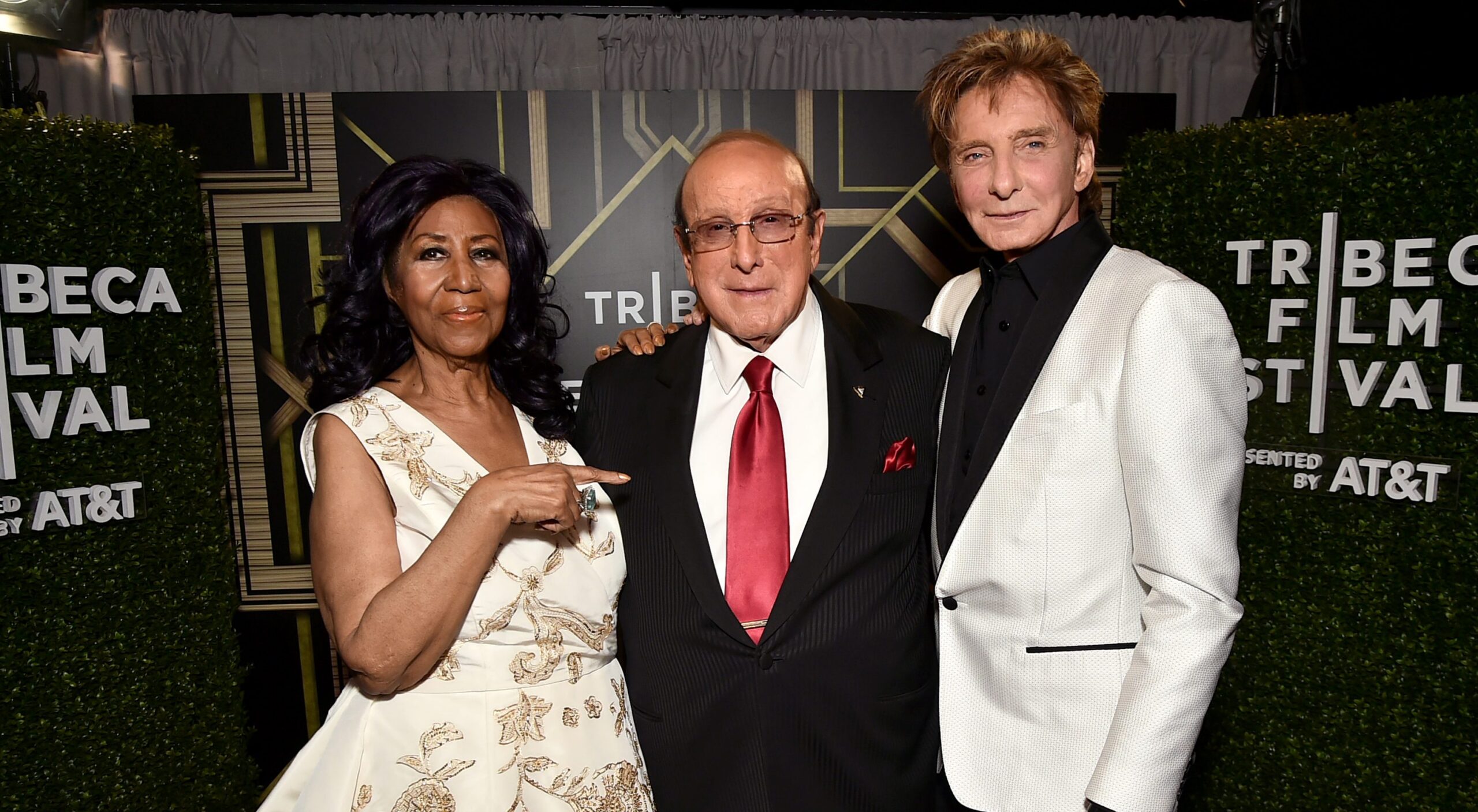
    • Barry Manilow: One of Arista’s earliest and most successful signings, Manilow’s string of hits in the 1970s established the label’s commercial viability.
    • Aretha Franklin: Davis revitalized the career of the “Queen of Soul” in the 1980s, producing several successful albums and hit singles.
    • Whitney Houston: Perhaps Davis’s most iconic discovery, Whitney Houston became one of the best-selling music artists of all time under his mentorship. Her debut album in 1985 launched her into superstardom.
    • Kenny G: The smooth jazz saxophonist found global success with Arista, becoming one of the best-selling instrumental artists in history.
    • Patti Smith: Davis signed the punk poetess, demonstrating his willingness to embrace artists outside the mainstream pop sphere.

    Arista Records became synonymous with artist development and commercial success under Davis’s stewardship. He fostered an environment where artists felt supported and empowered to create their best work.

    J Records and the New Millennium

    In 2000, after a period working within the BMG system, Davis founded J Records. This new label continued his legacy of discovering and nurturing talent for the new millennium. J Records quickly established itself as a significant player in the contemporary music scene.

    His first major signing to J Records was Alicia Keys, whose debut album, “Songs in A Minor,” released in 2001, was a critical and commercial triumph. Keys became a multi-Grammy Award winner and a global superstar, further cementing Davis’s reputation as a hitmaker.

    J Records also signed other successful artists, including Fantasia Barrino, the winner of American Idol’s third season, and Mario. Davis’s ability to remain relevant and impactful in a constantly evolving industry was a testament to his enduring talent and passion for music.

    Consolidation and Continued Influence

    Over the years, Davis’s labels often became part of larger corporate structures. Arista Records was eventually merged into RCA Music Group, and J Records later became part of RCA Records. Despite these corporate changes, Davis consistently maintained a leadership role, ensuring his vision continued to shape the direction of the music. He was instrumental in forming the RCA Music Group in 2000, serving as its chairman and CEO.

    As of 2026, Clive Davis serves as the Chief Creative Officer for Sony Music Entertainment. In this role, he continues to be actively involved in the production and development of music across the company’s vast roster of labels and artists. His influence persists through various projects, including the annual pre-Grammy Gala, a highly anticipated event in the music industry.

    The Pre-Grammy Gala: A Music Industry Institution

    Since 1976, Clive Davis has hosted an annual pre-Grammy Gala, which has become one of the most exclusive and star-studded events in the music industry. The gala serves as a networking hub, a platform for emerging talent, and a celebration of musical achievement.

    Each year, the event attracts a who’s who of musicians, executives, and celebrities. Davis uses the occasion to honor industry legends and showcase new artists, further cementing his role as a central figure in the music world. The gala is a testament to his enduring connections and his unwavering commitment to the art form.

    The Davis Legacy: Beyond the Boardroom

    Clive Davis’s impact extends beyond the balance sheets and executive decisions. He is recognized for his unique ability to connect with artists on a personal level, fostering trust and providing creative guidance. His approach emphasized artistic integrity alongside commercial appeal, a balance many executives struggle to achieve.

    He has been inducted into the Rock and Roll Hall of Fame as a non-performer in 2000, a rare honor that underscores his profound influence on popular music. His autobiography, “The Soundtrack of My Life,” published in 2013, offered an intimate look into his career and the stories behind the music.

    Davis’s career demonstrates that one does not need to play an instrument or sing a note to be a vital force in music. His legacy is etched into the careers of countless artists and the very fabric of the music industry.

    Law school. Columbia Records. Arista Records. J Records. Mentorship. Genius.

  • Oprah Winfrey, Whitney Houston, and the Secret of the Stage Fall – How a Studio Audience Protected a Legend

    Oprah Winfrey, Whitney Houston, and the Secret of the Stage Fall – How a Studio Audience Protected a Legend

    Oprah Winfrey witnessed Whitney Houston fall off the stage during a performance on The Oprah Winfrey Show. She did not call for a commercial break. She did not look to her producers. Winfrey halted the production, stepped toward the studio audience in Chicago, Illinois, and begged them to keep the accident a secret. She knew the tabloid press was waiting for a moment of weakness. She knew the media would weaponize the misstep. ‘I knew she would be destroyed by that,’ Winfrey later revealed. The audience listened. The secret held. In an era defined by brutal media scrutiny, it was a rare, engineered moment of grace.

    The Incident at Harpo Studios

    Harpo Studios operated as an impenetrable fortress of daytime television. Located in the West Loop neighborhood of Chicago, the facility was a highly controlled environment. Every camera angle was planned. Every lighting cue was rehearsed. Guests walked onto the stage knowing they were entering the most powerful media platform in the United States. Whitney Houston arrived as global music royalty. She carried the weight of superstardom. She also carried the physical exhaustion that accompanied it.

    During a taped performance, the illusion of flawless execution shattered. Houston lost her footing. She tumbled from the elevated stage. The physical reality of live performance crashed into the polished expectations of daytime television. Stage lights glared. Monitors hummed. The studio audience gasped. A fall for any performer is disorienting. A fall for Whitney Houston was a potential career crisis. The cameras kept rolling. The machinery of television is designed to capture disaster.

    Oprah Winfrey intervened. She understood the stakes instantly. She stepped out of her role as a broadcaster and assumed the role of a protector. The production stopped. The music faded. Winfrey turned her attention away from the cameras and directly toward the hundreds of people sitting in the studio audience.

    A Plea for Silence

    A television studio audience is a volatile entity. They are brought in to react. They are encouraged to applaud, gasp, and gossip. Winfrey asked them to do the exact opposite. She asked them to forget what they had just seen.

    “I knew she would be destroyed by that.”

    Those words carried the weight of lived experience. Winfrey understood the relentless nature of the press. She knew that a simple physical trip would not be reported as a simple physical trip. It would be framed as a collapse. It would be analyzed, scrutinized, and mocked. The narrative would shift from Houston’s vocal prowess to her physical vulnerability. Winfrey begged the crowd to protect the singer. She asked them to honor a pact of silence.

    The audience agreed. They walked out of Harpo Studios and returned to their lives. They did not call the press. They did not sell the story. The incident vanished into the archives of unreleased television footage.

    The Architecture of the Harpo Stage

    The stage at Harpo Studios was designed for intimacy, but it was still a formidable physical structure. Elevated above the audience, surrounded by heavy broadcast equipment, thick cable runs, and high-intensity lighting rigs, it was a hazardous workspace. Performers navigated this terrain while projecting effortless joy.

    The physical toll of performing under hot lights while executing choreography or projecting powerful vocals is immense. A single misstep on a glossy floor can result in a dangerous fall. The fact that accidents did not happen more often is a testament to the professionalism of the guests. When Houston fell, the danger was both physical and reputational.

    The Machinery of the Tabloids

    The media landscape of the late twentieth and early twenty-first centuries was unforgiving. Tabloid journalism operated with ruthless efficiency. Publications like The National Enquirer and The Sun thrived on the destruction of celebrity polish. Paparazzi stalked global superstars. Every misstep was monetized.

    Female celebrities faced a specific, concentrated venom. The press demanded perfection. When perfection slipped, the punishment was public humiliation. Whitney Houston existed at the absolute center of this storm. Her voice was considered a global treasure. Her personal life was treated as public property.

    • Photographers camped outside hotels to capture moments of exhaustion.
    • Gossip columns speculated wildly about physical health and mental stability.
    • Late-night comedians used celebrity missteps as reliable monologue material.
    • Tabloid editors paid massive sums for unflattering photographs or embarrassing anecdotes.

    Winfrey knew this ecosystem intimately. She had navigated it herself. She recognized that a video of Houston falling would become the defining image of the week, the month, or the year. It would overshadow the music. It would erase the artistry. The tabloids did not offer grace. They offered spectacle.

    The Burden of Perfection

    Whitney Houston was not just a singer. She was “The Voice.” Arista Records and executive Clive Davis had built an empire around her pristine image and unmatched vocal ability. The pressure to maintain that standard was absolute.

    Touring demanded grueling physical endurance. Recording demanded emotional exhaustion. Public appearances required a flawless facade. The margin for error was zero. A stage fall is a terrifying moment for any artist. It is a sudden loss of control. For Houston, the loss of control was the very thing the media was desperate to document.

    Winfrey saw the human being beneath the superstar mantle. She saw a woman who was tired, vulnerable, and in need of a shield. By halting the tape, Winfrey provided that shield. She refused to let Harpo Studios become the source of Houston’s humiliation.

    The Psychological Toll of the Spotlight

    The fear of being destroyed by the press was not an exaggeration. The psychological toll of relentless public scrutiny has broken countless artists. For a vocalist whose entire brand was built on flawless execution, a public display of clumsiness or physical failure could trigger a cascade of negative press.

    The media narrative often spirals. A trip becomes a sign of exhaustion. Exhaustion becomes a rumor of substance abuse. A rumor becomes a career-ending headline. Winfrey understood this pipeline of destruction. She knew that protecting the physical moment of the fall was actually about protecting the psychological safety of the artist.

    The Bond Between Titans

    The dynamic between Winfrey and Houston was unique in American media. They were two Black women who had reached the absolute zenith of global influence. They shared an understanding of isolation. They knew what it meant to carry the expectations of millions.

    This mutual respect defined their interactions. When Houston needed to speak directly to the public, she chose Winfrey’s platform. Their landmark 2009 sit-down interview remains a masterclass in empathetic, yet rigorous, journalism. Winfrey did not shy away from difficult questions. But she never stripped Houston of her dignity.

    The stage fall incident was a precursor to that ultimate trust. Winfrey proved, in real-time, that she valued Houston’s humanity over a sensational television moment. She sacrificed a viral clip to save a friend’s spirit.

    The Anatomy of a Studio Audience

    The ability to keep a secret in a room of hundreds of people seems impossible today. It requires an examination of how studio audiences functioned before the digital revolution.

    Attending The Oprah Winfrey Show was viewed as a privilege. Tickets were highly coveted. The audience felt a deep sense of loyalty to Winfrey. When she spoke, they listened. When she made a direct, emotional appeal, they responded with obedience. The social contract of the room dictated that Winfrey was the ultimate authority.

    Furthermore, the mechanics of leaking a story were difficult. A person had to physically call a news desk. They had to convince an editor they were telling the truth. Without video evidence, the story was just a rumor. The barrier to entry for gossip was high. The audience’s silence was a combination of respect for Winfrey and the logistical friction of the era.

    Why the Secret Could Not Survive in 2026

    The media environment of 2026 operates on a completely different axis. The concept of a secret studio audience is dead. A stage fall today would not be contained by a host’s plea. It would be broadcast globally before the performer hit the ground.

    Every audience member is a publisher. Smartphones capture every angle. Platforms like TikTok, X, and Instagram thrive on raw, unedited disaster. The moment Houston slipped, a dozen live streams would have captured it. The footage would be trending within minutes.

    Modern television productions attempt to combat this with strict Non-Disclosure Agreements. Production assistants confiscate phones. Security guards monitor the crowd. But leaks still happen. The financial incentive to sell footage to outlets like TMZ is too high. The cultural desire for instant virality is too strong.

    Winfrey’s plea to the Chicago audience worked because it relied on a shared sense of basic decency. In 2026, the architecture of the internet actively discourages decency. The algorithm rewards humiliation. The algorithm demands the footage. The secret could never survive the digital age.

    A Legacy of Protection

    The story of the stage fall is not really about Whitney Houston losing her balance. It is about Oprah Winfrey choosing empathy over entertainment. It is about a brief, shining moment when the relentless machinery of celebrity culture was forcibly stopped by a single request.

    Winfrey saw a disaster unfolding. She calculated the cost. She recognized the cruelty of the press. She intervened. She asked for grace on behalf of someone who could not ask for it herself.

    The tapes were secured. The audience filed out into the Chicago afternoon. The tabloids printed their weekly editions without the story. The singer kept her dignity. The host kept her promise. The secret held. Grace.

  • Clinton on Netflix, Electoral College Is An Abomination

    Clinton on Netflix, Electoral College Is An Abomination

    Hillary Clinton explicitly labeled the United States Electoral College an “abomination” during a June 2026 interview for the Netflix docuseries The American Experiment. She directly attributed her 2016 presidential election loss to Donald Trump to the system. Clinton won the national popular vote by nearly 2.9 million ballots. She lost the Electoral College 304 to 227 after narrow defeats in three critical Rust Belt states.

    The math dictated the outcome. The national vote total did not align with the electoral map. The structural reality of American democracy superseded the popular majority.

    The 2016 election fundamentally altered the trajectory of the United States Supreme Court. It reshaped global geopolitical alliances. It redefined the modern Republican Party. The origins of those shifts trace back to the precise mechanisms of the electoral system.

    The Netflix Revelation: Revisiting 2016

    Netflix released The American Experiment in June 2026. The docuseries examines the foundational mechanics of the United States government. The third episode focuses entirely on the executive branch and the unique mechanism used to fill it.

    Clinton appears in a starkly lit studio. Her tone is measured but absolute. She does not mince words when analyzing the mechanism that ended her political career.

    The Electoral College is an abomination. It is a relic of compromises made by men who could not fathom the nation we have become. It actively subverts the will of the majority.

    The vote totals validate her mathematical frustration. Clinton secured 65,853,514 votes nationwide. Donald Trump secured 62,984,828. A direct popular vote system would have resulted in a decisive victory for the Democratic nominee. Instead, the presidency is decided by 538 electors distributed across fifty states and the District of Columbia.

    The electoral mechanism functioned according to its constitutional design. Clinton argues this design inherently subverts majority preference.

    The Anatomy of a 77,744-Vote Margin

    National vote totals do not elect presidents. State-level victories do. The 2016 election hinged on three states that had reliably voted Democratic for decades. The margins were microscopic compared to the national electorate.

    • Pennsylvania: Trump won by 44,292 votes.
    • Wisconsin: Trump won by 22,748 votes.
    • Michigan: Trump won by 10,704 votes.

    Seventy-seven thousand, seven hundred and forty-four votes. Out of nearly 137 million cast nationwide, this fraction in three specific geographic regions decided the presidency. Clinton secured massive margins in states like California and New York. Those margins yielded zero additional electoral power. A vote in Los Angeles held less mathematical weight than a vote in Milwaukee.

    The geographic disparity forms the core of the modern critique. The system heavily weights rural, less populous states. Wyoming receives three electoral votes for its roughly 580,000 residents. California receives fifty-four electoral votes for its 39 million residents. The ratio of electoral power to population is heavily skewed by the inclusion of two Senate seats in every state’s electoral allocation.

    The Origins of the 1787 Compromise

    The Electoral College emerged from the 1787 Constitutional Convention in Philadelphia. The framers faced a deeply divided young nation. Delegates debated how to select the chief executive.

    Pennsylvania delegate James Wilson proposed a direct national popular vote. Southern delegates immediately rejected the idea. Northern states possessed larger populations of eligible voting citizens. Southern states possessed massive populations of enslaved people who held no rights and could not vote. A direct popular vote would have concentrated executive power in the North.

    The delegates forged the Three-Fifths Compromise. The agreement allowed Southern states to count three-fifths of their enslaved populations toward their congressional apportionment. Electoral College votes were directly tied to congressional delegation size.

    This mathematical formula granted Southern states disproportionate influence over the presidency for the first fifty years of the republic. Virginia slaveholders occupied the presidency for thirty-two of the nation’s first thirty-six years.

    Alexander Hamilton and Federalist No. 68

    Alexander Hamilton defended the finalized system in Federalist No. 68. He argued that a small group of informed electors would prevent the rise of demagogues. Hamilton believed the general public lacked the capacity to adequately vet presidential candidates across a massive, disconnected continent.

    The electors were designed to act as a deliberative body. They were intended to exercise independent judgment. They were meant to serve as a fail-safe against populism and foreign interference.

    The system evolved differently. Political parties emerged. Electors became bound partisans pledged to specific candidates. The deliberative body Hamilton envisioned never materialized in practice. Instead, the winner-take-all allocation of electors adopted by most states transformed the system into a high-stakes geographic mathematical puzzle.

    The 2000 Precedent: Gore vs. Bush

    Clinton is not the only modern candidate to experience a popular vote inversion. The 2016 election mirrored the statistical anomaly of the 2000 presidential race.

    Vice President Al Gore won the national popular vote by 543,895 ballots. Texas Governor George W. Bush won the Electoral College 271 to 266. The outcome hinged entirely on the state of Florida.

    Bush won Florida by a margin of 537 votes. The incredibly narrow margin triggered a mandatory recount. The legal battle escalated to the United States Supreme Court. The landmark decision in Bush v. Gore halted the recount. Bush secured Florida’s twenty-five electoral votes and the presidency.

    Two of the last four American presidents assumed office despite losing the popular vote. This frequency is historically unprecedented in the modern era. Prior to 2000, the phenomenon had not occurred since 1888.

    The 1888 Anomaly: Cleveland vs. Harrison

    The late nineteenth century provides the clearest historical parallel. Incumbent Democratic President Grover Cleveland faced Republican challenger Benjamin Harrison in 1888.

    Cleveland won the popular vote by slightly more than 90,000 ballots. He dominated the Southern states with massive margins. Harrison narrowly won crucial swing states in the North and Midwest, including New York and Indiana.

    Harrison secured 233 electoral votes. Cleveland secured 168. Harrison entered the White House. Cleveland returned four years later to defeat Harrison in 1892, becoming the only president to serve two non-consecutive terms. The 1888 election demonstrated the exact geographic vulnerability that Clinton encountered in 2016.

    The 1876 Crisis: Tilden vs. Hayes

    The 1876 election produced the most severe constitutional crisis related to the Electoral College. Democratic candidate Samuel J. Tilden won the national popular vote by roughly 250,000 ballots. He secured 184 electoral votes. He needed 185 to win the presidency.

    Republican candidate Rutherford B. Hayes secured 165 electoral votes. Twenty electoral votes across Florida, Louisiana, South Carolina, and Oregon were fiercely disputed. Both parties claimed victory in the Southern states amid widespread allegations of voter fraud, violence, and voter intimidation targeting newly enfranchised Black voters.

    Congress created a bipartisan Electoral Commission to resolve the crisis. The commission ultimately awarded all twenty disputed electoral votes to Hayes. Hayes won the presidency 185 to 184. The political compromise that secured Hayes the presidency also resulted in the withdrawal of federal troops from the South, effectively ending Reconstruction and paving the way for the Jim Crow era. The electoral dispute reshaped American civil rights for a century.

    The 1824 Contingent Election

    The system failed to produce a clear winner in 1824. Four major candidates split the electoral map. Andrew Jackson won a plurality of both the popular vote and the Electoral College. He secured ninety-nine electoral votes. John Quincy Adams secured eighty-four. William H. Crawford secured forty-one. Henry Clay secured thirty-seven.

    No candidate reached the required majority of 131 electoral votes. The Twelfth Amendment triggered a contingent election in the House of Representatives. The House only considered the top three candidates. Henry Clay was eliminated.

    Clay served as Speaker of the House. He despised Jackson. Clay threw his political support behind Adams. The House elected Adams as the sixth President of the United States. Adams subsequently appointed Clay as Secretary of State. Jackson denounced the outcome as a “corrupt bargain.” The Electoral College mechanism directly fueled the rise of Jacksonian populism four years later.

    The Legislative Resistance: The NPVIC

    Amending the United States Constitution requires a two-thirds majority in both the House and the Senate. It then requires ratification by three-fourths of the state legislatures. The Electoral College currently provides a distinct partisan advantage to the Republican Party. A constitutional amendment is politically impossible in the deeply divided 2026 legislative environment.

    Opponents of the system have pivoted to a state-level strategy. The National Popular Vote Interstate Compact (NPVIC) is a legislative maneuver designed to bypass the amendment process entirely.

    Article II, Section 1, Clause 2 of the Constitution grants state legislatures the exclusive authority to determine how their electors are awarded. Currently, forty-eight states use a winner-take-all system based on the state’s internal popular vote. Maine and Nebraska allocate electors proportionally.

    The NPVIC asks states to pass legislation pledging their electoral votes to the winner of the national popular vote, regardless of the outcome within their own state borders. The compact includes a trigger provision. It only takes effect once it is joined by states representing a combined 270 electoral votes. Two hundred and seventy is the exact number required to win the presidency.

    The 2026 Status of the Compact

    The compact continues to gain legislative ground. By June 2026, the NPVIC has secured commitments from states representing over 200 electoral votes. Heavyweight Democratic states anchor the agreement. New York, California, and Illinois passed the legislation years ago.

    The movement faces steep hurdles. It requires the participation of several purple or red states to reach the 270-vote threshold. Republican legislatures consistently block the measure, recognizing the current system’s advantage for their presidential nominees.

    Legal scholars also anticipate a massive Supreme Court challenge if the compact ever reaches 270 votes. Critics argue the compact violates the Compact Clause of the Constitution, which requires congressional consent for interstate agreements. Proponents argue the plenary power of states to allocate electors supersedes the Compact Clause.

    The Bayh-Celler Amendment Attempt

    The closest the United States ever came to abolishing the Electoral College occurred in 1969. The 1968 election featured a strong third-party run by George Wallace. Wallace won five Southern states and forty-six electoral votes. The chaotic election terrified political leaders in both major parties.

    Representative Emanuel Celler and Senator Birch Bayh introduced a constitutional amendment to replace the Electoral College with a direct national popular vote. The amendment required the winning candidate to secure at least forty percent of the national vote to avoid a runoff.

    The House of Representatives passed the Bayh-Celler amendment overwhelmingly. The vote was 338 to 70. President Richard Nixon endorsed the measure. The amendment moved to the Senate.

    A coalition of Southern senators and lawmakers from small states launched a filibuster. They recognized the Electoral College amplified their regional power. The filibuster held. The amendment died. The system remained.

    The Enduring Divide

    Clinton’s comments on Netflix underscore a permanent fracture in American political mechanics. The system demands geographic breadth. The popular vote reflects pure numerical density.

    The Democratic Party relies heavily on massive vote totals in urban centers and coastal states. The Republican Party relies on widespread geographic dominance across the Midwest, the South, and rural counties nationwide. The Electoral College mathematically rewards the latter strategy.

    The debate will not end with a documentary. It will not end with a single election cycle. The mathematical reality of the American presidency dictates the strategy of every campaign.

    Delegates drafted compromises. Candidates counted ballots. States signed compacts. The map remained.

  • Karlovy Vary 2026, Hoffman, Binoche, and Wright Take Top Honors

    Karlovy Vary 2026, Hoffman, Binoche, and Wright Take Top Honors

    On June 23, 2026, the Karlovy Vary International Film Festival announced Dustin Hoffman, Juliette Binoche, and Jeffrey Wright as its primary honorees for the upcoming season. The prestigious European festival will recognize the trio for their extensive, decades-long contributions to global cinema. The move signals a deliberate focus on international legacy. It bridges the history of American studio filmmaking with European arthouse excellence.

    The announcement immediately set the tone for the 2026 festival. Festival organizers confirmed the core honorees in a morning press release. Specific details regarding which exact awards each actor will receive remain under embargo. Historically, the festival honors its primary guests with the Crystal Globe for Outstanding Artistic Contribution to World Cinema or the Festival President’s Award.

    Dustin Hoffman and the New Hollywood Legacy

    Dustin Hoffman represents the foundational shift of 1970s American cinema. His career spans over five decades. He altered the definition of the Hollywood leading man. His breakout role in the 1967 film The Graduate earned him his first Academy Award nomination. He followed this with a defining performance in the 1969 film Midnight Cowboy.

    Hoffman secured two Academy Awards for Best Actor. The first came for his work in the 1979 domestic drama Kramer vs. Kramer. The second arrived for his portrayal of Raymond Babbitt in the 1988 film Rain Man. His filmography serves as a map of modern American filmmaking.

    The actor worked alongside legendary directors throughout his career. He collaborated with Mike Nichols, John Schlesinger, and Barry Levinson. His presence at Karlovy Vary brings a direct link to the New Hollywood era. He remains a crucial figure in the transition from studio-system gloss to gritty, character-driven realism.

    Hoffman has rarely slowed his output. He transitioned into directing with the 2012 film Quartet. He continued taking supporting roles in independent features throughout the 2010s and 2020s. His honor at Karlovy Vary acknowledges both his peak commercial success and his sustained dedication to the craft.

    Juliette Binoche Bridges Continents

    Juliette Binoche stands as one of the most decorated actors in European history. She is the first actress to win the European Triple Crown of Best Actress awards. She secured victories at the Berlin, Cannes, and Venice film festivals. Her career moves seamlessly between French cinema and international co-productions.

    Binoche gained global recognition for her role in the 1996 film The English Patient. The performance earned her an Academy Award for Best Supporting Actress. She secured another nomination for the 2000 film Chocolat. Her work consistently anchors complex, emotionally demanding narratives.

    Her collaborations define the peak of international arthouse cinema. She worked with Krzysztof Kieślowski on the 1993 film Three Colors: Blue. She partnered with Abbas Kiarostami for the 2010 film Certified Copy. She collaborated with Claire Denis on the 2017 film Let the Sunshine In.

    Binoche brings a distinct European prestige to the 2026 festival. Her presence validates Karlovy Vary’s position as a premier destination for global cinema. She remains a working force in the industry. Her recent television work in the 2024 series The New Look demonstrated her ongoing versatility.

    Jeffrey Wright Masters the Character Arc

    Jeffrey Wright anchors the 2026 trio with a career built on profound character work. He commands the same respect as traditional leading men. His path to international recognition began on the stage. He won a Tony Award in 1994 for his role in Angels in America. He later won an Emmy Award for the 2003 television adaptation of the same work.

    Wright transitioned into film with a commanding portrayal of Jean-Michel Basquiat in the 1996 biographical drama Basquiat. He became a fixture in major franchise filmmaking. He played Felix Leiter in the James Bond series. He portrayed Beetee in The Hunger Games franchise. He stepped into the role of Commissioner Gordon in the 2022 film The Batman.

    His independent film work remains equally robust. He collaborated extensively with Wes Anderson. He delivered a critically acclaimed leading performance in the 2023 film American Fiction. That role earned him an Academy Award nomination for Best Actor. He proved his ability to carry a theatrical feature both critically and commercially.

    Wright’s inclusion in the Karlovy Vary lineup reflects a modern cinematic reality. The line between character actor and leading man has dissolved. Wright helped dissolve it. His body of work spans independent theater, premium television, and global blockbusters.

    The Cultural Weight of Karlovy Vary

    The Karlovy Vary International Film Festival remains one of Europe’s most significant cultural events. The festival takes place annually in the spa town of Karlovy Vary in the Czech Republic. It was founded in 1946. It stands alongside Cannes, Venice, and Berlin as an A-list competitive festival recognized by the FIAPF.

    The event serves a unique geographic and cultural purpose. It historically bridged the gap between Eastern and Western European cinema during the Cold War. Today, it operates as a massive public gathering. Thousands of students and cinephiles camp in the town to secure screening tickets.

    Festival President Jiří Bartoška has guided the event since 1994. He transformed it from a struggling post-Soviet enterprise into a thriving modern festival. The decision to honor Hoffman, Binoche, and Wright aligns with his long-term programming strategy. The festival balances emerging Eastern European talent with established global icons.

    The Legacy of the Crystal Globe

    The Crystal Globe serves as the ultimate symbol of the Karlovy Vary Film Festival. The physical award features a bronze figure lifting a massive crystal orb. It weighs roughly eleven pounds. Local Czech artisans craft each trophy by hand at the Moser glassworks facility.

    Receiving an honorary Crystal Globe places actors in an exclusive lineage. Past recipients include Robert De Niro, Julianne Moore, Richard Gere, and Helen Mirren. The award recognizes a lifetime of artistic risk and sustained excellence. It is not tied to a single performance or a specific promotional campaign.

    The 2026 honorees fit perfectly into this tradition. They share a common trait of artistic endurance. Hoffman redefined the 1970s. Binoche conquered the 1990s international market. Wright continues to dominate the 2020s landscape. The Crystal Globe acknowledges this kind of permanent industry footprint.

    Masterclasses and Public Engagement

    Karlovy Vary distinguishes itself through public accessibility. Unlike Cannes, which remains strictly limited to industry professionals, Karlovy Vary welcomes the general public. Thousands of backpackers and students travel to the Czech Republic every July. They line up for hours to secure tickets to premium screenings.

    The presence of Hoffman, Binoche, and Wright will heavily impact the public programming. Honorees traditionally participate in extensive masterclasses. These public interviews allow actors to discuss their craft, their failures, and their creative processes in front of a live audience.

    These sessions often yield significant historical anecdotes. Wright is expected to discuss his transition from Broadway to blockbuster franchises. Binoche will likely detail her intense collaborations with auteur directors. Hoffman’s masterclass could provide a definitive oral history of the New Hollywood movement. The festival has not yet announced the dates for these specific conversations.

    What to Expect in July 2026

    This remains a developing story regarding specific logistical details. Festival organizers have confirmed the core honorees as of June 23, 2026. The specific schedules for masterclasses, retrospective screenings, and red-carpet appearances are currently pending release.

    Attendees anticipate a slate of retrospective screenings. The festival traditionally pairs lifetime achievement honors with public showings of the actors’ defining works. It is highly likely that 35mm or 4K restorations of films like Midnight Cowboy or Three Colors: Blue will feature in the Grand Hall.

    Updates will be published directly to this page. The Karlovy Vary organizing committee will release the official 2026 festival itinerary in the coming weeks. The industry will watch closely as the final schedule solidifies.

    The projectors thread the film. The theaters open their doors. The audiences take their seats. Karlovy Vary.

    Frequently Asked Questions

    Who is being honored at the 2026 Karlovy Vary Film Festival?

    On June 23, 2026, the festival announced Dustin Hoffman, Juliette Binoche, and Jeffrey Wright as its primary honorees. They are being recognized for their lifetime contributions to global cinema across decades of acclaimed work.

    Where is the Karlovy Vary Film Festival held?

    The Karlovy Vary International Film Festival is held annually in the spa town of Karlovy Vary, located in the Czech Republic. Founded in 1946, it is one of the oldest and most prestigious film festivals in Europe.

    What specific awards will the 2026 honorees receive?

    As of late June 2026, the specific names of the awards the actors will receive have not been officially detailed. The festival traditionally awards the Crystal Globe for Outstanding Artistic Contribution to World Cinema or the Festival President’s Award to its primary guests.

  • The Maestro’s Final Bow – Former Federal Reserve Chairman Alan Greenspan Dies at 100

    The Maestro’s Final Bow – Former Federal Reserve Chairman Alan Greenspan Dies at 100

    Alan Greenspan, the 13th Chairman of the Federal Reserve who guided the United States economy through two decades of unprecedented growth and volatile crises, has died. He was 100.

    For nearly nineteen years, his voice moved global markets. His briefcase signaled interest rate hikes. His congressional testimonies were parsed for hidden meaning by every trading desk on Wall Street. From the Reagan administration to the George W. Bush era, Greenspan stood as the undisputed architect of American monetary policy.

    He was dubbed the “Maestro.” He was celebrated as an economic oracle. In his later years, he faced intense scrutiny as the ideological foundation of his policies fractured under the weight of the 2008 financial crisis.

    His death marks the end of a century-long life that mirrored the rise of the modern American financial system. He lived through the Great Depression. He shaped the dot-com boom. He witnessed the digital transformation of global capital.

    The Jazz Musician Who Found the Ledger

    The story of the modern economy begins in Washington Heights. Alan Greenspan was born on March 6, 1926. His father, Herbert, was a stockbroker. His mother, Rose, worked in retail. The parents divorced early. Greenspan was raised primarily by his mother in a tight-knit Jewish community in New York City.

    Numbers made sense to him. Music made sense first. Greenspan attended the Juilliard School. He played the clarinet and the saxophone. In the 1940s, he toured the country with the Henry Jerome band. He sat next to a young saxophonist named Leonard Garment, who would later become a White House counsel to Richard Nixon.

    But the road life did not stick. Greenspan found himself managing the band’s books. The ledgers were more predictable than the jazz. He left Juilliard and enrolled at New York University. He earned a bachelor’s degree in economics in 1948. He followed it with a master’s degree in 1950. He then moved to Columbia University, studying under the influential economist Arthur Burns. Burns would later precede Greenspan as Federal Reserve Chairman.

    The Objectivist Inner Circle

    In 1952, Greenspan’s trajectory shifted. He met the novelist and philosopher Ayn Rand. Rand had recently published The Fountainhead. She was building a philosophical movement called Objectivism. The core tenets were rational self-interest, laissez-faire capitalism, and the absolute minimal intervention of the state.

    Greenspan joined Rand’s inner circle. They called themselves the Collective. He wrote essays for The Objectivist Newsletter. He embraced the belief that free markets were not only efficient but morally superior to regulated systems. This ideology became the bedrock of his worldview. It would guide his hand for the next fifty years.

    In 1954, he co-founded the economic consulting firm Townsend-Greenspan & Co. He ran the firm for two decades. Corporate clients paid heavily for his data-driven insights. He built a reputation as a master of statistical minutiae. He could read the health of the American economy by tracking the sales of corrugated cardboard boxes.

    The Ascent to Power

    Politics eventually called. Greenspan served as an advisor to Richard Nixon’s 1968 presidential campaign. In 1974, President Gerald Ford appointed him Chairman of the Council of Economic Advisers. He served until 1977. He navigated the stagflation of the 1970s. He learned the brutal realities of Washington politics.

    Then came the call that changed history. In the summer of 1987, President Ronald Reagan nominated Greenspan to succeed Paul Volcker as Chairman of the Federal Reserve. Volcker had famously broken the back of inflation with punishingly high interest rates. Greenspan’s task was to manage the recovery.

    He was sworn in on August 11, 1987. Two months later, the system broke.

    Trial by Fire: Black Monday

    October 19, 1987. Black Monday. The Dow Jones Industrial Average plunged 508 points. It was a 22.6 percent drop in a single day. Panic gripped Wall Street. The global financial system teetered on the edge of a systemic freeze.

    Greenspan did not hesitate. The next morning, before the markets opened, the Federal Reserve released a one-sentence statement. It was brief. It was decisive. It changed modern central banking.

    “The Federal Reserve, consistent with its responsibilities as the Nation’s central bank, affirmed today its readiness to serve as a source of liquidity to support the economic and financial system.”

    The Fed flooded the system with cash. They aggressively cut interest rates. The panic subsided. The markets recovered. Greenspan was hailed as a savior. But the intervention set a precedent. Wall Street learned that the Federal Reserve would step in to cushion severe market drops. This dynamic became known as the “Greenspan Put.”

    The 1990s and Irrational Exuberance

    The 1990s belonged to Greenspan. President Bill Clinton, a Democrat, reappointed the Republican Fed Chair. Clinton understood that a strong economy required Wall Street’s confidence. Greenspan provided that confidence.

    The American economy entered an unprecedented expansion. The Cold War was over. The internet was being built. Productivity soared. Traditional economic models suggested that low unemployment would trigger inflation. Greenspan disagreed. He looked at the data. He saw that computerization was making workers more efficient. He argued that the economy could run faster and hotter without triggering inflation.

    He was right. The Federal Open Market Committee (FOMC) kept interest rates relatively low. Millions of jobs were created. The stock market soared.

    But the soaring market made him nervous. On December 5, 1996, Greenspan delivered a speech at the American Enterprise Institute in Washington D.C. He buried a warning deep inside a dense, academic address.

    “But how do we know when irrational exuberance has unduly escalated asset values, which then become subject to unexpected and prolonged contractions as they have in Japan over the past decade?”

    The phrase “irrational exuberance” echoed around the globe. Markets in Tokyo and London dropped immediately. But Greenspan did not follow his words with aggressive action. He did not raise rates enough to puncture the dot-com bubble. He believed it was not the Fed’s job to pop bubbles, but to clean up the mess after they burst.

    The New Millennium and the Housing Bubble

    The dot-com bubble burst in 2000. Trillions of dollars in wealth evaporated. Then came the terrorist attacks of September 11, 2001. The American economy faced a severe shock.

    Greenspan reacted with overwhelming force. The Federal Reserve slashed the federal funds rate. By 2003, the rate hit 1 percent. It was the lowest level in half a century. The Fed held rates at that rock-bottom level for a year. Money was virtually free.

    This easy money fueled a new boom. The housing market exploded. Wall Street engineered complex financial products to package and sell mortgages. Subprime loans were bundled into collateralized debt obligations (CDOs). Risk was hidden. Greed was institutionalized.

    Critics urged Greenspan to intervene. They warned of a massive housing bubble. They begged for regulation of the over-the-counter derivatives market. Greenspan refused. His Objectivist roots held firm. He believed that financial institutions were inherently self-regulating because it was in their rational self-interest to protect their shareholders.

    On January 31, 2006, Greenspan stepped down. He handed the chairmanship to Ben Bernanke. He left office with his reputation at its absolute zenith. He was a bipartisan hero. He was the Maestro.

    The 2008 Crash and the Flaw

    The music stopped in 2008. The housing bubble collapsed. Lehman Brothers filed for bankruptcy. The global financial system froze. The exact derivatives that Greenspan refused to regulate acted as weapons of mass financial destruction.

    The legacy of the Maestro was suddenly under brutal interrogation. The policies that defined his tenure, deregulation and artificially low interest rates, were cited as the root causes of the Great Recession.

    On October 23, 2008, Greenspan sat before the House Committee on Oversight and Government Reform. Representative Henry Waxman pressed the former chairman on his ideology. Waxman asked if Greenspan’s worldview had been wrong.

    Greenspan’s answer became the defining moment of his later years.

    “I made a mistake in presuming that the self-interests of organizations, specifically banks and others, were such that they were best capable of protecting their own shareholders and their equity in the firms. … I have found a flaw. I don’t know how significant or permanent it is. But I have been very distressed by that fact.”

    It was a stunning admission. The architect of deregulation admitted that the foundation of his economic philosophy contained a fundamental crack.

    A Century of History

    Despite the post-2008 reassessment, Greenspan’s influence on modern capitalism remains absolute. He authored multiple books, including his 2007 memoir The Age of Turbulence. He continued to consult and speak on global finance well into his nineties.

    His personal life was as deeply intertwined with Washington power as his professional life. In 1997, he married NBC News correspondent Andrea Mitchell. Supreme Court Justice Ruth Bader Ginsburg officiated the ceremony. The couple remained a fixture of the Washington establishment for nearly three decades.

    History will debate his tenure. Some economists will point to the immense wealth created during the 1990s. They will highlight his masterful handling of the 1987 crash. Others will point to the devastating consequences of the 2008 financial crisis. They will argue that the Maestro left a time bomb for his successors.

    Both narratives are true. He was a man defined by data, driven by ideology, and elevated by circumstance. He transformed the Federal Reserve from a shadowy bureaucratic institution into the most powerful economic engine on earth.

    Markets moved. Presidents bowed. The world listened. Maestro.

  • The Architect of Stage 24 – How the Cast of ‘Friends’ Remembered James Burrows

    The Architect of Stage 24 – How the Cast of ‘Friends’ Remembered James Burrows

    In June 2026, the surviving cast members of the hit 1990s sitcom Friends, Jennifer Aniston, Courteney Cox, Lisa Kudrow, Matt LeBlanc, and David Schwimmer, publicly paid tribute to legendary television director James Burrows. Reacting to the profound loss of the industry titan, the actors described Burrows as a “father figure” who “spoiled us rotten” during the crucial early days of their careers. Their statements echoed across social media and entertainment news broadcasts, highlighting the invisible hand that guided one of the most successful shows in television history.

    For the millions of viewers who tuned into NBC on Thursday nights, the magic of Friends seemed to spring effortlessly from the chemistry of its six stars. The coffee house banter felt natural. The physical comedy felt spontaneous. The emotional beats landed with precision.

    But the story does not begin with spontaneous chemistry. What looks modern and effortless actually started with a veteran director implementing a rigid, century-old theatrical discipline on a soundstage in Burbank, California. James Burrows did not just direct the pilot of Friends. He engineered the ecosystem that allowed six unknown actors to conquer global television.

    The Architect of Must See TV

    By the time James Burrows arrived on Stage 24 at Warner Bros. Studios in the summer of 1994, he was already television royalty. Born in December 1940, Burrows had spent the previous two decades defining the American sitcom. He co-created Cheers. He directed defining episodes of Taxi, The Mary Tyler Moore Show, and Frasier. Network executives trusted him implicitly. If Burrows was behind the camera, a pilot had a fighting chance.

    Creators Marta Kauffman and David Crane had a script titled Six of One. The premise was simple: young people living in New York City, navigating life and love. The risk was enormous. Most sitcoms of the era relied on a central star, a comedian like Jerry Seinfeld, Roseanne Barr, or Tim Allen. Friends was a true ensemble. There was no lead. If the balance tipped, the show would fail.

    Burrows understood ensemble dynamics better than anyone in Hollywood. He took the script, which would eventually be renamed Friends, and began the meticulous work of blocking, pacing, and character building. He directed the pilot episode, “The One Where Monica Gets a Roommate,” establishing the visual language of Central Perk and Monica Geller’s apartment. He would go on to direct 15 episodes of the series, including foundational chapters like “The One with the Blackout” and “The One Where Ross and Rachel… You Know.”

    But his most important work happened when the cameras were turned off.

    The Poker Game That Forged an Alliance

    Burrows recognized early on that the six actors needed to bond if the show was going to survive. Jennifer Aniston, Courteney Cox, Lisa Kudrow, Matt LeBlanc, Matthew Perry, and David Schwimmer were a mix of struggling actors, commercial veterans, and failed pilot survivors. They were anxious. They were competitive.

    Burrows eliminated the competition. He lent the cast his large dressing room on the Warner Bros. lot. He encouraged them to play poker together between scenes. This was not just a way to kill time. It was a calculated psychological exercise.

    Around that poker table, the actors learned how to read each other. They learned the timing of Matthew Perry’s sarcastic deflections. They learned the rhythm of Jennifer Aniston’s reactive expressions. The poker games became so central to their early dynamic that it inspired the season one episode, “The One with All the Poker,” which Burrows naturally directed.

    More importantly, the dressing room culture established a unified front. Burrows repeatedly told the cast that they were equal parts of a single machine. When it came time to negotiate contracts ahead of the third season in 1996, the cast remembered this lesson. Instead of negotiating individually, they formed a mini-union, demanding equal pay for all six members. By 2002, that collective bargaining strategy secured them an unprecedented $1 million per episode. The financial empire of Friends was born at a poker table facilitated by James Burrows.

    The Final Taste of Anonymity at Caesars Palace

    Of all the stories shared during the June 2026 tributes, one specific memory dominated the conversation. It is a story that has become Hollywood mythology.

    In early 1994, after the pilot had been shot but before it aired on NBC, Burrows chartered a private plane. He loaded the six actors on board and flew them to Las Vegas. He took them to dinner at Spago inside Caesars Palace. The actors had no idea why they were there.

    During the dinner, Burrows handed each of them a $20 bill. He told them to take the money and gamble. He looked at the six young faces and delivered a prophecy: “This is your last shot at anonymity. Once the show comes on the air, you guys will never be able to go anywhere without being hounded.”

    The actors laughed it off. They were practically broke. Matt LeBlanc had famously bought a hot meal with his last few dollars before booking the role. They took Burrows’ money, played a few hands of blackjack, and enjoyed the free trip. Weeks later, Friends premiered to 22 million viewers. Within a year, they were on the cover of Rolling Stone. Within a decade, they were the most famous faces on the planet.

    Burrows had seen it happen before with the cast of Cheers. He knew the psychological toll that sudden, massive fame could take. The Vegas trip was his way of giving them a final moment of peace, a shared memory they could hold onto when the paparazzi descended.

    “He Spoiled Us Rotten”

    When Jennifer Aniston and Courteney Cox released their coordinated statements in June 2026, the phrase “spoiled us rotten” stood out. In the context of 1990s television production, directors were often taskmasters. Network television was a grueling grind of 24-episode seasons, late-night rewrites, and constant network interference.

    Burrows shielded the cast from that interference. If a network executive from NBC had a note about a joke, Burrows took the meeting. If a writer wanted an actor to deliver a line that felt out of character, Burrows mediated the dispute. He created a protective bubble on Stage 24.

    He also treated them with deep respect. He did not talk down to them. He listened to Lisa Kudrow’s instincts about Phoebe’s eccentricity. He encouraged David Schwimmer to lean into his background in physical theater, resulting in iconic moments of slapstick comedy. He spoiled them by giving them the creative freedom that most young actors spend decades fighting to achieve.

    This protective nature earned him the title of “father figure.” For a cast navigating the treacherous waters of instant celebrity, Burrows was the anchor. He demanded professionalism, but he offered unconditional creative support in return.

    The Shadow of 2023 and the Missing Friend

    The June 2026 tributes carried an undeniable undercurrent of sorrow. The Friends family had already suffered a catastrophic loss. In October 2023, Matthew Perry, who brought the brilliant, neurotic Chandler Bing to life, died suddenly at his home in Los Angeles at the age of 54.

    Perry’s absence hung heavily over the Burrows tributes. During the 2016 NBC special honoring Burrows for directing his 1,000th episode of television, all six cast members had participated, though Perry had to join via satellite from London where he was performing in a play. Now, a decade later, the circle was permanently broken.

    In her 2026 statement, Aniston specifically referenced the early days on set with Perry, noting how Burrows knew exactly how to capture Perry’s unique comedic cadence. Burrows had been one of the first directors to realize that Perry didn’t just tell jokes; he fundamentally altered the rhythm of the English language to force a laugh. The tribute to Burrows became, inadvertently, a secondary mourning period for the magic of the original six.

    The Blueprint of Modern Comedy

    The legacy of James Burrows extends far beyond Central Perk. He went on to direct every single episode of the original run of Will & Grace. He directed pilots for The Big Bang Theory, Two and a Half Men, and Mike & Molly. His name is attached to over 1,000 episodes of television.

    His technical mastery of the multi-camera format remains the gold standard. Burrows knew exactly when to cut to a wide shot to capture physical comedy. He knew how to ride the wave of a live studio audience’s laughter, holding an actor’s next line just long enough to let the joke breathe, but not so long that the energy died.

    Today, the multi-camera sitcom shot in front of a live audience is becoming a lost art. Streaming platforms favor single-camera comedies without laugh tracks. The industry has shifted. The economics have changed. The 24-episode season is a relic of the past.

    But the blueprint remains. Every time a new ensemble comedy attempts to capture the cultural zeitgeist, they are chasing the ghost of Stage 24. They are trying to recreate the lightning that James Burrows trapped in a bottle in the summer of 1994.

    He did not just direct a television show. He built a cultural institution. He took six young, anxious actors and gave them the tools to become global icons. He handed them twenty dollars in Las Vegas and told them their lives were about to change. He was right.

    Actors learned their marks. Writers found their rhythms. Networks built their empires. Burrows.