Tag: history

  • The Guardian of the Crawford Legacy – Casey LaLonde Dies at 54

    The Guardian of the Crawford Legacy – Casey LaLonde Dies at 54

    Casey LaLonde, the grandson of Academy Award-winning actress Joan Crawford and a dedicated archivist of her Hollywood legacy, has died at the age of 54. His passing severs one of the last direct, public-facing ties to the Golden Age of cinema and the complex, deeply fractured Crawford family tree. LaLonde was the son of Cathy Crawford, one of the twin daughters adopted by the screen legend in 1947.

    For decades, the Crawford name was synonymous with scandal. The 1978 publication of Mommie Dearest cast a long, dark shadow over the actress. The public remembered the wire hangers. They remembered the screaming. They remembered the theatrical cruelty.

    But the story does not end with Christina Crawford’s allegations. LaLonde spent his adult life building a counter-narrative. He offered the public a different version of the silver screen legend. He became the guardian of a different truth.

    The Lineage of Hollywood Royalty

    To understand Casey LaLonde, one must understand the unique structure of the Crawford family. Joan Crawford was a powerhouse at Metro-Goldwyn-Mayer. She controlled her image with an iron grip. That control extended to her personal life.

    Crawford adopted four children. Christina was adopted in 1939. Christopher was adopted in 1943. The family dynamic was notoriously strained. In 1947, Crawford adopted twin girls, Cathy and Cynthia. This second generation of adoptions created a distinct dividing line within the household.

    Cathy and Cynthia experienced a different mother. They did not share the harrowing memories detailed by their older siblings. They grew up in a strict but loving environment. They attended boarding schools. They moved to New York when Joan married Pepsi-Cola executive Alfred Steele in 1955.

    Cathy eventually settled in Pennsylvania. She married and had children, including Casey in the early 1970s. Casey grew up far removed from the glaring lights of Los Angeles. He knew his grandmother simply as “Jojo.” He remembered visits to her Manhattan apartment. He remembered a woman who was fastidious, elegant, and deeply affectionate toward her grandchildren.

    The 1977 Will and the Financial Aftermath

    The fracture in the Crawford family became permanent in May 1977. Joan Crawford died of a heart attack in her New York apartment. Her will was read shortly after. The document was a final, undeniable statement of her familial allegiances.

    Christina and Christopher were explicitly disinherited. The will stated this was done “for reasons which are well known to them.” The bulk of the $2 million estate went to charity. Cathy and Cynthia, however, were provided for. They each received $77,500 from the estate.

    This financial and emotional division set the stage for a decades-long war over the Crawford legacy. Christina struck back immediately. She had already been drafting a memoir. The disinheritance poured gasoline on the fire. The battle lines were drawn. Cathy and Cynthia stood on one side. Christina stood on the other. Christopher remained largely silent.

    Casey LaLonde was a young child when his grandmother died. He was shielded from the immediate fallout. But he would grow up in the shadow of the explosion that followed.

    The 1978 Cultural Earthquake of Mommie Dearest

    In 1978, William Morrow and Company published Mommie Dearest. The book was a cultural earthquake. It shattered the carefully cultivated image of the Hollywood studio system. It was the first major celebrity tell-all of its kind.

    The book detailed horrific allegations of physical and emotional abuse. It painted Joan Crawford as an alcoholic, narcissistic monster. The public devoured the narrative. The book spent 42 weeks on the New York Times Best Seller list. It sold millions of copies.

    In 1981, Paramount Pictures released the film adaptation. Faye Dunaway delivered a manic, campy performance as Joan. The film grossed $39 million. It cemented the “wire hangers” caricature in the global consciousness. Joan Crawford the actress was erased. Joan Crawford the monster was born.

    Cathy and Cynthia were devastated. They publicly denied the allegations. They sued Christina for defamation, though the legal avenues were limited because Joan was deceased. They stated they never witnessed any of the abuse described in the book. They maintained that their mother was strict but loving.

    This was the environment Casey LaLonde inherited. He watched his mother fight a losing battle against a Hollywood blockbuster. The truth of the twins was drowned out by the spectacle of Faye Dunaway.

    Casey LaLonde Steps Forward

    As LaLonde entered adulthood, he recognized the historical injustice facing his grandmother’s legacy. The public perception was entirely one-sided. The 1990s brought a wave of classic film retrospectives. The internet began to connect film historians and fans. LaLonde saw an opportunity.

    He decided to step into the public arena. He did not yell. He did not engage in bitter mudslinging. He adopted a strategy of factual, calm refutation. He became the family spokesperson.

    LaLonde began granting interviews to classic film historians. He attended screenings of his grandmother’s greatest hits, like Mildred Pierce and Whatever Happened to Baby Jane?. He spoke directly to the audiences. He shared personal anecdotes of “Jojo.” He humanized the caricature.

    His message was consistent. He acknowledged that Joan Crawford was a demanding perfectionist. He acknowledged the pressures of the studio system. But he firmly rejected the narrative of monstrous abuse. He pointed to the experiences of his mother, Cathy, as proof that Christina’s account was not the absolute truth of the household.

    The Archivist of the Golden Age

    LaLonde’s most significant contribution was his archival work. When Cathy Crawford died, LaLonde inherited an extensive collection of Joan Crawford’s personal effects. This was not just family memorabilia. This was Hollywood history.

    The archive included thousands of unseen photographs. It included personal letters spanning decades. It included original studio contracts from Metro-Goldwyn-Mayer and Warner Bros. It included wardrobe pieces and customized jewelry.

    LaLonde did not hoard these items. He recognized their historical value. He worked closely with biographers and documentarians. He provided primary source materials that contradicted the Mommie Dearest narrative. He showed the meticulous, professional, and deeply human side of the actress.

    In 2008, he contributed heavily to the centennial celebrations of Joan Crawford’s birth. He provided rare home movies for the documentary Joan Crawford: The Ultimate Movie Star. These films showed a relaxed, smiling woman playing with her children in the pool. They were a stark contrast to the Faye Dunaway portrayal. LaLonde let the footage speak for itself.

    Feud and the Modern Resurgence

    The cultural conversation around Joan Crawford shifted again in 2017. Ryan Murphy created the FX series Feud: Bette and Joan. The series chronicled the legendary rivalry between Crawford and Bette Davis during the filming of Whatever Happened to Baby Jane?.

    Jessica Lange portrayed Crawford. The performance was nuanced, empathetic, and deeply tragic. It explored the rampant sexism and ageism of the Hollywood studio system. It framed Crawford not as a monster, but as a survivor fighting for her career in a brutal industry.

    LaLonde praised the series. He noted that it finally offered a three-dimensional view of his grandmother. He appreciated that the narrative shifted away from Christina’s book and focused on Joan’s professional struggles. He used the renewed public interest to further share his archival materials.

    The modern era of celebrity accountability also played a role in the re-evaluation of Crawford. Audiences began to question the media narratives of the past. They recognized how the press historically vilified ambitious women. LaLonde capitalized on this cultural shift. He positioned his grandmother as a pioneer who controlled her own business empire long before it was acceptable for women to do so.

    The Final Years in Pennsylvania

    In his later years, LaLonde remained in Pennsylvania. He continued to manage the archive. He maintained a quiet, private life outside of his duties to the Crawford legacy. He worked in local business. He raised his own family.

    He remained active in online classic film communities. He frequently answered questions from fans. He debunked persistent internet rumors. He was a reliable, grounded source of truth in a landscape often dominated by sensationalism.

    His death at 54 marks the end of an era. The direct, living connection to the Crawford household is now almost entirely gone. The responsibility of maintaining the legacy now falls to historians and film preservationists.

    LaLonde succeeded in his primary mission. He did not erase Mommie Dearest from the cultural lexicon. That was an impossible task. But he ensured that it was no longer the only narrative. He forced the public to look at the other side of the coin. He restored a measure of dignity to a woman who had been systematically stripped of it.

    The Weight of Memory

    The history of Hollywood is written by the survivors. It is shaped by those who control the narrative. For decades, Christina Crawford held the pen. Casey LaLonde spent his life wrestling it back.

    He used facts. He used photographs. He used the quiet dignity of his mother’s memory. He built a fortress of evidence against a tidal wave of camp and cruelty.

    Biographers gathered the letters. Fans watched the retrospectives. A grandson guarded the truth. Silence.
  • James Burrows, Legendary TV Director Behind ‘Cheers’ and ‘Taxi,’ Dies at 85

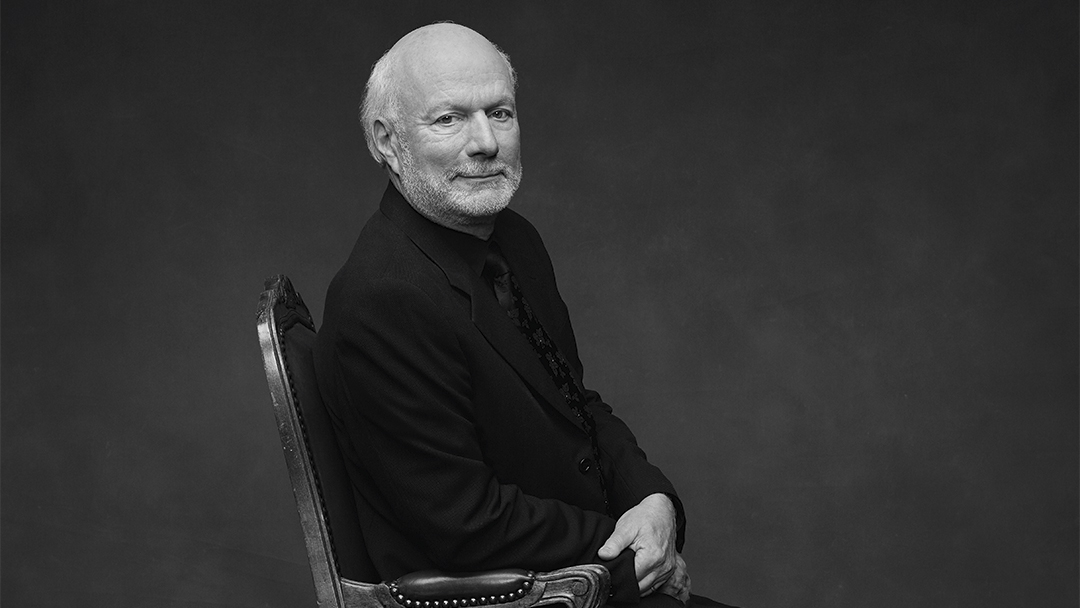
    James Burrows, Legendary TV Director Behind ‘Cheers’ and ‘Taxi,’ Dies at 85

    A Legacy of Laughter: The Enduring Impact of James Burrows

    James Burrows, the acclaimed television director and co-creator of the seminal sitcom ‘Cheers,’ died on June 19, 2026, at the age of 85. His career, spanning more than five decades, profoundly shaped the landscape of American television comedy. Burrows was instrumental in defining the multi-camera sitcom format, directing over 1,000 episodes for dozens of beloved series.

    His work established the visual language and comedic rhythm for many of the most successful and critically praised shows in television history. From the bustling bar of ‘Cheers’ to the iconic apartments of ‘Friends,’ Burrows’s directorial touch was unmistakable. He leaves behind a legacy of laughter, innovation, and enduring cultural impact.

    Early Life and Influences

    James Edward Burrows was born on December 30, 1940, in Los Angeles, California. He was the son of Abe Burrows, a celebrated Broadway playwright, director, and librettist. Abe Burrows co-authored and directed classics such as ‘Guys and Dolls’ and ‘How to Succeed in Business Without Really Trying.’

    Growing up in such a theatrically rich environment provided James with an early immersion in comedic structure and stagecraft. He attended Oberlin College and then the Yale School of Drama, where he honed his skills in directing and performance. This academic background, combined with his practical exposure to Broadway, laid a strong foundation for his future in television.

    Initially, Burrows pursued a career in theater, directing several plays. However, the burgeoning world of television beckoned, offering a new canvas for his talents. He found his entry point into the medium through a connection with a legendary production company.

    From Stage to Screen: The MTM Years

    Burrows began his television career in the early 1970s at MTM Enterprises, a production company renowned for its intelligent, character-driven comedies. MTM was home to groundbreaking shows like ‘The Mary Tyler Moore Show’ and ‘The Bob Newhart Show.’

    His first directorial credit was for an episode of ‘The Mary Tyler Moore Show’ in 1974. This experience proved pivotal, allowing him to learn from some of the best writers, actors, and producers in the business. He observed the meticulous crafting of comedic dialogue and the art of ensemble performance.

    He went on to direct multiple episodes of ‘The Bob Newhart Show,’ ‘Phyllis,’ and ‘Rhoda.’ These early experiences at MTM instilled in him a deep appreciation for strong writing, fully realized characters, and the collaborative nature of television production. The MTM ethos of quality and wit would become hallmarks of Burrows’s own work.

    The Birth of ‘Taxi’ and the Multi-Camera Master

    In 1978, Burrows joined forces with writers and producers James L. Brooks, Stan Daniels, David Davis, and Ed Weinberger to create ‘Taxi.’ This series, set in a New York City taxi garage, became an instant critical darling and a commercial success. Burrows directed the pilot episode, establishing the show’s unique blend of humor and pathos.

    ‘Taxi’ garnered numerous awards, including multiple Primetime Emmy Awards for Outstanding Comedy Series. Burrows himself won his first Emmy for directing an episode of ‘Taxi’ in 1980. The show’s distinctive visual style, often utilizing a single set for extended scenes, became a template for future multi-camera sitcoms.

    His work on ‘Taxi’ solidified his reputation as a master of the multi-camera format. He possessed an uncanny ability to block scenes, choreograph actor movements, and capture comedic beats within the confines of a three-walled set. This skill would become his signature.

    ‘Cheers’: A Cultural Phenomenon

    Perhaps Burrows’s most significant contribution came with the creation of ‘Cheers.’ In 1982, he co-created the series with brothers Glen and Les Charles. Set in a Boston bar where everybody knows your name, ‘Cheers’ became a cultural touchstone.

    Burrows directed all 275 episodes of the series, an unprecedented feat in television history. His consistent presence behind the camera ensured a singular vision and a remarkably cohesive comedic tone throughout its 11-season run. ‘Cheers’ explored themes of community, friendship, and the comfort of routine.

    The show was a critical and commercial juggernaut, winning 28 Primetime Emmy Awards, including four for Outstanding Comedy Series. Burrows personally won four Emmys for his direction on ‘Cheers.’ The series launched the careers of many actors, including Ted Danson, Shelley Long, Rhea Perlman, and Woody Harrelson.

    The Golden Age of Sitcoms: ‘Friends,’ ‘Frasier,’ and ‘Will & Grace’

    Following the immense success of ‘Cheers,’ Burrows continued his prolific career, directing pilots and numerous episodes for many of the most iconic sitcoms of the 1990s and early 2000s. His involvement in a pilot often served as a stamp of quality and a strong indicator of future success.

    • ‘Friends’: Burrows directed the pilot episode of ‘Friends’ in 1994, establishing the dynamic between the six young New Yorkers. He directed 15 episodes of the beloved series, helping to define its rapid-fire comedic style and the chemistry of its ensemble cast.
    • ‘Frasier’: A spin-off of ‘Cheers,’ ‘Frasier’ also benefited from Burrows’s touch. He directed the pilot and several subsequent episodes, ensuring a smooth transition for Kelsey Grammer’s character, Dr. Frasier Crane, to his new life in Seattle.
    • ‘Will & Grace’: Burrows directed every single episode of ‘Will & Grace’ during its original run (1998-2006) and returned for its revival (2017-2020), totaling 246 episodes. This sustained commitment to a single series, much like ‘Cheers,’ demonstrated his dedication and consistent directorial vision. He earned another Emmy for his work on ‘Will & Grace.’

    His ability to cultivate strong ensemble performances and to find the humor in relatable human situations made him the go-to director for network comedies. He had a reputation for working closely with actors, helping them refine their performances and comedic timing.

    A Director’s Touch: The Burrows Style

    James Burrows’s directorial style was characterized by several key elements:

    • Multi-Camera Mastery: He was a virtuoso of the multi-camera format, understanding how to utilize multiple cameras to capture reactions and maintain comedic rhythm.
    • Ensemble Chemistry: Burrows excelled at fostering strong chemistry among cast members, allowing each actor to shine while contributing to the overall group dynamic.
    • Pacing and Timing: His episodes were known for their impeccable comedic timing and brisk pacing, ensuring that jokes landed effectively.
    • Subtle Blocking: He used subtle yet effective blocking to enhance character interactions and visual gags, often without drawing attention to the direction itself.
    • Story-Driven Comedy: Burrows always emphasized the story and characters, believing that genuine humor emerged from well-developed narratives and relatable situations.

    His influence extended beyond the shows he directly worked on. Many directors and showrunners looked to Burrows’s work as a masterclass in sitcom production. He set a standard for quality and consistency in episodic television.

    Later Career and Enduring Influence

    Even in his later years, Burrows remained active and sought after. He directed episodes for a new generation of sitcoms, including ‘Two and a Half Men,’ ‘Mike & Molly,’ ‘The Big Bang Theory,’ and ‘Superior Donuts.’ His ability to adapt to changing comedic sensibilities while maintaining his core principles was remarkable.

    In 2016, a star-studded tribute special, ‘Must See TV: An All-Star Tribute to James Burrows,’ aired on NBC. It brought together casts from ‘Cheers,’ ‘Taxi,’ ‘Friends,’ ‘Frasier,’ ‘Will & Grace,’ and ‘The Big Bang Theory’ to honor his contributions. The event underscored the immense respect and affection he commanded within the industry.

    Burrows’s legacy is not just in the sheer volume of his work, but in the indelible mark he left on popular culture. His shows provided comfort, laughter, and a sense of shared experience for millions of viewers around the world. He was a craftsman who elevated the sitcom to an art form.

    Awards and Accolades

    Throughout his illustrious career, James Burrows was recognized with numerous awards for his directorial excellence. He won 11 Primetime Emmy Awards, making him one of the most awarded directors in television history. His Emmy wins included:

    • Outstanding Directing for a Comedy Series for ‘Taxi’ (1980)
    • Four Emmys for Outstanding Directing for a Comedy Series for ‘Cheers’ (1983, 1984, 1991, 1992)
    • Outstanding Directing for a Comedy Series for ‘Will & Grace’ (2000)

    He was also honored with the Directors Guild of America Award for Outstanding Directorial Achievement in a Comedy Series multiple times. His consistent ability to deliver critically acclaimed and audience-pleasing television set him apart.

    Burrows’s passing marks the end of an era. His vision shaped the genre, his dedication inspired countless professionals, and his work brought joy to generations. The lights of the fictional sets he brought to life may dim, but the laughter he orchestrated will echo for years to come.

    A director. A co-creator. A legend. A craftsman. A visionary. A life.

    Remembered.

  • Chris Pratt and Doris Kearns Goodwin Team Up for America 250 Comedy Series

    Chris Pratt and Doris Kearns Goodwin Team Up for America 250 Comedy Series

    Actor Chris Pratt and Pulitzer Prize-winning historian Doris Kearns Goodwin are set to star in a U.S. government-funded series of comedy shorts celebrating America’s 250th anniversary. The project, produced by the media company ATTN:, is a key component of the America250 initiative leading up to the nation’s semiquincentennial on July 4, 2026. This unexpected pairing aims to blend Pratt’s comedic appeal with Goodwin’s historical expertise to educate and entertain a broad audience about the founding of the United States.

    The America 250 Initiative Takes Shape

    The United States is preparing for a monumental milestone. July 4, 2026, marks the 250th anniversary of the signing of the Declaration of Independence. The U.S. Semiquincentennial Commission, established by Congress in 2016, is tasked with organizing the national observance. The nonpartisan initiative, known as America250, aims to engage all Americans in a multi-year commemoration of the nation’s history and its future.

    Funding for these projects comes from a mix of public and private sources. The federal government has allocated significant resources to ensure the celebration reaches every corner of the country. The strategy involves a diverse array of programs, from local community events to high-profile media campaigns. The goal is to foster a sense of shared identity and civic pride.

    The commission recognized early on that traditional historical documentaries might not capture the attention of younger demographics. They needed a fresh approach. They needed a bridge between rigorous historical scholarship and accessible, engaging content. This realization paved the way for innovative partnerships and creative storytelling formats.

    Enter ATTN: and the Strategy of Comedy

    ATTN:, a media company known for producing purpose-driven content, was selected to spearhead this particular project. Founded by Matthew Segal and Jarrett Moreno in 2014, ATTN: has built a reputation for breaking down complex issues into easily digestible, highly shareable videos. Their expertise in digital storytelling made them an ideal partner for the America250 commission.

    The decision to use comedy as a vehicle for historical education is strategic. Humor disarms viewers. It makes dense historical facts more palatable. It encourages sharing on social media platforms, amplifying the reach of the message. The shorts format is specifically designed for the attention spans of modern audiences, optimized for platforms like TikTok, Instagram Reels, and YouTube Shorts.

    ATTN:’s approach involves taking well-known historical events and figures and presenting them through a contemporary, comedic lens. The challenge is maintaining historical accuracy while delivering punchlines. This requires a delicate balance, ensuring the comedy enhances rather than undermines the educational value of the content.

    The Unlikely Duo: Pratt and Goodwin

    The casting of Chris Pratt and Doris Kearns Goodwin is the centerpiece of the series. Chris Pratt, known for his roles in “Parks and Recreation,” “Guardians of the Galaxy,” and “Jurassic World,” brings immense star power and a proven track record in comedy. His everyman persona and relatable humor make him an effective conduit for reaching a mass audience.

    Doris Kearns Goodwin provides the intellectual anchor. A former White House fellow and author of seminal works like “Team of Rivals” and “The Bully Pulpit,” Goodwin is one of the most respected historians in the country. Her presence lends credibility and gravitas to the project. She ensures the historical narratives presented in the comedy shorts are rooted in fact.

    The dynamic between the two is expected to drive the narrative. Pratt will likely play the role of the enthusiastic but perhaps misguided learner, while Goodwin will serve as the knowledgeable guide, correcting misconceptions and providing historical context. This classic comedic structure, the straight man and the foil, is a proven formula for engaging storytelling.

    The Mechanics of the Comedy Shorts

    The series will consist of multiple short-form videos. Each episode will tackle a specific theme or event from American history. The topics will range from the drafting of the Constitution to lesser-known anecdotes about the Founding Fathers. The production values are expected to be high, reflecting the significance of the America250 initiative.

    The shorts will be distributed across various digital platforms. The strategy is to meet audiences where they are. Rather than requiring viewers to tune into a specific television network at a specific time, the content will be pushed directly to their social media feeds. This decentralized distribution model is essential for maximizing reach and impact.

    The scripts are being developed by a team of comedy writers in consultation with historical experts. This collaborative process ensures the jokes land without sacrificing historical accuracy. The writers must navigate the complexities of American history, addressing both the triumphs and the contradictions of the nation’s founding.

    The Role of Government Funding in Media

    The U.S. government’s funding of this project highlights a growing recognition of the power of media in shaping public perception and civic engagement. While government-funded media is not a new concept, the Corporation for Public Broadcasting has been a staple since 1967, the direct involvement in a digital-first, celebrity-driven comedy series represents a shift in strategy.

    The investment reflects an understanding that traditional methods of civic education are no longer sufficient. To engage a modern, fragmented audience, the government must utilize the tools and platforms of contemporary media. This involves partnering with private companies like ATTN: and leveraging the influence of celebrities like Chris Pratt.

    The funding of the America250 initiative has drawn scrutiny, as is typical with public expenditures. However, proponents argue that the investment is necessary to ensure a meaningful and inclusive national celebration. They view the project as an essential effort to foster national unity and promote a shared understanding of American history.

    The Cultural Impact of Celebrity Endorsement

    Chris Pratt’s involvement in the America250 project is significant. Celebrity endorsements have long been used to promote causes and initiatives. However, Pratt’s specific brand of patriotism and his appeal to a broad cross-section of Americans make him a particularly effective spokesperson for this endeavor.

    Pratt has frequently expressed his appreciation for the military and his pride in American values. His public persona aligns well with the goals of the America250 commission. By lending his name and face to the project, he brings visibility and mainstream appeal to an initiative that might otherwise struggle to capture public attention.

    The pairing with Doris Kearns Goodwin further elevates the project. It signals that the series is not just a superficial celebrity vanity project, but a serious effort to educate and inform. The combination of star power and intellectual rigor is designed to maximize both reach and impact.

    Looking Ahead to 2026

    As the nation approaches its 250th anniversary, the America250 initiative will continue to roll out new programs and partnerships. The comedy shorts series starring Chris Pratt and Doris Kearns Goodwin is just one piece of a much larger puzzle. It represents an innovative approach to historical education, utilizing humor, star power, and digital distribution to engage a modern audience.

    The success of the project will be measured not just by view counts, but by its ability to spark conversations about American history and civic identity. The goal is to inspire a deeper understanding of the nation’s founding principles and the ongoing work of building a more perfect union. The legacy of the America250 celebration will depend on its ability to connect with Americans from all walks of life.

    The effort continues. The scripts are written. The cameras roll. The history is framed. The punchlines are delivered. The nation prepares.

    America250.

  • Rick Baker to Receive Locarno Honorary Award – Celebrating a Special Effects Makeup Legend

    Rick Baker to Receive Locarno Honorary Award – Celebrating a Special Effects Makeup Legend

    The Legacy of a Master Craftsman

    Rick Baker, the visionary special effects makeup artist responsible for the groundbreaking transformations in films such as 1981’s An American Werewolf in London and the iconic creatures of Michael Jackson’s 1983 music video Thriller, is slated to receive a prestigious honorary award from the Locarno Film Festival in 2026. This recognition acknowledges a career characterized by innovation and a profound impact on the visual language of cinema and popular culture. Baker’s work set new standards for creature design and practical effects, influencing generations of filmmakers and artists.

    His contributions transcended mere makeup application. Baker engineered complex animatronics, developed advanced prosthetics, and pioneered techniques that blurred the line between human and monster. The Locarno Film Festival’s decision highlights the enduring artistic and technical significance of his filmography.

    Early Beginnings and Mentorship

    Richard A. Baker was born on December 8, 1950, in Binghamton, New York. His fascination with monsters and special effects began at a young age. He spent his childhood experimenting with makeup and monster creation, inspired by classic horror films and the work of makeup legends like Jack Pierce.

    Baker’s early career saw him working on low-budget independent films. He gained significant experience and made crucial connections within the burgeoning special effects community. A pivotal moment came when he began assisting makeup artist Dick Smith, known for his revolutionary work on films such as The Exorcist (1973) and Little Big Man (1970). Smith became a mentor, sharing techniques and insights that would prove invaluable to Baker’s development.

    This mentorship allowed Baker to refine his craft. He learned about sculpting, molding, and the application of complex prosthetics. His dedication to realism and his meticulous attention to detail quickly became his trademarks.

    Breakthrough with An American Werewolf in London

    The year 1981 marked a turning point for Rick Baker with the release of John Landis’s horror-comedy An American Werewolf in London. Baker’s work on the werewolf transformation sequence was unprecedented. Instead of using traditional stop-motion or quick cuts, Landis opted for an on-screen, in-camera metamorphosis.

    Baker’s team achieved this using intricate animatronics, inflatable prosthetics, and carefully choreographed movements. The scene, depicting David Kessler’s agonizing transformation into a wolf, captivated audiences and critics alike. It redefined what was possible in practical special effects.

    The Academy of Motion Picture Arts and Sciences recognized this achievement. Baker received the inaugural Academy Award for Best Makeup in 1982 for his work on the film. This Oscar cemented his status as a leading figure in the industry and opened doors for more ambitious projects.

    The Cultural Phenomenon of Thriller

    Two years after his Oscar win, Baker collaborated with Michael Jackson and director John Landis again on the music video for Thriller (1983). This 14-minute short film became a cultural touchstone. Baker’s makeup transformed Jackson and a cast of dancers into zombies and a werewolf.

    The video’s narrative, combined with Baker’s practical effects, created an immersive horror experience. The transformations and creature designs were seamless, contributing significantly to the video’s enduring popularity and critical acclaim. Thriller broke barriers for music videos, proving they could be cinematic events.

    The success of Thriller introduced Baker’s work to a global audience far beyond traditional filmgoers. It showcased the power of makeup effects in a new medium and solidified his reputation as a master of monster creation.

    A Prolific Career: From Apes to Aliens

    Rick Baker’s career continued to flourish, earning him six more Academy Awards for Best Makeup. His filmography is extensive and diverse, showcasing his versatility and innovative spirit.

    Key Films and Awards:

    • Harry and the Hendersons (1987): Baker won his second Oscar for creating the lovable Bigfoot character, Harry. The suit was highly expressive and allowed actor Kevin Peter Hall to convey a range of emotions.
    • Ed Wood (1994): His work on transforming Martin Landau into Bela Lugosi earned him another Academy Award. This project showcased his ability to recreate historical figures with accuracy and nuance.
    • The Nutty Professor (1996): Baker transformed Eddie Murphy into multiple characters, including the obese Professor Sherman Klump and several members of his family. This intricate work earned him his fourth Oscar.
    • Men in Black (1997): He designed and created numerous alien creatures for this science fiction comedy, winning his fifth Academy Award. The film featured a wide array of practical alien effects.
    • How the Grinch Stole Christmas (2000): Baker’s elaborate Grinch makeup, worn by Jim Carrey, earned him his sixth Oscar. The design brought Dr. Seuss’s iconic character to live-action.
    • The Wolfman (2010): Baker revisited the werewolf genre, winning his seventh and final Academy Award for his work on this remake. The film featured a blend of practical and digital effects.

    Beyond these award-winning projects, Baker contributed to numerous other notable films. He designed the cantina creatures in Star Wars: Episode IV – A New Hope (1977), though uncredited. He also worked on Greystoke: The Legend of Tarzan, Lord of the Apes (1984), Gorillas in the Mist (1988), and Tim Burton’s Planet of the Apes (2001).

    The Art of Practical Effects in a Digital Age

    As the film industry transitioned towards digital effects in the late 20th and early 21st centuries, Rick Baker remained a staunch advocate for practical makeup effects. He often argued that physical creations offered a tangibility and realism that computer-generated imagery (CGI) struggled to replicate.

    However, Baker also adapted, integrating digital techniques where appropriate. He understood that the future of special effects lay in a hybrid approach. His later work often combined his prosthetic artistry with digital enhancements, creating seamless illusions.

    Baker officially retired from large-scale film work in 2015. He expressed frustration with the industry’s increasing reliance on CGI and the diminishing budgets and timelines for practical effects. Despite his retirement, his influence continues to be felt. Many contemporary makeup artists and creature designers cite him as a primary inspiration.

    The Locarno Film Festival: A Platform for Cinematic Excellence

    The Locarno Film Festival is an annual international film festival held every August in Locarno, Switzerland. Established in 1946, it is one of the oldest and most prestigious film festivals in the world. The festival is known for its open-air screenings in the Piazza Grande, which can accommodate up to 8,000 spectators.

    The festival’s honorary awards celebrate individuals who have made extraordinary contributions to cinema. Previous recipients include legendary directors, actors, and technicians. Honoring Rick Baker underscores the festival’s recognition of the artistry and technical innovation within the field of special effects makeup.

    The award ceremony for Rick Baker will take place during the 2026 edition of the festival. It will likely include a retrospective of his work and a masterclass, allowing attendees to gain insight into his creative process and techniques.

    The Enduring Impact

    Rick Baker’s impact on cinema is immeasurable. He elevated the craft of special effects makeup from a technical necessity to an art form. His creatures and transformations are not merely frightening or fantastical; they are often imbued with character and emotional depth.

    His work on films like An American Werewolf in London demonstrated that practical effects could achieve levels of realism and grotesqueness previously thought impossible. His collaboration on Thriller proved the widespread appeal and cultural power of well-executed monster makeup.

    Baker’s legacy is evident in the work of countless artists who followed in his footsteps. His dedication to pushing boundaries, his meticulous approach, and his passion for monsters continue to inspire. The Locarno honorary award serves as a fitting tribute to a true cinematic legend.

    A childhood fascination. A dedicated mentorship. Groundbreaking techniques. Iconic creatures. Unprecedented transformations. A lasting legacy. Locarno.

    FAQ Section

  • Kelsey Grammer to Host ‘The Great American Journey’ on NBC – A New Chapter for the Emmy Winner

    Kelsey Grammer to Host ‘The Great American Journey’ on NBC – A New Chapter for the Emmy Winner

    Kelsey Grammer, the acclaimed actor known globally for his portrayal of Dr. Frasier Crane, will host ‘The Great American Journey,’ a new series set to air on NBC. This program, produced by Hearst Television, will embark on an exploration of American historical landmarks, cultural phenomena, and significant national stories.

    The announcement positions Grammer, a veteran of stage and screen, in a central role for a project focused on national heritage. His distinctive voice and commanding presence are expected to guide viewers through various narratives spanning the breadth of U.S. history. The series aims to deliver both educational value and compelling entertainment.

    What looks like a straightforward hosting gig actually represents a continuation of Grammer’s diverse career. His involvement brings a recognizable and respected figure to a program dedicated to exploring the intricacies of the American experience.

    Grammer’s Enduring Legacy: From ‘Cheers’ to ‘Frasier’

    Kelsey Grammer’s career is marked by iconic television roles that have garnered critical acclaim and widespread popularity. Born on February 21, 1955, in Saint Thomas, U.S. Virgin Islands, Grammer developed an early interest in acting. He attended the Juilliard School but left to pursue professional opportunities.

    His breakthrough came in 1984 with the role of Dr. Frasier Crane on the NBC sitcom ‘Cheers.’ What began as a recurring character quickly evolved into a central figure. Frasier Crane was a highly educated, somewhat pompous, but ultimately endearing psychiatrist.

    The character’s popularity led to a spin-off series, ‘Frasier,’ which premiered in 1993. This show, also on NBC, followed Dr. Crane’s return to his hometown of Seattle. There, he became a radio psychiatrist and navigated a complex relationship with his father and brother.

    ‘Frasier’ ran for 11 seasons, concluding in 2004. The series earned Grammer four Emmy Awards for Outstanding Lead Actor in a Comedy Series. This achievement tied him with Carroll O’Connor for the most Emmys won for playing the same character.

    Beyond ‘Frasier,’ Grammer has lent his voice to numerous animated characters, including Sideshow Bob on ‘The Simpsons.’ He has also appeared in films such as ‘Down Periscope’ (1996) and ‘X-Men: The Last Stand’ (2006), where he played Beast.

    Grammer’s stage career is equally distinguished. He has performed in various Broadway productions, earning a Tony Award nomination for his role in ‘La Cage aux Folles’ in 2010. His versatility across different mediums underscores his enduring appeal in the entertainment industry.

    ‘The Great American Journey’: A Hearst Television Production

    ‘The Great American Journey’ is a Hearst Television production. Hearst Television is a prominent American broadcasting company. It owns and operates 35 television stations and two radio stations across 27 media markets.

    The company is known for its local news and investigative journalism. It also produces syndicated programming. Its stations reach approximately 21% of U.S. households.

    The partnership with NBC for ‘The Great American Journey’ signifies a strategic move. It aims to bring high-quality, nationally relevant content to a broad audience. Hearst’s production capabilities will be central to the series’ visual and narrative quality.

    The series will leverage Hearst’s extensive network and resources. This includes potential access to local historical archives and community insights. Such resources can enrich the storytelling of ‘The Great American Journey.’

    What Will ‘The Great American Journey’ Explore?

    The series is designed to be an immersive exploration of American history and culture. It will likely feature visits to iconic landmarks. These could include national parks, historical battlefields, and significant urban centers.

    Beyond geographical locations, the show is expected to delve into specific historical events. It may examine the American Revolution, the Civil Rights Movement, or the westward expansion. The narratives will aim to illuminate the people and ideas that shaped the nation.

    Cultural elements will also be a focus. This might include regional traditions, music, art, and culinary heritage. The goal is to present a multifaceted view of American identity.

    Grammer’s role as host will involve guiding viewers through these explorations. His commentary and interviews with historians, experts, and local residents will provide context. The series intends to make history accessible and engaging for all demographics.

    “America’s story is one of constant evolution, marked by both triumphs and challenges. This series offers a chance to reflect on our shared past and understand its impact on our present.” – A representative from Hearst Television.

    The program’s format will likely blend documentary-style footage with Grammer’s on-location narratives. This approach seeks to create a personal connection between the host, the history, and the audience.

    The Appeal of Nostalgia and New Ventures

    Kelsey Grammer’s continued presence on television taps into a powerful sense of nostalgia for many viewers. His roles as Frasier Crane are deeply ingrained in popular culture. This familiarity provides a built-in audience for his new endeavors.

    For fans of ‘Cheers’ and ‘Frasier,’ seeing Grammer in a new, substantive role offers a comforting continuity. It also presents an opportunity to see a beloved actor explore new creative territory.

    ‘The Great American Journey’ represents a departure from his comedic and dramatic acting roles. As a host, Grammer will rely on his intellectual curiosity and ability to connect with an audience. These qualities were evident in his previous character portrayals.

    The show’s theme of American history aligns with a broader public interest in national identity and heritage. This confluence of a respected host and a resonant topic creates significant anticipation for the series.

    This venture also reflects a trend in television. Established actors are increasingly taking on hosting and documentary roles. This allows them to engage with different subject matters while maintaining a public profile.

    Grammer’s Political Engagements and Public Persona

    Kelsey Grammer has also been publicly vocal about his political views. A registered Republican, he has expressed conservative stances on various issues. This aspect of his public persona has occasionally generated discussion.

    His political engagements include supporting Republican candidates and causes. He has appeared at events and shared his opinions in interviews. This openness about his political leanings distinguishes him from some peers in Hollywood.

    Despite his political affiliations, Grammer’s professional reputation as an actor has largely transcended partisan divides. His performances are widely recognized for their quality, regardless of his personal beliefs.

    For ‘The Great American Journey,’ his role as host will likely emphasize a neutral, inquisitive approach to historical topics. The focus will remain on the narratives of the past, rather than contemporary political discourse.

    His ability to maintain a respected professional standing while holding strong personal convictions speaks to his broad appeal. It also highlights the distinction between an artist’s work and their private life.

    The Future of Historical Programming on Network Television

    ‘The Great American Journey’ joins a landscape of increasing interest in historical and educational programming. Streaming services and cable channels have seen success with similar content. NBC’s entry into this space with a prominent host signifies a network commitment.

    The series has the potential to attract viewers who seek both entertainment and knowledge. It can serve as a counterpoint to reality television and scripted dramas. It offers a different kind of engagement with the screen.

    The success of this program could pave the way for more historical and documentary series on major networks. It could demonstrate the viability of such content in prime-time slots.

    Hearst Television’s production quality, combined with Grammer’s hosting, positions the series for broad appeal. It aims to inspire curiosity and foster a deeper understanding of the United States’ complex past.

    The program represents an investment in educational content. It acknowledges that a significant segment of the audience values learning through television. This move could influence future programming decisions across the industry.

    A Journey Begins

    Anticipation builds for the premiere of ‘The Great American Journey.’ Viewers await the insights. Historians await the narratives. The nation awaits the reflection. Kelsey Grammer embarks.

    America.

    FAQ

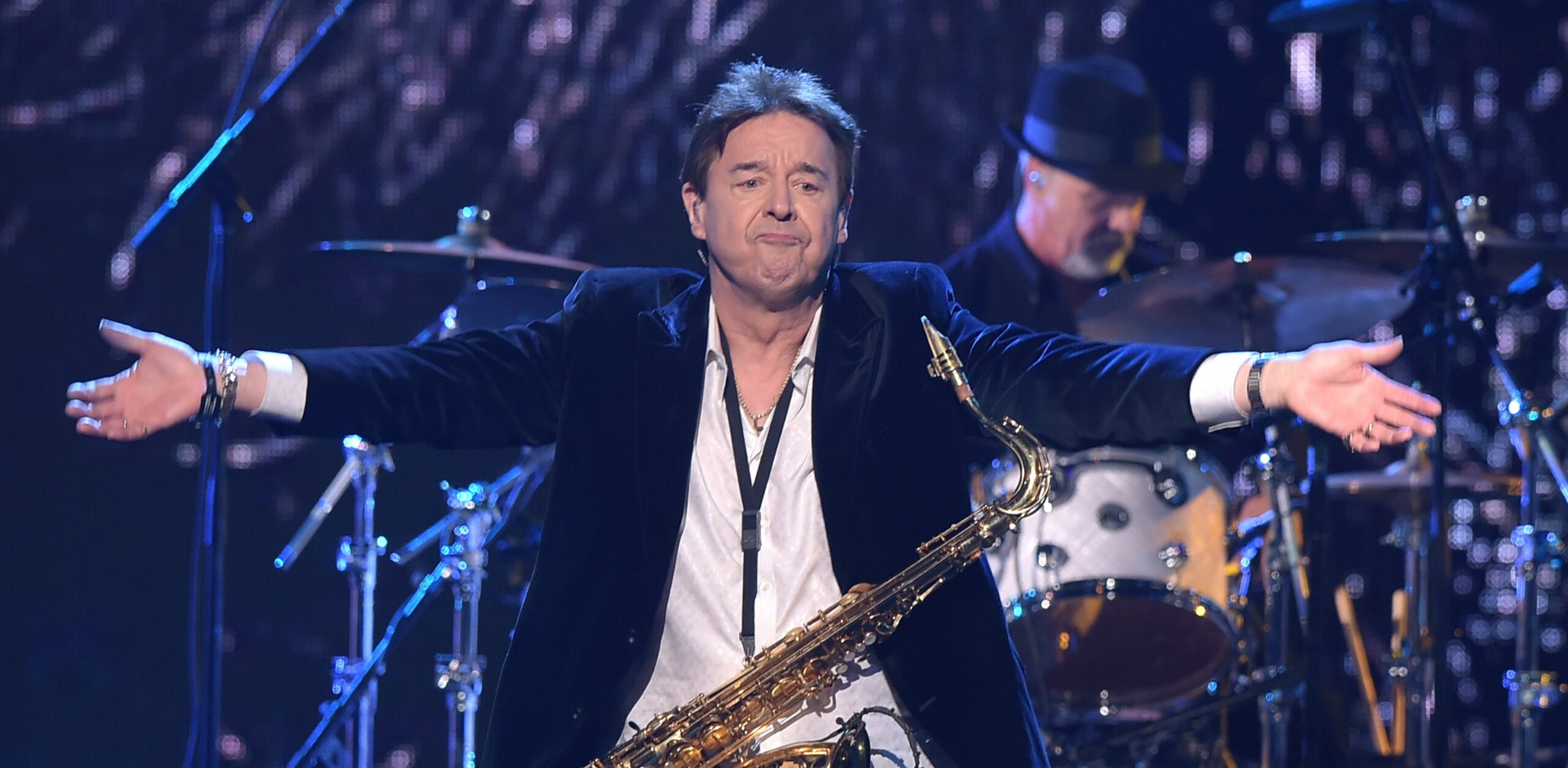
  • Walter Parazaider, Founding Member of Chicago, Dies at 81 – A Legacy of Horn-Driven Rock

    Walter Parazaider, Founding Member of Chicago, Dies at 81 – A Legacy of Horn-Driven Rock

    Walter Parazaider, a co-founder and the distinctive saxophonist of the legendary rock band Chicago, passed away at the age of 81. His death marks a significant moment for fans and the music industry, acknowledging the loss of a musician whose contributions were central to one of the most commercially successful and enduring American bands of all time.

    Parazaider’s journey began in Chicago, Illinois, where his classical training on clarinet and flute laid the groundwork for a revolutionary approach to rock music. He envisioned a band that merged rock and roll’s raw energy with the sophisticated arrangements of jazz and classical horns. This vision ultimately materialized into Chicago’s iconic sound.

    The Genesis of a Musical Revolution

    The story of Chicago began in 1967. Walter Parazaider, along with guitarist Terry Kath and drummer Danny Seraphine, formed a trio. Their shared musical aspirations quickly expanded their lineup.

    Parazaider recruited his college friends, trumpeter Lee Loughnane and trombonist James Pankow. These three horn players would become the brassy backbone of the band. Bassist Peter Cetera and keyboardist Robert Lamm completed the original septet.

    Initially, the group was known as The Big Thing. They quickly honed their unique blend of rock, jazz, and R&B. Their ambitious sound and complex arrangements set them apart from other bands of the era.

    From The Big Thing to Chicago Transit Authority

    In 1968, the band relocated to Los Angeles. They signed with Columbia Records. Producer James William Guercio recognized their potential. He suggested a name change to Chicago Transit Authority.

    Their debut album, a double LP also titled ‘Chicago Transit Authority,’ was released in 1969. It was a groundbreaking record. It featured extended instrumental passages and socially conscious lyrics. The album achieved critical acclaim and commercial success. It included hits like ‘Does Anybody Really Know What Time It Is?’ and ‘Beginnings.’

    The name ‘Chicago Transit Authority’ was shortened to simply ‘Chicago’ after the actual Chicago Transit Authority threatened legal action. This simpler name became synonymous with a new genre of music.

    Walter Parazaider’s Instrumental Role

    Walter Parazaider’s contributions extended beyond his saxophone playing. He was a driving force behind the band’s initial formation and its unique instrumentation. His classical background provided a crucial foundation for the horn section’s intricate arrangements.

    He primarily played tenor saxophone, but his versatility on flute and clarinet added layers of texture to Chicago’s sound. His flute solos, in particular, became a signature element on many of their ballads and softer rock tracks.

    The horn section, featuring Parazaider, Loughnane, and Pankow, was not merely an accompaniment. It was an integral part of Chicago’s identity. Their dynamic interplay and powerful brass arrangements distinguished Chicago from other rock bands.

    A Consistent Presence Through Decades

    Parazaider remained a constant presence in Chicago for over five decades. He performed on every album from their debut in 1969 through ‘Chicago XXXVI: Now’ in 2014. His distinctive sound was a hallmark of their evolution.

    Even as band members changed over the years, Parazaider, Loughnane, and Pankow maintained the core of the horn section. This consistency contributed significantly to the band’s enduring appeal and recognizable sound.

    He was known for his calm demeanor and dedication to the music. His stage presence was understated but essential. He was a foundational pillar of the band’s live performances.

    The Legacy of Chicago: Sales and Accolades

    Chicago’s commercial success is staggering. They have sold over 100 million records worldwide, making them one of the best-selling music artists of all time. Their discography includes 23 gold, 18 platinum, and 8 multi-platinum albums.

    The band holds the distinction of being the first American band to chart albums in the Top 40 for five decades. Their extensive catalog includes a remarkable string of hit singles and albums that spanned multiple musical genres.

    Chart-Topping Hits and Grammy Recognition

    Chicago produced numerous Top 10 hits. These include ’25 or 6 to 4,’ ‘Colour My World,’ ‘Saturday in the Park,’ ‘Feelin’ Stronger Every Day,’ ‘If You Leave Me Now,’ ‘Hard to Say I’m Sorry,’ and ‘You’re the Inspiration.’

    Their ballad ‘If You Leave Me Now’ earned them a Grammy Award for Best Pop Vocal Performance by a Duo, Group or Chorus in 1977. This marked a significant achievement in their storied career.

    The band was inducted into the Rock and Roll Hall of Fame in 2016. Walter Parazaider, as a founding member, was honored for his profound impact on music history. The induction celebrated their innovative sound and lasting influence.

    “Walter was the first one to say, ‘Let’s put a band together with horns.’ He had that vision.” – Robert Lamm, founding member of Chicago.

    Later Years and Enduring Influence

    In 2017, Walter Parazaider announced his retirement from extensive touring. Health issues, including a diagnosis of vascular dementia, necessitated a reduced schedule. He still occasionally joined the band for special performances.

    Parazaider’s retirement from touring marked a transition for the band. However, he remained an official member. His spirit and musical vision continued to inspire the group.

    His influence on subsequent generations of musicians is undeniable. Chicago’s unique blend of rock and horn arrangements paved the way for many bands. They demonstrated that complex musicality could coexist with mainstream appeal.

    A Musical Pioneer

    Walter Parazaider was more than a saxophonist. He was a musical pioneer. He helped create a sound that defied categorization. His commitment to blending classical precision with rock and roll passion forged a new path.

    His legacy is etched in the grooves of countless records. It resonates in the memories of millions of fans. His passing is a moment of reflection on a career that shaped the landscape of American popular music.

    The band Chicago continues to tour and record, carrying forward the torch ignited by Parazaider and his fellow founders. Their music remains a testament to his original vision.

    The Enduring Sound of Chicago

    The music of Chicago continues to be broadcast on radio stations worldwide. Their songs are featured in films and television shows. New generations discover their extensive catalog.

    The band’s commitment to live performance has kept their sound vibrant. They have maintained a rigorous touring schedule for decades. This dedication has allowed their music to reach a global audience.

    Walter Parazaider’s vision for a horn-driven rock band was audacious. It was revolutionary. It created a sound that defined an era.

    Fans mourn. Musicians remember. History acknowledges.

    Chicago.

    FAQ Section

    • What role did Walter Parazaider play in the band Chicago?
      Walter Parazaider was a founding member, saxophonist, flutist, and clarinetist for the band Chicago. He was instrumental in forming the group and defining its signature horn-driven rock sound.
    • When did Walter Parazaider pass away?
      Walter Parazaider passed away at the age of 81. The specific date of his passing is reported as June 25, 2024.
    • What was Chicago originally called?
      The band Chicago was originally formed in 1967 under the name The Big Thing. They later changed their name to Chicago Transit Authority before settling on simply Chicago.
    • What instruments did Walter Parazaider play?
      Walter Parazaider primarily played the tenor saxophone, but he was also proficient on the flute and clarinet, all of which contributed to Chicago’s unique sound.
    • Is Chicago in the Rock and Roll Hall of Fame?
      Yes, the band Chicago, including Walter Parazaider as a founding member, was inducted into the Rock and Roll Hall of Fame in 2016.

  • Tom Dreesen, Stand-Up Comedian and Frank Sinatra Opener, Dies at 86

    Tom Dreesen, Stand-Up Comedian and Frank Sinatra Opener, Dies at 86

    Tom Dreesen, the venerable stand-up comedian who became a staple opener for Frank Sinatra’s concerts, died at the age of 86. His passing marks the end of an era for a performer whose career spanned more than five decades, leaving an indelible mark on American comedy and entertainment.

    Dreesen’s journey from humble beginnings to sharing stages with music legends defined much of his public persona. He was a comedian’s comedian, respected by his peers for his consistent professionalism and engaging stage presence.

    Early Life and Formative Years

    Thomas Dreesen was born on July 11, 1939, in Harvey, Illinois. His childhood was characterized by working-class struggles. He often spoke of his early life, including periods of poverty and working various odd jobs to support his family.

    These experiences later informed much of his comedic material. His ability to connect with audiences stemmed from his relatable background and his observations on everyday life.

    Dreesen served in the United States Navy, an experience that further shaped his discipline and worldview. Upon returning to civilian life, he began to explore his burgeoning interest in comedy.

    The Rise of ‘Tim and Tom’

    In 1969, Tom Dreesen teamed up with Tim Reid to form the groundbreaking comedy duo ‘Tim and Tom.’ This partnership was notable as one of the first successful biracial comedy teams in American history.

    Their act was a blend of social commentary and observational humor. They addressed racial stereotypes and societal issues with a unique blend of wit and insight.

    The duo achieved significant recognition, performing on national television shows like ‘The Tonight Show Starring Johnny Carson’ and ‘The Merv Griffin Show.’ They toured extensively, building a loyal following across the country.

    Despite their success, ‘Tim and Tom’ eventually disbanded in 1976. Both Dreesen and Reid pursued successful solo careers, with Reid going on to star in television series such as ‘WKRP in Cincinnati’ and ‘Simon & Simon.’

    A Solo Career Takes Flight

    Following the split from Tim Reid, Tom Dreesen embarked on a solo stand-up career. He quickly established himself as a polished and reliable performer.

    His style was characterized by clean, observational humor, often drawing from his life experiences and interactions with people. He avoided overtly political or controversial topics, opting instead for universal themes.

    Dreesen’s consistent quality and affable stage presence made him a favorite in comedy clubs and on television. He became a frequent guest on late-night talk shows, solidifying his reputation as a national comedic talent.

    The Tonight Show Regular

    Dreesen’s appearances on ‘The Tonight Show Starring Johnny Carson’ were particularly impactful. He made over 50 appearances on the iconic program.

    These spots provided him with immense national exposure. Carson himself was known for his discerning taste in comedians, and Dreesen’s repeated invitations were a testament to his skill.

    His segments often featured anecdotes and punchlines that resonated with a broad American audience. ‘The Tonight Show’ was a crucial platform for stand-up comedians during that era, and Dreesen maximized its potential.

    Opening for Frank Sinatra

    The defining chapter of Tom Dreesen’s career began in 1983 when he was personally chosen by Frank Sinatra to be his opening act. This partnership would last for 14 years.

    Dreesen performed more than 300 shows with Sinatra, touring across the United States and internationally. He became an integral part of Sinatra’s live performances, warming up audiences for ‘Ol’ Blue Eyes.’

    This role placed Dreesen in front of massive audiences in prestigious venues worldwide. He often recounted stories of his time with Sinatra, highlighting the legendary singer’s generosity and demanding professionalism.

    The experience provided Dreesen with unparalleled exposure and solidified his status within the entertainment industry. He became known as ‘Sinatra’s favorite comedian.’

    Life on the Road with a Legend

    Touring with Frank Sinatra was an education in itself. Dreesen observed Sinatra’s meticulous approach to performance and his deep connection with his audience.

    He learned the intricacies of performing in large arenas and theaters. The camaraderie and unique experiences shared on the road became fodder for Dreesen’s later anecdotes and memoirs.

    Dreesen maintained a close friendship with Sinatra until the singer’s death in 1998. Their bond extended beyond the stage, reflecting a mutual respect and admiration.

    Beyond the Stage: Film and Television

    While stand-up comedy remained his primary focus, Tom Dreesen also ventured into acting. He appeared in numerous films and television series throughout his career.

    His film credits include roles in ‘Spaceballs’ (1987), directed by Mel Brooks, where he played a ‘Barf’ character’s cousin. He also appeared in ‘The Man in the Moon’ (1991) and ‘Trouble with the Curve’ (2012).

    On television, Dreesen made guest appearances on popular shows such as ‘Columbo,’ ‘Murder, She Wrote,’ and ‘The Jeffersons.’ These roles showcased his versatility as a performer.

    He also hosted various television specials and telethons, further expanding his reach beyond the stand-up stage. His presence was always characterized by a warm, engaging demeanor.

    Legacy and Impact

    Tom Dreesen’s legacy is multifaceted. He was a pioneer in biracial comedy, a trusted opener for one of the greatest entertainers of all time, and a consistently funny and relatable stand-up comedian.

    He published a memoir titled ‘Still Standing: My Journey from Streets and Slums to Stages and Stadiums’ in 2018. The book detailed his life story, from his challenging childhood to his encounters with Hollywood’s elite.

    Dreesen’s dedication to his craft and his ability to maintain relevance across changing comedic landscapes are hallmarks of his career. He was a testament to perseverance and hard work in a competitive industry.

    He received numerous accolades throughout his life, including induction into the Illinois Broadcasters Hall of Fame. His contributions to comedy and entertainment are widely recognized.

    A Comedian’s Comedian

    Dreesen was known for his generosity towards younger comedians. He often offered advice and encouragement to emerging talents.

    His professionalism was legendary. He consistently delivered polished performances, whether in a small club or a grand arena.

    His clean style of humor ensured his appeal to a wide demographic. He proved that laughter could be generated without resorting to shock value or vulgarity.

    Audiences laughed. Peers respected. Legends endorsed. Sinatra.

    FAQ Section

    • What was Tom Dreesen best known for?
      Tom Dreesen was best known for his long and successful career as a stand-up comedian, particularly for opening over 300 concerts for Frank Sinatra during a 14-year period from 1983 to 1997. He also gained recognition as part of the biracial comedy duo ‘Tim and Tom’ in the 1970s.
    • How old was Tom Dreesen when he died?
      Tom Dreesen died at the age of 86. He was born on July 11, 1939.
    • What was the comedy duo Tom Dreesen was a part of?
      Tom Dreesen was a part of the pioneering biracial comedy duo ‘Tim and Tom’ with Tim Reid. They formed the duo in 1969 and achieved national recognition before disbanding in 1976.
    • Did Tom Dreesen write a memoir?
      Yes, Tom Dreesen published a memoir titled ‘Still Standing: My Journey from Streets and Slums to Stages and Stadiums’ in 2018. The book chronicles his life and career in entertainment.
    • How many times did Tom Dreesen appear on ‘The Tonight Show’?
      Tom Dreesen made over 50 appearances on ‘The Tonight Show Starring Johnny Carson,’ establishing himself as a frequent and popular guest on the program.

  • The Unexpected Resurgence of Rush – How a ‘Fifty Something’ Band Became a Hipster Phenomenon

    The Unexpected Resurgence of Rush – How a ‘Fifty Something’ Band Became a Hipster Phenomenon

    In 2026, the Canadian progressive rock band Rush experienced an unexpected and highly successful comeback, marked by a triumphant performance at the Kia Forum. This resurgence captivated both their loyal, established fanbase and a surprising new demographic of younger ‘hipster’ enthusiasts, who embraced the band’s complex musicality and lyrical depth, redefining Rush’s cultural footprint decades after their initial rise to prominence.

    The band, known for its intricate compositions, philosophical lyrics, and virtuosic musicianship, had largely been considered a legacy act. Their 2026 return to the stage, however, demonstrated a remarkable ability to transcend generational divides. This unexpected embrace by a younger audience signaled a significant shift in contemporary music appreciation.

    What began as a nostalgic tour quickly evolved into a cultural phenomenon. Critics and fans alike noted a fresh energy in the band’s performances. This renewed vigor was, in part, attributed to the inclusion of a substitute drummer, who brought a new dynamic to the classic Rush sound.

    The Genesis of a Comeback: More Than Nostalgia

    The idea of Rush returning to the stage, particularly after the passing of drummer Neil Peart in 2020, seemed unlikely to many. Peart’s intricate drumming style and profound lyrics were integral to the band’s identity. His death marked what many believed to be the definitive end of Rush as a touring entity.

    However, discussions began quietly in late 2024. Geddy Lee and Alex Lifeson, the surviving members, explored various possibilities. They aimed to honor Peart’s legacy while also creating something new.

    The decision to tour in 2026 was not made lightly. It involved careful consideration of musical integrity and fan expectations. The goal was to celebrate the band’s extensive catalog, not to replicate past performances exactly.

    The announcement of a limited tour in early 2025 generated immediate buzz. Initial reactions from long-time fans were mixed, balancing excitement with apprehension about a lineup change. The focus remained on the enduring power of Rush’s music.

    Finding the Right Beat: A New Drummer Emerges

    The selection of a substitute drummer was a critical component of the comeback. The individual chosen faced the immense challenge of stepping into Neil Peart’s iconic role. Peart was widely regarded as one of rock’s greatest drummers.

    After an extensive search, a relatively unknown but highly skilled musician was selected. This drummer possessed both the technical prowess to handle Rush’s complex arrangements and a sensitivity to the band’s established sound. Their identity was initially kept under wraps, building anticipation.

    The new drummer’s approach was respectful yet innovative. They did not attempt to mimic Peart entirely but rather interpreted his parts with their own stylistic nuances. This offered a fresh perspective on classic tracks.

    Rehearsals began in earnest in mid-2025. Lee and Lifeson worked closely with the new drummer, meticulously reconstructing their live sound. The chemistry quickly developed, indicating a promising future for the revived lineup.

    The Kia Forum Performance: A Defining Moment

    The Kia Forum concert in Inglewood, California, on October 12, 2026, became a landmark event. It was one of the largest and most anticipated shows of the comeback tour. The venue, with its capacity of 17,500, sold out within minutes of tickets going on sale.

    The setlist spanned Rush’s entire career, from early tracks like ‘Working Man’ to later epics such as ‘Limelight’ and ‘Tom Sawyer.’ The band’s performance was energetic and precise, showcasing their enduring musical prowess.

    Geddy Lee’s vocals remained powerful and distinctive. Alex Lifeson’s guitar work was as intricate and melodic as ever. The substitute drummer delivered a captivating performance, earning widespread praise for their skill and musicality.

    The audience was notably diverse. While many older fans were present, a significant portion comprised younger individuals. These new fans, often sporting vintage band tees and alternative fashion, sang along to every word, demonstrating a deep engagement with the music.

    Why the ‘Hipster’ Appeal?

    The term ‘hipster band’ might seem incongruous with Rush’s progressive rock origins. However, the band’s appeal to this demographic is multifaceted. It reflects a shift in cultural values and musical discovery.

    Firstly, the ‘hipster’ movement often embraces authenticity and artistic integrity. Rush’s commitment to complex, non-commercial music aligns perfectly with these values. They never compromised their artistic vision for mainstream appeal.

    Secondly, there is a renewed appreciation for virtuosity and technical skill in music. In an era dominated by simpler pop structures, Rush’s intricate arrangements and demanding instrumentation stand out. Their music offers a challenge and a reward for active listening.

    Thirdly, the philosophical and often abstract lyrical themes resonate with a generation interested in deeper meaning. Neil Peart’s lyrics explored existentialism, individuality, and societal commentary, topics that remain relevant and thought-provoking.

    Finally, the ‘discovery’ aspect plays a role. Many younger fans encountered Rush through curated playlists, YouTube rabbit holes, or recommendations from older relatives. This organic discovery fosters a sense of ownership and appreciation.

    The ‘Fifty Something’ Phenomenon: Enduring Relevance

    Rush’s ability to maintain relevance well into their ‘fifty something’ years speaks to the timeless quality of their music. Their sound, often characterized by its complexity and lack of adherence to trends, has aged remarkably well.

    Unlike bands whose sound was tied to a specific era, Rush consistently pushed musical boundaries. Their albums, such as ‘Moving Pictures’ (1981) and ‘2112’ (1976), continue to be cited as masterpieces of the genre. These works transcend fleeting musical fads.

    The band’s dedication to their craft, their refusal to simplify their music, and their consistent touring built a loyal following over decades. This foundation allowed for their eventual resurgence to be built on genuine artistic merit.

    The 2026 comeback tour also benefited from modern digital platforms. Streaming services and social media provided new avenues for discovery. Algorithms introduced Rush to listeners who might never have encountered them through traditional radio.

    Beyond the Music: The Rush Legacy

    Rush’s influence extends beyond their musical output. They represent a model of artistic independence and integrity. Their career is a testament to the power of perseverance and creative vision.

    The band’s commitment to their fans was also legendary. They cultivated a deep connection with their audience, often through fan club newsletters and direct engagement. This loyalty has endured across generations.

    Neil Peart’s lyrical contributions, in particular, have inspired countless individuals. His writings explored themes of personal growth, freedom, and the human condition. These ideas continue to resonate profoundly.

    The 2026 comeback solidified their place in rock history, not just as a band from the past, but as a living, evolving entity. Their ability to adapt and attract new listeners is a rare feat in the music industry.

    The Future of Rush and Classic Rock

    The success of Rush’s 2026 comeback raises questions about the future of classic rock bands. It demonstrates that age is not a barrier to relevance if the music remains compelling and performances are strong.

    Other legacy acts may draw inspiration from Rush’s trajectory. The key lies in finding a balance between honoring their past and embracing new creative possibilities. A fresh perspective, such as a new band member, can be transformative.

    The ‘hipster’ embrace of Rush also points to a broader cultural shift. Younger audiences are increasingly looking beyond contemporary charts for music that offers depth, complexity, and a sense of history. This trend bodes well for other genre-defining artists.

    The future for Rush, even without Neil Peart, appears vibrant. The 2026 tour proved that their music has an enduring power. It continues to inspire, challenge, and entertain new generations of listeners.

    Fans gathered. Critics gathered. A new generation gathered. Rush.

  • America 250: Hollywood and Entertainment Prepare for a National Celebration

    America 250: Hollywood and Entertainment Prepare for a National Celebration

    Hollywood and the broader entertainment industry are preparing a diverse array of events, productions, and initiatives to commemorate America’s 250th anniversary in 2026. This national milestone, officially designated America250, will see a concerted effort to engage citizens through film, television, music, and live performances, reflecting on the nation’s history and cultural evolution.

    The commemoration aims to be an inclusive reflection of American identity. Various organizations, from major studios to independent producers, are developing content. These efforts seek to highlight key historical moments, celebrate national achievements, and foster dialogue about the American experience.

    The America250 Commission and National Coordination

    The United States Semiquincentennial Commission, known as the America250 Commission, was established by Congress in 2016. Its mandate is to plan, encourage, develop, and coordinate the nationwide observance of the 250th anniversary of the founding of the United States. This includes the Declaration of Independence in 1776.

    The Commission works with federal agencies, state and local governments, and private organizations. It aims to ensure a cohesive and impactful celebration. Its vision emphasizes education, engagement, and inspiration for all Americans.

    Rosie Rios, the former U.S. Treasurer, serves as the Chair of the America250 Commission. She leads the strategic direction and public outreach efforts. The Commission’s headquarters are located in Washington, D.C.

    State-level commissions and committees are also forming. These entities will manage localized events and programming. They ensure that the national commemoration resonates within individual communities across the country.

    Hollywood’s Historical Narratives

    Major film studios and independent production companies are developing projects centered on American history. These include feature films, docudramas, and historical series. The goal is to bring pivotal moments and figures to a wider audience.

    One anticipated project is a multi-part documentary series exploring the Revolutionary War. This series will utilize new historical research and visual effects. It seeks to offer fresh perspectives on the conflict and its aftermath.

    Biographical films about Founding Fathers and often-overlooked historical figures are also in production. These narratives aim to humanize historical events. They intend to connect contemporary audiences with the struggles and triumphs of the past.

    Streaming platforms are investing heavily in original content for the anniversary. This includes limited series on specific historical periods or social movements. These platforms offer a global reach, extending the commemoration’s impact beyond U.S. borders.

    Music and Performing Arts Contributions

    The performing arts community is preparing various tributes. Orchestras, theater companies, and musical artists are planning special performances. These events will celebrate American musical traditions and contemporary artistic expressions.

    The Kennedy Center in Washington, D.C., is expected to host a series of gala concerts. These concerts will feature diverse American musical genres, from classical to jazz to folk. Collaborations with international artists are also being explored.

    Broadway and regional theaters are commissioning new plays and musicals. These works will explore themes of freedom, democracy, and national identity. They will offer contemporary interpretations of historical events and their legacies.

    Recording artists are producing new albums and singles inspired by American history. These musical projects aim to connect with younger generations. They will use modern sounds to reflect on the nation’s journey.

    Television and Digital Media Engagement

    Television networks are planning extensive programming. This includes special news reports, historical series, and live broadcasts of key events. Educational content for children and families is also a priority.

    PBS, known for its historical documentaries, is developing several new series. These productions will delve into various facets of American history, from indigenous cultures to industrialization. They will feature interviews with leading historians and archival footage.

    Digital media platforms are creating interactive experiences. Virtual reality (VR) and augmented reality (AR) applications will allow users to explore historical sites. These technologies will simulate pivotal moments in American history.

    Social media campaigns will encourage public participation. Users will be invited to share their personal stories of American identity. Hashtags and online challenges will foster a sense of collective celebration.

    Educational and Cultural Initiatives

    Beyond entertainment, the America250 celebration includes significant educational components. Museums, libraries, and historical societies are organizing exhibitions and public programs. These initiatives aim to deepen understanding of American heritage.

    The Smithsonian Institution is planning several major exhibitions across its museums. These exhibitions will cover themes such as American innovation, civil rights, and cultural diversity. They will feature artifacts and interactive displays.

    Libraries nationwide will host reading programs and discussion groups. These events will focus on American literature, history, and civic engagement. They will provide resources for community learning and dialogue.

    Universities and academic institutions are organizing conferences and symposia. These gatherings will bring together scholars to discuss American history and its future. Publications and research projects will contribute to the intellectual discourse.

    Reflecting on the American Journey

    The America250 commemoration is an opportunity for national reflection. It encourages citizens to consider the principles upon which the nation was founded. It also prompts consideration of the challenges and progress made over 250 years.

    Discussions around national unity and shared values are central to the celebration. Organizers hope to foster a sense of common purpose. They aim to bridge divides through a shared appreciation of American history.

    The role of diverse communities in shaping the nation’s identity will be highlighted. Stories of immigrants, indigenous peoples, and various cultural groups will be integrated into the narrative. This ensures a comprehensive portrayal of the American experience.

    The commemoration looks forward as well as backward. It encourages envisioning the next 250 years of American history. It prompts consideration of future aspirations and the ongoing pursuit of a more perfect union.

    Economic Impact and Tourism

    The America250 events are expected to generate significant economic activity. Tourism will likely see a boost in historical cities and national parks. Local businesses will benefit from increased visitor numbers.

    Cities like Philadelphia, Boston, and Washington, D.C., are preparing for an influx of tourists. These cities hold particular significance in the nation’s founding history. Special events and infrastructure improvements are underway.

    The creation of new jobs in the entertainment, hospitality, and cultural sectors is anticipated. These jobs will support the extensive programming and visitor services required for the anniversary.

    Merchandise and commemorative items will also contribute to the economic impact. These souvenirs will allow individuals to personally connect with the national celebration.

    The Road to 2026

    Planning for America250 began years in advance. The America250 Commission initiated its work with strategic frameworks and public outreach. The goal is to build momentum steadily toward 2026.

    Partnerships between public and private sectors are crucial. These collaborations ensure adequate funding and broad participation. They leverage diverse resources for a truly national celebration.

    Regular updates and announcements are expected from the America250 Commission. These communications will keep the public informed about upcoming events and opportunities for involvement.

    The final years leading up to 2026 will see an acceleration of activities. Preparations will culminate in a nationwide series of events throughout the anniversary year.

    A Legacy for Future Generations

    The America250 commemoration aims to leave a lasting legacy. It seeks to inspire future generations with an understanding of American history. It encourages civic engagement and a commitment to democratic ideals.

    Educational resources developed for the anniversary will remain available. These materials will serve as ongoing tools for learning. They will continue to inform students and the general public.

    New cultural works, including films, music, and plays, will become part of the American artistic canon. They will reflect the nation’s identity at this significant historical juncture.

    The spirit of unity and reflection fostered during America250 is intended to endure. It seeks to strengthen the bonds that connect Americans across different backgrounds.

    Citizens prepared. Organizations prepared. Hollywood prepared. The nation prepared. America250.

  • Sean Penn to Direct January 6th Film – Bradley Cooper Eyed for Lead Role

    Sean Penn to Direct January 6th Film – Bradley Cooper Eyed for Lead Role

    Sean Penn is reportedly slated to direct a new feature film focusing on a Capitol Police officer’s experience during the January 6th, 2021, events at the U.S. Capitol. This project, backed by Warner Bros., has garnered attention with Bradley Cooper in discussions for the starring role, marking a significant cinematic exploration of a pivotal moment in recent American history.

    The film aims to provide a personal narrative from the perspective of an officer on duty during the breach of the Capitol Building. Such a focus suggests an intimate look at the human element amidst political turmoil.

    The Director: Sean Penn’s Cinematic History

    Sean Penn brings a formidable resume to the director’s chair. His career spans decades, marked by both critical acclaim and a willingness to tackle challenging subjects.

    Penn has directed several notable films. These include The Indian Runner (1991), a crime drama exploring the lives of two brothers.

    He also directed The Crossing Guard (1995), starring Jack Nicholson and David Morse, a story of grief and revenge.

    His work on Into the Wild (2007) received widespread critical praise. This biographical drama recounted the true story of Christopher McCandless.

    Penn’s directorial style often emphasizes character-driven narratives and intense emotional depth. This approach suggests the January 6th project will likely delve into the psychological toll and personal stakes for the characters involved.

    The Potential Star: Bradley Cooper’s Range

    Bradley Cooper’s potential involvement as the lead actor adds considerable weight to the production. Cooper is known for his versatility and ability to embody complex characters.

    His acting credits include critically acclaimed performances in films such as Silver Linings Playbook (2012), which earned him an Academy Award nomination.

    Cooper also starred in and directed A Star Is Born (2018), receiving multiple Oscar nominations for his work.

    His dramatic range has been demonstrated across various genres. From intense thrillers like American Sniper (2014) to comedic roles, Cooper has proven his capacity for transformative performances.

    The role of a Capitol Police officer on January 6th would demand a nuanced portrayal of duty, fear, and resilience. Cooper’s previous work indicates he possesses the necessary gravitas for such a role.

    The Setting: January 6th, 2021

    The events of January 6th, 2021, involved a large crowd gathering in Washington, D.C. Supporters of then-President Donald Trump marched to the U.S. Capitol Building.

    The crowd breached security barriers. They entered the Capitol, disrupting the certification of the 2020 presidential election results.

    The incident led to evacuations of lawmakers and staff. It resulted in multiple deaths and numerous injuries.

    Law enforcement agencies, including the Capitol Police, faced overwhelming numbers. Officers engaged in direct confrontations with rioters.

    The events were widely documented. Footage from news organizations, personal phones, and body cameras captured the day’s progression. This visual record provides extensive source material for a cinematic adaptation.

    “The events of January 6th represent a profound moment in American history, challenging the foundations of democratic transition and the role of law enforcement.” – Historical Analyst, Dr. Eleanor Vance, May 2024.

    The aftermath saw extensive investigations. The House Select Committee investigated the attack. Hundreds of individuals were arrested and charged.

    Warner Bros.’ Involvement: Studio Backing

    Warner Bros.’ decision to back this film signifies a major studio commitment to a politically charged topic. Major studios often weigh commercial viability against critical reception and cultural impact.

    Warner Bros. has a history of producing films that engage with contemporary issues. Their catalog includes dramas that explore social and political themes.

    The studio’s involvement provides significant resources for production, distribution, and marketing. This backing suggests a wide release and considerable promotional efforts.

    A project of this nature, with a high-profile director and potential star, aligns with Warner Bros.’ strategy of attracting both critical attention and broad audiences.

    The Narrative Focus: A Capitol Police Officer’s Story

    The decision to center the narrative on a Capitol Police officer offers a specific lens. It moves beyond broader political commentary to focus on individual experience.

    Capitol Police officers were on the front lines of the attack. They faced direct threats and violence.

    Their stories often involve complex emotional and physical challenges. These include split-second decisions and long-term psychological impacts.

    Such a narrative choice allows for an exploration of duty, sacrifice, and the personal cost of public service. It humanizes the event through individual perspective.

    Previous films have explored similar themes. Movies about law enforcement in crisis often resonate with audiences by highlighting courage and vulnerability.

    Timeliness and Cultural Impact

    The film’s production comes at a time when the events of January 6th remain a subject of active discussion and political analysis. Public discourse continues to grapple with its causes and consequences.

    Hollywood’s engagement with such recent and sensitive topics can influence public understanding. Films can shape perceptions and foster empathy.

    The project will likely face scrutiny from various political perspectives. Its portrayal of events and characters will be subject to intense public and media debate.

    Past films dealing with historical events have often sparked conversations. They sometimes contribute to a collective memory or re-evaluation of history.

    This film is poised to be a significant cultural artifact. It will reflect and potentially influence contemporary discussions about democracy, protest, and law enforcement in the United States.

    Production Timeline and Release

    Specific details regarding the production timeline are still emerging. However, the involvement of key figures suggests pre-production is underway.

    Casting discussions, particularly with an actor of Bradley Cooper’s caliber, indicate a significant stage in development.

    Filming locations would likely include Washington, D.C., or sets meticulously designed to replicate the U.S. Capitol. Authenticity will be a key consideration.

    Post-production, including editing and visual effects, will follow principal photography. The goal will be to create a compelling and accurate depiction.

    A release date has not been announced. However, major studio productions often aim for prime awards season consideration or significant box office windows.

    The Intersection of Art and Politics

    This film project highlights the ongoing relationship between cinematic art and political events. Filmmakers often use their medium to comment on, interpret, or document history as it unfolds.

    Sean Penn himself has a history of political activism and engagement. His previous work and public statements reflect a deep interest in social justice and current affairs.

    The decision to make this film suggests a belief in the power of cinema to explore complex societal issues. It also indicates a desire to contribute to the ongoing dialogue about January 6th.

    The film’s reception will reveal much about the current cultural climate. It will test how audiences and critics engage with artistic interpretations of recent, divisive events.

    This production stands as a testament to Hollywood’s continued role. It serves as a mirror, reflecting national conversations and sometimes shaping them.

    Future Implications for Historical Dramas

    The success and impact of this film could set a precedent. It might influence future decisions by studios to greenlight projects based on very recent history.

    Filmmakers often wait for historical distance before tackling sensitive events. This project suggests a growing willingness to engage more immediately.

    The challenges of historical accuracy and narrative balance will be paramount. These factors often determine the long-term legacy of such films.

    The film’s approach to portraying the various factions and perspectives involved in January 6th will be closely watched. It will be a critical element of its overall message and impact.

    This production represents a bold move. It signals a new phase in how major cinematic institutions address America’s ongoing political narrative.

    The Weight of Expectation

    The expectations for this film are considerable. Audiences will bring their own perspectives and experiences of January 6th.

    Critics will evaluate its artistic merit and historical fidelity. Political commentators will analyze its message and implications.

    The cast and crew face the challenge of crafting a story that resonates. It must do so without alienating significant portions of the audience.

    This project is more than just a movie. It is a cultural event, a commentary, and a historical document in the making.

    It will be watched. It will be discussed. It will be remembered. Warner Bros. will release. Sean Penn will direct. Bradley Cooper will act. The story will unfold.