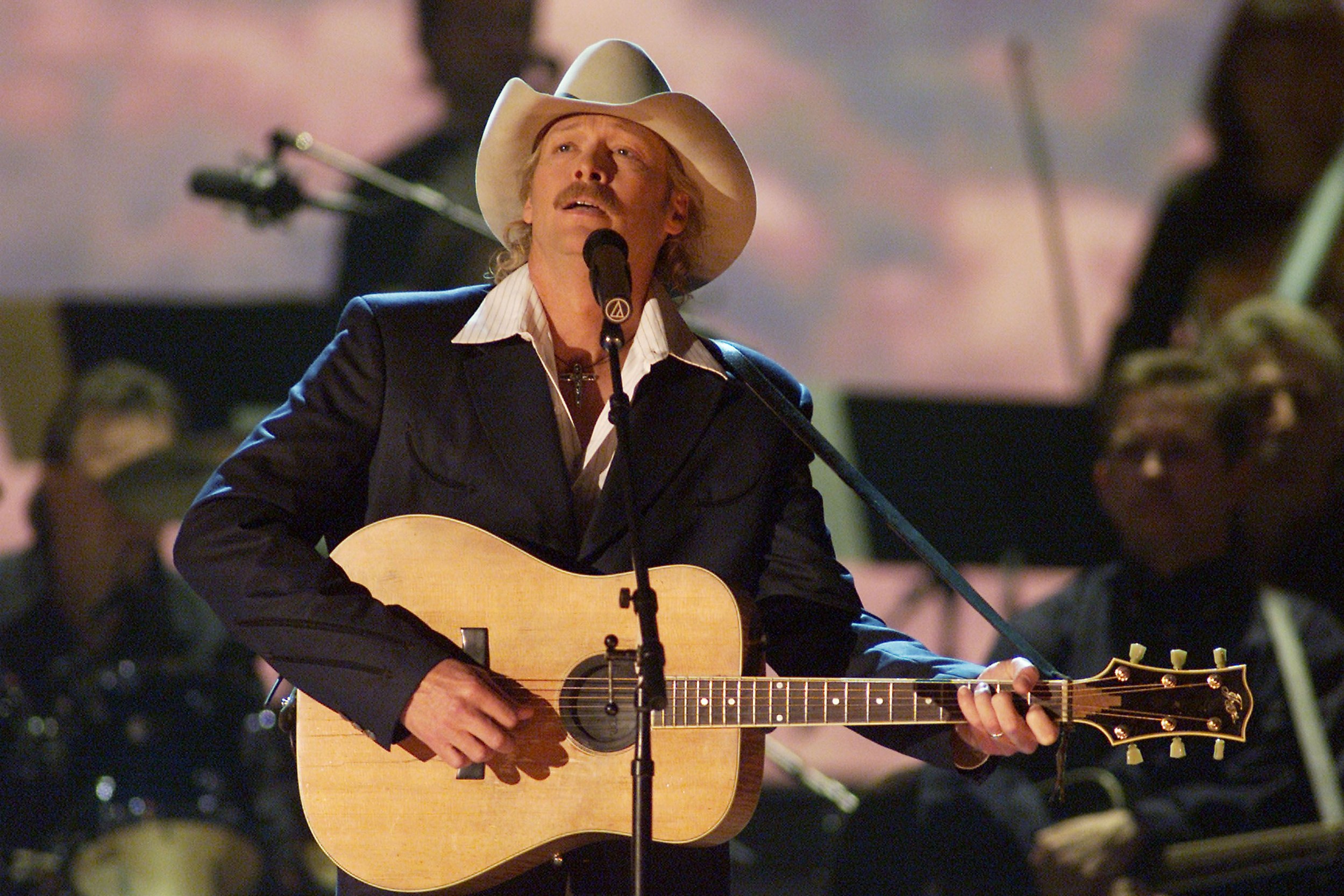
Alan Jackson signed his first record deal 37 years before his last major public performance. This span marks a significant period in country music history, showcasing a career that built a legacy through traditional sound and storytelling. His journey from an aspiring artist to a celebrated icon is defined by consistent musical output and enduring appeal.
The path began with a critical agreement that launched his professional recording life. It continued through decades of hit songs, extensive touring, and numerous industry awards. The duration of his active career, from that initial contract to his farewell stage, underscores his impact on the genre.
The Early Years and the Breakthrough Deal
Alan Jackson’s musical aspirations began in Newnan, Georgia. He grew up listening to traditional country artists, developing a deep appreciation for the genre’s roots. His early influences included legendary figures like George Jones and Hank Williams.
Before achieving widespread fame, Jackson worked various jobs, including car sales and construction. He performed in local clubs, honing his craft and developing his signature vocal style. This period of development was crucial for shaping the artist he would become.
The pivotal moment arrived with his first record deal. This agreement, signed in the late 1980s, opened the doors to Nashville’s music industry. It provided the platform for him to record and release his original material to a broader audience.
The signing of this deal was the formal beginning of his professional recording career. It marked the transition from local performer to national recording artist, setting the stage for his debut album.
Debut and Rise to Stardom
Alan Jackson released his debut album, Here in the Real World, in 1990. The album featured four hit singles, including the title track, “Wanted,” “Chasin’ That Neon Rainbow,” and “I’d Love You All Over Again.” This immediate success established him as a significant new voice in country music.
His sound stood out during a period when country music was experiencing various stylistic shifts. Jackson’s commitment to traditional country instrumentation and lyrical themes resonated with fans seeking authenticity.
Throughout the 1990s, Jackson consistently produced chart-topping albums and singles. Songs like “Don’t Rock the Jukebox,” “Chattahoochee,” and “Livin’ on Love” became anthems for millions. He became known for his straightforward delivery and relatable narratives.
By the mid-1990s, Alan Jackson was a household name. He garnered numerous awards, including multiple CMA Awards and Academy of Country Music Awards. His consistent presence on country radio solidified his status as a leading artist.
Sustained Success and Industry Recognition
Alan Jackson’s career extended well into the 21st century, maintaining his popularity and artistic integrity. He continued to release successful albums and embark on extensive tours. His music often addressed themes of everyday life, love, loss, and nostalgia, connecting with a broad audience.
In 2001, he released “Where Were You (When the World Stopped Turning),” a poignant response to the September 11th attacks. The song resonated deeply with the American public, earning him a Grammy Award for Best Country Song and a CMA Award for Song of the Year.
His contributions to country music were recognized with significant honors. In 2001, he was inducted into the Grand Ole Opry, a testament to his traditional country roots and enduring impact. This induction placed him among the genre’s most revered figures.
Further recognition came in 2017 when Alan Jackson was inducted into the Country Music Hall of Fame. This honor cemented his place as one of country music’s all-time greats. His induction acknowledged his vast catalog of hits and his unwavering dedication to traditional country sound.
The Last Call: One More for the Road Tour
In 2022, Alan Jackson announced his Last Call: One More for the Road tour. This tour marked a significant chapter in his career, signaling a potential winding down of his extensive touring schedule. The tour provided fans with an opportunity to see the country legend perform live.
The tour dates spanned various cities across the United States. Each concert was a celebration of his career, featuring many of his most beloved songs. Fans attended in large numbers, demonstrating the lasting loyalty and affection for his music.
His final major public performance, referenced in the initial statement, occurred as part of this tour. This concert, 37 years after his first record deal, brought his long and illustrious touring career to a memorable close. It was a moment of reflection for both the artist and his dedicated fanbase.
Legacy and Influence
Alan Jackson’s legacy in country music is profound. He is widely regarded as one of the most successful and influential country artists of his generation. His commitment to traditional country sounds helped preserve the genre’s heritage during periods of significant change.
He has sold over 75 million records worldwide, making him one of the best-selling music artists of all time. His discography includes 16 studio albums, multiple greatest hits compilations, and numerous live recordings. This extensive body of work continues to be streamed and purchased by fans globally.
His influence can be heard in the music of many contemporary country artists. Musicians frequently cite Jackson as an inspiration for his songwriting, vocal style, and dedication to authenticity. He set a standard for storytelling and melodic craftsmanship.
The impact of his music extends beyond sales and awards. His songs have become part of the cultural fabric, evoking memories and emotions for generations of listeners. His narratives about rural life, love, and the working class resonate with universal themes.
The Enduring Appeal of Traditional Country
Alan Jackson’s career stands as a testament to the enduring appeal of traditional country music. In an industry often driven by trends, he remained true to his artistic vision. This steadfastness endeared him to a loyal fanbase.
His music often featured steel guitar, fiddle, and acoustic guitars, instruments central to classic country. He avoided fusion genres, choosing instead to refine and celebrate the sound that defined his heroes. This approach provided a consistent and recognizable brand.
The lyrical content of his songs focused on narratives that were accessible and heartfelt. He sang about small-town life, honest work, and the simple joys and challenges of existence. These themes tapped into a widespread appreciation for authenticity and sincerity.
His live performances were known for their straightforward presentation, emphasizing the music itself. Jackson connected with audiences through his genuine stage presence and his ability to deliver his songs with emotional depth. He created an atmosphere of shared experience.
He signed a deal. He recorded songs. He toured the world. He influenced a generation. He became a legend. Jackson.