Tag: Accountability

  • U.S. Agency Sues New York Times Over Alleged Discrimination Against White Male Employee

    U.S. Agency Sues New York Times Over Alleged Discrimination Against White Male Employee

    The U.S. Equal Employment Opportunity Commission has sued The New York Times Company, a development stemming from allegations that the newspaper discriminated against a white male employee. This legal maneuver by the prominent media organization indicates a firm stance against the government’s claims, asserting its right to defend its employment practices.

    This action places the long-standing institution in a public legal confrontation over issues of workplace diversity and alleged reverse discrimination. The case draws attention to the complex landscape of employment law and the implementation of equity initiatives within large corporations.

    The Initial Allegations Against The New York Times

    The federal government initially brought claims against The New York Times. These claims centered on accusations of discrimination. Specifically, the government alleged that the newspaper’s employment practices disadvantaged a white male individual.

    The details of these initial allegations have not been fully disclosed in public reports. However, they prompted a significant response from the newspaper. The government’s involvement suggests a perceived violation of federal anti-discrimination statutes.

    These statutes are designed to protect all individuals from discrimination based on race, gender, and other protected characteristics. The case highlights the scrutiny major employers face regarding their hiring, promotion, and termination policies.

    The New York Times’ Countersuit Strategy

    The New York Times’ decision to countersue represents a proactive legal strategy. This move allows the newspaper to challenge the government’s assertions directly. It also provides an opportunity to present its own defense and interpretation of events.

    A countersuit typically aims to dismiss the original claims or to seek damages from the party that initiated the lawsuit. In this context, The New York Times is likely seeking to protect its reputation and financial interests.

    The legal filing would involve detailed arguments regarding the newspaper’s compliance with employment laws. It would also address the specific circumstances surrounding the white male employee’s claims. This type of litigation can be lengthy and complex, involving extensive discovery and potential public testimony.

    Legal Precedents and Workplace Equity

    This case unfolds against a backdrop of evolving legal interpretations regarding workplace equity. Debates surrounding affirmative action and diversity, equity, and inclusion (DEI) initiatives have become more pronounced in recent years.

    Legal scholars and employment law practitioners are closely watching cases that test the boundaries of these policies. The concept of reverse discrimination, where members of historically dominant groups allege discrimination, has gained more attention.

    Courts often examine whether employment decisions are based on legitimate, non-discriminatory reasons. They scrutinize whether policies inadvertently or intentionally create disparate impacts based on protected characteristics.

    The Broader Implications for Media Organizations

    The New York Times is a globally recognized media institution. Its legal battles often attract significant public and industry attention. This countersuit could set precedents or influence practices across the media landscape.

    Other news organizations, facing similar pressures to diversify their workforces, will likely observe the proceedings closely. The outcome could impact how media companies design and implement their internal diversity programs.

    The case also touches upon the public perception of media organizations. Many media entities have publicly committed to increasing diversity within their ranks. Legal challenges to these efforts can generate public discourse and scrutiny.

    Public Discourse on Diversity and Inclusion

    The legal dispute involving The New York Times intersects with a broader national conversation on diversity, equity, and inclusion. Companies across various sectors have adopted DEI initiatives to address historical imbalances and foster more inclusive workplaces.

    These initiatives aim to create environments where individuals from all backgrounds feel valued and have equal opportunities. However, the implementation of such programs has sometimes led to legal challenges, as seen in this case.

    Critics of certain DEI practices argue they can lead to unintended consequences, including reverse discrimination. Supporters contend that these initiatives are necessary to dismantle systemic barriers and promote genuine equality.

    The Role of the U.S. Government in Employment Disputes

    The involvement of the U.S. government in this case is significant. Federal agencies, such as the Equal Employment Opportunity Commission (EEOC), are responsible for enforcing anti-discrimination laws.

    When the government initiates a claim, it suggests a finding of probable cause that discrimination occurred. This adds a layer of official weight to the allegations against The New York Times.

    The government’s role is to ensure compliance with federal statutes like Title VII of the Civil Rights Act of 1964. This act prohibits employment discrimination based on race, color, religion, sex, and national origin.

    Federal Oversight and Corporate Accountability

    Federal oversight of employment practices serves as a mechanism for corporate accountability. It ensures that even large and influential organizations adhere to national standards of fairness and equality in the workplace.

    The government’s decision to pursue a claim against The New York Times indicates a commitment to investigating all forms of alleged discrimination. This includes cases where the complainant belongs to a demographic group not traditionally associated with experiencing workplace bias.

    Such cases underscore the universal application of anti-discrimination laws. These laws are designed to protect all individuals, regardless of their background or perceived majority status.

    Understanding the Legal Process

    The legal process for a countersuit involves several stages. Following the initial filing, there will be a period of discovery. This is when both parties exchange information and evidence relevant to the case.

    Depositions, interrogatories, and requests for documents are common during discovery. These processes allow each side to build their arguments and understand the opposing party’s position.

    After discovery, there may be motions for summary judgment. These motions ask the court to rule on the case without a full trial, based on the undisputed facts. If a settlement is not reached, the case could proceed to trial.

    Potential Outcomes and Resolution

    The potential outcomes of this legal battle are varied. The New York Times could succeed in having the government’s claims dismissed. Alternatively, the government could prevail, leading to potential damages or mandated changes in the newspaper’s practices.

    Settlement is also a common resolution in such cases. Both parties might agree to a confidential settlement to avoid the expense and public scrutiny of a prolonged trial. The specifics of any settlement would likely remain private.

    The final resolution will have implications for both The New York Times and the broader understanding of anti-discrimination law. It will contribute to the ongoing legal dialogue about workplace fairness.

    The Historical Context of Diversity Initiatives

    Diversity initiatives in the workplace have a rich historical context. They emerged from the civil rights movement of the mid-20th century, aiming to correct historical injustices and promote equal opportunity.

    Early efforts focused on affirmative action to increase representation of underrepresented groups. Over time, the focus expanded to include broader concepts of diversity and inclusion, recognizing the value of varied perspectives.

    Many organizations now view diversity not just as a legal obligation but as a strategic asset. Diverse teams are often seen as more innovative and better equipped to understand diverse customer bases.

    Evolving Definitions of Fairness

    The legal and societal definitions of fairness continue to evolve. What constitutes equitable treatment in the workplace is a subject of ongoing discussion and occasional legal challenge.

    The New York Times countersuit is part of this evolving dialogue. It prompts a re-examination of how diversity goals are pursued and how individual rights are protected within those pursuits.

    The case underscores the delicate balance required to foster an inclusive environment while upholding principles of non-discrimination for all employees.

    Looking Ahead: The Path of Litigation

    The litigation process will likely unfold over an extended period. Legal proceedings, especially those involving the federal government and a major corporation, are often protracted.

    Updates on the case will emerge as court filings become public. Legal analysts will scrutinize each development, offering insights into the arguments being made by both sides.

    The resolution of this countersuit will undoubtedly contribute to the legal landscape governing employment discrimination. It will also influence how corporations navigate the complexities of diversity and inclusion in their workforce.

    Allegations surfaced. Government asserted. The New York Times countered.

    Justice.

  • Taylor Swift’s NYC Wedding Permit – Unpacking the $160,000+ Cost to the City

    Taylor Swift’s NYC Wedding Permit – Unpacking the $160,000+ Cost to the City

    Taylor Swift paid more than $160,000 to New York City for the permit covering her recent wedding weekend. This substantial payment included significant police overtime costs, alongside other logistical expenses associated with hosting a high-profile event in the densely populated urban environment.

    The financial outlay underscores the complex arrangements and considerable public resources required when a major celebrity like Swift orchestrates a large-scale private event. Cities like New York often implement permit systems to manage such occurrences, ensuring public safety and recovering costs for deployed services.

    The Scope of the Wedding Weekend

    The wedding weekend reportedly spanned multiple locations across Manhattan, involving a series of private gatherings and public appearances. Such an itinerary necessitated extensive planning for security, traffic management, and crowd control. Each element contributed to the overall cost borne by the event organizers.

    Reports indicate that the event drew considerable public attention, leading to large crowds congregating near various venues. This influx of people placed additional demands on city services, particularly the New York City Police Department (NYPD).

    Security and Public Safety Considerations

    Ensuring the safety of both the celebrity couple and the general public was a paramount concern for city officials. High-profile events inherently attract attention, which can lead to logistical challenges and potential security risks. The NYPD played a central role in mitigating these risks.

    The department deployed officers to manage crowd flow, secure perimeters, and respond to any incidents. These deployments often require officers to work beyond their standard shifts, resulting in overtime pay. The city’s permit structure accounts for these additional staffing needs.

    Understanding Permit Fees in New York City

    New York City has established clear guidelines for events requiring special permits. These guidelines apply to a wide range of activities, from film shoots to large-scale private functions that impact public spaces or require city services. The fees are calculated based on several factors.

    These factors include the duration of the event, the number of locations involved, the anticipated public impact, and the specific city services required. For an event of Taylor Swift’s magnitude, these calculations quickly accumulate into significant sums.

    The Role of Police Overtime

    Police overtime constitutes a major component of permit costs for events demanding enhanced security or traffic control. When events require officers to be present beyond their regularly scheduled hours, the city incurs additional expenses. These expenses are then passed on to the permit applicant.

    The deployment of officers for private events ensures that regular policing duties are not compromised. It allows the city to maintain public safety standards across all areas, even during major private gatherings.

    Logistical Challenges in an Urban Environment

    Hosting a large event in New York City presents unique logistical challenges. The city’s dense population, complex infrastructure, and constant movement require meticulous planning. Every street closure, traffic rerouting, or public space reservation demands careful coordination.

    The city agencies involved extend beyond the NYPD. They can include the Department of Transportation (DOT), the Department of Sanitation (DSNY), and various community boards. Each agency plays a role in facilitating the event while minimizing disruption to city life.

    Impact on Public Services

    While permit fees aim to cover costs, large events inevitably place a temporary strain on public services. This strain is particularly evident in areas like waste management and noise control. City regulations and permit conditions address these impacts to maintain urban order.

    The fees help ensure that the city can adequately address these temporary demands without diverting resources from essential daily operations. This system supports both private enterprise and public welfare.

    Celebrity Events and Public Accountability

    The financial details of celebrity events, especially those involving public funds or services, often draw public scrutiny. This transparency fosters a sense of accountability, demonstrating how cities manage resources and how high-profile individuals contribute to the costs of their activities.

    The disclosure of such payments provides insight into the economic footprint of celebrity culture on urban centers. It allows for public discourse on the balance between private celebrations and public resource utilization.

    Economic Contributions and Costs

    While events like Swift’s wedding incur significant costs for organizers, they can also bring economic benefits to the host city. Increased tourism, spending at local businesses, and temporary job creation are potential upsides. However, these benefits are often difficult to quantify precisely.

    The permit fees represent a direct financial contribution to the city’s operational budget, offsetting the direct costs of providing public services. This direct contribution is distinct from any broader economic stimulus.

    The Precedent of High-Profile Events

    Taylor Swift’s wedding permit payment is not an isolated incident. Numerous high-profile events, from film premieres to political rallies, incur similar costs for organizers in major metropolitan areas. This practice is standard for managing the impact of large gatherings.

    Cities across the globe employ similar mechanisms to ensure that private events requiring public services are financially self-sustaining from the city’s perspective. It establishes a clear financial responsibility for event hosts.

    Future Implications for Urban Event Planning

    The details surrounding Swift’s wedding weekend provide a case study for future event planning in urban centers. It highlights the importance of budgeting for comprehensive permit fees, especially those related to security and public safety.

    As cities continue to host major events, both private and public, the demand for transparent and equitable cost recovery mechanisms will likely persist. The system aims to balance the desire for grand events with the need to protect taxpayer resources.

    Permit applications were filed. Security plans were drafted. Overtime hours were logged. Fees were paid.

    New York City.

  • Erika Kirk’s Court Motion: The Major Demand Shaking Celebrity Legal Circles

    Erika Kirk’s Court Motion: The Major Demand Shaking Celebrity Legal Circles

    Erika Kirk filed a major new court motion on July 9, 2026, demanding full financial transparency from all parties involved in her ongoing legal dispute. This action signals a significant escalation in her high-profile case, aiming to compel comprehensive disclosure of financial records and assets.

    The motion was submitted to the presiding court, marking a critical juncture in the litigation. Legal experts are analyzing the potential ramifications of such an assertive demand on the proceedings.

    The Nature of the Demand

    Kirk’s legal team articulated the demand for complete financial disclosure with precision. The motion specifies the need for bank statements, investment portfolios, tax returns, and asset registers from all entities and individuals connected to the case.

    This level of detail suggests a concerted effort to trace funds and identify any attempts to obscure financial dealings. The court filing emphasizes the necessity of this information for a fair and equitable resolution.

    Sources close to the legal proceedings indicate that the demand is not merely procedural. It is a strategic move designed to expose the full financial landscape of the opposing parties.

    Why Financial Transparency Now?

    The timing of this major demand is a key element of the strategy. Legal battles often evolve, with new information or tactical opportunities emerging.

    In Kirk’s case, the motion for financial transparency may stem from new evidence or a reassessment of existing data. It could also be a response to perceived stonewalling or incomplete disclosures from the other side.

    Such demands are common in complex financial litigation. However, the ‘major’ designation suggests a broader scope or a more aggressive posture than typical discovery requests.

    Impact on Ongoing Litigation

    A demand of this magnitude can significantly alter the dynamics of a legal case. The opposing parties will now be compelled to either comply or formally object to the court.

    Compliance would mean opening their financial books, potentially revealing vulnerabilities or previously hidden assets. Objections would likely lead to further legal arguments and hearings, prolonging the process.

    The court’s ruling on this motion will be a pivotal moment. If granted, it could provide Kirk’s team with crucial leverage in settlement negotiations or during a potential trial.

    Precedent and Legal Strategy

    Legal precedents often guide such motions. Attorneys typically reference similar cases where comprehensive financial disclosures were ordered.

    Kirk’s legal counsel is likely building a strong argument based on established legal principles regarding discovery and the right to obtain relevant financial information. Their strategy appears to be one of relentless pursuit of facts.

    The move also sends a clear message to the other parties: Kirk is prepared for a prolonged and thorough legal fight, leaving no stone unturned.

    Celebrity Accountability in Focus

    Erika Kirk’s case is one of several high-profile instances that have brought celebrity accountability into sharp focus. The public often scrutinizes the financial dealings and legal entanglements of public figures.

    This demand for transparency aligns with a broader societal expectation for accountability, particularly when financial improprieties or disputes are alleged. The legal system serves as a mechanism for enforcing these expectations.

    The outcome of Kirk’s motion could set a new benchmark for financial disclosure in celebrity legal disputes. It could influence how similar cases are approached in the future.

    The Public’s Interest

    The public’s interest in cases involving celebrities like Erika Kirk is consistently high. Media outlets, including Fox News, often cover these developments closely.

    This sustained interest translates into increased pressure on all parties to adhere to legal and ethical standards. The ‘major demand’ caters to this public appetite for transparency and justice.

    The narrative surrounding such cases often shifts based on new court filings and revelations. This motion adds a significant new chapter to Kirk’s story.

    Potential Outcomes and Next Steps

    Several outcomes are possible following Kirk’s major demand. The court could grant the motion in full, ordering immediate and comprehensive financial disclosure.

    Alternatively, the court could grant it in part, imposing certain limitations or conditions on the disclosure. The opposing parties might also file counter-motions or seek protective orders to limit the scope of the demand.

    Regardless of the immediate ruling, the filing of this motion has already achieved one objective: it has elevated the stakes and intensified the scrutiny on the financial aspects of the case.

    The Role of Legal Counsel

    The effectiveness of such a motion heavily relies on the skill and experience of legal counsel. Kirk’s attorneys are demonstrating a proactive and aggressive approach.

    They are leveraging legal mechanisms to gain a strategic advantage. This includes anticipating counter-arguments and preparing for potential appeals or further legal battles.

    The legal teams involved on all sides will now be engaged in a complex dance of legal maneuvers, each seeking to protect their client’s interests while navigating the court’s directives.

    Historical Context of Financial Disclosure

    The concept of financial disclosure in legal proceedings has a rich history. It is fundamental to the discovery process, ensuring that all relevant information is available to both sides.

    Historically, courts have balanced the right to privacy with the need for full disclosure to achieve justice. Cases involving significant financial claims or alleged fraud often lean heavily towards greater transparency.

    The digital age has introduced new challenges and opportunities for financial tracing. Electronic records and digital transactions provide a more detailed trail, making comprehensive disclosure both more feasible and more complex.

    Evolution of Discovery Rules

    Discovery rules have evolved over time to adapt to changing financial landscapes and technological advancements. Modern rules aim to prevent parties from hiding assets or intentionally obscuring financial realities.

    Kirk’s motion operates within these established frameworks but pushes the boundaries of what has been previously requested in this specific case. It reflects a modern application of long-standing legal principles.

    The courts often have broad discretion in compelling discovery, especially when the financial stakes are high and allegations of impropriety exist.

    The Broader Implications

    This major demand by Erika Kirk has implications beyond her individual case. It contributes to the ongoing discourse about financial accountability in the public eye.

    It also highlights the persistent challenges of navigating complex financial relationships, particularly when wealth and celebrity status are involved. The legal system acts as a crucial arbiter in these disputes.

    The outcome could influence how similar legal battles are waged in the entertainment industry and beyond. It reinforces the idea that no one is above the law when it comes to financial probity.

    A Catalyst for Change?

    Some legal commentators suggest that high-profile cases like Kirk’s can act as catalysts for broader legal or ethical reforms. When public figures face intense scrutiny, it often shines a light on systemic issues.

    While it is too early to predict, this motion for financial transparency could contribute to a larger conversation about corporate governance, asset protection, and legal ethics.

    The legal community will be watching closely, as will the public, to see how this significant demand unfolds and what precedents it might set.

    Erika Kirk filed a motion. Her lawyers argued. The court will decide.

    Transparency.

  • The Unseen Fallout: When Personal Lives Impact Professional Sports Careers

    The Unseen Fallout: When Personal Lives Impact Professional Sports Careers

    An NBA announcer was fired from his role due to an affair with Loren Waters, the sister of San Antonio Spurs player Lindy Waters III. This professional consequence for a personal relationship brought significant attention to the often-blurred lines between public and private lives for figures within the National Basketball Association (NBA) ecosystem.

    The incident, while specific in its outcome, reflects broader themes. These themes include the ethical expectations placed on sports personnel. They also encompass the impact of personal conduct on professional standing. The sports world, particularly the NBA, operates under constant public and organizational scrutiny.

    The Unfolding of the Incident

    Details surrounding the event remain largely generalized in initial reports. The core of the matter centers on San Antonio Spurs announcer Jacob Tobey. This individual engaged in a relationship with Loren Waters, the sister of San Antonio Spurs player Lindy Waters III. The nature of this relationship led to the announcer’s dismissal.

    The firing was widely reported on July 9, 2026. The reports indicate a direct causal link between the affair and the termination. This suggests a clear policy violation or an organizational decision based on perceived reputational risk.

    Organizational Response and Policy

    Professional sports organizations, including NBA teams and broadcasting networks, often have strict codes of conduct. These codes extend beyond on-court or on-air performance. They frequently address personal behavior that could reflect negatively on the organization.

    The firing of the announcer points to the enforcement of such policies. It underscores the idea that personal relationships, particularly those involving individuals connected to the same professional sphere, can carry significant professional repercussions. The decision to terminate suggests a judgment that the affair created an untenable situation.

    The Broader Context of Sports Ethics

    The situation resonates with numerous past incidents in professional sports. Athletes, coaches, and support staff frequently face public and internal scrutiny over their private lives. This scrutiny often exceeds that applied to individuals in other industries.

    The close-knit nature of sports organizations can exacerbate these issues. Relationships between colleagues, or between staff and family members of players, are often navigated carefully. Such dynamics can create perceived conflicts of interest or uncomfortable working environments.

    Impact on Team Dynamics and Player Relations

    An affair involving a player’s family member can introduce complex interpersonal dynamics. These dynamics may affect team cohesion. They can also strain relationships between players and staff.

    The decision to fire the announcer could have been influenced by a desire to protect team harmony. It might also have aimed to maintain the trust of players. In professional basketball, chemistry and trust are critical components of success.

    Media Coverage and Public Reaction

    The story, despite its lack of specific names, garnered attention. It circulated through sports news outlets and fan forums. The public reaction often involves discussions about privacy, professional accountability, and the double standards sometimes applied in such situations.

    Commentators debated the extent to which an organization should intervene in an employee’s personal life. Others emphasized the unique responsibilities of individuals in high-profile roles. The nuanced nature of these discussions highlights the complexity of modern sports ethics.

    The Role of Celebrity and Scrutiny

    Individuals associated with the NBA operate under a celebrity spotlight. This applies not just to players but also to announcers, coaches, and even their families. The heightened visibility means personal actions often become public knowledge.

    This constant scrutiny can amplify the consequences of personal choices. For an announcer, whose public image is tied to the league, maintaining a certain perception of professionalism is paramount. Any perceived deviation can lead to swift action from employers.

    Lessons from the Incident

    The firing serves as a stark reminder for all individuals within professional sports. Personal conduct can have direct and severe professional implications. This is especially true when relationships cross established boundaries or create perceived conflicts.

    Organizations prioritize their brand image and internal stability. They often act decisively to mitigate risks. These risks include potential scandals, internal discord, or public relations damage.

    The Evolving Landscape of Professional Boundaries

    The definition of appropriate professional boundaries continues to evolve. In the digital age, information spreads rapidly. This makes discretion even more critical for public figures.

    Sports organizations are increasingly proactive in setting and enforcing codes of conduct. These codes aim to prevent situations that could disrupt operations or tarnish reputations. The incident with the NBA announcer is a contemporary example of these principles in action.

    Future Implications for Sports Professionals

    This event may prompt other sports organizations to review their own policies. It could lead to clearer guidelines regarding relationships among staff, players, and their families. The goal would be to prevent similar situations and ensure professional environments remain focused on athletic performance.

    For individuals aspiring to careers in sports broadcasting or management, the incident offers a cautionary tale. It emphasizes the need for a comprehensive understanding of professional ethics. It also highlights the awareness of the unique pressures inherent in the sports industry.

    Navigating Personal and Professional Lives

    The challenge for sports professionals lies in navigating their personal lives while upholding professional standards. This balance is often delicate. It requires careful consideration of actions and their potential ripple effects.

    The NBA announcer’s situation underscores this difficulty. His professional path was irrevocably altered by a personal decision. This outcome highlights the stringent expectations placed on those who represent major sports leagues.

    Teams consider their image. Leagues consider their integrity. Individuals make choices.

    Consequences.

  • The View FCC Investigation – ABC Cites “Broad Consensus” in Defense

    The View FCC Investigation – ABC Cites “Broad Consensus” in Defense

    ABC has asserted a “broad and cross-ideological consensus” supports its daytime talk show ‘The View.’ This declaration comes amid an ongoing Federal Communications Commission (FCC) investigation into the program. The network’s defense aims to protect the show from regulatory action following complaints.

    The FCC inquiry focuses on specific content aired on ‘The View.’ ABC’s response highlights the show’s widespread appeal and its function as a forum for varied perspectives. The network seeks to demonstrate that the program adheres to broadcast standards through its public reception.

    The FCC’s Role in Broadcast Content

    The Federal Communications Commission (FCC) is an independent agency of the United States government. It regulates interstate and international communications by radio, television, wire, satellite, and cable. Its mandate includes ensuring that broadcast content serves the public interest.

    The FCC receives complaints from the public regarding broadcast material. These complaints can trigger investigations into potential violations of decency, fairness, or other broadcast standards. The agency holds the authority to issue warnings, impose fines, or even revoke broadcast licenses in severe cases.

    Historically, the FCC has acted on issues ranging from indecency during live broadcasts to political advertising regulations. Its oversight is a critical component of media accountability in the United States. The current investigation into ‘The View’ falls within this regulatory framework.

    Genesis of the Investigation into ‘The View’

    The specific catalysts for the FCC’s investigation into ‘The View’ remain under review. Public complaints typically initiate such inquiries. These complaints often allege violations of broadcast content rules or express concerns over perceived bias or inflammatory rhetoric.

    ‘The View,’ known for its panel discussions on current events and social issues, frequently generates strong reactions from viewers. Its hosts, including Whoopi Goldberg, Joy Behar, Sunny Hostin, Sara Haines, Alyssa Farah Griffin, and Ana Navarro, represent a spectrum of political and social viewpoints. This dynamic often leads to heated debates on air.

    Past controversies involving ‘The View’ have drawn significant public attention. These incidents sometimes result in calls for regulatory intervention or advertiser boycotts. The current FCC investigation represents a formal escalation of such public concerns.

    ABC’s Defense Strategy

    ABC’s defense filing to the FCC outlines a multifaceted argument. The core of its position rests on the claim of “broad and cross-ideological consensus.” This suggests that despite any controversy, a wide array of viewers, spanning different political and social leanings, supports ‘The View’.

    The network likely presented evidence of viewership numbers, demographic data, and positive audience feedback. Such data would aim to demonstrate the program’s popularity and its perceived value to a diverse audience. The argument implies that broad public acceptance mitigates isolated complaints.

    Furthermore, ABC’s defense likely emphasizes the nature of ‘The View’ as a live, unscripted talk show. This format inherently involves spontaneous discussion and the expression of personal opinions. The network may argue that such a format should be afforded a degree of latitude in expression, consistent with free speech principles.

    “Our program provides a vital platform for the exchange of diverse ideas, fostering robust public discourse,” ABC’s filing reportedly stated. “The support we receive from a wide spectrum of viewers underscores its importance to the broadcast landscape.”

    The defense also likely highlights the show’s long history. ‘The View’ first premiered in 1997. Its longevity suggests a sustained audience and a proven track record within the broadcast industry. This historical context could be used to argue against punitive action.

    The Concept of “Cross-Ideological Consensus”

    The term “cross-ideological consensus” is central to ABC’s defense. It refers to agreement or support that transcends traditional political or social divides. In the context of ‘The View,’ it suggests that the program’s appeal is not limited to one political faction.

    This argument is crucial because it counters potential claims of partisan bias. If a program is perceived as appealing only to one side of the political spectrum, it might be more vulnerable to complaints of unfairness. Demonstrating broad appeal strengthens the argument for its public interest value.

    Achieving cross-ideological consensus for a program like ‘The View’ can be challenging. The show often tackles highly polarizing topics, from national politics to social justice issues. The panel itself comprises hosts with differing political affiliations, which sometimes leads to internal disagreements on air.

    However, ABC’s assertion implies that even those who disagree with specific viewpoints expressed on the show still value its role as a forum. They may appreciate the open debate, the representation of various opinions, or simply the entertainment value derived from the discussions.

    Precedent and Impact on Broadcast Regulation

    The outcome of this FCC investigation could establish significant precedents. Decisions made by the FCC often influence how other broadcasters approach content moderation and audience engagement. A ruling against ‘The View’ could lead to increased scrutiny for other opinion-based programs.

    Conversely, if the FCC dismisses the complaints based on ABC’s defense, it could reinforce the idea that popular programs with broad appeal are less susceptible to regulatory action. This might empower broadcasters to continue with formats that encourage robust, sometimes controversial, discussions.

    The current media landscape is characterized by deep political polarization. Programs that navigate this environment often face intense public and political pressure. The FCC’s role in balancing free speech with public interest standards becomes increasingly complex in this context.

    Previous FCC rulings have set benchmarks for what constitutes ‘indecent’ or ‘obscene’ content. However, ‘The View’ investigation appears to center more on issues of perceived bias, fairness, or the general tone of political discourse. These areas are often more subjective and thus harder to regulate definitively.

    Public and Political Reactions

    The FCC investigation and ABC’s defense have generated public and political reactions. Advocates for media accountability often welcome FCC inquiries as a mechanism to ensure responsible broadcasting. Others view such investigations as potential threats to free speech and journalistic independence.

    Political figures and media watchdogs frequently weigh in on controversies surrounding programs like ‘The View.’ Their comments can influence public perception and pressure the FCC to take specific actions. The visibility of ‘The View’ ensures that any regulatory action will be closely watched.

    Social media platforms amplify these discussions, allowing for rapid dissemination of opinions and criticisms. Online campaigns, both for and against ‘The View,’ can quickly gain traction, adding another layer of complexity to the regulatory process.

    The debate often extends beyond the specific content of ‘The View’ to broader questions about the role of opinion in news and talk programming. Questions arise about whether such shows have a responsibility to present all sides equally or if they are primarily platforms for specific viewpoints.

    The Future of ‘The View’ and Broadcast Standards

    The FCC’s final decision will undoubtedly impact ‘The View.’ It could lead to directives for changes in content, format, or editorial policies. Alternatively, a favorable ruling for ABC would allow the show to continue its current approach without significant alterations.

    Beyond ‘The View’ itself, the investigation holds implications for broadcast standards across the industry. It could influence how other networks manage their talk shows and news commentary programs. The balance between entertaining and informing, while adhering to regulatory guidelines, is a constant challenge for broadcasters.

    The evolving nature of media consumption also plays a role. As more viewers turn to digital platforms and streaming services, the traditional role of the FCC in regulating linear television broadcasts faces new challenges. However, the principles of public interest and content responsibility remain relevant.

    The outcome will reflect the FCC’s interpretation of current broadcast laws in the context of contemporary media. It will indicate the agency’s willingness to intervene in content that sparks public debate, even when supported by a significant audience segment.

    Conclusion

    ABC’s defense of ‘The View’ against the FCC investigation rests on the assertion of a broad and cross-ideological consensus. The network argues that the program’s widespread support and its function as a platform for diverse discussion should shield it from regulatory action. This case highlights the ongoing tension between media freedom and public interest regulations.

    The FCC’s decision will shape future broadcast standards.

    Broadcasters await the verdict.

    Regulators weigh the evidence.

    The public observes.

    Consensus.

  • Marcellus Wiley Sued For $500K Months Before Domestic Violence Arrest

    Marcellus Wiley Sued For $500K Months Before Domestic Violence Arrest

    Marcellus Wiley, a former NFL player and sports analyst, became the subject of public scrutiny following reports of a $500,000 lawsuit filed against him by a bank. This financial dispute surfaced months prior to his reported arrest on domestic violence charges, as detailed on July 8, 2026.

    The convergence of these two separate legal issues has drawn significant attention. It highlights the complex challenges that can arise in the lives of public figures.

    The Initial Financial Litigation

    Details surrounding the $500,000 lawsuit indicate it originated from a banking institution. The exact nature of the debt or financial obligation remains under wraps in initial reports.

    Such lawsuits typically stem from unpaid loans, credit lines, or other financial agreements. Legal proceedings in civil cases like this often involve extensive documentation and court appearances.

    The lawsuit would have commenced its legal journey months before the more recent domestic violence allegations. This establishes a timeline of ongoing legal entanglements for Wiley.

    Understanding Civil Litigation

    Civil lawsuits, distinct from criminal charges, aim to resolve disputes between individuals or organizations. They often involve monetary damages.

    In this context, the bank sought to recover a specified amount from Wiley. This process typically involves filing a complaint, serving the defendant, and potentially proceeding to discovery and trial.

    Resolution can come through settlement, judgment, or dismissal. The public nature of such proceedings often brings them to light, especially when a high-profile individual is involved.

    The Domestic Violence Arrest

    The more recent development, reported on July 8, 2026, involved Marcellus Wiley’s arrest on domestic violence charges. The specifics of the arrest, including the date and location, were not immediately available in the initial report.

    Domestic violence charges are serious legal matters. They carry significant personal and professional consequences.

    These cases are handled by the criminal justice system. They involve law enforcement investigation, potential prosecution, and penalties if a conviction occurs.

    Legal Ramifications of Domestic Violence Charges

    An arrest for domestic violence initiates a series of legal steps. These include booking, potential bail hearings, and arraignment.

    The legal process can be lengthy. It involves evidence collection, witness testimonies, and court proceedings.

    The outcomes can range from dismissal to probation, fines, or incarceration. Public figures often face heightened media attention throughout this process.

    Timeline of Events

    The sequence of these events is crucial. The $500,000 lawsuit was filed months before the domestic violence arrest.

    This indicates a period where Wiley was already navigating significant legal and financial challenges. The additional burden of criminal charges adds another layer of complexity.

    Public perception often links such disparate events, even if legally distinct. This can lead to broader narratives about an individual’s conduct.

    Preceding Legal Entanglements

    A lawsuit of this magnitude would have demanded considerable attention and resources. Wiley would have been engaged with legal counsel to address the bank’s claims.

    Such financial disputes can be stressful. They can impact an individual’s personal and professional life significantly.

    The timing suggests that these financial pressures were ongoing when the domestic violence incident occurred.

    Marcellus Wiley’s Public Persona

    Marcellus Wiley transitioned from a successful NFL career to a prominent role in sports media. He has been known for his commentary and analysis.

    His public image has been cultivated over years of television appearances and public engagements. This makes any legal challenge particularly impactful.

    Public figures often face increased scrutiny. Their actions are often amplified and dissected by both traditional and social media.

    Impact on Career and Reputation

    Allegations of domestic violence can severely damage a public figure’s reputation. They can also lead to professional repercussions.

    Sports networks and media organizations often take a strong stance on such matters. Contracts can be reviewed, and employment status can be affected.

    The intersection of financial difficulties and criminal charges often creates a challenging environment for maintaining a public career.

    Celebrity Accountability and Public Reaction

    The public reaction to such news often involves discussions about celebrity accountability. There is an expectation for public figures to uphold certain standards of conduct.

    The perception of justice or outrage can vary widely among the public. Some may focus on the legal facts, while others may react to the broader implications.

    Social media platforms often become forums for these discussions. Public opinion can form rapidly and intensely.

    Media Scrutiny and Ethical Considerations

    Media outlets, like TMZ.com, play a significant role in reporting on these events. Their coverage shapes public understanding.

    The balance between reporting facts and respecting privacy is a constant challenge. This is especially true in high-profile cases.

    The ethical considerations for reporting on domestic violence are paramount. The focus often shifts to the legal process and support for victims.

    The Broader Context of Financial Stress and Personal Issues

    Financial difficulties can often exacerbate personal issues. The pressure of a $500,000 lawsuit could contribute to stress.

    While not an excuse for any alleged misconduct, understanding the full context can sometimes provide perspective. This does not diminish the seriousness of the charges.

    Many individuals, regardless of celebrity status, face periods where financial and personal challenges converge. The outcomes, however, differ significantly under public scrutiny.

    Support Systems and Public Figures

    Public figures often have extensive support systems. These can include agents, publicists, and legal teams.

    However, personal struggles can still manifest. The pressure to maintain a public image can be immense.

    The resources available to public figures can be both a benefit and a burden. They can manage crises but also intensify the spotlight.

    Looking Ahead

    The legal processes for both the civil lawsuit and the criminal charges will unfold independently. Each will have its own timeline and potential outcomes.

    Marcellus Wiley will likely continue to navigate these challenges with legal representation. The public and media will continue to monitor developments.

    The resolution of these matters will have lasting implications. They will affect his personal life, professional career, and public standing.

    The Interplay of Legal and Public Spheres

    The legal system operates on specific procedures and evidence. Public opinion, however, often forms outside these strictures.

    The court of public opinion can be swift and unforgiving. It can have immediate consequences for a celebrity’s career.

    The formal legal process, while slower, aims for a definitive resolution based on law. These two spheres often interact in complex ways for public figures.

    Navigating Public Perception

    Managing public perception during such events is a critical task for any public figure. This often involves careful communication strategies.

    Silence, or carefully worded statements, are common approaches. The goal is often to avoid prejudicing legal proceedings or further damaging reputation.

    The ultimate judgment, both legal and public, will determine the long-term impact of these events on Marcellus Wiley.

    A lawsuit filed. Charges brought. Scrutiny mounted. Accountability sought. Public discussed. Wiley.

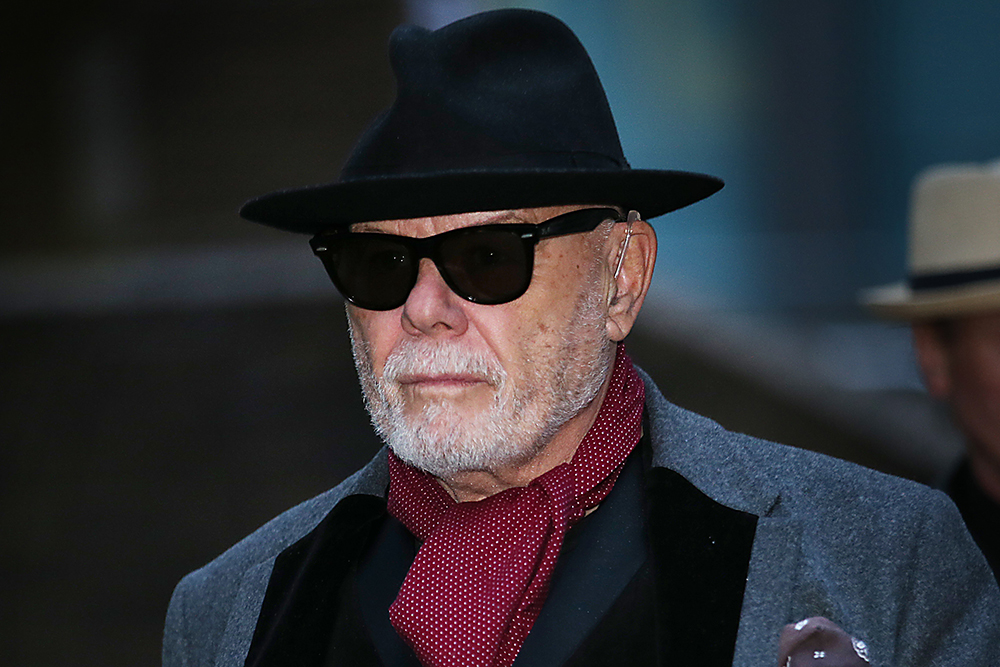
  • Gary Glitter Charged with Historic Sexual Offenses – The UK Legal Battle Continues

    Gary Glitter Charged with Historic Sexual Offenses – The UK Legal Battle Continues

    Gary Glitter, born Paul Gadd, has been charged with ‘historic’ sexual offenses in the United Kingdom, including an allegation of sexual intercourse with a girl under the age of 13. These charges were announced on July 2, 2026. The development marks a significant new phase in the musician’s extensive legal history concerning sexual misconduct.

    The charges stem from an ongoing investigation into allegations of past actions. Glitter has faced numerous accusations and convictions related to sexual offenses over several decades. His legal troubles have spanned multiple continents, leading to significant prison sentences.

    The Nature of ‘Historic’ Charges

    The term ‘historic’ offenses refers to crimes alleged to have occurred many years in the past. These types of cases often present unique challenges for prosecution and defense. Evidence can be more difficult to obtain or verify due to the passage of time.

    Witness memories may have faded, and physical evidence might no longer exist. Despite these difficulties, legal systems in the UK and other countries are equipped to handle such cases. They rely on detailed witness testimony, corroborating evidence, and forensic analysis where possible.

    The current charges against Glitter are being processed through the UK legal system. Specific details regarding the alleged dates and locations of the offenses have not been publicly disclosed. Legal proceedings will determine the course of these new allegations.

    A History of Convictions and Legal Battles

    Gary Glitter’s history with sexual offense charges began in the late 1990s. He was first convicted in the United Kingdom in 1999 for possession of child pornography. This conviction led to a prison sentence and significant public outcry.

    Following his release, Glitter moved out of the UK. He spent time in Cuba and then Vietnam. His activities abroad continued to attract attention from law enforcement and media.

    In 2006, Glitter was arrested in Vietnam. He was subsequently convicted of obscene acts with minors. A Vietnamese court sentenced him to three years in prison for these offenses. He served his sentence in a Vietnamese correctional facility.

    Upon his release from prison in Vietnam in 2008, Glitter was deported back to the United Kingdom. His return sparked protests and renewed calls for his monitoring. UK authorities placed him on the sex offenders register and imposed strict conditions on his release.

    Further charges emerged in the UK during the early 2010s. These were part of a broader investigation into historical sexual abuse cases involving public figures. Operation Yewtree, launched in the wake of the Jimmy Savile scandal, led to several high-profile arrests and prosecutions.

    In 2015, Glitter was convicted of multiple sexual offenses, including attempted rape and indecent assault. These crimes involved four victims, with offenses dating back to the 1970s and 1980s. He received a 16-year prison sentence for these crimes.

    The Impact on Public Perception and the Music Industry

    Gary Glitter’s legal troubles have profoundly impacted his public image and legacy. Once a prominent figure in the glam rock era, his music has largely been disavowed. Radio stations and music licensing bodies ceased playing his songs following his convictions.

    His fall from grace serves as a stark reminder of accountability within the entertainment industry. The widespread condemnation of his actions reflects a societal shift in how such allegations are addressed. Victims of sexual abuse are increasingly empowered to come forward.

    The financial implications for Glitter have also been significant. Royalties from his music, once a source of considerable income, have been frozen or redirected. Legal battles over these assets have been ongoing, with some funds potentially used for victim compensation.

    The charges against Glitter continue to provoke strong emotional responses. Outrage and a desire for accountability are common reactions from the public. These sentiments highlight the enduring severity of the crimes he stands accused of.

    Legal Process for ‘Historic’ Offenses

    The legal process for ‘historic’ sexual offenses in the UK involves several stages. An investigation by law enforcement agencies, typically the police, is the initial step. This investigation gathers evidence, interviews witnesses, and assesses the credibility of allegations.

    Once sufficient evidence is collected, a file is passed to the Crown Prosecution Service (CPS). The CPS then decides whether there is enough evidence to provide a realistic prospect of conviction. They also consider if a prosecution is in the public interest.

    If the CPS decides to proceed, charges are formally brought. The accused is then required to appear in court. The case will typically go through magistrates’ court for preliminary hearings before being sent to the Crown Court for trial. This is particularly true for serious offenses such as those involving sexual intercourse with a minor.

    During a Crown Court trial, a jury hears the evidence and determines guilt or innocence. Both the prosecution and defense present their cases. If convicted, sentencing follows, taking into account the severity of the crimes and any previous convictions.

    The Broader Context of Celebrity Accountability

    The case of Gary Glitter is one among many high-profile instances of celebrities facing charges for sexual offenses. These cases have contributed to a broader conversation about accountability for individuals in positions of power or influence. The MeToo movement, among others, has amplified these discussions.

    Increased scrutiny is now applied to past conduct, regardless of a person’s fame or status. Legal systems are adapting to better handle sensitive cases involving sexual abuse. Support for victims has also expanded, with more resources available for those who come forward.

    The charges against Glitter on July 2, 2026, underscore that investigations into historic allegations continue. The legal system aims to provide justice for victims, even decades after the alleged events occurred. This commitment reflects evolving societal values.

    The path forward for these new charges will involve rigorous legal proceedings. The outcomes will be closely watched by the public and legal observers alike. The pursuit of justice for alleged victims remains a central focus.

    Investigations continued. Allegations surfaced. Charges were brought. Accountability sought.

    Justice.

  • Married At First Sight UK Contestant Arrested on Suspicion of Rape

    Married At First Sight UK Contestant Arrested on Suspicion of Rape

    A contestant from the British reality television series ‘Married At First Sight UK’ was arrested on July 2, 2026, on suspicion of rape. This arrest has initiated a police investigation, drawing immediate public attention to the alleged actions of an individual who gained public recognition through a broadcast entertainment program.

    The specific identity of the individual arrested has not been officially released by law enforcement agencies as of July 2, 2026. This standard practice protects the integrity of ongoing investigations and the rights of all involved parties. The nature of the allegations, however, has generated significant discussion across social media platforms and news outlets.

    The Incident and Initial Police Response

    Police authorities confirmed the arrest on July 2, 2026. Details surrounding the alleged incident remain limited due to the sensitive nature of the investigation. Law enforcement protocols typically restrict the release of information in such cases to avoid prejudicing potential legal proceedings.

    The arrest falls under serious criminal offense categories. Investigations of this type involve detailed evidence collection, witness interviews, and forensic analysis. The process can be extensive, often taking weeks or months to reach a conclusion regarding charges.

    Legal Framework for Rape Allegations in the UK

    In the United Kingdom, allegations of rape are treated with extreme seriousness. The legal definition of rape involves a person intentionally penetrating the vagina, anus, or mouth of another person with their penis without the consent of that person. Consent is a critical element, defined as agreeing by choice and having the freedom and capacity to make that choice.

    The Crown Prosecution Service (CPS) is responsible for deciding whether to bring charges after a police investigation. This decision is based on two main tests: the evidential test and the public interest test. The evidential test requires a realistic prospect of conviction, meaning there must be enough evidence to provide a ‘realistic prospect of conviction’ against each suspect on each charge.

    Impact on Reality Television and Public Perception

    This arrest has reignited conversations about the responsibilities of individuals who achieve public visibility through reality television. Participants often gain significant social media followings and a degree of celebrity, which can amplify the impact of their actions, both positive and negative.

    The ‘Married At First Sight UK’ format involves individuals marrying strangers, a premise that inherently places personal lives under intense scrutiny. The series, broadcast on E4, is produced by CPL Productions. These production companies and broadcasters often face questions regarding the psychological assessments and background checks conducted on contestants.

    Vetting Processes for Reality Show Contestants

    Reality television productions typically implement vetting processes for participants. These processes often include criminal background checks, psychological evaluations, and extensive interviews. The aim is to ensure the well-being of contestants and to mitigate risks to the production and the public.

    However, no vetting process is infallible. Allegations of serious misconduct by participants, particularly after filming or broadcast, highlight the challenges in predicting future behavior. The public nature of these shows means that any scandal involving a participant can quickly become a national headline.

    Previous Controversies in Reality Television

    Reality television has a history of controversies involving contestant behavior. Several shows across different countries have faced scrutiny over issues ranging from mental health concerns among participants to allegations of criminal conduct. These incidents often lead to calls for stricter regulatory oversight and improved duty of care from broadcasters and production companies.

    In the UK, Ofcom, the communications regulator, has guidelines for broadcasters regarding the welfare of participants in programs. These guidelines emphasize the importance of assessing participants’ mental and physical health, providing appropriate support, and protecting their privacy. High-profile incidents often prompt reviews of these guidelines and their enforcement.

    The Role of Media and Public Discourse

    The media’s reporting of such arrests plays a significant role in shaping public discourse. Initial reports often focus on the immediate facts, such as the arrest itself and the nature of the allegations. As investigations proceed, more details may emerge, influencing public opinion and potentially impacting the legal process.

    Social media platforms further amplify these discussions. The speed at which information, and sometimes misinformation, can spread online means that public figures often face intense scrutiny and judgment before any formal legal conclusions are reached. This creates a complex environment for both the accused and the accuser.

    The Future of the Investigation

    The police investigation into the ‘Married At First Sight UK’ contestant is ongoing as of July 2, 2026. The individual remains under arrest. Next steps will likely involve further questioning, collection of additional evidence, and potentially a decision on whether to formally charge the individual.

    If charges are brought, the case would proceed through the UK’s criminal justice system. This would involve court appearances, potentially a trial, and if convicted, sentencing. The legal process is designed to ensure a fair hearing for all parties involved, adhering to principles of due process.

    Accountability for Public Figures

    The incident underscores the broader theme of accountability for individuals who achieve public recognition. Whether through traditional celebrity or reality television, public figures are often held to a higher standard by the public. Their actions can have wider implications for the perception of the programs they appear on and the industries they represent.

    The public expects justice to be served, regardless of an individual’s fame or notoriety. Cases involving public figures often highlight the tension between the public’s right to know and the individual’s right to a fair legal process, free from undue public pressure.

    Allegations surfaced. An arrest was made. An investigation commenced.

    Justice begins.

  • UK Culture Secretary Lisa Nandy Quits X Over ‘Abuse and Misinformation’

    UK Culture Secretary Lisa Nandy Quits X Over ‘Abuse and Misinformation’

    UK Culture Secretary Lisa Nandy announced her departure from the social media platform X, formerly Twitter, citing pervasive ‘abuse and misinformation’ as the primary reasons for her decision. This move by a high-profile government official brings renewed attention to the ongoing challenges faced by social media platforms regarding content moderation and the spread of harmful narratives.

    Nandy’s public statement outlined her concerns, emphasizing the detrimental impact of unmoderated content on public discourse and individual well-being. Her exit signals a significant stance against the current operational policies of X under Elon Musk’s ownership.

    The Stated Reasons for Departure

    Lisa Nandy’s decision was not made in isolation. It followed a period of increasing scrutiny over the content policies and enforcement mechanisms on X. Her public statements highlighted a perception of escalating issues on the platform.

    The terms ‘abuse’ and ‘misinformation’ were central to her explanation. These categories encompass a broad range of content, from personal attacks and harassment to the deliberate propagation of false or misleading information.

    Nandy’s role as Secretary of State for Culture, Media and Sport places her at the forefront of discussions surrounding online safety, media regulation, and the digital landscape within the United Kingdom. Her actions carry institutional weight.

    A Broader Context of Platform Scrutiny

    The departure of a UK Cabinet minister from a major social media platform is a notable event. It reflects a wider trend of political figures, public institutions, and advocacy groups expressing dissatisfaction with the governance of online spaces.

    Since its acquisition by Elon Musk in October 2022, X has undergone significant operational changes. These changes have included alterations to content moderation teams and policies, leading to varying reactions from users and regulators alike.

    Critics have often pointed to a perceived increase in hate speech, harassment, and the proliferation of unverified claims on the platform. These concerns have been voiced by a diverse array of stakeholders, including civil society organizations, advertisers, and former employees.

    Impact on Online Safety Debates

    Nandy’s exit contributes to the ongoing debate surrounding online safety legislation, particularly in the UK. The Online Safety Act, which received Royal Assent in October 2023, aims to make the UK the safest place in the world to be online.

    The Act imposes new duties of care on social media companies to protect users from illegal and harmful content. Nandy, in her capacity, is directly involved in the implementation and oversight of this landmark legislation.

    Her personal experience with the platform underscores the practical challenges of enforcing these new regulations and ensuring platforms adhere to their responsibilities.

    The Role of Elon Musk and X’s Evolution

    Elon Musk’s tenure as owner of X has been characterized by a philosophy of ‘free speech absolutism.’ This approach has often been interpreted as a relaxation of previous content moderation standards.

    Musk’s stated goal has been to create a global town square where all voices can be heard. However, critics argue that this approach has inadvertently fostered an environment where harmful content can thrive.

    The platform has seen significant changes in its verification system, API access, and advertising policies. These shifts have contributed to a complex and evolving user experience.

    Challenges for Advertisers and Brands

    The concerns raised by Lisa Nandy echo those of numerous advertisers and brands. Many companies have paused or significantly reduced their advertising spending on X due to brand safety concerns.

    The presence of ‘abuse and misinformation’ can create an environment that is deemed unsuitable for brand association. This has had financial implications for the platform.

    The balance between free expression and brand safety remains a critical challenge for X and other social media companies.

    Political Implications of Nandy’s Stance

    As a senior member of the current UK government, Lisa Nandy’s public disengagement from X carries political weight. It can be seen as a signal of the government’s stance on platform accountability.

    Her decision may encourage other political figures or public servants to re-evaluate their own presence on the platform. It could also influence public perception of X’s reliability as a source of information.

    The Labour Party, to which Nandy belongs, has historically advocated for stronger regulation of tech companies and greater protections for online users. Her actions align with these broader party principles.

    Precedent and Future Actions

    Nandy’s departure sets a precedent for how high-ranking officials might interact with social media platforms that they believe are failing to uphold standards of safety and accuracy.

    It raises questions about whether this move will be followed by further governmental action or policy shifts directed at X or the wider tech industry.

    The incident contributes to an ongoing international dialogue about digital governance and the responsibilities of global technology companies operating within national jurisdictions.

    The Broader Landscape of Social Media

    Nandy’s concerns are not unique to X. Other social media platforms also grapple with issues of misinformation, hate speech, and online harassment. However, the specific policy shifts at X have drawn particular attention.

    The incident highlights the fragmentation of the online public square. As individuals and institutions choose to leave certain platforms, the digital landscape becomes more diverse and potentially siloed.

    The search for alternative platforms that better align with individual values or moderation preferences continues for many users.

    User Experience and Trust

    The user experience on social media platforms is heavily influenced by the presence or absence of harmful content. A prevalence of ‘abuse and misinformation’ can erode user trust and engagement.

    For some users, the decision to leave a platform like X is a personal one, driven by a desire to avoid negative online interactions. For public figures like Nandy, it also becomes a professional statement.

    Platforms that fail to address these concerns risk losing significant portions of their user base, particularly those who value safety and factual accuracy.

    Looking Ahead: The Future of X and Content Moderation

    The departure of Lisa Nandy adds another voice to the chorus of those calling for more robust content moderation on X. Whether this will lead to significant policy changes on the platform remains to be seen.

    The company continues to assert its commitment to free speech while also attempting to address concerns about illegal content and platform manipulation. This balance is a continuous challenge.

    The incident serves as a reminder that the relationship between governments, social media platforms, and the public is constantly evolving, shaped by technological advancements, regulatory pressures, and user expectations.

    Governments monitor. Regulators scrutinize. Public figures depart.

    X.

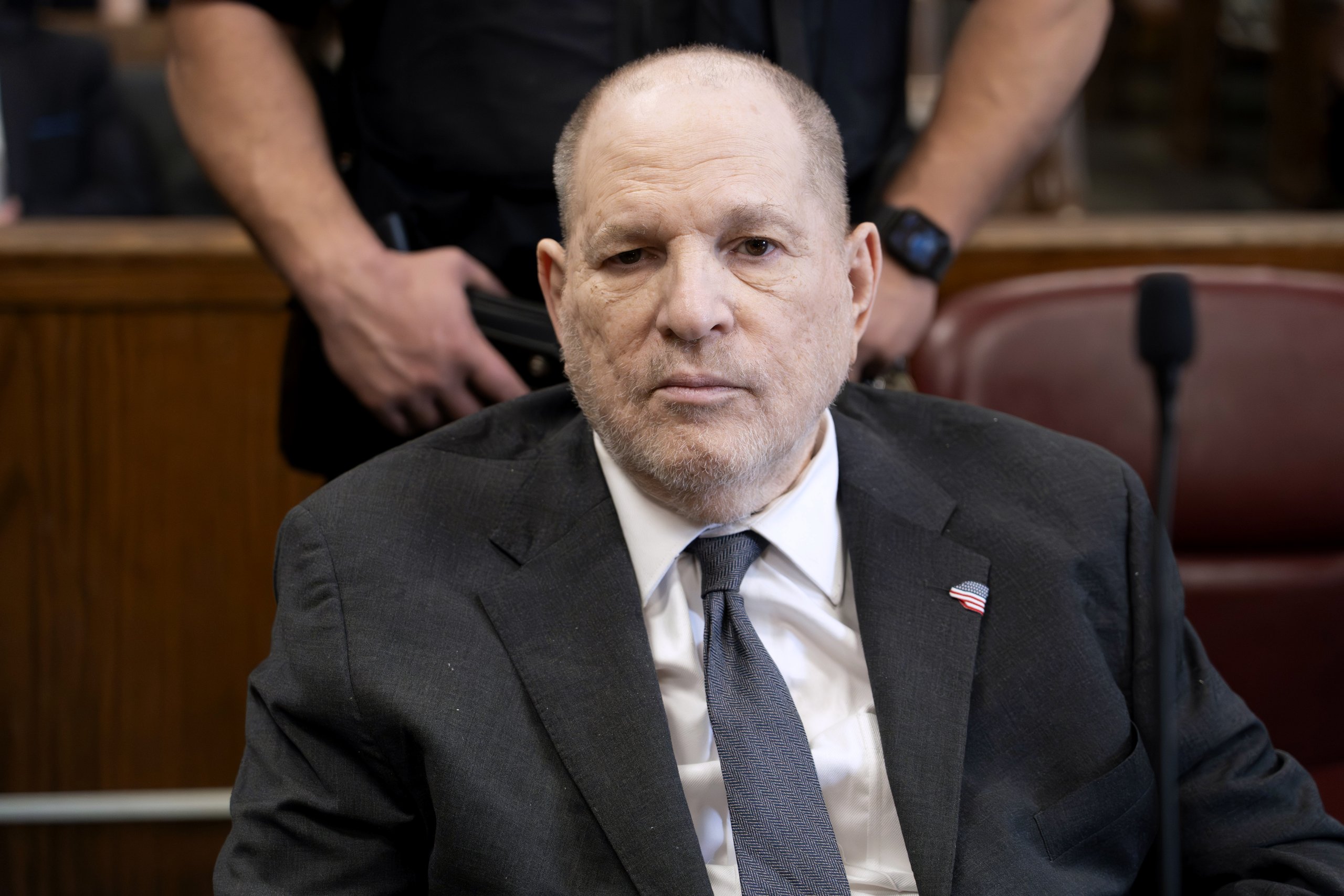
  • Harvey Weinstein Hospitalized – Severe Breathing Issues Reported

    Harvey Weinstein Hospitalized – Severe Breathing Issues Reported

    Harvey Weinstein’s Ongoing Health Challenges

    On July 1, 2026, former film producer Harvey Weinstein was hospitalized after reportedly experiencing severe breathing issues. This medical event occurred while Weinstein is serving significant prison sentences for sexual assault convictions. The hospitalization marks another instance of health complications for the once-powerful Hollywood figure, whose legal battles have spanned several years and jurisdictions.

    Weinstein’s medical condition has frequently been cited by his legal teams during his numerous court appearances and appeals. These health concerns have ranged from cardiac issues to diabetes and back problems. The severity of the breathing issues reported on July 1, 2026, led to his transfer from a correctional facility to a medical institution.

    The Legal Landscape: Convictions and Appeals

    Harvey Weinstein’s legal troubles began to escalate dramatically in October 2017 with a series of investigative reports. These reports, published by The New York Times and The New Yorker, detailed decades of alleged sexual harassment and assault. The revelations ignited the #MeToo movement, bringing widespread attention to issues of sexual misconduct and power dynamics within the entertainment industry and beyond.

    In March 2020, Weinstein was convicted in New York of a criminal sexual act in the first degree and rape in the third degree. He was subsequently sentenced to 23 years in state prison. This landmark conviction was seen by many as a turning point for accountability in Hollywood.

    Despite this conviction, Weinstein’s legal team immediately pursued an appeal. They argued that judicial errors, including the admission of testimony from uncharged prior bad acts witnesses, prejudiced the jury. The New York Court of Appeals overturned his 2020 conviction on April 25, 2024, citing these procedural errors.

    The New York County District Attorney’s office stated its intention to retry the case. This decision was announced shortly after the appeals court ruling. The prospect of a new trial in New York adds another layer of complexity to Weinstein’s legal future.

    California Conviction and Sentencing

    Separately, in December 2022, Weinstein was convicted in Los Angeles, California, on charges of rape and sexual assault. The Los Angeles County Superior Court found him guilty on three of seven counts. These charges related to an incident that occurred in 2013 involving an actress known as Jane Doe 1.

    On February 23, 2023, the Los Angeles court sentenced Weinstein to 16 years in state prison for these California crimes. This sentence was ordered to run consecutively to any other sentence he was serving. Consequently, even with the New York conviction overturned, Weinstein remained incarcerated due to the California conviction.

    His legal team also filed an appeal against the California conviction. Arguments in this appeal mirror some of those presented in New York, focusing on evidentiary rulings and the inclusion of testimony from uncharged accusers. The California appeal process remains ongoing as of July 1, 2026.

    The Impact of #MeToo

    Weinstein’s case became a focal point for the #MeToo movement. This movement empowered countless individuals to come forward with their own stories of sexual harassment and assault. It led to significant cultural shifts and legislative changes in various industries.

    The public discourse surrounding Weinstein’s trials highlighted systemic issues. These included the abuse of power, the silencing of victims, and the challenges of achieving justice for sexual misconduct. His convictions, even with subsequent appeals, represented a significant moment for victim advocacy and legal reform.

    Numerous individuals, including prominent actresses and former employees, provided testimony against Weinstein. Their bravery in sharing their experiences was central to the prosecution’s cases. These testimonies often detailed patterns of behavior that spanned decades.

    Weinstein’s Health in Confinement

    Since his incarceration, reports of Harvey Weinstein’s declining health have been frequent. He has been seen using a walker in court appearances. His legal team has consistently raised concerns about his physical condition, often requesting medical accommodations.

    The breathing issues reported on July 1, 2026, are part of a pattern of health challenges. These challenges complicate his prison sentence and legal proceedings. Correctional facilities are tasked with providing adequate medical care for inmates, a responsibility that becomes more complex with high-profile individuals with chronic conditions.

    His medical needs have required transfers to various medical facilities outside of the immediate prison environment. These transfers ensure he receives specialized care. The nature of his current breathing issues has not been publicly detailed beyond the initial report of severity.

    The Road Ahead: Legal and Medical

    For Harvey Weinstein, the immediate future involves continued medical evaluation and treatment for his respiratory issues. Simultaneously, his legal battles are far from over. The New York District Attorney’s office is preparing for a potential retrial. The appeal of his California conviction is still under review by higher courts.

    The outcomes of these legal proceedings will continue to shape his legacy. His case remains a benchmark for discussions on accountability, justice, and the complexities of the legal system in high-profile sexual assault cases. The confluence of his health and legal status presents an ongoing narrative.

    His hospitalization on July 1, 2026, serves as a reminder of the human element within these legal sagas. It underscores the physical tolls that prolonged legal battles and incarceration can exact. The public watches, the legal system proceeds, and the medical community intervenes.

    Farmers gathered. Activists gathered. Lawyers gathered. Physicians gathered. Reporters gathered. The public watched.

    Justice.