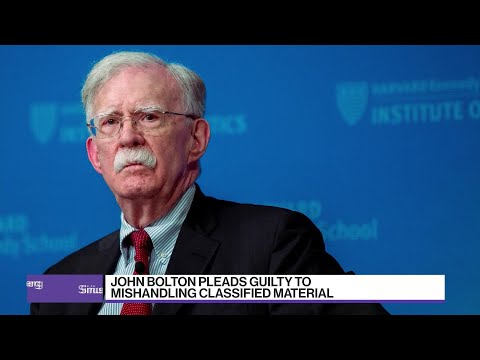
Tag: Accountability

  • John Bolton Pleads Guilty to Mishandling Classified Material

    John Bolton Pleads Guilty to Mishandling Classified Material

    John Bolton, who held the position of National Security Advisor, has pleaded guilty to charges involving the mishandling of classified material. This legal action addresses the unauthorized removal and retention of sensitive government documents. The plea agreement signals a conclusion to a notable case concerning the security protocols for classified information within the United States government.

    This development affects ongoing discussions about political accountability and the stringent requirements for officials entrusted with national security data. The legal system has processed a high-profile case involving a former senior advisor.

    The Charges and the Plea Agreement

    The plea by John Bolton addresses specific allegations of mishandling classified information. These charges typically involve the unauthorized retention or disclosure of documents marked with classifications such as Top Secret, Secret, or Confidential. Such materials are protected under federal statutes, including the Espionage Act.

    The exact terms of Bolton’s plea agreement have been made public. They outline the scope of his admission of guilt and any associated penalties or conditions. These details are crucial for understanding the legal precedent set by this case.

    Government prosecutors pursued the case to uphold the integrity of the national security apparatus. Their focus remained on ensuring that individuals, regardless of their past roles, are held accountable for adherence to established security protocols.

    The agreement may include provisions for cooperation with ongoing investigations or specific limitations on future activities involving classified information. These are standard elements in plea bargains concerning national security matters.

    Specifics of the Allegations

    The allegations against Bolton centered on actions taken after his departure from government service. These actions reportedly involved classified documents that were not properly returned or secured according to federal guidelines. The classified materials were reportedly contained within manuscripts or other personal records.

    The Department of Justice initiated the investigation following concerns raised by intelligence agencies. These agencies are responsible for monitoring the handling of classified information by current and former officials. The investigation meticulously reviewed communication records, personal files, and other relevant evidence.

    The government’s case argued that Bolton’s conduct posed a potential risk to national security. The unauthorized retention of classified information, even without intent to disseminate, can create vulnerabilities. This perspective formed the basis of the charges brought against him.

    Legal Precedent and Impact

    This plea agreement sets a precedent for how the U.S. government handles cases of alleged classified material mishandling by high-level former officials. It reinforces the principle that no individual is above the law when it comes to protecting national secrets.

    The outcome of this case will be reviewed by legal scholars and national security experts. They will analyze its implications for future prosecutions and for the enforcement of classified information regulations. The Department of Justice will likely refer to this case in similar future scenarios.

    National Security Implications

    The mishandling of classified material carries significant national security implications. Such information, if compromised, can expose sources, methods, and sensitive intelligence operations. This risk necessitates strict adherence to security protocols by all who access it.

    The government’s primary concern in these cases is the potential for adversaries to gain access to protected information. This access could undermine U.S. foreign policy objectives and endanger intelligence assets.

    The incident also prompts a review of existing procedures for declassifying and managing sensitive documents during transitions of power. These procedures are designed to prevent the unauthorized removal of materials from government custody.

    Protecting Sources and Methods

    Classified documents often contain details about intelligence collection methods and the identities of human sources. Any unauthorized exposure of this information can lead to severe consequences. These include the loss of intelligence capabilities and threats to the lives of individuals.

    The intelligence community invests substantial resources in protecting these sources and methods. Prosecutions for mishandling classified material are part of a broader effort to safeguard these critical assets. The integrity of the intelligence gathering process depends on such protections.

    Review of Declassification Processes

    The Bolton case may lead to further scrutiny and potential reforms in the declassification process. This process is complex and involves multiple agencies and officials. It ensures that information is released to the public only when it no longer poses a national security risk.

    Critics often point to the lengthy and opaque nature of declassification. However, proponents argue that these procedures are necessary to prevent premature disclosure of sensitive data. The balance between transparency and security remains a constant challenge.

    Political Accountability and Public Trust

    The plea agreement by John Bolton also resonates deeply within the realm of political accountability. High-ranking officials are expected to uphold the public trust, which includes strict adherence to laws governing national security information. Breaches of these laws can erode public confidence in government institutions.

    The public reaction to such cases often reflects a desire for equal application of the law. Citizens expect that individuals in positions of power are held to the same standards as others, especially concerning matters of national security.

    This case contributes to a broader dialogue about ethical conduct in government. It emphasizes the importance of integrity and responsibility for those who serve at the highest levels of public office.

    The Role of High-Ranking Officials

    National Security Advisors hold positions of immense trust and responsibility. They are privy to some of the nation’s most sensitive secrets. Their actions, even after leaving office, are subject to intense scrutiny due to the nature of the information they handle.

    The conduct of these officials can set a standard for the entire government workforce. Adherence to security protocols by senior leaders reinforces the importance of these rules for all employees with access to classified materials.

    Public Perception of Justice

    The resolution of Bolton’s case will influence public perception regarding the fairness and impartiality of the justice system. The public often seeks reassurance that justice is applied without prejudice, regardless of an individual’s political stature or past affiliations.

    Cases involving former high-level officials draw considerable media attention. This visibility amplifies the impact of the legal outcome on public discourse and trust in government institutions. The media’s coverage shapes how the public interprets the events and their implications.

    Historical Context of Classified Information Cases

    The United States has a long history of prosecuting individuals for the mishandling of classified information. These cases range from whistleblowers to foreign spies and former government officials. Each case contributes to the evolving legal framework surrounding national security.

    Notable historical examples include the cases of Daniel Ellsberg, Chelsea Manning, and Edward Snowden. These individuals faced charges under the Espionage Act for unauthorized disclosures of classified material. Their cases sparked debates about government transparency and national security.

    More recently, cases involving former President Donald Trump and former Secretary of State Hillary Clinton have also brought the issue of classified material handling to the forefront. These incidents underscore the pervasive challenge of managing sensitive information across different administrations.

    Evolution of Security Protocols

    Security protocols for classified information have evolved significantly over time. The advent of digital communication and storage has introduced new complexities. Government agencies continuously update their policies to address emerging threats and technological advancements.

    Training for government employees with access to classified material is extensive. It covers proper handling, storage, and transmission procedures. These training programs aim to minimize the risk of accidental or intentional breaches.

    The Espionage Act

    The Espionage Act of 1917 is a cornerstone of U.S. law regarding classified information. It prohibits the unauthorized gathering, transmitting, or loss of national defense information. Many modern prosecutions for mishandling classified material rely on this statute.

    The application of the Espionage Act has been a subject of legal debate. Critics argue that its broad language can be used to target whistleblowers. Proponents maintain its necessity for protecting vital national security interests.

    Future Implications for Government Officials

    Bolton’s plea agreement sends a clear message to all current and former government officials. The message emphasizes the enduring responsibility to protect classified information, even after leaving public service. This responsibility does not diminish with time.

    The case may prompt a renewed focus on exit procedures for high-ranking officials. These procedures aim to ensure that all classified materials are properly accounted for and returned to government custody. Enhanced briefings on post-employment obligations could become standard.

    This outcome also reinforces the Department of Justice’s commitment to investigating and prosecuting such cases. It signals that the government takes seriously any perceived threat to national security posed by the improper handling of classified data.

    Enhanced Training and Awareness

    Government agencies may implement enhanced training programs for officials handling classified information. These programs would emphasize the severe legal consequences of mishandling such materials. The goal is to prevent future incidents through increased awareness.

    The training could also cover the nuances of declassification and the proper channels for raising concerns about government secrecy. A clearer understanding of these processes is vital for all officials.

    Impact on Future Administrations

    Future administrations will inherit the precedents set by cases like Bolton’s. This could lead to more rigorous enforcement of classified information protocols. It might also influence the selection and vetting of individuals for sensitive national security roles.

    The political climate often influences the intensity of scrutiny applied to such cases. However, the legal framework remains constant, requiring adherence regardless of the political party in power.

    Conclusion of a High-Profile Case

    The plea by John Bolton marks the conclusion of a high-profile legal case. It involved a former National Security Advisor and issues of national security. The proceedings underscored the critical importance of safeguarding classified government information.

    The case reinforced legal accountability for senior officials. It highlighted the stringent requirements for protecting sensitive data. The outcome contributes to the ongoing national dialogue about security and transparency.

    Government officials must adhere to strict protocols. The nation’s security depends on it. Public trust depends on it. The rule of law depends on it.

    Accountability. Security. Justice.
  • Trump and Vance Unveil 2026 Financial Disclosure Reports

    Trump and Vance Unveil 2026 Financial Disclosure Reports

    On June 30, 2026, former President Donald Trump and Senator J.D. Vance publicly released their 2026 financial disclosure reports, detailing their assets, liabilities, and income sources, a mandatory practice designed to ensure transparency for federal officeholders and candidates.

    These documents offer a detailed view into the financial holdings of two influential figures in American politics. The reports were a focal point of discussion on Bloomberg Television’s program, “Balance of Power.” Such disclosures are a cornerstone of ethical governance.

    The Mandate of Financial Disclosure

    Federal law requires specific public officials and candidates to file financial disclosure reports. This requirement applies to presidential candidates, members of Congress, federal judges, and other high-level government employees. The goal is to prevent conflicts of interest and inform the public about the financial interests of their representatives.

    The Ethics in Government Act of 1978 established many of these requirements. This act was a response to public demand for greater accountability following various political scandals. It created a framework for regular and public reporting of financial information.

    The reports typically cover a calendar year. They include a broad range of financial data. This encompasses investments, real estate, debts, and income from various sources.

    What is Included in a Financial Disclosure Report?

    A standard financial disclosure report requires several key categories of information. These categories aim to provide a comprehensive picture of an individual’s economic status.

    • Assets: This section lists all significant assets held by the individual, their spouse, and dependent children. Examples include stocks, bonds, mutual funds, real estate, and interests in businesses. The value of these assets is reported within broad ranges, not exact figures.
    • Liabilities: Major debts are also reported. This includes mortgages, loans, and credit card debts exceeding certain thresholds. Like assets, liabilities are typically reported in value ranges.
    • Income: All sources of earned and unearned income must be disclosed. This covers salaries, consulting fees, dividends, interest, and capital gains. Income from speaking engagements and book deals often appears here.
    • Transactions: Any purchase, sale, or exchange of property exceeding a specific value must be reported. This provides insight into an individual’s financial activity throughout the reporting period.
    • Gifts and Travel Reimbursements: Gifts received over a certain value and travel reimbursements from non-governmental sources are also listed. This ensures transparency regarding potential influence from outside parties.

    The specificity of these requirements aims to create a public record. This record allows for public and media scrutiny.

    Donald Trump’s 2026 Financial Report

    Former President Donald Trump’s financial disclosure reports consistently draw significant public attention. His extensive business empire and real estate holdings make his disclosures particularly complex. The 2026 report continues this trend, detailing his post-presidency financial activities.

    Trump’s report likely lists numerous entities within The Trump Organization. These entities include golf courses, hotels, and licensing deals. His income sources often stem from these various business ventures.

    The document would outline income from Mar-a-Lago, his Florida residence and club, and his various golf properties. Revenue from branding and licensing agreements also typically features prominently. Significant liabilities, often in the form of loans associated with his real estate portfolio, are also expected to be present.

    Previous disclosures have shown a complex web of assets and liabilities. The 2026 report provides an updated snapshot of this financial landscape as he continues his political activities.

    Senator J.D. Vance’s 2026 Financial Report

    Senator J.D. Vance, representing Ohio in the U.S. Senate, also released his 2026 financial disclosure. As a sitting member of Congress, his report offers insights into the financial position of a relatively newer figure on the national political stage compared to Trump.

    Vance’s financial background includes a career in venture capital and authorship. His report would reflect investments made through his venture capital activities. It would also detail any ongoing income from his published works, including his memoir, “Hillbilly Elegy.”

    His assets likely include holdings in technology companies and investment funds. Liabilities could include mortgages or other personal loans. The report provides a clear picture of his financial standing during his tenure in the Senate.

    These disclosures are crucial for understanding the potential financial influences on his legislative decisions. Public examination of these documents is a core tenet of democratic accountability.

    The Public’s Demand for Transparency

    The release of these financial reports underscores a persistent public demand for transparency from political figures. Citizens and watchdog organizations frequently scrutinize these documents. They look for potential conflicts of interest or unusual financial activity.

    Transparency is seen as a vital component of public trust. When elected officials’ financial dealings are open to examination, it can help assure the public that decisions are made in the national interest, not personal gain.

    News organizations, like Bloomberg Television, play a critical role in disseminating and analyzing these reports. Their coverage helps to translate complex financial data into understandable information for the general public.

    The “Balance of Power” program specifically focused on the implications of these disclosures. This media attention amplifies the public’s access to and understanding of the reports.

    Implications for Accountability and Ethics

    Financial disclosure reports are not merely bureaucratic formalities. They are powerful tools for accountability. They allow the public and ethics watchdogs to monitor the financial health and potential conflicts of interest of those in power.

    When a public official’s financial interests align with or diverge from their policy decisions, these reports provide the data points for examination. This can lead to questions about ethical conduct and the integrity of governmental processes.

    For instance, if an official holds significant investments in an industry directly affected by legislation they are championing, the disclosure report highlights this potential connection. This does not automatically imply wrongdoing, but it mandates scrutiny.

    The system relies on self-reporting, but severe penalties exist for false statements or omissions. This mechanism reinforces the importance of accurate and complete disclosures.

    The Role of Media in Financial Scrutiny

    Media outlets are essential intermediaries in the process of financial scrutiny. They analyze complex financial documents, identify key trends, and report on findings to the public. Bloomberg Television’s coverage exemplifies this role.

    Journalists review thousands of pages of financial data. They compare current reports with previous ones to identify changes. They also cross-reference holdings with policy positions or legislative actions.

    This journalistic effort ensures that the public is informed. It also acts as a deterrent against unethical behavior, knowing that financial dealings will likely be subject to public exposure.

    The media’s focus on these reports reinforces their significance. It transforms raw data into a narrative about public service and financial integrity.

    Public Reaction and Ongoing Debate

    The release of these reports inevitably sparks public discussion. Social media platforms and news comment sections become forums for debate. Citizens express opinions on the financial status of their leaders.

    Some argue that the current disclosure system is insufficient. They advocate for more granular detail or more frequent reporting. Others maintain that the existing framework strikes an appropriate balance between privacy and transparency.

    The ongoing debate reflects a democratic society’s continuous striving for better governance. It highlights the tension between the personal financial lives of individuals and their public responsibilities.

    The financial disclosures of Donald Trump and J.D. Vance contribute to this broader conversation. They serve as concrete examples around which these discussions can coalesce.

    The public demands. The officials report. The media analyzes. The debate continues.

    Transparency.

  • Directors Guild Pension Plan Sues MGM Pictures Over Alleged Self-Dealing

    Directors Guild Pension Plan Sues MGM Pictures Over Alleged Self-Dealing

    The Directors Guild of America Producer Pension Plan has initiated a lawsuit against MGM Pictures, alleging that the studio engaged in self-dealing and breached its fiduciary duties. These accusations are specifically tied to the 2021 acquisition of MGM by Amazon, a transaction valued at approximately $8.5 billion. The pension plan contends that actions taken by MGM’s leadership during this period disadvantaged the fund and its beneficiaries.

    This legal action represents a significant challenge to the corporate practices surrounding major studio acquisitions. It brings into focus the responsibilities of company executives and board members to various stakeholders, including employee pension funds.

    The Core Allegations Against MGM

    The lawsuit filed by the Directors Guild of America Producer Pension Plan details several key allegations. Central among these is the claim of self-dealing. The pension plan asserts that certain MGM executives and board members prioritized their own financial interests or the interests of controlling shareholders over the financial well-being of the pension fund.

    Specifically, the suit points to decisions made during the negotiation and execution of the Amazon acquisition. The pension plan held a minority stake in MGM, and it alleges that the terms of the sale were structured in a way that undervalued its shares or otherwise diluted its rightful proceeds. This alleged undervaluation directly impacted the assets of the pension fund, which relies on such investments to provide benefits to retired and current directors.

    Breaches of fiduciary duty are also central to the complaint. Fiduciary duty requires those in positions of trust, such as corporate directors and officers, to act in the best interests of the entities and beneficiaries they serve. The pension plan argues that MGM’s leadership failed to uphold this standard, leading to financial detriment for the fund.

    The 2021 Amazon Acquisition Context

    The acquisition of MGM by Amazon was a landmark deal in the entertainment industry. Announced in May 2021 and finalized in March 2022, the transaction saw Amazon acquire the legendary studio for approximately $8.5 billion. This move was intended to bolster Amazon’s content library for its Prime Video streaming service, adding iconic franchises like James Bond and Rocky, along with a vast catalog of films and television shows.

    At the time of the acquisition, MGM was owned by a consortium of hedge funds and investment firms, including Anchorage Capital Group, Highland Capital Management, and Solus Alternative Asset Management. These firms had taken control of the studio after its 2010 bankruptcy. The sale to Amazon was seen as a significant exit for these investors, potentially yielding substantial returns.

    The Directors Guild of America Producer Pension Plan, as a minority shareholder, was among the many entities affected by this change in ownership. Its stake in MGM represented a portion of the retirement savings for thousands of directors working in the film and television industry.

    Impact on Pension Plan Beneficiaries

    Pension plans are critical financial instruments designed to provide retirement security for workers. The Directors Guild of America Producer Pension Plan serves a large number of directors, associate directors, and stage managers. Any alleged financial mismanagement or self-dealing that diminishes the value of the plan’s assets can have far-reaching consequences for its beneficiaries.

    The lawsuit seeks to recover funds that the pension plan believes it was unfairly denied. The ultimate goal is to ensure the plan’s financial health and its ability to meet its obligations to retirees and future retirees. This legal battle highlights the importance of rigorous oversight in corporate transactions, especially when employee benefits are tied to the financial performance of the involved companies.

    The case also serves as a reminder of the complex interplay between corporate finance, mergers and acquisitions, and the financial well-being of workers. Stakeholders often have divergent interests, and legal frameworks exist to protect the most vulnerable among them.

    Legal Precedents and Future Implications

    Cases involving allegations of self-dealing and breaches of fiduciary duty are not uncommon in corporate law. Courts often examine whether executives and board members acted with due diligence and in good faith, free from conflicts of interest. The outcome of such cases can set important precedents for future corporate transactions.

    Should the Directors Guild of America Producer Pension Plan prevail, it could embolden other minority shareholders or pension funds to scrutinize major corporate sales more closely. It could also lead to increased demands for transparency and independent oversight in the deal-making process. Conversely, if MGM successfully defends against the claims, it could reinforce the existing corporate governance structures.

    The entertainment industry, characterized by large-scale mergers and acquisitions, is particularly susceptible to these types of disputes. The high stakes involved, coupled with complex ownership structures, often create environments where conflicts of interest can arise. This lawsuit will likely be watched closely by other industry pension funds and investment groups.

    The Defense Perspective

    MGM Pictures, now an Amazon subsidiary, will likely mount a robust defense against the allegations. Corporate defendants in such cases typically argue that all actions were taken in accordance with legal and ethical standards, and that the transaction terms were fair to all shareholders. They may contend that the valuation of the company was appropriate given market conditions at the time and that the board acted in the best interests of the company as a whole.

    The defense will likely focus on demonstrating that proper procedures were followed, independent financial advice was sought, and that no self-serving motives influenced the decisions made regarding the sale to Amazon. They may also challenge the pension plan’s standing or the specifics of its financial claims.

    The legal process for such a complex case can be lengthy, involving extensive discovery, expert testimony, and potentially a trial. The resolution could take years, with significant legal costs for both parties involved.

    The Broader Industry Context

    This lawsuit against MGM Pictures operates within a broader industry context of increasing scrutiny over corporate accountability. In the 2020s, there has been a growing emphasis on environmental, social, and governance (ESG) factors in investment decisions. This includes how companies treat their employees, manage their finances, and conduct their business ethically.

    Pension funds, as institutional investors, are often at the forefront of demanding greater corporate responsibility. They manage significant capital and have a vested interest in the long-term sustainability and ethical conduct of the companies in which they invest. This case can be seen as part of a larger trend where institutional investors are more actively asserting their rights and challenging corporate actions they deem detrimental.

    The outcome could influence how major studios and media conglomerates structure future deals. It may lead to more stringent independent valuations, enhanced disclosure requirements, and greater representation for minority shareholders or employee benefit plans in transaction negotiations.

    The Directors Guild of America Producer Pension Plan filed its lawsuit. MGM Pictures prepares its defense. The legal system will now weigh the claims of self-dealing and fiduciary breach. Stakeholders watch. The future of corporate governance in Hollywood hangs in the balance.

    The industry awaits.

  • Supreme Court Expands Presidential Power – Implications for Top Officials

    Supreme Court Expands Presidential Power – Implications for Top Officials

    A Redefinition of Executive Authority

    The United States Supreme Court recently issued a landmark decision that significantly expands the President’s authority to remove high-level officials from their positions. This ruling fundamentally alters the balance of power within the executive branch, granting the President greater control over federal agencies and the individuals leading them. The implications extend to various independent agencies and the civil service system, sparking immediate debate among legal experts and political observers.

    This decision, delivered in 2026, represents a substantial reinterpretation of the separation of powers doctrine as it applies to presidential appointments and removals. It consolidates power within the Oval Office, potentially allowing future administrations to more readily shape the federal bureaucracy to align with their policy objectives.

    Historical Context of Presidential Removal Powers

    The President’s power to remove executive branch officials has been a subject of constitutional debate since the early days of the republic. Article II of the U.S. Constitution outlines the President’s power to appoint officers, but it is silent on the power of removal. This ambiguity has led to centuries of legal interpretation and legislative action.

    Key historical cases have shaped this understanding. The 1789 debates in the First Congress established an early precedent for presidential removal authority. Later, the 1926 case of Myers v. United States affirmed the President’s broad power to remove executive officers appointed with Senate consent. However, the 1935 case of Humphrey’s Executor v. United States introduced limitations, establishing that Congress could create independent agencies whose heads could only be removed for cause, thereby protecting them from arbitrary presidential dismissal.

    More recently, the 1988 case of Morrison v. Olson upheld the ‘for cause’ removal protection for independent counsels, further cementing the idea of congressional limits on presidential removal power for certain officials. These precedents created a complex legal landscape where some officials were insulated from presidential will, designed to ensure independent decision-making in areas like financial regulation, law enforcement, and consumer protection.

    The Supreme Court’s 2026 Ruling

    The Supreme Court’s 2026 decision revisited these foundational principles. The specific case involved a challenge to the removal protections afforded to an official within a particular federal agency. The Court’s majority opinion articulated a broad interpretation of presidential authority, emphasizing the unitary executive theory.

    The ruling effectively curtails Congress’s ability to impose ‘for cause’ removal restrictions on a wider range of executive branch officials. It posits that such restrictions unduly infringe upon the President’s constitutional duty to ensure that laws are faithfully executed. The Court’s reasoning focused on the President’s accountability to the public and the need for direct control over the executive apparatus.

    Justice Elena Kagan, in a dissenting opinion, argued that the decision undermines the historical role of independent agencies and risks politicizing crucial governmental functions. She highlighted the intent behind ‘for cause’ provisions: to shield certain offices from direct political pressure, allowing them to make impartial decisions based on expertise and law.

    Impact on Federal Agencies

    This ruling has direct and immediate consequences for numerous federal agencies. Agencies previously structured with independent leadership, such as certain regulatory bodies and commissions, may now find their leaders more vulnerable to presidential removal. This could lead to a significant shift in the operational independence of these entities.

    For example, the heads of agencies responsible for financial stability, environmental protection, or public health could face increased pressure to align with the President’s agenda, potentially compromising their ability to act as non-partisan arbiters. The decision could also affect the morale and career stability of federal employees who serve under these officials.

    The Unitary Executive Theory

    The Supreme Court’s decision strongly aligns with the unitary executive theory, a legal doctrine asserting that the President possesses all executive power, without exception or limitation, unless explicitly granted to another branch by the Constitution. Proponents of this theory argue that it is essential for presidential accountability and effective governance.

    Opponents, however, contend that an unchecked unitary executive can lead to abuses of power and undermine the checks and balances designed by the framers of the Constitution. They argue that independent agencies serve a vital role in providing expertise and stability, protecting certain functions from the ebb and flow of political tides.

    Political and Legal Repercussions

    The political repercussions of this ruling are substantial. The current administration, led by President Joseph R. Biden, Jr., now possesses enhanced power over appointments and removals. This increased authority could influence policy implementation across various sectors, from economic regulation to foreign policy.

    Future administrations will also inherit this expanded power, potentially leading to more rapid and sweeping changes in federal leadership and policy direction. This could intensify political polarization, as each new President seeks to exert greater control over the bureaucracy.

    From a legal perspective, the decision invites further challenges regarding the precise boundaries of presidential power. While the Court has clarified certain aspects of removal authority, new questions may arise concerning the definition of ‘principal officers’ versus ‘inferior officers’ and the extent to which Congress can still insulate certain functions through other means.

    Checks and Balances in a New Era

    The ruling prompts a reevaluation of the system of checks and balances. While the President’s power has expanded, Congress retains its legislative authority, including the power to create and fund agencies. The judiciary, through its power of judicial review, continues to serve as an arbiter of constitutional disputes.

    However, the direct control over executive personnel afforded by this decision could make it more challenging for Congress to hold agencies accountable independently of the President. This places a greater onus on congressional oversight committees and the legislative process to scrutinize executive actions.

    Public opinion and media scrutiny will also play a critical role in monitoring the exercise of this expanded presidential power. Transparency in appointments and removals, as well as clear justifications for such actions, will be crucial in maintaining public trust.

    Looking Ahead

    The Supreme Court’s 2026 decision marks a significant moment in American constitutional law. It reshapes the relationship between the President, federal agencies, and Congress, with long-term implications for governance and public policy. The ruling underscores the dynamic nature of constitutional interpretation and the continuous evolution of governmental structure.

    Legal scholars will analyze the nuances of the majority and dissenting opinions for years to come. Policymakers will grapple with how to adapt legislative frameworks to this new legal reality. The public will observe how this enhanced presidential power is exercised and its effects on the daily operations of government.

    Administrations will assert this new authority. Congress will seek new avenues of oversight. The courts will hear fresh challenges.

    The balance shifts.

  • Alannah Keyser Fired from ‘Love Island USA’ After N-Word Video Resurfaces

    Alannah Keyser Fired from ‘Love Island USA’ After N-Word Video Resurfaces

    Alannah Keyser, a contestant featured on the reality dating series ‘Love Island USA,’ was removed from the program in June 2026. Her departure was a direct consequence of a video circulating online that depicted Keyser using a racial slur, specifically the N-word.

    The video’s resurfacing prompted immediate public reaction and a swift decision by the show’s production team. Following her termination, Keyser issued a public statement addressing the controversy and apologizing for her actions.

    The Resurfacing Video and Public Reaction

    The video that led to Alannah Keyser’s removal from ‘Love Island USA’ gained traction across social media platforms in early June 2026. The footage showed Keyser in an unspecified setting, audibly using the N-word. The exact date of the video’s original recording was not immediately clear from initial reports.

    Viewers of ‘Love Island USA’ and general social media users quickly condemned Keyser’s language. Calls for her removal from the show intensified rapidly. The public outcry highlighted ongoing discussions about accountability for past actions, particularly for individuals entering the public eye through reality television.

    Social media platforms became a primary arena for these discussions. Hashtags related to Keyser and ‘Love Island USA’ trended, amplifying the demand for a response from the show’s producers. Many users expressed disappointment and anger, emphasizing the offensive nature of the slur.

    ‘Love Island USA’ Producers Respond

    The production team behind ‘Love Island USA’ responded promptly to the controversy surrounding Alannah Keyser. In a statement released to media outlets, the producers confirmed Keyser’s immediate departure from the show. This decision was made to uphold the values and standards associated with the program.

    The statement did not specify the exact date of Keyser’s removal but indicated it occurred shortly after the video gained widespread attention. The show’s swift action was noted by commentators as an example of reality television productions taking decisive steps in response to contestant misconduct.

    This incident is not isolated in the history of reality television. Similar situations have arisen on various programs where contestants’ past or present behaviors have led to their removal. The ‘Love Island’ franchise, both in the USA and its international versions, has previously faced challenges related to contestant conduct.

    Alannah Keyser’s Apology Statement

    Following her removal from ‘Love Island USA,’ Alannah Keyser released a public apology. Her statement was disseminated through her personal social media channels and subsequently reported by various news organizations, including Variety.

    In her apology, Keyser directly addressed the video and her use of the racial slur. She stated, “I am deeply sorry for the pain and offense my past words have caused. I do not support racism, and I am committed to learning and growing from this experience.”

    The statement acknowledged the gravity of her actions and the impact they had on viewers and the broader community. Keyser’s apology was met with mixed reactions online. Some individuals accepted her remorse as genuine, while others remained critical, questioning the sincerity given the context of her actions.

    Public apologies from figures involved in controversies are often scrutinized for their authenticity and completeness. Keyser’s statement became part of this broader public discourse regarding celebrity accountability and the effectiveness of such apologies.

    Broader Context: Racism and Accountability in Media

    The incident involving Alannah Keyser and ‘Love Island USA’ reflects ongoing conversations about racism within media and the entertainment industry. Reality television, in particular, often brings individuals with diverse backgrounds and histories into the public spotlight, sometimes unearthing past behaviors.

    Media organizations and production companies are increasingly expected to address instances of racism and other forms of discrimination directly and decisively. This expectation stems from heightened public awareness and a demand for greater social responsibility from public figures and the platforms that host them.

    The use of racial slurs, regardless of intent or context, is widely recognized as harmful and unacceptable. Educational initiatives and public campaigns continue to raise awareness about the historical and social impact of such language.

    For reality television participants, the transition from private citizen to public personality can be abrupt. This transition often includes intense scrutiny of their digital footprint, including social media posts, videos, and other public records from their past. The Keyser incident underscores the lasting impact of digital content.

    The entertainment industry continues to grapple with how to vet contestants and talent adequately. Balancing privacy concerns with the need to prevent public relations crises and uphold ethical standards remains a complex challenge for producers.

    The ‘Love Island USA’ Franchise and Its Standards

    ‘Love Island USA’ is part of a global franchise known for its dramatic interpersonal relationships and public appeal. The show’s format involves a group of single contestants living in a villa, isolated from the outside world, as they try to find love and win a cash prize.

    The franchise has a history of setting certain conduct standards for its participants. Contestants are typically expected to maintain a positive public image and adhere to guidelines that promote respect and inclusivity. Violations of these standards can lead to disciplinary action, including removal from the show.

    The quick action taken by ‘Love Island USA’ producers in Keyser’s case aligns with a trend in reality television to address controversies proactively. This approach aims to protect the show’s brand integrity and maintain viewer trust.

    The incident reinforces the idea that participation in high-profile reality television comes with significant public responsibility. The audience’s role in holding contestants accountable through social media has also grown substantially, influencing production decisions.

    Ultimately, the episode serves as a reminder of the continuous effort required to foster inclusive environments in media. It also highlights the powerful role of public opinion in shaping the landscape of reality television and celebrity culture.

    Public figures face increased scrutiny. Production companies navigate complex ethical dilemmas. Viewers demand accountability.

    The consequences endure.

  • Carlos Mencia Faces 11 Years for Tax Evasion, Inside the Defense’s Fight Against D.A. ‘Overreach’

    Carlos Mencia Faces 11 Years for Tax Evasion, Inside the Defense’s Fight Against D.A. ‘Overreach’

    On June 23, 2026, comedian Carlos Mencia stood before a judge and entered a formal not guilty plea against severe tax evasion charges. The allegations carry a staggering maximum sentence of 11 years in prison. Shortly after the arraignment concluded, Mencia posted bail. He walked out of the courthouse as a free man awaiting trial. But the legal war had only just begun. His legal team immediately went on the offensive. They bypassed standard diplomatic statements and directly accused the District Attorney of gross prosecutorial overreach.

    This is not a simple audit. This is a criminal prosecution. The state is seeking prison time for a prominent entertainer. The charges signal a highly aggressive stance by local prosecutors regarding high-net-worth individuals and their financial obligations. The battle lines are now drawn in a case that will test the limits of celebrity accountability.

    The Arraignment and the 11-Year Threat

    The courtroom proceedings were brief but highly consequential. Arraignments in criminal tax cases are procedural milestones. They set the stage for the months of discovery and motion practice that follow. Mencia’s appearance was mandatory. The entry of the not guilty plea was expected.

    The Mathematics of the Sentence

    The headline number is 11 years. This figure represents the absolute statutory maximum if the prosecution secures convictions on all counts and a judge imposes consecutive sentences. In California, standard tax evasion under Section 19706 of the Revenue and Taxation Code can carry up to a year in county jail or state prison per count.

    When prosecutors stack multiple years of unfiled returns or fraudulent filings, the potential time multiplies. Furthermore, white-collar crime enhancements, often applied under Penal Code 186.11 when the disputed amount exceeds certain high-dollar thresholds, can add several mandatory years to a base sentence. The 11-year threat is a calculated mechanism. It is designed to apply maximum pressure on the defendant.

    Posting Bail and Pre-Trial Freedom

    Mencia did not remain in custody. He posted bail immediately following the hearing. Bail in financial crimes is typically tied to the alleged amount of evaded taxes and the perceived flight risk of the defendant.

    By posting bail, Mencia secures the ability to participate actively in his own defense. He can meet with forensic accountants. He can review decades of financial ledgers. He can continue to work and generate income while the legal process slowly grinds forward. Pre-trial freedom is a critical tactical advantage in complex white-collar litigation.

    The Defense Strategy: Claiming Prosecutorial Overreach

    The defense did not wait for the dust to settle. They immediately launched a public counter-narrative. They labeled the District Attorney’s actions as “overreach.” This specific terminology is not accidental. It is the cornerstone of a classic white-collar criminal defense strategy.

    Criminal Intent vs. Civil Negligence

    The core of the defense’s argument relies on the distinction between civil liability and criminal intent. Tax law is notoriously complex. Mistakes happen frequently. A misplaced ledger, a misunderstanding of corporate tax structuring, or reliance on a negligent accountant can result in massive tax liabilities.

    However, making a mistake is not a crime. Negligence is penalized with civil fines and interest by the Franchise Tax Board or the IRS. To secure a criminal conviction and put a man in prison, the District Attorney must prove mens rea. They must prove the guilty mind. The prosecution must demonstrate beyond a reasonable doubt that Mencia intentionally and willfully schemed to defraud the government.

    The Blame Shift to Financial Handlers

    Celebrities rarely file their own taxes. They employ business managers, CPAs, and corporate attorneys. When a tax evasion case goes to trial, the defense often points the finger at these financial handlers.

    If the defense can show that Mencia trusted licensed professionals to handle his obligations, and those professionals failed, the element of willful criminal intent evaporates. The D.A.’s office knows this defense is coming. Their investigation will have focused heavily on communications between Mencia and his accountants, looking for direct orders to hide income.

    The Trajectory of a Comedy Empire

    To understand the complexity of Mencia’s financial history, one must look at the trajectory of his career. Income for touring comedians is highly volatile. This volatility creates unique tax vulnerabilities.

    The Comedy Central Peak

    Between 2005 and 2008, Carlos Mencia was one of the highest-earning comedians in the world. His television show, Mind of Mencia, was a flagship program for Comedy Central. He sold out arenas. He moved massive volumes of merchandise.

    During peak earning years, entertainers often set up complex corporate structures. They form LLCs and S-Corps to manage revenue streams. Money flows through agencies, management companies, and business managers before it ever reaches the artist. This infrastructure requires flawless accounting.

    The Contraction and the Lagging Tax Trap

    Following highly publicized controversies within the stand-up community, most notably accusations of joke theft spearheaded by Joe Rogan, Mencia’s career contracted. The arena tours scaled down to theater and club appearances.

    This contraction creates the classic celebrity tax trap. Tax liabilities often lag behind income. A massive tax bill from a peak earning year might come due during a lean year. If the funds have already been spent or poorly invested, the entertainer cannot pay the bill. What begins as an inability to pay can sometimes spiral into active concealment, which triggers criminal investigations.

    The District Attorney’s Playbook

    The Los Angeles County District Attorney’s office does not pursue criminal tax evasion charges lightly. These cases are expensive to prosecute. They require thousands of hours of forensic accounting. When they choose to move forward, they do so with a specific agenda.

    The High-Profile Deterrent

    Prosecutors use high-profile figures as public billboards. Prosecuting an unknown business owner for tax evasion might warrant a paragraph in a local newspaper. Prosecuting a famous comedian generates international headlines.

    These headlines serve a vital function for the state. They generate compliance from the general public. When citizens see a wealthy celebrity facing 11 years in prison for tax issues, voluntary tax compliance rates temporarily spike. The District Attorney is leveraging Mencia’s fame to send a message to every taxpayer in the jurisdiction.

    Collaboration with Tax Authorities

    Local prosecutors do not work in a vacuum. A case of this magnitude involves deep collaboration with state tax authorities, specifically the California Franchise Tax Board (FTB).

    The FTB possesses sweeping powers to audit, garnish wages, and seize assets. When their civil enforcement mechanisms fail to produce results, or when they uncover evidence of intentional fraud, they refer the case to the District Attorney’s criminal division. The current charges are the result of a long, quiet investigation that likely spanned several years before the arraignment.

    Historical Precedents of Celebrity Accountability

    Mencia is not the first entertainer to face the full weight of the government over unpaid taxes. The history of show business is littered with high-profile tax battles. These precedents loom large over the current proceedings.

    The Wesley Snipes Standard

    The most famous modern example is actor Wesley Snipes. Snipes was convicted of willful failure to file federal income tax returns. He ultimately served time in a federal prison in Pennsylvania.

    The Snipes case proved that the government is willing to incarcerate major stars. It destroyed the myth that celebrities could simply write a check to make criminal charges disappear. The District Attorney’s office is undoubtedly aware of this precedent. They know that a conviction is possible, even against a well-funded defense team.

    Negotiated Settlements and Restitution

    Not all celebrity tax cases end in prison. Many end in quiet pleas and massive restitution payments. Country music legend Willie Nelson famously negotiated with the IRS, even releasing an album to help pay off his massive tax debt.

    The reality of criminal tax prosecution is that the government ultimately wants its money. While the threat of 11 years in prison is real, it is also a negotiating tactic. The prosecution wants leverage. They want the defendant to feel the crushing weight of potential incarceration, forcing them to liquidate assets, pay the back taxes, pay the massive penalties, and accept a lesser plea.

    The Long Road to Trial

    The arraignment is only the first step. The road to an actual trial is long, tedious, and highly technical. The public will see very little of the day-to-day battle.

    Discovery and Forensic Accounting

    The case now enters the discovery phase. The District Attorney must turn over every piece of evidence they intend to use at trial. This will include bank records, tax returns, emails, text messages, and testimonies from former accountants.

    Mencia’s defense team will deploy their own forensic accountants. They will audit the government’s audit. They will look for mathematical errors. They will look for proof that Mencia was unaware of any fraudulent activity. This process will take months, if not years.

    The Prospect of a Plea Deal

    Despite the aggressive rhetoric from both sides, the most statistically likely outcome is a plea agreement. Trials are unpredictable. Trials are expensive. A trial exposes the District Attorney to the risk of an embarrassing acquittal. A trial exposes Mencia to the risk of an 11-year prison sentence.

    Behind closed doors, negotiations will eventually begin. The defense will offer a guilty plea to a lesser misdemeanor charge in exchange for no jail time and full financial restitution. The prosecution will demand a felony plea and a massive financial penalty. They will meet somewhere in the middle.

    The Broader Impact on the Entertainment Industry

    The charges against Mencia send a shockwave through the management agencies and accounting firms of Hollywood. It is a stark reminder of the state’s power.

    Auditing the Managers

    When a celebrity is indicted, their peers take notice. Business managers across Los Angeles will undoubtedly receive panicked phone calls from their clients this week. Entertainers will demand secondary audits. They will demand proof that their corporate structures are compliant.

    The prosecution of one star forces the entire industry to tighten its accounting practices. The District Attorney’s message is received loud and clear. No amount of fame provides immunity from the tax code.

    The Final Reckoning

    The legal machinery is now in motion. The state has made its accusation. The defendant has made his plea. The defense has drawn its line in the sand, crying overreach. Now, the burden of proof shifts.

    The state must prove the intent. The defense must prove the ignorance. The accountants will review the ledgers. The lawyers will file the motions. The judge will set the dates. Accountability.

  • Former Stars and Stripes Ombudsman Sues Pentagon Over Firing

    Former Stars and Stripes Ombudsman Sues Pentagon Over Firing

    A former ombudsman for Stars and Stripes has filed a lawsuit against the Pentagon, alleging wrongful termination. This legal action brings scrutiny to the relationship between the United States Department of Defense and the independent journalistic operations of Stars and Stripes. The lawsuit highlights ongoing discussions about journalistic independence within military-affiliated media outlets.

    The ombudsman’s role is to ensure ethical journalistic practices and to serve as an independent internal critic. Their termination and subsequent legal challenge suggest potential conflicts between this independent oversight function and Pentagon oversight. The case is expected to unfold in federal court, drawing attention to the protections afforded to ombudsmen.

    The Role of the Stars and Stripes Ombudsman

    Stars and Stripes operates as a news organization serving U.S. military personnel, their families, and civilian employees. It is editorially independent of the U.S. military chain of command. This independence is a cornerstone of its credibility among its readership.

    The ombudsman position within Stars and Stripes was established to safeguard this editorial independence. The ombudsman acts as an internal watchdog. They review complaints from readers and staff, ensuring fairness, accuracy, and adherence to journalistic ethics.

    This position is designed to be insulated from direct military or political pressure. The individual holding this role provides an impartial voice. Their reports and recommendations are intended to uphold the integrity of the publication.

    The ombudsman’s function is critical for maintaining trust. It ensures that Stars and Stripes can report on military affairs without undue influence. This independence is often seen as vital for the well-being of military communities, providing them with uncensored information.

    Allegations of Wrongful Termination

    The core of the lawsuit revolves around the claim of wrongful termination. The former ombudsman asserts that their removal from the position was not based on legitimate performance issues. Instead, it is alleged to be a consequence of their efforts to maintain editorial independence.

    Specific details of the alleged actions leading to the termination have not been fully disclosed in initial public statements. However, such lawsuits often involve disputes over reporting decisions, internal investigations, or criticisms leveled against management or external influences.

    Wrongful termination claims typically argue that an employer violated a contract, public policy, or anti-discrimination laws. In this context, the argument may center on whether the ombudsman was dismissed for fulfilling their duties to protect journalistic integrity. This would represent a breach of the implicit or explicit understanding of the ombudsman’s role.

    The lawsuit seeks reinstatement, financial compensation, or both. It also aims to establish a legal precedent regarding the protection of ombudsmen in government-affiliated media. The legal process will involve discovery, witness testimonies, and potentially a trial.

    The Pentagon’s Stance and Potential Defenses

    The Pentagon, as the defendant, will likely present a defense against the allegations. Their legal strategy could involve arguing that the termination was justified. This justification might stem from performance concerns, restructuring, or other legitimate business reasons.

    The Department of Defense may assert its right as an employer to manage its personnel. This includes the right to terminate employees under certain conditions. They may also challenge the ombudsman’s interpretation of their role or the extent of their independence.

    Legal counsel for the Pentagon will examine the ombudsman’s employment contract and relevant regulations. They will seek to demonstrate that all procedures were followed correctly. The defense will aim to show that the termination was not retaliatory or arbitrary.

    The outcome hinges on the presentation of evidence by both sides. It will also depend on the court’s interpretation of employment law. The specific legal framework governing the ombudsman’s position within a government-funded, editorially independent entity will be crucial.

    Historical Context of Stars and Stripes Independence

    The editorial independence of Stars and Stripes has been a subject of discussion throughout its history. Founded during the American Civil War in 1861, and continuously published since World War I, the newspaper has long navigated a unique position. It is funded by the Department of Defense but operates with a congressional mandate for editorial freedom.

    This mandate is designed to ensure that the publication can provide honest and critical reporting to its military audience. This includes reporting on sensitive issues that might reflect negatively on military leadership or policies. This independence distinguishes it from official military public affairs channels.

    Past instances have seen tensions arise between Pentagon officials and Stars and Stripes editors. These conflicts often involve reporting that is perceived as critical or controversial. The publication has historically resisted attempts to control its content.

    The existence of an ombudsman further solidifies this commitment to independence. The role acts as a buffer against internal and external pressures. The current lawsuit represents another chapter in this ongoing struggle for journalistic autonomy.

    Implications for Journalistic Independence

    The lawsuit carries significant implications for journalistic independence, especially within government-affiliated organizations. A ruling in favor of the former ombudsman could strengthen protections for similar roles. It could also reinforce the principle of editorial autonomy.

    Conversely, a ruling favoring the Pentagon might be seen as undermining these protections. It could potentially make ombudsmen and other internal watchdogs more vulnerable to dismissal. This could have a chilling effect on critical reporting within such entities.

    The case serves as a test of the balance between oversight and freedom of the press. It highlights the challenges faced by media outlets that rely on government funding but are tasked with independent reporting. The outcome will be closely watched by media ethicists, legal scholars, and government transparency advocates.

    The lawsuit’s resolution could influence how other government-funded journalistic enterprises structure their internal oversight. It might also lead to renewed calls for clearer statutory protections for journalistic roles in these unique environments. The principle of a free and independent press, even within the military context, is at stake.

    Accountability in Government Institutions

    Beyond journalistic independence, the lawsuit touches upon broader themes of accountability within government institutions. The ombudsman’s role is inherently about accountability, holding the publication to its own standards. Their lawsuit, in turn, seeks to hold the Pentagon accountable for its actions.

    Public trust in government institutions is often tied to their perceived transparency and fairness. Cases like this challenge those perceptions. They force a public examination of internal processes and decision-making.

    The legal proceedings will shed light on the internal workings of the Department of Defense. It will also reveal its interactions with a quasi-independent media entity. This transparency is vital for a functioning democracy.

    The quest for accountability extends to ensuring that individuals who raise concerns or perform oversight roles are protected. Whistleblower protections and the independence of internal watchdogs are crucial components of this framework. The lawsuit tests the strength of these protections within a specific context.

    The Legal Process Ahead

    The lawsuit will proceed through the federal court system. This typically involves several stages, beginning with the filing of the complaint and the Pentagon’s response. This initial phase sets the legal arguments.

    Discovery is a critical stage where both sides exchange information and evidence. This includes documents, emails, and depositions of witnesses. This period can be lengthy, often lasting many months.

    Following discovery, motions may be filed, such as motions for summary judgment. These motions ask the court to rule on the case without a full trial. This occurs if one party believes there are no genuine disputes of material fact.

    If the case is not settled or dismissed, it will proceed to trial. A judge or jury would then hear arguments and evidence. A verdict would be rendered based on the findings. Appeals may follow a judgment, extending the legal battle.

    The specific timeline for this case is uncertain. Federal lawsuits can often take years to reach a final resolution. Each stage presents opportunities for settlement negotiations. Both parties may seek to avoid the costs and uncertainties of a full trial.

    The legal battle has begun. Arguments will be made. Evidence will be presented. Accountability.

    FAQ Section

    • What is the primary reason for the lawsuit against the Pentagon by the former Stars and Stripes ombudsman?
      The lawsuit alleges wrongful termination, with the former ombudsman claiming their dismissal was a direct result of efforts to uphold journalistic independence and ethical standards at Stars and Stripes, rather than legitimate performance issues.
    • What is the role of an ombudsman at Stars and Stripes?
      The ombudsman at Stars and Stripes serves as an independent internal critic, reviewing complaints from readers and staff, ensuring journalistic fairness, accuracy, and adherence to ethical guidelines, thereby safeguarding the publication’s editorial independence from military influence.
    • How is Stars and Stripes different from other military publications?
      Stars and Stripes is unique among military publications because it operates with a congressional mandate for editorial independence, despite being funded by the Department of Defense. This allows it to report critically on military affairs without direct command influence, unlike official military public affairs outlets.
    • What are the potential implications of this lawsuit for journalistic independence?
      A ruling in favor of the former ombudsman could strengthen protections for internal watchdogs and reinforce editorial autonomy in government-affiliated media. Conversely, a ruling against the ombudsman could potentially undermine these protections, possibly leading to a chilling effect on critical reporting.
    • What does this lawsuit mean for accountability within government institutions?
      The lawsuit brings scrutiny to the transparency and fairness of the Department of Defense’s internal processes and its interactions with quasi-independent media. It tests the strength of protections for individuals who perform oversight roles, highlighting the importance of accountability in public trust.

  • Alannah Keyser Fired from ‘Love Island USA’ After Racial Slur Controversy

    Alannah Keyser Fired from ‘Love Island USA’ After Racial Slur Controversy

    Alannah Keyser was fired from the reality television series ‘Love Island USA’ in June 2026 after videos showing her using a racial slur resurfaced on social media platforms. The incident led to immediate public condemnation and a swift response from the show’s producers, resulting in her removal from the ongoing season.

    The controversy surrounding Keyser emerged as the current season of ‘Love Island USA’ was underway. Social media users discovered and widely shared old video clips featuring Keyser uttering the offensive term. These videos rapidly gained traction across platforms like X (formerly Twitter) and TikTok.

    The Emergence of the Resurfaced Videos

    The videos featuring Alannah Keyser began circulating online in mid-June 2026. The exact origin point of the clips remains unclear, but they quickly spread across various social media channels. Viewers and fans of ‘Love Island USA’ were among the first to amplify the content, demanding action from the show’s producers.

    The clips showed Keyser in what appeared to be casual settings, using a racial slur during conversations. The context of these videos, including when and where they were filmed, was not immediately detailed in initial reports. However, their content was sufficient to ignite a significant public backlash.

    Public Reaction and Calls for Accountability

    Upon the videos’ widespread dissemination, public reaction was swift and largely negative. Social media users expressed outrage, disappointment, and calls for accountability. Many pointed to the historical and social implications of the language used by Keyser.

    Comment sections and trending topics on platforms like X were flooded with discussions. Users emphasized the responsibility of public figures and reality television contestants to uphold certain standards of conduct. The sentiment was that such language was unacceptable, regardless of when the videos were originally recorded.

    Advocacy groups and cultural commentators also weighed in. They highlighted the broader issue of racial insensitivity and the need for greater awareness, particularly among individuals who gain public platforms through entertainment.

    ‘Love Island USA’ Production Responds

    The producers of ‘Love Island USA’ acknowledged the controversy within hours of the videos gaining significant traction. Public pressure mounted for a decisive response to the situation involving Alannah Keyser. The show, known for its rapid production schedule and responsiveness to public sentiment, acted quickly.

    A statement was released by the show’s official channels, confirming Keyser’s removal from the series. The statement typically cited a commitment to fostering an inclusive and respectful environment. This type of response aligns with previous incidents across various reality television franchises where contestants have been removed due to past controversial behavior or statements.

    Immediate Impact on the Show

    Alannah Keyser’s departure had an immediate impact on the ongoing season of ‘Love Island USA’. Her storyline, which had been developing on screen, was abruptly cut short. The show’s editing team likely had to adjust future episodes to account for her absence, potentially affecting narrative arcs and character interactions.

    The incident also served as a reminder to current and future contestants about the scrutiny that comes with reality television fame. Digital footprints, including past social media posts and videos, are often subject to intense public review once an individual enters the public eye.

    Broader Implications for Reality Television

    The removal of Alannah Keyser from ‘Love Island USA’ is not an isolated incident within the realm of reality television. Over recent years, numerous contestants across various shows have faced similar consequences for past actions or statements that resurfaced during their time in the spotlight.

    This trend underscores a growing expectation from audiences for authenticity and accountability from public figures. Reality television, in particular, often promotes a narrative of relatability, and controversies like Keyser’s challenge that perception when past behavior contradicts presented personas.

    The Role of Social Media in Accountability

    Social media platforms play a critical role in these accountability processes. They serve as archives of personal histories and as powerful tools for collective scrutiny. What might have once remained obscure can now be widely disseminated within minutes, leading to rapid public discourse and demands for consequences.

    For production companies, this means an increased need for thorough vetting processes for contestants. Background checks often extend beyond criminal records to include extensive social media audits. However, as the Keyser incident demonstrates, not all past content is easily discoverable or preventable from resurfacing.

    The power dynamics shift with social media. Audiences, empowered by direct communication channels, can directly influence production decisions. This dynamic creates a more immediate feedback loop between viewers and content creators, often accelerating responses to controversies.

    Previous Incidents on ‘Love Island’ and Other Shows

    The ‘Love Island’ franchise, both in the USA and its international counterparts, has encountered similar issues before. Contestants have been removed or faced criticism for various reasons, including bullying, offensive comments, or problematic past online activity. These precedents establish a clear pattern of zero tolerance for certain behaviors once they come to light.

    Beyond ‘Love Island’, shows like ‘Big Brother’, ‘Vanderpump Rules’, and ‘The Bachelor’ franchise have also seen cast members removed or face significant backlash for similar controversies. These incidents collectively contribute to a broader industry standard regarding contestant conduct and public image.

    Vetting Processes Under Scrutiny

    Following incidents like Keyser’s, the vetting processes employed by reality TV productions often come under renewed scrutiny. Questions arise about the depth of background checks and social media history reviews conducted prior to casting. Producers are tasked with balancing the desire for diverse and compelling personalities with the need to avoid potential public relations crises.

    The challenge lies in the sheer volume of digital content created by individuals over years. Even with sophisticated tools, comprehensive reviews can miss certain elements. Furthermore, what constitutes an ‘acceptable’ past can be a subjective and evolving standard, influenced by cultural shifts and public opinion.

    The Long-Term Impact on Alannah Keyser

    Alannah Keyser’s firing from ‘Love Island USA’ will likely have significant long-term implications for her public career. Reality television often serves as a launchpad for careers in influencing, modeling, or further media appearances. However, controversies of this nature can severely hinder such prospects.

    Brands and public relations firms typically distance themselves from individuals associated with racial controversies. Future opportunities for endorsements, partnerships, or media engagements may be significantly reduced. The incident becomes a permanent part of her public record.

    Navigating Public Perception Post-Controversy

    Navigating public perception after such a controversy requires a carefully managed strategy. Public apologies, genuine displays of remorse, and demonstrable efforts towards education and growth are often expected. However, even with such efforts, rebuilding a public image can be a prolonged and challenging process.

    The court of public opinion, particularly online, can be unforgiving. The immediate consequence of job loss from ‘Love Island USA’ is often just the beginning of a longer period of professional and personal adjustment for individuals involved in such incidents.

    Conclusion

    Alannah Keyser’s removal from ‘Love Island USA’ in June 2026 underscores the immediate and severe consequences that public figures face for past actions, especially when they involve racial slurs. The incident highlights the power of social media in uncovering and amplifying controversial content, leading to swift demands for accountability.

    Production companies continue to navigate the complexities of casting and vetting in an age where digital footprints are extensive and permanent. Audiences expect transparency. Productions deliver consequences. The cycle continues.

    Public figures are held to account. Media companies respond. Social media users demand. Accountability.

  • Supreme Court Blocks Lawsuits Over Chemical Risks – A Blow to Consumer Protection

    Supreme Court Blocks Lawsuits Over Chemical Risks – A Blow to Consumer Protection

    The Supreme Court’s Decision on Chemical Risks

    On June 25, 2026, the U.S. Supreme Court issued a ruling that effectively blocked lawsuits related to chemical risks. This decision carries significant implications for both corporate accountability and consumer protection, potentially narrowing the pathways for individuals to seek legal redress for harm caused by exposure to hazardous chemicals.

    The ruling stems from a complex legal landscape involving federal statutes, state tort laws, and the principle of preemption. This concept dictates when federal law overrides state law, often at the heart of disputes between industry and public interest groups.

    Background of the Case

    The case, which originated in lower federal courts, involved multiple plaintiffs who alleged various health complications due to prolonged exposure to specific industrial chemicals. These chemicals were widely used in manufacturing processes and consumer products across several states.

    The plaintiffs contended that manufacturers failed to adequately warn consumers about the inherent dangers of their products. They sought compensation for medical expenses, lost wages, and pain and suffering, relying on state-level product liability laws.

    Industry defendants argued that their products complied with federal regulations established by agencies such as the Environmental Protection Agency (EPA) and the Food and Drug Administration (FDA). They asserted that these federal standards should preempt, or override, state-level claims, thereby shielding them from additional liability.

    The Legal Arguments Presented

    Arguments before the Supreme Court focused heavily on the interpretation of federal statutes like the Toxic Substances Control Act (TSCA) and the Federal Insecticide, Fungicide, and Rodenticide Act (FIFRA). These acts grant federal agencies the authority to regulate chemical substances and their labeling.

    Attorneys for the chemical manufacturers argued that Congress intended these federal laws to establish a comprehensive regulatory framework. This framework, they maintained, should preclude states from imposing different or more stringent requirements through litigation.

    Conversely, counsel for the plaintiffs argued that federal regulations set a floor, not a ceiling, for safety standards. They contended that state common law claims serve as a crucial complementary mechanism for protecting citizens and ensuring corporate responsibility, especially when federal oversight might be insufficient.

    Amicus curiae briefs were filed by a wide array of organizations. These included industry trade groups like the American Chemistry Council, advocating for preemption, and consumer advocacy groups such as Public Citizen, arguing against it.

    The Court’s Majority Opinion

    The majority opinion, delivered by Justice Alito, emphasized the principle of federal uniformity in regulating complex industries. The Court found that certain federal statutes, particularly those governing chemical safety, were intended by Congress to be sufficiently comprehensive to preempt state-level tort claims.

    The opinion highlighted the potential for a patchwork of state laws to create undue burdens on interstate commerce and undermine the consistent application of federal policy. It suggested that allowing state lawsuits in these specific circumstances would intrude upon the regulatory authority delegated to federal agencies.

    The Court’s reasoning centered on the idea that federal agencies possess the scientific expertise and resources to balance economic benefits with public health risks. This balance, the majority concluded, should not be subject to re-evaluation by individual state juries.

    This interpretation marks a significant shift in the balance of power between federal regulatory authority and state common law remedies in the context of environmental and product liability.

    Dissenting Views and Concerns

    Justice Sotomayor authored a vigorous dissent, joined by Justices Kagan and Jackson. The dissent argued that the majority’s interpretation of federal preemption was overly broad and would leave injured individuals without adequate recourse.

    The dissenting justices emphasized the historical role of state tort law in holding corporations accountable for harm. They argued that federal regulations often represent minimum standards, and that state lawsuits provide an essential incentive for manufacturers to exceed those minimums.

    The dissent also raised concerns about the practical implications for public health. It suggested that blocking these lawsuits would reduce corporate incentives to invest in safer product designs and more transparent risk disclosures. This could lead to a decrease in overall product safety, potentially increasing public exposure to dangerous chemicals.

    Environmental justice advocates specifically noted that communities already disproportionately affected by pollution might bear an even greater burden. They warned that the ruling could exacerbate existing health disparities.

    Impact on Corporate Accountability

    The Supreme Court’s decision is expected to have a substantial impact on corporate accountability, particularly within the chemical manufacturing sector. Companies may face fewer lawsuits related to chemical exposure, potentially reducing their legal defense costs and liability payouts.

    This ruling could embolden manufacturers to rely more heavily on federal compliance as a shield against state-level claims. It may also influence how companies approach product development, risk assessment, and public disclosure of chemical hazards.

    Critics of the decision argue that it weakens the deterrent effect of litigation. They contend that the threat of lawsuits often compels companies to prioritize safety beyond what federal regulations explicitly mandate.

    Conversely, industry proponents argue that the decision provides much-needed regulatory certainty. This certainty, they claim, will foster innovation and investment in the chemical sector by reducing unpredictable legal risks.

    Implications for Consumer Protection

    For consumers, the ruling presents a more challenging landscape for seeking compensation for injuries caused by chemical exposure. The avenues for legal recourse may become significantly narrower, particularly in cases where federal regulations were met.

    Consumer protection advocates expressed deep concern that this decision could leave individuals vulnerable to harm without effective means of redress. They argue that it places a greater burden on federal agencies, which are often under-resourced, to police chemical safety effectively.

    The decision might also shift the focus of advocacy efforts. Instead of pursuing litigation, consumer groups may intensify their lobbying for stronger federal regulations and increased funding for agencies like the EPA and FDA.

    Individuals seeking compensation for harm may now need to demonstrate that a manufacturer violated specific federal standards, a higher bar than proving negligence under state common law.

    Future of Environmental Litigation

    The Supreme Court’s ruling on June 25, 2026, is poised to reshape the future of environmental litigation in the United States. It signals a judiciary increasingly inclined to favor federal preemption in areas involving complex industrial regulation.

    Legal scholars predict a potential decrease in the number of state-level product liability lawsuits against chemical companies. This shift could lead to a re-evaluation of litigation strategies by environmental law firms and public interest organizations.

    The decision may also spur new legislative efforts at both federal and state levels. Advocates for stronger environmental protections might push Congress to amend existing statutes to explicitly preserve state tort remedies.

    Conversely, industry groups may lobby for further preemption language in future legislation. The battle over the balance between federal and state authority in environmental matters is likely to continue in both the courts and legislative chambers.

    Reactions from Stakeholders

    Public health organizations, including the American Public Health Association, released statements expressing alarm. They highlighted the potential for increased public health risks and reduced corporate accountability.

    Environmental advocacy groups, such as the Sierra Club and the Environmental Working Group, condemned the ruling. They called it a significant setback for environmental protection and individual rights.

    Industry associations, including the National Association of Manufacturers, lauded the decision. They characterized it as a victory for regulatory clarity and economic competitiveness, reducing the burden of what they often describe as frivolous lawsuits.

    Legal experts across various universities offered mixed reactions. Some supported the Court’s emphasis on federal uniformity, while others criticized what they perceived as an erosion of state sovereignty and citizen protections.

    The Path Forward

    The implications of this Supreme Court decision will unfold over the coming months and years. It will influence legal strategies, corporate practices, and public policy debates.

    Individuals harmed by chemical exposure will need to explore new legal avenues or rely more heavily on federal regulatory enforcement. Legal challenges may now focus more intensely on proving violations of specific federal statutes rather than broader common law principles.

    Activists will likely intensify their efforts to influence legislative bodies, advocating for statutory changes that explicitly protect the right to sue for chemical-related injuries. The political arena may become the primary battleground for these issues.

    The regulatory agencies themselves, like the EPA and FDA, will face increased scrutiny and pressure to ensure their oversight effectively protects public health in the absence of robust state-level litigation.

    Citizens will continue to organize. Advocates will continue to educate. Legislators will continue to debate.

    The courts will continue to interpret.

    Chemicals.

  • Kylie Jenner Sued by Former Chef Alleging Miscarriage Due to Demanding Work

    Kylie Jenner Sued by Former Chef Alleging Miscarriage Due to Demanding Work

    Kylie Jenner faces a new lawsuit from a former personal chef. The chef alleges that the demanding nature of her employment within Jenner’s household directly led to a miscarriage. This legal development adds to a series of previous lawsuits filed against Jenner by former housekeepers, indicating a pattern of workplace dispute allegations.

    The specific details of the chef’s allegations center on the intensity and requirements of the role. Such claims often involve long hours, unpredictable schedules, and high-pressure environments. These factors are cited as contributing to significant physical and emotional stress, which the plaintiff attributes to the tragic personal loss.

    The Allegations: Demanding Work Environment

    The core of the chef’s lawsuit against Kylie Jenner rests on the assertion that the job’s demands were excessive. Legal documents are expected to detail specific instances of overwork and unreasonable expectations. These conditions, the plaintiff argues, created an environment detrimental to her health and well-being.

    Workplace demands in celebrity households can differ significantly from conventional employment. Personal chefs, housekeepers, and other staff members often operate under unique constraints. These can include a need for constant availability, strict adherence to specific dietary or household protocols, and a lack of clear boundaries between work and personal time.

    The lawsuit will likely seek to establish a direct causal link. This link would connect the alleged demanding work conditions to the plaintiff’s miscarriage. Medical evidence and expert testimony may be presented to support this claim in court.

    Previous Legal Challenges for Kylie Jenner

    This is not the first time Kylie Jenner has faced employment-related legal action. Prior lawsuits from former housekeepers have brought similar allegations. These earlier cases also pointed to issues within Jenner’s household employment practices.

    In 2020, two former housekeepers, Victoria and Roxana Gonzalez, filed a lawsuit. They alleged that they were not paid for overtime work. They also claimed that they were denied meal and rest breaks. These allegations are common in labor disputes against high-net-worth individuals.

    The Gonzalez sisters’ lawsuit sought unpaid wages, damages, and penalties. Their legal action highlighted the complexities of employment law within private residences. Such cases often involve disputes over classification of employees and adherence to state and federal labor laws.

    These previous cases establish a context for the current lawsuit. They suggest a potential pattern of alleged labor law violations within Jenner’s domestic staff operations. Each lawsuit contributes to a public record of employment-related disputes.

    The Broader Context of Celebrity Employment Lawsuits

    Celebrities frequently face lawsuits from former employees. These cases often involve allegations of unpaid wages, hostile work environments, or other labor law infringements. The high-profile nature of the defendants often draws significant media attention to these legal battles.

    The legal framework governing domestic employment can be intricate. Employees in private homes are often subject to different regulations than those in traditional corporate settings. However, fundamental labor protections, such as minimum wage, overtime pay, and workplace safety, still apply.

    High-profile cases like Jenner’s can serve as precedents. They can influence how similar disputes are handled in the future. They also raise public awareness about the rights of domestic workers.

    Impact on Public Perception

    Such lawsuits can affect a public figure’s reputation. Kylie Jenner maintains a significant public presence through her business ventures and social media platforms. Allegations of unfair labor practices can impact how the public perceives her brand and personal conduct.

    The legal process allows both sides to present their arguments. Jenner’s legal team will have the opportunity to refute the claims. They will likely argue that the work environment was reasonable and compliant with labor laws.

    The Human Element: Miscarriage and Workplace Stress

    The specific allegation of a miscarriage linked to job demands introduces a deeply personal and sensitive dimension to this lawsuit. Miscarriage is a traumatic experience. Linking it directly to workplace stress raises significant questions about employer responsibility and employee well-being.

    Medical research has explored connections between high-stress occupations and reproductive health. While not always definitive, chronic stress can impact various bodily functions. The legal challenge will likely delve into medical opinions regarding this alleged link.

    The plaintiff’s legal team will need to demonstrate a direct and proximate cause. They must show that Jenner’s employment practices were a substantial factor in the miscarriage. This can be a complex evidentiary challenge in any legal proceeding.

    Legal Proceedings and Potential Outcomes

    The lawsuit will proceed through various stages. These stages include discovery, where evidence is exchanged, and potentially mediation or trial. The outcome could range from a settlement to a court judgment.

    If the case goes to trial, a jury or judge would weigh the evidence presented by both sides. They would determine whether the claims of the former chef are substantiated. The burden of proof rests with the plaintiff to demonstrate the validity of her allegations.

    A settlement could be reached at any point during the process. Settlements often involve monetary compensation. They typically include confidentiality clauses. This allows both parties to avoid the prolonged and public nature of a trial.

    The financial implications for Kylie Jenner could be substantial. This includes potential damages, legal fees, and reputational costs. The outcome will also set a precedent for future employment practices within her organization.

    The Role of Media in High-Profile Cases

    Media outlets, including Page Six, have reported on this lawsuit. The coverage brings public attention to the details of the case. This can influence public opinion and add pressure to both the plaintiff and the defendant.

    The narrative surrounding such cases often focuses on the celebrity aspect. However, the underlying issues of labor rights and workplace conditions remain central. Media reports can highlight these broader societal concerns.

    The legal process is designed to be deliberative. Public perception, however, can be swift and often formed by initial headlines. The full complexities of the case will unfold over time in the courtroom.

    Industry Scrutiny and Future Implications

    This lawsuit, alongside previous ones, contributes to a larger conversation. This conversation concerns labor practices in the entertainment and personal service industries. It prompts scrutiny of how high-profile individuals manage their domestic and personal staff.

    The case could lead to increased awareness among employers and employees alike. It might prompt a review of employment contracts and workplace policies in similar settings. This could result in more transparent and equitable labor practices.

    The legal system will ultimately determine the validity of the chef’s claims. Regardless of the outcome, the lawsuit underscores the importance of fair labor practices. It also highlights the personal impact of workplace conditions on employees.

    Employees are protected by various labor laws. These laws aim to ensure safe and equitable working conditions. When these protections are allegedly violated, legal recourse becomes available.

    The legal battle unfolds. Details emerge. Arguments are presented. A resolution is sought.

    Justice.

    FAQ

    What is Kylie Jenner being sued for?

    Kylie Jenner is being sued by a former personal chef. The chef alleges that the demanding nature of her job in Jenner’s household led to a miscarriage. This lawsuit is one of several employment-related legal challenges Jenner has faced.

    Have there been other lawsuits against Kylie Jenner regarding her employees?

    Yes, Kylie Jenner has faced previous lawsuits from former employees. Notably, two former housekeepers, Victoria and Roxana Gonzalez, filed a lawsuit in 2020. They alleged unpaid overtime and denial of meal and rest breaks.

    What are the implications of a miscarriage being linked to workplace demands in a lawsuit?

    Linking a miscarriage to workplace demands in a lawsuit introduces a sensitive and complex legal and medical challenge. The plaintiff’s legal team must demonstrate a direct causal link between the alleged demanding work conditions and the miscarriage, often requiring medical evidence and expert testimony.

    How might this lawsuit affect Kylie Jenner’s public image?

    This lawsuit, given its sensitive nature and the high public profile of Kylie Jenner, could significantly impact her public image. Allegations of unfair labor practices and personal harm to an employee can draw negative media attention and influence public perception of her brand and personal conduct.

    What is the typical process for a high-profile employment lawsuit like this?

    A high-profile employment lawsuit typically involves several stages, including discovery (evidence exchange), potential mediation, and possibly a trial. Both sides present their evidence and arguments, with the possibility of a settlement being reached at any point to avoid a prolonged public trial.