Tag: Accountability

  • Alec Baldwin’s ‘Panic Button’ Casting – Hollywood’s Second Chance Debate

    Alec Baldwin’s ‘Panic Button’ Casting – Hollywood’s Second Chance Debate

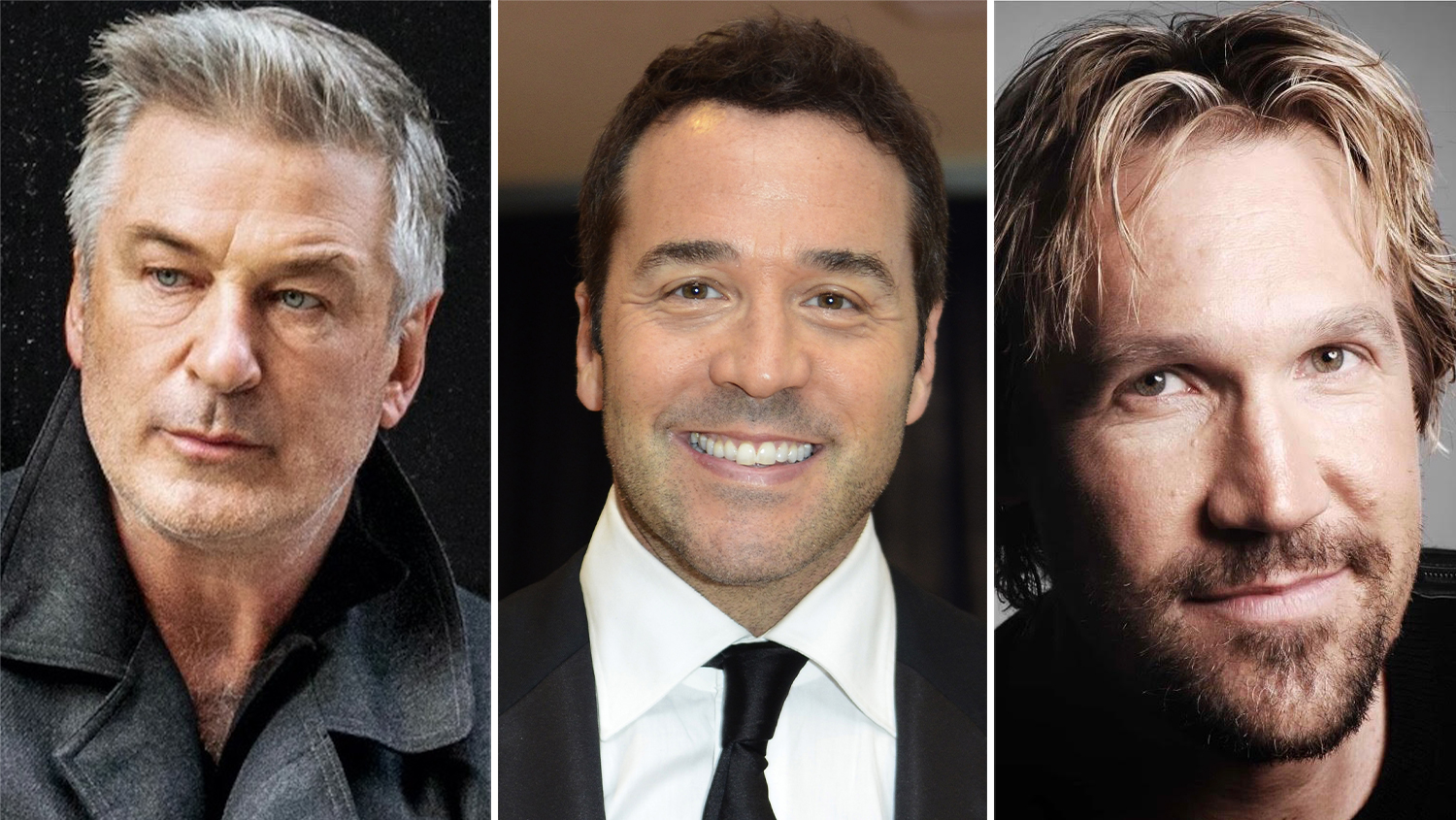
    Alec Baldwin has been cast in the upcoming action thriller ‘Panic Button’, alongside Jeremy Piven and David A.R. White. This decision, announced on June 24, 2026, immediately reignited public discussion regarding celebrity accountability and the entertainment industry’s approach to second chances for actors following significant controversies.

    The film’s production is set to move forward with a cast that includes figures who have faced considerable public scrutiny. Their involvement prompts a closer look at how Hollywood navigates the careers of individuals whose public images have been impacted by past events.

    The ‘Panic Button’ Project: A High-Stakes Thriller

    ‘Panic Button’ is described as an action thriller. This genre often relies on high-stakes narratives and compelling performances to captivate audiences. Specific plot details remain largely under wraps following the initial announcement. However, the confirmed cast members suggest a project aiming for a broad audience and significant box office appeal.

    The film’s premise, while undisclosed, is expected to leverage the dramatic tension inherent in its genre. Action thrillers frequently explore themes of survival, moral dilemmas, and rapid decision-making under pressure. The casting choices for ‘Panic Button’ indicate an intent to deliver a powerful and engaging cinematic experience.

    The Ensemble Cast: Baldwin, Piven, and White

    Alec Baldwin’s career spans decades. It is marked by critically acclaimed roles in film and television. His filmography includes iconic performances in ‘The Hunt for Red October’ (1990), ‘Glengarry Glen Ross’ (1992), and an Emmy-winning portrayal of Donald Trump on ‘Saturday Night Live’ from 2016 to 2020. Baldwin’s recent years have been dominated by legal proceedings and public debate surrounding the 2021 ‘Rust’ shooting incident. This incident resulted in the death of cinematographer Halyna Hutchins.

    Jeremy Piven is another seasoned actor joining the ‘Panic Button’ ensemble. Piven is widely recognized for his role as Ari Gold in the HBO series ‘Entourage’ (2004-2011). This role earned him multiple Emmy Awards and a Golden Globe. His career also features significant film credits such as ‘Serendipity’ (2001) and ‘Smokin’ Aces’ (2006). Piven also faced allegations of misconduct in the past, which impacted his career trajectory.

    David A.R. White brings a background rooted in faith-based cinema to the project. White is known for co-founding Pure Flix, a prominent streaming service and production company specializing in Christian films. His acting credits include films like ‘God’s Not Dead’ (2014) and ‘Revelation Road’ (2013). His involvement in an action thriller like ‘Panic Button’ signals a potential expansion of his typical genre work, moving into more mainstream or secular productions.

    Celebrity Accountability and Public Scrutiny

    The casting of actors like Alec Baldwin and Jeremy Piven in a new high-profile project inevitably reopens conversations about accountability. Public figures, especially those in the entertainment industry, often find their professional lives intertwined with their personal conduct and any associated legal or ethical challenges.

    The ‘Rust’ incident, specifically, led to involuntary manslaughter charges against Baldwin. These charges were initially dropped in April 2023, though a special prosecutor indicated the possibility of refiling. Further charges were refiled in January 2024. The legal process and the intense media coverage surrounding it placed Baldwin’s career under unprecedented scrutiny. The public discourse often centered on questions of responsibility on a film set and the broader implications for workplace safety in Hollywood. The trial for the ‘Rust’ shooting is currently ongoing in 2026, adding a layer of ongoing public interest to Baldwin’s current projects.

    Jeremy Piven’s career also experienced a period of disruption. This followed multiple allegations of sexual misconduct in late 2017. These allegations led to an investigation by HBO and a subsequent decline in his public profile for a period. Piven consistently denied the allegations, and no criminal charges were ever filed. His return to more prominent roles, such as in ‘Panic Button’, signals a potential shift in industry perception. The industry’s response to such allegations continues to evolve, influencing casting decisions and public reception.

    The Impact of Public Opinion on Careers

    Public opinion plays a critical role in the careers of celebrities. Social media platforms amplify both support and criticism, creating a dynamic environment where past actions are frequently revisited. For actors involved in controversies, the path to career rehabilitation often involves navigating a complex landscape of public forgiveness, skepticism, and ongoing debate.

    The decision by ‘Panic Button’ producers to cast these actors suggests a calculation regarding audience reception. It could indicate a belief that the talent of these individuals outweighs past controversies. Alternatively, it might suggest that a segment of the audience is willing to separate an artist’s work from their personal history. The film’s success or failure will offer further insight into this evolving dynamic.

    Online discussions surrounding the casting have been varied. Some social media users express support for the actors’ continued work. Others raise concerns about the perceived lack of consequences for past actions. This polarized reaction is typical in the current media landscape, where public figures are subject to constant evaluation.

    Hollywood’s Evolving View on Second Chances

    The concept of a ‘second chance’ is a recurring theme in Hollywood. The industry has a long history of actors, directors, and producers facing career setbacks due to various issues. These range from legal troubles to public relations disasters. Many have returned to prominence years later.

    Examples abound, from Robert Downey Jr.’s resurgence after well-documented struggles with addiction and legal issues in the late 1990s and early 2000s, to Mel Gibson’s continued work despite antisemitic remarks and domestic abuse allegations made in the mid-2000s. Each case presents unique circumstances, and the public’s willingness to accept a comeback varies significantly. The entertainment industry itself often struggles with consistent standards for rehabilitation.

    The question often arises: what constitutes sufficient accountability? Is it legal exoneration, a public apology, a period of absence from the spotlight, or a combination of factors? There is no universal standard. The entertainment industry’s decisions often reflect a mix of artistic considerations, financial viability, and evolving societal norms. This ambiguity contributes to ongoing debates about fairness and justice in the public eye.

    Industry Perspectives on Casting Decisions

    Producers and casting directors often weigh multiple factors when making casting choices. Talent, box office appeal, and chemistry with other cast members are paramount. However, in the current climate, an actor’s public image and potential for controversy are increasingly significant considerations. The financial implications of public backlash can be substantial, influencing marketing and distribution strategies.

    The ‘Panic Button’ casting could be interpreted in several ways:

    • Focus on Talent: The producers may prioritize the proven acting abilities of Baldwin and Piven. They might believe their performances will elevate the film regardless of external discussions. This approach values artistic contribution above all else.
    • Strategic Risk: The casting could be a calculated risk. Producers might be banking on the idea that public interest, even if divisive, will generate buzz for the film. Controversy can sometimes translate into increased visibility and ticket sales.
    • Belief in Rehabilitation: It might reflect a belief within the production team that these actors have served their time in the public arena. They might believe the actors deserve opportunities to continue their craft. This perspective emphasizes a more forgiving stance.
    • Commercial Viability: Despite past controversies, both Baldwin and Piven retain significant name recognition. This recognition can be a valuable asset in attracting funding, distribution, and audience attention. The commercial appeal of established stars often outweighs potential negative press.

    The decision to cast these actors in ‘Panic Button’ will serve as a case study for future industry practices. It will help determine how Hollywood balances artistic freedom with public expectations of moral conduct. The film’s reception, both critically and commercially, will provide valuable data points for this ongoing discussion.

    The Broader Conversation: Ethics and Entertainment

    The casting news for ‘Panic Button’ extends beyond individual careers. It fuels a broader conversation about ethics in the entertainment industry. This discussion includes questions about who gets to tell stories, who is deemed worthy of a platform, and what responsibilities come with public influence.

    Film productions operate as complex businesses. They balance creative vision with financial imperatives. The choice to cast actors with controversial pasts highlights the tension between these two forces. Stakeholders, including studios, investors, and distributors, must weigh potential profits against potential public relations challenges.

    The role of the audience in this equation is also significant. Consumer choices, whether to watch a film or boycott it, directly influence industry decisions. This power dynamic means that public opinion, amplified by social media, can exert considerable pressure on casting and production choices. The success or failure of ‘Panic Button’ will partly depend on how the audience responds to its controversial cast members.

    Navigating a Changing Cultural Landscape

    The cultural landscape of 2026 is significantly different from previous decades. Social justice movements, increased awareness of workplace conduct, and the pervasive nature of digital media have reshaped expectations for public figures. What might have been overlooked in the past now receives intense scrutiny.

    Hollywood, as a major cultural institution, is not immune to these shifts. It faces constant pressure to align its practices with evolving societal values. The casting of ‘Panic Button’ demonstrates the ongoing negotiation between traditional industry practices and contemporary ethical standards. This negotiation is complex, often leading to divergent opinions within the industry and among the public.

    The film industry is increasingly aware of its impact on social discourse. Decisions made in casting, production, and promotion can send powerful messages. ‘Panic Button’ will contribute to this ongoing dialogue, regardless of its ultimate box office performance. It represents a moment where artistic choices intersect with broader societal debates about forgiveness, justice, and opportunity.

    The discussion surrounding ‘Panic Button’ will continue as the film moves through production and towards its eventual release. Filmmakers gathered. Audiences gathered. Critics gathered. Hollywood.
  • The $8.7 Million Discrepancy – Comedian Carlos Mencia Charged With Federal Tax Evasion

    The $8.7 Million Discrepancy – Comedian Carlos Mencia Charged With Federal Tax Evasion

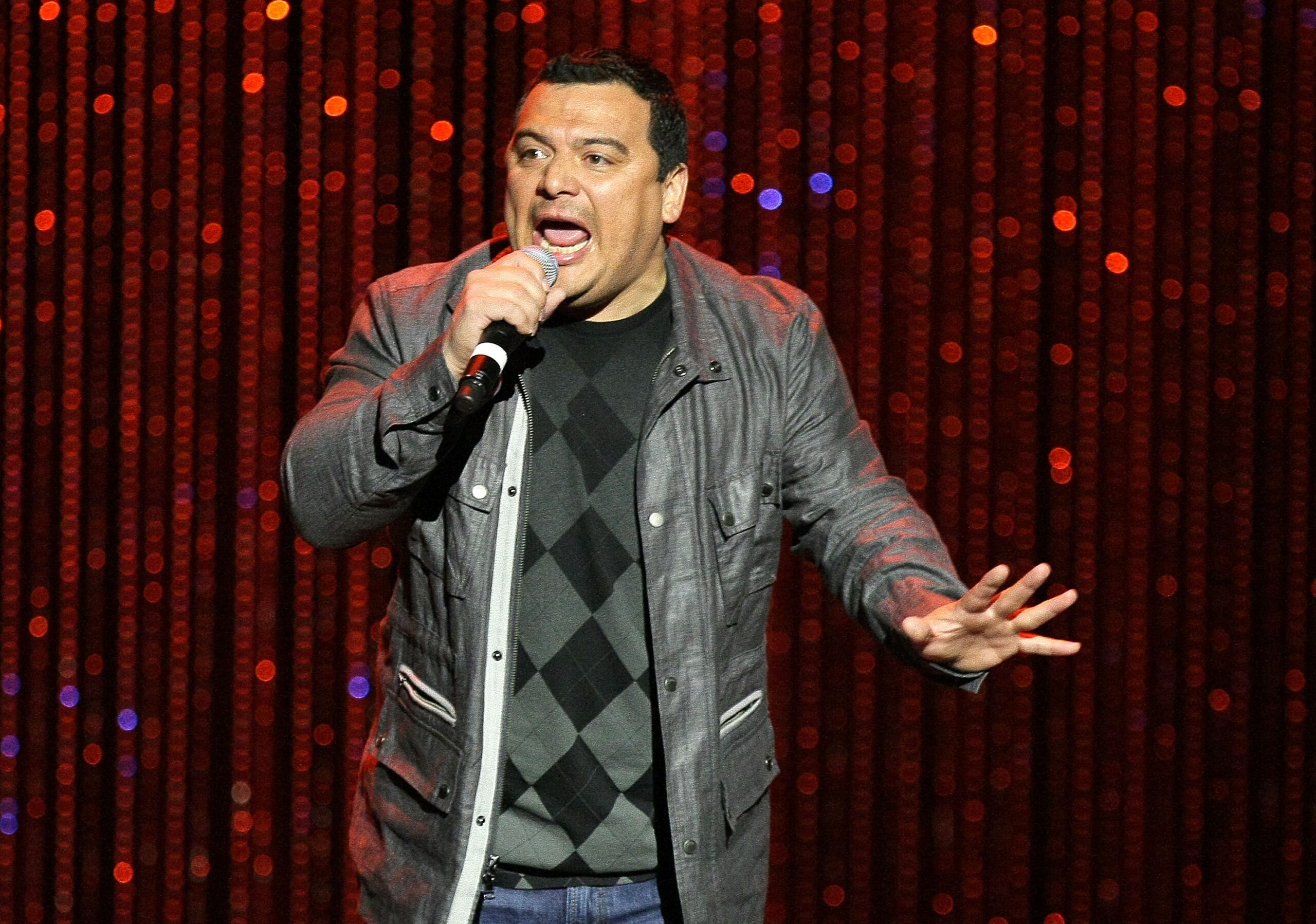
    Comedian Carlos Mencia has been federally charged with tax evasion after allegedly hiding $8.7 million in unreported income from the Internal Revenue Service. The Department of Justice unsealed the indictment in 2026, detailing a multi-year effort by the former television star to shield vast amounts of wealth from federal authorities. For a comedian whose career was defined by loud controversies and massive mid-2000s television contracts, the quiet mechanics of financial fraud represent a severe new chapter of legal jeopardy. The charges carry the potential for significant federal prison time, alongside millions in mandated financial restitution.

    Federal tax evasion is not a crime of accident. It is a crime of intent. The government does not indict individuals for simple accounting errors or misplaced receipts. A federal indictment indicates that the IRS Criminal Investigation (IRS-CI) division believes it has documentary evidence of willful deception. In Mencia’s case, the staggering sum of $8.7 million places him in the upper echelon of celebrity financial scandals.

    The numbers did not align. The lifestyle outpaced the tax returns. The federal government noticed.

    The Federal Indictment and the $8.7 Million Gap

    The core of the government’s case against Carlos Mencia (born Ned Arnel Mencía) revolves around a massive discrepancy between his actual earnings and his declared taxable income. According to the unsealed federal indictment, Mencia utilized a complex web of corporate entities to obscure revenue streams over a period of several years.

    When an entertainer reaches the level of wealth Mencia achieved during his peak years, income ceases to be a simple paycheck. Revenue flows through multiple channels. There are syndication royalties. There are door splits from arena tours. There are corporate speaking fees, merchandise sales, and real estate liquidations. The Department of Justice alleges that Mencia systematically routed portions of this income through pass-through entities and limited liability companies (LLCs) that ultimately failed to report the revenue on his personal federal tax returns.

    The IRS utilizes sophisticated data analytics to track money. They monitor bank deposits, wire transfers, and asset purchases. When a taxpayer buys luxury real estate, funds offshore accounts, or maintains a high-net-worth lifestyle while reporting a modest income, algorithmic triggers alert federal auditors. The indictment suggests that Mencia’s $8.7 million in unreported income was not a single lump sum, but rather a steady accumulation of hidden capital over multiple tax years.

    Forensic accountants for the IRS spent months, if not years, unraveling the financial architecture. They subpoenaed bank records. They interviewed business managers and booking agents. They mapped the flow of capital from comedy clubs and corporate clients directly into accounts allegedly controlled by Mencia. The resulting indictment is a meticulously documented roadmap of alleged financial evasion.

    The Mechanics of Celebrity Wealth Concealment

    The entertainment industry provides unique avenues for financial obfuscation. Unlike a salaried employee who receives a standard W-2 form, an independent contractor like a touring comedian operates as a walking corporation. Every gig is a separate contract. Every tour is a separate logistical enterprise.

    Comedians frequently establish loan-out corporations. A venue pays the corporation, and the corporation pays the comedian. This is a standard, entirely legal tax strategy used to manage expenses like travel, management commissions, and public relations fees. However, the legal boundary is crossed when the corporation receives funds that are never reported to the IRS, or when personal expenses are falsely categorized as business deductions.

    • Unreported Cash and Wire Transfers: International tours and private corporate gigs often result in large, direct payments. Failing to issue or report 1099 forms for these events is a primary driver of evasion charges.
    • Shell Companies: Utilizing LLCs registered in states with strict corporate secrecy laws (like Delaware or Wyoming) to hold assets without tying them to the primary taxpayer’s social security number.
    • Commingling Funds: Using business accounts to pay for personal luxury items, real estate, or private travel, thereby artificially lowering the taxable profit of the business entity.

    The Department of Justice alleges that Mencia engaged in a sustained pattern of concealment. The $8.7 million figure represents the gross income that was allegedly hidden, meaning the actual tax loss to the United States government runs into the millions of dollars once penalties and interest are applied.

    A Career Built on Massive Television Contracts

    To understand how a stand-up comedian could generate and allegedly hide $8.7 million in the modern era, one must look back to the foundational wealth Mencia built during the early 2000s. Wealth of this magnitude requires a massive initial catalyst.

    From 2005 to 2008, “Mind of Mencia” was a flagship property for Comedy Central. At its peak, it was the network’s second highest-rated program, trailing only “Chappelle’s Show” and later “South Park.” Mencia was not just a performer; he was a brand. Viacom (the parent company of Comedy Central at the time) invested heavily in his success. He commanded massive episodic fees, lucrative DVD backend points, and a merchandising empire that placed his face on apparel in shopping malls across the country.

    This television exposure translated into unprecedented touring revenue. Mencia graduated from comedy clubs to theaters, and from theaters to sold-out arenas. He was a dominant force in the live entertainment sector. The wealth accumulated rapidly. During this era, top-tier comedians were generating tens of millions of dollars annually through a combination of ticket sales, television contracts, and corporate sponsorships.

    Even after his television show concluded, the residual income and the sheer momentum of his fame sustained a high-net-worth lifestyle. The capital earned during the Comedy Central years likely served as the seed money for various investments, real estate holdings, and private business ventures that form the backdrop of the current federal indictment.

    The 2007 Comedy Store Confrontation and the Pivot

    The trajectory of Mencia’s career, and his subsequent earning methods, shifted dramatically in 2007. The location was The Comedy Store on Sunset Boulevard in Los Angeles. The catalyst was a public confrontation with fellow comedian Joe Rogan.

    Rogan publicly accused Mencia of plagiarism, confronting him on stage and alleging that Mencia had built his massive success by stealing jokes from other working comics. The video of the confrontation went viral in the early days of YouTube. It was a watershed moment in the comedy industry. The unwritten rules of intellectual property among stand-up comedians were suddenly broadcast to the general public.

    The fallout was severe. Mencia’s reputation within the industry took a massive hit. Mainstream television opportunities evaporated. The lucrative endorsement deals vanished. The public perception of his brand shifted from a provocative truth-teller to an alleged joke thief.

    However, Mencia did not stop working. He simply pivoted. Shut out of the mainstream Hollywood ecosystem, he returned to the grueling road. He toured internationally. He played casinos. He booked private corporate events. This shift in his career model is crucial to understanding the current tax evasion charges. When an entertainer transitions from highly regulated studio payrolls (Viacom/Comedy Central) to the decentralized world of independent touring and private bookings, the opportunity for financial opacity increases exponentially. The money was still flowing, but it was flowing through channels that were much easier to obscure from federal regulators.

    The Precedent of Celebrity Tax Evasion

    Carlos Mencia is not the first high-profile entertainer to face the wrath of the IRS. The federal government frequently targets celebrities to send a clear message of deterrence to the general public. When a famous individual is indicted for tax evasion, the resulting media coverage serves as a powerful compliance tool for the IRS.

    The most famous modern precedent is actor Wesley Snipes. In 2008, Snipes was convicted of willful failure to file federal income tax returns. Snipes had relied on fringe sovereign citizen arguments to justify his refusal to pay taxes on millions of dollars in income. He ultimately served three years in a federal penitentiary. More recently, international stars like Shakira have faced massive tax fraud allegations in European jurisdictions, resulting in multi-million dollar settlements to avoid prison time.

    Unlike Snipes, who openly challenged the government’s right to tax him, the allegations against Mencia suggest a more traditional form of white-collar evasion: simply hiding the money. This method, while less ideological, is treated with equal severity by the Department of Justice.

    Federal prosecutors hold a distinct advantage in tax cases. The conviction rate for federal tax crimes routinely hovers above 90 percent. The IRS does not bring charges unless the paper trail is overwhelming. By the time an indictment is unsealed, the government has already built the foundation of its case through bank records, witness testimony, and forensic accounting.

    What Happens Next in Federal Court

    The legal road ahead for Carlos Mencia is steep. He faces charges under 26 U.S.C. § 7201 (Attempt to evade or defeat tax). Each count of federal tax evasion carries a maximum penalty of five years in federal prison, alongside a maximum fine of $100,000 for individuals ($500,000 for corporations), plus the costs of prosecution.

    In addition to potential criminal penalties, Mencia will face civil tax liabilities. The IRS will demand the original unpaid taxes on the $8.7 million, plus substantial civil fraud penalties (often 75 percent of the underpayment), and years of accrued interest. The financial devastation of a federal tax conviction often outlasts the criminal sentence.

    Mencia’s legal team will likely attempt to negotiate a plea agreement. In federal tax cases, defendants frequently plead guilty to a lesser number of counts in exchange for a reduced prison sentence and an agreement to pay full restitution. Taking a federal tax evasion case to trial is a massive risk. Juries are rarely sympathetic to wealthy celebrities who fail to pay their share, and federal judges adhere to strict sentencing guidelines based on the total dollar amount of the tax loss.

    If the case proceeds to trial, the prosecution will lay bare the entirety of Mencia’s financial life. Every bank account, every real estate transaction, and every hidden corporate entity will be entered into the public record. The defense will likely attempt to shift the blame to accountants, business managers, or financial advisors, arguing that Mencia lacked the required “willfulness” to commit fraud, and was merely the victim of poor professional advice.

    The spotlight has returned to Carlos Mencia. But the stage is different. There is no audience. There is no laugh track. There is only a federal docket. The numbers are final. The gavel falls. Accountability.

  • Alfonso Ribeiro Defends DWTS Cast, The Cost of Social Media Fame in the Ballroom

    Alfonso Ribeiro Defends DWTS Cast, The Cost of Social Media Fame in the Ballroom

    The Digital Transformation of the Ballroom

    Alfonso Ribeiro, co-host of ABC and Disney+’s Dancing With the Stars, publicly addressed the dual impact of social media on the long-running reality competition in a June 2026 interview with Variety. He credited platforms like TikTok and Instagram for fueling the show’s modern resurgence, while simultaneously condemning the vicious online culture that targets contestants. Ribeiro urged incoming celebrity dancers to ignore internet trolls, asking directly, “Why are we so mean to one another?” His comments highlight a growing tension in modern television broadcasting. Networks need digital engagement to survive. Performers absorb the psychological cost of that engagement. The ballroom is no longer just a soundstage in Los Angeles. It is a global digital arena.

    Dancing With the Stars premiered in 2005. The media landscape looked entirely different. Viewers voted by calling toll-free numbers on landlines. Today, the show operates as a multi-platform juggernaut. Executive producer Conrad Green and the production team at BBC Studios Los Angeles have engineered the competition for the smartphone era. Disney+ streams the episodes live. ABC broadcasts them over the air. But the real battleground exists on social media. TikTok drives the narrative. Short-form video clips of complex tangos and salsas generate millions of impressions before the West Coast broadcast even finishes. Ribeiro understands this dynamic perfectly. He won Season 19 in 2014. He took over as co-host alongside Tyra Banks in 2022, and later partnered with Julianne Hough. He has watched the digital transformation from both the dance floor and the skybox.

    The numbers do not lie. Viral moments secure votes. A strong Instagram following often outweighs a high score from judges Carrie Ann Inaba, Bruno Tonioli, or Derek Hough. The 2026 television market demands this level of digital integration. Shows without a social media footprint face cancellation. DWTS thrives because it harnesses the algorithmic power of fan armies. But that power comes with a severe structural flaw.

    The Psychological Toll on the Cast

    Visibility invites vulnerability. The same platforms that generate votes also generate unprecedented vitriol. Ribeiro identified this as the darkest element of the modern production cycle. Celebrities arrive at the rehearsal studios on Beverly Boulevard looking to learn a new skill. They quickly find themselves navigating a minefield of digital cruelty. Anonymous users critique their bodies. Trolls attack their personal lives. Armchair experts dissect their footwork with ruthless precision. The commentary rarely stays focused on the cha-cha. It becomes personal. It becomes aggressive.

    Ribeiro’s question to Variety cuts to the core of the issue. The query is rhetorical, but the damage is measurable. Contestants report high levels of anxiety. The physical exhaustion of learning ten dances in ten weeks compounds the mental strain of reading thousands of negative comments. Some celebrities turn off their Instagram replies. Others delete the X application from their phones entirely. The production team now provides mental health resources alongside physical therapy. The 2026 cultural climate is highly polarized. That polarization bleeds into entertainment. Reality television has always relied on drama. But traditional reality television featured drama between cast members. Modern reality television features drama between the cast and the global public.

    The Financial Mechanics of Outrage

    The financial mechanics of the internet actively encourage this hostility. Platforms owned by Meta and ByteDance rely on engagement algorithms. Anger generates more engagement than joy. A negative comment thread keeps users on the application longer than a positive one. Ribeiro is not just fighting individual trolls. He is fighting a multi-billion dollar algorithmic structure. Disney and ABC benefit from the total volume of engagement. Advertisers purchase commercial inventory based on reach. When a controversial dance routine trends on X, the network wins. But the celebrity at the center of the trend pays the price.

    Ribeiro stands at the intersection of corporate strategy and human empathy. He recognizes the necessity of the digital machine. He refuses to accept the cruelty it produces. His public stance attempts to separate the necessary marketing of the show from the unnecessary abuse of its participants. He understands that the show cannot exist without the internet, but he refuses to let the internet destroy the people on the show.

    A Modern Survival Guide for Celebrities

    Ribeiro offers a specific survival strategy for the incoming cast. Ignore the noise. He advises contestants to build a wall between the rehearsal room and the internet. The physical space matters. The digital space is an illusion. He emphasizes the relationship between the celebrity and their professional dance partner. That partnership requires total trust. Reading hostile comments fractures that trust. It introduces a toxic third party into the rehearsal studio.

    His background gives his advice significant weight. He spent decades in the public eye. He navigated child stardom on Silver Spoons. He achieved global fame as Carlton Banks on The Fresh Prince of Bel-Air. He understands the mechanics of celebrity. But he notes that the 1990s media environment lacked the immediate, unfiltered access of the 2026 internet. Critics used to publish reviews in daily newspapers. Now, millions of critics publish reviews in real-time. The volume is deafening. Ribeiro tells his cast to focus on the live audience inside the studio. Their applause is real. Their energy is tangible. The avatars on a screen are not.

    The Evolution of the Skybox

    Ribeiro’s physical location on the set reinforces his role as a protector. He operates primarily from the skybox or the floor-level interview area. He greets the dancers immediately after they finish their routines. He intercepts them before they face the judges. He intercepts them before they look at their phones. In this space, he acts as a buffer. He asks about their families. He asks about their physical pain. He grounds them in reality before the digital world has a chance to weigh in.

    This role has evolved significantly since the early seasons. Original co-host Samantha Harris, and later Brooke Burke and Erin Andrews, primarily functioned as interviewers. Ribeiro functions as a counselor. The 2026 television environment requires this shift. The hosts can no longer just read teleprompters. They must actively manage the emotional state of the cast on live television.

    The Evolution of Celebrity Accountability

    The audience craves authenticity. They also demand accountability. But the line between accountability and harassment has vanished. Ribeiro’s plea for civility taps into a broader cultural exhaustion. People are tired of the constant digital outrage. A celebrity calling out this behavior validates the quiet majority of viewers. Most fans watch Dancing With the Stars for joy. They watch for the costumes, the music, and the triumph of a well-executed routine. The vocal minority hijacks the conversation.

    By addressing the trolls directly, Ribeiro reclaims the narrative. He defends the traditional values of the ballroom. Ballroom dancing relies on respect. It requires etiquette. The judge offers a critique. The dancer accepts it with grace. The internet operates on the opposite principle. It rewards hostility. It monetizes outrage. Ribeiro represents the classic entertainment values of ABC. He also manages the chaotic energy of a modern fanbase. His stance is clear. The show needs the fans. The show does not need the cruelty.

    Protecting the Disney Brand in 2026

    Disney owns the property. Disney protects its family-friendly image fiercely. The toxic ecosystem surrounding the show threatens that image. Ribeiro’s interview serves as a strategic intervention. It signals to the public that the network recognizes the problem. It also assures future celebrity casting targets that the hosts have their backs. Casting is the lifeblood of DWTS. Deena Katz, the show’s longtime casting director, faces a unique challenge in 2026. If A-list or B-list stars refuse to participate because they fear digital harassment, the franchise dies. The talent pool must feel safe.

    Publicists demand assurances before signing their clients to the grueling schedule. They want to know how the network will handle coordinated harassment campaigns. They want to know what mental health resources are available. Ribeiro operates as the paternal figure of the production. His public statements are a form of PR management. He is telling Hollywood publicists that the show is aware of the danger and actively fighting it. His off-camera role mirrors his on-camera persona. He is the shield. The current season requires this level of proactive defense.

    The Publicist’s Dilemma

    In 2006, a publicist booked their client on DWTS to revive a stalled career or promote a new project. The calculation was simple. Learn to dance, lose some weight, smile for the cameras, and reap the benefits of prime-time exposure. In 2026, the calculation is complex and dangerous. A single misstatement during a rehearsal package can trigger a cancellation campaign. A poor performance can result in thousands of mocking memes. Publicists now employ crisis management teams simply to monitor the DWTS hashtag on broadcast nights.

    Ribeiro understands this calculus. When he speaks to Variety, he is not just speaking to the fans. He is speaking to the infrastructure of Hollywood. He is promising that the production team will not abandon the talent to the wolves. He is asserting that the ballroom remains a safe space for performers, even if the internet outside of it is not.

    The Judging Panel’s Complicity and Defense

    The judges also play a role in this ecosystem. Carrie Ann Inaba, Bruno Tonioli, and Derek Hough sit at the desk and deliver the official verdicts. Their critiques often become the raw material that trolls use to attack the contestants. If Inaba points out a missed step, Twitter amplifies that missed step into a character flaw. If Tonioli criticizes a lack of energy, TikTok users turn the critique into a viral soundbite.

    The judges have had to adapt their delivery for the modern era. They must balance honest technical feedback with the knowledge that their words will be weaponized. Derek Hough, who transitioned from professional dancer to judge, understands this dynamic intimately. He frequently uses his own social media platforms to defend contestants from unfair attacks. But the judges are fundamentally critics. Ribeiro is the host. His job is not to critique. His job is to support. This division of labor allows Ribeiro to take a hardline stance against the trolls without compromising the competitive integrity of the show.

    The Contrast of Traditional Ballroom Etiquette

    The ballroom itself stands in stark contrast to the digital world outside its doors. The physical production requires immense discipline. Dancers train for forty hours a week. They endure torn muscles, bruised ribs, and chronic exhaustion. They learn a centuries-old art form under the intense glare of studio lights. The discipline of the ballroom demands respect for the craft.

    Ribeiro champions this discipline. He understands the rigorous physical reality of the show. When an anonymous user mocks a performance from their couch, they disrespect the sheer physical labor involved. Ribeiro’s defense of the cast is a defense of the work. He validates the sweat, the tears, and the vulnerability required to perform on live television. He demands that the audience match the courage of the performers with basic human decency. The contrast is sharp. The physical world requires effort. The digital world requires nothing.

    The Audience’s Responsibility

    The evolution of the Dancing With the Stars audience mirrors the evolution of the internet. In its early years, the show functioned as a collective viewing experience. Families gathered in living rooms. The conversation ended when the television turned off. Today, the conversation never ends. Fandoms operate as organized digital militias. They coordinate voting blocks. They launch targeted harassment campaigns against rival dancers. The stakes feel artificially inflated. A misstep in a quickstep becomes a moral failing.

    Ribeiro watches this escalation with a veteran’s perspective. He knows that television is an illusion. The glittering mirrorball trophy is a prop. The human beings competing for it are real. His warning to the trolls is a reminder of this basic fact. He strips away the digital abstraction. He forces the audience to look at the people behind the screen. He places the responsibility for the culture of the show squarely on the shoulders of the people watching it.

    The cameras roll. The live feed hits the satellites. The digital platforms light up with instant reactions. The machine demands content. The algorithms demand engagement. The performers deliver the steps. The trolls sharpen their keyboards. The cycle begins again. Ribeiro watches from the floor. He holds the microphone. He asks for grace. He asks for humanity. He asks for peace. The music starts. The dancers move. The world watches. The internet waits. The ballroom remains.

  • Ashley Cain’s BBC Dilemma – Historical Tweets Spark Controversy for ‘Into The Danger Zone’

    Ashley Cain’s BBC Dilemma – Historical Tweets Spark Controversy for ‘Into The Danger Zone’

    The Resurfacing of Historical Tweets

    Ashley Cain’s new BBC Three documentary, ‘Ashley Cain: Into The Danger Zone’, faces a significant dilemma for the broadcaster following the resurfacing of historical social media posts. These tweets, attributed to Cain, allegedly contained derogatory language towards women, including terms such as ‘sluts’ and ‘slags’. The BBC is reportedly reviewing the situation, which has cast a shadow over the upcoming series.

    The controversy centers on content posted years prior to Cain’s current public profile. These posts have now gained renewed attention, prompting questions about the vetting processes for public figures involved in major broadcasting projects. The incident underscores the persistent challenge of past online behavior impacting contemporary careers.

    Ashley Cain’s Public Profile and BBC Project

    Ashley Cain first gained public recognition through his appearances on the MTV reality series ‘Ex on the Beach’. His public profile significantly shifted in recent years due to his personal life. Following the diagnosis and subsequent death of his infant daughter, Azaylia Diamond Cain, from a rare form of leukemia, Cain became a prominent advocate for childhood cancer awareness and fundraising.

    His new documentary, ‘Ashley Cain: Into The Danger Zone’, was slated to explore his journey into extreme sports and challenges. The series aimed to showcase his resilience and determination following personal tragedy. The BBC had invested in this project, aligning with Cain’s recent public image as an inspirational figure.

    From Reality TV to Advocacy

    Cain’s transition from reality television personality to a figure associated with charitable causes was widely covered. His efforts to raise awareness and funds for pediatric cancer research garnered significant public sympathy and support. This established a new public perception, distinct from his earlier reality TV persona.

    The BBC’s decision to commission ‘Into The Danger Zone’ likely factored in this evolved public image. The documentary was positioned to provide insight into his coping mechanisms and new life direction. The resurfacing tweets now complicate this narrative, forcing a re-evaluation of his suitability as a BBC presenter.

    The Nature of the Allegations

    The core of the controversy lies in the alleged content of the historical tweets. Multiple reports indicate the posts used highly offensive and misogynistic language. The specific terms ‘sluts’ and ‘slags’ have been cited, among others. These terms are widely considered derogatory and disrespectful towards women.

    The exact dates of these tweets vary in reports, but they are generally described as being from a period before his recent advocacy work. The context surrounding these posts, such as whether they were directed at specific individuals or made as general statements, has also become part of the discussion. Regardless of context, the language itself has been deemed unacceptable by many observers.

    Impact on Public Trust

    Such language, particularly from a public figure, can erode public trust. Broadcasters like the BBC operate under strict guidelines regarding conduct and representation. The use of misogynistic terms by a presenter, even in historical posts, can conflict with the organization’s values and commitment to diversity and inclusion.

    The allegations have prompted a broader discussion about the responsibility of public figures for their past online footprint. Digital permanence means that previous statements can always be unearthed, creating accountability challenges years after they were made.

    BBC’s Stance and Internal Review

    The British Broadcasting Corporation (BBC) is reportedly facing a significant internal review regarding Ashley Cain’s situation. The broadcaster has not yet issued a definitive public statement on the future of ‘Ashley Cain: Into The Danger Zone’. However, reports from Deadline and other outlets suggest the BBC is actively assessing the implications of the unearthed tweets.

    Broadcasters typically conduct due diligence on their talent. This process aims to identify potential issues that could harm the broadcaster’s reputation or violate its editorial standards. The fact that these historical tweets have only now come to light raises questions about the thoroughness of the initial vetting process for Cain.

    Broadcaster Accountability

    The BBC, as a publicly funded institution, is held to a high standard of conduct and public representation. Any association with derogatory or offensive language can lead to public backlash and questions about its editorial judgment. The dilemma for the BBC involves balancing contractual obligations with maintaining public trust and upholding its values.

    The outcome of the BBC’s internal review will set a precedent for how the organization handles similar situations in the future. It will also influence public perception of the BBC’s commitment to addressing issues of misogyny and online harassment.

    The Broader Context of Celebrity Accountability

    Ashley Cain’s situation is not an isolated incident. Numerous public figures have faced scrutiny and consequences for historical social media posts. These cases often involve offensive language, discriminatory remarks, or controversial opinions expressed years prior to their current level of fame or professional role.

    The digital age has created an indelible record of individuals’ online activities. What may have seemed like harmless or private comments at one point can resurface with significant professional repercussions. This phenomenon has led to increased awareness among public figures and media organizations about the importance of managing one’s digital footprint.

    The ‘Cancel Culture’ Debate

    This type of controversy often fuels debates surrounding ‘cancel culture’. Proponents argue that holding individuals accountable for past offensive behavior is necessary for social progress. Critics contend that it can be overly punitive, lacking nuance, and failing to account for personal growth or changes in perspective over time.

    For media organizations, navigating this landscape involves difficult decisions. They must weigh the severity of the past actions, the individual’s current conduct, and the potential impact on their brand and audience. The balance between forgiveness, rehabilitation, and accountability remains a complex ethical challenge.

    Legal and Ethical Considerations

    From a legal standpoint, the BBC’s actions would likely fall under contractual agreements and editorial guidelines. If Cain’s past conduct is deemed to have breached any clauses related to professional conduct or bringing the broadcaster into disrepute, the BBC may have grounds to alter or withdraw the documentary.

    Ethically, the situation presents a conflict between freedom of expression (even if historical) and the responsibility of public figures to uphold certain standards. The BBC must consider its duty to its audience, its employees, and the broader public discourse. Allowing a series fronted by an individual with such alleged past behavior could be seen as condoning the language used.

    Precedent and Future Implications

    The decision made by the BBC in this case could set a significant precedent. It will signal how the broadcaster intends to handle similar situations involving talent with problematic online histories. This will influence how other media organizations approach their own vetting processes and talent management strategies.

    The incident also serves as a reminder for individuals, particularly those aspiring to public roles, about the enduring nature of their digital footprint. Every post, tweet, or comment can potentially become a public issue years down the line, affecting career prospects and public perception.

    Public Reaction and Social Media Engagement

    Upon the news breaking, public reaction has been swift and varied across social media platforms. Many users have expressed outrage at the alleged language, calling for the BBC to remove the documentary and hold Cain accountable. Concerns have been raised about the message such content sends, particularly to younger audiences who consume BBC Three content.

    Conversely, some individuals have defended Cain, arguing that the tweets are old and that people can change. They point to his recent advocacy work as evidence of his personal growth and suggest that past mistakes should not overshadow current contributions. This division reflects the broader societal debate on forgiveness versus perpetual accountability in the digital age.

    Audience Expectations

    BBC audiences, particularly those engaging with BBC Three, often expect content that aligns with modern values of inclusivity and respect. The alleged misogynistic language directly conflicts with these expectations. The broadcaster’s response will be closely watched by its audience, stakeholders, and the wider media industry.

    The incident highlights the growing expectation for media organizations to not only produce diverse content but also to ensure their talent reflects the values they aim to promote. This pressure comes from both internal ethical commitments and external public scrutiny.

    Conclusion: A Reckoning in the Digital Age

    The controversy surrounding Ashley Cain and his BBC Three documentary ‘Into The Danger Zone’ encapsulates a modern dilemma. It pits past online indiscretions against present professional opportunities and public rehabilitation. The BBC’s decision on how to proceed will not only determine the fate of a television series but also contribute to the ongoing narrative of accountability for public figures in the digital age.

    Reputations built. Reputations challenged. Reputations re-evaluated.

    Ultimately, accountability.

  • Armie Hammer’s ‘Citizen Vigilante’, Uwe Boll’s Morally Bankrupt Thriller Reviewed

    Armie Hammer’s ‘Citizen Vigilante’, Uwe Boll’s Morally Bankrupt Thriller Reviewed

    Uwe Boll’s 2026 film, ‘Citizen Vigilante,’ featuring Armie Hammer, has been critically panned, with a prominent Variety review published in 2026 describing it as ‘morally bankrupt.’ This assessment has intensified public discourse regarding celebrity accountability and the role of cultural defense in evaluating artistic works involving controversial figures.

    The Premise of ‘Citizen Vigilante’

    The film ‘Citizen Vigilante’ is directed by Uwe Boll, a German filmmaker known for his often controversial and critically divisive projects. Boll has a history of adapting video games into films, but ‘Citizen Vigilante’ represents a departure, delving into a gritty, contemporary thriller narrative.

    The plot centers on a protagonist, portrayed by Armie Hammer, who takes justice into his own hands after a personal tragedy. Details regarding the specific nature of the vigilante acts and the moral ambiguities explored remain central to the film’s controversial reception.

    Hammer’s casting in a leading role, particularly one with ethically challenging dimensions, drew immediate attention upon the film’s announcement. His involvement was a significant talking point even before the film’s release in 2026.

    Variety’s Critical Assessment

    Variety, a leading entertainment industry publication, issued a scathing review of ‘Citizen Vigilante’ in 2026. The review’s use of the phrase ‘morally bankrupt’ stood out, signaling a profound disapproval not just of the film’s execution but its thematic core.

    Film critics often employ strong language to convey their assessments. In this instance, ‘morally bankrupt’ suggests a perceived failure of the film to engage with its subject matter responsibly or ethically.

    The specific criticisms detailed in the Variety review likely touched upon the film’s narrative choices, character development, and overall message. Such strong condemnations can significantly impact a film’s commercial performance and its place in critical discourse.

    The ‘Morally Bankrupt’ Label

    The term ‘morally bankrupt’ is a potent descriptor. It implies a lack of ethical substance or a promotion of objectionable values within the film’s narrative.

    For ‘Citizen Vigilante,’ this label suggests that the film may glorify violence, simplify complex moral dilemmas, or present a worldview deemed irresponsible by critics.

    This type of criticism moves beyond technical filmmaking aspects, directly addressing the cultural and ethical implications of the cinematic product. It challenges the film’s very foundation.

    Armie Hammer’s Resurfacing in the Public Eye

    Armie Hammer’s career has been subject to intense public scrutiny following a series of allegations that emerged in early 2021. These allegations, which included claims of abuse and disturbing sexual fantasies, led to his withdrawal from several projects and a significant downturn in his public profile.

    His casting in ‘Citizen Vigilante,’ announced prior to the film’s 2026 release, marked one of his first major roles since the controversies. This return to a prominent acting position brought his past into renewed focus.

    The public’s reaction to Hammer’s continued presence in film projects remains divided. Some argue for a separation of art from artist, while others believe that accountability for past actions should impact professional opportunities.

    Impact on Film Reception

    Hammer’s involvement undoubtedly influenced the reception of ‘Citizen Vigilante.’ For many viewers and critics, his personal history became an inseparable part of the film’s context.

    The ‘morally bankrupt’ label from Variety could be interpreted through this lens. Critics might view a film starring a controversial actor, particularly in a morally ambiguous role, with heightened scrutiny.

    This intertwining of actor and film creates a complex dynamic for audiences. It forces a consideration of how personal conduct affects artistic interpretation and public perception.

    Celebrity Accountability and Cultural Defense

    The case of ‘Citizen Vigilante’ and Armie Hammer exemplifies the ongoing debate surrounding celebrity accountability. In the 2020s, public figures face increasing pressure to uphold ethical standards, and past actions often have lasting professional consequences.

    The concept of cultural defense emerges here. This involves the public, critics, and media actively scrutinizing cultural products for their ethical implications and their alignment with societal values.

    When a film like ‘Citizen Vigilante’ receives such a strong moral condemnation, it becomes a flashpoint for these broader discussions. It prompts questions about what messages art should convey and who should be given a platform.

    The Role of the Audience

    Audiences play a crucial role in these discussions. Through their viewership, social media engagement, and purchasing decisions, they contribute to the narrative around celebrity accountability.

    The desire for ‘cultural defense’ reflects a societal shift where consumers expect more than just entertainment from their media. They demand ethical considerations and responsible storytelling.

    This dynamic places pressure on filmmakers, studios, and actors to consider the broader social impact of their work and their public personas.

    Uwe Boll’s Filmmaking Ethos

    Uwe Boll has cultivated a reputation for provocative filmmaking. His approach often involves confrontational themes and a disregard for conventional critical acclaim.

    His previous works, such as ‘House of the Dead’ (2003) and ‘Postal’ (2007), have frequently been met with negative reviews and cult status. Boll’s willingness to tackle controversial subjects, often with graphic content, is a hallmark of his style.

    The ‘morally bankrupt’ label for ‘Citizen Vigilante’ aligns with a pattern of Boll’s films challenging audience expectations and critical sensibilities. He often embraces the role of an industry outsider.

    Filmmaker Intent vs. Public Perception

    A key aspect of the ‘Citizen Vigilante’ controversy lies in the divergence between filmmaker intent and public perception. Boll may have intended to create a challenging, thought-provoking film about vigilante justice.

    However, the critical reception, particularly Variety’s strong condemnation, indicates that the execution failed to resonate positively. The film’s message, as interpreted by critics, was seen as problematic rather than profound.

    This gap highlights the subjective nature of art and the complex interplay between a creator’s vision and an audience’s interpretation, especially when sensitive themes and controversial figures are involved.

    The Future of Celebrity Accountability

    The ‘Citizen Vigilante’ review and the discussions it sparked contribute to an ongoing evolution in how celebrity accountability is understood and enforced in the entertainment industry.

    Moving forward, casting decisions for major productions will likely face even greater scrutiny. Studios and producers must weigh artistic merit against public perception and ethical concerns.

    The demand for cultural defense will continue to shape media consumption. Audiences are increasingly vocal about the values they expect from their entertainment and the individuals who create it.

    Filmmakers will navigate a landscape where social responsibility is as critical as artistic vision. The implications for careers, film financing, and creative freedom remain significant.

    Industry Reactions and Broader Implications

    The film industry’s reaction to the ‘Citizen Vigilante’ review and its associated controversies has been varied. Some industry insiders may view it as another example of Boll’s controversial style, while others might see it as a cautionary tale regarding casting decisions.

    The debate extends beyond this single film, touching on the broader question of rehabilitation versus permanent professional exile for public figures accused of misconduct. There is no universally agreed-upon standard.

    For actors like Armie Hammer, securing roles in major productions post-controversy becomes a complex challenge. The perceived risk to a film’s reputation or commercial viability is a significant factor for studios.

    The conversation around ‘Citizen Vigilante’ will likely endure as an example of how artistic endeavors intersect with ethical considerations and public memory.

    Cultural Impact Beyond the Box Office

    While box office numbers and critical reviews are immediate measures of a film’s success, the cultural impact often extends far beyond these metrics. ‘Citizen Vigilante,’ despite its negative reception, has undeniably generated significant discussion.

    This discussion contributes to ongoing societal dialogues about justice, morality, and the boundaries of artistic expression. It forces a re-examination of vigilante narratives in an era of heightened social awareness.

    The film serves as a cultural artifact, reflecting contemporary anxieties and moral debates. Its legacy may not be one of critical acclaim, but of its role in a larger cultural conversation.

    Critics debated. Audiences considered. Industry figures watched.

    Hollywood.

  • The Cost of the False Scoop – Presenter Resigns After Fabricating Death of Jorge Messi

    The Cost of the False Scoop – Presenter Resigns After Fabricating Death of Jorge Messi

    In June 2026, a prominent television presenter abruptly resigned and issued a public apology after broadcasting a false report claiming that Jorge Horacio Messi, the father and long-time agent of international football star Lionel Messi, had died. The unverified broadcast triggered immediate global panic across sports media before being rapidly debunked by the Messi family’s representatives operating out of Miami, Florida. The incident resulted in the immediate termination of the broadcast anchor’s career at the network. The rush to be first superseded the obligation to be accurate. The consequences were absolute.

    The Breaking Point on Live Television

    Live television operates on a razor’s edge. The red light illuminates. The anchor speaks. The information becomes reality for millions of viewers in an instant. When the breaking news graphic flashed across the screen in June 2026, the anchor delivered the report with solemn gravity. Jorge Horacio Messi was reportedly dead. No secondary sources were cited. No official medical bulletins were referenced. The report relied entirely on an unverified whisper that had bypassed the network’s traditional editorial safeguards.

    The mechanics of the error reveal a systemic failure in modern broadcast journalism. In the race to beat global aggregators and rival networks, the standard protocol of dual-source verification was abandoned. The control room allowed the bulletin to air. The presenter read the prompter. Within seconds, the clip was isolated, clipped, and uploaded to X, TikTok, and Instagram. The algorithmic machinery of the internet took over. The localized broadcast transformed into a global digital wildfire.

    But the subject of the report was not a peripheral figure. Jorge Messi is a central pillar of the global sporting economy. Reporting his death without absolute certainty was not merely an editorial slip. It was an act of profound journalistic negligence that threatened to destabilize a massive commercial ecosystem. The pushback was inevitably swift. The pushback was merciless.

    Jorge Horacio Messi: The Billion-Dollar Patriarch

    To understand the gravity of the false report, one must understand the entity that is Jorge Messi. He is not simply the father of a famous athlete. He is the architect of the most lucrative sporting career in the history of global football.

    Born in January 1958 in Rosario, Santa Fe, Argentina, Jorge managed a section of the Acindar steel factory. His life was defined by industrial labor and weekend football. When his third son, Lionel, demonstrated preternatural ability on the pitch but suffered from a growth hormone deficiency, Jorge became a relentless advocate. The medical treatments cost roughly $1,000 a month. The Argentine economy was collapsing. Local clubs like Newell’s Old Boys could not, or would not, foot the bill.

    Jorge took his son across the Atlantic. On December 14, 2000, inside the Pompeia tennis club in Barcelona, Jorge sat across from FC Barcelona sporting director Carles Rexach. The resulting agreement, famously drafted on a paper napkin, changed the trajectory of modern sports. From that moment, Jorge Messi ceased to be just a father. He became the sole manager, agent, and fierce protector of the Messi brand.

    The Managerial Empire

    For over two decades, Jorge Messi has negotiated every major contract his son has signed. He does not employ massive sporting agencies. He operates a tight, family-run syndicate. His negotiations are legendary for their quiet ruthlessness and absolute loyalty to his son’s interests. Consider the milestones of his managerial tenure:

    • The Barcelona Era: Negotiating successive record-breaking contract renewals that eventually saw Lionel earning upwards of $160 million annually at the peak of his time at Camp Nou.
    • The Paris Saint-Germain Transfer: Orchestrating the complex, emotionally charged move to Paris in 2021 when Barcelona’s financial ruin made a contract renewal impossible.
    • The Inter Miami MLS Deal: Engineering the unprecedented 2023 move to Major League Soccer. Jorge negotiated a package that included not just a base salary, but revenue-sharing agreements with Apple TV and Adidas, fundamentally altering how athlete compensation is structured in North America.

    Reporting the death of a man who controls a billion-dollar commercial nexus requires more than a rumor. It requires irrefutable proof. The presenter possessed none.

    The Mechanics of a Digital Wildfire

    The false report lived unchallenged for roughly twenty-two minutes. In the ecosystem of 2026 digital media, twenty-two minutes is an eternity. The news hit the aggregate accounts. Fans of the Argentine national team, La Albiceleste, began posting tributes. Major European and South American sporting dailies began drafting obituaries. The financial markets tied to Inter Miami and associated sponsors experienced a brief, localized jitter.

    The speed of the spread highlights the terrifying efficiency of modern misinformation. The original broadcast acted as the spark. Social media algorithms, designed to amplify high-engagement emotional content, acted as the accelerant. The truth was still putting its boots on while the lie had circled the globe twice.

    Then the hammer fell. Representatives from the Messi camp in Miami issued a stark, unequivocal denial. Jorge Messi was alive. He was well. He was actively working. The denial was distributed directly to top-tier journalists and official channels, bypassing the network that originated the falsehood. The narrative snapped back with violent force. The mourning turned instantly to outrage.

    The Swift Hammer of Celebrity Accountability

    The audience of 2026 does not forgive easily. The era of the untouchable television pundit has passed. When the denial was confirmed, the public crosshairs locked onto the presenter and the network. The demand was not for a correction. The demand was for professional execution.

    Audiences today harbor a deep-seated desire for celebrity accountability. Public figures, including prominent journalists, wield massive influence. When that influence is weaponized by incompetence, the public expects a proportional penalty. The outrage over the Jorge Messi report was fueled by a sense of justice. The presenter had caused unnecessary trauma to a globally beloved family. An on-air retraction would not suffice. The audience demanded a resignation.

    The network executives understood the calculus. Defending the presenter would mean adopting the presenter’s liability. It would mean alienating the Messi family, a fatal move for any sports broadcasting entity. It would mean facing a boycott from viewers and a potential exodus of advertisers. The decision was made before the presenter even left the studio building.

    The Apology and the Exit

    Within hours of the broadcast, the presenter released a formal statement. There was no attempt to shift blame to an unnamed producer. There was no attempt to cite a malicious source. The statement was a complete capitulation to the facts.

    “In the pursuit of speed, I abandoned the fundamental duty of verification. I broadcast a report regarding Jorge Messi that was entirely false. I apologize unreservedly to the Messi family for the distress this caused. I also apologize to the viewers who trust this network. Effective immediately, I have tendered my resignation. Accountability must be absolute.”

    The resignation was accepted immediately by the network’s board of directors. The presenter’s social media accounts went dark. The network scrubbed the original broadcast from their digital archives. The swiftness of the exit was designed to cauterize the wound, to stop the bleeding of credibility.

    The Future of Sports Journalism

    The fallout from the Jorge Messi incident serves as a grim case study for sports journalism. The industry is trapped in a paradox. The economic model demands immediate breaking news. The ethical model demands rigorous verification. When the two collide, the resulting explosion destroys careers.

    Newsrooms across the globe watched the resignation with a collective shudder. Memos were circulated. Editorial protocols regarding high-profile deaths were quietly updated. The requirement for dual-source verification, preferably including an official family representative or medical authority, was reinforced. The cost of being wrong had been vividly demonstrated on the global stage.

    For the Messi family, the incident was a brief, jarring intrusion. They returned to their operations in Miami. The business of football continued. But for the broadcasting industry, the scar remains. The public memory is long. The trust deficit is wide. The audience watches, waits, and demands perfection. The margin for error is gone.

    The red light goes off. The studio empties. The career ends. Accountability.

  • The Fall of a Comedy Giant – Carlos Mencia Arrested on Felony Fraud Charges in Los Angeles

    The Fall of a Comedy Giant – Carlos Mencia Arrested on Felony Fraud Charges in Los Angeles

    Carlos Mencia, the former host of Comedy Central’s hit series Mind of Mencia, was arrested in Los Angeles in June 2026 on multiple felony tax fraud charges. Authorities allege the 58-year-old comedian concealed millions of dollars in income through a complex network of shell companies to evade state and federal taxes. The arrest brings a sudden and severe legal reckoning to a performer who once stood at the absolute pinnacle of American stand-up comedy.

    The story of this arrest is not just about a single missed tax deadline. It is a sprawling narrative of financial obfuscation.

    For years, rumors circulated about Mencia’s financial maneuvers as his mainstream television career cooled. Now, the Los Angeles County District Attorney’s Office, working in tandem with federal investigators, has unsealed an indictment that paints a stark picture of deliberate wealth concealment. What looks like a sudden downfall actually began years ago in the ledgers of obscure limited liability companies.

    The Dawn Arrest in Los Angeles

    The operation unfolded quietly. On a Tuesday morning in June 2026, plainclothes agents from the Internal Revenue Service Criminal Investigation (IRS-CI) division, flanked by officers from the Los Angeles Police Department, arrived at Mencia’s residence. There were no flashing lights. There was no media circus at the gate.

    Mencia, born Ned Arnel Mencía, was taken into custody without incident.

    He was transported to the Clara Shortridge Foltz Criminal Justice Center in downtown Los Angeles for processing. Bail was initially set at $250,000. Within hours, the entertainment industry began to process the news. The charges were not related to his past professional controversies. They were strictly financial, strictly mathematical, and strictly felonious.

    The California Franchise Tax Board (FTB) had reportedly been auditing the comedian’s returns for over three years. What began as a routine civil inquiry escalated into a criminal probe when forensic accountants discovered a pattern of deliberate deception.

    The Mechanics of the Alleged Fraud

    The unsealed indictment details a sophisticated effort to hide touring revenue, merchandise sales, and residual income. Prosecutors allege that between 2020 and 2024, Mencia failed to report approximately $2.4 million in gross income.

    The strategy allegedly involved:

    • Routing performance fees from independent comedy clubs into out-of-state business entities.
    • Classifying personal lifestyle expenses, including luxury vehicle leases and private travel, as deductible corporate overhead.
    • Failing to file personal income tax returns in the State of California for three consecutive fiscal years.
    • Utilizing cash-heavy transactions for private corporate gigs to avoid generating 1099 tax forms.

    Tax avoidance is a legal strategy utilized by countless high-net-worth individuals. Tax evasion is a felony. The District Attorney’s office asserts that Mencia crossed this line deliberately and repeatedly.

    “The deliberate concealment of income to defraud the taxpayers of California is not an accounting error. It is a crime. No individual, regardless of their past celebrity or public profile, is exempt from the revenue laws that fund our public infrastructure.”

    The Rise and Reign of the “Mind of Mencia” Empire

    To understand the scale of Mencia’s financial history, one must look back to the mid-2000s. In 2005, Comedy Central premiered Mind of Mencia. The show was an immediate, explosive success.

    At its peak, it was the second highest-rated program on the network, trailing only Chappelle’s Show. Mencia became a cultural phenomenon. He coined catchphrases. He sold millions of DVDs. He embarked on nationwide stadium tours that grossed tens of millions of dollars.

    During this era, Mencia was not just a comedian. He was an enterprise.

    The revenue generated during the 2005 to 2008 window was staggering. Merchandise sales alone accounted for massive streams of passive income. He commanded premium guarantees for live performances. He secured lucrative endorsement deals. The money flowed into a variety of corporate entities designed to manage the sudden influx of wealth.

    But the empire was built on a fragile foundation of public perception. And that perception was about to shatter.

    A History of Industry Controversies

    The financial charges in 2026 cannot be entirely divorced from the professional controversies that derailed his mainstream career two decades earlier. Mencia’s fall from grace in the comedy community is well-documented.

    For years, fellow comedians accused Mencia of plagiarism. The allegations were whispered in the hallways of The Comedy Store and the Laugh Factory in Los Angeles. Comedians like George Lopez and Bill Cosby were frequently cited as victims of Mencia’s alleged joke thievery.

    The boiling point occurred in February 2007.

    During a set at The Comedy Store, comedian Joe Rogan confronted Mencia on stage. Rogan explicitly accused Mencia of stealing material from other working comics. The confrontation was recorded, uploaded to a nascent YouTube, and went viral. It was a watershed moment in the history of stand-up comedy.

    The public backlash was swift and severe. Mind of Mencia was canceled in 2008. Mencia’s mainstream television opportunities evaporated. He became a pariah in elite comedy circles. He was, in modern terms, canceled before the term existed in the cultural lexicon.

    The Financial Impact of Exile

    When the television contracts vanished, Mencia was forced to pivot. He returned to his roots: relentless, grueling road work.

    He continued to tour, playing smaller theaters and eventually comedy clubs. While he remained a draw for his dedicated fanbase, the economics of his career had fundamentally changed. He was no longer generating Comedy Central-level money. He was operating as an independent contractor in a highly competitive landscape.

    Financial experts note that when a high-net-worth individual experiences a sudden, permanent drop in income, the pressure to maintain their previous lifestyle often leads to aggressive accounting. The overhead remains high. The revenue drops. The math stops working.

    Prosecutors allege this exact dynamic fueled the tax fraud. As the legitimate, massive paydays dwindled, the effort to shield the remaining income from taxation allegedly intensified.

    The Broader Crackdown on Entertainment Wealth

    Mencia’s arrest is part of a larger, aggressive initiative by state and federal tax authorities targeting high-net-worth individuals in the entertainment sector. The IRS-CI division in Los Angeles has historically made examples of celebrities to drive compliance among the general public.

    The strategy is known as deterrence through publicity.

    When actor Wesley Snipes was convicted of willful failure to file federal income tax returns in 2008, he served three years in federal prison. The message was clear. More recently, reality television stars Todd and Julie Chrisley were sentenced to federal prison for bank fraud and tax evasion. The justice system consistently demonstrates a willingness to incarcerate public figures for financial crimes.

    The California Franchise Tax Board is equally aggressive. California possesses some of the highest state income tax rates in the nation. The state relies heavily on the tax revenue of its wealthiest residents. When a high-profile resident attempts to bypass this system, the FTB pursues the matter with vast resources.

    The Legal Road Ahead

    Mencia now faces a perilous legal journey. Felony tax fraud in California carries severe penalties, including substantial fines, mandatory restitution, and potential time in state prison.

    His legal team will likely attempt to shift the blame to his accountants and financial managers. This is the standard defense in celebrity tax evasion cases. The defense argues that the celebrity is an artist, not a CPA, and that they relied in good faith on licensed professionals to handle their complex financial affairs.

    To secure a conviction, prosecutors must prove intent. They must prove that Mencia knew he was hiding money and actively participated in the deception.

    The evidence will heavily rely on paper trails. Emails, text messages, bank transfers, and the testimony of former business associates will form the core of the state’s case. If Mencia’s signature is on documents authorizing the creation of offshore accounts or fraudulent deductions, the “ignorant artist” defense will crumble.

    A preliminary hearing is scheduled for late July at the Clara Shortridge Foltz Criminal Justice Center. Until then, Mencia remains free on bail, his passport surrendered, his financial life under a microscope.

    The legacy of Ned Arnel Mencía is now fractured beyond repair. He survived the plagiarism scandals. He survived the loss of his television empire. But surviving the forensic accountants of the federal government is an entirely different challenge.

    The stage lights faded. The television contracts expired. The auditors arrived.

    Accountability.

  • Chris Brown Faces $90 Million Housekeeper Lawsuit Over Vicious Dog Attack

    Chris Brown Faces $90 Million Housekeeper Lawsuit Over Vicious Dog Attack

    The $90 Million Legal Battle Begins

    Singer Chris Brown arrived at a Los Angeles Superior Court smiling as he prepares to fight a $90 million civil lawsuit filed by his former housekeeper, Patricia Avila, over a bloody December 2020 dog attack at his Tarzana, California mansion. The visual optics of a grinning celebrity outside a courthouse stand in stark contrast to the brutal allegations detailed in the legal filings. This is not a routine contract dispute. This is high-stakes civil litigation involving catastrophic personal injury, severe emotional distress, and a massive financial demand.

    The lawsuit centers on a violent incident involving a massive livestock guardian dog. It tests the boundaries of premises liability in the state of California. It places the domestic working conditions of celebrity estates under a harsh legal spotlight. When wealth and personal tragedy intersect in Los Angeles, the courtroom becomes a theater of competing narratives.

    For the plaintiff, the case is about enduring trauma and a demand for accountability. For the defense, it is about mitigating damages and challenging the staggering monetary figure. The smile captured by paparazzi cameras outside the courthouse signals a defense strategy built on confidence. But the legal filings tell a story of sheer terror.

    The December 2020 Incident in Tarzana

    On December 12, 2020, Patricia Avila and her sister, Maria Avila, arrived at Chris Brown’s sprawling residence in Tarzana, California. They were employed to clean and maintain the property. They were familiar with the estate. They were familiar with the animals kept on the premises. They arrived expecting a standard day of domestic work.

    Brown owned a Caucasian Ovcharka named Hades. The Caucasian Ovcharka is not a standard domestic pet. It is a massive, fiercely protective breed originating from the Caucasus Mountains. It was historically bred to defend livestock from wolves and bears. These dogs can weigh upwards of 170 pounds. They are territorial. They require specialized handling.

    According to the civil complaint filed in Los Angeles Superior Court, Maria Avila entered the backyard of the Tarzana property. The dog, Hades, allegedly launched a sudden and unprovoked attack. The animal tore into her face, arm, and leg. The soft tissue damage was immediate and catastrophic.

    Patricia Avila was inside the house when the attack occurred. She heard the screams. She ran outside. She found her sister covered in blood, actively being mauled by the massive animal. The lawsuit details the horrific scene Patricia witnessed as she desperately tried to intervene and save her sister’s life.

    Emergency responders arrived at the Tarzana estate. Maria Avila was transported to a local hospital. She required multiple days of intensive medical care. She underwent two surgeries to repair the damage inflicted by the dog. The physical scars were permanent. The psychological scars were just beginning.

    The Framework of Emotional Distress

    Patricia Avila is the plaintiff in this specific $90 million lawsuit. She is not the primary victim of the physical bites. She is suing for severe emotional distress. In the state of California, this legal maneuver is known as Negligent Infliction of Emotional Distress, or NIED. It is a complex area of civil law.

    California law allows a plaintiff to recover damages for emotional distress caused by witnessing an injury to a close relative. The legal criteria are strict. The plaintiff must be present at the scene. The plaintiff must be aware that the injury is occurring. The plaintiff must be closely related to the victim. Patricia Avila fits this legal framework perfectly.

    The lawsuit claims that witnessing the bloody aftermath of the attack destroyed Patricia’s mental health. She claims she suffers from severe post-traumatic stress disorder. She experiences severe anxiety and debilitating panic attacks. She states she can no longer work. She claims the trauma of hearing her sister scream and seeing the torn flesh haunts her daily life.

    The legal team representing Avila argues that Brown knew the dog was inherently dangerous. They argue he failed to secure the animal properly. They argue the environment was inherently unsafe for the domestic staff hired to clean the home. The lawsuit alleges gross negligence in the handling of a known hazard.

    The Caucasian Ovcharka and Premises Liability

    The breed of the dog is a central component of the legal argument. The Caucasian Ovcharka is banned in several municipalities across the globe due to its size and aggressive guarding instincts. While not explicitly banned in Los Angeles, owning such an animal requires extraordinary precautions.

    Premises liability laws in California dictate that property owners have a duty of care to maintain a safe environment for visitors and employees. When a celebrity employs domestic workers, the private estate legally transforms into a workplace. The California Labor Code and civil statutes intersect to protect workers from foreseeable harm.

    If a property owner harbors an animal with a known propensity for violence, the liability escalates dramatically. The plaintiff’s attorneys will likely attempt to prove that Brown was aware of the dog’s aggressive tendencies before the December 2020 attack. They will search for prior incidents, behavioral records, or witness testimonies confirming the dog was a known threat.

    Following the attack on Maria Avila, the dog, Hades, was removed from the property. It was later euthanized by Los Angeles Animal Services. The destruction of the animal confirms the severity of the attack, but it does not erase the liability of the owner.

    The $90 Million Financial Demand

    The dollar amount attached to the lawsuit is staggering. Ninety million dollars. Civil lawsuits often aim exceptionally high to force settlements and capture media attention. But the Avila legal team insists the lifelong trauma justifies the astronomical demand.

    Standard dog bite settlements typically range in the tens of thousands to hundreds of thousands of dollars, covering medical bills and standard pain and suffering. A $90 million demand signals an intent to pursue punitive damages. Punitive damages are designed to punish the defendant for gross negligence or malicious conduct, rather than just compensate the victim.

    The defense will vigorously attack this number. Brown’s attorneys will argue the demand is wildly disproportionate to the actual damages suffered by a bystander. They will likely attempt to separate the physical injuries of Maria from the emotional claims of Patricia.

    In previous legal maneuvers, Brown’s defense team requested independent medical and psychiatric examinations of Patricia Avila. They requested access to her private medical records. This is standard defense practice. The goal is to prove that the severe PTSD claims are exaggerated or pre-existing, thereby mitigating the financial exposure of the celebrity client.

    The Celebrity Accountability Machine

    Fame creates a unique dynamic in civil litigation. Wealth buys elite legal defense. The Los Angeles court system is deeply familiar with the machinery of celebrity accountability. High-profile cases operate on two tracks: the legal track inside the courtroom, and the public relations track outside of it.

    Chris Brown has a long, heavily documented history of legal entanglements. From the infamous 2009 felony assault conviction involving Rihanna to various altercations and civil disputes, his public record is constantly scrutinized. Every new lawsuit is viewed through the lens of his past behavior.

    This history complicates the defense. While past actions are generally inadmissible as evidence of current negligence, they shape the media narrative. They influence public perception. The Avila legal team understands this dynamic. The $90 million figure ensures the cameras stay focused on the Tarzana estate and the actions of its owner.

    The lawsuit bypasses standard workers’ compensation limits. Normally, an employee injured on the job is limited to specific payouts through insurance. By targeting the emotional devastation of a bystander relative, the Avila lawsuit opens the door to unlimited civil damages. It is a highly calculated legal strategy designed to maximize the financial penalty.

    The Courtroom Optics

    Optics matter profoundly in civil litigation. Juries watch behavior. Judges observe demeanor. The media captures every entrance and exit. Arriving at the Los Angeles Superior Court with a wide smile is a deliberate choice. It communicates an absence of fear. It projects dominance over the legal proceedings.

    For the defense, the smile is a tool. It signals to the plaintiff that the defendant is not intimidated by the $90 million demand. It suggests confidence in the legal strategy. It implies that the lawsuit is viewed as a nuisance rather than a legitimate existential threat to the celebrity’s fortune.

    But the plaintiffs see it differently. For the Avila family, the smile is a provocation. It underscores a perceived lack of empathy for the terror experienced on December 12, 2020. It frames the defendant as callous and disconnected from the reality of the violence that occurred on his property.

    TMZ and other media outlets broadcast the footage instantly. The public consumes the narrative. The court of public opinion forms its verdict long before a judge bangs a gavel. The visual of the smiling celebrity juxtaposed against the details of the bloody mauling creates a compelling, highly shareable media event.

    The Path Forward in Los Angeles Superior Court

    Civil trials move at a glacial pace. The incident occurred in late 2020. The lawsuit was filed in 2021. The legal battle is still actively unwinding years later. The wheels of justice in Los Angeles Superior Court grind slowly, especially when millions of dollars are at stake.

    The discovery phases drag on. Depositions are recorded and transcribed. Medical records are subpoenaed and scrutinized by hired experts. Psychiatric evaluations are debated by opposing doctors. Every detail of the attack, the employment arrangement, and the dog’s history is dissected.

    Brown’s attorneys will likely continue to focus on proximity and precedent. They will ask the court to define exactly how much a bystander can claim in emotional damages. They will try to shrink the $90 million number down to a fraction of its original size. They will push for summary judgments to dismiss the most severe claims.

    The plaintiffs will maintain their focus on the horror of the event. The blood. The screams. The surgeries. They will paint the Tarzana mansion as a hazard zone managed with reckless disregard for human safety. They will leverage the emotional weight of a sister watching a sibling being torn apart.

    A confidential settlement remains the most statistically probable outcome. Most high-profile civil cases of this nature never reach a jury verdict. They end in closed-door agreements where money changes hands and non-disclosure agreements are signed. But until that document is signed, the legal posturing continues.

    The lawyers file their motions. The cameras capture the smiles. The court schedules the hearings. Accountability.

  • Lil Nas X Announces New Music Following Rehab and Bipolar Diagnosis

    Lil Nas X Announces New Music Following Rehab and Bipolar Diagnosis

    Lil Nas X is returning to music following a period of rehabilitation and a diagnosis of bipolar disorder. The artist, born Montero Lamar Hill, broke his silence in June 2026, confirming that his recent absence from the public eye was dedicated to intensive mental health treatment. His statement, emphasizing that he is ‘just smelling the roses,’ signals a significant shift from the relentless promotional cycles that defined his early career, pivoting instead toward a focus on personal stability and creative renewal.

    The announcement marks a critical juncture for an artist who built his brand on hyper-visibility and internet fluency. For years, Lil Nas X operated at the center of the cultural conversation, leveraging controversy, viral marketing, and chart-topping hits to maintain a constant presence. This recent pause represents the first major interruption in a trajectory that began with the unprecedented success of ‘Old Town Road’ in 2019.

    Now, the narrative shifts from provocation to preservation. The disclosure of his bipolar diagnosis provides context for his recent hiatus and sets a new baseline for his future output. The music industry, often criticized for its consumption of young talent, is watching to see how one of its most prominent figures navigates the intersection of mental illness and global superstardom.

    The Silence Before the Announcement

    The months leading up to the June 2026 announcement were characterized by an uncharacteristic quiet from Lil Nas X. Previously known for his prolific social media activity and constant engagement with fans and critics alike, his digital footprint shrank significantly. This absence sparked speculation among his fanbase and the broader entertainment press, with theories ranging from a strategic creative retreat to unconfirmed rumors of personal crisis.

    The reality, as revealed by the artist himself, was a necessary withdrawal for medical and psychological intervention. The decision to enter rehabilitation was not a public relations maneuver but a fundamental health requirement. The specific facility and the exact duration of his stay remain private, but the outcome, a formal diagnosis and a structured management plan, is now public knowledge.

    This period of silence stands in stark contrast to the promotional rollout of his debut album, Montero, in 2021. That campaign was defined by its audacity, featuring provocative imagery, elaborate music videos, and a deliberate courting of conservative outrage. The current approach is markedly different, prioritizing transparency about his health over manufactured spectacle.

    Understanding the Bipolar Diagnosis

    The disclosure of a bipolar diagnosis introduces a complex new element into the public understanding of Lil Nas X. Bipolar disorder, characterized by significant mood swings including emotional highs (mania or hypomania) and lows (depression), requires ongoing management and medical supervision. For a public figure, navigating these extremes while under constant scrutiny presents a unique set of challenges.

    The entertainment industry has a long, often tragic history of artists struggling with bipolar disorder. The pressures of touring, recording, and public expectation can exacerbate symptoms, making stability difficult to maintain. By speaking openly about his diagnosis, Lil Nas X joins a growing number of celebrities attempting to destigmatize mental illness and advocate for proper treatment.

    His statement that he is ‘just smelling the roses’ suggests a deliberate effort to manage the manic phases that can accompany the disorder. It implies a conscious decision to slow down, to appreciate the present moment, and to resist the urge to constantly produce and perform. This mindset is crucial for long-term management of the condition.

    The Impact on Creative Output

    The relationship between bipolar disorder and creativity is a subject of ongoing study and debate. While manic phases can sometimes fuel bursts of intense creative energy, they are often followed by periods of severe depression that can halt production entirely. The challenge for Lil Nas X will be finding a sustainable rhythm that allows for artistic expression without compromising his mental health.

    The new music, whenever it arrives, will inevitably be viewed through the lens of this diagnosis. Fans and critics will look for reflections of his struggle and his recovery in the lyrics and the soundscapes. The artist has the opportunity to translate his personal experience into a universal narrative of resilience, potentially connecting with his audience on a deeper, more vulnerable level.

    The Return to the Studio

    Despite the focus on his health, the core of the announcement is the promise of new music. Lil Nas X has returned to the studio, beginning the process of translating his recent experiences into art. The specifics of the project, collaborators, producers, release timelines, remain undisclosed, but the intention is clear.

    This return is not a rush to capitalize on the news cycle. The emphasis on ‘smelling the roses’ indicates a measured approach to the recording process. The pressure to replicate the massive commercial success of his previous work is undoubtedly present, but the primary objective appears to be authentic expression rather than immediate chart dominance.

    The music industry landscape has shifted during his absence. New artists have emerged, and listener habits continue to evolve. Lil Nas X must re-establish his place within this dynamic environment, relying on the strength of his new material and the depth of his connection with his audience.

    The Industry Reaction and Support

    The response to Lil Nas X’s announcement from within the music industry has been largely supportive. The growing awareness of mental health issues among artists has led to a more empathetic environment, at least publicly. Peers and industry executives have offered statements of encouragement, acknowledging the bravery required to speak openly about such personal struggles.

    However, the true test of this support will come when the music is released. The industry’s demand for promotion, touring, and constant visibility often conflicts with the needs of an artist managing a chronic mental health condition. The willingness of his label, Columbia Records, and his management team to accommodate a potentially modified schedule will be crucial to his long-term success and well-being.

    The conversation surrounding his return highlights a broader shift in how the entertainment business handles artist health. The traditional model of relentless exploitation is increasingly being challenged by demands for sustainable careers and adequate mental health resources. Lil Nas X’s journey will serve as a high-profile case study in this ongoing evolution.

    Redefining Success

    For Lil Nas X, the definition of success is likely undergoing a significant transformation. Early in his career, success was measured in Billboard Hot 100 records, Grammy Awards, and viral dominance. While these achievements remain significant, the recent focus on rehabilitation and managing his bipolar diagnosis suggests a recalibration of priorities.

    Success now may look like sustained mental stability, the ability to create music without compromising his health, and the establishment of boundaries between his public persona and his private life. The goal is no longer just to be the most talked-about artist in the world, but to be a healthy and functioning individual capable of long-term artistic output.

    This shift requires a delicate balance. The persona of Lil Nas X was built on a foundation of boundless energy and unyielding confidence. Integrating the reality of his vulnerability into that persona without losing the essence of what made him a star is the central challenge of this new chapter.

    The Road Ahead

    The announcement of new music is just the beginning of a longer, more complex narrative. The process of managing bipolar disorder is ongoing, requiring constant vigilance and adjustment. The return to the public eye will test the coping mechanisms he developed during his time in rehabilitation.

    The anticipation for his new work is high, driven not just by his past success but by the compelling nature of his personal story. The audience is ready to hear what Montero Lamar Hill has to say after facing the most significant challenge of his life.

    The studio is open. The diagnosis is public. The artist is healing.

    Montero.

  • The Final Verdict, Rapper Mystikal Sentenced to 20 Years in Louisiana Rape Case

    The Final Verdict, Rapper Mystikal Sentenced to 20 Years in Louisiana Rape Case

    Michael Tyler, the Grammy-nominated rapper known globally as Mystikal, was sentenced to 20 years in prison by a Louisiana judge for first-degree rape and domestic abuse battery. The sentencing in Ascension Parish stems from a brutal July 2022 attack, closing the book on a public figure whose multi-platinum music career was repeatedly derailed by a documented history of sexual violence. For decades, the music industry looked the other way. The legal system finally stopped blinking.

    The courtroom in Gonzales, Louisiana, offered no applause. There were no flashing cameras from music video directors. There was only the stark reality of the 23rd Judicial District Court. Tyler stood before the judge, a 55-year-old man facing the consequences of a violent pattern that began at the height of his fame. The 20-year sentence was handed down without the possibility of a suspended term. For a man in his mid-fifties, two decades behind bars in the Louisiana Department of Public Safety and Corrections operates as a de facto life sentence.

    The Ascension Parish Incident

    The final chapter of Tyler’s legal saga began on the night of July 30, 2022. Ascension Parish Sheriff’s Office deputies responded to a local Baton Rouge area hospital. A woman had arrived seeking medical treatment for sexual assault and physical injuries. Her statements directed law enforcement to Tyler’s residence in Prairieville, Louisiana.

    The response was swift. Detectives interviewed the victim. They gathered forensic evidence. They established a timeline. By the following morning, authorities had secured warrants for Tyler’s arrest. He was booked into the Ascension Parish Jail. The charges were severe: first-degree rape, simple robbery, domestic abuse battery by strangulation, false imprisonment, and simple criminal damage to property.

    The legal process moved with deliberate speed. Unlike previous encounters with the law, there would be no multi-million dollar bond to secure his release. Tyler was denied bail. He remained incarcerated in the Ascension Parish Jail throughout the pre-trial proceedings. The prosecution built a wall of evidence. Medical reports corroborated the victim’s account. Financial records and physical evidence from the Prairieville home painted a grim picture. The defense attempted to dismantle the narrative, but the weight of the state’s case proved insurmountable.

    A Blueprint of Abuse

    To understand the gravity of the 2026 sentencing, one must look back to 2003. The pattern was established early. At the turn of the millennium, Mystikal was one of the biggest stars in hip-hop. He had transitioned from Master P’s No Limit Records to Jive Records. His 2000 album, Let’s Get Ready, debuted at number one on the Billboard 200. He was collaborating with James Brown. He was nominated for Grammy Awards. He was seemingly untouchable.

    Then came the videotape. In 2003, Tyler and two bodyguards coerced his hairstylist into performing sexual acts. Tyler accused the woman of stealing $80,000 in unauthorized checks. He used the threat of turning her over to the police to force compliance. The entire assault was captured on videotape.

    The evidence was undeniable. Tyler pleaded guilty to sexual battery and extortion. He was sentenced to six years in prison. He served his time at the Elayn Hunt Correctional Center in St. Gabriel, Louisiana. He was released in January 2010. He registered as a sex offender in the state of Louisiana. The industry, eager for a comeback story, welcomed him back.

    The False Comeback and Caddo Parish

    The years following his 2010 release were marked by musical fits and starts. He signed with Cash Money Records. He collaborated with Mark Ronson on the hit single “Feel Right” in 2015. He performed on national television. The past was treated as a closed chapter. The industry machinery worked tirelessly to separate the art from the artist. The kinetic, raspy-voiced energy that defined his 1990s hits was still marketable.

    But the pattern had not been broken. In August 2017, Tyler was arrested again. This time, he turned himself in to the Caddo Parish Sheriff’s Office in Shreveport, Louisiana. The charges were familiar: first-degree rape and second-degree kidnapping. The allegations stemmed from an incident at a Shreveport casino the previous year.

    Tyler spent 18 months in the Caddo Correctional Center. He eventually secured a $3 million bond in February 2019. He maintained his innocence throughout the ordeal. In December 2020, the Caddo Parish District Attorney’s Office dismissed the charges. New evidence had surfaced. The state determined it could not secure a conviction. Tyler walked free. The dismissal fueled a false sense of invincibility. It bolstered the narrative of a targeted celebrity. Less than two years later, the Ascension Parish incident would shatter that narrative forever.

    The Complicity of an Industry

    The story of Michael Tyler is not just a story of individual criminality. It is a damning indictment of the entertainment industry’s tolerance for abuse. For over two decades, record executives, promoters, and collaborators weighed the commercial viability of Mystikal against the safety of women. Commercial viability won repeatedly.

    • In 1998, Ghetto Fabulous sold millions despite early whispers of volatile behavior.
    • In 2010, top-tier producers lined up to work with a registered sex offender newly released from Elayn Hunt Correctional Center.
    • In 2015, major television networks broadcast his performances, sanitizing his image for a mainstream audience.

    The accountability era arrived late to hip-hop. While the #MeToo movement toppled titans in Hollywood and media, the music industry lagged behind. The culture of silence protected serial abusers. Non-disclosure agreements and out-of-court settlements kept the machinery moving. Tyler’s repeated ability to secure recording contracts and tour dates after a felony sexual battery conviction stands as a historical marker of that era’s moral bankruptcy.

    The Legal Reality of Louisiana

    The 20-year sentence handed down in Ascension Parish carries heavy implications under Louisiana law. The state’s penal system is notoriously stringent regarding violent offenses. First-degree rape in Louisiana can carry a life sentence. The 20-year mandate, while less than the maximum, ensures that Tyler will spend the remainder of his viable adult life in state custody.

    The Department of Public Safety and Corrections will determine his facility placement. Given his high profile and status as a repeat offender, he will likely be housed in a maximum-security environment. The days of studio sessions in Atlanta and VIP sections in New Orleans are permanently over. The reality of daily counts, restricted movement, and institutional isolation has begun.

    The End of the Line

    The legacy of Mystikal is now irrevocably bifurcated. There is the artist who brought a frantic, James Brown-inspired energy to southern hip-hop. There is the man who terrorized women in hotel rooms and suburban homes. History will not separate the two. The music will forever be filtered through the lens of the court documents.

    The victims in Ascension Parish, Caddo Parish, and Baton Rouge share a common thread of trauma. The legal system failed to protect them from a known predator for years. The 2026 sentencing offers a delayed measure of justice. It validates the accounts of those who spoke up when the industry refused to listen. It sets a precedent for how the courts handle serial offenders cloaked in celebrity.

    The courtroom emptied. The microphones were packed away. The transport van idled outside the Ascension Parish courthouse. The long arc of Michael Tyler’s career had finally hit the wall.

    Fans moved on. The industry moved on. The gavel fell.

    Incarcerated.