Tag: Accountability

  • The Octagon and the Oval Office – Why the White House Ignored a UFC Fighter’s Michelle Obama Comments

    The Octagon and the Oval Office – Why the White House Ignored a UFC Fighter’s Michelle Obama Comments

    On Monday, June 8, 2026, the White House officially praised a newly crowned UFC champion’s athletic victory while explicitly declining to condemn his controversial post-fight remarks directed at former First Lady Michelle Obama. The administration’s calculated silence on the rhetoric, delivered during a televised press briefing in the James S. Brady Press Briefing Room, marks a significant shift in how Washington handles the increasingly politicized arena of combat sports. A reporter asked for a formal denunciation. The press secretary offered congratulations on the championship belt, pivoted to broader administration initiatives, and left the former First Lady’s name untouched.

    The refusal to engage was not an oversight. It was a deliberate communications strategy. The traditional playbook dictates that when a public figure attacks a beloved political icon, the opposing political apparatus strikes back with overwhelming moral condemnation. That did not happen. The calculus has changed. Washington has realized that engaging in a culture war with a cage fighter only amplifies the fighter’s platform.

    The incident demonstrates the unique cultural immunity granted to mixed martial arts. In Hollywood, similar comments would trigger PR apologies and lost endorsements. In the Ultimate Fighting Championship, they generate pay-per-view buys. The ecosystem of modern combat sports operates entirely outside the boundaries of traditional celebrity accountability.

    The Post-Fight Broadcast at UFC 324

    The controversy began two nights earlier inside the T-Mobile Arena in Las Vegas, Nevada. UFC 324 had drawn a sold-out crowd of 18,500 spectators and a massive global pay-per-view audience. The main event concluded with a decisive knockout. As is customary, UFC commentator Joe Rogan stepped into the Octagon, microphone in hand, to interview the newly minted champion.

    Adrenaline was high. The crowd was deafening. Rogan asked a standard question about the fighter’s strategy and future opponents. The fighter answered the athletic question briefly, then abruptly shifted the topic. Looking directly into the camera, he launched into a politically charged monologue targeting Michelle Obama. He referenced rumors of her future political ambitions, criticized her past White House initiatives, and deployed rhetoric heavily favored by the populist right.

    Rogan did not interrupt. The production truck did not cut the microphone. The broadcast continued live and uncensored across ESPN+ and international distribution networks.

    Within minutes, the clip was extracted from the pay-per-view wall. It flooded X, TikTok, and Instagram. By Sunday morning, the specific segment had amassed over 45 million views. It became the dominant talking point on Sunday morning political shows, overshadowing the athletic achievement entirely. The internet splintered into predictable factions. One side demanded immediate suspension and corporate accountability. The other side championed the fighter as a fearless truth-teller immune to cancel culture.

    The Briefing Room Pivot

    By Monday morning, the media cycle demanded a response from the highest levels of government. The White House press corps arrived at the daily briefing armed with questions about the intersection of sports, hate speech, and political decorum. The administration was prepared.

    When the inevitable question landed, the response was surgically precise. The press secretary acknowledged the cultural footprint of the UFC. She acknowledged the physical dedication required to win a world championship. Then, she stopped.

    There was no condemnation of the specific words used against Michelle Obama. There was no demand for an apology. There was no call for the UFC to discipline its roster. The administration effectively built a firewall between the athletic achievement and the political rhetoric, refusing to let the White House podium become a reactionary amplifier for a post-fight rant.

    This pivot represents a profound understanding of the modern attention economy. Condemnation is currency. If the White House had issued a fiery rebuke, the fighter would have spent the next six months touring conservative media outlets as the man the administration tried to silence. By offering mild praise for the athletic victory and ignoring the insult, the White House starved the controversy of its necessary oxygen.

    Dana White and the Combat Sports Culture

    To understand the fighter’s confidence in delivering the monologue, one must understand the corporate culture of the UFC. CEO Dana White has spent the last decade transforming the promotion into a bastion of unfiltered speech. White has consistently refused to muzzle his athletes, framing the Octagon as the last authentic space in American entertainment.

    White’s own political alignments are well-documented. He has spoken at multiple Republican National Conventions. He maintains a close, public friendship with Donald Trump, who frequently attends UFC pay-per-view events to massive ovations. Under White’s leadership, the UFC does not run from political polarization; it leans into it.

    Following UFC 324, White held his customary post-fight press conference. When asked about the Michelle Obama comments, White reiterated his standard policy. He stated that fighters are independent contractors. He noted that emotions run high after a fistfight. He explicitly stated that the UFC is not in the business of policing political opinions, regardless of who is targeted.

    This stance is a powerful shield. Because the UFC has never established a precedent of punishing fighters for speech, they cannot be accused of hypocrisy when they ignore a specific controversy. The baseline expectation is chaos. When chaos occurs, the promotion simply shrugs.

    The Corporate Shield of TKO Group Holdings

    The business mechanics behind the UFC make this cultural immunity possible. In 2023, the UFC merged with WWE to form TKO Group Holdings, a publicly traded company under the umbrella of Endeavor, led by super-agent Ari Emanuel. Emanuel is a prominent Democratic donor. The juxtaposition of a Democratic mega-donor profiting from a platform that regularly generates right-wing viral moments is a testament to the raw capitalism of combat sports.

    Corporate sponsors of the UFC, including Anheuser-Busch and Monster Energy, have largely accepted this dynamic. They understand the demographic they are buying into. The UFC audience skews young, male, and highly resistant to traditional corporate sanitized messaging. Sponsors do not demand apologies from UFC fighters because they know the audience would actively turn against the brand for doing so.

    When the Michelle Obama comments went viral, financial analysts monitored TKO Group Holdings’ stock. It did not dip. ESPN, the exclusive broadcast partner of the UFC in the United States and a subsidiary of the Walt Disney Company, issued no statement. The corporate partners have priced in the political volatility. It is a feature, not a bug.

    The Silence of the Former First Lady

    Equally notable was the reaction from Michelle Obama’s camp. There was none. The Office of Barack and Michelle Obama did not issue a press release. They did not post a rebuttal on social media. They deployed the same strategy as the White House: absolute, disciplined silence.

    Michelle Obama has long operated under the maxim, “When they go low, we go high.” Engaging in a public feud with a cage fighter would fundamentally violate that brand architecture. It would elevate the fighter to the level of a political peer.

    This silence frustrates a segment of the political base that demands aggressive pushback against every perceived slight. However, from a strategic standpoint, it is bulletproof. The modern media cycle moves at a breakneck pace. Without a response to fuel a second day of coverage, a controversy often burns out within 72 hours. The Obama camp understood that their engagement was the only thing that could keep the story alive.

    The New Rules of Celebrity Accountability

    The events of June 2026 highlight a fractured media landscape. The concept of “cancel culture,” heavily debated throughout the late 2010s and early 2020s, has proven to be highly selective. It applies to actors, musicians, and corporate executives. It does not apply to prize fighters.

    Fighters trade in physical violence. Their appeal is rooted in their danger and their refusal to conform to polite society. When an athlete who earns a living by rendering opponents unconscious says something offensive, the public is largely unshocked. The expectation of decorum does not exist.

    Furthermore, the cultural defense mechanisms of the audience have evolved. A significant portion of the American public now actively seeks out entertainment that defies mainstream political correctness. When a fighter attacks a universally recognized political figure like Michelle Obama, they instantly endear themselves to a massive, highly engaged counter-culture. This counter-culture buys pay-per-views. They buy merchandise. They listen to the fighter’s subsequent podcast appearances.

    The White House understands this dynamic. Dana White understands this dynamic. The fighters understand this dynamic. The Octagon has become one of the most potent political platforms in the world precisely because it operates outside the jurisdiction of traditional public relations.

    The microphones stay hot. The fighters speak. The politicians pivot. The audience watches. Washington.

    FAQ

    Did the White House condemn the UFC fighter’s comments about Michelle Obama?
    No. During a June 2026 press briefing, the White House acknowledged the fighter’s athletic achievement but explicitly declined to issue a formal condemnation of his remarks regarding former First Lady Michelle Obama.

    What did the UFC fighter say about Michelle Obama?
    Following his championship victory at UFC 324, the fighter used his live post-match interview with Joe Rogan to make politically charged comments targeting Michelle Obama, which quickly went viral across social media platforms.

    Has the UFC ever punished fighters for political comments?
    Historically, UFC CEO Dana White has maintained a strict stance on free speech for his roster. The promotion rarely fines or suspends fighters for political rhetoric, treating post-fight interviews as unscripted live television.

    Did Michelle Obama respond to the UFC fighter?
    The Office of Barack and Michelle Obama did not issue a public response or press release regarding the comments, maintaining a strategy of disciplined silence to avoid amplifying the rhetoric.


  • The End of a Comedy Empire – Why Seth Rogen Cut Ties With James Franco

    The End of a Comedy Empire – Why Seth Rogen Cut Ties With James Franco

    Seth Rogen has permanently severed his professional and personal ties with James Franco, confirming he has no plans to work with his former collaborator again and that the two have not spoken in a long time. The definitive split follows years of fallout after multiple women accused Franco of sexual misconduct in 2018. Rogen, who initially hesitated to distance himself publicly, has now cemented a rigid boundary. The creative partnership that defined a generation of American comedy is officially dead.

    The dissolution of this alliance marks the end of a two-decade comedic empire. From their early days on the 1999 set of Freaks and Geeks to the 2017 release of The Disaster Artist, Rogen and Franco built a brand on inseparable brotherhood. They were a packaged deal. Studios banked on their chemistry. Audiences paid for their camaraderie.

    That brotherhood is now a Hollywood artifact. The silence between the two men is absolute. There are no quiet reconciliations happening behind closed doors. There are no secret meetings at Soho House in West Hollywood.

    What looks like a simple celebrity feud is actually a stark case study in Hollywood accountability. The boundary lines of modern entertainment have shifted. Collateral damage is no longer absorbed for the sake of box office returns. The industry mechanics that once protected bankable stars have fundamentally changed.

    The Financial and Cultural Weight of a Comedy Empire

    To understand the magnitude of the fracture, one must understand the money. Rogen and Franco were not just friends. They were a massive economic engine.

    Their collaboration began under the guidance of Judd Apatow on the NBC cult classic Freaks and Geeks. The show lasted one season. The relationships lasted decades. By 2008, Rogen and Franco translated their dynamic into Pineapple Express. The stoner action-comedy was produced on a $27 million budget. It grossed $101 million globally. A formula was born.

    They repeated the success. In 2013, This Is the End grossed $126 million against a $32 million budget. In 2014, The Interview triggered an international incident. The film provoked North Korea, led to the infamous Sony Pictures hack, and dominated global headlines. Through it all, Rogen and Franco stood shoulder to shoulder. They presented a united front to the press, the public, and the studio executives.

    Their peak arrived in 2017. The Disaster Artist, directed by and starring Franco alongside Rogen, was a critical triumph. It earned Franco a Golden Globe for Best Actor. It seemed to validate their transition from stoner comedians to prestige Hollywood filmmakers.

    The Point Grey Machine

    Behind the scenes, the infrastructure was heavily intertwined. Rogen and his producing partner, Evan Goldberg, operated Point Grey Pictures. The company served as the production vehicle for many of these projects.

    • Pineapple Express (2008) established the tone.
    • This Is the End (2013) proved they could direct an ensemble.
    • The Interview (2014) tested their political and corporate leverage.
    • Sausage Party (2016) pushed R-rated animation to $140 million at the box office.
    • The Disaster Artist (2017) secured their prestige footprint.

    Franco was a constant fixture on the Point Grey call sheets. He was an honorary member of the brain trust. Then, the foundation cracked.

    The 2018 Allegations and the Initial Fracture

    The turning point arrived in January 2018. Franco attended the Golden Globe Awards. He won Best Actor for The Disaster Artist. He accepted the award wearing a Time’s Up pin, signaling support for the movement against sexual harassment in the entertainment industry.

    The hypocrisy was immediately called out. Days later, the Los Angeles Times published an extensive investigative report. Five women accused Franco of inappropriate or sexually exploitative behavior. Several of the women were former students at his acting school, Studio 4.

    Franco denied the allegations. He appeared on The Late Show with Stephen Colbert to defend himself. He stated that the things he heard on Twitter were not accurate, but added that if he had done something wrong, he would fix it.

    Rogen’s initial response was defensive. In press interviews throughout 2018, he stated he would continue to work with Franco. The industry was still navigating the early days of the #MeToo movement. The playbook for handling a disgraced collaborator was not yet fully written. Rogen attempted to thread the needle, separating his friend from the headlines.

    The culture did not allow it. The pressure mounted. The allegations were too specific, and the legal machinery was already in motion.

    The $2.2 Million Settlement at Studio 4

    The allegations against Franco were not limited to vague Hollywood rumors. They were tied to a physical business. In 2014, Franco opened Studio 4, an acting and film school with locations in New York and Los Angeles. He marketed it as a gateway to the industry.

    In 2019, former students filed a class-action lawsuit. They alleged fraud and sexual exploitation. The lawsuit claimed Franco pushed students into uncomfortable, sexually explicit situations under the guise of education. The plaintiffs argued that Franco used the promise of roles in his films to manipulate young, aspiring actors.

    The legal battle dragged on for two years. In 2021, the case reached a conclusion. Franco agreed to a $2.2 million settlement. The terms dictated that a significant portion of the money would go directly to the plaintiffs, while the rest covered legal fees.

    The settlement was a definitive legal resolution. It was also a definitive career marker. While Franco maintained his denials of the most severe claims, the financial payout cemented the end of his mainstream viability. Creative Artists Agency (CAA), one of the most powerful talent agencies in the world, quietly dropped him from their roster.

    The 2021 Pivot and the Final Severance

    As the legal reality of Franco’s situation solidified, Rogen’s stance changed. The initial defense vanished. The pivot was public and permanent.

    In May 2021, Rogen spoke to The Sunday Times. The interview served as a formal retraction of his 2018 statements. Rogen did not mince words. He acknowledged the pain caused by the allegations. He admitted the situation had changed their dynamic forever.

    “I look back to that interview in 2018 where I comment that I would keep working with James, and the truth is that I have not and I do not plan to right now,” Rogen stated.

    He went further. He addressed the personal fallout. Rogen confirmed that the allegations had fundamentally altered their relationship. It was not just a business decision. It was a personal severance.

    Actress Charlyne Yi, who worked with both men on The Disaster Artist, had publicly criticized Rogen weeks earlier. She accused him of enabling Franco’s behavior. Rogen’s interview was, in part, a response to that criticism. He realized that silence was complicity. He realized that continuing to associate with Franco was a liability to Point Grey Pictures, to his own reputation, and to the culture he claimed to support.

    The Mechanics of Hollywood Distancing

    When a Hollywood partnership of this magnitude dissolves, it requires a massive logistical untangling. The distancing is not just emotional. It is corporate.

    Point Grey Pictures had to scrub its development slate. Any project that had Franco attached as a director, producer, or star was quietly shelved or retooled. The company shifted its focus. Rogen and Goldberg leaned heavily into television and animation. They produced the massive Amazon Prime hit The Boys. They developed Invincible. They rebooted the Teenage Mutant Ninja Turtles franchise with Mutant Mayhem.

    Point Grey thrived. The company proved it did not need James Franco to generate hundreds of millions of dollars. The brand survived the amputation.

    Franco’s trajectory moved in the opposite direction. Exiled from the American studio system, he attempted a quiet return through independent European cinema. He secured roles in low-profile international projects like The Alley of Blind Macaques and a post-WWII drama directed by Bille August. These films exist far outside the Hollywood ecosystem. They do not receive massive marketing budgets. They do not get prime placement on streaming platforms.

    The divergence is complete. One man runs a thriving production empire in Los Angeles. The other seeks funding in European film markets.

    A Closed File

    The confirmation that Rogen still has “no plans” to work with Franco is not new information. It is simply a reaffirmation of a permanent state. The boundary has been tested by time, and it has held firm.

    The comedy landscape of the 2010s was built on their chemistry. They defined a specific era of American cinema. Scripts were written. Budgets were approved. Audiences paid.

    Now, the scripts belong to others. The budgets go elsewhere. The partnership is a closed file.

    Colleagues moved on. Studios moved on. Rogen moved on.

    Silence.

  • Verdict Reached in the Karmelo Anthony Murder Trial

    Verdict Reached in the Karmelo Anthony Murder Trial

    The verdict in the Karmelo Anthony murder trial has been delivered, concluding a highly scrutinized legal process. The case, heavily influenced by Anthony’s celebrity status, generated significant public interest and sparked intense debate regarding accountability, media influence, and the pursuit of justice when a high-profile figure stands accused.

    The trial’s conclusion marks the end of a legal saga that captivated the nation. The proceedings highlighted the complexities inherent in cases involving prominent individuals. The intersection of fame and the justice system often creates a unique set of challenges. The public’s fascination with celebrity culture can sometimes overshadow the legal realities of a case.

    The outcome of the trial prompts a critical examination of celebrity accountability. When an individual with significant public influence faces serious criminal charges, the resulting legal process is often subject to intense scrutiny. The media’s role in shaping public perception cannot be understated. The coverage of the trial often reflected the broader cultural conversation surrounding fame and responsibility.

    The Intersection of Fame and Justice

    The Karmelo Anthony trial highlighted the unique challenges that arise when a celebrity enters the legal system. The public’s perception of the case is often shaped by the individual’s pre-existing public image. This pre-existing narrative can influence how the trial is covered by the media and perceived by the public.

    The legal teams involved in high-profile cases must navigate a complex landscape. They must manage the legal strategy while also considering the public relations implications of their actions. The intense media scrutiny can create a challenging environment for all parties involved. The pressure to secure a favorable outcome is often magnified in cases involving public figures.

    The concept of celebrity accountability is a recurring theme in high-profile legal cases. The public often demands that individuals with significant influence be held to the same standards as the general population. However, the reality of the legal system can sometimes differ from public expectations. The resources available to high-profile defendants can sometimes influence the trajectory of a case.

    Media Influence and Public Perception

    The media’s coverage of the Karmelo Anthony trial played a significant role in shaping public perception. The 24-hour news cycle and the proliferation of social media allow for continuous coverage and commentary on legal proceedings. This constant stream of information can sometimes blur the lines between fact and speculation.

    The media’s focus on the sensational aspects of a case can sometimes overshadow the legal nuances. The public’s understanding of the legal process is often filtered through the lens of media coverage. This filtration can lead to a distorted view of the proceedings and the ultimate outcome.

    The impact of media coverage on the legal system is a subject of ongoing debate. Some argue that intense media scrutiny can ensure transparency and accountability. Others contend that it can create a prejudicial environment that undermines the fairness of the trial. The Karmelo Anthony case serves as a prominent example of this complex dynamic.

    The Pursuit of Truth in the Spotlight

    The fundamental goal of the legal system is the pursuit of truth and the administration of justice. In high-profile cases, this pursuit is often complicated by the intense public scrutiny and media attention. The focus on the celebrity involved can sometimes detract from the core legal issues at hand.

    The legal process relies on the presentation of evidence and the application of the law. The objective evaluation of these elements is essential for a fair trial. However, the influence of public opinion and media narratives can sometimes challenge this objectivity. The Karmelo Anthony trial highlighted the tension between the legal process and public perception.

    The verdict in the Karmelo Anthony trial represents the culmination of the legal process. The outcome of the case will undoubtedly continue to be a subject of public discussion and analysis. The legacy of the trial will likely be shaped by the broader cultural conversation surrounding celebrity, accountability, and the justice system.

    The Broader Implications of the Verdict

    The conclusion of the Karmelo Anthony trial prompts reflection on the broader implications of the case. The trial serves as a case study in the intersection of fame and the legal system. The lessons learned from this case may inform future discussions regarding celebrity accountability and media influence.

    The public’s response to the verdict will likely reflect the diverse perspectives that exist within society. The case has sparked passionate debates regarding justice, privilege, and the role of the media. These debates are essential for a healthy and functioning democracy.

    The Karmelo Anthony trial is a reminder of the complex and often unpredictable nature of the legal system. The pursuit of justice is a continuous endeavor that requires vigilance and a commitment to fairness. The verdict in this case is a significant milestone, but the conversation surrounding the issues it raised will likely continue.

    Analyzing the Legal Strategy

    The legal strategies employed in the Karmelo Anthony trial were a subject of intense scrutiny. The defense team faced the challenge of managing the legal proceedings while also navigating the public relations implications of the case. The prosecution, on the other hand, had the burden of proving guilt beyond a reasonable doubt in a highly publicized environment.

    The presentation of evidence and the examination of witnesses were critical components of the trial. The legal teams carefully crafted their arguments to persuade the jury. The effectiveness of these strategies ultimately determined the outcome of the case. The trial serves as a compelling example of the complexities of legal advocacy in high-profile cases.

    The role of expert testimony was also a significant factor in the trial. The use of specialized knowledge to interpret complex evidence is often crucial in determining the facts of a case. The credibility and persuasiveness of these experts can have a profound impact on the jury’s decision.

    The Impact on Celebrity Culture

    The Karmelo Anthony trial had a significant impact on celebrity culture. The case highlighted the intense scrutiny that public figures face when they become involved in the legal system. The trial served as a reminder that fame and fortune do not provide immunity from the consequences of one’s actions.

    The public’s fascination with the trial reflects a broader cultural interest in the lives of celebrities. The case provided a glimpse into the complexities of fame and the challenges that public figures face. The trial also sparked discussions regarding the responsibilities that come with significant public influence.

    The legacy of the Karmelo Anthony trial will likely continue to shape the cultural conversation surrounding celebrity and accountability. The case serves as a cautionary tale regarding the potential consequences of a high-profile legal battle. The trial’s impact on celebrity culture will likely be felt for years to come.

    The Role of the Jury

    The jury played a critical role in the Karmelo Anthony trial. The responsibility of evaluating the evidence and determining the verdict rested solely with these individuals. The jury’s decision-making process is a fundamental component of the legal system.

    The selection of the jury was a crucial step in the trial. The legal teams carefully evaluated potential jurors to ensure a fair and impartial panel. The jury’s ability to remain objective in the face of intense media scrutiny was essential for a fair trial.

    The jury’s deliberations were a closely guarded secret. The process of reaching a verdict involves careful consideration of the evidence and the application of the law. The jury’s decision represents the culmination of the legal process and the administration of justice.

    The Aftermath of the Trial

    The aftermath of the Karmelo Anthony trial will likely be characterized by continued public discussion and analysis. The verdict will have significant implications for all parties involved. The legal process may have concluded, but the consequences of the case will likely continue to unfold.

    The trial’s impact on the lives of those involved will be profound. The legal battle has undoubtedly taken a toll on the individuals and their families. The process of moving forward after such a highly publicized event will be challenging.

    The Karmelo Anthony trial serves as a powerful reminder of the complexities of the legal system and the enduring impact of high-profile cases. The pursuit of justice is a continuous endeavor that requires vigilance and a commitment to fairness. The verdict in this case is a significant milestone, but the conversation surrounding the issues it raised will likely continue.

    The public watched. The media reported. The jury deliberated. The verdict. Accountability.

  • Tyra Banks Sues Netflix for Defamation Over ‘ANTM’ Documentary

    Tyra Banks Sues Netflix for Defamation Over ‘ANTM’ Documentary

    Tyra Banks has officially filed a defamation lawsuit against Netflix, alleging that the streaming giant manipulated her into participating in an upcoming documentary about her reality television empire, America’s Next Top Model (ANTM). The legal filing, which surfaced on June 13, 2026, accuses the production team of securing her involvement under false pretenses and subsequently defaming her character.

    The Core Allegations Against Netflix

    The dispute centers on the framing and production tactics of the untitled ANTM documentary project. Banks claims she was deliberately misled about the documentary’s angle and intent. According to initial reports, the supermodel and executive producer believed she was contributing to a retrospective celebrating the show’s cultural impact. Instead, she alleges the final narrative was engineered to damage her reputation.

    This is a developing legal story. Details regarding the specific monetary damages sought, the exact venue of the court filing, and the names of individual producers involved are still emerging.

    The Legacy of America’s Next Top Model

    America’s Next Top Model debuted in 2003. It ran for 24 cycles, transforming the landscape of reality television and cementing Banks as a formidable media mogul. In recent years, the series has faced intense retroactive scrutiny. Social media platforms have amplified clips from older seasons, sparking debates about the show’s treatment of contestants and industry standards during the early 2000s.

    The Netflix documentary was positioned to explore this exact cultural shift. Now, it is the subject of a high-stakes legal battle before it even reaches the public.

    What Happens Next in the Legal Process

    Netflix has not yet issued a formal public statement regarding the lawsuit. Legal experts anticipate a rapid response from the streaming platform’s legal counsel, likely moving to dismiss the defamation claims.

    As facts emerge, the case will test the boundaries of documentary subject consent and editorial control in the streaming era.

    Lawyers mobilized. Publicists mobilized. Streaming executives mobilized.

    Litigation.

  • When Legends Get Banned: The Reality of Country Club Expulsions

    When Legends Get Banned: The Reality of Country Club Expulsions

    Recent reports indicating a prominent golf legend has been expelled from his longtime home club for inappropriate conduct highlight a brutal reality of elite sports. Private club bylaws supersede athletic greatness. When a member violates the strict code of conduct, the club’s board of directors holds the absolute power to revoke membership. They clear the locker. They ban the individual from the grounds. Celebrity status offers no protection. The specific nature of the conduct often remains shielded by non-disclosure agreements and private board minutes, but the outcome is absolute. The gates close, and the player is out.

    The Ironclad Nature of Club Bylaws

    Private golf clubs operate in a different reality than public sporting venues. Institutions like Augusta National in Georgia, Pine Valley in New Jersey, and Cypress Point in California are not merely golf courses. They are private fraternities. These organizations operate under specific tax codes, primarily as 501(c)(7) social clubs. This designation grants them extraordinary latitude in determining who gets to play and who gets to stay.

    Every member signs a binding agreement upon entry. This contract outlines the rules of decorum, financial obligations, and the absolute authority of the conduct committee. Members pay initiation fees ranging from $50,000 to well over $300,000. They pay annual dues often exceeding $25,000. They agree to food and beverage minimums. More importantly, they agree to an unwritten code of silence and respectability.

    When a legendary figure joins a club, the initial relationship is symbiotic. The club gains prestige. The player gains a pristine practice facility. But the board of directors never relinquishes control. If a player becomes a liability, the board acts. The bylaws are designed to protect the institution, not the individual.

    What Constitutes Inappropriate Conduct?

    The term inappropriate conduct is intentionally broad. It serves as a catch-all mechanism for conduct committees. In the context of a private country club, inappropriate behavior does not require a criminal conviction. It simply requires a breach of decorum that embarrasses the membership.

    Public outbursts rank high on the list of offenses. Throwing clubs, cursing at caddies, or engaging in loud verbal altercations in the dining room can trigger an immediate suspension. Dress code violations, while seemingly minor, are treated with extreme prejudice. A collarless shirt or a backward hat in the wrong area can lead to a formal warning. Multiple warnings lead to expulsion.

    Financial impropriety is another major trigger. Failing to pay dues, disputing bar tabs, or engaging in questionable business dealings with other members often results in a quiet but permanent exit. Furthermore, public scandals outside the club can lead to internal exile. If a player’s actions in the media bring disrepute to the club’s name, the board will vote to sever ties. The reputation of the collective always outweighs the talent of the individual.

    The Financial Mechanics of Expulsion

    Losing a country club membership is an expensive ordeal. The financial mechanics depend entirely on the club’s structure. Elite clubs generally fall into two categories: equity and non-equity.

    In an equity club, the members actually own a share of the real estate and the facilities. When a member is expelled from an equity club, the board must typically buy back the member’s share. However, the bylaws often include penalty clauses. A member expelled for cause might only receive a fraction of their initial investment. If the market value of the membership is $150,000, an expelled member might walk away with significantly less, depending on the severity of the infraction and the language in the contract.

    Non-equity clubs offer no such financial cushion. Members pay a non-refundable initiation fee for the privilege of access. If the board votes to expel a member from a non-equity club, the initiation fee is gone. The annual dues are not prorated. The locker is emptied, and the financial relationship ends immediately. The player loses both the money and the access.

    Historical Bans and Suspensions

    The history of golf is littered with legends clashing with institutional authority. While full expulsions from home clubs are rarely publicized, suspensions from prestigious grounds are a matter of public record. The sport demands deference, and those who refuse to bow often find themselves on the outside.

    The most famous broadcast ban occurred in 1994. CBS broadcaster and former professional golfer Gary McCord made a flippant remark during the Masters Tournament at Augusta National. He stated that the famously fast greens appeared to be treated with bikini wax. The membership of Augusta National, led by Chairman Jack Stephens, did not find the remark amusing. McCord was permanently banned from broadcasting the tournament. His legacy in the sport did not save him from the wrath of the green jackets.

    Players have faced similar exiles. The PGA Tour itself operates much like a private club. Former PGA Tour Commissioner Tim Finchem was known for handing out quiet suspensions for conduct unbecoming of a professional. Players were simply told to take a few months off. The tour never announced the suspensions, but the locker room understood the message. You protect the shield, or you lose your privileges.

    The John Daly Era of Discipline

    No modern golfer has tested the limits of institutional patience quite like John Daly. The 1991 PGA Championship winner and 1995 Open Champion built a career on defying country club norms. His immense talent was matched only by his erratic behavior.

    Daly faced numerous suspensions from the PGA Tour throughout the 1990s and 2000s. In 2008, he was suspended for six months following a series of incidents, including being taken into protective custody by police outside a Hooters restaurant in Winston-Salem, North Carolina. While this was a tour suspension rather than a private club expulsion, the mechanics were identical. The governing body decided his presence was damaging the brand.

    Daly’s relationships with private clubs have also been fraught. He has famously been asked to leave various establishments over the decades for dress code violations, loud behavior, and refusing to adhere to traditional etiquette. Daly’s career serves as the ultimate case study in the friction between raw celebrity and rigid golf tradition.

    The LIV Golf Era and Institutional Friction

    The landscape of professional golf fractured in 2022 with the launch of LIV Golf. Backed by the Saudi Public Investment Fund, the new league lured major champions with contracts exceeding $100 million. Phil Mickelson, Dustin Johnson, and Brooks Koepka made the jump. This created unprecedented friction at the country club level.

    Many of these players held memberships at prestigious, traditional clubs deeply aligned with the PGA Tour and the USGA. While few public expulsions were announced, reports circulated of intense locker room tension. Some LIV defectors quietly resigned from their traditional clubs to avoid the awkwardness of facing members who viewed their departure as a betrayal of the sport’s legacy. The institutional power of the country club was suddenly weaponized in a global sports war.

    The Legal Reality of 501(c)(7) Organizations

    When a golf legend is booted from a club, the immediate public reaction often involves the threat of a lawsuit. Fans assume a wealthy athlete will simply sue the club for reinstatement or financial damages. In reality, the legal avenues are incredibly narrow.

    Private clubs are protected by the First Amendment right to freedom of association. Courts are historically extremely reluctant to interfere with the internal governance of a private social organization. Unless the expelled member can prove that the club violated civil rights laws by discriminating on the basis of race, religion, or gender, the lawsuit will likely be dismissed.

    If a member is expelled for inappropriate conduct, the court will only look to see if the club followed its own bylaws. Did the conduct committee hold a hearing? Did the board of directors hold a formal vote? If the procedural rules outlined in the membership contract were followed, the judge will side with the club. The board’s definition of inappropriate conduct is legally binding. The athlete has no recourse.

    The PR Fallout for a Golf Icon

    The damage of an expulsion extends far beyond the loss of a practice facility. For a golf legend, reputation is currency. Corporate sponsors pay millions of dollars to associate their brands with the perceived elegance and integrity of the sport. Rolex, Mercedes-Benz, and Titleist do not sponsor rebels. They sponsor gentlemen.

    An expulsion for inappropriate conduct threatens this delicate ecosystem. If a player is deemed too toxic for a local country club, corporate boards begin to ask questions. Morals clauses in endorsement contracts can be triggered. A localized dispute over locker room behavior can quickly escalate into a multi-million dollar loss in sponsorship revenue. The player’s management team must immediately move into crisis control, often leaking counter-narratives to friendly media outlets to soften the blow.

    A Changing Game Behind Closed Doors

    The culture of golf is slowly modernizing. Dress codes are relaxing at public courses. Hoodies are occasionally seen on the PGA Tour. But inside the gates of the elite private clubs, time stands still. The rules written in the 1920s and 1930s remain firmly in place.

    The recent expulsion of a golf legend serves as a stark reminder of this enduring reality. Money cannot buy immunity from the rules. Fame cannot shield a player from the conduct committee. The institution always outlasts the individual. The board votes. The locker is cleared. The gates close. Silence.

  • Fired After a Fatal Night: The Anatomy of a Police Shooting Dismissal

    Fired After a Fatal Night: The Anatomy of a Police Shooting Dismissal

    The termination of a sheriff’s deputy following the fatal shooting of a college freshman marks the conclusion of an internal administrative review, separating departmental policy violations from potential criminal charges. When a law enforcement agency fires an officer after a lethal encounter, the decision hinges on the use-of-force continuum and body-worn camera evidence, not necessarily a criminal indictment. The badge is gone. The legal battle is just beginning.

    The death of an 18-year-old student changes the trajectory of a community. Campus life halts. Protests materialize. Public records requests flood the county clerk’s office. But inside the sheriff’s department, a rigid procedural clock starts ticking. The emotional weight of the tragedy is immediately compartmentalized into a sterile administrative process.

    A firing does not equate to a prison sentence. It is an employment action. It is a declaration by a municipality that an officer violated the general orders of the department. To understand how a deputy loses their job after a fatal shooting, one must understand the invisible machinery of internal affairs, union contracts, and federal civil rights law.

    The Immediate Aftermath: The 72-Hour Window

    The moment a firearm is discharged, the scene transforms into a multi-agency jurisdiction. The deputy is immediately removed from the scene. They are placed on paid administrative leave. This is not a punitive measure. It is a standard operational protocol mandated by the Peace Officer Standards and Training commission.

    The deputy’s duty weapon is surrendered to crime scene investigators. It is bagged as evidence. The officer is transported to the precinct or a hospital for a mandatory blood draw. Union representatives arrive. The Fraternal Order of Police dispatches legal counsel before the first official statement is ever recorded.

    Law enforcement agencies operate within a standard 72-hour window following a critical incident. During this period, the officer is typically shielded from direct interrogation regarding the criminal aspect of the shooting. Sleep deprivation and acute stress alter memory recall. The psychological trauma of taking a life, even in justified scenarios, requires a cooling-off period. The community demands immediate answers. The legal framework demands procedural patience.

    By the end of the third day, the parallel investigations begin. The local District Attorney opens a criminal probe. The Internal Affairs Division opens an administrative review. These two investigations run on separate tracks. They are separated by a legal firewall.

    Administrative vs. Criminal: The Garrity Distinction

    Firing a police officer requires a completely different burden of proof than convicting one. This is the source of massive public friction. A community sees a dead college freshman and demands a murder charge. The police chief sees a policy violation and issues a termination notice. The mechanism that separates these two outcomes is known as the Garrity warning.

    Stemming from the 1967 Supreme Court case Garrity v. New Jersey, the rule protects public employees from being forced to incriminate themselves. When Internal Affairs compels an officer to answer questions about a shooting under the threat of termination, those statements cannot be used against the officer in a criminal trial. The Fifth Amendment remains intact.

    This is why deputies are often fired weeks or months before a grand jury ever convenes. The sheriff only needs to prove that the deputy violated departmental policy. Did they fail to de-escalate? Did they turn off their body camera? Did they use lethal force when less-lethal options were available? If the answer is yes, the deputy is terminated. The criminal investigators, meanwhile, must prove beyond a reasonable doubt that the shooting was an illegal act of homicide.

    The Standard of Objective Reasonableness

    Every police shooting in the United States is judged against a single Supreme Court precedent. In 1989, Graham v. Connor established the standard of objective reasonableness. The court ruled that an officer’s actions must be evaluated from the perspective of a reasonable officer on the scene, not through the lens of 20/20 hindsight.

    When a deputy encounters a college freshman in a dark alley, a dorm room, or a traffic stop, the legal system asks what the officer knew in that exact fraction of a second. Did the officer reasonably believe their life, or the life of another, was in imminent danger? If a cell phone was mistaken for a weapon, the law asks if that mistake was reasonable under the chaotic circumstances of the encounter.

    This standard is the shield that protects officers from criminal liability. But it does not always protect them from termination. A department can set stricter policies than the constitutional floor. A sheriff can decide that while a shooting may be legally justified under Graham v. Connor, it was tactically disastrous and violated the agency’s specific use-of-force continuum. In these cases, the deputy is fired, but never charged.

    The Digital Witness: Axon and Body-Worn Cameras

    The modern era of police accountability is defined by the lens of a camera. Axon Enterprise provides the hardware that captures the final moments of a fatal encounter. Body-worn camera footage is the definitive digital witness. It does not blink. It does not forget.

    Following the death of a college freshman, the demand for the release of body camera footage is instantaneous. Media outlets file Freedom of Information Act requests. Student organizations organize walkouts. The footage is scrutinized frame by frame. Every shouted command, every physical movement, and every muzzle flash is analyzed by the public.

    For the Internal Affairs Division, the camera footage is the primary evidence used to justify termination. It reveals whether the deputy issued verbal warnings before firing. It shows the proximity of the suspect. It captures the immediate aftermath and the administration of life-saving measures. When a deputy is fired following a fatal shooting, it is almost always because the digital evidence contradicted their written report.

    The Campus Impact and Community Response

    The victim is not just a citizen. The victim is a first-year university student. This demographic detail fundamentally alters the public response. College freshmen represent potential. They represent youth. Their deaths at the hands of law enforcement trigger unique jurisdictional and social shockwaves.

    University presidents issue campus-wide statements. Grief counselors are deployed to dormitories. The intersection of campus police, municipal police, and county sheriffs creates a jurisdictional friction point. Students demand that the university sever ties with the local law enforcement agency. The campus becomes a focal point for national media coverage.

    The financial impact on the university and the municipality is immediate. Enrollment numbers can dip. Donors can pull funding. The local government braces for the inevitable civil litigation. The firing of the deputy is often the first step in a long process of municipal damage control.

    Title 18 and The Department of Justice

    When a local investigation fails to satisfy the public, the federal government can intervene. The Federal Bureau of Investigation’s Civil Rights Division monitors high-profile police shootings. They look for violations of 18 U.S.C. Section 242. This federal statute makes it a crime for anyone acting under color of law to willfully deprive a person of their constitutional rights.

    Federal intervention is rare. The burden of proof for a federal civil rights violation is exceptionally high. The DOJ must prove that the deputy acted willfully and with specific intent to violate the freshman’s rights. Negligence is not enough. Panic is not enough. Poor training is not enough.

    However, the mere presence of federal investigators forces transparency. It compels the local sheriff’s department to strictly adhere to policy. The firing of the deputy is often a preemptive measure to demonstrate to the DOJ that the department is capable of policing its own ranks.

    The Shield of Qualified Immunity

    The termination of the deputy opens the door to civil litigation. The family of the deceased freshman will inevitably file a lawsuit under 42 U.S.C. Section 1983. They will seek millions of dollars in damages for wrongful death and civil rights violations. The municipality will attempt to invoke qualified immunity.

    Qualified immunity is a legal doctrine that shields government officials from being held personally liable for constitutional violations, provided their actions did not violate clearly established law. It is the most controversial legal defense in modern policing. If the court grants qualified immunity, the civil suit against the deputy is dismissed.

    But the municipality remains exposed. Cities and counties routinely pay out massive settlements to the families of unarmed shooting victims. These multi-million dollar payouts are funded by taxpayer dollars or municipal insurance policies. The firing of the deputy is used by the plaintiff’s attorneys as proof of negligence. The department’s own internal affairs report becomes Exhibit A in the civil trial.

    The Arbitration Battlefield

    A termination notice is rarely the end of a police officer’s career. It is the beginning of the arbitration process. Police unions wield immense power. Collective bargaining agreements ensure that fired officers have the right to appeal their termination to an independent arbitrator.

    The arbitration process is slow. It can take up to 18 months for a hearing to be scheduled. The proceedings are often held behind closed doors. The arbitrator reviews the internal affairs investigation, the body camera footage, and the departmental policies. They determine whether the sheriff had just cause to fire the deputy.

    Historically, a significant percentage of fired police officers win their jobs back through arbitration. Arbitrators frequently rule that while the officer made a mistake, termination was too severe a punishment. They order the municipality to reinstate the officer with back pay. This creates a devastating cycle of public distrust. A community watches a deputy get fired for killing a college student, only to see that same deputy back on patrol two years later.

    The National Decertification Index

    To prevent fired officers from simply moving to another jurisdiction, the law enforcement community relies on decertification. The state’s Peace Officer Standards and Training commission has the authority to revoke a deputy’s law enforcement certification. Without this certification, they cannot work as a police officer anywhere in the state.

    Decertified officers are entered into the National Decertification Index. This database is maintained by the International Association of Directors of Law Enforcement Standards and Training. It is designed to stop the phenomenon of wandering officers. If a deputy is fired for a fatal, unjustified shooting in one county, the index prevents them from being hired in the next county over.

    But the database is imperfect. Reporting requirements vary by state. Not all agencies check the index before hiring. The firing of the deputy is a localized action. Decertification is the only way to make that termination permanent across state lines.

    The Long Shadow of a Fatal Night

    The death of a college freshman alters the fabric of a city. The termination of the deputy is a necessary administrative action, but it does not erase the trauma. The legal system grinds forward, processing the tragedy through grand juries, civil courts, and union arbitrations. The focus shifts from the loss of life to the interpretation of policy.

    Municipalities brace for the financial fallout. Sheriffs rewrite their use-of-force manuals. Academies adjust their training scenarios. The legal precedents of the past century dictate the procedural realities of today. The system moves slowly. The consequences arrive suddenly.

    The internal affairs file is sealed. The civil settlement is paid out by the municipality. The campus memorial is dismantled. The badge is permanently surrendered. Accountability.

  • Why Heather Donahue Walked Away from the Blair Witch Reboot

    Why Heather Donahue Walked Away from the Blair Witch Reboot

    Heather Donahue, the defining face of the 1999 found-footage phenomenon The Blair Witch Project, will not appear in the upcoming reboot. Her refusal is not a scheduling conflict. It is a deliberate choice. “Preserving my autonomy mattered more,” Donahue stated, drawing a hard line against returning to a franchise that defined, and in many ways derailed, her early career.

    This decision is not an isolated incident. It is a reflection of a growing movement among legacy actors. They are demanding accountability from an industry that often mines their past work for new profits while offering little in return. Donahue’s stance is a masterclass in personal boundaries. It forces a conversation about who truly owns the legacy of a cultural touchstone.

    The Weight of the Black Hills

    In the summer of 1999, The Blair Witch Project changed cinema. Directed by Daniel Myrick and Eduardo Sánchez, the film was a masterclass in minimalist horror. It was shot on a budget of roughly $60,000. It grossed nearly $250 million worldwide. Artisan Entertainment, the distributor, executed a brilliant marketing campaign. They convinced millions that the footage was real. They convinced millions that Heather Donahue, Michael C. Williams, and Joshua Leonard were dead.

    The actors were not dead. But their careers were profoundly impacted. The marketing strategy required them to maintain a low profile. They were listed as “missing, presumed dead” on IMDb. When they finally emerged, they found themselves inextricably linked to their characters. They were Heather, Mike, and Josh. The lines between reality and fiction were blurred, and the actors paid the price in typecasting and industry skepticism.

    The Compensation Controversy

    The financial realities of The Blair Witch Project remain a point of contention. While the film generated massive profits, the actors initially received little more than their daily rate. Following the film’s unexpected success, the cast engaged in a protracted legal battle with Artisan Entertainment to secure a fair share of the profits. They eventually reached a settlement, but the experience left a lasting scar. It was a stark lesson in the power dynamics of Hollywood.

    The studio system is designed to maximize profit. It often does so at the expense of the creators. The Blair Witch cast found themselves at the center of a cultural phenomenon, yet they were largely excluded from the financial windfall. This disparity is a recurring theme in the entertainment industry. It is the backdrop against which Donahue’s recent decision must be viewed.

    A New Era, An Old Franchise

    Fast forward to April 2024. Lionsgate, the current rights holder to the Blair Witch franchise, announced a new installment. The reboot is a collaboration with Blumhouse Productions, the powerhouse behind modern horror hits like Get Out and The Purge. Jason Blum, the founder of Blumhouse, promised a fresh take on the mythology. The announcement generated significant buzz. It also raised a familiar question: Would the original cast return?

    The answer, at least from Donahue, is a resounding no. Her refusal is a rejection of the nostalgia-driven reboot machine. It is a statement that her participation is not a given. It is a reminder that she is not a prop to be dusted off for a marketing campaign. She is an individual with agency.

    The Statement of Autonomy

    Donahue’s explanation for her absence is telling. She did not cite creative differences. She did not mention financial disagreements. She focused on autonomy. “Preserving my autonomy mattered more,” she said. This phrasing is crucial. It suggests that participating in the reboot would require a surrender of control. It would mean stepping back into a machine that had previously chewed her up.

    “Preserving my autonomy mattered more.”

    Following the release of the original film, Donahue stepped away from acting. She authored a memoir, Growgirl, detailing her experiences in the medical marijuana industry. She carved out a life separate from the shadow of the Black Hills. Returning to the franchise would undoubtedly disrupt that life. It would invite a level of scrutiny and public attention that she has actively avoided.

    The Demand for Accountability

    The refusal of a legacy actor to participate in a reboot is not unprecedented. Neve Campbell famously declined to return for Scream VI, citing a pay dispute. She argued that the offer did not reflect her value to the franchise. The public largely supported her decision. It was viewed as a necessary stand against an industry that habitually undervalues female actors.

    Donahue’s situation is different, but the underlying principle is the same. It is about recognizing one’s worth. It is about demanding respect. The original cast of The Blair Witch Project built the foundation upon which the franchise rests. Their improvised performances, their genuine terror, made the film a success. Without them, there is no Blair Witch.

    The Legacy of Exploitation

    The history of Hollywood is littered with stories of actors who were exploited by the studio system. From the restrictive contracts of the Golden Age to the modern reliance on CGI and AI, the industry has consistently found ways to minimize the power of the individual. The Blair Witch cast experienced this firsthand. They were the face of a massive hit, yet they struggled to capitalize on its success.

    When Lionsgate and Blumhouse announced the reboot, Joshua Leonard took to social media. He expressed frustration that the original cast had not been consulted or compensated for the ongoing use of their likenesses. He highlighted the stark contrast between the massive profits generated by the franchise and the modest lives of the actors who launched it. His comments underscored the ongoing tension between creators and corporations.

    The Blumhouse Factor

    Blumhouse Productions is known for its efficient, low-budget approach to filmmaking. They have a proven track record of turning small investments into massive profits. Their involvement in the Blair Witch reboot is a logical step. They understand how to market horror to a modern audience. But their involvement also raises questions about how the legacy of the original film will be handled.

    Will the new film acknowledge the contributions of Donahue, Williams, and Leonard? Will it offer a fresh perspective on the mythology, or will it simply retread familiar ground? The success of the reboot will depend, in part, on how it navigates these questions. The absence of the original cast will be a glaring omission. It will be a constant reminder of the unresolved issues surrounding the franchise.

    The Power of “No”

    In an industry that thrives on compliance, the word “no” is a powerful tool. It is a assertion of independence. It is a refusal to be commodified. Heather Donahue’s decision to walk away from the Blair Witch reboot is a testament to the power of that word. She has chosen to prioritize her well-being over a paycheck. She has chosen to protect her legacy.

    Her stance resonates with a public that is increasingly skeptical of corporate power. Audiences are demanding more accountability from the entertainment industry. They are recognizing the human cost of the content they consume. Donahue’s refusal is a rallying cry for those who believe that creators should be treated fairly. It is a reminder that a legacy is not something that can be bought and sold. It is something that must be earned.

    The cameras will roll. The woods will darken. The franchise will continue. But the original face of the terror has moved on. She has claimed her narrative. Heather Donahue.

  • The Cost of the Cameras – ‘Real Housewives’ Daughter Arrested for Domestic Violence

    The Cost of the Cameras – ‘Real Housewives’ Daughter Arrested for Domestic Violence

    Alexa Curtin, the 31-year-old daughter of former Real Housewives of Orange County cast member Lynne Curtin, was arrested for domestic violence following an altercation in Southern California. The Irvine Police Department took the reality television offspring into custody on charges of misdemeanor domestic battery. For viewers who watched the Curtin family navigate financial ruin and interpersonal chaos on national television over a decade ago, the police report reads like a delayed, inevitable epilogue.

    Fame arrived in 2009. Accountability arrived years later.

    The Bravo network built a multibillion-dollar empire on the spectacle of wealthy families behaving badly. But the consequences of that behavior rarely stay confined to a filming schedule. When the studio lights power down and the production crews leave Coto de Caza, the Orange County Superior Court takes over. The recent arrest of Alexa Curtin serves as a stark reminder that the justice system does not operate on a seasonal television schedule.

    The Arrest and the Charges

    Law enforcement officials responded to a domestic disturbance call in Orange County, California. Officers from the Irvine Police Department arrived at the scene. After assessing the situation and conducting preliminary interviews, police placed Alexa Curtin under arrest. She was transported and booked into an Orange County jail facility.

    The specific charge levied against Curtin was misdemeanor domestic battery. Under California Penal Code Section 243(e)(1), domestic battery involves the willful and unlawful use of force or violence against an intimate partner. Unlike felony domestic violence charges, which require visible injury, Section 243(e)(1) can be filed based on any unconsented physical contact. The State of California takes these allegations seriously, regardless of the severity of the physical marks.

    Bail was initially set at $65,000. The stark reality of the Central Women’s Jail in Santa Ana stands in sharp contrast to the gated communities of Laguna Beach and Newport Beach. In the Orange County justice system, a recognizable last name offers no immunity from the booking process. Fingerprints are taken. Mugshots are captured. The public record is updated.

    For Curtin, the booking process has become a familiar routine. The domestic violence charge represents the escalation of a legal spiral that has played out in the public eye for nearly a decade.

    Growing Up Under the Bravo Lens

    To understand the current legal entanglement, one must look at the origin of the public exposure. Lynne Curtin joined the cast of The Real Housewives of Orange County during its fourth season in 2009. Produced by Evolution Media, the show was transitioning from a documentary-style look at gated communities into a high-octane drama engine. Lynne, alongside her husband Frank Curtin and daughters Alexa and Raquel, was thrust into the center of the narrative.

    The cameras captured a family living far beyond its means. The defining moment of Lynne Curtin’s tenure on Bravo occurred during the fifth season in 2010. While the parents were away, an eviction notice was served to the family’s rented Laguna Beach home. The cameras rolled as teenage Alexa and Raquel answered the door. The girls were handed the legal documents on national television.

    Millions of viewers watched the teenagers process the loss of their home in real-time. The financial devastation was commodified for entertainment. The trauma was packaged into a 43-minute episode, complete with commercial breaks and dramatic musical cues. Bravo ratings surged. The Curtin family fractured.

    Psychologists and media analysts have long debated the impact of unscripted television on developing minds. Child actors in scripted television are protected by the Coogan Act, a California law requiring a portion of a minor’s earnings to be placed in a blocked trust account. Unscripted television operates in a legal gray area. The children of reality stars rarely receive direct compensation. They endure the public exposure without the financial safety net.

    A Documented Legal Spiral

    The transition from reality television teenager to adult brought a series of escalating legal issues for Alexa Curtin. The domestic violence arrest is not an isolated incident. It is a data point in a long timeline of court appearances and bench warrants scattered across Orange County.

    In 2016, Curtin faced charges related to petty theft. In 2018, she was arrested for possession of a controlled substance and possession of controlled substance paraphernalia. The Harbor Justice Center in Newport Beach became a frequent venue for her legal proceedings. Court records indicate a pattern of failing to appear for scheduled hearings, leading to the issuance of multiple bench warrants.

    In 2019, she spent several days in the Orange County Jail after being arrested on warrants related to her prior drug charges. The cycle of arrest, release, missed court dates, and re-arrest is a common trajectory for individuals struggling with substance abuse and the lingering effects of early-life trauma.

    The California justice system is bureaucratic and unforgiving. When a defendant fails to appear, the court issues a warrant. When the warrant is executed, bail is increased. The compounding nature of these legal missteps makes it incredibly difficult to break the cycle. The domestic battery charge adds a layer of interpersonal violence to a record previously dominated by substance and property offenses.

    The Reality Television Accountability Era

    The audience that consumes unscripted television has evolved. A decade ago, viewers watched The Real Housewives for the aspirational wealth and the petty squabbles. Today, the audience operates with a sense of true-crime vigilance. Viewers demand accountability. The schadenfreude of watching the wealthy face legal consequences has become a subgenre of its own.

    Alexa Curtin is not the only figure from the Bravo universe to face the harsh reality of the justice system. The network’s history is littered with federal indictments and state-level convictions.

    Teresa Giudice of The Real Housewives of New Jersey served 11 months in federal prison at FCI Danbury after pleading guilty to multiple counts of wire and bankruptcy fraud. Jen Shah of The Real Housewives of Salt Lake City was sentenced to 78 months in federal prison by Judge Sidney H. Stein in the Southern District of New York for orchestrating a nationwide telemarketing fraud scheme. Luann de Lesseps of The Real Housewives of New York City was arrested in Palm Beach, Florida, in December 2017 for battery on a law enforcement officer.

    The legal fallout extends to the legal profession itself. Tom Girardi, the estranged husband of Real Housewives of Beverly Hills star Erika Jayne, was disbarred by the State Bar of California and indicted for embezzling tens of millions of dollars from vulnerable clients, including widows and orphans of the Lion Air Flight 610 crash.

    The common thread is the illusion of invincibility. Reality television creates a distorted sense of reality for its participants. The producers manage the conflicts. The editors shape the narrative. The network pays the legal fees for on-camera disputes. But when the state or federal government files charges, the production company cannot intervene.

    The Courtroom Reality vs. Television Reality

    Inside the Orange County Superior Court, the rules of reality television do not apply. Judges do not care about Q-ratings or social media engagement. Bailiffs do not care about reunion seating charts. The prosecutor’s office relies on penal codes, evidence, and sworn testimony.

    For a domestic battery charge under Section 243(e)(1), the prosecution must prove that the defendant willfully touched the victim in a harmful or offensive manner. If convicted, the penalties can include up to one year in county jail, a fine of up to $2,000, and mandatory participation in a 52-week batterer’s intervention program. Probation terms often include strict stay-away orders and random drug testing.

    The financial toll of defending against these charges is substantial. Private criminal defense attorneys in Orange County require significant retainers. For a family that originally appeared on television due to financial distress, the economic burden of perpetual legal battles is crushing.

    The Psychological Toll of Manufactured Drama

    The arrest of Alexa Curtin forces a reexamination of the ethical boundaries of unscripted television. When Evolution Media filmed the Curtin family’s eviction, they captured compelling television. They also captured the foundational trauma of a teenager.

    The public record of Curtin’s legal struggles is permanent. Every arrest, every missed court date, and every charge is documented and easily accessible. The digital footprint created by the Bravo network ensures that the Curtin name remains a subject of public interest. The audience that watched her grow up now watches her navigate the criminal justice system.

    There is a growing movement among former reality television participants to unionize or establish ethical guidelines for the treatment of minors on unscripted shows. The goal is to prevent the exploitation of family trauma for corporate profit. Until those protections are codified into California law, the children of reality stars remain collateral damage in the pursuit of ratings.

    The Final Verdict

    The story of the Curtin family is a cautionary tale about the intersection of fame, financial instability, and the law. The glamour of Laguna Beach is a facade. The reality is found in the police reports filed at the Irvine Police Department and the dockets of the Orange County Superior Court.

    The justice system operates with cold efficiency. It measures actions in statutes and consequences in days served. The public watches the downfall with a mix of pity and vindication. The cycle repeats.

    Viewers watched the eviction. Viewers watched the arrests. Viewers watched the sentencing.

    Accountability.

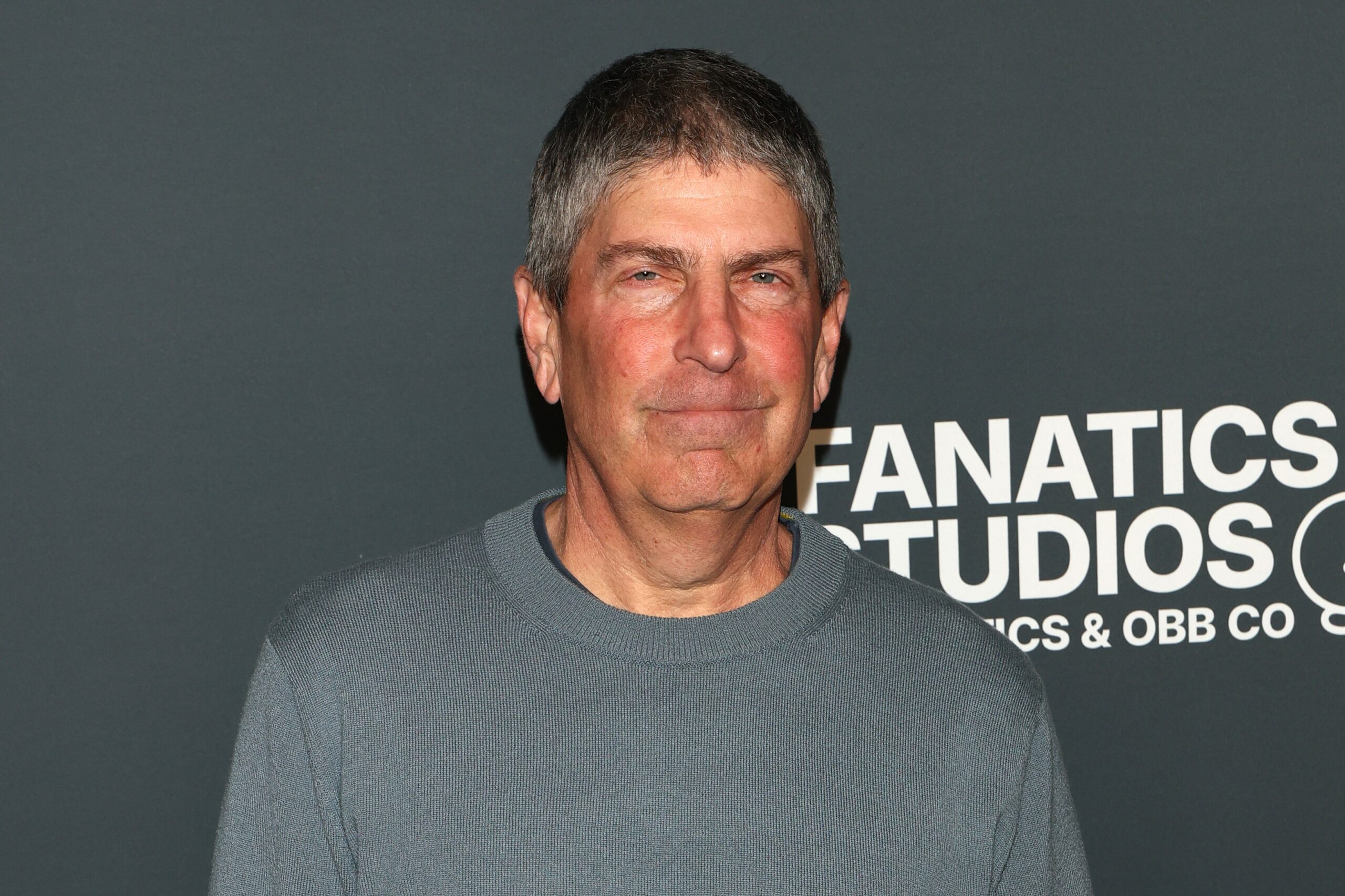
  • The Anatomy of a Legal Shakedown – Jeff Shell Settles High-Stakes Gambling Litigation

    The Anatomy of a Legal Shakedown – Jeff Shell Settles High-Stakes Gambling Litigation

    Former NBCUniversal CEO Jeff Shell has officially settled his ongoing litigation with a high-stakes gambler whom Shell accused of orchestrating a financial shakedown. The confidential agreement, finalized in early 2026, dismisses all claims and counterclaims related to a dispute that originated over alleged debts and private encounters at a Cipriani venue. Both parties signed strict non-disclosure agreements. This permanently seals the financial terms of the resolution. It also avoids a highly publicized, potentially damaging trial in Los Angeles Superior Court.

    The settlement closes a volatile legal loop. It removes a lingering public relations liability for Shell. In many ways, the courtroom maneuvering was as high-stakes as the gambling itself. But the story of this specific legal battle is not just about personal debt. It is a case study in how corporate titans navigate private vulnerabilities.

    The Anatomy of a Shakedown Accusation

    Legal definitions matter. In civil litigation, the line between aggressive debt collection and unlawful extortion is often violently contested. Shell’s legal team drew that line early. They framed the opposing party’s financial demands not as a legitimate collection effort, but as a calculated shakedown.

    The term carries specific weight. A shakedown implies leverage. It suggests that the demand for money is tied to the threat of reputational destruction rather than the validity of a contract. In filings, Shell’s representatives argued that the gambler weaponized Shell’s status as a high-profile media executive. The strategy was allegedly simple. Threaten public exposure. Demand an exorbitant payout. Force a quiet settlement.

    The opposing counsel rejected this narrative entirely. They argued the dispute was a standard breach of contract. They claimed the funds in question were legitimate personal debts accrued during high-stakes gambling sessions. The Cipriani connection added a layer of elite exclusivity to the proceedings. Cipriani venues, known for catering to global billionaires and corporate power brokers, serve as the backdrop for private transactions that rarely see the light of day. When those transactions break down, the fallout is messy.

    From NBCUniversal to RedBird Capital

    Context is critical to understanding the timing of this settlement. Jeff Shell is not a private citizen operating in a vacuum. He is a major player in the global media landscape. His abrupt exit from NBCUniversal in 2023, following an investigation into an inappropriate relationship with anchor Hadley Gamble, stripped him of his corporate armor. It also cost him tens of millions in unvested stock and severance.

    But corporate exile is rarely permanent for top-tier executives. Shell quickly re-emerged. He joined RedBird Capital Partners, the massive private equity firm led by Gerry Cardinale. RedBird is a financial juggernaut. The firm has deep investments in sports, media, and entertainment. By 2024 and 2025, RedBird was deeply entangled in the complex negotiations surrounding the future of Paramount Global.

    This corporate reality dictated Shell’s legal strategy. RedBird Capital operates on institutional trust. Sovereign wealth funds, pension boards, and mega-banks back their plays. A prolonged, lurid trial involving high-stakes gambling, Cipriani encounters, and extortion claims is terrible for business. It distracts from dealmaking. It creates unnecessary friction with corporate boards. Settling the litigation was not just a personal relief for Shell. It was a professional necessity.

    The Mechanics of High-Stakes Dispute Resolution

    Public courts are designed for transparency. Wealthy litigants despise transparency. When high-net-worth individuals clash, the primary objective is moving the dispute out of the public docket and into private arbitration. If arbitration fails, a confidential settlement is the ultimate fail-safe.

    • The Initial Filing: Lawsuits are filed publicly to establish leverage. The plaintiff wants the media to notice.
    • The Counter-Claim: The defense responds aggressively. They accuse the plaintiff of extortion or bad faith. This is the “shakedown” defense.
    • The Discovery Threat: Both sides threaten to subpoena sensitive documents. This is the tipping point.
    • The Mediation: A retired judge or elite mediator steps in. A financial figure is reached.
    • The NDA: The settlement is bound by an ironclad Non-Disclosure Agreement. Silence is purchased.

    The Los Angeles Superior Court system processes thousands of these claims. Most never reach a jury. The system is designed to force settlements. Judges routinely push hostile parties toward mediation. For a figure like Jeff Shell, a jury trial presents an unacceptable level of risk. Juries are unpredictable. They often harbor deep resentment toward corporate executives. A settlement, regardless of the financial cost, buys certainty.

    The Threat of Legal Discovery

    The true weapon in any civil litigation is discovery. Discovery is the pre-trial phase where both parties can demand access to evidence. It is invasive. It is relentless. It destroys privacy.

    If the Shell litigation had proceeded to trial, the discovery process would have been catastrophic for both sides. Shell’s attorneys would have demanded the gambler’s financial records, tax returns, and communications. They would have looked for a pattern of extortion against other high-net-worth individuals.

    “In high-stakes civil litigation, the trial is rarely the main event. The threat of discovery is the actual weapon. Litigants settle to protect their inboxes, not their bank accounts.”

    Conversely, the gambler’s legal team would have demanded Shell’s private communications. They would have sought text messages, bank transfer records, and geolocation data from the nights in question. They would have subpoenaed witnesses who were present at Cipriani. For a newly minted executive at RedBird Capital, turning over years of private text messages is an existential threat. The settlement neutralized the discovery threat immediately.

    The Financial Architecture of Out-of-Court Settlements

    How much does a settlement like this cost? The exact figure is locked behind the NDA. But the financial architecture of these deals is well understood in Los Angeles legal circles. It comes down to a brutal calculation of risk versus reward.

    Litigating a complex civil case in California costs millions. Elite defense attorneys at top-tier firms charge between $1,500 and $2,500 per hour. A two-year legal battle involving extensive discovery, depositions, and motion practice can easily generate $3 million to $5 million in legal fees alone. That is just the cost of fighting. It does not include the potential cost of losing.

    If the disputed debt was, for example, $2 million, fighting it to the bitter end makes no economic sense. A rational actor will settle for a fraction of the disputed amount, pay their lawyers, and close the file. The gambler gets a payout. The executive gets his life back. The lawyers get paid. It is a transactional end to a deeply personal conflict.

    The Broader Culture of Celebrity Accountability

    This settlement taps into a larger cultural shift. The public appetite for celebrity accountability has never been higher. For decades, executives and public figures operated with a sense of impunity. Their wealth insulated them from the consequences of their private behavior.

    That era is over. The democratization of media means that a single lawsuit can generate global headlines in minutes. The “shakedown” dynamic is a direct result of this new reality. Bad actors know that public figures will pay a premium to keep their names out of the press. Legitimate creditors also know that public pressure is their best collection tool.

    Jeff Shell’s situation is unique in its specifics but common in its structure. The intersection of wealth, private vices, and public accountability creates a fertile ground for litigation. As long as executives have reputations to protect, there will be individuals willing to test the limits of those reputations.

    The Cipriani incident is now legally erased. The court docket will show a simple dismissal. No fault is admitted. No guilt is assigned. The system functioned exactly as it was designed to function for those who can afford it.

    Executives protect their equity. Lawyers protect the narrative. The courts process the paperwork. The public moves on to the next scandal.

    Settled.