Tag: Accountability

  • Blueface Admits Cheating on Livestream – The Fallout of a Public Confession

    Blueface Admits Cheating on Livestream – The Fallout of a Public Confession

    Rapper Blueface publicly confessed to cheating on his current girlfriend with his ex-girlfriend, Chrisean Rock, during a recent livestream. This admission, made visible to a live online audience, immediately became a focal point of discussion across social media platforms and entertainment news, further detailing the complex and often public nature of the artist’s personal relationships.

    The incident marks another entry in the ongoing narrative surrounding Blueface’s romantic life, which has frequently been documented and debated online. Livestream platforms provide direct access for public figures to communicate with their audience, sometimes leading to unplanned or highly personal disclosures.

    The Livestream Confession

    The admission occurred without prior warning during an active livestream session. Blueface, whose real name is Johnathan Michael Porter, engaged with his audience in real-time. During this interaction, the subject of his relationships arose.

    He directly addressed the allegations and rumors that had circulated previously. The rapper confirmed the infidelity, specifying that Chrisean Rock was involved. This direct confirmation left little room for speculation among viewers.

    The livestream format allowed for immediate reactions from the audience. Comments and questions flooded the chat, reflecting the shock and engagement of those watching. The raw, unfiltered nature of the confession contributed to its rapid spread across the internet.

    The Figures Involved: Blueface and Chrisean Rock

    Blueface established himself in the music industry with his unique style and chart-topping hits. His career began gaining significant traction in 2018. Since then, his personal life, particularly his relationships, has frequently intersected with his public persona.

    Chrisean Rock, a recording artist and television personality, has been a central figure in Blueface’s public narrative for several years. Their on-again, off-again relationship has been characterized by public disputes, collaborations, and shared media appearances.

    Their history includes reality television stints and numerous social media interactions. These interactions often provided candid glimpses into their dynamic. The public has become accustomed to the open nature of their relationship trajectory.

    The confession during the livestream brought their past relationship back into the immediate public discourse. It reignited conversations about the boundaries of celebrity privacy and the impact of public confessions.

    The Impact on Current Relationships

    Blueface’s current girlfriend, whose identity has been part of the ongoing public discussion, was directly impacted by this admission. Public infidelity confessions can create significant strain on personal relationships. The visibility of such events amplifies their emotional toll.

    The immediate aftermath of the livestream saw a surge of commentary directed at all parties involved. Social media users expressed opinions ranging from sympathy to criticism. This public scrutiny adds layers of complexity to private relationship matters.

    Discussions emerged regarding the ethics of public figures disclosing such sensitive information. The decision to reveal infidelity on a live platform raises questions about intent and consequence. These conversations contribute to the broader dialogue around celebrity conduct.

    Social Media Reactions and Public Discourse

    The confession quickly became a trending topic across major social media platforms. Twitter, Instagram, and TikTok users shared clips and discussed the implications. Hashtags related to Blueface and Chrisean Rock surged in popularity.

    Online communities dissected every aspect of the admission. Memes, fan theories, and analytical threads emerged. These reactions demonstrated the intense public interest in celebrity relationships and their dramatic turns.

    Entertainment news outlets and gossip blogs swiftly picked up the story. They provided analysis and commentary, further amplifying the reach of the confession. The narrative surrounding Blueface’s relationships gained renewed momentum.

    The incident also sparked broader conversations about loyalty, trust, and accountability in relationships. The public nature of the confession invited a collective examination of these themes. This scrutiny is a common byproduct of celebrity scandals.

    Previous Relationship Dynamics

    The relationship between Blueface and Chrisean Rock has a well-documented history. Their interactions have often been volatile and public. This history contributes to the context of the recent infidelity admission.

    Their past includes joint musical projects and appearances on reality television. These platforms showcased their dynamic, including arguments and reconciliations. The public became familiar with their unique bond.

    Numerous social media posts from both artists have detailed their evolving relationship. These posts often provided real-time updates on their status. The public has been a consistent witness to their journey.

    This established pattern of public relationship drama means that the recent confession fits within a larger, ongoing narrative. It is not an isolated event but rather another chapter in a long-running public saga.

    The Role of Livestreaming in Celebrity Culture

    Livestreaming has become an increasingly popular tool for celebrities to connect with their fan bases. Platforms like Instagram Live, Twitch, and YouTube Live offer direct, unedited communication channels.

    This direct access allows for authenticity and immediacy. However, it also carries risks, as unscripted moments can lead to unforeseen consequences. Personal revelations, like Blueface’s, are prime examples of these risks.

    The unedited nature of livestreams can blur the lines between private and public life. Celebrities make choices about what to share and what to keep confidential. These decisions often have significant repercussions.

    The Blueface incident highlights the power of livestreams to generate instant headlines and public discussion. It demonstrates how modern digital platforms shape celebrity narratives. The immediacy of the medium accelerates the spread of news and public reaction.

    Ethical Considerations and Public Scrutiny

    The public confession of infidelity raises several ethical questions. These questions pertain to privacy, consent, and the impact on all individuals involved. The nature of celebrity status often means personal lives become subjects of public debate.

    The individuals in these public relationships face intense scrutiny. Their actions are judged by millions of strangers. This judgment can have lasting effects on their personal well-being and professional careers.

    Discussions around accountability are also prominent. When a public figure admits to infidelity, the public often demands a response. This demand for transparency can be overwhelming.

    The incident serves as a case study in the broader implications of celebrity culture. It underscores the challenges public figures face in managing their personal lives under constant observation. The boundaries of what is considered appropriate for public disclosure remain fluid.

    The Long-Term Repercussions

    The short-term impact of Blueface’s confession was immediate and widespread. Social media buzzed with reactions, and news outlets reported extensively. The long-term effects, however, may unfold over time.

    Such admissions can affect an artist’s public image and fan base. Some fans may express disappointment, while others might appreciate the honesty. The perception of the artist can shift based on these personal revelations.

    The relationships involved will also navigate the aftermath. The current girlfriend faces the challenge of a public betrayal. Chrisean Rock’s involvement also brings her back into the immediate spotlight.

    The music industry itself takes note of such public events. An artist’s personal life can sometimes influence their professional trajectory. The intersection of personal drama and career continues to be a defining feature of celebrity.

    The Cycle of Public Relationships

    Blueface and Chrisean Rock’s relationship has been a continuous cycle of public engagement. Their story exemplifies the modern celebrity dynamic. Every development, positive or negative, often plays out online.

    This cycle includes periods of intense public scrutiny, followed by relative quiet. Then, a new event brings their story back to the forefront. The livestream confession is one such event, reigniting interest.

    The public’s appetite for celebrity drama remains strong. Platforms like livestreams feed this appetite directly. This creates a perpetual feedback loop of content and consumption.

    The narrative of their relationship, shaped by these public moments, continues to evolve. The confession adds a significant chapter to this ongoing story. It reinforces the idea that for some celebrities, personal life is inherently public performance.

    Looking Ahead

    The immediate future will likely involve continued discussion and analysis of the confession. Blueface, Chrisean Rock, and the current girlfriend will all navigate the public and private implications.

    Further statements or social media posts from any of the involved parties could emerge. These would likely fuel additional rounds of public commentary. The story remains active and dynamic.

    The incident reinforces the power of digital platforms in shaping contemporary celebrity narratives. It highlights the direct connection between public figures and their audiences. This connection can lead to both profound engagement and significant personal exposure.

    The ongoing saga of Blueface’s relationships continues to capture public attention. His recent admission during a livestream adds another layer to this complex narrative. The event underscores the challenges of navigating personal life in the digital age.

    Arguments gathered. Opinions gathered. Reactions gathered.

    Online.


  • New Jersey’s Voter Registration Error: 6,600 Noncitizens Mistakenly Added to Rolls

    New Jersey’s Voter Registration Error: 6,600 Noncitizens Mistakenly Added to Rolls

    New Jersey election officials have confirmed that approximately 6,600 noncitizens were mistakenly registered to vote within the state’s system. This error, identified in 2026, has prompted immediate action from state authorities to rectify the issue and has sparked considerable discussion about the integrity of voter rolls and the mechanisms in place to prevent such occurrences.

    The revelation has drawn scrutiny from across the political spectrum, with various groups expressing concern over the accuracy of election processes. State officials emphasize that the error was procedural and not indicative of intentional malfeasance, but the scale of the mistake has nonetheless underscored vulnerabilities in voter registration systems.

    The Genesis of the Error

    The root cause of the mistaken registrations appears to lie in the complex interplay between different state databases. Specifically, issues arose from the integration of information between the New Jersey Motor Vehicle Commission (MVC) and the state’s election systems. The ‘Motor Voter’ law, established by the National Voter Registration Act of 1993, mandates that states offer voter registration opportunities at motor vehicle agencies.

    This system, while designed for voter access and efficiency, relies heavily on accurate data transfer and verification protocols. In New Jersey’s case, a flaw in this data exchange mechanism reportedly allowed individuals who identified as noncitizens when applying for driver’s licenses or state identification cards to still be flagged for voter registration.

    The specific technical glitch or human error that facilitated this incorrect flagging is under investigation. Initial reports suggest that automated systems failed to adequately filter out noncitizen applicants before forwarding their information to election authorities for potential registration.

    Identifying the Inaccuracy

    The discovery of the 6,600 mistaken registrations was not immediate. It emerged through an internal audit process conducted by New Jersey election authorities. These audits are a regular, though often complex, part of maintaining clean voter rolls.

    State election officials, working in conjunction with the Department of State, initiated a review of voter data against other state records. This cross-referencing process is designed to identify discrepancies, such as duplicate registrations, deceased voters, or, in this case, individuals who do not meet the citizenship requirement for voting.

    The audit process involved comparing driver’s license applications and other identification records with voter registration data. When a mismatch indicating noncitizen status was found, it triggered an investigation into the individual’s registration status.

    The Legal Framework of Voter Eligibility

    In the United States, the right to vote in federal, state, and most local elections is generally reserved for citizens who are at least 18 years old and meet state-specific residency requirements. The 14th Amendment to the U.S. Constitution defines citizenship.

    State laws further delineate voter eligibility. New Jersey, like all other states, explicitly requires U.S. citizenship for voter registration. The National Voter Registration Act (NVRA) of 1993, often called the ‘Motor Voter’ law, streamlined registration but did not alter the citizenship requirement.

    The NVRA aimed to increase voter participation by making registration more accessible. However, it also introduced complexities in data management, as agencies like the MVC, whose primary function is not election-related, became conduits for voter registration.

    Impact on Election Integrity Debates

    The New Jersey incident has quickly become a focal point in the broader national conversation surrounding election integrity. Advocates for stricter voter ID laws and more rigorous voter roll maintenance have cited the error as evidence of systemic vulnerabilities.

    Conversely, proponents of broader voter access argue that such errors, while serious, are isolated incidents that should not be used to justify measures that could disenfranchise eligible voters. They emphasize the importance of distinguishing between administrative errors and deliberate attempts to undermine elections.

    The political implications are significant. In an environment already charged with debates over election security, an error of this magnitude in a swing state like New Jersey can fuel narratives on both sides of the political divide. It provides concrete data for arguments concerning the need for continuous vigilance in election administration.

    The Role of Data Management

    Modern election systems rely heavily on interconnected databases. The accuracy of these systems is paramount. The New Jersey case highlights the critical need for robust data validation and reconciliation processes between different government agencies.

    Each data entry point, whether at an MVC office or a local election board, represents a potential point of error. Automated systems are designed to minimize human error, but they are only as good as the programming and the data inputs they receive. Regular audits and updates to these systems are essential.

    Rectification Efforts and Future Prevention

    New Jersey election officials have outlined a multi-step process to address the mistaken registrations. The immediate priority is to identify and remove all 6,600 noncitizens from the active voter rolls. This involves cross-referencing records and sending official notifications to the individuals concerned.

    The state will also conduct a thorough review of its voter registration procedures at the MVC and within election offices. This review aims to pinpoint the exact point of failure and implement corrective measures. These measures could include enhanced training for staff, updated software protocols, or more stringent data verification steps.

    Furthermore, state officials are exploring options for improving data sharing agreements and technical integrations between the MVC and election boards. The goal is to create a more resilient system that automatically flags and prevents noncitizens from being registered in the future.

    Addressing Public Concerns

    The Department of State, which oversees elections in New Jersey, has committed to transparency throughout this process. They have issued statements assuring the public that they are taking the matter seriously and are working diligently to resolve it. Public confidence in election systems is a key concern.

    Educational campaigns may also be launched to inform the public about voter eligibility requirements and the safeguards in place. Rebuilding trust after such an error requires clear communication and demonstrable action.

    National Implications and Precedents

    The New Jersey incident is not entirely unique. Similar issues, though often on a smaller scale, have been reported in other states over the years. These occurrences underscore a nationwide challenge in maintaining accurate voter rolls, especially with the complexities of modern identification and registration methods.

    For instance, states often grapple with how to handle individuals who are legal residents but not citizens, who may interact with government agencies that also facilitate voter registration. The distinction between legal residency and citizenship is crucial but can sometimes be blurred in automated systems.

    This case may prompt other states to review their own voter registration processes and data integration systems. It serves as a cautionary tale for election administrators across the country, emphasizing the need for continuous auditing and system improvements.

    The Broader Context of Voter Roll Maintenance

    Voter roll maintenance is a continuous and resource-intensive process. Election officials regularly update voter lists to remove deceased voters, individuals who have moved out of state, and those who are otherwise ineligible. This is done through various methods, including comparing data with death records, change-of-address databases, and other state and federal sources.

    The New Jersey situation adds another layer of complexity to these efforts. It highlights that even with existing safeguards, errors can occur, necessitating proactive and reactive measures to ensure the integrity of the electoral process.

    Looking Ahead: The 2026 Election Cycle

    As the 2026 election cycle approaches, the New Jersey incident will likely remain a topic of discussion. The swiftness and effectiveness of the state’s response will be closely watched. The goal is to ensure that by the time voters head to the polls, confidence in the accuracy of the voter rolls has been fully restored.

    The incident also reinforces the importance of civic engagement and oversight. Independent watchdog groups, political parties, and the media all play a role in scrutinizing election processes and holding officials accountable for maintaining fair and accurate elections.

    Citizens demand accountability. Officials commit to action. Debates continue. New Jersey.


  • Melania Trump Seeks Sanctions Against Journalist Michael Wolff

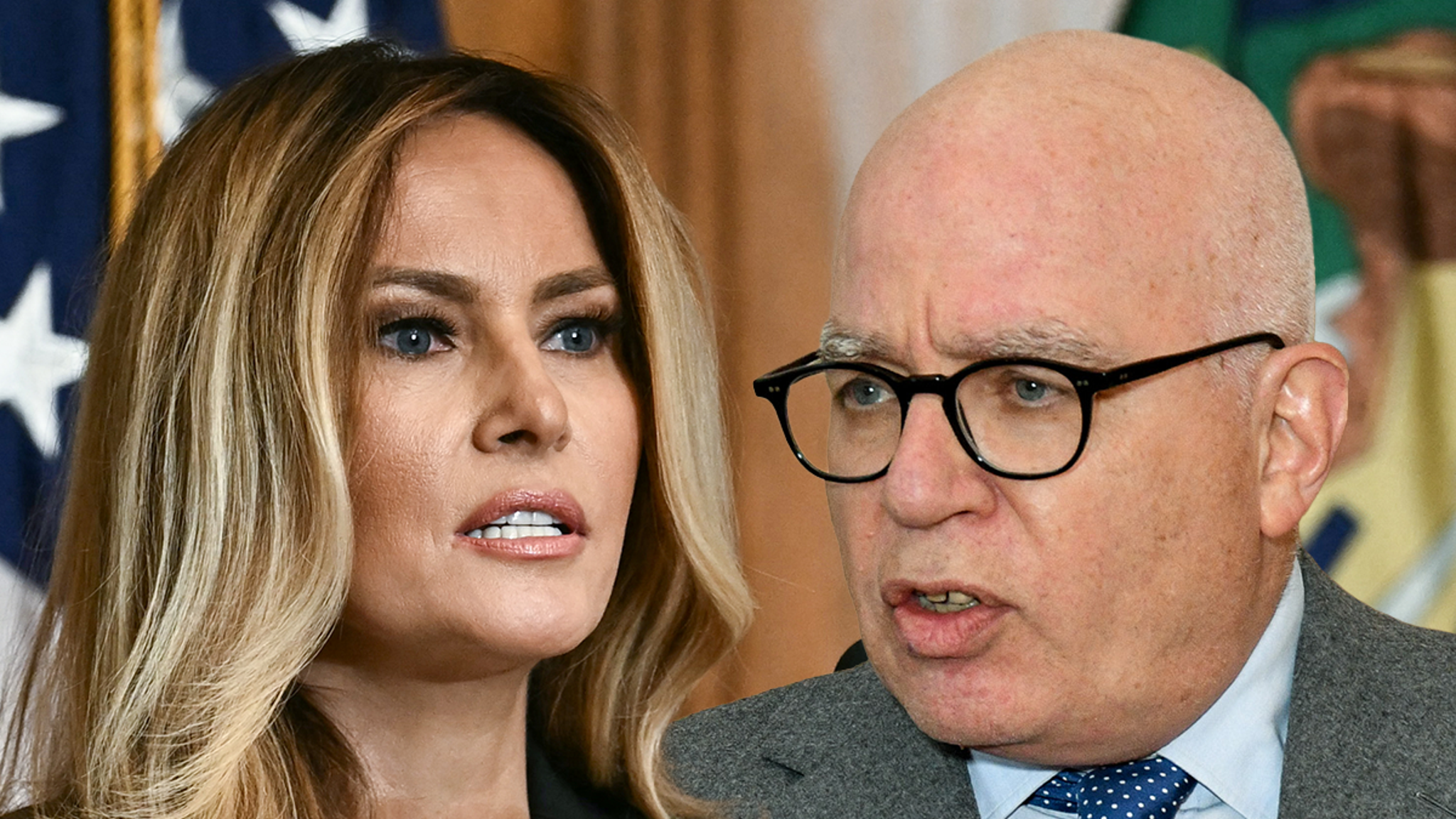
    Melania Trump Seeks Sanctions Against Journalist Michael Wolff

    The Escalation of a Legal Battle

    First Lady Melania Trump has formally requested a court to impose sanctions against journalist Michael Wolff. This action marks a significant escalation in an ongoing legal dispute. The request comes after Wolff himself initiated a defamation lawsuit against Trump. The legal entanglement centers on comments made by Trump regarding Wolff’s commentary

    The move by Trump’s legal team seeks to penalize Wolff for alleged misconduct within the legal process. Such sanctions can include monetary penalties or other restrictions. They are typically sought when one party believes the other has abused court procedures or failed to comply with orders.

    The Origins of the Dispute

    The conflict traces back to statements Melania Trump made concerning Michael Wolff’s publication. Wolff’s book, released in recent years, explores the nature of celebrity. Trump’s public comments questioned the veracity and integrity of portions of Wolff’s work. These statements formed the basis of Wolff’s subsequent defamation claim.

    Defamation lawsuits are common in cases involving public figures and media. They often hinge on whether statements made were factually false and caused harm. The current request for sanctions introduces a new layer to this already complex legal landscape.

    Michael Wolff’s Background in Journalism

    Michael Wolff is a well-known American journalist and author. He has written for numerous publications, including USA Today, The Hollywood Reporter, and New York Magazine. Wolff gained significant public attention for his books focusing on political figures and media. His earlier work, “Fire and Fury: Inside the Trump White House,” published in 2018, became a best-seller and generated considerable controversy.

    His journalistic approach often involves extensive access and candid portrayals of his subjects. This style has frequently led to disputes over accuracy and interpretation. “Too Famous” continues this pattern, examining the intersection of fame and public perception.

    What are Legal Sanctions?

    Legal sanctions are penalties imposed by a court for various reasons. These reasons can include:

    • Failure to comply with court orders
    • Abuse of discovery processes
    • Filing frivolous lawsuits or motions
    • Misconduct during legal proceedings

    The purpose of sanctions is to ensure the orderly administration of justice. They also deter parties from engaging in behaviors that undermine the legal system. The specific nature of the sanctions sought by Trump’s legal team has not been publicly detailed. However, they typically aim to compensate the aggrieved party for expenses incurred due to the misconduct or to punish the offending party.

    The Broader Context of Public Figures and Media

    This legal confrontation is part of a larger pattern. Public figures frequently engage in legal battles with journalists and authors. These cases often raise fundamental questions about freedom of the press versus protection against defamation. The digital age has amplified these tensions. Information spreads rapidly, and public statements can reach global audiences instantly.

    Melania Trump, as First Lady, operates under intense public scrutiny. Her actions and statements are often subject to detailed media coverage. Similarly, journalists like Michael Wolff operate under the principle of informing the public. Balancing these roles often leads to friction, particularly when narratives clash.

    Previous Legal Actions Involving the Trump Family

    The Trump family has a history of legal disputes with media entities and individuals. Former President Donald Trump has frequently engaged in litigation related to media coverage. These cases often involve claims of defamation or challenges to journalistic practices. These past instances provide a backdrop for the current legal action involving Melania Trump.

    Such legal actions are often seen as attempts by public figures to control narratives. They can also be interpreted as defenses of personal reputation against perceived falsehoods. The legal system becomes the arena where these conflicting interests are adjudicated.

    The Implications for Journalistic Practice

    The outcome of this sanction request could have implications for journalistic practices. If sanctions are granted, it could set a precedent for how courts view author accountability within the legal process. It might encourage more aggressive legal tactics from public figures. Conversely, if the request is denied, it could reinforce protections for journalists against such challenges.

    Journalists often rely on sources and interpretations that can be challenged. The legal framework attempts to balance the public’s right to know with an individual’s right to a good reputation. Cases like this one test the boundaries of that balance.

    The Role of Defamation Law

    Defamation law serves to protect individuals from false statements that harm their reputation. For public figures, the standard for proving defamation is higher. They must typically prove “actual malice” – meaning the false statement was made with knowledge of its falsity or with reckless disregard for the truth. This higher standard acknowledges the public’s interest in robust debate about public figures.

    Wolff’s initial lawsuit would have needed to meet this standard. Trump’s counter-move for sanctions operates under different legal principles. It focuses on procedural conduct rather than the merits of the original defamation claim.

    What Happens Next in Court?

    The court will now consider Melania Trump’s request for sanctions. Both parties will likely submit legal briefs arguing their positions. The court may also hold hearings to consider evidence and arguments. A judge will then decide whether to impose sanctions, and if so, what form they will take.

    Legal processes can be lengthy and involve multiple stages. The current request for sanctions is one step in what could be a prolonged legal battle. Each ruling can influence the trajectory of the entire case.

    Public Reaction and Media Coverage

    The news of Melania Trump’s request for sanctions has drawn significant media attention. Outlets like TMZ first reported the development on July 21, 2026. Public reaction often divides along political lines. Supporters of Trump may view the action as a necessary defense of her reputation. Critics might see it as an attempt to stifle journalistic inquiry.

    The story also resonates with broader themes of celebrity accountability and the role of the press. It fuels discussions about the responsibilities of both public figures and those who report on them.

    The Significance of “Too Famous”

    Michael Wolff’s book “Too Famous: The Car Crash of Celebrity in America” explores the often-fraught relationship between fame and public perception. The book delves into how celebrity is constructed and consumed. It examines the pressures and pitfalls that come with being a public figure. Melania Trump’s legal action implicitly challenges the book’s narrative or underlying assumptions as they pertain to her.

    The title itself suggests a critical view of celebrity culture. This perspective may have contributed to the friction with public figures who are subjects of such analysis. The legal dispute brings the themes of the book into a real-world courtroom drama.

    Potential Outcomes and Precedents

    There are several potential outcomes for Melania Trump’s sanction request. The court could grant the request, imposing penalties on Michael Wolff. It could deny the request, finding no grounds for sanctions. Or, it could grant a modified form of the request, applying lesser penalties.

    Each outcome carries implications. A decision in Trump’s favor could empower other public figures to pursue similar legal tactics. A decision against her could reinforce a higher bar for claims of legal misconduct against journalists. The legal community will observe the ruling for its precedential value.

    The legal battle continues. Documents are filed. Arguments are made. Decisions are rendered.

    The court awaits.


  • Diddy Seeks Legal Costs from Grace O’Marcaigh After Dismissed Lawsuit

    Diddy Seeks Legal Costs from Grace O’Marcaigh After Dismissed Lawsuit

    Sean ‘Diddy’ Combs is seeking reimbursement for legal costs from Grace O’Marcaigh, following the dismissal of her lawsuit against him in July 2026. Combs’ legal representatives have characterized O’Marcaigh’s original claims as ‘frivolous’, prompting the demand for her to cover the expenses incurred during the legal process.

    This action marks the latest development in a series of high-profile legal challenges involving the music executive. The pursuit of legal fees underscores a strategy to push back against allegations deemed unfounded.

    The Dismissal of O’Marcaigh’s Lawsuit

    Grace O’Marcaigh filed a lawsuit against Sean Combs, alleging various claims that were not detailed in the public report. The specifics of the allegations remain undisclosed, focusing instead on the procedural outcome.

    The lawsuit underwent a legal review process. Ultimately, a court determined that the claims lacked sufficient basis to proceed.

    The judicial decision led to the lawsuit’s dismissal in July 2026. This dismissal paved the way for Combs’ legal team to pursue financial restitution.

    Combs’ Legal Counter-Move

    Following the dismissal, Combs’ legal team initiated proceedings to recover their expenses. They are arguing that O’Marcaigh should bear the financial burden of the legal defense.

    The legal term ‘frivolous lawsuit’ implies a claim brought without serious intent or with insufficient legal grounds. Characterizing a lawsuit as frivolous is a significant legal assertion.

    Such a designation can lead to penalties for the plaintiff, including the payment of the defendant’s legal fees. This serves as a deterrent against unsubstantiated legal actions.

    Broader Legal Landscape for Sean Combs

    Sean Combs has faced a period of intense legal scrutiny. Multiple lawsuits have been filed against him in recent months.

    These legal challenges have brought various allegations to light. Combs has consistently denied wrongdoing in these cases.

    His legal strategy appears to involve a robust defense and, where possible, counter-actions. The move against O’Marcaigh aligns with this aggressive defensive posture.

    The public perception of these legal battles remains a significant factor. Each development contributes to an ongoing narrative surrounding the celebrity.

    Previous Settlements and Ongoing Cases

    Earlier in 2026, Combs reached settlements in some cases. These settlements allowed certain legal disputes to be resolved out of court.

    However, other cases remain active. These ongoing legal proceedings continue to draw public and media attention.

    The O’Marcaigh case dismissal and subsequent demand for costs represent a victory for Combs’ legal team. It provides a precedent for future responses to similar claims.

    The Implications of Seeking Legal Costs

    Seeking legal costs can have several implications. It sends a message to potential litigants about the financial risks of filing lawsuits.

    It also aims to recoup significant expenditures. High-profile legal defenses can be extremely costly.

    The exact amount Combs is seeking from O’Marcaigh has not been publicly detailed. Legal fees can encompass attorney hours, court filing fees, discovery costs, and expert witness fees.

    The court will ultimately decide whether O’Marcaigh is liable for these costs. The decision will depend on specific legal standards regarding frivolous litigation.

    Legal Standards for ‘Frivolous’ Claims

    Defining a lawsuit as ‘frivolous’ involves specific legal criteria. Generally, a frivolous claim is one that lacks any arguable basis in law or fact.

    Courts often consider whether a reasonable attorney would have believed the claim had merit. This standard helps prevent abuse of the legal system.

    The burden of proof lies with the party asserting the claim of frivolousness. Combs’ legal team must demonstrate that O’Marcaigh’s lawsuit met this high standard.

    If the court agrees, O’Marcaigh could be ordered to pay a substantial sum. This outcome would further solidify Combs’ position in the ongoing legal discourse.

    Public and Media Reaction

    The news of Combs seeking legal costs has generated discussion. It highlights the often-overlooked financial aspects of legal disputes.

    Media outlets continue to follow these developments closely. The public remains engaged, particularly given Combs’ prominent status.

    The outcome of this specific request for costs will be watched. It could influence how future cases involving similar allegations are pursued or defended.

    The legal system provides avenues for both plaintiffs and defendants to seek remedies. This case exemplifies a defendant exercising that right after a favorable ruling.

    The Role of Celebrity in Legal Proceedings

    Celebrity status often amplifies legal proceedings. Cases involving public figures receive heightened attention.

    This scrutiny can impact public opinion. It can also influence the perceived stakes of legal outcomes.

    For Sean Combs, each legal battle is fought under a spotlight. The resolution of the O’Marcaigh lawsuit, and the subsequent demand for costs, contributes to his public narrative.

    The legal system, however, operates on principles of law, regardless of fame. The courts will assess the merits of the cost recovery request based on established legal precedents.

    Looking Ahead

    The legal process for determining cost reimbursement is now underway. Both parties will likely present arguments regarding the nature of O’Marcaigh’s original lawsuit.

    The court’s decision will be a significant one. It will set a financial precedent for Grace O’Marcaigh.

    It will also serve as a legal benchmark for Sean Combs’ ongoing defense strategies. The battle for legal accountability continues.

    Allegations persist. Defenses are mounted. Costs are sought.

    Justice.


  • The White Substance Controversy: Robbie Williams and the World Cup Broadcast

    The White Substance Controversy: Robbie Williams and the World Cup Broadcast

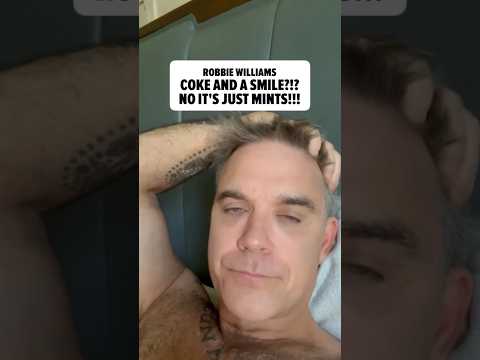
    During a World Cup broadcast, singer Robbie Williams was observed with a white substance on his microphone, an event that triggered immediate public controversy and extensive media discussion. This incident, captured during a live, globally televised event, quickly circulated across various platforms, prompting questions about its nature and implications.

    The visual evidence of the substance on the microphone became a significant point of interest. It led to a rapid escalation of commentary and speculation. The public reaction underscored the intense scrutiny placed upon celebrities during high-profile international events.

    The Incident Unfolds on a Global Stage

    The World Cup represents one of the most-watched sporting events globally. Its broadcasts reach billions of viewers across numerous countries. Any event occurring during such a broadcast is subject to immediate and widespread observation.

    Robbie Williams, a prominent international music figure, was performing or otherwise participating in the broadcast. His presence alone guaranteed a large audience. The visual detail of a white substance on his microphone, however, redirected attention from his intended performance or role to the unexpected object.

    The exact timing and context of the broadcast are critical to understanding the incident’s impact. Live television leaves little room for editing or concealment. Every action and detail is presented in real-time to a massive audience.

    This immediacy contributed to the rapid spread of images and discussions. Social media platforms became primary channels for initial reactions and interpretations. Users shared screenshots and video clips, generating a self-perpetuating cycle of commentary.

    Public Reaction and Speculation

    The appearance of the white substance immediately fueled speculation. Observers offered various theories regarding its origin and nature. These theories ranged from innocent explanations to more controversial interpretations.

    The nature of the substance itself became a central point of discussion. Without official clarification, the public resorted to conjecture. This period of uncertainty amplified the controversy.

    Media outlets quickly picked up on the story. News reports and opinion pieces began to dissect the incident. The celebrity status of Robbie Williams ensured that the story received significant coverage.

    The controversy extended beyond mere curiosity. It touched upon broader societal discussions regarding celebrity behavior, public accountability, and the influence of media. The incident became a case study in how quickly a seemingly minor detail can escalate into a major public talking point.

    The Role of Social Media in Amplification

    Social media platforms played a pivotal role in the rapid amplification of this controversy. Platforms like X (formerly Twitter), Instagram, and Facebook allowed for instantaneous sharing of observations and opinions.

    Hashtags related to Robbie Williams and the World Cup broadcast trended globally. Users engaged in real-time discussions, creating a collective narrative around the event. This decentralized form of news dissemination meant that the story evolved rapidly.

    The visual nature of the incident was particularly suited for social media. Screenshots and short video clips were easily digestible and shareable. This facilitated widespread awareness of the white substance on the microphone.

    The speed and reach of social media also meant that misinterpretations and unfounded rumors could spread quickly. The absence of immediate official statements allowed speculative narratives to gain traction before facts could be established.

    Robbie Williams’ Response and Explanation

    Following the public outcry, Robbie Williams addressed the controversy. His statement aimed to clarify the situation and mitigate the ongoing speculation. The act of addressing the issue directly is a common strategy for public figures facing scrutiny.

    The nature of Williams’ explanation is central to understanding the resolution of the controversy. While the source material indicates he addressed the substance, specific details of his explanation are not provided. These details would likely have focused on dispelling negative assumptions.

    Public figures often navigate a delicate balance when responding to such incidents. A response must be timely, clear, and credible to effectively address concerns. The manner in which Williams communicated his explanation would have influenced public perception.

    The explanation, once issued, would have aimed to shift the narrative. It would have sought to provide a factual basis for what was observed, potentially offering an innocuous reason for the white substance. This is a standard approach to managing public relations during a crisis.

    The Impact on Public Image

    Any public controversy can have an impact on a celebrity’s public image. The nature of the incident and the celebrity’s response are key determinants of this impact. Williams’ handling of the situation would have been crucial.

    A well-managed response can sometimes even enhance a public figure’s reputation for transparency. Conversely, a poorly handled response can exacerbate negative perceptions. The long-term effects depend on many factors, including the public’s acceptance of the explanation.

    Precedents and Parallels in Celebrity Incidents

    The Robbie Williams incident is not an isolated case in the history of celebrity controversies during live broadcasts. Numerous public figures have faced scrutiny for actions or appearances during televised events.

    These incidents often share common elements: a high-profile setting, instant global reach, and rapid social media amplification. The public’s expectations of celebrity conduct are also a recurring theme in these situations.

    For example, wardrobe malfunctions or unexpected verbal remarks have previously drawn similar levels of attention. Each instance contributes to a broader understanding of how celebrity and media intersect in the public consciousness.

    The intensity of the reaction often reflects societal values and current public concerns. What might be overlooked in a private setting becomes magnified under the glare of global television. This magnification is a constant challenge for those in the public eye.

    The Broader Implications of Live Global Events

    Live global events, such as the World Cup, are unique environments. They combine entertainment, sport, and often, national pride. The stakes are inherently high for all participants, including performers and broadcasters.

    The pressure on individuals involved in such events is immense. Every detail is potentially scrutinized by millions. This environment demands a high degree of professionalism and preparedness.

    Incidents like the white substance on Robbie Williams’ microphone highlight the unpredictable nature of live broadcasting. Despite extensive planning, unforeseen elements can always emerge. These elements can then dominate the narrative surrounding the event.

    The incident serves as a reminder of the power of visual media. A single image or brief clip can trigger a global conversation. It underscores the responsibility that comes with participating in or hosting such globally significant events.

    Media Ethics and Reporting on Controversy

    The media’s role in reporting on controversies like this is multifaceted. News outlets face the challenge of balancing public interest with ethical reporting. The initial rush to cover a story can sometimes outpace the verification of facts.

    Responsible journalism requires seeking out official statements and providing context. It involves distinguishing between speculation and confirmed information. In the age of rapid digital dissemination, this becomes increasingly difficult.

    The way a story is framed can significantly influence public opinion. The choice of language, the emphasis on certain details, and the inclusion or exclusion of context all contribute to the narrative. The Robbie Williams incident tested these aspects of media ethics.

    The long-term impact of such reporting depends on its accuracy and fairness. Sensationalism can attract immediate attention, but factual reporting builds trust over time. The media’s handling of Williams’ explanation would have been critical in this regard.

    Celebrity Accountability in the Public Eye

    The controversy also brought into focus the concept of celebrity accountability. Public figures are often held to a higher standard of conduct due to their influence and visibility.

    When an incident occurs, the public expects a response. This expectation is rooted in the idea that celebrities, by virtue of their platform, have a responsibility to address issues that arise from their public appearances.

    The nature of this accountability is constantly evolving. What was once acceptable may no longer be, and vice versa. Societal norms and expectations shift, and celebrities must navigate these changes.

    Robbie Williams’ decision to address the white substance on his microphone directly reflects this expectation of accountability. It demonstrates an understanding that silence can often be interpreted negatively.

    The Aftermath and Lingering Questions

    Even after an explanation is provided, some questions may linger. Public perception can be slow to change, and initial impressions can be deeply ingrained. The full impact of such an incident may take time to materialize.

    The incident will likely remain a notable moment in the history of World Cup broadcasts and celebrity controversies. It serves as a point of reference for future discussions on similar events.

    The ongoing discourse surrounding celebrity conduct and media scrutiny ensures that such incidents continue to be relevant. They offer insights into the complex relationship between public figures, media, and global audiences.

    The white substance on the microphone. The global broadcast. The rapid speculation. The celebrity response. The media coverage. The public discussion.

    Scrutiny.

  • Maduka Okoye’s Baby Mama Alleges Cheating, Abuse in Explosive Post

    Maduka Okoye’s Baby Mama Alleges Cheating, Abuse in Explosive Post

    The Allegations Surface

    Nigerian professional footballer Maduka Okoye is currently embroiled in a significant public controversy. His baby mama has publicly accused him of cheating and abuse. These serious allegations have rapidly gained traction across social media platforms, drawing widespread attention from fans, media outlets, and the general public.

    The claims, which surfaced recently, detail a pattern of alleged misconduct. The accuser has presented her narrative through online posts, sparking immediate and intense discussion.

    Who is Maduka Okoye?

    Maduka Emilio Okoye is a prominent figure in international football. Born in Düsseldorf, Germany, to a Nigerian father and a German mother, Okoye chose to represent Nigeria on the international stage. He serves as a goalkeeper for the Nigerian national team, known as the Super Eagles.

    Okoye began his professional career in Germany. He then moved to England, signing with one club. His performances have earned him recognition as a talented shot-stopper and a key player for his national team. His status as a public figure amplifies the impact of the current allegations.

    The Nature of the Claims

    The baby mama’s allegations are comprehensive. They include claims of infidelity, detailing specific instances of alleged cheating. Beyond infidelity, the accusations extend to alleged emotional and potentially physical abuse. These are serious charges that carry significant social and reputational weight.

    The accuser has reportedly provided details and context to support her claims. The public nature of these allegations ensures that they are being discussed openly, often with strong opinions from various sides.

    Social Media as the Platform

    The platform for these accusations is primarily social media. This is a common trend in contemporary celebrity disputes. Social media allows for direct communication, bypassing traditional media filters. It also enables rapid dissemination of information, reaching a vast audience almost instantly.

    The use of social media in such sensitive matters often leads to immediate public judgment. It creates a space where narratives can be shaped quickly, sometimes before official statements are made or investigations are conducted.

    Impact on Okoye’s Career and Image

    Allegations of this nature can have a profound impact on a public figure’s career. For a professional athlete like Maduka Okoye, image and public perception are crucial. Sponsorship deals, club contracts, and fan support can all be affected by such controversies.

    The Super Eagles, Nigeria’s national team, also faces potential scrutiny. The conduct of its players, both on and off the field, reflects on the team’s image. This situation places both Okoye and the organizations he represents under a spotlight.

    Public and Fan Reaction

    The public reaction to the allegations has been varied. Many fans express disappointment and concern. Some call for swift action and accountability. Others counsel caution, urging people to await further information or official statements.

    The debate often centers on the principle of innocent until proven guilty versus the immediate impact of such serious claims. Social media comments sections and online forums reflect these diverse perspectives, creating a complex tapestry of public opinion.

    The Broader Conversation on Accountability

    This incident contributes to a larger ongoing conversation about celebrity accountability. In an era of increased transparency and immediate information sharing, public figures are held to higher standards. Their private lives are often scrutinized as intensely as their professional achievements.

    The concept of ‘cancel culture’ also plays a role here. While not always leading to career termination, public allegations can significantly damage reputations and lead to calls for individuals to be deplatformed or ostracized. This case underscores the delicate balance between privacy and public expectation for those in the limelight.

    The Role of Media and Reporting

    Media outlets, including those focused on celebrity news like TMZ, play a critical role in disseminating these stories. Their reporting shapes public understanding and often sets the tone for discussion. The initial report from TMZ highlighted the core allegations, bringing them to a wider audience.

    Responsible reporting in such cases involves presenting facts, acknowledging the nature of allegations, and avoiding premature conclusions. The challenge lies in balancing public interest with the need for fairness and due process.

    Legal and Personal Implications

    Beyond public opinion, allegations of abuse can carry significant legal implications. While the current situation primarily involves public accusations, these can escalate to formal complaints or legal proceedings. Such developments would introduce a new layer of complexity to the situation.

    On a personal level, all parties involved face immense stress. The accuser, Okoye, and their respective families are navigating a highly public and emotionally charged situation. The long-term personal consequences for everyone involved are substantial.

    Previous Instances of Celebrity Scandals

    The sports and entertainment worlds have seen numerous instances of similar scandals. High-profile athletes and celebrities have faced allegations ranging from infidelity to more serious charges of abuse. These cases often follow a similar trajectory: initial allegations, public outcry, media coverage, and sometimes, formal investigations or legal battles.

    Each case, while unique in its specifics, adds to the collective understanding of how society grapples with the personal conduct of public figures. They also highlight the evolving expectations placed upon those who live under constant public observation.

    The Path Forward

    As of July 20, 2026, Maduka Okoye has not issued a public statement regarding the allegations. His silence, whether strategic or due to ongoing legal advice, contributes to the current uncertainty. The absence of a direct response leaves the allegations largely unchallenged in the public sphere.

    The next steps could include a formal statement from Okoye or his representatives, a legal response, or further details emerging from the accuser. The situation remains fluid, with public interest continuing to be high.

    The Digital Age and Public Scrutiny

    The digital age has fundamentally altered the landscape of public scrutiny. Every public figure’s actions, both online and offline, are subject to immediate and widespread examination. The line between private and public life has become increasingly blurred, especially for celebrities and athletes.

    This increased visibility brings with it a heightened demand for ethical conduct and accountability. Stories like Maduka Okoye’s serve as reminders of the constant pressure and intense observation faced by individuals in the public eye.

    Allegations surfaced. Public opinion formed. Media reported. Accountability demanded. Silence.

    Okoye.


  • R. Kelly Seeks Presidential Commutation from Donald Trump

    R. Kelly Seeks Presidential Commutation from Donald Trump

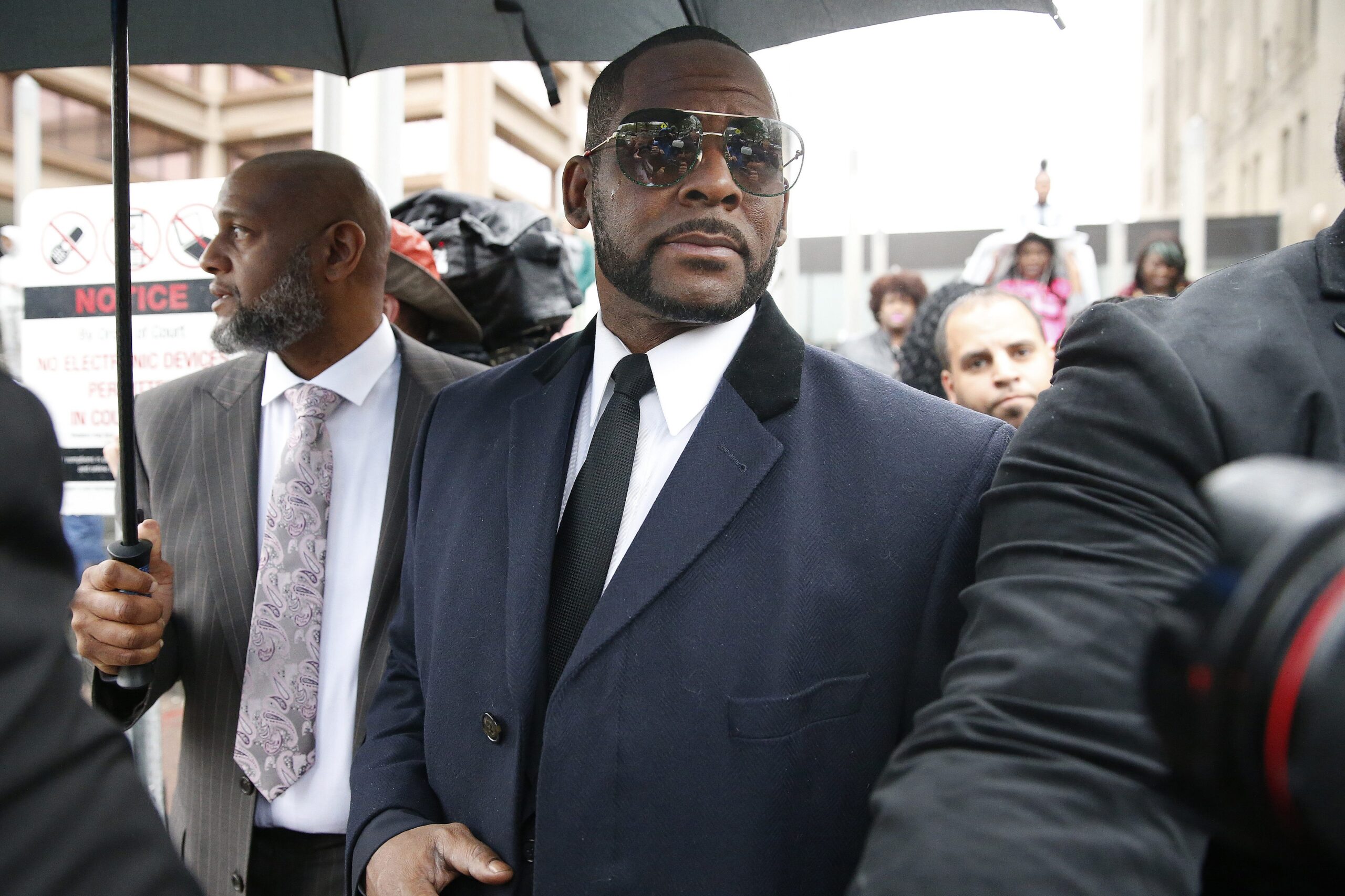
    Robert Sylvester Kelly, widely known as R. Kelly, has formally submitted a request to President Donald Trump seeking a commutation of his 30-year federal prison sentence. This petition arrives after his convictions in two separate federal jurisdictions on charges including racketeering and sex trafficking. The request highlights the significant power of presidential clemency and the complex legal landscape surrounding high-profile criminal cases.

    Kelly’s legal team filed the formal petition with the Department of Justice’s Office of the Pardon Attorney. This office processes all clemency requests before they are forwarded to the President for consideration. The process can be lengthy, often taking months or even years to complete.

    The Convictions and Sentencing

    R. Kelly’s legal troubles culminated in a series of federal convictions. In September 2021, a federal jury in Brooklyn, New York, found him guilty on nine counts, including one count of racketeering and eight counts of violating the Mann Act, which prohibits the transportation of individuals across state lines for illegal sexual activity. This trial focused on a decades-long pattern of sexual abuse and exploitation.

    U.S. District Judge Ann M. Donnelly sentenced Kelly to 30 years in federal prison on June 29, 2022, in the New York case. This sentence was intended to reflect the severity of his crimes and the long-term impact on his victims. The judge also ordered a five-year period of supervised release following his incarceration.

    Subsequently, in August 2022, Kelly faced another federal trial in Chicago, Illinois. A jury there convicted him on three counts of child pornography and three counts of enticing minors for illegal sexual activity. This second conviction compounded his legal woes and underscored the breadth of his criminal conduct.

    In February 2023, U.S. District Judge Harry Leinenweber sentenced Kelly to 20 years in prison for the Chicago convictions. Crucially, Judge Leinenweber ordered that 19 of those 20 years run concurrently with his New York sentence. This means that Kelly’s effective total sentence is 31 years, with one additional year added for the Chicago offenses.

    What is a Commutation?

    A commutation is a form of executive clemency that reduces the severity of a criminal sentence. It does not, however, overturn the conviction itself. If President Trump grants Kelly’s request, it would shorten the time he is required to serve in prison.

    Commutations are distinct from pardons. A presidential pardon forgives a federal crime, effectively erasing the conviction from the individual’s record and restoring certain rights. A commutation merely reduces the punishment without addressing guilt or innocence.

    The President’s power to grant commutations and pardons is derived from Article II, Section 2, Clause 1 of the United States Constitution. This clause grants the President the power to “grant Reprieves and Pardons for Offenses against the United States, except in Cases of Impeachment.”

    The Clemency Process

    Individuals seeking clemency typically submit an application to the Office of the Pardon Attorney (OPA) within the Department of Justice. The OPA reviews these applications, conducts investigations, and makes a recommendation to the President. The President is not bound by the OPA’s recommendation and can make a decision independently.

    Factors considered in clemency requests often include the nature and seriousness of the offense, the applicant’s post-conviction conduct, the impact on victims, and the applicant’s overall criminal history. The political climate and public opinion can also play a role, particularly in high-profile cases.

    President Trump’s History with Clemency

    President Donald Trump has a notable history of exercising his clemency powers. During his first term (2017-2021), he granted 237 acts of clemency, including 143 pardons and 94 commutations. These actions often drew significant public attention and sometimes controversy.

    Notable individuals who received clemency from President Trump during his first term included former Illinois Governor Rod Blagojevich, former New York Police Commissioner Bernard Kerik, and political consultant Roger Stone. Many of these actions were for individuals with personal or political connections to the President.

    In his current second term, which began on January 20, 2025, President Trump has continued to utilize his clemency authority. The specifics of these recent actions are regularly reported by the White House and Department of Justice. Kelly’s request now joins a list of petitions awaiting presidential review.

    Public and Legal Reaction

    The news of R. Kelly’s commutation request has generated considerable public debate. Victims’ rights advocates and many members of the public have expressed strong opposition, citing the heinous nature of his crimes and the long-term suffering of his victims. Organizations dedicated to combating sexual abuse have reiterated calls for full accountability.

    Legal analysts have weighed in on the likelihood of such a request being granted. Some suggest that the high-profile nature of the case and the severity of the convictions make a commutation unlikely. Others point to President Trump’s past clemency decisions, which have sometimes favored individuals with public recognition or those whose cases garnered media attention.

    The legal precedent for commuting sentences for sex trafficking and child exploitation convictions is also a factor. Such crimes are generally viewed with extreme gravity by the justice system and the public.

    Appeals Process and Future Prospects

    Beyond the commutation request, R. Kelly’s legal team has pursued appeals of his convictions. Appeals processes can take years to resolve. Even if an appeal were successful, it would typically lead to a new trial or a vacating of the conviction, rather than a direct release from prison.

    The formal request for commutation represents a separate avenue for Kelly to seek an early release from his sentence. This strategy bypasses the traditional appellate courts and places the decision squarely in the hands of the President.

    The coming months will likely see continued discussion around this high-profile petition. The decision rests with President Trump, who will consider the recommendation from the Office of the Pardon Attorney, along with other factors. The outcome will undoubtedly have significant implications for Kelly, his victims, and the broader conversation about justice and celebrity.

    The public watches. The legal system deliberates. The President considers.

    Clemency.

  • Paramount Skydance Merger Faces Combined Antitrust and Subscriber Suits

    Paramount Skydance Merger Faces Combined Antitrust and Subscriber Suits

    The Convergence of Corporate Scrutiny and Consumer Rights

    The completed merger between Paramount Global and Skydance Media has encountered a significant legal development. An antitrust lawsuit challenging the merger has been formally linked to an existing class-action lawsuit filed by subscribers against Paramount+. This consolidation means that two distinct but related legal challenges will now proceed in conjunction, creating a unified front of scrutiny against Paramount’s corporate practices and the potential implications of its merger with Skydance.

    This linkage underscores a broader trend of increased judicial and public oversight over large corporate mergers, particularly in the media and technology sectors. Consumer advocacy groups and regulatory bodies have expressed growing concerns about market concentration and its effects on competition, innovation, and consumer choice. The decision to combine these cases suggests a judicial acknowledgment of the interconnectedness of these issues.

    The Antitrust Challenge to the Paramount-Skydance Merger

    The antitrust case against the Paramount-Skydance merger centers on concerns that the proposed combination could lead to reduced competition in the entertainment industry. Regulators and plaintiffs in antitrust suits often argue that such mergers could result in higher prices for consumers, fewer content choices, and stifled innovation. These cases typically involve extensive economic analysis and legal arguments about market definition and competitive impact.

    The Department of Justice (DOJ) and the Federal Trade Commission (FTC) are the primary federal agencies responsible for enforcing antitrust laws in the United States. While the specific details of the antitrust filing against the Paramount-Skydance merger are under wraps, such cases often examine the market share of the combined entity, potential barriers to entry for new competitors, and the impact on various segments of the entertainment ecosystem, including content production, distribution, and streaming services.

    Historically, significant media mergers have faced intense scrutiny. Examples include the AT&T-Time Warner merger, which underwent a lengthy legal battle, and the proposed Comcast-Time Warner Cable merger, which was ultimately withdrawn due to regulatory concerns. These precedents highlight the rigorous standards applied to transactions that could reshape the media landscape.

    The Paramount+ Subscriber Lawsuit

    The pre-existing subscriber lawsuit against Paramount+ alleges various grievances from consumers. While the precise details of these allegations are not publicly detailed in the provided article, similar lawsuits against streaming services often involve claims related to service quality, pricing changes, misleading advertising, or breaches of subscriber agreements. Consumers increasingly expect transparency and consistent service from their streaming providers.

    Class-action lawsuits, like the one against Paramount+, allow a group of individuals with similar claims to collectively pursue legal action against a company. These suits can result in significant financial penalties for corporations found liable, as well as mandates for changes in business practices. The success of such lawsuits often depends on demonstrating a pattern of harm or misconduct affecting a large number of subscribers.

    Why Link the Cases?

    The decision to link the antitrust merger case with the subscriber lawsuit is a strategic move, likely driven by judicial efficiency and the potential for overlapping legal arguments and evidence. Both cases touch upon Paramount’s operational and strategic decisions, albeit from different angles.

    From an antitrust perspective, a merger’s impact on consumers, including service quality and pricing, can be a relevant factor in determining whether it is anticompetitive. From a consumer rights perspective, corporate actions related to a merger, such as changes in service offerings or content strategy, could directly affect subscribers. Combining the cases allows for a more holistic examination of Paramount’s conduct and the proposed merger’s implications.

    This consolidation could streamline discovery processes, allowing both sets of plaintiffs to access relevant internal documents and corporate communications more efficiently. It also reduces the potential for conflicting rulings or redundant litigation. For Paramount, it means facing a combined legal challenge that could be more complex and resource-intensive than defending against two separate actions.

    Implications for the Streaming Industry

    The linking of these cases sends a clear signal to the broader streaming industry. Companies contemplating mergers or operating large subscriber bases are under increasing pressure to demonstrate that their actions benefit, or at least do not harm, consumers and competition. The regulatory environment for media and tech mergers has become more stringent in recent years, reflecting concerns about the power and influence of large digital platforms.

    This legal development could encourage other streaming services to review their subscriber agreements, pricing strategies, and content policies to ensure compliance with consumer protection laws and to mitigate potential legal risks. It also highlights the importance of anticipating regulatory scrutiny when planning major corporate transactions.

    For consumers, this development reinforces the idea that their voices, through class-action lawsuits, can influence significant corporate decisions and regulatory outcomes. It validates concerns about corporate accountability and the need for robust legal mechanisms to protect consumer interests in a rapidly evolving digital marketplace.

    The Road Ahead for Paramount and Skydance

    The combined legal challenge will undoubtedly add complexity and uncertainty to the Paramount-Skydance merger process. Both companies will need to dedicate significant resources to legal defense, potentially delaying the merger’s completion or even jeopardizing its approval. The outcome of these linked cases could have profound implications for the structure and future direction of the combined entity.

    The legal proceedings will likely involve expert testimony, extensive document review, and potentially lengthy court battles. The focus will be on demonstrating whether the merger would harm competition and whether Paramount+ has violated its obligations to subscribers. The decisions rendered in these cases could establish new legal precedents for the streaming era.

    The entertainment industry watches. Regulators watch. Consumers watch.

    Accountability.

  • Kanye West’s Legal Battles: Ex-Employee Seeks $1.2M in Fees

    Kanye West’s Legal Battles: Ex-Employee Seeks $1.2M in Fees

    A former employee of Kanye West, who now publicly uses the name Ye, is seeking $1.2 million in attorney’s fees. This substantial claim is part of an ongoing legal dispute involving the prominent artist and entrepreneur. The request underscores the escalating financial stakes in West’s various legal entanglements.

    The specific nature of the original lawsuit from which these fees stem was not detailed in the available information. However, the demand for a seven-figure sum in legal costs suggests a protracted and complex legal battle. Such claims are common in cases that involve extensive discovery, multiple hearings, and significant legal representation.

    The Expanding Legal Landscape for Kanye West

    Kanye West has faced a series of legal challenges in recent years. These challenges span various aspects of his business empire and personal conduct. They include disputes related to his fashion brand, Donda Academy, and other ventures.

    The accumulation of lawsuits has drawn considerable media attention. Each new claim adds another layer to the public perception of West’s operational and financial management. This latest request for attorney’s fees represents another significant financial demand.

    Financial Implications of Legal Disputes

    Legal fees can quickly become a major financial burden, even for wealthy individuals. The $1.2 million sought by the former employee’s legal team is a significant sum. It indicates the amount of work and resources already expended on the case.

    These costs often include hourly rates for attorneys, paralegals, and legal support staff. They also cover expenses such as court filing fees, deposition costs, expert witness fees, and research. Complex litigation can easily accrue such figures over time.

    For Kanye West, these legal expenses come amidst other reported financial pressures. His business ventures have experienced periods of both immense success and considerable controversy. The ongoing legal battles contribute to a volatile financial landscape.

    The Nature of Employment Lawsuits

    Employment lawsuits can arise from various grievances. These often include allegations of wrongful termination, unpaid wages, discrimination, or breach of contract. High-profile individuals frequently face such claims from former staff members.

    The details surrounding this particular employee’s role and the specifics of their complaint remain undisclosed in the public brief. However, the request for attorney’s fees suggests the case has progressed significantly through the legal system.

    Such cases often involve sensitive personal and professional information. They can be emotionally taxing for all parties involved. The public nature of West’s career ensures that any legal proceedings attract scrutiny.

    Attorney’s Fees in Litigation

    In many legal systems, attorney’s fees are typically borne by each party, regardless of the outcome. However, there are exceptions. Some contracts include clauses that allow the prevailing party to recover their legal costs.

    Certain statutes also permit the recovery of attorney’s fees in specific types of cases. Employment law, particularly in cases of discrimination or wage theft, sometimes allows for fee-shifting. This means the losing party may be ordered to pay the winner’s legal expenses.

    The request for $1.2 million in fees suggests the former employee’s legal team believes they have a strong case for recovery. This could be based on contractual terms, statutory provisions, or a perceived likelihood of success on the merits of their claims.

    Impact on Kanye West’s Public Image and Brands

    Kanye West’s public image has undergone significant shifts over the years. His ventures in music, fashion, and technology have often been intertwined with his personal brand and public statements. Legal disputes inevitably influence this public perception.

    Each lawsuit, particularly those involving former employees, can affect how the public and potential business partners view his operations. It raises questions about workplace environment, financial practices, and overall corporate governance.

    For brands associated with West, such as Yeezy, these legal challenges can pose risks. Investors and collaborators often assess the stability and ethical conduct of a figure before committing resources. Ongoing litigation can complicate these assessments.

    Previous Legal Troubles and Financial Scrutiny

    This is not the first instance of legal or financial scrutiny for Kanye West. In recent years, his Donda Academy faced regulatory issues and lawsuits from former teachers. These cases also involved claims of unpaid wages and alleged unsafe working conditions.

    The financial health of some of West’s businesses has also been a subject of public discussion. Reports have surfaced regarding various financial dealings and the status of his numerous projects. The current claim for attorney’s fees adds to this existing narrative.

    These repeated legal challenges can drain financial resources and divert attention from creative and business endeavors. They require significant time and effort from legal teams and management.

    The Broader Context of Celebrity Legal Battles

    Celebrities frequently find themselves embroiled in legal disputes. These can range from contractual disagreements to intellectual property claims and employment lawsuits. The high-stakes nature of their careers often leads to complex legal situations.

    The financial resources available to celebrities mean that legal battles can be prolonged and expensive. They often involve top legal firms and extensive litigation tactics. This makes the recovery of attorney’s fees a significant aspect of such cases.

    For former employees, pursuing legal action against a high-profile figure can be daunting. The resources of a celebrity can often outweigh those of an individual. The ability to recover attorney’s fees can be crucial for an employee to sustain their legal fight.

    What’s Next in the Legal Proceedings?

    The request for $1.2 million in attorney’s fees will now be subject to judicial review. The court will typically examine the details of the legal work performed. They will assess the reasonableness of the hours billed and the rates charged.

    Both parties will likely present arguments regarding the validity and necessity of the requested fees. Kanye West’s legal team will have the opportunity to contest the amount. They may argue that the fees are excessive or not fully recoverable under the law.

    The outcome of this specific request will impact the financial liability of Kanye West in this particular lawsuit. It will also influence the overall trajectory of the case. A ruling on fees could precede or follow a final judgment on the underlying claims.

    Legal documents filed. Arguments made. Financial demands assessed. Verdicts rendered.

    Accountability.

  • Trump Targets Grad School Debt – A $100 Billion Bubble Under Scrutiny

    Trump Targets Grad School Debt – A $100 Billion Bubble Under Scrutiny

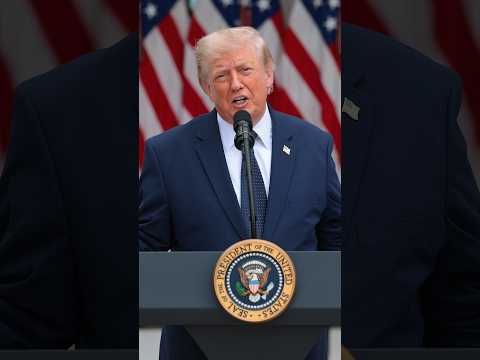
    President Donald Trump’s administration is actively scrutinizing the United States’ graduate school debt landscape, a sector estimated to represent a ‘hundreds of billions of dollars bubble.’ This examination indicates a strategic move to potentially reform federal student loan programs and address the escalating costs associated with higher education, particularly at the graduate level. The administration’s focus aligns with its broader mandate to review government spending and ensure fiscal responsibility across various federal programs, signaling a significant policy discussion on the future of graduate education funding.

    The current administration’s interest in graduate school debt reflects a growing national conversation about the value and affordability of advanced degrees. Concerns have mounted over the years regarding the increasing loan burdens carried by students pursuing master’s, doctoral, and professional degrees. This scrutiny by the Trump administration suggests that federal interventions or adjustments to existing policies may be forthcoming.

    The Anatomy of the $100 Billion Bubble

    The term ‘hundreds of billions of dollars bubble’ refers to the cumulative federal loan debt held by graduate students across various disciplines. This figure highlights the substantial financial commitment made by both students and the federal government to advanced education. Unlike undergraduate loans, graduate student loans often have higher limits and less stringent repayment terms, contributing to larger individual debt loads.

    Data from the Department of Education indicates a steady increase in graduate student borrowing over the past two decades. Many graduate programs, particularly in fields like law, medicine, and business, can cost tens of thousands of dollars annually. Students often rely heavily on federal Grad PLUS loans, which allow borrowing up to the cost of attendance, minus any other financial aid received.

    Critics of the current system point to the uncapped nature of Grad PLUS loans as a primary driver of tuition inflation. Universities, they argue, have little incentive to control costs when federal funds are readily available to cover expenses. This dynamic has contributed to the ballooning debt figures now under presidential review.

    President Trump’s Stance on Higher Education

    President Trump’s approach to higher education has consistently emphasized accountability and value for taxpayer money. His administration has previously called for greater transparency in college pricing and a focus on career-ready skills. The current examination of graduate school debt fits within this overarching philosophy.

    During his previous term and leading into his current term, President Trump has voiced concerns about the overall student loan crisis. His administration has explored various policy options, including income-driven repayment plan reforms and simplified loan forgiveness programs. The specific targeting of graduate school debt indicates a refined focus on a segment of the student loan market that often involves larger sums and, in some cases, less certain employment outcomes relative to the debt incurred.

    “We must ensure that our education system prepares students for success, not for a lifetime of debt,” President Trump stated in a press briefing on education reform in 2025. “The federal government’s role in student lending needs to be reevaluated to protect taxpayers and empower students.”

    This statement underscores the administration’s commitment to revisiting the federal government’s involvement in student lending. The $100 billion graduate school debt bubble is now a central component of this reevaluation.

    Potential Policy Implications and Reforms

    The Trump administration’s scrutiny of graduate school debt could lead to several policy changes. One area of focus might be the Grad PLUS loan program. Reforms could include caps on borrowing limits, stricter eligibility requirements, or an increased emphasis on institutional accountability for student outcomes.

    Another potential reform involves the repayment structures for graduate loans. The administration might propose adjustments to income-driven repayment plans, aiming to make them more sustainable for taxpayers while still providing a safety net for borrowers. Discussions could also include mechanisms to encourage universities to offer more affordable graduate programs or to tie federal funding to employment rates and earnings of graduates.

    Impact on Specific Disciplines

    Different graduate programs could experience varying impacts from potential reforms. Fields like law and medicine, which often have high tuition costs but also high earning potential, might see adjustments to loan terms. Programs in humanities or social sciences, where post-graduation salaries can be lower relative to debt, might face increased pressure to demonstrate value or adapt their funding models.

    The administration’s review is expected to consider the economic impact of these loans on different sectors of the workforce. The goal is to ensure that federal aid supports educational pathways that lead to productive careers without burdening individuals or the federal budget unnecessarily.

    The Broader Debate on Higher Education Funding

    The graduate school debt issue is part of a larger, ongoing national debate about the cost and value of higher education. Policy makers, educators, and students are all grappling with how to make advanced degrees accessible and affordable without creating unsustainable debt. The federal government plays a pivotal role in this ecosystem through its student loan programs.

    Advocates for the current system argue that federal loans are essential for providing opportunities for advanced study, which in turn contributes to innovation and economic growth. They emphasize that many graduate programs lead to high-demand professions that require specialized knowledge and training. Limiting access to these loans, they contend, could hinder national competitiveness.

    Conversely, critics argue that the current system has created perverse incentives, driving up tuition costs and leaving many graduates with crushing debt loads. They suggest that a more market-oriented approach, or one that ties funding more directly to demonstrable outcomes, is needed to restore balance.

    Stakeholder Perspectives

    • Students and Borrowers: Many graduate students rely on federal loans to finance their education. Any changes could significantly impact their ability to pursue advanced degrees.
    • Universities and Colleges: Institutions of higher education depend on federal student aid to attract students and fund their programs. Reforms could necessitate changes to tuition models and program offerings.
    • Taxpayers: The federal government underwrites these loans, making taxpayers ultimately responsible for defaults. The administration aims to reduce this financial exposure.
    • Employers: A well-educated workforce is crucial for economic growth. The quality and affordability of graduate education directly impact the talent pipeline for various industries.

    The Trump administration’s initiative seeks to balance these competing interests while addressing the core concern of unsustainable debt.

    Looking Ahead: The Future of Graduate Education Finance

    The coming months are likely to bring more detailed proposals and discussions regarding graduate school debt. The administration is expected to engage with stakeholders from the education sector, financial institutions, and student advocacy groups. The outcome of these discussions could redefine the landscape of graduate education funding for years to come.

    President Trump’s focus on the ‘hundreds of billions of dollars bubble’ signifies a clear intent to bring about change. Whether these changes involve stricter lending criteria, new repayment models, or increased institutional accountability, the era of unchecked graduate student borrowing may be drawing to a close. The nation watches as the administration seeks to burst this financial bubble.

    Policymakers debated. Educators strategized. Students worried. The administration acted.

    Reform.