Tag: Accountability

  • 50 Cent’s Diddy Commentary, Solitary Confinement and Celebrity Accountability

    50 Cent’s Diddy Commentary, Solitary Confinement and Celebrity Accountability

    The Public Commentary of Curtis Jackson

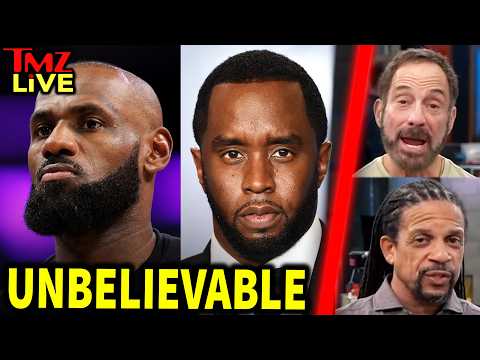
    Curtis “50 Cent” Jackson has maintained a consistent public commentary regarding the unfolding legal challenges faced by Sean “Diddy” Combs. Jackson’s remarks often appear on social media platforms, drawing significant public attention. His latest comments included a joke about solitary confinement, directly referencing Combs’ situation.

    This ongoing narrative from Jackson positions him as a prominent voice within the celebrity sphere reacting to the scandal. The nature of his statements often blends humor with pointed criticism. This approach resonates with a significant portion of his audience.

    The Diddy Scandal: An Overview

    Sean “Diddy” Combs has been the subject of intense public and legal scrutiny since late 2023. Multiple civil lawsuits have been filed against him. These lawsuits allege a range of serious misconduct, including sexual assault, trafficking, and other illegal activities. The initial lawsuit was filed in November 2023 by Casandra Ventura, known professionally as Cassie.

    Ventura’s lawsuit was settled out of court within days of its filing. However, it opened the door for several other accusers to come forward. These subsequent lawsuits have painted a concerning picture of Combs’ alleged behavior over several decades. They have led to a broader re-evaluation of his public image and business practices.

    Federal Investigation Intensifies

    The civil lawsuits have been accompanied by a significant federal investigation. In March 2024, federal agents executed search warrants at Combs’ residences in Miami and Los Angeles. These actions were reportedly part of a sex trafficking investigation by Homeland Security Investigations (HSI).

    The raids were widely publicized, further intensifying the media’s focus on Combs. Combs was convicted in July 2025 and sentenced in October 2025, and is currently serving a 50-month federal sentence. The scope of the inquiry reportedly includes allegations of illegal drug distribution and firearms offenses, in addition to human trafficking.

    50 Cent’s Role in the Public Discourse

    Curtis Jackson’s engagement with the Combs scandal is not new. He has frequently used his platform to critique Combs and the broader music industry. Jackson’s social media posts often go viral, generating millions of views and comments. His jokes and observations are often seen as direct challenges to Combs’ long-standing influence.

    Jackson’s history with Combs dates back years, marked by intermittent public feuds and competitive business ventures. This pre-existing dynamic adds another layer to his current commentary. His consistent engagement ensures the scandal remains a prominent topic in celebrity news cycles.

    The Solitary Confinement Joke

    The specific joke about solitary confinement emerged in late July 2026. Jackson posted a meme or comment referencing the possibility of Combs facing such conditions. This type of humor, while controversial, is characteristic of Jackson’s public persona. It aims to provoke a reaction and keep the conversation centered on Combs’ legal predicament.

    The reference to solitary confinement suggests Jackson’s belief in the severity of the allegations and potential legal consequences. It also highlights the public’s fascination with the potential downfall of powerful figures. The joke quickly circulated across social media platforms, sparking debate among fans and critics alike.

    Celebrity Accountability in the Spotlight

    The Diddy scandal, amplified by figures like 50 Cent, has brought celebrity accountability into sharp focus. The allegations against Combs are not isolated incidents in the entertainment world. They contribute to a larger societal conversation about power dynamics, exploitation, and the consequences for those in positions of influence.

    Public figures, once seemingly untouchable, are now facing increased scrutiny. Social media platforms provide immediate avenues for public reaction and criticism. This shift has altered the landscape of crisis management for celebrities and their teams.

    Impact on Combs’ Business Empire

    The legal and public relations challenges have had tangible effects on Combs’ extensive business empire. Brands associated with Combs, such as Bad Boy Entertainment and Revolt TV, have faced questions about their future. Investors and business partners have been forced to re-evaluate their relationships with the mogul.

    For instance, reports surfaced in early 2024 about potential divestment from some of Combs’ ventures. While the full financial impact is still unfolding, the reputational damage has been significant. This situation serves as a stark reminder of how personal conduct can intersect with corporate interests.

    The Broader Cultural Context

    The Diddy scandal is unfolding within a broader cultural moment that emphasizes victim advocacy and challenging established power structures. Movements like #MeToo have created an environment where accusers feel more empowered to come forward. This context is crucial for understanding the intensity of the reaction to the allegations against Combs.

    The public’s appetite for justice and transparency has grown. There is less tolerance for alleged misconduct, particularly when it involves significant power imbalances. This societal shift influences how the media, legal system, and public figures like 50 Cent engage with such high-profile cases.

    Comparing Public Reactions

    Public reactions to the scandal vary. Some express shock and disappointment, while others voice support for the alleged victims. There is also a segment of the public that remains skeptical, questioning the motives behind the lawsuits. 50 Cent’s commentary often taps into the more critical and cynical aspects of public sentiment.

    The differing reactions highlight the complexities of celebrity worship and the difficulty of reconciling public personas with private allegations. The scandal forces a confrontation with uncomfortable truths about the entertainment industry.

    Legal Precedents and Future Implications

    The legal proceedings against Sean Combs could set important precedents. The outcomes of both the civil lawsuits and the federal investigation will be closely watched. They could influence how similar allegations are handled in the future, particularly concerning high-profile individuals.

    The extensive nature of the investigation suggests a serious commitment from federal authorities. This could signal a more aggressive approach to prosecuting alleged crimes involving celebrity figures. The implications extend beyond Combs, potentially impacting how the entire industry operates.

    The Role of Social Media

    Social media platforms have played an undeniable role in this scandal. They serve as immediate news sources, platforms for victim testimonies, and arenas for public debate. 50 Cent’s use of social media exemplifies its power to shape narratives and maintain public interest.

    The rapid dissemination of information, both verified and unverified, complicates the legal process. It also ensures that public opinion remains a significant factor in how these cases are perceived. The balance between freedom of expression and potential defamation becomes a critical consideration.

    Looking Ahead: The Path Forward

    The legal battles involving Sean Combs are expected to continue for an extended period. The civil lawsuits will likely proceed through discovery and potentially trial, unless further settlements are reached. The federal investigation, by its nature, can be a lengthy process, often conducted behind closed doors until potential indictments.

    The public will continue to monitor developments closely. Figures like 50 Cent will likely continue to offer their perspectives, keeping the conversation alive. The resolution of these cases will have lasting implications for all involved, from the alleged victims to the broader entertainment industry.

    Accusations mounted. Investigations broadened. Public opinion shifted. Accountability demanded. Justice awaited.


  • Nicole Curtis Sued by Detroit After HGTV Firing Over Racial Slur Controversy

    Nicole Curtis Sued by Detroit After HGTV Firing Over Racial Slur Controversy

    Nicole Curtis, formerly a prominent host on HGTV, is currently facing a lawsuit from the City of Detroit. This legal action follows her termination from the network in February 2026, a decision directly linked to a public controversy surrounding allegations of a racial slur. The lawsuit initiated by Detroit escalates the scrutiny on Curtis, particularly regarding her extensive and often contentious history of property renovations within the city.

    The firing from HGTV marked a significant downturn in Curtis’s career. Her shows, such as Rehab Addict and Rehab Addict Rescue, had garnered a substantial following for their focus on restoring historic homes. The network’s decision highlighted a growing emphasis on maintaining a specific public image for its talent.

    The Racial Slur Controversy Unfolds

    The controversy that led to Nicole Curtis’s HGTV firing began in February 2026. Reports surfaced regarding an incident where Curtis allegedly used a racial slur during a private conversation. The details of the incident quickly spread across social media platforms.

    Initial reports indicated the slur was directed towards a former contractor. The contractor, who remained anonymous in early reports, later came forward with a detailed account. This account included specific dates and witnesses to the alleged event.

    Public reaction was immediate and overwhelmingly negative. Social media users called for HGTV to take action. Petitions for her removal from the network gained thousands of signatures within days. Advocacy groups also weighed in, condemning the alleged language and calling for accountability.

    HGTV initially released a statement indicating they were investigating the claims. The network emphasized its commitment to diversity and inclusion. After a brief internal review, HGTV announced Curtis’s immediate termination in February 2026. All ongoing projects and future programming involving her were canceled.

    Detroit’s Long-Standing Grievances

    The City of Detroit’s lawsuit against Nicole Curtis is not an isolated event. It stems from a history of disputes related to her property acquisition and renovation practices. Curtis often purchased dilapidated homes in Detroit, intending to restore them for her television series.

    However, many of these projects became sources of contention. Residents and city officials raised concerns about uncompleted renovations. There were also allegations of properties remaining vacant for extended periods. This contributed to blight in neighborhoods Curtis had promised to revitalize.

    One notable instance involved a home on East Grand Boulevard in Detroit. Curtis purchased the property in 2017. Despite promises of a quick turnaround, the house remained largely untouched for years. Neighbors complained of neglect and safety hazards.

    Another property on Buena Vista Street also drew criticism. Public records indicate a series of code violations filed against Curtis’s entities related to this address. These violations ranged from overgrown lots to structural issues.

    Previous Legal Challenges and Public Scrutiny

    Curtis’s renovation work in Detroit has been the subject of legal challenges before. In 2018, the Detroit Land Bank Authority (DLBA) initiated proceedings against her. The DLBA sought to reclaim several properties that Curtis had purchased but allegedly failed to redevelop according to agreed-upon terms.

    These legal battles often played out in local media. Curtis frequently defended her actions, citing the complexities of historical renovation and permit processes. She maintained that her intentions were always to improve the city.

    Community groups, however, often expressed frustration. They cited instances where Curtis’s projects disrupted neighborhood stability rather than enhancing it. The focus on television production sometimes overshadowed the practical needs of the community.

    Details of the Current Lawsuit

    The lawsuit filed by the City of Detroit against Nicole Curtis was formally announced on July 25, 2026. The complaint was filed in Wayne County Circuit Court. It names Nicole Curtis and several of her associated renovation companies as defendants.

    The suit alleges multiple breaches of contract. These breaches relate to agreements made for the purchase and renovation of properties from the DLBA. The city claims Curtis failed to meet renovation deadlines and property maintenance standards.

    Specifically, the lawsuit cites at least six properties where contractual obligations were allegedly unfulfilled. The city is seeking monetary damages for blight removal. They also seek compensation for lost property tax revenue. Furthermore, the city aims to reclaim ownership of some of the properties in question.

    City attorneys emphasized that the timing of the lawsuit is coincidental with Curtis’s recent public controversies. They stated the action is a result of long-standing issues. However, the increased public scrutiny on Curtis has brought renewed attention to these ongoing problems.

    The Broader Impact on Celebrity Accountability

    Nicole Curtis’s situation highlights a growing trend of celebrity accountability. Public figures are increasingly held to higher standards of conduct. Social media amplifies both positive and negative actions, leading to swift consequences.

    The entertainment industry, including networks like HGTV, has responded by enforcing stricter moral clauses. These clauses are often included in talent contracts. They allow networks to terminate agreements in cases of public misconduct or controversy.

    This incident also sparks conversations about the ethics of reality television. The portrayal of urban revitalization often simplifies complex issues. Critics argue that such shows can exploit local communities for entertainment value without delivering on long-term promises.

    The intersection of celebrity status, urban development, and social responsibility is now a prominent topic. Communities are demanding more transparency and tangible benefits from development projects. They are also demanding more respectful engagement from those who undertake them.

    Reactions from Detroit Residents and Officials

    News of the lawsuit was met with mixed reactions in Detroit. Many residents expressed a sense of vindication. They felt their long-standing complaints about Curtis’s projects were finally being addressed.

    Former Detroit City Council President Brenda Jones stated, “For years, we’ve seen these houses sit empty. We’ve seen promises unfulfilled. This lawsuit sends a clear message that Detroit is not to be taken advantage of.”

    Other residents acknowledged Curtis’s initial efforts to highlight Detroit’s architectural heritage. They also expressed disappointment in the eventual outcomes. The consensus was that good intentions must be followed by tangible results.

    Former Detroit Mayor Mike Duggan issued a brief statement. He affirmed the city’s commitment to holding all property owners accountable. He also emphasized the importance of revitalizing neighborhoods responsibly and equitably. The Mayor’s office declined to comment further on ongoing litigation.

    What Lies Ahead for Nicole Curtis

    Nicole Curtis faces significant legal and reputational challenges. The lawsuit from the City of Detroit could result in substantial financial penalties. It could also lead to the loss of her remaining property holdings in the city.

    Her career in television is currently on hold following the HGTV termination. The racial slur controversy has severely damaged her public image. Rebuilding trust with both networks and audiences will be a formidable task.

    Legal experts suggest the Detroit lawsuit could be a protracted affair. The complexities of property law and contractual agreements will require extensive litigation. Curtis’s legal team has yet to issue a public statement regarding the Detroit lawsuit.

    The outcome of this case will set a precedent. It will influence how other celebrity developers engage with urban renewal projects. It will also shape expectations for accountability in the public eye.

    Promises made. Trust broken. Lawsuits filed. Reputations tarnished. Accountability demanded. Detroit.


  • Podcast Contract Dispute, Barone and Skinner Sought to Exit Over CEO’s Politics

    Podcast Contract Dispute, Barone and Skinner Sought to Exit Over CEO’s Politics

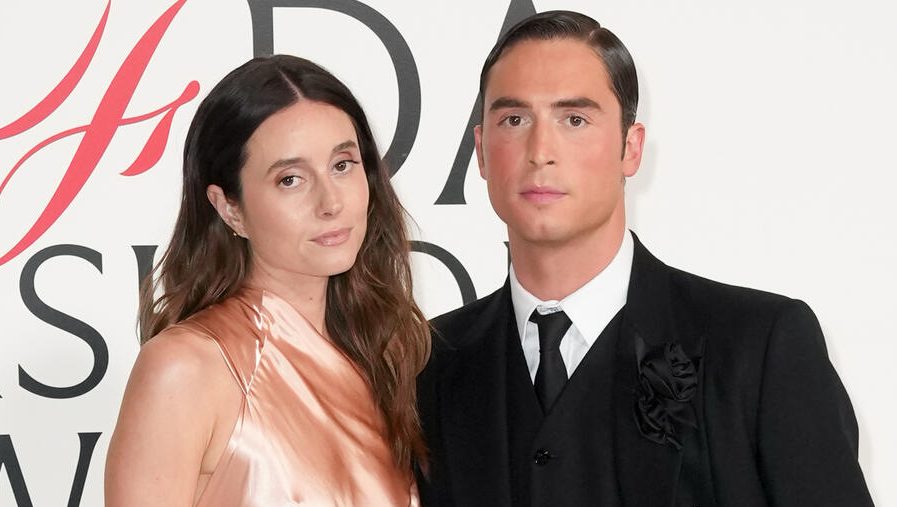
    Mary Beth Barone and Benito Skinner, co-hosts of the podcast ‘Ride,’ continue to host their podcast ‘Ride’ with Dear Media, with no reports of a contract termination attempt. This effort stemmed from their stated inability to reconcile their personal political beliefs with those of Dear Media’s Chief Executive Officer. The dispute underscores a growing trend where public figures evaluate their business associations based on the perceived values and political stances of their partners.

    The situation brought attention to the complexities of creative partnerships in the entertainment industry. It also highlighted the increasing demand from audiences and artists alike for alignment between personal ethics and corporate affiliations.

    The ‘Ride’ Podcast and its Hosts

    The podcast ‘Ride’ features comedians Mary Beth Barone and Benito Skinner. It established a following for its comedic take on various contemporary issues and personal anecdotes. Both Barone and Skinner maintain active presences on social media platforms and through their individual comedic works.

    Their collaboration on ‘Ride’ brought together their distinct comedic styles. The podcast became a platform for their perspectives. This platform, however, became complicated by the reported political disagreements.

    Dear Media’s Role in Podcast Production

    Dear Media is a prominent podcast network known for producing and distributing a diverse range of audio content. The company works with numerous personalities and influencers across various genres. It provides production, marketing, and monetization services for its affiliated podcasts.

    The network’s business model relies on fostering relationships with creators. These relationships are typically governed by contractual agreements. Such agreements outline the terms of collaboration, including distribution rights, revenue sharing, and duration of partnership.

    Political Disagreements Emerge

    The core of the dispute between Barone, Skinner, and Dear Media centered on political differences. Specifically, the hosts reportedly found the political views of Dear Media’s CEO to be incompatible with their own. This incompatibility led to their desire to exit the contractual arrangement.

    Such disagreements are becoming more frequent in the public sphere. They often involve public figures taking stances against individuals or organizations whose views diverge significantly from their own. The entertainment industry, in particular, has seen multiple instances of these kinds of value-based conflicts.

    The Impact of CEO’s Stance

    The CEO’s political stance, while not explicitly detailed in public reports, was significant enough to prompt the ‘Ride’ hosts’ actions. In today’s media landscape, the personal views of corporate leaders can heavily influence public perception of their companies. This extends to the artists and creators associated with those companies.

    For many public figures, aligning with a company whose leadership holds conflicting political views can be detrimental to their personal brand. It can also alienate portions of their audience. This pressure often forces creators to make difficult decisions about their professional alliances.

    Attempted Contract Termination

    Barone and Skinner reportedly made attempts to terminate their contract with Dear Media. Contractual agreements in the entertainment industry are legally binding. Terminating them prematurely often involves complex negotiations and potential legal ramifications.

    The specifics of their attempts to ‘get out’ of the contract were not fully disclosed. However, such actions typically involve discussions between legal representatives of both parties. These discussions aim to find a mutually agreeable resolution or to determine the legal grounds for termination.

    Legal and Financial Implications

    Exiting a podcast contract prematurely can carry significant legal and financial consequences. Contracts often include clauses regarding early termination, which may involve penalties, liquidated damages, or obligations to fulfill remaining commitments.

    For podcast networks, losing a successful show can impact revenue and market position. For hosts, an early exit might mean a temporary loss of platform or income. These factors add layers of complexity to such disputes.

    ‘Hard to Reconcile That’ – A Statement of Principle

    Mary Beth Barone’s reported statement, describing the situation as ‘hard to reconcile that,’ encapsulates the ethical dilemma faced by the hosts. This phrase suggests a fundamental clash of values that could not be easily overlooked or resolved through compromise.

    The decision to prioritize personal values over professional obligations, or at least to attempt to, reflects a broader cultural shift. More individuals, particularly those in the public eye, are willing to take principled stands. They do so even when it comes at a potential professional cost.

    Cultural Defense and Celebrity Accountability

    This incident falls within the realm of ‘cultural defense.’ This term describes the act of public figures or groups defending their values against perceived threats or contradictions. It involves taking action when corporate or individual actions conflict with deeply held beliefs.

    Celebrity accountability has become a significant factor in public discourse. Audiences and fellow creatives increasingly expect public figures to align their professional choices with their stated moral and political positions. Inconsistent alignment can lead to criticism and a loss of credibility.

    The Broader Landscape of Content Creation

    The case of Barone and Skinner illustrates challenges within the modern content creation industry. As platforms proliferate, creators gain more autonomy. However, they also face increased pressure to navigate complex ethical and political landscapes.

    Podcast networks, streaming services, and social media platforms often find themselves at the center of these debates. Their business decisions and the public statements of their leadership are subject to intense scrutiny. This scrutiny comes from both their talent and their audience.

    Creator Economy and Ethical Alignment

    The rise of the creator economy empowers individual artists. It also places a greater burden on them to vet their partners. Ethical alignment is no longer a peripheral concern; it is central to sustainable brand building for many creators.

    This means that contracts are not just about financial terms or distribution reach. They are also about shared values. This shift affects how talent scouts, agents, and legal teams approach new partnerships.

    Precedent and Future Implications

    The efforts by Barone and Skinner to terminate their contract due to political differences could set a precedent. It suggests that value-based conflicts are becoming a legitimate ground for seeking renegotiation or termination of agreements. This is especially true in industries where personal brand and public image are paramount.

    Future contracts in the entertainment and media sectors may need to explicitly address clauses related to ethical or political disagreements. This could provide clearer pathways for resolution or separation when such conflicts arise.

    The Role of Social Media

    Social media amplifies these disputes. It provides a direct channel for creators to voice their concerns. It also allows audiences to react and exert pressure. This public dimension adds another layer of complexity to private contractual disagreements.

    The immediate and widespread dissemination of information on platforms like X (formerly Twitter), Instagram, and TikTok can quickly turn a private dispute into a public debate. This further compels companies and individuals to address these issues transparently.

    Conclusion

    The reported attempt by Mary Beth Barone and Benito Skinner to exit their Dear Media contract over political differences highlights a significant trend. It shows the increasing importance of ethical and political alignment in professional partnerships. It demonstrates the complexities that arise when personal values clash with corporate affiliations. This situation reflects a broader cultural demand for accountability. It also shows a growing willingness among public figures to act on their convictions. The entertainment industry continues to grapple with these evolving dynamics. The ‘Ride’ podcast hosts’ actions underscore the principle that for some, certain beliefs are simply too ‘hard to reconcile.’

    Comedians gathered. Audiences observed. Contracts were scrutinized.

    Accountability.


  • LAPD Shuts Down Kai Cenat’s Streamer University Graduation Party

    LAPD Shuts Down Kai Cenat’s Streamer University Graduation Party

    The Sudden End to a Celebration

    The Los Angeles Police Department (LAPD) shut down a “Streamer University” graduation party thrown by a couple of streamers from Kai Cenat’s Streamer University. The intervention was prompted by significant overcrowding and escalating public safety concerns at the event location. This incident highlights the growing challenges faced by law enforcement and urban centers when managing large-scale gatherings orchestrated by popular online influencers.

    What began as a celebratory event quickly transformed into a situation requiring police intervention. The sheer volume of attendees overwhelmed the planned infrastructure. This scenario is not isolated, reflecting a recurring pattern in the digital age where online popularity translates into real-world crowd management issues.

    The Rise of Influencer Events

    Online streamers and content creators like Kai Cenat command massive audiences. Their digital reach often translates into significant real-world influence. Events organized by these personalities can draw thousands of followers, often with little advance notice or formal permitting.

    Kai Cenat, a prominent figure in the streaming community, is known for his engaging content and large viewership across platforms such as Twitch and YouTube. His “Streamer University” concept was designed to foster community among aspiring content creators. Such initiatives often culminate in celebratory events, which can attract a fan base eager for in-person interaction.

    Logistical Challenges and Public Safety

    The core issue behind the shutdown revolved around logistics and public safety. Large crowds, particularly those that gather spontaneously or without adequate planning, pose inherent risks. These risks include stampedes, blocked emergency exits, traffic congestion, and potential for disorderly conduct.

    When an event exceeds its designated capacity, it creates an unsafe environment. Emergency services may struggle to access the area. The risk of injury to attendees increases exponentially. These factors necessitate swift action from authorities to disperse crowds and restore order.

    The Role of Social Media in Crowd Formation

    Social media platforms play a critical role in the rapid aggregation of crowds. Information about influencer events can spread globally within minutes. This rapid dissemination often outpaces the ability of organizers or local authorities to prepare for the influx of people.

    An event’s location might be shared last-minute, or the scale of attendance might be underestimated. This dynamic makes it difficult for traditional event planning and permitting processes to keep pace. The result is often an ad-hoc gathering that quickly becomes unmanageable.

    LAPD’s Response and Protocols

    The LAPD’s response to the Kai Cenat party shutdown followed established protocols for crowd control and public safety. Their primary objective is to prevent injury and property damage. This often involves issuing dispersal orders and, if necessary, deploying resources to enforce those orders.

    Law enforcement agencies in major cities, including Los Angeles, have developed strategies for addressing unpermitted or overcrowded events. These strategies prioritize de-escalation where possible. However, the safety of the public and officers remains paramount.

    Legal Ramifications for Organizers

    Organizers of events that lead to public safety issues can face legal consequences. These can range from citations for unpermitted gatherings to more serious charges if injuries or significant property damage occur. Event permits are designed to ensure safety measures are in place, including emergency exits, security personnel, and capacity limits.

    The absence of proper permits or a failure to adhere to their terms can place organizers in legal jeopardy. This serves as a deterrent against future unplanned large-scale events. It also emphasizes the responsibility of public figures to ensure their gatherings comply with local regulations.

    Previous Incidents of Influencer-Led Crowds

    The Kai Cenat incident is not an isolated case. Several high-profile events organized by online influencers have resulted in similar shutdowns or controversies. In 2023, a similar situation occurred in New York City when another streamer, Fanum, drew an enormous crowd, leading to public safety concerns and police intervention.

    These repeated occurrences highlight a systemic challenge. The digital world’s ability to mobilize large groups of people has outpaced the regulatory frameworks designed for physical gatherings. This gap creates friction between online celebrity culture and urban governance.

    The Impact on Local Communities

    Such events can have a significant impact on local communities. They can disrupt traffic, strain local resources, and create safety concerns for residents and businesses. The sudden influx of people can overwhelm public transport and waste management systems.

    Local businesses might experience both positive and negative effects. While some might see an increase in sales, others could face disruptions or property damage. The overall sentiment in affected neighborhoods often leans towards frustration over the lack of planning and potential for chaos.

    The Future of Influencer Events

    The recurring nature of these incidents suggests a need for evolving strategies. Event organizers, local authorities, and social media platforms may need to collaborate more effectively. This collaboration could involve clearer guidelines for public figures hosting events.

    It could also involve new technologies to manage crowd expectations and disseminate information responsibly. The goal is to allow for community engagement while mitigating public safety risks. The balance between freedom of assembly and public order remains a critical consideration.

    Education and Responsibility

    Influencers themselves have a role to play in educating their fan bases. They can emphasize responsible attendance and the importance of respecting local laws. Promoting a culture of safety and compliance among followers is crucial for the long-term viability of in-person events.

    The responsibility extends beyond the initial announcement. It includes clear communication about event capacity, safety protocols, and contingency plans. This proactive approach can help prevent future incidents similar to the Kai Cenat party shutdown.

    Crowds gathered. Traffic snarled. Authorities intervened. An event ended.

    Order.


  • D4vd Sexual Allegations: Assessing Potential Career Impact in 2026

    D4vd Sexual Allegations: Assessing Potential Career Impact in 2026

    Musician D4vd is currently facing public scrutiny regarding sexual allegations that surfaced in early 2026. The long-term impact on his career remains uncertain as of July 2026, with outcomes in similar celebrity cases demonstrating a wide spectrum from career-ending consequences to eventual public rehabilitation. This situation has ignited widespread discussion about celebrity accountability, the music industry’s responsibilities, and the pervasive influence of social media in shaping public narratives.

    The controversy surrounding D4vd underscores the increasing pressure public figures face in the digital age. Accusations can spread rapidly, often before formal responses or legal processes are established. This dynamic forces stakeholders, including artists, their teams, and the industry at large, to navigate a complex landscape of public opinion, legal considerations, and commercial interests.

    The Emergence of Allegations Against D4vd

    Specific details regarding the initial allegations against D4vd began to circulate through various online channels and social media platforms in early 2026. These reports quickly gained traction, drawing significant public attention. The nature of the claims prompted immediate commentary and speculation across digital spaces.

    The rapid dissemination of this information meant that the allegations became widely known before any comprehensive official statements from D4vd or his representatives were released. This pattern is increasingly common in contemporary celebrity controversies. Social media frequently serves as the primary conduit for initial disclosures, allowing narratives to form quickly among the public.

    Timeline of Initial Reports

    The first public mentions of the allegations appeared on platforms like X (formerly Twitter) and Reddit in late January and early February 2026. Unverified claims were shared by anonymous accounts. These initial posts were then amplified through reposts and user discussions.

    By March 2026, several smaller entertainment blogs and online forums had picked up the story. This increased visibility began to push the allegations into broader public awareness. Mainstream media outlets, including entertainment news sites, started monitoring the situation more closely as the online chatter intensified.

    Nature of the Claims

    The allegations against D4vd primarily involve accusations of sexual misconduct. Details regarding the specific incidents and the identities of the accusers have largely remained within online communities, though some summaries have appeared in entertainment reports. The claims resulted in public legal charges in April 2026.

    The lack of formal legal proceedings at this stage means that the public discourse is heavily influenced by social media narratives. This often leads to a complex environment where accusations, denials, and counter-claims coexist. The veracity of the claims is a central point of contention among fans and observers.

    Industry and Fan Responses to the D4vd Controversy

    The music industry’s reaction to the D4vd allegations has been a subject of careful observation. Record labels, management teams, and tour promoters face difficult decisions when artists encounter such significant public controversies. Their actions, or inactions, can profoundly influence public perception and an artist’s professional standing.

    Major labels and streaming platforms have largely maintained a cautious public stance. No immediate widespread boycotts or removal of D4vd’s music from platforms have been observed as of July 2026. However, potential future collaborations or promotional activities may be subject to review depending on the evolving situation.

    Fan Base Division and Support

    Fan reactions to the D4vd allegations have been notably varied. A significant segment of D4vd’s fanbase has expressed unwavering support. Many of these supporters have questioned the veracity of the claims, citing a lack of official evidence or emphasizing the artist’s musical contributions as separate from personal allegations.

    Conversely, another segment of the fanbase and broader public has voiced considerable concern. These individuals have often demanded transparency and accountability from D4vd and his team. This division within the fanbase is a common characteristic in cases involving celebrity misconduct, reflecting differing views on due process, accountability, and the separation of art from artist.

    Public Statements and Silence

    D4vd’s public relations team issued an initial statement in April 2026, acknowledging the online discussions and stating that the artist was taking the allegations seriously. The statement emphasized that D4vd denied any wrongdoing and was cooperating with any relevant inquiries. This type of initial response is a standard component of crisis management.

    Since that initial statement, further official comments from D4vd or his direct representatives have been limited. This period of relative silence is often a strategic decision in crisis management, allowing for legal counsel to be sought and a more comprehensive response to be formulated away from immediate public pressure. However, prolonged silence can also be interpreted negatively by some segments of the public.

    The Role of Social Media and ‘Cancel Culture’

    Social media platforms have played a pivotal and often polarizing role in shaping the narrative around the D4vd case. Platforms like X, Instagram, and TikTok became immediate forums for discussion, debate, and the sharing of opinions. Hashtags related to D4vd and the allegations quickly trended, significantly amplifying the reach of the controversy across global audiences.

    This digital environment facilitates both rapid information sharing and the potential for misinformation. The absence of traditional gatekeepers means that narratives can form organically, sometimes without full contextualization or independent verification. This dynamic presents considerable challenges for both the accused celebrity and the public attempting to understand the situation fully.

    Amplification and Misinformation

    The speed at which allegations can spread on social media creates a complex environment. Initial claims, often made without formal evidence, can quickly be amplified by thousands of users. This rapid spread can lead to a perception of widespread guilt or innocence before any formal investigation or legal process has occurred.

    The potential for misinformation is also high. Unverified rumors, manipulated content, or out-of-context statements can circulate widely. This makes it difficult for the public to discern fact from speculation. For public figures like D4vd, managing this digital landscape becomes a critical aspect of navigating the crisis.

    The ‘Cancel Culture’ Debate in Context

    The D4vd controversy also feeds directly into the ongoing debate surrounding ‘cancel culture.’ Critics of cancel culture argue that it often leads to disproportionate punishment based on unverified claims or past mistakes, without sufficient opportunity for redemption or due process. They contend that it creates a chilling effect on free expression and can prematurely end careers.

    Proponents of accountability, however, argue that ‘cancel culture’ is a necessary mechanism for holding powerful individuals accountable, especially when traditional systems fail to address misconduct effectively. They view it as a way for marginalized voices to be heard and for societal norms to evolve. The D4vd case will likely be cited by both sides of this debate as it progresses, offering another data point in the ongoing discussion.

    Precedents and Legal Implications

    The D4vd case is not an isolated incident in the entertainment industry. Numerous celebrities have faced similar sexual allegations in recent years, with outcomes varying widely. These precedents offer a glimpse into the potential trajectories for D4vd’s career, though each case carries its own unique set of circumstances.

    The legal status of the allegations against D4vd remains a critical component of the broader controversy as of July 2026. Public accusations often precede, or run parallel to, formal legal proceedings. The distinction between public opinion and legal due process is frequently blurred in high-profile cases, creating challenges for all parties involved.

    Comparative Celebrity Cases

    Consider the case of R. Kelly, whose career was irrevocably damaged by long-standing sexual abuse allegations that culminated in multiple convictions in 2021 and 2022. His situation represents one end of the spectrum, where severe legal repercussions and widespread public condemnation led to a complete professional downfall and imprisonment. This outcome highlights the potential for allegations to have profound, irreversible consequences.

    Conversely, other public figures have weathered similar storms, sometimes with temporary career setbacks, only to regain public favor over time. Examples include artists who have faced allegations, issued apologies, undergone rehabilitation, and slowly rebuilt their public image and careers. The specifics of each case, including the nature of the allegations, the evidence presented, the artist’s response, and the prevailing cultural climate, all contribute significantly to the eventual outcome.

    Current Legal Status

    As of July 2026, there have been no public reports of formal criminal charges filed against D4vd related to the sexual allegations. Similarly, no civil lawsuits have been publicly announced. This means that the allegations largely remain within the realm of public discourse and social media, rather than formal legal proceedings.

    Any formal legal actions, such as police investigations, grand jury indictments, or civil complaints, would introduce a new and significant dimension to the D4vd case. The involvement of legal authorities would shift the focus from social media discussions to courtrooms, where evidence and testimony are formally presented under legal standards. The outcomes of such proceedings can profoundly impact both public perception and the artist’s legal standing, potentially determining the future trajectory of his career.

    Potential Career Impact and Future Outlook

    Beyond the immediate public perception, the sexual allegations could directly affect D4vd’s creative output and future projects. Record labels and management may reconsider release schedules, marketing campaigns, or planned collaborations. Live performances, tours, and festival appearances could also be impacted, depending on venue decisions, promoter agreements, and audience demand.

    Artists often find their work re-evaluated through the lens of personal controversy. Listeners may interpret lyrics or artistic themes differently, or choose to disengage from the artist’s work entirely. This re-contextualization of art due to an artist’s personal life is a recurring phenomenon in the entertainment industry, posing challenges for artists seeking to maintain their creative integrity and connection with their audience.

    Impact on Endorsements and Collaborations

    Endorsement deals and brand partnerships are particularly vulnerable during such controversies. Companies are often quick to distance themselves from public figures facing allegations to protect their brand image. Any existing or prospective endorsement deals for D4vd would likely be put on hold or terminated, leading to significant financial repercussions.

    Similarly, collaborations with other artists, producers, or fashion brands could be jeopardized. Many artists and brands may choose to avoid association with a controversial figure to prevent negative spillover effects. This can severely limit an artist’s creative and commercial opportunities.

    Navigating Public Relations in a Crisis

    Effective crisis management is paramount for public figures facing such allegations. D4vd’s public relations strategy, or that of his team, will play a crucial role in how the situation unfolds over the coming months and years. This includes the content and timing of official statements, potential media appearances, and direct communication with his fanbase.

    Transparency, empathy, and a clear articulation of a path forward are often cited as key components of successful crisis PR. Conversely, perceived evasiveness, dismissiveness, or a lack of accountability can exacerbate public backlash and further damage an artist’s reputation. The manner in which D4vd and his team engage with the public and the allegations will be critical to his career’s future.

    Allegations surfaced. Public opinion fractured. The industry watched.

    The future awaits.


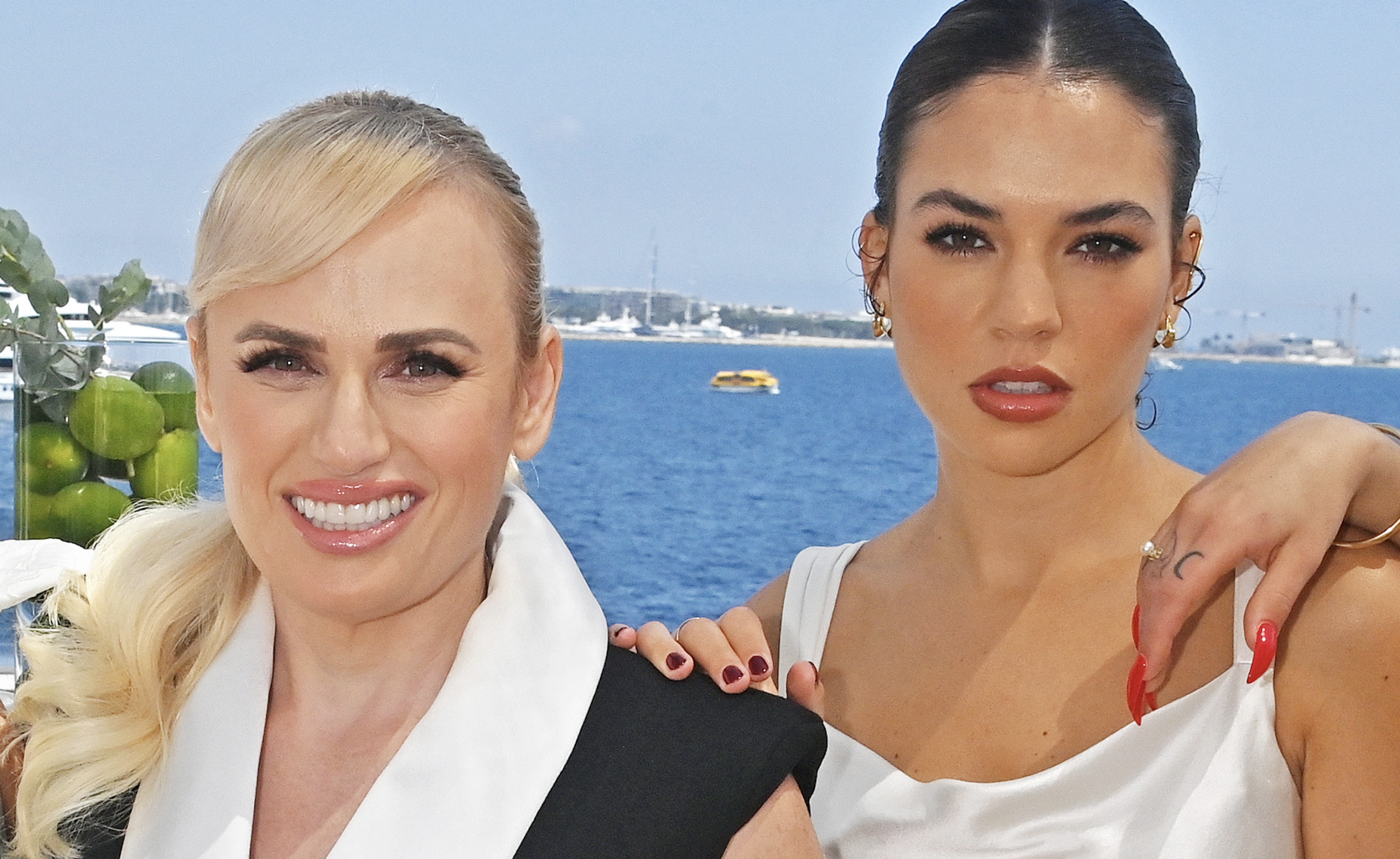
  • Charlotte MacInnes Challenges Rebel Wilson: The Ongoing Legal Battle

    Charlotte MacInnes Challenges Rebel Wilson: The Ongoing Legal Battle

    The Escalation of a Celebrity Legal Battle

    Charlotte MacInnes, known for her role in ‘The Deb,’ has launched an appeal against a recent court defeat, intensifying her legal conflict with actress Rebel Wilson. This development signals a new phase in a dispute that has drawn significant public attention, pitting two prominent entertainment figures against each other in a courtroom setting. The appeal process will revisit the initial judgment, which reportedly favored Wilson, placing renewed focus on the specific grievances and legal arguments presented by MacInnes.

    The underlying nature of the conflict remains a subject of considerable interest. While specific details of the initial court case are not fully public at the time of this appeal filing on 2026-07-23, the very act of appeal underscores MacInnes’s determination to challenge the previous outcome. This legal action ensures that the public discourse surrounding MacInnes and Wilson will continue, extending beyond the confines of their professional careers into the realm of legal accountability.

    Understanding the Context of the Dispute

    The conflict between Charlotte MacInnes and Rebel Wilson has been simmering for an unspecified period, eventually culminating in legal proceedings. Public figures often navigate complex relationships within the entertainment industry, but not all disputes reach the level of court intervention. The decision by both parties to pursue legal remedies suggests a significant disagreement that could not be resolved through other means.

    Rebel Wilson, a globally recognized actress, has a career spanning numerous successful films and television shows. Her public persona has often been associated with humor and resilience. Conversely, Charlotte MacInnes, while also an actress, holds a different public profile, particularly known for ‘The Deb.’ The contrast in their public images and career trajectories adds a layer of intrigue to their legal confrontation.

    Legal battles involving celebrities frequently attract media scrutiny. The public often follows such cases with keen interest, dissecting every development. This particular dispute, now moving to an appeal, is no exception, promising further headlines as the legal process unfolds.

    The Initial Court Defeat for MacInnes

    The appeal by Charlotte MacInnes directly challenges an earlier court decision that did not rule in her favor. The specifics of this initial judgment are crucial to understanding the current appeal. While the exact details of the ruling are not immediately available for public dissemination, the outcome was significant enough for MacInnes to seek a higher court’s review.

    Court defeats in high-profile cases can have substantial implications for the individuals involved. They can affect reputations, financial standing, and future professional opportunities. For MacInnes, the decision to appeal indicates a belief that the initial ruling contained errors or overlooked critical evidence that could alter the outcome.

    Legal appeals are not uncommon, especially in complex cases. They represent a fundamental right within many legal systems, allowing parties to seek redress if they believe a lower court made a mistake. The process involves a review of the lower court’s proceedings, evidence, and legal interpretations by a panel of judges.

    The Appeal Process: What It Entails

    An appeal is a formal request to a higher court to review the decision of a lower court. In this instance, Charlotte MacInnes is initiating this process following her initial defeat. The appellate court does not typically conduct a new trial or hear new evidence. Instead, it reviews the record of the trial court to determine if any legal errors were made that affected the outcome.

    MacInnes’s legal team will be tasked with identifying specific errors in law or procedure from the initial trial. These errors could include misinterpretations of statutes, incorrect application of legal precedents, or procedural irregularities. The arguments presented during the appeal will focus narrowly on these points, rather than re-litigating the entire case.

    The appellate court judges will then consider the written briefs submitted by both MacInnes’s and Wilson’s legal teams. Oral arguments may also be scheduled, where attorneys present their cases directly to the judges and answer their questions. The outcome of an appeal can vary: the original decision can be affirmed, reversed, or sent back to the lower court for further proceedings.

    Public Perception and Media Impact

    Celebrity legal disputes often become significant media events. The ongoing conflict between Charlotte MacInnes and Rebel Wilson has already garnered attention, and the appeal is likely to amplify this. Media outlets, both traditional and digital, will report on developments, influencing public perception of both actresses.

    The narrative surrounding such cases can be complex. Public sympathy can shift, and reputations can be significantly impacted, regardless of the ultimate legal outcome. For MacInnes, pursuing an appeal publicly demonstrates her resolve, but it also keeps the spotlight on the contentious aspects of her relationship with Wilson.

    Social media platforms also play a crucial role in shaping public opinion during celebrity legal battles. Fans and detractors often weigh in, creating a parallel narrative that exists alongside the formal legal proceedings. This can add pressure to the parties involved and influence how the case is perceived by the broader audience.

    The Role of ‘The Deb’ in MacInnes’s Profile

    Charlotte MacInnes’s association with ‘The Deb’ is a key aspect of her public identity. ‘The Deb’ has provided her with a platform and a recognizable role. Any legal proceedings involving MacInnes inevitably draw attention back to her professional work and the projects she is associated with.

    The success and public reception of ‘The Deb’ contribute to MacInnes’s standing in the entertainment industry. This professional context is often interwoven with personal and legal challenges, as public figures rarely have entirely separate professional and private lives. The visibility gained from such roles can be a double-edged sword, bringing both opportunities and increased scrutiny.

    For Rebel Wilson, her extensive filmography and global recognition mean that any legal involvement, even as a defendant or prevailing party, is noteworthy. Her career has been marked by significant successes, and her presence in this legal battle underscores the high stakes involved for both individuals.

    Precedents in Celebrity Litigation

    The history of celebrity litigation is rich with examples of high-profile disputes. Cases involving defamation, contract breaches, and personal grievances are common. These cases often set precedents or highlight existing legal frameworks concerning public figures.

    For instance, the legal battles involving Johnny Depp and Amber Heard, or the various intellectual property disputes in the music industry, illustrate the complexities and public interest surrounding celebrity lawsuits. While the specifics of the MacInnes-Wilson case differ, it falls within this broader category of public figures engaging with the legal system to resolve disputes.

    The outcomes of such cases can sometimes influence future legal strategies for other celebrities. They can also shape public discourse about privacy, accountability, and the boundaries of expression for those in the public eye. The appeal in the MacInnes-Wilson case will contribute to this ongoing narrative.

    Potential Outcomes of the Appeal

    The appeal initiated by Charlotte MacInnes could result in several different outcomes. One possibility is that the appellate court affirms the original decision, meaning the initial ruling in favor of Rebel Wilson stands. This would effectively conclude the legal avenue for MacInnes on this particular matter, unless further, more specialized appeals are available and pursued.

    Another outcome could be a reversal of the lower court’s decision. If the appellate judges find significant legal errors, they could overturn the original judgment. This would be a victory for MacInnes and could potentially lead to a new trial or a different resolution entirely.

    A third possibility is that the case is remanded, or sent back to the lower court. This would occur if the appellate court identifies errors but believes the lower court needs to re-evaluate certain aspects of the case based on new instructions or interpretations. This would prolong the legal process and require further proceedings at the trial level.

    The Long-Term Impact on Careers

    Any prolonged legal battle can have a lasting impact on the careers of public figures. For Charlotte MacInnes, the appeal keeps her dispute with Rebel Wilson in the public eye, potentially overshadowing other professional endeavors. The outcome of the appeal, whether a victory or another defeat, will undoubtedly influence her public image and professional trajectory.

    Rebel Wilson, as the prevailing party in the initial decision, also faces ongoing scrutiny. While a successful defense in the appeal would reinforce her position, the continued legal process can be a distraction and a source of stress. Public perception of her involvement will also be shaped by the appeal’s developments.

    The entertainment industry often takes note of how individuals handle legal challenges. Resilience, integrity, and the ability to navigate complex situations can all be factors that influence future opportunities. Both MacInnes and Wilson are operating under this intense observation.

    Looking Ahead: The Next Steps

    As of 2026-07-23, the appeal process for Charlotte MacInnes versus Rebel Wilson is underway. The next steps will involve the submission of legal briefs, potentially oral arguments, and ultimately, a decision from the appellate court. This process can take several months, if not longer, depending on the court’s calendar and the complexity of the legal arguments.

    Both parties will rely heavily on their legal teams to navigate the intricacies of appellate law. The public and media will continue to monitor the case, awaiting updates and the final judgment. The resolution of this appeal will be a significant milestone in the ongoing legal narrative between these two celebrities.

    Legal proceedings. Public statements. Media coverage. Final judgment.

    Accountability.

    FAQ


  • Lenny Hochstein Sued by Three Patients for Allegedly Botched Procedures – The ‘Boob God’ Faces Legal Challenges

    Lenny Hochstein Sued by Three Patients for Allegedly Botched Procedures – The ‘Boob God’ Faces Legal Challenges

    Dr. Lenny Hochstein Faces Legal Scrutiny

    Dr. Lenny Hochstein, a plastic surgeon widely recognized as the ‘Boob God’ and previously married to reality television personality Lisa Hochstein, is currently facing multiple lawsuits. Three former patients have filed legal complaints against him, each alleging that they received botched surgical procedures at his practice. These lawsuits bring significant attention to the standards of care in cosmetic surgery.

    The legal challenges center on claims of unsatisfactory outcomes and various complications. These allegations cast a shadow over the professional reputation of a surgeon who has built a public persona around his expertise in aesthetic procedures. The suits emphasize the critical importance of patient well-being and professional accountability in the medical field.

    The Allegations: Claims of Botched Procedures

    The core of the lawsuits revolves around claims of surgical procedures that allegedly resulted in negative consequences for the patients. While specific details of each case remain under legal review, the general thrust of the complaints points to outcomes that fell short of medical standards and patient expectations.

    Patients undergoing cosmetic surgery often have high hopes for their results. When these expectations are not met due to alleged medical negligence, the emotional and physical toll can be substantial. The lawsuits seek to address these grievances through the legal system.

    Patient Testimonies Emerge

    Although the legal process is ongoing, the emergence of multiple patient complaints suggests a pattern of alleged issues. Each plaintiff will present their specific account of the surgical procedure, the complications they experienced, and the impact on their lives. These testimonies are central to the legal proceedings.

    The details revealed in court filings will likely include information about the types of surgeries performed, the dates of these procedures, and the specific injuries or unsatisfactory results cited by the plaintiffs. Such information will be crucial for the courts to evaluate the merits of each claim.

    The ‘Boob God’ Persona and Professional Reputation

    Dr. Lenny Hochstein has cultivated a public image as a leading plastic surgeon, particularly in breast augmentation, earning him the moniker ‘Boob God.’ This branding has been amplified through his association with reality television and his high-profile marriage to Lisa Hochstein, formerly of The Real Housewives of Miami.

    Such a public persona comes with increased scrutiny, especially when legal challenges arise. The current lawsuits directly challenge the perception of infallibility that can accompany a celebrity surgeon. The legal outcomes will undoubtedly influence his professional standing and public trust.

    Impact on Cosmetic Surgery Industry

    Cases like these often resonate beyond the individuals directly involved, affecting the broader cosmetic surgery industry. They serve as a reminder of the inherent risks associated with surgical procedures and the importance of thorough due diligence by both patients and practitioners.

    Regulatory bodies and professional organizations within plastic surgery often monitor such legal developments. These cases can sometimes lead to discussions about refining patient consent processes, improving post-operative care, and enhancing oversight within the specialty.

    The Legal Process Unfolds

    The lawsuits against Dr. Lenny Hochstein will proceed through the standard legal channels. This typically involves discovery, where both sides exchange information and evidence, followed by potential settlement negotiations or, if no agreement is reached, a trial.

    Legal proceedings involving medical malpractice can be complex and lengthy. They require expert testimony, detailed medical records, and careful examination of surgical practices. The plaintiffs will need to demonstrate that Dr. Hochstein’s actions fell below the accepted standard of care, directly causing their alleged injuries.

    Understanding Medical Malpractice Claims

    Medical malpractice claims hinge on several key elements. First, a professional duty owed to the patient must be established. Second, a breach of that duty must be proven, meaning the healthcare provider failed to act as a reasonably prudent professional would have under similar circumstances.

    Third, the breach must be shown to have directly caused the patient’s injury. Finally, the patient must have sustained damages as a result. These are the legal hurdles the plaintiffs will need to overcome in their cases against Dr. Hochstein.

    Patient Safety in Cosmetic Procedures

    The lawsuits underscore a perennial concern within the cosmetic surgery field: patient safety. While many procedures are performed successfully, the inherent risks of surgery, combined with the elective nature of cosmetic enhancements, mean that patient well-being must always be paramount.

    Patients are encouraged to thoroughly research their surgeons, verify credentials, and understand all potential risks and complications before undergoing any procedure. These legal actions serve as a stark reminder of the consequences when these safeguards are allegedly compromised.

    The Role of Informed Consent

    Informed consent is a cornerstone of medical ethics and law. It requires that patients receive comprehensive information about a proposed treatment, including its nature, risks, benefits, and alternatives, before agreeing to it. Allegations of botched procedures sometimes touch upon whether patients were adequately informed of potential negative outcomes.

    The legal cases will likely examine the consent forms signed by the plaintiffs and the discussions they had with Dr. Hochstein and his staff. This aspect is crucial in determining whether patients fully understood the implications of their surgeries.

    High-Profile Individuals and Legal Challenges

    Dr. Hochstein’s public profile, amplified by his association with Lisa Hochstein and The Real Housewives of Miami, means these lawsuits attract significant media attention. High-profile medical professionals often face heightened scrutiny when legal disputes arise.

    The intersection of celebrity and medicine creates a unique dynamic. While publicity can boost a practice, it also magnifies any negative developments. The outcomes of these lawsuits will not only affect Dr. Hochstein personally but will also be closely watched by the public and media alike.

    The Broader Context of Celebrity Surgeons

    The phenomenon of the ‘celebrity surgeon’ is not new. These practitioners often gain notoriety through media appearances, social media presence, and association with famous clients. While this can democratize access to information about cosmetic procedures, it also raises questions about how such public profiles align with the solemn responsibilities of medical practice.

    The lawsuits against Dr. Hochstein may prompt further discussions about the ethical considerations for surgeons who balance a public persona with their clinical duties. The cases highlight the essential need for professional integrity to remain paramount, irrespective of public visibility.

    What’s Next for Dr. Lenny Hochstein?

    As of July 25, 2026, the lawsuits against Dr. Lenny Hochstein are actively moving through the legal system. The specific timelines for resolution will depend on various factors, including court schedules, the complexity of the cases, and the willingness of the parties to negotiate.

    Dr. Hochstein’s legal team will undoubtedly mount a vigorous defense against the allegations. They will challenge the plaintiffs’ claims, present evidence supporting the quality of care provided, and argue against the assertions of medical negligence. The legal battle is expected to be a protracted process.

    Potential Outcomes and Implications

    The potential outcomes of these lawsuits are varied. They could result in financial settlements, court judgments, or, in some scenarios, dismissal of the claims. Regardless of the specific legal resolution, the cases carry significant implications for Dr. Hochstein’s career and reputation.

    Beyond the immediate legal consequences, there is the potential for impacts on his medical license, though such actions typically follow separate investigations by state medical boards. The long-term effects on his practice and public image will be closely monitored as these legal proceedings unfold.

    Patients sought care. Patients alleged harm. Courts will now decide.

    Accountability.


  • Diddy’s Public Altercation: What Happened on July 24, 2026

    Diddy’s Public Altercation: What Happened on July 24, 2026

    Music mogul Sean ‘Diddy’ Combs was reportedly involved in a public altercation on July 24, 2026, an event first brought to public attention by TMZ. This incident marks another public relations challenge for Combs, who has faced increasing scrutiny in recent years regarding various aspects of his personal and professional life.

    The details surrounding the altercation remain under investigation, but initial reports from TMZ suggested a heated exchange that escalated into a physical confrontation in a public setting. The nature of the dispute and the identities of other individuals involved have not been fully disclosed at the time of this report.

    The Incident Unfolds

    The report from TMZ on July 24, 2026, provided the first public accounts of the altercation involving Sean Combs. Specifics regarding the location and time of the incident were not immediately released, but the outlet indicated that the event was significant enough to warrant immediate coverage.

    Witness accounts, if any, have not been independently verified. TMZ’s coverage emphasized exclusive details, suggesting direct access to information or sources close to the situation.

    Public figures like Combs often find their actions scrutinized. Any public incident, particularly one involving physical confrontation, draws immediate media attention and public discussion.

    Immediate Media Reaction

    News of the altercation spread rapidly across entertainment news platforms following TMZ’s initial report. Social media channels buzzed with speculation and commentary.

    The incident quickly became a trending topic, reflecting the public’s sustained interest in celebrity conduct and controversies. Major entertainment news outlets began to pick up the story, citing TMZ as the primary source.

    This rapid dissemination of information underscored the impact of digital media on how celebrity news is consumed and discussed in 2026.

    Sean Combs: A History of Public Scrutiny

    Sean Combs, known widely as Diddy, has maintained a prominent position in the music industry for decades. His career spans music production, record label ownership, fashion, and business ventures.

    Despite his successes, Combs has also been a frequent subject of media attention for non-musical matters. His public life has included various controversies and legal challenges over the years.

    These past incidents contribute to a public narrative that often places Combs under a microscope. Each new event is frequently viewed through the lens of previous occurrences.

    Recent Legal and Public Challenges

    The July 24, 2026, altercation occurs during a period where Combs has faced significant legal and public challenges. These challenges have included lawsuits and allegations that have drawn considerable media coverage.

    In November 2023, musician Cassie Ventura filed a lawsuit against Combs, alleging sexual assault and abuse. This lawsuit was settled out of court within days, but it opened a floodgate of other accusations.

    By early 2024, multiple other lawsuits were filed against Combs, alleging various forms of misconduct. These legal battles have kept Combs in the public eye, often for negative reasons.

    Federal investigations also came to light in March 2024, with Homeland Security Investigations conducting raids on Combs’ properties in Los Angeles and Miami. These investigations were reportedly linked to allegations of sex trafficking and racketeering.

    These ongoing legal and public relations issues have significantly impacted Combs’ public image and business dealings. Several brands and partners reportedly reconsidered their associations with him.

    The Impact on Celebrity Image

    Public altercations involving celebrities can have profound and lasting impacts on their careers and public perception. Such incidents often lead to a reevaluation of their brand by both the public and corporate partners.

    For a figure like Sean Combs, whose brand is built on luxury, success, and influence, any perceived deviation from this image can be damaging. Sponsorships, endorsements, and business ventures can be jeopardized.

    The court of public opinion, often fueled by social media, plays a significant role in shaping how these events are interpreted. Public sentiment can shift rapidly and dramatically.

    Navigating Public Scrutiny in 2026

    In 2026, the landscape of celebrity accountability is more complex than ever. Social media platforms provide immediate avenues for public reaction and commentary.

    Every action of a public figure is subject to instant dissemination and analysis. This environment demands a high degree of scrutiny and careful management of public appearances.

    Celebrities and their teams often employ sophisticated public relations strategies to manage crises. However, the sheer volume and speed of information flow can make this a challenging task.

    The role of entertainment news outlets like TMZ remains crucial in breaking these stories. Their ability to deliver exclusive details often sets the narrative for broader media coverage.

    Future Implications for Diddy

    The July 24, 2026, altercation will likely add another layer to the ongoing public narrative surrounding Sean Combs. It could intensify existing scrutiny and potentially influence ongoing legal processes.

    The music mogul’s business empire, which includes Bad Boy Records, Ciroc vodka, and various fashion lines, could face further pressure. Brand partnerships are particularly sensitive to negative publicity.

    Public perception directly impacts consumer behavior. Any sustained negative sentiment can translate into financial losses for associated businesses.

    Legal repercussions, if any, will depend on the specifics of the altercation and whether formal charges are filed. Public altercations can lead to assault charges, depending on the severity and local laws.

    The Road Ahead

    Sean Combs now faces the task of addressing this latest incident while simultaneously navigating his existing legal and public challenges. His response, or lack thereof, will be closely watched.

    The entertainment industry often shows resilience in the face of controversy. However, a cumulative effect of multiple incidents can be more difficult to overcome.

    Combs’ ability to maintain his status and influence will be tested in the coming months. His actions and statements following this event will be critical.

    The public, the media, and his business partners will all be observing. How he manages this latest public incident will be a defining factor in his immediate future.

    Public figures navigate complex expectations. Media attention follows their every move. Legal scrutiny persists. Public perception solidifies. Sean Combs faces a difficult path.

    New York.


  • Fired ’60 Minutes’ Correspondent Alleges Pressure to Report False Events

    Fired ’60 Minutes’ Correspondent Alleges Pressure to Report False Events

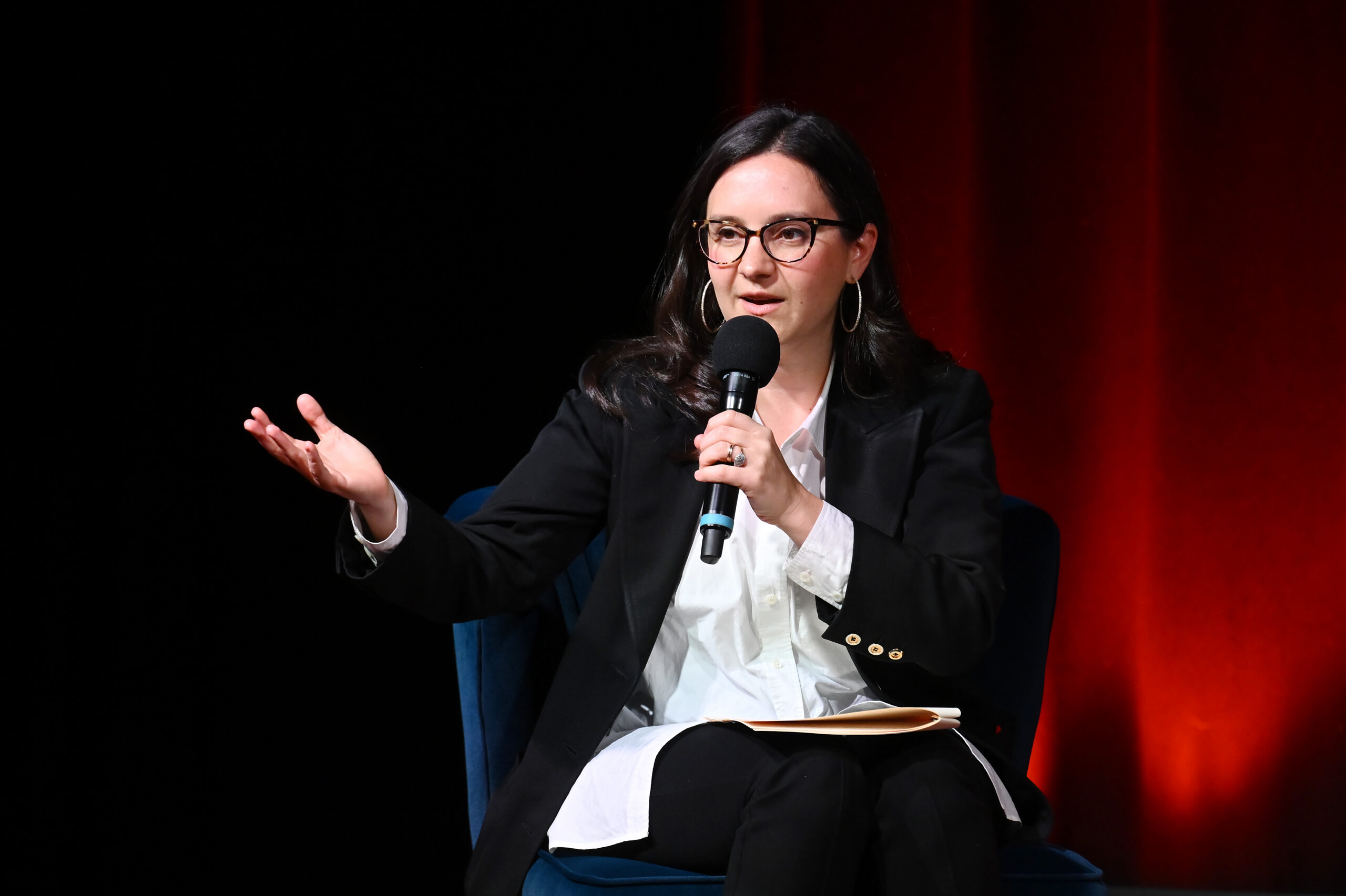
    A former ’60 Minutes’ correspondent has alleged that she was pressured to report on “events that never happened” during Bari Weiss’ leadership at CBS News. This claim, reported by Variety on July 24, 2026, centers on accusations of editorial interference and a push for narratives that lacked factual basis. The correspondent’s dismissal from the program is reportedly linked to her resistance to these alleged directives, bringing the internal workings of one of television’s most respected news programs into public scrutiny.

    The allegations by the unnamed former correspondent suggest a significant departure from established journalistic standards. Such claims, if substantiated, could erode public trust in news institutions. They also highlight ongoing discussions about the pressures faced by journalists in a rapidly evolving media landscape.

    The Allegations Against CBS News Leadership

    The core of the former correspondent’s complaint involves directives she received while working on ’60 Minutes.’ These directives, she claims, pushed her to develop stories around occurrences that had not factually transpired. The correspondent specifically pointed to an environment where certain narratives were prioritized over rigorous verification.

    Bari Weiss, who assumed a leadership position at CBS News, is central to these allegations. The correspondent states that the pressure to report on these non-existent events intensified under Weiss’s direction. This suggests a top-down influence on editorial decisions that allegedly compromised journalistic integrity.

    The Variety report on July 24, 2026, detailed the correspondent’s account. She described a pattern of requests that deviated from traditional fact-finding. Her resistance to these requests, she believes, ultimately led to her termination from ’60 Minutes.’

    This situation presents a conflict between editorial leadership and the reporter’s ethical obligations. Journalists are typically bound by principles of accuracy and truthfulness. Pressure to deviate from these principles constitutes a serious breach of professional conduct.

    Internal Editorial Conflicts

    The internal dynamics at CBS News, particularly within ’60 Minutes,’ are now under examination. The allegations suggest a struggle between those upholding traditional journalistic ethics and those pushing for specific narrative outcomes. This type of conflict can be detrimental to a news organization’s reputation.

    Sources close to the situation, as cited by Variety, indicate that the correspondent’s concerns were raised internally multiple times. These internal complaints reportedly went unaddressed. This lack of response further exacerbated the tensions within the news division.

    The correspondent’s eventual firing is presented as a direct consequence of her refusal to comply with the alleged directives. Her stance reportedly created friction with management. This highlights the potential professional risks journalists face when challenging editorial decisions they deem unethical.

    The impact on ’60 Minutes’ as a program is also a significant concern. Historically, ’60 Minutes’ has been known for its investigative journalism and commitment to factual reporting. These allegations challenge that long-standing reputation.

    Bari Weiss’s Role at CBS News

    Bari Weiss’s appointment to a leadership role at CBS News preceded these allegations. Her background, primarily as an opinion writer and editor, differs from traditional broadcast news leadership. This background has been noted by observers as potentially influencing editorial direction.

    Weiss gained prominence for her critiques of what she termed “wokeness” and “cancel culture.” Her public persona is often associated with challenging mainstream narratives from a particular ideological viewpoint. This perspective, according to the former correspondent, may have informed the alleged editorial pressures.

    The specific nature of Weiss’s leadership style at CBS News is now a subject of intense interest. The allegations imply a hands-on approach to story development, potentially overriding the autonomy of individual correspondents. This raises questions about the balance of power within the news hierarchy.

    It remains unclear whether other ’60 Minutes’ correspondents experienced similar pressures. The Variety report focuses on the account of one individual. However, the nature of the allegations suggests a systemic issue rather than an isolated incident.

    Wider Implications for Media Trust

    These allegations emerge at a time of heightened public skepticism towards media institutions. Trust in news organizations has been a recurring theme in public discourse. Claims of fabricated events or editorial interference can significantly worsen this perception.

    The phrase “events that never happened” resonates with those who already believe that some media outlets manipulate information. This specific phrasing directly addresses concerns about truthfulness and the fabrication of news. It plays into existing anxieties about media credibility.

    For CBS News, the allegations pose a significant challenge to its brand. As a legacy news organization, its reputation is built on decades of reporting. Claims of this nature can quickly undermine that foundation.

    The incident also fuels the broader debate about the role of opinion versus fact in journalism. Weiss’s background in opinion journalism, contrasted with the investigative focus of ’60 Minutes,’ underscores this tension. The line between commentary and objective reporting can become blurred under certain editorial leaderships.

    The Journalist’s Dilemma and Ethical Reporting

    Journalists frequently encounter ethical dilemmas in their careers. The decision to report on potentially false information or to resist editorial pressure is a critical ethical choice. The former ’60 Minutes’ correspondent’s actions exemplify this dilemma.

    The Society of Professional Journalists’ Code of Ethics emphasizes seeking truth and reporting it. It also stresses minimizing harm and acting independently. Pressure to report false information directly violates these core tenets.

    Reporters who refuse to compromise their ethical standards often face professional consequences. These can range from internal disputes to job loss. The former correspondent’s termination underscores the potential cost of upholding journalistic integrity.

    The public relies on journalists to act as watchdogs, providing accurate and unbiased information. When that trust is eroded by allegations of misconduct, the entire democratic process can be affected. Informed decision-making depends on reliable news sources.

    Legal and Reputational Ramifications

    The allegations could lead to various ramifications for CBS News and Bari Weiss. These include potential internal investigations, public relations crises, and scrutiny from media watchdogs. The legal implications, if any, remain to be seen.

    A public relations crisis is almost certainly underway. CBS News will likely need to issue a formal response to the allegations. The nature of that response will be critical in shaping public perception.

    Media critics and industry observers will be closely watching how CBS News addresses these claims. The outcome could set precedents for how major news organizations handle similar internal disputes. It could also influence future editorial policies.

    The reputational damage to ’60 Minutes’ could be significant and long-lasting. Rebuilding trust, once lost, is a difficult and protracted process. It requires demonstrable commitments to transparency and ethical practices.

    The Future of Journalistic Integrity

    The incident involving the former ’60 Minutes’ correspondent highlights ongoing concerns about journalistic integrity in the digital age. The speed of information dissemination and the pressures of the 24/7 news cycle can sometimes compromise thoroughness and accuracy.

    The role of editorial leadership in maintaining ethical standards is paramount. Leaders are responsible for fostering an environment where facts are prioritized and reporters are empowered to resist unethical directives. A failure in this leadership can have far-reaching consequences.

    As audiences increasingly seek out credible news sources, the demand for transparency and accountability from media organizations will only grow. Incidents like this serve as a reminder of the fragility of public trust in journalism.

    The debate sparked by these allegations will likely continue. It will involve journalists, media executives, and the public. The core question remains: how can news organizations ensure the integrity of their reporting in an era of intense scrutiny and ideological polarization?

    Journalism faces constant challenges. It faces economic pressures. It faces political pressures. It faces technological disruption. It faces a crisis of public trust. It faces a moment of reckoning.


  • NFL Star Challenges Pat McAfee Over ESPN Layoffs – “Is Everybody Fired To Pay You?”

    NFL Star Challenges Pat McAfee Over ESPN Layoffs – “Is Everybody Fired To Pay You?”

    An unnamed NFL star recently posed a direct challenge to sports media personality Pat McAfee regarding the ongoing layoffs at ESPN. The star’s question, delivered publicly, highlighted a perceived connection between McAfee’s substantial contractual earnings and the job losses experienced by numerous ESPN employees. This public inquiry amplified existing discussions surrounding the financial strategies of major media conglomerates and the compensation structures for high-profile talent.

    The exchange quickly garnered attention across social media platforms and sports news outlets. It brought into sharp relief the difficult balance media companies face between securing top-tier talent and maintaining a stable workforce. The incident serves as a significant marker in the evolving narrative of sports broadcasting economics in 2026.

    The Context of ESPN Layoffs

    ESPN, a subsidiary of The Walt Disney Company, has implemented several rounds of significant layoffs over recent years. These workforce reductions have impacted various departments, including production, editorial, and on-air talent. The stated reasons for these layoffs often cite economic pressures, shifts in consumer viewing habits, and a strategic realignment towards digital platforms.

    In 2023, ESPN announced substantial job cuts affecting hundreds of employees. These reductions were part of a broader cost-cutting initiative across Disney’s entertainment divisions. Further consolidation and workforce adjustments continued into 2024, reflecting a challenging period for traditional media outlets.

    The company has been navigating a complex media landscape characterized by declining cable subscriptions and increasing competition from streaming services. These financial pressures necessitate difficult decisions regarding operational costs and personnel.

    Impact on ESPN Personnel

    The layoffs have led to the departure of many long-tenured and respected individuals. Journalists, producers, and on-air personalities, some with decades of experience at the network, were among those let go. This created a sense of instability and concern among the remaining staff.

    The human cost of these corporate decisions often translates into significant personal and professional disruption for those affected. Many former ESPN employees have publicly shared their experiences, underscoring the emotional and financial toll of job displacement.

    Pat McAfee’s ESPN Deal

    Pat McAfee, a former NFL punter, transitioned into a highly successful career in sports media. His rise to prominence was marked by his engaging personality and unconventional approach to sports commentary. McAfee cultivated a large and dedicated following through his podcast and various media appearances.

    In 2023, McAfee signed a lucrative multi-year deal with ESPN. This agreement brought his popular program, “The Pat McAfee Show,” exclusively to the network. The financial terms of the deal were not officially disclosed but were widely reported to be substantial, reportedly $85 million over five years.

    The acquisition of McAfee was seen as a strategic move by ESPN to attract younger audiences and bolster its presence in the digital sports media space. His show’s integration into ESPN’s programming schedule was a high-profile event.

    Previous Media Engagements

    Before his exclusive ESPN deal, McAfee had established partnerships with other major media entities. He had a notable presence on FanDuel, a prominent sports betting company, and made regular appearances on WWE programming. These earlier ventures showcased his ability to draw significant viewership and engagement.

    His independent production model allowed him considerable creative control and flexibility. The move to ESPN represented a shift towards a more traditional corporate media structure, albeit one that still largely accommodated his unique style.

    The NFL Star’s Public Challenge

    The public challenge to Pat McAfee came from J.J. Watt, a well-known NFL star. The star’s comment was reportedly made on a social media platform, quickly gaining traction and sparking widespread discussion. The directness of the question, “Did they keep anybody, or is everybody fired to pay you?” resonated with many observers.

    This question implied a direct correlation between McAfee’s large contract and the job losses at ESPN. It suggested that the financial resources allocated to securing high-profile talent might be at the expense of other employees’ job security.

    The timing of the comment was particularly impactful, coming amidst ongoing reports of ESPN’s continued workforce adjustments. It tapped into a broader sentiment of frustration regarding corporate priorities and wealth distribution within large organizations.

    Reactions and Interpretations

    The NFL star’s comment elicited a range of reactions. Some praised the star for speaking out and holding a prominent figure accountable. They viewed the question as a legitimate inquiry into the ethics of massive talent contracts during periods of company-wide layoffs.

    Others defended McAfee, arguing that his contract was a reflection of his market value and ability to generate revenue for ESPN. They contended that linking his salary directly to layoffs was an oversimplification of complex corporate financial decisions.

    The incident also highlighted the growing trend of public figures using their platforms to comment on sensitive corporate and economic issues. It underscored the power of social media to amplify such discussions and shape public perception.

    The Broader Debate on Media Economics

    This public exchange is not an isolated incident but rather a symptom of a larger debate concerning the economics of modern media. The traditional broadcast model is undergoing significant transformation, driven by technological advancements and changing consumer behaviors.

    Media companies are grappling with how to remain profitable in an environment where advertising revenue is shifting and subscription models are evolving. The investment in high-profile personalities like Pat McAfee is often seen as a strategy to secure exclusive content and attract new subscribers to streaming platforms.

    However, this strategy also raises questions about sustainability and equity. The perceived disparity between the compensation of top-tier talent and the job security of other employees can create internal tensions and public backlash.

    Talent Compensation vs. Workforce Stability

    The discussion often revolves around the perceived trade-off between investing heavily in star talent and maintaining a stable, well-compensated workforce. Companies argue that securing popular personalities is essential for competitive advantage and revenue generation.

    Critics, however, contend that such large contracts, especially during periods of layoffs, demonstrate a prioritization of short-term gains and celebrity appeal over the welfare of long-serving employees. This tension is not unique to ESPN or the sports media industry but is prevalent across many sectors of the entertainment and technology industries.

    The Role of Social Media in Accountability

    Social media platforms played a crucial role in the dissemination and amplification of the NFL star’s comment. These platforms provide a direct channel for public figures to voice opinions and for the public to engage with those opinions instantaneously. This direct interaction bypasses traditional media filters and can quickly shape narratives.

    The ability for a single tweet or post to ignite a national conversation underscores the power of these digital spaces. It also places a greater onus on public figures to consider the implications of their statements.

    For companies like ESPN, social media serves as a barometer of public sentiment. Negative reactions or criticisms, when widely shared, can impact brand perception and necessitate public responses or clarifications.

    Future Implications for Media Personalities

    The incident may prompt other media personalities and their employers to consider the optics of their contracts and public statements more carefully. In an era of increased scrutiny, the perceived connection between high salaries and job losses can be a potent source of criticism.

    It may also encourage more public figures to use their platforms to address corporate accountability. The willingness of an NFL star to challenge a prominent media personality on such a sensitive issue signals a growing trend of direct engagement on economic and ethical matters.

    The ongoing discussions about media economics, talent compensation, and corporate responsibility will likely continue to evolve. The public challenge to Pat McAfee serves as a potent reminder of the complexities and sensitivities involved in these issues.

    The sports world, the media industry, and the public watched.

    The questions remained.

    The debate continued.

    The financial realities persisted.

    ESPN.