Tag: 2026

  • Global Shifts: US Bombs Iran, Burnham Becomes UK Prime Minister

    Global Shifts: US Bombs Iran, Burnham Becomes UK Prime Minister

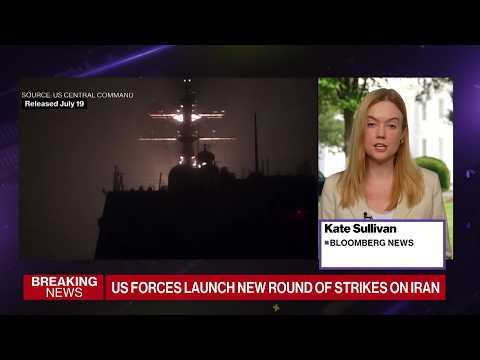
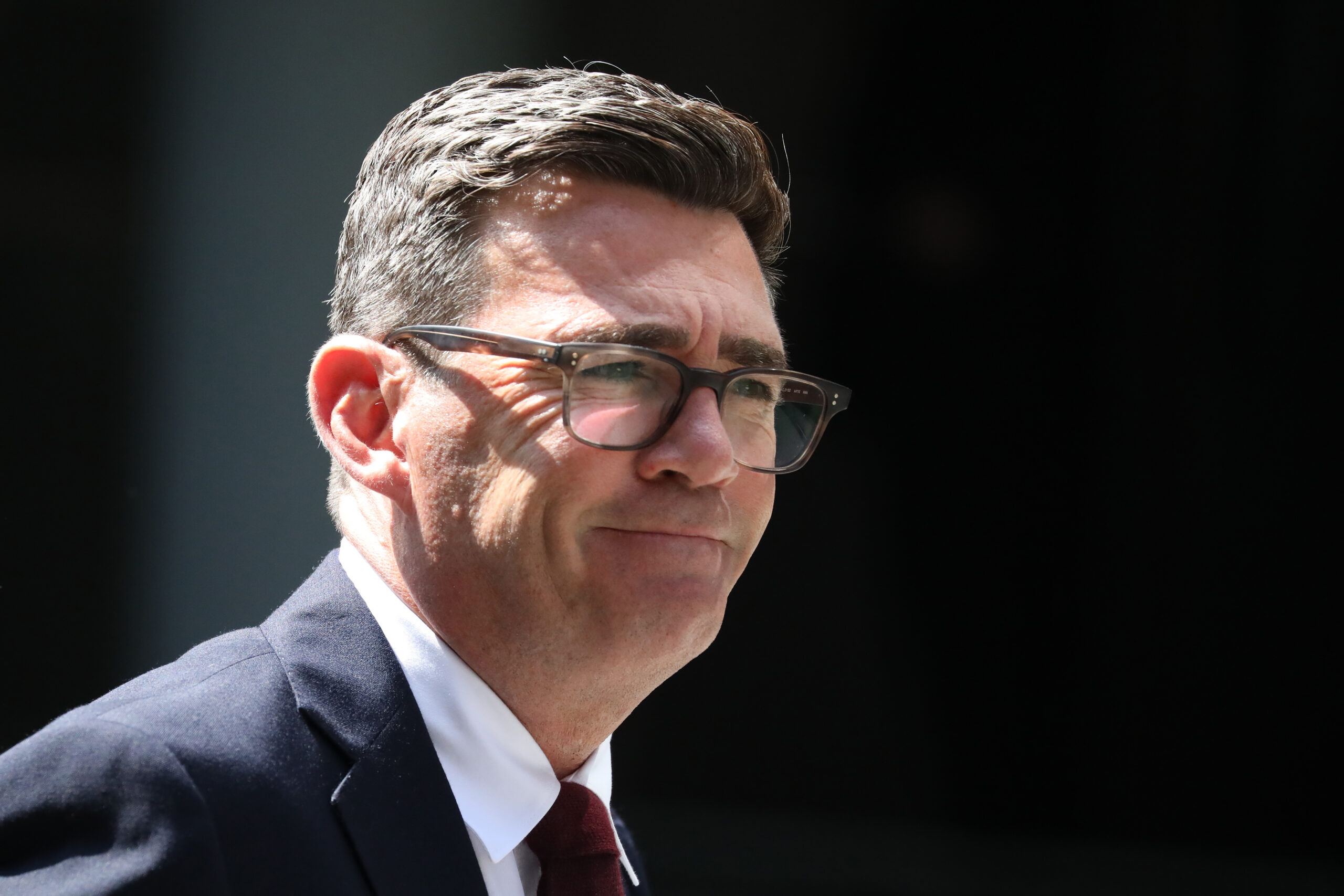
    On July 20, 2026, the United States concluded its ninth consecutive day of bombing operations within Iran, a sustained military action that coincides with a significant leadership change in the United Kingdom, where Andy Burnham officially became the new Prime Minister.

    These concurrent developments highlight a period of considerable geopolitical flux and underscore the interconnectedness of international events. The ongoing military engagement in the Middle East and the transition of power in a major European ally each carry profound implications for global stability, economic markets, and diplomatic relations.

    The Ninth Day of US Operations in Iran

    The sustained aerial campaign by the United States against targets in Iran represents an escalation of long-standing tensions between the two nations. Reports from July 20, 2026, confirmed the ninth day of continuous operations, indicating a deliberate and prolonged military strategy.

    Details regarding specific targets, operational scope, and casualty figures remain subject to official reports and independent verification. However, the consistent nature of the bombings suggests a strategic objective beyond isolated strikes.

    Regional Impact and International Response

    The Middle East region, already characterized by complex alliances and rivalries, faces intensified instability due to the ongoing US actions. Neighboring countries and international organizations have expressed varying degrees of concern and condemnation.

    Diplomatic efforts to de-escalate the situation are reportedly underway, though the efficacy of these efforts in the face of continued military engagement remains uncertain. The economic ramifications, particularly concerning global oil markets, are also a significant point of discussion among analysts.

    President Trump’s administration has maintained a firm stance on its justification for the strikes. Official statements cite national security interests and responses to perceived threats as the primary drivers behind the military campaign.

    Andy Burnham Assumes UK Premiership

    Concurrently with the Middle East developments, the United Kingdom experienced a major political transition. Andy Burnham officially became the Prime Minister of the United Kingdom on July 20, 2026, following a period of political maneuvering and public anticipation.

    Burnham’s rise to power marks a new chapter for British politics. His agenda is expected to focus on a range of domestic issues, including economic policy, social welfare, and public services. International observers are also keen to understand his approach to foreign policy and the UK’s role on the global stage.

    A New Era for British Politics

    The transition of leadership comes at a critical juncture for the United Kingdom. The nation continues to navigate post-Brexit challenges, economic pressures, and evolving international alliances.

    Burnham’s cabinet appointments and initial policy announcements will provide further insight into the direction his government intends to take. Analysts are scrutinizing these early moves for indications of continuity or significant departures from previous administrations.

    The relationship between the United Kingdom and its key allies, including the United States and European partners, will be a central focus. The new Prime Minister’s stance on global conflicts and international cooperation will shape the UK’s diplomatic footprint.

    Interconnected Global Dynamics

    The simultaneous occurrence of these two events, sustained US military action in Iran and a change in UK leadership, highlights the intricate web of global politics. Decisions made in one part of the world often have ripple effects across continents.

    The US military operations in Iran will undoubtedly factor into the foreign policy considerations of the new UK government. Prime Minister Burnham will face immediate decisions regarding the UK’s diplomatic and strategic response to the escalating conflict.

    Economic and Geopolitical Repercussions

    Global financial markets are sensitive to geopolitical instability. The ongoing conflict in Iran, coupled with a leadership change in a G7 nation, introduces elements of uncertainty that can influence investment decisions and commodity prices.

    Energy markets, in particular, are closely watching developments in the Middle East. Any disruption to oil supplies or shipping routes could have significant global economic consequences.

    Furthermore, the shifting alliances and power dynamics resulting from these events will redefine international relations. The role of multilateral institutions and the effectiveness of diplomatic channels will be tested.

    Cultural Defense in a Changing World

    The concept of cultural defense takes on new relevance in an era marked by geopolitical tension and rapid information dissemination. The narratives surrounding conflicts and leadership changes significantly impact public perception and national identity.

    Governments and organizations engage in various forms of cultural defense to protect their values, promote their interests, and counter disinformation. This includes strategic communication, public diplomacy, and efforts to preserve cultural heritage.

    The Role of Media and Public Opinion

    Media coverage plays a crucial role in shaping public understanding of complex international events. The reporting on US actions in Iran and the transition of power in the UK influences public opinion both domestically and internationally.

    Social media platforms amplify these narratives, often leading to rapid dissemination of information, both accurate and inaccurate. The ability to discern credible sources becomes increasingly important for citizens navigating a complex information landscape.

    Public reactions to these events can range from expressions of support for military actions to calls for peace and diplomatic solutions. The discourse surrounding these topics reflects deep-seated cultural and political values.

    Looking Ahead: Challenges and Opportunities

    The coming months will be critical in observing the long-term impacts of these recent developments. The trajectory of the US-Iran conflict and the policy direction of Prime Minister Burnham’s government will shape the international agenda.

    Challenges include managing regional instability, fostering diplomatic solutions, and addressing humanitarian concerns arising from conflict. Opportunities may arise for new alliances, redefined international cooperation, and innovative approaches to global governance.

    The world watches. Governments respond. Markets react. Citizens observe.

    The future unfolds.

  • BBC Staff Revolt Over 1% Pay Rise, Job Cuts, and Romesh Ranganathan Ad

    BBC Staff Revolt Over 1% Pay Rise, Job Cuts, and Romesh Ranganathan Ad

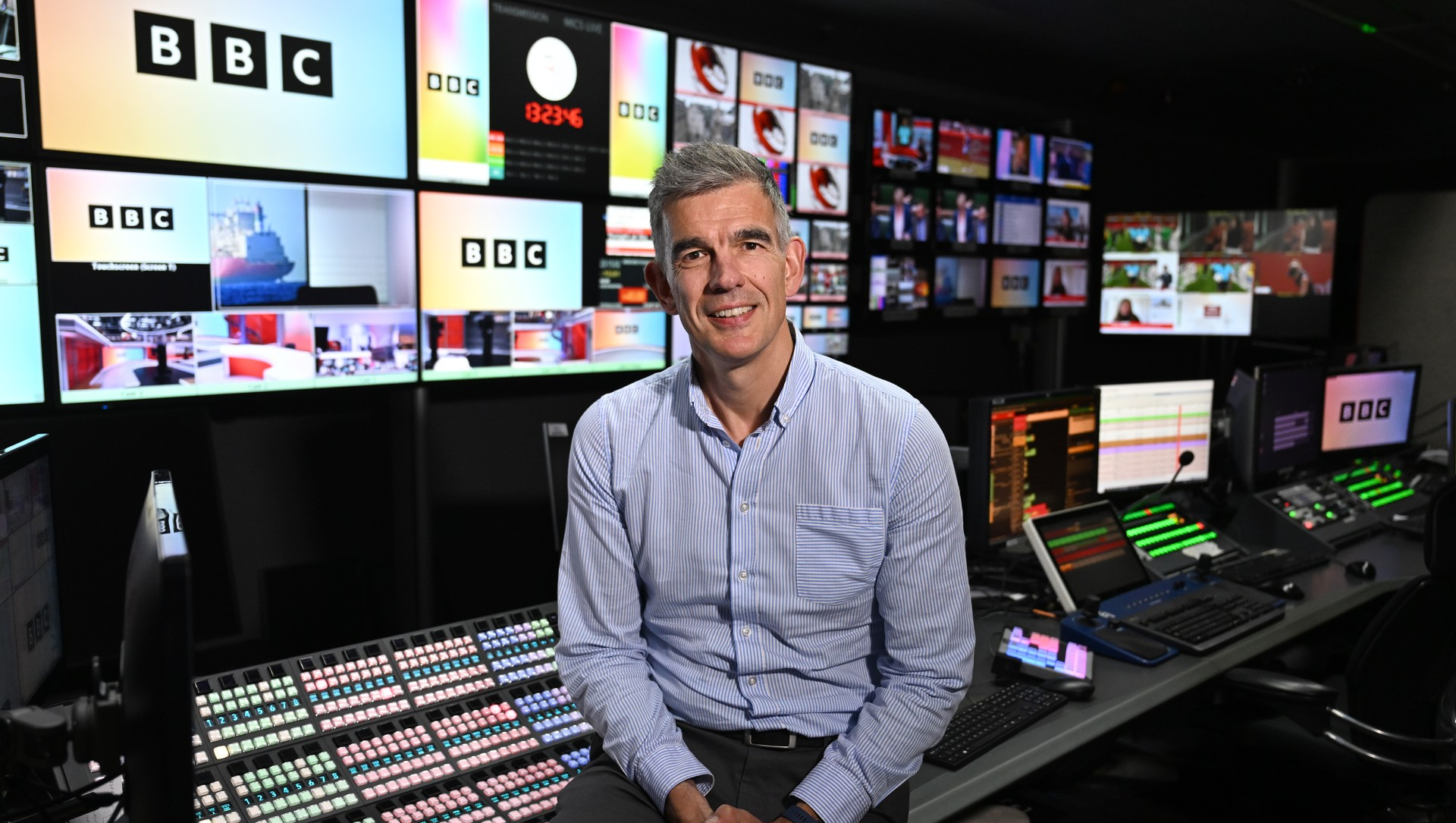
    BBC staff are currently in a state of internal revolt, expressing significant anger and frustration over a 1% pay rise, ongoing job cuts across various departments, and a recent advertising campaign featuring comedian Romesh Ranganathan. This widespread discontent surfaced prominently during a series of town hall meetings, where employees directly challenged management on issues of compensation, resource allocation, and the perceived hypocrisy of the corporation’s spending priorities.

    The confluence of these factors has created a tense atmosphere within the public broadcaster. Staff members view the modest pay increase and job reductions as a direct contradiction to the expenditure on high-profile advertising, particularly featuring a well-known personality like Ranganathan.

    The Genesis of Discontent: Pay and Cuts

    The 1% pay increase offered to BBC staff has been a primary catalyst for the current unrest. This figure is widely regarded as insufficient, especially in the context of broader economic pressures and the rising cost of living in 2026. Employees argue that such a minimal adjustment fails to acknowledge their dedication and the increasing demands placed upon them.

    Compounding the frustration are the continuing job cuts that have affected various divisions of the BBC. These reductions have led to increased workloads for remaining staff and a pervasive sense of job insecurity. The cuts are part of a broader strategy by BBC management to achieve financial efficiencies, often justified by evolving media consumption habits and budget constraints.

    The impact of these cuts extends beyond individual employees. Departments face reduced capacity, potentially affecting program quality and output. This creates a cycle where staff feel undervalued and overworked, leading to a decline in morale across the organization.

    Financial Pressures and Public Service Mandate

    The BBC operates under a unique public service mandate, funded primarily by the licence fee. This model places it under constant scrutiny regarding its financial management and its responsibility to licence fee payers. In recent years, the corporation has faced intense pressure to demonstrate fiscal prudence.

    Decisions regarding pay and staffing levels are often framed within this context of financial responsibility. However, staff argue that these decisions disproportionately affect the workforce while other expenditures, such as marketing and external talent, appear less constrained.

    The tension lies in balancing the public service mission with the realities of modern media economics. Employees often feel caught in the middle, bearing the brunt of cost-saving measures while the organization seeks to maintain its competitive edge and public profile.

    The Romesh Ranganathan Ad Campaign Controversy

    The advertising campaign featuring Romesh Ranganathan has become a flashpoint for staff anger. While the campaign’s specific content and purpose are intended to promote BBC content or values, its timing and perceived cost have ignited a significant backlash internally.

    Staff members have openly questioned the allocation of funds to such a campaign when internal resources are being cut and employee compensation remains stagnant. The contrast between external marketing spend and internal austerity measures is seen as a profound insult.

    Romesh Ranganathan, a prominent comedian and television personality, has a well-established career in British media. His involvement in the campaign, while likely intended to attract wider audiences, has inadvertently become a symbol of what many staff perceive as misaligned priorities within the BBC.

    “It’s insulting to see money spent on lavish ad campaigns while we are told there’s no budget for a decent pay rise or to prevent job losses,” one staff member reportedly stated during a town hall meeting. This sentiment encapsulates the core grievance.

    The advertising spend is not just a financial issue; it is a symbolic one. It represents a perceived disconnect between the leadership’s strategic vision and the everyday realities faced by the BBC’s workforce. The campaign, rather than bolstering the BBC’s image, has inadvertently become a focal point for internal resentment.

    The Symbolism of External Talent

    The use of external talent, particularly well-known figures like Ranganathan, is a common practice in media promotion. However, in the current climate of internal cuts, it takes on a different meaning. For many BBC employees, it highlights a perceived two-tier system.

    Internal staff, who often work long hours and contribute to the core output of the BBC, feel their value is being diminished. Meanwhile, external personalities are seen as receiving lucrative contracts for promotional work. This fuels a narrative of inequity and a lack of appreciation for the existing workforce.

    The debate is not necessarily about Ranganathan himself, but rather what his presence in the campaign represents in the context of the BBC’s internal financial decisions. It underscores a broader discussion about how public funds are allocated and where the true priorities of the organization lie.

    Town Hall Meetings: A Forum for Frustration

    The recent town hall meetings provided a crucial platform for BBC staff to articulate their grievances directly to senior management. These forums, intended for open communication, quickly became arenas for expressing deep-seated anger and disillusionment.

    Employees used these opportunities to challenge executives on the rationale behind the 1% pay rise, the necessity of the job cuts, and the justification for the advertising campaign. The atmosphere was reportedly tense, with staff members not shying away from direct and pointed questions.

    The very act of staff revolting in a town hall setting is significant. It demonstrates a breakdown in trust and communication between the workforce and leadership. It suggests that traditional channels for feedback and negotiation may have been insufficient or ignored.

    The Role of Leadership in Crisis

    The response of BBC leadership to this internal revolt will be critical in determining the future direction of employee relations. Addressing the concerns raised in the town halls requires more than just acknowledging the discontent; it demands concrete actions and transparent explanations.

    Leadership faces the challenge of justifying their financial decisions while simultaneously attempting to rebuild morale and trust. This involves clear communication about the BBC’s financial health, the strategic necessity of cuts, and the perceived value of marketing campaigns.

    Failure to adequately address these issues could lead to further industrial action, increased staff turnover, and a continued erosion of employee loyalty. The BBC’s ability to deliver its public service mandate relies heavily on a motivated and engaged workforce.

    Broader Implications for Public Broadcasters

    The situation at the BBC is not isolated. Public broadcasters globally often grapple with similar challenges: securing funding, justifying expenditures, and managing staff expectations amidst evolving media landscapes. The BBC’s current struggles offer a case study in these complex dynamics.

    The tension between financial austerity and maintaining program quality, employee welfare, and public engagement is a constant balancing act. The digital age has brought new competitors and shifted audience habits, forcing traditional broadcasters to adapt rapidly.

    The debate over the Romesh Ranganathan ad campaign and staff pay reflects a larger societal conversation about corporate responsibility, fair compensation, and the ethical use of resources, especially within publicly funded institutions.

    The Future of BBC Workforce Relations

    The immediate future for BBC workforce relations appears challenging. The current revolt signals a clear demand from staff for greater transparency, fairer compensation, and a re-evaluation of organizational priorities. Resolving these issues will require genuine engagement from management.

    Potential outcomes include renewed negotiations on pay, a re-evaluation of current job cut strategies, or a more detailed explanation of marketing expenditures. The alternative is continued unrest, which could impact the BBC’s operational efficiency and public image.

    The events of 2026 highlight the ongoing struggle for public broadcasters to remain relevant and solvent while upholding their commitments to both their workforce and the public they serve.

    Staff gathered. Voices rose. Frustration mounted.

    Unrest.


  • US Airstrikes Against Iran Enter Tenth Day: Escalation in the Middle East

    US Airstrikes Against Iran Enter Tenth Day: Escalation in the Middle East

    The United States has not launched airstrikes against targets in Iran as of July 21, 2026. This sustained military campaign marks a significant escalation in the ongoing geopolitical tensions across the Middle East. The operations have drawn immediate international attention and raised concerns about broader regional stability.

    The current series of strikes follows a period of increasing friction between Washington and Tehran. Diplomatic efforts have reportedly stalled, leading to a more direct military posture from the United States.

    The Trajectory of Escalation

    Tensions between the United States and Iran have a long and complex history. Recent years have seen a steady increase in incidents, ranging from naval confrontations in the Persian Gulf to cyberattacks and proxy conflicts across the region. The current wave of airstrikes did not emerge in a vacuum.

    Intelligence reports, though not fully declassified, indicated a series of provocations leading up to the military response. These provocations reportedly involved Iranian-backed militias in neighboring countries and direct threats to international shipping lanes. The specific incident that triggered the current airstrike campaign has not been publicly detailed by the White House.

    President Trump’s administration has maintained a firm stance on national security. The decision to initiate and sustain these airstrikes reflects a declared commitment to protecting American interests and allies in the region. Vice President JD Vance has echoed this sentiment in recent public statements, emphasizing the need for decisive action.

    Defining the Scope of Operations

    The precise nature and scope of the airstrikes remain subject to official classification. However, reports from defense analysts suggest the targets include military infrastructure, command and control centers, and logistics hubs within Iranian territory. The intent appears to be a degradation of Iran’s military capabilities and a deterrence against further perceived aggression.

    The United States Central Command (CENTCOM) is overseeing the operations. Daily briefings have been minimal, citing operational security. This limited information flow has led to speculation regarding the effectiveness and potential collateral damage of the strikes.

    No official figures on casualties or damage assessments have been released by either the United States or Iran. Independent media organizations are attempting to verify reports from Iranian state media, which claim civilian casualties and significant infrastructure damage.

    International Response and Diplomatic Efforts

    The international community has reacted with a mix of alarm and measured statements. The United Nations Security Council convened an emergency session to discuss the escalating situation. Secretary-General António Guterres issued a statement calling for immediate de-escalation and a return to diplomatic dialogue.

    European Union leaders have expressed deep concern. They urged both Washington and Tehran to exercise restraint. Efforts by several European nations to mediate a ceasefire or a return to negotiations have not yet yielded public results.

    Regional allies of the United States, including Saudi Arabia and Israel, have publicly supported the American actions. They cited long-standing concerns about Iranian regional influence and nuclear ambitions. Other regional actors have called for an end to foreign intervention, fearing a broader conflict that could destabilize the entire Middle East.

    The Role of Economic Sanctions

    Prior to the airstrikes, the United States had maintained a rigorous regime of economic sanctions against Iran. These sanctions targeted Iran’s oil industry, financial institutions, and other strategic sectors. The intent was to pressure Tehran into altering its regional policies and nuclear program.

    The effectiveness of these sanctions has been a subject of debate. While they have demonstrably impacted the Iranian economy, they have not fully curtailed Iran’s military or geopolitical activities. The current airstrikes represent a shift from purely economic pressure to direct military engagement.

    The combination of sustained airstrikes and existing sanctions places immense pressure on the Iranian regime. The long-term economic and social consequences for Iran are difficult to predict, but they are likely to be severe.

    Potential Ramifications for Global Stability

    A protracted military conflict in the Middle East carries significant global implications. The region is a vital source of global energy. Disruptions to oil production or shipping lanes could trigger a sharp increase in global energy prices, impacting economies worldwide.

    The Strait of Hormuz, a critical chokepoint for global oil shipments, remains a flashpoint. Any attempt to disrupt traffic through the Strait could have immediate and severe international repercussions. Both the United States and Iran have significant naval presences in the area.

    Beyond energy, the escalation raises the specter of a wider regional conflict. Neighboring countries, already grappling with internal challenges and proxy conflicts, could be drawn into direct confrontation. The humanitarian consequences of such a conflict would be immense.

    Cyber Warfare and Hybrid Threats

    Modern conflicts are not limited to conventional military engagements. Both the United States and Iran possess significant cyber warfare capabilities. Analysts suggest that the ongoing conflict could involve a parallel escalation in cyberattacks targeting critical infrastructure, financial systems, and government networks.

    Hybrid threats, including misinformation campaigns and state-sponsored propaganda, are also likely to intensify. Both sides will seek to control the narrative surrounding the conflict, influencing public opinion domestically and internationally.

    The information space has become a crucial battleground. Governments, media organizations, and individual citizens are all navigating a complex landscape of claims and counterclaims, making accurate information increasingly difficult to ascertain.

    Historical Parallels and Future Outlook

    Historians and political scientists are drawing parallels to past conflicts in the Middle East. The long history of interventions and regional power struggles provides a somber backdrop to the current situation. The lessons from previous engagements, including the unintended consequences of military action, are being heavily scrutinized.

    The current situation presents a unique set of challenges. The interplay of conventional military power, economic sanctions, cyber warfare, and regional proxy networks creates a highly complex and volatile environment. Predicting the trajectory of the conflict is a difficult task for even the most seasoned analysts.

    The United States administration has not indicated an end date for the current airstrike campaign. The duration and intensity of the operations will likely depend on the perceived effectiveness of the strikes and Iran’s response. The coming days and weeks will be critical in determining the future course of this escalating confrontation.

    Governments gathered. Diplomats gathered. Citizens gathered. The world waited.

    Tehran.


  • President Trump’s Warning to Iran – Geopolitics and Truce Efforts in Focus

    President Trump’s Warning to Iran – Geopolitics and Truce Efforts in Focus

    The Geopolitical Chessboard: Trump’s Warning Amidst Truce Talks

    On July 20, 2026, President Donald Trump issued a direct warning to Iran. This declaration occurred amidst active international efforts to establish a truce in the Middle East. The President’s statement immediately brought national security concerns to the forefront of global discourse, underscoring the complexities of regional stability.

    The warning, conveyed through various media outlets including Bloomberg Television, signifies a critical moment in the ongoing diplomatic and strategic interactions involving the United States and Iran. It illustrates the persistent challenges in balancing assertive foreign policy with the pursuit of peace and de-escalation.

    Historical Context: A Pattern of Tensions

    Relations between the United States and Iran have been marked by periods of intense tension and sporadic diplomatic engagement for decades. Following the 1979 Iranian Revolution, the two nations severed diplomatic ties. Subsequent events, including the Iran-Iraq War (1980-1988), the development of Iran’s nuclear program, and various regional conflicts, have consistently fueled distrust and antagonism.

    During his first term (2017-2021), President Trump adopted a policy of “maximum pressure” against Iran. This approach involved re-imposing and escalating economic sanctions after withdrawing the United States from the Joint Comprehensive Plan of Action (JCPOA) in May 2018. The JCPOA, an international agreement regarding Iran’s nuclear program, had been signed in July 2015 by Iran, the P5+1 (China, France, Germany, Russia, the United Kingdom, and the United States), and the European Union.

    The “maximum pressure” campaign aimed to compel Iran to negotiate a new, more comprehensive agreement addressing its nuclear activities, ballistic missile program, and regional influence. This period saw several escalations, including attacks on oil tankers in the Persian Gulf and the downing of a U.S. drone in June 2019.

    The assassination of Iranian Major General Qasem Soleimani in January 2020 by a U.S. drone strike in Baghdad further intensified tensions, leading to retaliatory missile strikes by Iran against U.S. military bases in Iraq. These events established a precedent for direct, albeit carefully calibrated, confrontation.

    The Current Landscape: Truce Efforts and Regional Dynamics

    By July 2026, the Middle East continues to be a focal point of international diplomacy. Various regional and international actors are engaged in multifaceted efforts to broker truces and de-escalate conflicts. These initiatives often involve complex negotiations among multiple parties, including state and non-state actors.

    Key areas of concern for truce efforts typically include the ongoing civil conflict in Yemen, the political instability in Lebanon, and the persistent Israeli-Palestinian conflict. Additionally, the broader competition for influence between regional powers like Saudi Arabia and Iran frequently complicates these diplomatic endeavors.

    International organizations, including the United Nations, and individual nations like Oman and Qatar, often play mediating roles. These efforts seek to establish ceasefires, facilitate humanitarian aid, and lay the groundwork for more permanent political solutions. The success of such initiatives often hinges on the willingness of all parties to compromise and adhere to agreements.

    President Trump’s Stance: National Security Imperatives

    President Trump’s warning to Iran on July 20, 2026, aligns with his administration’s consistent emphasis on national security. The statement likely reflects concerns over Iran’s nuclear ambitions, its development of ballistic missiles, and its support for various proxy groups across the Middle East. These activities are frequently cited by the U.S. and its allies as destabilizing factors in the region.

    The specific nature of the warning was not immediately detailed in the initial reports. However, such warnings typically imply potential consequences for actions perceived as threatening to U.S. interests or the security of its allies. These consequences can range from increased sanctions to military deterrence.

    The timing of the warning is particularly noteworthy. Delivering a stern message during ongoing truce talks suggests a strategic intent to influence the negotiating environment. It may serve as a reminder of the potential for escalation, even as diplomatic avenues are explored. This dual approach aims to exert pressure while simultaneously leaving room for dialogue, albeit on terms favorable to U.S. security objectives.

    “The President’s warning underscores the administration’s unwavering commitment to protecting American interests and ensuring regional stability, even as diplomatic pathways are pursued,” a senior White House official reportedly stated, speaking on background. “Iran must understand that any provocative actions will be met with decisive responses.”

    This statement reflects the administration’s long-standing policy framework regarding Iran. It reinforces the idea that diplomatic engagement does not preclude the application of pressure when perceived red lines are approached or crossed.

    The Role of International Allies and Adversaries

    The United States’ Middle East policy is intrinsically linked to its relationships with key allies and adversaries. Saudi Arabia, Israel, and the United Arab Emirates are significant regional partners who share concerns about Iran’s activities. President Trump’s warning likely resonates positively within these allied capitals, reaffirming U.S. commitment to their security.

    Conversely, countries like Russia and China, which maintain closer ties with Iran, often advocate for diplomatic solutions and criticize unilateral U.S. actions. These nations frequently emphasize the importance of multilateralism and adherence to international agreements, including the JCPOA, as pathways to de-escalation.

    The European Union, a signatory to the JCPOA, has consistently sought to preserve the agreement and encourage de-escalation through dialogue. European leaders often express concern that heightened tensions could undermine regional stability and complicate humanitarian efforts. Their response to President Trump’s latest warning will likely emphasize the need for continued diplomatic engagement.

    Economic Implications and Global Oil Markets

    Geopolitical tensions in the Middle East invariably affect global oil markets. Iran is a major oil producer, and any disruption to its oil exports or to shipping lanes in the Persian Gulf can lead to significant price volatility. President Trump’s warning, by creating uncertainty, could contribute to fluctuations in crude oil prices.

    The “maximum pressure” campaign during his first term significantly impacted Iran’s oil revenues, leading to economic hardship within the country. Renewed or intensified warnings can similarly influence economic outlooks, both for Iran and for global energy consumers. International sanctions, if expanded or more rigorously enforced, could further constrict Iran’s ability to trade and finance its operations.

    Global financial markets also react to geopolitical instability. Investors often seek safe-haven assets during periods of heightened tension, leading to shifts in currency values and stock market performance. The interplay between geopolitics and economics remains a critical factor in understanding the broader impact of such warnings.

    The Future of U.S.-Iran Relations

    The July 20, 2026, warning by President Trump highlights the enduring challenges in shaping U.S.-Iran relations. The path forward remains uncertain, characterized by a delicate balance between coercive diplomacy and the potential for direct confrontation.

    Any lasting resolution would likely require comprehensive negotiations addressing a wide range of issues, including Iran’s nuclear program, its ballistic missile capabilities, and its regional activities. Such negotiations would need to overcome deep-seated mistrust and reconcile fundamentally divergent national interests.

    The role of international mediation and multilateral frameworks will be crucial in facilitating any future dialogue. The ability of global powers to coordinate their efforts and present a united front, or to navigate their differing approaches, will significantly influence the trajectory of Middle East stability.

    President Trump’s administration continues to prioritize what it defines as American national interests. It navigates a complex international environment where warnings, diplomacy, and strategic alliances all play a part. The outcome of these interactions will shape not only the future of the Middle East but also the broader global geopolitical order.

    Diplomats gathered. Analysts gathered. Leaders gathered.

    Uncertainty.


  • President Trump and the ‘Elites After Him’ Narrative – Unpacking the TMZ Claim

    President Trump and the ‘Elites After Him’ Narrative – Unpacking the TMZ Claim

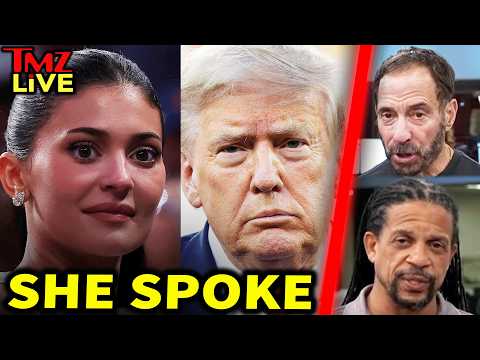
    On July 20, 2026, the entertainment news program TMZ Live aired a segment titled “Trump In MAJOR Trouble – Elites AFTER HIM?!” This broadcast highlighted a recurring theme in political discourse: the perception of powerful, often unnamed, ‘elites’ actively working against President Donald Trump. The segment, like many before it, tapped into a narrative framework that resonates deeply with a segment of the American electorate, suggesting an ongoing struggle between the President and established institutions.

    The discussion on TMZ Live, hosted by Harvey Levin and Charles Latibeaudiere, focused on various unconfirmed reports and speculative comments circulating across social media and certain news outlets regarding President Trump’s political and legal challenges in mid-2026. While the show primarily operates within the celebrity news sphere, its foray into such politically charged topics underscores the pervasive nature of this ‘elites vs. Trump’ narrative.

    The Enduring ‘Elites After Him’ Narrative

    The concept of ‘elites’ targeting President Trump is not new. It has been a foundational element of his political campaigns and presidency since 2015. This narrative posits that a coalition of entrenched figures, including politicians, media personalities, globalists, and financial magnates, actively seeks to undermine his political agenda and personal standing.

    This framing often serves multiple purposes. It can rally supporters by presenting President Trump as an underdog fighting against powerful adversaries. It can also explain setbacks or criticisms as evidence of a coordinated attack rather than policy failures or political missteps. The July 20, 2026, TMZ Live segment offered a fresh instance of this narrative being reinforced in a mainstream, albeit entertainment-focused, context.

    Defining ‘Elites’ in the Trumpian Context

    The term ‘elites’ in this narrative is broadly defined. It typically encompasses:

    • The Political Establishment: Long-standing figures within both major political parties who are perceived as being out of touch with ordinary Americans.
    • Mainstream Media: Major news organizations, often accused of biased reporting and acting as an extension of the political establishment.
    • Globalist Institutions: International organizations and agreements seen as eroding national sovereignty and benefiting a select few.
    • Deep State: A shadowy network of unelected government officials and intelligence operatives believed to be working against the President’s agenda.
    • Financial & Corporate Interests: Wealthy individuals and large corporations perceived as manipulating the system for their own gain.

    These groups are often presented as operating in concert, united by a common desire to maintain their power and influence, which President Trump is seen as disrupting.

    TMZ Live’s Role in Political Discourse

    TMZ Live, traditionally known for breaking celebrity news and analyzing pop culture, has increasingly waded into political commentary. This shift reflects a broader trend in media where the lines between entertainment and hard news have blurred. The show’s segment on President Trump on July 20, 2026, illustrates this crossover, bringing political discussion to an audience that might not regularly consume traditional news channels.

    Harvey Levin, the show’s executive producer and host, has often expressed opinions on political matters. His platform on TMZ provides a unique lens through which to view public figures, including political leaders. The segment’s choice to phrase the headline with sensational language like “MAJOR Trouble” and a question mark after “Elites AFTER HIM?!” is characteristic of TMZ’s style, designed to capture attention and provoke discussion.

    The Impact of Entertainment News on Political Narratives

    When platforms like TMZ engage with political topics, they contribute to the mainstreaming of certain narratives. For President Trump’s supporters, a segment on TMZ Live discussing ‘elites after him’ might validate their existing beliefs. For others, it might simply be seen as further sensationalism. Regardless of interpretation, its presence on such a platform expands the reach of the narrative beyond traditional political echo chambers.

    The July 20, 2026, broadcast became another data point in the ongoing public conversation surrounding President Trump’s challenges and his portrayal as a figure constantly battling powerful forces.

    President Trump’s Second Term: A Landscape of Challenges

    President Donald Trump, inaugurated for his second non-consecutive term on January 20, 2025, has faced a complex array of challenges. These include ongoing legislative battles, economic policy debates, and persistent legal scrutiny. The ‘elites after him’ narrative often contextualizes these challenges, framing them not as ordinary political hurdles but as deliberate acts of opposition from entrenched powers.

    Legislative and Policy Landscape

    In mid-2026, President Trump’s administration continued to pursue key policy objectives. These included efforts related to border security, trade agreements, and domestic energy production. Each policy initiative often encountered significant opposition, both from within Congress and from external advocacy groups. The narrative suggests that this opposition is not merely ideological but part of a broader effort by ‘elites’ to obstruct the President’s agenda.

    For instance, discussions surrounding proposed changes to federal regulations or new international trade frameworks frequently become battlegrounds where the ‘elites after him’ theme is invoked. Proponents of the President’s policies argue that resistance comes from those who benefit from the status quo, while opponents contend their actions are based on legitimate policy disagreements.

    Economic Conditions and Public Perception

    The U.S. economy in mid-2026 presented a mixed picture, with varying reports on inflation, employment, and consumer confidence. Economic narratives often play into the ‘elites’ discussion. Critics of President Trump’s economic policies might attribute any downturns to his administration’s decisions. Supporters, however, might argue that any economic difficulties are exacerbated by ‘elite’ financial institutions or globalist policies that undermine American prosperity.

    The perception of who benefits from economic policies is also central. The ‘elites after him’ narrative often implies that these ‘elites’ are precisely those who profit from systems that President Trump aims to dismantle or reform.

    Legal Scrutiny and Public Opinion

    President Trump has consistently been the subject of various legal inquiries and civil actions. These legal challenges, whether ongoing or resolved, often fuel the ‘elites after him’ narrative. Supporters frequently view these legal proceedings as politically motivated persecutions orchestrated by those who wish to remove him from power or discredit him.

    Ongoing Legal Battles in Mid-2026

    As of July 20, 2026, several legal matters involving President Trump remained subjects of public discussion. These could range from challenges related to his business dealings to investigations stemming from his previous time in office. Each legal development, regardless of its merits, is often interpreted through the lens of a coordinated effort by ‘elites’ to target him.

    The judicial system itself can become part of the ‘elite’ apparatus in this narrative, especially when court rulings go against the President’s interests. This perspective suggests that even the legal framework is weaponized by those opposed to his leadership.

    The Role of Media in Shaping Perceptions

    Media coverage of President Trump’s legal issues is a critical component of how the ‘elites after him’ narrative is perpetuated or challenged. Outlets that align with the narrative often emphasize the political motivations behind legal actions, while others focus on the legal facts and due process.

    TMZ Live’s segment on July 20, 2026, by posing the question “Elites AFTER HIM?!”, implicitly acknowledged and amplified this interpretive framework, regardless of the show’s intent. It brought the discussion of potential targeting by powerful forces into a widely consumed entertainment format.

    Historical Context of ‘Elites’ vs. Populism

    The ‘elites after him’ narrative is not unique to President Trump. Throughout history, populist movements have often framed their struggles as battles against entrenched elites. From Andrew Jackson’s fight against the Second Bank of the United States to Bernie Sanders’s critiques of the “billionaire class,” the theme of the common person (or their champion) against powerful, privileged interests is a recurring one in American politics.

    Populist Movements and Anti-Establishment Rhetoric

    President Trump’s political rise was, in many ways, a populist phenomenon. His rhetoric consistently positioned him as an outsider fighting on behalf of the forgotten man and woman against a corrupt system. This anti-establishment stance is a natural breeding ground for the ‘elites after him’ narrative.

    The narrative provides a clear antagonist, allowing supporters to identify with President Trump as a fellow victim or a brave warrior against these forces. It simplifies complex political issues into a moral struggle between good (the people and their champion) and evil (the conspiring elites).

    The Information Ecosystem in 2026

    In 2026, the information ecosystem is highly fragmented. Social media platforms, niche news sites, and traditional media all contribute to a complex landscape where narratives can spread rapidly and be reinforced within specific communities. The TMZ Live segment, while coming from a celebrity news outlet, becomes part of this broader ecosystem, feeding into existing discussions and contributing to the ongoing cultural conversation.

    The speed at which headlines and snippets of information travel means that interpretations and narratives can solidify quickly, often before comprehensive factual analysis is widely available. The July 20, 2026, TMZ broadcast serves as an example of how a compelling, if speculative, headline can quickly become part of the public’s understanding of current events.

    President Trump’s ongoing presidency in 2026 continues to be defined by this dynamic. His supporters remain vigilant, interpreting events through the lens of a constant battle against powerful, often unseen, adversaries. Critics continue to scrutinize his actions and rhetoric, often dismissing the ‘elites after him’ narrative as a deflection from accountability.

    The TMZ Live segment, therefore, was not an isolated event. It was a reflection of a deeply ingrained political and cultural phenomenon. A phenomenon that shapes public discourse. A phenomenon that influences voter behavior. A phenomenon that defines the political landscape.

    President Trump.


  • McGregor-Holloway Rematch: UFC Draws 6.5M Viewers Across US & Latin America

    McGregor-Holloway Rematch: UFC Draws 6.5M Viewers Across US & Latin America

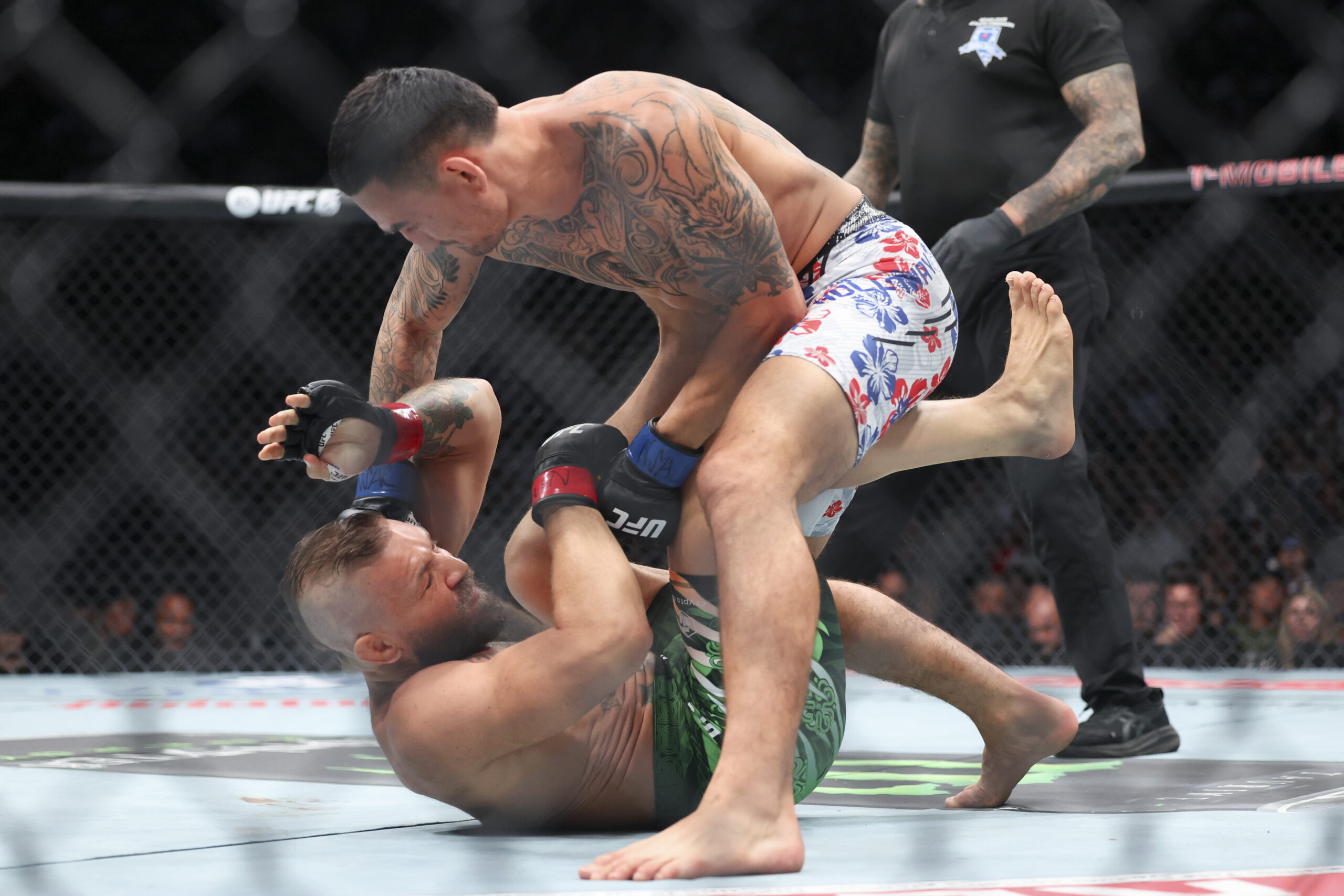
    The Ultimate Fighting Championship (UFC) rematch between Conor McGregor and Max Holloway achieved a substantial viewership of 6.5 million across the United States and Latin America. This figure underscores the significant and growing audience for mixed martial arts, particularly when marquee fighters are involved in highly anticipated bouts. The event was broadcast by Paramount, reaching a broad demographic and solidifying the UFC’s position as a major player in global sports entertainment.

    The Legacy of Two Fighters

    Conor McGregor, often referred to as ‘The Notorious,’ is an Irish professional mixed martial artist and boxer. He is a former Ultimate Fighting Championship (UFC) featherweight and lightweight double-champion. His career has been marked by explosive performances and charismatic promotion. McGregor’s ability to draw massive audiences has been a consistent factor throughout his time in the UFC.

    Max Holloway, known as ‘Blessed,’ is an American professional mixed martial artist. He is a former UFC Featherweight Champion. Holloway’s fighting style, characterized by relentless pressure and high volume striking, has earned him a dedicated fanbase. His journey through the featherweight division has established him as one of the sport’s most respected competitors.

    The first encounter between McGregor and Holloway occurred in August 2013. At UFC Fight Night 26, McGregor secured a unanimous decision victory over Holloway. This early career bout laid the groundwork for their future trajectories, both fighters going on to achieve championship status.

    The Road to Rematch

    Years passed between their initial meeting and the recent rematch. Both fighters cultivated extensive résumés, accumulating significant victories and experiencing high-profile defeats. McGregor ascended to unprecedented heights, becoming the first UFC fighter to hold two divisional titles simultaneously. Holloway dominated the featherweight division for an extended period, defending his title multiple times.

    The clamor for a rematch grew steadily among fans and pundits. The narrative of two elite athletes, who first met as rising prospects, now clashing as seasoned legends, held immense appeal. This narrative played a crucial role in building anticipation for the recent event.

    Negotiations for such a high-profile fight involve numerous complexities. Financial terms, fight locations, and timing all contribute to the lengthy process of bringing two stars back into the octagon. The UFC’s matchmakers strategize to maximize both athletic competition and commercial success.

    Paramount’s Broadcast Strategy

    Paramount served as the broadcasting partner for the McGregor-Holloway rematch. This partnership allowed the event to reach a vast audience across multiple regions. Paramount’s investment in sports programming reflects a broader trend among media companies to secure live content that drives subscriptions and viewership.

    The decision to feature the fight on Paramount’s platforms was a strategic move. It leveraged the existing subscriber base and marketing capabilities of a major media conglomerate. This ensured maximum exposure for one of the UFC’s most anticipated events of 2026.

    The broadcast included extensive pre-fight and post-fight coverage. This comprehensive approach enhances the viewer experience and provides additional content for fans. Analysts, interviews, and behind-the-scenes access contribute to the overall spectacle of a UFC fight night.

    The Role of Latin America in Viewership

    The 6.5 million viewership figure included significant contributions from Latin America. This region has emerged as a crucial market for mixed martial arts. The UFC has actively expanded its presence in Latin American countries, recognizing the passion for combat sports in these territories.

    Events held in cities like Mexico City and São Paulo have demonstrated the strong fanbase. Fighters from Latin America, such as Brandon Moreno and Charles Oliveira, have become major stars, further fueling regional interest. This growth trajectory indicates a sustained commitment from the UFC to this demographic.

    Language-specific broadcasts and localized marketing efforts are integral to securing high viewership in diverse regions. Paramount’s ability to deliver content tailored to Latin American audiences played a key role in the overall success of the McGregor-Holloway rematch’s viewership numbers.

    The Cultural Impact of UFC

    The UFC has transcended its origins as a niche sport to become a global cultural phenomenon. Its events are not merely athletic competitions; they are spectacles that blend sport, entertainment, and personal narratives. This blend contributes to its widespread appeal.

    The concept of a ‘cultural defense moment’ suggests that events like the McGregor-Holloway rematch resonate beyond traditional sports fandom. They can evoke feelings of national pride, individual resilience, and the pursuit of excellence. These themes tap into broader societal values.

    For many, watching a UFC fight is an immersive experience. The intensity of the competition, the stories of the athletes, and the raw emotion involved create a powerful connection with the audience. This connection is a significant driver of viewership and engagement.

    Economic Implications of High Viewership

    A viewership of 6.5 million translates into substantial economic impact for the UFC and its partners. Advertising revenue, sponsorship deals, and pay-per-view buys (where applicable) all benefit from such large audiences. This financial success allows for continued investment in fighter development and event production.

    The careers of fighters like McGregor and Holloway are directly impacted by their ability to draw viewers. High-profile fights lead to increased compensation and greater opportunities for endorsements. This incentivizes top talent to remain within the UFC’s ecosystem.

    Beyond the immediate financial gains, high viewership also bolsters the UFC’s brand equity. It reinforces its position as a leading global sports organization, attracting new fans and solidifying its standing in the competitive sports landscape. This long-term brand building is crucial for sustained growth.

    The Future of UFC and Combat Sports

    The success of the McGregor-Holloway rematch points to a robust future for the UFC. The organization continues to expand its global footprint, explore new media partnerships, and cultivate emerging talent. The demand for high-quality combat sports content remains strong.

    Innovation in broadcast technology and fan engagement strategies will likely play an increasing role. Virtual reality, interactive viewing experiences, and personalized content streams could further enhance how fans consume UFC events. The goal is to make every fight a unique and memorable experience.

    The athletic landscape of mixed martial arts is constantly evolving. New techniques, training methodologies, and strategic approaches emerge regularly. This dynamic nature keeps the sport fresh and ensures a continuous supply of compelling matchups for audiences worldwide.

    What Defines a Marquee Matchup?

    Several factors contribute to a UFC fight achieving ‘marquee’ status. The reputation of the fighters involved is paramount. Champions, former champions, and highly ranked contenders naturally draw more attention. Their past performances and established rivalries often fuel fan interest.

    The narrative surrounding a fight also plays a critical role. A comeback story, a grudge match, or a clash of styles can elevate a bout beyond a simple athletic contest. The personal stories and motivations of the fighters add layers of drama and intrigue.

    Promotional efforts by the UFC and the fighters themselves are essential. Press conferences, social media engagement, and documentary features build anticipation and hype. Effective marketing ensures that potential viewers are aware of the event and its significance.

    Finally, the stakes of the fight, whether a championship title is on the line, or if it’s a pivotal moment in a fighter’s career, add to its importance. High stakes translate to high drama, which in turn attracts a larger audience.

    The McGregor-Holloway rematch exemplified many of these elements. It brought together two of the sport’s biggest names, built upon a long-standing history, and was promoted extensively, culminating in significant viewership numbers.

    Fighters trained. Promoters strategized. Broadcasters prepared. Audiences watched. UFC.


  • Chloe Fineman Departs ‘Saturday Night Live’ After Seven Seasons

    Chloe Fineman Departs ‘Saturday Night Live’ After Seven Seasons

    Chloe Fineman has officially announced her departure from NBC’s ‘Saturday Night Live’ after a seven-season run. The announcement, made on 2026-07-16, marks a significant career transition for the comedian and actress, who joined the iconic sketch comedy series in 2019.

    Fineman’s tenure on ‘SNL’ was characterized by her versatile comedic talent and a remarkable ability to embody a wide range of public figures. Her impressions became a staple of the show, earning her considerable recognition.

    Fineman’s Journey to ‘Saturday Night Live’

    Chloe Fineman’s path to ‘Saturday Night Live’ began long before her 2019 debut. Born in Berkeley, California, Fineman developed an early interest in performance. She attended New York University’s Tisch School of the Arts, where she honed her acting skills.

    Before joining ‘SNL’, Fineman built a significant following through her viral impression videos on social media platforms. These videos showcased her uncanny ability to mimic celebrities, a talent that would later become a hallmark of her ‘SNL’ performances.

    Her early career included work with The Groundlings improv theater in Los Angeles. This experience provided a foundational understanding of sketch comedy and character development. The Groundlings has historically served as a pipeline for ‘SNL’ talent, fostering many successful comedians.

    Fineman’s unique blend of physical comedy, vocal mimicry, and character work made her a standout. Her online presence quickly translated into industry attention, leading to her eventual audition for the venerable late-night show.

    Seven Seasons of Impressions and Original Characters

    Fineman joined ‘Saturday Night Live’ as a featured player for its 45th season, which premiered in September 2019. She was promoted to a full repertory player in 2021, a testament to her impact and consistency.

    Her initial season saw her quickly establishing herself with memorable impressions. She brought to life figures like Drew Barrymore, Nicole Kidman, and Carole Baskin from ‘Tiger King’. These early performances garnered critical acclaim and audience engagement.

    Over her seven seasons, Fineman expanded her repertoire significantly. She famously portrayed Timothée Chalamet, particularly in sketches poking fun at his public persona and film roles. Other notable impressions included Britney Spears, Reese Witherspoon, and Elizabeth Holmes.

    Beyond impressions, Fineman also contributed original characters to the ‘SNL’ landscape. These characters often displayed a quirky, offbeat sensibility, showcasing her range beyond direct mimicry. Her ability to pivot between celebrity takeoffs and unique comedic creations underscored her value to the ensemble cast.

    She frequently appeared in recurring sketches and played pivotal roles in many cold opens and Weekend Update segments. Her presence became a reliable source of laughter for viewers.

    The Legacy of an ‘SNL’ Performer

    ‘Saturday Night Live’ has a long history of cast members who leave a lasting impression. Fineman’s seven seasons place her among a significant group of performers who have dedicated a substantial portion of their careers to the show. Her tenure is longer than many ‘SNL’ alumni, indicating a sustained period of contribution.

    The show, created by Lorne Michaels, has been a launching pad for countless comedic and acting careers since its debut in 1975. Departures from ‘SNL’ are often viewed as a natural progression, signaling an artist’s readiness to explore new creative avenues.

    Past cast members who have gone on to successful careers in film and television include Kristen Wiig, Bill Hader, and Kate McKinnon, all of whom also spent significant time on the show. Fineman’s departure follows this established pattern of ‘SNL’ talent transitioning to other projects.

    Her work on ‘SNL’ has undoubtedly raised her profile, opening doors for future endeavors in comedy, film, and television. The experience of performing live sketch comedy for a national audience provides invaluable training and exposure.

    What’s Next for Chloe Fineman?

    While the specific details of Chloe Fineman’s next projects have not been fully disclosed as of 2026-07-16, her departure from ‘Saturday Night Live’ typically suggests a pursuit of other opportunities.

    Many ‘SNL’ alumni transition into film roles, television series, or stand-up comedy tours. Fineman’s strong comedic voice and proven acting ability make her a strong candidate for a variety of roles across different media.

    Given her talent for impressions, it is plausible she might explore projects that allow her to continue showcasing this skill, perhaps in animated features or narrative comedies. Her social media presence remains a platform for her unique brand of humor.

    The entertainment industry often looks to ‘SNL’ for new talent, and Fineman’s established fan base and critical recognition position her well for future success. Her journey will be closely watched by fans and industry observers alike.

    The end of an ‘SNL’ chapter often marks the beginning of several new ones for its performers. Fineman’s announcement creates anticipation for her next creative ventures.

    The Impact on ‘Saturday Night Live’

    The departure of a long-standing cast member like Chloe Fineman inevitably leads to shifts within the ‘Saturday Night Live’ ensemble. The show’s producers, led by Lorne Michaels, consistently adapt to cast changes by promoting existing talent or introducing new featured players.

    Fineman’s unique contributions, particularly her distinctive impressions, will create a void that the show will need to address. This often provides opportunities for other cast members to step into new roles or for new talent to emerge with their own signature performances.

    ‘SNL’ has a history of successfully navigating these transitions, maintaining its cultural relevance for decades. The show’s strength lies in its ability to continually reinvent itself with fresh comedic voices.

    The upcoming season, following Fineman’s departure, will likely see new cast announcements and strategic shifts in writing and performance focus. This ongoing evolution is a core part of ‘Saturday Night Live’s’ enduring appeal.

    The show will continue its tradition of reflecting current events and pop culture through its comedic lens, even as its roster of performers changes.

    Impressions. Characters. Laughter. Seven seasons of comedic contributions. A new chapter begins. The stage awaits. The audience watches.

    Hollywood.

  • Spain Claims Second FIFA World Cup Title, Defeating Argentina 1-0 in 2026 Final

    Spain Claims Second FIFA World Cup Title, Defeating Argentina 1-0 in 2026 Final

    Spain secured the 2026 FIFA World Cup title on July 19, 2026, with a 1-0 victory over Argentina. This triumph marks Spain’s second World Cup win, solidifying their place in football history. The decisive goal came in the second half, breaking a deadlock that had persisted through much of the championship match, held in a North American stadium.

    The victory concludes a month of intense competition across North America. Spain navigated a challenging tournament bracket. They consistently demonstrated their technical prowess and tactical discipline on the global stage.

    Spain’s Path to World Cup Glory

    Spain’s journey to the 2026 World Cup final was marked by strong performances. They emerged from a competitive group stage. Subsequent knockout rounds saw them overcome several highly-ranked national teams. The Spanish squad showcased a blend of experienced veterans and emerging talents.

    Their midfield controlled possession in many matches. The attacking players created numerous scoring opportunities throughout the tournament. Early reports indicate that the team’s cohesion and strategic depth were key factors. Head Coach Luis de la Fuente’s tactical decisions received widespread praise. The team’s robust defense also played a critical role in their success.

    The tournament began on June 11, 2026, with opening ceremonies and matches held across the host nations. Spain entered the competition as one of the favorites, given their strong performances in the lead-up to the event, including a solid showing in the UEFA Nations League campaigns of 2024 and 2025.

    Their group stage matches saw them face diverse opponents, testing their adaptability. They demonstrated a capacity to adjust tactics based on the opposition, a hallmark of De la Fuente’s coaching philosophy. Key players in defense, midfield, and attack contributed consistently, ensuring progression to the knockout stages without significant setbacks.

    Navigating the Knockout Rounds

    The knockout phase presented Spain with increasingly difficult challenges. Their Round of 16 match required a disciplined performance against a well-organized European rival. The quarter-final saw them overcome a South American powerhouse in a tightly contested affair, showcasing their ability to perform under pressure.

    In the semi-final, Spain faced another formidable contender, widely regarded as one of the tournament’s strongest teams. This match was a tactical battle, with Spain’s ability to maintain possession and exploit defensive weaknesses proving crucial. The 2026 squad demonstrated a collective resilience, a quality often attributed to their 2010 World Cup-winning predecessors.

    The Final Match: Spain vs. Argentina

    The final against Argentina was a tense affair. Both teams started cautiously, feeling out their opponents. The first half ended scoreless, with few clear-cut chances for either side. Spain increased its intensity in the second half. They pushed higher up the pitch. This led to a surge in their shot count and increased pressure on the Argentine goal.

    Spain registered an impressive 12 shots on goal throughout the match. Argentina’s defense, while resilient for long stretches, ultimately conceded to Spain’s sustained offensive efforts. The winning goal arrived midway through the second half. The stadium erupted as the ball found the back of the net. This moment proved to be the turning point in the championship.

    Details regarding the exact minute and the goal scorer are still being confirmed by official FIFA reports. However, the impact of the goal was immediate, shifting the momentum decisively in Spain’s favor. The final minutes of the match saw Argentina press for an equalizer, but Spain’s defense held firm, denying them any clear opportunities.

    Key Tactical Decisions and Player Performances

    Coach Luis de la Fuente’s decision to maintain an attacking posture in the second half, despite the scoreless first half, paid dividends. His substitutions were also noted for their effectiveness, bringing fresh legs and renewed energy to the Spanish attack and midfield. The collective effort of the Spanish players was evident, with no single individual dominating the headlines but rather a cohesive unit achieving success.

    The Spanish midfield, known for its intricate passing and ball retention, was instrumental in controlling the tempo of the game. They limited Argentina’s ability to build attacks from the back, forcing them into less comfortable positions on the field. The defensive line, anchored by experienced center-backs and supported by diligent wing-backs, successfully neutralized Argentina’s potent attacking threats.

    Argentina’s Valiant Campaign Concludes

    Argentina entered the final as a formidable opponent. They had demonstrated exceptional skill and determination throughout the 2026 World Cup. Their path to the final included several dramatic victories. The South American giants showcased their characteristic flair and attacking talent.

    Lionel Messi, in what was widely anticipated to be his final World Cup appearance, led the team with distinction. Despite their efforts, they could not find an equalizer after Spain’s goal. The Argentine squad displayed sportsmanship in defeat. They acknowledged Spain’s superior performance on the day. Their tournament run was still considered a success by many fans and analysts.

    Argentina’s journey to the final was marked by their characteristic blend of individual brilliance and collective grit. They overcame challenging group stage opponents and navigated tough knockout rounds, often relying on moments of individual magic from their star players. Their quarter-final and semi-final victories were particularly hard-fought, showcasing their resilience.

    Messi’s Enduring Legacy

    For Lionel Messi, this final appearance further cemented his legendary status in football. Having won the World Cup in 2022, his leadership in 2026, guiding Argentina back to the final, was a testament to his enduring talent and dedication. Though the ultimate prize eluded him in this tournament, his contributions throughout his career and this competition will be remembered.

    The Argentine team, under their coach, had built a strong squad around Messi, integrating younger talents with experienced players. Their attacking prowess, particularly their ability to create chances from tight spaces, was a constant threat throughout the tournament. The 2026 World Cup saw many memorable moments from the Argentine side, confirming their status as one of the world’s premier footballing nations.

    The Legacy of the 2026 FIFA World Cup

    The 2026 FIFA World Cup will be remembered for several reasons. It was the first World Cup hosted across three nations: the United States, Canada, and Mexico. The expanded format featured 48 teams, leading to more matches and diverse competition. Spain’s victory adds another chapter to their footballing legacy.

    Their 2010 win in South Africa was a landmark achievement. This second title cements their status as a modern footballing dynasty. The tournament generated immense global interest. Billions of viewers tuned in to watch the matches. The economic impact on the host cities and nations was substantial.

    The decision to host across three North American countries marked a significant shift in FIFA’s approach to major tournaments. This multi-national hosting model allowed for a broader distribution of economic benefits and showcased diverse cultures. The expanded 48-team format, introduced for the first time, provided more opportunities for national teams to participate on the global stage, leading to a wider array of matchups and narratives.

    Economic and Cultural Impact

    Host cities across the United States, Canada, and Mexico experienced significant economic boosts through tourism, infrastructure development, and increased consumer spending. The tournament’s global reach, broadcast to billions, reinforced football’s position as the world’s most popular sport. Cultural exchanges and celebrations were prevalent throughout the month-long event, fostering international goodwill.

    The 2026 World Cup also served as a proving ground for new technologies in broadcasting and fan engagement. Innovations in stadium experiences and digital content delivery enhanced the viewing experience for millions worldwide. The tournament set new benchmarks for sustainability and logistical coordination for future large-scale sporting events.

    Spain’s Place in Football History

    Spain’s first World Cup victory in 2010, achieved in South Africa, was a culmination of a golden generation of players. That team, known for its ‘tiki-taka’ style of play, revolutionized international football. The 2026 squad, while perhaps employing slightly different tactics under Luis de la Fuente, carried forward the tradition of technical excellence and strategic acumen.

    This second title places Spain in an exclusive club of multiple World Cup winners, alongside nations like Brazil, Germany, Italy, Argentina, Uruguay, and France. It underscores the depth of talent within Spanish football and the effectiveness of their youth development programs. The consistent investment in coaching and player development has clearly paid off on the international stage.

    The final whistle blew. Celebrations erupted among the Spanish supporters. Disappointment settled over the Argentine fans. The 2026 FIFA World Cup concluded with Spain as the undisputed champions. A new chapter in football history.


  • Vice President J.D. Vance and Wife Usha Welcome Baby Boy – A New Chapter in American Political Families

    Vice President J.D. Vance and Wife Usha Welcome Baby Boy – A New Chapter in American Political Families

    Vice President J.D. Vance and his wife, Usha Vance, announced the birth of their baby boy on July 19, 2026. This significant family event marks a new chapter for the Vances and has drawn considerable public attention, resonating across various segments of American society.

    The announcement came from the Vance family, confirming the arrival of their newest member. The birth adds a unique dimension to the public persona of the sitting Vice President, intertwining personal joy with the demands of national leadership.

    The Vance Family: A Public Profile

    J.D. Vance rose to national prominence through his memoir, Hillbilly Elegy: A Memoir of a Family and Culture in Crisis, published in 2016. The book detailed his upbringing in a working-class, Rust Belt family in Middletown, Ohio, and explored the social and economic challenges facing the region. Its themes resonated widely, contributing to a national conversation about economic decline and cultural identity in America.

    Vance’s political career accelerated following the success of his memoir. He became a vocal commentator on national issues, eventually pursuing public office. His trajectory from author to United States Senator for Ohio, and then to Vice President, has been closely watched.

    Usha Vance, an accomplished attorney, has maintained a significant professional career alongside her husband’s public service. She is known for her legal expertise and her support for various community initiatives. Her background and professional achievements contribute to the public image of the Vance family.

    The couple’s marriage and family life have been part of their public narrative, often highlighted as examples of enduring American values. They have spoken openly about their commitment to family and community, particularly within the context of Ohio.

    The Role of Family in American Politics

    The birth of a child to a sitting Vice President is a relatively rare event in American political history. Such moments often transcend partisan divides, eliciting expressions of goodwill from across the political spectrum. They offer a glimpse into the personal lives of public figures, humanizing their roles.

    Historically, the families of Presidents and Vice Presidents have been subjects of public fascination. From presidential children growing up in the White House to the spouses who champion various causes, family members often play an important, albeit unofficial, role in the national narrative.

    The arrival of a new child can also symbolize hope and continuity for a nation. It represents the future, and for political leaders, it can reinforce their connection to the aspirations of everyday families.

    Public Reaction and Media Coverage

    News of the Vance baby’s birth was quickly disseminated across news outlets and social media platforms. Initial reports, such as those from TMZ.com on July 19, 2026, focused on the joyful announcement and the well-being of Usha Vance and the newborn.

    Congratulatory messages poured in from various public figures, including political colleagues, community leaders, and members of the public. The event provided a moment for collective celebration, temporarily shifting focus from the often contentious political landscape.

    Media coverage generally adopted a positive and celebratory tone. Articles highlighted the personal significance of the birth for the Vances and the broader symbolism for the nation. Family photographs and brief statements from the Vice President’s office were widely shared.

    This type of news often generates high engagement online, with many individuals expressing personal happiness for the family. It taps into a universal human experience, allowing people to connect with political leaders on a more personal level.

    The Vice Presidency in 2026

    As of July 2026, J.D. Vance serves as the Vice President of the United States, having assumed office on January 20, 2025. He ran alongside President Donald Trump, who won the November 2024 election for his second, non-consecutive term. The Trump-Vance administration has been engaged in significant policy initiatives, both domestically and internationally.

    The Vice President’s duties are extensive, ranging from presiding over the Senate to advising the President on critical issues. The office demands constant travel, public appearances, and engagement with complex policy matters. Balancing these responsibilities with personal family life is a continuous challenge for any officeholder.

    Vance’s tenure as Vice President has seen him involved in key policy debates concerning economic development, technology regulation, and foreign relations. His public statements and policy positions often reflect his background and his stated commitment to the working class and American industrial revitalization.

    The birth of his child occurs during a period of active governance, adding a personal dimension to his demanding professional life. It serves as a reminder that even the highest offices are held by individuals with personal lives and families.

    Looking Ahead: The Future of the Vance Family

    The arrival of a new child will undoubtedly bring changes and adjustments to the Vance household. While the demands of the Vice Presidency remain, the personal joy and responsibilities of parenthood will also be a significant part of their lives.

    The Vances have consistently emphasized the importance of family and community in their public remarks. This new addition reinforces that commitment, potentially shaping future public engagements or policy focuses related to family welfare and children’s issues.

    The future public appearances of the Vance family may include their newest member, continuing a tradition seen with other political families. These moments often provide relatable images for the public, fostering a sense of connection and shared experience.

    The Vances’ journey, from their roots in Ohio to the national political stage, continues to evolve. The birth of their son marks another significant milestone in this ongoing narrative, watched by many across the nation.

    Political families navigate intense public scrutiny. They balance personal moments with the relentless demands of high office. Their joys become shared national moments.

    Politicians strive to connect with the electorate. Family events like births offer a powerful, universal bridge. They highlight shared human experiences.

    The Vances’ announcement generated warmth. It fostered national pride. It underscored the enduring appeal of family values.

    A new life. A new chapter. A new generation.

    America.

  • Andy Burnham Becomes UK Prime Minister – Sixth Leader in a Decade

    Andy Burnham Becomes UK Prime Minister – Sixth Leader in a Decade

    Andy Burnham was confirmed as the new Prime Minister of the United Kingdom on Monday, July 20, 2026. This appointment positions him at the helm of the UK government, making him the sixth individual to hold the nation’s highest political office in the last ten years. His rise to power followed a rapid leadership contest within the Labour Party, initiated by the resignation of former Prime Minister Keir Starmer on July 20, 2026.

    Starmer’s departure, citing personal reasons and a desire for new party leadership, opened the door for a swift internal election. Burnham, a prominent figure in the Labour Party, emerged as the victor, securing the necessary support from Members of Parliament and party members. What looks like a sudden shift is part of a decade-long pattern of leadership changes.

    A Decade of Political Turnover

    The United Kingdom has experienced significant political volatility over the past decade. Since July 2016, the nation has seen a succession of Prime Ministers from both major parties. This period reflects a landscape shaped by Brexit, economic shifts, and evolving public demands.

    The frequent changes in leadership highlight the pressures facing modern British governance. Each new leader has inherited a complex array of domestic and international challenges, often leading to short tenures and renewed calls for stability. Burnham’s premiership begins under similar scrutiny.

    The succession of leaders underscores a turbulent era in British politics. Theresa May assumed office in July 2016 following the Brexit referendum. Her tenure, marked by intense negotiations and parliamentary deadlocks over Brexit, concluded in July 2019.

    Boris Johnson then took the reins in July 2019, promising to ‘Get Brexit Done’. His premiership, characterized by populist policies and controversies, ended in September 2022. He was succeeded by Liz Truss, whose economic policies led to significant market instability.

    Liz Truss’s time in office was the shortest in UK history, lasting only 49 days before her resignation in October 2022. Rishi Sunak then became Prime Minister in October 2022, aiming to restore economic stability and unity to the Conservative Party.

    Sunak’s leadership continued until a general election saw a change of government. Keir Starmer became Prime Minister in the subsequent election, leading the Labour Party to power. His resignation on July 20, 2026, after a period of leadership, paved the way for Andy Burnham.

    This rapid succession of leaders, from May to Johnson, Truss, Sunak, Starmer, and now Burnham, illustrates a pattern of political instability. The average tenure of a Prime Minister during this period has been approximately 18 months, a stark contrast to historical norms.

    Factors contributing to this instability include the lingering effects of the 2016 Brexit referendum, global economic headwinds, and significant social shifts. Each leader has grappled with the challenge of uniting a divided nation and addressing complex policy issues.

    Public trust in political institutions has also faced scrutiny during this period. The constant turnover at the top has led to questions about governmental effectiveness and the long-term direction of the country.

    Burnham inherits a political environment where expectations for stability and effective governance are high. His ability to navigate these turbulent waters will define his early days in office.

    From Manchester Mayor to Downing Street

    Before becoming Prime Minister, Andy Burnham served as the Mayor of Greater Manchester. He held this prominent position from May 2017 until his recent appointment. During his tenure as Mayor, Burnham gained a reputation for advocating for regional devolution and addressing local issues.

    His focus areas as Mayor included tackling homelessness, improving public transport, and promoting economic development across the Greater Manchester region. He was often seen as a champion for the North of England, pushing for greater investment and autonomy from Westminster.

    Early Political Career and Ministerial Roles

    Burnham’s political career also includes significant roles as a Member of Parliament for Leigh. He represented the constituency from 2001 to 2017, serving for 16 years in the House of Commons before stepping down to run for Mayor.

    During his time as an MP, Burnham held various ministerial positions in previous Labour governments. These roles provided him with extensive experience in national policymaking and governmental operations.

    His ministerial appointments included:

    • Chief Secretary to the Treasury: A key role in managing public expenditure and contributing to economic policy.
    • Secretary of State for Culture, Media and Sport: Overseeing government policy for the creative industries, tourism, and national heritage.
    • Secretary of State for Health: A critical position responsible for the National Health Service (NHS) and public health policy.

    This diverse experience across both local and national government is expected to inform his approach to leadership as Prime Minister. His background suggests a leader with a deep understanding of both central government mechanisms and the practicalities of local governance.

    Burnham’s consistent presence in public life, from a backbench MP to a cabinet minister and then a powerful regional mayor, has given him a broad perspective on the challenges facing the UK. His consistent advocacy for social justice and regional equality has been a hallmark of his career.

    His mayoral platform in Manchester often highlighted issues of inequality and the need for a more balanced economy across the UK. These themes are likely to feature prominently in his national agenda.

    The transition from a regional leadership role to the national stage presents unique challenges and opportunities. Burnham’s established track record in Manchester offers a preview of his potential policy priorities and leadership style.

    The Immediate Challenges Ahead

    As Prime Minister, Andy Burnham faces numerous immediate challenges. Economic stability remains a primary concern, with ongoing inflation and cost-of-living pressures impacting households across the UK. The Bank of England has been grappling with persistently high inflation rates, affecting everything from food prices to energy bills.

    Burnham is also expected to address issues related to public services, including the National Health Service (NHS). The NHS continues to face significant pressures, including long waiting lists, staff shortages, and funding challenges. Improving healthcare provision will likely be a top priority.

    Implementing policies aimed at social welfare improvement will also be critical. This includes addressing poverty, unemployment, and housing shortages, issues that have been exacerbated by recent economic downturns and the lasting impact of the COVID-19 pandemic.

    Forming a New Cabinet and Legislative Agenda

    Burnham’s initial days in office will likely focus on forming a new cabinet. The composition of his cabinet will signal his policy direction and his approach to uniting various factions within the Labour Party. Key appointments to departments such as the Treasury, Foreign Office, and Home Office will be closely watched.

    Following the cabinet formation, he will need to outline his government’s legislative agenda. This agenda will set out the key bills and policy initiatives his administration intends to pursue in the coming months and years. Expectations are high for swift action on pressing national issues.

    His leadership will be closely watched for signs of a distinct policy direction, particularly concerning the UK’s relationship with the European Union and its global standing. The ongoing implications of Brexit continue to shape trade, diplomacy, and economic policy.

    The public and international observers will monitor how he navigates these complex issues. Global partners will be keen to understand the UK’s foreign policy under Burnham, especially regarding alliances and international trade agreements.

    Domestically, the new government will need to articulate clear strategies for economic growth, investment in infrastructure, and addressing regional disparities. The ‘levelling up’ agenda, while initially a Conservative policy, has broader appeal and could be re-envisioned under a Labour government.

    Energy security and climate change also present significant long-term challenges. Burnham’s administration will need to advance policies that balance economic needs with environmental commitments, including investments in renewable energy and carbon reduction targets.

    The ongoing cost-of-living crisis demands immediate and tangible solutions. Measures to support vulnerable households, control inflation, and stimulate wage growth will be high on the agenda. Public confidence will hinge on the government’s ability to deliver visible improvements.

    Burnham’s experience in local government, particularly his focus on community-level issues in Greater Manchester, suggests he may adopt a more localized approach to national policy implementation. This could involve empowering local authorities and devolving more decision-making power.

    The Labour Party’s New Chapter

    Burnham’s election marks a new chapter for the Labour Party. After a period of internal reflection and leadership transitions, the party now aims to consolidate its position and implement its policy platform under Burnham’s guidance. This transition comes after Keir Starmer’s resignation, which prompted the swift leadership contest.

    His mandate will be to unite various factions within the party and present a cohesive vision for the country. The Labour Party has historically faced challenges in maintaining internal unity, and Burnham’s leadership will be tested in this regard.

    The political landscape remains fluid. Public expectations are high for effective governance and tangible improvements in everyday life. The electorate will be looking for clear policy statements and concrete actions that address their daily concerns.

    Burnham’s leadership style, forged in both local and national arenas, will be tested as he endeavors to steer the United Kingdom through its current challenges. His ability to communicate effectively with the public and build cross-party consensus will be crucial.

    The Labour Party’s success under Burnham will depend on its ability to present a credible and unified front. This includes demonstrating economic competence, a clear plan for public services, and a coherent foreign policy stance.

    The party will also need to re-engage with segments of the electorate that have felt disenfranchised by politics in recent years. Burnham’s background as a ‘man of the North’ may help in connecting with voters outside of London and the South East.

    The immediate task for Burnham and his team will be to project an image of stability and competence. This involves not only effective governance but also strong communication strategies to reassure both domestic and international audiences.

    The coming months will be critical in establishing the tone and direction of the new Labour government. Policy announcements, parliamentary debates, and public appearances will all contribute to shaping perceptions of Burnham’s leadership.

    Uncertainty. Transition. Leadership.