Tag: 2026

  • America’s Maritime Future: The Feasibility of Trump’s Golden Fleet

    America’s Maritime Future: The Feasibility of Trump’s Golden Fleet

    President Donald Trump’s proposed “Golden Fleet” is a comprehensive national maritime strategy designed to significantly expand American shipbuilding capacity and the U.S. merchant marine. This initiative, articulated during his second term, aims to enhance national security, foster economic independence, and re-establish the United States as a dominant force in global commercial shipping by building a new generation of American-flagged and American-crewed vessels.

    In many ways, this vision is a direct response to decades of decline in the U.S. maritime sector, seeking to reverse trends that have seen the American fleet shrink dramatically since its post-World War II peak.

    The Decline of American Maritime Power

    The United States once boasted the world’s largest merchant fleet. During World War II, American shipyards produced thousands of Liberty Ships and Victory Ships, crucial for Allied supply lines. Post-war, the U.S. merchant marine remained formidable, essential for global trade and military logistics.

    However, starting in the latter half of the 20th century, a combination of factors led to a significant decline. Rising labor costs, stringent environmental regulations, and the allure of foreign subsidies pushed American shipping companies to flag their vessels in other countries.

    By 2026, the U.S.-flagged merchant fleet is a shadow of its former self. Few large commercial vessels operate under the American flag, and the number of active shipyards capable of building large ocean-going ships has dwindled.

    This decline has raised concerns across the political spectrum regarding national security. The ability to project power and sustain military operations overseas relies heavily on commercial shipping capacity, much of which is currently provided by foreign-flagged vessels.

    Economic concerns also fuel the push for revitalization. A robust merchant marine supports American jobs, fosters technological innovation, and ensures the secure transport of critical goods during times of crisis.

    President Trump’s Vision: The Golden Fleet

    President Trump introduced the “Golden Fleet” concept as a cornerstone of his administration’s economic nationalism and national security agenda. The initiative envisions a substantial increase in the number of American-built, American-owned, and American-crewed commercial ships.

    The name “Golden Fleet” evokes a sense of prosperity and national pride, harkening back to eras when American maritime power was unquestioned. The proposal is not merely about increasing ship numbers but about rebuilding the entire ecosystem that supports a maritime nation.

    Key components of the “Golden Fleet” vision include significant federal investment in shipbuilding infrastructure. This means modernizing existing shipyards and potentially establishing new ones.

    Another crucial element is workforce development. The U.S. currently faces a shortage of skilled shipyard workers, engineers, and merchant mariners. Training programs and educational initiatives are central to the plan.

    Financial incentives for American companies to build and operate U.S.-flagged vessels are also anticipated. These could include tax credits, subsidies, and preferential treatment for government contracts.

    Industrial Capacity and Infrastructure Challenges

    Building the “Golden Fleet” presents immense industrial challenges. U.S. shipbuilding capacity has been significantly reduced over recent decades. The remaining major shipyards primarily focus on naval construction and repair, with limited capacity for large commercial vessels.

    Modernizing shipyards requires billions of dollars in investment. This includes upgrades to dry docks, fabrication facilities, and advanced manufacturing technologies. The lead time for such projects can span years, if not a decade.

    The supply chain for shipbuilding also needs rebuilding. Many components and raw materials are currently sourced internationally. Reshoring these supply chains is a complex undertaking, involving economic incentives and strategic partnerships.

    Developing a skilled labor force is perhaps the most critical challenge. Welders, naval architects, marine engineers, and other specialized trades are in high demand. Educational institutions and vocational schools would need to expand their programs significantly.

    The average age of existing shipyard workers is also a concern, highlighting the need for a new generation of skilled tradespeople.

    Economic and Geopolitical Implications

    Economically, the “Golden Fleet” could create hundreds of thousands of jobs across various sectors. These jobs would range from direct employment in shipbuilding and shipping to indirect employment in supporting industries.

    The initiative aims to reduce the U.S.’s reliance on foreign shipping, particularly for critical goods. This enhances economic resilience and reduces vulnerability to global supply chain disruptions or geopolitical tensions.

    From a national security perspective, a larger U.S. merchant marine provides greater sealift capacity for military deployments. It also ensures access to American-crewed vessels for strategic purposes, removing reliance on potentially uncooperative foreign entities during conflicts.

    Geopolitically, a revitalized U.S. merchant fleet would project American power and influence in global trade routes. It could also provide a counterweight to the growing maritime capabilities of rival nations.

    However, the cost of building and operating vessels in the U.S. remains significantly higher than in many other countries. This cost differential is a major hurdle that would need to be addressed through sustained government support and innovative manufacturing processes.

    Historical Precedents and Future Outlook

    The United States has a history of major maritime initiatives. The Merchant Marine Act of 1936, for example, aimed to promote the development and maintenance of an adequate merchant marine.

    During both World Wars, the U.S. government undertook massive shipbuilding programs, demonstrating the nation’s capacity for rapid industrial expansion when faced with existential threats.

    The “Golden Fleet” initiative draws inspiration from these historical efforts but faces a different global economic landscape. International competition from countries like China, South Korea, and Japan, which dominate global commercial shipbuilding, is intense.

    These nations benefit from established infrastructure, lower labor costs, and significant government subsidies. For the U.S. to compete, a long-term, bipartisan commitment to maritime revitalization would be necessary.

    The success of the “Golden Fleet” will depend on several factors: sustained political will, innovative financing mechanisms, technological advancements in shipbuilding, and effective workforce development programs.

    The integration of automation and advanced materials could help reduce costs and improve efficiency, making American-built ships more competitive.

    Ultimately, the “Golden Fleet” represents a strategic choice about America’s place in the global maritime domain. It is a commitment to reclaiming a vital industrial sector and ensuring national security and economic prosperity for decades to come.

    Shipyards buzz. Training centers open. New vessels take shape. The nation looks to the sea.

    America.
  • Emmys Revamp Telecast: Five Categories Moved Off NBC Broadcast

    Emmys Revamp Telecast: Five Categories Moved Off NBC Broadcast

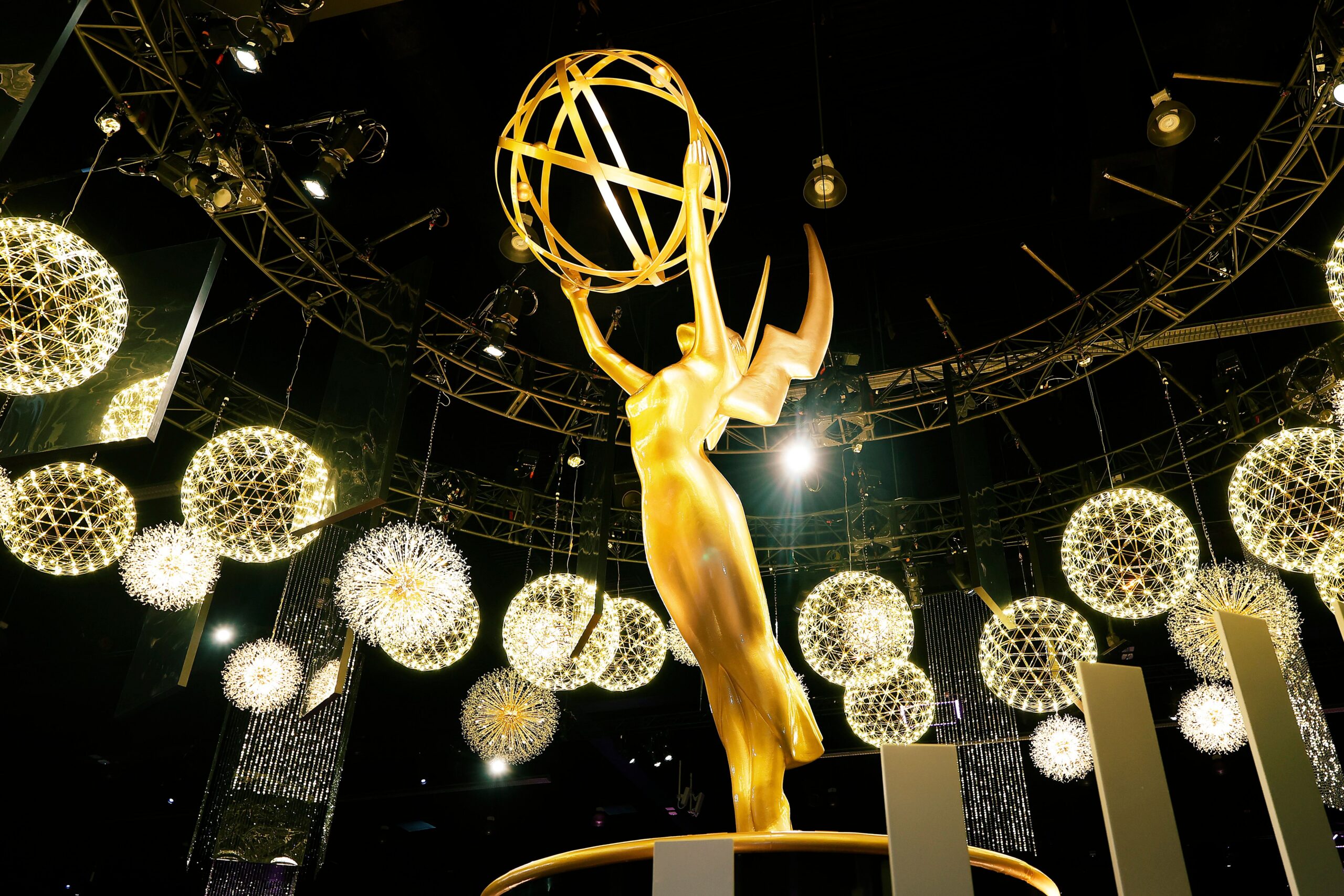
    The Emmy Awards ceremony is undergoing a significant transformation. The Television Academy has decided to remove five categories from the live NBC broadcast, a move intended to streamline the show and potentially increase audience engagement. This decision reflects broader discussions within the television industry about the format and relevance of awards shows in the modern media landscape.

    This strategic shift directly impacts several categories traditionally presented during the main event. It signals a notable departure from previous Emmy telecast structures. The aim is to create a more concise and compelling viewing experience for the national audience.

    The Rationale Behind the Changes

    The decision to move categories stems from a desire to make the Emmy telecast more dynamic. Awards shows have faced declining viewership in recent years. Broadcast networks and the Television Academy are actively seeking solutions to reverse this trend. Shorter, more focused ceremonies are often cited as a potential remedy.

    NBC, as the broadcast partner, plays a crucial role in these discussions. The network’s interest lies in maximizing advertising revenue and audience reach. A streamlined show is perceived as more attractive to a wider demographic, especially younger viewers who often prefer shorter, more digestible content.

    Industry analysts have pointed to the success of other awards formats that prioritize key categories. The Academy Awards, for instance, has experimented with similar category removals from its live telecast. These experiments have met with mixed reactions from the creative community but often aim for a more television-friendly runtime.

    Which Categories Are Affected?

    Specific details about the five categories being moved have begun to emerge. While the official announcement from the Television Academy is pending, early reports indicate a focus on supporting and limited series acting categories.

    These categories often feature a large number of nominees. Presenting them individually can consume significant airtime. Consolidating their presentation, or moving them to a pre-show, allows the main telecast to focus on higher-profile awards.

    The move is not a demotion of these categories. Instead, it is a reallocation of their presentation platform. They will still be awarded and recognized, likely during a pre-show event or a separate, non-televised ceremony. This ensures that all deserving artists receive their accolades.

    Impact on Nominees and Winners

    The primary impact will be on the experience of nominees and winners in the affected categories. Receiving an Emmy on the main stage, during a live national broadcast, is a significant moment for many. This opportunity will now be shifted for five categories.

    However, the prestige of the Emmy Award itself remains unchanged. The statuette, the recognition from peers, and the career boost associated with winning will still be present. The platform of celebration will simply be different for a subset of winners.

    The Television Academy faces the challenge of communicating this change effectively. They must reassure the creative community that the integrity and importance of all awards are maintained. Transparency in the decision-making process will be key to managing potential backlash.

    Historical Context of Emmy Telecast Changes

    The Emmys have a long history of adapting their format. Since their inception in 1949, the awards have evolved significantly. Early ceremonies were much smaller, focusing on a nascent television industry. As television grew, so did the scope and scale of the Emmys.

    In the 1970s and 1980s, the telecast became a major prime-time event. The number of categories expanded alongside the proliferation of television programming. This expansion eventually led to the creation of the Creative Arts Emmy Awards, which now recognize a vast array of technical and artistic achievements in a separate ceremony.

    The current move of five categories is a continuation of this historical trend. It represents another attempt to balance comprehensive recognition with broadcast viability. The goal is to keep the main show engaging for a broad audience while still honoring the full spectrum of television excellence.

    The Broader Awards Show Landscape

    This Emmy decision occurs within a wider context of awards show introspection. The Golden Globes, the Screen Actors Guild Awards, and the Grammy Awards have all grappled with similar challenges. Viewership declines, changing media consumption habits, and a saturated entertainment calendar contribute to the pressure for innovation.

    The rise of streaming services has further complicated the landscape. With hundreds of new shows and limited series released annually, the sheer volume of eligible content for awards has exploded. This makes the task of curating a compelling awards telecast even more complex.

    Awards shows also face scrutiny over their relevance and inclusivity. The movements for greater diversity and representation in Hollywood have placed additional demands on these ceremonies. They are expected to reflect the industry’s evolving values while still delivering entertainment.

    Future of Emmy Broadcasts

    The current changes are likely not the last for the Emmy Awards. The television industry is in a constant state of flux. Future telecasts will undoubtedly continue to experiment with format, presentation, and category structure. The goal will always be to find the optimal balance between honoring excellence and attracting a mass audience.

    Technological advancements also play a role. Interactive viewing experiences, social media integration, and multi-platform content delivery are all avenues for future exploration. The Emmys may increasingly leverage digital platforms to extend their reach beyond the traditional linear broadcast.

    Ultimately, the long-term success of the Emmy Awards depends on its ability to remain culturally relevant. It must continue to celebrate the best in television while adapting to how audiences consume and engage with media. The removal of five categories is a strategic maneuver in this ongoing evolution.

    Awards shows evolve. Audiences shift. Television adapts.

    The Emmys.

  • Apple Music & Apple One See Price Hikes Amid Rising Licensing Costs

    Apple Music & Apple One See Price Hikes Amid Rising Licensing Costs

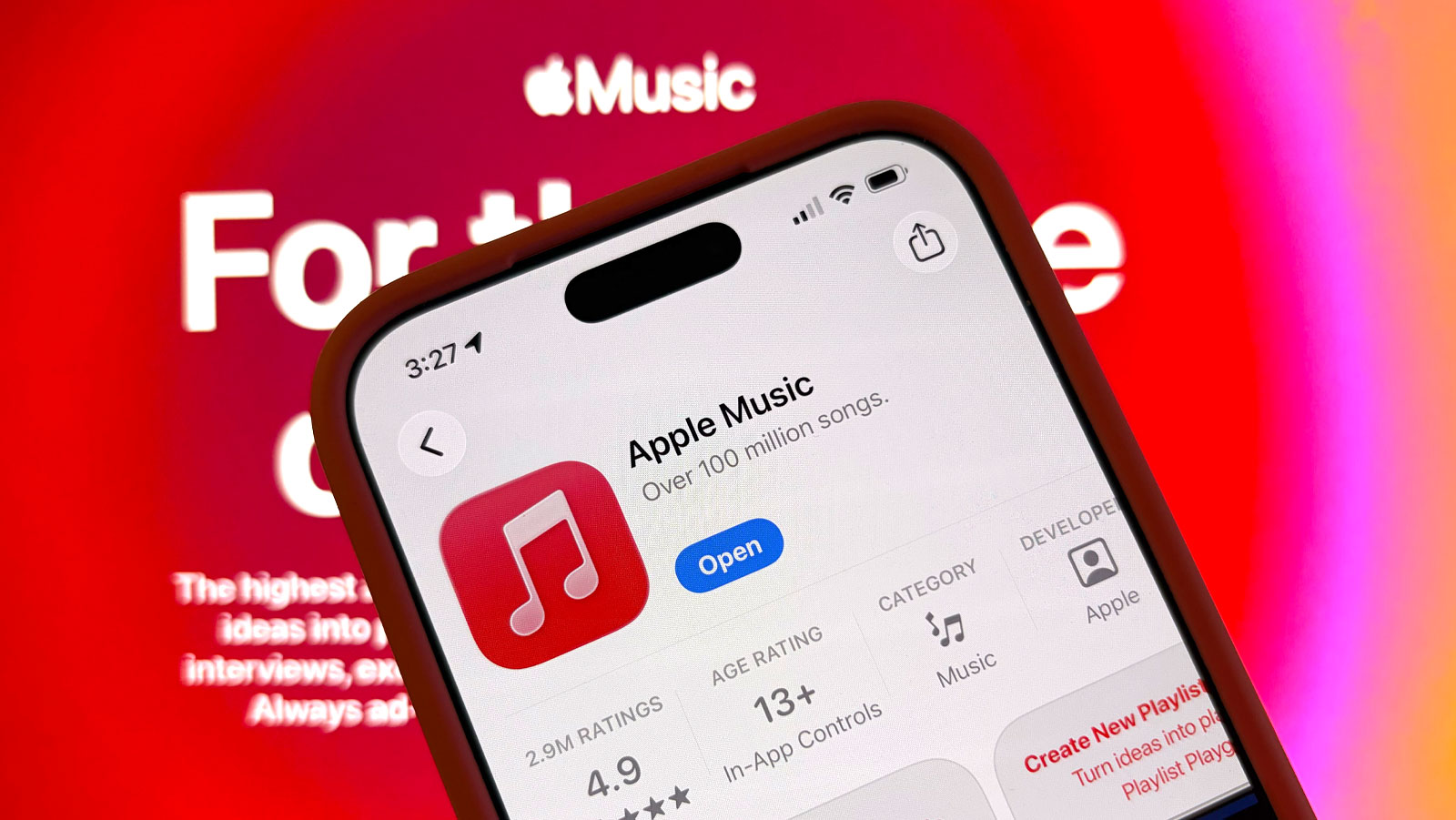
    Apple announced price increases for its Apple Music and Apple One subscription services in July 2026, citing rising licensing costs as the primary reason for the adjustment. This decision impacts a global user base reliant on these platforms for music streaming and bundled digital services.

    The technology company communicated these changes to subscribers through email notifications and updates on its official support pages. The new pricing structure took effect immediately for new subscribers and will be rolled out to existing subscribers on their next billing cycle.

    The Core Reason: Rising Licensing Costs

    Apple explicitly stated that the price increases were a direct consequence of rising licensing costs. These costs are a critical component of operating a music streaming service.

    Licensing fees are paid to record labels, music publishers, and artists for the right to stream their music catalogues. These agreements are complex and often renegotiated periodically.

    Industry analysts suggest that the competition among streaming services, coupled with increasing demands from rights holders, has driven up the cost of content acquisition. Major labels, including Universal Music Group, Sony Music Entertainment, and Warner Music Group, hold significant leverage in these negotiations.

    The cost of securing global rights for extensive music libraries continues to be a major operational expense for all streaming platforms, including Apple Music.

    Impact on Apple Music Subscribers

    The individual Apple Music subscription plans experienced specific price adjustments. The standard individual plan, previously priced at $10.99 per month, saw an increase.

    The family plan, which allows up to six users, also underwent a price revision. Student plans, typically offered at a reduced rate, were similarly affected by the new pricing structure.

    These changes mark the latest in a series of price adjustments for Apple Music since its launch in 2015. The service has consistently positioned itself as a premium offering with an extensive catalogue and features like Spatial Audio.

    Subscribers received detailed information regarding their new monthly or annual charges. Apple emphasized that the price adjustments were necessary to continue providing a high-quality service and compensating artists and rights holders fairly.

    Changes to Apple One Bundles

    Apple One, the company’s comprehensive subscription bundle, also saw its pricing revised. Apple One combines several Apple services into a single monthly payment, offering a cost-saving alternative to subscribing to each service individually.

    The Apple One individual plan, which includes Apple Music, Apple TV+, Apple Arcade, and iCloud+ with 50GB storage, increased in price. The family plan, offering 200GB of iCloud+ storage and sharing across up to six people, also saw an increase.

    The Premier plan, the most extensive bundle including Apple Music, Apple TV+, Apple Arcade, iCloud+ with 2TB storage, Apple News+, and Apple Fitness+, also had its price adjusted. This plan caters to users deeply embedded in the Apple ecosystem.

    The value proposition of Apple One remains significant for users who utilize multiple Apple services. The price increases, however, diminish some of the perceived savings compared to previous pricing tiers.

    Industry Context: A Trend of Price Hikes

    Apple’s price increase is not an isolated event within the streaming industry. Several major streaming platforms have implemented similar price adjustments over the past two years.

    Spotify, Amazon Music, and YouTube Music have all raised their subscription fees in various markets. These companies have also cited increasing content costs, inflation, and the need to achieve profitability as key drivers.

    The competitive landscape of music streaming remains intense, with companies vying for market share and subscriber loyalty. Price adjustments are a delicate balance between revenue generation and subscriber retention.

    The digital content market continues to evolve, with content creators and distributors seeking sustainable revenue models. This often translates to higher costs for the end consumer.

    Consumer Reaction and Market Implications

    Consumer reaction to the price increases has been mixed, with some subscribers expressing frustration on social media platforms. Many users highlighted the cumulative effect of multiple subscription price hikes across various services.

    Despite potential short-term churn, analysts predict that the impact on Apple’s overall subscriber numbers may be limited. Apple Music benefits from its integration within the broader Apple ecosystem, making it a sticky service for many iPhone and Mac users.

    The decision to raise prices also reflects Apple’s confidence in the value proposition of its services. The company continues to invest in exclusive content, high-fidelity audio, and user experience enhancements.

    Long-term implications for the streaming market include a potential consolidation of services or a greater emphasis on ad-supported tiers. The current trend suggests that premium ad-free streaming will continue to command higher prices.

    The Economics of Music Streaming

    The economics of music streaming are complex, involving a vast network of artists, labels, publishers, and platforms. Royalty payments to artists and rights holders constitute the largest portion of a streaming service’s expenses.

    These payments are typically calculated based on a percentage of revenue or per-stream rates, varying significantly by agreement. The global nature of music licensing adds further layers of complexity, with different rates and regulations in various territories.

    Operating costs, including server infrastructure, software development, marketing, and customer support, also contribute to the overall expense structure. Achieving profitability in the streaming sector has been a challenge for many companies.

    Apple’s move to raise prices can be seen as an effort to improve the profitability of its services segment. This segment has become an increasingly important revenue driver for the company, diversifying its income beyond hardware sales.

    Future Outlook for Apple Services

    Apple’s services division, which includes Apple Music, iCloud, the App Store, Apple TV+, and others, has shown consistent growth. The company continues to expand its offerings and integrate them more deeply into its hardware products.

    The price adjustments for Apple Music and Apple One are part of a broader strategy to ensure the long-term sustainability and profitability of these services. This strategy includes continuous investment in new features, original content for Apple TV+, and expanded cloud storage options.

    Competition from other tech giants and specialized media companies will continue to shape Apple’s approach. The company’s ability to retain and attract subscribers will depend on the perceived value of its services relative to their cost.

    The streaming industry is expected to continue its growth trajectory, albeit with increasing pressure on pricing and profitability. Apple’s position as a premium provider will likely mean it will continue to adjust prices as market conditions and licensing costs evolve.

    A Global Adjustment

    The price increases were not limited to a single region. Apple implemented these adjustments across multiple international markets, reflecting the global nature of its licensing agreements and operational costs.

    The specific percentage of increase varied by country, influenced by local economic conditions, currency exchange rates, and regional licensing agreements. Subscribers in the United States, Europe, and Asia-Pacific regions were among those affected.

    Apple’s global reach means that any significant change to its service pricing has widespread implications. The company’s strategy often involves a coordinated global rollout of pricing adjustments to maintain consistency and manage expectations.

    Local regulations and taxes also play a role in the final pricing presented to consumers in different territories. Apple navigates these complexities to ensure compliance and competitive positioning.

    Consumers gathered. Analysts gathered. Rights holders gathered. Apple.

  • Oprah’s Favorite Blanket: 40% Off at Nordstrom Anniversary Sale 2026

    Oprah’s Favorite Blanket: 40% Off at Nordstrom Anniversary Sale 2026

    The Enduring Influence of Oprah Winfrey on Retail

    Oprah Winfrey’s long-standing endorsement of the Barefoot Dreams CozyChic Throw Blanket has placed it in the spotlight once again. As of July 18, 2026, the blanket is reportedly available at a 40% discount during Nordstrom’s annual Anniversary Sale. This represents a substantial price reduction on the popular item, making a luxury product more accessible to a broader consumer base.

    The 2026 Nordstrom Anniversary Sale offers this sought-after blanket, known for its plush comfort, for a limited time. Consumers are advised to check Nordstrom’s official website for current availability, as demand for the item is typically high. The convergence of a powerful celebrity endorsement and a major retail event consistently drives significant consumer interest and sales.

    Oprah’s Favorite Things: A Retail Phenomenon

    Oprah Winfrey’s influence on consumer trends is well-documented. Her ‘Oprah’s Favorite Things’ list, an annual curation of products she personally recommends, consistently drives significant sales and public interest for featured items. This tradition began decades ago, evolving from segments on her highly successful talk show into a standalone cultural event.

    The concept originated with Winfrey’s genuine enthusiasm for products she discovered and loved. The first official ‘Oprah’s Favorite Things’ episode aired in 1996, quickly becoming a holiday season staple. The list transformed relatively unknown brands and products into household names, demonstrating Winfrey’s unique ability to shape consumer behavior.

    The Barefoot Dreams Blanket’s Debut

    The Barefoot Dreams CozyChic Throw Blanket first appeared on ‘Oprah’s Favorite Things’ in 2003. This initial endorsement immediately elevated the blanket’s profile, transforming it from a niche product into a widely recognized luxury item. Prior to this, Barefoot Dreams was a smaller brand, primarily known within specific luxury home goods circles.

    Winfrey’s selection brought the blanket to national attention, showcasing its unique microfiber material and exceptional softness. This moment marked a turning point for the brand, establishing it as a premium comfort item.

    Continued Presence and Impact

    The blanket’s presence on subsequent ‘Favorite Things’ lists further cemented its status. Winfrey has frequently praised its exceptional softness and comfort, attributes that resonate strongly with consumers seeking premium home goods. This consistent high-profile approval has cultivated a loyal following for the brand, ensuring its continued success.

    Each mention by Winfrey reignites consumer interest, leading to spikes in sales and often creating temporary shortages. The blanket has become synonymous with comfort and attainable luxury, largely due to Winfrey’s repeated endorsements over two decades.

    Understanding the Nordstrom Anniversary Sale

    The Nordstrom Anniversary Sale is a distinctive event in the retail calendar. It sets itself apart from typical clearance sales by offering discounts on new-season merchandise rather than end-of-season stock. This strategy generates anticipation, as customers can purchase upcoming fall and winter items at reduced prices before they are widely available at full price.

    The sale originated in the early 1960s as a way for the department store to clear out inventory before the new season. Over time, it evolved into its current format, becoming a highly anticipated annual event for shoppers. Nordstrom, co-founded in 1901 by John W. Nordstrom and Carl F. Wallin, has a long history of innovative retail practices.

    Sale Structure and Access

    The 2026 iteration of the sale commenced earlier in July for Nordstrom cardholders, granting them early access to discounted items. This tiered access system rewards loyal customers and generates early buzz. Public access typically follows this exclusive period, opening the sale to all shoppers.

    The inclusion of high-demand items like the Barefoot Dreams blanket is a strategic move by Nordstrom to generate excitement and drive traffic. Such popular products act as anchor items, drawing customers to the sale who then often purchase additional merchandise.

    Strategic Pricing and Consumer Demand

    Products featured in the Anniversary Sale are offered at reduced prices for a limited duration. Once the sale concludes, these items revert to their original, higher retail prices. This model creates a sense of urgency, encouraging consumers to make purchases before prices increase.

    The 40% discount on the Barefoot Dreams blanket exemplifies this strategy, aiming to capture immediate consumer attention and sales. This pricing model capitalizes on the fear of missing out, driving rapid purchasing decisions from a wide customer base.

    Barefoot Dreams: Product Profile and Market Position

    The Barefoot Dreams CozyChic Throw Blanket is manufactured from a proprietary microfiber material. This material is central to its reputation for luxurious softness and warmth. The brand, founded in 1994, initially focused on creating comfortable baby blankets before expanding into adult loungewear and home goods.

    The CozyChic fabric is specifically engineered to be exceptionally soft, durable, and easy to care for, setting it apart from many other blankets on the market. Its unique texture has become a signature element of the Barefoot Dreams brand.

    Luxury Item Accessibility

    Typically positioned as a premium product, the blanket’s regular retail price reflects its luxury status. It is often found in high-end department stores and specialty boutiques. The 40% discount during the Nordstrom Anniversary Sale significantly alters its accessibility.

    This reduction allows a broader demographic of consumers to experience a product previously considered an indulgence. It makes luxury more attainable, aligning with Nordstrom’s strategy to attract a diverse customer base during its major sale event.

    Market Performance and Inventory Dynamics

    Historically, sales of the Barefoot Dreams CozyChic Throw Blanket, especially during high-profile events like the Nordstrom Anniversary Sale, have led to rapid inventory depletion. This consistent sell-out performance underscores strong consumer demand and the effectiveness of celebrity endorsement in the retail sector.

    Retailers often strategically limit stock or anticipate high sales volumes for such items. The rapid sell-through creates further desirability and reinforces the blanket’s status as a must-have item.

    The Broader Impact of Celebrity Endorsements

    Oprah Winfrey’s influence extends beyond individual product sales. Her ‘Favorite Things’ list has shaped trends in home goods, fashion, and technology for decades. Products she endorses often see sustained sales growth long after their initial mention.

    This phenomenon highlights the power of trusted voices in a crowded marketplace. Consumers often look to figures like Winfrey for curated recommendations, viewing them as a shortcut to quality and value. The trust built over years of media presence translates directly into purchasing power.

    The Evolution of Retail Marketing

    The success of ‘Oprah’s Favorite Things’ predates the modern influencer economy, yet it laid much of its groundwork. Winfrey demonstrated that personal recommendation, delivered with authenticity, could be more potent than traditional advertising campaigns. Her model has been replicated by countless celebrities and social media personalities.

    Retailers now actively seek celebrity and influencer endorsements, understanding their capacity to drive significant sales. The Barefoot Dreams blanket’s journey, from niche product to mass-market luxury item, serves as a case study in effective celebrity-driven marketing.

    Current Sale Status and Consumer Guidance

    As of July 18, 2026, specific details regarding the exact duration of the 40% discount and current stock levels for the Barefoot Dreams CozyChic Throw Blanket are still being actively tracked. Retail dynamics can change quickly. Nordstrom’s website is the authoritative source for real-time inventory and pricing information.

    Consumers interested in purchasing the blanket are advised to consult Nordstrom’s official website directly. High-demand items during the Anniversary Sale often sell out within hours or days of becoming available to the public. Acting quickly is often necessary to secure desired items.

    The Legacy of a Favorite Item

    The Barefoot Dreams CozyChic Throw Blanket represents more than just a soft textile. It embodies the intersection of celebrity influence, strategic retail events, and consumer desire for comfort and luxury. Its journey from a single endorsement to a consistent best-seller underscores the lasting impact of a well-placed recommendation.

    Shoppers anticipate. Retailers prepare. Influence drives.

    Sales soar.

    Nordstrom.

  • President Trump to Release Election Integrity Findings in Major Speech

    President Trump to Release Election Integrity Findings in Major Speech

    President Trump is slated to deliver a major speech that will address election integrity, according to a White House announcement made on July 16, 2026. This address is expected to include the release of significant ‘findings’ related to the November 2024 election. The forthcoming speech underscores ongoing national dialogue concerning electoral processes and the public’s confidence in their outcomes.

    The announcement from the White House did not specify the exact date or location of the speech. Details regarding the nature of the ‘findings’ also remain unreleased. The administration indicated that further information would be provided in the coming days.

    The Context of Election Integrity Discussions

    Discussions surrounding election integrity have been a prominent feature of the American political landscape for several years. These conversations often involve various aspects of the electoral system. Topics include voter registration, ballot access, voting machine security, and post-election auditing processes.

    Following the November 2024 election, several states undertook reviews of their election procedures. These reviews were often driven by public calls for increased transparency. They aimed to address concerns about the fairness and accuracy of vote tabulation.

    Previous Calls for Electoral Review

    President Trump has consistently advocated for what he terms ‘election integrity’ measures. His previous campaigns and administrations frequently highlighted perceived vulnerabilities in the voting system. These concerns often centered on issues such as mail-in balloting and electronic voting systems.

    In the lead-up to the 2024 election, numerous state legislatures passed new laws. These laws aimed to modify election administration. Some measures tightened voter identification requirements. Others expanded opportunities for early voting or adjusted ballot drop-off procedures. Each change generated debate among political parties and advocacy groups.

    Anticipation for the White House Address

    The White House announcement on July 16, 2026, has intensified public and media interest. Political analysts are speculating on the content and implications of President Trump’s forthcoming speech. The term ‘findings’ suggests a presentation of data or conclusions drawn from investigations.

    Media outlets are preparing for extensive coverage. News organizations are expected to analyze the presented information. They will also assess its potential impact on future election legislation and public discourse. Social media platforms are already abuzz with commentary from various political perspectives.

    Potential Themes of the Speech

    While specific details are scarce, the speech is anticipated to cover several key themes. These may include:

    • Analysis of voting patterns and anomalies from the 2024 election.
    • Recommendations for federal or state-level election reforms.
    • Critiques of existing election administration practices.
    • Proposals for enhanced voter identification and verification systems.
    • Discussion of the role of technology in securing electoral processes.

    The administration has maintained a focus on ensuring public trust in elections. This speech is positioned as a continuation of that commitment. It aims to provide a comprehensive overview of the administration’s perspective on electoral fairness.

    The Role of the White House in Election Discourse

    The White House plays a significant role in shaping national conversations. Presidential addresses often set the agenda for public debate. President Trump’s decision to personally deliver these ‘findings’ elevates their perceived importance.

    The administration has previously used its platform to advocate for specific policy initiatives. This includes matters related to voting rights and election security. The upcoming speech is consistent with this pattern of direct presidential engagement on critical national issues.

    Public and Political Reactions

    Reactions to the announcement have been varied. Supporters of President Trump have expressed anticipation for the release of new information. They view the speech as a necessary step towards improving electoral integrity.

    Political opponents and critics have voiced concerns. They question the timing and motivation behind such an announcement. Some suggest it may further politicize an already contentious topic. Others call for verifiable evidence to support any claims made during the speech.

    Election officials across the country are also monitoring the situation. They often operate under strict state and federal guidelines. Any federal recommendations could influence their future practices and resource allocation.

    The November 2024 Election: A Review

    The November 2024 election saw significant voter turnout across the United States. It featured races for various federal, state, and local offices. Post-election audits and recounts were conducted in several jurisdictions, as is standard practice.

    These processes are designed to ensure the accuracy of reported results. They often involve manual verification of ballots. They also include cross-referencing voting machine counts with paper records. The integrity of these audits is crucial for public confidence.

    Ongoing Legal and Legislative Actions

    Following the 2024 election, a number of legal challenges were filed. These challenges contested aspects of the election results or procedures. Courts at various levels reviewed these cases. Most were resolved through established legal channels.

    Legislative bodies at the state level have continued to debate election law changes. These debates often reflect partisan divides. They highlight differing philosophies on how best to balance voter access with security measures.

    Looking Ahead: The Impact of the Speech

    The upcoming speech by President Trump is poised to be a significant event. It will likely reignite discussions about election integrity. It could also influence future legislative efforts at both federal and state levels.

    The nature of the ‘findings’ will be critical. If they present new, verifiable data, they could reshape parts of the national conversation. If they reiterate previously debated points, their impact might be more limited to reinforcing existing viewpoints.

    The administration’s communication strategy around the speech will also be important. Clarity and transparency regarding the presented information will be key. This will help to ensure that the public and media can accurately assess the claims.

    The nation waits. The White House prepares. The public anticipates. The political landscape shifts. Washington.

  • Waylon Wyatt Hospitalized with Sepsis on ‘Dustpiles’ Release Day

    Waylon Wyatt Hospitalized with Sepsis on ‘Dustpiles’ Release Day

    Country music artist Waylon Wyatt released his debut album ‘Dustpiles’ on July 17, 2026, the same day his highly anticipated debut album, ‘Dustpiles,’ was released. This sudden medical emergency has brought immediate attention to Wyatt’s health status and overshadowed the launch of his first major recording.

    Sepsis is a severe and life-threatening condition. It occurs when the body’s response to an infection damages its own tissues and organs. Without prompt treatment, sepsis can rapidly lead to tissue damage, organ failure, and death.

    The Release of ‘Dustpiles’

    The album ‘Dustpiles’ marked a significant milestone for Waylon Wyatt. It represented his official entry into the mainstream country music scene. The project had generated considerable pre-release buzz within the industry and among fans.

    Wyatt had spent years developing his sound. His journey to this debut album included numerous performances in smaller venues. He built a dedicated following through consistent touring and independent releases.

    Industry insiders had pegged ‘Dustpiles’ as a potential breakthrough. Early reviews hinted at a blend of traditional country storytelling with contemporary production. The album’s lead single, “Whiskey River Lament,” had already gained traction on country radio stations in the weeks leading up to the full album release.

    Hospitalization Details Emerge

    Specific details regarding Waylon Wyatt’s hospitalization remain limited. The exact facility where he is receiving treatment has not been publicly confirmed. The precise timeline of his admission also remains unclear as of July 17, 2026.

    Reports indicate the diagnosis of sepsis was made on or around his album release date. These reports originated from various media outlets. They cited sources described as close to the artist’s management team.

    No official statement from Wyatt’s representatives has been released. This lack of direct communication has fueled speculation. Fans and media are closely monitoring for updates.

    Understanding Sepsis

    Sepsis is not an infection itself. It is the body’s extreme reaction to an existing infection. Common sources of infection that can trigger sepsis include pneumonia, urinary tract infections, skin infections, or infections in the gut.

    Symptoms can vary. They often include fever, chills, confusion, shortness of breath, and extreme pain or discomfort. Early recognition and treatment are critical for patient outcomes.

    Treatment typically involves antibiotics to target the underlying infection. Intravenous fluids and medications to support blood pressure are also common. In severe cases, patients may require organ support, such as kidney dialysis or mechanical ventilation.

    Impact on Promotional Activities

    The immediate consequence of Wyatt’s hospitalization has been the suspension of all planned promotional activities for ‘Dustpiles.’ This includes a schedule of interviews with major music publications and radio stations.

    Upcoming live performances, including a highly anticipated album release party in Nashville, have been postponed indefinitely. Fan meet-and-greet events, scheduled across several states, are also on hold.

    The focus has shifted entirely to Wyatt’s health and recovery. His management team is now coordinating with medical professionals. They are also managing public communication regarding his condition.

    The Business of an Album Launch

    An album launch is a meticulously planned event in the music industry. It involves significant financial investment. Record labels, management teams, and publicists work for months to orchestrate a successful release.

    Promotional tours, media appearances, and targeted advertising campaigns are standard. The goal is to maximize visibility and sales during the critical initial weeks. A strong debut can significantly impact an artist’s career trajectory.

    The disruption caused by Wyatt’s health crisis introduces substantial challenges. It affects not only his personal well-being but also the commercial momentum of ‘Dustpiles.’

    Support from the Music Community

    The country music community has rallied in support of Waylon Wyatt. Fellow artists and industry professionals have shared messages of encouragement. Social media platforms have become a hub for these expressions of solidarity.

    Blake Shelton posted a message on X (formerly Twitter). He wished Wyatt a speedy recovery and praised his talent. Miranda Lambert also shared her concern, urging fans to send positive thoughts.

    Fans have initiated their own campaigns. Hashtags like #PrayForWaylon and #DustpilesForWyatt have trended. They are using these to share well wishes and to show their support for the album.

    Previous Health Scares in Music

    Wyatt’s situation is not unprecedented in the music world. Many artists have faced health challenges that have impacted their careers or album releases.

    • In 2017, Lady Gaga postponed the European leg of her Joanne World Tour due to severe pain from fibromyalgia.
    • Adele canceled multiple shows in 2011 due to vocal cord hemorrhage, requiring surgery.
    • Ozzy Osbourne battled various health issues throughout his career, often leading to tour cancellations.
    • Back in 1966, The Beach Boys’ Brian Wilson suffered a nervous breakdown, impacting the completion of the ‘Smile’ album.

    These instances highlight the fragility of an artist’s career. They also underscore the profound impact of health on creative output and public engagement.

    The Road Ahead for Wyatt and ‘Dustpiles’

    The severity and prognosis of Waylon Wyatt’s condition are not yet known. His medical team and representatives are expected to provide further updates as they become available.

    The future of ‘Dustpiles’ and its promotional cycle remains uncertain. The primary concern is Wyatt’s full recovery. The music industry and his fanbase await positive news.

    The album’s success will now depend heavily on its intrinsic quality. It will also rely on the resilience of its creator. The narrative of Wyatt’s health battle may also shape public perception of the album.

    Artists recover. Albums find their audience. Careers continue.

    Wyatt’s journey. His music. His fight.

    Nashville.

  • Rockefeller Center Intrusion – Craig Melvin Targeted by Assailant

    Rockefeller Center Intrusion – Craig Melvin Targeted by Assailant

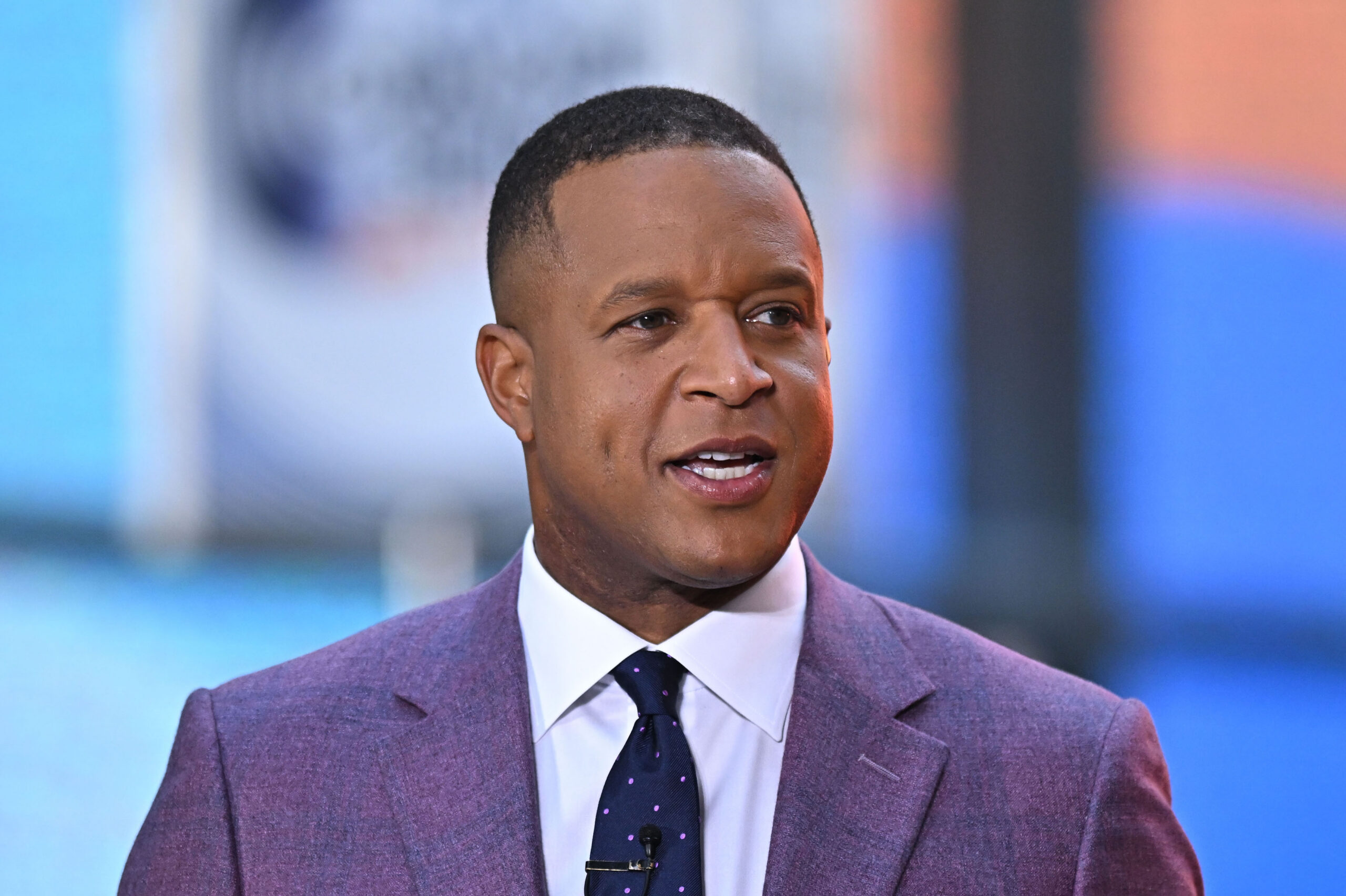
    On July 16, 2026, a security breach occurred at Rockefeller Center in New York City, involving an individual who lunged at Craig Melvin, a prominent host on NBC’s Today show. The incident prompted immediate action from security personnel and the New York Police Department, resulting in the swift apprehension of the assailant. This event has drawn attention to the persistent challenges of ensuring the safety of public figures in accessible locations.

    The incident unfolded during routine operations at the iconic Midtown Manhattan complex. Rockefeller Center, a bustling hub of commerce and tourism, is also home to the studios of NBC News. Melvin was reportedly in a public area when the individual approached him aggressively.

    The Incident at Rockefeller Center

    The specific details surrounding the intruder’s approach remain under investigation by authorities. Reports indicate the individual made a direct movement towards Melvin, described as a lunge. This action immediately triggered a response from the security detail present.

    Eyewitness accounts suggest the confrontation was brief but intense. Security personnel, including private guards and uniformed officers, converged on the scene within moments. Their rapid intervention prevented any further escalation.

    The individual was subdued and taken into custody by the New York Police Department. Charges against the assailant have not yet been publicly detailed, pending the ongoing investigation.

    Craig Melvin’s Public Profile

    Craig Melvin is a well-known figure in American broadcast journalism. He serves as a news anchor on the Today show, a co-host of the third hour of Today, and a host of MSNBC Live. His career has spanned various high-profile assignments, including coverage of major political events and breaking news stories.

    Melvin joined NBC News in 2011. He quickly rose through the ranks, becoming a consistent presence on both the network’s morning show and its cable news counterpart. His public visibility makes him a recognizable face to millions of viewers daily.

    As a public figure, Melvin frequently interacts with the public, both on and off camera. This accessibility is often a cornerstone of broadcast journalism, fostering a connection with the audience. However, it also introduces inherent security risks.

    Security Protocols in Public Spaces

    Rockefeller Center is a complex environment with a multi-layered security apparatus. This includes uniformed security guards, plainclothes officers, and extensive surveillance systems. The presence of major media organizations like NBC News necessitates heightened vigilance.

    Despite these measures, incidents involving aggressive individuals or those seeking unauthorized access are not uncommon in high-traffic public areas. The challenge lies in balancing public access with stringent security requirements.

    The incident involving Craig Melvin underscores the need for constant evaluation and adaptation of security protocols. Threat assessments are routinely conducted for public figures, especially those working in highly visible locations.

    Impact on Media Personalities

    The safety of journalists and media personalities has become an increasingly prominent concern. Incidents ranging from verbal harassment to physical threats have been reported across the industry. These events can have a chilling effect on the ability of journalists to perform their duties freely.

    Public figures often navigate a delicate balance between engagement with their audience and personal safety. The rise of social media has amplified both public interaction and the potential for targeted harassment.

    NBC News, like other major media organizations, employs security teams dedicated to protecting its talent and staff. These teams work in conjunction with local law enforcement to mitigate risks.

    The Broader Context of Public Safety

    This incident is not isolated. Across the United States, public figures, including politicians, entertainers, and business leaders, face various security challenges. The Secret Service, for example, protects the President, Vice President, and their families, along with other designated individuals.

    For those without federal protection, personal security details and private security firms are often employed. However, these measures cannot eliminate all risks, particularly in dynamic public settings.

    The event at Rockefeller Center serves as a reminder of the unpredictable nature of public interactions. It highlights the vulnerabilities that can arise even in heavily secured environments.

    Community and Industry Reactions

    Following the incident, expressions of concern and support for Craig Melvin emerged from colleagues and viewers. The broadcast community often rallies around its members during such events, emphasizing solidarity.

    Media organizations may review their internal security procedures in light of such incidents. These reviews can lead to adjustments in staffing, equipment, or operational practices.

    The discussion also extends to the mental and emotional toll such events can take on individuals. Public figures often face scrutiny and intense pressure, and security breaches add another layer of stress.

    Legal Ramifications for Assailants

    Individuals who engage in aggressive behavior or make threats against others, particularly public figures, often face significant legal consequences. These can include charges of assault, harassment, or trespassing, depending on the specifics of the incident and local laws.

    The severity of charges can vary based on whether physical contact was made, the intent of the assailant, and any prior criminal history. The New York Police Department will likely pursue appropriate charges in this case.

    Prosecution aims to deter similar acts and ensure public order. It also sends a clear message that such behavior will not be tolerated, especially in public spaces like Rockefeller Center.

    Looking Ahead: Enhanced Vigilance

    The incident involving Craig Melvin will likely lead to enhanced vigilance at NBC’s Rockefeller Center facilities. Security personnel will remain on high alert, and measures may be augmented to prevent future occurrences.

    This heightened awareness extends beyond physical security. It also involves monitoring digital threats and intelligence gathering to identify potential risks before they materialize.

    The balance between maintaining an open, accessible environment for broadcast operations and ensuring the safety of personnel is a continuous challenge. Incidents like this reinforce the need for proactive and adaptive security strategies.

    Journalists continue their work. Security teams continue their watch. The city continues its rhythm.

    New York.

  • President Trump Accuses China of Election Interference – The July 2026 Allegations

    President Trump Accuses China of Election Interference – The July 2026 Allegations

    President Donald Trump publicly accused China of election interference on July 17, 2026. This significant allegation, made during his appearance on ‘The China Show,’ immediately escalated discussions surrounding international relations and the integrity of democratic processes. The President’s statement brought the issue of foreign influence in American elections back to the forefront of national and international discourse.

    The accusation signals a potential shift in the administration’s foreign policy focus. It underscores the complex and often contentious relationship between Washington D.C. and Beijing. Concerns about cybersecurity, economic espionage, and human rights have long characterized this dynamic, with election interference now added to the public agenda.

    The Immediate Impact of the Accusation

    President Trump’s remarks on ‘The China Show’ reverberated quickly through global media outlets. News agencies reported on the specific nature of the allegations. Political analysts began to dissect the potential ramifications for diplomatic ties and international trade.

    The timing of the accusation is notable. It occurred during a period of heightened scrutiny over global digital infrastructure. Discussions around data security and the origins of cyberattacks are prevalent among world leaders and intelligence communities.

    What Prompted the Statement?

    Details surrounding the specific evidence or intelligence that prompted President Trump’s accusation have not yet been fully disclosed. However, the statement itself is consistent with a broader pattern of the administration’s skepticism regarding the actions of certain foreign governments.

    Previous administrations have also voiced concerns about foreign interference in elections. These concerns have often focused on a range of activities, including disinformation campaigns, cyber intrusions, and the manipulation of social media platforms. The current accusation specifically targets China.

    Historical Context of Election Interference Claims

    Allegations of foreign interference in democratic elections are not new. Historically, various nations have been accused of attempting to influence political outcomes in other countries. These efforts can range from overt propaganda to covert operations.

    The digital age has introduced new vectors for such interference. Cyber warfare capabilities allow state actors to potentially access voter databases, spread misinformation rapidly, and target specific demographics with tailored propaganda. This makes the attribution of interference more complex but also potentially more impactful.

    Previous US Administrations and Foreign Influence

    Concerns about foreign interference intensified significantly in the mid-2010s. Reports from US intelligence agencies detailed attempts by foreign adversaries to influence the 2016 and 2020 presidential elections. These reports often cited methods such as social media manipulation and email hacks.

    The administration of former President Joe Biden also addressed the issue. It implemented measures aimed at bolstering election security and deterring foreign actors. These efforts included sanctions and diplomatic pressure against countries identified as engaging in such activities.

    The Geopolitical Landscape in 2026

    The year 2026 finds the global geopolitical landscape marked by several key tensions. The relationship between the United States and China remains a central axis of international relations. Points of contention include trade imbalances, human rights issues, and territorial disputes in the South China Sea.

    Technological competition is another significant factor. Both nations are vying for supremacy in critical areas such as artificial intelligence, quantum computing, and semiconductor manufacturing. These technological races have implications for both economic power and national security.

    Economic Rivalry and Trade Policies

    Economic policies continue to be a flashpoint. Tariffs and trade restrictions implemented by both sides have impacted global supply chains. President Trump’s administration has consistently advocated for policies aimed at protecting American industries and intellectual property.

    The accusations of election interference could further complicate trade negotiations. They might also lead to additional economic measures. Such actions would likely have widespread effects on global markets and international commerce.

    The Role of ‘The China Show’

    ‘The China Show’ serves as a platform for discussions on Chinese affairs and US-China relations. Its viewership includes individuals interested in geopolitical analysis, economic trends, and human rights issues related to China. President Trump’s appearance on the program provided a high-profile venue for his allegations.

    The program often features in-depth analyses of China’s domestic policies and its international posture. It provides a forum for diverse viewpoints on the challenges and opportunities presented by the rise of China as a global power. The show’s reach amplified the President’s message.

    Public Reaction and Media Coverage

    Public reaction to President Trump’s accusation has been varied. Supporters of the President have largely affirmed the seriousness of the claims, emphasizing the need for vigilance against foreign threats. Critics have called for specific evidence to substantiate the allegations, urging caution against unsubstantiated claims.

    Media coverage has focused on the implications for US-China relations. Analysts from various news organizations have speculated on Beijing’s potential response. The story has dominated headlines on both traditional news channels and digital platforms.

    Future Implications for US-China Relations

    The accusation of election interference carries significant implications for the future of US-China relations. It could lead to a further hardening of diplomatic stances. It might also prompt a reevaluation of existing agreements and partnerships.

    The international community will be watching closely for Beijing’s official response. Any retaliatory measures or denials from China could escalate the situation further. The incident adds another layer of complexity to an already intricate bilateral relationship.

    Potential Policy Responses from Washington

    In response to such allegations, the US government has several policy tools at its disposal. These can include sanctions against specific Chinese entities or individuals, increased cybersecurity cooperation with allies, and enhanced intelligence gathering efforts.

    The administration may also choose to raise the issue in international forums. This could involve discussions at the United Nations or other multilateral organizations. The goal would be to build a broader consensus on the importance of protecting democratic processes from foreign interference.

    Cybersecurity and National Security

    The allegations underscore the critical link between cybersecurity and national security. Election infrastructure, voter registration systems, and political campaigns are all potential targets for cyberattacks. Protecting these assets is a paramount concern for government agencies.

    Investment in cybersecurity defenses has increased significantly in recent years. This includes both governmental efforts and private sector initiatives. The aim is to create robust systems that can detect, prevent, and respond to sophisticated cyber threats from state actors and other malicious entities.

    The Role of Intelligence Agencies

    US intelligence agencies play a crucial role in monitoring and assessing foreign threats to elections. They gather information on potential interference activities. They also provide assessments to policymakers on the nature and scope of these threats.

    These agencies often work in coordination with law enforcement and other government bodies. Their efforts are aimed at providing a comprehensive understanding of the threat landscape. This intelligence forms the basis for policy decisions and defensive measures.

    Global Reactions and International Diplomacy

    International reactions to President Trump’s accusation have been varied. Allied nations have expressed concerns about the integrity of democratic elections worldwide. Some have reiterated their commitment to protecting their own electoral processes from foreign influence.

    Other countries, particularly those with close ties to China, have remained cautious in their statements. They often emphasize the importance of diplomatic dialogue and avoiding escalations. The incident highlights the intricate web of international alliances and rivalries.

    The Challenge of Attribution

    Attributing cyberattacks and influence operations to specific state actors is a notoriously difficult task. Sophisticated adversaries often employ techniques to mask their origins. They use proxy servers, false flags, and other methods to create ambiguity.

    Despite these challenges, intelligence agencies use a combination of technical analysis, human intelligence, and forensic investigations to make attributions. The credibility of these attributions is crucial for guiding policy responses and maintaining public trust.

    The accusation stands. The geopolitical stage is set. The world watches.

    Diplomatic channels are engaged. Intelligence communities are active. Public discourse is inflamed.

    Washington.

  • Jessica Alba to Star in Netflix’s ’13 Going On 30′ Reboot

    Jessica Alba to Star in Netflix’s ’13 Going On 30′ Reboot

    Jessica Alba to Lead Netflix’s ’13 Going On 30′ Reboot

    Jessica Alba has officially joined the cast of Netflix’s upcoming reboot of the 2004 romantic comedy ’13 Going On 30′. She will portray the adult version of Jenna Rink, the central character who magically transforms from a 13-year-old girl into a 30-year-old woman. This casting decision places a well-known actress and entrepreneur at the forefront of a highly anticipated project, aiming to reinterpret the beloved narrative for a modern audience.

    The original film, starring Jennifer Garner as Jenna Rink and Mark Ruffalo as Matty Flamhaff, achieved significant commercial and critical success upon its release. It explored themes of childhood wishes, adult responsibilities, and the longing for a simpler past. Alba’s involvement suggests a fresh take on these familiar elements, promising a new perspective on the iconic role.

    The Legacy of the Original Film

    The 2004 film ’13 Going On 30′ resonated with audiences worldwide. It told the story of Jenna Rink, a 13-year-old girl who wishes to be 30 and magically wakes up as an adult woman. Jennifer Garner’s performance as the adult Jenna, navigating corporate life with a teenage mindset, was widely praised for its humor and heart.

    Gary Winick directed the original film. It grossed over $96 million globally against a $37 million budget. The movie became a touchstone for a generation, remembered for its humor, heart, and iconic dance sequences, particularly to Michael Jackson’s ‘Thriller’. Its themes of self-acceptance, true friendship, and the pressures of adulthood remain relevant.

    The enduring popularity of ’13 Going On 30′ contributed to the decision for a contemporary reboot. Many viewers have expressed a desire to see how these themes translate into the social and cultural landscape of 2026. The original’s blend of fantasy and relatable life lessons established it as a romantic comedy classic.

    Jessica Alba’s Diverse Career Trajectory

    Jessica Alba brings a diverse career background to her role in the ’13 Going On 30′ reboot. She gained prominence in the early 2000s with significant roles in both television and film. Her breakthrough came with the lead role in James Cameron’s Fox sci-fi series ‘Dark Angel’, which premiered in 2000 and established her as a rising star.

    Early Film Successes

    Following ‘Dark Angel’, Alba starred in numerous successful films across various genres. These included the dance film ‘Honey’ (2003), the neo-noir crime thriller ‘Sin City’ (2005), the superhero blockbuster ‘Fantastic Four’ (2005) where she played Sue Storm/Invisible Woman, and the action-adventure ‘Into the Blue’ (2005). During this period, she established herself as a prominent leading lady in Hollywood, known for her charismatic screen presence.

    Entrepreneurial Ventures and The Honest Company

    In 2011, Alba co-founded The Honest Company, a consumer goods brand focusing on natural, safe, and ethical products for families. This venture marked a significant pivot in her career, establishing her as a successful entrepreneur and business leader. The company grew rapidly, reflecting a growing consumer demand for transparent and sustainable products.

    The Honest Company went public on the Nasdaq stock exchange in May 2021, further solidifying Alba’s business acumen and influence beyond the entertainment industry. Her role as a founder and chief creative officer demonstrated her commitment to social impact and product innovation.

    Balancing Acting and Business

    Alba has continued to act selectively, balancing her entrepreneurial commitments with film and television projects. Her recent acting work includes the Netflix action film ‘Trigger Warning’, released in June 2024, where she played a special forces commando. Her return to a major studio project like the ’13 Going On 30′ reboot indicates a renewed focus on her acting career and a strategic choice of high-profile roles. This dual career path provides her with a unique perspective that could enrich her portrayal of an adult Jenna Rink, who herself navigates career and personal ambition.

    Netflix’s Strategy: Leaning into Nostalgia with Reboots

    Netflix has increasingly invested in reboots, remakes, and sequels of popular intellectual properties. This strategy aims to leverage existing fan bases and attract new subscribers by capitalizing on nostalgia. The ’13 Going On 30′ reboot fits squarely within this content approach, offering a familiar story with a fresh perspective for its global audience.

    Successful Reboot Examples on Netflix

    Other examples of Netflix’s successful reboot strategy include ‘Fuller House’, a continuation of the beloved sitcom ‘Full House’, which brought back original cast members and resonated with long-time fans. Another notable project was ‘Gilmore Girls: A Year in the Life’, which revived the popular mother-daughter drama, offering closure and new stories to its dedicated viewership.

    These projects often capitalize on nostalgia while updating narratives for contemporary sensibilities and diverse audiences. They demonstrate Netflix’s understanding of the emotional connection viewers have with classic stories and characters. The streaming giant faces intense competition in the entertainment landscape. Original content, alongside strategic reboots, helps Netflix maintain its subscriber base and attract new viewers. The ’13 Going On 30′ reboot is expected to be a significant draw for the platform, aiming to replicate the success of its predecessors.

    The Allure of Reimagined Classics

    The allure of reimagined classics lies in their ability to bridge generations. Older audiences can revisit beloved stories, while newer audiences are introduced to narratives that have proven appeal. Netflix’s investment in these projects reflects a data-driven understanding of subscriber preferences and viewing habits. The ’13 Going On 30′ reboot is positioned to tap into this broad appeal, potentially becoming a cross-generational hit.

    The Creative Team Shaping the Reboot

    Details regarding the full creative team behind Netflix’s ’13 Going On 30′ reboot are still emerging. The selection of a director and screenwriters will be crucial in shaping the tone and direction of the new adaptation. The original screenplay was written by Josh Goldsmith and Cathy Yuspa, who crafted a story that balanced humor with genuine emotional depth.

    Honoring the Original While Innovating

    Producers will aim to honor the spirit of the original film while introducing new elements relevant to 2026. This balance is critical for any reboot to succeed, as fan expectations are often high. Deviations from beloved aspects can be met with resistance, while a complete replication might be seen as uninspired. The challenge lies in finding a fresh angle that respects the source material.

    The casting of supporting roles will also play a significant part in the reboot’s reception. The original film featured a strong ensemble, including Judy Greer as Lucy, Jenna’s best friend, and Andy Serkis as Richard, Jenna’s boss. The new cast will need to establish its own chemistry and appeal, creating memorable characters that complement Alba’s portrayal of Jenna Rink.

    Modernizing the Premise for 2026

    Modernizing the premise for 2026 will involve updating the cultural context. The original film’s depiction of a 13-year-old’s view of being 30 was rooted in the early 2000s. The reboot will need to consider how social media, contemporary career aspirations, and evolving relationship dynamics influence a young person’s perception of adulthood today. This modernization is key to making the story relatable to a new generation of viewers.

    Challenges and Opportunities for the Reboot

    Rebooting a beloved film like ’13 Going On 30′ presents both significant challenges and numerous opportunities. A primary challenge lies in meeting the high expectations of fans of the original. Many viewers hold deep affection for the 2004 movie’s specific charm, iconic performances, and nostalgic appeal. The new production must navigate these sentiments carefully.

    Updating the Narrative for a New Era

    Another challenge involves effectively updating the film’s premise for 2026. The original plot relied on cultural touchstones of the early 2000s, such as specific fashion trends, popular music, and workplace dynamics. The concept of a 13-year-old’s perception of adulthood has evolved significantly with the pervasive influence of social media, digital communication, and changing societal norms. The reboot will need to address these shifts authentically to avoid feeling dated or disconnected from its intended audience.

    New Narrative Avenues and Themes

    Opportunities abound in exploring new narrative avenues that reflect contemporary life. The reboot can delve into modern themes of identity formation in a digital age, the complexities of career paths in a rapidly changing economy, and the nuances of relationships shaped by online interactions. It can also introduce the timeless story of self-discovery and the importance of genuine connection to an entirely new generation of viewers who may not be familiar with the original film.

    The casting of Jessica Alba offers a fresh perspective on the central character. Her established presence and real-world entrepreneurial background could inform the portrayal of an adult Jenna Rink navigating unexpected circumstances. This could add depth and relatability to the character’s journey, making her struggles and triumphs resonate with a contemporary audience. Alba’s personal brand as a successful businesswoman could also lend credibility to Jenna’s professional life in the film.

    The Enduring Cultural Impact of Romantic Comedies

    Romantic comedies, often abbreviated as rom-coms, have a significant and lasting cultural impact. Films like ’13 Going On 30′ often blend humor with heartfelt narratives about personal growth, self-discovery, and the complexities of human relationships. They provide both escapism and relatable scenarios for audiences, exploring universal themes in an accessible format.

    A Genre Resurgence on Streaming

    The rom-com genre experienced a boom in the late 1990s and early 2000s, with many films achieving iconic status and becoming cultural touchstones. ‘When Harry Met Sally…’, ‘Pretty Woman’, and ‘Notting Hill’ are classic examples that defined the genre for a generation. ’13 Going On 30′ emerged as a notable and beloved entry during this period, capturing the era’s optimistic spirit.

    Netflix has played a pivotal role in the resurgence of the rom-com genre in recent years, investing heavily in original productions. The platform has produced popular and critically acclaimed films such as ‘To All the Boys I’ve Loved Before’ and ‘Set It Up’, demonstrating its commitment to the genre. Netflix recognizes the enduring appeal of these stories and their ability to attract a diverse global audience. The ’13 Going On 30′ reboot continues this tradition, leveraging a proven formula with a contemporary twist.

    These films often explore universal themes of love, friendship, and self-acceptance, frequently featuring aspirational elements such as dream jobs, ideal relationships, or transformative life experiences. The genre’s ability to offer comfort, laughter, and emotional resonance ensures its continued relevance in the entertainment landscape.

    Jessica Alba’s casting brings a new dimension to a classic story.

    The reboot aims to capture a new generation.

    Nostalgia and modern themes converge.

    Netflix embraces its strategy.

    Hollywood.

  • Banijay and Mediawan Eye Lionsgate Studios – A Hollywood Power Shift

    Banijay and Mediawan Eye Lionsgate Studios – A Hollywood Power Shift

    The Shifting Sands of Hollywood Ownership

    European media conglomerates Banijay and Mediawan are reportedly exploring a joint takeover of Lionsgate Studios. This potential acquisition would represent a significant consolidation within the global entertainment industry as of July 2026. Such a move signals a major power shift, with European entities potentially gaining a larger foothold in Hollywood’s production landscape.

    Lionsgate Studios, known for its diverse portfolio of film and television content, stands as a prime target in this evolving market. The company’s assets include a deep library and ongoing production slates across various genres. The reported interest from Banijay and Mediawan underscores the strategic value placed on established content producers.

    Why Lionsgate Studios?

    Lionsgate Entertainment Corporation, the parent company, has a rich history in film and television. Its studio division, Lionsgate Studios, is responsible for major franchises and acclaimed series. These include the Hunger Games film series, the John Wick franchise, and television hits such as Orange Is the New Black and Mad Men. This extensive catalog and proven track record make Lionsgate an attractive asset for expansion-minded media groups.

    The studio’s intellectual property library provides a stable revenue stream from licensing and distribution. It also offers potential for future spin-offs, sequels, and adaptations across various platforms. Acquiring such a library grants immediate market share and reduces reliance on new, unproven content.

    The European Challengers: Banijay and Mediawan

    Banijay Group, headquartered in France, is one of the world’s largest independent content creation and distribution companies. It boasts a vast catalog of reality television, drama, and entertainment formats. Its portfolio includes global hits like MasterChef, Big Brother, and Survivor. Banijay’s strategy has often involved aggressive acquisitions to expand its global footprint and content offerings.

    Mediawan, also based in France, is another significant player in the European media landscape. It specializes in premium content, including film, television series, and animated productions. Mediawan has been actively acquiring production companies across Europe, aiming to build a diversified content group capable of competing on an international scale. Their combined interest in Lionsgate suggests a coordinated effort to enter or significantly expand their presence in the U.S. studio market.

    Consolidation Trends in 2026

    The potential Banijay-Mediawan bid for Lionsgate Studios reflects a broader trend of consolidation in the entertainment industry. Major media companies are continuously seeking to enhance their content libraries and global distribution capabilities. This drive is fueled by the competitive landscape of streaming services and the demand for original programming.

    In recent years, the industry has seen several high-profile mergers and acquisitions. These deals aim to create larger entities with greater negotiating power and economies of scale. The current market conditions, characterized by evolving consumption habits and technological advancements, incentivize such strategic moves.

    Financial Implications of a Takeover

    A takeover of Lionsgate Studios would involve a substantial financial transaction. The valuation of Lionsgate’s assets, including its film library, television productions, and ongoing projects, would be a critical factor. Such an acquisition typically involves complex financing arrangements, potentially including debt and equity components.

    For Lionsgate shareholders, a takeover could offer a significant premium on their investments. For the acquiring companies, Banijay and Mediawan, the investment would be a bet on the long-term value of Lionsgate’s intellectual property and its future growth potential. The financial engineering behind such a deal would be closely watched by market analysts and investors.

    Impact on Content Creation and Distribution

    Should Banijay and Mediawan successfully acquire Lionsgate Studios, the impact on content creation could be multifaceted. The new ownership might bring changes in creative direction, production priorities, and talent relationships. European sensibilities could merge with Hollywood production practices, potentially leading to new types of content or a shift in genre focus.

    Distribution strategies would also likely evolve. Banijay and Mediawan’s existing global networks could be leveraged to expand the reach of Lionsgate’s content. Conversely, Lionsgate’s established U.S. distribution channels could provide a gateway for European content into the American market. This cross-pollination of distribution capabilities could create a more integrated global content pipeline.

    Talent and Creative Control

    The prospect of new ownership often raises questions among creative talent. Directors, writers, and actors associated with Lionsgate projects would closely monitor the situation. Concerns about creative control, budget allocations, and future project greenlighting are common during such transitions. Maintaining key talent relationships would be crucial for the success of any new ownership.

    Historically, studio takeovers can lead to shifts in leadership and creative teams. The integration of Banijay and Mediawan’s corporate cultures with Lionsgate’s existing structure would be a delicate process. Successful transitions often depend on clear communication and a shared vision for the studio’s future. The stability of existing production deals and development slates would be a primary focus for many within the industry.

    Regulatory Hurdles and Market Approval

    Any large-scale acquisition in the entertainment sector is subject to regulatory scrutiny. Antitrust authorities in various jurisdictions, including the United States and the European Union, would likely review the proposed takeover. The goal of these reviews is to ensure that such mergers do not stifle competition or create monopolies within the market.

    Securing regulatory approval can be a lengthy and complex process. Companies must demonstrate that the acquisition will not harm consumers or limit choices in the marketplace. Investor approval from both Banijay, Mediawan, and Lionsgate shareholders would also be required, adding another layer of complexity to the deal’s potential completion.

    The Broader Geopolitical Context of Media

    The interest of European conglomerates in a major U.S. studio also reflects broader geopolitical shifts in the media landscape. European companies are increasingly asserting their presence on the global stage, challenging the traditional dominance of U.S.-based media giants. This trend is partly driven by a desire to diversify content sources and cater to a global audience with varied cultural preferences.

    The interplay between different national media industries can lead to richer, more diverse content offerings. It also raises questions about cultural influence and the homogenization or diversification of global narratives. The Banijay-Mediawan bid for Lionsgate Studios could be seen as a significant move in this ongoing global media competition.

    Future Outlook for Lionsgate

    Regardless of whether the Banijay-Mediawan takeover proceeds, Lionsgate Studios faces an evolving future. The company has a strong foundation and valuable assets. Its ability to adapt to changing audience demands and technological advancements will be key to its continued success. Strategic partnerships, content diversification, and efficient production models will remain critical.

    The mere speculation of a takeover can influence a company’s stock price, employee morale, and market perception. Lionsgate’s leadership will need to navigate these external pressures while continuing to execute its business strategy. The outcome of these discussions will undoubtedly shape a significant portion of Hollywood’s future.

    European media powerhouses converged. Hollywood’s future hung in the balance. Global content strategies intensified.

    Consolidation.